
How to Help a Hyperactive Child: Best Tips for Parents and Carers*

 Discover a Free Education Video App for Kids
Pastory uses AI to personalize educational video content based on your child’s interests and personality. Safe, engaging, and built for curious young minds. Sign up now to stay updated and enjoy early access with a free trial
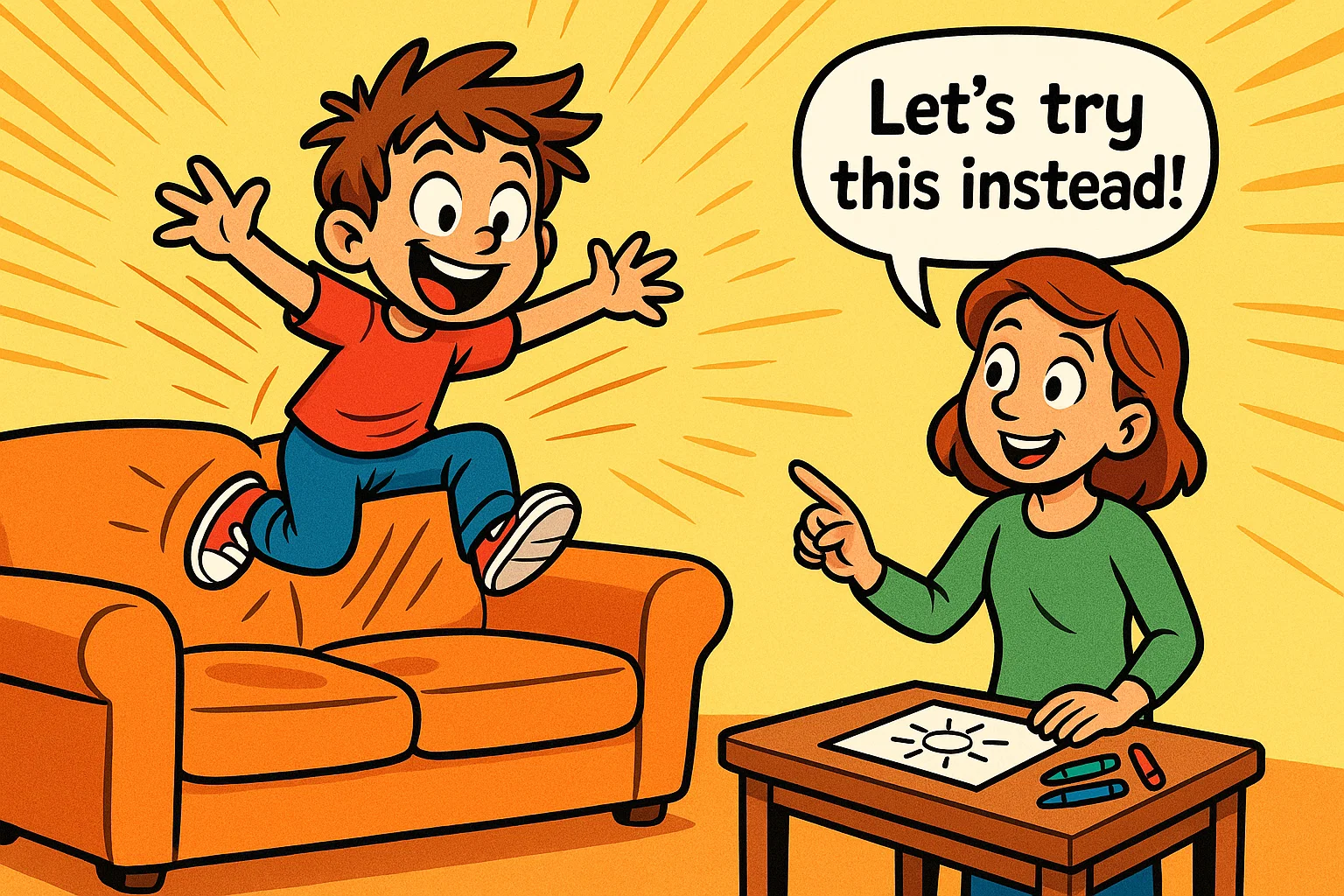
*This article is for general information only and does not replace advice from a qualified healthcare professional. If you are concerned about their safety, mental health or development, speak to your GP, paediatrician or local mental health service.
If you are looking for practical ways to support a young person with ADHD or very high energy levels, you may already be dealing with daily exhaustion and concern. Hyperactivity is not simply a lack of discipline; in children with ADHD, it is linked to differences in brain development and self-regulation. ADHD may be the underlying cause, but high activity levels can also be linked to sleep problems, sensory overload, or temporary stress.
Parenting may feel like a constant battle of wills, but you do not need to be a perfect parent to make a real difference. Children with ADHD often respond better to consistent, predictable environments than to repeated punishment. By understanding how ADHD affects your child’s ability to regulate impulses, you can shift from reacting in the moment to planning ahead. This guide provides authoritative strategies to help your child thrive at home, in school, and in social settings.
Key Takeaways
Before looking at the strategies in detail, consider these core pillars of support for children with ADHD:
- Establish Predictability: Routines reduce working-memory demands.
- Prioritise Praise: Positive reinforcement is usually more helpful than constant correction for children with ADHD.
- Use Visual Cues: Children with ADHD may struggle with verbal-only instructions; visual prompts bridge the gap.
- Incorporate Movement: Physical activity is a biological necessity that can help reduce anxiety and excess energy.
- Optimise Sleep: Consistent sleep habits are important, as ADHD is often associated with sleep difficulties.
- Collaborate with Professionals: Speak to your GP, the NHS, a paediatrician, or a child mental health specialist about a formal ADHD assessment.
- Practise Self-Care: Your ability to stay calm directly influences your child’s behaviour.
Routine Works Better Than Repeating Rules
A structured environment provides external scaffolding for skills that a child with ADHD may find difficult internally. When mornings, meals, and bedtimes follow a predictable pattern, this can reduce decision fatigue and the likelihood of challenging behaviour. Predictable routines are widely recommended because many children with ADHD cope better when they know what to expect.
Positive Attention Beats Constant Correction
Children with ADHD may receive far more correction than their peers; psychiatrist William Dodson has estimated that some children with ADHD hear up to 20,000 more negative messages by age 12. Shifting your focus towards “catching them being good” can strengthen the relationship with your child. When you notice a small win, such as sitting for two minutes or starting a task, you make that behaviour more likely to happen again.
Hyperactivity Needs Home, School, and Health Support
The best outcomes for young people with ADHD often come from multimodal support. This can involve a “triangle of care”: parent-led strategies, school-based adjustments, and clinical guidance from a paediatrician or child and adolescent mental health specialist. ADHD support is rarely about one medicine or one rule; it usually works best as a coordinated plan across home, school, and healthcare.
Parent Calm Supports Child Calm
Because ADHD can make emotional regulation harder, children often rely on their parents and carers to set the emotional tone. This is known as co-regulation. If a parent reacts to an outburst with anger, the child’s stress may escalate and the situation can become harder to manage. Using support groups or parent training can give you practical tools for staying calm during high-stress moments.
Check What Hyperactivity Looks Like
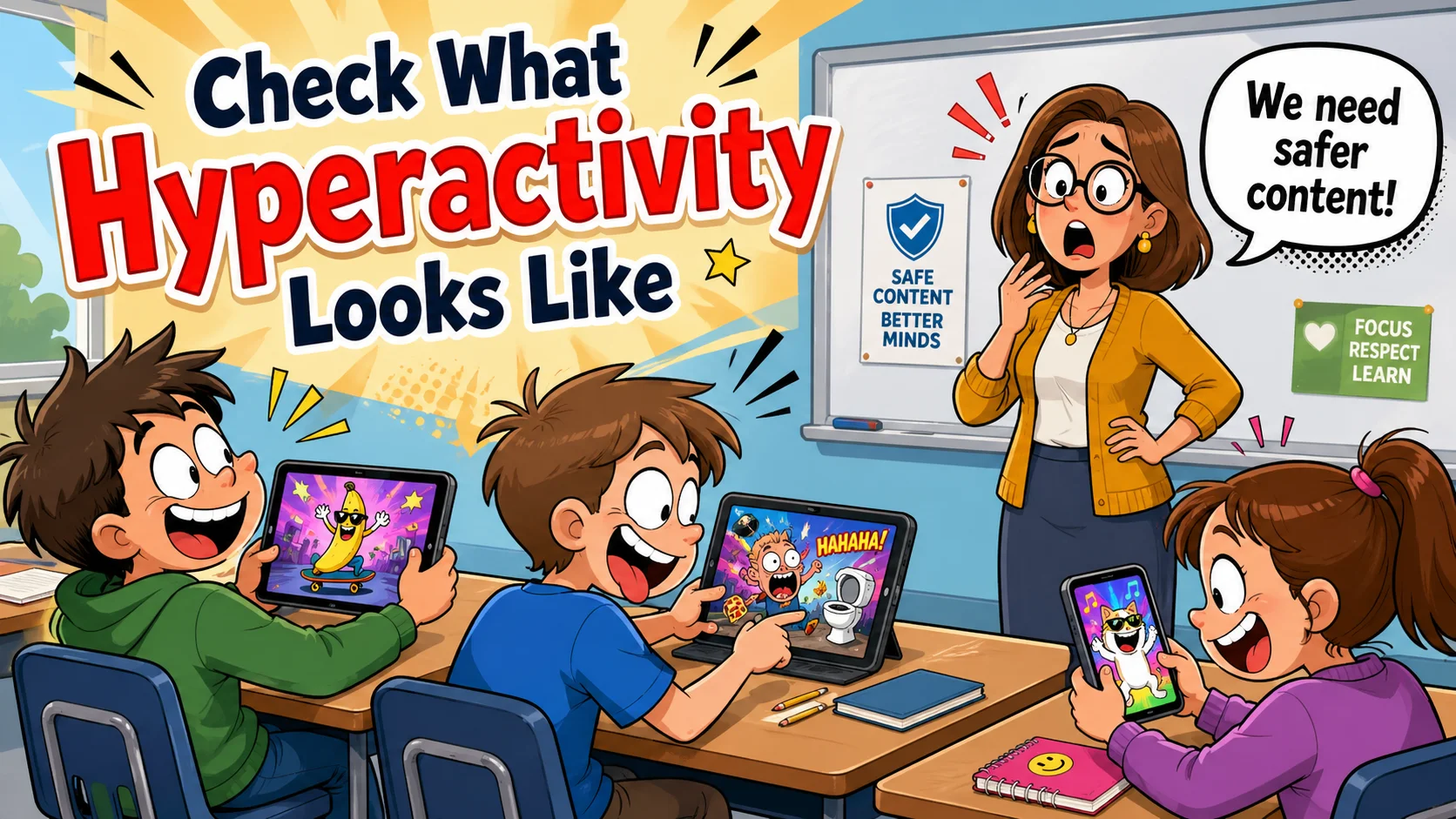
Before implementing specific interventions, it is vital to observe the nuances of your child’s actions. ADHD and hyperactivity can look different in every child. Some children with ADHD are physically restless, while others seem mentally restless, which may show up as excessive talking, interrupting, or racing thoughts.
Symptoms Worth Tracking
To prepare for a professional consultation, keep a daily log of the ADHD-like symptoms you observe. Note instances of impulsive behaviour, such as running into the street without looking, or inattentive patterns like being unable to follow verbal instructions. Documenting these patterns can help clinicians distinguish between typical developmental behaviour and clinically significant ADHD symptoms.
Hyperactivity Versus Normal Energy
It is normal for children to have high energy, but ADHD involves symptoms that interfere with everyday life. If high activity levels consistently disrupt family meals, friendships, or progress at school, it may be worth seeking professional advice. ADHD can affect the brain’s “braking system”, making it difficult for a child to slow down even when they want to.
Forgetting, Fidgeting, Interrupting
These behaviours are often misinterpreted as “naughty” or “rude.” However, children with ADHD may genuinely struggle to hold information in working memory. Fidgeting is often a subconscious way to stimulate the brain to help them focus on a task, rather than a sign of boredom.
Won’t Versus Can’t
One of the most important realizations for parents of children with ADHD is the difference between “won’t” defiance and “can’t” incapacity. When they feel overwhelmed, their executive functions may shut down. They may not be refusing to follow instructions; in that moment, they may be unable to process them because they are overwhelmed.
Ask For ADHD Assessment And Professional Help
If your child’s hyperactive behaviour is persistent and occurs in more than one setting, such as home and school, seeking a formal ADHD assessment may be an important step. While online resources can offer helpful strategies, they cannot provide a diagnosis or access to specialist ADHD medication.
When to Ask for an ADHD Assessment
You should consult a GP or paediatrician if the impulsive behaviour creates safety risks or if academic milestones are being missed despite clear ability. Clinicians usually look for symptoms that have been present for at least six months, occur in more than one setting, and significantly affect everyday functioning.
What Happens During an ADHD Assessment
A comprehensive ADHD assessment is not based on a single blood test; it involves gathering evidence from several sources. A specialist may use standardised questionnaires, teacher reports, and a detailed developmental history. They will also consider other factors, such as sleep problems, hearing issues, or anxiety that can overlap with or mimic ADHD symptoms.
Waiting Times and Next Steps
In many regions, waiting lists for an assessment can be long. During this time, you can still help your child by implementing environmental changes. Use the waiting time productively: start tracking triggers and testing different ways to support focus at home and school.
Diagnosis: Now What?
If your child is diagnosed with ADHD, the diagnosis can be a tool for understanding, not a label that limits them. You may then be able to access ADHD support pathways, which can include parent training, school support, psychological therapy, or medication, depending on your child’s needs. This is also the time to discuss whether ADHD medication is appropriate for your child’s specific needs.
Build Routine Around Success

Structure is one of the most useful tools for managing hyperactivity. Many children with ADHD need to know what is coming next so transitions feel less overwhelming. When life is predictable, a child’s behaviour often becomes more settled.
Morning Routine
Mornings are often one of the most stressful times for parents and carers of children with ADHD. To help kids succeed, prepare as much as possible the night before. Use a visual checklist, such as “Breakfast, brush teeth, bag”, so you do not have to repeat verbal instructions. This reduces conflict and ensures the day starts with a sense of accomplishment.
Homework Routine
Homework can be a major trigger for emotional outbursts. Break tasks into “chunks.” Use a timer for 10 minutes of work followed by 2 minutes of physical activity. A quiet, clutter-free space can help your child pay attention without being sidetracked by toys or noise.
Evening Routine
ADHD can make it harder for some children to wind down at night. An evening routine should begin at least 90 minutes before sleep. This includes dimming lights and stopping high-energy activities. Consistent bedtime cues can support the body’s natural wind-down process and help with common sleep difficulties.
Lifestyle Basics
Daily foundations can play a major role in supporting children with ADHD.
| Lifestyle Factor | Benefit for ADHD | Practical Action |
| Movement | Supports mood and attention | 30 mins of outdoor play before homework. |
| Hydration | Supports concentration and wellbeing | Provide a reusable water bottle for school. |
| Nutrition | Helps stabilise energy | Prioritise protein-rich snacks over sugary ones. |
| Sleep | Supports emotional regulation | Keep wake-up times as consistent as possible, including weekends. |
Use Lists, Visual Timetables, Simple Instructions
Because children with ADHD often have working-memory difficulties, they may forget the first part of an instruction by the time you reach the end. Visual aids act as an external memory.
Lists for Chores and School Prep
Instead of saying “Clean your room,” which is too vague and overwhelming, provide a list: 1. Put clothes in the basket. 2. Put toys in the box. 3. Make the bed. This lets the child see their progress and feel a sense of completion.
Visual Timetables for New Routines
Visual timetables use pictures to represent the day’s events. For young children with ADHD, seeing a picture of a toothbrush or a book can provide a concrete reminder of the current task. This reduces the need for the parent to nag, which helps maintain a positive relationship with your child.
One-Step Instruction Method
To help a child follow directions, follow the “Stop, Look, Listen” rule. Make sure you have the child’s attention, give one clear instruction, and then ask them to repeat it back to you. This helps check that the information has been processed rather than just heard.
Reminder Systems That Reduce Nagging
Use technology to your advantage. Alarms on a phone or watch can remind a child with ADHD to check their list or move to the next activity. This shifts the reminder from the parent to the clock, reducing friction between the adult and the child.
Focus On Good Behavior, Not Bad Behavior
Positive reinforcement is not just “being nice”; it is an evidence-informed strategy that can help children develop self-regulation. ADHD can make it hard to wait for long-term rewards, so feedback works best when it is immediate and specific.
Praise Small Wins
General praise such as “Good job” can be too vague. Instead, use specific feedback: “I noticed how you waited until I finished talking before you spoke; that showed great patience.” This tells the child exactly which behaviour to repeat.
Notice Effort, Not Just Outcomes
Children with ADHD are often trying very hard but failing to meet the standard. If a child spends 20 minutes trying to focus on maths but only gets two problems right, praise the 20 minutes of effort. This prevents the child from giving up due to a perceived “failure.”
Reward Charts and Token Systems
For children with ADHD, a token system can provide immediate feedback and motivation. Earning a sticker or a point for every 15 minutes of calm play can be traded for a larger reward later, like extra screen time or a trip to the park. Over time, this can help them practise waiting for delayed rewards.
Contracts and Agreements
For older children and young people, a formal agreement can be effective. Sit down together and agree on 2-3 priority behaviours and the corresponding rewards or consequences. Writing it down makes expectations clearer and less emotionally charged.
Manage Meltdowns And Emotional Swings
An emotional outburst can happen when a child’s “bucket” is full: too much sensory input, frustration, or demand overwhelms their coping capacity. In these moments, the child needs safety, calm, and fewer demands, not a lecture.
Early Meltdown Signs
Watch for early warning signs before the meltdown escalates. This might be a loud voice, pacing, or a sudden inability to answer questions. If you respond early by reducing demands or moving to a quiet space, you can often reduce the intensity of the meltdown.
Eight-Step Meltdown Reset
- Pause: Stop whatever task was causing the stress.
- Lower Your Voice: Speak softly so the child does not feel more threatened or overwhelmed.
- Reduce Demands: Drop the requirement to “clean up” or “finish” for a moment.
- Move to a Safe Space: Get away from onlookers or bright lights.
- Offer Limited Choices: “Do you want to sit on the chair or the floor?”
- Breathe: Model deep breathing without forcing them to do it.
- Wait: Give the brain time to process and the adrenaline to drop.
- Reconnect: Offer a hug or a quiet word once they are calm.
Co-Regulation and Calm Communication
When your child is out of control, you must be their “anchor.” If you stay calm, it may gradually become easier for them to calm down too. Avoid asking “Why did you do that?” during a meltdown; in that state, a child may struggle to explain or reason clearly.
Repair After a Meltdown
Once the storm has passed, it is vital to let your child know they are still loved. Discuss the trigger later that day when everyone is calm. Ask the child how they felt and brainstorm one “calm choice” for next time.
Support Sleep, Movement, Sensory Needs
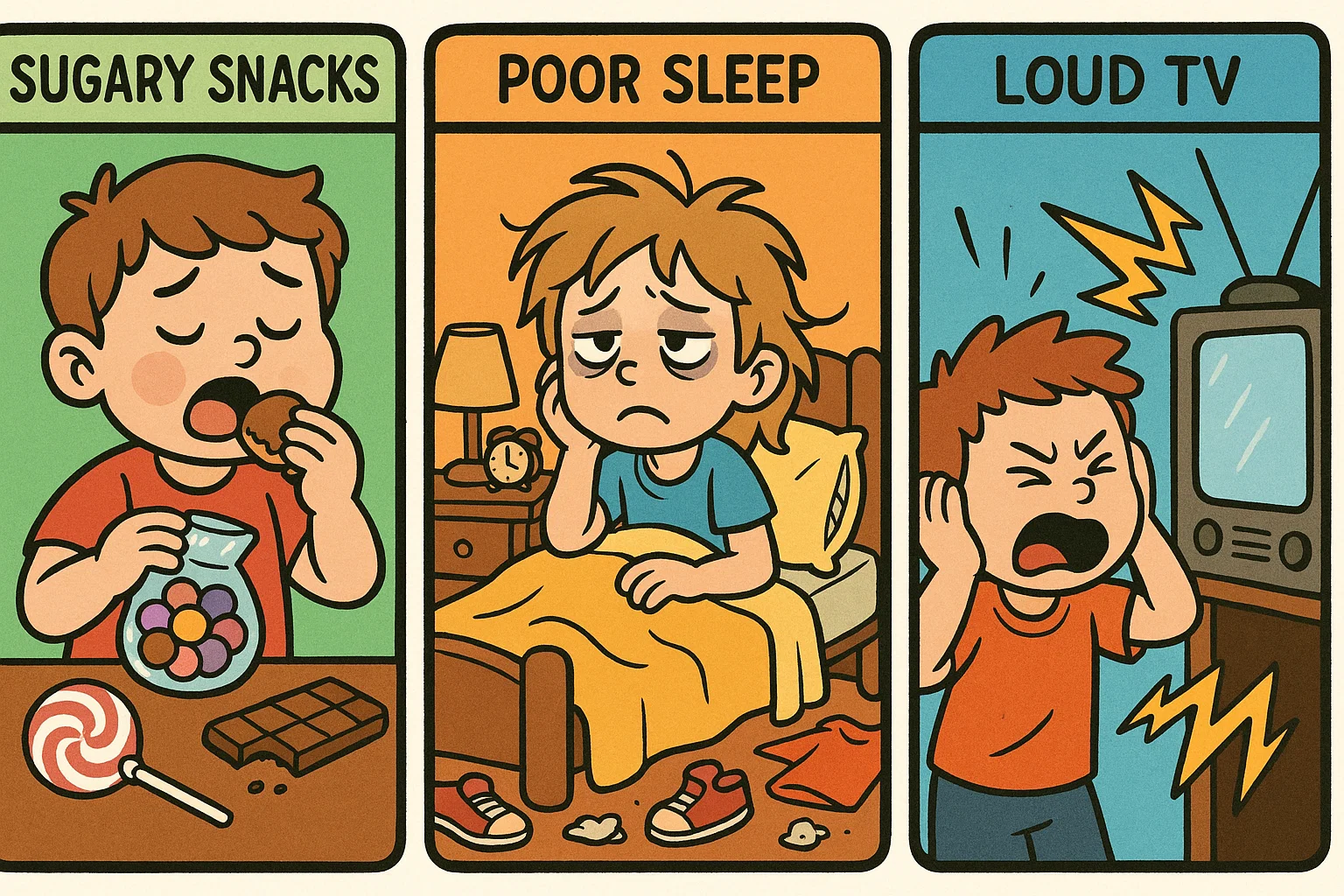
The physical environment and biological needs of children with ADHD are often overlooked, but they are essential to managing symptoms well.
Sleep Tips for Children with ADHD
Sleep problems are incredibly common. Aim to make the bedroom a low-stimulation space, with fewer toys in bed and calming colours where possible. If it is safe and appropriate for your child, a weighted blanket may help some children feel calmer at night.
Outdoor Activity and Movement Breaks
Children with ADHD often need regular movement to help them concentrate and regulate energy. Activities like swimming, martial arts, or simply running in a park are vital. If a child has been sitting at a desk, they may benefit from a short “brain break”, such as star jumps or stretching, to reset their focus.
Sensory Clutter Reduction
ADHD can affect how a child filters noise, movement, and visual information. A cluttered room can feel overwhelming when ADHD affects sensory filtering. Reducing the number of choices, for example, only having three toys out at once, can reduce anxiety and help the child feel more in control of their space.
Screen Time Boundaries
While children with ADHD may be drawn to the high stimulation of video games, fast-paced screens can increase arousal and make transitions or sleep more difficult. Set clear limits and ensure there is a “buffer” of non-screen time before bed to prevent sleep problems.
Partner With School And Educators
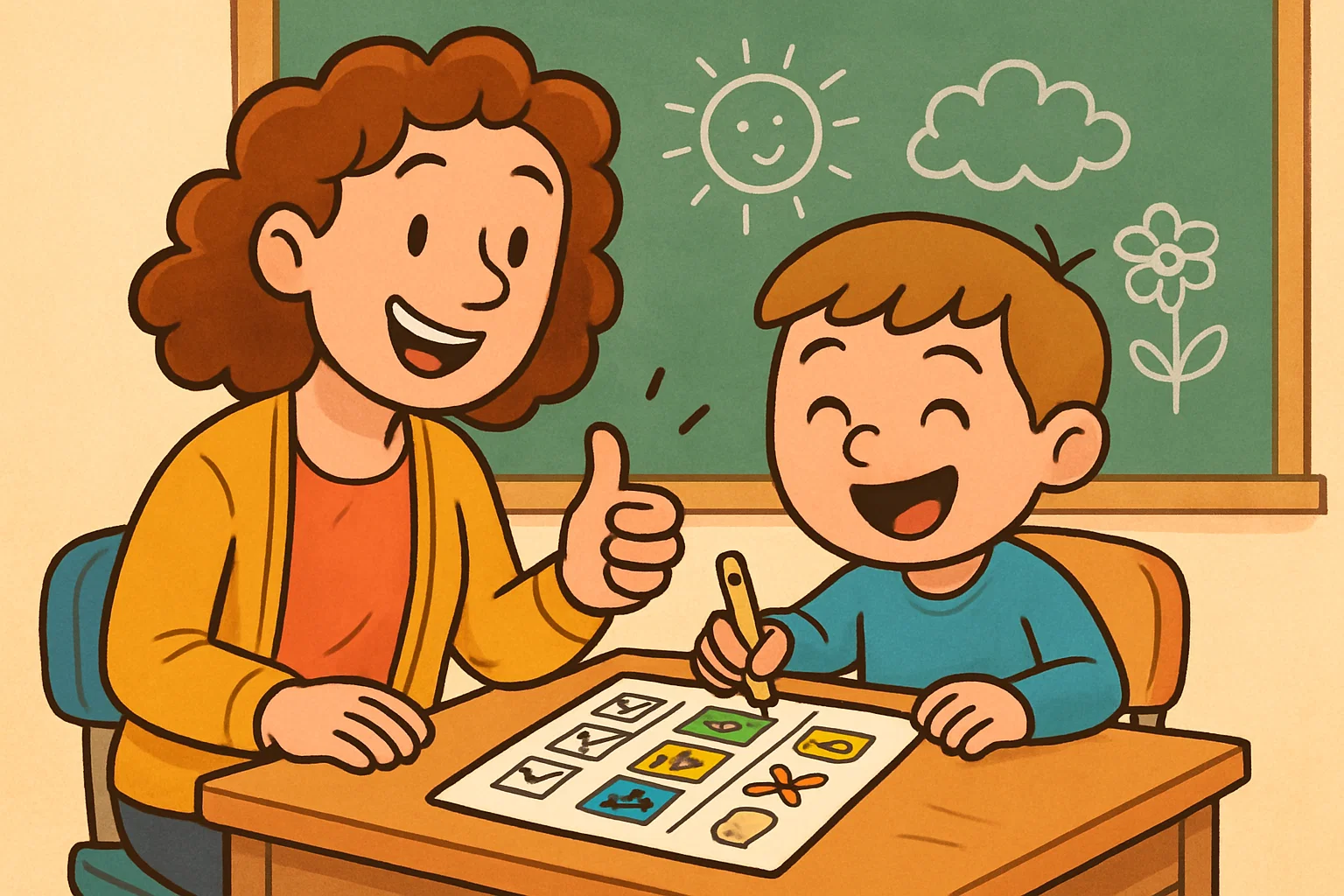
Because much of the day is spent at school, a strong partnership with teachers is essential for ADHD support.
Support at School and Home
Consistency is the goal. If you use a specific “token” for rewards at home, ask if the teacher can use something similar. When expectations are similar in both environments, learning and behaviour often become more consistent.
Classroom Adjustments
Small changes make a big difference. Asking for seating near the front, away from windows or doors, may support attention. Fidget tools or wobble cushions can also provide movement without disrupting the class.
Teacher Communication Plan
Do not wait until parents’ evening to discuss problems. A simple weekly email or a communication diary can track small wins and early warning signs. Focus on one priority behaviour at a time so no one feels overwhelmed.
Compare Treatment Options
There is no one-size-fits-all approach to ADHD treatment. Support often combines approaches tailored to age, needs, and behaviour.
| Treatment Type | Primary Focus | Best For |
| Parent Training | Environment and Communication | Parents and carers of younger children |
| CBT | Emotional regulation and coping | Older children and teens |
| Medication | Neurotransmitter balance | Moderate to severe cases |
| School Support | Academic adjustments | All school-age children |
Behaviour Therapy for Parents
This is often one of the first forms of support offered to parents and carers of children with ADHD. It focuses on parent training, strengthening your relationship with your child, and using the routine-based strategies discussed in this guide.
Questions to Ask the Clinician About Medication
If you are considering ADHD medication, ask your paediatrician about:
- The difference between stimulants and non-stimulants.
- How will we monitor sleep problems, appetite changes, or other side effects?
- How will the school provide feedback on whether the medication is helping?
Protect Child Confidence And Mental Health
Living with ADHD can make many daily tasks harder, which may affect confidence and self-esteem. It is vital to protect the child’s sense of self.
Criticism and Negative Self-Beliefs
Repeated labels such as “lazy” or “too much” can become internalised over time. This can lead to secondary issues like anxiety or depression. Focus on the behaviour, not the person: “That was a loud choice” rather than “You are a loud child.”
ADHD Strengths: Creativity, Energy, Passion
Many adults with ADHD describe their energy, creativity, or drive as strengths when they are well supported. ADHD can come with creativity, empathy, and deep focus on topics of genuine interest. Celebrate these ADHD strengths to build their resilience.
Mental Health Warning Signs
If school refusal, unusual withdrawal, or feelings of hopelessness appear, seek help from a mental health professional immediately. ADHD can co-occur with other conditions that need specific support.
Rebuild Connection Through Positive Interaction
When you spend much of the day managing impulsive behaviour, the joy of parenting can get lost. You must intentionally carve out time for fun.
Time Together Without Correction
Spend 10 minutes a day in “Special Time.” Follow your child’s lead in play. During this time, avoid teaching, correcting, saying “be careful”, or saying “don’t do that” unless safety is at risk. This builds positive connection in your relationship.
Play, Laughter, Movement
Shared physical activity is a great way to bond. Whether it is a silly dance-off or a walk in the woods, these moments show that they are loved and enjoyed, not just managed. Laughter is also a powerful way to reduce anxiety for both of you.
Know Causes, Myths, Adult ADHD Family Context
Understanding the science behind the condition helps parents and carers maintain empathy during difficult moments.
What Causes ADHD
ADHD is linked to differences in brain development and how the brain regulates attention, activity, and impulses. It is strongly heritable and often runs in families. It is not caused by too much sugar or “bad parenting”.
Adult ADHD in the Family
Many parents and carers realise during the assessment process that they may also have ADHD symptoms. If you find it hard to stay organised or calm, seeking your own support can help you manage family needs more effectively.
Conclusion: Best Tips For Hyperactive Child
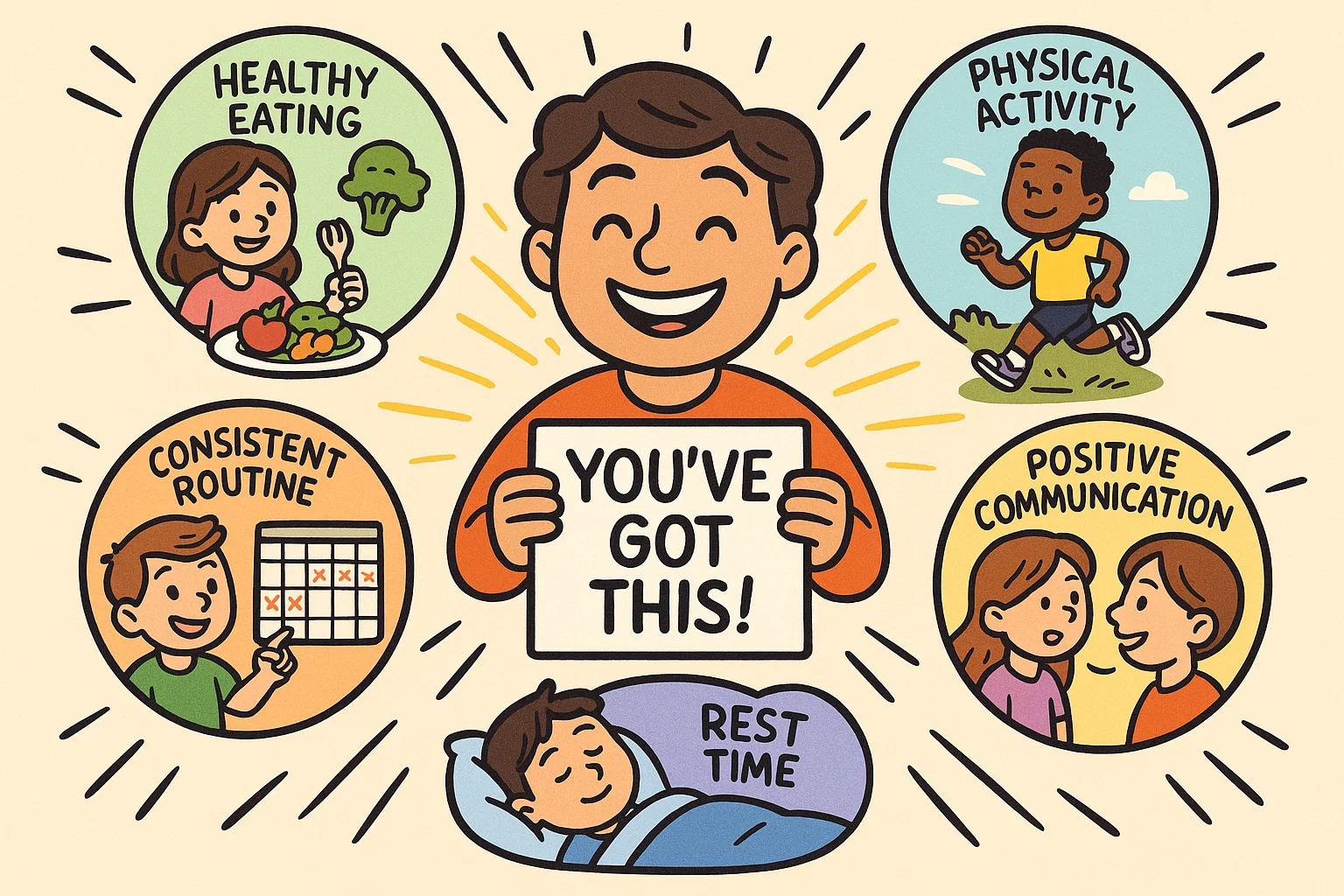
Supporting ADHD is a marathon, not a sprint. Progress is found in the small, consistent changes you make to your daily life. By combining clear expectations, a solid routine, and plenty of positive attention, you create an environment where your child can succeed.
Next Steps for Parents
- This Week: Choose one routine, such as the morning, to solidify with a visual checklist.
- Daily: Aim for five positive comments for every correction.
- Support: Reach out to one professional or support group to share the load.
Your young person is unique, capable, and full of potential. With the right support, their energy can become a lifelong source of strength, curiosity, and passion.
Frequently Asked Questions (FAQ)
Why does my child struggle so much with tasks like chores or schoolwork?
It is important to remember that adhd makes executive functioning difficult; it is not a lack of willpower. Children with adhd often experience a specific struggle to retain multi-step instructions because their ability to pay attention is constantly interrupted by competing stimuli. When tackling things like homework, the mental effort required to stay on track can be exhausting. By making it easier through broken-down tasks and frequent breaks, you help your child bypass the frustration of inattention and build a sense of competence.
How can I tell if my daughter might have ADHD if she isn't "hyperactive"?
ADHD in children can manifest differently depending on gender and subtype. Girls with adhd are frequently overlooked because they often present with the inattentive type rather than physical hyperactivity. Instead of running around, they may have trouble with internal organization or appear to be daydreaming. Because their attention-deficit is less disruptive to the classroom, they often go undiagnosed until academic demands increase. Recognizing these subtle symptoms of adhd is the first step in providing the right support.
Are there specific therapies that help besides medication?
While adhd medicines are an effective option for many, they are often most successful when combined with “talking therapies.” Cognitive behavioural therapy (CBT) is one of the most powerful tools for older children and adhd in adults to develop better coping mechanisms. Additionally, parents learn vital management strategies through behavioral training programs. These ways you can help focus on changing the environment and your reactions, which empowers the child to better manage their impulses over time.

Take a short quiz to find out what your everyday choices say about your parenting style
When your child is curious about something new, what’s your instinct?
Take a short quiz to find out what your everyday choices say about your parenting style
“Can I download this app?” What happens next?
Take a short quiz to find out what your everyday choices say about your parenting style
When it comes to rules at home, which sounds most like you?
Take a short quiz to find out what your everyday choices say about your parenting style
If you could give your child one life skill today, what would you pick?
Take a short quiz to find out what your everyday choices say about your parenting style
Your child gets to choose what to watch. What would your ideal setup look like?
Take a short quiz to find out what your everyday choices say about your parenting style
Pick your parenting superpower ✨



