
Tips on Encouraging Good Behaviour in Toddlers

 Discover a Free Education Video App for Kids
Pastory uses AI to personalize educational video content based on your child’s interests and personality. Safe, engaging, and built for curious young minds. Sign up now to stay updated and enjoy early access with a free trial
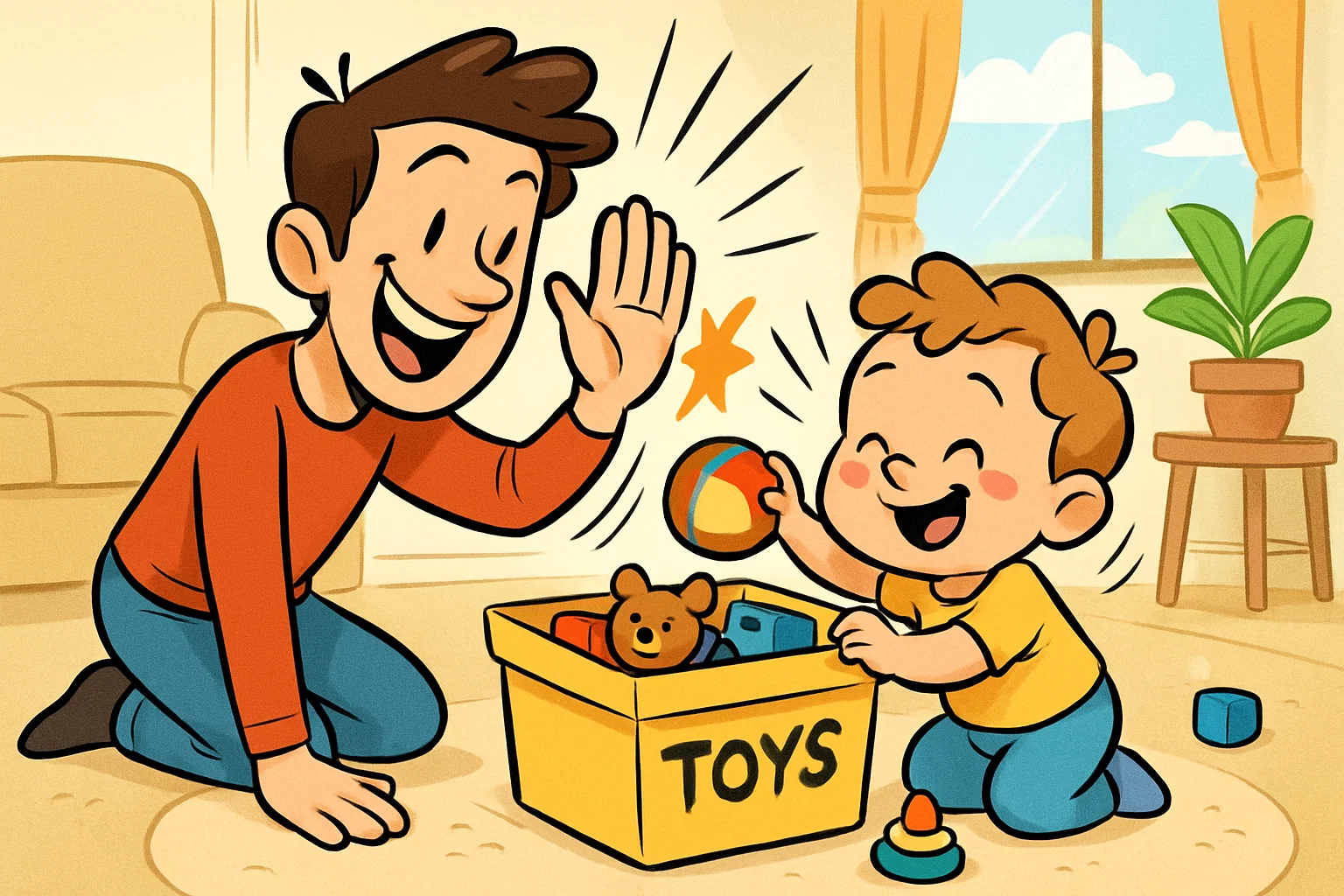
Encouraging positive toddler behaviour requires a combination of calm discipline, consistent routines, specific praise, and proactive safety measures. For parents and carers of children aged 1–3 years, managing toddler behaviour can be both exhausting and rewarding. This guide provides expert advice to help your child learn how to behave well, manage toddler behaviour effectively, and reduce the frequency of temper tantrums. By using positive parenting strategies, you can minimise challenging behaviour, de-escalate difficult moments, and strengthen your relationship with your child.
Key Takeaways
- Positive Reinforcement: Noticing and praising positive behaviour immediately encourages toddlers to repeat those actions.
- Consistency: Predictable routines and consistent caregiver responses can reduce daily boundary-testing and behavioural conflict.
- Calm Guidance: Using low-key, non-punitive responses helps toddlers regulate their emotions safely.
- Professional Support: Seeking help from a health visitor or paediatrician is appropriate when challenging situations persist.
Positive Attention Shapes Behaviour

Toddlers repeat actions that successfully attract parental attention, making focused recognition of constructive choices highly effective. The American Academy of Pediatrics (AAP) recommends giving children attention and praise when they show desired behaviour, while limiting attention for minor unwanted behaviour where it is safe and appropriate. By proactively noticing calm, kind, and safe actions, parents encourage positive behaviour before attention-seeking disruptions occur.
Consistency Reduces Daily Battles
Predictable guidelines, structured routines, and consistent caregiver responses provide a secure environment that minimises limit-testing. Child development guidance suggests that consistent routines can help children feel secure and reduce behaviour-related conflict. When toddlers know what to expect during transitions, they are less likely to become frustrated or resist the change.
Calm Discipline Works Better Than Punishment
Shouting, smacking, or harsh disciplinary reactions can elevate stress and worsen severe tantrums or aggressive responses. The World Health Organization (WHO) warns that corporal punishment is linked to harmful psychological, physiological, and behavioural outcomes in children. Calm limits, clear verbal boundaries, and neutral redirection teach children better choices without creating fear or unnecessary conflict.
Extra Support Can Help Families
Persistent physical aggression, extreme non-compliance, severe sleep disruptions, or intense parental burnout may mean a family could benefit from external support. The National Health Service (NHS) advises parents who are struggling with a child’s behaviour to seek support from a health visitor or another parenting support service. Caregivers experiencing prolonged stress should contact a health visitor, family health professional, or local parenting helpline for specialised advice and guidance.
Toddler Behaviour Basics
This section outlines typical toddler behaviour, key developmental milestones, emotional changes, and common forms of challenging behaviour.
Positive Parenting Tips
This section offers practical parenting advice on specific praise, simple choices, structured routines, and redirection.
Help, Safety, Resources
This section covers home safety, caregiver consistency, and signs that it may be time to consult a health professional or parenting support service.
Toddler Behaviour to Expect
Most toddlers test boundaries as they begin to develop independence. Understanding what is developmentally appropriate helps parents keep realistic expectations and respond with patience.
| Toddler Behaviour Type | Typical Presentation | Primary Developmental Trigger |
| Boundary Testing | Refusing verbal requests, saying “no” frequently | Assertion of autonomy and independence |
| Emotional Meltdowns | Screaming, crying, dropping to the floor | Neurological overwhelm and limited emotional regulation |
| Impulsive Physicality | Grabbing toys, hitting, pushing others | Underdeveloped impulse control |
Developmental Milestones
A child’s age influences their ability to self-regulate, understand language, and cooperate socially. Between 2 and 3 years of age, toddlers’ language skills grow rapidly, but they may still struggle to express complex feelings and frustrations. This gap between what toddlers want and what they can express may lead to frustration, crying, hitting, or other challenging behaviour.
Living With Toddler Emotions
A toddler’s mood can shift from joy to anger within seconds because their nervous system is still developing. Common triggers for these rapid shifts include sudden environmental transitions, fatigue, hunger, and sensory overstimulation. Recognising these triggers can help parents step in before their toddler becomes overwhelmed.
Common Difficult Behaviour
Caregivers frequently search for targeted strategies to manage hitting, biting, kicking, throwing toys, refusing food, running away, and sibling conflict. These challenging actions are common ways for young children to test boundaries or express unmet physical and emotional needs. Recognising that these behaviours are common can help reassure anxious parents and carers.
Behaviour Versus Intent
Toddlers rarely engage in problem behaviour with malicious intent or a deliberate desire to cause distress to their caregivers. Instead, toddlers often act this way to explore limits, understand cause and effect, or communicate distress. Viewing these actions through a developmental lens helps parents move from punishment towards teaching self-control.
Things That Can Affect Child Behaviour
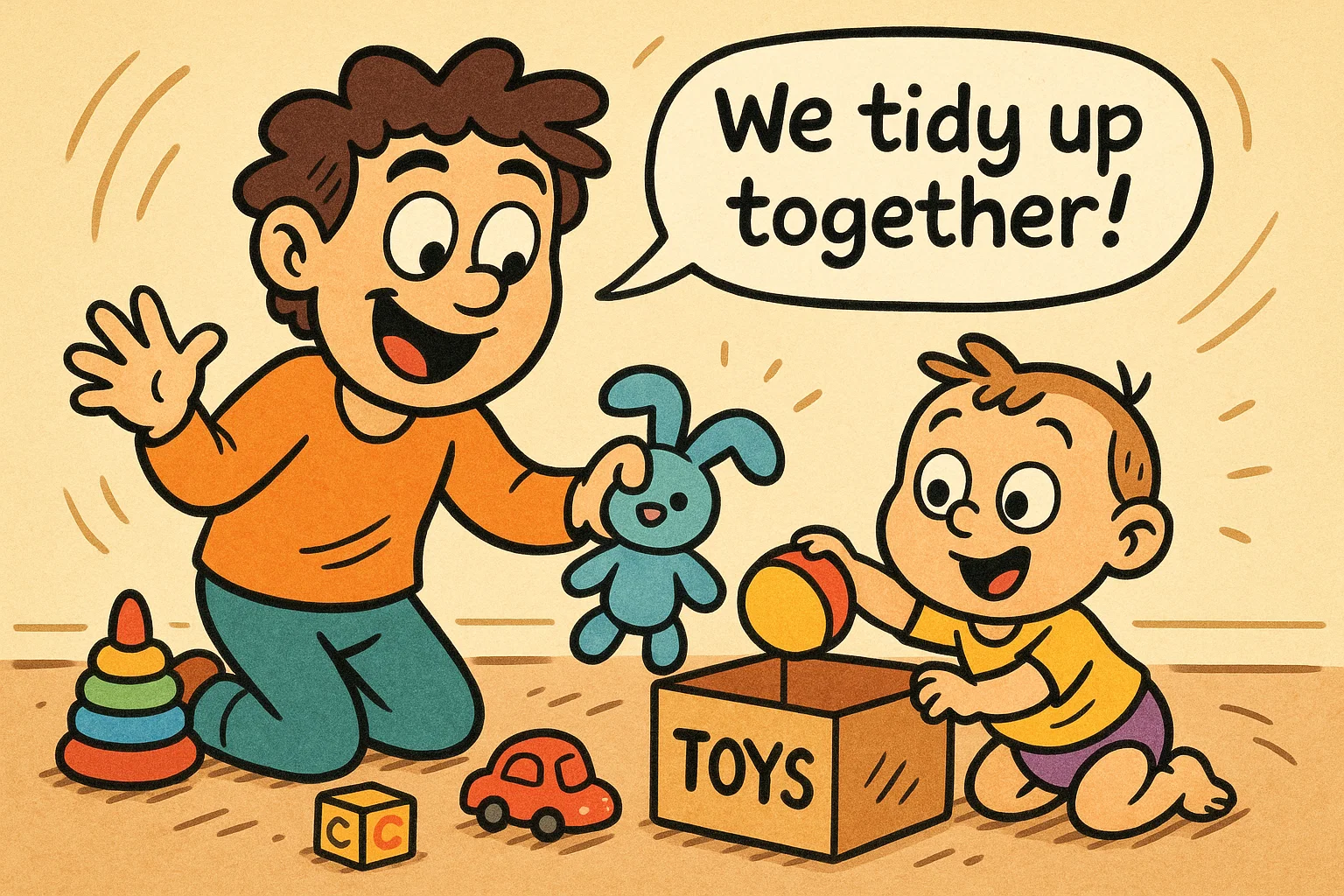
A child’s behaviour fluctuates based on a complex interplay of internal biological states and external environmental stressors. Identifying the root cause of a behavioural shift helps parents address the underlying need rather than simply reacting to the behaviour.
Common toddler behaviour triggers include:
- Physiological factors: sleep, hunger, teething, illness, or discomfort.
- Environmental factors: noise, screens, overstimulation, or sudden changes.
- Caregiver factors: adult stress, family tension, inconsistent routines, or changes in mood.
Sleep, Hunger, Illness
Poor sleep, missed snacks, teething pain, or illness can quickly reduce a toddler’s ability to cope. Poor or insufficient sleep can make toddlers more emotionally reactive. Keeping naps and snacks predictable can help reduce the tiredness and hunger that often trigger tantrums.
Big Changes at Home
Major domestic transitions such as welcoming a new sibling, moving house, starting nursery, parental separation, or caregiver changes can alter a toddler’s sense of security. Because toddlers rely heavily on predictability, these disruptions may lead to behavioural regression, bedtime resistance, or increased defiance. Providing extra reassurance and maintaining core routines can help stabilise your child’s emotions during family changes.
Overstimulation and Screen Time
Excessive ambient noise, crowded environments, too many toy choices, or unrestricted digital content can contribute to cognitive fatigue and restlessness. The World Health Organization recommends no sedentary screen time for 1-year-olds and no more than one hour per day for children aged 2–3 years, with less being better. High-quality, age-appropriate media may be less overstimulating than fast-paced, unrestricted content, but screen time should still be limited and supervised.
Parent Stress and Family Mood
Toddlers are highly sensitive to adults’ emotional cues and may become unsettled when the home environment feels tense. Parental stress can affect children’s behaviour, so it can help parents to notice their own stress levels and seek support when needed. Brief emotional self-checks and structured breaks can help prevent the escalation of cyclical family tension.
What Positive Parenting Means for Toddlers
Positive parenting is a warm, respectful approach that focuses on teaching skills rather than simply reacting to misbehaviour. This approach prioritises proactive communication, skill-building, and long-term cooperation.
Connection Before Correction
Getting close, using gentle eye contact, and coming down to your toddler’s level can make guidance easier for them to accept. When parents connect with a child before giving an instruction, the child is more likely to feel safe rather than threatened. This simple connection can make your toddler feel safer and more ready to listen.
Clear Limits With Kindness
Setting boundaries requires a combination of firm expectations and gentle delivery to preserve the relationship with your child. Examples of effective, non-punitive phrases include:
- “Hands are for helping, so I won’t let you hit your brother.”
- “Feet stay on the floor to keep your body safe.”
- “Food stays on the plate during lunchtime.”
Teaching Skills, Not Just Stopping Behaviour
Effective positive parenting identifies the underlying need behind a problem behaviour and explicitly teaches a safe replacement action. If a toddler throws an object out of frustration, the parent can model a safer response, such as asking for help, pointing, or using simple words. This educational approach shifts the child’s focus from what they cannot do to what they can do safely.
Healthier Family Relationships
Implementing positive parenting principles builds enduring trust, increases daily cooperation, and establishes calmer family routines over time. Positive reinforcement can support calmer routines and reduce household stress over time. This sense of security helps children gradually learn self-control and responsibility as they grow.
15 Tips for Encouraging Good Behaviour in Toddlers
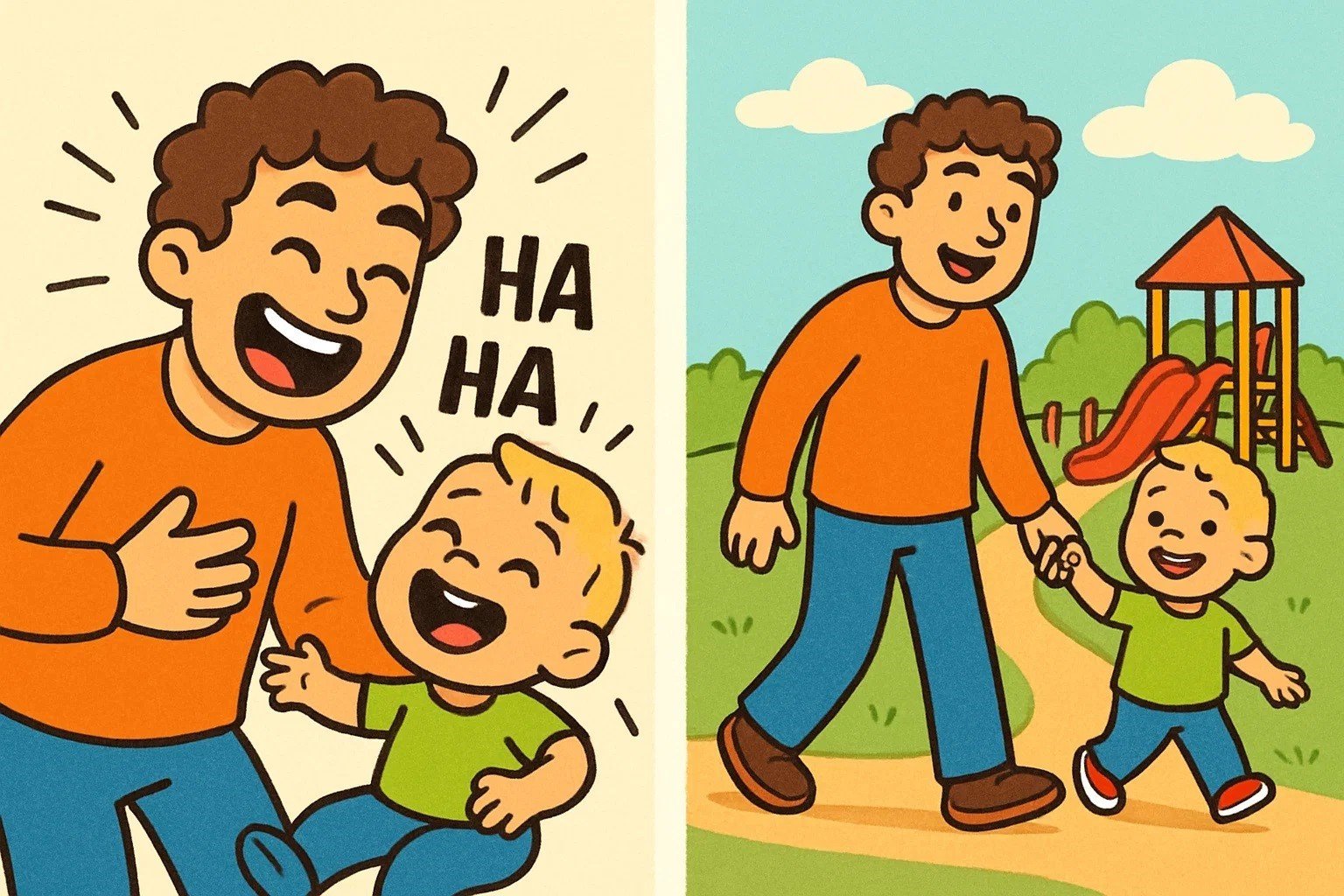
The following actionable strategies provide practical methods to encourage good behaviour, manage daily challenges, and minimise household conflict.
1. Notice Good Behaviour Immediately
Label and acknowledge constructive actions the exact moment they occur so your toddler associates the praise with the specific deed. When you see your child performing a helpful task, state exactly what you see: “You are putting your toys back in the basket right now.” This immediate feedback helps reinforce the behaviour you want to see again.
2. Use Specific Praise
Replace generic phrases like “good job” with clear descriptions of the behaviour you want to encourage. Explicitly highlight behaviours such as sharing toys, waiting patiently, using gentle hands, using a quiet voice, or staying close in public spaces. Specific praise gives your child a clear example to repeat later.
3. Catch Your Toddler Being Good
Proactively scan your child’s activities during normal routines to catch them behaving well, rather than only intervening when problems arise. If your toddler is playing quietly with blocks, provide quiet, positive attention to validate that calm behaviour. This strategy helps prevent children from learning that misbehaviour is the quickest way to get attention.
4. Give Simple Choices
Offer your toddler two acceptable options to satisfy their developing desire for autonomy while maintaining parental control over the final outcome. Ask structured questions such as: “Would you like the blue cup or the green cup for your milk?” or “Do you want to put your shoes on now or after we pack the bag?” This simple tactic can prevent many common toddler power struggles.
5. Keep Rules Short
Formulate household guidelines into brief, positive action statements that match your child’s limited working memory capacity. Avoid long lists of negative restrictions and focus instead on three to five positive rules: “Gentle hands,” “Walking feet,” and “Food stays on the plate.” Repeat these short phrases consistently across identical situations.
6. Use a Calm Voice
Maintain a low, composed verbal tone when delivering directions to help your child de-escalate and process language effectively. If you feel your own frustration rising, pause for three deep breaths before speaking to avoid escalating the emotional environment. A calm adult voice can help a dysregulated toddler feel safer and settle more easily.
7. Prepare for Transitions
Provide clear, structured warnings before changing activities to give your child time to adjust mentally to the upcoming shift. Use simple scripts such as: “In five minutes, we’re leaving the park and walking to the car. Let’s do two more slides now.” This advance notice can reduce transition-related meltdowns at bedtime, bath time, or nursery drop-off.
8. Redirect Before Escalation
Monitor your toddler’s physical cues to guide attention toward a safer alternative activity before frustration escalates into hitting, throwing, or screaming. If a toddler begins slamming a toy aggressively, say calmly: “That toy is heavy. Let’s roll this soft ball together instead.” Proactive redirection can stop difficult behaviour from escalating.
9. Offer Rewards Sparingly
Use small rewards such as colourful sticker charts, an extra bedtime story, or five minutes of special playtime to celebrate milestones without creating dependency. Make sure these incentives support learning rather than becoming bribes used to stop an active tantrum. Once the target behaviour becomes an established habit, phase out the material reward while maintaining verbal praise.
10. Use Logical Consequences
Use immediate, logical consequences that are directly connected to the child’s behaviour, so they can understand the link between actions and outcomes. For example, if a toddler intentionally throws their toy, the toy is placed out of reach for a short period. If they refuse to put their toys away, the play activity pauses until the items are tidied safely.
11. Build Predictable Routines
Build predictable routines around mornings, mealtimes, naps, baths, and bedtime to help your child feel more secure. When daily events follow a predictable sequence, toddlers often feel less anxious and are less likely to resist. A consistent bedtime routine can improve sleep quality, which may reduce daytime irritability.
12. Model Behaviour You Want
Act as a role model by demonstrating the manners, emotional regulation, and conflict-resolution skills you want your child to learn. Toddlers naturally copy adults’ tone, gestures, and reactions to stress or mistakes. If you accidentally drop something, model a calm response: “Oops, that fell. It’s OK — I can clean it up.”
13. Offer Physical Affection
Provide reassuring physical touch such as warm hugs, enthusiastic high-fives, or quiet cuddles when welcomed by the child. Warm physical affection can help children feel safe, connected, and reassured. This kind of reassurance can support cooperation and improve the overall family mood.
14. Use Quality Time as a Reward
Incorporate focused, one-on-one activities such as reading a book together, taking a special walk, or building a tower as relationship-based rewards. Even 10 to 15 minutes of uninterrupted, child-led play each day can help meet a toddler’s need for attention. This proactive investment can reduce attention-seeking behaviour later in the day.
15. Stay Patient With Repetition
Accept that toddlers often need many repetitions over weeks or months before a new behaviour becomes familiar. Do not view a difficult day or sudden behavioural regression as a sign of parental failure or permanent defiance. Consistent, calm repetition of limits supports steady progress over the course of early child development.
How to Handle Difficult Behaviour

When a toddler is defiant or physically aggressive, a simple step-by-step approach can help restore safety and calm.
A helpful de-escalation sequence is:
- Pause, breathe, and lower your voice.
- Ensure immediate physical safety.
- Give a brief, concrete instruction.
- Offer emotional validation once your child is calm.
Do What Feels Right
Trust what you know about your child’s temperament, while keeping your response safe, calm, and consistent. Avoid complex or punitive strategies that contradict your parenting values or increase your child’s anxiety. An authentic, warm approach used consistently is more effective than rigidly following advice that does not fit your family.
Do Not Give Up
Maintain your established boundaries throughout the behavioural challenge, even when it takes longer than expected. Giving in to disruptive behaviour can teach children that persistent resistance may change the boundary. Remember that behaviour change takes time, structure, and patience.
Be Consistent
Ensure all primary caregivers, including co-parents, grandparents, and childcare providers, use the same rules, boundaries, and verbal scripts. If nursery staff respond firmly to hitting but a grandparent allows rough play, the toddler may become confused and test boundaries more often. Shared consistency across care environments helps children learn expectations more quickly.
Try Not to Overreact
Avoid matching a toddler’s high emotional energy with loud reprimands, gasps, or long lectures, as these large adult reactions can accidentally reward unwanted behaviour. A neutral, low-key response shows your child that the rule stays the same, even when emotions are high. Keep your posture relaxed and your words brief and direct.
Talk to Your Child
Give short, simple explanations only after your child has calmed down enough to listen. Avoid attempting to reason, lecture, or ask complex questions while your child is actively crying or feeling overwhelmed. Keep post-event discussions brief: “It’s OK to be sad that play ended, but hitting is not safe. Next time, use your words.”
Avoid Smacking
Avoid physical punishment, as hitting a child can increase fear and aggression and does not teach appropriate replacement behaviours. Organisations such as the World Health Organization warn that physical punishment can harm children and is linked to negative outcomes. Focus instead on calm limits, logical consequences, and practical support to guide your child safely.
Dealing With Tantrums
Temper tantrums are a normal response when toddlers’ intense emotions overwhelm their still-developing ability to self-regulate.
Stay Calm During a Meltdown
Your own calm presence can help a dysregulated toddler settle. Take slow breaths, lower your voice, and stay nearby with a quiet, supportive presence. Avoid shouting over your child’s crying, as this can add more stimulation when they are already overwhelmed.
Keep Your Toddler Safe
Gently move your child away from sharp objects, prevent them from running into dangerous spaces, and ensure they cannot harm themselves or others. Avoid delivering long verbal lectures, demanding immediate compliance, or asking diagnostic questions during the peak of the emotional storm. Your main goal during this phase is to keep everyone safe until the intensity passes.
Name Feelings After Calm Returns
Help your child develop emotional literacy by labelling their internal experience once their crying stops and normal breathing returns. Use simple, validating phrases to connect feelings with words: “You felt very angry because park time ended. It’s OK to feel sad, but it’s time to go.” This practice builds the cognitive pathways required for self-control.
Avoid Giving In Every Time
Stay firm on your original boundary even if your toddler screams, as giving in can teach them that crying may change the rule. If you told your child they cannot have a treat before dinner, maintain that exact limit throughout the entire meltdown. Combining empathy with consistent boundaries teaches children that all feelings are acceptable, but not all behaviours are.
Power of Attention
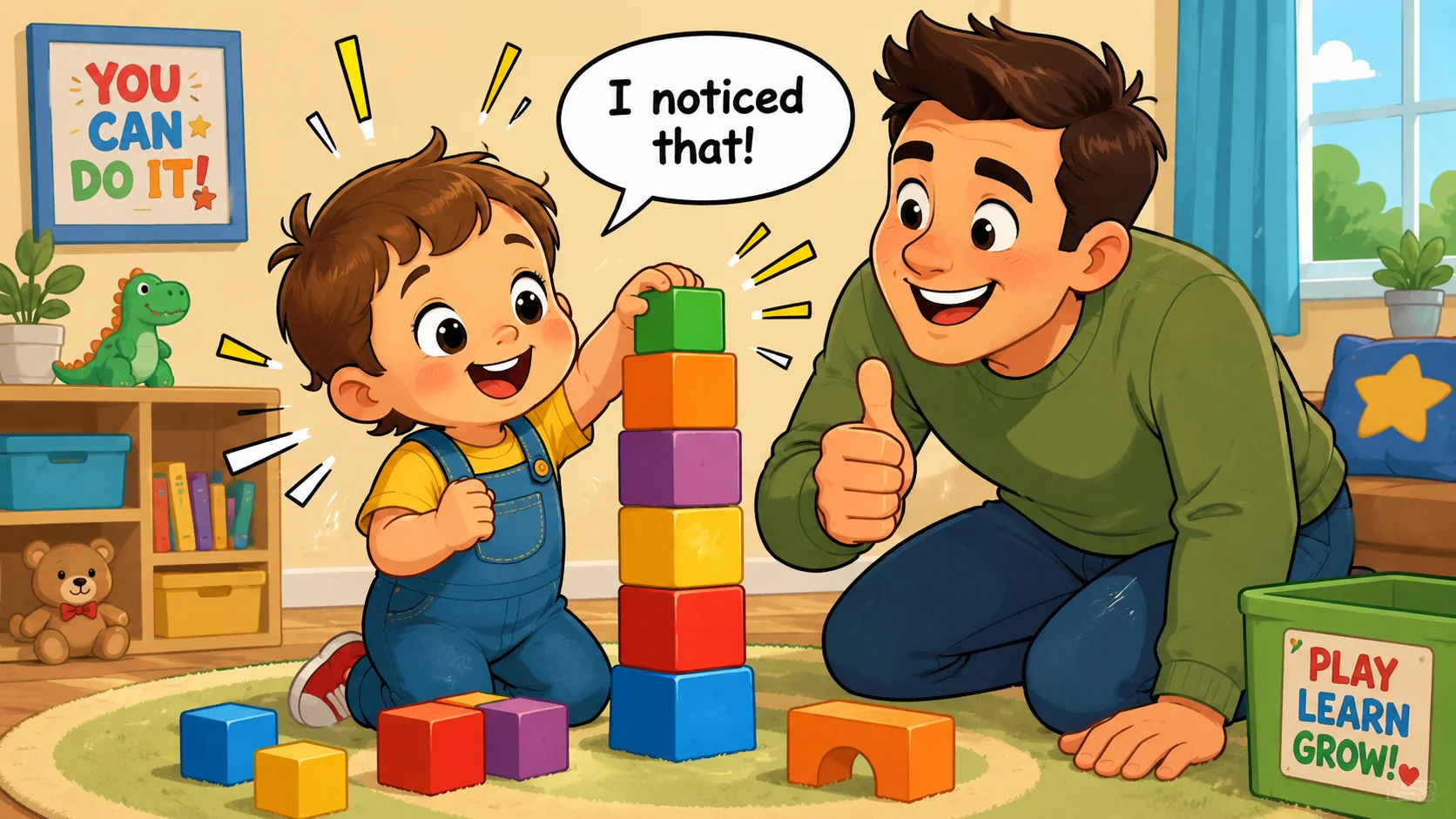
Parental attention is one of the most powerful ways to reinforce behaviour in early childhood. Managing how and when you give attention can rapidly alter child behaviour patterns.
Notice Behaviour You Want
Actively direct your verbal praise and warm physical presence toward instances of sharing toys, waiting patiently, using gentle hands, and tidying up. When children learn that calm, cooperative behaviour gets more attention than disruptive behaviour, they are less likely to act out for attention. Make a conscious effort to praise these positive behaviours multiple times a day.
Reduce Attention for Minor Misbehaviour
Use planned ignoring only for safe, non-aggressive behaviours such as whining, protest crying, or mild foot-stomping. Turn your body away slightly and withhold eye contact until the attention-seeking behaviour stops. The moment your child shows calm behaviour or speaks in a calmer voice, restore your positive attention.
Balance Correction With Praise
Aim for several positive comments for every correction you give during daily routines. Maintaining this balance keeps negative feedback to a minimum and prevents the development of an adversarial household environment. A positive feedback loop fosters a collaborative family dynamic and reduces behavioural conflict.
Make Praise Warm and Immediate
Deliver your verbal encouragement with genuine warmth and within seconds of the target behaviour so the toddler connects the feedback to their action. Because young children have a limited sense of time, praise works best when it is given soon after the behaviour. Immediate reinforcement helps positive habits become part of their daily choices.
Rewarding Good Behaviour
A simple reward system can reinforce positive habits without turning every request into a bribe.
Give Verbal Praise
Use explicit, clear verbal praise linked directly to the observed action to build internal motivation and self-esteem. Say: “Thank you for waiting while I opened the door,” or “You used gentle hands with the puppy; that keeps animals safe.” This regular praise helps your child understand which choices are helpful and appreciated.
Provide Tangible Rewards Within Reason
Use simple, non-monetary incentives such as colourful stickers, small tokens, or the chance to choose the bedtime story. Avoid promising expensive toys, sugary treats, or constant material gifts, as these items can distort internal motivation and encourage transactional compliance. Keep tangible systems short term and tied to specific developmental goals such as potty training.
Provide Physical Affection
Use enthusiastic high-fives, warm hugs, smiles, and gentle shoulder squeezes as forms of positive reinforcement, if your child enjoys them. These basic expressions of physical connection validate your child’s choices while deepening your emotional relationship with your child. Physical affection can be effective, but it should always be welcomed by the child.
Offer Social Rewards
Incorporate shared experiences such as reading a preferred book together, helping prepare a simple meal, or taking an extra trip to the local playground. These interactive social rewards reinforce that cooperation leads directly to enjoyable family engagement and deeper connection. Many children value shared time with a parent more than material rewards.
Move From Rewards to Habits
Gradually reduce the frequency of tangible rewards once a positive behaviour begins to appear consistently as part of a normal daily routine. Shift gradually towards occasional verbal praise and natural encouragement to sustain the habit long term. This gradual fading prevents reward fatigue and helps children develop internal motivation over time.
How Family Should Approach Discipline
A calm, consistent approach across the household helps prevent confusion and supports steady progress.
Shared Family Rules
Collaborate with all primary caregivers to select three to five core household rules that everyone enforces consistently across identical situations. Write these rules in simple, toddler-friendly language and display them in a shared family space if helpful. Having a shared set of rules reduces boundary-testing by creating a predictable environment.
Calm Consequences
Use logical consequences that are short, safe, and directly connected to the behaviour. Avoid delayed punishments, empty threats, or lengthy isolation periods that induce fear rather than teaching proper self-control. Ensure that any consequence ends with a clean slate and a return to positive engagement.
Caregiver Agreement
Agree on your main parenting methods, key phrases, and boundary responses in private, away from the child. When parents, grandparents, and childcare providers use conflicting strategies, the toddler’s anxiety may rise, leading to increased defiance. A consistent approach helps your child feel secure and understand what to expect.
Parent Reflection Time
Allocate brief moments for self-reflection to monitor your own fatigue levels, daily stress markers, and specific situational triggers that cause you to lose patience. Recognising when you feel overwhelmed can help you take a break, swap caregiving duties, or ask for support before you react harshly. Prioritising parental well-being is essential for maintaining a calm, positive parenting approach.
When to Seek Help and Support
While boundary-testing is typical, some persistent behaviour patterns may mean the family would benefit from professional advice and support.
Extra Help With Difficult Behaviour
Consider seeking professional advice if your child shows frequent unprovoked aggression, self-injurious behaviour, extreme tantrums lasting more than 30 minutes, or regressions that disrupt daily family life. If managing your toddler’s behaviour induces chronic parental anxiety or depression, seeking external support is a protective choice for the entire family. Early identification of developmental needs or differences can make support more effective.
Speak to a Health Professional
Speak to your health visitor, GP, paediatrician, maternal and child health nurse, or a qualified child development specialist. These family health professionals can assess whether underlying factors such as hearing difficulties, speech delays, or sensory processing differences may be contributing to the behaviour. They can provide evidence-based strategies tailored to your child’s age and developmental needs.
Parenting Support Services
Access local community resources, accredited parenting programmes, telephone helplines, or specialised advice services designed for parents and carers. These services may offer practical tools, group support, and emotional reassurance in a non-judgemental setting. Using community support can help normalise common challenges and reduce the isolation often felt during difficult parenting phases.
Prepare for a Support Conversation
Prepare for the appointment by tracking your child’s sleep, meals, behaviour triggers, and the strategies you have already tried. Bring written feedback from your nursery or childcare provider to show how your child behaves in different settings. Providing clear observations can help your health professional give more targeted guidance.
Summary of Toddler Behaviour Management
| Category | Recommended Proactive Strategy | Potential Pitfall |
| Communication | Give two simple choices; use brief, positive rules. | Delivering long verbal lectures during a tantrum. |
| Reinforcement | Notice good behaviour immediately with specific praise. | Providing large negative reactions to attention-seeking acts. |
| Environment | Maintain predictable routines; monitor screen time. | Changing schedules abruptly without advance transition warnings. |

Take a short quiz to find out what your everyday choices say about your parenting style
When your child is curious about something new, what’s your instinct?
Take a short quiz to find out what your everyday choices say about your parenting style
“Can I download this app?” What happens next?
Take a short quiz to find out what your everyday choices say about your parenting style
When it comes to rules at home, which sounds most like you?
Take a short quiz to find out what your everyday choices say about your parenting style
If you could give your child one life skill today, what would you pick?
Take a short quiz to find out what your everyday choices say about your parenting style
Your child gets to choose what to watch. What would your ideal setup look like?
Take a short quiz to find out what your everyday choices say about your parenting style
Pick your parenting superpower ✨



