Middle Childhood (7–11 Years)

How to Teach Decimals to Children: 10 Practical Steps, Activities, and Examples

30.04.2026

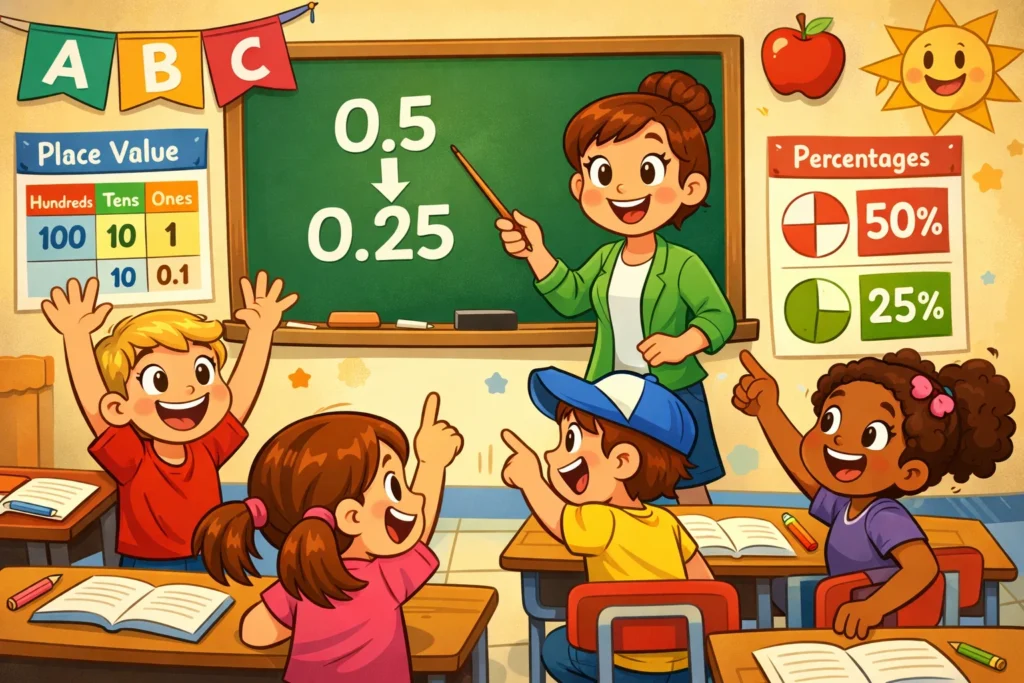
Helping children move beyond working only with whole numbers is a major step in maths. At first, many pupils are comfortable counting objects, comparing larger and smaller numbers, and solving simple problems with whole numbers. The challenge begins when they encounter values that fall between whole numbers. This is where progress often slows down in many classrooms, because children need more than a rule to follow. They need clear models, familiar examples, and repeated practice. This comprehensive guide is designed for parents and teachers who want practical, classroom-friendly ways to teach decimals. It explains the topic step by step, connects it to fractions, and shows how to use visuals, talk routines, and simple games to build understanding. The aim is not only to help children get correct answers, but to help them explain what they are doing and why it makes sense. In primary school, especially in Year 4 and Year 5, this topic becomes important because it connects number sense, measurement, money, and problem-solving. Once children build confidence here, later topics such as percentages, ratio and proportion, and algebra often feel much less intimidating.

Continue Reading...

40 Best Indoor Games for Kids for Fun, Learning, Active Play, and Creativity

30.04.2026

Keeping children engaged and entertained at home takes more than a box of toys; it requires a thoughtful mix of play that balances physical activity with cognitive growth. Indoor activities help parents channel their children’s energy, reduce screen time, and support key developmental milestones. Whether you’re dealing with a rainy day, a cold winter afternoon, or simply looking for ways to brighten an ordinary weekend, purposeful indoor play can turn the living room into a hub of discovery.

Continue Reading...

What Do 5th Graders Learn in Math? 10 Key Concepts and Skills

30.04.2026

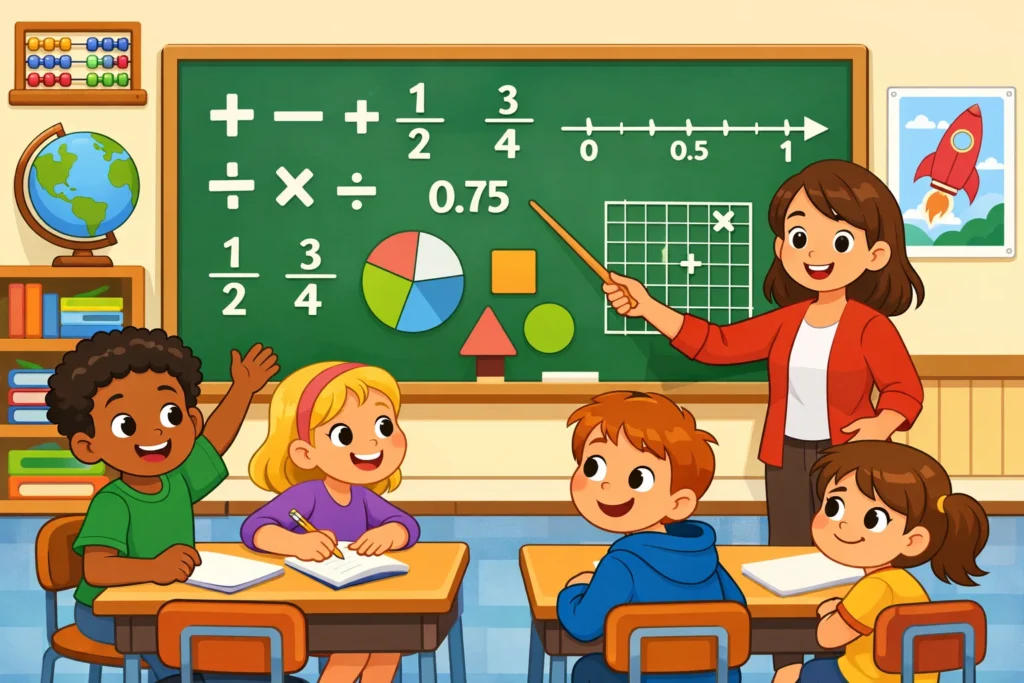
In fifth grade, students move beyond basic arithmetic and begin solving more complex, multi-step problems. At this stage, they shift from concrete strategies to more abstract mathematical thinking, with a strong focus on fractions, decimals, volume, and the coordinate plane. This pivotal year serves as a bridge between elementary school and the more advanced math they will encounter in middle school. By the end of the year, students are expected to evaluate numerical expressions, work confidently with fractions and decimals, and solve real-world measurement problems. This guide outlines the key concepts, essential skills, and practical strategies that can help children succeed in fifth grade math. It can also help parents and educators identify priority areas for support and build a strong foundation for future learning.

Continue Reading...

16 Best Summer Poems for Kids

30.04.2026

Summer is a season of discovery, when warm sunlight and vibrant garden life inspire a sense of wonder. For young readers, poetry can be a simple way to notice and enjoy the beauty of summer. This selection includes short, child-friendly poems and a few more lyrical pieces, capturing everything from birds in flight to the glow of summer moonlight.

Continue Reading...

12 Reading Bulletin Board Ideas for Elementary Classrooms

30.04.2026

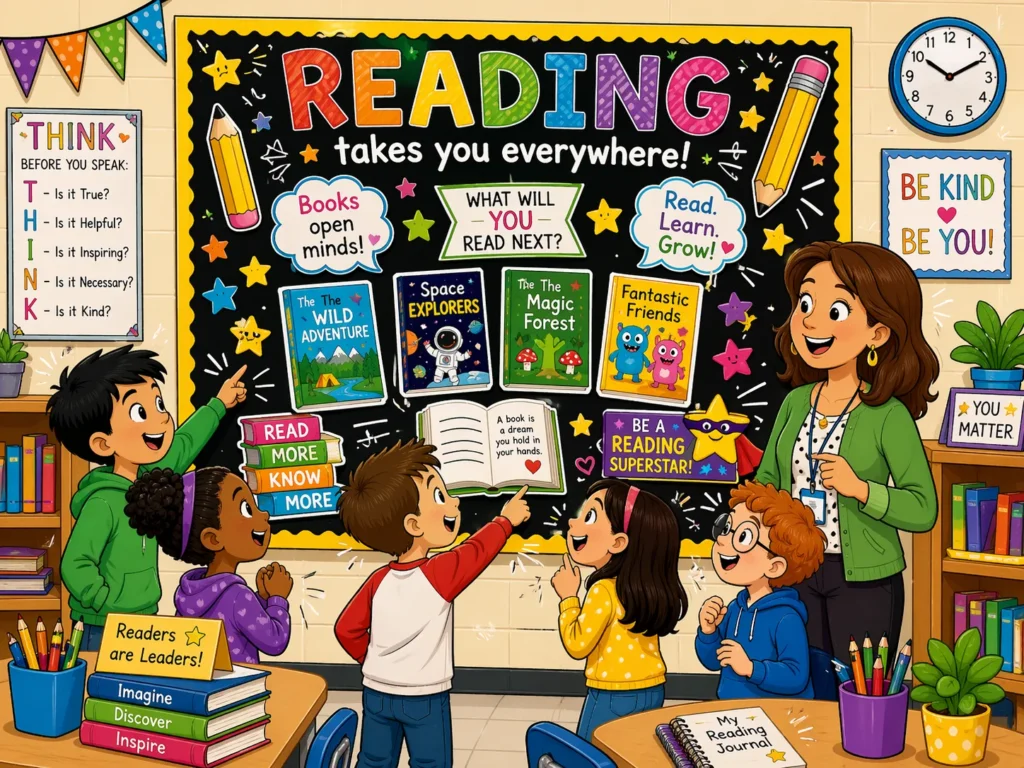
Creating an effective elementary classroom environment requires a balance between visual appeal and instructional purpose. A well-designed classroom bulletin board does more than decorate the room; it can serve as a visual scaffold that supports literacy development, engagement, and classroom community. Whether you're planning a back-to-school bulletin board or refreshing your classroom library midyear, the right display can help foster a love of books. Research and professional guidance consistently show that print-rich, text-rich environments support literacy development and help make reading materials more visible and inviting to students. By using creative bulletin boards, educators can encourage students to explore a wider range of reading materials and track their reading progress. This guide offers 12 bulletin board themes designed to spark interest in reading through interactive displays, student-centered visuals, and meaningful response activities.

Continue Reading...

25 Best Co-Curricular Activities for Students: Types, Benefits, Examples and Tips

30.04.2026

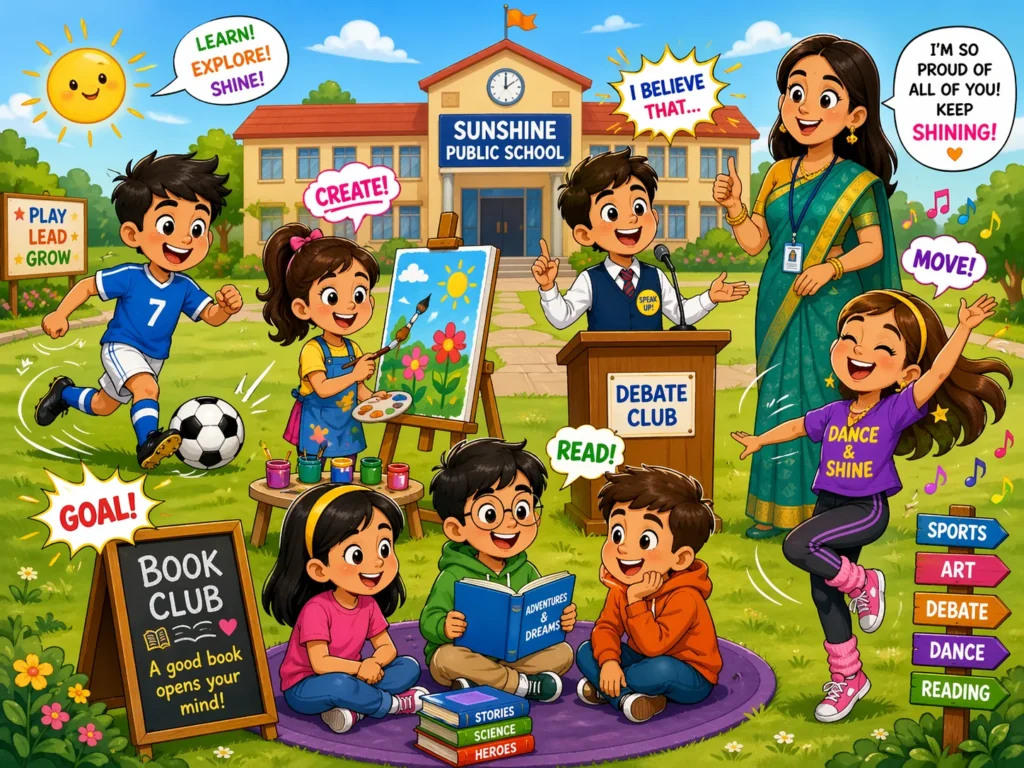
Choosing the right co-curricular activities is a vital step in a student's educational journey. These programmes complement classroom learning by giving students practical ways to apply knowledge while developing essential life skills. This guide explores the range of co-curricular activities available, explains why participation matters, and shows how to balance these activities with school life.

Continue Reading...

Main Idea vs. Theme for Kids: Differences, Examples, Activities, and Questions

30.04.2026

Distinguishing between the main idea and the theme of a story is a foundational milestone in literacy development. While these concepts are closely related, they serve distinct purposes in helping young readers comprehend and analyze text. Many students initially struggle with this distinction, often confusing specific plot details with the broader message the author intends to convey. Teaching children the difference between a text’s central point and its deeper message transforms them from passive readers into active thinkers. This guide provides a comprehensive comparison, clear definitions, and practical examples from well-known stories. With clear questions, anchor charts, and engaging activities, parents and educators can help students master these reading comprehension skills with confidence. In the following sections, readers will find a clear breakdown of definitions, step-by-step instructions for identifying both elements, and ready-to-use practice exercises. Whether students are reading fiction or nonfiction, the goal is to move beyond guessing and toward using textual evidence to build deep understanding.

Continue Reading...

71 Pop Culture Trivia Questions for Kids With Answers

30.04.2026

Pop culture is a vibrant, ever-evolving landscape that shapes how children interact with the world, from the movies they watch to the music that tops the Billboard Hot 100. Pop culture trivia is more than just a way to pass the time; it helps kids practice recall, build confidence, and connect with others. This guide offers a wide range of pop culture trivia questions and answers for kids, from Disney classics and superheroes to social media trends and popular streaming shows. Whether you are organizing a virtual trivia event, a classroom "brain break," or a lively game night at home, these questions are designed to be age-appropriate and engaging. The list is organized into easy questions, harder rounds, and era-based categories covering the 2020s, 2010s, and a throwback section for families. Get ready for a friendly competition that spans everything from Taylor Swift’s record-breaking Eras Tour to Harry Potter and other family favorites.

Continue Reading...

240+ Daily Questions for Kids to Spark Fun Conversations Every Day

30.04.2026

Starting a meaningful conversation with a child can sometimes feel like solving a complex puzzle. While the standard “How was your day?” is a common go-to, it often leads to one-word answers that shut the conversation down before it even begins. Using well-chosen daily questions can help you move past the usual “fine” or “good” and get a more genuine glimpse into a child’s world. Adding a few thoughtful questions to your daily routine does more than fill the silence; it creates space for meaningful conversations that support social-emotional development. Whether you are looking for classroom icebreakers or dinner-table conversation starters, having a varied list of questions helps you keep kids engaged and thinking. This guide offers more than 240 questions designed to make everyday conversations more fun, engaging, and reflective from breakfast to bedtime.

Continue Reading...
1 2 3 69