17 Parenting Tips for Preschoolers: A Practical Guide for Parents of Children Ages 3–5

 Discover a Free Education Video App for Kids
Pastory uses AI to personalize educational video content based on your child’s interests and personality. Safe, engaging, and built for curious young minds. Sign up now to stay updated and enjoy early access with a free trial
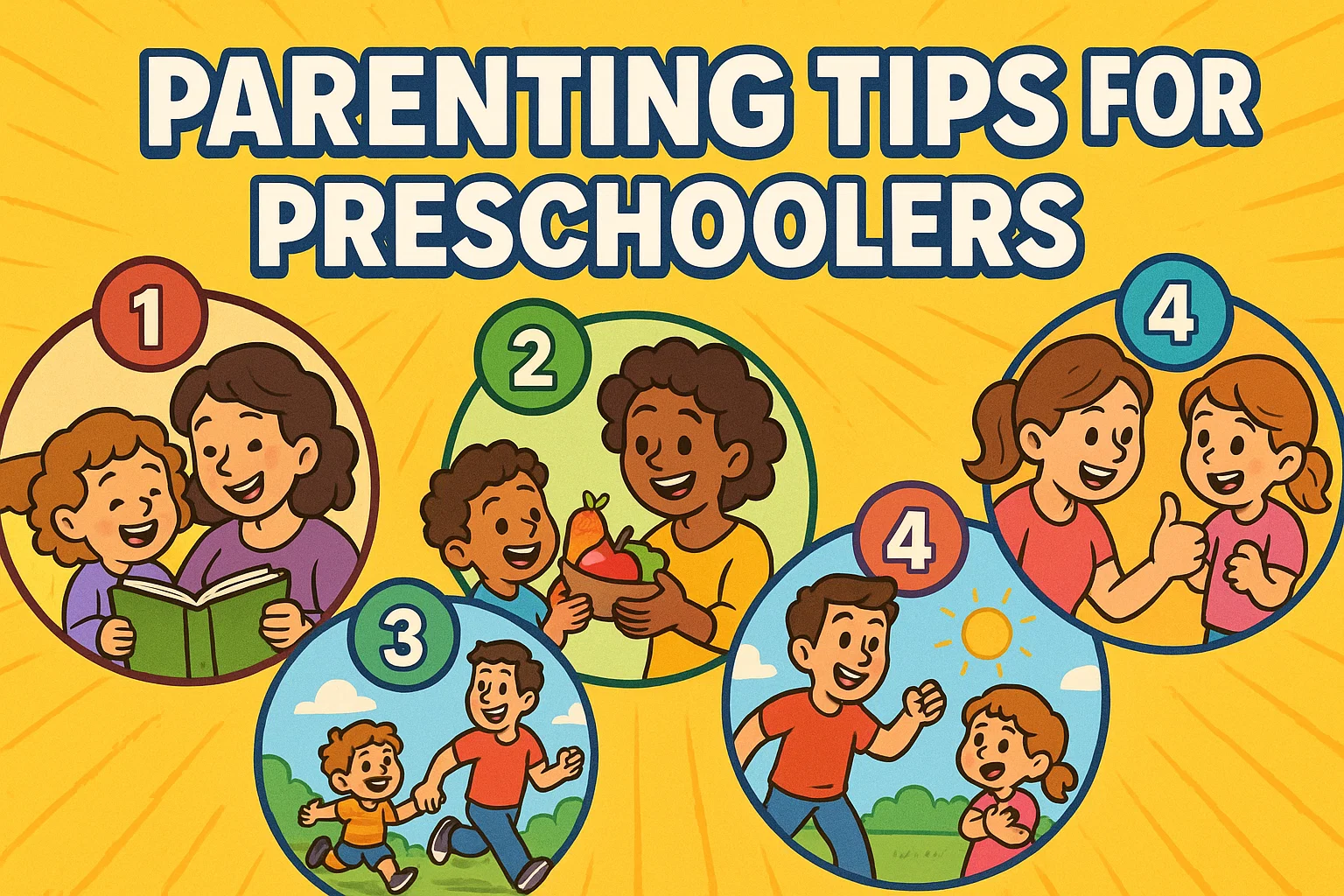
The preschool years bring common developmental challenges, including tantrums, boundary-testing, sleep difficulties, and decisions about screen use. Parents of preschoolers often find it challenging to balance daily routines with safety, learning, and social development. This guide provides 17 practical parenting tips for addressing these common challenges. Evidence-informed approaches to discipline, health, safety, and emotional well-being can help families navigate this important developmental stage.
Key Takeaways
- Predictable daily routines can reduce conflict and make transitions easier for preschoolers.
- Replacing general praise with specific encouragement can help children value effort and persistence.
- Clear boundaries around digital media help preserve time for sleep, active play, reading, and family interaction.
- Close adult supervision, age-appropriate safety rules, and a well-prepared environment all help reduce the risk of household and playground injuries.
- Attending to their own well-being can help parents respond more calmly and model healthy coping strategies.
Preschooler Needs at a Glance
Preschoolers benefit from warm, responsive relationships with one or more consistent caregivers. At this stage, children benefit from a reasonably predictable routine, clear and consistent boundaries, and plenty of opportunities for active play. Children also need adequate sleep, increasing opportunities for age-appropriate independence, and calm adult support during periods of emotional distress.
Parenting Priorities for Ages 3–5
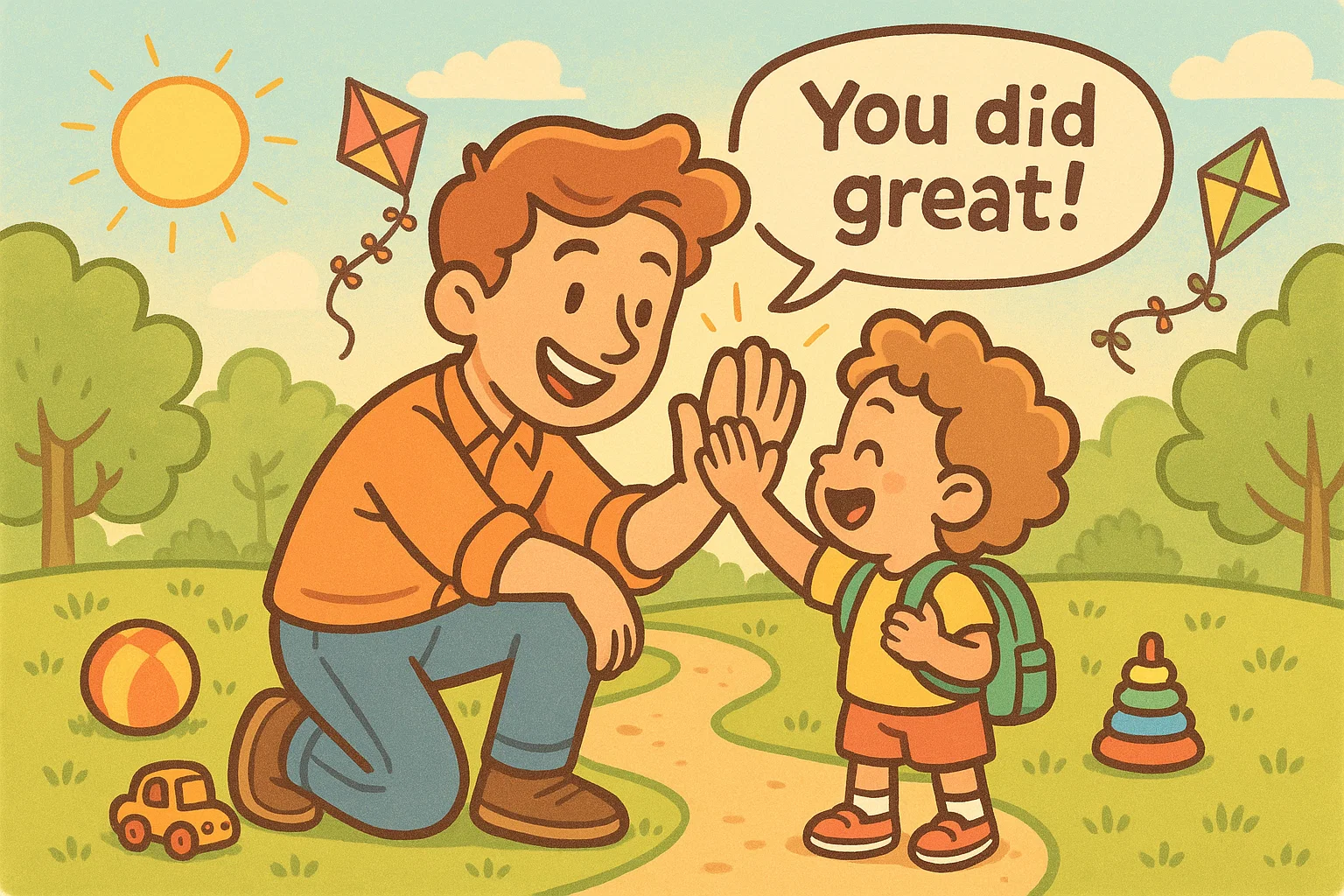
Keeping children safe at home, outdoors, and while traveling is a fundamental parenting priority. A trusting, supportive relationship can help your child feel secure while exploring the world. Parents can set developmentally appropriate expectations, teach emotional regulation skills, establish healthy habits, and respond to behavior consistently.
Practical Daily Actions
Caregivers can make daily interactions easier by giving clear, concise instructions instead of lengthy explanations. Specific encouragement can draw a child’s attention to effort, persistence, and cooperation. Giving advance warning before transitions, listening attentively, and keeping sleep and mealtime routines reasonably consistent can make daily family life more manageable.
Preschooler Developmental Milestones
During the preschool years, children develop rapidly across physical, language, cognitive, social, and emotional domains. These age-based milestones describe skills that most children demonstrate by a particular age, but individual development varies. Caregivers can use these milestones to monitor development, but the checklists should not replace professional developmental screening.
Physical Development
Between ages 3 and 5, children continue to develop their gross and fine motor skills. CDC milestones are age-specific: by age 3, most children can put on some clothing and use a fork; by age 4, most can catch a large ball and hold a crayon between their fingers and thumb; and by age 5, most can hop on one foot and button some buttons. Fine motor skills develop gradually during these years, helping children become more independent with clothing, drawing, eating utensils, and supervised craft activities.
Language Development
Children develop language skills through frequent conversations, shared reading, play, and interaction with adults and peers. Vocabulary and sentence complexity typically grow rapidly during the preschool years, although the number of words a child uses varies widely. Caregivers can support language development by speaking naturally, expanding on what the child says, reading together, and giving the child time to respond.
Cognitive Development
Cognitive development in early childhood includes growing curiosity about cause and effect, categorization, numbers, patterns, and problem-solving. Cognitive skills vary by age; for example, CDC lists counting to 10 as a milestone that most children demonstrate by age 5. Imagination and memory also develop during this period, supporting increasingly detailed pretend play and conversations about past events.
Social Development
During the preschool years, children increasingly participate in interactive and cooperative play with peers. Children ages 3–5 begin to form friendships, share toys, and wait for their turn during group activities. Sharing and turn-taking may remain difficult while impulse control and perspective-taking are still developing, but preschoolers gradually become better at recognizing other people’s feelings.
Emotional Development
Preschoolers can experience intense emotions while their self-regulation skills are still developing. Although language skills develop rapidly, young children may still become overwhelmed by frustration, jealousy, fear, or disappointment. Parents can help by naming emotions, offering simple calming strategies, and practicing coping skills when the child is calm.
Signs Professional Guidance May Help
While variations in development are normal, certain behavioral or physical markers suggest that a consultation with a pediatrician or child specialist may be beneficial. Caregivers should consult a pediatrician if a child loses previously acquired skills or if there are persistent concerns about speech, movement, learning, behavior, hearing, or social interaction. The following examples should be discussed with a pediatrician, who may recommend developmental screening or referral to an appropriate specialist:
| Developmental Domain | Signs to Discuss with a Pediatrician | Potential Area of Assessment |
| Language & Communication | By age 4, does not use sentences of four or more words, or has persistent difficulty understanding age-appropriate directions. | Pediatric evaluation, with speech-language and hearing assessments as indicated |
| Motor Skills | Is not meeting age-appropriate movement milestones, has lost a previously acquired motor skill, or has persistent difficulty using their hands. | Pediatric or developmental evaluation, with physical or occupational therapy assessment as indicated |
| Social & Behavioral | Shows persistent, severe aggression or little interest in interacting or playing with other people. | Pediatric developmental screening, with referral to developmental-behavioral pediatrics or child psychology as indicated |
17 Parenting Tips for Preschoolers
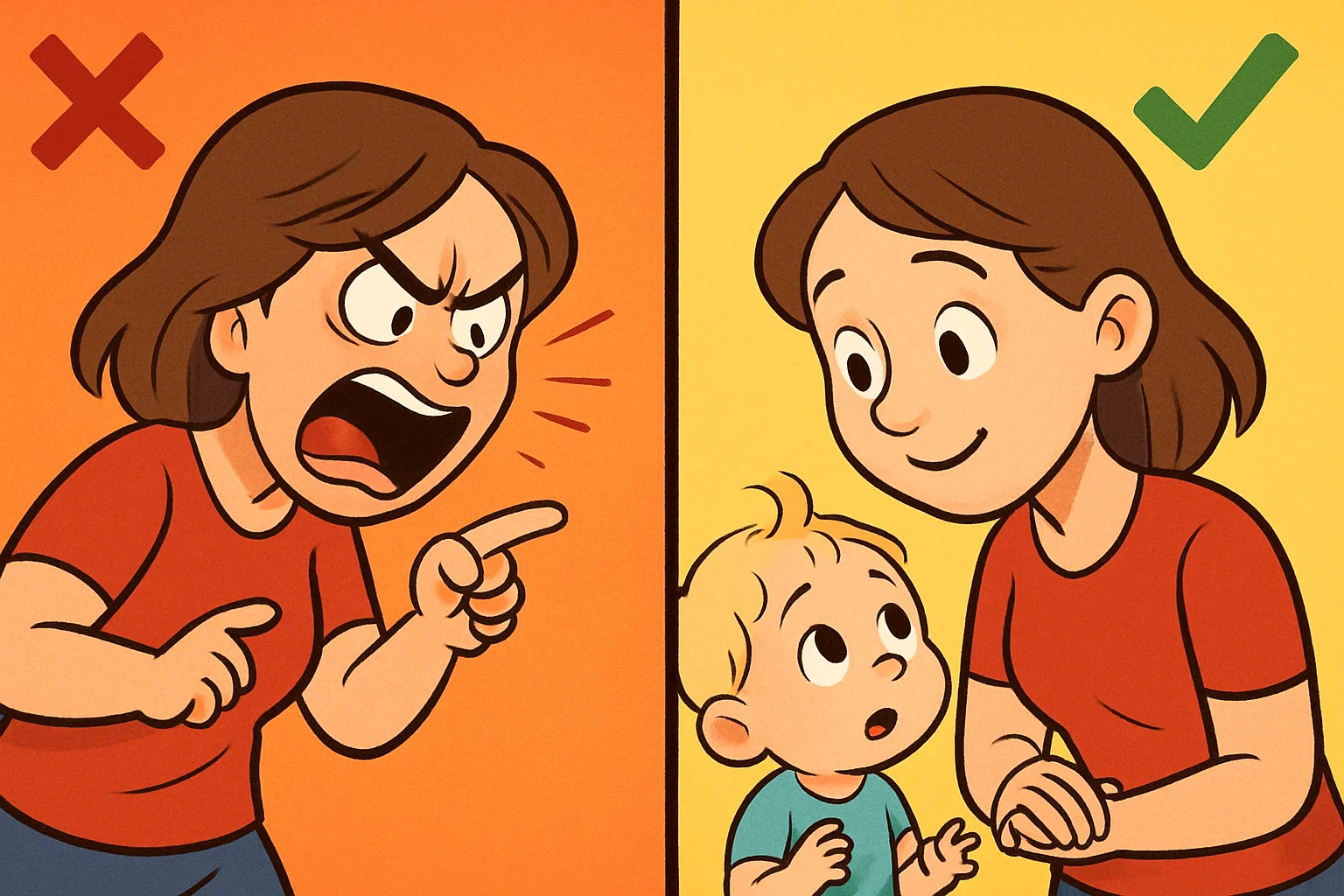
The following recommendations offer practical ways to support your preschooler’s development and manage common daily challenges. Caregivers can adapt these strategies to their family’s routines, culture, values, and their child’s temperament.
1. Stay Calm Instead of Yelling
Using a calm, steady tone during conflict can help keep the situation from escalating. When a parent pauses and breathes before reacting, they demonstrate emotional self-regulation in real time. For example, if your child resists a request, you can say:
I see you are upset, but we need to put on our shoes now so we can go to the park.
2. Praise Effort and Encourage Growth
Replacing generic statements such as “Good job” with specific encouragement can draw attention to effort, persistence, and helpful behavior. Acknowledging a child’s persistence helps them notice the value of the learning process, not only the final result. You might say:
I noticed how hard you worked to balance those blocks, even when they fell down.
3. Model Positive Behavior
Preschoolers often imitate the language, emotional responses, and device use of the adults around them. When parents manage stress through deep breathing and respectful language, children have an opportunity to observe similar coping strategies. Consistently modeling kindness, active listening, and respectful boundaries is a powerful way to teach these skills.
4. Build a Predictable Routine
A reasonably predictable schedule can help young children feel secure and experience less stress during transitions. Keeping waking, meal, and bedtime routines reasonably consistent can support regular sleep and daily rhythms. Caregivers can use a simple picture schedule to help preschoolers understand what comes next and reduce repeated verbal reminders.
5. Strengthen the Parent-Child Connection
Giving your child regular periods of warm, undivided attention helps strengthen your relationship. Set aside regular device-free time for child-led play, shared reading, or quiet conversation. Consistent emotional availability can help a child feel secure, loved, and supported.
6. Teach Through Calm Discipline
Positive discipline focuses on teaching skills and setting limits rather than relying on punishment. When a rule is broken, parents can respond promptly with a consequence that is brief, reasonable, and related to the behavior. For example, if a child deliberately throws a toy, the parent might put it away briefly and help the child repair any damage or check on anyone who was hurt.
7. Encourage Safe Exploration
Safe, age-appropriate exploration supports curiosity, problem-solving, and growing independence. Caregivers can arrange safe spaces where children can handle different materials, practice physical skills, and solve simple problems independently. Freedom within safe limits gives children opportunities to practice judgment and build confidence in their physical abilities.
8. Use Positive Language
Positive, specific instructions tell preschoolers what to do and are often easier to follow than repeated prohibitions. Instead of repeatedly shouting “Don’t run,” say:
Please use your walking feet inside the house.
Replacing general prohibitions with clear instructions can make expectations easier for a child to understand and follow.
9. Set Clear Limits
Children often do best with a small number of clear, consistent household rules. These boundaries should focus primarily on safety, respectful behavior toward others, sleep routines, and media use. Caregivers should apply limits as consistently as possible, while recognizing that occasional exceptions do not undermine an otherwise predictable approach.
10. Coach Social Skills
Parents can actively coach social skills by guiding preschoolers through peer interactions and simple conflict resolution steps. Teach your child how to greet others, ask, “Can I play with you?” and take turns with toys. When minor disagreements occur during playdates, prompts such as “Tell your friend you would like a turn when they are finished” can help children practice clear, respectful communication.
11. Support Active Play, Games, and Sports
Daily active play supports physical health, coordination, and gross motor development. Activities such as obstacle courses, dancing, tag, and simple ball games should emphasize enjoyment and movement rather than performance or competition. Active play gives children opportunities to move and may also support better sleep.
12. Set Healthy Screen Limits
Establishing clear boundaries around digital media can help prevent screens from displacing sleep, active play, reading, and face-to-face interaction. Screen guidance varies by age and organization, so families should consider the amount, quality, and context of media use. The following guidelines can help families create a practical media plan:
- Daily Duration: Set a predictable limit that protects sleep, active play, reading, and family interaction; CDC guidance for ages 3–5 uses no more than 1 hour per day as a practical benchmark.
- Content Choice: Choose age-appropriate, high-quality content and avoid programs dominated by rapid cuts, advertising, frightening material, or violence.
- Timing: Turn off screens at least 60 minutes before bedtime so that light exposure and stimulating content do not interfere with settling down.
- Environment: Keep bedrooms screen-free to encourage independent play and healthy sleep habits.
13. Create a Supportive Home Environment
An accessible home environment allows preschoolers to complete simple, age-appropriate self-care tasks more independently. Keeping toys on low shelves and providing a stable, child-safe step stool allow the child to practice simple self-care skills. An accessible, predictable setup can reduce everyday frustration and give children opportunities to practice responsibility.
14. Support Early Learning at Home
Parents can support early literacy and math skills through playful, everyday activities at home. Count pieces of fruit during snack time, point out letters on grocery packages, and sort laundry by color or size together. These low-pressure, playful activities are generally more developmentally appropriate for preschoolers than relying heavily on worksheets.
15. Listen Actively
Listening attentively shows your child that their thoughts, fears, and ideas matter to you. Move closer to your child’s level, give them your attention, and allow enough time for them to find the right words without interruption. You can reflect the child’s feelings by saying:
It sounds like you felt sad when your tower fell.
This can help the child feel heard and understood.
16. Pause and Observe Before Reacting
When challenging behavior occurs, caregivers can pause and consider what may be contributing to it before responding. Sudden resistance or emotional outbursts may be related to hunger, fatigue, sensory overload, stress, a difficult transition, or the onset of illness. Identifying these factors can help parents address an immediate need before deciding how to respond to the behavior.
17. Choose a Structure Parents Can Sustain
A few realistic strategies that a family can maintain are often more useful than an elaborate system that quickly becomes overwhelming. Choose a small set of core rules and routine elements that fit your family’s work schedule, budget, and values. Consistency matters more than complexity; a steady, predictable environment helps preschoolers feel secure.
Typical Preschool Behaviors and Helpful Responses
Many challenging behaviors are connected to developing self-regulation, communication, and impulse-control skills, although preschoolers may also test limits deliberately. Understanding the developmental needs behind behavior can help parents respond more calmly and effectively.
Tantrums and Emotional Outbursts
Meltdowns can occur when a child’s emotions exceed their current ability to cope or communicate. During a tantrum, the primary goal is to ensure physical safety while remaining a calm, grounding presence nearby. Avoid lectures or punishments during the outburst; wait until the child is calm enough to listen before briefly discussing what happened and practicing another way to respond.
Defiance and Frequent Refusal
Frequent use of “no” and resistance to adult requests can reflect a preschooler’s growing independence and desire for control. Parents can respond to minor refusals by offering a limited choice between two acceptable options, which gives the child an appropriate sense of control. For example, ask:
Would you like to brush your teeth before or after you put on your pajamas?
Hitting, Biting, and Throwing
Hitting, biting, and throwing require an immediate, calm intervention to keep everyone safe. Step in physically to stop the action and state clearly:
I will not let you hit. Hitting hurts.
Once the immediate situation is safe and calm, acknowledge the underlying emotion while explaining firmly that hitting, biting, and throwing are not acceptable ways to express anger.
Whining and Repeated Requests
Whining may signal frustration, fatigue, difficulty expressing a need, or an attempt to continue a request after a limit has been set. Caregivers can acknowledge the request and calmly prompt a clearer voice:
I want to hear you. Please try that again in your regular voice.
Once the child uses an appropriate tone, respond promptly to reinforce that specific communication style.
Clinginess and Separation Difficulty
Difficulty with goodbyes is common as young children learn to manage temporary separation from caregivers. To ease these moments, create a brief, predictable goodbye ritual—for example, a special handshake followed by the reassuring phrase “I always come back.” A familiar comfort object may also help the child feel more secure while you are away.
Bedtime Resistance
Bedtime resistance may stem from a fear of missing out on family activities, difficulty ending the day, or discomfort with separation. To minimize bedtime pushback, establish a soothing, screen-free evening routine that includes a warm bath, a story, and a quiet conversation. If the child makes repeated requests after lights out, calmly escort them back to bed with minimal conversation to signal that the boundary is firm.
Sibling and Peer Conflict
Arguments over toys or personal space provide valuable opportunities for preschoolers to practice real-world social skills. When everyone is safe, stay nearby and give children a brief opportunity to resolve a minor disagreement before offering help. If you need to step in, act as a neutral coach by helping each child express their needs and guiding them toward a fair compromise.
Child Safety First
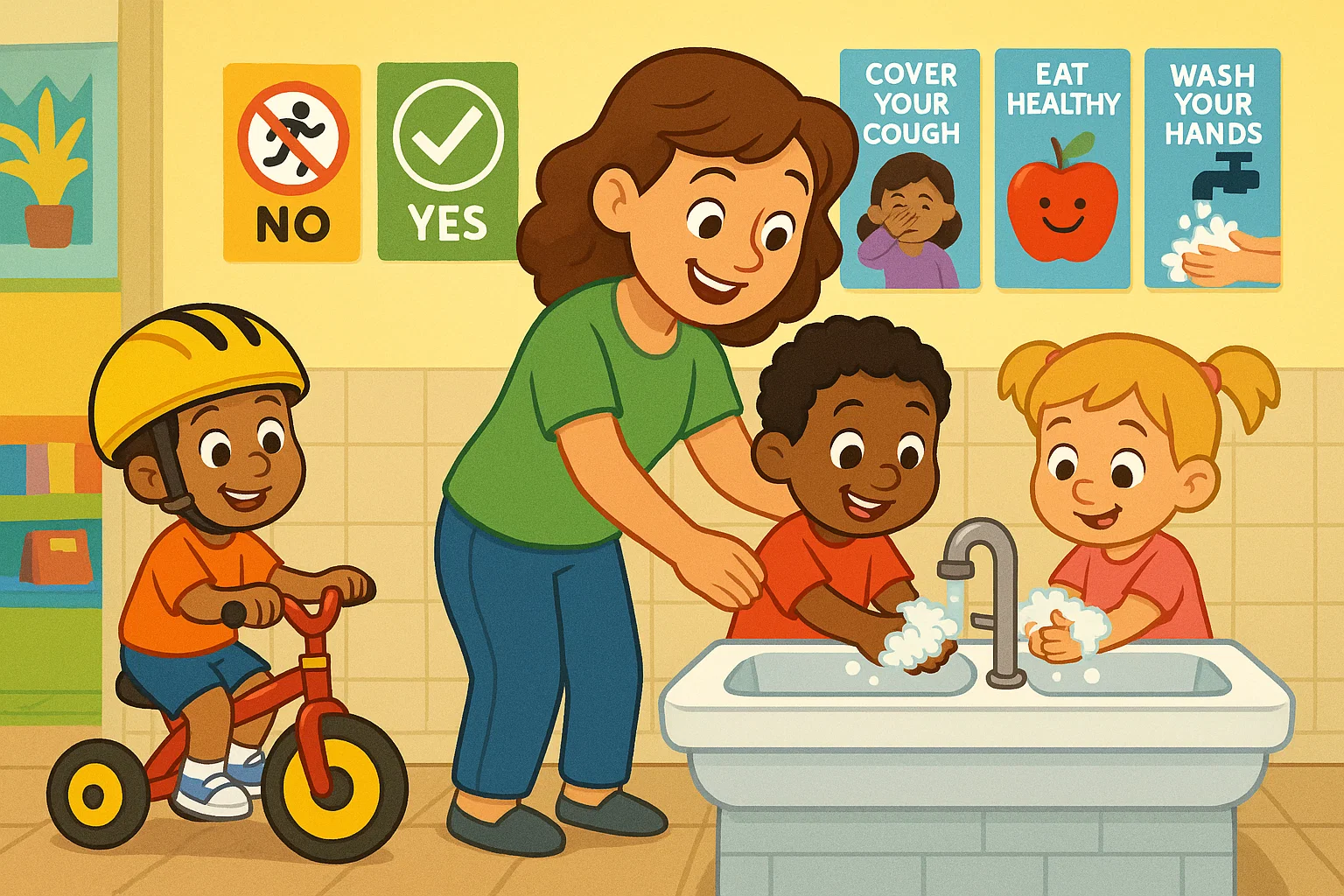
A secure environment is fundamental during the active preschool years. Caregivers should combine close supervision with practical home-safety measures to reduce common environmental risks.
Car Seat Safety
An appropriately sized, correctly installed car seat is essential for protecting young children during travel. Keep children rear-facing until they reach the rear-facing height or weight limit of their car seat; after that, use a forward-facing seat with a harness until they outgrow its harness limits. Install the seat according to both the car-seat and vehicle instructions, and make sure the harness fits snugly over the child’s shoulders and body.
Water Safety
Drowning can happen quickly and silently, so close, continuous supervision is essential whenever young children are in or near water. An attentive adult should provide continuous supervision around water and stay within arm’s reach of young children and weak swimmers, including in pools, lakes, and bathtubs. Enroll your child in age-appropriate swim lessons taught by a qualified instructor, while remembering that swim lessons do not replace close adult supervision.
Street and Parking Safety
Preschoolers have limited peripheral vision and struggle to accurately judge the speed and distance of oncoming vehicles. Caregivers should closely supervise children and hold their hands in parking lots, near driveways, and while crossing roads. Teach your child to stop at curbs and look in every direction, but make it clear that an adult decides when it is safe to cross and should keep the child close near traffic.
Home Safety
Securing the home environment requires a systematic approach to minimizing structural risks as a child’s climbing ability increases. Heavy furniture, televisions, and bookshelves should be securely anchored to walls to prevent tip-over injuries. Use appropriate window guards, cover accessible outlets, and keep medicines and household chemicals locked, out of sight, and out of reach.
Playground Safety
Outdoor play areas help children build motor skills, but they require careful parental oversight to prevent injuries. Before play begins, check that the equipment is age-appropriate, well maintained, and installed over an impact-absorbing surface. Make sure your child wears secure, activity-appropriate footwear and avoids clothing, necklaces, or drawstrings that could catch on equipment.
Stranger and Body Safety
Teaching body safety helps young children establish personal boundaries and feel empowered to protect themselves. Use accurate anatomical names for body parts and explain that private parts are not for other people to look at or touch except when necessary for health, hygiene, or safety. Teach children that they may refuse unwanted affection, that they should tell a trusted adult about any touch that feels unsafe or confusing, and that they will not be in trouble for speaking up.
Healthy Bodies and Daily Habits
Establishing consistent daily health habits during the preschool years builds a foundation for long-term physical and emotional well-being. Balanced nutrition, physical activity, and adequate sleep support healthy growth, energy, and emotional well-being.
Balanced Meals and Snacks
Offering a variety of nutritious foods supports a preschooler’s steady growth and daily energy needs. Offer regular meals and structured snacks that include lean proteins, whole grains, fruits, and vegetables while limiting highly processed foods and sugary drinks. To foster a positive relationship with food, avoid forcing a child to clean their plate or using sweet treats as a reward for good behavior.
Physical Activity
Daily movement supports physical development, coordination, strong muscles and bones, and overall health. Preschoolers should be active throughout the day; caregivers can aim for at least three hours of varied light, moderate, and vigorous activity, including both structured and unstructured play. Regular family walks, playground visits, and active indoor games support overall health and may help children sleep better at night.
Healthy Sleep Routine
Adequate sleep supports a preschooler’s learning, emotional health, attention, and behavioral regulation. Children ages 3–5 generally need 10–13 hours of sleep in each 24-hour period, including naps when applicable. A calm, consistent bedtime routine can help children unwind and settle to sleep more easily.
Dental Care
Developing good oral hygiene habits early protects primary teeth and sets the stage for healthy permanent teeth. Preschoolers should brush their teeth twice a day using a pea-sized amount of fluoride toothpaste under close adult supervision. Because young children cannot yet brush thoroughly on their own, adults should continue to help and should schedule dental visits at the interval recommended by the child’s dentist.
Hygiene and Self-Care
Teaching everyday hygiene practices can help reduce the spread of many common infections. Guide your preschooler to wash their hands thoroughly with soap and water after using the restroom, playing outside, and before eating meals. Encourage them to practice self-care skills, such as blowing their nose into a tissue, covering coughs, and dressing independently.
Emotional Health
A child’s emotional well-being is influenced by physical health, relationships, stress, and the stability of daily routines. Make room for unstructured play, open communication, rest, and warm physical affection that the child welcomes. Providing a safe, validating space for feelings can help children develop coping skills for everyday stress.
Screen Time and Preschoolers
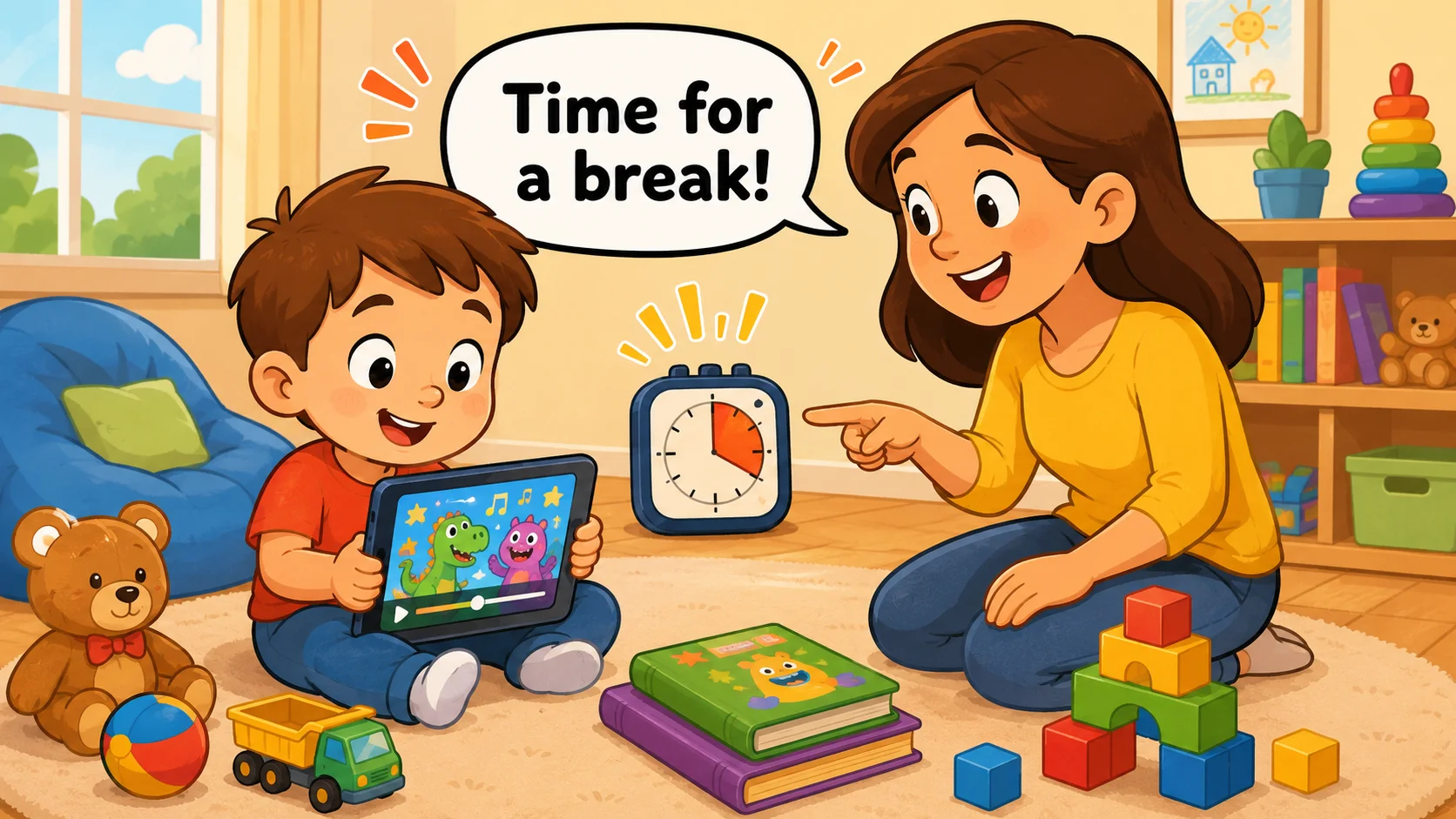
Managing digital media is a common challenge for modern parents trying to balance educational benefits with healthy development. Clear, proactive boundaries can help prevent screens from crowding out active play, sleep, reading, and family time.
Clear Screen Rules
Setting straightforward, easy-to-understand rules helps preschoolers know exactly when and where they can use digital devices. Consider keeping meals and bedrooms screen-free. Using simple visual cues or a kitchen timer can make transitions away from devices smoother for young children.
High-Quality Content Choices
When selecting media, prioritize age-appropriate, high-quality content from reputable sources, ideally without advertising or autoplay. Look for content that supports social-emotional skills, early literacy, creativity, or problem-solving. Avoid content with excessive advertising, frightening material, or design features that make it difficult for the child to stop watching.
Shared Viewing and Conversation
Watching together can make media use more interactive and give you opportunities to discuss what the child sees. Talk about the story, ask simple questions about the characters’ emotions, and connect what is on screen to real life. For example, you might say:
Look, that character is sharing their toys just like you did with your friend today.
Easier Screen Transitions
Stopping a screen activity can be difficult, but giving a gentle warning in advance may make the transition easier. Use clear, concrete milestones instead of abstract time limits, such as saying:
You can watch one more episode, and then we will turn off the TV to go play outside.
Offering an appealing, hands-on activity immediately afterward may ease the transition.
Adult Screen Habits
Because young children learn so much by watching the adults around them, parents should be mindful of their own screen habits. Aim to put away personal devices during family meals, dedicated playtime, and meaningful conversations with your child. Turning off background TV and modeling balanced technology use can create a more connected home environment.
Screen-Free Alternatives
Providing hands-on activities encourages independent creative play and gives children opportunities to practice fine motor skills. Keep a variety of open-ended materials readily available, such as building blocks, play dough, drawing materials, and simple puzzles. Pretend play, audiobooks, and simple household tasks can keep children engaged without a screen.
Social Skills, Play, and Early Learning
Preschoolers learn many skills effectively through interactive play, conversation, and everyday routines. Opportunities to practice social, emotional, and creative skills can support a child’s adjustment to kindergarten.
Cooperative Play
Engaging in cooperative play helps preschoolers learn to collaborate, share ideas, and resolve minor conflicts with peers. Simple board games, building block projects, and group games teach children how to take turns and handle winning or losing gracefully. These experiences can build social confidence and give children practice cooperating with others.
Emotion Vocabulary
Expanding a child’s emotional vocabulary gives them more ways to express feelings instead of relying only on crying, yelling, hitting, or other impulsive behavior. Use everyday moments or storybook characters to introduce emotion words such as frustrated, excited, worried, or proud. You might model a phrase such as:
I feel frustrated because my tower fell down.
Practicing this language when the child is calm can make it easier to use later.
Friendship Skills
Making friends is an important part of emotional and social development that requires practice and gentle adult guidance. Help your child practice simple social scripts, such as introducing themselves or politely asking to join a game. If your child faces a minor social setback or rejection during play, talk about it calmly and help them think of positive ways to handle the situation next time.
Reading and Storytelling
Reading together regularly supports language development, imagination, and a positive relationship with books. As you read, ask open-ended questions about the pictures, discuss what the characters might do next, and encourage your child to retell their favorite parts of the story. This interactive reading style can expand vocabulary and strengthen your connection with your child.
Number and Problem-Solving Skills
Early math and logic concepts can be introduced through simple, everyday household activities. Count pieces of fruit together at snack time, sort toys by size or color, and look for geometric shapes around the neighborhood. Encouraging your child to solve simple everyday challenges, such as sharing a snack evenly, supports early problem-solving skills.
Creativity and Pretend Play
Pretend play and open-ended art projects give preschoolers opportunities to use their imagination and express their ideas. Provide simple, versatile materials such as cardboard boxes, dress-up clothes, and basic art supplies that do not have a single “correct” use. Supporting self-directed creative play can foster independence, problem-solving, and original thinking.
Parent Well-Being and Confidence
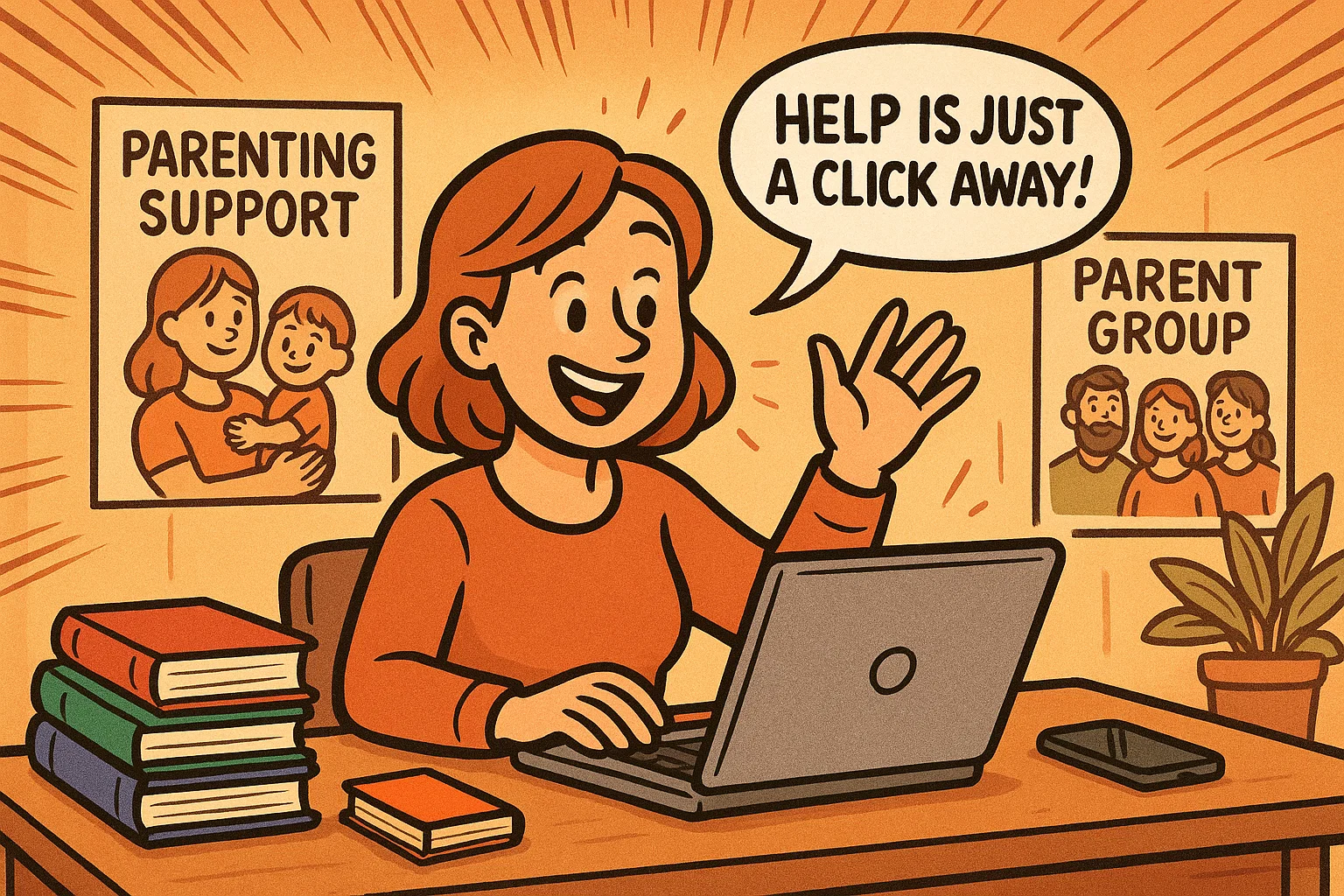
Parenting a preschooler can feel overwhelming because of conflicting advice and the demands of daily care. Prioritizing your own emotional health and maintaining realistic expectations are important for remaining patient and emotionally available to your child.
Signs Parenting Advice Feels Overwhelming
With so much parenting information available, it is easy to experience decision fatigue, self-doubt, or guilt. If you find yourself constantly changing your discipline methods, worrying about minor mistakes, or comparing your family to others on social media, you may be experiencing information overload. Recognizing these feelings of stress allows you to step back and focus on the simple, core routines that work for your family.
Parent Identity Changes During the Preschool Years
As your child becomes more independent, your parenting role may change, affecting how you balance work, relationships, family responsibilities, and your own sense of identity. It is common to feel a mix of emotions as you balance your child’s need for autonomy with your own interests and goals. Acknowledging these changes can help you develop a sustainable routine for yourself and your family.
Permission to Pause and Observe
When faced with repetitive or challenging behavior, parents do not always need to react immediately with a solution or a consequence. Taking a moment to step back and simply observe allows you to see what might be triggering the behavior, such as fatigue or a difficult transition. This thoughtful approach helps you respond with calm guidance rather than an emotional reaction.
Sustainable Family Structure
Every family has its own schedule, culture, values, resources, and dynamics, so there is no single “perfect” way to parent. Focus on building a daily routine and a simple set of household rules that your family can realistically maintain without burnout. A sustainable, predictable environment provides a strong sense of security for both parents and children.
Skills Behind Behavior
Considering which skills may still be developing can help parents respond to challenging behavior more constructively. For example, a child who struggles during transitions may simply need more practice managing change, while a child who interrupts may be learning how to wait patiently. Identifying the skills a child is still learning makes it easier to teach and support them instead of relying primarily on punishment.
Consistent Presence Over Perfect Scripts
You do not need to memorize perfect parenting phrases, and you do not need to avoid every mistake to be an effective caregiver. What preschoolers need most is a reliable, emotionally steady adult who provides a safe space and consistent boundaries. When you lose your patience, apologizing and reconnecting can model accountability and relationship repair.
Benefits of Positive Parenting Tips for Preschoolers
Positive parenting strategies can support healthy development and reduce some sources of daily conflict. Focusing on encouragement, clear limits, and mutual respect can benefit the whole family over time.
Stronger Parent-Child Connection
Responding with empathy and maintaining reasonably consistent boundaries can help build trust and emotional security. This foundation can make it easier for your child to share their thoughts and seek your guidance. A close relationship during early childhood can support open communication as the child grows.
Greater Self-Confidence
Giving your child small responsibilities, allowing them to make simple choices, and recognizing their efforts help build a sense of competence. When children see that their choices matter and that mistakes are part of learning, this can help them develop a sense of competence and confidence. This early independence gives them the courage to take on new challenges with a positive attitude.
Healthier Daily Habits
A predictable routine gives preschoolers regular opportunities to practice healthy habits related to sleep, meals, hygiene, and media use. When daily expectations are clear and consistent, children cooperate more easily and experience less stress during transitions. These stable everyday routines support both physical growth and emotional well-being.
Fewer Recurring Behavior Problems
Anticipating common difficulties and teaching new skills can reduce some recurring behavior struggles over time. When expectations are clear and children have practiced ways to communicate and cope, they may be better able to manage frustration without escalating. This proactive approach can contribute to a calmer, more cooperative home environment.
Stronger Social Skills
When parents model empathy, cooperation, and respectful communication, children have regular opportunities to practice similar social skills. By watching their parents model calm communication, empathy, and fair conflict resolution, preschoolers learn how to interact respectfully with others. These early social skills can support the transition into school and other group settings.
Growing Independence
Supporting your child as they practice self-care tasks—such as getting dressed, putting away toys, and washing their hands—helps them become more independent. Allowing preschoolers to handle manageable tasks on their own gives them practice with responsibility and problem-solving. Growing independence can make everyday preschool and kindergarten tasks more manageable.
Conclusion
Core Principle to Remember
Effective parenting during the preschool years is built on a foundation of steady emotional connection, clear and consistent boundaries, and realistic expectations. Challenging behaviors are common in early childhood and often reflect developing language, impulse-control, and self-regulation skills, although children may also test limits intentionally. By responding calmly, maintaining reasonably consistent routines, and focusing on teaching skills, caregivers can create an environment that supports healthy development.
Next Step for Families
Rather than trying to change your entire family routine all at once, choose just two or three specific tips from this guide to focus on this week. You might start by giving a clear warning before screen time ends or by offering specific encouragement during play. Once these small adjustments feel natural and sustainable, you can gradually introduce new positive parenting strategies to support your child’s growth.
Frequently Asked Questions About Parenting Preschoolers
What should parents know about child development from ages 3 to 5?
Child development from ages 3 to 5 includes rapid changes in language, movement, thinking, independence, and social skills, including emotional regulation. The skills that most children demonstrate by a particular age are called developmental milestones. Although children reach milestones at different rates, persistent concerns or the loss of previously acquired skills should be discussed with a pediatrician.
How can parents help a preschooler develop strong language skills?
You can help your child develop good language skills by speaking to them in complete sentences and using the correct words and phrases for familiar objects, actions, and feelings. Give your child time to answer questions, expand on what they say, and read together regularly. These everyday conversations help a child develop good language skills without turning communication into a formal lesson.
What parenting style works best for preschoolers?
No single parenting style works perfectly for every family, but preschoolers generally benefit from warmth, predictable boundaries, and age-appropriate choices. Explain and show the behavior that you expect instead of relying only on commands or punishment. For example, tell your child, “Please put the blocks in the basket,” rather than giving a vague instruction such as “Be good.”
How can parents encourage curiosity and independent learning?
Let your child explore and ask questions within safe, age-appropriate limits. Encourage your child to play with open-ended materials such as blocks, art supplies, puzzles, and dress-up clothes. These activities provide your child with opportunities to experiment, solve simple problems, and develop confidence without requiring constant adult direction.
How should families set limits for screen time?
When setting limits for screen time for your child, consider the quality of the content as well as what screen use may be replacing. For children ages 3 to 5, one hour per day of quality programming is a commonly used practical benchmark, but family interaction, active play, reading, and sleep should remain the priorities. Watching together and discussing the content can help kids connect what they see on screen with real-life experiences.
When should a preschooler use a car seat with a harness?
When letting your child ride in a car, use an appropriate car seat with a harness until your child reaches the top height or weight limit allowed by the car-seat manufacturer. After the child reaches the top height or weight limit, follow the manufacturer’s instructions and local safety requirements for the next stage. Children younger than 13 should ride in the back seat of the vehicle whenever possible.
Is learning to swim enough to protect a preschooler around water?
It is helpful to teach your child to swim through an age-appropriate program, but swimming lessons cannot eliminate drowning risk. Keep a close eye on your child and remain within arm’s reach when the child is in or immediately beside a pool, bathtub, lake, or any other body of water. An attentive adult should supervise the child whenever possible without using a phone, reading, or completing another distracting task.
What are some practical ways parents can support healthy habits?
Ways you can help include offering regular meals and snacks, encouraging active play, maintaining a consistent sleep routine, and modeling balanced media habits. These routines can help children maintain a healthy pattern of growth without making weight the focus of family conversations. Let your child choose between two nutritious options and participate in simple tasks such as washing fruit or setting the table.

Take a short quiz to find out what your everyday choices say about your parenting style
When your child is curious about something new, what’s your instinct?
Take a short quiz to find out what your everyday choices say about your parenting style
“Can I download this app?” What happens next?
Take a short quiz to find out what your everyday choices say about your parenting style
When it comes to rules at home, which sounds most like you?
Take a short quiz to find out what your everyday choices say about your parenting style
If you could give your child one life skill today, what would you pick?
Take a short quiz to find out what your everyday choices say about your parenting style
Your child gets to choose what to watch. What would your ideal setup look like?
Take a short quiz to find out what your everyday choices say about your parenting style
Pick your parenting superpower ✨