10 Rules for Living With a Teenage Daughter

 Discover a Free Education Video App for Kids
Pastory uses AI to personalize educational video content based on your child’s interests and personality. Safe, engaging, and built for curious young minds. Sign up now to stay updated and enjoy early access with a free trial

Parents of teenage girls often navigate major developmental shifts, including mood swings, intense conflicts, a growing desire for independence, social media pressure, academic stress, and changing family roles. Clear household rules and boundaries can reduce daily tension while helping families preserve love, respect, safety, and connection. Practical parenting strategies can help families maintain a stable home while supporting a teenager’s gradual transition into adulthood. For parents of teenage daughters, clear household rules can help preserve peace and make the parenting journey feel more manageable and rewarding.
Key Takeaways
- Emotional Regulation: Staying calm during conflict prevents escalation and models healthy coping mechanisms.
- Clear Boundaries: Clear house rules provide safety while allowing growing independence.
- Active Listening: Prioritizing understanding over immediate problem-solving helps keep parent-teen communication open.
- Digital Management: Setting clear boundaries around social media use can support adolescent mental health.
- Repairing Connection: Sincere parental apologies can build mutual respect and support a teen’s self-worth.
Main Rules in Brief
- Don’t Take Attitude Personally: Recognize that emotional volatility can be part of adolescent development.
- Enforce Core Boundaries: Maintain non-negotiable household rules around mutual respect, safety, and family responsibilities.
- Prioritize Active Listening: Allow your teen daughter to express her feelings fully before offering guidance or solutions.
- Respect Private Spaces: Give your daughter appropriate privacy around her thoughts, conversations, and physical space while still keeping safety in mind.
- Gradually Support Independence: Give your daughter opportunities to make independent choices and experience natural consequences.
- Regulate Digital Exposure: Set clear boundaries for technology use, particularly during sleep hours and family meals.
- Seek Professional Support Early: Reach out for qualified help if behavioral patterns suggest an underlying mental health concern.
Parent Mindset Shift
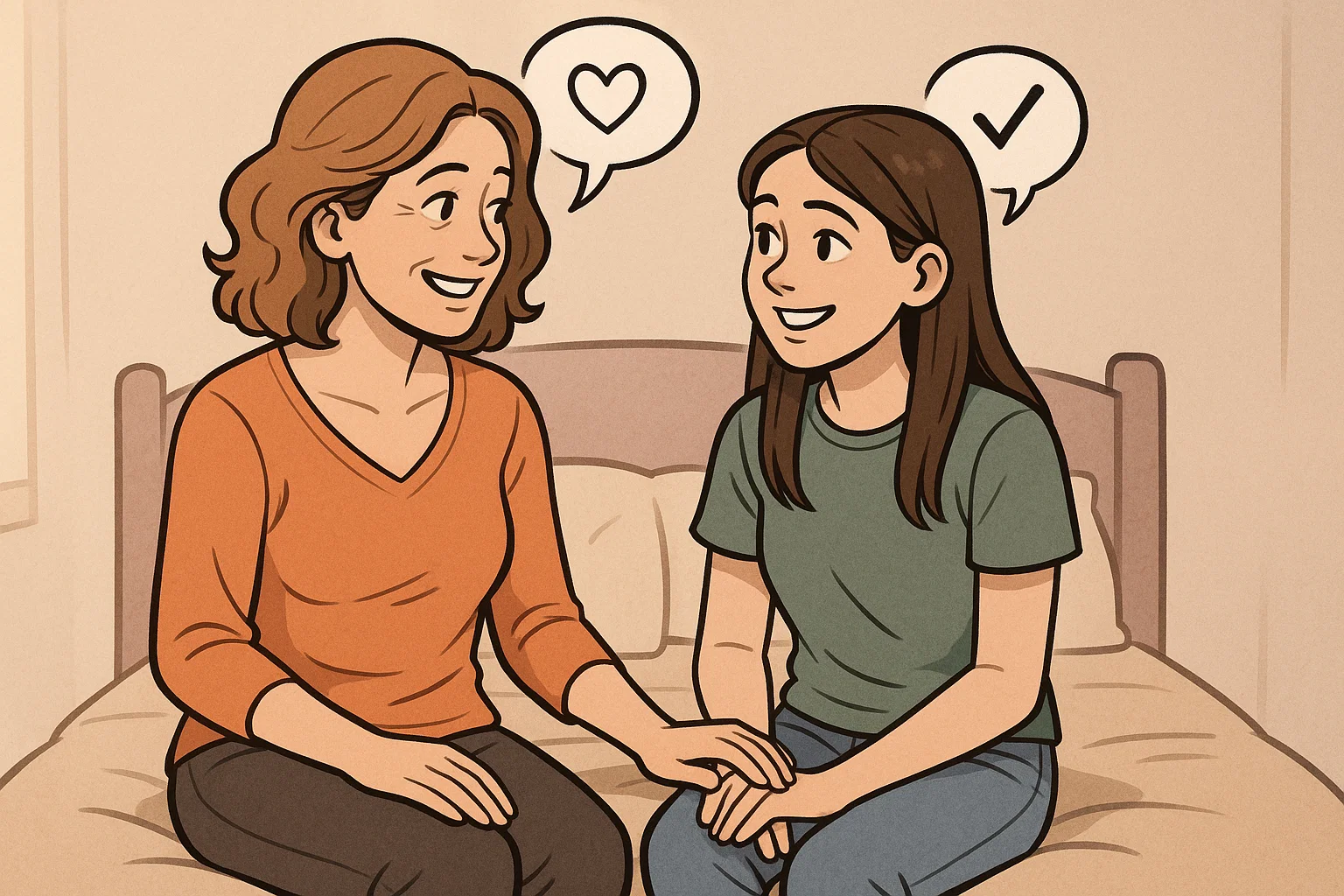
Parenting a teenage girl requires moving away from an authoritarian control model toward a guidance-oriented framework. Living with a teenage daughter is not about “winning” every argument or demanding absolute compliance; the goal is to stay consistent, remain emotionally regulated, and guide her through complex social and biological changes. A healthier approach combines warmth, consistency, and firm boundaries rather than harsh control. Stay calm and remember that this mindset shift is a gradual process for both parent and child.
When Help Becomes Necessary
While behavioral experimentation and emotional shifts are normal aspects of raising teens, certain patterns require prompt professional evaluation. Parents should watch for serious warning signs, including persistent school refusal, cyberbullying, severe social isolation, drastic mood changes, risky sexual behavior, or family conflicts that feel unmanageable. When your daughter shows serious behavioral changes, the focus should shift from ordinary household discipline to qualified mental health or medical support.
Why Teenage Girls Push Back

Understanding the biological and psychological factors behind adolescent pushback helps parents of teenage girls respond with empathy rather than defensiveness during adolescence. During the teen years, the brain continues to develop, priorities shift, and those changes can show up as friction at home.
Puberty, Hormones, Mood Swings
During puberty, estrogen and progesterone levels fluctuate significantly, and these changes can influence mood, stress sensitivity, and emotional regulation. The American Academy of Pediatrics describes adolescence as a period of major physical, cognitive, and emotional change, which can contribute to stronger emotional reactions and greater sensitivity to stress. While these biological shifts can help explain the intensity of your daughter’s emotional outbursts, they do not excuse disrespectful or unsafe behavior; they show why teens need structured support as they learn emotional regulation.
Independence, Identity, Control
Between about ages 11 and 13, many girls begin separating their identity from their parents, which increases their need for personal autonomy. At this stage, your daughter is beginning to think more critically about the world around her, which can make it feel as if she is questioning your every move. This developmental phase often leads a teenage girl to seek more control over her clothing, friendships, time, opinions, and privacy. Parents may interpret this natural separation as personal rejection, but it is often a sign that your daughter is developing her own identity.
Social Media Pressure
Modern teen girls face intense digital pressure; Pew Research Center’s 2024 data shows that most U.S. teens use major online platforms, and 46% report being online almost constantly. Teenage girls who are active on social media may worry about being tagged in unflattering photos, feel anxious when posts receive little engagement, and compare themselves negatively with others online. This ongoing pressure and fear of missing out (FOMO) can create low-level anxiety that shows up as irritability or defensiveness at home.
Friendship Stress
Adolescent peer groups can be volatile, and social exclusion, rumors, relational aggression, and shifting friendships can create significant emotional strain. When teenage girls encounter stressful peer interactions during the school day, that accumulated emotional tension frequently spills into the home environment as defensive or rude behavior. Understanding that a teen who is sharp or rude at home may be reacting to social pain helps parents look beyond the surface attitude and address the underlying stress.
Rule 1: Don’t Take Attitude Personally
Adolescent defiance often reflects internal developmental turmoil rather than a targeted attack on parental authority. Staying calm and non-defensive during conflicts can keep minor interactions from turning into long household power struggles.
Separate Behavior From Bond
When a teenage daughter displays eye rolls, heavy sighs, or brief periods of silence, the parent must separate the disrespectful behavior from the underlying relationship bond. Eye rolls can be a sign of emotional overwhelm or immature coping, not evidence that your daughter hates you. Instead of treating eye rolls as a personal attack, view them as a sign that your daughter is still learning how to handle frustration and limits.
Stay Calm During Emotional Storms
Matching an adolescent’s emotional intensity during a disagreement usually escalates the conflict and weakens parental authority. When your daughter raises her voice or uses provocative language, stay calm and avoid escalating the situation. Speaking in a calm, steady voice and saying, “I want to hear what you have to say, but we need to discuss this when we are both calm,” can help de-escalate the confrontation.
Notice Patterns, Not Single Moments
To understand your daughter’s behavior, look for recurring triggers rather than reacting to isolated outbursts. You may notice sharper behavior at specific times, such as right after school, after prolonged screen use, or when she is sleep-deprived. Identifying these patterns helps parents adjust routines, support better rest, and address triggers before tension takes over the household.
Rule 2: Listen Before Fixing
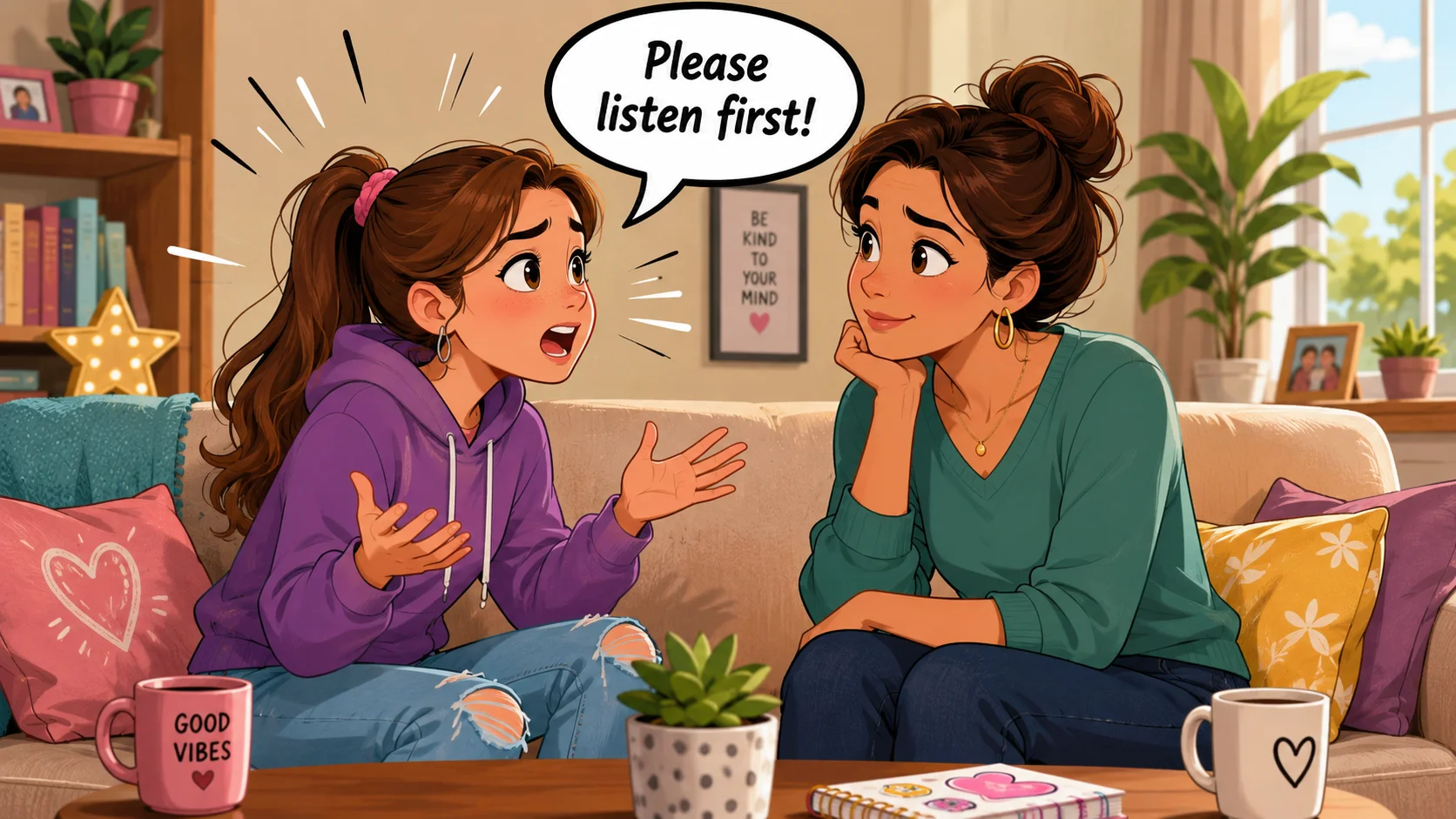
Adolescents often pull away from family conversations when they expect immediate judgment, lectures, or unsolicited advice. Shifting from fixer to empathetic listener makes it safer for your teen to open up.
Let Her Finish
Interrupting a teenage daughter’s explanations mid-sentence to offer adult logic or corrective advice typically causes the adolescent to shut down or become defensive. Giving your teen uninterrupted space to express her thoughts can help her process complex emotions and feel heard. Reflective listening shows respect and helps parents understand the situation before responding.
Ask Better Questions
Closed-ended questions often lead to defensive, one-word answers from anxious or overwhelmed teenagers. Replacing interrogation-style questions with open-ended, supportive prompts helps guide the conversation without putting your teen on the defensive.
| Ineffective Interrogation | Effective Supportive Prompt |
| “Why are you acting like this?” | “What do you need from me right now: advice, or just listening?” |
| “Did you fix that problem yet?” | “How are you feeling about how things went today?” |
| “What’s wrong with you?” | “It looks like you’re carrying a lot right now. Want to talk?” |
Avoid Instant Lectures
Launching into prolonged lectures during a highly charged interaction triggers an immediate defensive response in the adolescent brain. Many teens do not have the emotional bandwidth to process complex lessons when they are already overwhelmed, so long parental monologues are often counterproductive. Offering short, clear guidance once emotions have cooled makes it easier for your daughter to understand and remember the expectation.
Rule 3: Set Boundaries Without Turning Home Into a Battlefield
Healthy adolescent development is supported by firm boundaries and clear expectations. Clear household rules help prevent arbitrary enforcement and make home feel safer and more predictable.
Respect Is Non-Negotiable
One fundamental household rule should be that mutual respect guides all interactions, even during disagreements. Parents should model the same respectful tone and behavior they expect from their teenage daughter, even when correcting rude behavior. If a girl says or does things you don’t approve of, enforcing immediate, calm boundaries without resorting to insults or shouting reinforces the non-negotiable nature of respect.
Chores Mean Family Contribution
Household responsibilities should be framed as contributions to family life rather than as punishment. Assigning specific, predictable household rules—such as managing personal laundry, washing dishes, maintaining shared living spaces, or caring for family pets—builds essential life skills. Explicitly outline these expectations in a clear, written format to eliminate ambiguity and minimize daily verbal nagging around the house.
Curfew, Parties, Friend Gatherings
Clear, consistent rules around social activities help preserve physical safety while allowing a teenage girl to socialize responsibly. Parents should establish clear rules for curfews, adult supervision at parties, safe transportation arrangements, and routine text check-ins. Allow your daughter to earn more flexibility in her social schedule by consistently being honest and following agreed-upon check-ins.
Accountability Without Shame
When a teenage daughter violates an established household rule, the resulting consequence must relate directly to the misbehavior without inducing personal humiliation. For example, if your daughter violates digital safety rules, consider a consequence that directly affects device access rather than attacking her character or imposing a harsh, unrelated punishment. Focusing on objective accountability helps your teen daughter connect her choices to logical outcomes, encouraging better decision-making without damaging her self-worth.
Rule 4: Give Space Without Disappearing
Adolescents need a careful balance of personal privacy and emotional availability as they develop a stronger sense of self. Parents need to step back at times, allowing their daughters to navigate minor challenges while remaining a steady source of support.
Privacy Still Matters
Respecting a teenage daughter’s physical privacy and personal thoughts is essential for fostering healthy psychological autonomy during adolescence. Parents should respect boundaries by knocking before entering her bedroom, avoiding reading her private journals, and allowing her to have confidential conversations with trusted friends. However, privacy does not mean absolute secrecy; if a parent sees clear signs that safety or well-being is at risk, intervention should take priority.
Healthy Risks Build Confidence
Allowing a teenage girl to take age-appropriate risks and face natural consequences helps build confidence and resilience. When parents step in to resolve every minor conflict or write a note to her teacher to excuse forgotten homework, they inadvertently undermine her ability to bounce back from a setback. Allowing her to navigate small failures independently teaches her that she can handle difficult situations, especially if she has often been shielded from discomfort.
Stay Available Without Hovering
Remaining emotionally available without monitoring every mood shift gives a developing teenager a sense of security. Parents should avoid hovering or demanding immediate explanations whenever they notice their daughter is having a rough day. Instead, maintaining an unobtrusive, supportive presence lets her know that when she is ready to talk or ask for assistance, her parents are fully available to listen without judgment.
Rule 5: Don’t Sweat Small Stuff
Parents can save their energy for major safety and behavior issues by letting go of minor personal preferences. Choosing peace over constant criticism preserves the parent-child relationship for when critical interventions are necessary.
Choose Battles Carefully
Maintaining a peaceful household requires parents to distinguish clearly between high-stakes safety issues and minor preference conflicts. While matters involving physical safety, substance use, or chronic disrespect require firm intervention, choices about clothing, hair color, bedroom organization, and music preferences do not need to become constant family arguments. A messy room can be frustrating, but it is usually better to discuss it calmly during a neutral moment than to turn it into a daily conflict.
Use Humor and Lightness
Injecting appropriate humor into tense moments can instantly de-escalate minor household conflicts and reduce interpersonal stress. If your daughter responds with dramatic sighs or mild irritability, a light, playful comment can break the tension without dismissing her feelings. Parents must ensure that humor is never used to mock, belittle, or minimize her experiences, as sarcastic remarks from an adult will quickly erode trust.
Let Annoying Moments Pass
Not every minor sigh, untidy room, or muttered sarcastic comment requires an immediate parental confrontation or disciplinary reaction. Recognizing that adolescent emotional expressions are often temporary releases of stress allows parents to pause and let minor provocations slide without a word. Don’t let small, daily irritations overshadow the positive aspects of your relationship; choosing when to let things go preserves your energy for critical boundaries.
Rule 6: Say Sorry When Wrong
Admitting parental mistakes and offering sincere apologies is a powerful tool for teaching accountability and emotional maturity. Showing vulnerability can repair relational damage and model healthy conflict resolution for your daughter.
Model Real Apology
When a parent overreacts, loses their temper, or makes an unfair assumption, delivering a prompt, sincere apology is vital for maintaining relationship trust. A meaningful parental apology should clearly own the behavior without defensive excuses or blaming the daughter’s actions for the outburst. Saying, “I raised my voice during our discussion, and that wasn’t okay; I’m sorry for how I reacted,” goes a long way toward modeling accountability and building mutual respect.
Repair After Conflict
Reconnecting intentionally after a heated argument prevents emotional distance from hardening into long-term resentment. Once an argument is over and tempers have cooled, parents can take a low-pressure step toward reconnection, such as offering a snack, sending a supportive text, or sitting quietly nearby. This kind of repair reinforces that while specific behaviors may be unacceptable, the parent-child bond remains secure.
Forgive Yourself Too
Navigating the complexities of parenting a teenage girl is a challenging journey, and occasional parenting mistakes along the way are entirely inevitable. When a parent handles a situation poorly, dwelling on guilt is counterproductive; instead, the focus should shift toward self-compassion, relationship repair, and consistent behavioral growth. Recognizing that perfect parenting is an impossible standard helps caregivers stay emotionally grounded and resilient through difficult seasons.
Rule 7: Protect Connection With Small Things

Maintaining a strong emotional connection with a teenage daughter requires intentional, daily micro-interactions rather than relying solely on grand gestures. Finding quiet ways to share space helps keep communication open during more emotionally distant phases.
Notice What She Loves
Showing genuine interest in a teenage daughter’s evolving passions—including her favorite musical artists, digital creators, sports, hobbies, or social causes—strengthens the parent-child connection. Even if these topics seem confusing or unappealing to the parent, taking the time to listen without judgment or mockery shows the adolescent that her inner world is valued. Girls need to know that their parents respect their changing interests and value their emerging individuality.
Create Low-Pressure Rituals
Establishing simple, routine family habits provides reliable opportunities for connection without the pressure of forced, intense conversations. Activities like a weekly coffee run, shared car rides to school, cooking a meal together, or watching a favorite television show offer natural openings for casual dialogue. These low-stakes routines make it more likely that your daughter will feel comfortable reaching out when she faces bigger challenges.
Celebrate Positive Behavior
Parents frequently focus their energy on correcting negative behaviors while overlooking moments of responsibility, kindness, and cooperation. Actively noticing and praising a teenage daughter’s positive choices—such as finishing her homework early, helping a sibling, or managing frustration maturely—reinforces those desirable habits. Show your daughter that you notice her efforts, as positive reinforcement is an essential part of building a sense of self-worth and encouraging long-term behavioral growth.
Rule 8: Teach Technology and Social Media Wisdom
Guiding a teenage girl through the modern digital world requires clear boundaries and ongoing conversations about digital literacy. Proactively managing technology use can protect her mental health and teach responsible digital citizenship.
Set Screen Limits Clearly
Establishing explicit, non-negotiable guidelines for device use helps prevent digital platforms from disrupting essential sleep, schoolwork, and family connections. The Sleep Foundation recommends avoiding electronics for at least an hour before bedtime; keeping devices outside the bedroom can help support that rule. Discuss device rules during a calm moment so everyone understands the expectations.
- Bedtime Monitoring: All personal smartphones, tablets, and laptops must be placed in a central charging station by 9:00 PM.
- Mealtime Policy: Family dining tables remain entirely device-free spaces to encourage direct face-to-face conversation.
- Academic Focus: Personal devices are placed in a separate room during dedicated homework hours unless required for school assignments.
Talk About Online Drama
Engaging in regular, supportive conversations about the realities of digital life helps teen girls navigate online conflict, cyberbullying, group chat exclusions, and social comparison. Parents should teach their daughters to think critically about what they see online, reminding them that digital spaces present carefully curated highlights rather than accurate reflections of real life. Help your daughter understand that the digital world does not always reflect reality, which can reduce the pressure to conform to unrealistic online standards.
Don’t Air Dirty Laundry
Parents should respect their teenage daughter’s digital privacy by refraining from posting about family conflicts, adolescent mistakes, or embarrassing stories on personal social media platforms. Publicly sharing an adolescent’s private challenges or punishments can undermine her trust and cause significant social humiliation among her peers. Protecting her privacy online models healthy digital boundaries and shows her that her dignity matters.
Rule 9: Keep Expectations Clear for School, Dating, Driving
As a teenage girl takes on more real-world responsibilities, clear expectations around major milestones can prevent misunderstandings and build accountability. Clear guidelines provide a supportive framework for her growing independence.
School Is Her Job
School should be framed as your daughter’s primary responsibility, requiring consistent effort, regular attendance, and proactive communication with teachers. Do not rescue your daughter from every natural consequence, such as asking a teacher for an extension after she fails to turn in work on time. If she misses an assignment or faces an academic setback, your role is to help her create an organizational plan and encourage her to take responsibility, so she builds the skills she will need later.
Dating Needs Clear Expectations
Entering the dating world requires open conversations about personal boundaries, mutual respect, emotional safety, consent, and clear values. Parents should set clear expectations around meeting dating partners, following curfews, and staying in touch by text. Ensure your daughter understands her right to emotional and physical safety, and make it clear that you will support her without judgment if she ever feels pressured or finds herself in an uncomfortable or unsafe situation.
Driving Rules Keep Everyone Safe
Operating a motor vehicle is a major responsibility that requires strict adherence to safety rules and legal regulations. Parents should enforce clear, non-negotiable driving rules, including mandatory seatbelt use, zero tolerance for texting or phone use while driving, strict limits on teen passengers, and compliance with local curfew laws. Clearly outline that violating any of these critical safety rules will result in an immediate suspension of driving privileges, reinforcing the connection between responsibility and freedom.
Honesty Matters More Than Perfection
Parents should create a family culture where telling the truth feels safer than lying or hiding mistakes. Ensure your daughter knows that while breaking a household rule carries an appropriate, predictable consequence, lying to cover up the mistake will result in additional disciplinary outcomes. When an adolescent knows she can confess a misstep without facing a parental explosion, she is far more likely to seek parental help during difficult situations, understanding that honesty reduces long-term complications.
Rule 10: Love Her Through Hard Seasons
The ultimate foundation of successful adolescent parenting is providing steady, unconditional love and acceptance throughout every behavioral challenge. Maintaining a secure relationship base gives a teenage girl the confidence she needs to navigate the complexities of growing up.
Practice Unconditional Love
Unconditional love means making sure your daughter knows that her place in the family and her value are never tied to her behavior, grades, or moods. Parents should correct unacceptable behavior while continuing to affirm their daughter’s worth and identity. Consistently showing affection and support, even after a difficult argument, gives your daughter a secure foundation and helps her build resilience and self-worth.
Compromise When Possible
Collaborating on minor household rules gives a teenage daughter a valuable voice in family decisions and teaches her how to negotiate respectfully. Caregivers can seek reasonable compromises on flexible topics, such as temporary curfew extensions for special school events, bedroom decoration choices, personal clothing styles, or weekend screen time limits. This flexibility shows your daughter that her growing independence is respected, which can reduce her need to push back against core family rules.
Trust Parental Instinct
While staying calm and objective is important, parents should trust their personal intuition when they notice sudden, significant changes in their daughter’s behavioral patterns. If a teenage girl suddenly switches her friend groups, shows an abrupt drop in school performance, or exhibits a dramatic shift in her personality, these changes may indicate a more serious issue. Balancing a calm approach with prompt, decisive action helps address hidden challenges before they become serious crises, so do not take sudden, major behavioral shifts lightly.
Seek Support When Needed
Recognizing when family challenges require external professional help is a sign of strong, proactive parenting rather than a failure of household discipline. Parents should reach out to qualified child psychologists, family therapists, or medical providers if their daughter shows signs of clinical depression, persistent anxiety, self-harm, substance use, or disordered eating. Getting professional support early can protect your daughter’s long-term mental health and give the family tools to navigate serious emotional crises safely.
Common Mistakes Parents Make With Teenage Daughters
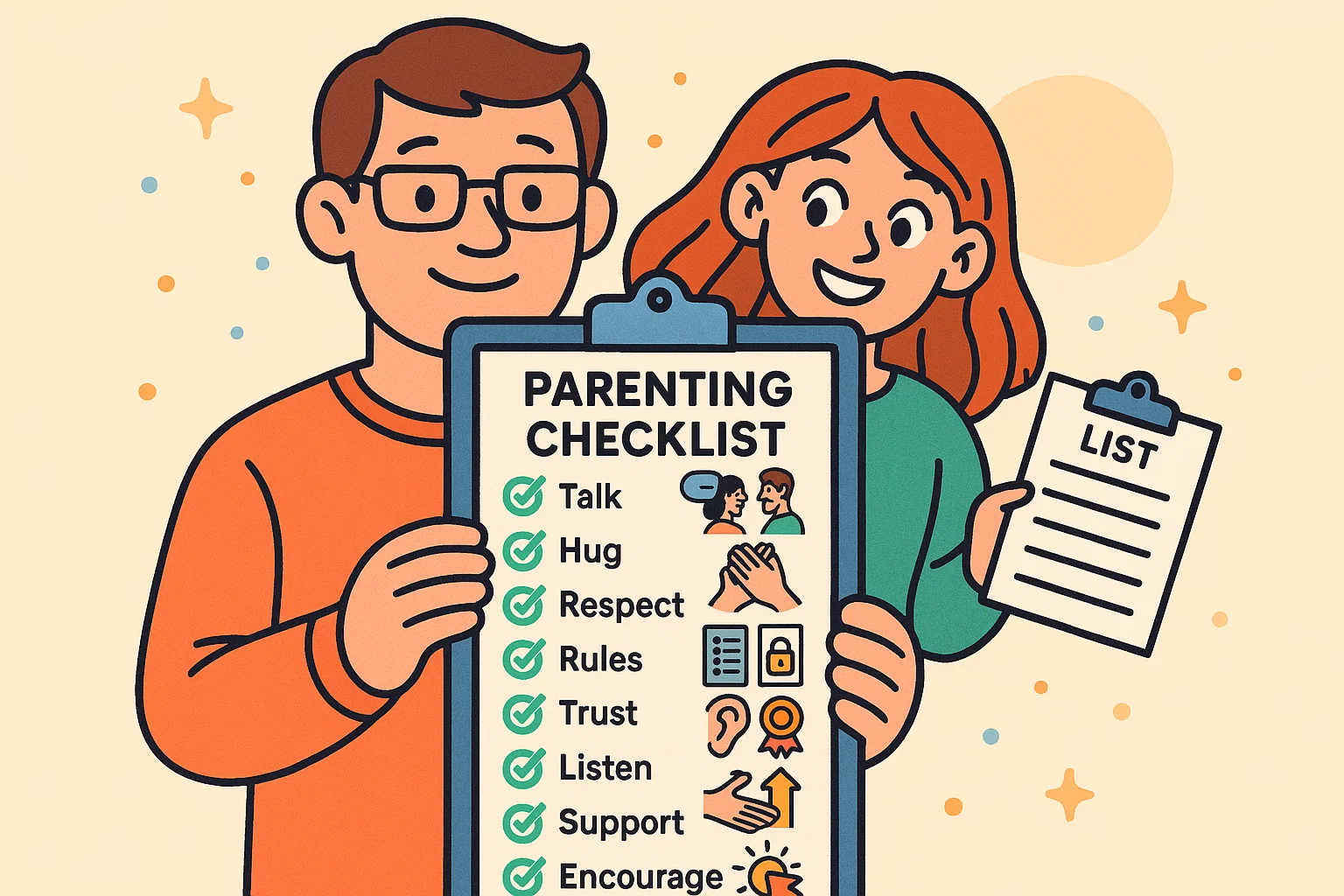
Avoiding typical parenting pitfalls helps protect the parent-child relationship and prevents household conflicts from escalating. Recognizing these counterproductive patterns allows caregivers to respond with greater intention and empathy.
Comparing Her to Siblings or Friends
Directly comparing a teenage girl’s academic performance, behavior, or appearance with that of her siblings or peers can create resentment and damage her self-worth. These comparisons can make an adolescent feel inadequate, which may lead to withdrawal or increased defiance at home. Focusing instead on her unique personal growth and celebrating her individual strengths encourages healthy self-improvement without creating bitter rivalries within the family.
Judging Before Asking
Rushing to judge a situation or accusing a teenage daughter before gathering all the facts quickly breaks down trust and closes off family communication. When a parent jumps to negative conclusions, the adolescent often feels misunderstood and stops sharing her experiences altogether. Approaching confusing or upsetting situations with calm curiosity and asking thoughtful questions allows the parent to understand the true context before addressing any underlying behavioral issues, ensuring you don’t make your daughter regret coming to you.
Expecting Adult Logic During Emotional Moments
Expecting a highly stressed adolescent to display mature logic and complete emotional control during a heated argument ignores the realities of brain development. The prefrontal cortex, which supports rational thinking and impulse control, is still developing throughout the teenage years, making teens more prone to emotion-driven reactions when overwhelmed. Waiting for everyone to cool down before attempting a serious conversation makes it more likely that your daughter will be ready to listen, process, and learn from the interaction.
Signs Teenage Daughter Needs More Support
Distinguishing between typical adolescent behavior and signs of a developing mental health crisis is essential for protecting a teenager’s well-being. Recognizing key warning signs allows parents to step in with the right professional support before challenges worsen.
School Avoidance or Truancy
A sudden pattern of skipping classes, refusing to attend school, or an abrupt drop in grades often points to deeper underlying challenges, such as severe anxiety, school bullying, or depression. When an adolescent resists going to school, it may be more than simple laziness; it can be a coping response to an overwhelming environment. Parents should investigate these changes compassionately and collaborate with school counselors and mental health professionals to identify and resolve the root issues.
Bullying or Friendship Crisis
Experiencing intense peer exclusion, cyberbullying, or a sudden breakdown in a close friendship group can cause severe emotional distress for a developing teenage girl. Warning signs that a daughter is facing a major social crisis include crying after checking her phone, a sudden obsession with digital notifications, or withdrawing entirely from social activities she once enjoyed. Addressing these crises early can protect her emotional safety and reduce the pressure to engage in negative behaviors to fit in.
Mental Health Warning Signs
Significant changes in basic daily habits may require prompt attention and evaluation from a qualified healthcare or mental health professional. Parents should watch closely for warning signs, including persistent sadness lasting more than two weeks, intense outbursts of anger, signs of self-harm, significant changes in eating or sleeping patterns, or expressions of hopelessness. Getting professional care early can help your daughter receive the treatment and tools she needs to navigate serious mental health challenges safely.
Final Thoughts
Progress Beats Perfection
Successfully navigating the teenage years does not require flawless parenting or an entirely conflict-free household. A single difficult day or heated argument does not define the quality of the parent-child relationship or mean your parenting strategies are failing. Real progress comes from a caregiver’s ongoing effort to stay emotionally regulated, maintain consistent boundaries, and repair the relationship after conflict, allowing both parent and child to grow through these years together.
Connection Comes First
Household rules and behavioral boundaries are most effective when built on a solid foundation of unconditional love, mutual respect, and genuine emotional connection. When a teenage girl feels truly seen, heard, and safe at home, she is more likely to respect family boundaries and navigate adolescent challenges with resilience. Prioritizing the parent-child relationship ensures that home remains a secure, supportive anchor for her as she grows into a confident, independent adult.

Take a short quiz to find out what your everyday choices say about your parenting style
When your child is curious about something new, what’s your instinct?
Take a short quiz to find out what your everyday choices say about your parenting style
“Can I download this app?” What happens next?
Take a short quiz to find out what your everyday choices say about your parenting style
When it comes to rules at home, which sounds most like you?
Take a short quiz to find out what your everyday choices say about your parenting style
If you could give your child one life skill today, what would you pick?
Take a short quiz to find out what your everyday choices say about your parenting style
Your child gets to choose what to watch. What would your ideal setup look like?
Take a short quiz to find out what your everyday choices say about your parenting style
Pick your parenting superpower ✨