15 Single Parenting Tips for an Easier Daily Life

 Discover a Free Education Video App for Kids
Pastory uses AI to personalize educational video content based on your child’s interests and personality. Safe, engaging, and built for curious young minds. Sign up now to stay updated and enjoy early access with a free trial
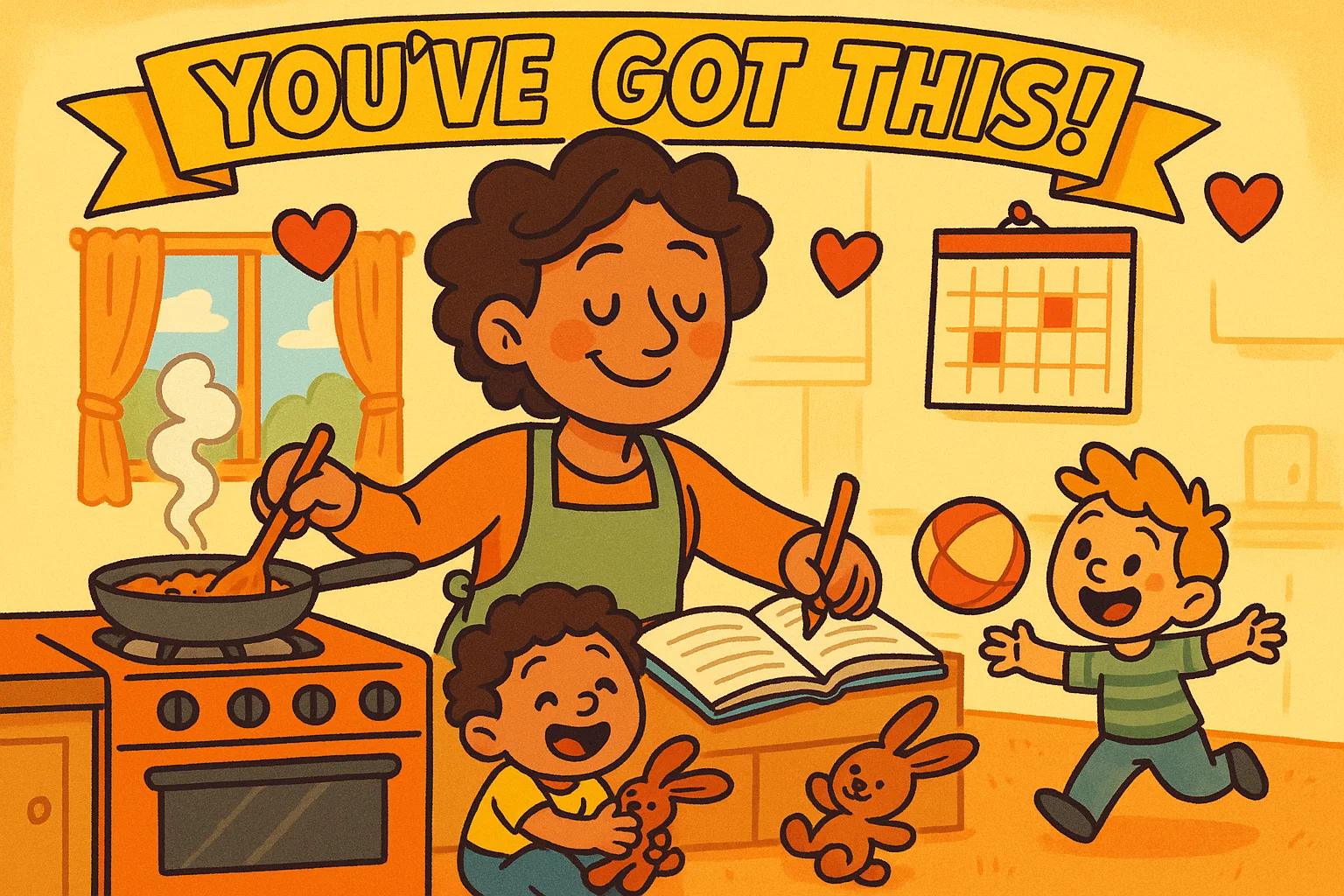
Single parenting brings a unique set of challenges that require resilience, organisation, and a proactive approach to family life. Whether you are a single parent due to separation, divorce, bereavement, or choice, the daily demands of managing a household alone can often leave you feeling overwhelmed. Figures from Gingerbread, citing UK family statistics, show that around one in four families with dependent children in the UK is headed by a single parent, highlighting a significant community of parents seeking practical, realistic solutions.
This guide provides actionable parenting tips for lone parents, separated parents, teen parents, and parents raising children with additional needs. By focusing on stabilising your budget, establishing a predictable routine, and building a strong support network, you can enhance your child’s wellbeing while protecting your own mental health. These strategies are designed to help you move out of survival mode and create a home where both you and your children can thrive.
Key Takeaways
- Support Is Essential: Building a support network of friends, family, charities, and community organisations is essential for preventing burnout.
- Routine Creates Security: Consistent bedtime routines and regular mealtimes help children feel secure and support better behaviour.
- Financial Planning Matters: Proactive management of Universal Credit, Child Benefit, childcare support, child maintenance, and household budgets helps support long-term stability.
- Self-Care Is Practical: Making time to manage stress and recharge allows you to be a more effective role model for your children.
Build Support Before You Burn Out
Building a support network can provide a vital lifeline and reduce the isolation that often comes with single parenthood. Reliable practical help, such as emergency childcare or having someone to talk to at the end of the day, can reduce isolation and give single parents both emotional support and practical relief.
Use Routines to Lower Stress
Implementing a predictable daily structure reduces the “cognitive load” on a single parent. When young children, including toddlers, know what to expect during mealtimes and bedtime, they are more likely to feel secure and settle into routines. Consistency acts as an anchor, helping family life feel calmer even during periods of adjustment or change.
Manage Money, Childcare, and Maintenance Early
Financial stability is a cornerstone of stable family life. Use GOV.UK, Citizens Advice, your local council, or trusted support services to check your eligibility for Universal Credit, Child Benefit, funded childcare, Tax-Free Childcare, or help with childcare costs. Establishing a clear child maintenance arrangement with the child’s other parent early on can reduce future financial disputes and make budgeting more predictable.
Protect Your Wellbeing as a Parent
You cannot pour from an empty cup. Parental self-care supports healthier parent-child relationships and makes it easier to respond calmly under pressure. Taking even a small amount of time each day to be alone, rest, or enjoy a hobby can help you handle emotional overwhelm and prevent you from feeling constantly stressed.
1. Build a Support Network

No single parent should have to carry the entire weight of the household alone. Building a support network is a practical step that can make home life safer, calmer, and more manageable.
Start with Family and Friends
Engaging family and friends requires clear, specific communication. Instead of a general plea for help, ask for a specific chore or task: “Could you help with the school prep on Tuesday?” or “Can I drop the toddler off for an hour of babysitting so I can go to the grocery shop?” Clear requests make it easier for the people around you to provide practical help.
Connect With Other Single Parents
Joining a support group specifically for single parents offers a valuable form of empathy. In these spaces, you can share parenting tips and resources without feeling judged. Many single parents find that swapping childcare with another single parent is a cost-effective way to get time to themselves.
Join Parent And Baby Groups
Local baby groups and pre-school circles can be excellent places to make friends and reduce isolation. These community spaces, often hosted in libraries or community centres, give young children social interaction while giving you a chance to speak with someone who understands your child’s current developmental stage.
Find an Online Community
Online support forums and social media groups offer 24/7 access to advice. When using these platforms, prioritise charities and organisations such as Gingerbread, which offer moderated forums. Always verify financial or legal advice through official sources such as GOV.UK, Citizens Advice, or your local council, and use the NHS for health-related guidance.
Use Professional Support When Needed
If you are feeling overwhelmed, do not hesitate to seek professional help. Health visitors, social workers, and school counsellors or pastoral staff are trained to provide help and information for complex family situations. Many charities that support single-parent families also offer helplines for urgent emotional, practical, or legal questions.
2. Create a Stable Routine That Works

A routine gives children a sense of predictability, which supports their development and helps them feel secure.
Set Morning and Bedtime Anchors
The bedtime routine is the most critical anchor for a child’s wellbeing. A consistent sequence – such as bath, book, and bed – signals to the child’s brain that it is time to wind down. Similarly, a structured morning routine prevents the high-stress “rush” that often leads to morning tantrums and parental stress.
Plan Meals, Laundry, And School Prep
Organisational systems reduce the mental load of housework. Mealtimes can be simplified by batch-cooking nutritious meals at the weekend. Setting out clothes and packing school bags the night before reduces the number of small decisions you need to make in the morning.
Be Realistic About What You Can Maintain
Your routine must be sustainable for your specific family situation. Even if a complex cleaning schedule makes you feel more in control in the short term, it is not working if it leads to burnout. Aim for a “good enough” standard of housework so you can prioritise quality time with your children.
Adjust Routine As Child Grows
As children move from preschool to primary school and eventually into their teen years, their routine must evolve. Younger children need more hands-on supervision, while older children benefit from routines that foster independence, such as being responsible for their own morning checklist.
3. Get a Handle on Your Finances
Financial management is a primary concern for single parent households, as a single income often requires stricter oversight.
Build a Simple Monthly Budget
A budget is a roadmap for your household finances. Track all income, including wages, child maintenance, Universal Credit, Child Benefit, or other support you receive. Categorise expenses into “fixed” costs, such as rent or mortgage payments, and “variable” costs, such as food and entertainment, to identify where you can save.
| Expense Category | Typical Priority | Optimisation Strategy |
| Housing & Utilities | High | Check for single person council tax discounts. |
| Childcare | High | Use government tax-free childcare schemes. |
| Groceries | Medium | Meal plan and buy generic brands. |
| Debt Repayment | Medium | Seek advice from debt charities if struggling. |
Check Benefits And Financial Help
Many single parents are eligible for more help than they realize. Use an online calculator or ask your health visitor about local grants. Make sure you are claiming all support you are eligible for, and check whether your local authority offers school uniform or clothing grants for back-to-school expenses.
Plan Child Maintenance
Child maintenance is a financial contribution from the child’s other parent towards their living costs. Whether arranged privately or through the Child Maintenance Service (CMS), a clear arrangement can make your budget more predictable. Keep detailed records of all payments received to prevent future disputes.
Prepare Emergency Fund
An emergency fund acts as a financial lifeline. Even saving a small amount of money each week can help cover unexpected childcare gaps or car repairs. Aiming for a small initial goal, such as £500, can provide significant peace of mind when you’re a single parent.
4. Talk to Your Children Early and Often
Open communication strengthens relationships and helps children process changes in family life.
Use Age-Appropriate Language
Explain your family’s circumstances using words your child can understand. For a toddler, this might mean saying, “Mum and Dad live in different homes now, but we both love you.” For older children, you can provide more context without involving them in adult grievances.
Invite Questions And Feelings
Create a safe space for your child to express the difficult emotions behind their behaviour. Use quality time each day to ask how they are feeling. If a child seems withdrawn, activities like drawing or playing can help them communicate what they cannot yet put into words.
Keep Kids Out Of Adult Conflict
Child psychology experts often warn against using children as messengers between adults, as this can damage a child’s wellbeing. Ensure that discussions regarding child maintenance or legal issues happen away from the children.
Reassure Kids About Love And Stability
Children often fear that if a parent can leave a partner, they might also leave the child. Reassure them often that your love is unconditional and that home is a place where they are safe and cared for.
5. Maintain Consistent Discipline
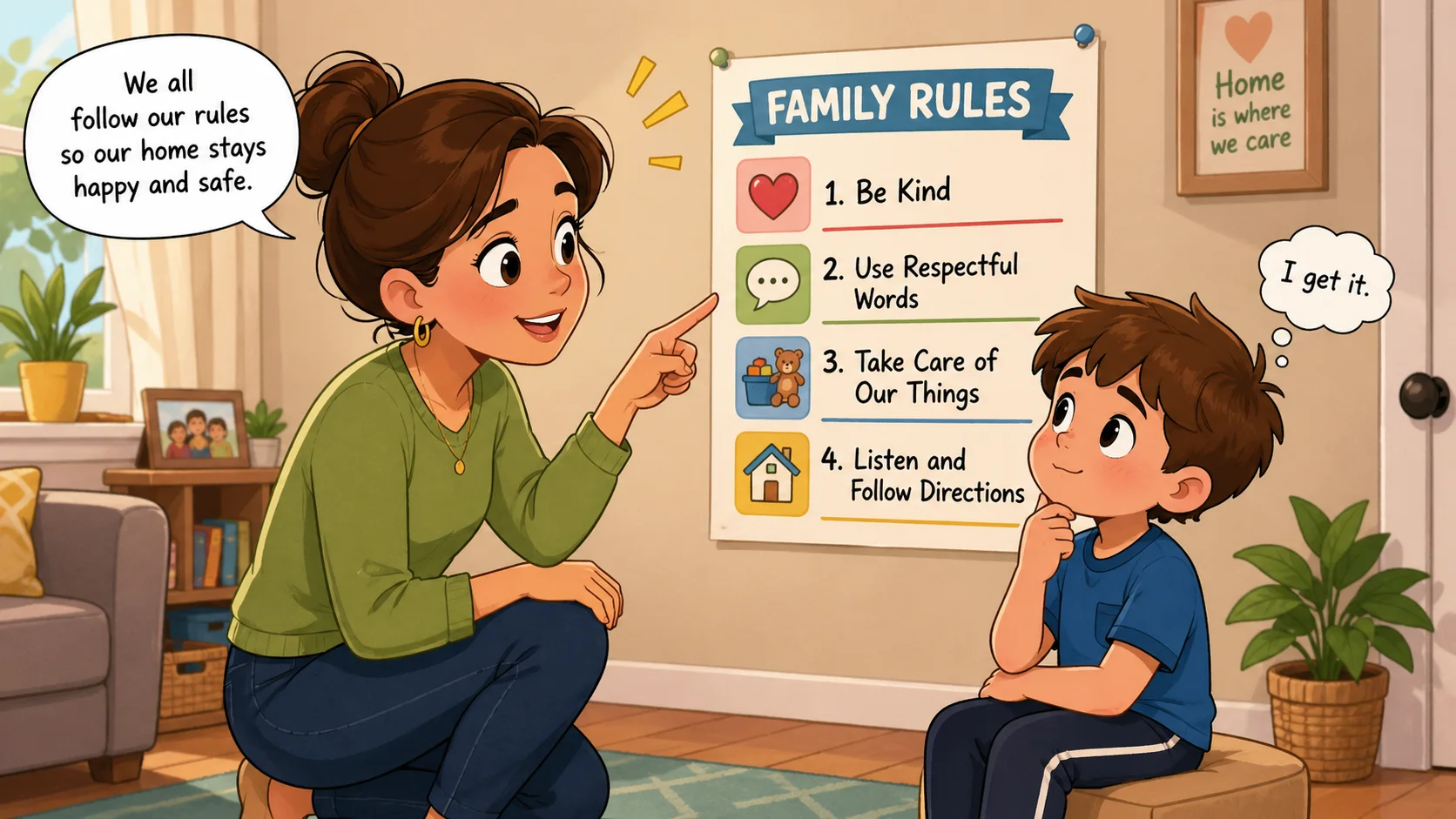
Effective discipline relies on consistency rather than severity.
Set Clear Household Rules
Simple, visible rules help children understand what is expected of them. Create a “Family Rules” poster that includes items like “We use kind words” and “We help with one chore a day.” Clarity reduces the need for constant correction.
Keep Consequences Predictable
When a rule is broken, the consequence should be immediate and related to the action. For example, if a child refuses to stop playing a game at bedtime, they may lose screen time the following day. Predictability helps children regulate their own behaviour.
Keep Negative Comments Specific To Behaviour
Avoid labelling the child. Instead of saying “You’re being bad,” say “Hitting is not okay because it hurts people.” This protects the child’s self-esteem while still addressing the behaviour clearly.
Match Discipline With Child Age
Discipline strategies should be age-appropriate. A toddler may need a brief “time-in” to co-regulate, while a teenager might respond better to a discussion about responsibility and the loss of specific privileges.
6. Co-Parent When You Live Apart
If you are co-parenting, the goal is to create as much consistency as possible for the child across two homes.
Create a Shared Parenting Schedule
A written schedule reduces confusion and conflict. Use digital tools or a shared calendar to track school holidays, medical appointments, and handover times. This helps both parents stay informed about school holidays, medical appointments, and important milestones.
Keep Communication Child-Focused
When communicating with a co-parent, stick to the facts regarding the child. If the relationship is high-conflict, use email or a co-parenting app to keep communication calm, factual, and documented.
Agree On Core Rules
While each home will have its own rhythm, try to agree on three core rules: bedtime, homework, and screen-time limits. Consistency across households helps children adjust more quickly during transitions.
Reduce Conflict During Handovers
Handovers can be stressful for children. Keep them brief and positive. Avoid discussing money or disagreements during this time. If necessary, use a neutral public location or the school gates to facilitate a calm exchange.
7. Make Time For Family

Building a strong family identity doesn’t require a large budget; it requires presence.
Create Low-Cost Family Rituals
Rituals like a Friday “Pizza and Movie Night” or a Sunday walk in the park create lasting memories. These traditions provide a sense of belonging and stability that children in single-parent families deeply value.
Prioritise One-to-One Time
Spending just 10–15 minutes of dedicated time each day with each child can help improve their behaviour and strengthen your connection. During this time, let the child lead the activity and put away your phone to ensure it is true quality time.
Celebrate Small Wins
Acknowledge it when your child finishes a difficult chore or handles a situation maturely. Celebrating these “small wins” builds a positive atmosphere and reinforces the idea of the family as a successful team.
Protect Quality Time During Busy Weeks
Build connections into everyday routines. Use the commute to school to play word games or use mealtime to discuss the best part of everyone’s day. These small pockets of connection can help you feel closer as a family, even when there is little free time.
8. Make Time For Yourself
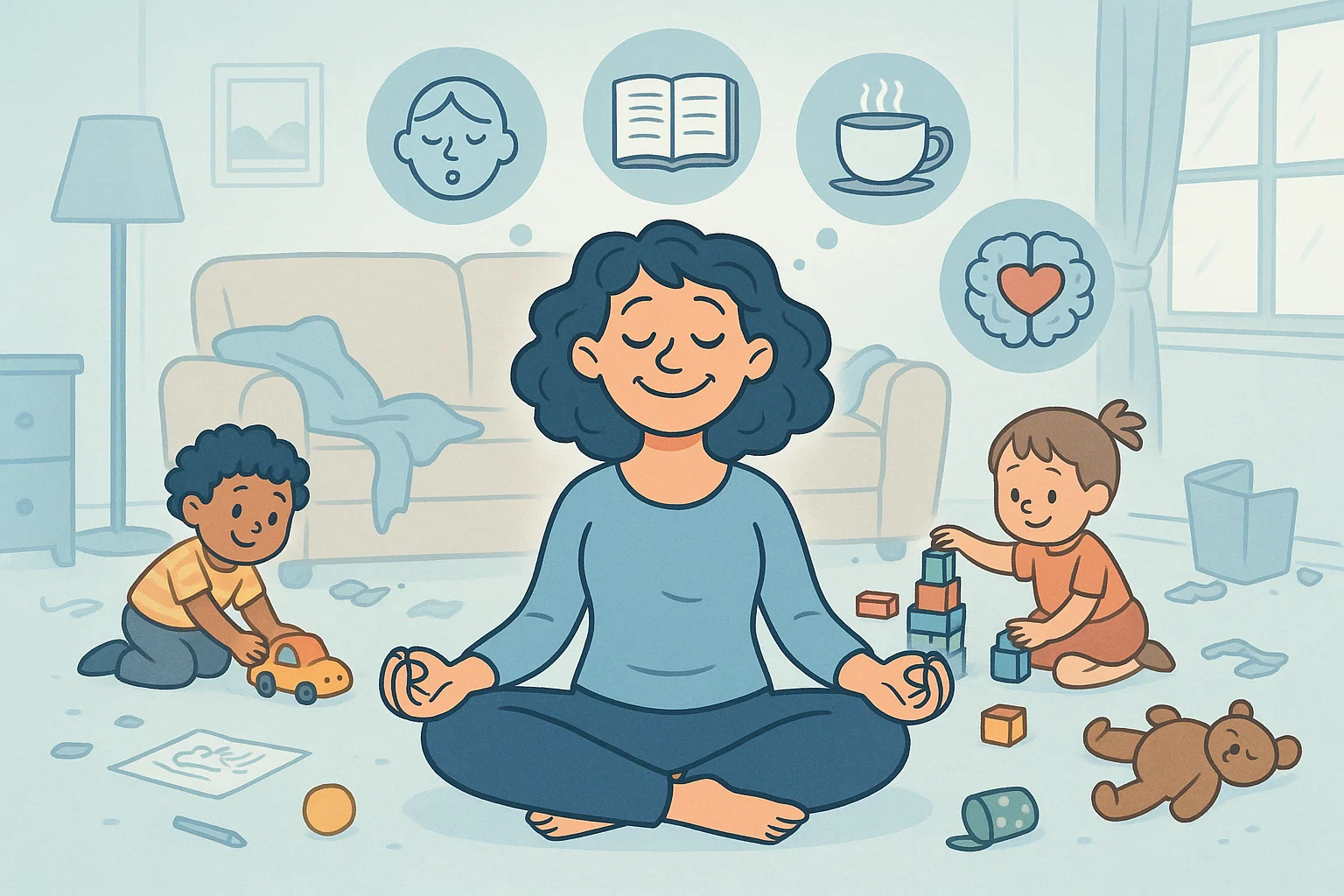
Self-care is not an indulgence; it is a maintenance requirement for solo parents.
Looking After Yourself
Prioritising your health helps you maintain the energy needed for single parenting. This includes attending your own medical appointments and making sure you eat proper meals, not just the children’s leftovers.
Manage Physical Exhaustion
Identify the tasks that drain you most and look for ways to simplify, share, or reduce them. If you are struggling with sleep, ask for help from a friend to watch the kids for a few hours on a Saturday so you can rest.
Handle Emotional Overwhelm
It is normal to feel lonely or stressed. If these feelings persist, talk to someone – whether a friend or a therapist. Recognising the signs of burnout early helps you seek professional support before a crisis occurs.
Set Boundaries For Personal Time
Establish a “quiet hour” after the children’s bedtime when you do not do housework. Protecting this time for a hobby, reading, or simply relaxing is essential for long-term stress management.
9. Find Quality Childcare
Reliable childcare is central to a single parent’s ability to work, rest, and keep routines stable.
Compare Childcare Options
Evaluate different types of care based on your child’s age and your budget.
| Childcare Type | Best For | Considerations |
| Registered Nursery | Toddlers & Preschool | Structured environment, social play. |
| Childminder | All ages | Home-from-home feel, flexible hours. |
| After-School Club | School-age | Convenient for working parents. |
| Family/Friends | Emergencies | Low cost, requires clear boundaries. |
Ask the Right Questions
When interviewing a provider, ask about their experience with single-parent families, their illness policy, and how they handle behavioural issues. Check their latest inspection reports, such as Ofsted in England or the equivalent regulator where you live, to make sure they meet safety standards.
Build Backup Care Plan
Always have a “Plan B.” Identify a neighbour or fellow parent who can help if you are stuck in traffic or if your primary childcare provider is ill. Having this plan in place reduces panic when the unexpected happens.
Build Relationships With Caregivers
Communicate regularly with your child’s teachers or nursery staff. They can provide valuable insights into your child’s developmental progress and alert you if they notice any changes in behaviour at school.
10. Reduce Time Pressure And Decision Fatigue
Simple systems and automation can be a single parent’s best friend.
Simplify Daily Choices
Reduce the number of decisions you make each day. Create a small, mix-and-match wardrobe for your children and use a repeating two-week meal plan to reduce the “what’s for dinner?” stress.
Use Calendar And Checklist Systems
A visible family calendar helps everyone see what is coming up. Use checklists for older children to follow in the morning, which reduces the need for you to nag and keeps the routine on track.
Prepare For Busy Mornings
Do as much as possible the night before. Prepping lunchboxes and laying out school uniforms takes 10 minutes at night but saves 30 minutes of chaos in the morning.
Create Emergency Plan
Keep a list of emergency contacts, medical information, and a spare set of keys in a dedicated spot. Knowing what to do in an emergency reduces the mental load created by “what if” scenarios.
11. Stay Connected And Avoid Social Isolation
Loneliness is common in single parenthood, but intentional connection can make it easier to manage.
Single, but Not Alone
Remind yourself that your family situation is one of millions. Actively seeking community, whether in person or online, can remind you that you are part of a wider network.
Stay In Touch With Friends
Maintain friendships by being honest about your time constraints. A 10-minute voice note or a quick “check-in” text can keep a relationship alive when you don’t have the energy for a full night out.
Connect Through School And Community
Volunteering for a small task at school or attending a neighbourhood meet-up can open the door to positive new relationships. These connections often lead to practical help, like carpooling.
Ask For Help Without Guilt
Many people want to help but don’t know how. Seeking help is a sign of strength and a commitment to your child’s wellbeing. Use scripts such as: “I’m struggling to get the shopping done this week. Would you mind picking up a few bits for me?”
12. Support a Disabled Child or a Child with Additional Needs
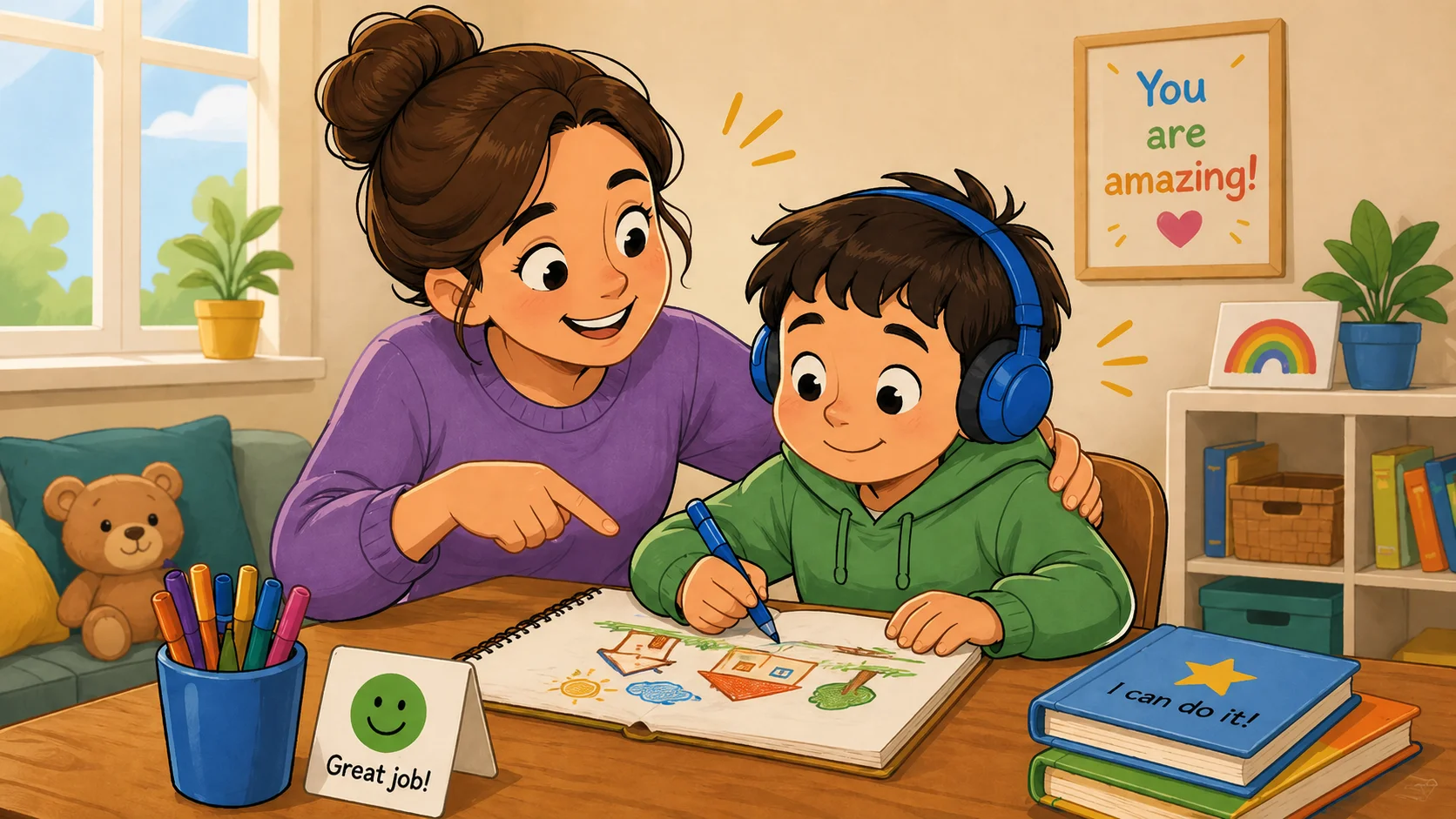
Raising a disabled child or a child with additional needs as a single parent may require specialist strategies and extra support.
Build the Care Routine Around Your Child’s Needs
A child with sensory or developmental needs may benefit from a more consistent routine. Use visual schedules to help them feel secure and navigate transitions between activities like mealtime and therapy.
Find Specialist Services
Connect with local disability charities and organisations that offer advocacy and support. These groups can help you navigate the education system and advocate for the right support at school.
Check Financial Support Options
Check whether your child is eligible for Disability Living Allowance (DLA) or other relevant support. This support can help with specialist equipment, extra childcare, or transport to medical appointments.
Plan Respite And Backup Care
Respite care is a vital lifeline. Look for local schemes that provide short breaks for parents of disabled children. Having a trained, trusted person to step in allows you to take necessary time alone to recharge.
13. Adapt Single-Parenting Tips by Your Child’s Age
The needs of a single-parent household change significantly as children grow.
During Pregnancy
If you are a solo parent-to-be, focus on building your support network early. Identify who will be with you during birth and who can provide practical help in the first few weeks after the baby arrives.
With a Newborn
The newborn stage is often about survival. Prioritize sleep whenever possible and accept every offer of help with housework or cooking. Focus on bonding and establishing a very basic feeding and sleeping routine.
As Your Baby Grows
Between three and 12 months, you can start introducing more structured mealtimes and bedtime routines. This is also the time to begin researching childcare if you plan to return to work or study.
With a Toddler
Toddlers crave independence but still need clear, consistent boundaries. Use positive reinforcement to encourage good behaviour, and childproof your home to reduce stress for both you and your toddler.
With Teens
Parenting a teen requires a shift towards collaboration, negotiation, and shared problem-solving. Involve them in household decisions and budget discussions. Maintain open lines of communication about school, friends, and their growing need for privacy.
14. Plan Housing, Education, And Life Admin
Stability in the “boring” areas of life creates a foundation for a calmer home.
Review Housing Options
Make sure your home is safe, affordable, and sustainable for your family. If your current housing is too expensive or too far from your support network, research local housing assistance or social housing options available to single parent families.
Explore Education Support
If you are a student parent, talk to your college or university about flexible learning options and additional financial support. Many institutions have specific funds for single parents to help with childcare costs while studying.
Organize Important Documents
Keep a folder with all essential papers: birth certificates, child maintenance agreements, and medical records. Having these organized saves time and reduces stress during “life admin” days.
Use Useful Links And Local Services
Bookmark key websites such as the NHS, Gingerbread, GOV.UK, Citizens Advice, and your local council. These are useful starting points for health information, benefits guidance, and local community services.
15. Stay Positive And Build Long-Term Success
Your mindset as a role model shapes your child’s view of the world.
Model What You Want to Teach
Children learn more from what you do than what you say. By modelling stress management, resilience, and a positive attitude towards challenges, you teach them how to handle future difficulties.
Focus On Progress Over Perfection
Some days will be hard, and the housework will pile up. Success is not a perfectly clean house; it is a home where children feel loved and safe. Forgive yourself for the “messy” days.
Set Family Goals
Involve the kids in setting goals, like saving for a trip or learning a new skill together. This fosters a sense of teamwork and shows your children that your family can set goals and achieve them together.
Celebrate Strong Family Identity
A single-parent family is a complete family. Celebrate your unique bond and the strength it took to build your life. By focusing on your family’s strengths, you support long-term emotional wellbeing for both you and your children.
FAQ About Single Parenting Tips
What Are the Best Single-Parenting Tips?
The best tips involve building a support network, maintaining a consistent routine, managing a realistic budget, and prioritising your own self-care.
How Can a Single Parent Make Life Easier?
Simplify daily life by streamlining housework, using checklists for school preparation, and asking for help from friends, family, or charities when you need it.
How Can a Single Parent Co-Parent with Less Conflict?
Use child-focused communication, adhere to a written shared schedule, and keep all adult disagreements away from the children during handovers.
How Can a Single Parent Handle Loneliness?
Join local support groups, stay active in online support communities, and make a conscious effort to maintain positive relationships with friends and neighbours.
What Help Is Available For Single Parents?
Help may include Universal Credit, Child Benefit, childcare support, child maintenance services, housing support, and emotional or health support from charities, Citizens Advice, local councils, or the NHS.

Take a short quiz to find out what your everyday choices say about your parenting style
When your child is curious about something new, what’s your instinct?
Take a short quiz to find out what your everyday choices say about your parenting style
“Can I download this app?” What happens next?
Take a short quiz to find out what your everyday choices say about your parenting style
When it comes to rules at home, which sounds most like you?
Take a short quiz to find out what your everyday choices say about your parenting style
If you could give your child one life skill today, what would you pick?
Take a short quiz to find out what your everyday choices say about your parenting style
Your child gets to choose what to watch. What would your ideal setup look like?
Take a short quiz to find out what your everyday choices say about your parenting style
Pick your parenting superpower ✨