Co-Parenting Tips for Dads: 15 Practical Ways to Build a Respectful, Child-First Routine

 Discover a Free Education Video App for Kids
Pastory uses AI to personalize educational video content based on your child’s interests and personality. Safe, engaging, and built for curious young minds. Sign up now to stay updated and enjoy early access with a free trial
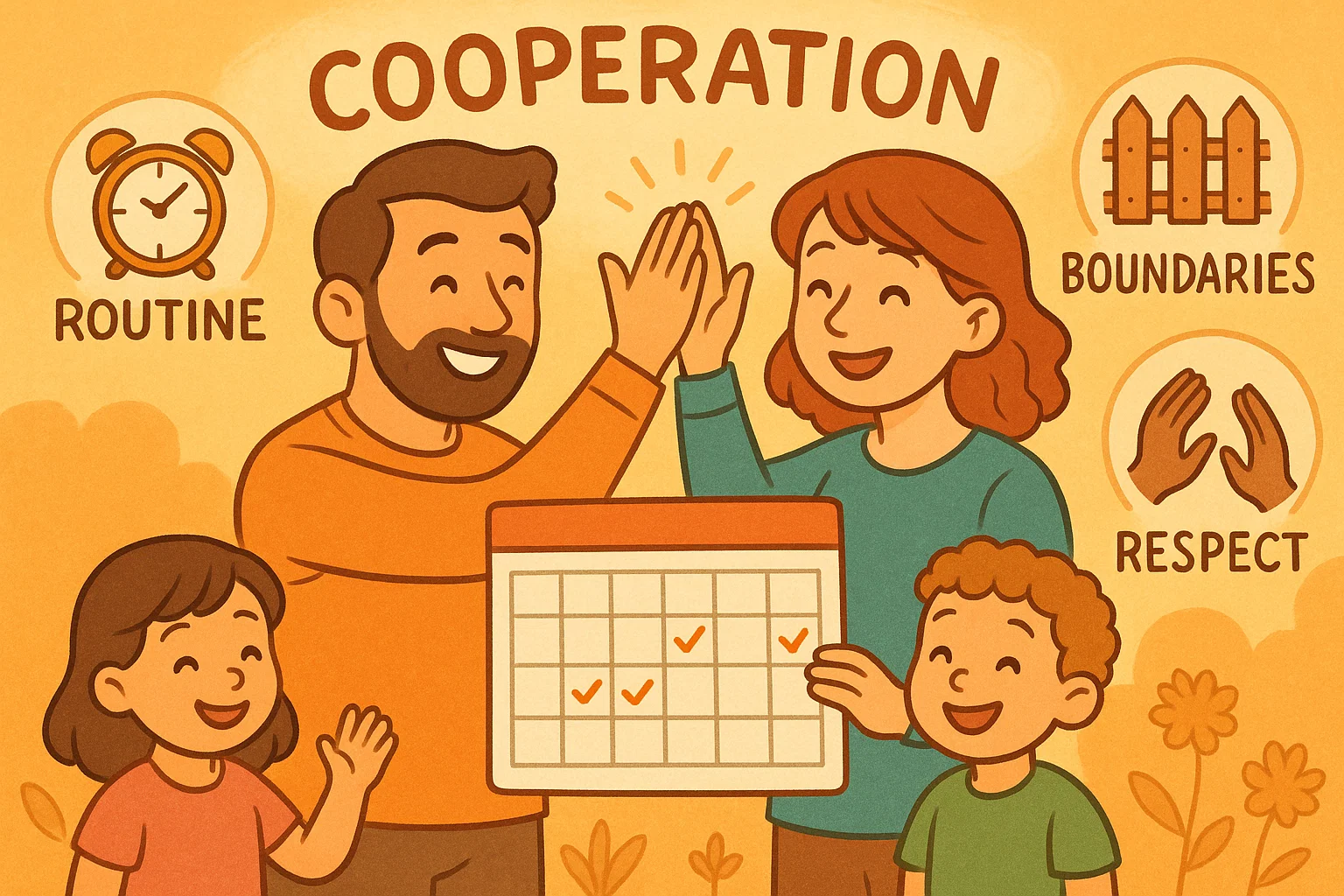
Life as a divorced, separated, or never-married father can bring distinct emotional and logistical challenges. When a relationship ends, adjusting to shared parenting can leave fathers feeling overwhelmed, stressed, and unsure how to remain consistently present in their children’s lives.
This guide offers practical co-parenting strategies to help dads set healthy boundaries, communicate more effectively with a former partner, and create structured routines across two households. By focusing on practical steps – such as drafting a parenting plan, using a co-parenting app, managing child support, introducing a new partner carefully, and responding to an uncooperative former partner – dads can create a more stable environment where their children can thrive.
Key Takeaways
- Prioritize Child-First Decisions: Put your children’s emotional well-being and stability above personal pride or lingering relationship conflict.
- Communicate Respectfully: Keep interactions with your co-parent business-like, child-focused, and primarily written when needed to reduce misunderstandings.
- Build Routines and Boundaries: Children often do better with routines; aligning essential household rules while respecting privacy can reduce stress.
- Choose Consistency Over Material Gifts: A father’s emotional availability and reliable presence matter far more in the long run than expensive gifts.
- Use Supportive Resources: Co-parenting apps, family mediation, counseling, and legal guidance can streamline logistics and reduce conflict.
Child-First Decisions Matter Most
Successful co-parenting requires dads to separate past relationship grievances from their current parenting responsibilities. Research on divorce and child adjustment consistently shows that ongoing parental conflict is a major risk factor for children’s emotional distress after separation or divorce. For a father, putting a child’s best interests first means evaluating scheduling disagreements, medical decisions, and household rules through the lens of safety and emotional security rather than personal vindication.
Respectful Communication Reduces Stress
Effective communication is one of the most important foundations of successful co-parenting because it can reduce conflict and prevent misunderstandings. When dads move from a personal relationship into a structured co-parenting partnership, a polite, concise, business-like communication style can significantly reduce tension. Clear, predictable messaging protects parenting time, helps both parents stay informed about school and healthcare updates, and reduces the chance that children will absorb adult anxiety.
Routines, Boundaries, and Flexibility Work Together

Children thrive on predictability because it helps them feel secure as they transition between two different home environments. While structured routines for bedtime, homework, and meals are important, healthy co-parenting also requires flexibility. When real-life disruptions arise – such as a child’s illness, sudden work travel, or a family emergency – co-parents should be willing to adjust the schedule when it is safe and reasonable to do so.
Dad’s Presence Has Long-Term Value
Fathers can play a major role in shaping a child’s self-esteem, cognitive development, and future relationship patterns. Child-development research and clinical guidance generally emphasize that the quality of time spent with a child often matters more than the number of hours or the cost of activities. Being fully present during your parenting time – listening attentively, offering consistent affection, and showing up for ordinary school events – helps build a lasting bond that material gifts cannot replace.
Support Makes Co-Parenting Easier
Dads do not have to manage the challenges of raising children across two households alone. Building a reliable support network of trusted friends, extended family, mental health professionals, and digital tools can reduce day-to-day parenting stress. Using outside resources, such as legal professionals, mediators, therapists, or co-parenting apps, can help fathers stay organized and create a more stable environment for their children.
What Co-Parenting Means for Dads
Co-parenting means sharing the legal, logistical, and emotional responsibilities of raising children after a romantic relationship ends. For a father, this dynamic often requires active collaboration with a former partner to make joint decisions about education, healthcare, and other major areas of the child’s life while maintaining separate households.
Shared Parenting After Separation or Divorce
Shared parenting requires coordination so a child’s daily needs are met consistently across both homes. Dads should actively participate in school enrollment, medical appointments, consistent discipline, and everyday logistics. The goal is to give the child consistent access to the love, guidance, and support of both parents, so fatherhood remains an active part of daily life rather than an occasional weekend role.
Co-Parenting vs. Parallel Parenting
When high levels of conflict or an uncooperative co-parent make direct collaboration impossible, fathers should understand the distinction between traditional co-parenting and parallel parenting. Cooperative co-parenting relies on regular communication, some alignment in household expectations, and flexibility around scheduling.
By contrast, parallel parenting is a low-contact model in which each parent operates independently in their own home, using a detailed written parenting plan and electronic messages to limit direct interaction and protect children from ongoing conflict.
| Feature | Cooperative Co-Parenting | Parallel Parenting |
| Conflict Level | Low to moderate | High or uncooperative |
| Communication Style | Frequent and flexible, such as text, calls, or in-person conversations | Minimal and formal, usually app or email only |
| Rule Alignment | Similar rules across both households | Independent rules in each household |
| Event Attendance | Parents may jointly attend school or sports events | Attendance may be separate or require clear boundaries |
Common Co-Parenting Challenges
Fathers navigating a new co-parenting experience routinely encounter predictable structural and emotional obstacles. These common challenges may include sudden schedule changes, different rules around screen time or nutrition, and financial tension related to child support or shared expenses. The introduction of a new partner or a child testing boundaries between homes can also temporarily disrupt the family’s routine.
Why Dad’s Role Matters in Co-Parenting
A father’s active involvement in healthy co-parenting can support a child’s behavior, confidence, and emotional resilience. Dads can provide steady routines, emotional validation, and a sense of security that help children cope with the changes that come with divorce or separation.
Dad’s Special Role in Child Stability
Fathers provide an important source of stability by maintaining a reliable presence in their children’s lives. Research on father involvement has linked engaged fathering with stronger academic outcomes, including higher rates of mostly A’s and, in some studies, lower rates of grade repetition.
Quality Time Over Quantity
When custody arrangements limit a father’s parenting time, the quality of engagement during those hours becomes especially important. Some dads feel pressure to turn every visit into a special event, but ordinary, focused interactions are often more meaningful for children.
Spending your parenting time cooking a meal together, helping with schoolwork, or taking a quiet walk can help you connect deeply without relying on the overstimulation or pressure often associated with “Disneyland Dad” behavior.
Leadership Through Example
Fathers serve as important role models for their children, showing them how to handle stress, disappointment, and conflict. By treating a former partner with civility, managing emotions during disagreements, and honoring financial and scheduling commitments, a dad models emotional intelligence. This constructive behavior teaches children how to establish healthy boundaries, resolve disputes maturely, and practice accountability in their own future relationships.
1. Put Children First
Healthy co-parenting requires a firm commitment to centering logistical and emotional decisions around the child’s needs while separating the parenting partnership from past relationship wounds.
Choose Child Needs Over Adult Conflict
Dads can filter each interaction with their co-parent through one question: “Is this action serving my child’s best interests, or is it serving my own ego?” Disagreements about minor schedule changes or parenting styles should not become battles for revenge, control, or validation. Prioritizing the needs of your children means choosing compromise over unnecessary conflict and peace over the desire to “win” an argument with your former partner.
Avoid Adult Problems Around Kids
Children should remain insulated from the legal, financial, and emotional complexities of their parents’ divorce or separation. A child should not be exposed to detailed discussions about child support payments, custody disputes, dating histories, or past marital conflict. Allowing children to overhear these adult problems can place an inappropriate emotional burden on them, increase anxiety, and weaken their sense of safety.
Build Safe Emotional Space
Dads should cultivate a home environment where children feel free to love both parents without guilt, fear of rejection, or conflicting loyalties. A father can support his child’s relationship with the other parent by acknowledging Mother’s Day, helping the child choose birthday gifts when appropriate, and listening calmly to stories about the other household. Avoiding subtle loyalty tests helps children feel less caught in the middle.
2. Communicate Respectfully
Establishing effective, professional communication with your co-parent minimizes domestic friction, prevents administrative misunderstandings, and creates a safer emotional atmosphere for the entire family.
Use Clear, Calm Messages
When communicating with a co-parent, fathers should use the tone they would use with a professional colleague. Messages should be concise, polite, and focused on practical parenting details, such as drop-off times, medication doses, or school project deadlines. Dads should avoid sarcasm, references to past relationship failures, personal insults, and emotional venting in texts, emails, and phone calls.
Keep Communication Child-Focused
Every conversation with a former partner should stay focused on child-related logistics and immediate parenting needs. If a conversation drifts into personal criticism or old relationship arguments, a dad should calmly redirect it back to the child-related issue at hand. Using simple boundary-setting phrases can help keep the conversation focused and productive.
Redirection Script: “I understand you are frustrated about our past choices, but right now I am only focusing on finalizing our child’s summer camp registration by Friday. Let’s stick to deciding which session works best for their schedule.”
Use Written Channels When Needed
For many separated or divorced parents, written communication provides a necessary buffer and a clear record. Written communication gives dads time to review responses before sending them, which can help prevent impulsive or emotionally charged replies. Specialized co-parenting tools can streamline this process by creating time-stamped records that reduce arguments over what was said or agreed to.
- Shared Digital Calendars: Google Calendar or Apple Calendar with iCloud sharing can track custody transitions, sports practices, and school holidays in real time, reducing scheduling overlaps.
- Co-Parenting Apps: Platforms like OurFamilyWizard or TalkingParents offer features such as time-stamped messaging, expense tracking, and document storage that may be useful in legal or mediation settings, depending on the court and jurisdiction.
- Dedicated Email Folders: Maintaining a separate email folder for child-related updates keeps parenting logistics separate from personal messages.
3. Build a Reliable Parenting Routine
A predictable, well-structured daily schedule provides children with a vital sense of emotional continuity, making transitions between two homes feel safer and more manageable.
Keep Mornings, Meals, Homework, and Bedtime Predictable
While a father cannot control how the other household operates, he can create a reliable environment in his own home. Children often do better with routines because knowing what to expect can reduce stress during custody transitions. Dads can create consistent routines around daily anchor points, such as regular mealtimes, structured homework time, and a calming bedtime sequence.
Match Important Rules Across Homes
To support a child’s stability, dads should try to work with their co-parent to align the most important household expectations. While minor lifestyle differences are inevitable, aligning major expectations around sleep schedules, screen-time limits, discipline, and nutrition can reduce confusion and support more consistent behavior. When rules are relatively consistent, children are less likely to feel confused or play one household’s rules against the other.
Prepare Kids for Transitions
The physical exchange between parental homes can trigger emotional stress or separation anxiety in children. Dads can reduce this transition anxiety by establishing an organized preparation routine before the exchange.
A simple transition routine may include:
- 24 hours before the exchange: Check school and activity schedules, and confirm clothing, gear, or supply needs.
- 12 hours before the exchange: Pack luggage, electronics, medications, and comfort items.
- 1 hour before the exchange: Give the child a gentle verbal countdown and reduce unnecessary distractions.
- At exchange time: Keep the goodbye calm, brief, and supportive.
Packing school uniforms, sports gear, medications, and comfort items in advance can prevent last-minute panic and help the child transition calmly.
4. Stay Flexible Without Losing Structure
While structure provides a critical foundation for shared parenting, healthy co-parenting also requires a measured amount of flexibility to accommodate real-life disruptions.
Adjust Plans for Real-Life Events
Rigidly following a court-ordered custody schedule can sometimes work against a child’s best interests when unusual circumstances arise. Dads should approach unexpected situations – such as a child’s illness, unique extracurricular opportunities, extended family milestone celebrations, or unavoidable work shifts – with a reasonable mindset. Allowing reasonable schedule changes can build goodwill and model healthy adaptability for children.
Know the Difference Between Flexibility and Chaos
Fathers should distinguish between constructive, occasional flexibility and a chaotic pattern that undermines the parenting plan. Flexibility means accommodating genuine, occasional exceptions; chaos occurs when one co-parent repeatedly disregards drop-off times, cancels visits at the last minute, or ignores the custody schedule. Dads need clear boundaries so accommodating gestures do not turn into ongoing instability.
Offer Swaps With Respect
When a father needs a temporary change to the co-parenting schedule, the request should be made in advance and include a clear, fair solution. Dads should suggest specific make-up dates so the other parent does not lose parenting time or feel taken advantage of. Once an agreement is reached, the updated details should be confirmed in writing by text, email, or a co-parenting app to prevent future misunderstandings.
5. Create a Parenting Plan

A comprehensive written parenting plan can serve as the operational manual for shared parenting, outlining responsibilities, decision-making rules, and scheduling logistics to reduce unclear gray areas that can lead to conflict.
Cover Schedule, Holidays, and Vacations
A formal or court-approved parenting plan should clearly spell out the regular weekly schedule, along with a detailed rotation for major holidays, school breaks, and birthdays. The document should specify pick-up and drop-off times, designate exchange locations, and outline protocols for long-distance travel notifications. Clear scheduling language can prevent recurring logistical conflict between co-parents.
Define Decision-Making Rules
Beyond outlining physical custody time, a strong parenting plan should clearly explain how major decisions about the child’s life will be made. This section defines how choices about medical care, mental health counseling, school enrollment, religious education, and expensive extracurricular activities will be handled. Dads should make sure the plan includes a structured dispute-resolution process, such as mediation, in case a serious disagreement occurs.
Update the Plan as Children Grow
A parenting schedule that suits a toddler may not fit the social, educational, and psychological needs of a teenager. As children mature, their priorities shift from basic care routines to peer relationships, advanced extracurriculars, and part-time employment. Dads should review the parenting arrangement as children grow and, when needed, work with legal professionals or family mediators to adapt it to the child’s changing needs.
6. Set Boundaries and Realistic Expectations
Healthy boundaries and realistic expectations about your former partner’s behavior are vital for reducing stress and preventing ongoing co-parenting challenges.
Protect Personal Time and Parenting Time
Establishing boundaries means separating your designated parenting time from your personal life and past relationship dynamics. When children are in your care, your focus should be on them, while non-emergency communication with your former partner stays limited and appropriate. During the other parent’s parenting time, dads should respect that household’s privacy and avoid excessive check-ins that disrupt the child’s routine or create resentment.
Keep Expectations Practical
Fathers need to accept that they cannot control how their co-parent runs an independent household, communicates, or manages daily logistics. Expecting a former partner to suddenly adopt your parenting style, communicate perfectly, or agree with every preference can lead to chronic frustration. Dads should focus on managing their own behavior, maintaining an emotionally stable home, and letting go of the desire to micromanage the other environment.
Separate the Old Relationship From the New Parenting Role
Co-parenting means that while the romantic relationship has ended, a long-term parenting partnership has begun. Dads need to stop treating co-parenting interactions as a continuation of old relationship conflicts. Viewing your co-parent not as an emotional adversary but as a partner focused on a shared goal – the well-being of your children – can help reduce defensive reactions.
7. Never Use Children as Messengers
Forcing a child to act as a messenger between separated parents can create serious stress, damage their sense of security, and undermine their emotional well-being.
Keep Kids Out of Adult Communication
Dads should handle all parenting logistics, financial scheduling, and legal updates directly with their co-parent through adult communication channels. A child should never be asked to deliver messages about child support, custody schedule changes, or parental frustration. Forcing children into the role of messenger can make them feel responsible for adult issues and expose them to conflict.
Avoid Loyalty Pressure
Asking children to report on the activities, dating choices, purchases, or household habits of your former partner creates an invasive loyalty test. Children should be able to love both parents freely without feeling that enjoying time with one parent betrays the other. Dads should avoid interrogating children after visits or asking them to keep secrets from the other parent, as this can damage trust.
Give Children Neutral Language
When children bring adult logistical questions or parental conflicts into conversation, dads should reassure them with calm, neutral language. Giving children simple, reassuring language can ease anxiety and remind them that managing adult issues is the parents’ responsibility. This boundary allows the child to step back from the conflict and focus on being a child.
Reassuring Script: “You don’t need to worry about how we are paying for soccer camp, buddy. Mom and I will handle that directly together. Your only job is to go out on the field and have fun.”
8. Do Not Use Children as Weapons
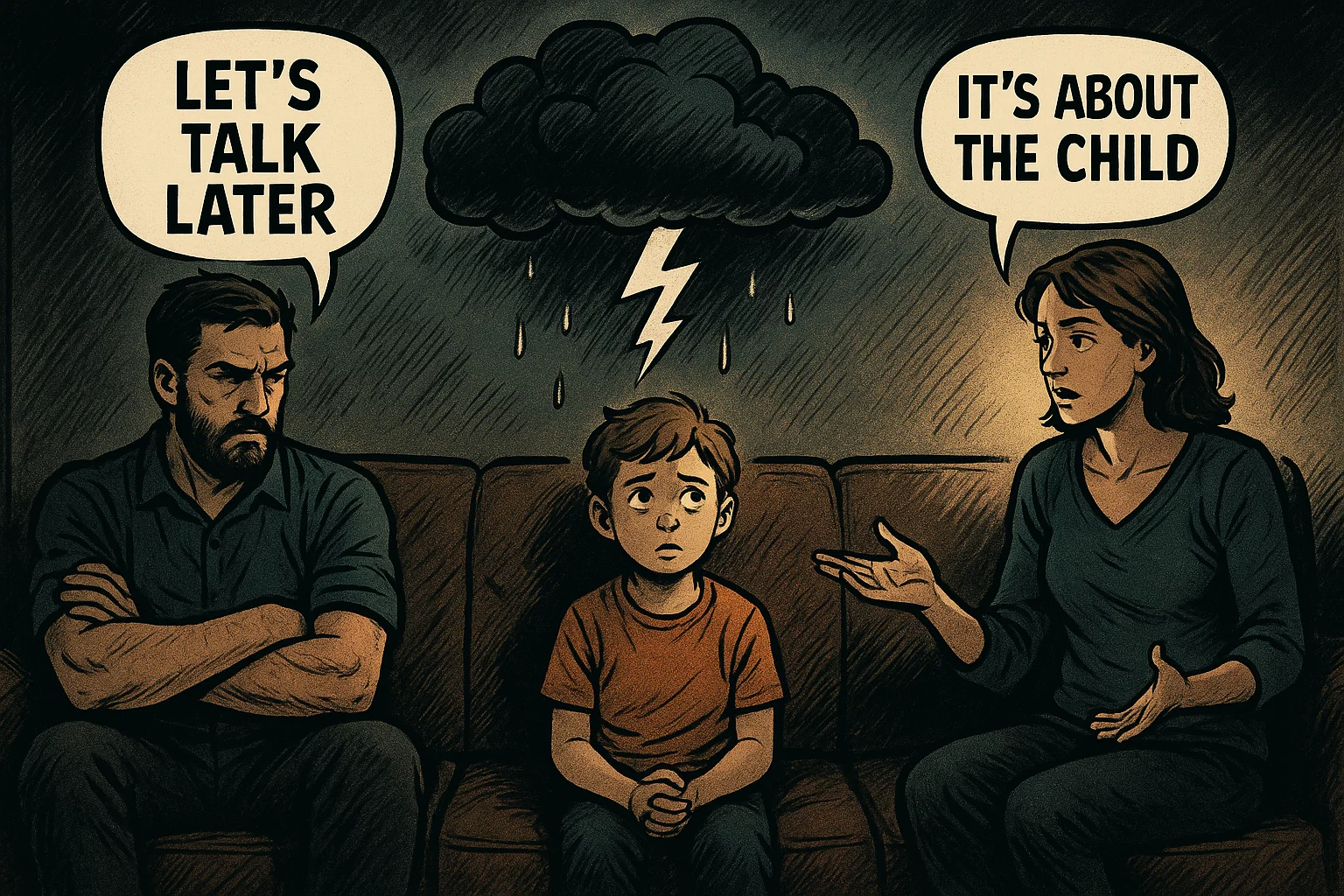
Manipulating a child’s affection, access, or daily routine to punish or control a former partner is emotionally harmful and can damage a child’s development.
Avoid Withholding Contact
Except in documented safety emergencies or situations covered by legal guidance, a father should not block, delay, or restrict a child’s communication or scheduled parenting time with the other parent. Withholding phone calls, ignoring court-ordered visits, or hiding school information to punish a former partner for late child support or personal conflict directly affects the child. When it is safe and legally appropriate, children benefit from the love and consistent presence of both parents.
Do Not Compete for Love
Dads should resist the urge to engage in competitive parenting, which often appears as extravagant gifts, constant entertainment, or abandoning household rules to become the “favorite” parent. This behavior does not provide authentic emotional security and can contribute to manipulation or anxiety in children. Strong fatherhood is defined by steady emotional availability, fair boundaries, and unconditional love, not financial competition.
Keep Discipline Fair Across Homes
Discipline should function as a teaching tool that guides a child’s behavioral development, not as an outlet for unresolved anger toward a co-parent. Dads should avoid overreacting to minor behavioral issues simply because they happened at the other parent’s house. Keeping consequences balanced, constructive, and separate from adult conflict preserves parental authority and integrity.
9. Plan for Events and Special Days
Proactive, early coordination for major educational milestones, medical needs, holidays, and extracurricular activities prevents public conflict and minimizes scheduling confusion.
Coordinate School Events Early
Major school functions – such as parent-teacher conferences, graduation ceremonies, sporting events, and theater performances – require advance planning and clear communication. Dads should make sure they are registered on school portals and patient portals so they receive updates directly rather than relying on a former partner to forward them. Agreeing on attendance expectations early can prevent awkward or hostile encounters in front of school staff, other parents, and children.
Handle Birthdays, Holidays, Mother’s Day, and Father’s Day
Special calendar days carry emotional weight for both children and parents, making early, written scheduling confirmation important. Dads should follow the holiday rotation outlined in the parenting plan and confirm specific logistics several weeks in advance when possible. A father can also support his child’s relationship with the other parent by respecting special days such as Mother’s Day when they apply, showing the child that respect is an active choice.
Prepare for Public Interaction With Your Co-Parent
When attending shared public events like a youth soccer game or school concert, fathers should maintain civility and composure. Dads can offer a polite, brief greeting to the co-parent and then focus their energy on celebrating the child’s performance. Public events should never be used to argue about money, scheduling problems, or personal resentment.
10. Work Through Emotions
Managing your own emotional recovery after divorce or the end of a relationship is a critical part of calm, rational, and effective co-parenting.
Accept That Emotional Untangling Takes Time
The end of a family relationship can trigger grief, anger, guilt, jealousy, and regret. Dads need to recognize that healing is a non-linear process that takes time, self-compassion, and intentional effort. Acknowledging these complex feelings can help fathers avoid projecting their pain onto parenting decisions or co-parenting communication.
Do Not Let Bitterness Drive Decisions
Unresolved bitterness can turn minor parenting choices – such as a request to swap a weekend or a disagreement over winter clothing – into exhausting power struggles. When a dad reacts out of spite, he can compromise his judgment and increase the conflict that affects his children’s emotional well-being. Decisions should be guided by logic and child needs, not by the desire to hurt or frustrate a former partner.
Get Help When Stress Feels Heavy
Navigating the logistical and emotional challenges of post-separation fatherhood can be difficult, and dads do not have to handle it alone. When anger, depression, or chronic stress begins to affect parenting or communication, seeking professional help is a sign of strength. Mental health, legal, and community resources can give dads practical tools to build a healthier, more sustainable future.
- Licensed Family Therapists: Mental health professionals can help dads process grief, manage anger triggers, and develop healthy coping mechanisms.
- Co-Parenting Coaches or Mediators: Objective specialists can guide parents through structured communication training and help resolve logistical deadlock outside of court.
- Fatherhood Support Groups: Community-led groups offer a safe space to share practical advice, reduce isolation, and learn from men navigating similar co-parenting experiences.
11. Be Present With Children
Strong fatherhood requires active engagement during parenting time, helping children feel heard, valued, and safe.
Focus During Parenting Time
When your children are in your care, set clear boundaries to protect that time from outside distractions. Work stress, dating concerns, financial worries, and digital conflicts with your co-parent should be set aside as much as possible during parenting time. Being fully engaged in your child’s world sends a powerful message that they matter and helps build emotional security.
Create Small Consistent Rituals
Building simple, repetitive household traditions anchors a child’s relationship with their father and gives them comforting reference points to look forward to across custody transitions. These rituals do not require much money; their value lies in their consistency. Over time, these small moments can become some of the memories that help children feel loved and secure.
- Bedtime Reading Routines: Dedicating 20 minutes each night to reading a book series together supports cognitive growth and provides a soothing transition into sleep.
- Weekend Morning Breakfasts: Establishing a regular tradition, such as cooking pancakes together on Saturday mornings, encourages hands-on collaboration and lighthearted conversation.
- Weekly Walk or Game Night: Designating a specific evening for a neighborhood walk or family board game encourages open dialogue and relaxed connection.
Listen Without Interrogating
When children return to your home after spending time away, dads should provide an open, stress-free space for them to share their thoughts and feelings. Avoid asking leading questions designed to gather information about your former partner’s finances, dating choices, or household environment. Let your children volunteer information naturally, and respond with empathetic, non-judgmental listening that focuses on their emotional experience.
12. Keep Spending in Check
Fathers should approach post-divorce financial management with accountability and foresight, avoiding the temptation to use money as a substitute for emotional presence.
Avoid Guilt-Based Spending
Many fathers feel guilt around the breakdown of the traditional family structure, which can drive them to overindulge their children materially. Buying expensive electronics, funding frequent luxury outings, or ignoring household rules to avoid conflict can be counterproductive. Material goods cannot replace consistent structure, emotional availability, and firm, loving boundaries; children often crave genuine connection more than expensive items.
Share Child Costs Fairly
A successful co-parenting partnership requires both parents to contribute transparently and fairly to the child’s changing financial needs. Beyond fulfilling court-ordered child support obligations, dads should collaborate openly to track and split variable expenses like school supplies, medical co-pays, sports fees, and clothing. Keeping organized digital receipts and approaching these expenses with shared responsibility can prevent financial resentment from damaging the co-parenting relationship.
Teach Financial Responsibility
Managing a household after divorce or separation gives fathers a chance to model real-world financial responsibility for their children. Dads can involve kids in age-appropriate discussions about basic budgeting, saving habits, and prioritizing practical needs over immediate wants. Demonstrating financial discipline and fairness – even while navigating child support – can help children build healthier attitudes toward money.
13. Be Respectful Toward Your Co-Parent
Maintaining basic civility and respect toward your former partner helps protect your children from the emotional strain of chronic parental conflict.
Avoid Trash Talk
Dads should commit to a firm rule: never criticize, mock, or demean the other parent in front of the children. Because children often see both parents as part of who they are, criticizing the other parent can damage a child’s self-image and sense of security. If you need to vent about a frustrating co-parenting challenge, do so privately with a therapist, a trusted friend, or a support group outside your child’s earshot.
Show Kindness During Conflict
When a co-parent behaves unreasonably or communicates aggressively, a dad should try to respond with calm, steady politeness. Refusing to match an adversarial tone can de-escalate conflict and protect your dignity. Maintaining respectful, professional composure keeps the focus on resolving the logistical issue instead of fueling an emotional argument.
Look for Middle Ground
Healthy co-parenting means accepting that you will not always get your way on every household policy, scheduling preference, or vacation timeline. Dads should be willing to practice real compromise and identify solutions that prioritize the child’s comfort over personal control. Approaching disputes with a flexible, solution-oriented mindset can support a more cooperative dynamic over time.
14. Handle New Partners Carefully
Introducing a new romantic partner into the family dynamic requires caution, thoughtful timing, and empathy for your child’s emotional readiness.
Introduce a New Partner Slowly
Dads should avoid introducing a new romantic partner to their children until the relationship is stable, committed, and has been established for several months. A premature introduction can confuse children who are still processing their parents’ separation. When the meeting does happen, keep it brief, casual, and in a neutral public setting to reduce pressure and allow the child to process their feelings naturally.
Respect Co-Parent Concerns
Out of respect for the co-parenting partnership, dads should tell their former partner about the introduction of a serious new partner before it happens. This respectful notice helps prevent your co-parent from hearing the news through the children, which can reduce unnecessary defensiveness. Practical boundaries – such as expectations around overnight stays, pickup protocols, and disciplinary boundaries – should be addressed clearly and respectfully.
Keep a New Partner Out of Conflict
A new partner should not be brought into the logistics or unresolved conflicts of the co-parenting relationship. Dads should handle scheduling discussions, expense tracking, and child-rearing decisions directly with their co-parent, without using a new partner as an intermediary, messenger, or shield. Keeping these boundaries clear prevents extra interpersonal friction and allows the new relationship to build a healthy, independent bond with the children.
15. Get Support and Use Helpful Resources
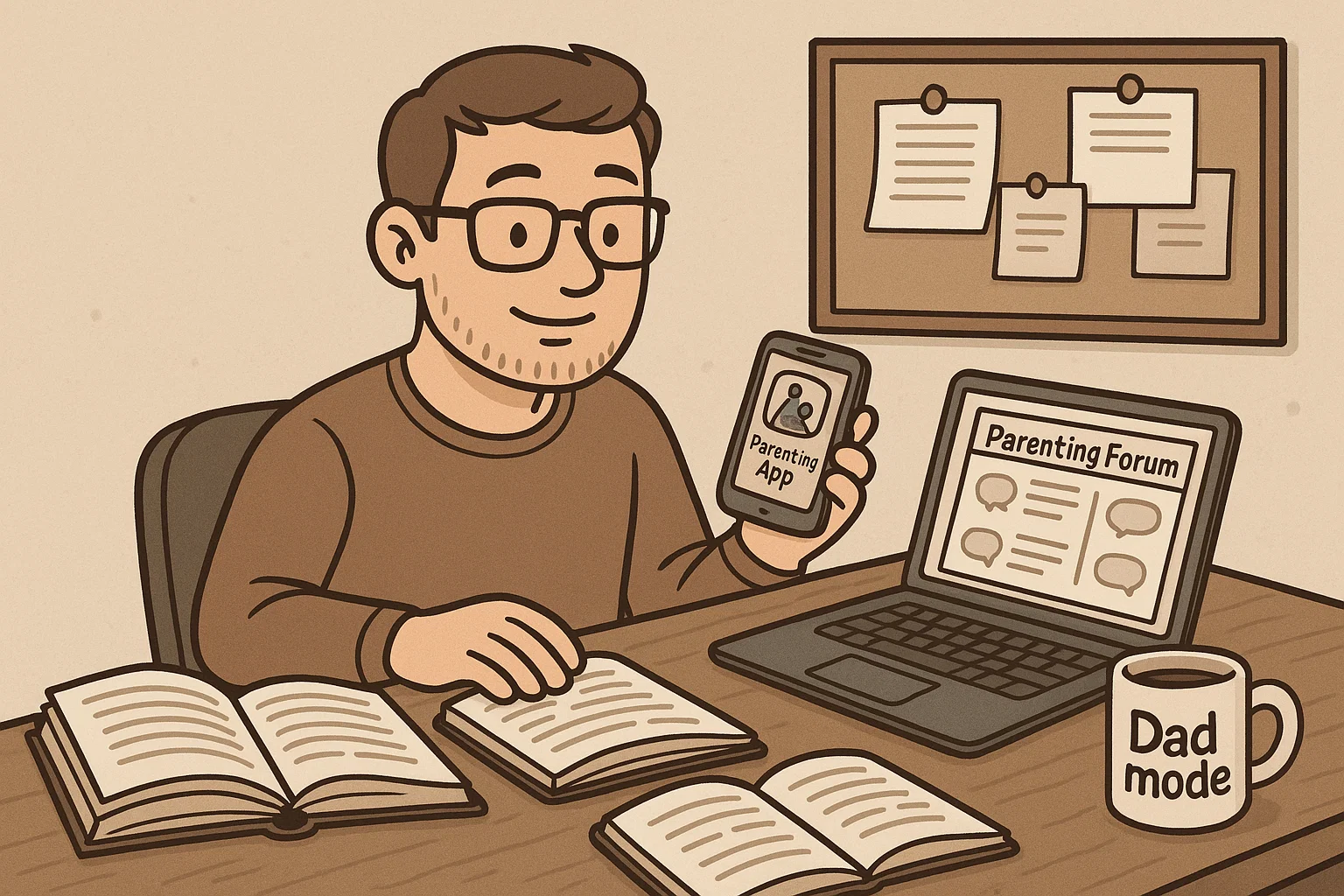
Successful, sustainable co-parenting often requires dads to lean on a network of community tools, specialized technologies, and professional advisors.
Ask Family and Friends for Help
Fathers should not hesitate to turn to trusted family members and friends for help with the day-to-day logistics of shared custody. Relying on a grandparent for school pickup or asking a sibling for occasional childcare can provide practical relief and create a stronger support network for your children. Spending quality time with trusted loved ones also gives dads a safe space to decompress, share advice, and maintain their own emotional balance.
Use Co-Parenting Tools
Modern digital applications are designed to reduce direct parental friction by organizing shared schedules, expense tracking, and everyday communication. These tools can support accountability, reduce arguments over past conversations, and create organized records of parenting-related communication.
- OurFamilyWizard: Offers shared calendars, secure expense tracking, check-in features, and ToneMeter tools that can help flag potentially harmful or aggressive language.
- TalkingParents: Provides secure, time-stamped messaging, recorded calling features, and file storage to keep child-related information organized in one place.
- AppClose: A co-parenting app that offers features such as shared calendars, secure communication, calling tools, expense sharing, and parenting-time tracking.
Know When Professional Help Is Needed
When high-conflict dynamics, failure to follow court orders or written agreements, or serious communication breakdowns persist despite your best efforts, professional support may be necessary. Dads should know when to consult family law mediators, parenting coordinators where available, or legal counsel to protect their parental rights and restore stability. Getting professional help early can keep family disputes from escalating into prolonged, emotionally draining legal battles.
Co-Parenting With an Uncooperative Co-Parent
When a former partner repeatedly ignores the parenting plan, fuels conflict, or refuses to cooperate, fathers may need to shift to a more structured, lower-contact parenting model.
Lower Contact When Conflict Stays High
If direct interactions with your co-parent regularly turn into hostile arguments, dads should reduce communication touchpoints to the minimum needed for the child’s care. Move conversations to written platforms such as a co-parenting app or email, and avoid direct phone calls or face-to-face debates unless necessary. Keeping interactions focused on essential, child-related logistics can reduce the emotional fuel that keeps high-conflict dynamics going.
Document Important Issues
Fathers dealing with an uncooperative co-parent should keep clear, objective records of important parenting issues. Save text logs, document missed or late custody exchanges, keep expense receipts, and track situations where important school or medical updates were withheld. Keep these records quietly and neutrally; avoid documenting every minor mistake, and save the information for mediation or legal review if serious custody issues arise.
Consider Parallel Parenting
When collaborative co-parenting breaks down because of ongoing hostility or uncooperative behavior, parallel parenting may be the safest path forward. This approach allows both parents to raise their children independently in their own homes, with minimal direct contact and fewer expectations about shared household rules. By reducing the expectation of close collaboration and relying on clear written boundaries, dads can help protect their children from ongoing parental conflict and create a calmer, more predictable home.
Final Encouragement for Co-Parenting Dads
Stepping into the role of a co-parenting father after a major family transition requires resilience, patience, and a steady commitment to your children’s future. While the path ahead may feel overwhelming at times, your daily choices to prioritize peace and stability can leave a lasting impact on your family.
Progress Beats Perfect Parenting
No father navigates co-parenting flawlessly; minor logistical mistakes, emotional missteps, and unexpected scheduling conflicts are bound to happen. What matters is your commitment to continuous improvement, your willingness to repair mistakes maturely, and your steady consistency over time. Children do not need a perfect dad; they need a resilient, present father who models accountability and handles life’s challenges with grace.
A Same-Team Mindset Helps Kids
Dads and their co-parents do not need to be close friends, share a social circle, or even like each other to build a successful shared parenting arrangement. They do, however, need to operate like respectful partners who are focused on one non-negotiable objective: the well-being of their children. Viewing your co-parent as a partner in raising your children – rather than as an adversary – can help you make choices that allow your children to feel secure and thrive.
Co-Parenting Gets Easier With Practice
Like any complex life skill, shared parenting can become smoother, more intuitive, and less stressful with time and practice. Dads who feel overwhelmed can regain momentum by focusing on one positive change at a time. Whether that means drafting calmer, more professional text messages, building a stable bedtime routine, or setting up a shared digital calendar, every small step brings your children closer to a secure and peaceful upbringing.
FAQ
What is the best co-parenting advice for dads?
The best co-parenting advice is to always put your children’s needs before personal conflict. A dad does not have to be perfect to be the best dad he can be; he needs to be steady, respectful, and present. Good co-parenting means making decisions based on what is best for your child, not on frustration with your ex-partner.
What is the key to successful co-parenting?
The key to successful co-parenting is consistent, respectful communication and a child-first mindset. Even if you disagree with your former spouse or ex-partner, keep conversations focused on schedules, school, health, and your child’s emotional needs. Clear boundaries and calm communication with your ex can help reduce conflict and protect the well-being of children.
How can dads improve communication with an ex?
Dads can improve communication with your ex by keeping messages short, calm, and focused on practical parenting issues. Avoid sarcasm, blame, or old relationship arguments. If it is hard to talk to your ex without conflict, use written communication, a shared calendar, or a co-parenting app to keep the conversation organized and less emotional.

Take a short quiz to find out what your everyday choices say about your parenting style
When your child is curious about something new, what’s your instinct?
Take a short quiz to find out what your everyday choices say about your parenting style
“Can I download this app?” What happens next?
Take a short quiz to find out what your everyday choices say about your parenting style
When it comes to rules at home, which sounds most like you?
Take a short quiz to find out what your everyday choices say about your parenting style
If you could give your child one life skill today, what would you pick?
Take a short quiz to find out what your everyday choices say about your parenting style
Your child gets to choose what to watch. What would your ideal setup look like?
Take a short quiz to find out what your everyday choices say about your parenting style
Pick your parenting superpower ✨