First-Time Parent Tips: Dos and Don’ts For New Parents

 Discover a Free Education Video App for Kids
Pastory uses AI to personalize educational video content based on your child’s interests and personality. Safe, engaging, and built for curious young minds. Sign up now to stay updated and enjoy early access with a free trial

Welcoming a newborn can bring immense joy alongside completely natural feelings of anxiety. Becoming a parent is a profound transition, and the first few weeks can feel overwhelming as the recovering parent heals physically and everyone learns to care for the baby. This comprehensive guide provides practical dos and don’ts for newborn care, baby sleep, feeding, safety, and self-care. By understanding what to expect during the first weeks and months, new mums and dads can navigate relationship changes, manage visitors, and feel more confident about when to ask for professional medical help.
Key Takeaways
- Trust your instincts: Every child is different, and over time you will learn your baby better than anyone else.
- Prioritise safe sleep: Reduce the risk of sudden infant death syndrome (SIDS) by always placing your child on their back in a clear sleep space.
- Accept practical help: Let friends and family handle cooking, laundry, and grocery shopping so you can rest and bond with your baby.
- Monitor health red flags: Seek urgent medical advice if your newborn develops a fever, breathing difficulties, or extreme sleepiness.
- Value self-care: Caring for a newborn requires immense energy; taking short breaks and resting is vital for your mental and physical health.
Core Dos
- Trust your instincts: Rely on your growing bond and intuition, as you are the expert on your own child.
- Ask for help: Reach out to your midwife, health visitor, GP, or family whenever you feel overwhelmed.
- Sleep when possible: Prioritise rest over household chores during the first few months to recover from childbirth.
- Keep your baby safe: Follow clinical safety guidance for sleep, car seats, bathing, and feeding.
- Learn baby cues: Observe subtle changes in your newborn’s body language to understand their needs early.
- Care for yourself: Eat nourishing meals, stay hydrated, and allow yourself time to heal.
- Accept imperfect days: Understand that messy houses and unsettled schedules are entirely normal parts of the journey.
Core Don’ts
- Don’t chase perfect parenting: Remember that babies do not come with an instruction manual, and mistake-free parenting is an impossible standard.
- Don’t buy everything: Avoid spending money on non-essential gadgets before your baby even arrives.
- Don’t ignore illness signs: Never hesitate to call healthcare professionals if you feel your child is seriously ill.
- Don’t compare babies: Avoid measuring your child’s progress against other infants in a baby group or on social media.
- Don’t feel guilty for needing breaks: Remember that stepping away for five minutes to breathe makes you a safer, calmer parent.
Safety Red Flags
New parents should know the key symptoms that need urgent medical attention. According to NHS guidance, a temperature of 38°C (100.4°F) or higher in a baby under three months old is an immediate red flag. Other urgent symptoms include rapid or laboured breathing, a persistent high-pitched cry, poor feeding, unusual drowsiness, and signs of dehydration such as very dry nappies or, from around day 5 onwards, fewer than six heavy wet nappies in 24 hours. If your child has emergency symptoms, call 999; for urgent but non-emergency concerns, call NHS 111, your GP, or your local out-of-hours service straight away.
Practical Parent Tips Before Your Baby Comes Home
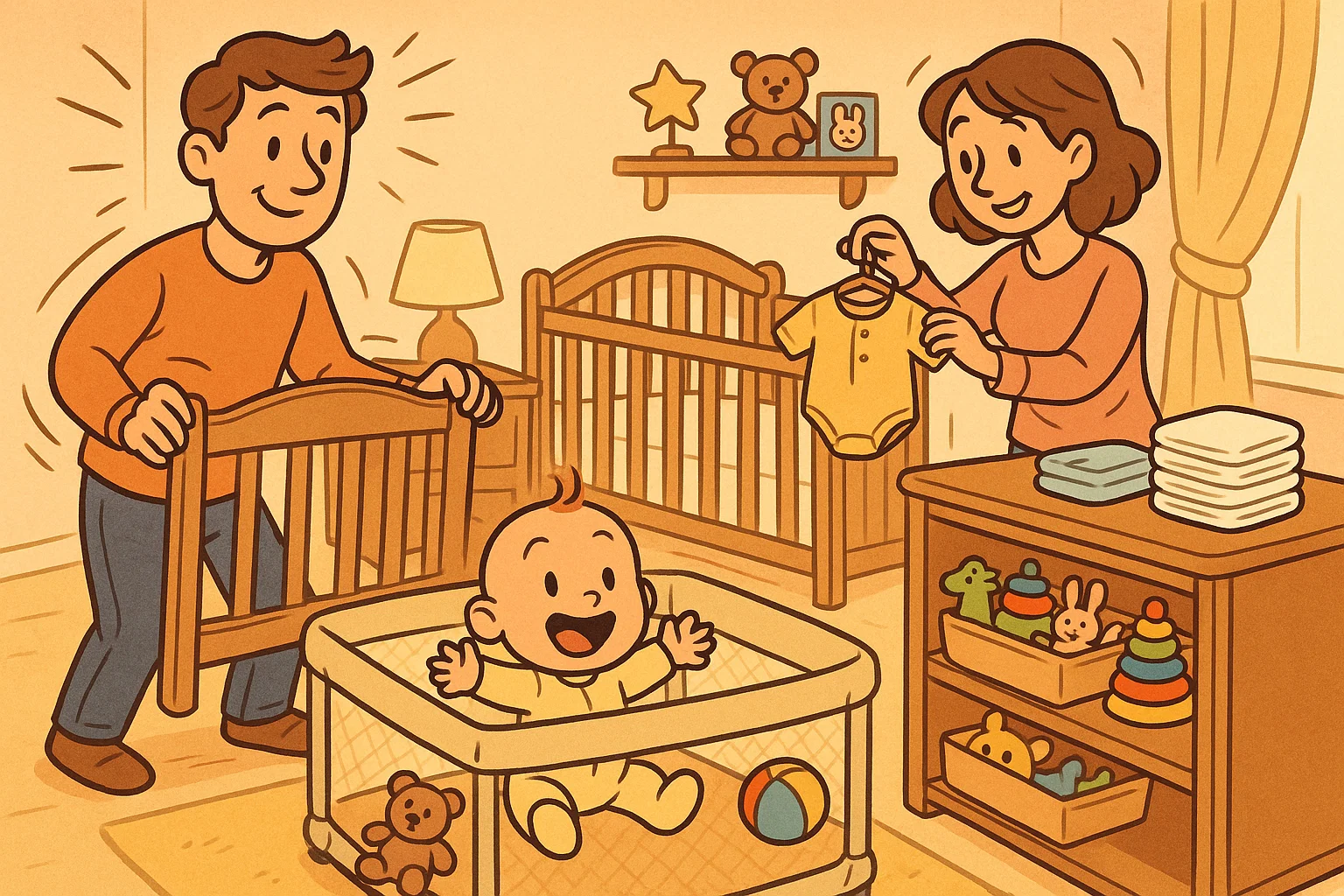
Set Daily Priorities as a New Parent
Becoming a new parent often means shifting from rigid schedules to a flexible, day-by-day approach. First-time parents can feel more in control by choosing just two or three realistic tasks per day, such as feeding the baby, taking a shower, and washing bottles. Setting low-pressure goals can reduce daily stress by removing the pressure to maintain a pre-baby routine.
Prepare Meals Before Your Baby Comes Home
If possible, prepare your home environment during the third trimester to make the first few weeks postpartum easier. New mums and dads can batch-cook and freeze 14 to 21 days’ worth of nutrient-dense meals, focus on easy one-handed snacks, and set up hydration stations near nursing chairs. Adequate nutrition supports healing and milk production, helping parents feel more physically able to care for a newborn.
Make Practical Lists for the First Few Months
Simple organisation tools can reduce the mental load that comes with sleep deprivation in the early weeks. First-time parents may find it useful to keep an easily accessible hospital bag list, nappy-changing checklist, emergency contact sheet, and simple feeding log. A digital logging app or paper chart can help you track feeds and nappies, giving you useful information to share with your health visitor during check-ups.
| Document Type | Key Elements to Include | Purpose |
| Emergency Contacts | GP, midwife, health visitor, NHS 111, out-of-hours clinic | Immediate access during a crisis |
| Feeding & Nappy Log | Time of feed, duration/ounces, wet/dirty nappy times | Tracks whether the baby is getting enough milk |
| Hospital Bag List | Maternity notes, loose clothes, newborn vests, nappies | Pre-birth preparation and stress reduction |
Keep Nappy Stations Ready
Setting up more than one changing station at home saves time and helps prevent you from leaving your baby unattended. Each changing station should include a secure changing mat, clean nappies, sensitive wipes, barrier cream, spare clothes, and nappy bags. Keeping these supplies within arm’s reach helps you change your baby safely without turning away from the changing surface.
Get to Know Your New Baby and Trust Your Instincts
Know Your Baby’s Hunger, Sleep and Discomfort Cues
Newborn babies often communicate their needs through subtle behavioural cues before they begin crying. Hunger cues often include rooting, sucking hands, clenched fists, and fussing, while tiredness may show up as yawning, staring blankly, looking away, or arching the back. Recognising these signs early can help you settle your baby before they become overtired or very hungry.
Hold Your Baby with Skin-to-Skin Contact
Health professionals encourage skin-to-skin contact, also known as kangaroo care, after birth and during the early weeks whenever it feels safe and comfortable. Placing your newborn, wearing only a nappy, directly against your bare chest can help regulate their temperature, breathing and heart rate, support bonding, and encourage oxytocin release. This practice supports breastfeeding initiation and strengthens the emotional bond with your baby.
Help Your Baby Learn Through Talking and Singing
Responsive parenting supports your baby’s early development and emotional security. Speaking, singing, and responding to your newborn’s sounds can foster emotional security and support early language development. Even in the first weeks and months, your child learns the rhythms of speech through your voice, which also acts as a powerful tool for soothing a crying baby.
Take Photos Without Missing Moments
Documenting your baby’s growth can be a cherished part of becoming a parent, but it requires balance. Parents can capture candid photos of daily life while still putting down digital devices regularly to engage in direct eye contact. Maintaining an intentional balance helps you stay mentally present during the fleeting moments of the first three months.
Feed Your Baby with Flexibility and Confidence
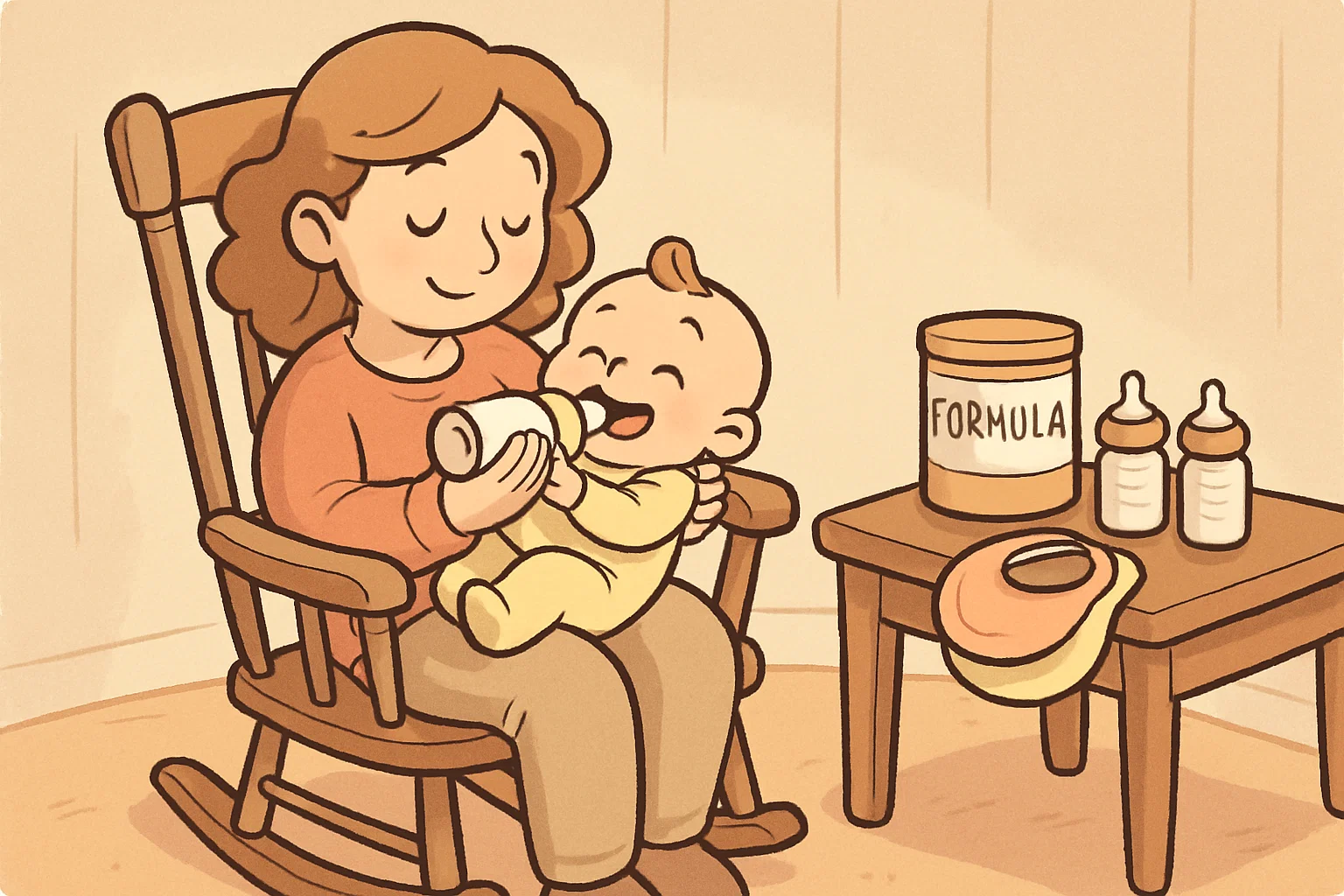
Get Support to Feed Your Baby Early
Although breastfeeding is natural, it is also a learned skill, and many new mums need support at first. New mums can access professional lactation support, midwives, or peer supporters during the first days to check the baby’s latch and explore comfortable feeding positions. Addressing issues such as nipple pain or supply concerns early can stop small problems becoming bigger feeding challenges.
Don’t Treat Breastfeeding as the Only Measure of Success
While health agencies promote breast milk for its nutritional properties, breastfeeding does not always work out for every family due to medical, physical, or emotional reasons. Your baby’s wellbeing depends on being fed, safe, loved, and cared for by a supported parent. First-time parents must remember that a fed, safe, and loved baby is the only true marker of parenting success.
Check Whether Your Baby Is Getting Enough Milk
To understand whether your baby is getting enough milk during the first weeks, parents should monitor clear signs rather than relying on guesswork alone. A healthy newborn typically regains their birth weight by around 10 to 14 days and, from about day 5 onwards, should usually have at least six heavy wet nappies in 24 hours.
[Milk intake] ➔ [Wet and dirty nappies] ➔ [Appropriate weight trend]
Use Formula Safely When Needed
When using infant formula, parents must follow safety guidance carefully to protect their baby’s developing immune system. According to NHS guidance, formula powder should be mixed with freshly boiled water that has cooled in the kettle for no more than 30 minutes, so it remains at least 70°C (158°F), which helps kill harmful bacteria. All bottles, teats, and preparation equipment must be thoroughly sterilised before every feed.
Understand Baby Poo, Nappies and Newborn Hygiene
Change Nappies Confidently
Changing nappies becomes easier with a simple routine that keeps your baby clean, comfortable, and safe. Always wipe your baby from front to back, particularly for baby girls, to minimise the risk of urinary tract infections. Keep the umbilical cord stump clean and dry by folding the front of the nappy downward, and apply a thin layer of barrier cream if redness appears.
What to Expect from Baby Poo, Leaks and Blowouts
Newborn poo changes rapidly in colour, consistency, and frequency during the first days and weeks, moving from dark meconium to lighter yellow or mustard-coloured stools. Nappy leaks and clothing blowouts are common, so it helps to be prepared. Parents should carry at least two spare outfits for the baby, clean muslins for spit-up, and an extra T-shirt for themselves in the changing bag.
Give Bare-Bottom Time Safely
Allowing your baby to spend short, supervised periods without a nappy can help reduce the risk of nappy rash. Parents can place a waterproof mat covered with a soft cotton towel on a warm floor for 10 to 15 minutes of supervised nappy-free time. This allows air to reach the skin naturally, keeping your baby comfortable and helping the skin stay dry.
Keep Spare Supplies in the Car
A well-stocked car can act as a useful back-up station when you are away from home. Parents can keep a dedicated storage box in the car containing nappies, wet wipes, disposal bags, a warm blanket, and spare outfits. This preparation can stop unexpected leaks or delays becoming more stressful while travelling.
Bathe, Wash and Groom Baby Gently
Use Plain Water During the First Month
Newborn skin is delicate, and frequent bathing can dry it out. During the first month, use warm water for routine washing and avoid harsh soaps, bubble baths, and fragranced lotions; if cleanser is needed, choose a mild baby-safe option. Two or three full baths a week are usually enough, as bathing too often can dry out your baby’s skin.
Wash Skin Folds Gently
Daily hygiene for a newborn should focus on areas where moisture and milk residue accumulate. Parents can use a soft, damp cloth to clean neck folds, fingers and toes, behind the ears, and around the nappy area. Pat every skin fold thoroughly dry with a clean towel to prevent chafing and irritation.
Trim Nails Without Fear
Newborn babies often have fine, fast-growing nails that can easily scratch their delicate skin. To trim them safely, use specialised baby nail scissors or a gentle infant nail file while the baby is sound asleep or calm after a feed. Gently push the finger pad away from the nail edge to avoid cutting the skin, and use scratch mittens if the nails remain sharp.
Watch Bath Safety Every Second
Bathing a baby requires your full attention because even a small amount of water can be dangerous. Before placing your baby into a bath, gather all towels, clean clothes, and rinsing cups so you never have to step away. Always check the water temperature with your elbow or a thermometer to ensure it sits safely between 37°C and 38°C (98.6°F to 100.4°F), and keep one hand firmly supporting your baby at all times.
How to Soothe Your Baby When Your Baby Cries
Check Basic Needs When Your Baby Cries
When a baby cries, it is usually their main way of expressing discomfort or an unmet need. Parents can run through a simple checklist of the most common causes of distress.
- Hunger: Check the time of the last feed and look for rooting behaviours.
- Nappy status: Inspect the nappy for wetness or stool that requires changing.
- Temperature: Feel the baby’s chest or the back of the neck to check whether they are too hot or cold.
- Physical comfort: Look for trapped wind, tight clothing, or a hair tourniquet around fingers or toes.
Use Calm Repetition
If your baby’s basic needs are met but they are still distressed, predictable, rhythmic soothing techniques may help them calm down. Methods such as gentle rocking, rhythmic shushing, safe swaddling if appropriate, and low-volume white noise placed away from the cot can feel calming and familiar. If you choose to swaddle, keep your baby on their back, use a thin breathable fabric, keep the head uncovered, and stop swaddling as soon as your baby shows signs of rolling. Try soothing techniques one at a time, as switching quickly between methods can overstimulate an already upset baby.
Take Five Before Soothing a Crying Baby Again
Soothing a crying baby for extended periods can raise parental stress levels to a point of physical and emotional exhaustion. If you feel your frustration rising, place your baby safely on their back in their cot, leave the door ajar, and step into another room for five minutes. Taking a few deep breaths and drinking a glass of water allows your heart rate to drop, helping you return calmer when you pick up your baby again.
Critical Safety Warning: Never, under any circumstances, shake your baby. Shaking an infant can cause permanent brain injury, blindness, or fatal trauma. If you feel you are losing control, place the baby in a safe space and contact a friend, family member, or medical professional for immediate support.
Know Crying Peaks Pass
Infant crying often follows a predictable pattern, with many babies crying more around 6 to 8 weeks of age before gradually settling. Understanding that this challenging phase is a normal developmental stage can help parents maintain perspective during difficult evenings. This period of increased fussiness is temporary and does not mean you are doing a poor job as a parent.
Build Sleep Habits Without Pressure

Sleep When Baby Sleeps
The standard advice to “sleep when your baby sleeps” can feel challenging, but prioritising rest over household organisation is vital for recovery. When your newborn settles for a nap, use that time to lie down, read, or rest quietly rather than washing dishes or vacuuming. Sharing household duties with a partner or helper can help both parents get longer blocks of sleep.
Keep Daytime Naps Natural
To help your newborn develop a healthy circadian rhythm, keep daytime environments bright and naturally noisy. Avoid darkening the whole house or whispering during daylight hours; normal household sounds, such as quiet conversation or the washing machine, can help your baby learn the difference between day and night. Over time, this can encourage longer stretches of sleep at night.
Start Bedtime Wind-Down Early
Establishing a gentle, consistent bedtime routine around the 6-to-8-week mark can give your infant clear environmental signals that sleep is approaching. This routine may include a warm bath, dimming the household lights, speaking in quiet tones, giving a final feed, and sharing a quiet cuddle. Repetition of these steps forms a predictable routine that helps your baby wind down comfortably.
Teach Night-Time Sleep Signals
When your baby wakes for feeds during the night, keep the environment distinctly different from daytime interactions. Keep lights dimmed, respond to needs quietly, avoid active play, and return the baby promptly to their safe sleep space once fed and changed. These subtle behavioural cues help your baby learn that night-time is for rest.
Notice Tired Signs
Catching your baby’s sleep window before they become overtired makes settling them much easier. Watch for early tired signs such as rubbing eyes, pulling at ears, frowning, looking away from stimulation, or displaying jerky arm and leg movements. Putting your baby down when these signs appear can make settling easier and help prevent overtiredness.
Keep Your Baby Safe and Reduce Sudden Infant Death Syndrome Risk
Use Safe Sleep Position
Safer-sleep guidance states that one of the most important ways to reduce the risk of sudden infant death syndrome (SIDS) is to place your baby on their back for every sleep. Parents should always place their baby flat on their back for every sleep, both night and day. Do not place an infant on their side or stomach, as these positions can compromise airway safety.
Keep Sleep Space Clear
Your baby’s sleep space should be kept clear to reduce suffocation and entrapment risks. The cot or Moses basket should contain only a firm, flat mattress covered with a tightly fitted sheet, with no loose blankets, pillows, cot bumpers, soft toys, or sleep positioners. If using a blanket, ensure it is tucked in securely below the baby’s armpits, or use a correctly sized baby sleeping bag.
[Safe Sleep Environment] = Firm Mattress + Fitted Sheet + No Loose Objects + Back Position
Avoid Overheating
Overheating is a recognised risk factor for SIDS, making room temperature management an important safety step. Healthcare professionals recommend keeping the baby’s sleep room between 16°C and 20°C (60.8°F to 68°F). To check if your baby is too warm, feel the skin on their chest or the back of their neck; if it feels hot or damp, remove a layer of clothing or bedding.
Share Room, Not Bed When Advised
Safer-sleep guidance recommends that your baby sleeps in their own clear sleep space, such as a cot or Moses basket, in the same room as you for at least the first six months. Room-sharing lowers the risk of SIDS compared with having your baby sleep in a separate room, while keeping them in a clear, separate sleep space helps reduce suffocation and entrapment risks. Never sleep with a baby on a sofa or armchair, as this environment carries an exceptionally high risk of accidental suffocation.
Spot Serious Illness and Act Fast
Know Red-Flag Symptoms
While minor ailments are common, parents must be able to recognise signs of severe illness that require immediate medical care. Seek urgent medical attention if your baby displays any of the following symptoms:
- Breathing issues: Rapid breathing, grunting sounds, or chest drawing inward under the ribs.
- Colour changes: Pale, mottled, blue, or grey skin, lips, or tongue.
- Neurological signs: Extreme floppiness, difficulty waking, or continuous high-pitched crying.
- Non-blanching rash: A rash that does not fade when a clear glass is pressed firmly against the skin.
Trust Instincts During Illness
First-time parents often worry about bothering medical professionals needlessly, but healthcare professionals take parental concerns seriously. If your newborn seems “not right”, looks unusually pale, or behaves in a way that causes you concern, trust your instincts and seek professional medical advice. It is always safer to have a professional evaluate your child than to wait when you feel worried.
Prepare Emergency Contacts
When a health issue arises, having immediate access to contact information reduces panic and saves critical time. Keep a clear list of emergency numbers on your fridge and saved in your mobile phone, including your GP surgery, local out-of-hours clinic, health visitor, NHS 111, and emergency services. Knowing exactly who to call helps you access appropriate medical guidance without delay.
Check Fever Guidance by Age
A fever in a young infant requires careful monitoring and specific action based on age. For a newborn under three months old, any temperature reading of 38°C (100.4°F) or higher means you should call NHS 111 or your GP surgery straight away, even if no other symptoms are present. Always use a reliable digital thermometer under your baby’s arm to measure their temperature.
Prioritise Safety at Home, on the Road and Outside
Fit Car Seat Correctly
Transporting your newborn safely requires choosing and correctly installing an approved, rear-facing infant car seat. Ensure the harness straps emerge from the seat slots at or just below your baby’s shoulders, and pull the straps snugly so you cannot pinch the webbing between your fingers. Never dress your baby in bulky coats or snowsuits before buckling them in, as thick padding can compress during an accident and leave the harness dangerously loose.
Keep Small Hazards Out of Reach
As your baby grows and begins to explore, creating a safe environment becomes increasingly important. Keep hot beverages away from the edges of counters and tables, secure loose electrical cords, and store small objects that fit inside a toilet roll tube well out of reach. If you have pets or older children, ensure your newborn always rests in a protected space where they cannot be accidentally bumped or stepped on.
Use Baby Sling Safely
Wearing your baby in a sling or wrap is an excellent way to keep them close while keeping your hands free, provided you follow established safety guidance. Use the TICKS mnemonic to ensure your baby stays secure:
- Tight: The sling must hold your baby securely against your body.
- In view at all times: You must be able to see your baby’s face simply by looking down.
- Close enough to kiss: The baby’s head should rest comfortably near your chin.
- Keep chin off chest: Ensure a space of at least one finger-width under your baby’s chin to keep their airway open.
- Supported back: The wrap should hold the baby’s back in a natural, upright position.
Dress for Weather, Comfort and Movement
When dressing your baby for outdoor walks, a practical rule of thumb is to dress them in one more layer than you are comfortably wearing yourself. Use soft, breathable fabrics such as cotton, and choose outfits that are easy to open for quick nappy changes. Avoid clothing with decorative cords, loose ribbons, or hoods that could accidentally bunch up around your baby’s face or restrict their breathing.
Care for Yourself Physically, Mentally and Emotionally
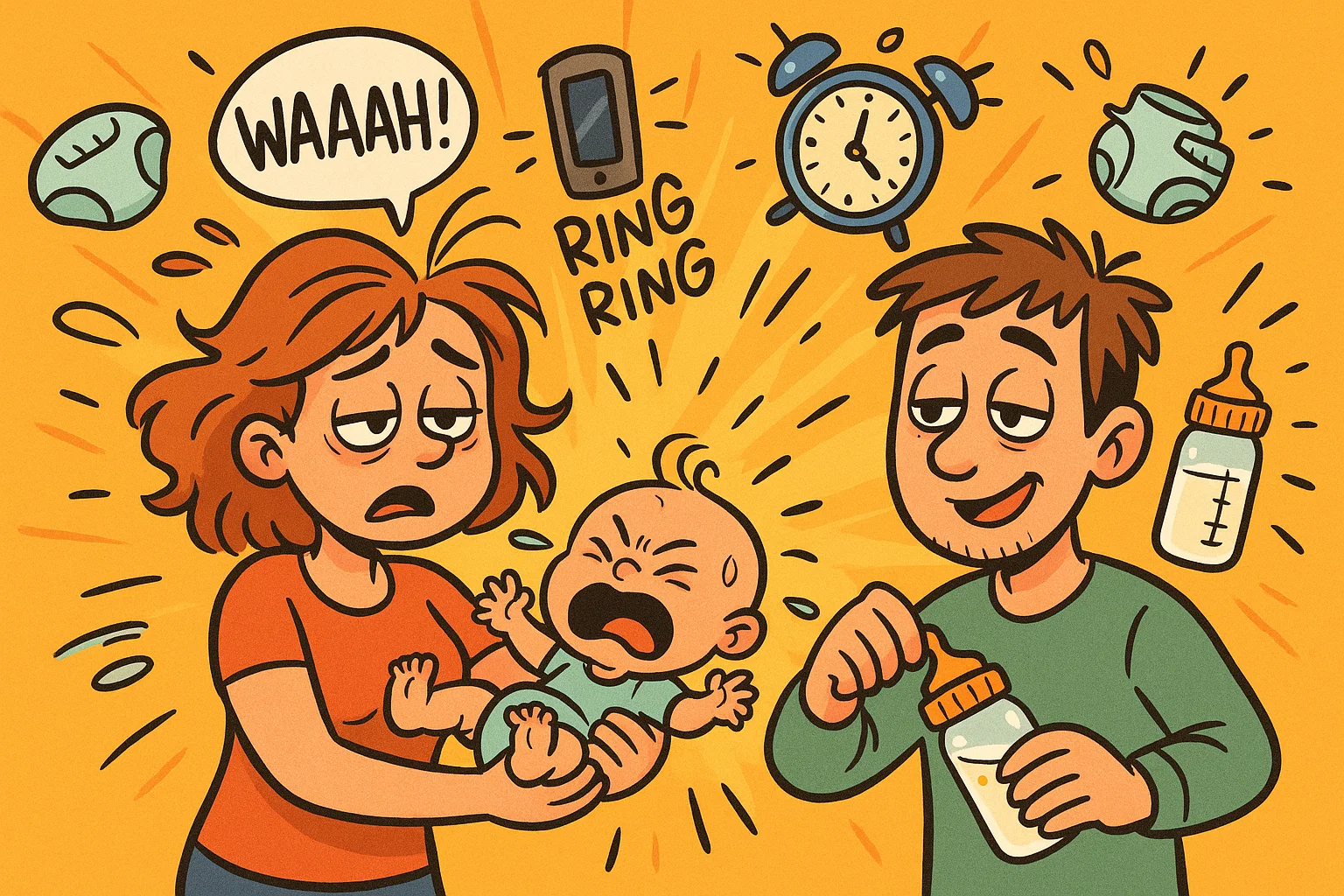
Eat, Hydrate and Move Gently
Recovery from pregnancy and childbirth takes nourishment, rest, and self-compassion. Focus on eating balanced meals rich in protein and fibre, keep a bottle of water nearby during feeds, and take short, gentle walks outside once you have your doctor’s clearance. Gentle movement and proper hydration support your physical recovery and can provide a helpful boost to your energy levels.
Rest Without Guilt
Many new mums and dads fall into the trap of thinking that rest is a luxury, but it is a functional necessity for safe parenting. Chronic sleep loss can affect your decision-making, immune system, and emotional resilience. Choosing to rest rather than tackling household chores is a responsible parenting decision that benefits your entire family.
Mental Health Tips for New Mums and Dads
While the brief “baby blues” affect many new mothers in the first two weeks due to hormonal shifts, persistent sadness or anxiety needs closer attention. Postpartum depression and anxiety can develop at any point during the first year, appearing as constant worry, feeling disconnected from your baby, or experiencing overwhelming dread. Being aware of these emotional changes allows you to seek support early, before your wellbeing is deeply affected.
Ask for Professional Help Early
Reaching out for professional mental health support is a sign of strength and an important step in caring for your family. If you feel unable to cope, experience persistent low mood, or feel constantly anxious, talk openly with your health visitor, GP, or a licensed therapist. Early support gives you tailored strategies to navigate this major life transition safely and comfortably.
Accept Help and Manage Visitors
Say No to Visitors
When your new baby arrives, family and friends are often eager to visit, but hosting guests can easily drain your limited energy. It is completely acceptable to set firm boundaries, such as asking for visits to be kept short, requesting no unannounced drop-ins, and pausing visits entirely during the first few days. Protecting your privacy gives you more space for feeding, resting, and bonding during those delicate early weeks.
Accept Practical Help
When well-meaning friends ask how they can support you, suggest practical, everyday tasks. Ask if they can drop off a ready-made meal, put a load of laundry on the line, run a quick grocery errand, or walk the dog. Letting someone else handle these chores allows you to take a long shower or get an hour of uninterrupted rest, making a noticeable difference in your day.
Build Support Network
A reliable support network can make the first few months of parenthood feel less isolating. This network can include immediate family, dependable friends, local community services, and accessible online parenting groups. Knowing you have a trusted circle to turn to for practical advice or an empathetic ear reduces the feeling of isolation that sometimes accompanies new parenthood.
Meet Other Parents
Joining a local baby group or neighbourhood playgroup provides an excellent opportunity to connect with people sharing your current experience. Sharing the ups and downs of sleep loss, feeding challenges, and developmental milestones with other new parents helps normalise everyday struggles. These connections build mutual support, reminding you that you are not alone on this journey.
Share Parenting, Relationship and Household Duties
Work as a Team
Adjusting to life with a newborn is easier when partners share care as teammates, rather than one person acting as the main parent and the other as a “helper”. Both parents should learn how to feed, change, soothe, and bathe the baby with confidence. Sharing these core caregiving responsibilities helps create a more balanced home dynamic and gives both parents opportunities to bond with the baby.
Divide Night, Feeding and Chore Roles
To manage the fatigue of night wakings, work together to design a realistic shift schedule that suits your family’s routine. For instance, one parent can handle evening changes and settling while the other takes the early morning feed, or you can take turns on alternating nights. Clear agreements on chores like cooking, washing bottles, and keeping supplies stocked prevent resentment and help everyone get a block of rest.
| Time Block / Shift | Responsible Parent | Primary Duties |
| Shift A (9:00 PM – 2:00 AM) | Parent 1 / Partner | Evening bottle/soothing, changing, settling baby |
| Shift B (2:00 AM – 7:00 AM) | Parent 2 / Partner | Early morning feeding, changing, soothing |
| Daytime Overlap | Both Parents (Shared) | General household chores, bottle washing, grocery runs |
Protect Couple Communication
The intense demands of caring for a newborn can place temporary strain on even the strongest relationships. Make time for quick, daily check-ins to ask how the other is doing, voice appreciation for each other’s efforts, and agree to discuss difficult topics when you are not completely exhausted. Practising patience and kindness during sleep-deprived moments can help keep your relationship strong.
Let Partner Try Soothing
It can be tempting for the primary caregiver to step in whenever the baby cries, but it is important to give your partner the space to develop their own soothing techniques. Babies can adapt to different soothing styles, whether that means a unique rocking rhythm, a different swaddling technique, or a distinct shushing sound. Trusting your partner to settle the baby builds their confidence and ensures you do not have to carry the emotional load alone.
Keep Perspective During Hard Phases
Remember Stages Pass
Newborn development changes quickly and can bring phases of cluster feeding, unsettled sleep, and unexpected crying spells. When you find yourself awake with a fussy baby at 3:00 AM, remind yourself that this difficult night is a temporary phase that will pass. This perspective can help you stay calmer, knowing that your baby’s patterns will continue to change over the coming weeks.
Drop Perfect Parenting Pressure
The idea of a flawless parent is unrealistic. Your baby does not need a perfect environment; they need loving, responsive care, safety, comfort, and nourishment. Embracing a realistic approach to daily life relieves unnecessary pressure and allows you to enjoy the everyday moments of parenting.
Avoid Guilt Spirals
It is remarkably easy for new parents to fall into guilt spirals regarding feeding choices, house cleanliness, or needing a break from the baby. Remind yourself that prioritising your own mental health and wellbeing directly benefits your child’s environment. Letting go of unrealistic expectations about a tidy home or fixed routines helps you focus on what truly matters.
Compare Less, Observe More
Every baby is a unique individual who develops along their own distinct timeline. Instead of comparing your baby’s milestones to other infants in your social circle or online, focus your attention on observing your child’s individual growth and personality. Paying close attention to your baby’s unique traits helps you understand them better and reduces unnecessary anxiety about their development.
Save Money and Buy Less
Skip Expensive Must-Haves
The baby retail market is full of specialised gadgets and high-end nursery furniture, but many of these items are not essential. A higher price tag does not automatically mean a product is safer or better suited to your baby. Focus your budget on items that meet verified safety standards, rather than investing in short-lived trends.
Buy Baby Essentials First
When preparing for your baby’s arrival, focus your budget on the practical items required for daily care during the first six months.
- Safe Sleep Space: A certified cot or Moses basket with a firm, flat mattress.
- Hygiene Items: A steady stock of nappies, sensitive wipes, and zinc-based barrier creams.
- Feeding Supplies: Sterile bottles, a reliable breast pump, or comfortable nursing bras.
- Travel Safety: An approved, rear-facing car seat and a sturdy pram or stroller.
- Basic Clothing: A small collection of simple, easily washable babygrows and vests.
Borrow, Batch and Reuse Safely
Many baby items, such as newborn clothes and baby baths, are used for only a short time and can be good second-hand options. When borrowing or buying pre-loved items, always check their safety history and any expiry dates, especially for items such as car seats. Always invest in a brand-new mattress for a cot or Moses basket to ensure a safe, firm sleep surface that meets current SIDS risk reduction guidance.
Avoid Nursery Perfection
While designing an elegant, colour-coordinated nursery can be an enjoyable project, it is helpful to remember that newborns have no awareness of interior décor. During the first six months, your baby is likely to sleep in your room, so a highly styled nursery can wait. Keeping the setup simple saves money and gives you time to understand what layout will work best for your family later on.
Encourage Development Through Simple Play
Stimulate Senses with Sound
In the early months, simple everyday interactions can support your baby’s development. Read aloud, sing simple songs, talk gently during alert moments, and introduce soft rattles or a musical mobile. Watch your baby’s reactions and pause if they turn away or become fussy, as young babies can easily become overstimulated by too much sound or movement.
Talk During Care Routines
Daily tasks like nappy changes, baths, and clothing changes offer excellent opportunities to connect and support early language development. Describe what you are doing in clear, gentle tones, make regular eye contact, and narrate the sights and sounds around you. This consistent conversation exposes your baby to the building blocks of language during comfortable, familiar routines.
Track Developmental Milestones
While your baby will grow at their own pace, tracking general developmental markers provides a helpful overview of their progress. Watch for early milestones like a first purposeful smile around 6 to 8 weeks, steady eye contact, tracking moving objects, and improving head control during daily tummy time. Recognising these gradual changes helps you understand your baby’s growing capabilities.
Follow Your Baby’s Pace in the First Few Months
Milestone charts are broad guides, not strict deadlines for development. If your baby takes a little longer to hit a specific marker like rolling or grasping an item, it is usually a normal part of their unique timeline. If you ever have persistent questions or concerns about your baby’s progress, discuss them openly with your health visitor or GP for personalised reassurance.
Plan Routine Without Losing Flexibility
Use Gentle Daily Rhythm
Rigid schedules can be difficult with a newborn, but a gentle, predictable rhythm can make the day feel calmer. Focus on a simple pattern of feeding, awake time for play or a walk, followed by a nap. This flexible repetition creates a comforting structure for both you and your baby without the stress of rigid time constraints.
Sync Twins or Siblings When Possible
For parents of twins or a newborn with older siblings, coordinating daily routines can make the household feel more manageable. Try to feed and put twins down for naps at the same time to create predictable pockets of quiet time for yourself. Keep expectations realistic, and allow yourself flexibility on days when schedules do not line up perfectly.
Keep Routine from Replacing Cuddles
A flexible routine can be helpful, but it should never override your baby’s need for comfort and connection. If your infant is fussy, going through a growth spurt, or simply needs an extra cuddle, it is completely fine to pause your planned routine. Responding warmly to your baby’s need for closeness is foundational for building a secure emotional attachment.
Adjust After Growth Spurts
Babies regularly go through physical growth spurts and developmental shifts, which can temporarily disrupt your established patterns. During these periods, you may notice your baby feeding more frequently, waking more often at night, or needing extra soothing. Adapting your daily rhythm during these brief phases allows you to meet your baby’s changing needs comfortably.
Protect Identity and Social Life
Help Mum Keep Her Identity After Baby Arrives
Entering parenthood is a major transition, but it can help to stay connected to the interests and hobbies you enjoyed before your baby arrived. Find small ways to bring your favourite activities into your new routine, whether it is listening to a favourite podcast during a walk, reading while the baby naps, or enjoying a creative project. Protecting these small moments helps refresh your energy and supports your personal wellbeing.
Socialise in Small Steps
Staying connected with friends and family helps prevent the feelings of isolation that can sometimes come with caring for a newborn. Start with simple, low-pressure steps, such as sending voice notes, inviting a close friend over for coffee, or joining a local parent walking group. These straightforward interactions keep you connected to your community without feeling overwhelmed.
Enjoy the Baby Bubble
The early months of your baby’s life can be a chance to slow down and focus on your immediate family. Embrace the quiet days spent resting on the sofa, sharing skin-to-skin contact, and bonding with your newborn without the pressure of an active schedule. Giving yourself permission to enjoy this slow-paced time helps create a calm, nurturing home environment.
Return to Work or Hobbies Slowly
As you prepare to return to work or more demanding personal commitments, take time to talk through your upcoming routine with your partner. Explore childcare options early, discuss how you will share daily responsibilities, and give yourself time to adjust to the emotional shift. Moving into this next phase gradually helps you and your baby adapt comfortably to the new routine.
Navigate Starting Solids, Food Storage and Weaning Myths

Store Homemade Baby Food Safely
When your baby is ready to begin exploring solid foods around six months of age, following correct food storage practices is essential for their safety. Cool freshly prepared purées quickly, spoon them into clean containers, and label them clearly with the date before placing them in the fridge or freezer. Reheat food until it is steaming hot, then let it cool to a safe temperature and test it before offering it to your baby. Do not reheat cooked food more than once.
Separate Weaning Myths from Facts
The process of introducing solid foods can sometimes come with confusing, outdated advice from well-meaning sources. Modern guidance clarifies that you do not need to follow a strict order of foods, and common allergenic foods can be introduced from around six months, one at a time, so you can spot any reaction. Whether you choose traditional smooth purées or a baby-led weaning approach with soft finger foods, focus on offering a variety of iron-rich foods, vegetables, and age-appropriate textures.
Look for Readiness Signs
Current guidance recommends starting solid foods from around six months, when your baby shows the key readiness signs. Look for three key developmental signs that show your baby is truly ready:
- Stable posture: Your baby can sit upright with support and hold their head steady.
- Hand-eye coordination: They can look at food, pick it up, and bring it accurately to their mouth.
- Swallowing coordination: They can swallow food smoothly rather than pushing it back out with their tongue.
Keep Feeding Pressure Low
Introducing solid foods at this stage is primarily about exploring new textures, discovering different flavours, and practising motor skills. Expect meals to be messy, expect occasional gagging as your baby learns to manage food in their mouth, and stay patient if they reject a new taste. Keeping the atmosphere relaxed and low-pressure encourages your baby to develop a positive relationship with food.
First-Time Parent FAQ
How Hard Is First-Time Parenting?
First-time parenting is widely recognised as a beautiful but challenging transition due to the combination of sleep loss, physical recovery, and the learning curve of caring for a newborn. Navigating this new level of responsibility can feel intense at first, but support and self-compassion can make daily life more manageable.
Best Advice for First-Time Parents?
The most valuable guidance for new parents is to trust your intuition, establish a safe home environment, and let go of the pressure to be perfect. Prioritise your own rest whenever possible, accept practical help from friends and family, and never hesitate to reach out to healthcare professionals when you have questions about your baby’s health.
Common First-Time Parent Struggles?
Many new parents experience similar challenges during the first few months, including managing significant sleep deprivation, navigating feeding difficulties, and feeling anxious when trying to soothe a crying baby. It is also completely normal to experience relationship adjustments as roles shift, alongside moments of loneliness or a temporary dip in personal confidence.
Which Baby Month Feels Hardest?
Many parents find the first six to eight weeks the most demanding, as this period often brings a peak in infant crying, frequent night feeds, and significant parental fatigue. However, every family’s experience varies depending on your baby’s unique temperament, your physical recovery, and the level of practical support available to you.
What Should First-Time Parents Not Do?
First-time parents should avoid ignoring safe sleep guidance, comparing their child’s unique development to other infants, or buying an excessive amount of expensive baby gadgets. It is also important not to refuse practical offers of help from loved ones, neglect your own basic self-care, or delay seeking medical advice when you feel concerned.
When Should New Parents Ask for Help?
You should reach out for professional help immediately if your baby shows any signs of illness, such as a high fever or breathing difficulties, or if you face ongoing feeding challenges. It is equally important to seek support from a GP or health visitor if you experience persistent low mood, overwhelming anxiety, or feel unable to cope with the daily demands of parenting.

Take a short quiz to find out what your everyday choices say about your parenting style
When your child is curious about something new, what’s your instinct?
Take a short quiz to find out what your everyday choices say about your parenting style
“Can I download this app?” What happens next?
Take a short quiz to find out what your everyday choices say about your parenting style
When it comes to rules at home, which sounds most like you?
Take a short quiz to find out what your everyday choices say about your parenting style
If you could give your child one life skill today, what would you pick?
Take a short quiz to find out what your everyday choices say about your parenting style
Your child gets to choose what to watch. What would your ideal setup look like?
Take a short quiz to find out what your everyday choices say about your parenting style
Pick your parenting superpower ✨