Tips On Being First Time Dad: 24-Step Guide For New Dads

 Discover a Free Education Video App for Kids
Pastory uses AI to personalize educational video content based on your child’s interests and personality. Safe, engaging, and built for curious young minds. Sign up now to stay updated and enjoy early access with a free trial

Becoming a first-time father is one of the most significant transitions a man can experience. It is a unique paradox: it can be exhausting, overwhelming, joyful, and deeply rewarding all at once. While becoming a dad can be incredibly exciting, it is also perfectly normal to feel nervous about your new role and the responsibilities that come with caring for a newborn.
The transition to parenthood involves a steep learning curve, from mastering nappy changes to coping with the lack of sleep that often defines the first few weeks. This guide offers new dads practical, reassuring, and evidence-informed advice. Whether you are preparing for your baby’s arrival or have just brought your newborn home from hospital, these tips for new dads will help you support your partner, bond with your baby, and build the confidence you need as a father.
Key Takeaways
- Preparation Is the Foundation: Early planning, such as installing the car seat, reviewing your finances, and preparing the home, can reduce stress when the baby arrives.
- Active Support Matters: Dads can make the biggest difference by taking ownership of household tasks and protecting their partner’s recovery after birth.
- Bonding Happens Through Care: Fatherhood is built through daily actions. Skin-to-skin contact, nappy changes, winding, and bath time all help build a bond with your newborn.
- Mental Health Matters: Paternal postpartum depression is real. Talking to other dads, opening up to someone you trust, and seeking professional help are signs of strength.
- Consistency Matters More Than Perfection: A new routine takes time to establish, so focus on being present rather than perfect.
1. Prepare Early, but Stay Flexible
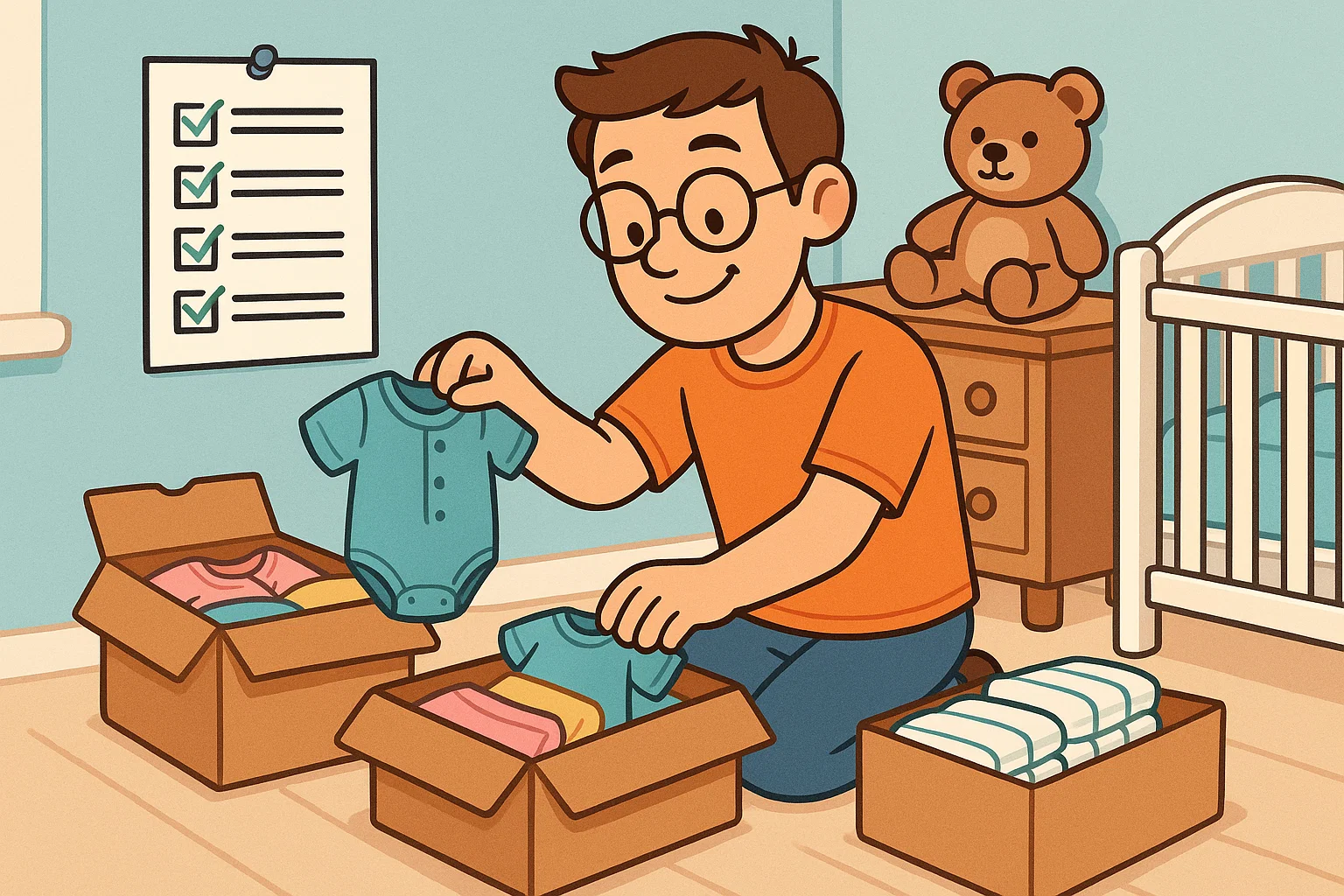
Becoming a good dad requires a proactive approach to practical preparation. This includes setting up the nursery, understanding your paternity leave options, preparing your home, and making sure essential items are ready before the baby arrives.
Planning ahead can reduce uncertainty and help you feel more in control, but it is equally important to remain adaptable. Newborns rarely follow predictable schedules, and your ability to adjust when plans change will be one of your greatest assets during the first few months.
2. Support Your Partner Practically and Emotionally
The relationship with your partner often comes under pressure during the transition to parenthood. First-time dads should prioritise practical, low-friction support, such as taking over laundry, meals, and basic household admin without waiting to be asked.
This proactive approach reduces the mental load on your partner, who may be physically recovering from birth while also managing feeding, pain, hormones, and exhaustion. Small acts of practical care can make a significant difference to her physical recovery and emotional wellbeing.
3. Bond Through Daily Baby Care

As a first-time father, you might feel like an observer at first, especially if your partner is breastfeeding or spending more time physically caring for the baby. However, fatherhood is built through hands-on care.
Changing nappies, winding the baby after feeds, dressing your newborn, and taking part in bath time give your baby repeated chances to recognise your scent, voice, and touch. These everyday tasks are not just chores; they are the building blocks of a lifelong bond.
4. Protect Mental Health and Self-Care From the Start
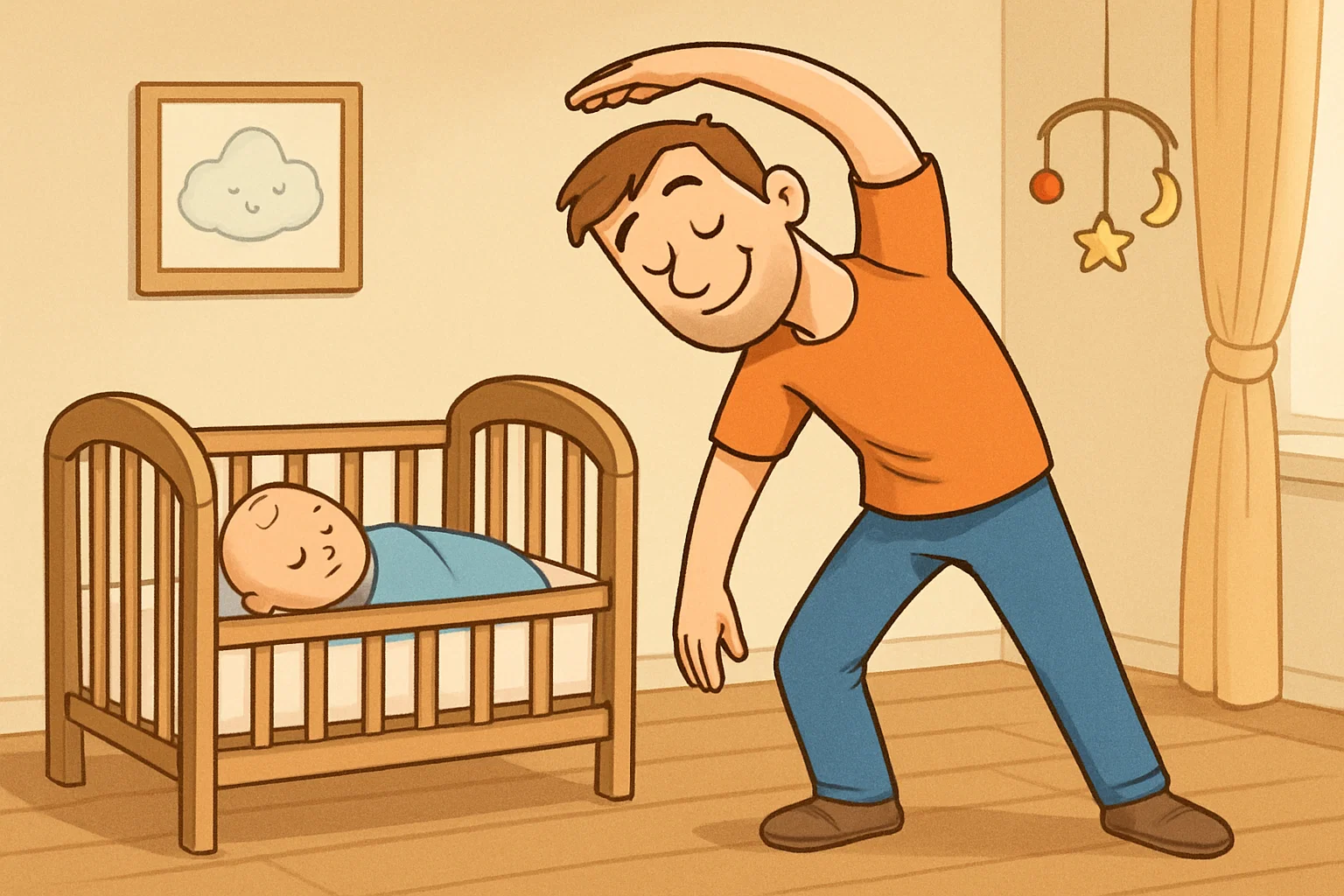
Sleep deprivation is a real physiological stressor. It can affect decision-making, patience, emotional regulation, and communication with your partner.
Some new fathers experience paternal postpartum depression or significant depressive symptoms after the birth of a baby. Prioritising short windows of rest, staying connected to supportive people, and speaking honestly about how you feel are essential parts of being a present and healthy dad.
5. Prepare for Birth
Preparing for your baby’s birth is not just about the delivery room. It is about creating a stable environment for your new family and understanding how to support your partner before, during, and after labour.
Antenatal classes, birth planning, hospital preparation, and emotional readiness can all help fathers feel more informed, more involved, and better prepared for early parenthood.
Learn the Basics of the Birth Plan
A birth plan is a flexible guide to your partner’s preferences around pain relief, birth positions, and possible medical interventions. As a new father, your role is to understand these preferences and help communicate them if your partner is unable to do so clearly during labour.
Familiarise yourself with where the hospital bags are kept, make sure important documents are ready, and ensure the car has enough fuel well before the due date.
Attend Antenatal Appointments
Attending scans, midwife appointments, and antenatal classes allows first-time fathers to feel more connected to the pregnancy and the reality of the new baby.
These appointments give you a chance to ask for expert advice about your partner’s health and your baby’s development. Being present for these milestones helps you feel involved from the start, rather than as if you are catching up once the baby arrives.
Pack a Hospital Bag for Dad
While most of the focus is understandably on the mother, new dads need their own supplies so they can stay present and useful. A well-packed bag means you will not have to leave the ward at a critical moment.
| Category | Essential Items |
| Energy | High-protein snacks, electrolyte drinks, reusable water bottle |
| Electronics | Extra-long phone charger, power bank, camera, headphones |
| Comfort | Change of clothes, layers, toiletries, comfortable shoes, pillow |
| Admin | Copy of the birth plan, hospital paperwork, pen and notepad |
Prepare Emotionally for Parenthood
It is common for first-time dads to feel a mix of impostor syndrome, uncertainty, and overwhelming responsibility. You do not need to have all the answers immediately.
Parenting confidence develops gradually. It is built through the daily experience of looking after your newborn, not through theory alone.
6. Build a First-Time Father Checklist
Organising the physical environment is a practical way to prepare for a baby. Using a checklist helps ensure that no essential baby equipment is overlooked in the final weeks of pregnancy.
Baby Gear Checklist
Safety should come before aesthetics. Make sure your cot meets current safety standards: a firm mattress, a fitted sheet, and no loose bedding.
You will need at least a two-week supply of nappies and fragrance-free wipes, plus six to eight bodysuits and sleepsuits, as newborns may need several clothing changes a day because of spit-up or nappy leaks.
Home Prep Checklist
Start baby-proofing before your baby becomes mobile so that safe habits are already in place. This can include setting up a designated changing station on each floor, so you avoid unnecessary trips up and down stairs while carrying a newborn.
Make sure your medicine cabinet is stocked with a digital thermometer and any baby-safe items recommended by your GP, midwife, health visitor, paediatrician, or local healthcare provider.
Car Seat Checklist
Installing a car seat is a non-negotiable task before leaving the hospital. If you are in the US, the National Highway Traffic Safety Administration reports that almost half of car seats are installed incorrectly. Wherever you live, it is important to follow local safety guidance and check the manufacturer’s instructions carefully.
Practise the installation before your baby arrives and learn how to adjust the harness to ensure a snug fit.
Digital Storage Checklist
The first few months can result in hundreds of photos and videos. Make sure your phone has enough storage and consider setting up a shared digital album.
This lets new parents keep extended family involved without having to send individual updates manually during an exhausting period.
7. Look After Your Newborn
Hands-on care is one of the best ways for great dads to help the household settle into a new routine. Mastering the physical basics reduces the feeling of being overwhelmed and helps you become more confident.
Hold Your Baby Safely
Newborns have very little neck strength, so you need to support the head, neck, and base of the spine at all times.
Use the cradle hold or shoulder hold to keep your baby close to your chest. Your heartbeat, body heat, and familiar scent can help your newborn feel secure and supported.
Change Nappies Confidently
In the early weeks, young babies may need around 10 to 12 nappy changes a day. To make the change easier, gather everything first: a clean nappy, wipes, cream, and a change of clothes.
Always wipe front to back to reduce the risk of infection, and make sure the skin is dry before applying barrier cream.
Soothe a Crying Baby
Crying is a newborn’s main form of communication. When your baby cries, run through a simple checklist: hunger, a wet or dirty nappy, trapped wind, tiredness, or overstimulation.
If their basic needs are met, you can try soothing techniques such as swaddling, shushing, gentle rocking, sucking, or holding your baby on their side or tummy while they are awake and supervised. Always place your baby on their back for sleep.
Follow Safe Sleep Guidance
To reduce the risk of Sudden Infant Death Syndrome (SIDS), follow safer-sleep guidance: place your baby on their back, on a firm, flat surface, in a clear cot, in the same room as you for at least the first six months.
Keep the cot clear of pillows, toys, loose bedding, and heavy blankets. As a dad, you can help keep the sleep environment clear, calm, and comfortably cool.
8. Learn Your Baby’s Cues
Learning your baby’s cues helps you respond sooner and more calmly. This can reduce the amount of time your baby spends crying hard before their needs are met.
Hunger Cues
Early signs of hunger include rooting, sucking on hands, and smacking lips. If you wait until your baby is crying hard, they may find it harder to latch, feed, or settle.
Recognising these cues early can make feeding calmer for both the baby and the parents.
Tiredness Cues
Unlike adults, newborns can become hyperactive or unsettled when they are overtired. Look for glazed eyes, pulling at ears, yawning, or jerky limb movements.
When you notice these cues, dim the lights, reduce noise, and help your baby transition to sleep before they become overtired.
Overstimulation Cues
If your baby turns their head away, arches their back, or becomes unusually fussy in a busy room, they may be overstimulated.
In these moments, dads can help by taking the baby to a quiet, darker space. Limiting visitors in the first few weeks can also give the new family time to adjust without constant social pressure.
Comfort Cues
When your baby is content, they may have relaxed hands, a soft facial expression, and gentle cooing sounds.
Responding with soft talking, eye contact, or reading to your baby reinforces their sense of security and strengthens your bond.
9. Use Skin-to-Skin Contact
Often called kangaroo care, skin-to-skin contact is a powerful way for first-time fathers to support bonding, calm, and early regulation.
Skin-to-Skin After Birth
Holding your newborn against your bare chest can help regulate your baby’s heart rate, temperature, and sense of security.
For a new dad, this contact may support oxytocin release and reduce stress, helping bonding feel more natural over time.
Daily Bonding Moments
Integrate skin-to-skin time into your new routine, perhaps after a bath or during a quiet evening period.
This can be especially helpful if your partner is breastfeeding, as it gives you a warm, hands-on role in your baby’s care that does not depend on feeding.
Benefits for Dad
Father-baby skin-to-skin contact can support attachment, confidence, and involvement in care.
It provides a clear and practical way to bond with your baby, especially during the early weeks when many fathers are still finding their place in the new family rhythm.
10. Talk to Your Newborn
Language development begins long before a child says their first word. Your voice is one of your baby’s earliest sources of comfort, connection, and learning.
Narrate Daily Tasks
Use parentese – a warm, sing-song tone – to describe what you are doing.
You might say, “Now we are going to change your nappy,” or “Daddy is making some coffee.” This gentle narration supports your baby’s early language development and helps them connect your voice with comfort and care.
Read and Sing
It is never too early to read to your baby. The story itself matters less than the rhythm and warmth of your voice.
Singing nursery rhymes or even your favourite songs helps your newborn hear different sounds, rhythms, and patterns.
Use a Calm Voice
During stressful moments, such as when your baby is inconsolable, maintaining a calm and steady voice can help you stay grounded.
Your vocal stability signals to your newborn that they are safe, even when they are upset.
11. Support Breastfeeding or Bottle Feeding
Whatever feeding method you use, first-time dads can play a crucial role in making feeds calmer, safer, and more sustainable.
Offer Breastfeeding Support
If your partner is breastfeeding, your role is to be the facilitator. This can include bringing her water, snacks, pillows, or anything else she needs during feeds.
You can also take the baby afterwards for winding, changing, or settling. Supporting your partner in this way allows her to focus on the baby’s latch, her own comfort, and her recovery.
Handle Bottle Prep
For bottle-fed or combination-fed babies, dads can help by managing the logistics of cleaning, sterilising, and preparing bottles safely.
| Task | Protocol |
| Sterilising | Use a steam steriliser or boiling water for all bottle parts after every use, following local guidance. |
| Formula Prep | Follow the exact water-to-powder ratio on the packaging, as incorrect dilution can be unsafe for your baby. |
| Storage | Store freshly expressed breast milk in the back of the fridge for up to 4 days; freezing for about 6 months is usually best, depending on local guidance. |
| Warming | Use a bowl of warm water; never use a microwave, as it can create hot spots. |
Take Burping Duties
Becoming the “master of the burp” is a great way for new fathers to be involved after feeds.
Hold the baby upright against your shoulder and gently pat or rub their back. This can help reduce trapped wind, which is a common cause of discomfort in the first few months.
Watch for Feeding Stress
Feeding can be a major source of anxiety for new parents. If your baby is struggling to latch or is not gaining weight as expected, help your partner arrange advice from a lactation consultant, midwife, health visitor, GP, or paediatrician.
This proactive stance shows that you are sharing the parenting journey equally.
12. Share Household Duties
The arrival of a newborn significantly increases the amount of domestic work, often at a time when both parents are exhausted. An equitable split of these tasks is essential for the health of the new family.
Split Daily Tasks
Rather than waiting to be asked, new dads should take primary ownership of low-skill, high-time tasks. This includes laundry, grocery shopping, meal preparation, washing bottles, and cleaning the kitchen.
When dads take ownership of these chores, it gives their partner more space to rest, recover, and bond with the baby.
Ask Your Partner What Helps Most
Communication with your partner is vital because needs can change daily.
Instead of asking “What can I do?”, offer specific choices: “Would you like me to take the baby for a walk so you can nap, or would it help more if I handled the dishes?”
This reduces the cognitive burden on your partner and makes support easier to accept.
Protect Recovery Time
Giving birth is a major physical event. A supportive dad can act as a gatekeeper for visitors, making sure his partner has enough space and time to heal without the pressure of entertaining guests.
Prioritise her hydration, nutrition, comfort, and rest above social obligations during the first few weeks.
13. Take Care of Your Relationship

Maintaining the relationship with your partner is the foundation of a stable home. The transition to parenthood often shifts the focus entirely to the baby, but the couple bond also needs care.
Talk About Parenting Choices
Conflict often arises when expectations are not aligned. Discuss your approach to parenting – such as sleep expectations for later months, feeding roles, visitor boundaries, and household responsibilities – during calm moments.
Talking to other dads can also provide perspective on how they handled early disagreements and changes in the relationship.
Keep Romance Alive
In the first weeks and months, romance is less about grand gestures and more about small acts of kindness.
A thoughtful text, a favourite snack brought home from work, or a genuine compliment on how she is handling the new role can go a long way towards maintaining emotional intimacy.
Plan Couple Time
A date night out may not be realistic at first, but you can still aim for 15 to 20 minutes of baby-free conversation each evening.
This helps you remain partners and individuals, not just “mum and dad”. Simple routines, such as sharing a quiet meal once the baby is settled, can help protect the emotional core of your new family.
14. Protect Your Mental Health
Parenthood is a marathon, not a sprint. Your mental resilience directly affects your ability to be a patient, present, and supportive dad.
Ease Up on Yourself
You will make mistakes – you might put a nappy on back to front or struggle to soothe a long crying spell.
Becoming a new dad is a skill learned through repetition. Self-compassion is not weakness; it is part of becoming an effective parent.
Be Aware of Your Mood
Watch for signs of persistent irritability, withdrawal, numbness, or feeling constantly on edge.
If you find it hard to enjoy time with your baby or you feel constantly anxious, these may be signs of paternal postpartum depression or emotional burnout. Early support from a GP, therapist, or healthcare professional can prevent these feelings from escalating.
Open Up to a Trusted Person
Vulnerability is a strength. Discussing your fears or the weight of your new role with your partner, a trusted friend, a family member, or another dad can prevent emotional bottlenecks.
New fathers who share their experiences often discover that other dads are facing similar challenges.
Talk to Other “First Time Fathers”
Peer support is invaluable. Whether through an online forum, a local dads’ group, or a parenting class, talking to other dads can provide a sense of normality.
It reminds you that lack of sleep, uncertainty, and feeling overwhelmed are common experiences.
15. Practise Self-Care as a Dad
To take care of your baby effectively, you also need to maintain your own physical and emotional health. Self-care is not selfish; it is a functional requirement for fatherhood.
Get Sleep Whenever Possible
Night wakings are inevitable, but try to coordinate sleep shifts with your partner where possible.
Even one longer block of uninterrupted sleep can make it easier to think clearly, regulate your emotions, and communicate calmly.
Eat Proper Meals
Relying on caffeine and sugar can lead to energy crashes. Focus on high-protein, nutrient-dense meals that are easy to prepare.
New dads can benefit from batch cooking at weekends, so healthy options are available during busy days and nights.
Keep Moving
Physical activity is a proven stress-reducer. Even a 15-minute walk with the baby in the pram can provide fresh air, movement, and a mental reset.
This can help manage the stress that often comes with sleep deprivation.
16. Build Healthy Habits Before Baby Arrives
Your health and fitness can affect your energy levels during the first few months of fatherhood. The more prepared you are physically and mentally, the easier it can be to cope with the demands of newborn care.
- Nutrition: Increase your intake of whole foods to support your energy and overall health.
- Exercise: Focus on core strength and back health, as you will be doing a lot of lifting, bending, and carrying.
- Stress Management: Identify your triggers and develop healthy coping mechanisms before the baby arrives.
These habits do not need to be perfect. The goal is to build enough resilience to support yourself, your partner, and your baby.
17. Prepare Your Home for Baby
A well-organised home reduces the chaos when you bring your baby home from hospital. The aim is not to create a perfect nursery; it is to make daily care easier.
Deep-Clean the Living Space
Clean high-touch surfaces and keep the baby’s sleeping area as clear, clean, and dust-free as possible.
A calm, organised environment can make early parenthood feel less overwhelming.
Clear Storage Space
Organise nappies, wipes, creams, muslins, and clothes by size.
You do not want to be hunting for a size 1 sleepsuit during a 3 a.m. nappy change.
Choose Baby Equipment
Prioritise safety and usefulness over gadgets. A properly fitted car seat, a safe cot, and a reliable baby monitor are more useful than most trendy accessories.
Compare reviews, safety ratings, and practical features before purchasing to ensure the best fit for your budget and lifestyle.
18. Make Financial and Legal Plans
Fatherhood brings new administrative responsibilities that provide long-term security for your family.
Work Out the Family Budget
Account for the recurring costs of parenthood, such as childcare, life insurance, baby supplies, and healthcare-related expenses if applicable.
Adjusting your spending habits early can reduce stress if one parent takes extended leave or your household income changes.
Make Workplace Plans
Understand your rights around paternity leave, shared parental leave, flexible working, and emergency time off for dependants.
Communicate clearly with your employer about your leave plans and return-to-work timeline to ensure a smoother transition for both your team and your family.
Review Legal Essentials
Depending on where you live, you may need to register the birth, update beneficiaries, review life insurance, or create a will.
These tasks may not feel urgent during the newborn stage, but they are important for your child’s long-term security.
19. Pack the Nappy Bag
A well-packed nappy bag is your mobile command centre. It allows you to leave the house with more confidence and fewer last-minute panics.
Nappy Bag Essentials
- At least 5 nappies
- Full pack of wipes
- Travel changing mat
- Two sets of spare clothes for the baby
- One spare shirt for dad in case of spit-up or leaks
- Muslins or burp cloths
- Hand sanitiser
- Nappy disposal bags
- Small toy or comfort item, if age-appropriate
- Bottle, formula, or expressed milk if needed
Keeping a refill checklist helps make sure the bag is always ready for a quick trip out.
20. Learn First Aid Basics
Knowing how to respond in an emergency is a vital part of being a prepared dad.
Prepare a First Aid Kit
Include an infant-safe digital thermometer, saline drops for congested noses, and any medications recommended by your health visitor, GP, paediatrician, or local healthcare provider.
Keep emergency numbers saved in your phone, including your GP, midwife or health visitor, urgent medical helplines, and the nearest paediatric emergency department.
Learn Emergency Steps
Sign up for an infant CPR and baby first aid course. These skills are rarely needed, but they can give you important peace of mind.
Knowing the signs of a high fever, dehydration, or breathing difficulty can help you act quickly if something is wrong.
21. Create a Flexible Routine
Newborns are unpredictable, but a gentle rhythm can help both parents and babies feel more secure. The key is flexibility rather than rigid scheduling.
Evening Routine
A consistent evening routine – such as a bath, followed by a story and a dimly lit feed – can signal to your baby that it is time for sleep.
This wind-down period can also help you transition from work mode to parent mode.
Daytime Rhythm
During the day, focus on simple patterns: feed, change, cuddle, sleep, and repeat.
Over time, these small patterns help you understand your baby’s needs and create a sense of predictability in the household.
22. Handle Good Days and Bad Days

Parenting is a series of peaks and valleys. Some days you will feel like a pro; on others, you may feel completely out of your depth.
Celebrate Small Wins
Did you manage a successful nappy change in the dark? Did the baby settle on your chest? Did you and your partner get through a difficult evening together?
Acknowledge these moments. They are the small wins that keep you going through the harder stretches of sleep deprivation.
Accept Difficult Days
Bad days do not mean you are failing. They are part of life with a newborn.
When a day feels impossible, return to the basics: feed the baby, change the baby, keep the baby safe, support your partner, and rest whenever you can.
23. Ask for Help
No one is meant to raise a child in total isolation. Seeking support is a practical decision that protects the health of your family.
Use Professional Support
Your health visitor, midwife, GP, and other healthcare professionals are there to support the whole family.
Do not hesitate to contact them with concerns about your baby’s health, your partner’s recovery, feeding difficulties, sleep, or your own mental wellbeing.
Accept Practical Help
If trusted family or friends offer help, be specific.
Ask them to bring a meal, walk the dog, pick up groceries, fold laundry, or hold the baby while you and your partner rest. Practical support is often more useful than vague offers.
24. Build Confidence as a New Father
Confidence is not a prerequisite for fatherhood; it is something you build through fatherhood.
Do Hands-On Care Daily
The more you engage in your baby’s care, the more intuitive it becomes.
You will learn to distinguish between a hunger cry and a tired cry through experience. You will learn how your baby likes to be held, soothed, fed, and settled.
This hands-on involvement is what helps you become a confident, connected dad.
Trust the Learning Process
No first-time dad knows everything at the beginning. You become capable by showing up, trying again, asking questions, and staying involved.
Your baby does not need you to be perfect. Your baby needs you to be present, responsive, and willing to learn.
FAQ About Fatherhood
What should a first-time dad do before the baby arrives?
Focus on practical preparation: install the car seat, pack your hospital bag, attend antenatal classes, prepare the home, and finalise your paternity leave or shared parental leave plans. Discussing household expectations and communication habits with your partner is equally important, as it can help prevent future conflict.
Is being a new dad hard?
Yes, it can be physically and emotionally demanding because of sleep deprivation, uncertainty, and the weight of a new role. However, many of the hardest challenges are temporary, and the rewards – such as your child’s first smile and your growing bond – can outweigh the difficulties.
How can a dad bond with a newborn?
Bonding happens through skin-to-skin contact, talking to your newborn, and active participation in daily care such as bath time, nappy changes, winding, and settling. Consistency matters more than the intensity of any single interaction.
How can a dad support his partner after birth?
Take ownership of household chores, manage visitors, make sure she has water and nourishing food, and handle baby care between feeds so she can rest. Emotional validation, patience, and practical support are also critical during recovery.
Can new dads have postpartum depression?
Yes. Paternal postpartum depression or significant postpartum depressive symptoms affect some new fathers. Symptoms may include irritability, withdrawal, numbness, persistent sadness, anxiety, or feeling constantly on edge. If you feel this way, speak to a GP, therapist, or other healthcare professional.
What should a dad pack in a nappy bag?
Pack nappies, wipes, a changing mat, spare baby clothes, a spare shirt for yourself, muslins, hand sanitiser, and nappy disposal bags. If your baby is bottle-fed, include bottles, formula, or expressed milk as needed. Keeping a refill checklist helps make sure the bag is always ready for a quick trip out.

Take a short quiz to find out what your everyday choices say about your parenting style
When your child is curious about something new, what’s your instinct?
Take a short quiz to find out what your everyday choices say about your parenting style
“Can I download this app?” What happens next?
Take a short quiz to find out what your everyday choices say about your parenting style
When it comes to rules at home, which sounds most like you?
Take a short quiz to find out what your everyday choices say about your parenting style
If you could give your child one life skill today, what would you pick?
Take a short quiz to find out what your everyday choices say about your parenting style
Your child gets to choose what to watch. What would your ideal setup look like?
Take a short quiz to find out what your everyday choices say about your parenting style
Pick your parenting superpower ✨