How to Discipline a 3-Year-Old: A Parent’s Guide

 Discover a Free Education Video App for Kids
Pastory uses AI to personalize educational video content based on your child’s interests and personality. Safe, engaging, and built for curious young minds. Sign up now to stay updated and enjoy early access with a free trial

Knowing how to discipline a 3-year-old means working with your child’s development, not against it. At this age, toddlers are testing boundaries, feeling big emotions, and beginning to build self-control — all at the same time. Consistent, calm guidance helps them feel secure while learning what behavior is expected.
This guide covers practical strategies including positive reinforcement, redirection, natural consequences, and how to handle tantrums or physical aggression. It also addresses common discipline mistakes and helps parents set realistic expectations for what a 3-year-old can and cannot yet manage.
Key Takeaways
- Discipline at age three works best when it matches your child’s developmental stage and emotional capacity.
- Positive reinforcement, redirection, and offering choices are among the most effective age-appropriate strategies.
- Harsh or inconsistent discipline methods are less effective and can undermine a child’s sense of security.
- Tantrums and physical aggression are developmentally normal at this age and can be managed with calm, consistent responses.
- If behavior concerns persist, knowing when to seek professional guidance is an important part of the process.
Why Discipline Matters at Age Three
Healthy discipline serves as the foundation for your child’s understanding of social expectations and emotional regulation. Ways to discipline your toddler should center on teaching through consistent, warm and loving boundaries rather than punishment-focused approaches. This form of discipline helps build trust while establishing decision-making skills.
When healthy children feel understood and respected, they’re more likely to cooperate and move towards positive behaviour while internalizing the values you want your child to learn.
Developmental Milestones and Challenges
Understanding your child’s capabilities is crucial for appropriate strategies. Toddlers can identify basic emotions but lack vocabulary for complex feelings, making tantrums normal development rather than deliberate bad behavior. Their ability to communicate often can’t match complex thoughts, leading to frustration and anger.
Common toddler behaviour includes throwing a tantrum during transitions, testing boundaries to develop independence, and using defiance to assert autonomy. When a child keeps refusing or begins to whine, it’s often their way to get your attention or express needs they can’t articulate.
Age-Appropriate Discipline Techniques
Learning how to discipline effectively requires matching techniques to developmental abilities while teaching important life skills.
Positive Reinforcement
This works exceptionally well because toddlers naturally seek approval. Instead of saying “good boy,” offer specific feedback: “I noticed you shared your blocks. That was kind.” This helps encourage good habits and shows children exactly which behaviors you value.
Redirection and Distraction
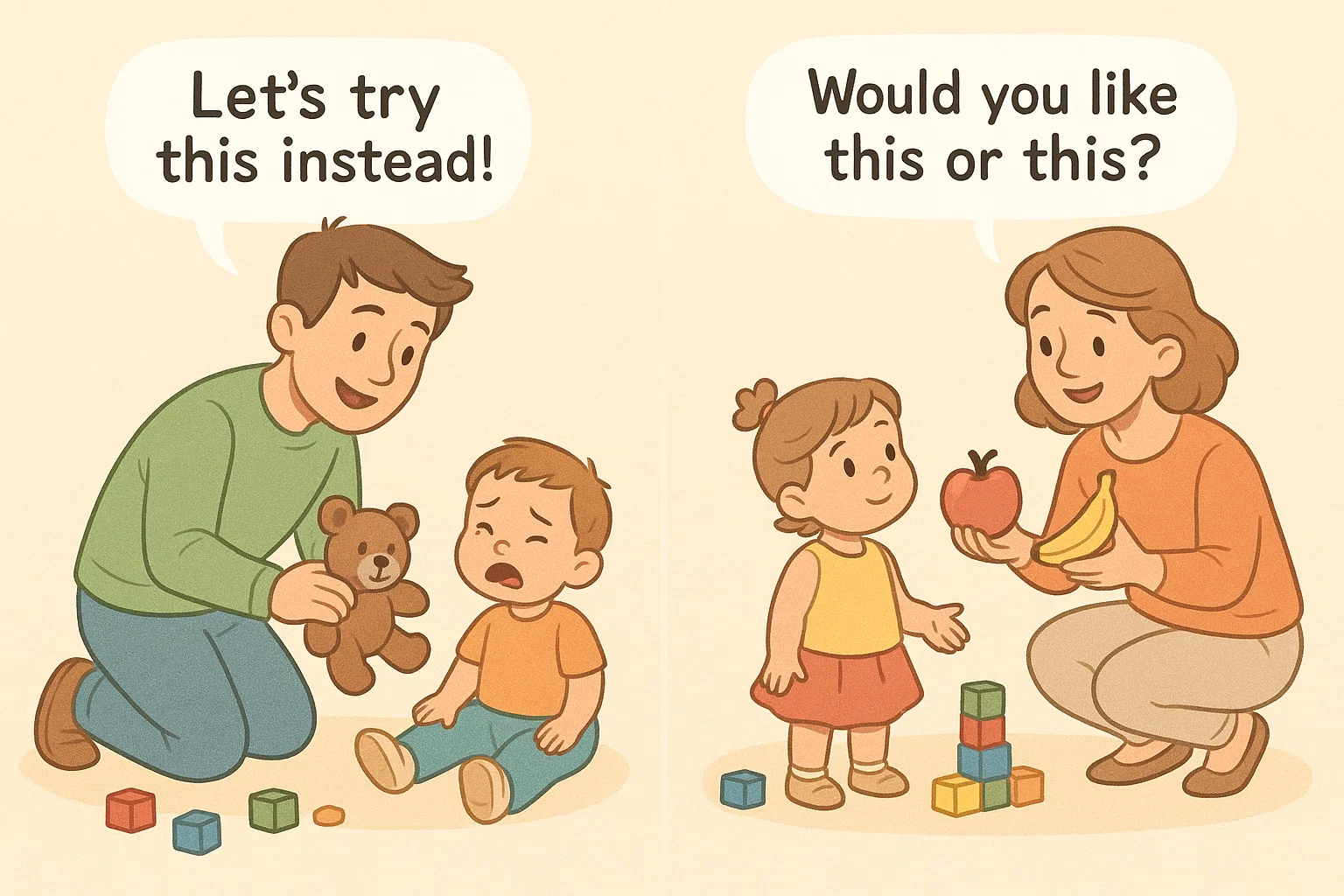
Toddlers have short attention spans, making redirection highly effective. This helps you divert their focus before the child misbehaves. When you notice frustration signs, offer engaging alternatives: “I see you’re restless. Would you like to help make lunch?”
Brief Separations Done Correctly
The 1 minute per year rule works best – roughly three minutes for a three-year-old toddler. Set a timer for consistency. Approach calmly: “Hitting hurts people. You need to sit quietly to think about gentle hands.” After time ends, talk about what happened and practice appropriate behavior.
Natural and Logical Consequences
Toddlers learn from outcomes directly related to choices, making sure your child connects actions with results. If they throw toys, take it away for a specific period. The parent’s role is imposing consequences that match the behavior logically while using it as a teaching opportunity.
Offering Choices
This reduces power struggles by giving limited options within boundaries. “Would you like to brush your teeth first or put on pajamas?” helps them get what they want within acceptable limits while maintaining necessary expectations.
Discipline in Everyday Situations
Handling Tantrums
Tantrums represent emotional overwhelm, not bad behavior. Stay calm – your response affects their brain development and emotional regulation. When your child is starting to calm down, validate feelings: “You were upset leaving the playground.” Then problem-solve: “Next time, what could you do instead?”
Stopping Physical Aggression
Address hitting immediately: “I won’t let you hit. Hitting hurts.” Give a warning if it continues, then give a consequence consistently. Help them calm down by teaching alternatives: “When angry, stomp feet or say ‘I’m mad!’” Offer a cuddle when they choose appropriate responses.
Managing Mealtime and Bedtime
For meals, include children in preparation and let them serve themselves family-style. This gives your child control while exposing them to variety. Even a 2-year-old can participate meaningfully.
For bedtime resistance, establish predictable routines using time-in approaches that build connection. Address fears calmly and use consistent responses. If the child keeps getting out of bed, calmly return them with minimal interaction.
Common Mistakes to Avoid
Why Harsh Methods Don’t Work
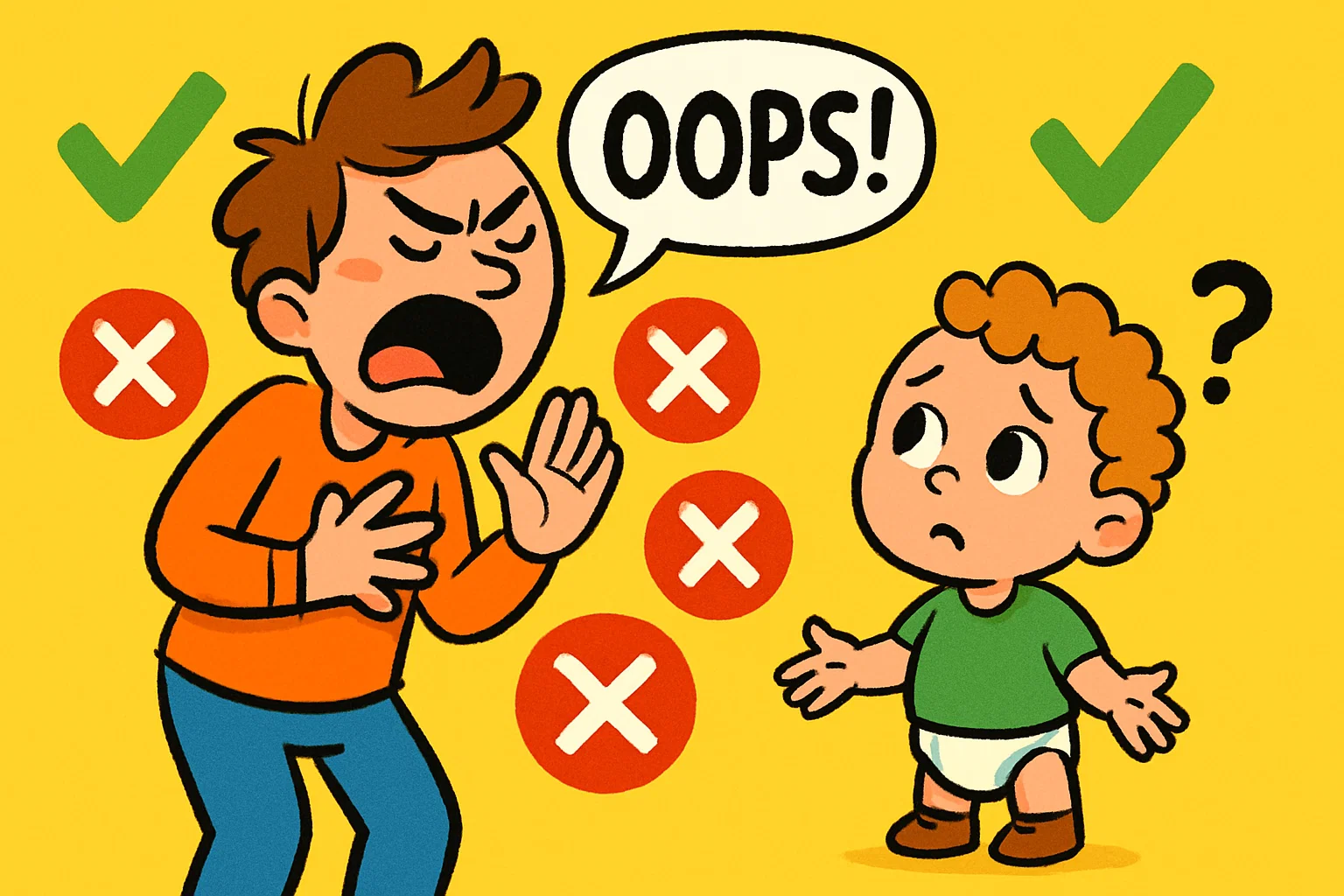
Physical punishment and harsh words are developmentally inappropriate. Toddlers can’t connect punishment with specific behaviors, especially with time delays. This damages your relationship with your child and models that hitting solves problems.
Inconsistency Problems
When rules change based on a parent’s mood or circumstances, children become confused. It’s important to be consistent – mixed messages increase testing behaviors as children try to determine actual expectations.
Overusing Punishment
Balance consequences with positive teaching. If you frequently need to give a consequence, consider whether your child needs more attention, clearer expectations, or skill development support.
Setting Realistic Expectations
What’s Developmentally Normal
Three-year-olds experience emotions intensely and haven’t developed sophisticated coping strategies. Limited attention spans mean expecting sustained focus on lengthy explanations leads to frustration. Normal testing behaviors indicate healthy independence development.
Age is a good indicator for appropriate expectations – concrete thinking means abstract concepts don’t carry much meaning yet.
Communication Strategies
Get down to eye level for important conversations. Use simple, clear language: “Gentle hands, please” works better than complex explanations. Listen to feelings and teach your child emotional vocabulary while validating their experiences.
Teaching Right from Wrong
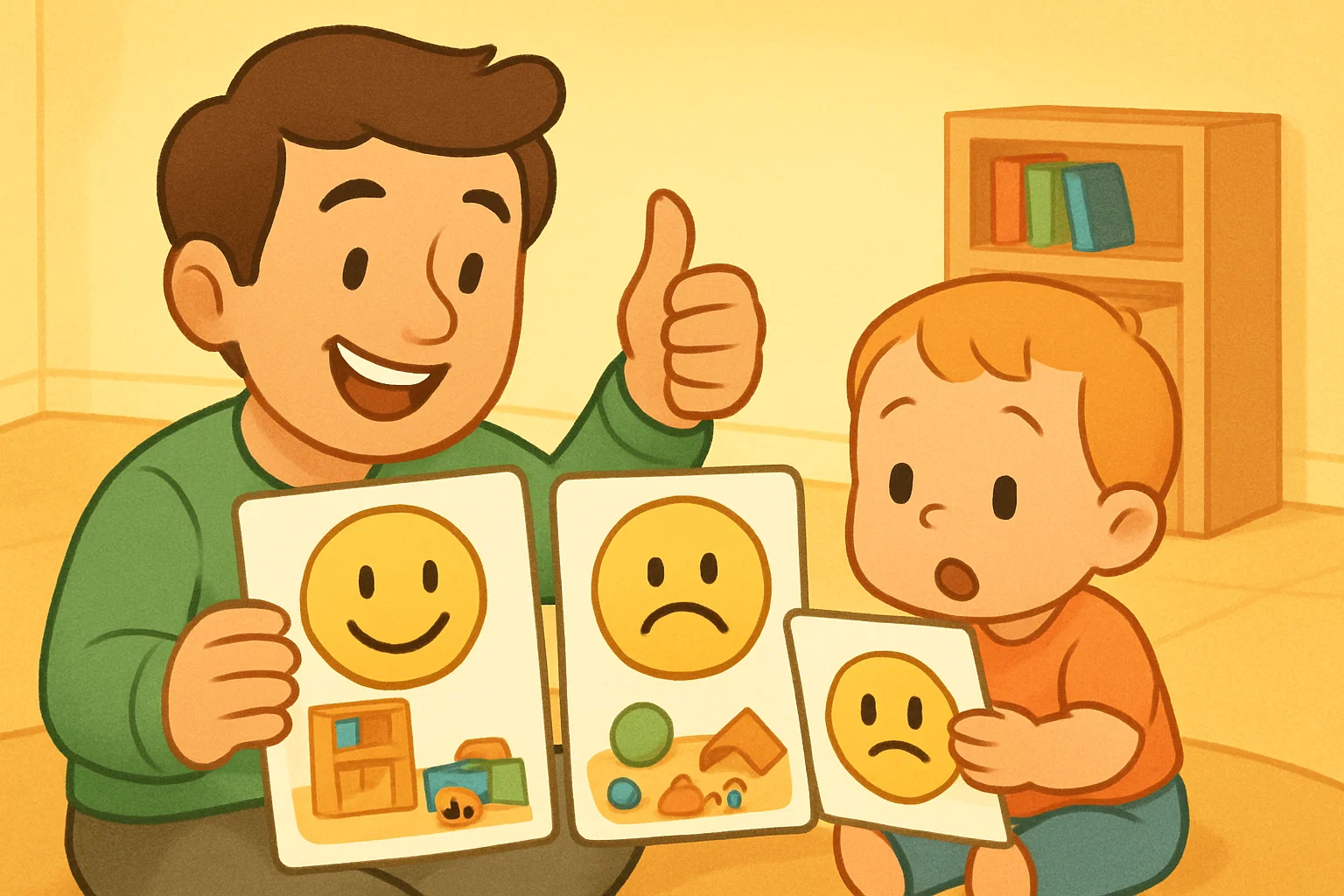
Use everyday moments for learning. When conflicts arise, discuss fairness and problem-solving. Point out kindness you observe: “You helped your friend reach that toy. That was thoughtful.” Children want approval and connection, so highlighting positive examples encourages repetition.
When to Seek Help
Consult professionals if aggressive behaviors occur multiple times daily, pose safety risks, or don’t respond to consistent intervention after several months. Communication delays, sensory sensitivities, or extreme anxiety may need evaluation to support healthy child and family functioning.
Key Takeaways
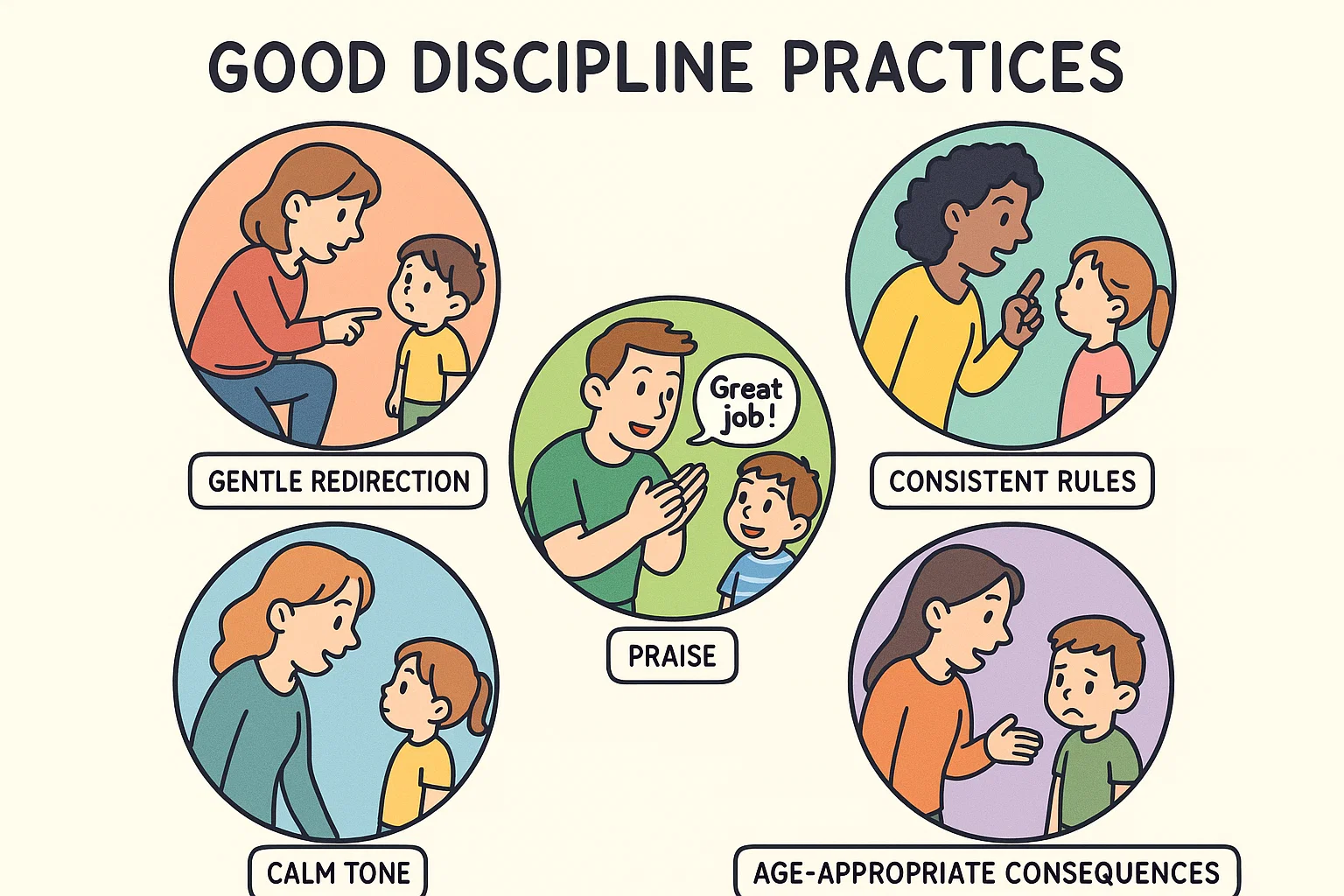
- Focus on teaching over punishing – help your child learn appropriate behavior
- Stay consistent with responses and expectations
- Use positive reinforcement frequently to encourage good behavior
- Validate emotions while holding boundaries
- Remember that brain development takes time – be patient with the learning process
- Seek support when behavioral challenges seem beyond typical patterns
| Technique | Best Used For | Duration | Key Tips |
| Brief Separation | Aggression, defiance | 3 minutes max | Stay calm, set timer |
| Natural Consequences | Safety-neutral choices | Immediate | Don’t rescue from minor discomfort |
| Redirection | Prevention | As needed | Offer engaging alternatives |
| Positive Reinforcement | Building habits | Daily | Be specific with praise |
Frequently Asked Questions
How long should a time-out last for a 3-year-old?
Use the 1 minute per year rule – about three minutes maximum for a three-year-old toddler. Set a timer for consistency. Longer periods become counterproductive and may increase anxiety rather than promoting reflection.
What is the best way to stop hitting in toddlers?
Address immediately: “I won’t let you hit. Hitting hurts people.” Give a warning, then give a consequence consistently. Teach alternatives like stomping feet or saying “I’m mad!” Help them calm down and offer a cuddle when they choose appropriate responses.
Is it okay to take away toys as discipline?
Yes, when it’s a logical consequence. If a child throws or misuses a toy, temporarily take it away. This teaches cause-and-effect. Avoid removing comfort items. The removal should be brief and you should explain the connection between behavior and consequence.
How do I discipline without yelling?
Take deep breaths when frustrated and lower your voice instead of raising it. Get down to eye level for important conversations. Use simple, clear language and maintain consistent consequences. Remember that yelling often indicates you need a break – it’s okay to pause and calm down first.

Take a short quiz to find out what your everyday choices say about your parenting style
When your child is curious about something new, what’s your instinct?
Take a short quiz to find out what your everyday choices say about your parenting style
“Can I download this app?” What happens next?
Take a short quiz to find out what your everyday choices say about your parenting style
When it comes to rules at home, which sounds most like you?
Take a short quiz to find out what your everyday choices say about your parenting style
If you could give your child one life skill today, what would you pick?
Take a short quiz to find out what your everyday choices say about your parenting style
Your child gets to choose what to watch. What would your ideal setup look like?
Take a short quiz to find out what your everyday choices say about your parenting style
Pick your parenting superpower ✨