
25 Fun Handwriting Practice Activities for Kids, Plus Bonus Fine Motor Ideas

 Discover a Free Education Video App for Kids
Pastory uses AI to personalize educational video content based on your child’s interests and personality. Safe, engaging, and built for curious young minds. Sign up now to stay updated and enjoy early access with a free trial
Helping children develop comfortable, legible handwriting does not have to feel like a tedious classroom chore. By framing handwriting practice for kids as a series of fun activities, parents and educators can turn a repetitive task into a playful, sensory, and low-pressure experience.
When kids view writing as an engaging game rather than a stressful test, their handwriting skills can improve more steadily. This guide covers pencil grip, posture, sensory-rich letter formation games, fine motor activities, and age-appropriate strategies for motivating reluctant writers.
Key Takeaways
- Active Engagement: Handwriting practice is often most effective when kids use movement, touch, games, and creativity instead of repetitive drills.
- Skill Development: Fun activities can support pencil grip, letter formation, spacing, and writing stamina at the same time.
- Early Learners: Younger kids benefit from sensory trays, playdough, chalk, and air writing to build basic motor patterns.
- Advanced Learners: Older kids can use journaling, silly sentences, calligraphy, and creative writing prompts.
- Home Support: Parents can support handwriting at home with short, consistent, and playful practice sessions.
Fun Handwriting Practice Activities for Kids
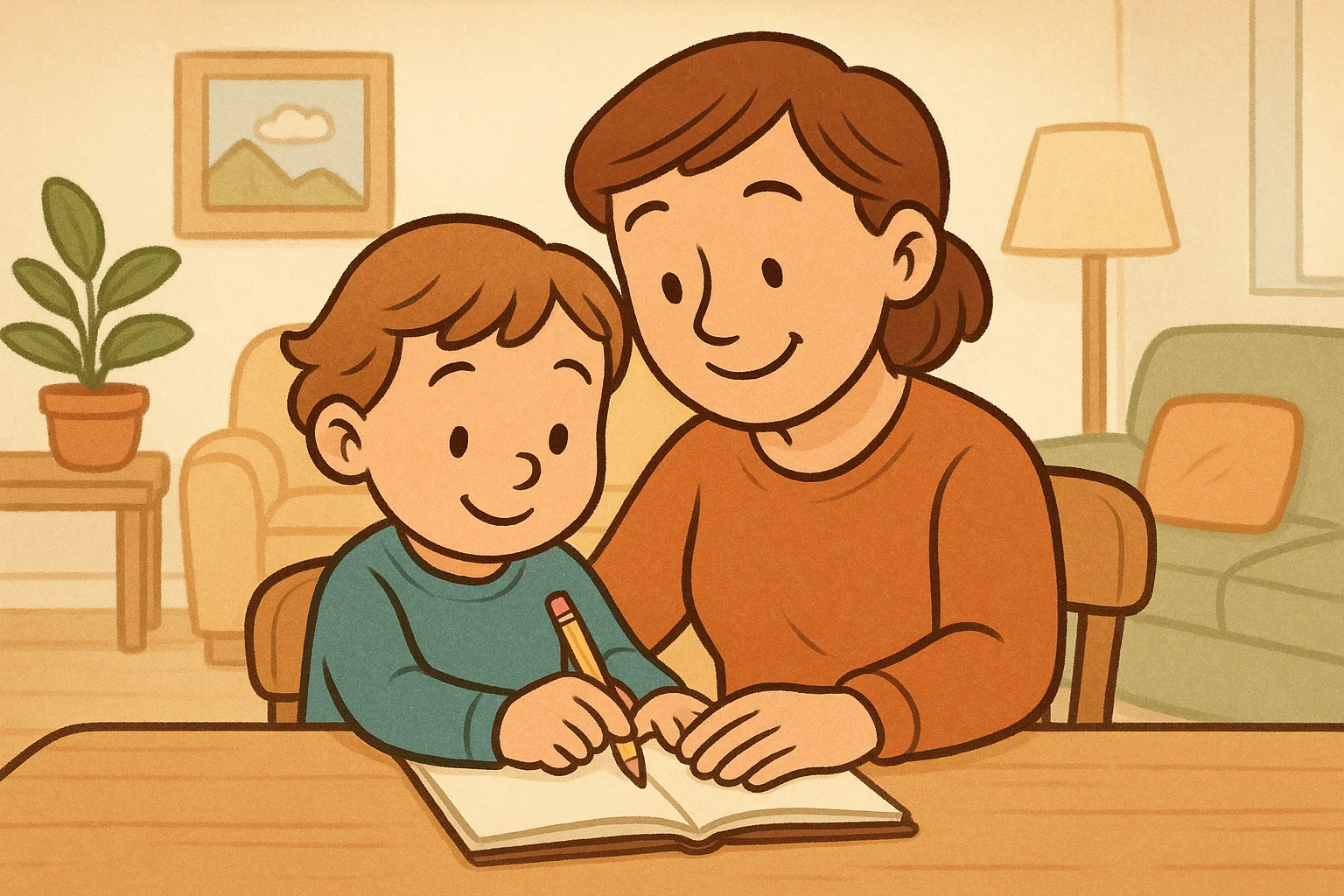
Traditional handwriting worksheets often focus heavily on rote repetition, which can quickly exhaust a young child’s attention span. Introducing fun, targeted handwriting activities for kids shifts the focus from stressful compliance to playful exploration.
Interactive games, creative crafts, sensory play, and real-life writing tasks allow kids to practice letters, words, spacing, and pencil control in a more natural way.
What Counts as a Handwriting Game?
A handwriting game is any playful, goal-oriented task that encourages a child to practice strokes, letters, words, grip, spacing, or overall hand control.
Instead of filling out a plain worksheet, a child might race to write letters, solve mystery words, or complete outdoor sidewalk chalk challenges. Other popular formats include dry-erase board puzzles, letter scavenger hunts, and silly sentence writing that makes kids laugh while building control and accuracy.
Why Fun Handwriting Activities Work
An engaging environment can reduce resistance, encourage repetition, and help children stay motivated for longer. For a reluctant learner who says they hate writing, shifting from a standard workbook to choice-based practice can change how they approach the task.
Keeping sessions short and praising effort rather than perfection can reduce fatigue and build long-term writing confidence.
Best Skills to Practice First
Before introducing complex sentences, kids need support with foundational handwriting mechanics to reduce frustration. The following table highlights key motor and cognitive skills to consider based on a child’s developmental stage.
| Foundational Skill | Target Focus Area | Sample Activity |
| Pencil Grip | Tripod grip and comfortable pressure | Using a short crayon or marker |
| Sitting Position | Postural support, flat feet, and comfortable sitting position | Adjusting chair height and desk space |
| Hand Strength | Fine motor skills and small hand muscle control | Squeezing clay or playing with playdough |
| Letter Formation | Correct stroke order and stroke direction | Rainbow writing or wet-dry-try boards |
| Spatial Awareness | Letter size, baseline alignment, and word spacing | Using finger spacers or lined handwriting paper |
How to Help at Home
Supporting a child’s writing development at home does not require formal teacher training or long hours of rigid desk work. Parents can make a meaningful difference by introducing short, playful practice sessions with new materials and a consistent daily routine.
Check Pencil Grip
In an efficient dynamic tripod grip, the thumb and index finger hold the pencil near the tip while the pencil rests comfortably on the middle finger. Parents should watch whether their child keeps their fingers relaxed and avoids pressing so hard that their hand gets tired or their knuckles turn white.
If a child struggles with hand cramps, pencil grips or shorter writing tools may provide helpful support.
Try Left-Handed Grip Support
Left-handed writers may face challenges such as smudging their work or blocking their line of sight as they write across the page. To support left-handed writing skills, parents should encourage a slight paper tilt to the right, which helps the child keep their wrist straight and position their hand below the writing line.
Providing enough elbow space on the left side of the desk can prevent bumping into right-handed peers or family members.
Try Right-Handed Grip Support
Right-handed writers also benefit from consistent ergonomic habits that build writing stamina and support long-term legibility. For right-handed writers, position the paper at a slight leftward angle to match the natural movement of the right forearm.
The child should keep their shoulder relaxed, place their wrist slightly below the writing line, and use their non-dominant hand to steady the paper.
Set Up a Comfortable Writing Space
A comfortable writing setup can reduce slouching and minimize the physical fatigue that makes kids want to stop practicing. A proper workspace should allow the child’s feet to rest flat on the floor, with the writing surface at or slightly above elbow height.
Clear lighting, paper placed slightly toward the dominant hand, and fewer visual distractions can help children focus.
Match the School Handwriting Style
Before printing a practice sheet or buying a handwriting workbook, parents should check which font and style the child’s classroom uses.
Schools often use specific programs or follow guidelines for printed letters, cursive, connected writing, and handwriting lines. Keeping home practice consistent with school instruction helps reduce confusion and reinforces the letter-formation style the child is learning.
What Your Child Will Learn
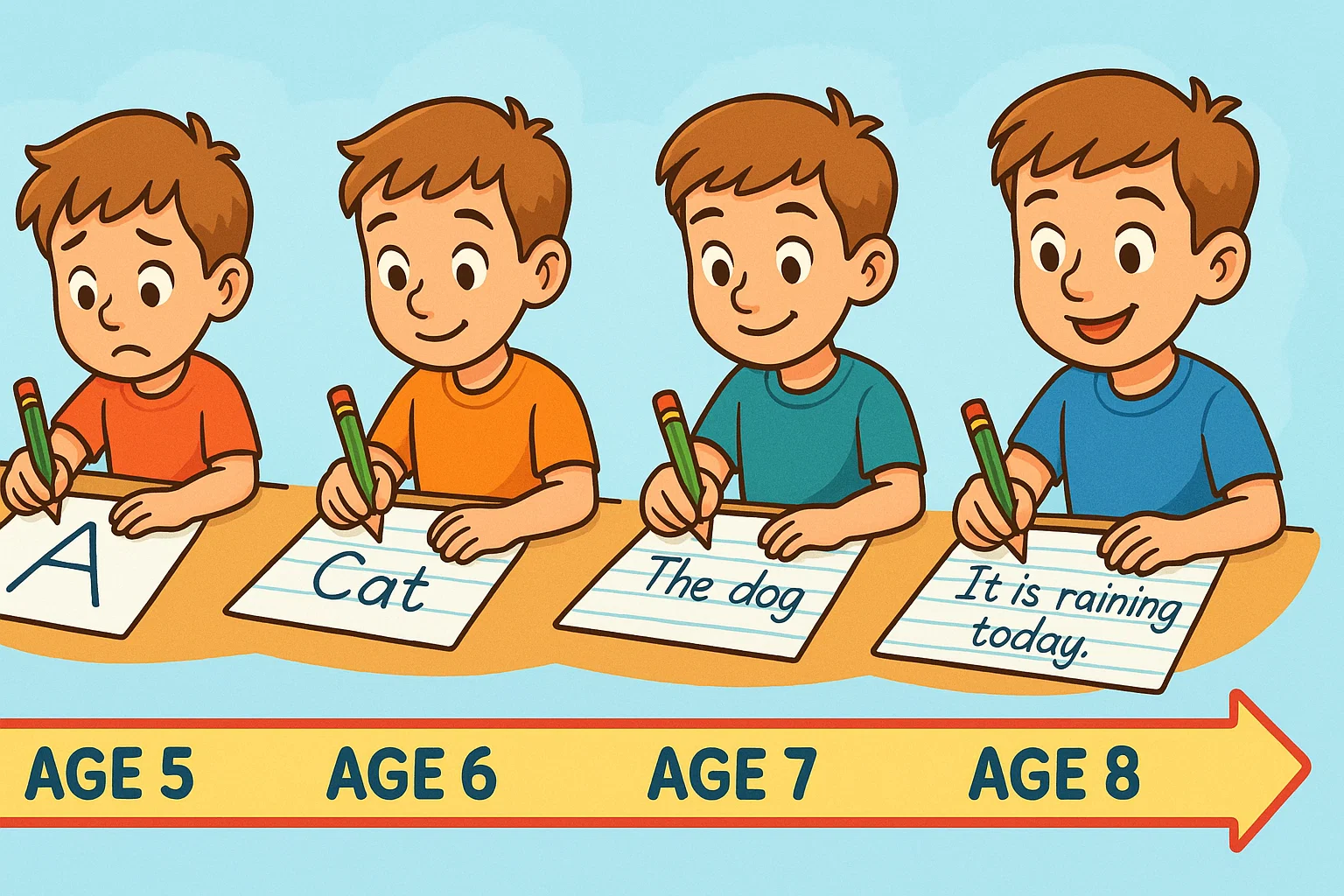
Children generally progress through developmental stages as they move from basic mark-making to more fluent, automatic handwriting. Handwriting usually develops gradually, from early mark-making to more fluent writing in the elementary years.
A typical progression may look like this:
- Ages 3–4: Pre-writing skills and basic mark-making
- Ages 4–5: Letter recognition and early letter formation
- Ages 5–6: Sentence mechanics, spacing, and baseline control
- Ages 6–7: Fluency, consistency, and letter size
- Ages 7–8: Speed, stamina, and longer written work
Pre-Writing Skills, Ages 3–4
During the early years, children focus on developing the pre-writing strokes needed for future letter formation. Preschoolers learn to use thick crayons or markers to make vertical lines, horizontal strokes, circles, curves, and simple crosses.
Play-based mark-making builds hand strength and finger control before children begin formal handwriting instruction.
Starting to Write Letters, Ages 4–5
As children enter preschool or kindergarten, they begin focusing on letter recognition, letter formation, and simple independent writing.
Children often begin by learning the uppercase letters in their first name before gradually moving on to lowercase letters. Tracing simple shapes prepares the hand to form letters more accurately over time.
Handwriting Skills, Ages 5–6
By the time a child enters first grade, the main goal is to write letters more consistently and automatically on lined handwriting paper.
Students need targeted practice with correct starting points, appropriate word spacing, and lowercase letters that sit evenly on the baseline. Children at this stage also begin applying their developing phonics and spelling skills to write short words and simple sentences.
Handwriting Skills, Ages 6–7
For a typical student in second grade or late first grade, handwriting goals often focus on fluency, spacing, consistency, and writing endurance.
Children learn to maintain consistent letter size, place punctuation accurately, and self-correct stroke order so their work is easier to read. Depending on the school curriculum, some students may begin introductory lessons in cursive or connected writing.
Handwriting Skills, Ages 7–8
By age seven or eight, many children are working toward more automatic handwriting that can better keep pace with their ideas.
The focus shifts toward increasing speed, maintaining neatness, and building the stamina needed for longer written assignments. More automatic handwriting allows children to spend more mental energy on higher-level skills such as grammar, storytelling, and critical thinking.
Benefits of Multisensory Handwriting Practice
A multisensory approach to handwriting engages touch, sight, sound, and movement, helping children understand letter forms in a more concrete way. Multisensory practice can be especially helpful for children who learn best through hands-on activities rather than worksheets alone.
Boosts Engagement
Integrating colorful visuals, tactile textures, and movement-based activities keeps a child interested longer than plain, repetitive tracing worksheets. When an activity feels like a craft or an outdoor game, children are more likely to stay motivated to practice handwriting.
This positive association can reduce frustration and make desk-based schoolwork feel less stressful.
Builds Memory for Letter Formation
Manipulating tactile materials, tracing large shapes, and saying stroke directions aloud can help children remember how letters are formed.
For instance, an occupational therapist or teacher might have a child trace a letter in a tray of sand while saying its directional path. This muscle memory may help reduce common letter reversals, such as mixing up “b” and “d,” and reinforce consistent stroke habits.
Improves Fine Motor Skills
Multisensory practice supports the small hand muscles, finger strength, hand control, and wrist stability needed for sustained writing.
Activities like pinching, squeezing, and manipulating small materials can support a more mature, relaxed pencil grip. As a child’s fine motor skills improve, handwriting often becomes more legible and less tiring.
Promotes Independence
When handwriting tasks are broken down into doable, enjoyable sensory games, children experience frequent success and build academic confidence.
Using tools like choice boards or simple self-checklists helps kids take more ownership of their practice routines. This sense of ownership encourages young learners to self-correct and take pride in producing clean, legible work.
Multisensory Handwriting Activities for Younger Children
The following ten hands-on activities help preschool, kindergarten, and early elementary children develop handwriting skills without relying on standard worksheets.
1. Sensory Writing Trays
Fill a shallow tray or sheet pan with a thin layer of sand, coarse salt, colored rice, flour, or rainbow sprinkles. The child uses their index finger, a small paintbrush, or an unsharpened pencil to trace target letters and shapes directly into the material.
This provides instant tactile feedback, helping the child internalize letter shapes while keeping the practice session interactive and easy to reset.
2. Finger Painting Letters
Dispense small drops of washable finger paint onto a large sheet of paper or a plastic mat. Ask the child to use their dominant index finger to form uppercase and lowercase letters across the smooth surface.
To strengthen the phonics connection, have the child say the letter’s main sound each time they complete it.
3. Bumpy Paper Writing
Place a piece of rough, textured material, such as plastic needlepoint canvas, fine sandpaper, or a textured plastic sheet, directly underneath a standard piece of paper.
As the child writes on the top paper using a wax crayon or marker, the underlying texture creates physical resistance and sensory feedback. This resistance encourages the hand to slow down, reinforcing better control and letter formation.
4. Chalkboard Writing
Provide your child with a small handheld chalkboard, colored chalk sticks, and a mini wet sponge. Have the child write their target letters or spelling words on the board, focusing on making deliberate, controlled strokes against the textured surface.
When they finish, they can use the wet sponge to trace over and erase the chalk lines, giving them another round of motor practice.
5. Playdough Letter Creation
Ask your child to use their hands to roll out long, snake-like coils and small balls of colored playdough. They can then bend, cut, and piece these dough strips together to build specific letters of the alphabet on top of a printed template.
This activity builds important hand strength and helps children visualize how lines and curves join together.
6. Air Writing
Before introducing pencil and paper, have the child stand up and use their entire arm to write large letters in the air.
Ask them to point with their index and middle fingers and use large whole-arm movements to form the letters. This gross motor activity helps reinforce the spatial sequence of letter formation through movement.
7. Tactile Alphabet Cards
Create or purchase a set of textured flashcards featuring raised surfaces made from sandpaper, felt, or dried glitter glue lines.
The young learner gently traces their fingertips over the rough letter path, following the correct stroke direction from top to bottom. These cards provide a portable way to work on handwriting skills during brief transition periods throughout the day.
8. Water Painting
Give your child a small cup of water and a medium-sized household paintbrush, then head outdoors to a concrete sidewalk, wooden fence, or dark brick wall.
The child dips the brush in water and paints large, sweeping letters and words onto the dry surface. The novelty makes writing practice feel like an outdoor art project while also supporting upper-body stability.
9. Scratch Art Letters
Use vibrant scratch-art paper and a wooden stylus to scrape away the black top layer and reveal the rainbow colors underneath.
The visual reward of seeing bright colors appear can hold a child’s attention and encourage longer practice. The physical pressure required to scrape the paper can also help the child become more aware of pencil pressure.
10. Pipe Cleaner Letters
Encourage your child to bend, twist, and loop soft pipe cleaners into a variety of uppercase and lowercase letters.
Manipulating the fuzzy wire requires finger coordination and visual-motor planning. Once formed, these flexible letters can be glued onto poster board or saved in a small pouch for future spelling games.
Pencil and Paper Handwriting Games
When a child is ready to transition to pencil and paper, turning tasks into simple challenges can keep the work from feeling tedious.
11. Letter Race
Set a visual timer for a brief interval, such as thirty or forty-five seconds, and challenge the child to write a specific target letter.
Emphasize that this is a quality challenge rather than a speed contest; the goal is to see how many well-formed letters they can complete before the timer ends. Afterward, let the child use a funny stamp or star sticker to mark their neatest letter.
12. Mystery Word Practice
Provide your child with a series of simple riddles, phonetic clues, or scrambled spelling words, and have them write the correct answers on a blank line.
This format combines handwriting mechanics with active problem-solving and vocabulary development. Because the child is focused on solving the puzzle, they are less likely to notice the physical effort of writing.
13. Silly Sentence Writing
Ditch standard copywork and invite your child to write absurd, humorous sentences like “A purple frog eats giant pancakes” or “The superhero pig flew to Mars.”
Humor can motivate children to practice sentence structure without making the task feel like work. You can even create custom printable sheets featuring blank lines at the bottom and a space for them to draw a silly illustration above.
14. Lined Paper Practice
Draw clear, distinct colored lines to help your child master the tricky concepts of letter sizing and alignment. Use a top blue line for the sky, a middle dotted line, and a bottom green line for the grass.
Teach the child that tall letters touch the sky, small letters stay in the grass, and tail letters, such as “g” or “y,” dig down into the dirt.
15. Copywork with Choice
Instead of dictating exactly what your child must copy, give your child the autonomy to select their own daily text materials.
They might choose to write kid-friendly jokes, fascinating animal facts, sports statistics, or memorable lines from favorite books or movies. Offering personal choice respects the child’s interests and increases their engagement in the task.
Letter Recognition Games
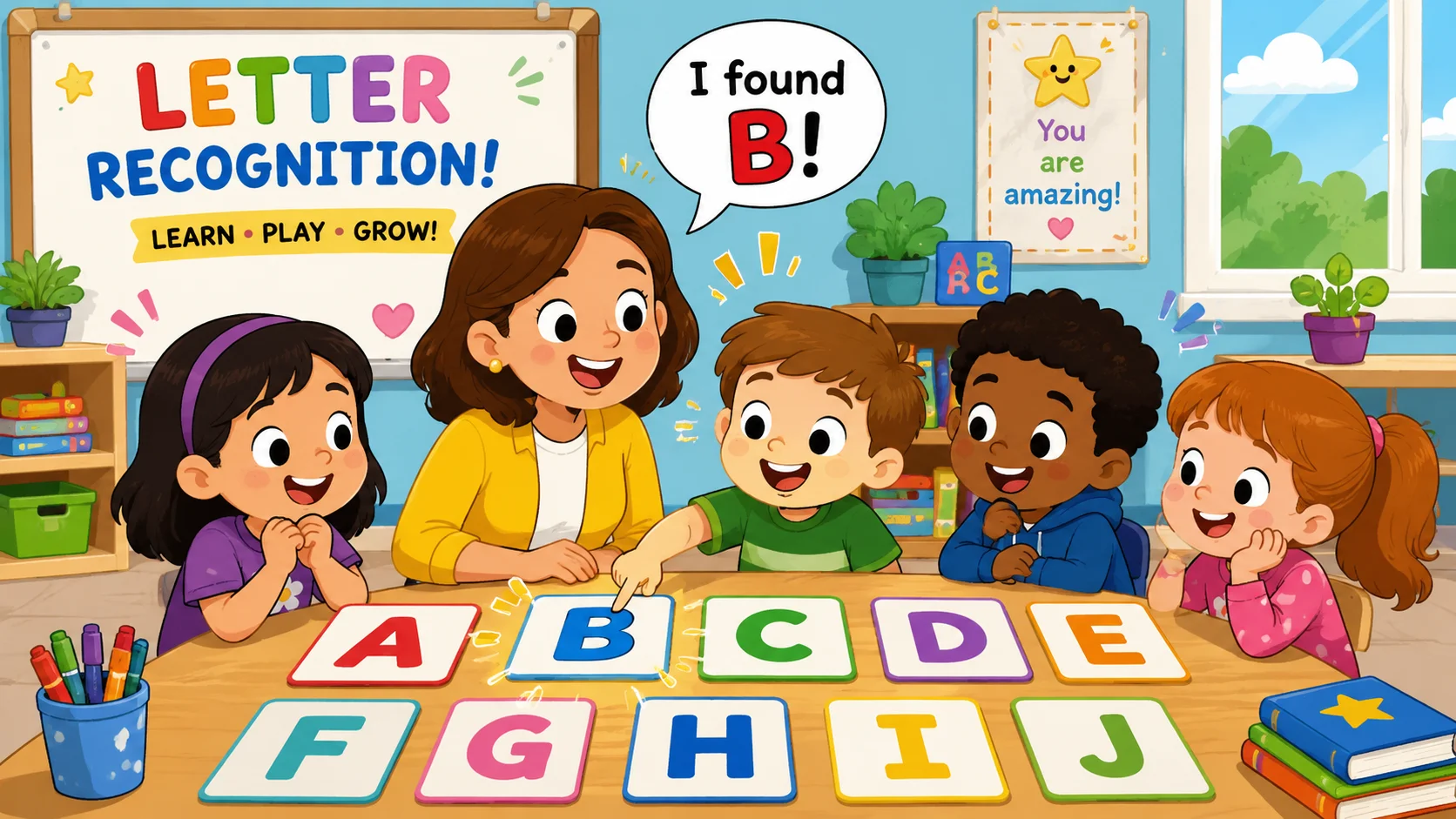
A child may struggle to write a letter efficiently if they cannot recall its shape or distinguish it from similar-looking letters. Strengthening letter recognition supports fluent handwriting by making letter shapes easier to recall while writing.
16. Letter Hunt
Turn reading time into an active game by asking your child to search for specific letters hidden across the room, within picture books, or on food packaging.
Once they spot a target letter, they write it down on their practice sheet or a small dry-erase clipboard. This scavenger-hunt format keeps kids moving while reinforcing the connection between printed letters and writing.
17. Alphabet Match
Scatter a mix of uppercase and lowercase alphabet magnets or cards across a flat rug or tabletop.
Have the child locate the matching pairs, bring them together, and then write both versions neatly side by side on a lined dry-erase board. This matching game reinforces uppercase and lowercase letter recognition while providing low-pressure writing practice.
18. Sound and Write
Sit with your child and call out a letter sound, such as /b/ or /m/. The child identifies the corresponding letter and writes it down on their handwriting paper.
This routine strengthens the connection between phonics, listening skills, and handwriting.
19. Name Letter Practice
When beginning formal writing, start with the letters that make up your child’s first name, then move on to the last name.
Because their name feels personal and meaningful, children are often motivated to learn these specific letters. Once they can write their name clearly, their confidence often grows, making them more willing to tackle the rest of the alphabet.
Letter Formation Games
Learning the direction, starting point, and stroke order of each letter helps children develop faster, smoother, and more legible handwriting.
20. Start-Point Dots
Before giving a worksheet to a young writer, use a bright marker to place small dots where each letter should begin.
Specifying clear starting points helps children avoid inefficient habits, such as drawing letters from the bottom up. This simple visual guide can reduce letter reversals and build more consistent motor memory.
21. Rainbow Writing
Provide your child with a single large outline of a letter or word, along with a bundle of colorful crayons or markers.
The child traces over the letter path repeatedly, switching to a new color for each successive layer until a “rainbow” appears. This repetitive tracing technique builds muscle memory without boring the child.
22. Wet-Dry-Try Practice
Using a small slate chalkboard, an adult writes a clear target letter with white chalk.
The child then takes a slightly damp cotton swab or mini sponge to trace over the lines, erasing the chalk while leaving a wet trail. Next, they dry the wet lines using their bare finger. Finally, they try to write the letter independently with fresh chalk.
23. Letter Path Maze
Transform standard letter tracing into a maze game by drawing tiny arrows, checkpoints, and finish marks along the inside of a giant bubble letter.
The child guides their pencil through the narrow path, making sure to follow each arrow in the correct order. This game-like format makes learning letter formation feel like a playful challenge.
24. Build Then Write
Incorporate a multi-step building routine by having your child first assemble a letter using physical building blocks, wooden sticks, or playdough.
Once they have constructed the physical model, ask them to copy that same letter onto a piece of lined handwriting paper. This move from hands-on building to written practice reinforces spatial awareness and line orientation.
Other Activities That Help With Handwriting
A child’s handwriting depends on the strength, dexterity, and coordination of their hands and fingers. Non-writing fine motor activities build the muscle foundation that can make handwriting easier.
25. Cotton Swab Painting
Give your child a handful of cotton swabs, a small palette of washable paint, and a printed sheet featuring dotted lines or letter outlines.
Ask the child to dip the cotton swab into the paint and place neat dots precisely on top of each marker line. Holding the narrow stem of a cotton swab encourages the fingers to move toward a mature tripod grip.
Bonus Fine Motor Activities
The following bonus activities are not formal handwriting games, but they can support the fine motor strength, coordination, and patience children need for more comfortable writing.
Origami
Folding paper into shapes is an excellent way to develop fine motor skills, bilateral coordination, and patience.
Children must hold the paper steady with their non-dominant hand while using their dominant fingers to make precise creases. The focused hand movements used in origami can support better pencil control and neater handwriting.
Clay Sculpting
Provide your child with dense modeling clay or traditional sculpting putty, encouraging them to roll, pinch, squeeze, and pull the material into detailed shapes.
Unlike soft playdough, traditional modeling clay provides more resistance, making it useful for strengthening developing hand muscles. Building these small hand muscles can reduce the fatigue that makes children dislike longer writing tasks.
Bead Jewelry Making
Threading colorful plastic beads onto thin string, yarn, or plastic cords requires finger control and visual-motor coordination.
Children use a precise pincer grasp, with the thumb and index finger, to pick up, position, and slide each bead into place. This repetitive, goal-oriented fine motor play supports the small movements used during letter writing.
Puzzles
Completing jigsaw puzzles requires children to rotate, manipulate, and press small pieces together with precision.
This type of play builds spatial awareness, visual tracking skills, and hand stability, all of which can support letter alignment on handwriting lines. Puzzles also build frustration tolerance, which can help children persist with challenging school tasks.
Gardening
Gardening offers many opportunities to build hand strength and practice real-world writing skills.
Tasks like digging in soil, pinching tiny seeds, using spray bottles, and pulling small weeds can build wrist stability and grip control. To connect the activity to literacy, have your child use waterproof markers and wooden stakes to create labels for each plant.
FAQ
What Is the Easiest Way to Start Simple Handwriting Practice at Home?
The easiest way to start simple handwriting practice is to keep sessions short, playful, and predictable. Children do not need long drills to practice their handwriting. A few minutes of tracing letters, writing their name, drawing lines, or copying one funny sentence can be enough. Kids need consistency more than pressure, so it is better to practice writing for five minutes every day than to sit through one long, frustrating session.
How Can Parents Get Kids Practicing Without Complaints?
One fun way to get kids practicing is to turn handwriting into a game rather than a worksheet task. Try a themed letter hunt with alphabet cards scattered around the room, sidewalk chalk challenges, mystery words, or silly sentence writing. Activities to help reluctant writers should feel low-pressure. When children can move, laugh, choose their own words, or write about favorite topics, they are more likely to stay engaged.
Are Handwriting Practice Worksheets Still Useful?
Yes, handwriting practice worksheets can be useful when they are simple, clear, and not overused. Good practice worksheets often include wide lines, starting dots, visual cues, and enough space for children to write comfortably. Printables are also great for quick daily practice, especially when they focus on one skill at a time, such as letter size, spacing, or tracing letters. However, worksheets should be balanced with hands-on activities, sensory play, and real-life writing tasks.

Take a short quiz to find out what your everyday choices say about your parenting style
When your child is curious about something new, what’s your instinct?
Take a short quiz to find out what your everyday choices say about your parenting style
“Can I download this app?” What happens next?
Take a short quiz to find out what your everyday choices say about your parenting style
When it comes to rules at home, which sounds most like you?
Take a short quiz to find out what your everyday choices say about your parenting style
If you could give your child one life skill today, what would you pick?
Take a short quiz to find out what your everyday choices say about your parenting style
Your child gets to choose what to watch. What would your ideal setup look like?
Take a short quiz to find out what your everyday choices say about your parenting style
Pick your parenting superpower ✨



