Parental Burnout: Signs and Coping Strategies

 Discover a Free Education Video App for Kids
Pastory uses AI to personalize educational video content based on your child’s interests and personality. Safe, engaging, and built for curious young minds. Sign up now to stay updated and enjoy early access with a free trial

Parenting is a deeply rewarding journey, but it is also one of the most demanding roles a person can experience. When the ongoing demands of parenting consistently outweigh available resources, everyday stress can develop into a deeper condition known as parental burnout.
This guide explains how to recognise the key signs of parental burnout, why the condition develops, how it differs from ordinary exhaustion, and what practical steps parents can take to protect their mental health and well-being.
Key Takeaways
- Definition: Parental burnout is a distinct psychological syndrome characterised by overwhelming exhaustion in the parenting role, emotional distancing from one’s children, feeling fed up with parenting, and a contrast with the parent’s previous sense of self.
- Core Warning Signs: Key signs of parental burnout include chronic fatigue that does not improve with rest, increased irritability, feelings of guilt, and a sense of detachment from the parenting role.
- Primary Causes: The condition stems from a chronic mismatch between high parenting demands, such as childcare logistics or caring for a child with additional needs, and limited support resources.
- Initial Recovery Steps: Early relief can come from making small changes, taking regular microbreaks, reducing unrealistic expectations, and talking openly with trusted people.
- Professional Care: Persistent symptoms, intrusive anxiety, signs of depression, or any safety concerns require support from a qualified healthcare professional or mental health specialist.
Main Signs Parents Should Notice
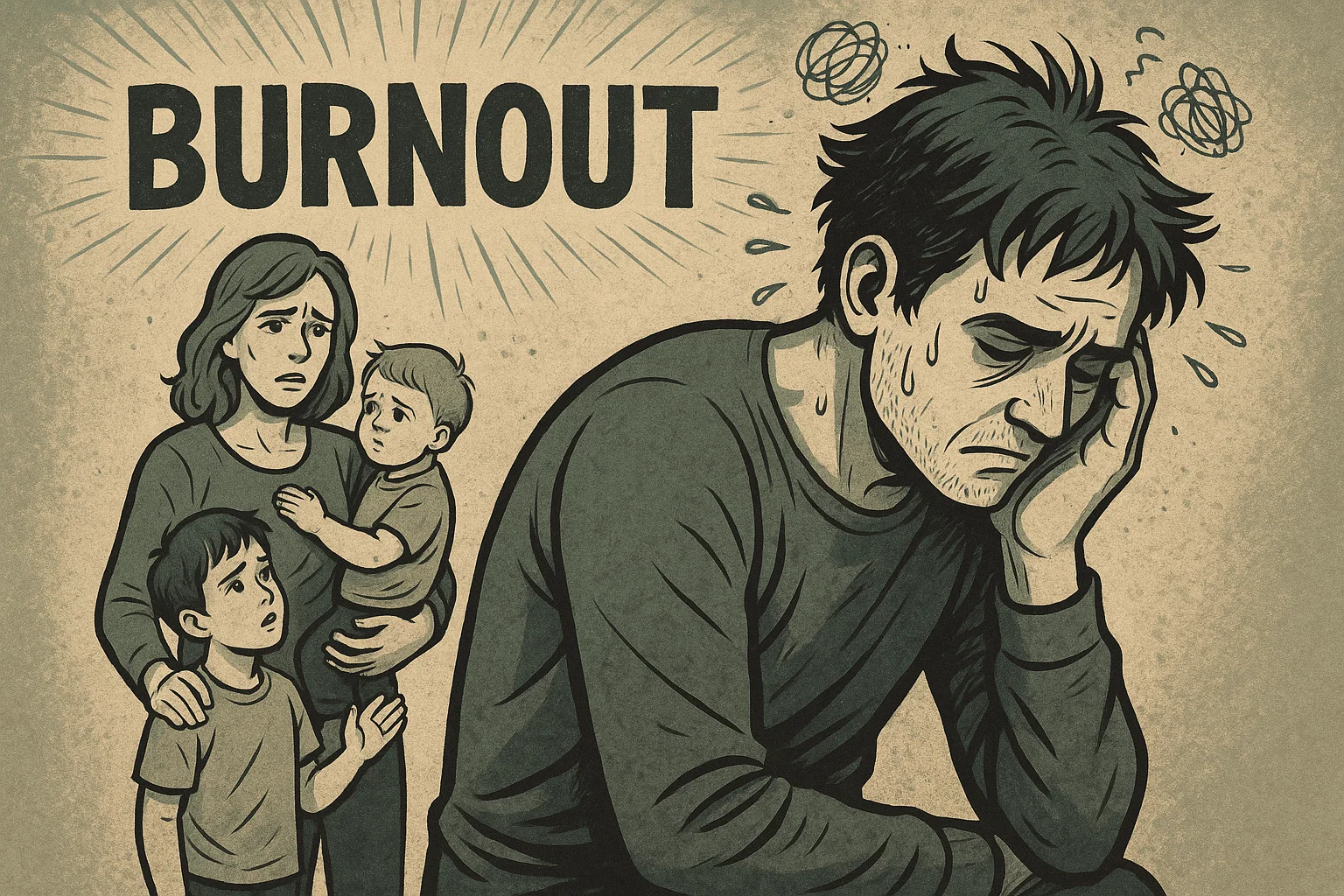
Parents experiencing parental burnout often show a distinct cluster of behavioural and emotional changes. The primary indicator is overwhelming exhaustion that leaves the parent feeling as though they have nothing left to give.
This physical and mental depletion can lead parents to distance themselves emotionally from their children: they may operate “on autopilot” while managing basic childcare tasks but feel detached from the relationship. A parent struggling with burnout may also experience a severe drop in parenting satisfaction, accompanied by persistent guilt, heightened irritability, and a chronic feeling that they are failing in their role as a parent.
First Coping Steps Worth Trying
Recovering from burnout usually requires practical, manageable changes to daily routines rather than elaborate self-care plans. Parents may find relief by building brief, scheduled pauses into the day to reduce stress levels.
Reducing perfectionistic expectations and simplifying an unrealistic to-do list can help caregivers focus on essential needs. Building a reliable support system—whether by dividing tasks more fairly with a co-parent or asking a friend for help—can reduce the chronic caregiving load.
When Support Becomes Essential
While parenting stress is common, intense and prolonged distress may require targeted external support. If a parent has ongoing difficulty functioning, severe sleep disruption, persistent panic, or pervasive feelings of hopelessness, everyday coping strategies may no longer be enough.
Any safety concern, including thoughts of harming yourself or your children, requires immediate support from emergency services, a GP, a qualified mental health professional, or a crisis helpline.
What Is Parental Burnout?
Parental burnout is a specific, context-dependent syndrome that can result from chronic, unmanaged stress directly related to the parenting role. Research by Isabelle Roskam and colleagues describes parental burnout through dimensions such as exhaustion in the parental role, emotional distancing, feeling fed up with parenting, and a contrast with the parent’s previous parental self.
Unlike general stress, which may arise during temporary crises, burnout is an ongoing state that can change how a parent interacts with their children and views their own abilities as a caregiver.
| Burnout Type | Primary Domain | Core Defining Characteristic |
| Parental Burnout | Family and caregiving | Exhaustion and emotional distancing specific to the parenting role; the bond with children may be affected. |
| Workplace Burnout | Professional employment | Professional exhaustion and cynicism tied to job duties; listed in ICD-11 as an occupational phenomenon, not as a medical condition. |
Parental Burnout as a Progressive Condition
Parental burnout does not develop from one difficult afternoon; it usually builds gradually over months or years of unmanaged stress. The condition emerges when the daily demands of parenting consistently exceed the internal and external resources available to meet those demands.
When a parent remains in this deficit state for too long, the body may stay in a prolonged stress response, depleting emotional reserves and making it harder to cope.
Emotional Exhaustion in Parenting
Emotional exhaustion can feel like a profound depletion of energy that sleep or short periods of rest do not fully restore. Parents experiencing this state often report feeling completely drained before the morning even begins, facing the day with a sense of dread.
This level of burnout reduces a caregiver’s emotional buffering capacity, leaving them with minimal patience for standard childhood behaviours, such as tantrums or boundary-testing.
Emotional Distance from One’s Children
To protect themselves from overwhelming exhaustion, parents may begin to distance themselves emotionally from their children. The parent may continue to meet basic physical needs—such as preparing food or managing school drop-offs—but reduce emotional engagement to conserve energy.
Clinical Definition: Emotional detachment means operating on routine alone, feeling numb or disconnected during interactions, and consciously or unconsciously avoiding deeper emotional engagement with your children.
Reduced Sense of Parenting Accomplishment
Another core feature of burnout is a marked decline in a parent’s confidence, fulfilment, and sense of effectiveness in the parenting role. Caregivers may feel trapped in a cycle of self-criticism, with persistent thoughts that they are not good enough or that nothing they do works.
This perceived lack of accomplishment can reduce positive parenting behaviours, as the parent may feel ineffective and increasingly burdened by guilt or failure.
Parental Burnout Symptoms and Warning Signs
Recognising the specific warning signs of parental burnout is a necessary step towards intervention. Symptoms often affect several areas of functioning, including a parent’s body, mood, thinking, and social behaviour.
Physical Signs and Symptoms
Chronic stress and burnout can take a toll on the body and may contribute to physical symptoms. Caregivers struggling with burnout may experience frequent tension headaches, unexplained muscle tightness, or persistent digestive problems.
Chronic stress may also affect immune functioning, which can leave some parents more prone to minor illnesses or slower recovery. Sleep is often disrupted as well, leading to insomnia or non-refreshing sleep despite profound physical fatigue.
Mental and Emotional Signs and Symptoms
Common psychological signs of burnout include emotional volatility and cognitive fatigue. Irritability may become a default response, causing parents to snap over minor household disruptions.
Chronic anxiety, persistent sadness, and an overwhelming sense of helplessness may coexist with intense parenting guilt. Caregivers may also describe “brain fog,” which can affect short-term memory, decision-making, and concentration during daily childcare tasks.
Behavioural Signs at Home
At home, burnout can directly alter daily parenting practices and choices. A parent may feel increasingly drawn to withdrawing from family spaces or delaying essential caregiving tasks.
To cope with overwhelming demands, some parents may rely more heavily on passive strategies, such as using their own screens more often or allowing extended screen time for children to reduce interaction. Warm, proactive engagement may be replaced by more reactive, transactional exchanges with family members.
Social Withdrawal and Exhaustion
The depletion caused by parental burnout can extend beyond the immediate household, causing withdrawal from wider social networks. Caregivers may ignore phone calls, delay replying to text messages, and cancel social plans because they feel too drained to maintain relationships.
This isolation can cut off important sources of emotional support, leaving the parent alone with their stress and potentially worsening burnout.
Common Signs Checklist
- Persistent Exhaustion: Feeling physically and emotionally depleted even after a full night of sleep.
- Chronic Irritability: Snapping at children or partners over minor, everyday inconveniences.
- Emotional Detachment: Feeling numb, disconnected, or as if you are watching yourself parent from a distance.
- Pervasive Guilt: Experiencing a constant internal narrative that you are failing your family.
- Cognitive Fatigue: Struggling to remember schedules, organise tasks, or maintain concentration.
- Physical Ailments: Experiencing recurrent headaches, muscle tension, or stomach issues with no clear medical cause.
- Social Isolation: Intentionally avoiding friends, family members, or parent support communities.
Difference Between Tiredness, Burnout, Depression, and Postnatal Depression
To address parental stress effectively, it helps to distinguish temporary fatigue from deeper psychological difficulties. While these states share overlapping characteristics, their patterns, severity, and recommended support differ significantly.
| Condition | Primary Focus | Impact of Targeted Rest | Scope of Symptoms |
| Normal Tiredness | Physical depletion | Resolves or improves significantly after adequate sleep or a weekend break. | Mainly affects physical energy; emotional warmth and motivation are usually still present. |
| Parental Burnout | Parenting role | Persists despite rest; cannot be resolved by sleep alone. | Specific to caregiving; involves emotional distancing and a loss of parental confidence. |
| Clinical Depression | Global functioning | Does not usually improve through rest or role changes alone; may require clinical treatment. | Pervasive across many life areas, including work, hobbies, and personal relationships. |
| Postnatal Depression | Postnatal mental health | Influenced by complex hormonal, psychological, and social factors; requires medical oversight. | Usually develops after the baby is born and can occur within the first year; may involve low mood, anxiety, loss of interest, or bonding difficulties. |
Tiredness vs Burnout
Normal parenting tiredness is a temporary physical state directly tied to exertion or acute sleep deprivation. When a tired parent receives a dedicated period of rest or a brief break from childcare, their energy levels, patience, and motivation often improve.
Parental burnout, by contrast, is a more persistent state of depletion. Even after a night of uninterrupted sleep or a weekend away, a parent experiencing burnout may return to the parenting role still feeling drained, detached, and emotionally empty.
Burnout vs Depression
The primary distinction between parental burnout and major depressive disorder lies in the specificity of the context. Parental burnout is closely tied to the parenting role; the individual may still find genuine engagement, energy, and satisfaction in their professional career, hobbies, or friendships outside the home.
Clinical depression is a mood disorder that can affect a person’s mood, interest, energy, and functioning across many areas of life.
Burnout vs Postnatal Depression
Postnatal depression, also called postpartum depression, is a distinct mental health condition that can develop after the baby is born, often within the first year. Depression during pregnancy is usually described as antenatal or perinatal depression.
While parental burnout symptoms centre on chronic exhaustion from ongoing caregiving demands, postnatal depression may involve persistent low mood, anxiety, loss of interest, changes in sleep or appetite, and difficulty bonding with a baby. Both conditions require different forms of support, and suspected postnatal depression should be discussed with a GP, midwife, health visitor, or perinatal mental health team.
When Symptoms Overlap
Parental burnout can also coexist with anxiety disorders, clinical depression, or postnatal conditions. Chronic, unmanaged caregiving stress can weaken a parent’s psychological defences and may contribute to broader mental health issues.
When these conditions overlap, symptoms can be difficult to separate, which makes professional assessment especially important.
Who Experiences Parental Burnout?
Parental burnout can affect any caregiver, regardless of socio-economic status, background, or family structure. It is not an indicator of personal weakness or an inability to love one’s children. Rather, it is a predictable response to a sustained imbalance between pressure and support.
General Risk Factors for Parental Burnout
Certain structural and environmental factors can increase the likelihood of parental burnout. Caregivers managing financial pressure, high workloads outside the home, or limited access to reliable childcare may already be operating with a baseline vulnerability.
When these external pressures are paired with a lack of regular rest and continuous caregiving demands, the risk of parental burnout can increase significantly.
Sociocultural Factors
Modern society can place significant pressure on caregivers through idealised parenting standards, often amplified by curated social media. Many parents experience pressure to optimise every aspect of their child’s cognitive, emotional, and social development, creating an unsustainable “intensive parenting” culture.
This background pressure can create an ongoing fear of falling short and lead parents to overextend themselves.
Gender Differences
The structural load of parenting can affect mothers, fathers, and non-binary caregivers in different ways because of deeply ingrained social expectations.
Research indicates that mothers frequently carry a disproportionate share of invisible labour, which includes organising schedules, managing emotional undercurrents, and coordinating childcare logistics. Fathers can also experience high levels of stress while trying to balance traditional economic expectations with hands-on parenting roles. However, the uneven distribution of daily mental labour can leave mothers particularly vulnerable to emotional exhaustion.
Cultural Differences
Family structures and community ties vary across cultures and can influence a caregiver’s risk of burnout. In cultures that lean towards individualism, parents are often isolated in small nuclear households with weaker community support systems, which may raise the risk of burnout.
Conversely, in more collectivist settings, or in families with strong extended-family support, caregiving tasks may be shared across several adults, which can buffer individual exhaustion.
Education Level and Parenting Pressure
Highly educated parents may experience a distinct form of parenting pressure driven by information overload. Access to extensive child development advice, educational apps, and psychological frameworks can encourage a hypervigilant approach to caregiving.
Parents may feel intense pressure to create a perfect environment, carefully assessing every meal, toy, and minute of screen time, which can increase decision fatigue and contribute to burnout.
Social Support Gaps
A primary predictor of parental burnout is the presence of acute social support gaps. Living far away from extended family, parenting alone without a committed co-parent, or lacking trusted neighbourhood connections can leave a parent without reliable day-to-day support.
Without external support systems to step in during emergencies or provide routine relief, a parent has no reliable way to step away and recharge.
Parenting Styles and Perfectionism
Internal personality traits play a major role in how parents handle daily stress. Parents who are perfectionists are at a much higher risk for burnout because they set rigidly high standards for their own performance and their children’s behaviour.
Driven by persistent guilt and “should” thinking, these caregivers may struggle to delegate tasks, accept help, or view minor parenting mistakes in perspective.
Causes of Parental Burnout
A central cause of parental burnout is a sustained imbalance between demands and protective resources. When the energy required to manage daily life consistently exceeds opportunities for recovery, burnout becomes more likely.
Chronic Stress Load
Running a household often involves a continuous stream of low-level stressors that build up over time. Juggling childcare logistics, cleaning, cooking, managing work deadlines, and navigating family schedules creates a state of chronic decision fatigue.
Over time, these ordinary demands can drain a parent’s cognitive and emotional reserves.
High Expectations and “Should” Pressure
Internalised pressure often stems from a parent’s desire to protect their children from discomfort while giving them the best possible upbringing. This mindset is continuously reinforced by social media feeds displaying stylised, unrealistic depictions of family life.
Parents may internalise harmful beliefs—such as “I should always be happy to care for my children” or “I must personally handle every single task”—which creates constant internal conflict when reality falls short.
Lack of Practical Support
A lack of tangible, practical support acts as a primary catalyst for parental burnout. When co-parenting responsibilities are unevenly shared, one parent often takes on most of the daily work.
Financial barriers can also put professional childcare, extracurricular programmes, or household help out of reach, leaving parents with no structural options for relief.
Child Needs and Specific Challenges
Caring for a child who requires elevated levels of medical, behavioural, or educational care naturally increases the overall parenting load. Parents of children with neurodivergent profiles, chronic illnesses, developmental delays, or severe school avoidance may operate under heightened vigilance.
Common challenges that can increase the caregiving load include:
- Neurodivergent profiles, such as ADHD or autism: These may require significant environmental adjustments, advocacy, and consistent routines.
- Chronic physical illness: This can involve intensive medical coordination, appointments, medication management, and ongoing monitoring.
- Severe sleep disruption: Ongoing night waking or disrupted sleep can create whole-family sleep deprivation and severe fatigue.
These challenges often require ongoing accommodation and advocacy, which can exhaust a parent’s resources when external support is limited.
Boundaries Under Pressure
When parenting demands escalate, personal boundaries are often the first things to go. Caregivers may give up personal space, hobbies, friendships, and medical check-ups just to keep up with daily tasks.
As these personal recovery windows disappear, the parent loses the very activities that help them build resilience, leaving them more vulnerable to chronic stress.
Stages of Parental Burnout
Parental burnout can develop gradually through a series of escalating patterns. Recognising this trajectory early allows parents to step in and make changes before reaching a major crisis point.
Common stages include:
- Early Stress Imbalance: Parenting demands begin to exceed available resources.
- Emotional Exhaustion: Fatigue becomes chronic and does not fully improve with rest.
- Emotional Distancing: The parent begins to operate on autopilot and reduce emotional engagement.
- Crisis Point: Daily functioning becomes seriously affected, and urgent support may be needed.
Early Stress Imbalance
The journey towards burnout often begins with a mild but persistent imbalance where daily demands start to regularly eclipse available resources. During this initial stage, the parent may remain functional but need extra energy and willpower to complete routine tasks.
They may feel increasingly tired at the end of the day, yet continue to push through by using sheer effort to compensate for their growing fatigue.
Emotional Exhaustion Stage
If the stress imbalance goes unaddressed, the caregiver may move into the emotional exhaustion stage. At this point, fatigue becomes a constant presence that sleep cannot fully resolve, leaving the parent feeling chronically depleted.
Irritability may increase, and the parent may find themselves crying more often, feeling numb, or losing joy in activities they used to enjoy with their children.
Emotional Distancing Stage
To protect whatever energy they have left, the parent may transition into the emotional distancing stage. During this phase, the caregiver detaches from deep emotional interactions, choosing instead to handle childcare tasks mechanically.
They may operate primarily on autopilot, fulfilling physical requirements like meals and bedtime routines while keeping emotional distance to avoid becoming overwhelmed.
Crisis Point and Family Strain
At its most severe, parental burnout can reach a crisis point where the parent’s ability to cope is seriously affected. Chronic depletion can lead to more frequent conflict, intense feelings of despair, and noticeable strain on family relationships.
At this advanced stage, the parent may no longer be able to manage daily tasks effectively without direct outside support, and the risk of reactive, unhelpful interactions rises.
Effects of Parental Burnout
Parental burnout is a systemic issue that can affect the entire family dynamic, altering the emotional environment of the home and affecting the well-being of everyone within it.
Family Well-Being Consequences
When a primary caregiver experiences burnout, the resulting stress naturally ripples across the household. Emotional exhaustion can contribute to a tense home environment marked by frequent misunderstandings, reduced patience, and poorer communication between partners.
This drop in family resilience can make ordinary daily challenges feel harder for everyone involved.
Parent Health Impact
The long-term physiological impact of operating in a state of burnout can lead to measurable health consequences. Beyond sleep disruption, parents may experience anxiety, low mood, and physical stress symptoms such as headaches, muscle tension, digestive problems, or changes in appetite and sleep.
The ongoing lack of recovery lowers overall resilience, leaving the individual vulnerable to deeper long-term difficulties.
Child Relationship Impact
Parental burnout can affect the quality of the parent-child relationship. Because the caregiver is emotionally depleted, they may struggle to offer the consistent warmth, active listening, and emotional availability that children need.
Developmental Insight: When a parent is emotionally distant or highly reactive because of burnout, children may show changes in behaviour, increased anxiety, or a stronger need for reassurance as they respond to changes in the parent’s emotional availability.
Social Life Impact
As a parent withdraws deeper into isolation, their broader social life often declines. Caregivers may cut ties with friends, neighbours, and community groups due to a lack of energy, which can fuel feelings of resentment and loneliness.
This loss of community can leave the parent without a vital source of perspective and support, making stress feel even more isolating.
Assessment of Parental Burnout
Assessing parental burnout involves looking at recurring behavioural patterns and taking an honest inventory of daily stressors, rather than focusing on a single difficult day.
Self-Check Questions
Ask yourself:
- Do I wake up feeling exhausted and depleted before the demands of the day even begin?
- Have I noticed myself distancing or emotionally detaching from my children during daily care routines?
- Do I find myself reacting with constant irritability or snapping over minor household issues?
- Am I frequently overwhelmed by feelings of guilt or a sense that I am failing as a parent?
- Do I feel like I have lost the joy and satisfaction I used to find in my parenting role?
Symptom Duration and Intensity
When evaluating burnout, the frequency, duration, and intensity of symptoms are more important than an isolated bad day. Every parent experiences moments of frustration or exhaustion after a hectic week.
However, if these symptoms occur almost every day, persist for more than several consecutive weeks, and actively interfere with your ability to connect with your children, they may point to a deeper state of burnout rather than standard fatigue.
Stressors Inventory
To better understand your current stress levels, it can be helpful to systematically list your daily demands alongside your available resources. This process helps identify where support gaps are widest, whether they stem from severe sleep disruption, work conflicts, a lack of partner help, or specific caregiving challenges.
Pinpointing these triggers can help you make targeted changes rather than feeling overwhelmed by a vague sense of stress.
When Screening Tools Help
When symptoms feel confusing, persistent, or hard to pin down, validated screening tools can provide helpful clarity. Tools such as the Parental Burnout Assessment can offer a structured way to explore exhaustion, emotional distancing, feeling fed up with parenting, and changes in the parental self.
Reviewing these patterns with a qualified therapist or counsellor can help you map out a clear, practical path towards recovery.
Practical Coping Strategies for Managing Parental Burnout

Recovering from parental burnout requires a practical approach focused on reducing daily demands, expanding support, and practising self-compassion.
Talk About It
Opening up about your struggles to a trusted partner, close friend, or healthcare professional can help break the isolation of burnout. Sharing these feelings openly can relieve the burden of silent guilt and challenge the unrealistic idea that everyone else is parenting effortlessly.
Sample Script: “I’m feeling completely overwhelmed and depleted right now. I love our children, but I’m running on empty and need to talk about how we can shift some of these daily responsibilities.”
Reevaluate Stress
Take a close look at your daily pressures to separate what is truly essential from what can be adjusted. Categorise your responsibilities into things that are unavoidable, such as basic safety and medical care; negotiable, such as household chores; and optional, such as extra commitments or elaborate activities.
Focus on removing just one unnecessary pressure this week to give yourself some immediate breathing room.
Make Small Changes
Instead of planning large, unrealistic lifestyle changes, focus on small actions that fit easily into a busy day. Simplify morning routines, prepare easy meals, and lower housekeeping expectations for this season of life.
Batching daily errands or setting up a clear, predictable routine for household tasks can reduce decision fatigue and preserve your energy.
Grow Parenting Skills
Sometimes, learning targeted strategies for common behavioural challenges can reduce daily parenting stress. Developing specific tools to handle recurring issues, such as bedtime routines, tantrums in public, or morning transitions, can make daily life smoother.
Learning how to guide these moments with clear communication and consistent boundaries can reduce the need for reactive discipline.
Stop Saying “Should”
Work on identifying and gently shifting guilt-driven internal self-talk that sets unrealistic expectations. When you catch yourself thinking, “I should be doing everything myself,” try rephrasing it to a more balanced, realistic statement.
Instead of:
“I should handle everything perfectly without help.”
Try:
“I am human, doing my best, and it is healthy to ask for support.”
This intentional shift reduces self-criticism and helps lower the pressure of perfectionism.
Take Microbreaks
When a long period of rest is not an option, use brief, intentional microbreaks throughout the day to help your body settle. Spend two minutes practising deep breathing, stretching, or stepping outside for a moment of quiet away from screens.
These small pauses can reduce tension and help prevent stress from building up unchecked.
Find Meaning
Take moments to reconnect with your core values and notice the small, positive moments within daily life. Pausing to appreciate a quiet family ritual, a shared laugh, or a calm transition can help balance the challenges of caregiving.
Focusing on these small points of connection reminds you of the purpose behind your daily efforts, helping to restore a sense of fulfilment in your role.
Self-Care Strategies to Prevent Parental Burnout

Preventing burnout requires looking at self-care as essential daily maintenance rather than an occasional luxury. Implementing simple, protective habits helps build a reliable energy buffer for the daily challenges of parenting.
Prioritise Self-Care
True self-care focuses on supporting your basic physical and emotional health, rather than relying on rare or expensive treats. Make sure you are meeting basic needs by prioritising consistent sleep, regular meals, hydration, and your own medical appointments.
Treating these routines as important health needs supports the physical foundation required to care for your family.
Eat Well and Stay Active
Nutritional choices and physical movement have a direct impact on how well your body manages chronic stress. Focus on simple, nourishing meals that provide steady energy throughout the day, and drink plenty of water to avoid fatigue.
Incorporating short walks, simple stretches, or active play with your children can support stress regulation and improve mood.
Find Ways to Relax
Build low-effort relaxation strategies into your weekly schedule to help lower your baseline stress. Listen to calming music, read a book during quiet moments, or establish a simple, soothing evening routine before bed.
Finding a few moments of quiet helps signal to your body that it is safe to unwind, which supports better emotional balance over time.
Take Small Regular Breaks
Prioritise frequent, short pauses throughout the day over rare, long vacations that are difficult to arrange. Coordinate brief windows of free time around your childcare routine, such as taking turns with a partner or using nap times for actual rest rather than household chores.
These predictable breaks give your mind a regular chance to reset and recharge.
Sleep and Recovery Basics
Protecting your sleep health is essential for emotional regulation and cognitive function. Work on building a consistent evening routine by cutting down on late-night screen scrolling, which can disrupt sleep quality.
If you are dealing with infant care or night waking, collaborate with a partner or support network to share night duties, ensuring everyone gets blocks of uninterrupted rest where possible.
Emotional Resilience for Parents
Building emotional resilience helps you navigate the natural ups and downs of parenting with greater self-compassion and clearer personal boundaries.
Give Yourself Permission to Feel
It is completely normal to experience moments of frustration, anger, sadness, or guilt while parenting. Acknowledging these feelings without judgement can help you process them, rather than letting them build up into chronic stress.
Remember that having a difficult emotional moment is simply a signal that you need more support, not proof of personal failure.
Build Resilience Through Small Wins
Focus on building confidence by recognising and celebrating tiny, positive habits in your daily routine. Successfully navigating a single calm transition, holding a firm boundary, or taking a planned five-minute break is a meaningful step forward.
Keeping track of these small wins helps restore a sense of control and balances out the feeling that you are constantly falling behind.
Practise Self-Compassion
When parenting moments get difficult, treat yourself with the same kindness and understanding you would offer a close friend facing a similar challenge. Use gentle, supportive phrases to counter self-criticism when things do not go as planned.
Resilience Practice: When a routine falls apart, pause and remind yourself: “This is a challenging moment, not a failed day. I am doing the best I can with the resources I have right now.”
Connect with Others Who Relate
Building connections with peers who understand the realities of caregiving provides invaluable emotional validation. Join local parent networks, community groups, or specialised support forums tailored to your specific parenting context, such as groups for single parents or families navigating special educational needs.
Sharing experiences with people who understand your situation can remind you that you are not alone and provide practical ideas for managing daily stress.
Create Boundaries Where Possible
Setting clear, healthy boundaries is essential for protecting your limited time and emotional energy. Learn to say no to extra social commitments, excessive workplace demands, or unsolicited advice from relatives that adds to your stress.
Creating clear boundaries around your time can help preserve essential windows for rest, recovery, and meaningful family connection.
How to Ask for Help and Accept Support
Moving from recognising a need for help to actually asking for it can be challenging, but using specific language makes it easier to build a reliable support network.
Partner or Co-Parent Support
A fairer distribution of household responsibilities often requires clear planning rather than assuming a partner knows what is needed. Schedule a regular time each week to look over family schedules, divide childcare tasks clearly, and ensure both individuals have dedicated, uninterrupted rest time.
Naming specific needs directly can prevent misunderstandings and support a fairer balance of daily tasks.
Family and Friend Network
When reaching out to family members or close friends, make clear, specific requests that are easy for them to fulfil. Instead of making vague statements like “I’m overwhelmed,” ask for a precise task that will provide immediate, practical relief.
For example:
- “Could you please pick up the kids from school this Thursday afternoon?”
- “Would you be able to bring over an extra batch of dinner tomorrow night?”
- “Could you watch the kids at the park for an hour this weekend so I can rest?”
- “Would you mind helping me run a few quick errands tomorrow morning?”
School, Nursery, or SEND Support
If your child’s educational or behavioural needs are a primary source of stress, contact local support services early. Reach out to school counsellors, nursery staff, or special educational needs and disabilities advisers to share your current challenges.
Working together can help build consistent routines between home and school and may open access to specialised advice and family support resources.
Trusted Organisations and Peer Groups
There are many reputable national and local organisations dedicated to supporting parental mental health and well-being. Groups like Family Lives, Action for Children, and specialised parental mental health charities offer free helplines, online resources, and peer support networks.
Connecting with these organisations can provide safe, confidential spaces to explore coping strategies without fear of judgement.
Support Services for Carers
Parents who also serve as primary carers for children with complex developmental or medical conditions face unique challenges that require dedicated respite options. Contact local social services or carer organisations to ask about a carer’s assessment and available respite support.
These services can open doors to specialised respite care, financial benefits advice, and professional guidance designed to prevent long-term caregiver burnout.
When to Talk to a Doctor or Therapist About Parental Burnout
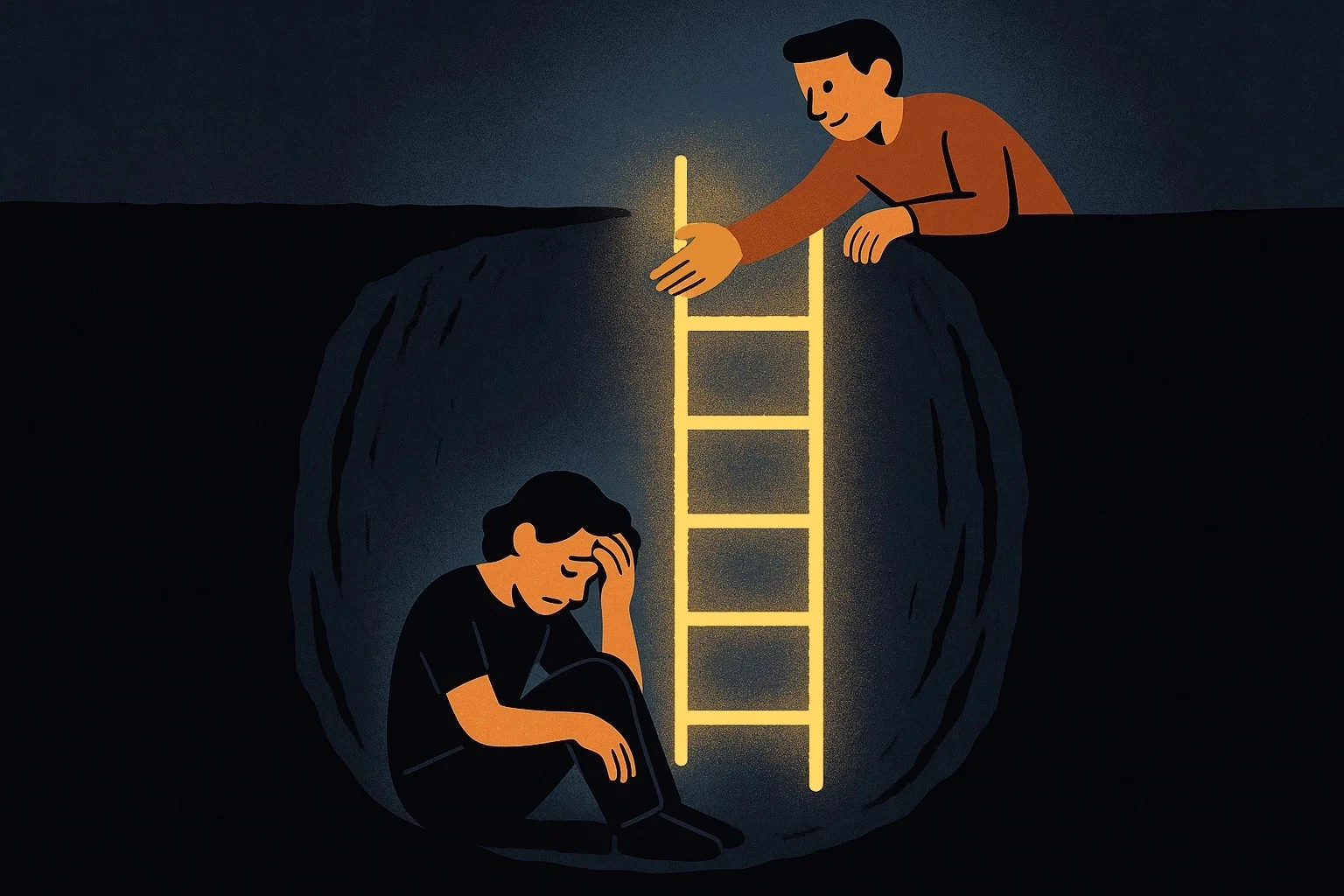
While self-care and community support are helpful, there are times when parental burnout requires professional medical or therapeutic intervention to support family safety and well-being.
Red Flags Requiring Professional Support
Certain severe symptoms may indicate that caregiving stress has developed into a deeper mental health concern that requires professional support. If you experience ongoing difficulty managing daily tasks, a persistent low mood that lasts for weeks, regular panic attacks, or total emotional numbness, seek professional care.
These signs suggest that you may be overwhelmed, and a qualified clinician can provide tools and support to help you recover safely.
Safety Concerns or Harm Thoughts
Critical Safety Notice: If you experience thoughts of harming yourself, your children, or others, seek professional help immediately. This state represents a significant medical emergency. Contact your local emergency services, go to the nearest hospital, or reach out to a trusted crisis helpline right away.
Persistent Depression or Anxiety Symptoms
When sadness, intense worry, intrusive thoughts, or a loss of interest in most activities begin to affect several areas of your life, professional support is important. A GP or mental health professional can help determine whether you are dealing with parental burnout, clinical depression, or an anxiety disorder.
Identifying the root cause ensures you receive a more effective, targeted treatment plan.
Burnout Linked to Specific Challenges
When burnout is driven by deep-rooted family challenges—such as intense relationship conflicts, complex behavioural issues, or systemic school avoidance—targeted professional support can be highly beneficial.
Engaging in family therapy, relationship counselling, or working with a specialised parenting coach can help address the underlying causes of stress. This collaborative approach can provide practical tools for changing difficult dynamics and reducing ongoing tension at home.
What to Expect in Sessions
Entering therapy or clinical consultation provides a structured, supportive space designed around your well-being. A professional will work with you to map out your primary stressors, build practical coping mechanisms, improve sleep routines, and learn emotional regulation skills.
This professional guidance can help tailor your recovery plan to your specific family situation and support a safer, more sustainable return to energy and connection.
Prevention Plan for Busy Parents
Sustainable recovery from burnout often relies on creating a simple, repeatable system that helps you monitor stress and protect your well-being each week.
Weekly Stress Audit
Set aside ten minutes at the end of every week to look over your current stress levels, note any upcoming busy periods, and check your overall energy.
Identify the primary source of your exhaustion from the past week, and choose one specific task you can remove, delegate, or simplify for the coming days. This regular check-in helps you make small adjustments before stress can build up into full burnout.
Simple Home Systems
Implement straightforward household routines to reduce daily decision fatigue and save mental energy. Use shared family calendars, create simple meal plans, and set up clear chore checklists that distribute responsibilities transparently among family members.
Streamlining routine tasks—like preparing school bags the night before—minimises morning chaos and preserves your energy for the day ahead.
Realistic Parenting Standards
Intentionally embrace a philosophy of “good enough” parenting by choosing to let go of unrealistic expectations of perfection. Allow your routines to be flexible during busy or difficult seasons, accept that screen-time choices can change when needed, and avoid comparing your life to curated social media feeds.
Lowering internal pressure allows you to focus on what truly matters: consistent love, safety, and meaningful connection.
Ongoing Support Plan
Maintain an updated list of your primary support contacts so you know exactly who to reach out to when stress levels begin to rise. Identify trusted friends for urgent childcare needs, family members for emotional support, and professional organisations or local resources you can contact for specialised advice.
Having this plan in place can make it easier to ask for help when you need it most.
FAQ
Can Parental Burnout Go Away?
Yes, parental burnout can improve significantly, and many parents recover fully with the right support and changes. The condition often improves when the ongoing stress load is lowered and the parent’s protective resources—such as practical support, rest, healthy personal boundaries, and effective coping strategies—are increased.
How Long Can Parental Burnout Last?
The overall duration of parental burnout varies based on how long the stress has been building, your access to regular sleep, the strength of your support network, and how quickly you can make changes. Without support or changes, it can persist for months or even years, but targeted adjustments may lead to noticeable improvement over time.
Can Stay-at-Home Parents Experience Burnout?
Yes, stay-at-home parents can be at risk of burnout due to constant caregiving demands, social isolation, the invisible nature of household labour, and the lack of clear boundaries between work and personal time. Operating without distinct breaks makes regular recovery difficult.
Can Working Parents Experience Burnout?
Yes, working parents can experience burnout as they navigate a double workload, complex childcare logistics, work-family conflict, and limited time for personal recovery. Balancing professional expectations with active caregiving can exhaust a parent’s resources over time.
What Helps Quickly During a Moment of Burnout?
If you feel completely overwhelmed, first make sure your child is in a safe place, then step away for a brief moment. Take five slow, deep breaths, drink a glass of water, and contact a trusted support person or crisis helpline to help you calm down and reset safely.
Is Parental Burnout the Same as Depression?
No, parental burnout is distinct from clinical depression because it is specifically tied to the parenting role. A parent experiencing burnout may still feel motivated and find enjoyment in areas outside family life, whereas clinical depression typically affects mood, interest, and functioning across many areas of life.

Take a short quiz to find out what your everyday choices say about your parenting style
When your child is curious about something new, what’s your instinct?
Take a short quiz to find out what your everyday choices say about your parenting style
“Can I download this app?” What happens next?
Take a short quiz to find out what your everyday choices say about your parenting style
When it comes to rules at home, which sounds most like you?
Take a short quiz to find out what your everyday choices say about your parenting style
If you could give your child one life skill today, what would you pick?
Take a short quiz to find out what your everyday choices say about your parenting style
Your child gets to choose what to watch. What would your ideal setup look like?
Take a short quiz to find out what your everyday choices say about your parenting style
Pick your parenting superpower ✨