Preschool (3–5 Years)

21 Letter B Activities for Preschool, Pre-K, and Kindergarten

30.04.2026

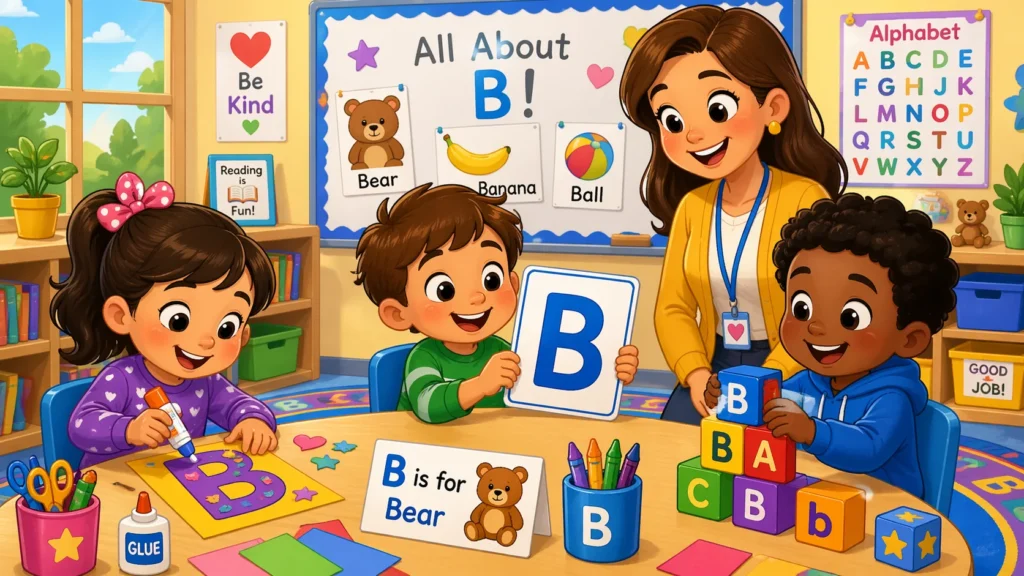
Teaching the alphabet is a foundational milestone in early childhood education. For young learners, the letter B is often one of the first consonants introduced because its sound is easy to produce and its shape is easy to recognize. This guide offers 21 engaging ways to build letter recognition, phonemic awareness, and fine motor skills through hands-on play and structured learning.

Continue Reading...

Letter Q Activities for Preschoolers: 16 Fun Crafts and Games

30.04.2026

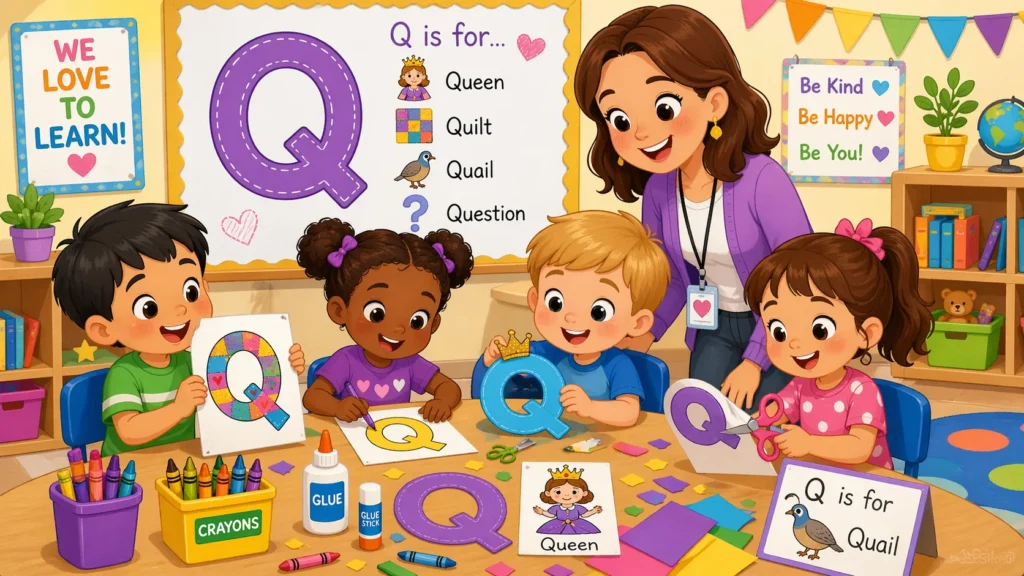
Teaching the letter Q can be a fun part of any letter-of-the-week routine. Although Q is not one of the most common letters in English, its distinct shape and the /kw/ sound it often represents with U can make it memorable for young children. With the right mix of crafts, movement, sensory play, and printables, preschoolers can build letter recognition, strengthen fine motor skills, and begin connecting the letter shape with its sound. This guide includes playful alphabet activities designed to help children explore the letter Q in different ways. Some focus on visual discrimination, some support letter formation, and others build confidence with initial sounds. Together, they create a practical, engaging plan for preschool at home or in the classroom.

Continue Reading...

Vocabulary Games for Kids: 25 Fun Ideas for Home, Classroom, and Online Play

30.04.2026

Building a strong vocabulary is a cornerstone of literacy and academic success. Playing vocabulary games gives children repeated, low-pressure opportunities to encounter and use new vocabulary. This guide covers 25 practical vocabulary activities for home, classroom, and online learning. Whether you are supporting an English language learner or strengthening a native speaker’s literacy skills, these strategies make vocabulary practice interactive and enjoyable. The National Reading Panel highlights that repeated exposure to vocabulary, especially in rich and varied contexts, supports language learning. Games help parents and teachers build this repetition into playful, meaningful practice. From classic board games and search puzzles to digital tools, these activities help children build English skills while staying engaged.

Continue Reading...

15 Activities That Start With F for Kids

30.04.2026

Learning the alphabet is an important milestone in early childhood education. If you are looking for activities that start with the letter F, you have come to the right place. This guide offers a curated selection of simple, fun, and educational F-activities for preschool and kindergarten, designed to spark curiosity and build early literacy skills. You’ll also find a helpful collection of ideas that works well at home or in the classroom, using simple household items, crafts, games, and hands-on activities to make alphabet learning feel playful and natural. In the following sections, we explore a wide range of letter F crafts and activities, including creative projects, engaging games, snack ideas, and themed suggestions. Whether you are a parent helping your child at home or a teacher planning a letter F lesson, these ideas are designed to support letter recognition, phonics, and early writing skills. By the end of this article, you will have a practical toolkit of letter F activities, crafts, and words to make alphabet learning memorable and fun.

Continue Reading...

Kindergarten Words to Know: 250+ Free Printable Word List and Tips

30.04.2026

Teaching a child to read is one of the most important milestones in early childhood education. Parents and educators often look for a clear guide to essential kindergarten vocabulary and printable lists that build a strong foundation for early literacy. This comprehensive guide offers structured lists, sight vocabulary, themed vocabulary, and spelling practice to help children build early reading skills. With structured materials, engaging games, and practical teaching tips, you can make word practice enjoyable while building reading skills and confidence.

Continue Reading...

Pronouns for Kids: How to Teach Them in 8 Easy Steps

30.04.2026

Teaching grammar to children can feel daunting, but understanding how pronouns simplify communication is an important milestone in language development. This guide gives parents and educators a structured, step-by-step approach to teaching pronouns through engaging activities, visual aids, and clear sentence examples. By following this guide, you can help your child move from repeating names to using pronouns more fluently and accurately.

Continue Reading...

20 Best Pattern Games for Preschoolers to Build Math, Reading, and Logic Skills

30.04.2026

Engaging in pattern games for preschoolers is a foundational step in early childhood development that utilizes everyday objects to teach complex concepts. These interactive games use colors, shapes, sounds, movement, snacks, nature objects, cards, blocks, and storybooks to help children recognize, spot, copy, continue, and create patterns. By identifying repetition in a sequence, young learners develop the cognitive framework needed for later math and literacy skills.

Continue Reading...

Movement Activities for Preschoolers: Fun Ideas for Indoor, Outdoor, and Music-Based Play

30.04.2026

Movement is one of the most powerful learning tools available to young children. For preschoolers aged 2–5, physical play is not simply recreation — it is how they build strength, develop coordination, process emotions, and begin to understand the world around them. Whether running through an outdoor obstacle course, dancing to a favorite song, or crawling like a bear across the living room floor, these experiences lay the groundwork for cognitive growth, social skills, and lifelong healthy habits. This guide covers fun, practical movement activities for preschoolers across four key settings: indoors, outdoors, music-based play, and gross motor development — with tips for parents and educators to make every session effective and enjoyable.

Continue Reading...

How to Write Letters: Step-by-Step Guide to Letter Formation for Kids

30.04.2026

Learning to write letters is one of the most foundational skills a child develops — and it goes far beyond simply putting pencil to paper. Proper letter formation requires mastering stroke direction, spatial awareness, pencil control, and the connection between written symbols and the sounds they represent.  This guide covers everything parents and educators need to know: from the basics, to practical activities, step-by-step teaching methods, and tips for helping kids who struggle. Whether you are working with a preschooler just starting to trace letters or an early elementary student ready for independent writing, this guide provides a clear, research-informed path forward.

Continue Reading...
1 2 3 4 44