15 Fun Letter O Activities for Preschoolers

 Discover a Free Education Video App for Kids
Pastory uses AI to personalize educational video content based on your child’s interests and personality. Safe, engaging, and built for curious young minds. Sign up now to stay updated and enjoy early access with a free trial
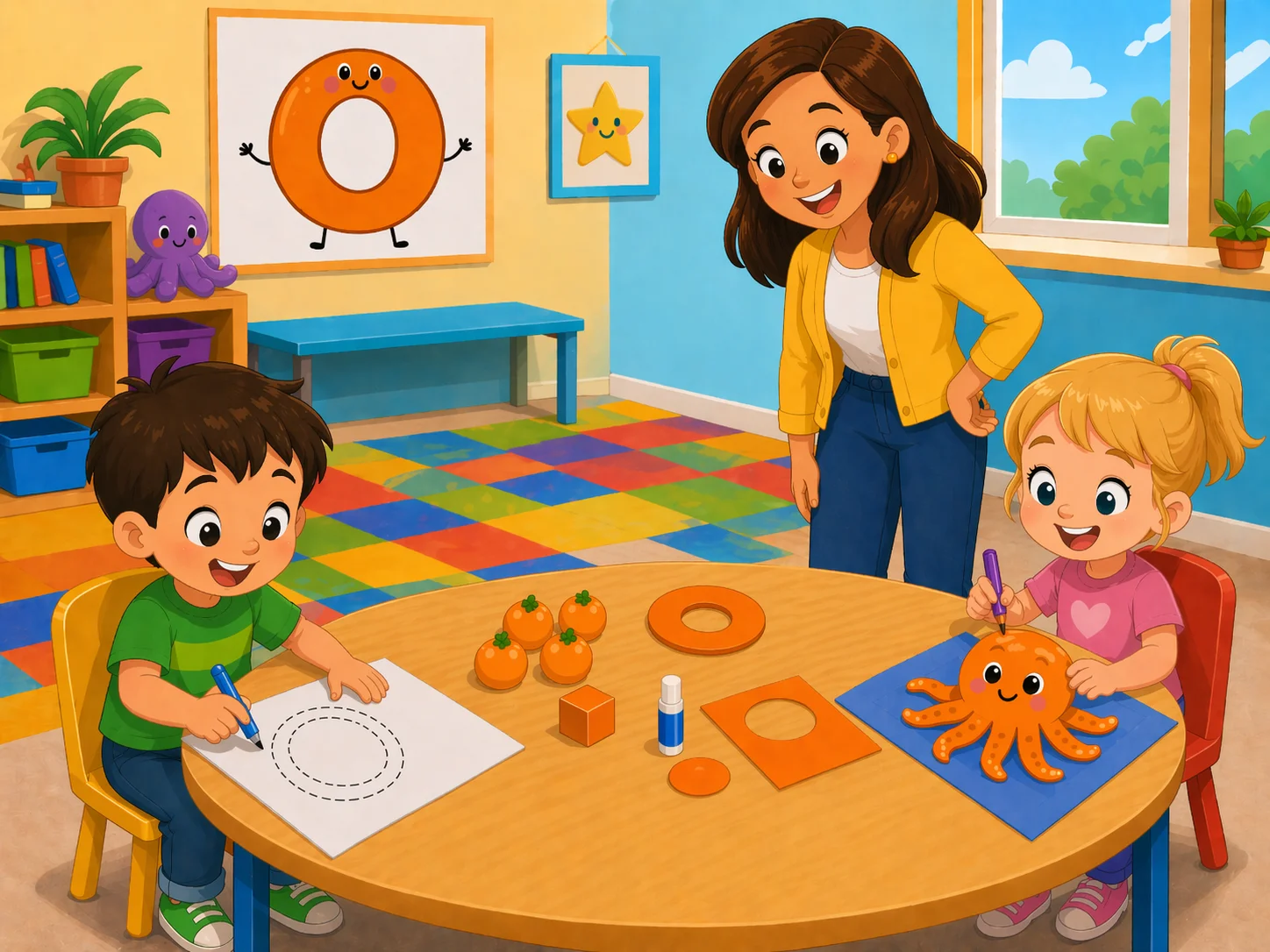
Teaching O is an exciting milestone in a preschooler’s literacy journey. Because it is shaped like a simple circle, the letter O is an accessible starting point for hands-on learning through play, crafts, and sensory bins. These O activities are designed to support multisensory learning through phonics, fine motor practice, and playful exploration.
Whether you’re looking for O crafts, tracing practice, or preschool alphabet games, this guide offers a variety of low-prep ideas. By exploring uppercase and lowercase O through art projects, snacks, and movement games, preschoolers build early literacy skills that support later reading success.
Quick Activity Guide
| Activity Type | Best For | Prep Level |
| Tracing & Writing | O formation | Low (Paper/Pen) |
| Octopus Craft | Fine motor skills | Medium (Craft supplies) |
| Orange Sensory Bin | Tactile learners | Medium (Fillers/Items) |
| Object Hunt | Gross motor | No-prep |
| Snack Formation | Engagement | Low (Food-based) |
Activities by Skill
- Recognition Skills: Find and Color, word searches, and Letter O show-and-tell.
- Writing Practice: tracing Letter O, playdough mats, and shaving-cream writing.
- Beginning Sounds: beginning-sound sorting and food-item matching.
- Fine Motor: O-shaped necklaces, octopus crafts, and sticker art.
Activities by Prep Level
- No-Prep: Outdoor Object Hunt, Outdoor Obstacle Course, and Letter O Show and Tell.
- Low-Prep: Letter O Snack Formation, Tracing, and Match Food Items.
- Printable-Based: Word Search, Cut and Paste, and Find and Color worksheet options.
Activities by Setting
- Home: snack formation, sensory bins, and show-and-tell.
- Classroom: alphabet lessons and simple activity centers.
- Outdoor: Obstacle course and Object hunt in the yard or park.
1. Tracing Letter O
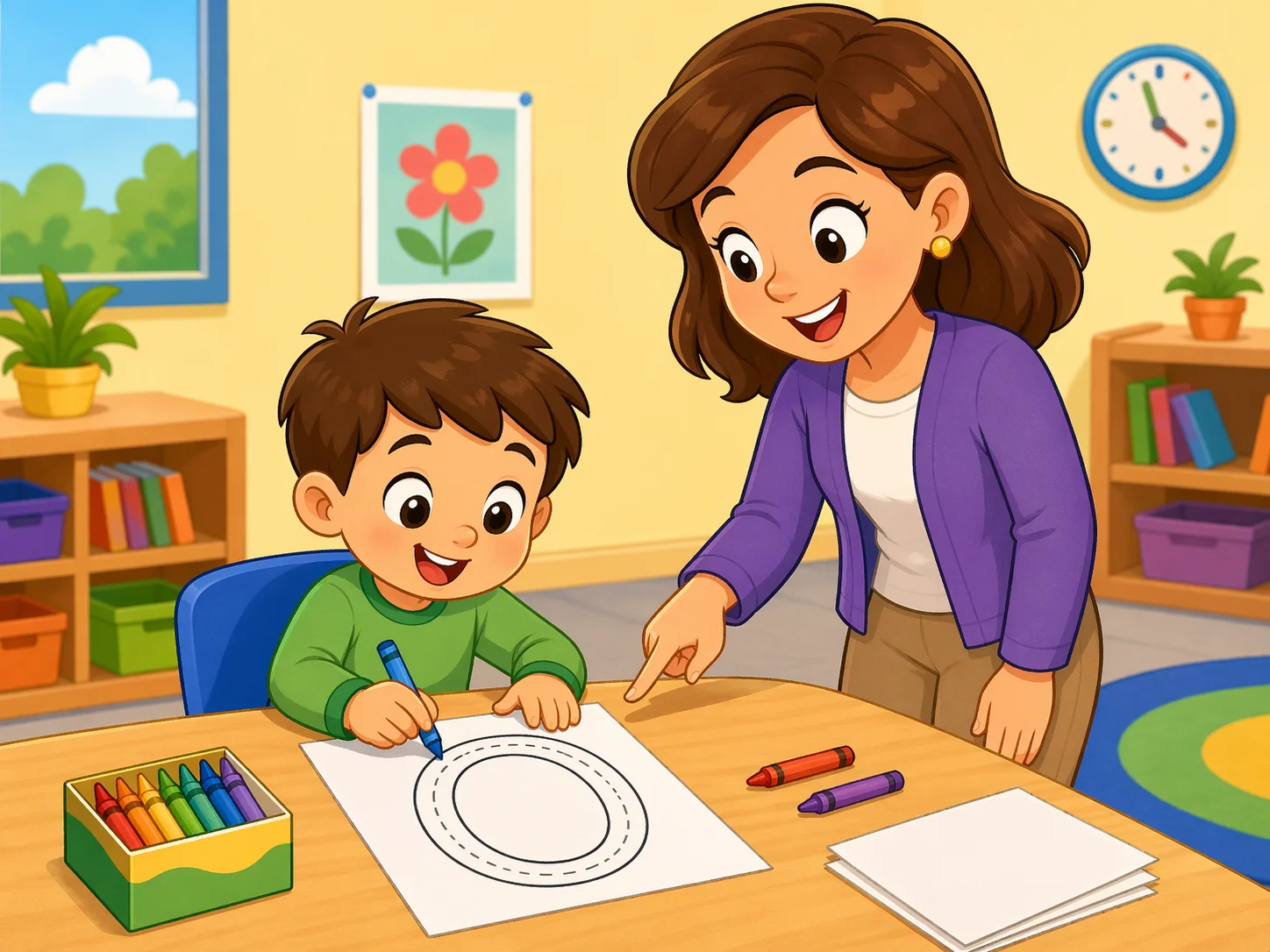
Tracing is a foundational activity that helps preschoolers practice letter formation. Because uppercase O is made with one continuous curve, it is often one of the first letters preschoolers learn to write confidently.
Materials Needed
- Free printable tracing sheets or a worksheet
- Crayons, markers, or a pencil
- Dry-erase sleeve for repeated use
- Salt tray or shaving cream for tactile practice
How to Do It
- Place the printable inside a dry-erase sleeve or set out a salt tray.
- Model the uppercase O by showing the child how to start at the top and move counter-clockwise to make a circle.
- Demonstrate the lowercase o, explaining it has the same shape but is smaller.
- Guide the child to trace several repetitions, providing verbal cues like “round and round.”
Skills Built
Tracing Letter O develops hand control and pre-writing strength. Handwriting practice can support visual recognition more effectively than digital-only input. It also reinforces the distinction between uppercase and lowercase forms.
Easy Upgrade
Try rainbow tracing, where the child uses every color in a crayon pack to trace the same letter. Alternatively, have them use a sticker to outline the shape for extra fine motor work.
2. O Is for Octopus
The octopus is a classic theme for letter O crafts and activities because the animal’s name starts with the short /o/ sound. This crafty project helps children connect the name and sound through a friendly sea creature.
Materials Needed
- Construction paper (cut into a large O shape)
- Glue and googly eyes
- Paper plate (optional)
- Eight strips of paper for tentacles
How to Do It
- Provide the child with a large uppercase O cut from construction paper.
- Have the child glue googly eyes at the top of the O to create a face.
- Instruct the child to glue eight tentacle strips to the bottom of the shape.
- Use a paintbrush or markers to add white circles or suction cups to each tentacle.
Skills Built
This activity strengthens the letter-sound connection while practicing counting to eight. It also improves fine motor skills as children manipulate small craft supplies like googly eyes and glue sticks.
Easy Upgrade
Create an ocean sensory bin using blue-dyed rice and toy octopus figures to follow up the craft. You can also pair this with a book about sea life to expand their vocabulary.
3. Match Food Items
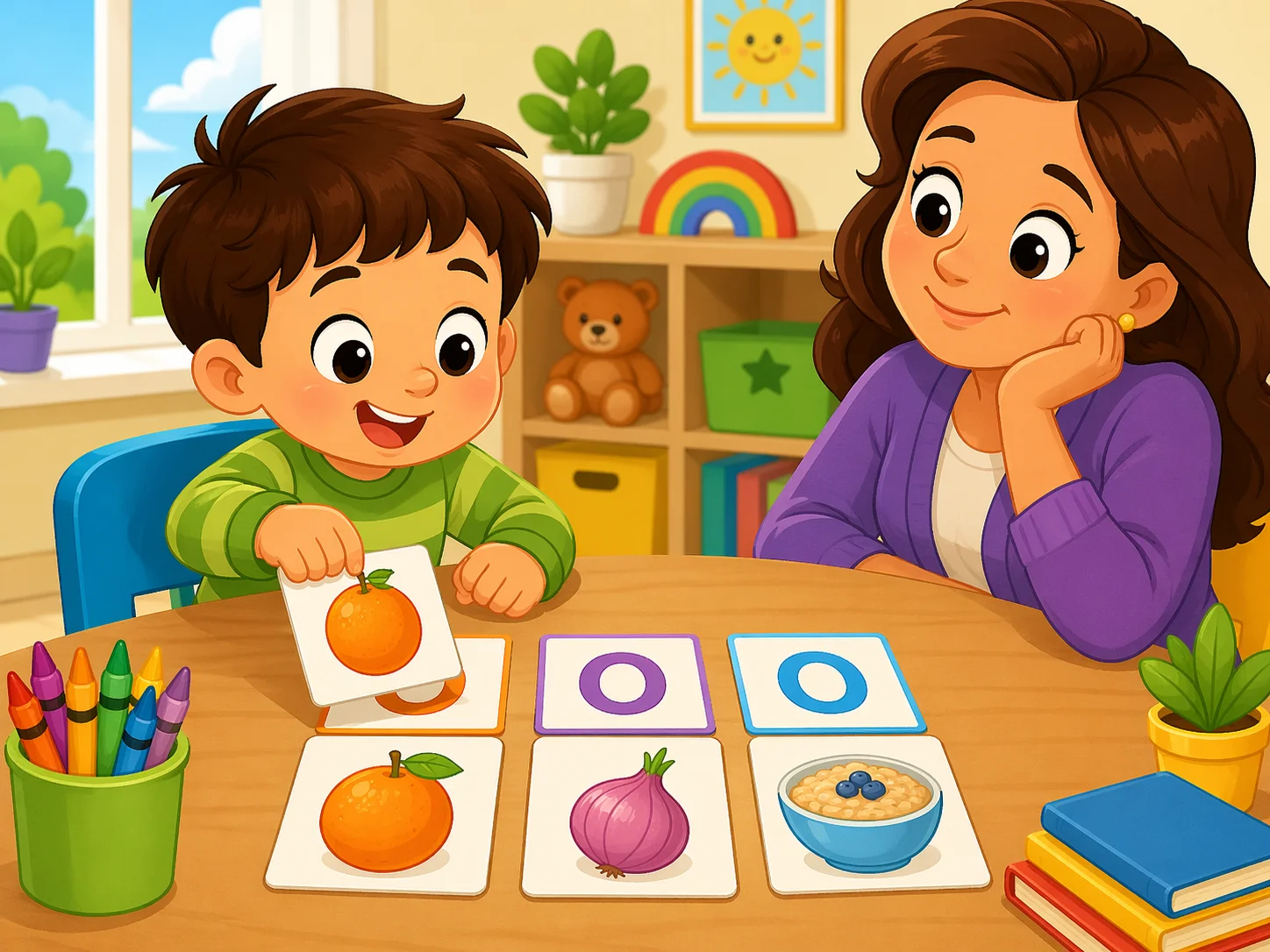
Using food themes or food images helps preschoolers connect letter learning to their everyday world. This simple activity focuses on identifying objects that start with the letter O.
Materials Needed
- Printable matching sheet
- Scissors and a glue stick
- Flashcards featuring an orange, onion, olive, and oatmeal
How to Do It
- Lay out several flashcards or picture cards on a table.
- Ask the child to name each item and emphasize the beginning sound.
- Have the child sort the pictures and place only the items that begin with the letter O onto a large Letter O template.
Skills Built
This task enhances beginning sound recognition and category sorting. Identifying initial sounds is an important early literacy skill that supports later reading development.
Easy Upgrade
Turn this into a “Snack Sort” with real foods. Provide orange slices, olives, and oatmeal so the child can taste the items while practicing Letter O words.
4. Coloring Letter O
Coloring serves as a calm, focused preschool activity that allows for letter learning without the pressure of strict handwriting rules. It is an excellent way to introduce lowercase and uppercase variations.
Materials Needed
- Free letter O coloring printables
- Crayons, markers, or dot markers
- Sticker sheets for decoration
How to Do It
- Give the child a worksheet featuring a large uppercase and lowercase O.
- Encourage the child to color inside the lines to form the letter.
- Ask them to find and color the small uppercase O and lowercase o letters scattered around the page.
Skills Built
Coloring improves grip control, visual scanning, and discrimination of similar shapes. Coloring helps strengthen the fine motor control children need for later handwriting.
Easy Upgrade
Assign specific color rules, such as “color orange for uppercase O and green for lowercase o” to increase the challenge of visual classification.
5. O-Shaped Necklace
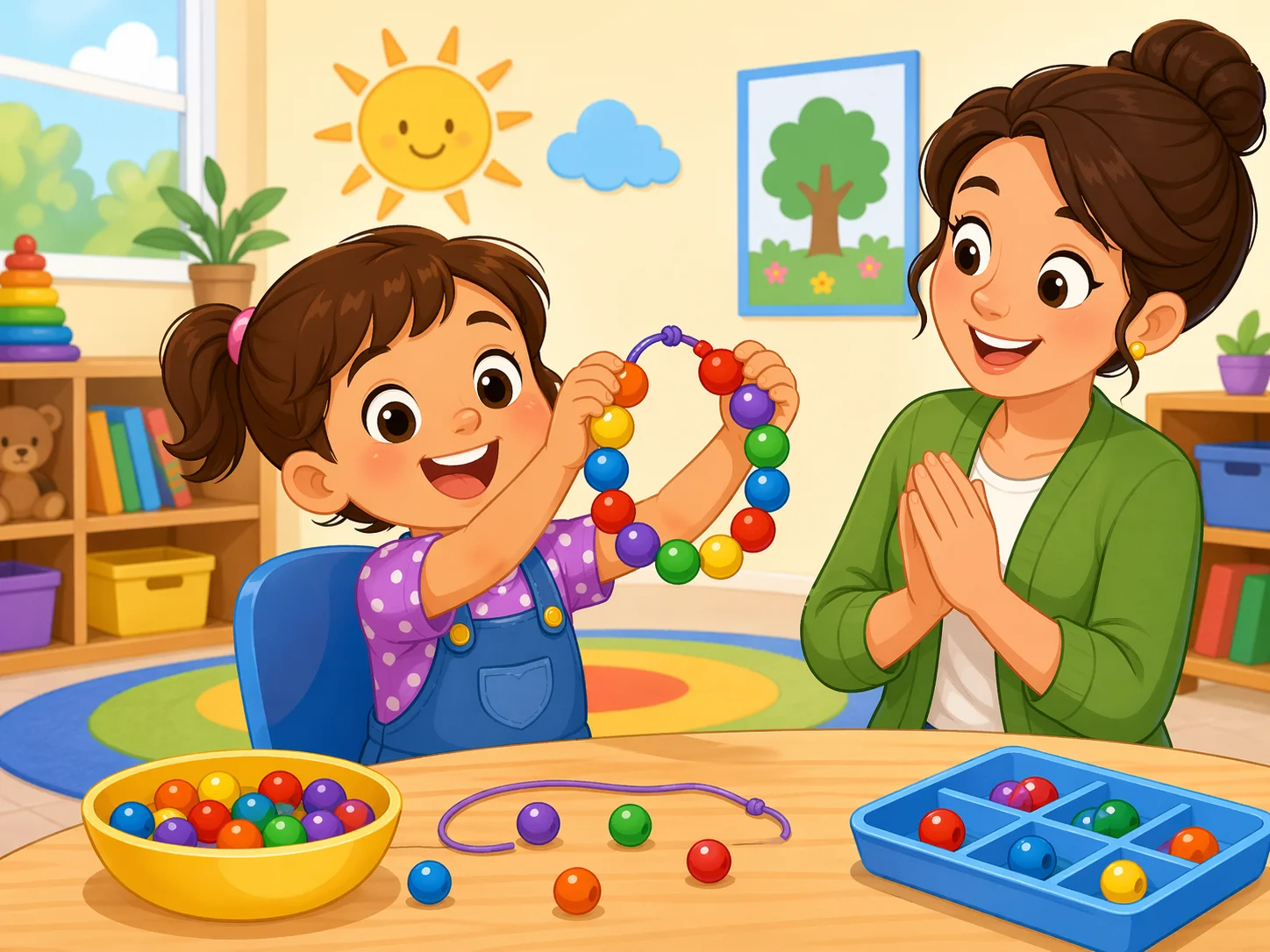
Wearable art is highly engaging for preschoolers. Creating an O-shaped necklace provides a hands-on way to reinforce the circular O shape while practicing patterning.
Materials Needed
- Yarn or string
- Cereal loops (like Cheerios) or round pasta
- A construction paper O pendant
How to Do It
- Cut a small O from construction paper and punch a hole in the top.
- Let the child decorate the O pendant with markers or a sticker.
- Show the child how to thread the cereal loops onto the string.
- Tie the ends together to create a necklace the child can wear.
Skills Built
This activity focuses on hand-eye coordination and persistence. Threading small objects is a useful fine motor activity for developing coordination and control.
Easy Upgrade
Encourage the child to create a pattern by alternating the colors of the cereal loops or counting how many O-shaped pieces they used on the string.
6. Cut and Paste O Words
Cut and paste activities are staples of a preschool curriculum. They provide a structured way for preschoolers to practice letter recognition while refining their scissor and glue skills.
Materials Needed
- Printable worksheets with owl, octopus, orange, and ostrich images
- Child-safe scissors and glue
- A large letter O cutout
How to Do It
- Ask the child to identify the pictures on the printable that begin with the letter O.
- Help the child cut out the correct images.
- Have the child glue the O-word pictures inside or around the large letter O.
Skills Built
This activity targets letter recognition, scissor practice, and visual classification. Identifying words that begin with a target letter is an important early literacy skill.
Easy Upgrade
Include “distractor” images that do not start with O. Ask the child to explain why a picture (like an apple) does not belong on the O worksheet.
7. Online O Tracing Game
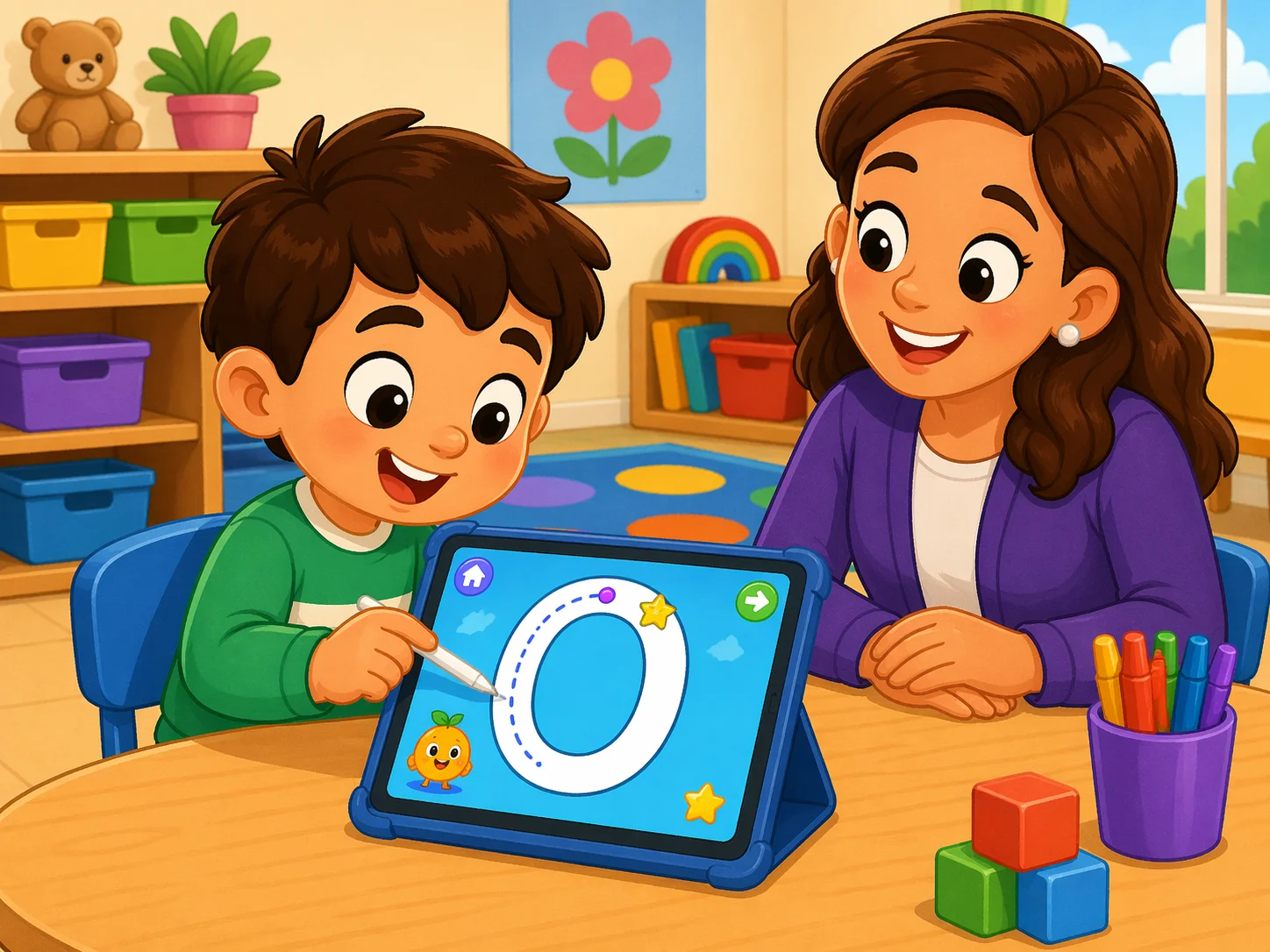
While hands-on activities are usually best, digital alphabet games can offer helpful instant feedback. An online letter tracing game is useful for learning the letter when on the go.
Best Use Case
Digital tracing works best as a supplement during center time or while traveling. It provides a highly visual way to see the stroke sequence of uppercase and lowercase letters.
How to Do It
- Open a reputable educational app or website on a tablet.
- Select the letter O module.
- Have the child use their finger to follow the guided path on the screen to form the letter.
Skills Built
These games improve stroke sequence and attention. Interactive platforms often use rhymes or audio cues to reinforce the letter name each time the child completes the tracing path.
Screen Time Tips
Keep screen time limited and follow digital activities with hands-on play. Always follow digital play with a hands-on activity like playdough or shaving cream writing.
8. Word Search Letter O
A word search is a great literacy activity for older preschoolers who are beginning to recognize letter patterns. It encourages them to look for O’s among many other letters.
Materials Needed
- Simple printable word search with O-words
- Crayons or highlighters
- A picture key for words like owl and ox
How to Do It
- Point to the letter O at the top of the page to remind the child of its shape.
- Ask the child to find and circle every uppercase and lowercase O they see in the grid.
- For advanced learners, help them find short words like “ON” or “OIL.”
Skills Built
This activity supports visual tracking, concentration, and letter recognition. It helps preschoolers distinguish the letter O from similar-looking letters such as Q and D.
Easy Upgrade
Set a timer for a “one-minute hunt” to see how many o’s the child can find, or have them color each O a different color.
9. Find and Color Letter O
This simple activity is a classic worksheet task used in many preschool classrooms. It specifically targets O identification in a crowded visual field.
Materials Needed
- “Find the Letter” worksheet
- Bingo daubers, stickers, or crayons
How to Do It
- Provide a page filled with various alphabet letters.
- Instruct the child to “hunt” for the letter O.
- Every time they find an O, they can “dab” it with a marker or place a sticker on it.
Skills Built
This task builds visual discrimination and left-to-right scanning habits that support early reading. It also reinforces the distinction between uppercase and lowercase O.
Easy Upgrade
Make it a race! See if the child can find all the uppercase O’s before you find all the lowercase o’s on your own page.
10. Outdoor Object Hunt
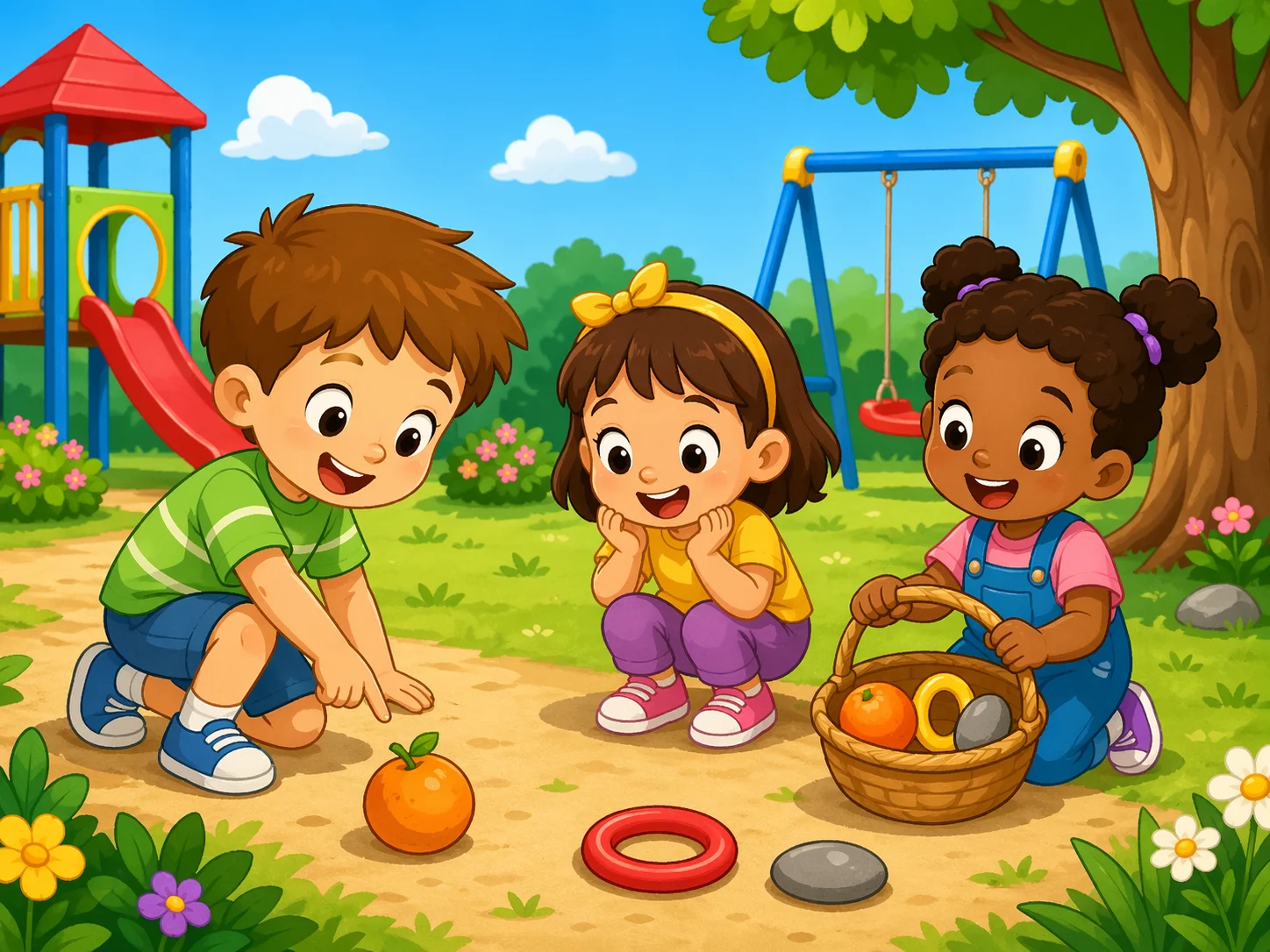
Taking learning outside helps children connect the alphabet to the real world. An outdoor object hunt is a great gross motor activity for an active preschooler.
Materials Needed
- A basket or bag
- A clipboard with a picture of a large O
- A camera (optional)
How to Do It
- Take the child outside and challenge them to find things that are “O-shaped.”
- Look for round objects like a tire, a ball, or a flower center.
- Ask the child to look for round, O-shaped objects or for items whose names begin with the letter O.
Skills Built
This activity expands vocabulary in context and encourages observation. Physical movement can make early learning more memorable for young children.
Easy Upgrade
Bring the found objects back inside and sort them into two piles: “Begins with the letter O” and “Is O-shaped.”
11. O Is for Owl
Owl is a popular theme in Letter O activities because the word begins with the letter O, even though it does not begin with a short O sound. This craft focuses on assembly skills and animal vocabulary.
Materials Needed
- Construction paper (brown and orange)
- Googly eyes and feathers
- Glue and markers
How to Do It
- Cut a large uppercase O out of brown construction paper.
- Glue the O onto a background sheet.
- Add two large white circles and googly eyes inside the top of the O.
- Glue feathers to the sides to create wings and an orange triangle for a beak.
Skills Built
This craft reinforces letter recognition and fine motor coordination. Creative alphabet activities can build engagement, imagination, and confidence.
Easy Upgrade
Read a story about an owl and an ostrich, then ask the child to compare the two birds. Which one flies? Which words begin with the letter O?
12. Outdoor Obstacle Course
An outdoor obstacle course is the perfect motor activity to burn off energy while reinforcing the O shape. This kind of activity works especially well because it combines physical play with letter learning.
Materials Needed
- Hula hoops (O-shaped)
- Chalk
- Cones or tape
How to Do It
- Lay out hula hoops on the grass.
- Use chalk to draw large uppercase and lowercase O’s on the pavement.
- Instruct the child to “hop into the O’s” or “crawl around the O path.”
- Create a “toss” station where they throw a beanbag into an O-shaped target.
Skills Built
This activity builds balance, coordination, and kinesthetic memory. By physically moving their bodies in the shape of a circle, children internalize the letter formation of the O.
Easy Upgrade
Shout an O-word like “Octopus!” and have the child wiggle their arms like tentacles as they run to the next station.
13. Orange Sensory Bin
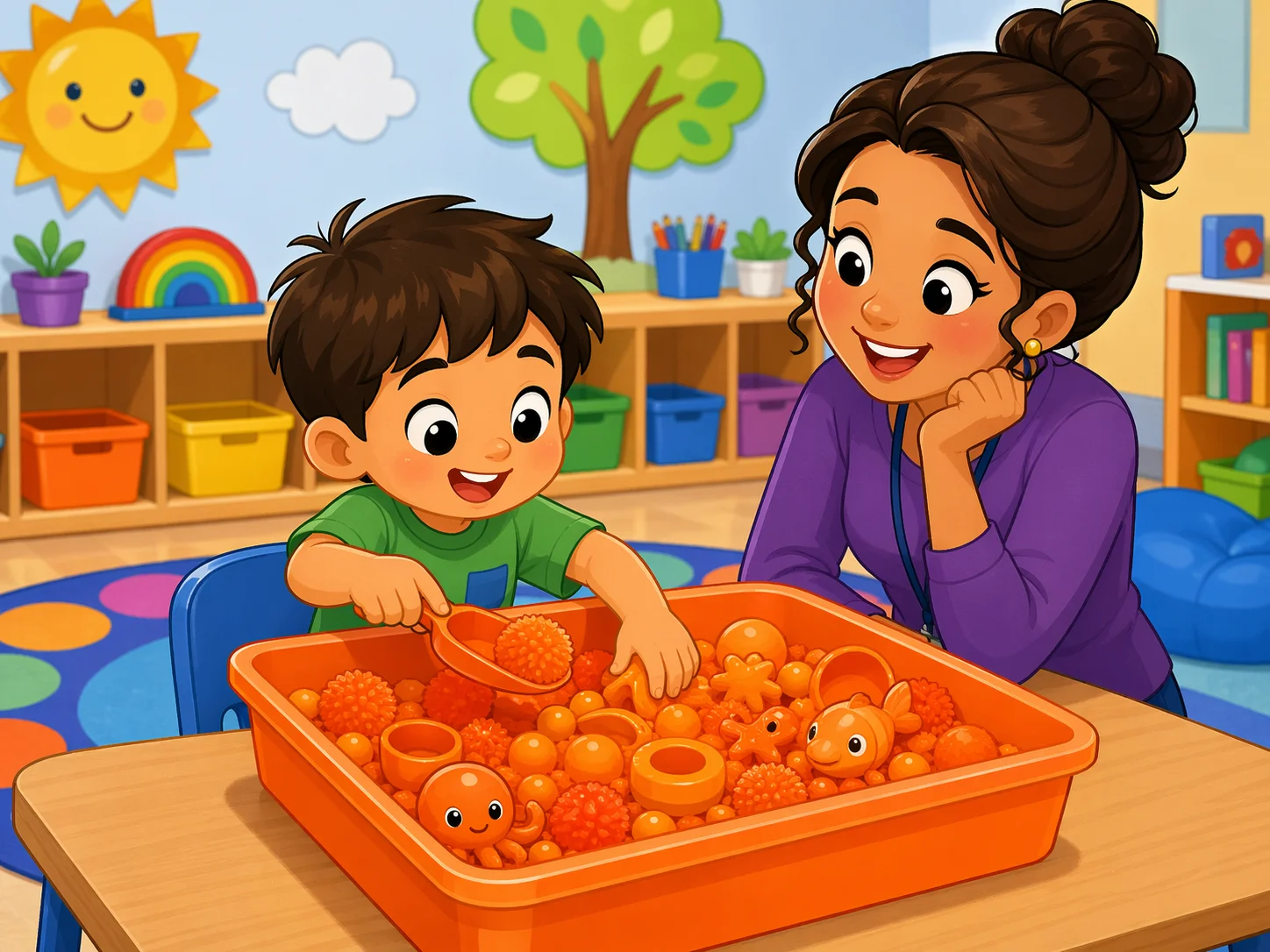
A sensory bin offers a tactile way to explore the letter O. Using orange items reinforces the letter association and adds a consistent visual theme.
Materials Needed
- Orange pom-poms, orange toys, and orange felt letters
- Oatmeal or dyed rice as a base filler
- Scoops and small containers
How to Do It
- Fill a bin with oatmeal or orange rice.
- Hide various O-related items, like a plastic octopus, an orange block, and letter O magnets.
- Let the child dig through the bin to find the “O treasures.”
Skills Built
Sensory play supports tactile exploration and repeated low-pressure practice. Sensory-rich activities can support attention, engagement, and early language development.
Easy Upgrade
Add uppercase and lowercase cards. Ask the child to match the O-objects they find to the correct card.
14. Beginning Sound Sorting
Beginning-sound sorting is an important step in phonemic awareness. It helps children notice whether a word begins with the target letter and sound or with something else.
Materials Needed
- Two bins labeled “O” and “Not O”
- Flashcards or small toys (e.g., owl, otter, apple, ball)
How to Do It
- Show the child a picture card, such as an ostrich.
- Say the word clearly, emphasizing the first sound.
- Ask the child, “Does octopus begin with O?”
- Have the child place the card in the correct bin.
Skills Built
This activity builds sound isolation and listening skills. It is a key component of a high-quality preschool curriculum aimed at literacy development.
Easy Upgrade
Introduce tricky examples by comparing octopus and ocean so the child can hear the difference between short O and long O.
15. O Snack Formation
Ending a lesson with an edible activity can be a fun way to celebrate progress. Letter O snack formation makes learning O delicious.
Materials Needed
- Cereal loops
- Orange slices or cucumber rounds
- Mini bagels or oatmeal cookies
How to Do It
- Give the child a clean plate and a handful of round snacks.
- Ask the child to arrange the snacks into a big uppercase O.
- Have them create a smaller circle for the lowercase letter o.
- Let them eat the snacks once they have identified the letter.
Skills Built
This activity reinforces shape recognition and fine motor control. It turns a routine snack into a multisensory alphabet activity.
Easy Upgrade
Create a “Round Food” challenge. Ask the child to find three things in the kitchen that are shaped like an O before they sit down to eat.
Tips for Teaching Letter O Successfully
Teaching the letter O is most effective when it is woven into a child’s daily routine. Use these expert strategies to ensure reading success.
Connect Letter O to Daily Life
Point out uppercase and lowercase O on cereal boxes, stop signs, and in their favorite books. Constant exposure helps preschoolers recognize that letters are everywhere, not just on a worksheet.
Use Multiple Activities Across Week
Avoid doing the same simple activity every day. Mix a crafty project like the octopus with a gross motor activity like the obstacle course. Variety keeps the preschooler engaged and prevents boredom.
Focus on Short O and Long O
In early phonics instruction, it is often best to start with a small set of consistent examples, such as short O words like octopus. Once the child is comfortable, you can introduce other O spellings and sounds with simple comparisons, such as octopus and ocean.
Keep Practice Playful
Preschool activities should be high-joy and low-pressure. If a child is struggling with handwriting, switch to playdough or a sensory bin. The goal is to make learning fun, not a chore.
Adjust by Age and Skill Level
For younger preschoolers, focus on the shape and name of the letter O. For older preschoolers or kindergarteners, increase the focus on letter sounds and pencil-based letter formation.
Letter O Show and Tell Ideas for Preschool
Show-and-tell is a familiar classroom activity that builds oral language skills. Use these ideas to help your child prepare for O week.
Easy Items From Home
- Oven mitt
- Oatmeal box
- Ornament
- Orange toy or shirt
- Oval shaped object
Animals
- Owl (plush or picture)
- Octopus toy
- Otter figure
- Ox or Orangutan (book or photo)
- Ostrich feather
Foods
- Orange
- Olive jar (empty)
- Onion
- Oatmeal cookie
- Omelet photo
Creative Ideas
- Origami O
- Ocean drawing
- Outer space poster
- Object collage (all round things)
Parent Prep Tips
Help your child practice saying one simple sentence about the item. For example: “This is my octopus, and it starts with the letter O.” This builds confidence and helps reinforce recognition skills in front of classmates.
Take a short quiz to find out what your everyday choices say about your parenting style
When your child is curious about something new, what’s your instinct?
Take a short quiz to find out what your everyday choices say about your parenting style
“Can I download this app?” What happens next?
Take a short quiz to find out what your everyday choices say about your parenting style
When it comes to rules at home, which sounds most like you?
Take a short quiz to find out what your everyday choices say about your parenting style
If you could give your child one life skill today, what would you pick?
Take a short quiz to find out what your everyday choices say about your parenting style
Your child gets to choose what to watch. What would your ideal setup look like?
Take a short quiz to find out what your everyday choices say about your parenting style
Pick your parenting superpower ✨