15 Signs of Childhood Emotional Neglect: Effects, Parenting Patterns, and Ways to Heal

 Discover a Free Education Video App for Kids
Pastory uses AI to personalize educational video content based on your child’s interests and personality. Safe, engaging, and built for curious young minds. Sign up now to stay updated and enjoy early access with a free trial
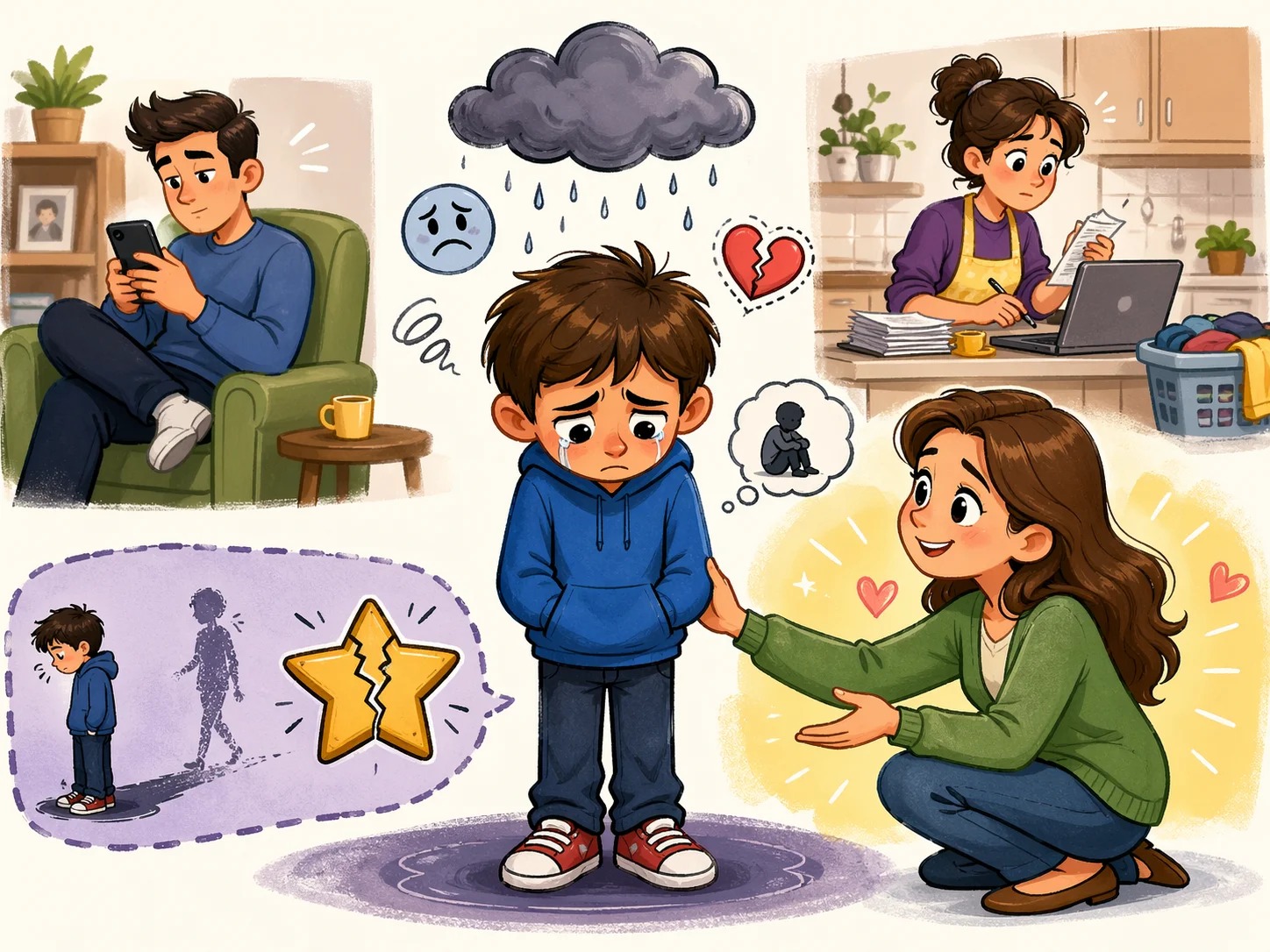
Childhood emotional neglect occurs when a parent or caregiver consistently fails to respond sufficiently to a child’s needs for comfort, validation, and connection. Unlike physical neglect, which involves the absence of food or shelter, emotional neglect is often the “invisible” form of child maltreatment. Because it is characterized by what is missing rather than what is actively done, many individuals do not realize they experience emotional neglect until adulthood. This guide explores 15 signs of childhood emotional neglect, its long-term effects on self-esteem, and possible paths toward healing.
What Is Childhood Emotional Neglect?
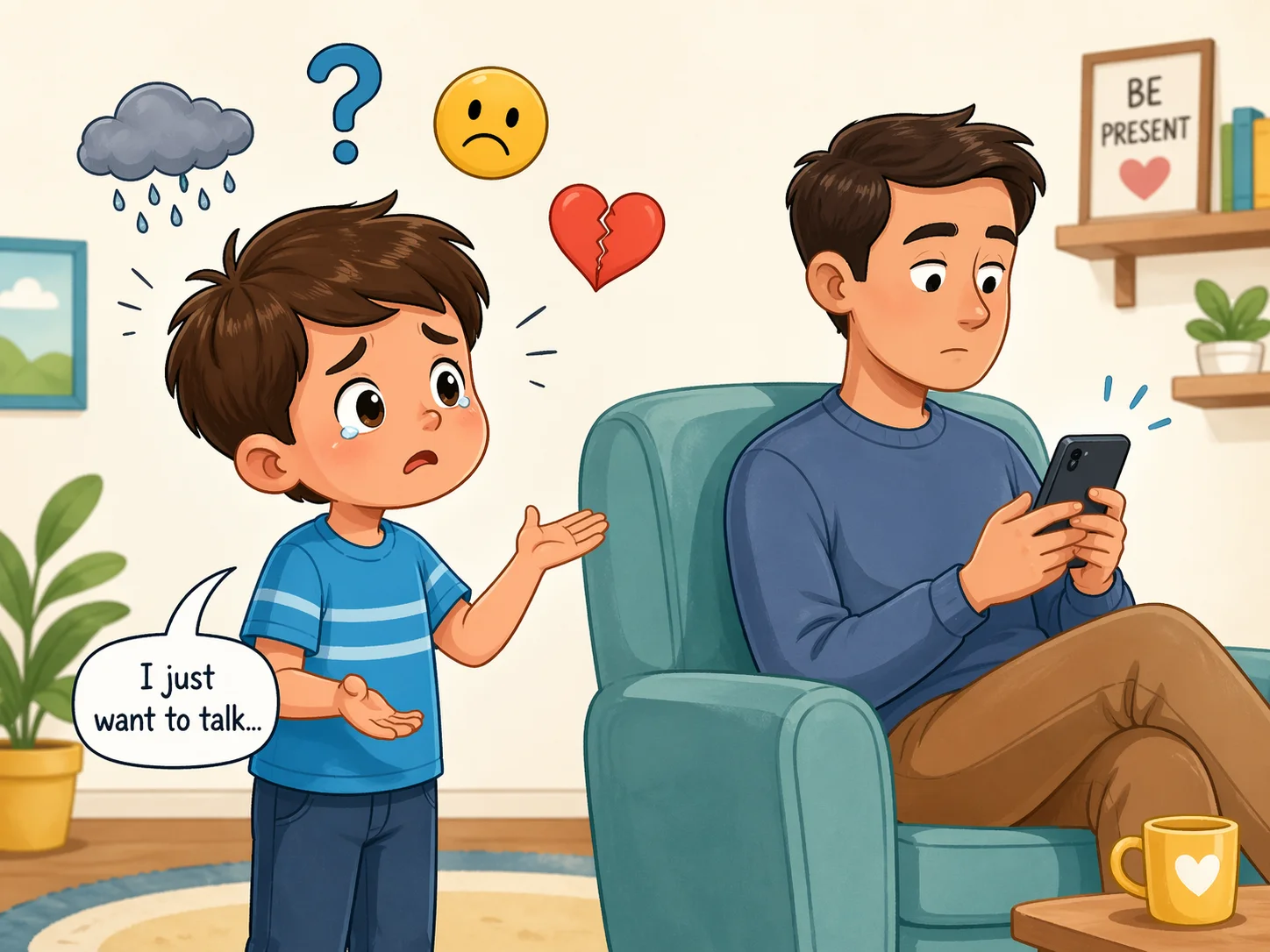
To understand its impact, one must first define what it looks like in daily family life. It is not defined by a single bad day or a parent’s occasional distraction; rather, it involves a chronic lack of emotional attunement between caregiver and child.
Core Definition and Key Traits
Childhood emotional neglect occurs when caregivers ignore, withhold, or invalidate a child’s feelings. Pediatric literature, including guidance from the American Academy of Pediatrics (AAP), emphasizes that children need consistent attunement to support healthy emotional development. When this support is lacking, the child may experience an emotional void where guidance and comfort should be. Unlike emotional abuse, which involves active hostility, neglect is passive – it is the silence where there should be a response.
Examples of Emotional Neglect
In a household where emotional neglect occurs, the following scenarios are common:
- A child comes home crying after being bullied, and the parent tells them to “stop being sensitive” or ignores the tears entirely.
- A teenager expresses excitement about an achievement, but the parent changes the subject to their own stress or work.
- A child may feel profound fear during a thunderstorm, yet the caregiver stays in another room, offering no reassurance or comfort.
- The atmosphere of the home is one of “business as usual,” where deep feelings are never discussed or validated.
Why Emotional Neglect Is Hard to Recognize
Identifying signs of emotional neglect can be difficult because there are no physical bruises or obvious signs of chaos at home. Many emotionally neglectful parents provide excellent physical care, including high-quality education, clothing, and nutrition. Because the home appears “normal” to outsiders, the child doesn’t realize their emotional needs are being sidelined. This invisibility often leads adults who experienced emotional neglect to feel guilty about their internal struggles, because they believe they had a “good” or “normal” childhood.
Childhood Emotional Neglect: Effects on Children and Adults
The effects of childhood emotional neglect are far-reaching, influencing how a person sees themselves and interacts with the world. Research on adverse childhood experiences (ACEs) suggests that chronic emotional neglect can have serious long-term effects, even when there are no more overt forms of trauma.
Common Difficulties
Children rely on caregivers to help them manage big feelings through co-regulation. When a child grows up without enough support, they may struggle to develop self-regulation skills. As a result, individuals who went through it may struggle with sudden outbursts or, conversely, a sense of detachment. Without a caregiver or trusted adult to help them name and navigate feelings, their emotional vocabulary may remain underdeveloped.
Low Self-Esteem and Chronic Self-Doubts
A primary sign of this pattern is a persistent sense of being “not enough.” When a parent ignores a child’s inner world, the child concludes that their feelings – and by extension, they themselves – are unimportant. This leads to low self-esteem and a belief that they are a burden to others. People who experienced childhood emotional neglect often develop a harsh inner critic that makes them question their worth in social and professional settings.
Relationship Challenges and Insecure Attachment
Early attachment relationships often shape later patterns of intimacy. Childhood emotional neglect is often associated with insecure attachment patterns, including avoidant or anxious attachment. In adulthood, this manifests as a fear of closeness or an inability to trust partners. Adults who experienced neglect may struggle to identify their own emotional needs, which can make it difficult to communicate those needs to a romantic partner.
Depressive Symptoms, Anxiety, and Stress
There is a documented link between this early experience and mental health challenges later in life. Childhood emotional neglect is associated with chronic feelings of emptiness, depressive symptoms, and anxiety. Because the individual never felt “seen” as a child, they may carry a heavy burden of existential loneliness. For some people, the effects of emotional neglect can feel like persistent emptiness, even in the presence of external success.
Difficulty Expressing Emotions, Perfectionism, and Self-Isolation
Many people with this background become overachievers as a way to earn the attention they lacked.
- Perfectionism: A survival mechanism where the individual believes being perfect will finally make them worthy of love.
- Self-Isolation: A defense against the perceived “danger” of being misunderstood or ignored by others.
- Emotional Numbing: A state where the individual loses touch with their inner experiences to avoid the pain of rejection.
15 Signs of Childhood Emotional Neglect
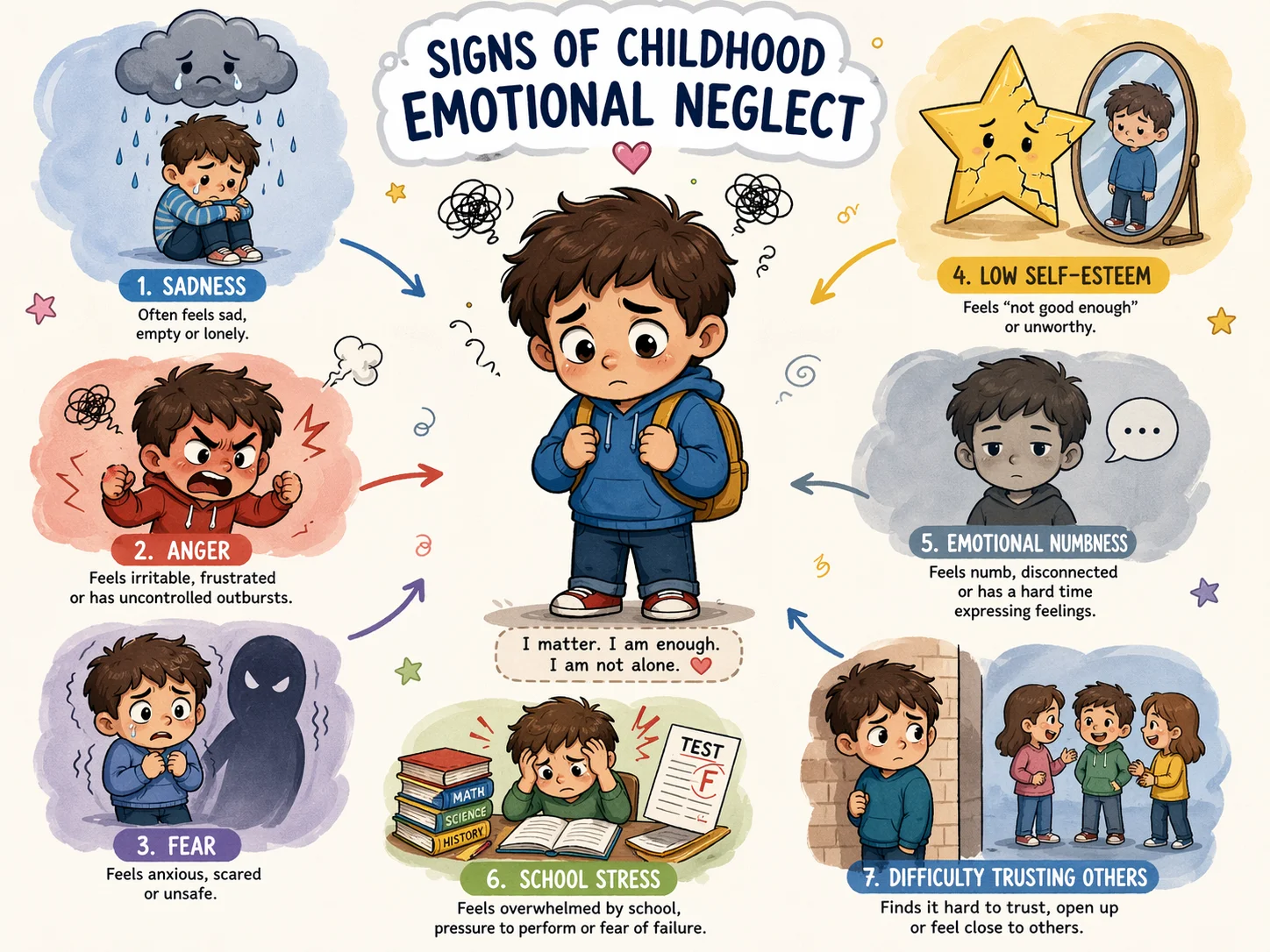
Recognizing the signs and symptoms of childhood neglect is the first step toward intervention. While one sign in isolation may not indicate a systemic problem, a pattern of these behaviors often points to a history of emotional neglect.
1. Easily Overwhelmed in Daily Situations
A child may appear highly stressed by simple tasks like homework or tidying a room. Because they lacked a caregiver to model “calm in the storm,” their nervous system remains in a state of high alert. As a result, minor setbacks may feel disproportionately distressing.
2. Outbursts of Anger and Frustration
When emotional neglect occurs, a child’s primary feelings (sadness, fear, loneliness) are ignored. Over time, these suppressed feelings boil over as anger. These outbursts may reflect distress, frustration, or an unmet need for emotional connection.
3. Difficulty With Self-Discipline and Self-Regulation
Caregivers typically provide the structure and scaffolding a child needs to learn self-control. Without this support, the child may struggle with impulsivity. They may have trouble focusing on long-term goals because they never received consistent support for their efforts.
4. Difficulty Trusting New People
If a child’s first and most important relationship (with a parent) was unreliable, they assume all relationships are unsafe. Experiencing emotional neglect in childhood often leads to a “protective wall” that keeps teachers, peers, and mentors at a distance in an effort to prevent further rejection.
5. Physical Symptoms of Emotional Pain
The link between childhood emotional neglect and physical health is profound. When feelings cannot be expressed verbally, the body expresses them physically. This can include fatigue, digestive issues, or a tight feeling in the throat – physical symptoms that may reflect emotional distress.
6. Distance From Affection and Comfort
One possible sign of emotional neglect is that a child pulls away from hugs or kind words. To someone who grew up without steady warmth and reassurance, physical affection may feel foreign or even threatening because it was not a consistent part of their early home experience.
7. Low Self-Esteem and Chronic Self-Doubt
A child who grows up emotionally neglected often feels “invisible.” They may constantly apologize for existing or doubt their own memory of events. This low self-esteem stems from the lack of a “mirroring” caregiver who reflects the child’s value back to them.
8. Strong Fear of Rejection or Criticism
Because their needs were rarely met, these individuals are hypersensitive to any sign of disapproval. A minor correction from a teacher may feel like a personal rejection, causing disproportionate distress.
9. Poor School Performance or Sudden Drop in Results
Neglect can involve a lack of interest in a child’s academic world. If no one asks about their day or celebrates their progress, the child may lose the motivation to succeed. In this context, a child’s poor performance may be mistaken for “laziness” when it may actually reflect emotional disconnection, low support, or disengagement.
10. Difficulty Expressing Feelings and Needs
A hallmark of this experience is difficulty identifying one’s feelings. When asked how they feel, the person might say “I don’t know” or “I’m fine.” Their vocabulary for feelings is limited because inner states were never a topic of conversation at home.
11. Cold Tone, Flat Affect, or Emotional Numbing
Some children adapt by shutting down or going numb. This detachment results in a flat affect, where the person appears robotic or indifferent to both joy and pain. It is a survival mechanism to avoid the pain of having no meaningful response from caregivers.
12. Developmental Delays or Social Delays
Emotional neglect can affect social and emotional development across childhood and adolescence. This kind of deprivation can slow the acquisition of social skills, such as empathy and turn-taking. They may appear “younger” than their peers or struggle to understand social cues.
13. Disruptive Behavior, Aggression, or Withdrawal
A child doesn’t always react to neglect by being “quiet.” Some become highly disruptive to force the parent to pay attention – even if that attention is negative. Others withdraw completely, becoming the “good, quiet child” who is actually suffering in silence.
14. Chronic Guilt or Shame
People who experienced childhood emotional neglect often feel a deep, misplaced sense of guilt. They may feel responsible for their parents’ unhappiness or ashamed of having any needs at all. This kind of early emotional wounding can create a lasting sense of toxic shame.
15. Reduced Empathy or Emotional Shutdown Around Others
If a child’s own emotions were never validated, they may struggle to validate the feelings of others. This does not reflect a lack of kindness or moral character; it reflects interpersonal skills that may not have been modeled in childhood.
Parents Who Tend to Emotionally Neglect Children
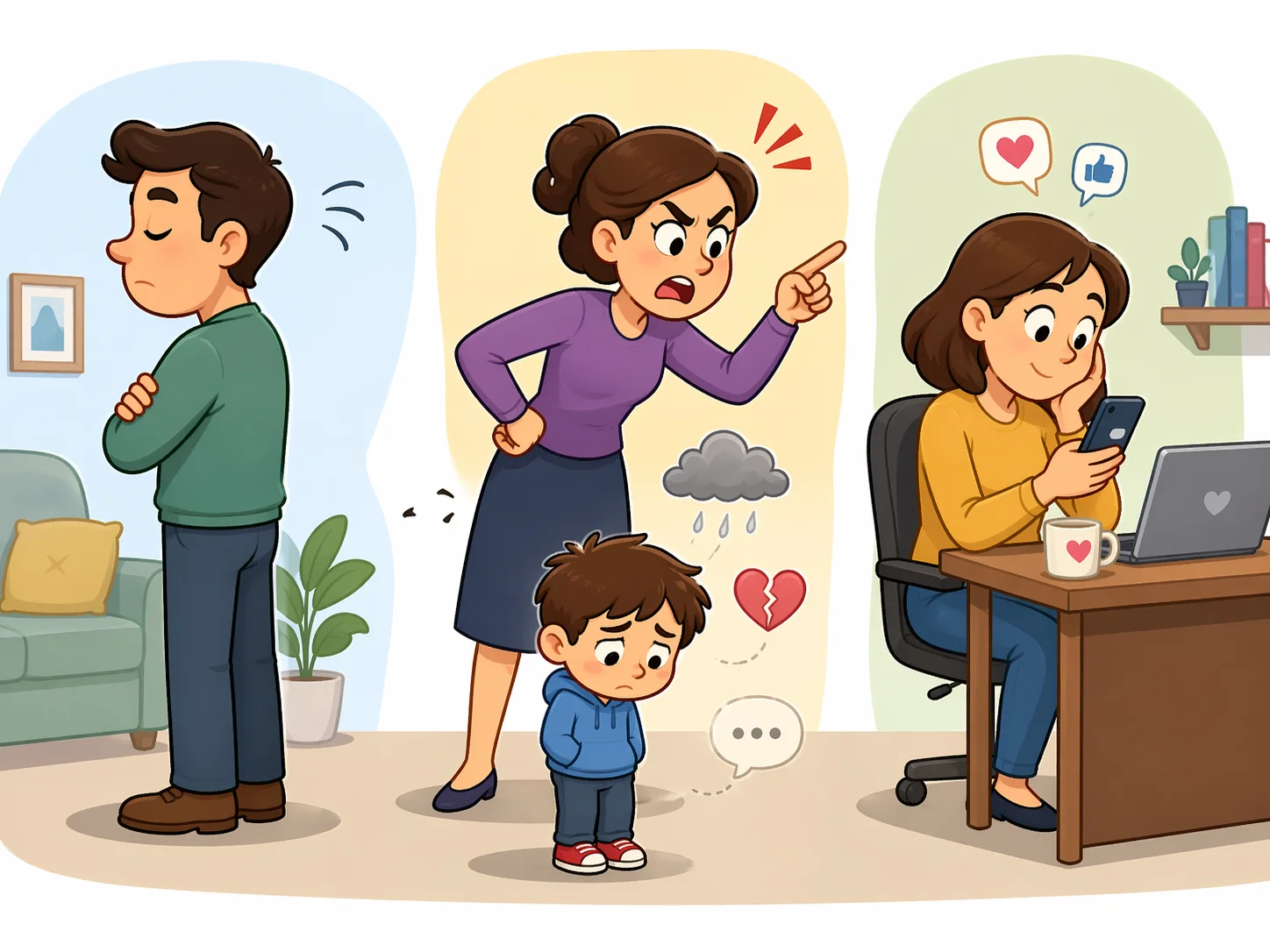
It is important to understand that emotional neglect often happens without malicious intent. Many parents love their children deeply but lack the capacity to provide the necessary connection and attunement.
Parents Who Were Neglected Themselves
The most common cause is intergenerational. Parents who were neglected as children themselves may not have the emotional “tools” to be fully present. They cannot give what they never received. This can create an intergenerational cycle in which emotional neglect is repeated across generations.
Authoritarian Parents
In households where obedience and discipline are prioritized above all else, emotional needs are often viewed as a distraction or a sign of weakness. Authoritarian parents focus on “what you do” rather than “who you are,” leading to emotional neglect in children who feel like their only value is their performance.
Absent Parents
Childhood neglect can be the result of physical or psychological absence. This includes parents who work excessive hours, struggle with substance abuse, or are preoccupied with their own needs and crises. Even if a parent is physically in the house, being constantly distracted or “always on the phone” can contribute to emotional neglect because the caregiver may not be mentally present.
Emotionally Unavailable or Overwhelmed Parents
Sometimes, life circumstances – such as poverty, grief, or chronic illness – overwhelm a parent’s capacity. These parents may be in survival mode and may have little emotional energy left to engage with a child’s inner world. They may provide the basics, but the child’s overall well-being is inadvertently sacrificed.
Signs in Adults After Childhood Emotional Neglect
For those who experienced this as children, these patterns often continue into adulthood. Recognizing these signs in adulthood is crucial to seeking appropriate mental health support.
Feeling Empty or Numb
Adults who went through this often describe a sense of being “empty inside.” This often reflects a numbing response that began in childhood. They may feel like they are “watching their life from the sidelines” rather than living it.
Difficulty Relying on Others
A common trait is “hyper-independence.” Because the individual learned early on that caregivers wouldn’t be there, they refuse to ask for help, even when they desperately need it. This pattern can make it hard to build supportive relationships and networks.
Problems in Relationships
In romantic settings, this history may manifest as a fear of vulnerability. They may choose partners who are also emotionally unavailable, recreating the familiar dynamic of their childhood. Alternatively, they may struggle with outbursts when they feel a partner is pulling away.
Fear and Avoidance of Social Situations
Social anxiety is common among those with a history of emotional neglect. They may fear that if people “really knew” them, they would be found wanting or unimportant. This leads to self-isolation and a limited social circle.
High Achievement as a Source of Worth
Many adults rely on professional success to compensate for low self-esteem. They may be “workaholics” who feel they must constantly prove their value through external metrics because they lack an internal sense of worth.
How to Help a Child Heal From Emotional Neglect
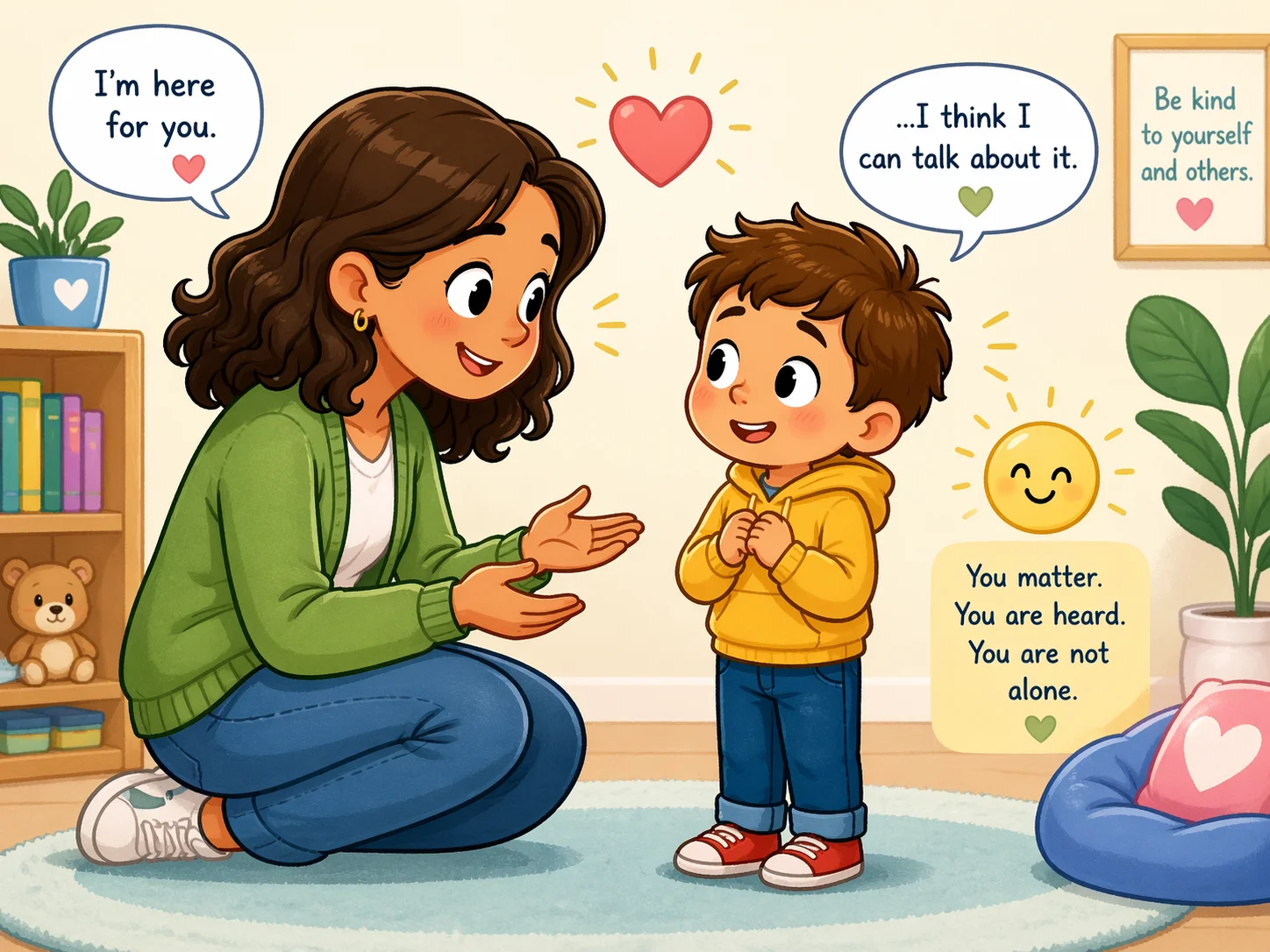
The brain’s neuroplasticity means that healing from childhood emotional neglect is possible at any age. For parents who recognize these patterns at home, there are practical steps they can take to repair the parent-child connection.
- Identify Signs Early: Keep a journal of the child’s behaviors. Note when they withdraw or act out, and look for the “feeling” beneath the behavior.
- Name Emotions and Validate Feelings: Practice saying, “It looks like you’re feeling frustrated because that puzzle is hard. It’s okay to feel that way.” This builds the child’s vocabulary for feelings.
- Acknowledge Needs With Consistency: Make “emotional check-ins” a daily routine. Ask questions like “How did you feel today?” rather than only asking “How was school?”
- Shift Parenting Style: Move away from “stop crying” to “I’m here with you while you’re sad.” This helps create the sense of safety and awareness the child needs.
- Seek Therapy: A mental health professional specializing in attachment or childhood trauma can provide a safe space to process the effects of childhood neglect and learn new relational skills.
Emotional Neglect vs Abuse
While both fall under the umbrella of child maltreatment, it is vital to distinguish between emotional neglect and abuse.
Key Differences in Pattern and Impact
| Feature | Emotional Neglect | Emotional Abuse |
| Nature | Passive (Omission) | Active (Commission) |
| Action | Ignoring, forgetting, silence | Yelling, belittling, controlling |
| Visibility | Very low (invisible) | Higher (audible/visible conflict) |
| Pattern | None (often accidental/incapacity) | Overtly harmful emotional behavior, which may include control, humiliation, intimidation, or rejection |
Common Overlap in Child Experience
In many families, neglect and abuse occur together. A parent may be emotionally unavailable for long periods and then lash out with verbal insults when the child tries to get their attention. Both lead to low self-esteem and require professional intervention.
Red Flags Requiring Immediate Support
If a child may be in danger, immediate help is necessary. Red flags include:
- Threats of physical harm.
- Total isolation from peers.
- Signs of self-harm or suicidal ideation.
- Severe depressive symptoms that prevent daily functioning.
Conclusion: Support Healthy Childhood Development With the Right Support System
Childhood emotional neglect is a “quiet” trauma, but its volume grows over time. By identifying the signs and recognizing that emotional neglect can occur across all socioeconomic backgrounds, we can better support children’s healthy development.
Key Takeaways for Parents and Caregivers
- Neglect is about absence: it is often the care, validation, and attunement that were missing.
- Self-esteem is shaped by validation: a child needs to feel that their inner world matters to their caregivers.
- Healing is possible: with awareness, support, and often therapy, the cycle of neglect can be interrupted.
Next Steps for Family Recovery
If you suspect a history of emotional neglect, do not wait for the child to “grow out of it.” Start by recognizing the signs and taking concrete steps to heal, such as seeking family therapy or becoming more emotionally present in daily life.
Frequently Asked Questions
Can Childhood Emotional Neglect Be Assessed?
There is no single “blood test” for neglect. However, clinicians may use developmental history, behavioral patterns, and clinical interviews to identify signs of emotional neglect and its effects. For adults, clinicians may use self-report tools and clinical interviews to explore a history of emotional neglect; one widely used research instrument that includes emotional neglect is the Childhood Trauma Questionnaire (CTQ).
Is Childhood Emotional Neglect Considered Trauma in Developmental Psychology?
Yes. Modern psychology classifies chronic neglect as complex trauma. Because it occurs during key developmental periods, it has been associated with changes in the brain’s stress-response systems, including the HPA axis. It is widely recognized as a serious adverse childhood experience.
How to Know Whether You Were Emotionally Neglected in Childhood?
Common indicators for adults include a struggle to identify feelings, a feeling that you are “fundamentally different” from others, and a tendency to be “too hard” on yourself. If you find it difficult to ask for help or feel a sense of “numbness” in your life, you may have experienced emotional neglect as a child.

Take a short quiz to find out what your everyday choices say about your parenting style
When your child is curious about something new, what’s your instinct?
Take a short quiz to find out what your everyday choices say about your parenting style
“Can I download this app?” What happens next?
Take a short quiz to find out what your everyday choices say about your parenting style
When it comes to rules at home, which sounds most like you?
Take a short quiz to find out what your everyday choices say about your parenting style
If you could give your child one life skill today, what would you pick?
Take a short quiz to find out what your everyday choices say about your parenting style
Your child gets to choose what to watch. What would your ideal setup look like?
Take a short quiz to find out what your everyday choices say about your parenting style
Pick your parenting superpower ✨