Top 10 Tips for New Parents

 Discover a Free Education Video App for Kids
Pastory uses AI to personalize educational video content based on your child’s interests and personality. Safe, engaging, and built for curious young minds. Sign up now to stay updated and enjoy early access with a free trial

Bringing a newborn home is a major milestone, filled with joy as well as significant physical and emotional adjustments. For first-time parents, newborn care comes with a steep learning curve, from feeding and sleep to soothing a crying baby and following safety guidelines. Becoming a new parent can feel overwhelming, especially when you are sleep-deprived and feel pressure to get everything right.
This practical guide offers reassuring, evidence-based tips to help new parents navigate this new chapter with confidence. Early parenthood does not come with an instruction manual, but understanding the foundational needs of your baby can significantly ease the transition. By focusing on responsive care, self-care, and practical routines, families can create a healthier environment where both baby and parents can thrive.
Key Takeaways
- Prioritize Responsiveness: Focus on learning your newborn’s unique cues for hunger, sleep, and comfort rather than adhering to rigid schedules.
- Create a Safe Environment: Follow trusted safe-sleep guidelines to protect your baby and reduce serious health risks.
- Accept and Ask for Support: Use your support network for household tasks, meals, and babysitting to reduce parental burnout.
- Practice Self-Compassion: Recognize that perfect parenting does not exist, and maintaining your mental and physical health is vital for your child.
Quick New Parent Wins
- Trust your instincts: Over time, you will get to know your baby’s patterns better and can use those observations to guide daily care.
- Learn baby cues: Recognize early signs of hunger or fatigue to address your baby’s needs before they become distressed.
- Rest whenever possible: Try to rest when your newborn sleeps, and prioritize recovery over household chores when you can.
- Ask for help: Don’t hesitate to delegate errands, meal preparation, or laundry to trusted friends and family members.
- Keep routines flexible: Allow your daily rhythm to adapt naturally as your baby grows and develops during the first few weeks.
Main Article Roadmap
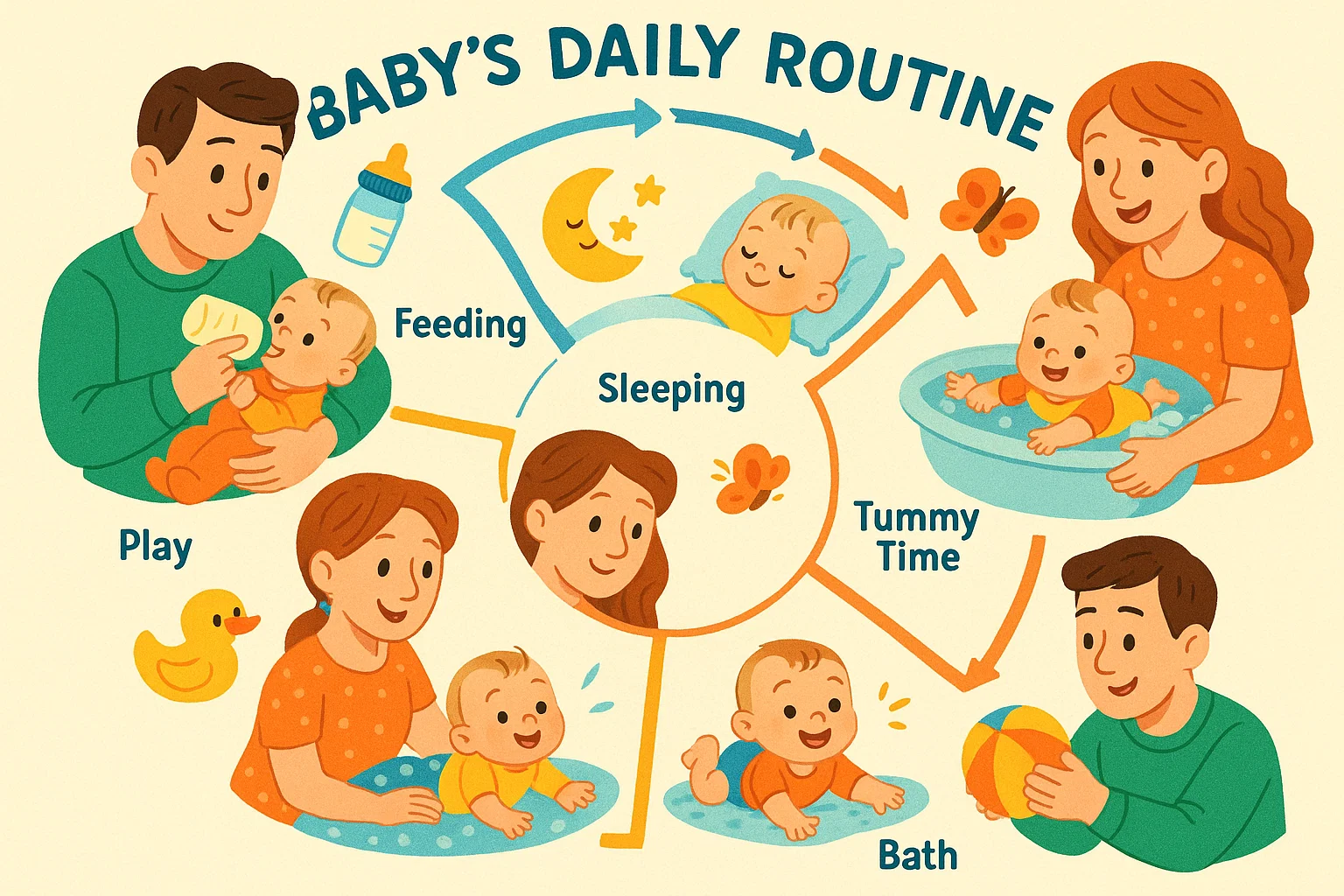
This article shares ten practical strategies to support first-time parents through the early stages of parenthood. The sections below cover bonding with your baby, feeding with confidence, and building a flexible daily routine. Additionally, you will find guidance on safe sleep practices, basic hygiene, crying, and critical health monitoring. Finally, the guide covers parental self-care, building a strong support network, and managing money wisely during early parenthood.
1. Get to Know Your New Baby
The first few weeks with a newborn are a time to build attachment and learn how your baby communicates. Becoming a parent is a learning process in which you and your baby gradually learn each other’s signals.
Skin-to-Skin Contact
Skin-to-skin contact, also known as kangaroo care, involves placing a diaper-clad newborn directly against a parent’s bare chest. The World Health Organization (WHO) supports immediate skin-to-skin contact after birth because it can help stabilize a newborn’s temperature, support early feeding, and strengthen bonding.
Research suggests that skin-to-skin contact can help regulate a baby’s body temperature, stabilize heart rate, and support the release of bonding hormones such as oxytocin. This hormonal response can support bonding, build feeding confidence, and help comfort a crying baby.
Baby Cues
Newborns use small behavioral cues to communicate their needs before they start crying loudly. A hungry baby may root, suck on their hands, or show rapid eye movements under closed eyelids. Conversely, signs of overstimulation or tiredness often include turning the head away, arching the back, or showing clenched fists.
By observing your baby closely, you can learn to recognize these subtle cues and respond before distress escalates.
Talking to Your Newborn
Talking with your newborn supports early brain and language development from the first days of life. Child development experts often recommend speaking, reading, and singing to infants because these activities support early language development.
Making eye contact and using varied facial expressions during these moments strengthens the emotional connection between parent and child. These simple interactions help babies become familiar with the rhythm of communication and support early social development.
Trusting Parent Instincts
New families are frequently inundated with conflicting parenting advice from well-meaning relatives, friends, and digital platforms. While evidence-based information is valuable, first-time parents should also learn to trust their instincts when assessing their own child’s well-being.
Every baby is unique, so a soothing technique that works for one infant may not work for another. Relying on your daily observations ensures that you remain attuned to the specific needs of your baby rather than trying to fit them into a generalized mold.
2. Feed Your Baby With Confidence

Feeding a newborn takes patience, adjustment, and an understanding of basic infant needs, regardless of the feeding method you choose. Finding a feeding rhythm helps keep your baby nourished and supports healthy growth.
Breastfeeding Basics
The American Academy of Pediatrics (AAP) recommends exclusive breastfeeding for about the first six months when it is medically possible and works for the family. Comfortable breastfeeding often depends on a deep latch, with the baby taking a wide mouthful of breast tissue rather than just the nipple.
Newborns typically feed 8 to 12 times within a 24-hour period, signaling their hunger through responsive cues rather than a strict clock. Breastfeeding parents facing early challenges such as engorgement or painful latching should consult a midwife, pediatrician, or certified lactation consultant promptly.
Bottle Feeding Tips
Bottle feeding, whether with expressed breast milk or infant formula, requires careful hygiene and attention to your baby’s pace. The National Health Service (NHS) advises sterilizing bottles and bottle nipples until a baby is at least 12 months old and preparing formula exactly as directed.
Using paced bottle feeding can help the baby control milk flow and may reduce overfeeding and gas discomfort. Parents should hold the baby in a semi-upright position, keep the bottle mostly horizontal, and watch for fullness cues such as slowing down, turning away, or closing the mouth.
| Feeding Parameter | Breastfeeding Guidelines | Bottle Feeding Guidelines |
| Average Frequency | Every 2 to 3 hours on demand | Every 3 to 4 hours on demand |
| Indicators of Sufficiency | 6+ wet diapers per day after day 5 | Consistent intake and 6+ wet diapers |
| Key Safety Metric | Monitoring adequate weight gain and diaper output | Sterilizing bottles and nipples until at least 12 months |
Feeding Routine
Building a predictable feeding rhythm helps structure the early stages of parenting while remaining fully responsive to infant needs. Rather than enforcing a rigid timeline, successful feeding routines adapt to the natural growth spurts that typically occur at two, three, and six weeks of age.
Tracking feeding times and durations in a simple log or app can provide clarity and ease worries about intake. This record can also be useful during routine checkups with your pediatrician.
Breastfeeding Does Not Work for Everyone
While health organizations emphasize the benefits of breast milk, breastfeeding does not work for every family due to medical, physical, or personal factors. It is essential to normalize mixed feeding or formula feeding to protect the feeding parent’s mental health and ensure the baby receives adequate nutrition.
A fed, well-nourished, and safely cared-for baby is what matters most. Parents should cut themselves some slack and reject guilt, knowing that infant formula is designed to provide the nutrients babies need for healthy development.
3. Build a Flexible Routine
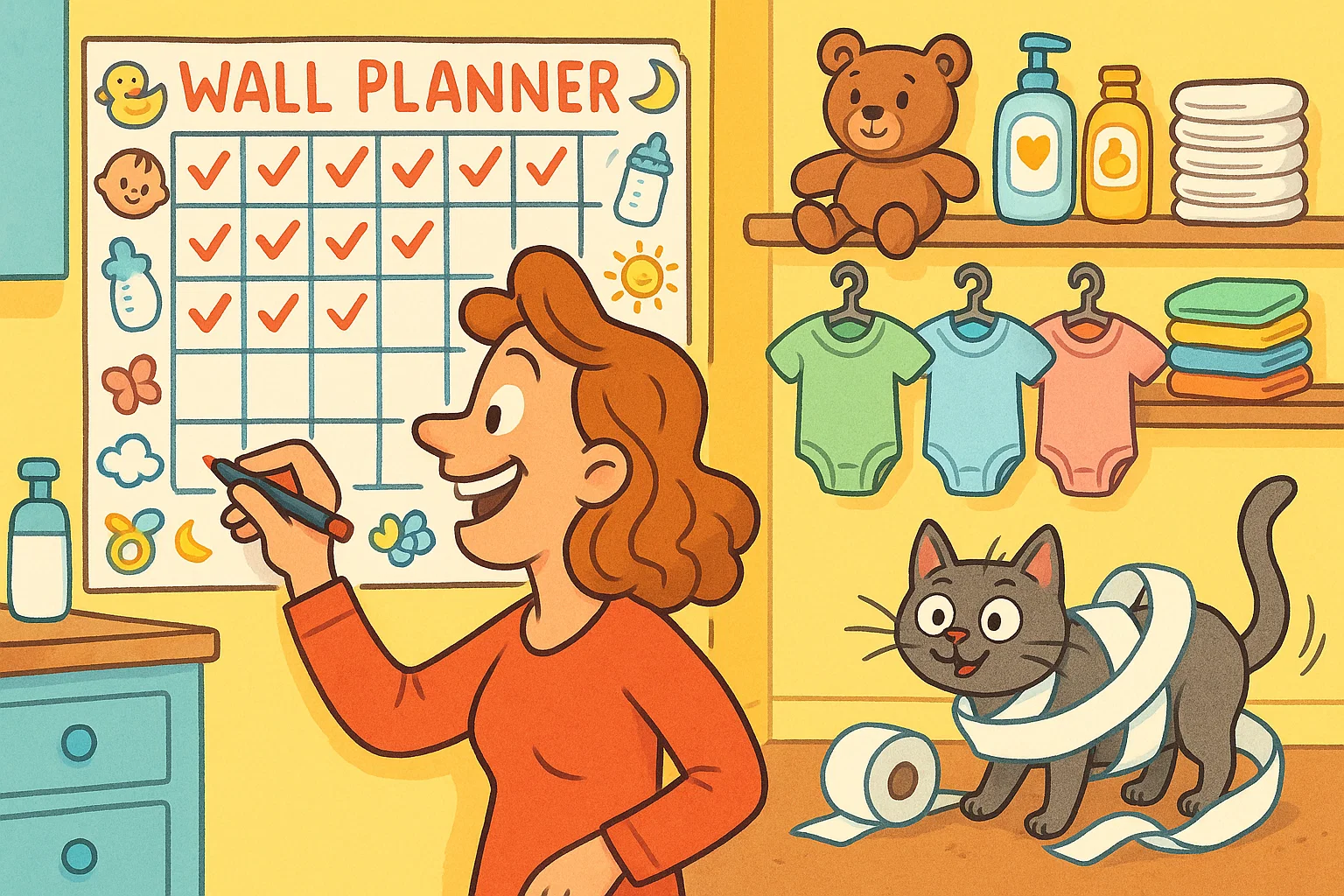
Implementing a daily structure provides predictability for both parents and newborns, though this routine must remain highly adaptable. Rigid schedules often do not fit the rapid changes of early infancy.
Creating Daily Rhythm
A successful daily rhythm organizes activities into a recurring sequence of feeding, wakeful play, diaper changes, and sleep periods. This repeating pattern helps your baby develop a sense of order without requiring a strict schedule.
Keeping events in a consistent order helps your baby learn what comes next, such as winding down for sleep after a diaper change. This structured flow stabilizes the household and helps parents anticipate their child’s needs throughout the day.
Playtime Routine
Wakeful periods for a newborn are brief, often lasting only 45 to 60 minutes at a time during the first few weeks. During these short alert periods, focus on gentle, age-appropriate interaction that supports motor and cognitive development.
- Tummy Time: Position the awake infant on their stomach for 3 to 5 minutes, 2 to 3 times a day, to build neck and shoulder strength.
- Face-to-Face Interaction: Hold your baby about 8 to 12 inches from your face, which is close enough for many newborns to focus.
- Auditory Stimulation: Speak softly, read simple books, or use gentle sounds to help your baby listen and respond.
Sleep Routine
Establishing a calming bedtime routine early on signals to the infant that it is time to transition from wakefulness to restorative sleep. This routine may include lowering noise, dimming the lights, bathing the baby, or using a lightweight swaddle only if the baby is not yet showing signs of rolling.
Repeating these soothing actions each evening can help your baby begin to recognize bedtime cues over time. A calmer environment reduces stimulation, making it easier for the baby to settle into their sleep space.
Staying Flexible
Routines can be helpful, but early infancy comes with frequent changes that require flexibility. Growth spurts, viral illnesses, teething, and developmental sleep regressions will periodically alter your baby’s established sleep and feeding patterns.
Remembering that these disruptions are often temporary can reduce frustration and help you adjust your care routine. Staying flexible ensures that you can meet your baby’s shifting needs without feeling that your routine has failed.
4. Help Your Baby Sleep Safely
Managing infant sleep means understanding newborn sleep patterns while keeping the sleep environment safe. Addressing parents’ sleep deprivation is also important for family well-being.
Newborn Sleep Cycles
Newborns have immature circadian rhythms, so they often sleep in short stretches that add up to about 14 to 17 hours in 24 hours. Infant sleep cycles are much shorter than adult sleep cycles, lasting about 50 minutes and including a lot of active, light sleep.
Because their stomachs are small, infants must wake frequently during the night to feed, which is entirely normal for their physical development. Understanding this biological necessity helps first-time parents adjust their expectations regarding uninterrupted nighttime sleep during the early weeks.
Safe Sleep Setup
To reduce the risk of Sudden Infant Death Syndrome (SIDS), parents should follow trusted safe-sleep guidelines from public health agencies. The AAP recommends that infants sleep in the parents’ room, close to the bed but on a separate sleep surface designed for infants, for at least the first six months.
Safe Sleep Environment
- Must use: Firm, flat mattress with a tightly fitted sheet.
- Position: Always place the baby on their back for every sleep, on a firm, flat surface.
- Prohibit: No pillows, loose blankets, bumper pads, or soft toys in the crib.
Sleep Whenever Possible
Fragmented sleep can affect new parents’ focus, mood, and emotional well-being over time. To reduce this risk, parents should actively rest or sleep during the day when the infant naps, rather than using that time for household chores.
Lowering your expectations for housekeeping, meal preparation, and hosting visitors preserves vital energy for direct infant care. Prioritizing rest helps protect your physical health, making you more resilient against the daily challenges of early parenthood.
Coping With Sleep Deprivation
Severe sleep deprivation can elevate the risk of postpartum depression and anxiety, making practical management strategies essential for new families. Parents can consider taking night shifts, with one adult handling baby care for part of the night while the other gets uninterrupted sleep.
If you are a single parent, ask a trusted family member, friend, postpartum doula, or qualified caregiver for temporary overnight support when possible. If exhaustion begins to feel unmanageable or affects your ability to safely care for your child, consult a healthcare provider immediately.
5. Master Diapers, Bathing, and Messes
Caring for a newborn involves managing daily hygiene tasks that keep the infant clean, comfortable, and free from skin irritations. Mastering these foundational care procedures reduces daily stress and keeps your baby healthy.
Diaper Change Basics
Newborns may need 10 to 12 diaper changes a day, depending on how often they feed and stool. Parents should monitor diaper output closely, as it serves as a direct indicator of adequate hydration and nutrition.
During the first week, stools typically transition from dark, tarry meconium to a yellow, seedy appearance in breastfed babies or a tan color in formula-fed babies. To prevent diaper rash, clean the area thoroughly with gentle wipes or water, allow the skin to dry completely, and apply a thick barrier cream containing zinc oxide.
Bathing Routine
Newborns do not require a full bath every day; two to three times per week is generally sufficient to maintain cleanliness without drying out sensitive skin. Until the umbilical cord stump falls off, typically within 10 to 14 days after birth, parents should stick to gentle sponge baths.
- Gather all necessary supplies, including a basin of warm water, washcloths, a hooded towel, and mild, fragrance-free baby soap.
- Check the water temperature with your elbow to make sure it feels warm, not hot; if using a thermometer, aim for about 37°C to 38°C (98.6°F to 100.4°F).
- Wipe the baby’s face gently with plain water first, starting from the inner eye outward, using a clean section of the cloth.
- Clean the rest of the body from top to bottom, keeping the unwashed areas wrapped in a towel to maintain body warmth.
- Clean the diaper area last, rinse away any soap residue thoroughly, and dry all skin folds carefully before dressing the baby.
Baby Wipes and Essentials
Keeping a well-stocked diaper-changing station nearby saves time and helps prevent leaving a newborn unattended on an elevated surface. A functional changing kit should include fragrance-free baby wipes, appropriately sized diapers, a waterproof changing mat, barrier cream, burp cloths for spit-up, and at least two changes of clothes.
When leaving the house, pack twice as many supplies as you expect to need in case of delays or extra messes.
Big Messes Happen
Newborn digestive systems are still developing, so spit-up, gas, diaper leaks, and blowouts are common. It is completely normal for clothes, bedding, and even parents to get spit-up, leaks, or other messes on them during daily care.
Approaching these messy moments with humor and realistic expectations can reduce household tension and help normalize the early parenting experience. Keeping extra clothes within easy reach for both your baby and yourself makes cleanup easier when bigger messes happen.
6. Soothe a Crying Baby
Crying is the main way infants communicate distress, discomfort, or physical needs to their caregivers. Learning how to identify crying triggers and apply effective soothing techniques is a core skill of early parenthood.
Common Crying Triggers
When a baby cries persistently, parents should systematically evaluate the most common physiological triggers to identify the underlying issue. A crying baby is often signaling a need, discomfort, or a desire for closeness.
- Hunger: The infant may need feeding, even if they fed recently, due to a potential growth spurt.
- Fatigue: The baby may be overtired and struggling to transition into sleep without assistance.
- Digestive Gas: Trapped air in the stomach or intestines can cause localized physical discomfort.
- Diaper Discomfort: The infant may have a wet or soiled diaper that is irritating the skin.
- Sensory Overstimulation: Excessive noise, bright lights, or frequent handling may overwhelm the infant’s nervous system.
- Temperature: The baby may be too hot or too cold and may need a clothing adjustment.
Calming Techniques
If the baby’s basic needs have been met and crying continues, parents can try well-known soothing methods to help the baby calm down. The “5 S’s” method, developed by pediatrician Dr. Harvey Karp, includes secure swaddling, holding the baby on their side or stomach only while awake and supervised, making a steady “shushing” sound, gently rocking, and offering a pacifier.
Additional soothing methods include holding the baby close for skin-to-skin contact, using white noise, or taking a stroller walk outside. These rhythmic, repetitive sensory inputs can help reduce infant stress and create a calming environment.
When Crying Feels Too Much
Soothing an inconsolable infant for extended periods can cause parental frustration, anger, and severe emotional exhaustion. If you feel overwhelmed or afraid you might lose control, place the baby safely on their back in an empty crib and step away for 5 to 10 minutes to calm down.
A few minutes of crying will not harm a baby who is lying safely on their back in an empty crib while you take a brief break to calm down. Do not hesitate to contact your partner, a trusted friend, or a parenting support helpline for immediate assistance.
Crying and Medical Concerns
While crying is normal, certain crying patterns or accompanying symptoms may suggest a medical issue that needs professional evaluation. If an infant exhibits a high-pitched, piercing cry that persists for hours and resists all standard calming methods, it may indicate illness or pain.
Parents should watch for warning signs such as a rectal temperature of 38°C (100.4°F) or higher, vomiting, poor feeding, or breathing difficulty. In these situations, contact your pediatrician or local emergency services promptly.
7. Watch Your Baby’s Health and Safety
Protecting a newborn means knowing serious illness signs, taking basic home-safety steps, and following preventive health practices. Early safety planning establishes a secure foundation for your child as they grow.
Serious Illness Signs
Newborns have vulnerable immune systems, meaning that minor infections can escalate quickly if left unaddressed. For a baby under three months old, parents should seek urgent medical advice if any of the following warning signs appear:
- A rectal temperature of 38°C (100.4°F) or higher.
- Difficulty breathing, which may look like rapid breathing, grunting, or the skin pulling in around the ribs.
- Lethargy, characterized by unusual drowsiness or difficulty waking the baby for feedings.
- Poor feeding, defined as refusing multiple consecutive feedings or an inability to suck effectively.
- Signs of dehydration, such as significantly fewer wet diapers than usual, fewer than four wet diapers in 24 hours after the first week, or a sunken soft spot on the head.
- A persistent, unexplained rash or bluish tint around the lips and tongue.
SIDS Risk Reduction
Following risk-reduction strategies helps maintain a safe sleep environment throughout the first year of life. In addition to placing the baby on their back for sleep, keep the household completely smoke-free, as secondhand smoke increases the risk of SIDS.
Avoid overbundling the baby; dress them in thin layers suitable for the room temperature and monitor for signs of overheating, such as sweating or a hot chest. Ensure the sleep surface is clear of any soft materials, and consider offering a pacifier at sleep times once breastfeeding is well established.
Babyproofing Home
While a newborn cannot crawl or walk, early safety planning prevents accidental injuries as your baby grows and develops motor skills. Use safety straps when available, and never leave the baby unattended on a changing table or any elevated surface.
Keep hot liquids, medicines, loose electrical cords, and chemical cleaning products entirely out of reach and stored in locked cabinets. Secure window blind cords to eliminate strangulation hazards, and evaluate the safety of household pets around the newborn to ensure supervised, controlled interactions.
Get Help in the Hospital
The immediate postpartum period in the hospital offers a valuable opportunity to build practical care skills under expert supervision. Before discharge, parents should ask nurses, midwives, or pediatric staff for hands-on demonstrations of bathing, swaddling, umbilical cord care, and safe car seat use.
This support can build confidence and help you understand safe baby-care techniques before returning home. Seeking clarification on unclear medical or care instructions helps prevent avoidable errors during the first weeks at home.
8. Care for Yourself Without Guilt

A parent’s mental and physical health directly influences their ability to provide responsive, high-quality care to a developing infant. Prioritizing self-care is a practical necessity rather than an act of indulgence.
Self-Care for New Parents
Practicing basic self-care involves protecting your essential physical needs during a period of intense caregiving demands. This includes eating nourishing meals, drinking enough water, showering when you can, and getting fresh air when possible.
Letting a partner or trusted friend hold the baby for 30 minutes can give you a real break from being on duty. Meeting your own basic biological needs helps restore the emotional resilience required to manage the challenges of a crying baby.
Managing Parental Guilt
Many first-time parents feel guilty, second-guess their decisions, and compare themselves with unrealistic standards on social media. It is essential to recognize that there is no such thing as perfect parenting, and making occasional mistakes is a normal part of the learning process.
Choosing practical solutions, such as using formula or letting laundry pile up, does not make you a bad parent or harm your child’s well-being. Practicing self-compassion reduces parental anxiety, creating a more relaxed and nurturing home environment.
Loneliness as a New Parent
The isolation that can follow childbirth often affects caregivers who spend long hours at home with a newborn. This sudden drop in adult interaction can contribute to loneliness and increase the risk of postpartum mood disorders.
Parents can combat isolation by joining local parent support groups, walking with friends, or participating in online communities focused on early parenthood. Staying connected with a supportive network provides perspective and reminds you that your challenges are shared by many other new families.
Saying No to Visitors
While friends and family are often eager to visit a new baby, hosting guests can drain your limited energy reserves during the early postpartum weeks. Parents have every right to set clear boundaries around when they have visitors and how long visits last.
When guests do arrive, don’t hesitate to shift the dynamic from hosting to accepting practical support. Ask visitors to bring a meal, run a quick errand, wash dishes, or hold the baby while you rest, rather than expecting to be entertained.
9. Build a Support Network and Share Duties
Managing the extensive demands of a new baby requires a collaborative approach to household management and childcare duties. Building a support system helps protect the well-being of the whole family.
Asking for Help
Many new parents hesitate to request help because they worry about being a burden or feel they should be completely self-sufficient. However, accepting practical support is one of the most effective ways to reduce burnout during the demanding first few weeks.
When people offer to help, give them specific, actionable tasks like picking up groceries, cooking a meal, or managing laundry. Delegating these everyday household responsibilities allows you to focus your energy on recovery and bonding with your baby.
Partner Communication
The major lifestyle shift that comes with a new baby can strain relationships, especially when exhaustion makes communication harder. Setting aside 10 minutes each day for a direct, honest check-in helps partners share their feelings, discuss their fatigue levels, and address emotional needs.
Using calm, non-blaming language can help you resolve misunderstandings about feeding duties or sleep schedules before resentment builds. Clear communication ensures that both individuals feel valued, supported, and aligned as a team.
Sharing Household Duties
To manage a home effectively during periods of sleep deprivation, partners and caregivers should establish a clear, fair division of daily household chores. This division should account for physical recovery needs, work schedules, and the continuous demands of infant care.
| Care/Household Task | Primary Responsibility | Secondary/Support Role |
| Nighttime Feedings | Breastfeeding Parent / Shift A | Bottle-Prep Parent / Shift B |
| Meal Preparation | Designated Partner / Delivery | Kitchen Cleanup / Grocery Order |
| Laundry Maintenance | Designated Partner / Family | Folding / Putting Away |
| Pediatric Appointments | Parent or Caregiver | Scheduling / Notes |
Professional Support
When challenges are more than family and friends can help with, professional support can be vital for family health. Do not hesitate to contact your pediatrician, a certified lactation consultant, a postpartum therapist, or another qualified healthcare provider when specific issues arise.
If a parent experiences persistent sadness, intense anxiety, or a lack of connection with the baby for more than two weeks, they should be evaluated for postpartum depression or anxiety. Utilizing professional medical and psychological services provides targeted solutions that protect the long-term well-being of the entire family.
10. Enjoy the Journey and Spend Wisely

Navigating early parenthood involves filtering out commercial pressures and focusing on the simple, meaningful experiences of watching your infant grow. Managing your finances wisely can reduce financial stress and help you focus on what matters most.
Babies Need Less Than You Think
The baby product industry often markets extra gear and luxury accessories as must-haves for successful parenting. In reality, a newborn’s basic needs are relatively simple during the first six months of life.
An infant requires a safe sleep space, basic clothing, appropriate feeding supplies, diapers, a reliable car seat, and focused parental care. Resisting the urge to buy every trending gadget keeps your home organized and prevents unnecessary financial strain on new families.
Expensive Does Not Mean Better
When selecting necessary baby gear, high cost does not automatically equate to superior utility, safety, or comfort for your child. New cribs, car seats, and strollers sold in the U.S. must meet applicable safety standards, although the standards and agencies involved differ by product category.
A budget-friendly car seat can be a safe choice when it meets current standards, fits your child and vehicle, and is installed correctly. Prioritize usefulness, current safety standards, proper fit, and simplicity over brand prestige.
Accepting Imperfection
The early stages of parenting are inherently messy, chaotic, and unpredictable, regardless of how thoroughly you prepare. Accepting that things won’t always go perfectly, whether that means a disorganized living room or a disrupted schedule, helps lower stress levels for everyone.
Every mistake or challenging phase is a normal part of learning how to parent, providing valuable experience that helps you grow. Embracing this imperfection creates a more relaxed home environment, allowing you to focus on responsive, loving care.
Savoring Small Moments
Amid sleepless nights and diaper changes, try to pause and appreciate your baby’s early milestones. Take time to notice quiet moments like sleepy cuddles, soft infant sounds, and your baby’s very first responsive smiles.
These small moments support bonding and give you rewarding memories that balance the demands of caregiving. Recognizing these small, positive experiences strengthens your emotional connection and builds lasting family memories.
Taking Photos
Documenting your newborn’s early days provides a wonderful way to preserve memories of their rapid growth and development over time. Focus on capturing candid, real-life moments rather than trying to stage pristine, picture-perfect photos for social media.
Photograph the chaotic days, sleepy morning snuggles, and everyday routines that mark your transition into parenthood. These authentic photos will become a meaningful record of your family’s growth, resilience, and connection during this special chapter.
Frequently Asked Questions About New Parent Tips
What Is the Best Advice for First-Time Parents?
The best advice for first-time parents is to trust your instincts, prioritize safety, and ask for help when you need it. Every baby is unique, so learning your own baby’s cues is more helpful than trying to follow rigid parenting templates. Additionally, protecting your own mental and physical health through self-care is essential for providing high-quality care to your baby.
How Hard Is First-Time Parenting?
First-time parenting can be physically and emotionally demanding, primarily because it requires an immediate lifestyle shift while managing severe sleep deprivation. The constant responsibilities of feeding, soothing a crying baby, and recovering from childbirth create a steep learning curve for many families. However, as you learn your baby’s patterns and establish a flexible routine, daily care tasks become much more manageable.
What Do First-Time Parents Struggle With Most?
First-time parents most frequently struggle with sleep deprivation, feeding challenges, and persistent parental anxiety or guilt. Information overload from conflicting sources can also leave parents second-guessing their choices regarding infant health and development. Many families also find it challenging to navigate relationship changes and the social isolation that sometimes accompanies the early weeks of parenthood.
Which Month Is Hardest With a Baby?
For many families, the first month is the most intense because parents are physically recovering from birth while adjusting to fragmented nighttime sleep. During these initial weeks, you are still learning to interpret your baby’s cues, and the infant has not yet developed a predictable routine. However, every family’s experience varies depending on factors like feeding success, baby temperament, and the strength of their support network.
What Should New Parents Buy First?
New parents should prioritize buying essential safety and care items before purchasing optional convenience products. The core essentials include a properly installed car seat, a firm, flat safe sleep surface, diapers, unscented wipes, and basic clothing layers. Additionally, ensure you have necessary feeding supplies, whether for breastfeeding or bottle feeding, a digital thermometer, and a simple first-aid kit.

Take a short quiz to find out what your everyday choices say about your parenting style
When your child is curious about something new, what’s your instinct?
Take a short quiz to find out what your everyday choices say about your parenting style
“Can I download this app?” What happens next?
Take a short quiz to find out what your everyday choices say about your parenting style
When it comes to rules at home, which sounds most like you?
Take a short quiz to find out what your everyday choices say about your parenting style
If you could give your child one life skill today, what would you pick?
Take a short quiz to find out what your everyday choices say about your parenting style
Your child gets to choose what to watch. What would your ideal setup look like?
Take a short quiz to find out what your everyday choices say about your parenting style
Pick your parenting superpower ✨