45+ Fun Things to Do With Your Mom at Home as a Kid

 Discover a Free Education Video App for Kids
Pastory uses AI to personalize educational video content based on your child’s interests and personality. Safe, engaging, and built for curious young minds. Sign up now to stay updated and enjoy early access with a free trial

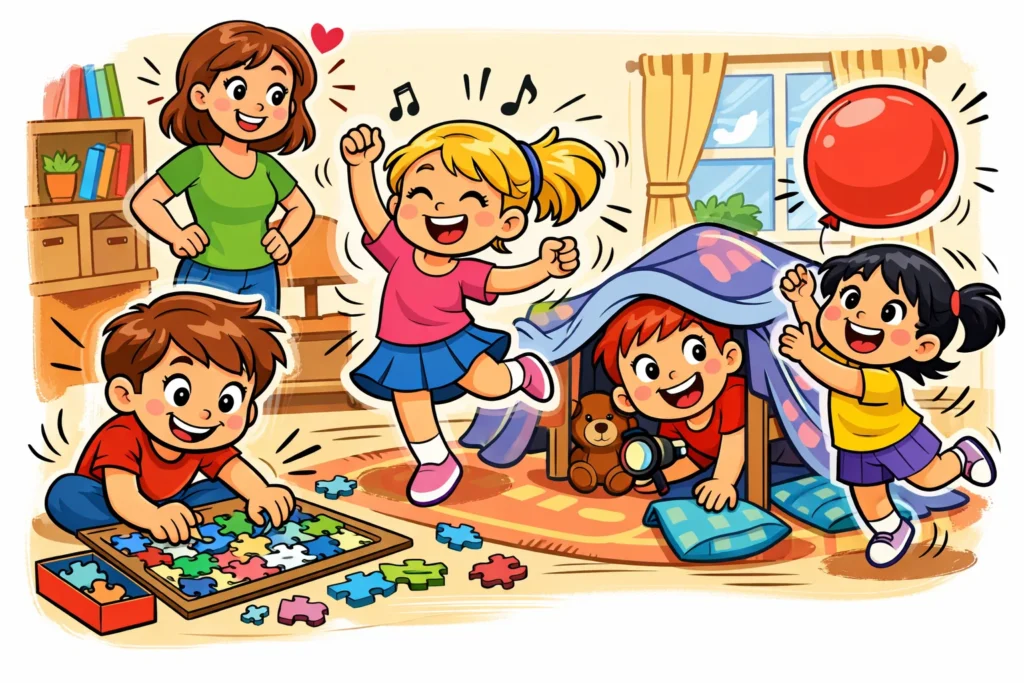
Looking for things to do with your mom at home? This collection brings together 45+ kid-friendly ideas that fit any mood, budget, or free afternoon — from creative crafts and kitchen experiments to cozy reading sessions and memory-making projects.
Whether you want something active, relaxing, or hands-on, these activities help kids and moms enjoy real time together without needing special supplies or elaborate planning.
Key Takeaways
- This article covers 45+ things to do with your mom at home, spanning creative, active, and low-key categories.
- Activities include kitchen projects, science experiments, pretend play, crafts, and cozy reading ideas.
- Bonus sections cover Mother’s Day activities, low-energy ideas for tired moms, and free at-home options.
- Most ideas require little to no preparation and suit a wide range of ages.
- A Frequently Asked Questions section and inspiration tips help when you need a quick starting point.
Best At-Home Ideas
Finding activities to enjoy together does not require extensive planning. The top choices for a successful day with mom include a classic movie night, baking a family recipe, or playing board games in the living room. Creative projects like building forts, hosting a DIY spa day, and reviewing family photo albums offer an exceptional way to bond while exploring new skills.
Low-Energy Mom Ideas
When mom is low on energy, play can move at a gentler pace. A tired mom can choose quiet activities such as completing a jigsaw puzzle, listening to a new audiobook together, or doing sticker art. Parallel reading and simple craft sessions help children feel connected while giving mom the rest she needs.
Free Family Fun
Quality time does not require a large budget; in fact, many of the best activities are free. Families can use standard pantry items to cook a unique recipe, invent games using clean socks, or build structures out of cardboard boxes. Paper-based games and surprise video calls to extended family members provide excellent entertainment using existing household items.
Memory-Making Activities
Small, ordinary moments become lifelong memories when mothers and children take a trip down memory lane together. By creating a time capsule, laughing together over silly jokes, or documenting a family timeline, children learn to value shared experiences. These meaningful interactions teach valuable life skills while strengthening a child’s sense of family identity.
Fun Things to Do With Mom at Home
1. Have a Movie Night
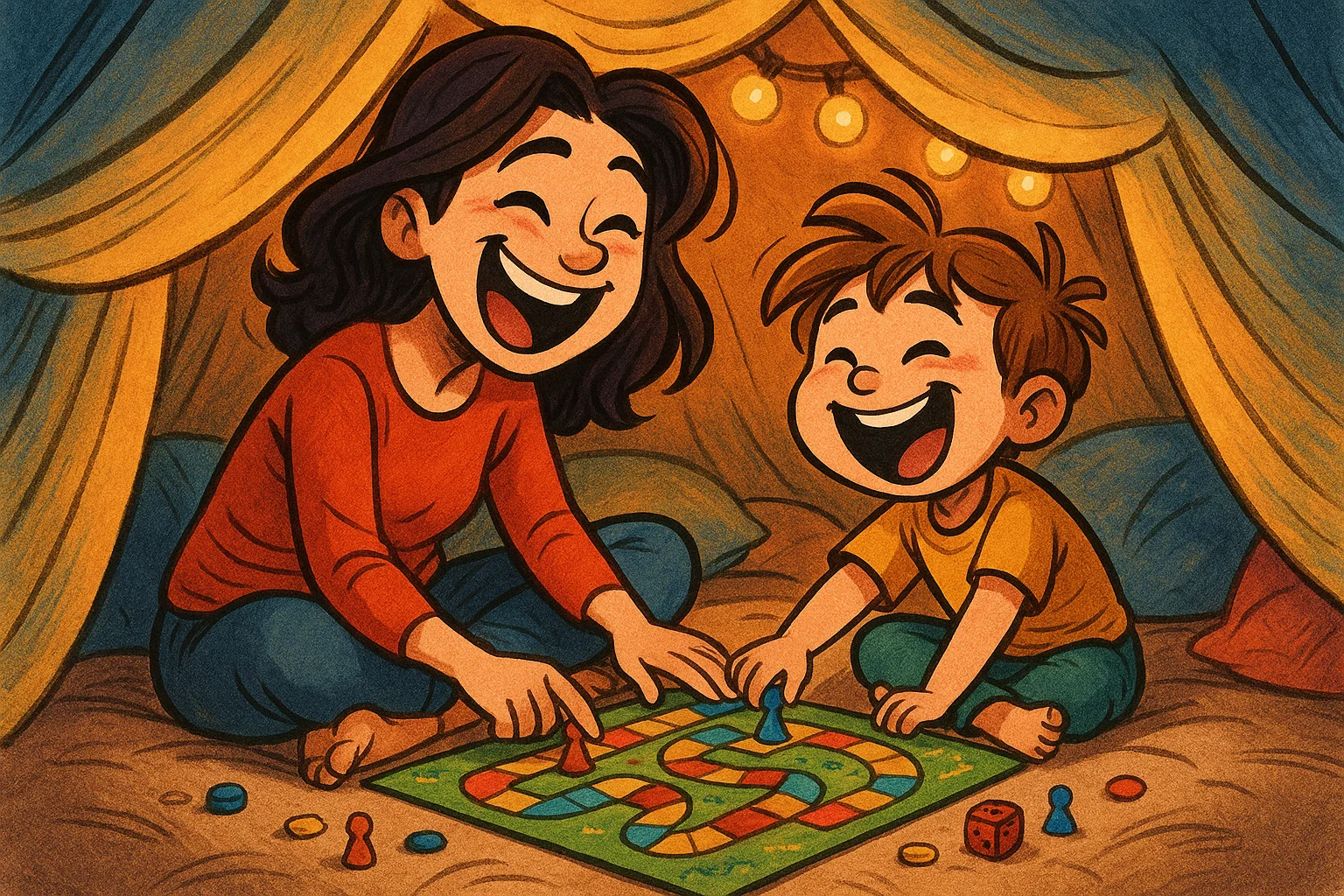
A dedicated movie night provides an excellent opportunity for families to relax and watch a film together. The activity begins by selecting either mom’s favorite movie or a classic film the children have been eager to see. To make the experience feel special, arrange blankets, sleeping bags, and pillows on the living room floor. Preparing fresh popcorn with fun toppings and serving themed snacks related to the film adds a festive element to the evening.
2. Stay Up Playing Board Games
Staying up to play a board game is a classic way to encourage critical thinking and practice taking turns. Families can select traditional board games like Scrabble, choose fast-paced card games, or enjoy memory matching games. For younger children, ensure the rules remain simple and clear to prevent frustration and maintain engagement.
3. Play Living Room Games
Living room games require almost no preparation and keep children physically and mentally engaged. Classic options such as charades, “Would You Rather,” and “I Spy” encourage verbal communication and quick wit. For an active twist, families can play hot potato with a soft cushion, follow the leader through the hallways, or set up safe indoor ball games using a rolled-up pair of socks.
4. Build a Fort
Building a blanket fort encourages spatial reasoning and creative problem-solving in young children. Gather dining chairs, couch cushions, large bedsheets, and clothespins to build a cozy hideaway. Once built, equip the interior with flashlights, storybooks, and small snacks to create a private reading nook or a secret base for mother-child conversations.
| Fort Component | Material Used | Developmental Benefit |
| Chairs & Cushions | Structural Base | Spatial Reasoning |
| Sheets & Blankets | Roof & Walls | Teamwork and Problem-Solving |
| Flashlights | Interior Lighting | Imaginative Play |
5. Play Hide and Seek
A classic game of hide and seek offers an excellent physical outlet within an indoor setting. Before starting, establish clear boundaries and safety guidelines, ensuring children know which rooms or high cabinets are strictly off-limits. For smaller living spaces, families can turn the game into stuffed-animal hide-and-seek: one person hides a favorite toy, and the others use hot-or-cold clues to find it.
6. Try Minute to Win It Games
Minute-to-win-it-style games introduce lighthearted, high-speed competition using common household items. Set a timer for 60 seconds and challenge each other to bounce ping-pong balls into cups, play paper football, or build the tallest marshmallow tower. These quick, funny activities build motor coordination and encourage everyone to laugh together as they race against the clock.
Creative Projects With Mom
7. Finish a Craft Project
Completing an unfinished craft project is a fun way to clear out the craft bin while getting creative together. Gather half-used craft kits, colored construction paper, liquid glue, stickers, beads, or leftover yarn. Working together to complete a physical object fosters patience, focus, and a shared sense of accomplishment when the project is finalized.
8. Create a Masterpiece
Creating a large-scale artistic masterpiece allows children to explore visual design and self-expression. Spread a massive sheet of butcher paper across the floor, or set up individual canvases for watercolor, acrylic painting, or paint-by-number kits. Children can also repurpose large cardboard boxes, turning them into painted murals, playhouses, or colorful backdrops.
9. Make Sticker Art
Sticker art is an excellent, mess-free alternative to traditional painting that strengthens fine motor control in younger kids. Provide a variety of sticker sheets alongside blank cardstock, heavy paper, or poster board. Children can construct intricate mosaic scenes, custom greeting cards, or visual storyboards that detail an imaginary adventure.
10. Try Fingerprint Art
Fingerprint art uses non-toxic, washable ink pads or tempera paint to transform simple prints into detailed illustrations. By pressing fingertips onto paper, mothers and children can add fine-line pen details to turn the prints into animals, flowers, or a complete family tree. These projects can double as sentimental Mother’s Day gifts or beautiful keepsake pages for extended family.
11. Make Friendship Bracelets
Weaving friendship bracelets provides a wonderful way to sit quietly, talk, and develop bilateral coordination skills. Use embroidery thread, colorful yarn, plastic beads, or pipe cleaners to create custom patterns. Making matching bracelets gives mom and child a wearable reminder of their quality time together.
12. Learn Crochet, Knitting, or Cross Stitch
Introducing a textile craft allows older children to learn a new skill alongside their mother. Beginners can start with thick yarn and large wooden needles, or opt for simple plastic canvas cross-stitch kits to ensure safety. Developing this life skill teaches focus and rhythm, resulting in beautiful handmade bookmarks, small coasters, or tiny scarves.
Kitchen Activities With Mom
13. Cook Together
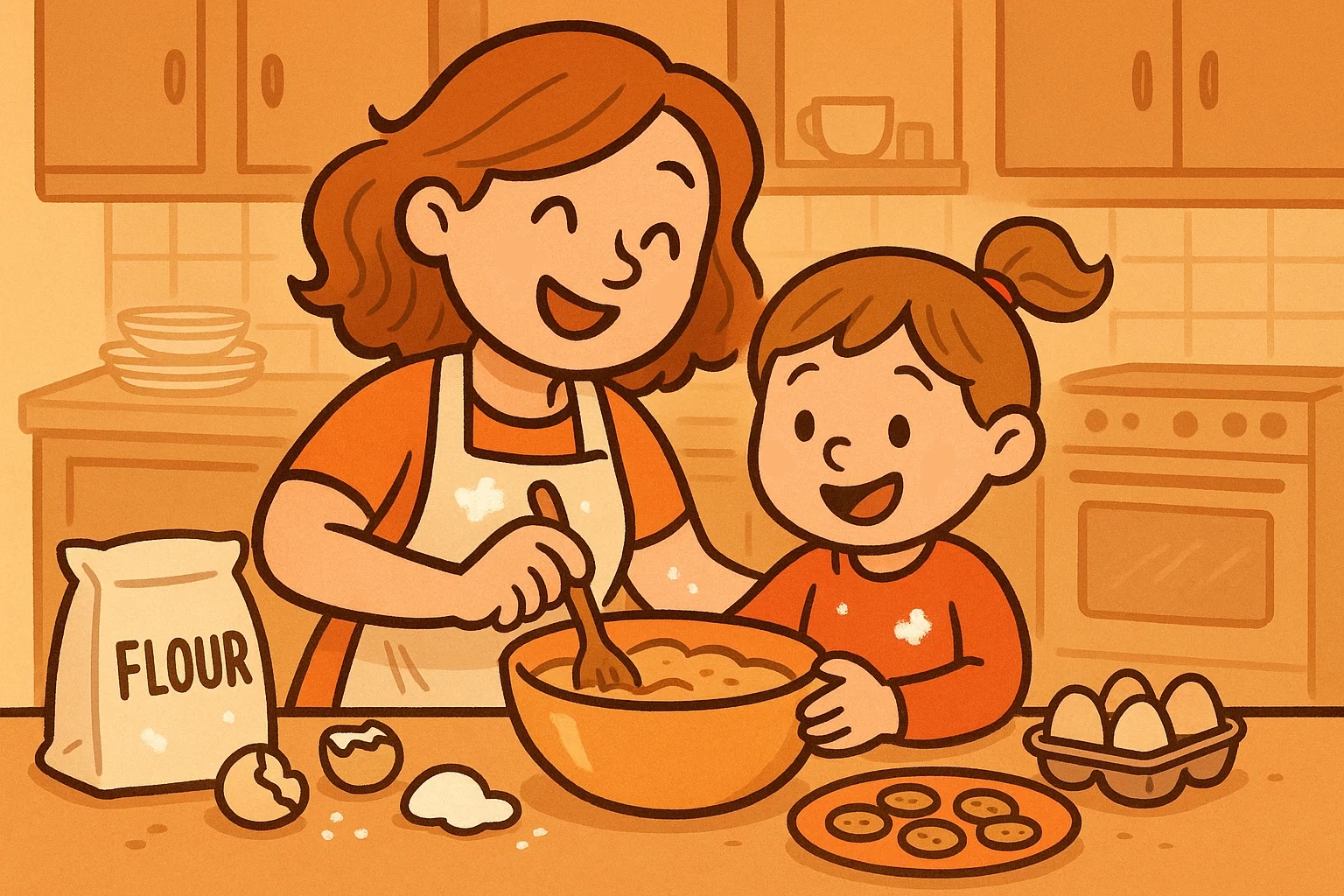
Cooking a meal together turns math, science, and practical life skills into a hands-on activity. Children can assist with kid-safe tasks such as measuring flour, washing fresh fruit, spreading sauce on a pizza base, or mixing muffin batter. Preparing simple items like pancakes, pasta, or customizable sandwiches allows kids to feel pride in contributing to the family dinner.
14. Use Pantry Items for a Recipe
A “pantry challenge” encourages resourcefulness by turning existing dry goods into a tasty snack or meal. Look through the pantry together and choose a few basic ingredients, such as oats, peanut butter, honey, or canned beans. Combining these ingredients to make no-bake energy bites or a custom dip teaches children how to innovate with what is readily available.
15. Make Ice Cream Sundaes
Setting up an at-home ice cream sundae bar turns dessert into an interactive event. Arrange small bowls containing various toppings such as crushed cookies, fruit slices, sprinkles, and whipped cream. To make the activity more engaging, challenge each family member to invent silly names for their sweet creations, and establish a cooperative cleanup routine afterward.
16. Have a Fancy Lunch Date
Transform an ordinary afternoon meal into a fancy lunch date by running a pretend home restaurant. Children can design paper menus, set the dining table with cloth napkins, and take on the roles of servers or head chefs. Serving a simple meal with a fun garnish and a favorite drink in a special cup makes lunch feel memorable.
17. Make a Family Recipe Book
Assembling a physical family recipe book preserves culinary traditions across generations. Document Grandma’s classic baking recipes, mom’s go-to weeknight dinners, and the child’s favorite snacks on decorated recipe cards. Children can add drawings, personal taste-test ratings, and family photos next to each recipe.
| Recipe Book Page Element | Recommended Content | Engagement Activity |
| Ingredients List | Exact measurements | Child types or writes text |
| Step-by-Step Guide | Cooking instructions | Mom dictates the process |
| Visual Illustration | Colored drawing or instant photo | Child sketches the final dish |
| Review Box | 1 to 5-star rating system | Family votes on taste |
18. Create a Juice-and-Cheese Tasting
A simple juice-and-cheese tasting introduces children to flavors, textures, and sensory observation. Arrange a wooden board or a platter with crackers, different varieties of cheese cubes, and apple or grape slices. Pair these snacks with small samples of different fruit juices and let everyone use a scorecard to rank their favorite combinations.
Cozy Reading and Story Ideas

19. Read a Book Together
Shared reading time is a cornerstone of language development and emotional bonding. Find a comfortable spot on the sofa or inside a blanket fort, and take turns reading chapters from an engaging storybook aloud. Using distinct, animated voices for different characters keeps the story lively and can spark natural conversations about the plot.
20. Create Your Own Book Club
Starting a two-person book club adds structure and excitement to everyday reading. Choose a book that both mom and child find interesting, read a few sections, and then meet over snacks to talk about what happened. Children can prepare discussion questions, draw their favorite scenes, and give the book a final star rating.
21. Listen to a New Audiobook
Listening to an audiobook is a relaxing way to spark a child’s imagination. This activity works perfectly when paired with quiet, low-energy pastimes like coloring detailed pages, building with blocks, or resting quietly. It offers a great way to enjoy storytelling without staring at a screen.
22. Make a Book or Write a Story
Writing and illustrating an original book allows children to step into the role of a creative author. Brainstorm a plot, invent unique characters, and write sentences across folded sheets of plain paper. Once the text is written, the child can illustrate the pages, staple them together, and read the homemade book aloud to the family.
23. Try Mad Libs
Mad Libs are fast-paced word games that turn basic grammar lessons into moments where everyone can laugh together. One player prompts the other for parts of speech—such as nouns, verbs, adjectives, and adverbs—without revealing the context of the hidden story. Reading the completed, nonsensical text aloud provides immediate entertainment while reinforcing language arts.
Pretend Play With Mom
24. Set Up a Pretend Restaurant
Setting up a pretend living room restaurant encourages imaginative play and social skills. Set clear roles: the child can be the waiter or cashier, using play money, order pads, and homemade restaurant review cards. Mom can act as the customer, order from a handwritten menu, and model polite restaurant manners.
25. Play Grocery Store
A pretend grocery store teaches basic math, categorization, and everyday shopping skills. Gather clean, empty food boxes and toy baskets, then label each item with a small sticky-note price tag. Children can practice sorting products by food group, scanning items at a makeshift checkout counter, and calculating change using play coins.
26. Create a Stuffed Animal Hospital
Setting up a stuffed animal hospital teaches empathy, caregiving, and basic biology concepts. Transform a bedroom into a clinic where sick plush toys get checkups, soft gauze bandages, and hand-drawn medical charts. This pretend scenario lets children take on the role of a doctor and comfort their “patients” through gentle play.
27. Play Dress Up
A trip into the depths of a closet can spark an impromptu fashion show right in the living room. Gather old hats, colorful scarves, costume jewelry, and oversized jackets to create playful outfits. Setting up a designated runway area with upbeat background music allows children to practice confident movement and creative styling.
28. Host Living Room Karaoke
Hosting a living room karaoke session combines music and dancing into an energetic performance. Use a toy microphone or a simple streaming app to play kid-safe pop songs or classic nursery rhymes. Family members can design pretend concert tickets, make up backup dances, and take turns performing center stage.
29. Plan a Dream Vacation
Planning an imaginary dream vacation expands geographic knowledge and organizational skills. Sit down with maps, an atlas, or travel brochures to plan an imaginary road trip or international adventure. Children can make packing lists, create a travel itinerary, choose regional snacks, and build a vacation playlist.
Science and Sensory Activities With Mom
30. Make Volcanoes
The classic baking soda and vinegar volcano experiment introduces basic chemical reactions in a fun, hands-on way. Build a miniature mountain out of clay or plastic wrap around a small plastic cup, then place it inside a deep baking tray to contain the mess. Combining baking soda with colored vinegar creates an immediate, exciting eruption of carbon dioxide bubbles.
| Baking Soda | Vinegar | Reaction |
| Base | Acid | Carbon dioxide bubbles and foam |
31. Try the Skittles Experiment
The candy rainbow experiment provides a visual demonstration of dissolving, diffusion, and color movement. Arrange colorful candies in a perfect circle around the perimeter of a white ceramic plate, then gently pour warm water into the center until it reaches the candy base. Children can observe how the food coloring dissolves and moves inward, creating a striking rainbow pattern before the colors eventually blend.
32. Make Slime or Kinetic Sand
Making sensory materials like slime or kinetic sand gives kids a fun tactile experience. Under adult supervision, mix non-toxic school glue with a diluted activator solution, or combine fine sand with cornstarch and dish soap. Store the final product in airtight containers so kids can reuse it for future sensory play.
33. Create an Ice Excavation Game
An ice excavation game builds problem-solving skills through sensory play. Freeze small plastic toys, fake gems, or coins inside a large plastic container filled with water. Once the water is frozen solid, give the child droppers filled with warm water, a small salt shaker, and spoons, then challenge them to rescue the trapped items safely.
34. Make Shaving Cream Letters
Shaving cream letter writing is a tactile, pre-writing literacy exercise that makes spelling practice fun. Spray a thin layer of regular shaving cream onto a metal baking sheet or a clean countertop. Children use their index fingers to trace out alphabet letters, numbers, geometric shapes, or silly doodles, quickly smoothing the surface to start fresh.
35. Build a Marble Maze
Building a marble maze introduces basic engineering and STEM concepts using recycled materials. Gather sturdy cardboard sheets, paper towel tubes, plastic straws, and strong tape to design an intricate gravity-fed track. Rolling a marble from the top and adjusting the slopes teaches children about angles, friction, and momentum through trial and error.
Indoor Movement Activities With Mom
36. Create an Obstacle Course
Designing an indoor obstacle course gives kids a healthy physical outlet and supports gross motor skills. Construct a pathway using living room pillows to step over, tape lines to balance on, dining chairs to crawl under, and pop-up tunnels to navigate. Use a stopwatch to run timed rounds, encouraging children to beat their personal best scores.
37. Play Balloon Games
Balloons are great tools for indoor movement because they are light, move slowly, and are unlikely to damage household items. Families can play a classic game of “keep-it-up,” establish a mini volleyball court using a stretched piece of yarn, or hold balloon races down the hallway. These games improve hand-eye coordination and spatial awareness without high-intensity stress.
38. Exercise Together
Exercising together sets a healthy example for children. Mothers and kids can follow along with kid-friendly yoga routines, participate in aerobic dance workouts, or practice funny animal walks like crab crawls and frog jumps. These light exercise sessions can boost mood and help everyone unwind.
39. Make Homemade “Tap Shoes”
Homemade “tap shoes” offer a delightful auditory dance experience using items found in the utility closet. For older children, tape plastic bottle caps securely to cardboard shoe cutouts and let them dance gently on a rug. Children can then practice rhythm, step sequences, and percussion dancing safely on a non-scratch surface.
40. Play Jump River
Jump River is a simple movement game that builds agility, leg strength, and spatial awareness. Lay down two long towels, parallel lines of painter’s tape, or strips of paper to represent the banks of a flowing river. Children attempt to jump cleanly from one side to the other, with mom widening the river slightly after each successful jump.
Memory-Making Activities With Mom
41. Look at Old Photos
Reviewing physical photo albums or digital archives is a heartwarming way to step back in time. As mothers share stories from their own childhoods, early family trips, and funny baby moments, children gain a deeper understanding of their history. This reflective storytelling reinforces family identity and emotional security.
42. Create a Time Capsule
Creating a time capsule captures a snapshot of a child’s life at this moment. Gather a sturdy container and fill it with current drawings, personal letters, a list of favorite things, small toys, and recent photos. Seal the container with tape, write a future opening date on the lid, and store it safely away in a closet or attic.
43. Make a Timeline of Your Child’s Life
Constructing a physical timeline of a child’s life highlights personal growth and major developmental milestones. Stretch out a long roll of paper and plot out significant dates, including baby photos, first steps, memorable birthdays, and school events. Children can write captions and add colorful stickers to celebrate their personal journey.
44. Write Letters and Mail Them
Writing a traditional handwritten letter teaches clear written communication and the joy of keeping in touch. Children can craft thoughtful messages to grandparents, long-distance cousins, close school friends, or their future selves. Sealing the envelope, affixing a stamp, and walking to the mailbox turns communication into a real-world event.
45. Set Goals With Mom
Sitting down to set simple goals helps children build confidence, motivation, and planning skills. Discuss realistic, positive aims such as reading a specific number of books, learning a new family recipe, keeping a bedroom tidy, or mastering a brand-new hobby. Document these goals on a colorful chart to track progress together over the coming months.
Bonus Mother’s Day Activities at Home

Make a DIY Mother’s Day Gift
Crafting a personalized gift at home allows children to express gratitude through focused effort. Children can construct custom photo frames out of popsicle sticks, assemble a helpful coupon book for chores, paint a personalized ceramic mug, or weave a beautiful bookmark. These handmade tokens are highly valued because they represent personal time and artistic care.
Serve Breakfast or Brunch at Home
Serving a special breakfast or brunch in bed or at a beautifully decorated table is a wonderful way to celebrate Mother’s Day. Prepare a tray featuring fluffy pancakes, fresh fruit slices, toast, and mom’s favorite morning beverage. Adding a small vase with hand-picked garden flowers and a sweet, handwritten card instantly elevates the morning.
Host a Home Spa Day
Transform the bathroom or living room into a relaxing oasis with a simple home spa day. Dim the bright lights, play soft ambient music, and prepare a comforting foot soak using warm water and safe Epsom salts. With mom’s permission, children can pamper her with kid-safe face masks, cucumber slices over her eyes, or colorful nail polish.
| Spa Station | Materials Required | Primary Benefit for Mom |
| Foot Soak | Warm water basin, Epsom salts, plush towel | Muscle relaxation and physical comfort |
| Facial Treatment | Cucumber slices, kid-safe hydrating face masks | Cooling comfort and peaceful rest t |
| Nail Salon | Non-toxic nail polish, files, hand lotion | Pretty nails and quiet bonding |
Make a Memory Jar
A memory jar is a simple way to collect love, gratitude, and favorite family moments. Cut colorful paper into small strips and have children write down their favorite things about mom, funny past experiences, or simple thank-you notes. Place these folded slips inside a decorated glass jar so mom can pull one out whenever she needs a quick emotional boost.
Bonus Low-Energy Activities for Tired Moms
Watch a Favorite Show Together
When mom feels exhausted, watching a favorite show together can offer low-stress bonding. Select an educational series, a calm nature documentary, or a wholesome family sitcom that everyone enjoys. Sitting together on the sofa under a soft blanket helps children feel close and connected while mom rests.
Work on a Quiet Puzzle
Completing a classic jigsaw puzzle is a wonderful way to wind down and exercise spatial reasoning without high-intensity noise. Choose a puzzle with an age-appropriate piece count, lay it out on a flat table, and work cooperatively to sort edge pieces and match colors. This shared focus creates a peaceful environment that naturally invites quiet conversation.
Have Thirty Minutes of Reading Time
Establishing a routine of parallel independent reading teaches children the value of quiet focus while helping mom conserve energy. Set a kitchen timer for 30 minutes, gather a stack of favorite books, and sit together on a shared couch. This quiet structure allows children to practice literacy skills while mom enjoys her own reading material in a calm space.
Do Housework Together
Turning everyday chores into a cooperative game makes household tasks feel more like bonding time. Children can assist with matching clean socks, sorting laundry by color, wiping low countertops, or organizing toy bins. Setting a fun 10-minute timer and playing energetic background music makes teamwork feel like a game.
Let Boredom Spark Ideas
Allowing children to experience unstructured downtime without immediately turning to screens can support creativity and independent play. When a tired mom rests nearby, children are naturally prompted to use their problem-solving skills to invent original games, build elaborate block structures, or sketch imaginary worlds. This self-directed play builds independence while giving mom a well-deserved break.
Bonus Free Activities to Do With Mom at Home
Repurpose Something From Storage
Looking through a storage closet can reveal plenty of free materials for imaginative building projects. Turn thick cardboard delivery boxes into miniature race cars, multi-level dollhouses, or intricate puppet theaters. This type of creative upcycling teaches resourcefulness while turning everyday household waste into custom toys.
Clean Out Five Closet Items
Cleaning out five closet items turns home organization into a simple, rewarding activity. Work together to identify clothes, books, or toys that are ready to be donated, recycled, or set aside for craft materials. This routine teaches children about giving, reducing clutter, and keeping their personal spaces organized.
Invite a Friend Over
Hosting a playdate at home with an adult nearby expands a child’s social circle without a big expense. Children can share their favorite board games, build a massive living room blanket fort, or bake a simple batch of cookies together. This setup lets mom supervise nearby while kids practice cooperation and sharing.
Make a Surprise Video Call to Family
Making a surprise video call to extended family members helps bridge the distance between households. Children can video call grandparents, aunts, or cousins to perform a new song, share a funny joke, or show off a recent drawing. This quick virtual visit strengthens family bonds and brightens everyone’s day.
Help a Neighbor From Home
Small acts of service from home can help children build empathy and social responsibility. Children can draw vibrant get-well cards, bake fresh treats, or put together a care package for an elderly neighbor. Dropping these items off at a neighbor’s doorstep teaches kids that small, thoughtful gestures can make a difference.
Bonus Screen-Friendly Activities With Mom

Take an Online Class
Taking a well-chosen online class turns screen time into an active learning experience. Look for interactive beginner drawing tutorials, simple cooking classes, kid-safe dance lessons, or introductory foreign language modules. Learning a new skill side by side with mom turns passive viewing into active learning.
Make a Stop-Motion Movie
Creating a basic stop-motion movie combines technology with hands-on creativity. Use a smartphone app alongside small toy figurines, modeling clay, or building bricks to capture individual frames while moving items slightly. This detailed process teaches children about film production, patience, and visual storytelling as they watch their toys come to life.
Museum Hop Online
Many museums offer free virtual tours and interactive exhibits designed for children. Take an online tour through historical art galleries or natural history halls to participate in scavenger hunts for specific paintings or dinosaur fossils. This activity expands a child’s cultural awareness without requiring travel.
Visit a Zoo Online
Many zoos and wildlife centers stream live animal webcams featuring pandas, penguins, sea otters, and elephants. Watching these live feeds allows children to observe animal behavior, sketch their favorite species, and look up fun wildlife facts. This screen-friendly activity builds an early appreciation for biology and nature.
Find a New Musical Artist
Exploring a new musical genre together is a wonderful way to introduce children to different sounds, instruments, and cultures. Use a music streaming platform to listen to classical symphonies, vintage jazz, or traditional folk music from around the world. Rate favorite tracks together, learn about different instruments, and build a customized mother-child music playlist for future dance breaks.
Need More Inspiration?
Make an Activity Jar
An activity jar is an excellent tool to prevent afternoon boredom. Write various indoor activities, simple games, and creative craft ideas onto small slips of colored paper and place them inside a jar. The next time children are looking for things to do, they can draw a random slip from the jar, making the day’s agenda an exciting surprise.
Start a Summer Bucket List
Creating a summer bucket list is a fun way to plan future family activities and look forward to warmer days. Sit down with a colorful poster board and write out desired activities like visiting a new park, trying a specific recipe, or hosting a backyard campout. Visualizing these plans builds anticipation and helps structure family time.
Try a Theme Day
Transform a regular day at home by organizing a dedicated theme day. Dedicate the entire afternoon to a specific concept such as Pajama Day, Science Exploration Day, International Cooking Day, or Random Acts of Kindness Day. Matching meals, outfits, and activities to the theme adds a fun twist to the usual home routine.
Save Favorite Ideas for Rainy Days
Keep a designated bin packed with essential craft kits, specialty board games, and unique recipes reserved exclusively for rainy days. Knowing that a special collection of activities is tucked away can make days when you can’t leave the house feel exciting rather than limiting.
Frequently Asked Questions
What Can Kids Do With Mom at Home?
Kids can engage in a wide variety of activities with their mom at home, ranging from high-energy games to quiet creative projects. Top choices include cooking simple recipes together, playing classic board games, and building cozy living room blanket forts. Families can also enjoy mess-free crafts, watch a favorite movie, or read chapters of an engaging book aloud.
What Can Kids Do With Mom When She Feels Tired?
When a mother is tired or experiencing low energy, she can opt for calming, parallel activities that require minimal physical exertion. Children and moms can complete a jigsaw puzzle together, listen to an engaging audiobook, or enjoy a quiet 30-minute reading session on the couch. Other excellent low-energy choices include mess-free sticker art or watching an educational family show together.
What Are Free Things to Do With Mom at Home?
There are numerous budget-friendly activities to enjoy at home using common items you already own. Families can upcycle cardboard boxes from storage into imaginative playhouses, invent active games using rolled-up socks, or cook creative snacks using dry goods from the pantry. Writing thoughtful letters to friends or making a surprise video call to grandparents are also wonderful, zero-cost options.
What Can Kids Do for Mom on Mother’s Day at Home?
Children can make Mother’s Day feel incredibly special at home by planning personalized experiences. They can serve a surprise breakfast tray in bed, craft a handmade DIY gift like a photo frame, or put together a thoughtful memory jar filled with gratitude notes. Setting up a relaxing home spa day with a foot soak and soft music is another fantastic way to pamper mom.
How Can Kids Make a Day at Home Feel Special?
Kids can transform an ordinary day at home into something special by making small, festive changes to the daily routine. Setting a specific theme for the day, designing custom paper menus for lunch, or playing upbeat background music instantly changes the atmosphere. Taking photos to document their creations and starting small family traditions also helps turn simple moments into lasting memories.

Take a short quiz to find out what your everyday choices say about your parenting style
When your child is curious about something new, what’s your instinct?
Take a short quiz to find out what your everyday choices say about your parenting style
“Can I download this app?” What happens next?
Take a short quiz to find out what your everyday choices say about your parenting style
When it comes to rules at home, which sounds most like you?
Take a short quiz to find out what your everyday choices say about your parenting style
If you could give your child one life skill today, what would you pick?
Take a short quiz to find out what your everyday choices say about your parenting style
Your child gets to choose what to watch. What would your ideal setup look like?
Take a short quiz to find out what your everyday choices say about your parenting style
Pick your parenting superpower ✨