Signs Your Child Doesn’t Respect You: 10 Warning Signs and What to Do

 Discover a Free Education Video App for Kids
Pastory uses AI to personalize educational video content based on your child’s interests and personality. Safe, engaging, and built for curious young minds. Sign up now to stay updated and enjoy early access with a free trial
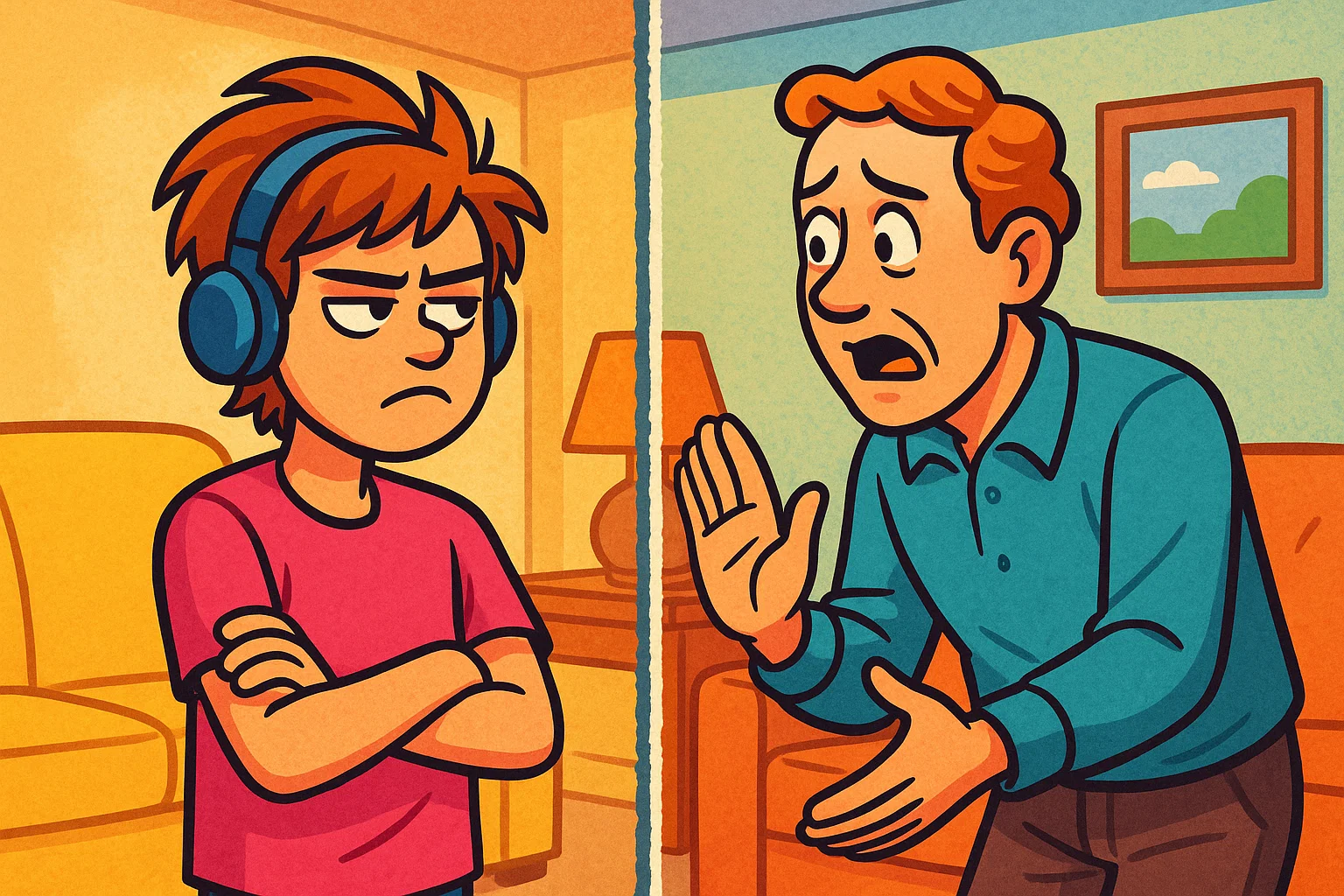
Parenting comes with many challenges, but few moments feel as upsetting as realizing that your child may be showing a persistent lack of respect for your authority. Many parents experience occasional backtalk or defiance during stressful moments. However, when disrespectful behavior shifts from an occasional outburst into an ongoing pattern, it can erode the parent-child relationship and disrupt the stability of the home. Recognizing the specific signs that your child may be acting disrespectfully is the first step toward addressing these behaviors and rebuilding mutual respect.
Understanding child behavior requires distinguishing between age-appropriate boundary testing and repeated disrespectful behavior. When kids and teens repeatedly ignore rules, use hurtful language, or dismiss parental guidance, these behaviors may signal that they are struggling to respect the structure and expectations of the home. This comprehensive guide explains the key warning signs of disrespectful behavior, explores possible reasons behind these patterns, and offers practical, evidence-informed strategies to help your child build accountability, emotional regulation, and consideration for others.
Key Takeaways
- Identify Patterns: Disrespect becomes a concern when it appears as a repeated pattern, not as an isolated reaction to exhaustion, stress, or overwhelm.
- Stay Calm: Reacting to rudeness with anger can escalate conflict; calm correction and consistent consequences are usually more effective.
- Model the Standard: Kids learn behavioral standards by observing authority figures; modeling respectful behavior is vital for teaching long-term values.
- Enforce Accountability: Shifting away from pure punishment toward a culture of accountability helps your child understand the direct impact of their actions.
Disrespect Shows Through Repeated Patterns
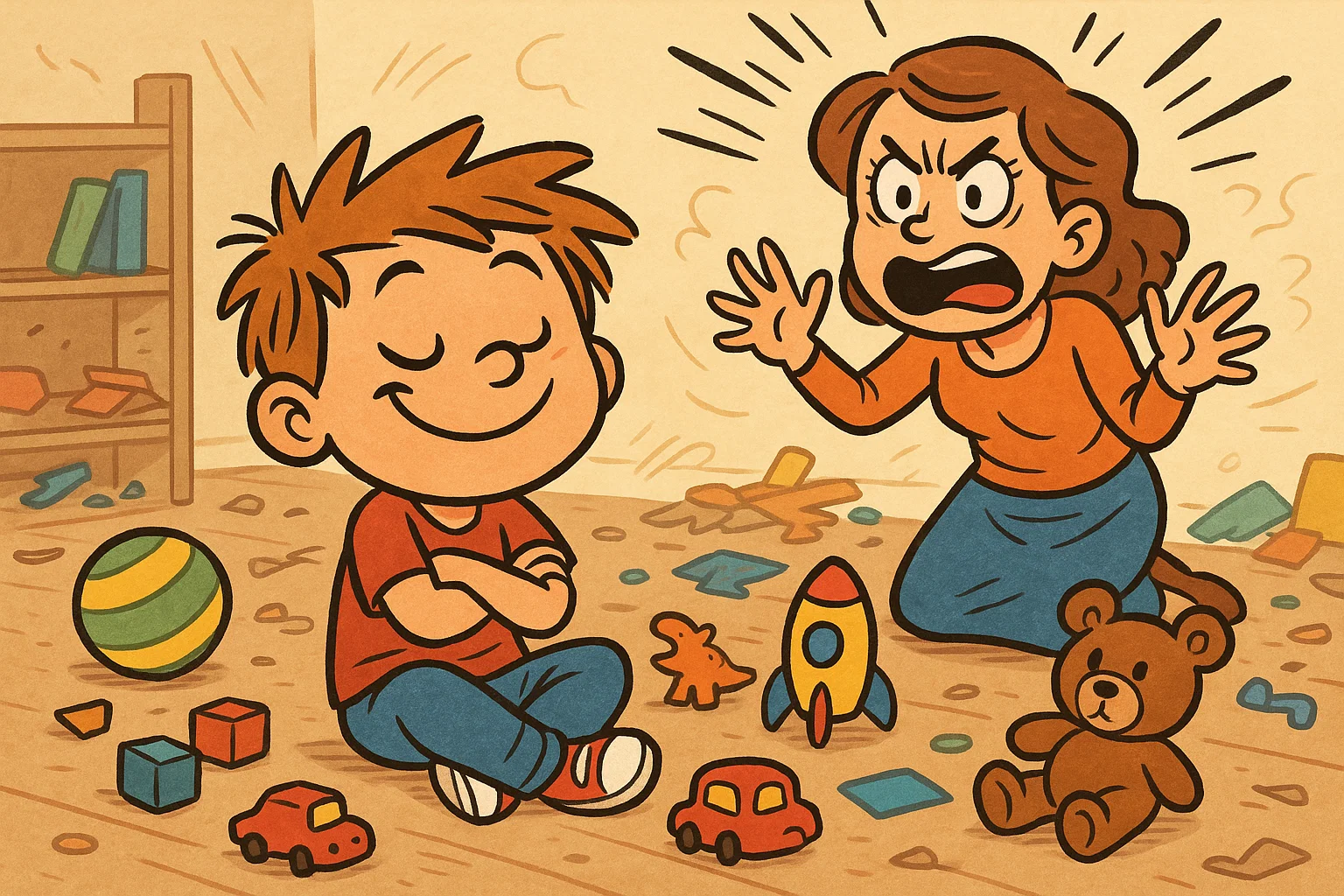
A single instance of a child talking back or rolling their eyes during a stressful moment does not constitute a systemic lack of respect. A concerning pattern of disrespect usually involves repeated behaviors such as dismissing rules, ignoring personal boundaries, or refusing to take responsibility for hurtful actions. When a child consistently responds with contempt during daily interactions, it may indicate that they are testing limits, struggling with emotional regulation, or disregarding parental authority. Recognizing this ongoing behavioral pattern helps parents intervene before these habits become harder to change.
Calm Responses Work Better Than Power Struggles
When dealing with disrespectful behavior, matching the child’s emotional intensity often results in a destructive power struggle. The American Academy of Pediatrics (AAP) advises against harsh verbal discipline, including yelling or shaming, because it can be ineffective and harmful over time. Parents must communicate their expectations calmly and enforce predetermined boundaries and consequences without engaging in prolonged arguments. Maintaining emotional control demonstrates steady authority and helps kids learn how to manage their emotions and behavior more effectively.
Respect Grows Through Boundaries, Modeling, and Connection
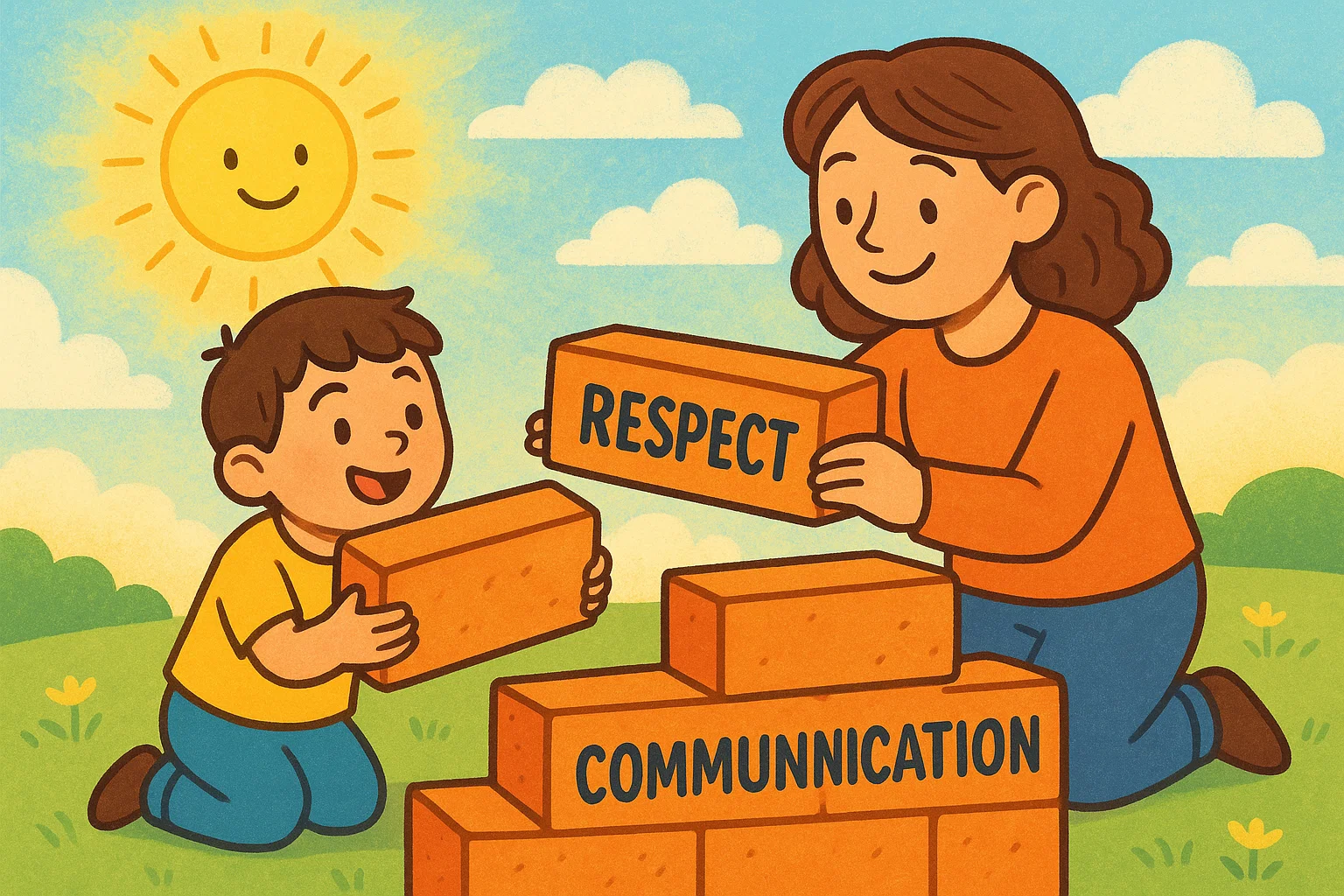
Rebuilding a respectful relationship requires both firm boundaries and meaningful emotional connection. Trust and respect do not develop through fear or absolute obedience; instead, they emerge when parents and kids engage in open communication within a structured environment. Parents must lead by example, maintaining respectful language even when delivering consequences. By combining predictable limits with emotional support, parents help their child understand why respect matters at home and in the wider world.
Why Respect Matters in Parent-Child Relationships
| Component of Respect | Function in the Family | Long-Term Developmental Outcome |
| Parental Authority | Establishes safe boundaries and predictable household routines. | Enhanced emotional regulation and a stronger sense of security in kids. |
| Mutual Respect | Validates individual feelings while preserving clear family roles. | Development of strong interpersonal communication skills. |
| Emotional Safety | Encourages open expression without fear of ridicule, rejection, or harsh judgment. | Higher self-esteem and a reduced risk of acting-out behaviors. |
Respect Supports Safety and Trust
A healthy parent-child relationship relies on a foundation of mutual trust, consistency, and safety. When kids experience a respectful home environment, they are more likely to understand that parental rules are meant to protect and guide them. This fundamental understanding makes kids more likely to listen, cooperate with instructions, and communicate honestly when they encounter challenges outside the home. Without this baseline of respect, the family environment can feel unpredictable, and kids may begin to view parental guidance with suspicion rather than a sense of safety.
Respect Helps Children Build Social Skills
The behavioral habits children develop at home often become the blueprint for how they interact with people outside the family. When kids learn respectful communication at home, they are more likely to carry those habits into public settings through politeness, empathy, and constructive communication. Respectful, reciprocal communication at home can support children’s social competence with peers, teachers, and other adults. Learning to manage emotions and behavior respectfully within the family prepares kids to navigate complex social situations throughout their lives.
Respect Protects Parent Authority
Parents must maintain clear, functional authority to guide their kids safely through various developmental stages. This authority is not about demanding blind obedience; rather, it provides the stable framework kids need for limits, safety, and essential household routines. When a child repeatedly disregards this authority, it becomes harder for parents to protect, guide, and teach them effectively. Preserving this structural boundary ensures that parents can step in effectively during critical moments involving safety, health, or moral choices.
Disrespect or Frustration?
Occasional Rudeness Versus Ongoing Pattern
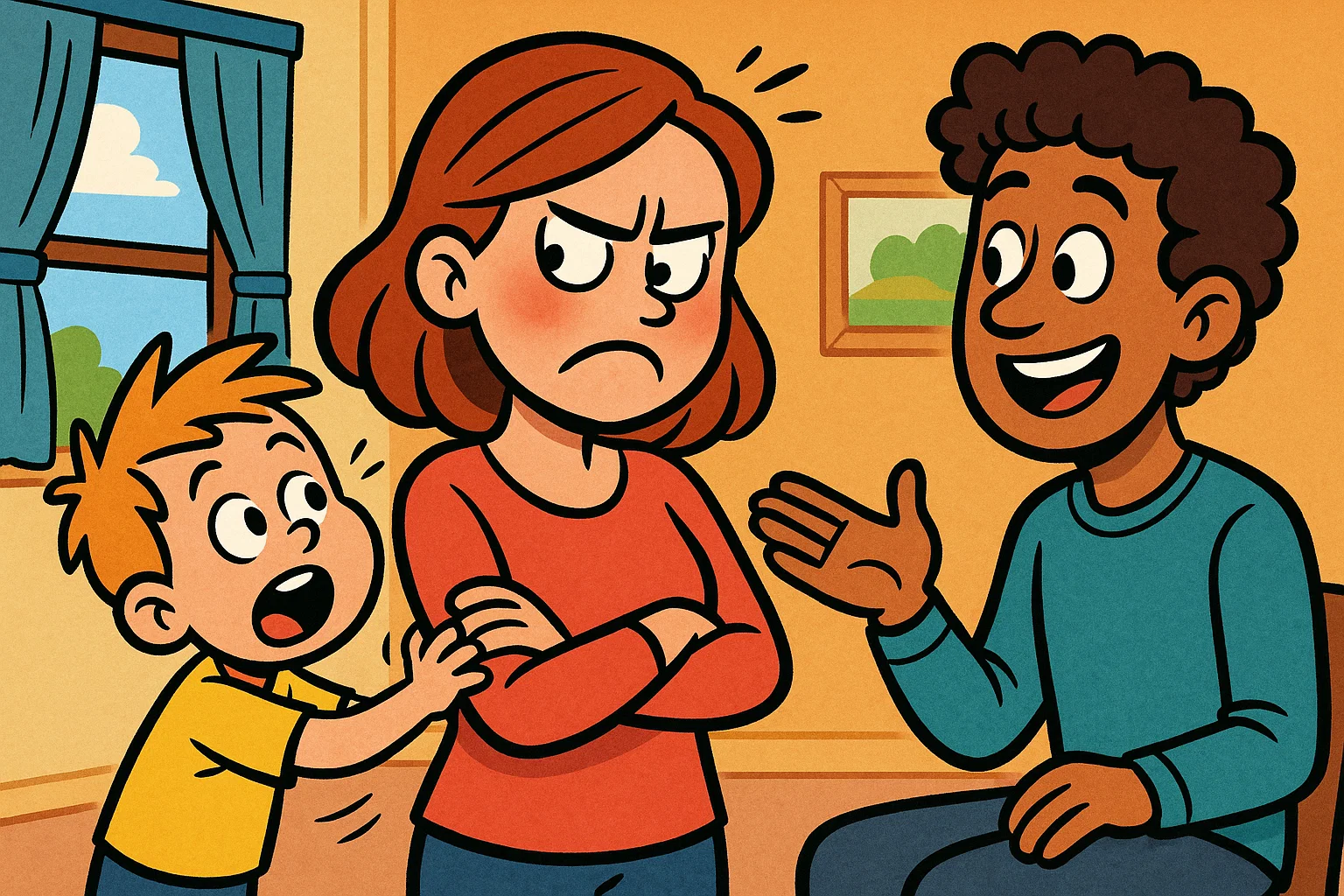
Parents must learn to differentiate between a child expressing temporary frustration and an ongoing pattern of disrespectful behavior. Occasional rudeness, such as snapping after a long school day or rolling their eyes once when asked to put a phone away, often reflects poor impulse control, stress, or exhaustion rather than a serious lack of respect. In contrast, an ongoing pattern involves deliberate, repeated actions that undermine parental authority, violate boundaries, or cause emotional distress. Identifying this difference prevents parents from overreacting to minor developmental lapses while ensuring they address systemic disrespect.
Age and Development Matter
Child development research emphasizes that a child’s age and stage of development strongly influence their ability to regulate behavior. Tweens and teens go through major brain development, including changes in areas involved in impulse control, emotional regulation, and long-term planning. Consequently, adolescents naturally push limits and test independence as they form their individual identities. While this developmental phase explains why teens might challenge rules or demand more autonomy, it does not excuse cruel, abusive, or continuously defiant behavior.
The Meaning Parents Attach to Behavior
Parents are often triggered by specific child behaviors because they interpret those actions through a lens of personal rejection or failure. When a child slams a bedroom door or responds with silence, a parent may immediately assume the child does not respect them or value their sacrifices. However, looking at the broader context may reveal that the child is overwhelmed by their emotions and lacks the communication skills to express themselves maturely. Pausing to consider what may be behind the behavior helps parents respond with more calm, clarity, and consistency.
10 Signs Your Child Doesn’t Respect You
1. Ignoring Rules or Disobeying Limits
One of the clearest signs of disrespect is a repeated pattern of violating established household limits. This behavior may include repeatedly breaking curfews, bypassing screen-time limits, or refusing to complete regular chores. When a child repeatedly engages in these behaviors despite knowing the consequences, it may show that they are disregarding your authority or testing the household structure.
2. Persistent Talking Back
Persistent backtalk may involve frequent sarcasm, yelling, dismissive replies, or arguing against even simple parental requests. While it is healthy for kids and teens to disagree or express a different opinion, the behavior crosses the line when the tone becomes hurtful, hostile, or demeaning. This behavior transforms a standard household discussion into a hostile conflict, showing that the child does not value respectful dialogue.
3. Ignoring Personal Boundaries
Respectful relationships require a shared recognition of personal boundaries, yet some children repeatedly violate these limits. This behavior may include interrupting private adult conversations, entering a parent’s bedroom without knocking, handling personal belongings without permission, or refusing to stop a disruptive behavior after being explicitly asked to do so. This conduct shows a distinct lack of consideration for others’ privacy and personal space.
4. Lack of Politeness and Appreciation
When entitlement replaces gratitude, kids frequently refuse to use basic polite phrases like “please” or “thank you.” Instead, they may demand privileges, complain about the support they receive, and act as though parental effort or financial support is simply owed to them. This lack of appreciation demonstrates that the child does not value the time, energy, and resources their parents invest in their well-being.
5. Dismissing Your Feelings
A child exhibiting a lack of empathy may openly dismiss or mock their parents’ emotional expressions. For example, if a parent expresses that a certain phrase was hurtful, the child might laugh, roll their eyes, or claim the parent is simply overreacting. This behavior may suggest that the child is struggling to understand that their words can affect other people’s feelings, including their parents’.
6. Refusing Responsibility
Accountability requires children to acknowledge mistakes, but some kids repeatedly avoid taking responsibility for their actions. When confronted with clear wrongdoing, they may lie, blame siblings, deny obvious evidence, or refuse to apologize. This pattern prevents the child from understanding the impact of their actions on the people around them.
7. Mocking, Ridiculing, or Putting You Down
This behavior includes name-calling, cruel insults, mimicking the parent’s voice, or making contemptuous jokes at the parent’s expense. A child may use these tactics during public displays of disrespect or within the privacy of the home. This behavior can undermine a parent’s dignity and make it harder to maintain healthy authority.
8. Physical Aggression Toward You
Physical aggression represents a serious violation of safety boundaries and may signal deeper behavioral or emotional concerns. This dangerous conduct may include hitting, shoving, throwing objects, damaging property, or physically blocking a parent’s movement through the house. When physical aggression appears, parents must prioritize immediate physical safety and recognize that this behavior requires structured intervention. If anyone is in immediate danger, contact local emergency services.
9. Dismissing Your Efforts or Contributions
Parents frequently notice that a child acts as though daily meals, rides to activities, financial provisions, and emotional support are entirely worthless. The child may insult the food provided, complain about the style of the home, or treat parental sacrifices with outright disdain. This behavior indicates that the child may feel entitled to household benefits without offering respect or appreciation in return.
10. Seeking Validation Outside Family While Rejecting You
In this scenario, kids and teens express intense admiration for peers, online influencers, or outside authority figures while treating their immediate family with constant contempt. They may readily adopt the opinions or norms of peers, online communities, or other adults while dismissing the values and guidance offered at home. This polarized dynamic may point to a strained parent-child relationship that needs attention and repair.
More Signs Often Missed by Parents
Lack of Full Attention
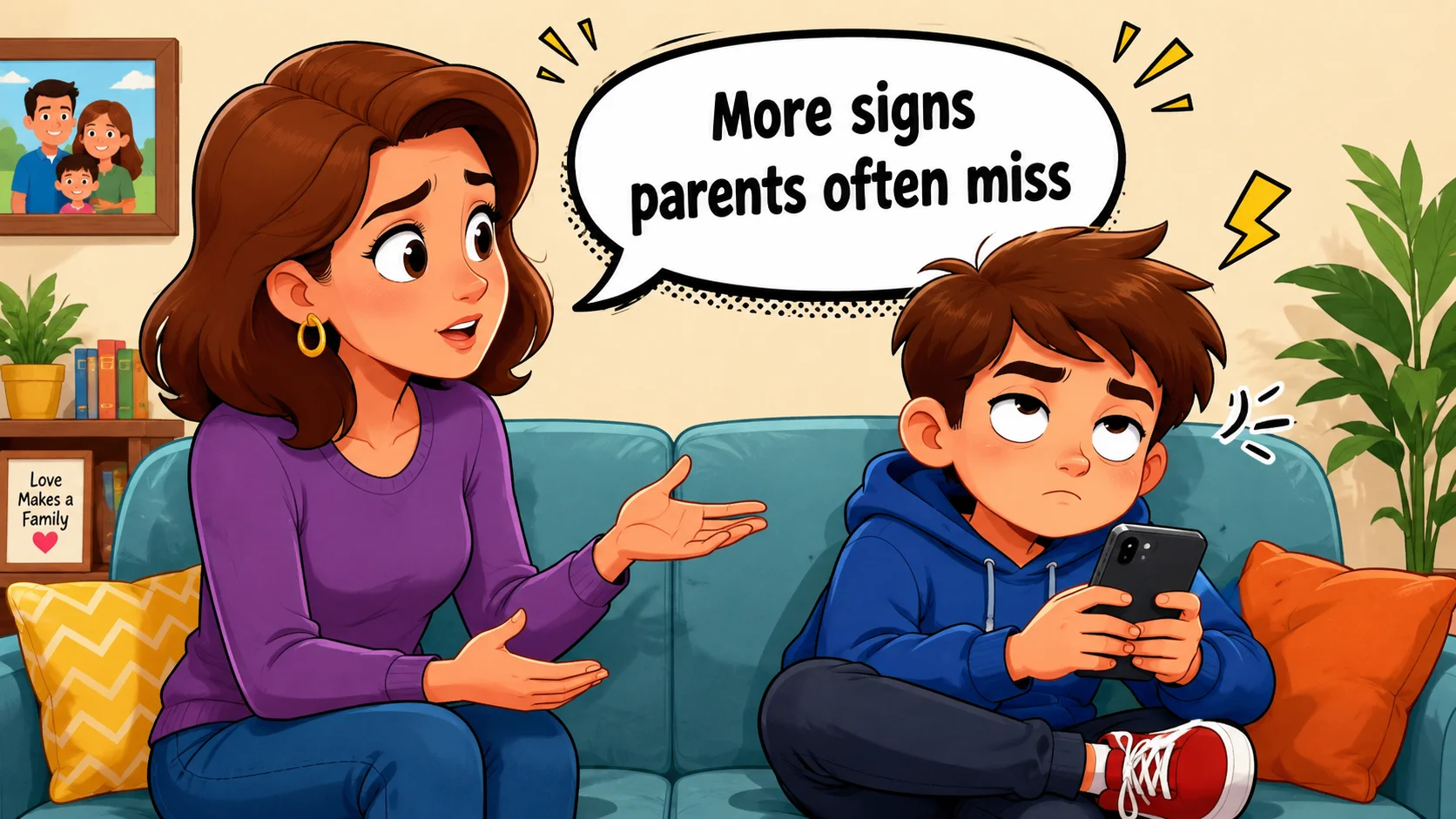
Subtle signs of disrespect can be easily overlooked, yet they can significantly erode family communication over time. A common example occurs when a child refuses to give their full attention during important conversations, such as continuing to scroll on a smartphone, keeping headphones on, or walking away mid-sentence. Digital distractions, including phone use during conversations, can interfere with connection and communication within families. For example, when a child keeps scrolling during an important conversation, a parent may feel ignored or dismissed.
Public Displays of Disrespect
Some children may cooperate at home but act disrespectfully in public, especially when they believe parents are less likely to enforce limits in front of others. This behavior includes staging loud arguments in retail stores, mocking parental rules in front of friends, or refusing basic cooperation during family gatherings. Children often use this tactic because they know parents may hesitate to enforce consequences or engage in discipline in a public setting.
Defiance and Opposition
Passive-aggressive defiance and oppositional behavior occur when a child avoids direct conflict but uses quiet resistance to undermine parental requests. This pattern may include automatically saying “no” to requests, delaying simple chores, or provoking negative reactions from parents. This continuous oppositional stance turns minor, everyday household routines into exhausting emotional battles.
Lack of Empathy
A lack of empathy may appear when a child seems unconcerned about how their actions affect parents, siblings, or the broader family routine. For instance, a child might play loud music while a family member is sick or intentionally create a mess immediately after a parent finishes cleaning the house. This behavior demonstrates that the child may be focused entirely on their immediate desires while showing little consideration for others’ comfort.
Hidden Cycle Behind Disrespectful Behavior
- Child Exhibits Disrespectful Behavior
- Parent Feels Triggered and Angry
- Parent Reacts With Criticism or Anger
- Child Pushes Back or Shuts Down
- Pattern Repeats or Deepens Without Real Change
Parent Notices Behavior and Feels Triggered
The hidden cycle of disrespect often begins when a child does something rude, such as rolling their eyes, using a dismissive tone, or ignoring a direct request. The parent immediately notices this behavior and feels internally triggered, interpreting the action as a direct threat to their authority or a sign of personal failure. This sudden surge of frustration can obscure the underlying reasons behind the child’s behavior, shifting the parent’s focus from calm discipline to emotional self-defense.
Parent Reacts With Criticism or Anger
Operating from a state of emotional distress, the parent often responds by yelling, lecturing, or delivering harsh, unplanned corrections in front of others. While the parent’s goal is to reassert control, this aggressive reaction typically escalates the conflict rather than resolving the root issue. This reaction models poor emotional regulation and may teach the child that anger is an acceptable response when someone feels challenged or disrespected.
Child Pushes Back or Shuts Down
In response to the parent’s angry outburst, the child naturally becomes defensive, which can lead to further backtalk, complete silence, or physical withdrawal from the room. This defensive reaction can reinforce the parent’s fear that their authority is slipping, creating a more volatile environment. Because the interaction focuses entirely on mutual anger rather than accountability, the child fails to understand the actual impact of their original actions.
Pattern Repeats Without Real Change
When families remain trapped in this loop, the same arguments repeat without leading to meaningful change. The underlying reasons behind the child’s actions remain unaddressed, and the overall parent-child relationship becomes defined by constant tension. To break this destructive cycle, parents must intentionally alter their timing, tone, and follow-through strategies, shifting from reactive anger to calm, structured intervention.
What to Do When Your Child Disrespects You
Address Disrespect Early and Consistently
Allowing minor instances of rudeness to pass without correction can normalize disrespectful behavior within the home. Parents should address disrespectful behavior early, responding to subtle eye-rolling or sarcastic remarks with short, calm corrections when they occur. A simple, direct statement like, “That tone is hurtful, and we do not use it in this house,” sets an immediate boundary before the behavior escalates.
Clarify Limits During Calm Moments
Attempting to establish new household rules or behavioral boundaries during a heated argument is generally ineffective. Instead, parents should clarify limits and outline specific consequences for disrespectful behavior during neutral moments when everyone is calm. Using precise, objective language helps ensure the child understands exactly what is expected of them:
“If you choose to use disrespectful language when asked to complete your chores, you will lose access to your smartphone for the remainder of the evening.”
Discuss Disrespect After Emotions Cool
Serious conversations about behavior should happen after both the parent and the child have had enough time to cool down. During these structured follow-up conversations, parents should ask objective questions about what caused the outburst, explicitly name the unacceptable behavior, and clearly outline the next steps for repair. This calm approach encourages open communication and helps your child understand the specific impact of their actions on the family.
Set Realistic Expectations
To prevent unnecessary friction, parental expectations must align accurately with the child’s specific age, cognitive maturity, and current emotional skill level. Expecting a tired toddler never to have a tantrum, or a highly stressed teenager always to speak with perfect diplomacy, sets unrealistic standards and can set the child up to fail. Parents should establish clear, achievable behavioral milestones that challenge the child to grow without inducing chronic emotional overload.
Stay Consistent and Persistent
Rebuilding mutual respect within a family requires long-term consistency rather than isolated punishments or single lectures. If a parent enforces a boundary on Monday but completely ignores the same disrespectful behavior on Thursday, the child receives a confusing message about the validity of household rules. Staying persistent with established consequences teaches the child that parental boundaries are stable, predictable, and non-negotiable.
How to Gain Your Child’s Respect Without Power Struggles
Remember That You Are the Parent, Not a Peer
To maintain effective leadership, parents need to understand that their primary role is to guide and protect their child, not to act primarily as a peer. While maintaining a warm, loving connection is essential, parents must avoid over-sharing personal adult problems, begging for the child’s approval, or negotiating away established household rules to avoid conflict. True respect grows when a child views their parent as a stable, reliable leader who can confidently hold boundaries.
Lead by Example
Children are highly perceptive and often absorb the communication styles, conflict-management strategies, and emotional tone modeled by the adults around them. If a parent frequently uses sarcasm, yells when frustrated, or refuses to apologize for their own mistakes, they teach their child to use those same negative tactics. Parents must model respectful behavior consistently, demonstrating how to disagree calmly and express frustration without resorting to insults or cruelty.
Be Respectful When You Correct Your Child
Effective discipline requires firmness, clarity, and emotional control, without personal insults, public shaming, or empty threats. When correcting a child, a parent should focus squarely on the specific behavior rather than attacking the child’s core identity. For example, saying, “It is unacceptable to interrupt me while I am speaking,” delivers a clear message without labeling the child as rude or disrespectful.
Teach Basic Social Interaction Skills
Many kids exhibit rude behavior simply because they have not been explicitly taught how to navigate complex social situations respectfully. Parents should proactively teach basic interaction skills, including greeting people properly, listening attentively, apologizing sincerely, and disagreeing without showing contempt. Practicing these skills at home gives kids the practical tools they need to express themselves confidently and respectfully in various social settings.
Encourage Open Communication
Parents can create an environment that encourages open communication by inviting their child to share honest thoughts, frustrations, and opinions without fear of immediate punishment. However, parents should separate the child’s underlying message from the way it is delivered. A parent can validate a child’s underlying feelings while firmly correcting a disrespectful delivery by using structured framing:
“I want to hear why you feel this rule is unfair, but you must explain it to me using a calm voice and respectful language.”
Teach Problem-Solving Skills
When a child encounters a frustrating situation, parents should coach them through structured problem-solving steps rather than simply fixing the issue or issuing a punishment. Help your child identify the specific problem, brainstorm potential solutions, evaluate the consequences of each choice, and take active responsibility for repairing any harm caused. This process builds critical thinking and helps your child learn to manage emotions, choices, and behavior more effectively.
Provide Positive Reinforcement
A common parenting pitfall is focusing exclusively on negative behavior while ignoring moments of compliance and cooperation. Parents should actively look for opportunities to provide positive reinforcement whenever a child makes a clear effort to communicate respectfully, follow rules, or offer a sincere apology. Acknowledging this positive progress encourages the child to continue choosing respectful behavior over defiance.
Work as a Parenting Team
When caregivers send mixed messages regarding household rules and consequences, they significantly weaken their collective parental authority. Children quickly notice these inconsistencies and may exploit them, playing one parent against the other to get what they want. Caregivers must work as a unified team, establishing shared boundaries, agreed-upon consequences, and consistent responses to ensure the child experiences a predictable structure.
What Not to Do When a Child Acts Disrespectful
Don’t Take Behavior Personally
Although a child’s disrespectful remarks can feel deeply personal, reacting out of hurt or anger often intensifies the conflict and makes it harder to teach the lesson. Parents can view defiance as a sign of emotional dysregulation, unclear boundaries, or skill gaps rather than as a literal evaluation of their worth as a parent. Taking a brief pause to breathe before responding helps parents maintain the objective mindset needed to manage the situation effectively.
Don’t Label the Child as Disrespectful
Attacking a child’s character by labeling them as “disrespectful” can damage their self-esteem and lead them to internalize that negative identity. When a child internalizes a label, they may begin to believe that rude behavior is an unchangeable part of who they are, which can reduce their motivation to improve. Parents should always address the specific action, making it clear that while the behavior is unacceptable, the child remains capable of making better, more respectful choices.
Don’t Rely on Punishments Alone
Using severe punishments without teaching alternative behaviors can create resentment and encourage secrecy rather than genuine respect. While consistent consequences are necessary, they must be paired with active coaching, emotional support, and opportunities for the child to repair the relationship. This balanced approach helps children understand the rationale behind rules and teaches them how to make better decisions in the future.
Don’t Accept Rudeness to Avoid Conflict
Accepting rude behavior or backing down from established limits just to maintain short-term peace can inadvertently reinforce defiance. When parents allow rules to slide to avoid an emotional outburst, the child learns that disrespect is an effective tool for getting what they want. Over time, this passive approach erodes parental authority and can lead to more severe behavioral challenges that are much harder to correct.
When Professional Help May Be Needed
Aggression or Threats Appear
While backtalk can often be addressed through consistent parenting strategies at home, physical aggression requires immediate attention and, in many cases, professional support. If a child begins throwing objects at family members, destroying property, making physical threats, or creating safety concerns, standard discipline methods are no longer sufficient. Parents should consult a licensed child psychologist, family therapist, or another qualified professional to address these volatile behaviors safely. If anyone is in immediate danger, contact local emergency services.
Disrespect Comes With Severe Mood Changes
If a child’s disrespectful behavior is accompanied by significant changes in mood, personality, or daily functioning, it may indicate a deeper psychological or emotional concern. Warning signs include social isolation, severe mood swings, intense anxiety, prolonged depression, or a sudden refusal to attend school. In these cases, defiance may be related to concerns such as anxiety, depression, trauma, or Oppositional Defiant Disorder (ODD), but only a qualified professional can evaluate what is happening.
Family Conflict Feels Constant
When nearly every daily interaction between parents and kids turns into a hostile argument, the family dynamic can become harmful for everyone involved. Constant conflict creates chronic stress that can stall behavioral progress and leave parents feeling exhausted and overwhelmed. Seeking professional family counseling provides an objective, structured space to break these destructive communication habits and rebuild trust.
Parent Feels Out of Control or Unsafe
Parents must prioritize their own mental health and well-being when dealing with chronic behavioral challenges. If a parent frequently feels completely overwhelmed, fearful of their child’s reactions, or unable to enforce basic boundaries safely, seeking outside help is a necessary step. Partnering with a professional child behavioral specialist offers parents the objective guidance, evidence-informed tools, and emotional support needed to restore order and safety to the home.
Bottom Line
Focus on Patterns, Not Single Moments
Navigating child development requires patience, perspective, and a focus on long-term growth rather than isolated difficult moments. Parents should avoid overreacting to a single bad day or an occasional emotional outburst brought on by stress or exhaustion. By focusing on identifying and correcting repeated behavioral patterns, parents can address ongoing disrespect without putting unnecessary strain on the relationship during minor lapses.
Combine Connection With Firm Boundaries
True, lasting respect within a family is built on a foundation that balances warm emotional connection with firm structural boundaries. Kids thrive when they feel deeply loved, valued, and understood, but they also need the safety of predictable rules and clear consequences to navigate the world confidently. Maintaining this balance helps kids learn emotional regulation and accountability while preserving a close parent-child relationship.
Progress Matters More Than Perfection
Rebuilding a respectful family dynamic takes time, consistency, and a willingness to learn from mistakes along the way. Parents should celebrate small victories, such as a child choosing a calmer tone or offering a sincere apology, rather than expecting flawless behavior overnight. By staying committed to positive modeling and consistent boundaries, families can reduce disrespect, improve communication, and create a calmer home environment.
FAQ
Why doesn’t my child respect my authority?
A child may seem like they don’t respect your authority when they repeatedly ignore rules, argue, or dismiss boundaries. However, these behavior patterns can also point to stress, poor emotional regulation, or a lack of communication, so it helps to look for the underlying reasons behind your child’s behavior.
How can I teach my child the importance of respect?
You can teach your child the importance of respect by modeling calm communication, setting clear limits, and helping your child understand the impact of their words and actions on others. Consistency helps children learn to respect others without relying on fear or harsh punishment.
Is saying “no” always a sign of disrespect?
No. Saying “no” can be a normal part of growing independence, especially for older children and teens. But if a child says “no” to every request, refuses responsibility, or regularly dismisses boundaries, it might be a sign of a deeper pattern that needs attention.

Take a short quiz to find out what your everyday choices say about your parenting style
When your child is curious about something new, what’s your instinct?
Take a short quiz to find out what your everyday choices say about your parenting style
“Can I download this app?” What happens next?
Take a short quiz to find out what your everyday choices say about your parenting style
When it comes to rules at home, which sounds most like you?
Take a short quiz to find out what your everyday choices say about your parenting style
If you could give your child one life skill today, what would you pick?
Take a short quiz to find out what your everyday choices say about your parenting style
Your child gets to choose what to watch. What would your ideal setup look like?
Take a short quiz to find out what your everyday choices say about your parenting style
Pick your parenting superpower ✨