5 Steps to Set Parental Controls on YouTube: A Parent’s Guide

 Discover a Free Education Video App for Kids
Pastory uses AI to personalize educational video content based on your child’s interests and personality. Safe, engaging, and built for curious young minds. Sign up now to stay updated and enjoy early access with a free trial
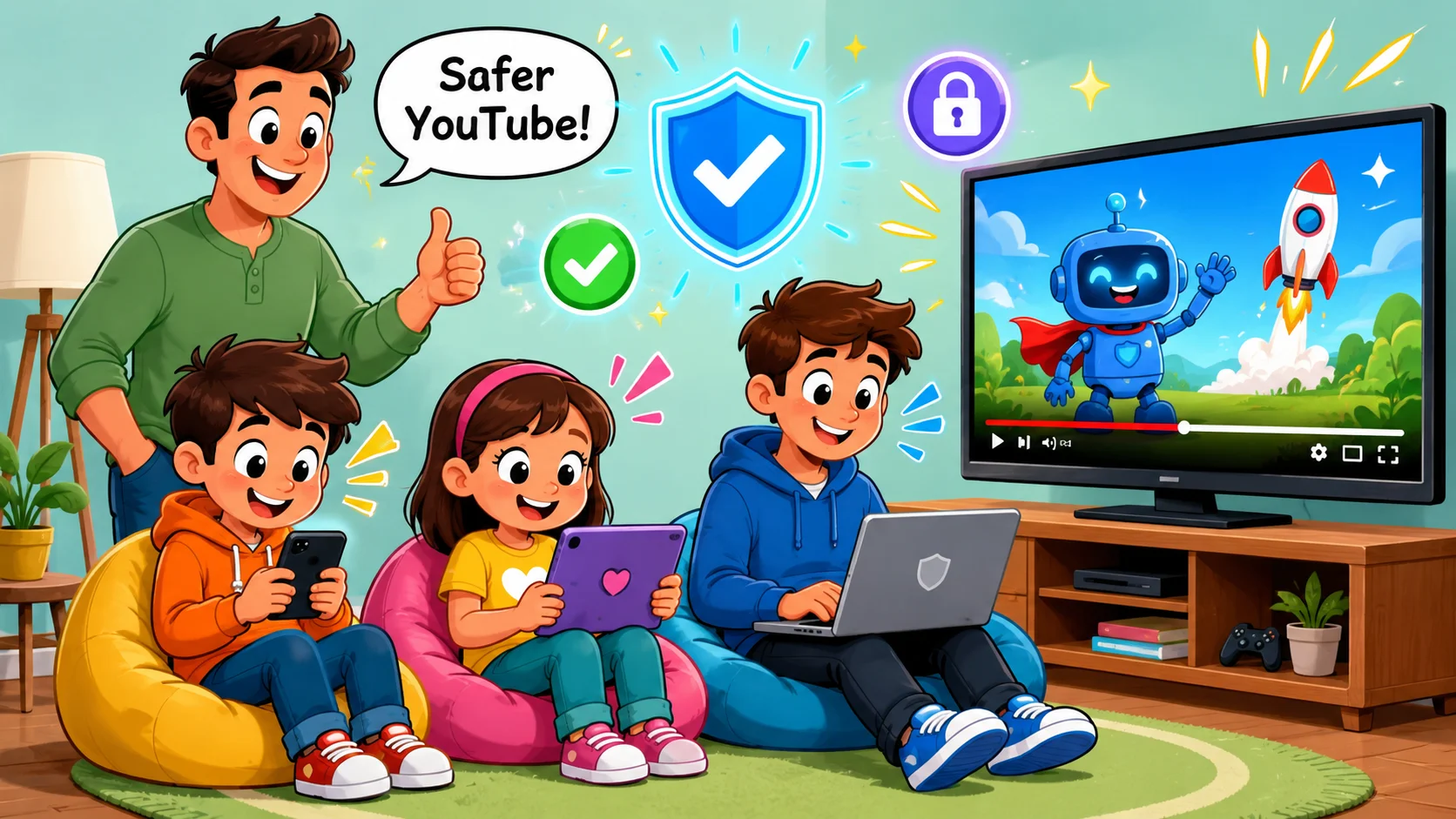
Learning how to set parental controls on YouTube is one of the most direct ways to protect children from age-inappropriate content online. This guide walks through five core setup steps — from choosing the right YouTube experience for your child’s age to connecting Family Link, configuring content levels, and verifying settings on every device your child uses.
You will also find age-specific recommendations for children ages 4 through 17, device-by-device instructions covering smart TVs, tablets, gaming consoles, and family computers, plus troubleshooting for the most common parental control problems parents encounter.
Key Takeaways
- The guide covers 5 core steps: choose the right YouTube experience, create a child Google account, connect Family Link, set a content level, and check every device.
- YouTube Kids is the safest option for children ages 4–7; a supervised Google account with Family Link is better suited for older kids and teens.
- Restricted Mode filters content on regular YouTube but is not foolproof and works best as one layer within a broader parental control setup.
- Parental controls must be applied separately on each device — settings on one phone or TV do not carry over automatically to others.
- The guide includes age-based recommendations, device-specific instructions, and answers to common questions about YouTube parental controls.
Best Setup Path
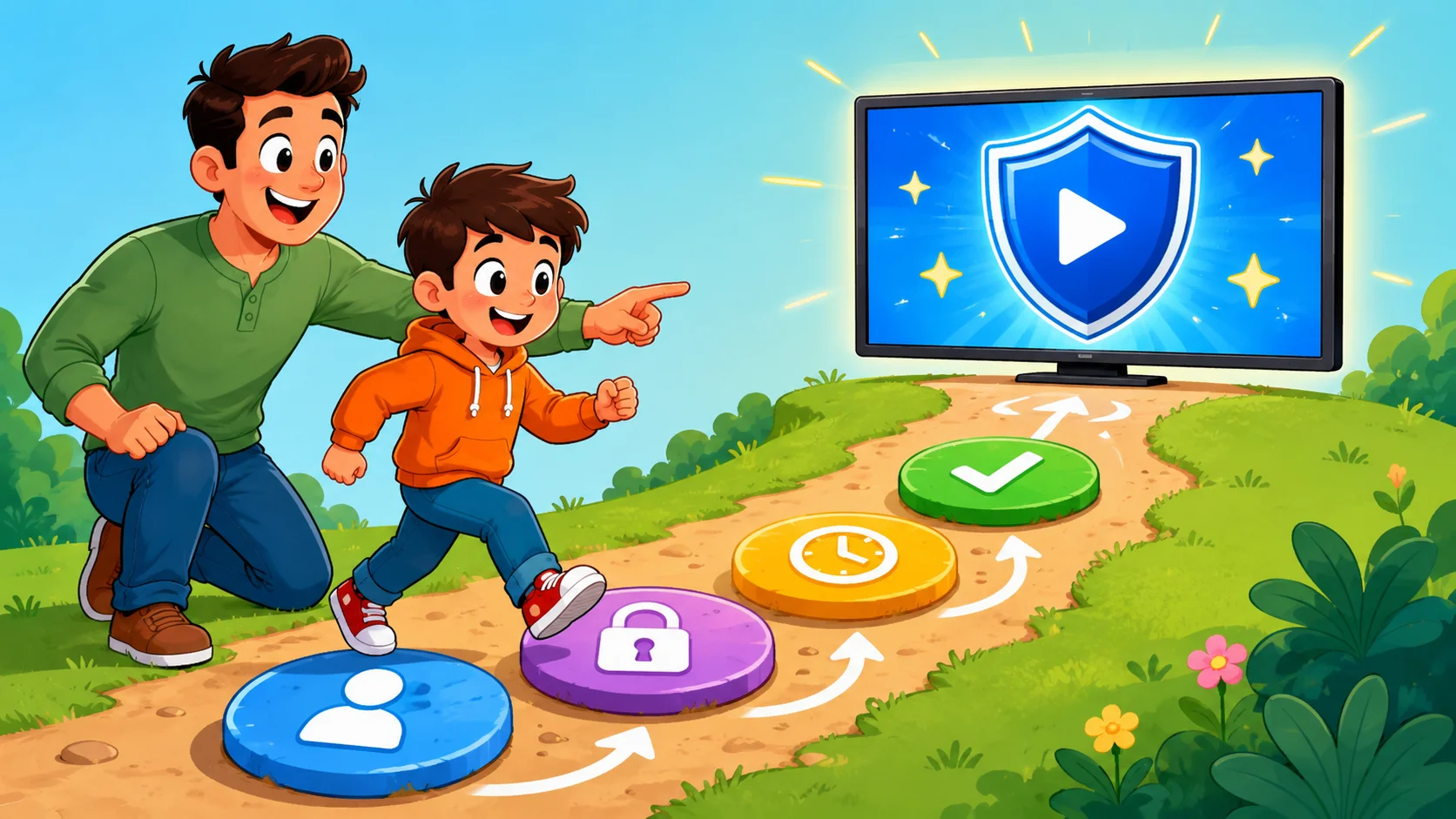
One of the most reliable control approaches is to set up a supervised Google Account through Google Family Link. By creating or linking a dedicated account for your child, you can connect it to your own account and manage many parental control settings remotely.
Once the account is linked, choose the appropriate content level, enable Restricted Mode where needed, and set screen-time limits that fit your child’s age and routine. For younger children, the Kids app with stricter settings is usually the safest starting point. For older children and preteens, a supervised experience can offer more independence while still giving parents meaningful oversight.
Main Safety Limits
The platform’s parental features are useful, but they do not remove every risk. Automated filters may miss age-inappropriate content or mistakenly block useful educational videos. Shorts, live streams, recommendations, comments, and shared devices can all create gaps if settings are not checked regularly.
Tech-savvy kids may also try to bypass limits by using guest profiles, Incognito Mode, alternate browsers, VPNs, or someone else’s account. This is why YouTube controls work best when combined with device settings, app-download approvals, network-level filters, and regular conversations about family rules.
Regional Note for Australian Readers
If this guide is being used for an Australian audience, parents should be aware that YouTube’s age-related access rules may differ from other regions. Starting December 10, 2025, users under 16 in Australia are automatically signed out of the platform, including supervised pre-teen and teen accounts. Always check the current Help guidance for your country before setting expectations for teen access.
Fast Parent Checklist
- Create or link a supervised Google Account through Family Link.
- Set up the Kids app for younger children who are not ready for the main experience.
- Choose the right content level: Explore, Explore more, or Most of YouTube.
- Check the child’s access on each Android device, iPhone, iPad, browser, Smart TV, and console.
- Enable and lock Restricted Mode where needed, especially on shared browsers and TVs.
- Set daily screen-time limits and bedtime routines.
- Turn off Autoplay to reduce rabbit-hole viewing.
- Set up a YouTube parent code on TV to prevent children from switching to older household members’ accounts.
- Review watch history, search history, subscriptions, and Shorts activity regularly.
- Use app-download approvals to reduce bypass risks.
- Teach children what to do when they see content that feels scary, confusing, private, or inappropriate.
Quick Advice
Use YouTube Kids for Younger Children
The YouTube Kids app is a separate YouTube experience for children, with content settings for Preschool, Younger, and Older audiences. It uses automated filters, some human review, and parental controls to create a more child-friendly viewing environment.
Parents can choose Preschool, Younger, or Older, or use Approved Content Only to limit viewing to videos, collections, or channels they select. For younger children, especially those who cannot read or search independently, videos in the Kids app are usually a safer starting point than the main app. This is one of the simplest ways of keeping kids safe without relying only on recommendations.
Use a Supervised Account for Older Kids
A supervised account can be a good middle ground for children who are ready to move beyond YouTube Kids but still need parent-selected content settings on the main YouTube experience. This setup lets them use the main app while parents control the child’s viewing experience by choosing one of three content levels: Explore, Explore more, or Most of YouTube.
Supervised accounts can also limit certain features, such as content creation, live streaming, and some interactive tools, depending on the child’s age, account type, location, and settings.
Turn On Restricted Mode Where Needed
Restricted Mode is a device- or browser-level setting that helps hide potentially mature videos. It should be enabled and locked where possible, especially on shared family computers, schoolwork devices, Smart TVs, web sessions, and any Android device or iOS device your child uses.
Restricted Mode is not a replacement for YouTube Kids or supervised accounts. It is best used as an extra layer of protection, particularly on devices that more than one person uses.
Review Watch History Weekly
Reviewing watch history is one of the best ways to understand how your child is using YouTube and whether your settings are working. It can also show whether YouTube recommendations are starting to push your child toward content that does not match your family rules.
If you notice age-inappropriate recommendations, consider choosing a stricter content level, blocking specific channels, turning off Autoplay, or switching back to the Kids app.
Step-by-Step Guide
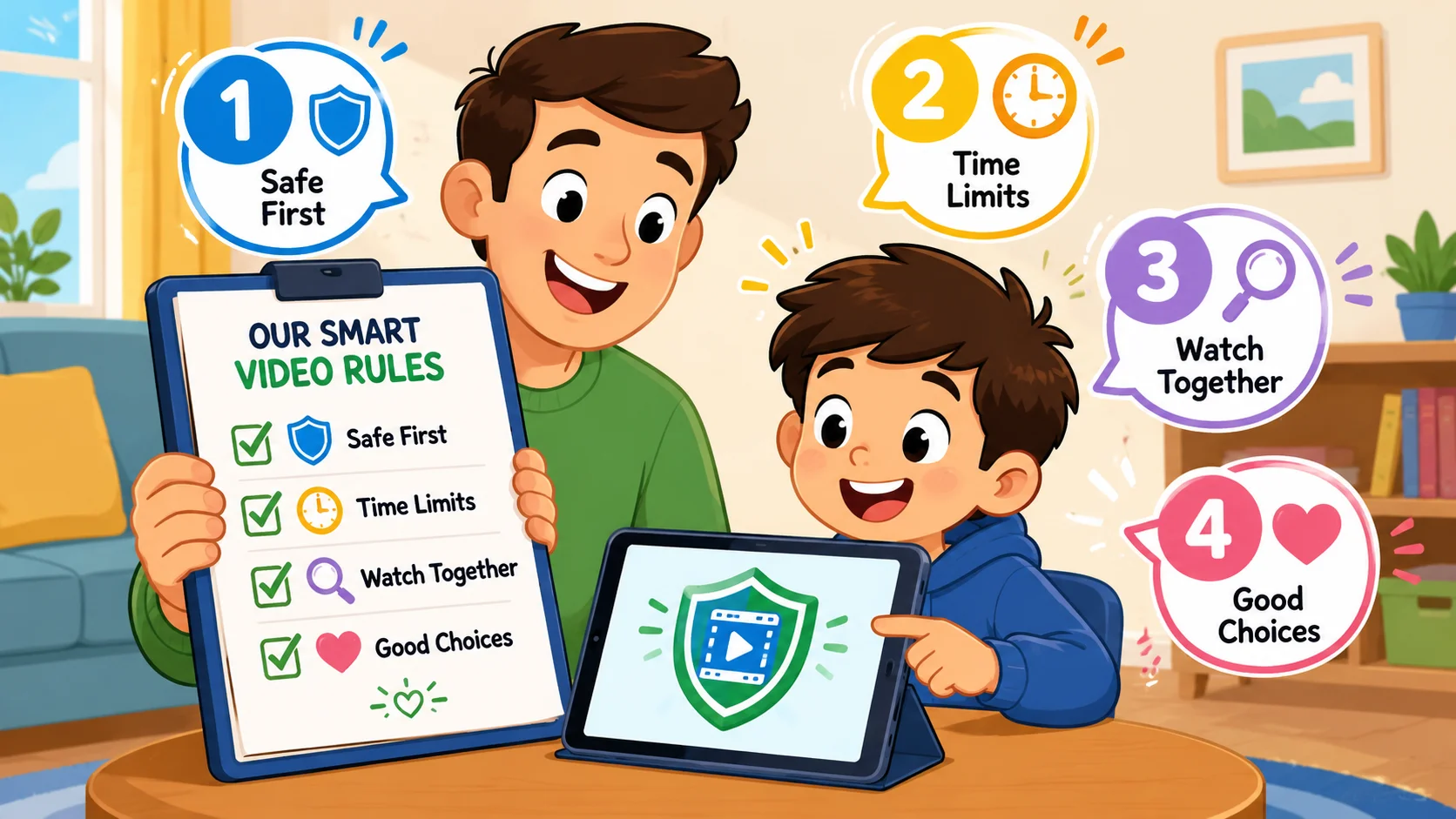
Step 1: Choose the Right YouTube Experience
Choosing the right viewing experience is the foundation of safer viewing. For toddlers and preschoolers, the Kids app with Search turned off is usually the safest path. For elementary-aged children, the Kids app or a supervised account set to Explore may work well. For teens, safety should include technical settings, privacy rules, sleep routines, and open communication.
The right setup depends on your child’s age, maturity, country, device, and viewing needs. A child who uses YouTube mainly for cartoons needs a different setup from a child who uses it for school research, hobbies, coding tutorials, or music practice.
Step 2: Create a Child Google Account
To set up a supervised experience on a child’s own device, you usually need a Google Account for your child. During setup, Google may ask for the child’s birthday. If the child is under the applicable age in your country, a parent may need to link and supervise the account through Family Link.
Make sure the birthdate is accurate. If the age is entered incorrectly, some supervision features may not work as expected.
Step 3: Connect Family Link
Google Family Link acts as a central dashboard for many of your child’s device and account settings. Once the accounts are connected, Family Link lets you manage apps, set screen-time limits, and, on supported devices, check location.
This dashboard is also where you can manage settings for each child in your household, including content levels and some activity controls.
Step 4: Set the Content Level
In Family Link or YouTube Family Center, choose the content level that matches your child’s age and maturity. Start with the strictest appropriate setting. For many older children, Explore is a safer starting point because it limits recommendations more strongly than broader settings.
As your child demonstrates maturity and uses YouTube responsibly, you can gradually transition to Explore more or Most of YouTube. Review the setting regularly rather than assuming one choice will fit forever.
Step 5: Check Every Device
Parental controls are only as strong as the weakest device. Manually check that your child is signed in to the correct supervised account on each Android or iOS device they use. Also check YouTube in desktop browsers and lock Restricted Mode where possible, so shared browsers are less likely to show unrestricted content.
Smart TVs, gaming consoles, and shared family computers deserve special attention because children may access the app there without using their own supervised account.
How to Set Parental Controls on YouTube
Create a Supervised Account
A supervised Google Account is managed by a parent and provides a more limited viewing experience with parent-selected content settings, control features, and age-appropriate restrictions. To set it up, open the platform settings or Family Link, go to the parent or child settings area, and follow the prompts to link your child’s account.
This lets the child watch videos while limiting certain features, such as creating content, live streaming, or interacting with comments, depending on age and settings.
Manage Screen-Time Settings
Screen time should be balanced with sleep, schoolwork, physical activity, offline play, and family routines. Family Link can help parents set daily limits and downtime. For example, a parent might set a 60-minute daily limit or block YouTube during bedtime hours.
The goal is not only to reduce minutes. It is to help children build predictable routines and avoid long, unplanned viewing sessions.
Restrict Inappropriate Content
To reduce exposure to graphic, sexual, or otherwise age-inappropriate content, open the content settings for the supervised account. Choose a level that matches your child’s developmental stage.
Younger children may not be ready to process mature content, so stricter settings are usually a safer default. Older children may need more access for schoolwork or hobbies, but that access should still come with clear family rules.
Monitor YouTube Activity
Family Link and history settings can help you understand how your child uses the platform. You can review watch history, search history, subscriptions, and some activity patterns.
If you see long sessions of similar videos, consider turning off Autoplay, setting app limits, encouraging more varied subscriptions, or discussing why certain videos keep appearing.
Update Parental Controls
As children grow, their settings should evolve. Review these settings regularly, such as every six months or whenever your child gets a new device, changes schools, or shows new viewing habits.
A 10-year-old’s needs are very different from a 14-year-old’s, so settings should change as your child matures. The best setup is one that supports both safety and gradual independence.
YouTube Parental Control Options
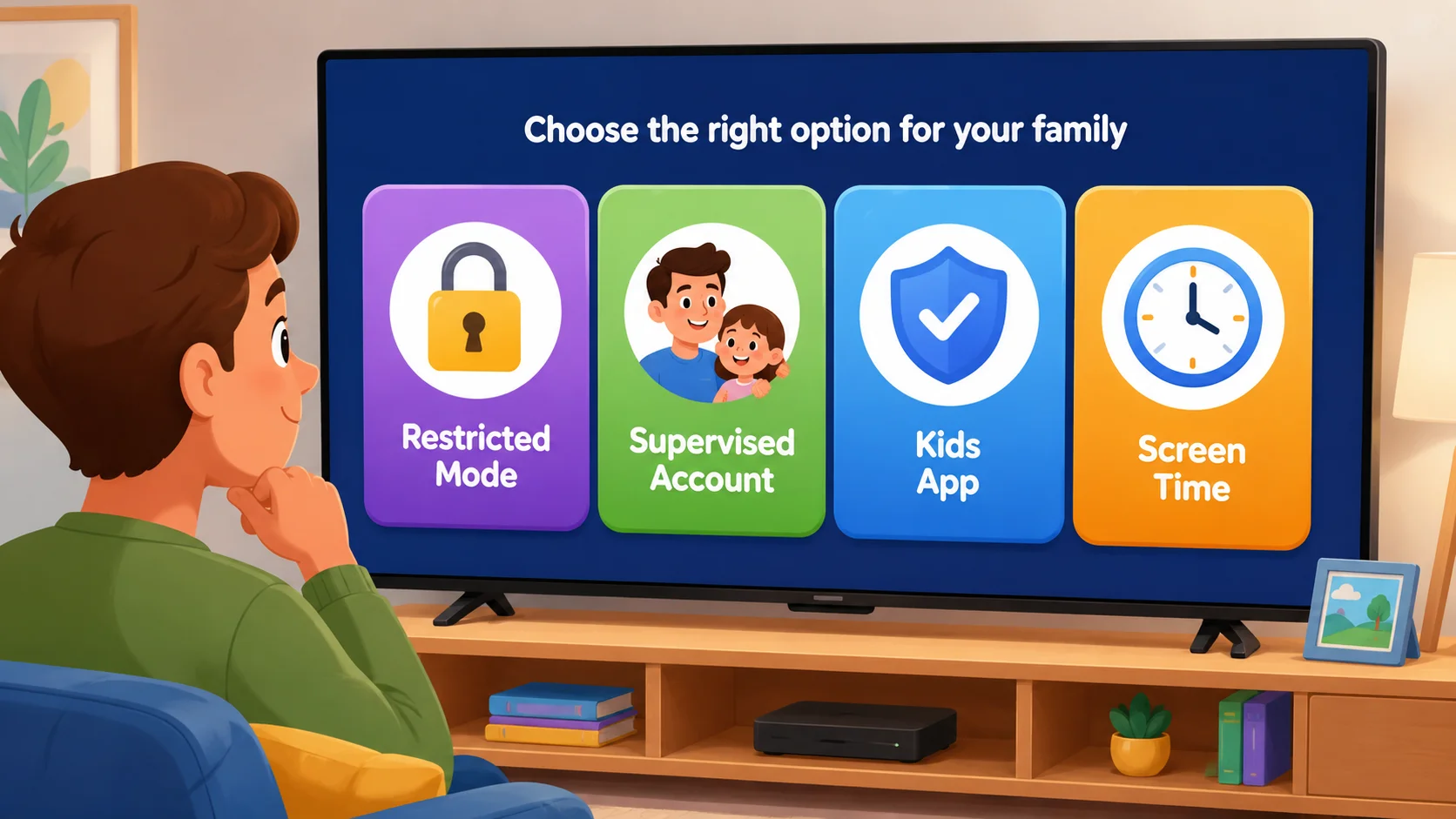
| Option | Best Age | Setup Time | Protection Level | Works on TV |
| YouTube Kids | 2–12 | 5 mins | Very high | Yes |
| Supervised Account | 9–13 | 10 mins | Moderate to high | Yes, where supported |
| Restricted Mode | All ages | 1 min | Basic | Yes |
| Approved Content Only | 2–8 | 15 mins | Maximum | No |
| Family Link | 2–13 | 10 mins | High | Partial |
Option 1: YouTube Restricted Mode
Restricted Mode is a simple toggle in YouTube settings. It uses signals like video title, description, metadata, and other indicators to hide potentially mature videos.
It is one of the quickest ways to add a filter, especially on shared devices. However, it is limited because it may be turned off if it is not locked, and it may not catch every new or borderline video. Restricted Mode also hides comments, which can reduce exposure to unsafe comment sections on shared devices.
Option 2: Google Family Link
Google Family Link is one of the most comprehensive built-in control options because it manages more than one app. Parents can use it to set screen-time limits, approve app downloads, manage device rules, and supervise Google Account settings from a single control app.
Family Link works best when the child uses their own supervised account and device. It is less effective if children watch through a parent’s account, a shared Smart TV profile, an unmanaged browser, or another route that gives kids access outside the intended settings.
Option 3: YouTube Kids App
YouTube Kids is a separate environment from the main YouTube app. It features larger buttons, a simplified interface, child profiles, and parent-selected content settings.
Parents can disable Search, block specific videos or channels, and choose Approved Content Only. This is usually the safest YouTube option for young children who cannot yet read or search independently.
Option 4: Approved Content Only
For maximum control in YouTube Kids, use Approved Content Only to choose the videos, collections, or channels your child can watch. This removes most of the recommendation uncertainty because the child is limited to content selected by the parent.
This option is especially useful for preschoolers, children who are easily upset by unexpected videos, or families who want a very narrow viewing library.
Option 5: Device and Network Filters
To keep your kids safe across all platforms, consider network-level filters such as family-safe DNS services, router-based parental controls, or broader parental control software. These tools can block access during homework hours or filter adult content at the network level, adding protection beyond YouTube’s own settings and other apps like YouTube.
Network filters are not perfect, but they can help cover devices that are not managed by Family Link, such as guest devices connected to your home Wi-Fi.
Comparison: YouTube Parental Control Options
Restricted Mode Versus Supervised Account
Restricted Mode is a broad filter that works on a device, browser, or account basis. It is useful for shared computers and TVs, but it does not offer detailed child-specific settings.
A supervised account is identity-based. It follows the child across supported devices when they are signed in and gives parents more control over content levels, activity, and certain YouTube features.
YouTube Kids Versus Regular YouTube
YouTube Kids offers a more controlled environment with no comment sections for children and stronger parent settings. It is usually the better choice for younger children.
The regular app, even with supervision, provides broader access to the platform. It may be more appropriate for older children who need tutorials, educational research, music lessons, coding videos, or hobby content that may not be available in the Kids app.
Family Link Versus Third-Party Controls
Google tools such as Family Link offer the best integration with Google Account settings. They are usually the first place parents should start.
Third-party parental-control software may offer extra features Google does not provide, such as broader social media alerts, text-message monitoring, or cross-platform reports. These tools can be useful for older children and teens, but they should not replace conversation, trust, and clear family rules.
Best Protection Stack
The safest setup is usually layered:
- YouTube Kids for younger children.
- Approved Content Only for maximum control.
- A supervised account for older children who need the main YouTube experience.
- Restricted Mode locked on shared browsers and TVs.
- Family Link app limits and bedtime routines.
- Network filters to catch what app-specific settings may miss.
- Regular family conversations about privacy, recommendations, scams, and unsafe content.
Recommended Setup by Age
Ages 4–7: Maximum Protection
Children in this age group should primarily use the Kids app. Parents should disable Search when possible, use Approved Content Only for the strictest setup, and set a timer or app limit for daily viewing.
Co-viewing is highly recommended at this stage to help children process what they see and to model responsible viewing habits.
Ages 8–12: Controlled Independence
As children transition to middle school, a supervised account on the main app, set to Explore, may be appropriate. This allows them to explore hobbies while parents can still block channels that conflict with family rules or age-appropriate content standards.
Daily screen time should be consistent and should not interfere with sleep, schoolwork, physical activity, or family routines.
Ages 13–17: Monitored Freedom
For teens, safety should include mental health, privacy, sleep, and healthy viewing habits. Technical controls may still help, but the focus should gradually shift toward digital literacy.
Help teens recognize clickbait, scams, manipulative recommendations, unrealistic content, and the effect of endless scrolling on mood and attention. For teens, clear expectations and regular check-ins are often more effective than silent monitoring alone.
Mixed-Age Families
In households with multiple children, avoid shared accounts whenever possible. An older sibling’s watch history can influence recommendations shown to a younger child.
Give each child their own profile or supervised account. On TVs, use a parent code or device-level parental controls to prevent a younger child from opening an older sibling’s viewing experience.
YouTube Kids Setup Guide
Create a YouTube Kids Profile
When you first open the Kids app, you can sign in as a parent and create profiles for each child. Each profile can have its own content settings, such as Preschool, Younger, Older, or Approved Content Only.
This is especially useful in families with children of different ages. A 3-year-old and a 7-year-old should not necessarily see the same content or search options.
Advanced YouTube Kids Settings
Within Parent Settings, you can turn Search off. This limits discovery and reduces the chance that a child will search for something outside the intended age range.
You can also block specific videos or entire channels if they are inappropriate, low-quality, or simply not a good fit for your family.
Set a Parent Code
Setting a custom parent code is essential, especially on a Smart TV. Without a passcode or parent code, a child may be able to access settings or switch to a less restricted viewing option.
Use a code your child cannot guess, and avoid simple patterns such as birthdays, house numbers, or repeated digits.
Manage YouTube Kids Screen Time
The Kids app timer is a built-in feature that stops the app with a clear “Time’s up!” message. This can make transitions easier because the app gives a clear signal and locks when the session ends.
You can also combine the timer with Family Link app limits, device downtime, or household rules such as no YouTube during meals, homework, or bedtime.
Restricted Mode Setup Guide
How to Enable Restricted Mode on Desktop
To turn on Restricted Mode on a computer, open your YouTube profile menu, select Restricted Mode, and switch it on. To make it harder to change, lock Restricted Mode on that browser where the option is available.
Remember that Restricted Mode may need to be enabled separately for each browser and profile on the same computer.
How to Enable Restricted Mode on Mobile App
On the mobile app, tap your profile picture, open Settings, go to General, and turn on Restricted Mode. This setting applies to the specific app or account context, so check every phone and tablet your child uses.
For a stronger setup, use a supervised account and manage settings through Family Link or Family Center.
How to Enable Restricted Mode on Smart TV
Most Smart TV app versions include Restricted Mode in the Settings menu. Because TVs are often shared, it is best to sign the YouTube app in with the correct supervised account where supported.
Also set a parent code on TV and use the TV’s own parental controls to prevent children from switching to unrestricted profiles.
What Restricted Mode Blocks
Restricted Mode targets content that may include potentially mature themes, such as:
- Graphic violence or accidents.
- Explicit language or profanity.
- Sexual content or suggestive themes.
- Discussion of sensitive topics.
- Alcohol, drug use, or other adult themes.
- Comment sections on videos.
Restricted Mode Limitations
Restricted Mode is an automated system. It may fail to block new uploads that have not been fully classified yet, and it may mistakenly block harmless educational videos about topics such as health, history, or human anatomy.
It should not be the only safety measure. Use it as one layer alongside supervised accounts, the Kids app, Family Link, device rules, and regular parental review.
Family Link and Supervised Account Setup
How to Set Up a Supervised Account
To begin, download the Family Link app on your phone or open the relevant family settings in your Google Account. Add your child, follow the instructions to create or link their Google Account, and then open the YouTube settings for that child.
Select your child’s name and choose the relevant video and music settings to begin setting up the supervised experience.
YouTube Controls Available in Family Link
Through Family Link, parents can:
- Change the content level.
- Pause or clear watch history.
- Manage some activity and search settings.
- Set app limits and downtime.
- Require approval for app downloads.
- Limit or prevent access to content-creation features, depending on the child’s age, account type, and regional rules.
How to Change Content Settings
If your child is ready for more responsibility, open Family Link, go to Content Restrictions, and select the video platform settings. You can then move them from Explore to Explore more or, where appropriate, Most of YouTube.
This change may update quickly across signed-in devices, but it is still worth checking phones, tablets, browsers, and TVs separately.
How to Reduce Screen Time
In Family Link, select Limits and set a specific amount of time for YouTube or for the device overall. Once the limit is reached, the app may be blocked on supported Android and ChromeOS devices.
You can also set downtime so the device locks at night and supports healthier sleep routines.
Family Link Not Syncing to YouTube
If settings are not applying, update the video app and Family Link on both the parent’s and child’s devices, then restart the device or sign out and back in.
Also check that the child is using the correct Google Account. If the child is watching through a parent’s account, guest profile, or unsigned-in browser, supervised settings may not apply.
YouTube Shorts and Comments Controls
What Are YouTube Shorts?
Shorts are short vertical videos designed for rapid scrolling. Because Shorts are algorithm-driven and easy to watch in long chains, children may encounter trends, sounds, or topics faster than they would in long-form viewing.
Shorts can be entertaining and educational, but they can also encourage passive viewing and repeated scrolling.
How to Control YouTube Shorts
Parents can reduce Shorts exposure in several ways. For younger children, use the Kids app. For supervised accounts, parents can set a daily Shorts feed limit in Family Center, including zero where available.
You can also set app limits in Family Link, turn off Autoplay, and review Shorts activity in watch history to understand what the algorithm is showing your child.
Can You Filter YouTube Shorts?
The best way to reduce exposure to Shorts is to use the Kids app for younger children or set a Shorts feed limit for supervised accounts. Restricted Mode can also hide many inappropriate Shorts, but it should not be treated as a complete filter.
Parents should still monitor the Shorts shelf and watch history because fast-moving trends can appear before filters classify them accurately.
Quick Note About Comments on Videos
Comment sections can expose children to cyberbullying, scams, spam, or explicit language. For many parents, interaction with strangers is a bigger concern than the video itself.
Restricted Mode hides comments, which can be useful on shared devices. In supervised experiences, comment access depends on the content setting and the child’s account status.
Ways to Control Comments on Videos
Use Restricted Mode on shared devices to hide comments. For children using supervised accounts, review YouTube’s current comment rules for the selected content level.
Children with broader supervised settings may be able to read comments, while other interactive features may still be limited. If comments are a concern, consider stricter content settings, YouTube Kids, or more frequent activity reviews.
Main Sections of YouTube Parents Should Check
Home Recommendations
The Home feed is often the first thing a child sees when opening YouTube. It reflects watch history, search behavior, subscriptions, and recommendation signals.
If the Home feed starts looking inappropriate or unusually intense, it may be a sign that your child has watched content outside your family’s usual boundaries or that the algorithm is pushing a new topic.
Subscriptions
Reviewing channels your child follows is important. Subscriptions act as a kind of safe list and can shape future recommendations.
Encourage your child to subscribe to reputable creators, educational channels, and hobby-based content that matches your family’s standards.
YouTube Library and Watch History
The Library tab contains liked videos, saved playlists, and viewing activity. Checking this area can show what your child finds most engaging.
If they are saving videos that promote unsafe challenges, intense pranks, excessive consumerism, or mature themes, it can open a conversation about values and safety.
Search History
Search history can give parents a clearer picture of what a child is trying to find. Reviewing search history can help you spot repeated attempts to find blocked, mature, or off-limits content.
Treat this as a conversation starter, not only as evidence of rule-breaking. Children may search for confusing topics because they are curious, anxious, or responding to something they heard from peers.
Autoplay and Suggested Videos
Autoplay can keep children watching longer than intended. It can also move a child from one safe video into a chain of less appropriate suggestions.
Turn Autoplay off in settings, especially for younger children. Also check suggested videos, because they can reveal where the recommendation system is trying to take your child next.
Privacy, Channels, and Child Uploads
Should a Child Have Their Own YouTube Channel?
For many families, it is safer to wait until at least age 13 before allowing a child to have a public channel. Public metrics such as likes, views, and comments can affect a child’s confidence, privacy, and emotional wellbeing.
Before allowing uploads, discuss privacy, location clues, school uniforms, family details, background objects, and the possibility that videos may be copied or shared.
Creating a YouTube Channel
If you allow your child to upload videos, use the most restrictive privacy settings available and review what is shared before anything goes public.
For younger children, private family sharing is usually safer than public posting. For teens, clear rules about faces, names, locations, comments, and monetization are essential.
How to Delete a YouTube Channel
If you find your child has created an unauthorized channel, you can delete it through the Google Account Data & Privacy settings. Deleting the channel removes its videos and comments.
However, parents should still discuss what may already have been shared, saved, or seen by others. Deleting a channel does not always erase every trace of a public upload.
How to Delete Watch History
Clearing watch history can be useful if recommendations have become stale, repetitive, or inappropriate. However, deleting history also makes it harder for you to review past activity.
Before clearing history, consider whether you need to understand what caused the recommendation problem.
How to Turn Off Watch History
You can pause watch history in YouTube privacy settings. This stops new views from being used as signals for recommendations.
This can help keep recommendations more stable and reduce algorithm-driven changes, especially on shared devices or accounts used for school research.
Device-Specific YouTube Parental Controls
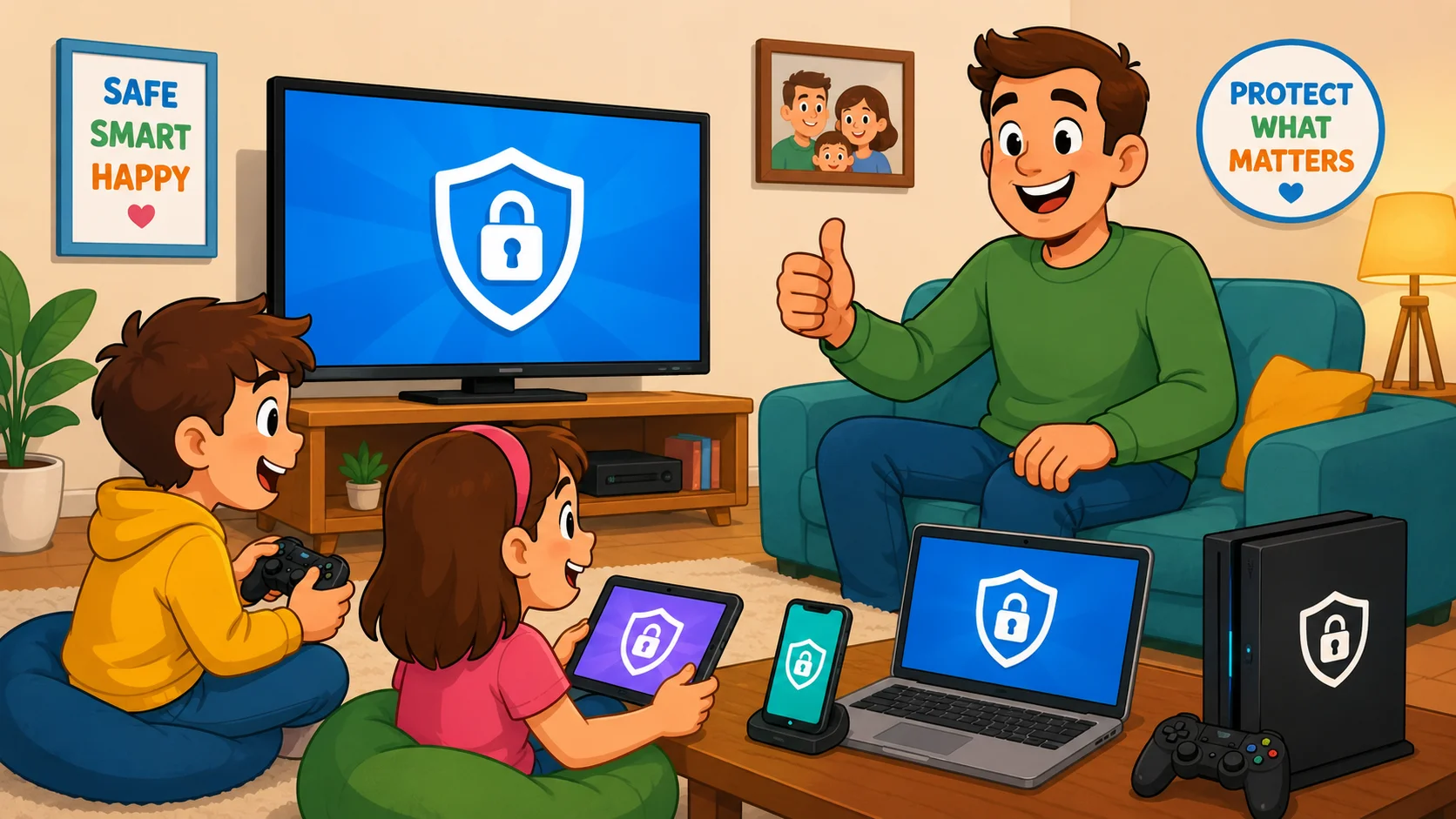
Scenario 1: Child Uses a Parent’s Phone
When a child uses a parent’s phone, they may have access to the parent’s unrestricted account. The safest option is to install the Kids app and use Guided Access on iOS or App Pinning on Android to keep the child inside that app.
Also avoid handing over a phone that is already signed in to an unrestricted adult account.
Scenario 2: Child Uses a Family Tablet or Smartphone
For a dedicated child’s tablet or phone, set up the device with the child’s supervised Google Account. This allows Android users and families on iOS to use Family Link to manage apps, limits, and downtime where supported.
You can also set nighttime downtime so the device locks during sleep hours and supports healthier routines.
Scenario 3: Family Computer Setup
On a shared PC or Mac, create separate user profiles. This keeps the child’s browsing history, YouTube settings, and Restricted Mode separate from adult accounts.
In Chrome or other browsers, check Restricted Mode and lock it where available. Also consider disabling guest browsing or unmanaged profiles.
Scenario 4: Chromebook Setup
Chromebooks work well with Family Link because many restrictions apply at the account and device level. When your child signs in with their supervised Google Account, YouTube restrictions, web filters, and screen-time settings may apply more consistently.
Still, check the YouTube app, browser access, extensions, and school account rules separately.
Scenario 5: Smart TV Setup
Smart TV apps can be harder to control than phones or tablets. Always set a parent code on the TV itself and sign the YouTube app in with the correct supervised account where supported.
Some TVs also allow you to lock specific apps behind a password. If the TV app does not support the controls you need, consider casting the Kids app from a parent-controlled phone or tablet.
Scenario 6: Gaming Console Setup
On Xbox, PlayStation, Nintendo Switch, and other consoles, use the console’s own parental controls to restrict app access or age ratings. Then sign the app in with the correct supervised account where supported.
Console controls vary, so check each platform separately rather than assuming YouTube settings from a phone will carry over.
Extra Protection at Home
Add Network-Level Protection
Using a family-safe DNS service or router-based parental controls can help block adult content at the network level. This acts as a safety net for devices connected to your home Wi-Fi, including guest devices.
Network filters should not replace platform controls, but they can reduce risk when a child uses a browser, guest device, or app that is not fully managed.
Require Approval for App Downloads
In Family Link, enable parent approval for app downloads. This reduces the chance that children will install alternate browsers, VPNs, or other apps to bypass filters.
Also review installed apps regularly, especially browsers, messaging apps, screen recorders, and VPN tools.
Use a Seven-Day Rule
Before allowing a child to follow a new creator or use a new feature, watch the creator’s content for several days. A channel may look safe in one video but use different humor, sponsorships, language, or themes over time.
This waiting period helps you decide whether the creator’s content is consistently appropriate for your child.
Disable Clickbait Features Where Possible
Teach your child to be cautious with sensational thumbnails, all-caps titles, fake urgency, and exaggerated claims. On desktop, some browser extensions can reduce distractions by hiding suggested videos or recommendation sidebars.
Even when you cannot disable these features, you can teach children to recognize when a video is trying to manipulate their attention.
Teach Kids to Spot Red Flags
Digital literacy is the most durable long-term safety strategy. Teach children that if a video asks for their real name, address, school, location, password, photos, or a secret from parents, they should stop watching and tell an adult.
This builds critical-thinking skills that technical filters alone cannot provide.
Troubleshooting Common Issues
Restricted Mode Keeps Turning Off
This can happen if browser cookies were cleared, the child switched accounts, or Restricted Mode was not locked on that browser. To fix it, sign in as the parent, turn Restricted Mode back on, and lock it where possible.
Also check whether browser extensions, guest profiles, or alternate browsers are bypassing the setting.
Child Can Still Access Inappropriate Content
If a video slips through, block the video or channel where that option is available. If it happens often, move from Explore more to Explore or switch back to YouTube Kids for a more controlled experience.
Also check whether the child is using a shared account, a TV profile, a browser without Restricted Mode, or someone else’s device.
Child Found a Workaround
Common workarounds include Incognito Mode, guest profiles, alternate browsers, VPNs, or using someone else’s device. To reduce this risk, disable guest browsing where possible, require app-download approval, and use Family Link to manage Chrome settings.
Make sure the device allows only approved users to sign in. Technical controls work better when paired with clear consequences and open conversations.
Family Link Not Working with YouTube
Check whether the birthdate in the child’s Google Account makes them older than the applicable supervision age in your country. Also confirm that the child is signed in to the correct account.
If the child is using a school account, parent account, guest profile, or unsigned-in browser, Family Link settings may not apply as expected.
Controls Not Working on Smart TV
Some Smart TV experiences may not support every supervised-account feature, so test the TV separately instead of assuming mobile settings carry over perfectly.
If the TV app shows unrestricted content, sign out of adult accounts, sign in with the child’s supervised account where supported, set a parent code, and use the TV’s own parental controls. If needed, cast YouTube Kids from a parent-controlled device. Removing the YouTube app from a shared TV or console may also be reasonable if younger children keep finding unrestricted access.
8 Ways to Make YouTube Safer for Kids Without Hovering
You do not need to watch YouTube every minute your child is online to reduce risk. The goal is to choose the right settings, check activity regularly, and teach children what to do when something feels wrong.
- Turn on Restricted Mode: A quick extra filter for potentially mature content on shared devices.
- Create YouTube Kids profiles: Use age-based profiles and Approved Content Only for younger children.
- Use advanced YouTube Kids settings: Turn Search off and block specific videos or channels.
- Set up a parent code on TV: Prevent children from switching to older household members’ profiles.
- Set up a supervised Google Account: Give older children a more age-appropriate version of the main YouTube experience.
- Fine-tune privacy and screen time: Use comment limits where available, bedtime reminders, app limits, and watch-history settings to support healthier habits.
- Add extra home protection: Router-level filters and app-download approvals create a broader safety net.
- Teach red-flag skills: Digital literacy is essential because no technical control is 100% reliable.
Teen Wellbeing and Mindful Viewing Controls
Continued Support for Teen Wellbeing
For teens, safety should include mental health, privacy, sleep, and healthy viewing habits. Use Take a Break and Bedtime reminders within YouTube settings where available.
These reminders can help teens notice long viewing sessions and take breaks before viewing becomes automatic or exhausting.
Additional Controls for Mindful Viewing
Disable Autoplay and unnecessary notifications. Reducing notifications and Autoplay can help teens choose videos more intentionally instead of drifting into long recommendation chains.
Encourage teens to ask themselves why they opened YouTube: to learn something, relax briefly, follow a creator, or simply avoid boredom.
High-Quality Teen Content Blueprint
Encourage your teen to use YouTube for active learning. Help them find channels focused on coding, digital art, history, music theory, science, sports skills, language learning, or other constructive interests.
Shifting some viewing from entertainment to skill-building can make YouTube more useful and purposeful.
Right Experience for the Right Age
Review settings every birthday or whenever your teen’s habits change. As a teen shows responsible habits, gradually expand privileges where the platform, age rules, and family rules allow it.
This trust-based approach can reduce the likelihood of secret, unmonitored accounts while still giving teens room to grow.
Common Questions About YouTube Parental Controls
Does YouTube Have Parental Controls?
Yes. The platform offers the Kids app for young children, supervised accounts for older children, Family Link controls, Restricted Mode, watch-history settings, Shorts limits for supervised accounts, and device-level options.
These tools work best when used together.
How Do I Put Parental Controls on YouTube?
The most effective path is to create or link a supervised Google Account, manage it through Family Link or Family Center, and choose the right content level. Then check every device your child uses, including phones, tablets, browsers, TVs, and consoles.
For younger children, start with the Kids app and stricter settings.
Can You Set Parental Controls on the YouTube App?
Yes. You can manage some settings directly in the app’s parent settings area or remotely through Family Link and Family Center.
For the strongest setup, make sure the child is signed in to their own supervised account rather than a parent’s unrestricted account.
What Is the Best Parental Control for YouTube?
For younger children, the Kids app with Search off or Approved Content Only is usually the safest setup. For older children, a supervised account with the Explore setting is often a good starting point.
For teens, combine technical settings with open communication, clear family rules, privacy guidance, and regular check-ins.
Can Kids Disable YouTube Parental Controls?
They may try by using VPNs, guest accounts, alternate browsers, Incognito Mode, or someone else’s device. If the device is managed through Family Link, parents can reduce these risks by requiring app-download approval, disabling guest access where possible, and checking account sign-ins.
No control is perfect, so conversations and follow-up matter.
Do Parental Controls Work on Smart TVs?
They work partially and depend on the TV, YouTube app version, account type, and available settings. The safest approach is to sign the TV app in with the child’s supervised account where supported, turn on Restricted Mode if needed, and set a parent code.
Also use the Smart TV’s own parental controls to lock apps or profiles.
What About YouTube on Gaming Consoles?
Consoles require separate setup. Use the console’s parental-control menu to restrict app access, age ratings, purchases, and account switching.
Then check the app itself to make sure the correct account and settings are active.
How Do I Know If My Child Bypassed Controls?
Watch for gaps in watch history, unfamiliar apps, new browsers or VPNs, sudden changes in the Home feed, or viewing patterns that do not match your child’s usual interests.
Also pay attention if your child becomes unusually secretive about devices or frequently asks to use someone else’s phone, tablet, or console.
Final Recommendation
The safest setup depends on your child’s age, maturity, device access, and country. If you want your kids to access the platform, start with the most restrictive experience that still meets their needs. For younger children, use the Kids app, Search off, and Approved Content Only. For older children, use a supervised Google Account with the Explore content level and Family Link limits. For teens, combine technical settings with privacy education, wellbeing reminders, and regular conversations.
No setting can make the platform completely risk-free. The best protection is a layered system: age-appropriate accounts, device controls, watch-history reviews, screen-time limits, and children who know when to stop watching and ask an adult for help.
Frequently Asked Questions

Is YouTube Kids Safe for Children
YouTube Kids incorporates several layers of safety to create a secure viewing environment for young users. Advanced algorithms filter videos based on content policies, ensuring materials adhere to stringent guidelines for age-appropriateness. Human moderators further review flagged content to minimize potential exposure to unsuitable material.
Age-Appropriate Content Filtering
Content is divided into categories tailored to different age groups, such as “Preschool” (ages 4 and under), “Younger” (ages 5-7), and “Older” (ages 8-12). This segmentation enhances relevance while limiting exposure to content that may be too complex or inappropriate for younger children.
Common Concerns About Safety
Despite rigorous safety measures, some inappropriate videos may occasionally bypass filters due to the platform’s reliance on automated systems. Examples include misleading thumbnails or videos with subtle adult themes embedded in otherwise child-friendly content.
Steps Parents Can Take to Minimize Risks
- Enable Strict Parental Controls: Utilize features like the approved content-only mode to ensure children access only pre-selected videos.
- Monitor Usage: Regularly review watch history and explore reported issues flagged by the community.
- Educate on Digital Literacy: Teach children to recognize and report problematic content, fostering safe digital habits.
- Stay Updated: Review policy changes and updates to the app, ensuring alignment with evolving safety standards.
Ads on YouTube Kids: What Parents Should Know
YouTube Kids incorporates strict advertising guidelines tailored to its young audience. Ads appearing on the platform are pre-screened to ensure they align with child safety standards, focusing on family-friendly content and excluding sensitive or age-inappropriate material. Advertisements promoting unhealthy food, alcohol, or other restricted categories are explicitly prohibited.
How Ads Are Targeted and Screened
Unlike the main YouTube platform, YouTube Kids does not allow personalized ads based on user activity, thereby reducing privacy concerns. Instead, ads are targeted contextually, relying on the type of video being watched. Each advertisement undergoes a review process involving automated filters and human moderation to maintain compliance with advertising policies specific to children.
YouTube Kids Parental Controls
The YouTube Kids app includes an array of parental controls that empower guardians to customize the experience for their child. These controls balance accessibility with security, helping ensure that age-appropriate content is front and center.
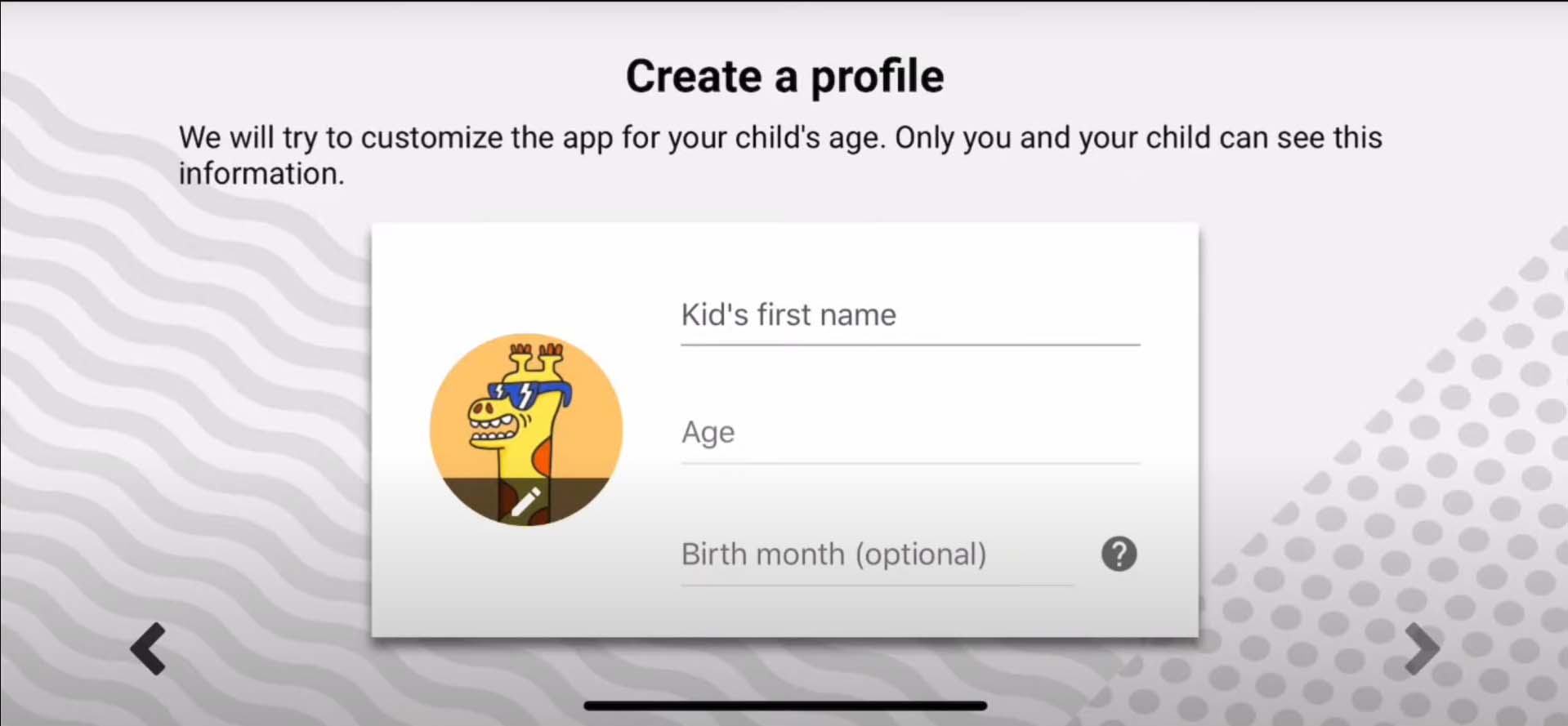
1. Individual Profiles
YouTube Kids allows up to eight individual profiles on a single account. Each profile can be tailored based on the child’s age, interests, and maturity level. This flexibility ensures the content recommendations match their developmental stage.
- Customization: Set a unique name, avatar, and theme for each child.
- Age Groups: Choose between “Preschool,” “Younger,” or “Older” profiles to filter content accordingly.
2. Approved Content Only Mode
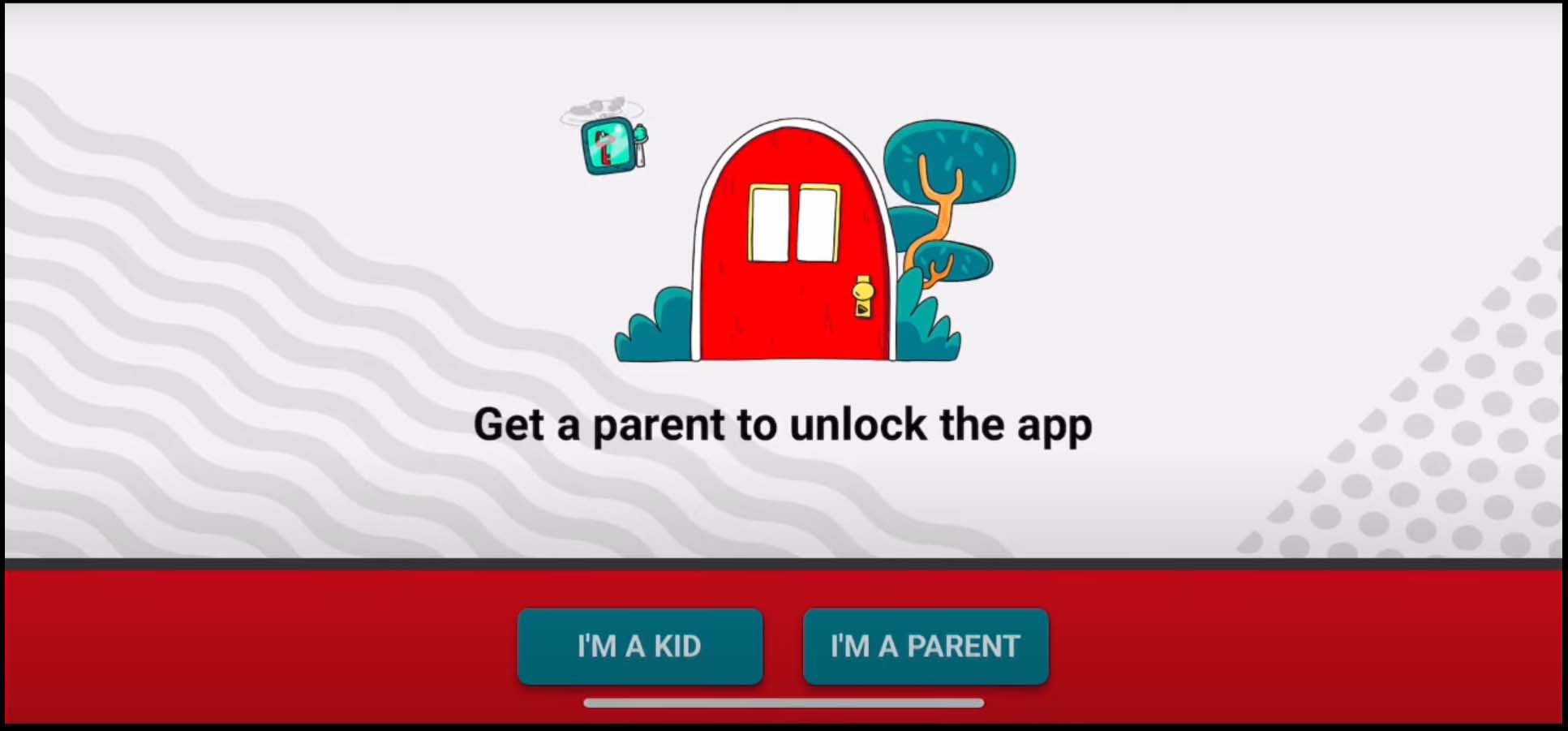
This mode provides parents with complete control over what their child can watch. Instead of relying on algorithms, caregivers manually approve videos or channels.
- How it works: Parents select specific content they deem suitable, ensuring kids can only access pre-approved material.
- Best for: Younger children who benefit from stricter content restrictions.
3. Youtube Age Rating and Content Levels
The app offers content levels to align with different age groups:
- Preschool: Videos focus on creativity, learning, and exploration, ideal for toddlers and early learners.
- Younger: Content expands to include cartoons, crafts, and educational programs, tailored for kids up to 7 years old.
- Older: For children aged 8-12, the selection includes music, gaming, and family-friendly science content.
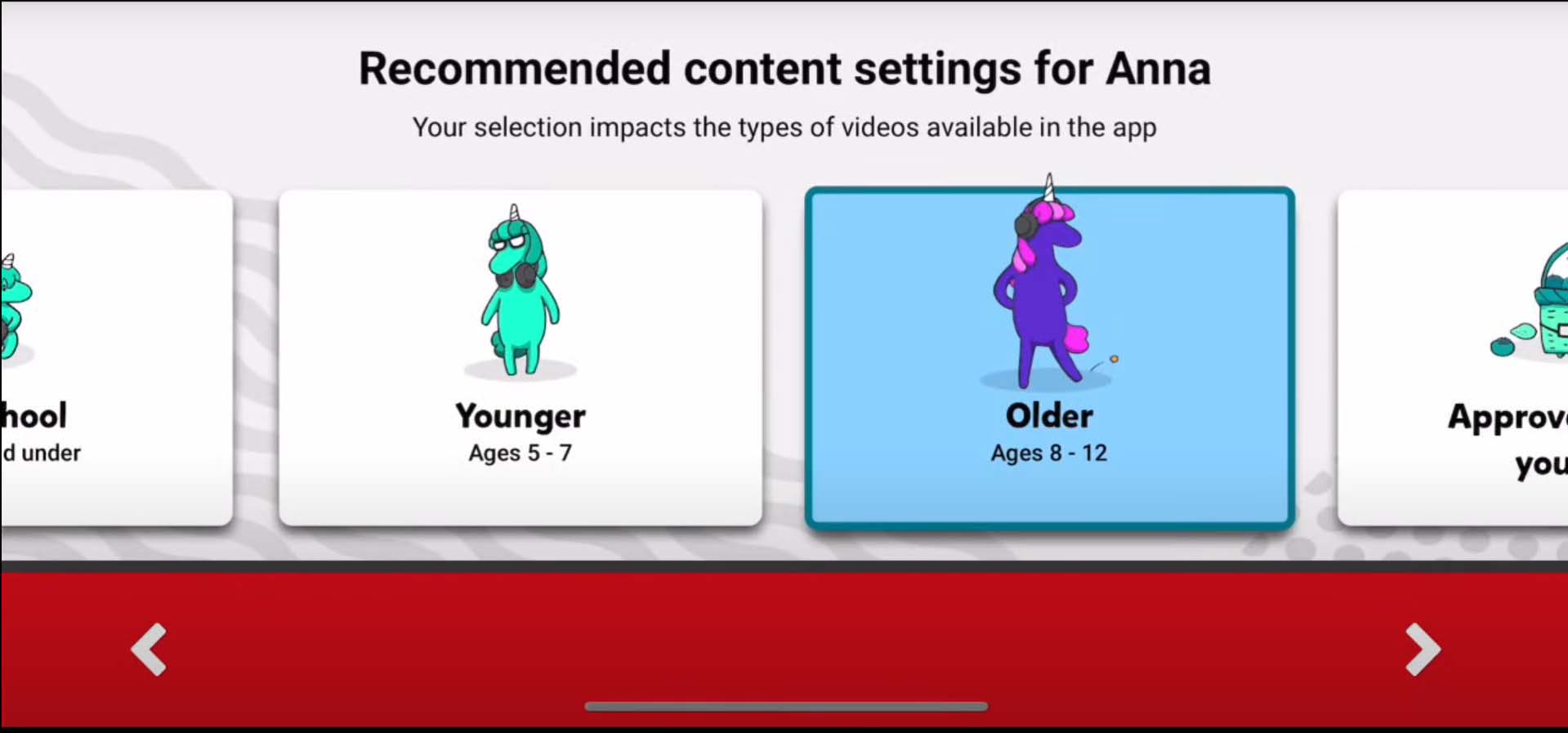
Choosing the right level minimizes exposure to videos that might be too advanced or irrelevant.
4. Search Control
The search function can be toggled on or off, depending on parental preference.
- When enabled: Children can explore within the app’s curated database, broadening their horizons while staying within safe boundaries.
- When disabled: Kids are restricted to pre-selected content, reducing the risk of encountering unwanted videos.
This feature is particularly helpful for maintaining focus during learning sessions or leisure time.
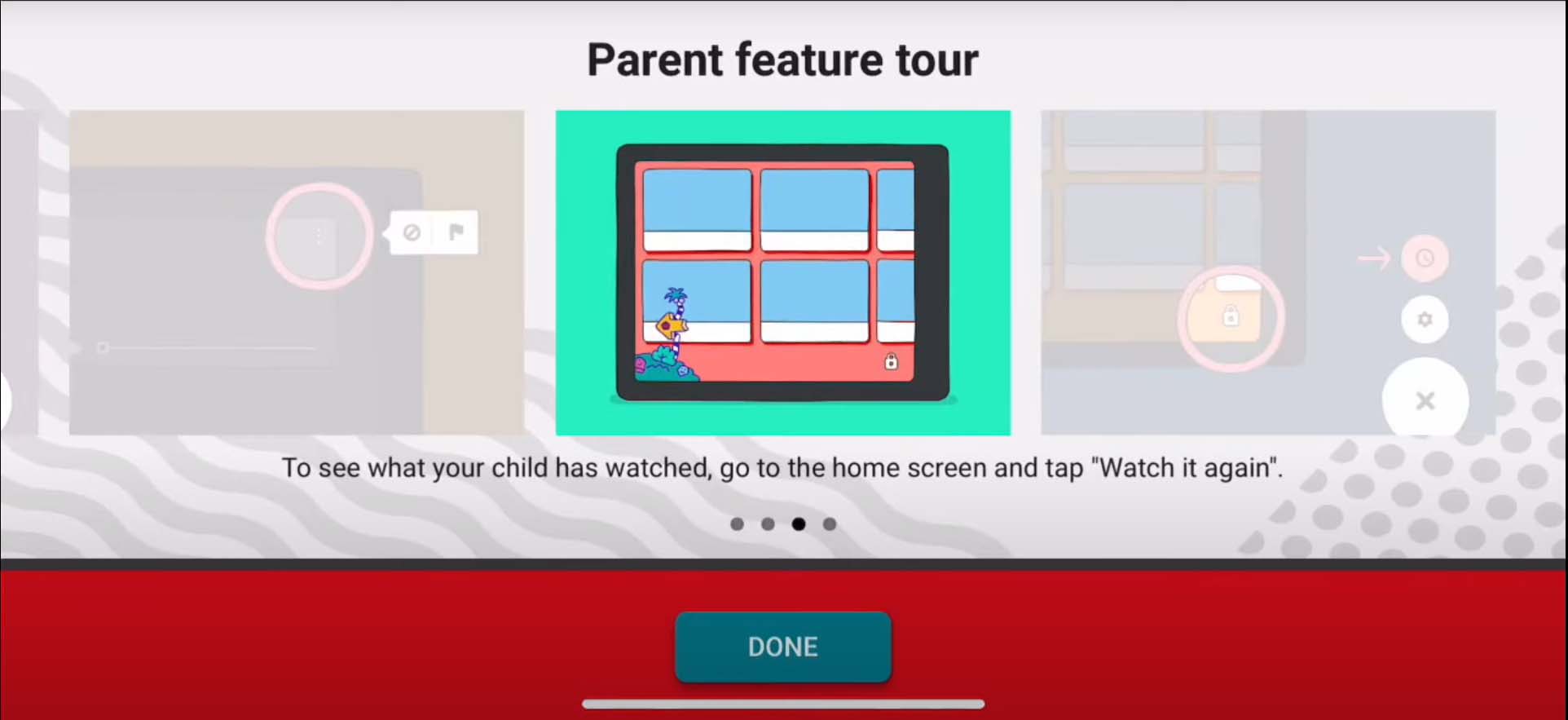
5. Tools for Managing Screen Time
Encouraging balanced screen time is crucial for developing healthy habits. YouTube Kids includes a built-in timer that parents can configure.
- Set limits: The app automatically locks after the allotted time, preventing excessive usage.
- Visual cues: A friendly reminder appears as time winds down, preparing children for the transition.
This simple tool fosters time management and reduces dependency on devices.
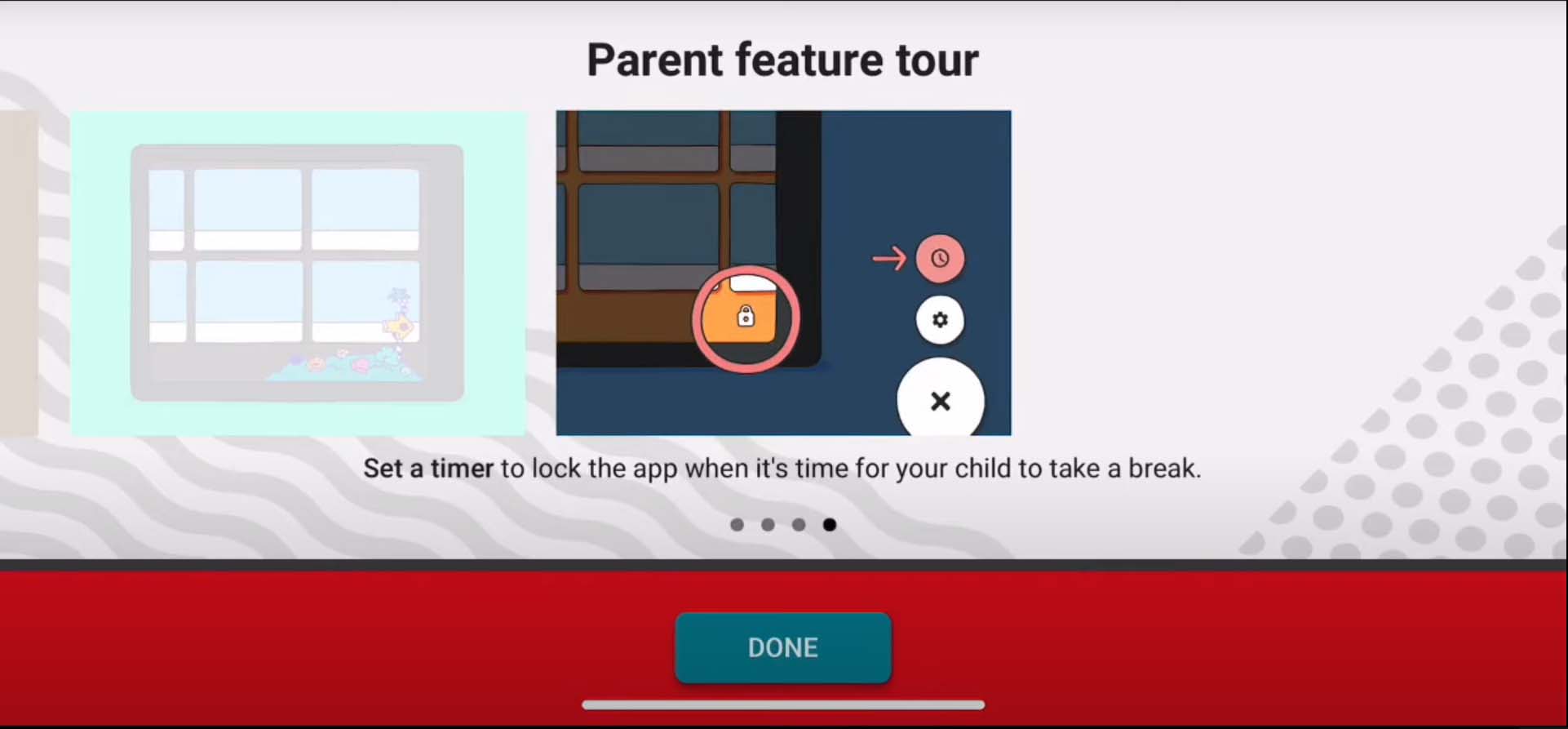
6. Reporting and Blocking
Ensuring a safe environment sometimes requires proactive measures. The app includes options to report and block inappropriate or unsuitable content.
- Report: Flagging problematic videos sends them for review by YouTube’s moderation team.
- Block: Prevent certain videos or channels from appearing in your child’s feed.
These tools empower parents to fine-tune content safety and contribute to a better viewing environment for all users.
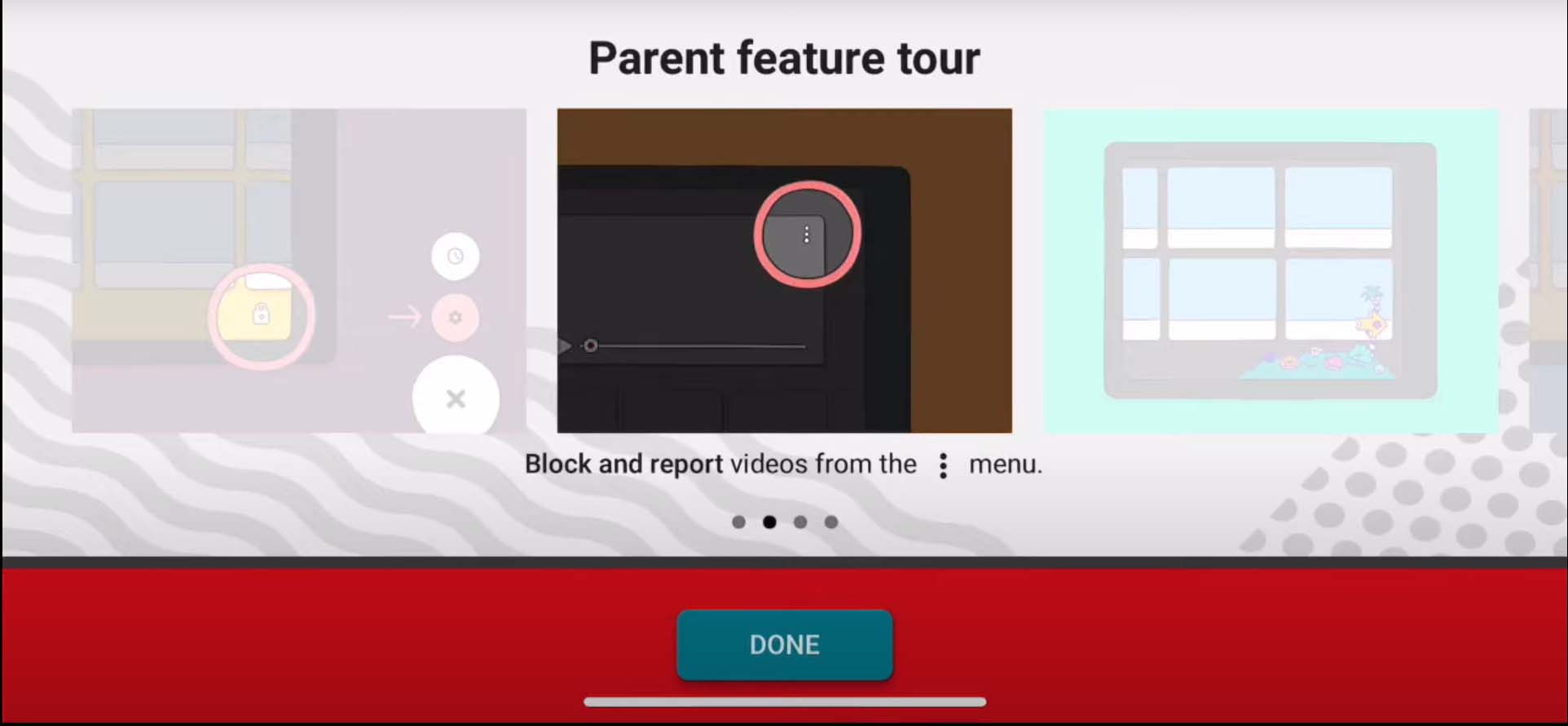
7. Insights into Monitoring Activity
Understanding how children interact with the app can inform better choices and guidelines. YouTube Kids offers several features for monitoring activity:
- Watch History: Review videos your child has viewed to understand their interests and ensure content aligns with expectations.
- Parental Dashboard: Use this tool to manage profiles, adjust content levels, and set limits in real-time.
Regularly checking activity fosters trust and encourages open conversations about what children find engaging or concerning.
YouTube vs. YouTube Kids: Key Differences
YouTube Kids has a simplified, colorful interface designed to appeal to younger audiences, with large icons and intuitive navigation. The content is curated exclusively for children, eliminating most user-generated videos that appear on the main YouTube platform. In contrast, standard YouTube includes a mix of professionally produced and user-generated content, making it more suitable for older audiences.
Advantages of YouTube Kids:
- Enhanced parental controls tailored to young users.
- Age-appropriate content with strict filtering mechanisms.
- Reduced exposure to intrusive or inappropriate ads
Some Disadvantages of YouTube Kids:
- There is limited variety compared to the full YouTube library.
- Occasional inaccuracies in content filtering, requiring active parental oversight.
For families with older children or those seeking a broader range of content, the main YouTube platform might be a better fit. However, for younger children, YouTube Kids offers a safer and more controlled environment, specifically designed to meet the needs of its audience.
Popular Alternatives to YouTube Kids
Pastory
An AI-driven application designed to enhance your child’s YouTube and TikTok experience by integrating educational content tailored to your preferences and your child’s unique personality traits. Pastory focuses on creative narratives and educational themes, providing a structured environment that combines entertainment with learning opportunities.
Netflix Kids
Netflix Kids offers a secure streaming experience for families, with a dedicated section that curates age-appropriate movies and shows. Its robust parental controls allow customization of viewing preferences, ensuring children access safe and engaging content.
PBS Kids
Known for its strong emphasis on education, PBS Kids delivers high-quality programming designed to promote learning and development. The platform features interactive games, videos, and activities aligned with educational objectives, making it an excellent choice for parents prioritizing academic enrichment.
Kidoodle.TV provides a family-friendly streaming platform that prioritizes safety and education. With a vast selection of entertaining and educational content, it ensures children can explore their interests while parents maintain control over what is watched. Features like parental filters, screen time limits, and ad-free viewing make it a trusted choice for families.
KidsBeeTV combines fun and learning with its curated video content tailored for young audiences. The platform offers a mix of educational programs, songs, and games that engage children in an interactive way. Parents can enjoy peace of mind with advanced filtering options and reports that track their child’s viewing habits and progress.
Features to Consider When Choosing an Alternative
When you look beyond YouTube Kids, it’s important to evaluate other platforms with a discerning eye. The goal is to find a service that aligns with your family’s values and provides a safe, enriching environment. Here are the key features to consider:
- Content Moderation and Safety
Your top priority is to protect your kids from stumbling upon inappropriate content. Evaluate how each platform filters its library. Do they use a combination of automated systems and human reviewers to screen for mature content? The most reliable services are transparent about their moderation process, giving you confidence in the content their kids are viewing. - Robust Parental Controls
Look for comprehensive parental control settings that go beyond a simple on/off switch. A quality platform should allow you to create a supervised account for your child, customize the content setting for different age levels, and block specific videos or channels. Features that help manage screen time, like the ability to set a timer or set time limits, are also essential for building healthy digital habits. - Educational Value
Consider whether the app offers more than just passive entertainment. Platforms with high educational value integrate learning opportunities through interactive games, puzzles, and videos that teach new skills. This helps ensure that screen time is also productive time. - Privacy and Account Security
Before you create a Google account or any other type of profile for your child, review the app’s privacy policy. Understand what data is collected and how it’s used. Check the account settings to see what controls you have over your child’s information and whether the platform displays advertisements. - Accessibility and Ease of Use
A great app should be easy for both you and your child to use. Look for features that fit your family’s lifestyle, such as offline downloads for travel and support for multiple devices. A smooth, intuitive YouTube experience for your child (or an experience on any app) makes it more likely to be a positive addition to your digital toolkit.
Expert Insights on Safe Internet Practices for Children
Articles from trusted sources such as Pew Research Center, offer practical advice on topics like digital literacy, privacy awareness, and the benefits of moderated screen use.
Pediatricians, child psychologists, and experienced educators recommend a balanced digital routine with supportive family discussions.
Parental Controls and Content Filters
- Experts emphasize the value of automatically screening out age-inappropriate content.
- Comparisons show a reduction in potential online risks and harmful exposure for children who have well-monitored feeds.
Open Communication Channels
- Research reveals that ongoing conversations about privacy, cyberbullying, and online manners reduce anxiety in young users.
- Family discussions on current events or trending videos enhance trust and media literacy.
Consistent Tech-Free Zones
- Studies point out that gadget-free mealtimes and shared reading sessions improve attention spans.
- Children who have tech-free schedules often show stronger face-to-face social skills, encouraging better emotional connections.
Recommended Reads
“The Art of Screen Time” by Anya Kamenetz – Explains how technology shapes everyday life from a journalist’s viewpoint.
“Raising a Screen-Smart Kid” by Julianna Miner – Demonstrates how social media affects children’s mental health and self-esteem.
“Children and Parents: Media Use and Attitudes Report” by Ofcom – This annual publication from the United Kingdom’s communications regulator provides comprehensive data on children’s evolving media habits and device usage.
American Academy of Pediatrics Articles – Summarizes up-to-date guidelines on screen time limits and family media plans.
Pew Research Center Studies – Illustrates statistics on children’s online behavior and social media participation.
Frequently Asked Questions: A Parental Controls Guide for YouTube
Is YouTube Safe for Kids?
The platform can be safer with controls, but no setting makes it completely risk-free. The safest approach combines YouTube Kids or supervised accounts, Restricted Mode where needed, device rules, screen-time limits, and active parental involvement.
Is YouTube Kids Safer Than YouTube?
Yes, for many younger children. The Kids app offers a more controlled environment with no comment sections for children and stronger parent settings, making it a safer choice for many families. However, parents should still review settings, block unsuitable channels, and monitor activity because automated filters are not perfect.
Can Parents Block YouTube Channels?
Yes. In the Kids app, parents can block specific videos or channels. In supervised accounts, parents can also block channels from a linked parent account where available. In the main YouTube app, “Don’t recommend channel” mainly affects recommendations and should not be treated as a full parental block.
Can Parents See YouTube Watch History?
Yes, parents can review watch history through the child’s supervised experience or the Family Link and YouTube settings available for that account. However, if watch history is paused, cleared, or the child watches through a different account or device, the history may be incomplete.
Can Parents Limit YouTube Shorts?
Yes. Parents can limit Shorts in supervised accounts by setting a daily Shorts feed limit, including zero where available. They can also reduce Shorts exposure by using the Kids app for younger children or setting app limits in Family Link. Because Shorts can move quickly through trends, parents should still review Shorts activity and recommendations.
Should Restricted Mode Stay On?
Yes, Restricted Mode is a useful baseline filter, especially on shared devices. It helps reduce exposure to potentially mature content and hides comments. However, it should be treated as one layer, not a complete parental-control solution.

Take a short quiz to find out what your everyday choices say about your parenting style
When your child is curious about something new, what’s your instinct?
Take a short quiz to find out what your everyday choices say about your parenting style
“Can I download this app?” What happens next?
Take a short quiz to find out what your everyday choices say about your parenting style
When it comes to rules at home, which sounds most like you?
Take a short quiz to find out what your everyday choices say about your parenting style
If you could give your child one life skill today, what would you pick?
Take a short quiz to find out what your everyday choices say about your parenting style
Your child gets to choose what to watch. What would your ideal setup look like?
Take a short quiz to find out what your everyday choices say about your parenting style
Pick your parenting superpower ✨