
10 Parenting tips for girls with ADHD

 Discover a Free Education Video App for Kids
Pastory uses AI to personalize educational video content based on your child’s interests and personality. Safe, engaging, and built for curious young minds. Sign up now to stay updated and enjoy early access with a free trial
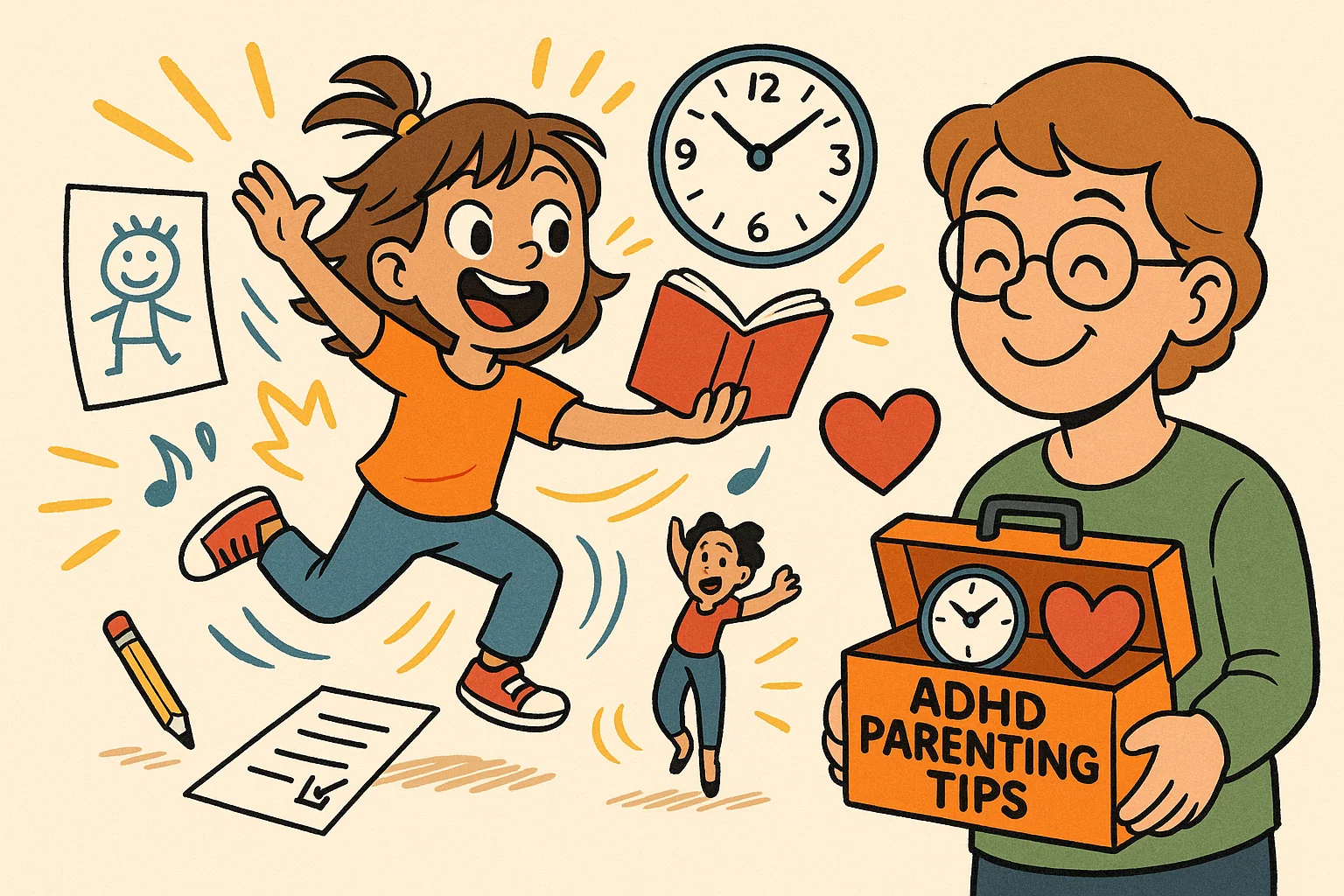
Navigating family life when your daughter has ADHD requires an understanding that attention-deficit/hyperactivity disorder can present differently across genders. While boys may be more likely to show overt hyperactive behaviour, girls with ADHD often show symptoms through inattention, emotional overwhelm, perfectionism, social stress, or masking.
This comprehensive guide gives parents and carers practical strategies to help their daughter thrive. It outlines practical adjustments for home life, school environments, social interactions, sleep routines, and emotional meltdowns. You will also find evidence-informed guidance on navigating the ADHD assessment pathway, seeking an accurate ADHD diagnosis, and accessing reliable sources of support.
Key takeaways
- Gender presentation differences: Girls with ADHD are often more inattentive than overtly hyperactive, which can delay identification and support.
- The impact of masking: Many girls copy peers to hide executive-function difficulties, leading to exhaustion, anxiety, and low self-esteem at home.
- Predictable environments help: Structured daily routines with visual checklists can reduce working-memory friction.
- Positive reinforcement works: Immediate, specific praise for small wins can help counter shame and build confidence in girls with ADHD.
- Collaborative school support: Partnering with school teams can help secure useful accommodations, such as chunked instructions and sensory breaks.
- Holistic family wellness: Supporting parents of children with ADHD through intentional self-care can help prevent burnout and support parental emotional regulation.
Main points for parents
- Symptom profiles: Girls with ADHD may show more inattention, emotional overwhelm, masking, perfectionism, and social stress than obvious hyperactivity.
- Home systems: Effective parenting support starts with routines, visual reminders, short instructions, and predictable home systems.
- Confidence building: Positive reinforcement works better than criticism, especially for girls who already feel ashamed or “not good enough.”
- Meltdown management: Meltdowns should be handled with calm reassurance, safety, fewer words, and a repair conversation once emotions have settled.
- Academic collaboration: School support is important: written instructions, planner checks, movement breaks, extra time, and teacher check-ins can reduce daily stress.
- Targeted strategies: Sleep, friendships, sibling dynamics, and teenage independence all benefit from specific ADHD-friendly strategies.
- Professional guidance: Parents should seek an assessment, diagnostic guidance, or professional support when symptoms affect school, home life, confidence, or mental health.
What is ADHD in girls?
Attention-deficit/hyperactivity disorder is a neurodevelopmental condition characterised by persistent challenges with attention regulation, impulse control, emotional regulation, and executive function. In children with ADHD, the brain processes information and manages tasks differently. Because research, clinical expectations, and referral patterns have historically focused more on externalising behaviours, girls with ADHD can be missed by traditional benchmarks.
ADHD as it presents in girls
ADHD in girls is more often associated with inattentive symptoms than with an overtly hyperactive-impulsive presentation. A child may experience chronic daydreaming, persistent disorganisation, heightened emotional sensitivity, forgetfulness, and quiet internal distress. Because these signs of ADHD do not always disrupt the classroom, underlying attention difficulties can remain hidden behind a veneer of quiet compliance.
Masking ADHD symptoms
Masking refers to a coping strategy in which a girl with ADHD uses intense conscious effort to copy peers, hide academic struggles, and overwork to meet expectations. A girl with ADHD may appear to behave very well at school, yet the cognitive load of masking can lead to emotional exhaustion and behavioural difficulties at home. Some research suggests that girls with childhood ADHD may be at increased risk of internalising distress and later mental-health difficulties.
ADHD strengths in girls
| ADHD-related strength | How it may show up | Possible real-world value |
| Interest-based focus | Deep engagement with topics she cares about | Deeper learning and persistence with meaningful tasks |
| Divergent thinking | Innovative problem-solving | Creative arts and out-of-the-box solutions |
| High empathy | Strong emotional sensitivity | Compassionate peer support and connection |
| Dynamic energy | Enthusiasm and curiosity | Engagement in active or fast-paced environments |
Common signs of ADHD in girls
Recognising how ADHD can present in girls requires looking beyond stereotypical externalising behaviours. Noticing ADHD symptoms across daily contexts can help parents decide when to seek a professional evaluation.
Inattention signs
Inattentive ADHD symptoms in girls often become more visible during unstructured tasks or complex academic assignments. A child may experience regular difficulty starting homework, frequently lose necessary personal items, and consistently forget multi-step instructions. Parents often notice inconsistent performance: a child may excel one day but struggle to focus on a similar task the next.
Hyperactivity signs
Hyperactivity in girls rarely looks like running around a classroom. Instead, hyperactivity in a girl with ADHD may look like constant talking, subtle fidgeting, internal restlessness, or intense emotional expression. She may need frequent movement, which might show up as shifting position in her chair or doodling to maintain focus.
Impulsivity signs
Impulsivity in girls with ADHD often shows up in communication and social situations rather than as obvious physical risk-taking. Signs include frequently interrupting conversations, making quick decisions without considering consequences, oversharing personal details, and experiencing sudden friendship conflicts. She may find it difficult to wait her turn during games or group conversations.
Emotional regulation signs
Emotional regulation is closely linked to executive function, which can develop differently in children with ADHD. A child may experience sudden shame spirals, intense reactions to minor corrections, persistent anxiety, and high irritability. These emotional outbursts often reflect an overloaded nervous system struggling to calm down.
Social norms and ADHD in girls
Societal expectations place intense pressure on young girls to be naturally organised, polite, socially intuitive, and emotionally controlled. When a girl has ADHD, meeting these implicit gender norms can require immense cognitive energy and affect her mental health.
Why girls may be missed
Because girls with ADHD often strive to meet adult expectations, teachers and parents may overlook their internal struggles. Quiet inattention may be mistaken for daydreaming, while perfectionism may be praised as academic dedication. As a result, girls who do not show disruptive behaviour may be identified later than boys.
Pressure to behave perfectly
The societal pressure to maintain a “good girl” persona forces many girls to turn their frustrations inward. This persistent effort to hide ADHD symptoms can erode a child’s self-esteem and create chronic exhaustion. Over time, the gap between her external presentation and internal experience can contribute to secondary mental-health challenges.
Parent language that helps
Supportive scripting for parents and carers:
- Instead of: “Why can’t you just keep your room clean?”
- Try: “Your brain works differently, and long tasks can feel overwhelming. Let’s make this task smaller together.”
- Instead of: “You need to listen the first time.”
- Try: “I notice you are zoning out. Let’s look at each other and break down this next step together.”
Internalisation and risk factors
When neurodevelopmental challenges are left unsupported, girls may internalise their daily difficulties. Ongoing executive-function difficulties, especially without validation or support, can contribute to psychological distress.
Anxiety and ADHD overlap
Chronic worry frequently develops as a secondary coping mechanism for a child with ADHD. She may become hypervigilant about forgotten assignments, social missteps, and missed instructions. Anxiety commonly co-occurs with ADHD, and it is important for parents to watch for signs that worry is beginning to affect school, sleep, friendships, or confidence.
Shame and low self-esteem
When a child constantly experiences negative feedback or notices they must work twice as hard as classmates to achieve the same result, their self-esteem can fall. They may internalise the belief that they are flawed, lazy, or unintelligent. It is essential for parents to explicitly separate the child’s core identity from their ADHD symptoms.
When to get extra help
Parents should watch for warning signs that may indicate a need for prompt professional mental-health support. If a child or teen demonstrates persistent sadness, speaks of self-harm, exhibits school refusal, or experiences frequent panic attacks, contact a qualified clinician immediately. These signs suggest that home-based adjustments alone may not be enough to manage the child’s distress.
Getting an ADHD assessment
An ADHD assessment is a comprehensive process designed to map a child’s developmental, behavioural, and academic history across different environments.
What parents should document
| Life domain | What to track | Useful patterns or metrics |
| Academic | Homework completion time, focus stamina | Number of hours spent on simple tasks, tearful episodes |
| Home routines | Morning and evening transition success | Frequency of missed steps, total duration of delays |
| Emotional | Frequency and duration of meltdowns | Specific triggers, time required to return to baseline |
| Sleep | Sleep latency, night-time awakenings | Exact bedtime versus actual sleep-onset time |
Questions to ask professionals
When meeting with a paediatrician, child psychologist, psychiatrist, or specialist ADHD clinician, come prepared with structured questions. Ask which ADHD presentation the evaluation indicates, and ask about potential coexisting learning differences or anxiety. Additionally, request a detailed breakdown of evidence-informed ADHD treatment options and specific accommodations that can be shared with the child’s school.
How to prepare your daughter
Frame the upcoming assessment as a supportive, stigma-free way to understand how her brain works. Explain to your daughter that everyone’s mind processes information differently, and that the evaluation can help identify her learning strengths and support needs. Avoid phrasing that suggests she is being tested for a defect; instead, emphasise that the goal is to discover the exact support your child needs.
Getting an ADHD diagnosis
Receiving a formal ADHD diagnosis from a qualified professional can help a family move from reactive frustration to proactive, targeted support.
After diagnosis
Once a child is diagnosed with ADHD, the next step is to build a collaborative, multidisciplinary support plan. Share the diagnostic report with the special educational needs coordinator (SENCO) or school counsellor to establish appropriate learning adjustments. Parents should review supports regularly to see whether they still fit the child’s age, needs, and changing academic demands.
Common coexisting conditions
ADHD commonly co-occurs with other developmental or mental-health conditions. Clinicians may also identify coexisting challenges such as dyslexia, autism spectrum conditions, sensory processing sensitivities, anxiety, or sleep disorders. Identifying these overlaps ensures that the chosen therapeutic strategies address the child’s whole neurodivergent profile.
Diagnosis without shame
Parents can frame the diagnosis as an empowering tool rather than a restrictive label. Avoid using terms like “lazy,” “careless,” or “dramatic” when the child struggles with executive dysfunction. Consistently communicate that having ADHD means her brain may need different tools and supports to navigate environments designed around neurotypical expectations.
How can parents help girls with ADHD?
Effective parental support starts with emotional safety, clear structure, and realistic expectations.
Start with relationship
Because girls with ADHD may receive more correction than encouragement throughout the day, maintaining a strong emotional connection is essential. Dedicate uninterrupted time each day to activities chosen by your child, free from behavioural criticism. When a child feels unconditionally accepted at home, they become much more receptive to learning new behavioural strategies.
Use support instead of criticism
Replace punitive measures with practical, low-friction external tools to help your child navigate working-memory limitations. Use visual checklists, visual timers, and “body doubling” — sitting nearby while she completes a difficult task. These proactive strategies can lower task-initiation anxiety without relying on constant verbal reminders.
Make expectations visible
Verbal instructions can quickly disappear from working memory for a child with executive-function challenges. Ensure all daily responsibilities are supported by visible cues, such as colour-coded whiteboards, clear labels on storage bins, and simple step-by-step checklists. These physical anchor points help the child independently check what needs to happen next.
1. Build reliable routines
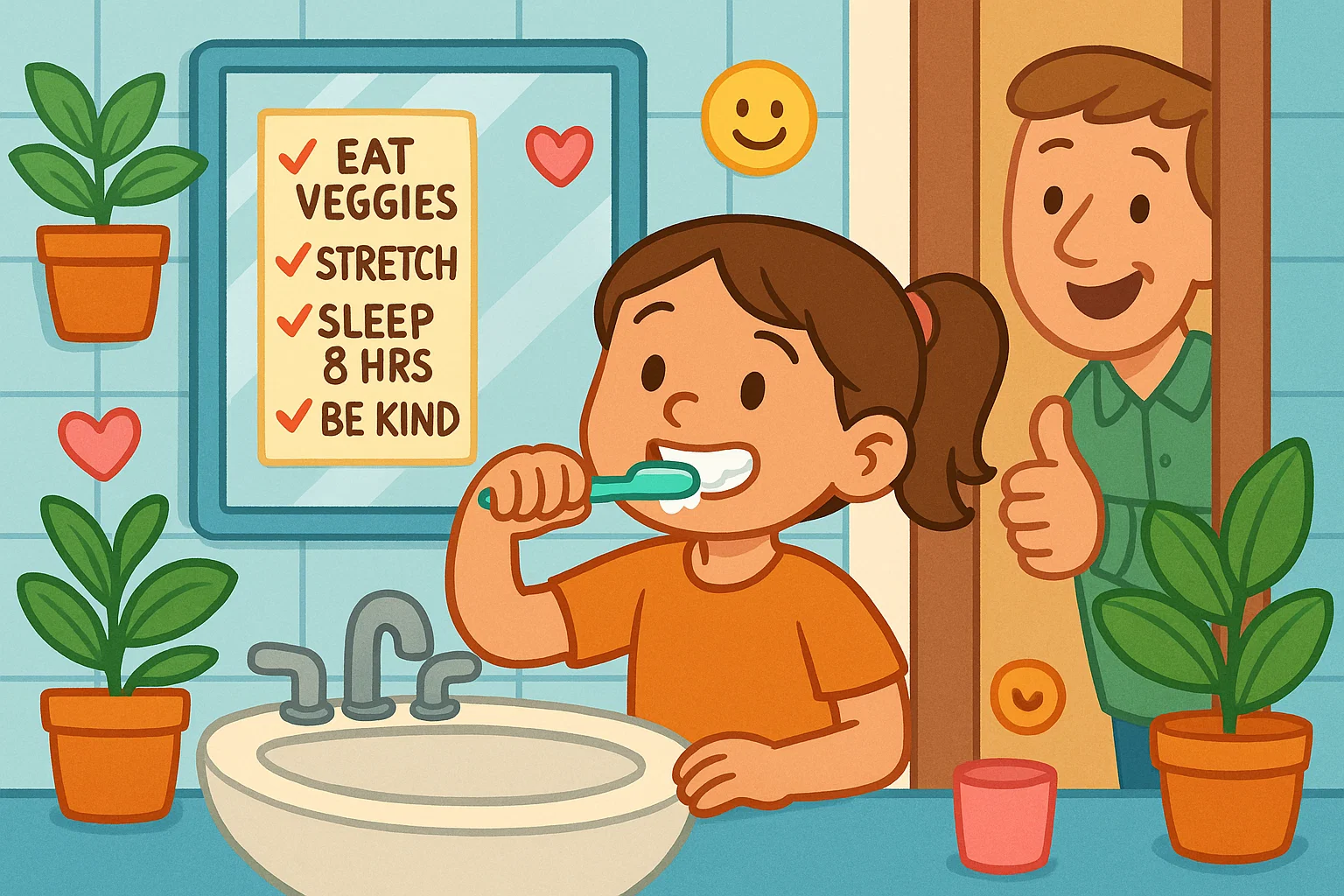
Structured routines can reduce decision fatigue and lower daily friction for both children with ADHD and their parents.
Morning routine
Mornings tend to work best with a predictable sequence supported by a visual checklist. Arrange items chronologically: clothes laid out the night before, breakfast, medication if prescribed, and a final school-bag check. Build a consistent 15-minute buffer into the schedule to allow for distraction without creating last-minute panic.
After-school routine
When a child returns home, her cognitive energy may be depleted from masking throughout the day. Provide a dedicated 30- to 45-minute decompression window with a nutritious snack and self-directed physical activity before introducing any academic expectations. Follow this decompression with a highly structured, predictable ritual for beginning homework.
Bedtime routine
A smoother bedtime usually requires a gradual, step-by-step reduction in environmental stimulation. Set a consistent screen cut-off at least 60 minutes before lights out, replacing devices with calming options such as audiobooks or weighted blankets, where appropriate. Keep the same sequence of bathing, reading, and parent connection each night to signal sleep readiness.
2. Use lists for daily tasks
Lists act as external working memory, helping children with ADHD offload cognitive strain and track their progress.
Short checklists
Keep daily behavioural checklists limited to three to five specific, actionable steps to prevent overwhelm.
- Brush teeth thoroughly.
- Pack prepared lunch box into backpack.
- Put on shoes and coat.
- Double-check front-door launchpad for keys.
Homework lists
Break large, intimidating academic assignments down into micro-actions that feel easily achievable.
- Open school planner to today’s date.
- Select the single shortest assignment to complete first.
- Set a visual timer for 15 minutes of dedicated focus.
- Submit the completed work to the digital school portal.
Reward-based lists
Motivate task completion by pairing daily checklists with immediate, positive reinforcement rather than the threat of punishment. Use a visible reward system in which completing a routine earns points towards privileges or special parent-child activities. Keep the tracking system highly visible so the motivation remains clear.
3. Create visual timetables for new routines
Visual schedules turn abstract time into clear, concrete boundaries.
Visual timetable examples
Create clear, colour-coded visual schedules for high-friction periods such as school mornings, weekly chore rotations, and weekend transitions. Use physical icons or clear photographs for younger children, and transition to shared digital calendar platforms for older children. Display these schedules prominently in central areas like the kitchen or hallway.
New routine practice
Try not to introduce a new routine during a high-stress, time-sensitive moment. Instead, proactively rehearse the steps of a new schedule — such as transitioning to a new school week or preparing for exams — during a relaxed weekend afternoon. Practising the steps in advance builds familiarity and can reduce situational anxiety.
Visual tools for older girls
Adolescent girls benefit from modern, sophisticated tracking tools that do not carry a childish stigma. Encourage her to use personal whiteboards, sticky notes, shared family calendars, and ADHD-management apps independently. Allowing her to choose her own tools builds early self-advocacy skills.
4. Focus on positive behaviour
Shifting parental focus from correcting mistakes to celebrating effort can gradually change a child’s internal narrative.
Praise effort quickly
Give specific, behaviour-based praise soon after a positive choice to reinforce the behaviour.
- “I noticed you started your maths assignment straight away; that shows excellent effort.”
- “Thank you for coming back to the table after you got distracted; that was a great recovery.”
- “I appreciate you telling me how you felt when you started to feel overwhelmed just now.”
Catch small wins
Look for small signs of progress throughout the day rather than waiting for flawless execution. Notice when she puts her shoes near the door, completes a single homework question calmly, or uses a measured voice during a disagreement. Celebrating these small victories can build momentum for tackling larger behavioural challenges.
Reduce negative labels
Eliminate damaging, globally critical language from your daily interactions. Words like “lazy,” “messy,” “rude,” or “dramatic” can damage a girl’s self-esteem and trigger defensiveness. Instead, always describe the specific behavioural frustration objectively, reinforcing that you believe in your child’s capability to learn a better approach.
5. Set agreements and rewards
Collaborative agreements create clarity around family expectations and the consequences of behavioural choices.
Create a fair deal
Sit down with your child during a calm moment to agree on one behavioural target together. Make the target specific, include her input on rewards that feel motivating, and agree on a realistic timeframe for review. Including her voice in the agreement can improve buy-in and follow-through.
Keep rewards immediate
Because many children with ADHD find distant rewards less motivating, delayed rewards can lose their impact quickly. Ensure that earned points, stickers, or small privileges are distributed immediately upon task completion. Use a visible chart on the fridge so progress towards larger weekend goals stays top of mind.
Review without blame
If a new reward agreement fails to achieve the desired outcome, pause and analyse the system objectively rather than blaming the child for defiance. Determine if the initial steps were too complex, if the visual reminders were missing, or if the reward lost its appeal. Adjust the structural scaffolding collaboratively to make the system more accessible.
6. Manage meltdowns
An ADHD meltdown is an involuntary loss of emotional control caused by an overloaded nervous system, and it is different from a deliberate tantrum.
Before a meltdown
Learn to identify early physiological and behavioural warning signs, such as escalating irritability, physical restlessness, or sudden environmental withdrawal. Triggers frequently include acute hunger, complex transitions, sensory overload, or excessive cognitive fatigue. Intervening early by lowering demands can help prevent escalation.
During a meltdown
When a meltdown occurs, prioritise physical safety and reduce sensory input. Use few words, keep your voice calm and low, and avoid lecturing or problem-solving in the moment. Your main role is to act as an emotional anchor until the storm passes.
After a meltdown
Wait until the child is calm — sometimes hours later — before starting a repair conversation. Help her name her feelings, identify what may have triggered the overload, and make a plan for next time. Approach this conversation with empathy and avoid revisiting the meltdown in a resentful tone.
Eight-step method for an ADHD meltdown
- Notice early signs.
- Lower immediate demands.
- Validate the underlying feeling.
- Reduce sensory stimulation.
- Use calm body language.
- Ensure physical safety.
- Wait for the nervous system to settle.
- Reconnect and repair the relationship.
7. Support sleep
Sleep difficulties are common in children with ADHD and can worsen daytime inattention, mood swings, and impulse-control difficulties.
Sleep tips for children with ADHD
Keeping a consistent sleep schedule on weekdays and weekends can help regulate the body’s circadian rhythm. Ensure the bedroom environment is cool, dark, and free from distracting electronic devices. Use calming sensory tools such as white-noise machines, blackout curtains, or heavy blankets, where appropriate, to help soothe an overactive nervous system.
Racing thoughts at night
Many girls experience racing thoughts the moment their head hits the pillow. Keep a dedicated “worry notebook” by the bed where she can write down lingering thoughts, or use child-friendly guided meditation audio. A brief, predictable reassurance check-in can also help if she becomes anxious at night.
When sleep needs medical support
If a child has chronic insomnia, shows signs of restless legs syndrome, snores persistently, or has severe daytime fatigue despite enough time in bed, consult a medical specialist. Additionally, if you suspect that medication timing is interfering with sleep onset, a qualified clinician can adjust the dosage schedule to optimise rest.
8. Help siblings
The needs of a child with ADHD can affect family dynamics, sometimes leaving siblings feeling overlooked or frustrated.
Explain ADHD to siblings
Provide siblings with age-appropriate explanations of how ADHD can affect attention, emotional regulation, and behaviour. Emphasise the important distinction between fairness and sameness, explaining that providing extra support to one child does not mean the other is loved any less. Using simple analogies, such as needing glasses to see clearly, can help foster empathy.
Protect sibling time
Make an intentional effort to schedule regular, dedicated one-to-one time with your other children, ensuring their personal achievements receive equal validation. Establish firm family boundaries that protect their personal property and private spaces from impulsive disruptions. Every child in the home needs to feel that their boundaries are respected.
Reduce resentment
Avoid comparing siblings’ behaviour, grades, or emotional control, as this can fuel resentment. Explicitly praise each child for their unique personal strengths and avoid assigning responsibility for managing ADHD symptoms to siblings. Keeping family rules consistently applied to everyone prevents feelings of systemic unfairness.
9. Improve home life with ADHD-friendly systems
Adjusting the physical layout of your home can reduce executive-function demands and prevent daily organisational friction.
Reduce clutter and friction
Use intuitive, clearly labelled storage systems with clear plastic bins so items stay visible but contained. Establish a centralised “launchpad” immediately adjacent to the front door specifically for school backpacks, shoes, coats, and keys. Minimising unnecessary visual distractions throughout the home can make it easier to focus during homework and routines.
Use movement breaks
Recognise that short bursts of physical activity can help many children with ADHD regulate energy and improve focus. Integrate short, intentional movement breaks — such as jumping on a trampoline, stretching, or doing quick household chores — between sedentary tasks. Allowing controlled movement can reduce pent-up restlessness before it turns into disruptive behaviour.
Make transitions easier
Moving from a preferred activity to a non-preferred task is a common trigger for emotional dysregulation. Use clear countdown warnings with visual timers so the passage of time is easier for the child to understand. For younger girls, a transition object, such as a favourite toy, or a transition song can help smooth the shift between activities.
10. Work with school
An effective partnership between home and school helps ensure that a child’s academic accommodations are applied consistently.
Share what works at home
Start an open dialogue with your child’s school by providing a concise, bulleted summary of strategies that work well at home. Inform teachers about her specific triggers, how she responds to frustration, and which positive reinforcement strategies motivate her best. This proactive information sharing can help prevent educators from misinterpreting inattention as a lack of effort.
Ask for classroom accommodations
Collaborate with school staff to implement targeted classroom modifications designed to support executive function:
- Provide written, multi-step instructions rather than relying only on verbal directions.
- Seat the child near the teacher and away from high-traffic distractions such as doors or windows.
- Allow subtle sensory fidget tools or brief, structured movement breaks.
- Allow extra time on timed tests and arrange regular planner checks by staff.
Track school patterns
Maintain a structured log of school feedback to identify specific environmental, situational, or social patterns that precede behavioural challenges. Note whether difficulties occur during unstructured times such as break time, during specific academic subjects, or during afternoon transitions. Identifying these patterns allows targeted adjustments to be made before issues escalate.
Academic challenges for girls with ADHD
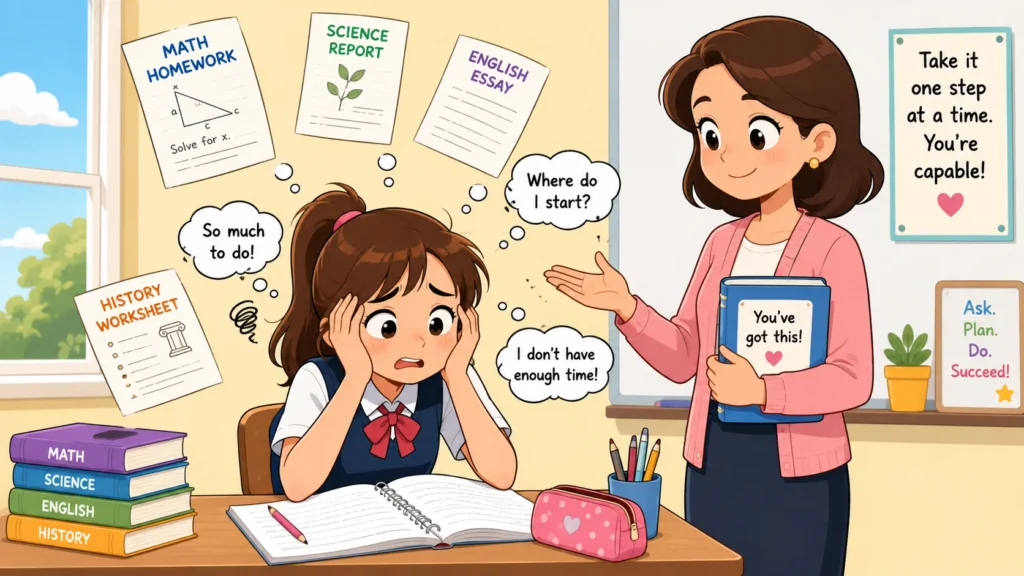
The executive-function difficulties associated with ADHD can make it harder for a student to show their true academic ability.
Homework battles
Getting started is often the hardest part of homework for a child with ADHD. Overcome this hurdle by committing to a tiny first step, such as simply opening the textbook and writing the date down. Body doubling — when a parent sits quietly doing their own work alongside the child — can help stabilise attention and lower anxiety.
Organisation problems
A girl with ADHD may struggle with a messy backpack, lost assignments, and missed academic deadlines. Set up a weekly 15-minute organisation reset every Sunday to go through her school bag, sort paperwork, and update planners. Colour-coded folders or binder organisers can help prevent essential materials from disappearing.
Perfectionism and procrastination
Many girls deliberately delay starting academic assignments because they experience an intense fear of making mistakes or failing to meet high standards. Counteract this perfectionism by explicitly encouraging a “rough draft first” policy, where the initial goal is simply getting thoughts onto paper regardless of mistakes. Praise completion and effort rather than absolute perfection.
Social challenges for girls with ADHD
While many girls with ADHD want meaningful peer connections, executive-function challenges can disrupt their social interactions.
Friendship conflict
Impulsive talking, interrupting, missing subtle non-verbal cues, and intense emotional reactions can strain peer relationships. Actively coach your daughter on social strategies through low-stress role-playing exercises at home, completely free from shaming criticism. Reviewing scenarios can help her practise entering group conversations or handling peer disagreements constructively.
Rejection sensitivity
Many people with ADHD describe intense sensitivity to perceived criticism, judgement, or social exclusion, sometimes referred to as rejection sensitive dysphoria (RSD). Validate the pain she feels during these moments before offering perspective or alternative explanations. Offer comforting coping scripts to help her process these big feelings safely.
Social recovery time
Navigating the complex social dynamics of a school day while consciously masking ADHD symptoms requires extraordinary cognitive and emotional effort. Ensure your daughter has dedicated, quiet recovery time immediately after school before introducing chore expectations or asking complex questions. Allowing her nervous system to rest can help reduce late-afternoon emotional meltdowns.
ADHD in teenagers and beyond
Adolescence brings hormonal shifts, increased academic workloads, and a growing drive towards independence.
Puberty and ADHD symptoms
Hormonal changes around puberty and the menstrual cycle may affect attention, sleep, and emotional regulation, and some girls may find that ADHD strategies feel less effective at certain times. Parents often notice heightened emotional sensitivity, increased mood swings, and intensified sleep disruption during specific phases of the month. Maintaining an accurate symptom log helps identify these hormonal patterns.
Independence skills
Shift your parenting role from a direct manager to a supportive consultant as your daughter enters her teenage years. Encourage her to set up her own smartphone calendar reminders, manage her laundry, track a basic budget, and gradually take responsibility for her medication schedule where appropriate. Building these foundational skills early can support a smoother transition to adulthood.
Teen self-advocacy
Essential self-advocacy phrases for teenagers:
- “I understand the assignment, but I need the steps in writing so I don’t miss anything.”
- “The noise level in this classroom is making it hard to focus. May I use the agreed quiet workspace?”
- “I am feeling overwhelmed by these instructions. Can we please break this project down into smaller milestones?”
Support for families of girls with ADHD
Supporting a child with ADHD works best when the whole family system is considered, not just the individual child.
Parent training and coaching
Enrolling in an ADHD-informed parenting programme or working with a qualified family coach can give parents evidence-informed behavioural strategies. These programmes can teach specialised communication techniques, structure-building strategies, and emotional-regulation skills. Implementing these targeted skills can reduce family conflict and improve overall cooperation.
Therapy and emotional support
A child or teen may benefit from working with a licensed therapist specialising in cognitive behavioural therapy (CBT), occupational therapy, or another appropriate form of support. These structured therapeutic sessions help address underlying anxiety, build resilient emotional regulation strategies, and improve social processing skills. Early support can reduce the risk of secondary mental-health challenges becoming entrenched.
Medication conversations
Decisions about ADHD medication should always be made in close consultation with a qualified medical clinician, such as a paediatrician, psychiatrist, or specialist ADHD prescriber. Use these professional consultations to thoroughly discuss potential benefits, address side effects, understand optimal timing, and establish routine monitoring protocols. Medication, when prescribed, often works best as part of a broader support plan that includes behavioural and structural strategies tailored to the child.
Looking after yourself
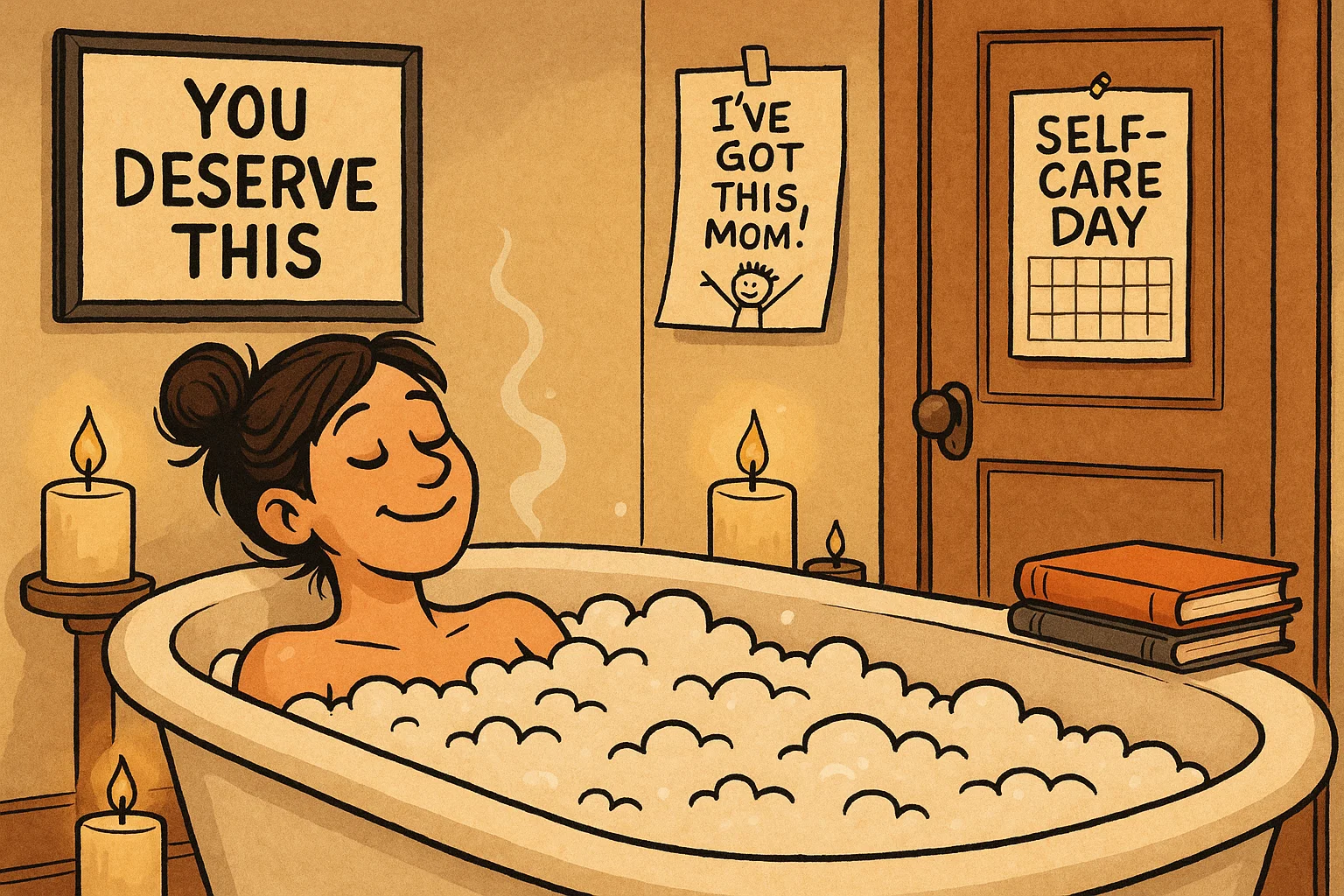
The ongoing demands of caregiving can contribute to parental burnout, which can affect the emotional atmosphere at home.
Parent burnout signs
Parents should watch for signs of burnout, including chronic exhaustion, persistent resentment or guilt, constant family conflict, and a sense of isolation. When a caregiver is chronically depleted, their capacity to offer patient, emotionally regulated support to their child is profoundly compromised.
Build a parent support network
Build a reliable support network that may include local parent groups, trusted friends, school staff, and established communities such as ADHD UK or CHADD. Sharing your experiences with others who truly understand the unique realities of parenting a child with ADHD provides vital validation and practical advice.
Model self-compassion
Demonstrate healthy self-compassion by speaking to yourself with the same patience, kindness, and understanding that you want your daughter to develop. When you make a parenting mistake, acknowledge it, apologise if necessary, and show what emotional repair looks like. Modelling this resilient behaviour teaches your child that mistakes are part of learning.
Key takeaway points
Main parenting tips
- Maintain consistent daily routines paired with visible visual checklists.
- Use specific, behaviour-based positive reinforcement to build confidence.
- Collaborate actively with school teams to secure essential classroom learning accommodations.
- Prioritise structured sleep-hygiene systems to support daytime attention and mood.
- Manage intense emotional meltdowns with low stimulation, minimal words, and calm body language.
What matters most
The foundation of effective ADHD support is the quality of your parent-child relationship. Structured routines and practical systems work best when they are built on unconditional love, emotional validation, and low-shame support.
Next steps
Begin by documenting your daughter’s behavioural patterns and triggers over one full week. Select just one high-friction routine — such as the morning departure — to improve using a simple visual checklist. At the same time, consider scheduling an initial consultation with her school or a qualified healthcare professional to explore formal assessment pathways.
FAQ about parenting girls with ADHD
What are the early signs and symptoms of ADHD in girls?
The signs and symptoms of ADHD in girls can include inattention, emotional sensitivity, disorganisation, forgetfulness, perfectionism, and difficulty managing friendships. Some girls also show hyperactivity through constant talking, fidgeting, racing thoughts, or restlessness rather than obvious disruptive behaviour. If you think your daughter may have ADHD, it is worth documenting patterns across home, school, sleep, and social situations before speaking with a qualified professional.
How is attention deficit hyperactivity disorder different in boys and girls?
Attention deficit hyperactivity disorder can affect both boys and girls, but it is often noticed earlier in boys because their symptoms may be more visibly disruptive. Girls may be more likely to mask their struggles, appear compliant at school, and then become overwhelmed at home. Every child is different, so the goal is not to compare children but to understand how ADHD affects your child’s behaviour, learning, emotions, and confidence.
How can parents support ADHD at home?
ADHD at home is often easier to manage when routines are predictable, instructions are short, and expectations are visible. Children with ADHD need structure, but they also need warmth, patience, and flexibility. Ways you can help include using visual checklists, preparing school items the night before, reducing clutter, building in movement breaks, and praising effort quickly when your child manages a difficult task.

Take a short quiz to find out what your everyday choices say about your parenting style
When your child is curious about something new, what’s your instinct?
Take a short quiz to find out what your everyday choices say about your parenting style
“Can I download this app?” What happens next?
Take a short quiz to find out what your everyday choices say about your parenting style
When it comes to rules at home, which sounds most like you?
Take a short quiz to find out what your everyday choices say about your parenting style
If you could give your child one life skill today, what would you pick?
Take a short quiz to find out what your everyday choices say about your parenting style
Your child gets to choose what to watch. What would your ideal setup look like?
Take a short quiz to find out what your everyday choices say about your parenting style
Pick your parenting superpower ✨



