Parenting resources for parents and carers of teenagers

 Discover a Free Education Video App for Kids
Pastory uses AI to personalize educational video content based on your child’s interests and personality. Safe, engaging, and built for curious young minds. Sign up now to stay updated and enjoy early access with a free trial
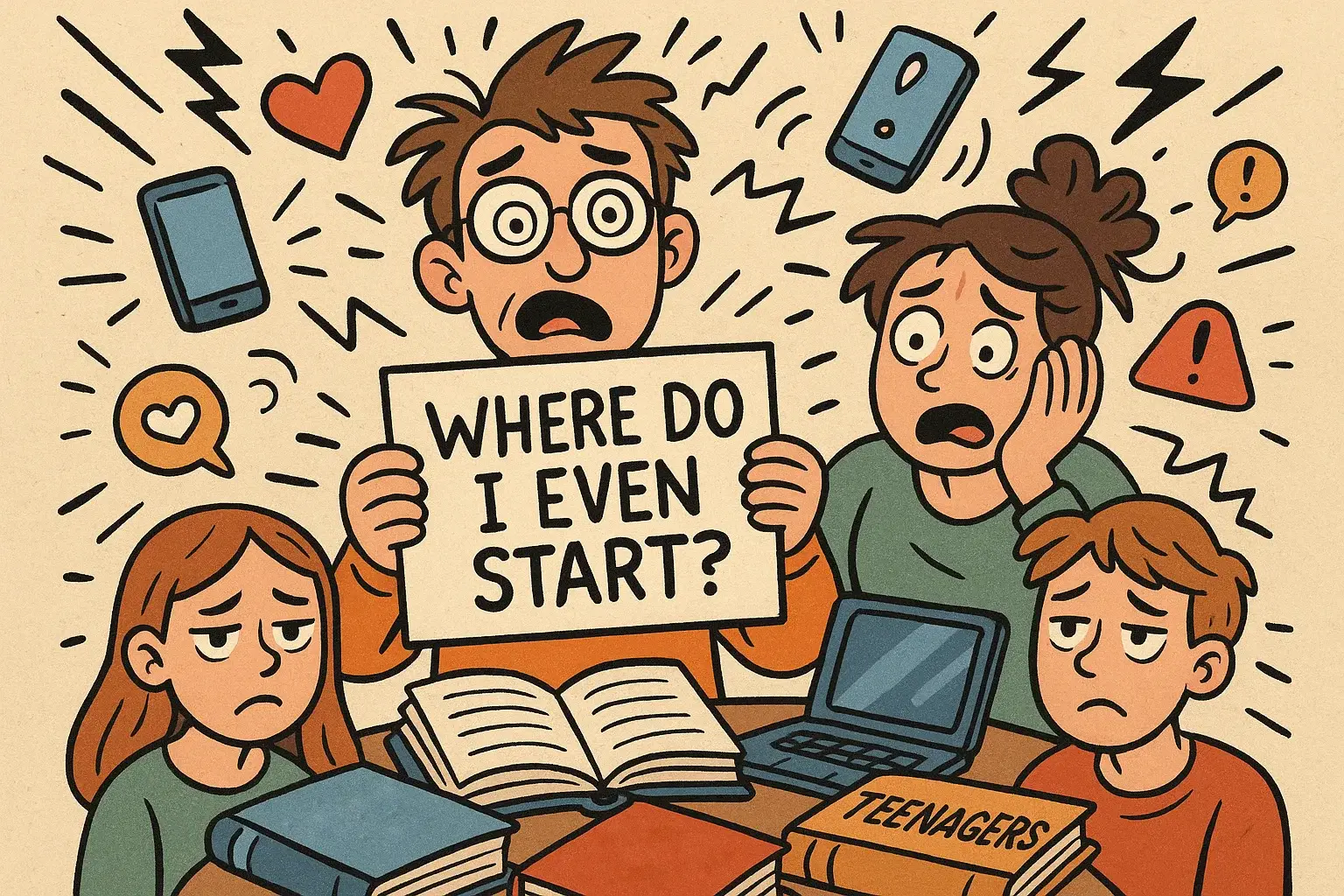
Parenting a teenager requires balancing guidance with growing independence. This guide brings together practical parenting resources for parents of teenagers, helping families navigate this stage of development. Parents and carers can find information and advice on communication strategies, mental health support, working with schools and GPs, emergency contacts, webinars, online safety, disability support, and common teenage challenges.
Key takeaways
- Access early support: Parents and carers can get support through a confidential parent helpline, trusted online resources, or local family support services.
- Know when to involve professionals: Contact your teenager’s school about academic or social concerns, and speak to a GP if physical or emotional changes persist for more than two weeks.
- Recognise emergency warning signs: Urgent warning signs include self-harm, suicidal thoughts, severe eating disorder symptoms, or very low mood.
- Prioritise wellbeing and mental health: Support teenagers by establishing reliable communication, maintaining predictable routines, and validating their emotions without immediate judgement.
- Manage parental stress: Parents also need to protect their own health and wellbeing by using support groups, setting boundaries, and seeking advice early to reduce the risk of burnout.
- Use a range of tools and resources: Families may benefit from a range of support options, including educational webinars, evidence-based books, and carefully reviewed digital tools.
Quick support options for parents
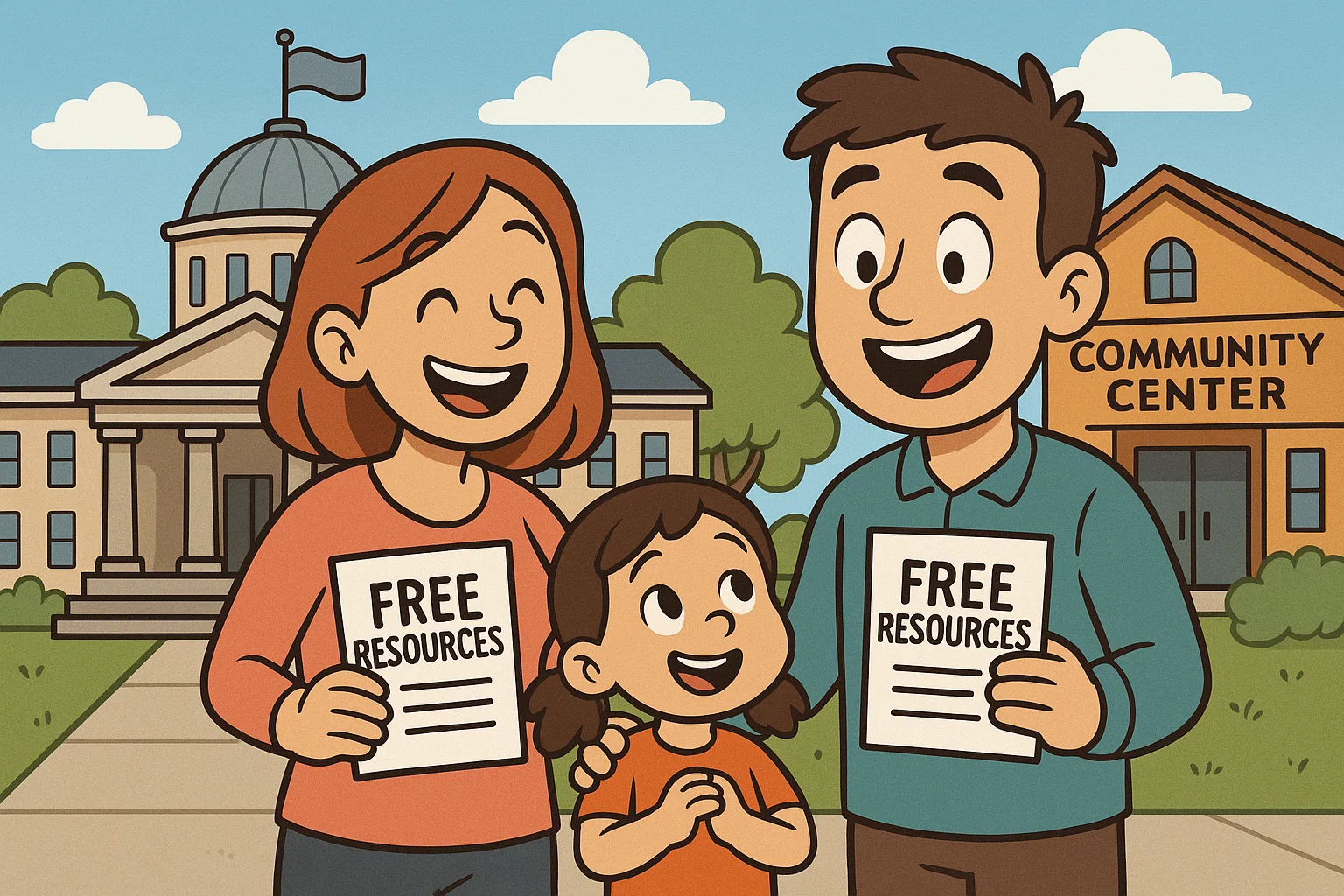
Coram Family Lives provides a free, confidential parent helpline on 0808 800 2222, offering non-judgemental advice and information on parenting and family life. The NHS provides information about children and young people’s mental health services, also known in some areas as CAMHS or CYPMHS. School pastoral care teams and local authority family hubs can provide local support and advice for parents dealing with behaviour or attendance concerns.
Signs parents should not ignore
The American Academy of Pediatrics (AAP) advises that self-harm should be taken seriously and that families should seek professional support to assess safety and underlying distress. Sudden changes in eating patterns, rapid weight changes, or secretive behaviour around food may indicate an emerging eating disorder. Low mood lasting more than two weeks, withdrawal from friends, or expressions of hopelessness may indicate that a teenager needs professional mental health support.
Best way to use this guide
This guide helps parents and carers find information based on what their family needs right now. Parents, carers, and professionals should go straight to the emergency resources section if a young person is experiencing a mental health crisis. For non-urgent situations, readers can start with communication strategies, then move on to school support, specialist mental health resources, and national directories.
Teen behaviour, emotions, and family stress
The teenage years bring major developmental changes that can affect how a young person interacts with family members. Understanding these developmental changes can help parents manage family stress and maintain a strong relationship with their child.
Why teen behaviour can feel overwhelming
Adolescence is a stage of development in which the drive for autonomy can conflict with parental boundaries. A young person may have sudden mood swings, need more privacy, or prioritise peer approval as part of normal identity development. These changes often happen alongside rising academic pressure and more complex social dynamics, which can leave both parents and teenagers feeling overwhelmed.
Parent feelings about teen behaviour
Parenting teenagers can trigger strong emotional responses in adults, including guilt, frustration, anxiety, or a sense of rejection. Chronic parenting stress can leave caregivers physically exhausted and less able to regulate their emotions. Recognising caregiver fatigue as a common response to parenting stress can help parents avoid taking every difficult moment as a personal failure.
Puberty, identity, and social pressure
During puberty, young people go through rapid physical, emotional, and sexual development, which can affect their confidence and self-esteem. NHS guidance notes that puberty can bring physical changes and mixed emotions; for some teenagers, these changes may also affect body image and confidence. Peer groups can become an important source of information about social norms, which may expose teenagers to pressure around sex, substance use, online behaviour, and fitting in.
Teen brain, choices, and emotions
The National Institute of Mental Health (NIMH) notes that the prefrontal cortex, which supports planning, prioritising, and decision-making, is one of the last brain regions to mature and continues developing into the mid-to-late 20s. Brain systems linked to emotional responses and reward-seeking tend to mature earlier than the systems involved in planning and self-control. This developmental mismatch can help explain why teenagers may struggle with long-term decision-making or react strongly during everyday family disagreements.
Communication resources for parents of teenagers
Keeping communication open is essential for supporting a young person’s health and wellbeing through adolescence. Practical communication strategies can reduce household conflict and help parents stay connected to their teenager.
How to talk so teenagers listen
Many parenting resources recommend starting sensitive conversations during low-pressure, side-by-side activities, such as driving or preparing a meal, because this can feel less confrontational. Parents can replace long lectures with open-ended questions that help their teenager think through the problem in their own words. Reflective listening means repeating back the main feeling behind what your teenager has said, for example, “It sounds like you felt left out,” before moving on to practical solutions.
How to act with your teenager
Positive parenting means being consistent in what you say and do while respecting your teenager’s growing need for privacy. Parents should set clear household expectations and predictable consequences, rather than reacting with punishments in the heat of the moment.
| Parenting behaviour | Interaction style | Impact on teenager |
| Authoritative | High warmth, clear and consistent boundaries | Higher self-esteem and better emotional regulation |
| Authoritarian | Low warmth, rigid rules, high control | Increased rebellion and lower self-worth |
| Permissive | High warmth, absent boundaries, few rules | Poor impulse control and difficulty respecting authority |
Difficult conversations about sex, identity, friends, and risk
Youth health organisations advise parents to talk with teenagers about healthy relationships, consent, sexual health, and safety before high-risk situations arise. Parents can use news stories, films, or social media examples to introduce topics such as consent, substance use, and online privacy without making the teenager feel personally accused. Emphasising personal values and safety planning over rigid prohibition encourages young people to contact their parents if an unsafe situation arises.
Questions teenage girls and boys may ask
Teenagers often have unspoken worries about their changing bodies, friendships, and future academic expectations. Inclusive, matter-of-fact language can make it easier to talk about identity, gender expression, and normal physical changes during puberty. Providing access to accurate, medically reviewed resources can reduce the chance that young people rely on unverified online forums for sensitive questions about physical and emotional development.
Stress coping strategies for parents
Supporting a teenager through emotional or behavioural challenges takes patience, consistency, and support for the parent as well. Evidence-based stress management strategies can reduce the risk of parental burnout and help keep family life more stable.
How parents can cope with stress
The NHS emphasises that parental self-care directly influences a family’s overall wellbeing and capacity for emotional regulation. Parents and carers should protect basic health habits where possible, such as getting enough sleep, taking short breaks from caring responsibilities, and building regular movement into the day. Collaborative problem-solving can help reduce repeated conflict by postponing difficult boundary discussions until both the parent and teenager are calmer.
Looking after yourself while raising a teenager
Joining parent support groups or confidential local networks can help caregivers share practical advice and feel less isolated. Setting clear personal boundaries can help prevent parenting duties from taking over an adult’s work, relationships, and personal interests. If family stress is causing persistent sleep problems, physical symptoms, or anxiety, counselling services can help parents process what they are experiencing and develop coping strategies.
When parenting stress becomes too much
Parental burnout may show up as persistent irritability, emotional distance from family members, hopelessness, or frequent shouting that feels out of character. Professional guidance suggests that these signs may indicate serious stress or burnout and should be taken seriously. Parents and carers experiencing these signs should speak to their GP, a qualified therapist, or a confidential parent helpline to get support and develop a realistic coping plan.
Help from school, GP, and local services
When a teenager needs targeted behavioural, academic, or emotional support, local services can help families access more structured care.
When to contact your teenager’s school
Parents should contact their teenager’s school if grades drop suddenly, attendance worsens, or there are noticeable changes in friendships or peer relationships. School pastoral support teams, special educational needs coordinators (SENCO), and safeguarding leads can implement formal support plans to manage exam anxiety or accommodate additional support needs.
When to contact a GP
A general practitioner (GP) is the primary medical entry point for assessing persistent mental health issues, chronic sleep problems, unexplained weight loss, or physical signs of self-harm. A GP can check for possible physical causes of low mood and, where appropriate, refer the young person to specialist child and adolescent mental health services. Parents should document specific behavioural changes, including their frequency and duration, to make the initial clinical consultation more useful.
Getting support from CAMHS or youth mental health services
Child and Adolescent Mental Health Services (CAMHS) provide specialist psychiatric and psychological assessments for young people experiencing severe mental health problems. Because waiting lists can be long, parents should ask what support is available while they wait, including crisis options, school-based support, and local youth charities. While awaiting an initial appointment, families should focus on maintaining predictable domestic routines and reducing unnecessary academic or social pressure on the teenager.
Family support directory and community help
Local authorities and councils often maintain family support directories listing youth charities, parent peer networks, and specialist disability organisations. Local family hubs often provide free parenting seminars, community mediation services, and youth worker mentoring programmes that operate independently of clinical referral pathways. These community-based resources can provide accessible guidance for common behavioural challenges, even when there is no formal medical diagnosis.
Emergency resources for parents and teenagers
During an acute mental health crisis or safety emergency, parents need clear, practical steps and verified crisis contacts.
In an emergency
It is an emergency if a teenager is in immediate danger because of serious self-harm, an overdose, suicidal intent, or violence at home. In these situations, parents should contact emergency services immediately, such as 999 in the UK or 911 in the US, or take the young person to the nearest A&E or Emergency Department if it is safe to do so. If a teenager goes missing and may be at risk, parents should contact the police or local emergency services without delay.
Helplines to contact
- Shout Crisis Text Line: Text “SHOUT” to 85258 in the UK for free, confidential crisis support by text message. In the US, text “HOME” to 741741 to reach the Crisis Text Line.
- Childline: Call 0800 1111 in the UK for free, confidential support tailored specifically for children and young people under 19.
- The Trevor Project: Call 1-866-488-7386 or text “START” to 678-678 in the US for free, confidential 24/7 crisis support for LGBTQ+ young people in the US.
- Beat Eating Disorders: Beat Eating Disorders: Call 0808 801 0677 in England, 0808 801 0432 in Scotland, 0808 801 0433 in Wales, or 0808 801 0434 in Northern Ireland. Beat’s helplines are open 3pm–8pm, Monday to Friday.
What to do during a crisis conversation
During a crisis conversation with a highly distressed teenager, parents and carers should stay as calm as possible, speak in a low and steady voice, and remove any immediate hazards if it is safe to do so. Ask clear, direct safety questions, such as “Are you thinking about ending your life?”, so you can understand how urgent the risk may be. Stay with the young person, reduce triggers such as bright lights or loud noises where possible, and follow the advice given by emergency helpline professionals.
Teen mental health resources
Supporting adolescent mental health involves both everyday protective habits and professional support when difficulties become serious.
Supporting teen mental health
Daily support for adolescent mental health includes protecting key routines, such as helping teenagers get 8 to 10 hours of sleep, encouraging regular physical activity, and offering balanced meals. Parents can reduce pressure around school performance and help the teenager stay connected with trusted adults outside the immediate family. Normalising conversations about mental health at home can reduce stigma and make it easier for young people to ask for help early.
Low mood and depression in teenagers
Clinical depression in adolescents often shows up as persistent irritability, social withdrawal, an abrupt drop in school performance, and changes in appetite or sleep cycles. Unlike temporary sadness, depression can affect a young person’s ability to function in daily life for more than two weeks. NICE guidance recommends evidence-based psychological therapies for depression in children and young people, with treatment depending on severity, risk, and individual needs.
Coping with self-harm
If a parent discovers that their teenager is self-harming, they should respond calmly, provide appropriate first aid or medical care for any injuries, and avoid anger, blame, or immediate punishment. Seek an urgent assessment from a qualified healthcare professional to understand the underlying emotional distress driving the behaviour. Parents can improve home safety by securing medicines, sharp objects, and toxic household substances while working with professionals to help the teenager develop safer ways to cope with distress.
Supporting teenagers with suicidal thoughts
When a young person expresses suicidal thoughts, parents and carers must take it seriously, avoid dismissing it as attention-seeking, and seek urgent professional guidance. Parents should collaborate with mental health professionals to draft a formal safety plan that lists specific coping mechanisms, safe distractions, and emergency contact numbers. Ensure continuous adult supervision during periods of acute risk and remove access to lethal means within the home.
Coping with eating disorders
Warning signs of a possible eating disorder include strict food rules, intense fear of weight gain, excessive exercise, rapid weight changes, and secretive behaviour around meals. Eating disorder charities and clinical guidance stress that early support can improve recovery outcomes for conditions such as anorexia nervosa and bulimia nervosa. Families should seek specialist multidisciplinary care, which may include a doctor, dietitian, and therapist experienced in evidence-based family approaches.
Talking mental health with young people
To talk effectively about mental health, parents should ask gentle questions during calm moments, allowing the teenager to describe their feelings without interrupting to offer immediate solutions. Use accurate terminology to help teenagers identify complex emotions, distinguishing between normal stress and persistent anxiety or low mood. Validating what a young person is feeling shows them that they are being heard and may make them more open to support.
Common teenage issues parents need resources for
Teenagers often face common developmental challenges that can disrupt family life and require calm, consistent boundaries.
Conflict with your teenager
Family conflict often escalates when teenagers test boundaries as they seek more independence. Parents can manage arguments by being clear about which rules are non-negotiable, such as safety and respect, and which areas allow flexibility, such as room arrangement or clothing choices. After a heated argument, caregivers should prioritise emotional repair by initiating a calm follow-up conversation to validate the teenager’s perspective while firmly reinforcing agreed household boundaries.
Sleep problems in older children and teenagers
Sleep experts note that teenagers’ body clocks often shift later during puberty, making it harder for them to fall asleep early and wake up early. This biological delay is often worsened by late-night blue light exposure from digital screens, high caffeine consumption, and academic stress.
- Set digital boundaries: Where possible, keep mobile phones, tablets, and gaming consoles out of the bedroom for the last hour before bedtime.
- Keep wake-up times consistent: Aim for a similar wake-up time on weekdays and weekends to support the body clock.
- Create a sleep-friendly environment: Keep the bedroom dark, quiet, and cool to support better sleep.
- Limit stimulants: Restrict the consumption of caffeinated drinks, including energy drinks and speciality coffees, after 2pm.
Exams, pressure, and school anxiety
Academic stress can contribute to school anxiety, perfectionism, or task avoidance in older children and teenagers. Parents can reduce this pressure by emphasising consistent daily study habits and problem-solving efforts rather than focusing exclusively on grades or test scores. Help your teenager design a realistic study schedule that breaks large assignments into manageable parts, incorporates regular breaks, and leaves time for physical exercise and social activities.
Online and mobile safety
Managing digital safety requires parents to set clear rules for screen time, social media use, and online privacy. Caregivers should talk openly about the risks of cyberbullying, online scams, and the long-term impact of sharing explicit images or personal information.
| Digital platform content type | Operational strategy | Impact on child development |
| Personalised educational feeds | Curated by experts; algorithms are designed to support active learning and problem-solving | May support critical thinking, creative confidence, and emotional development |
| Unrestricted digital content | Driven by engagement algorithms that optimise for watch time and advertising revenue | May increase attention fragmentation, body image concerns, and exposure to harmful content |
Friendships, acceptance, and belonging
The drive for peer acceptance during adolescence can make young people highly vulnerable to loneliness, social exclusion, and bullying. Parents can help teenagers build healthy relationships by discussing the traits of positive friendships, such as mutual respect, honesty, and emotional support. If peer conflicts happen, listen to your teenager’s concerns without immediately intervening, and coach them through conflict resolution strategies to build social resilience.
Risk-taking and boundaries
Adolescent risk-taking is a natural part of development driven by a brain that is highly sensitive to rewards and peer approval. Parents can help protect their teenagers by agreeing clear rules on curfews, parties, and never driving under the influence of alcohol or drugs. Collaborative rule-making gives teenagers a chance to share their views, which can make them more willing to follow agreed rules and accept consequences when boundaries are crossed.
Resources, webinars, and learning materials
Structured educational resources can give parents and carers evidence-based strategies for understanding adolescent behaviour.
Webinars for parents of teenagers
Educational webinars hosted by child psychologists, youth workers, or mental health charities can offer practical insight into adolescent development. These online sessions can help parents recognise early warning signs of distress, use positive parenting techniques, and handle complex family dynamics. Many community organisations provide interactive question-and-answer segments during live webinars, allowing caregivers to receive tailored guidance for their specific family challenges.
Parenting Smart resources
Place2Be’s Parenting Smart hub offers practical advice mainly for parents and carers of younger children, so parents of teenagers may need to use it alongside more teen-specific resources such as YoungMinds, Mind, Internet Matters, or Child Mind Institute. These tools give parents quick, actionable advice for handling common issues such as sudden mood swings, school transitions, or screen time arguments. Keeping these materials easy to find can help families use consistent strategies during stressful moments at home.
Reading resources for parents and teenagers
Books and structured reading lists recommended by health organisations offer deeper insight into the changes that occur during the teenage years. Books such as The Teenage Brain by Dr Frances E. Jensen can help parents understand adolescent brain development and respond with more patience. Age-appropriate books written for teenagers can also help young people understand physical changes, emotional development, and mental health challenges.
Video resources about the teenage brain and behaviour
Short explainer videos from trusted institutions such as the Child Mind Institute use clear animations to illustrate how the adolescent brain processes stress, rewards, and peer relationships. These visual resources can make complex ideas easier to understand and help parents see that risky or emotional behaviour may be linked to development rather than deliberate rebellion. Sharing these videos with the wider family can help everyone take a more consistent approach to supporting the teenager.
Useful links for parents and carers
- Mind: Mental health information, support directories, and legal rights guidance for families.
- Internet Matters: Step-by-step guides for setting parental controls, managing privacy, and keeping teenagers safe across digital platforms.
- Scope: Disability support resources, parent carer forums, and statutory rights information for families with additional needs.
- YoungMinds: Youth mental health charity providing parent helplines, toolkits, and crisis support resources.
National, public health, and charity resources
Using established public health bodies and reputable non-profit organisations can help families find high-quality, evidence-based guidance.
National parenting resources
Government sites, such as Child Welfare Information Gateway in the US or GOV.UK in the UK, provide information on educational rights, social care services, and public health guidance. These departments publish updated toolkits designed to help parents access local authority funding, secure school support, and check statutory healthcare provisions. Using national resources helps families check that the advice they follow is current, evidence-based, and appropriate for their location.
Mental health charities and youth organisations
Non-profit youth organisations and mental health charities can help fill gaps in public healthcare systems by offering helplines, text services, and local support groups. Organisations such as the National Alliance on Mental Illness (NAMI) provide families with free, structured educational courses that can improve long-term coping skills and reduce caregiver isolation. These charities work alongside clinical teams to provide continuous, community-level help and support throughout a young person’s treatment journey.
Online resources parents can trust
To find reliable online advice, parents should check that the content has expert authorship, a formal medical review process, clear publication dates, and explicit privacy standards. Trustworthy platforms cite their evidence, provide clear crisis contact details, and avoid sensationalist or absolute language when describing behavioural challenges.
Mobile resources and digital tools
ORCHA evaluates digital health technologies against safety, clinical assurance, and data protection and privacy standards, which can help families choose more trustworthy tools. Parents should choose apps that use evidence-based approaches, such as Cognitive Behavioural Therapy (CBT), and avoid tools that request excessive personal data or make unsupported health claims. Digital tools can provide useful day-to-day support, but they should complement rather than replace professional care for complex mental health conditions.
Support for parents of disabled teenagers
Disabled teenagers can face additional challenges as they move towards adulthood, and their families may need to coordinate emotional, medical, and educational support.
Help and support if your child is disabled
Families raising disabled teenagers can access practical support by coordinating care through local social services, healthcare providers, and parent-carer forums. These networks can help families access formal assessments, respite care, welfare benefits, and long-term transition planning as the young person approaches adult services. Working with the school’s SEN or SEND team can help ensure that academic goals and support plans reflect the teenager’s physical, cognitive, and sensory needs.
Supporting independence and confidence
Helping a disabled teenager build autonomy requires balancing necessary safety boundaries with opportunities to make independent choices. Parents can support self-advocacy by encouraging their teenager to express preferences during medical appointments, educational reviews, and daily routine planning.
- Build daily life skills: Practise essential tasks such as meal preparation, personal budgeting, and self-care routines within a supportive home environment.
- Arrange accessible transport: Help your teenager learn to use local public transport or community mobility options to build independent travel skills.
- Support adaptive communication: Use tailored tools, such as speech-generating apps or visual schedules, to match your teenager’s communication style.
- Encourage social circles: Help your teenager join inclusive clubs or peer networks to foster a sense of belonging and build lasting friendships.
Coordinating school, health, and family support
Managing care for a teenager with complex needs requires keeping organised records of all medical evaluations, educational plans, and therapy progress notes. Parents should prepare specific questions before multidisciplinary team meetings to help ensure that school adjustments align with clinical recommendations. Requesting joined-up assessments across education, health, and care services can help professionals work towards shared goals for the young person.
Helping parents through the early teenage years
The early adolescent years, roughly ages 11 to 14, bring rapid physical and emotional changes that may require parents to adapt established routines and boundaries.
Living with young teenagers
The transition into the early teenage years often brings sudden changes in emotional intensity, a greater need for privacy, and an increased reliance on peer approval. Moving to secondary school or middle school can bring tougher academic expectations and more complex social relationships. Parents can best support their child by staying emotionally available while adjusting daily routines to respect their teenager’s growing desire for personal space.
Limit-setting and saying no
Setting boundaries with early teenagers requires transitioning from direct control to collaborative boundary management. Parents should set clear rules for screen time, sleep, and homework while explaining the practical reasons behind these limits. Consistent, logical consequences can teach accountability without damaging the parent-child relationship through arbitrary or overly harsh punishments.
Managing emotions safely within the family
The emotional intensity of early puberty can affect the whole household and may trigger defensive reactions from parents or siblings. Caregivers can interrupt this cycle by pausing to regulate their own stress response before responding to a teenager’s emotional outburst. Recognising that irritability may be a sign of feeling overwhelmed can help parents offer steady support rather than turning minor disagreements into major arguments.
When communication breaks down between parents and teenagers
When communication breaks down into frequent shouting or distant silence, families need intentional steps to rebuild connection. Parents can restore trust by spending low-pressure time together doing activities that do not involve discussions about school grades or household chores. Maintaining predictable family routines, staying consistent, and repairing the relationship calmly after arguments can help rebuild trust.
What schools can do to support teenagers
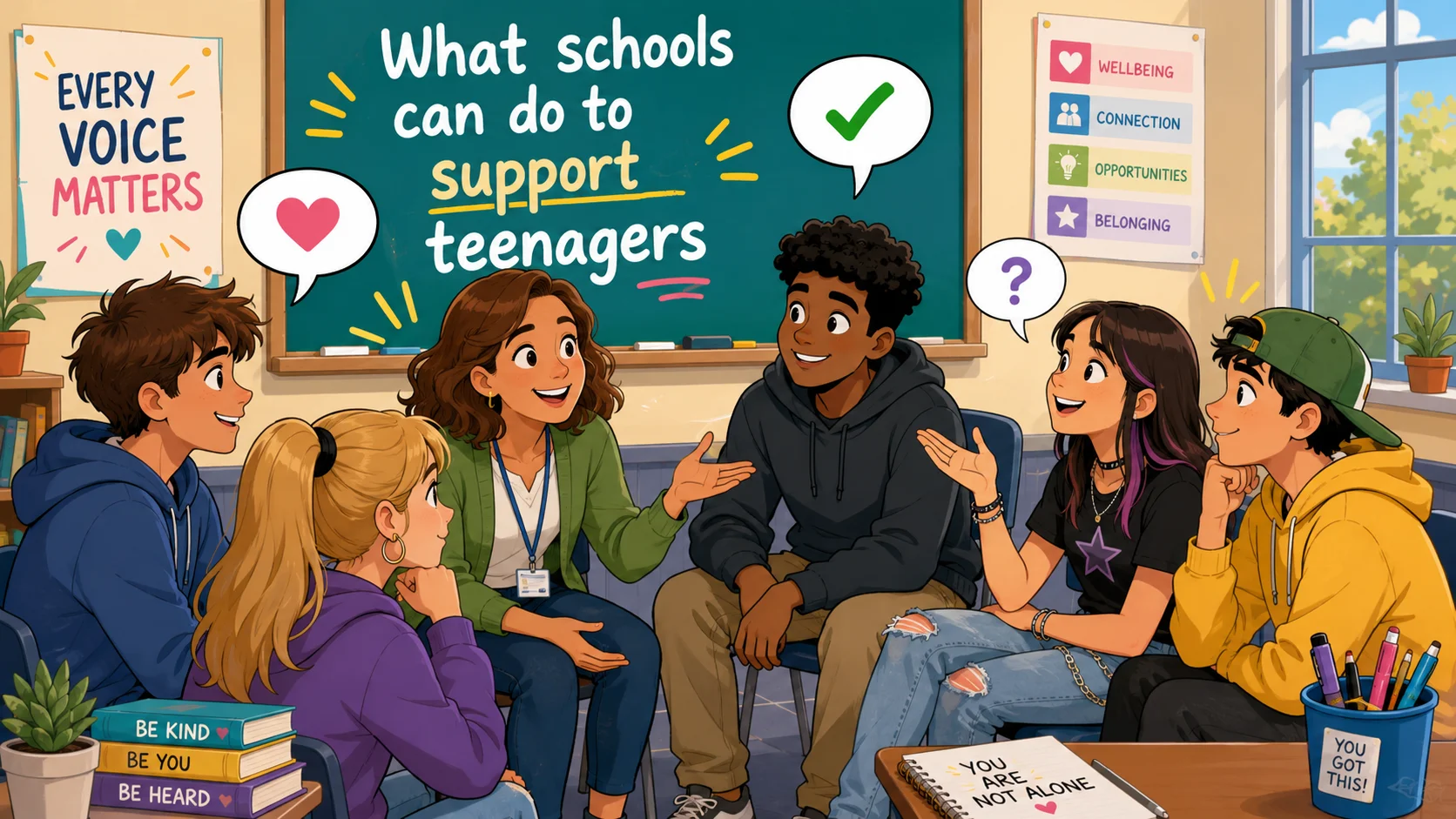
Schools can provide important support services that go beyond academic teaching.
Pastoral support and safeguarding
School pastoral care teams and designated safeguarding leads are well placed to notice early changes in a student’s behaviour, attendance, or emotional wellbeing. These professionals can offer regular check-ins, provide quiet safe spaces within the school day, and connect families with external health services when needed. Open communication between home and school helps ensure that pastoral support plans match the strategies being used within the family environment.
Support for exams and attendance
During high-stakes exam periods, schools can provide specific test adjustments, such as extra time or quiet testing rooms, to help students manage documented test anxiety. When a student struggles with school refusal or chronic absenteeism, attendance teams can work with parents to build gradual re-entry plans that address the root causes of the anxiety.
Mental health education and resilience
Some schools include mental health education in the curriculum, helping students learn about resilience, stress management, and online safety. These initiatives can reduce stigma around mental health and help students recognise when a classmate may need support. Access to on-site school counsellors or youth workers can make it easier for students to seek support independently during the school day.
When school should escalate concerns
Schools should escalate concerns when a student shows signs of self-harm, severe eating disorder symptoms, abuse, or serious risk to themselves or others. In these situations, the school’s safeguarding lead may contact children’s social care, medical teams, emergency services, or the family’s emergency contacts, depending on the level of risk. Schools usually keep records of safeguarding concerns and work with parents where appropriate, while prioritising the student’s safety.
Still worried about your teenager
When standard parenting strategies and school support plans do not resolve ongoing behavioural or emotional difficulties, families should plan clear next steps.
When to seek professional help
Parents should seek specialist professional help if a teenager shows significant behavioural or emotional changes that last for two weeks or more. These signs include persistent low mood, ongoing social withdrawal, major sleep problems, significant changes in appetite, self-harm, school refusal, or unusually risky behaviour. Parents should trust their instincts; early guidance from a GP or mental health service can stop concerns from becoming more serious.
What information to prepare before asking for help
To get the most out of an initial consultation with a GP, school counsellor, or private therapist, parents should prepare a clear summary of their concerns in advance. Note down specific behavioural changes, along with their frequency, duration, and any noticeable triggers, such as exam periods or friendship changes.
- Document behavioural changes: Record exact dates, frequency, and duration of unusual emotional outbursts or social withdrawal.
- Track physiological patterns: Note specific changes in sleep, appetite, or unexplained physical symptoms such as headaches.
- Gather educational records: Bring recent school attendance reports, sudden changes in grades, or feedback from pastoral care teams.
- Write down the teenager’s words: Note specific phrases the young person has used to describe low mood, self-doubt, or feelings of anxiety.
- Identify safety risks: Note any history of self-harm, unsafe online behaviour, or substance use to help professionals assess risk accurately.
How to support a teenager while waiting for help
While waiting for an initial professional assessment, parents should focus on keeping home life as predictable and low-pressure as possible. Keep communication open by letting your teenager know you are there to listen, without forcing them to talk before they are ready. Work together on a simple daily safety plan, keep emergency helpline numbers close at hand, and use crisis services if safety risks increase before the scheduled appointment.

Take a short quiz to find out what your everyday choices say about your parenting style
When your child is curious about something new, what’s your instinct?
Take a short quiz to find out what your everyday choices say about your parenting style
“Can I download this app?” What happens next?
Take a short quiz to find out what your everyday choices say about your parenting style
When it comes to rules at home, which sounds most like you?
Take a short quiz to find out what your everyday choices say about your parenting style
If you could give your child one life skill today, what would you pick?
Take a short quiz to find out what your everyday choices say about your parenting style
Your child gets to choose what to watch. What would your ideal setup look like?
Take a short quiz to find out what your everyday choices say about your parenting style
Pick your parenting superpower ✨