25+ Fun Ways to Teach Colors to Preschoolers and Toddlers

 Discover a Free Education Video App for Kids
Pastory uses AI to personalize educational video content based on your child’s interests and personality. Safe, engaging, and built for curious young minds. Sign up now to stay updated and enjoy early access with a free trial
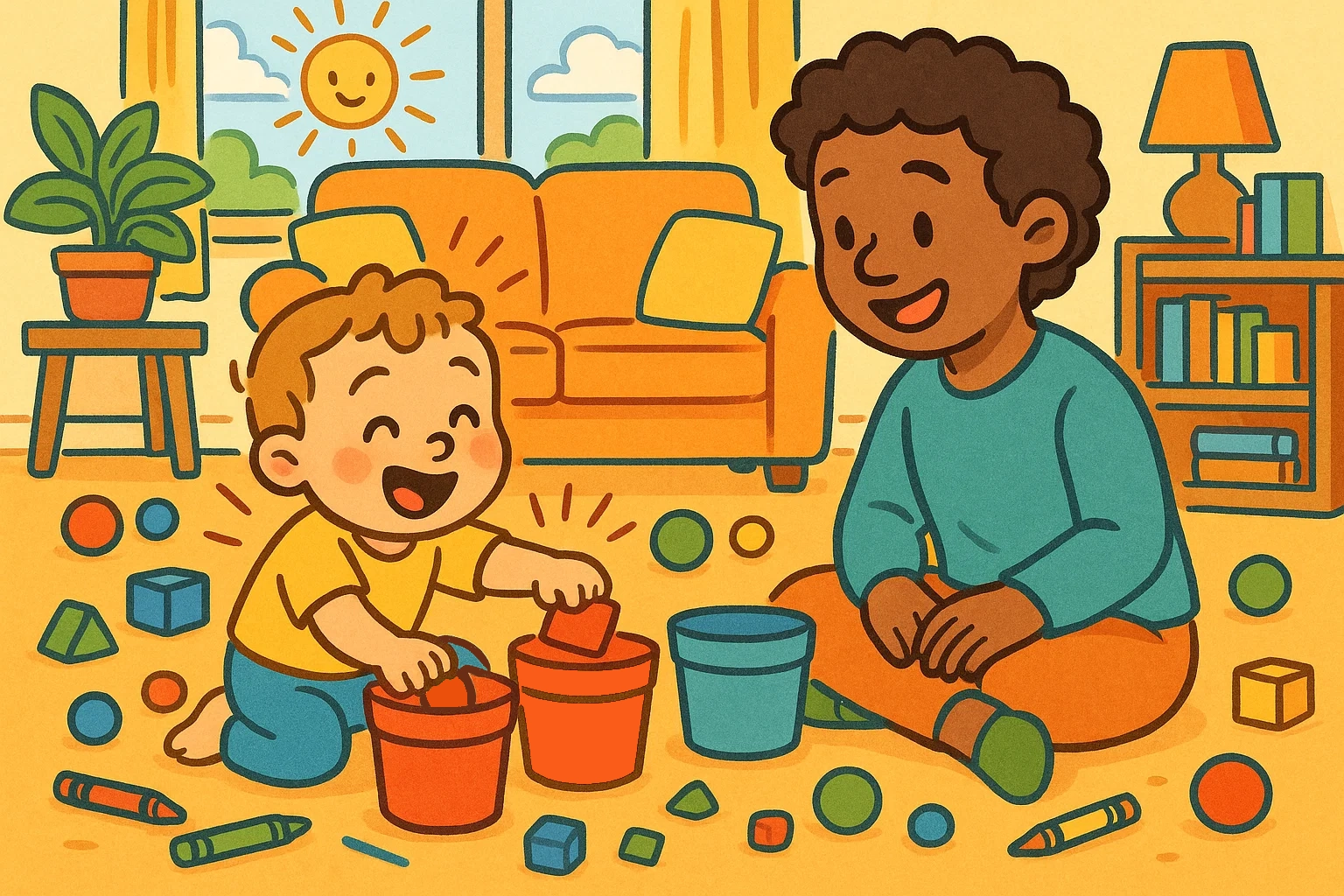
Learning how to teach colors to preschoolers is easier when you lean on play, repetition, and everyday moments rather than structured drills. Young children build color recognition through sensory exploration, hands-on sorting, and short practice sessions woven into daily routines. This guide covers the right age expectations, the best order to introduce colors, and which simple materials work well at home or in the classroom.
You will find 25+ low-prep activities, from pom-pom sorting and finger painting to sensory bins and color scavenger hunts, plus strategies for common challenges and tips for tracking progress as your child grows.
Key Takeaways
- Children typically begin matching colors between 18 and 24 months and confidently name them between ages 3 and 5.
- Toddlers aged 18–36 months benefit most from exposure and matching activities before formal naming is expected.
- Starting with primary colors, then moving to secondary and neutral shades, gives preschoolers and toddlers a clear learning sequence.
- This article includes 25+ hands-on activities such as pom-pom sorting, sensory bins, paint mixing, and color scavenger hunts.
- The age-by-age plan helps you match the right activity to your child’s current developmental stage.
- Everyday routines like mealtimes, getting dressed, and outdoor walks are practical opportunities to reinforce color names.
- Short sessions focused on one or two colors at a time are more effective than longer, varied lessons.
Start with Everyday Examples
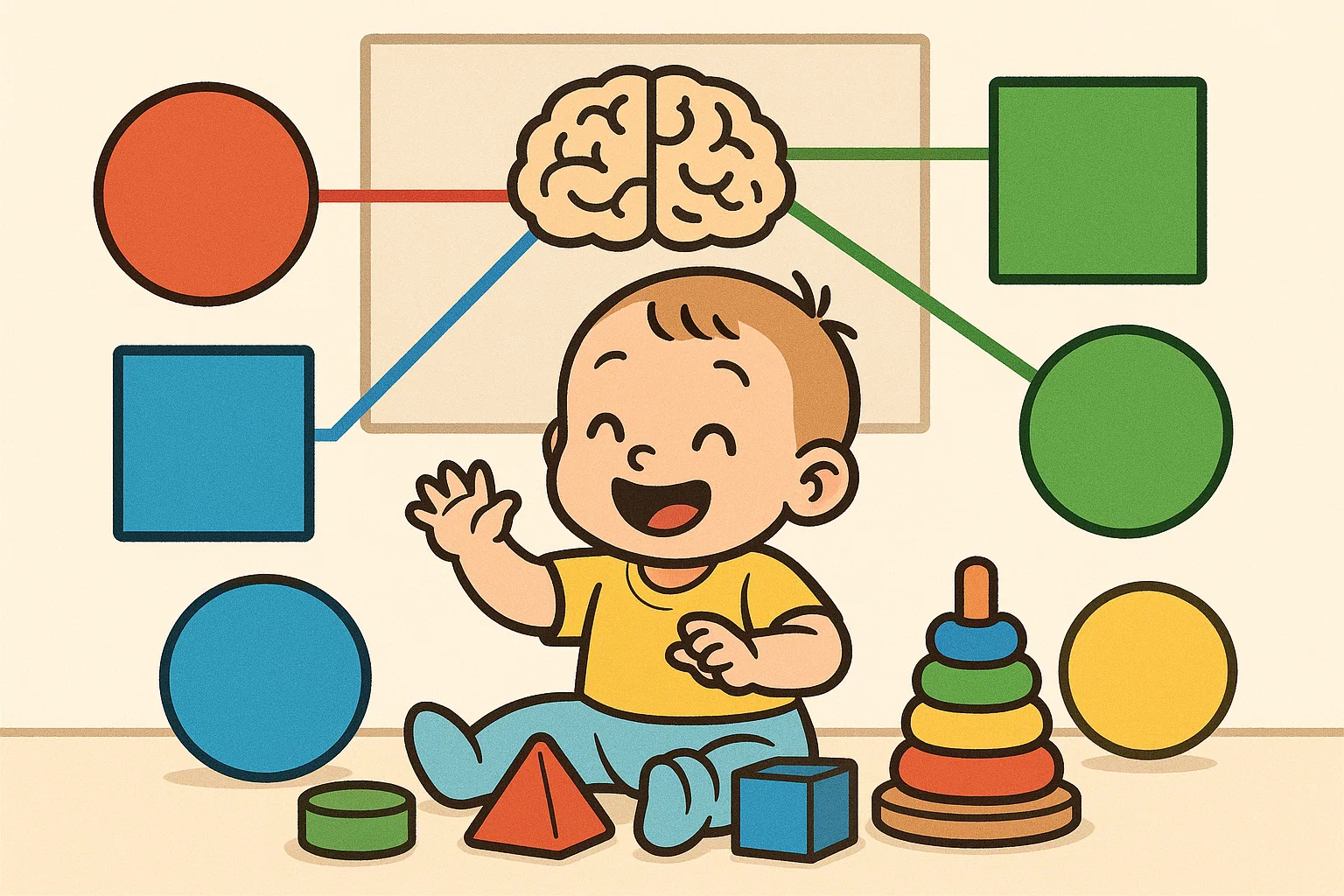
The most effective ways to teach colors involve using objects that are already part of a child’s daily life. Preschoolers engage more naturally with vocabulary when it is connected to their immediate surroundings and routines. Pointing out a red cup, blue shoes, or a yellow banana during daily routines creates a natural learning environment.
In Montessori-inspired approaches, using real-world objects helps children distinguish properties such as color, shape, size, and texture in a concrete context.
Use Play Before Worksheets
Active exploration is a cornerstone of early childhood education. Instead of static worksheets, preschool children benefit from sorting games, paint mixing, and sensory play. For example, a sensory bin filled with rice and small objects encourages a child to scoop and sort while developing fine motor skills.
Play-based learning helps the child stay engaged and enjoy the process.
Repeat in Short Sessions
Consistency is more valuable than duration when it comes to recognition. Aim for short, playful sessions lasting 5–10 minutes. Young children have limited attention spans, so frequent repetition across different contexts, such as a bath game at night or “I Spy” in the car, helps new color words stick.
When Preschoolers Learn Color Names
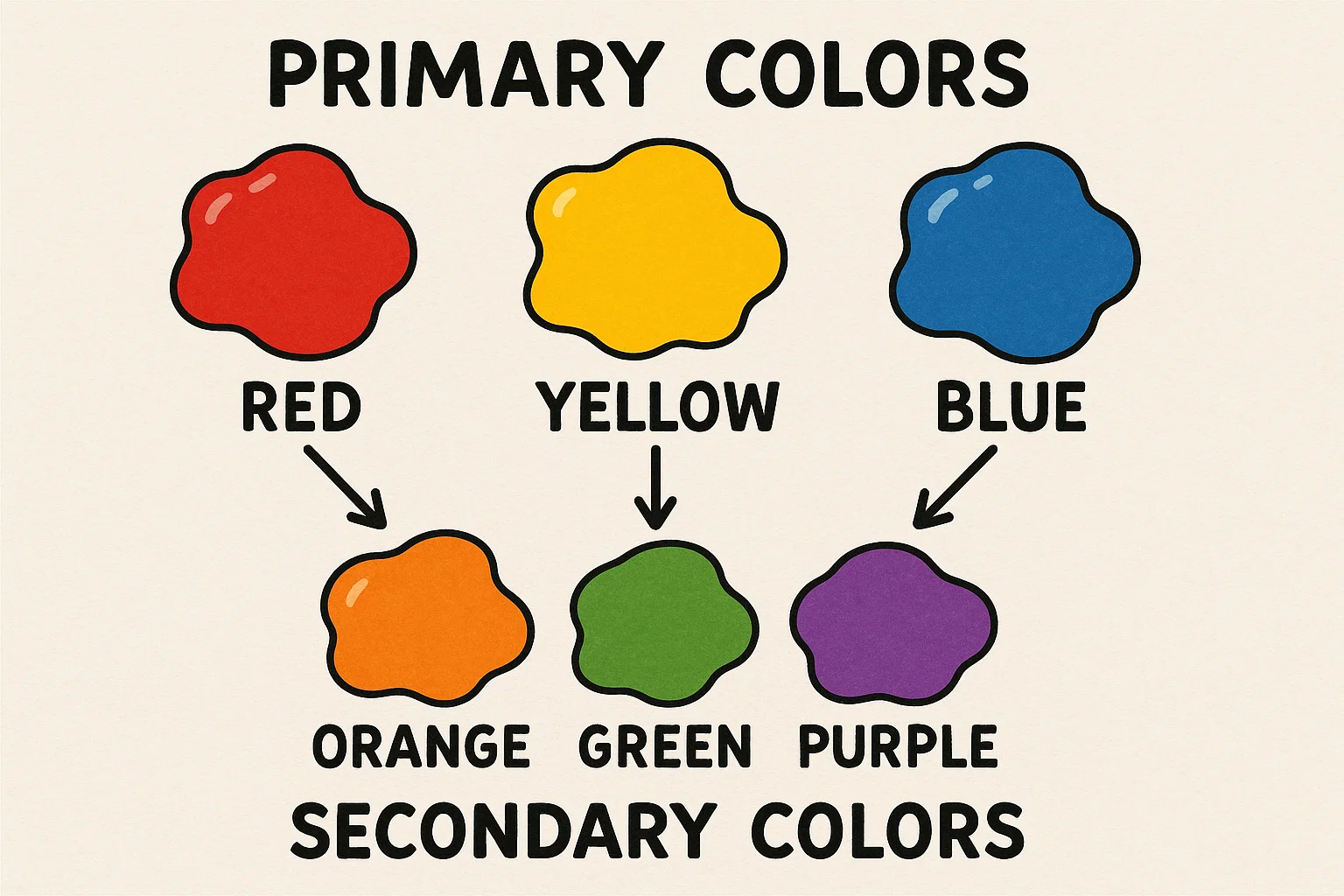
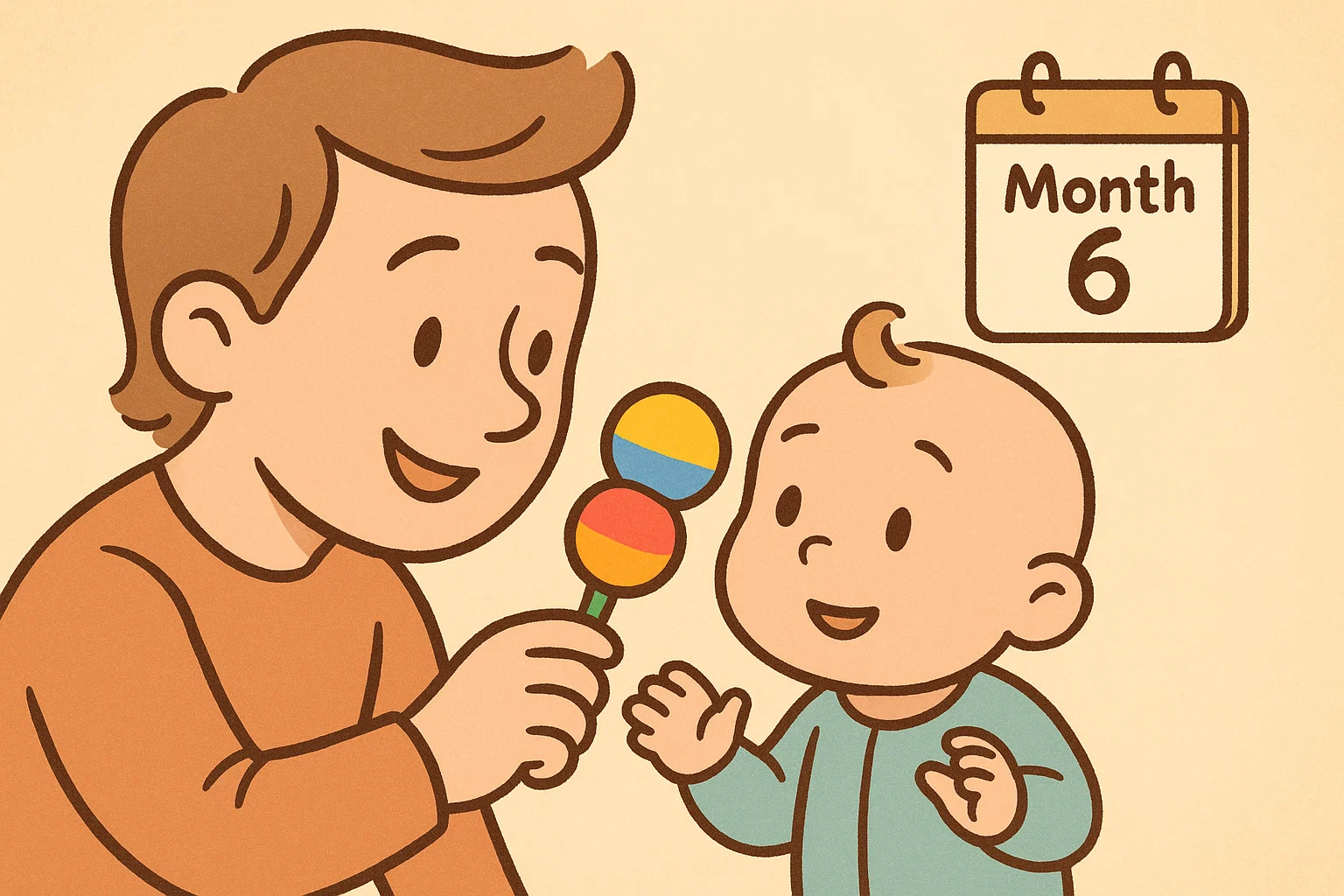
While every child develops at their own pace, many children begin to recognize and match colors between 18 and 24 months. However, the ability to name them consistently usually develops later, around ages 3 to 4.
18 to 24 Months: Visual Awareness
At this stage, toddlers begin to notice bright shades and may show a preference for a specific toy based on how it looks. While they may not name them accurately, they can often match two identical objects.
Providing a tray with two matching blocks and one contrasting block, then asking the child to find the “same” ones, is a great age-appropriate challenge.
2 to 3 Years: Matching and First Color Names
Between ages 2 and 3, many children begin matching colors more accurately. They start to use descriptive words, although they may still confuse them, such as calling several items “blue.”
This period is ideal for sorting activities using cups or bowls to help them distinguish between red, blue, and yellow.
3 to 5 Years: Confident Naming and Shades
By age 4, many preschoolers can name several basic colors and begin to understand simple shade differences, such as light and dark. They can explore early math concepts such as patterning and enjoy mixing experiments that show how primary colors create secondary ones.
For toddlers specifically, here is what to expect at each early stage. Between 18 and 24 months, most toddlers are in a pure exposure phase — they notice bright colors and may show preferences, but consistent naming is not yet expected. Between 24 and 36 months, many toddlers begin to match colors reliably and will attempt to use color words, even if they mix them up. If you are wondering about the best way to teach colors to toddlers at this age, focus on matching games and narrating what you see rather than quizzing. By age 3, many children can name at least two or three colors correctly and are ready for more structured sorting activities.
Best Order to Teach Colors
Introducing too many colors at once can overwhelm a young child. A structured approach helps children build confidence in their ability to learn.
Primary Colors First
Begin with red, blue, and yellow. These three are highly distinct and widely represented in toys and children’s books. Focusing on this small group allows the child to build a solid foundation in recognition before the complexity increases.
Secondary Colors Next
Once the child is comfortable with the first group, introduce green, orange, and purple. These are best taught through hands-on mixing with paint or play dough. Seeing red and blue mix to become purple can create an “aha” moment for a preschooler.
Neutral Colors Later
Black, white, brown, and gray may be less exciting to young children, but they are still essential for vocabulary development. Introduce these through nature, such as brown sticks and white clouds, or clothing, such as black shoes.
Shades and Naming Words
Finally, expand to shades like pink, light blue, or dark green. Use comparison activities to show that two objects can both be green, even if one is lighter or darker than the other.
Supplies for Color Activities
You do not need expensive kits to teach colors. Most learning ideas can be implemented with common household items.
| Material Type | Examples | Educational Benefit |
| Low prep | Construction paper, cups, clothespins, socks | Matching and sorting |
| Sensory play | Rice, water, beads, pom-poms | Tactile exploration and fine motor skills |
| Arts and crafts | Paint, play dough, stickers, pipe cleaners | Creativity and mixing |
Low-Prep Materials
Having children clip clothespins to matching cardboard or sort mismatched socks by shade is a low-prep way to incorporate learning into the day. These activities strengthen the pincer grasp, which is vital for later writing skills.
Sensory Play Supplies
A sensory bin filled with dyed rice or tinted water allows for open-ended play. Adding scoops and bowls encourages children to explore volume and early math concepts while they sort by color.
Arts and Crafts Supplies
Finger paint and play dough are essential for motor development. Providing a tray with various art supplies allows a child to safely experiment with different colors and textures.
25+ Fun and Easy Ways to Teach Colors to Preschoolers and Toddlers
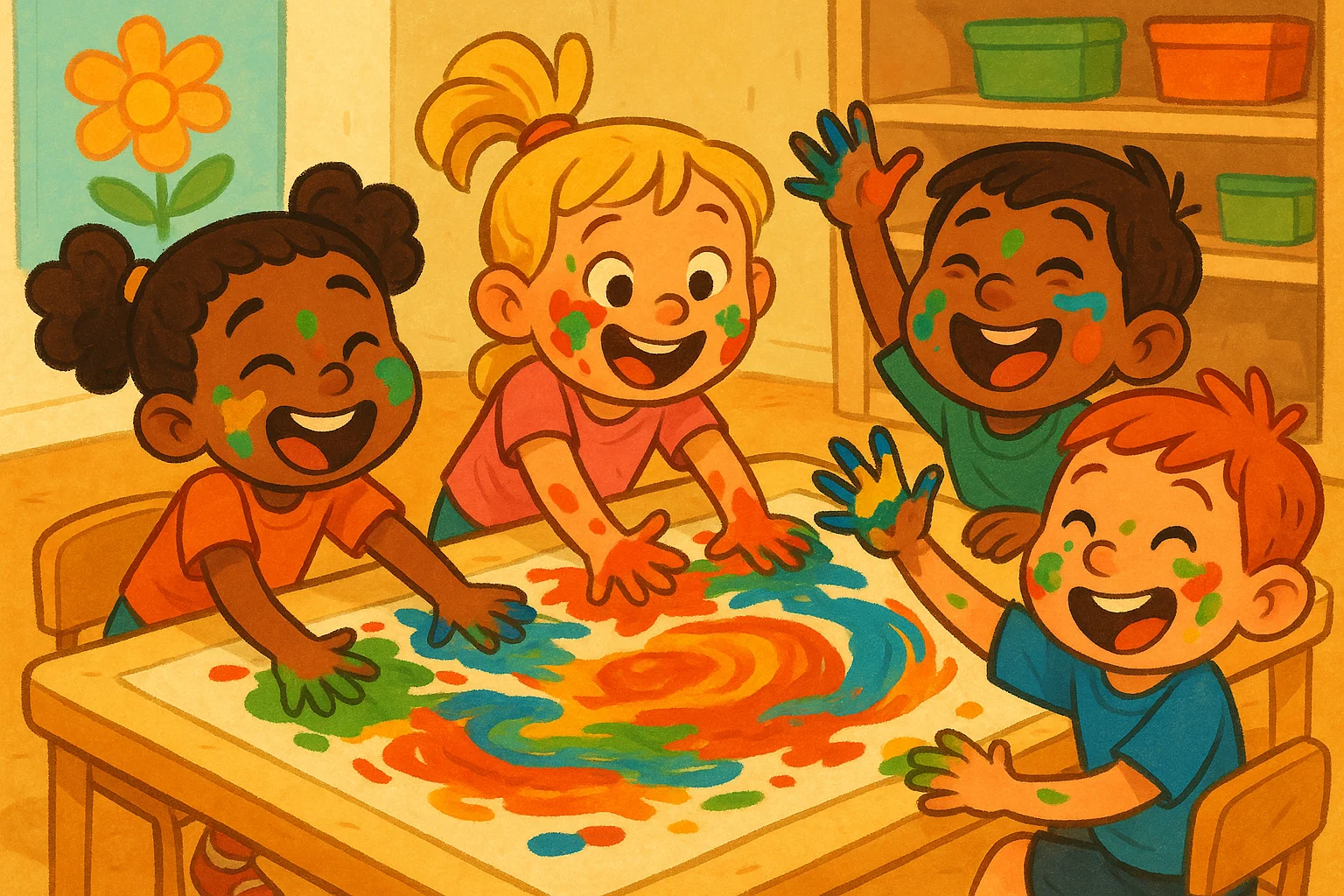
1. Pom-Pom Sort
Provide a muffin tin or cups and a bin of pom-poms. The child uses their fingers or tongs to pick up and sort each pom-pom into the matching section. This activity strengthens fine motor skills and recognition.
2. Color Scavenger Hunt Around the Classroom
Ask the preschoolers to “find something green.” They move around the room to find an object in that color. This gross motor activity keeps young children engaged and helps them recognize colors in the real world.
3. Mixing with Finger Paint
Place a dab of red and yellow paint on a tray. Let the child mix them with their fingers to create orange. This provides a visual and sensory lesson on how new colors are formed.
4. Craft Foam Silly Monsters
Cut shapes out of bright craft foam. Let the preschooler assemble a “blue monster” or a “green monster.” Naming the character reinforces the color associated with it.
5. Pipe Cleaner Rainbow Threading
Provide pipe cleaners and beads in matching colors. The child threads the beads onto the matching pipe cleaner. This is an excellent way to strengthen coordination.
6. Cardboard Match Challenge
Draw large circles in different shades on a piece of cardboard. Give the child a bin of mixed toys and have them match each toy to the circle that looks the same.
7. Tissue Paper Color Sorting
Tear up pieces of tissue paper in different colors. Have the preschooler glue them onto a sheet of paper divided into zones, creating a vibrant rainbow collage.
8. Bright Manipulative Towers
Invite the child to build a tower using only yellow blocks. Then, try a pattern tower, such as red-blue-red-blue, to incorporate early math skills.
9. Light Table Mixing
Use transparent paddles or cups on a light table or hold them against a window. Overlap them to show how two colors can combine to create something new.
10. Online Educational Games
Use age-appropriate apps for short sessions in which the child taps the named color. Ensure an adult is present to narrate and reinforce the vocabulary.
11. Rainbow Hop Gross Motor Game
Place bright paper circles on the floor. Call out a color, and the child hops to that circle. This combines listening with gross motor movement.
12. Spin-and-Learn Wheel
Create a wheel with several clearly labeled sections. Let the child spin a pointer, name the color it lands on, and then find one object in the room that matches.
13. Object Mystery Bag
Place several toys in a non-transparent bag. The child pulls one out, identifies the object, and names what they see.
14. Single-Color Sensory Bin
Create a bin filled only with yellow items, such as yellow rice, a yellow duck, and a yellow cup. This focused activity helps reinforce one color at a time.
15. Hidden Objects
Hide small objects inside a bin of plain rice or beans. As the child finds them, they sort them into matching bowls.
16. Bath Time Sorting
Add brightly colored foam letters or plastic cups to the bath. Name the colors as the child plays, keeping the experience joyful and relaxed.
17. Fine Motor Mixing Activity
Use a tray with small bowls of tinted water. Give the child a pipette to draw up water and mix it in an empty bowl to see the liquid change.
18. Sorting Cube
Cut holes in a cardboard box and outline each hole with a different color. The child pushes matching balls or blocks through the correct holes.
19. Tinted Ice Cubes
Freeze water with food coloring. Put a red cube and a blue cube in a bowl and watch them melt into purple water.
20. Sticker Tube Match
Wrap cardboard tubes in brightly colored paper. Provide stickers in various colors and have the child place each sticker on the matching tube.
21. Walking Water Experiment
Place paper towels so they bridge cups of tinted water. The water will “walk” up the towel and mix in the middle cup, creating a new color.
22. Dyed Rice Sensory Bin
Mix rice with a small amount of vinegar and food coloring to create a rainbow sensory bin. This provides plenty of open-ended exploration and sorting fun.
23. Tinted Water Play
Use large bowls of water tinted with washable paint or food coloring. Provide scoops and cups for the child to transfer and mix the liquid.
24. Mess-Free Indoor Mixing
Squeeze two colors of paint into a resealable plastic bag. Tape it to a window and let the child squish the bag to mix the paint without making a mess.
25. Sticker Sorting Chart
Give the child a sheet of paper with matching columns. Have them sort a variety of stickers into the correct column based on what matches.
Creative Learning Activities
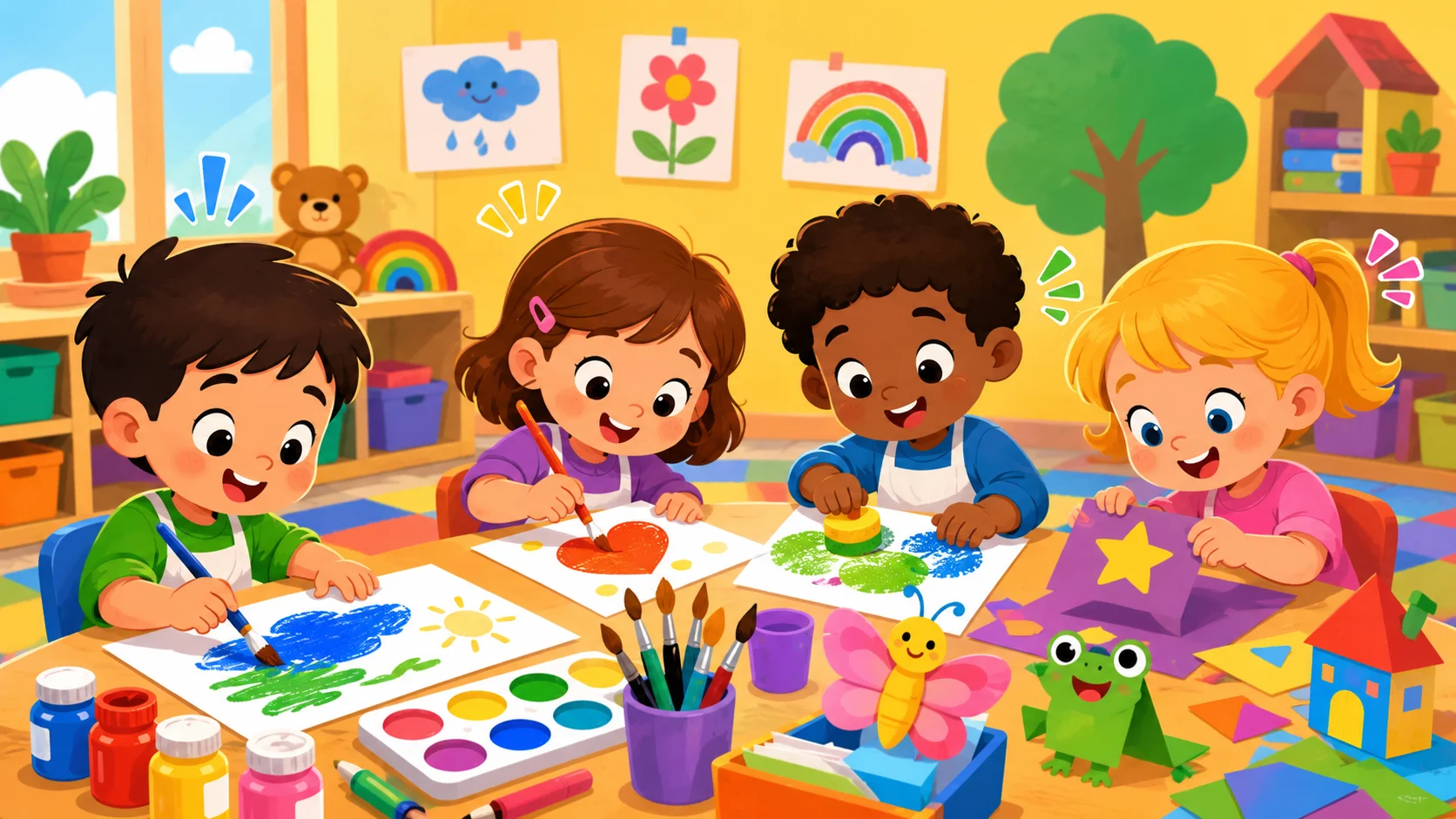
Finger Painting
Finger painting is a foundational sensory experience that helps preschoolers learn color names. By feeling the paint, they form a stronger cognitive connection to the color. Start with red and blue or red and yellow to prevent the paint from simply turning brown too quickly.
Drawing Projects
Guided coloring projects can help children practice visual recognition and staying within boundaries. For example, ask a child to “find all the yellow items on this page and fill them in.” This helps them focus on specific color words.
Collage Making
Collage making using scraps of tissue paper, magazines, and fabric is a great fine motor task. You can dedicate a whole day to a “blue collage,” where the child finds and glues only blue items.
Rainbow-Themed Activities
A rainbow is a perfect tool for teaching sequences. Building a rainbow out of blocks or play dough helps children explore color order and how different colors appear next to each other.
Sensory Experiences
Sensory Play
Sensory play allows a learner to engage multiple senses. When a child touches dyed rice or watches tinted ice melt, the learning becomes more memorable. These activities and games are designed to be age-appropriate for young children.
Themed Activity Trays
A Montessori-inspired tray setup limits the focus to five to seven objects of one shade at a time. This prevents overstimulation and allows the child to focus on the attributes of that color.
Exploring Tinted Ice Cubes
Watching tinted ice cubes melt in a clear cup of water is a simple science lesson. It teaches young children about melting, temperature, and intensity as the water gets darker.
Learning Through Play
Toy-Based Activities
Use the toys you already have. Have a “car wash” where only the red cars get washed first, or a “dinosaur parade” where the green dinosaurs lead the way.
DIY Color Games
Create a simple bingo or matching game using bright cardstock. These DIY options are low-prep and can be tailored to your child’s specific interests, such as shapes or animals.
Interactive Color Games
Games like “I Spy” are excellent for waiting rooms or car rides. “I spy something purple” encourages the child to scan their environment and notice details in real-life settings.
Using Books to Teach Colors
Books provide a structured way to introduce color vocabulary.
Best Color Books for Preschoolers
Look for books that include:
- High-contrast illustrations
- Repetitive naming patterns
- Interactive lift-the-flap features
- Real-world objects, such as fruit, animals, and vehicles
Reading Strategies
While reading, ask open-ended questions such as “What color is the bird?” or “Can you find something red on this page?” This moves the child from passive listening to active learning.
Everyday Opportunities for Learning
Mealtime
Mealtime is a natural opportunity for color learning. Talk about the green peas, the orange carrots, and the red apple on the child’s plate. Sorting fruit by shade is a natural early math activity.
Clothing and Getting Dressed
Ask your preschooler to “find the blue shirt” or “bring your yellow socks.” This gives children a sense of independence while reinforcing descriptive words.
Outdoor Hunts
The outdoors is full of visual variety. Go on a walk and look for green leaves, brown sticks, and the blue sky. This connects learning to the natural world.
Effective Ways to Teach Colors
Narrate Your Day
Frequent narration helps. Instead of saying “Put your shoes on,” say “Put your blue shoes on.” This repeated exposure helps children learn without feeling like they are being “tested.”
Match Before Naming
Do not worry if your child cannot name the shade yet. If they can match a red block to a red cup, they are showing an important early recognition skill. Naming is a language skill that often follows visual recognition.
Teach One or Two at Once
To avoid confusion, focus on one new shade at a time. For a child struggling with recognition, stick to high-contrast pairs such as black and white or blue and yellow.
Common Challenges and Solutions
Challenge: Confusing Names
It is normal for young children to confuse color names. If they call a yellow car “blue,” simply say, “Yes, that is a bright yellow car!” Positive reinforcement is better than direct correction.
Challenge: Lack of Interest
If a child is not interested in sorting beads, use something they already love. If they love dinosaurs, sort dinosaurs. If they love water play, try sink-based activities.
Signs of Learning Progress
- Early signs: The child looks at bright objects and can match two identical items.
- Developing skills: The child can sort a bin of mixed toys into groups and starts to name one or two primary hues.
- Advanced skills: The child accurately names most basic colors, identifies lighter and darker shades, and can mix paints to create secondary hues.
When to Be Concerned
While children develop at different rates, developmental guidelines recommend monitoring key milestones. If a child cannot match any colors by age 4 or seems unable to distinguish between high-contrast shades, it is worth mentioning this to a pediatrician to rule out possible vision issues.
Helping Learning Stick
- Repeat across routines: Mention what children see in the morning during getting dressed, in the afternoon during play, and in the evening during bath time.
- Combine senses: Let children see the shade, touch the object, and hear the name at the same time.
- Celebrate small wins: A simple “You found the red one!” builds confidence and keeps the process joyful.
Age-by-Age Plan for Teaching Colors
| Age | Focus | Activity Idea |
| 18 months | Exposure | Name the shades you see in food and toys |
| 2 years | Matching | Sort pom-poms into cups |
| 2.5 years | Red, blue, and yellow | Scavenger hunts for red, blue, and yellow |
| 3 years | Naming | Mix paints and use descriptive words in speech |
| 4–5 years | Shades and patterns | Create rainbow patterns and mix complex shades |
Conclusion
Teaching colors to preschoolers is a journey of exploration, repetition, and play. By using sensory bins, games, and everyday opportunities, you can turn a complex cognitive task into a playful learning experience.
A Quick Recap
Start with red, blue, and yellow, use hands-on sorting games, and incorporate descriptive words into your daily routine. Most importantly, keep it play-based and joyful.
Next Activity to Try
Start today with a simple pom-pom sort or a scavenger hunt around your home or classroom.
Preschool Color FAQ
What is the best way to teach colors to toddlers?
The best way to teach colors to toddlers is through repetition in everyday moments rather than structured lessons. Name the colors of food, clothing, and toys as you go about your day. Simple matching games — such as sorting pom-poms into same-colored cups — are ideal for children aged 2 to 3. Keep sessions short, around 5 minutes, and always make it feel like play.
What are primary colors and how do I explain them to a preschooler?
Primary colors are red, blue, and yellow. They are called primary because they cannot be made by mixing other colors together, but they can be combined to create new ones. To explain this to a preschooler, try mixing red and blue paint to make purple, or red and yellow to make orange. Seeing the change happen in front of them makes the concept concrete and memorable.
When should a 3-year-old know their colors?
Most 3-year-olds are beginning to name two or three colors correctly, though it is normal for some children to still mix up names at this age. By age 4, many children can reliably name the basic colors. If your child is not matching any colors by age 4, it is worth raising with your pediatrician to rule out any vision concerns.
What colors should I teach first for preschool?
Start with the three primary colors: red, blue, and yellow. These are the most visually distinct and appear frequently in everyday objects and children’s books. Once your child recognizes these confidently, move on to secondary colors — green, orange, and purple — before introducing neutrals like black, white, and brown.
How Do You Teach Colors to Preschoolers Step by Step?
Start by focusing on one primary hue at a time. Point it out in the environment, use matching games, and then gradually introduce sorting before asking the child to name it independently.
What Is the Best Way to Teach Colors to Preschoolers?
The best way is to use play-based learning that involves movement and sensory input. Real-world objects and joyful interaction are more effective than rote memorization.
Which Ones Should Preschoolers Learn First?
Start with the primary set: red, blue, and yellow. They are highly distinct and serve as a foundation for learning how mixing works.
Should You Use Flashcards?
Flashcards can be a helpful supplement, but they should not be the main teaching tool. Young children learn better when they can touch and move objects like blocks, rice, or toys.
How Can Toddlers Learn Colors With Their Hands?
Toddlers learn best when they can touch, move, and explore. Activities with a large button, soft pom-poms, a safe clothespin, or play dough are great for little hands because they combine color recognition with fine motor practice. These are playful ways to learn without turning the activity into a test.
Take a short quiz to find out what your everyday choices say about your parenting style
When your child is curious about something new, what’s your instinct?
Take a short quiz to find out what your everyday choices say about your parenting style
“Can I download this app?” What happens next?
Take a short quiz to find out what your everyday choices say about your parenting style
When it comes to rules at home, which sounds most like you?
Take a short quiz to find out what your everyday choices say about your parenting style
If you could give your child one life skill today, what would you pick?
Take a short quiz to find out what your everyday choices say about your parenting style
Your child gets to choose what to watch. What would your ideal setup look like?
Take a short quiz to find out what your everyday choices say about your parenting style
Pick your parenting superpower ✨