
How Youth Sports Can Help Your Child Thrive, Regardless of Ability

 Discover a Free Education Video App for Kids
Pastory uses AI to personalize educational video content based on your child’s interests and personality. Safe, engaging, and built for curious young minds. Sign up now to stay updated and enjoy early access with a free trial
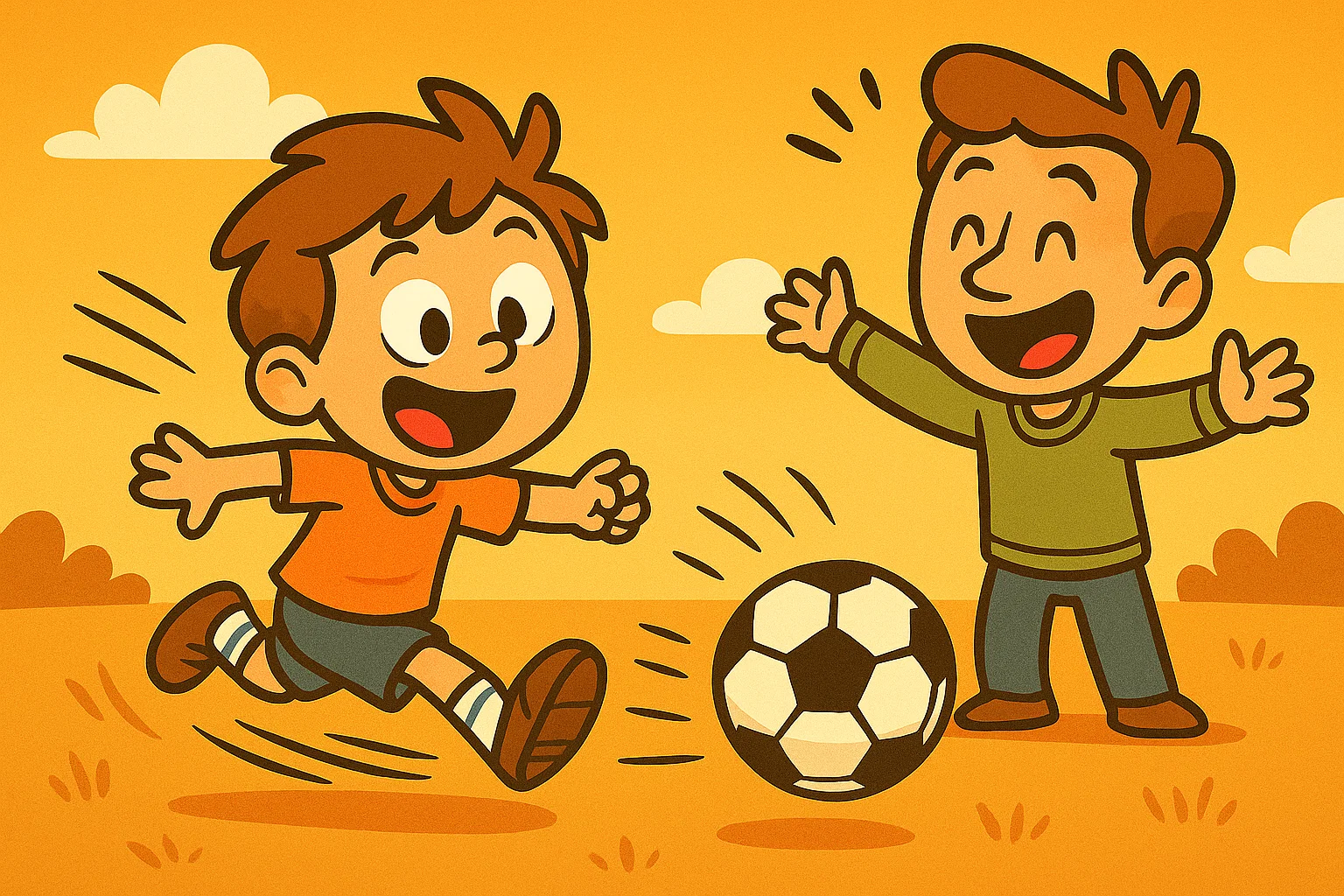
It is a familiar scene for many parents: the soccer cleats are lost, the tennis racket is gathering dust, and your child insists that playing sports is “boring” or “too hard.” Whether your child avoids practice, expresses a fear of failure, or constantly compares themselves to more athletic peers, the resistance can feel overwhelming. Many parents worry that their child will drop out now and never develop a lifelong love of fitness.
This guide offers practical, low-pressure strategies to help your child find joy in movement. By focusing on intrinsic motivation rather than trophies, you can create an environment where your child feels capable, confident, and excited about movement. Research suggests that when pressure on the child is reduced, children are more likely to stay active and enjoy movement for its own sake.
Key Takeaways
- Prioritize Fun: Children stay involved when the sports experience is enjoyable and socially rewarding.
- Offer Autonomy: Motivation increases when kids feel they have a choice in which sport they play.
- Focus on Effort: Praising persistence over winning helps build long-term resilience.
- Be a Role Model: Parents who stay active themselves naturally encourage their children to play sports.
- Manage the Car Ride Home: Keep the car ride home positive and free of technical critiques to preserve the love of the game.
- Create Safe Environments: Positive sport environments are conducive to supporting young people’s social and character development.
- Balance Is Key: A balanced team approach helps prevent burnout and keeps kids focused on growth.
Motivation Grows from Fun, Choice, and Confidence
Self-determination theory is a theory of human motivation often used to explain children’s motivation, confidence, and sense of competence. It helps explain why kids are more intrinsically motivated when they feel a sense of belonging, autonomy, and competence. A young person is more likely to continue to be involved in an activity when the environment supports their need for social connection, competence, and personal achievement.
Both individual and team sports can give kids meaningful opportunities to see their own progress. Because kids need to feel effective, tangible improvement in a particular sport – such as hitting a ball farther or swimming a faster lap – can boost their motivation for doing that activity again.
Parental Pressure Can Reduce Motivation
Too much pressure can lead to fear-based perfectionism, where the fear of making a mistake outweighs the joy of playing. Parental involvement can become harmful when it turns into sideline shouting, constant correction, or result-focused talk, transforming the sports experience into a high-stakes evaluation.
Healthy sports development requires an emotionally safe environment. If children feel that parental support depends on winning, their intrinsic motivation can quickly decline. Parental support plays a critical role in helping kids feel safe, valued, and willing to keep trying. The car ride home can become one of the most stressful moments for young athletes when it turns into unsolicited coaching.
The Right Sport Matters More Than Natural Talent
Finding the right support from coaches and parents is often more important than natural physical ability. The right support from coaches is also a major part of making quality sport experiences that kids want to return to. Traditional team and individual sports offer different psychological benefits; what matters is matching the sport or activity to your child’s personality.
| Sport Type | Primary Benefit | Potential Challenge |
| Team Sport | Social belonging and shared goals | Competition for playing time |
| Individual Sport | Personal mastery and self-reliance | Can feel lonely without a peer group |
| Recreational | Low pressure and high variety | Less focus on advanced skill mastery |
Relax Before Trying to Motivate Your Child
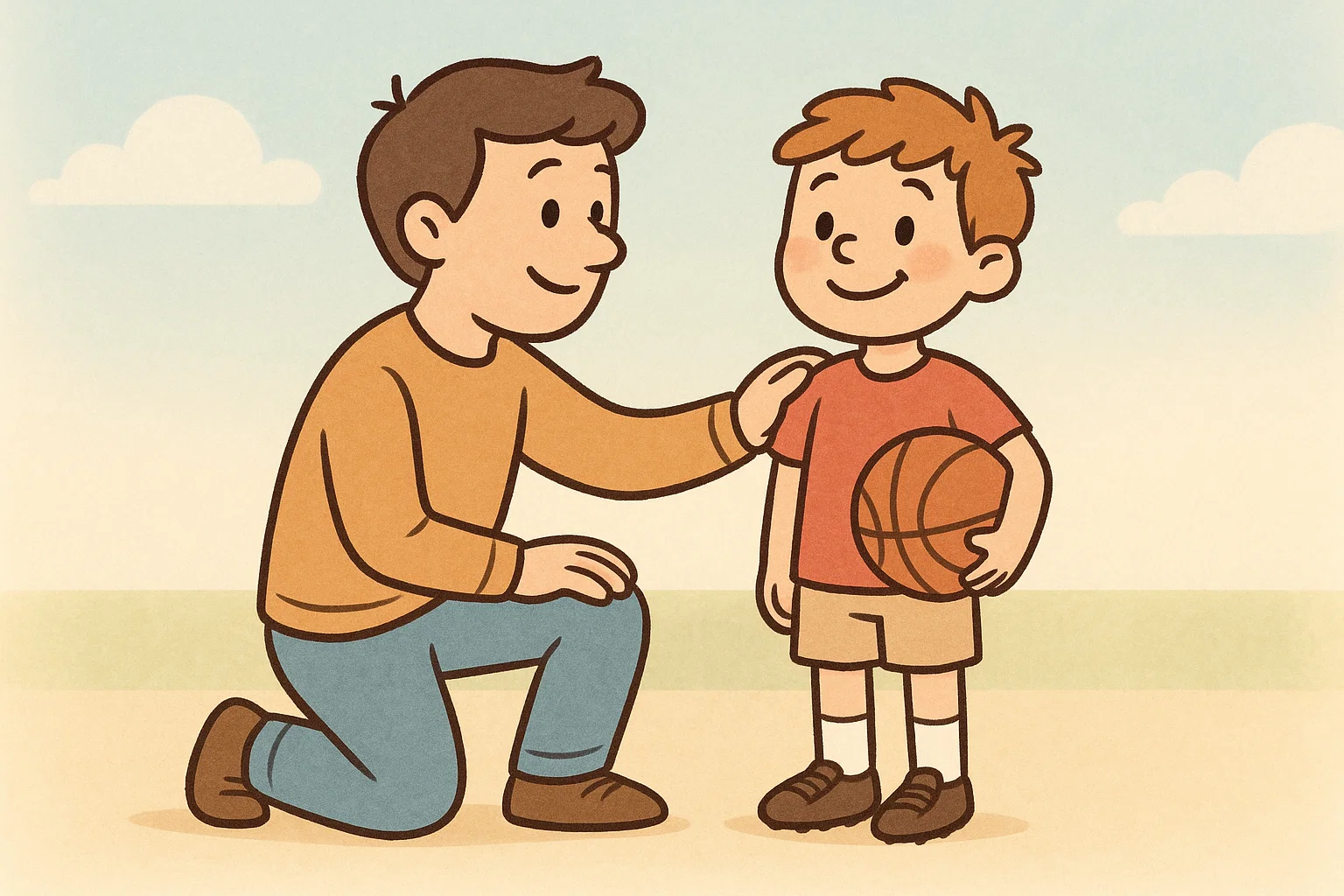
Before parents or coaches can help a child, they need to regulate their own expectations. When interest fades, the natural parental instinct is to panic or push harder, but this often backfires. Positive sports environments support growth only when the adults involved remain calm and supportive.
Avoid Overreacting When Your Child Refuses Practice
When a child refuses to attend practice, avoid lectures, punishments, or comparisons to “more dedicated” teammates. These reactions can create a “fight-or-flight” response, linking the sport to negative emotions. Parents can help by providing a secure base rather than becoming another source of conflict.
Separate a Bad Day from a Real Loss of Interest
It is essential to distinguish between a temporary setback and a genuine desire to stop playing sports. A “bad day” might be caused by tiredness, a conflict with a teammate, or a coach being too harsh. Many kids experience fluctuations in interest that do not mean they are done with sports for good.
Ask Simple Questions After Emotions Settle
Wait until the “emotional dust” has settled before attempting to help your child process their feelings. Use open-ended questions that encourage your child to reflect independently.
- “What was the most challenging part of practice today?”
- “What is one thing that made you smile during the game?”
- “How did you feel about your effort today, regardless of the outcome?”
Let Your Child Take the Lead When Choosing a Sport
Ownership is a cornerstone of motivation. When kids feel they have a say in their schedule and goals, they are more likely to enjoy the activity and stay motivated.
Offer Options Instead of One Forced Activity
Rather than insisting on one sport, offer a range of sports and activities. This might include team and individual sports such as soccer, swimming, gymnastics, martial arts, or tennis. Children are often more engaged when they feel they have chosen the activity themselves rather than having it assigned to them.
Let Your Child Try Short Sessions Before Committing
Avoid the financial and emotional pressure of buying expensive gear before your child has even tried the sport. Use camps, trial classes, or school clubs to let your child try new activities. If your child has never tried football, soccer, tennis, swimming, or another sport, a short trial can reduce the pressure of committing too soon. This “taster” approach ensures the sports experience remains low-stakes until they are ready to commit.
Respect Personality and Comfort Level
A sport that fits one young athlete well may feel overwhelming to another, depending on temperament. Shy kids may thrive in individual sports such as martial arts or archery, where the focus is on personal growth. Energetic kids often prefer the fast pace of team sports, which can provide strong social and learning opportunities.
Compare Team and Individual Sports
The question of team sport versus individual sport can shape how a child experiences autonomy, connection, and competence. The sport being a team sport may matter to some kids, while others may feel more comfortable in an individual setting. Still, what matters most is whether the environment feels supportive. Both environments offer unique ways to stay active and build resilience.
Team Sports Build Connection and Shared Goals
Team sports can provide great opportunities for connection and shared goals. Sports can provide great learning opportunities when coaches emphasize inclusion, effort, and cooperation. Team settings can also provide great learning environments for kids who enjoy being part of a group. Being part of a balanced, supportive team helps young athletes learn cooperation, social skills, and how to handle shared success and failure.
However, parents should be aware of challenges like “bench time” or peer teasing that can occur in larger sports clubs. If these issues continue, support from coaches and parents can help protect the child’s confidence and motivation.
Individual Sports Build Personal Progress
In an individual sport, a young person can continue to grow by competing primarily against their own previous bests. Sports like swimming, gymnastics, and tennis give children a clear sense of progress, physical activity, and sporting competence. This environment can support young people who prefer technical mastery without the social pressure of a team setting.
Switching Sports Can Be Smart, Not Failure
If a child wants to drop a sport because they genuinely dislike the environment, frame it as a pivot, not a failure. Children who sample multiple activities before specializing may be less likely to experience burnout. Finding a better fit for their motivation is a sign of emotional intelligence, not a lack of grit. Team or individual sports matter less than whether the child feels safe, capable, and interested.
Build Competence and Motivation Step by Step
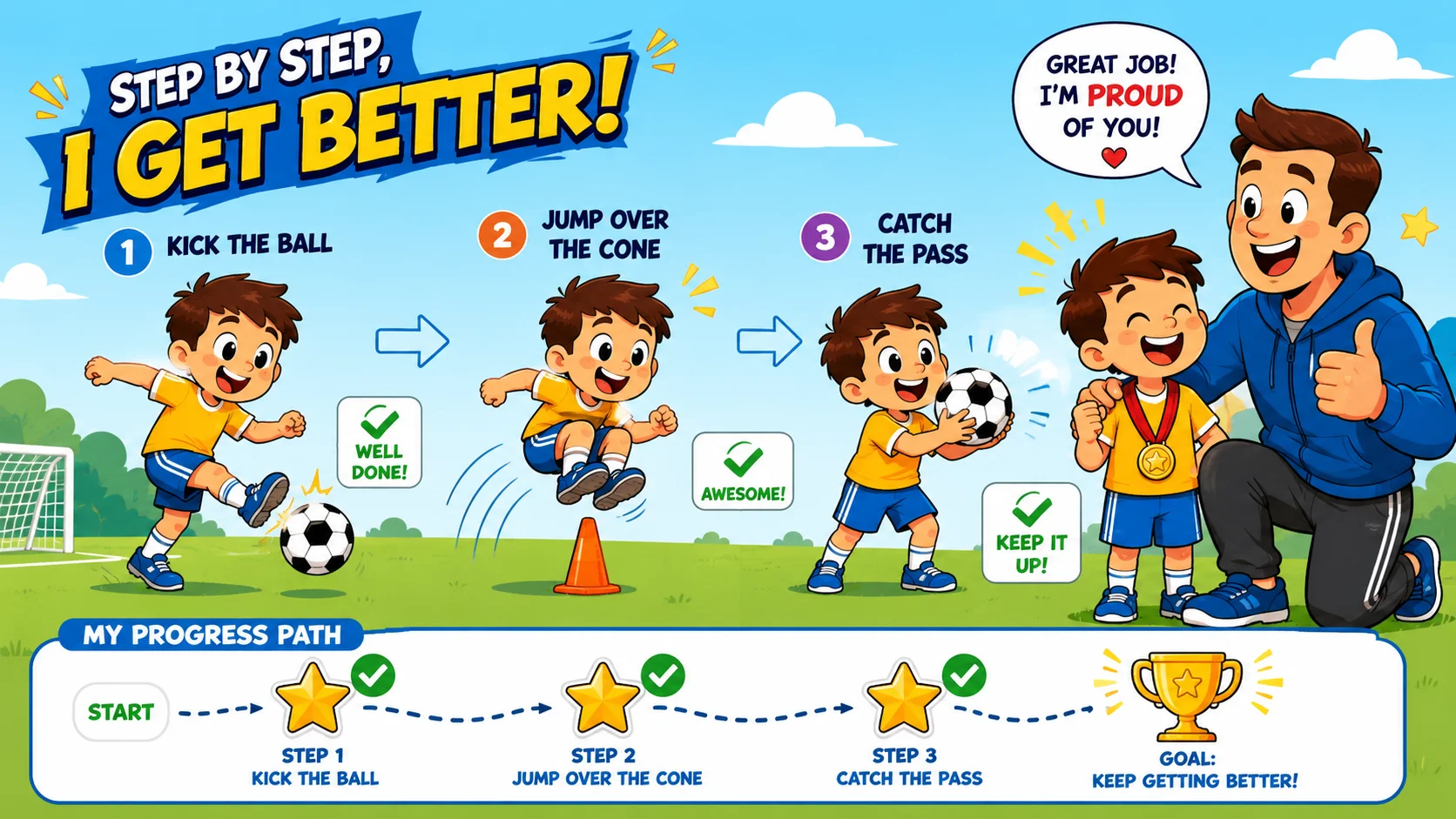
Self-determination theory states that intrinsic motivation is strongly influenced by a child’s perception of their own effectiveness in a task. If the challenge is too high, they feel anxious; if it is too low, they get bored.
Start with Achievable Skills
To best support a young athlete, focus on micro-goals that work regardless of ability level.
- Attendance: Just getting to the field is a win.
- Repetition: Catching a ball 10 times in a row.
- Knowledge: Learning the basic rules or trying new things within the sport.
Praise Effort, Progress, and Courage
High intrinsic motivation often means that a child values the process more than the result. Parents are most helpful when they focus on how the young athlete approached the game rather than on the final score.
- “I loved how you tried to focus even when the game got fast.”
- “You showed great resilience by getting back up after that fall.”
- “It was brave of you to try new things in practice today.”
Match Group Level to Your Child’s Ability
Placing a child in a group that is too advanced can lead to an overly negative perception of their ability. Coaches and program administrators should make sure the environment supports all skill levels. A child is more likely to stay active when they play with peers of a similar skill level and physical readiness.
Use Autonomy, Relatedness, and Confidence
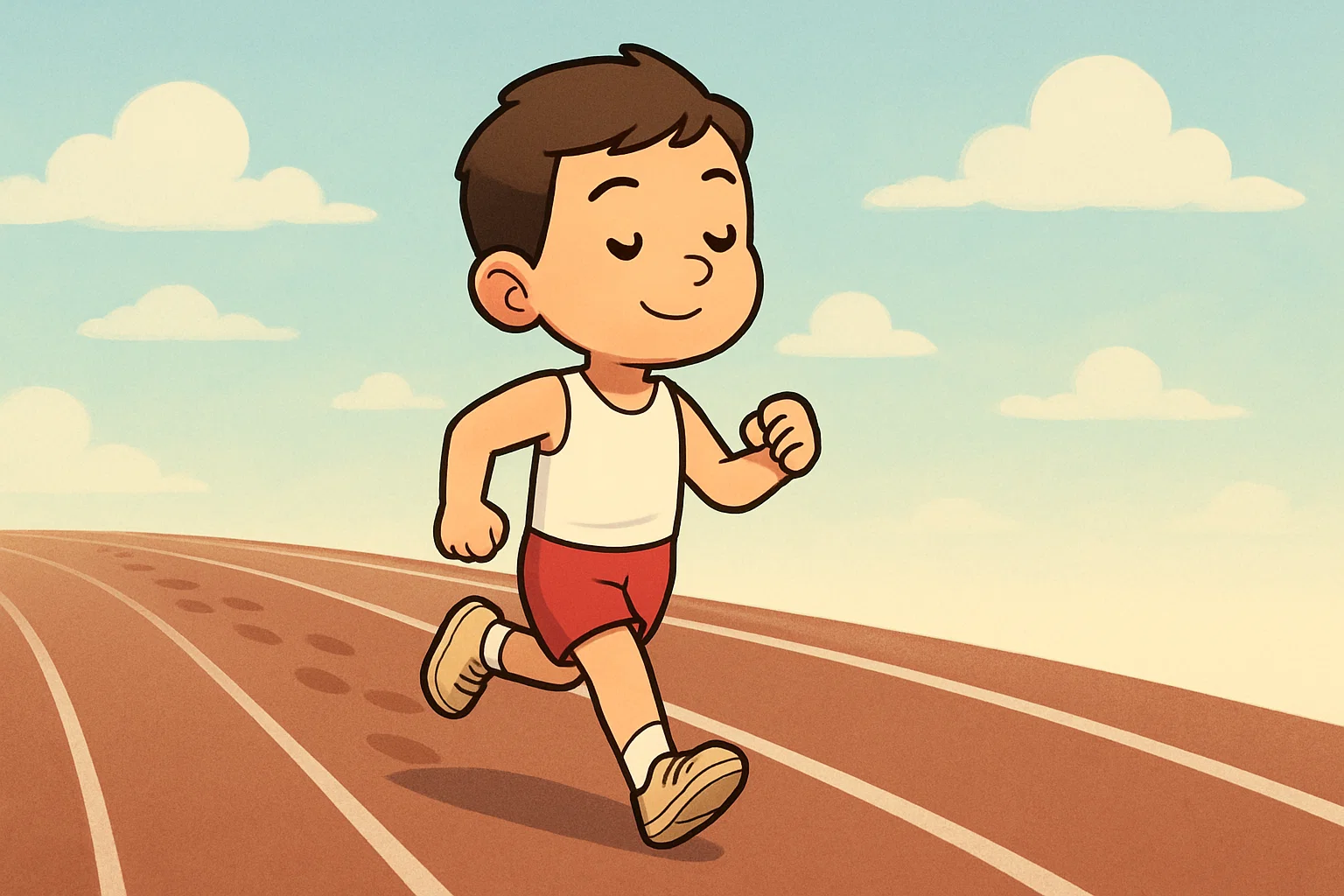
According to self-determination theory, intrinsic motivation is underpinned by the nurturing of three key psychological needs: autonomy, relatedness, and competence. Support each of these psychological pillars to help your child continue participating.
Autonomy Means Your Child Has a Voice
For a child to be self-motivated, they need to feel some sense of control. For kids, that starts with having a voice in the sports and activities they choose. Parents can support autonomy by:
- Letting them pick their practice outfit.
- Asking, “Which days this week would feel manageable for practice?”
- Allowing them to decide whether they want to play lots of active games, try several sports and activities, or focus on one.
Relatedness Means Your Child Feels Connected
Relatedness is the sense of feeling seen, valued, and connected to others. Great sports environments support good social bonds when the coach knows every player’s name and teammates encourage one another. These environments can also support good social and character development by teaching respect, patience, and teamwork. This sense of belonging often keeps a child in sports long after the initial novelty wears off.
Confidence Means Your Child Sees Progress
Confidence grows when young athletes see evidence of their own growth. To nurture these three key psychological needs, use a simple tool to help you reflect on progress with your child.
- Skill Charts: Mark off new movements learned.
- Video Feedback: Show them a video of themselves playing a month ago and compare it with today’s performance to highlight improvement.
- Coach Feedback: Encourage positive reinforcement from a coach about specific technical gains.
Be an Active Role Model for Your Child
Children often mirror their parents’ attitudes toward sports and movement. If you want your child to play sports and stay active, show that physical activity is a valued part of your own life.
Show Enjoyment of Movement
If a parent views exercise as a chore, their child is likely to adopt the same view. Instead, show enjoyment of movement through casual family activities.
- Go for a family bike ride.
- Have a “dance-off” in the living room.
- Play tag at the local park.
Talk Positively About Effort
Avoid self-deprecating talk like “I’m so uncoordinated” or “I was terrible at sports and activities.” Instead, model a growth mindset by talking about how you are learning a new hobby or how much better you feel after a walk. This helps kids focus on the physical and mental benefits of being active, besides sports results.
Create Active Family Routines
Make movement a regular, enjoyable part of the week.
- Saturday Morning: Visit a different park or trail.
- After School: Take a 10-minute walk to decompress.
- Active Holidays: Choose vacations that involve swimming, hiking, or exploring.
Team Up With Friends or Siblings
Social comfort is a major driver of children’s willingness to play sports. If a child already has a friend in the group, the social barrier is much lower.
Invite a Friend to a Trial Session
Many positive sports experiences start with a friend. If your child is nervous about a particular sport, ask the coach if a friend can join a trial session. Peer support can be one of the strongest factors in whether a young person continues an activity.
Use Sibling Support Without Comparison
Siblings can provide helpful practice support at home, but parents should make sure it does not turn into rivalry. Avoid saying, “Your brother was much better at this age.” Instead, highlight that each child has their own timeline and strengths.
Choose Clubs with a Welcoming Culture
Look for local sports clubs or teams that prioritize a “friendship first” philosophy. Great sports experiences are built in environments where kids feel welcome before they are expected to perform. Sports environments are more supportive when the coach explicitly teaches sportsmanship and inclusion.
Engage in Your Child’s Sport Without Controlling It
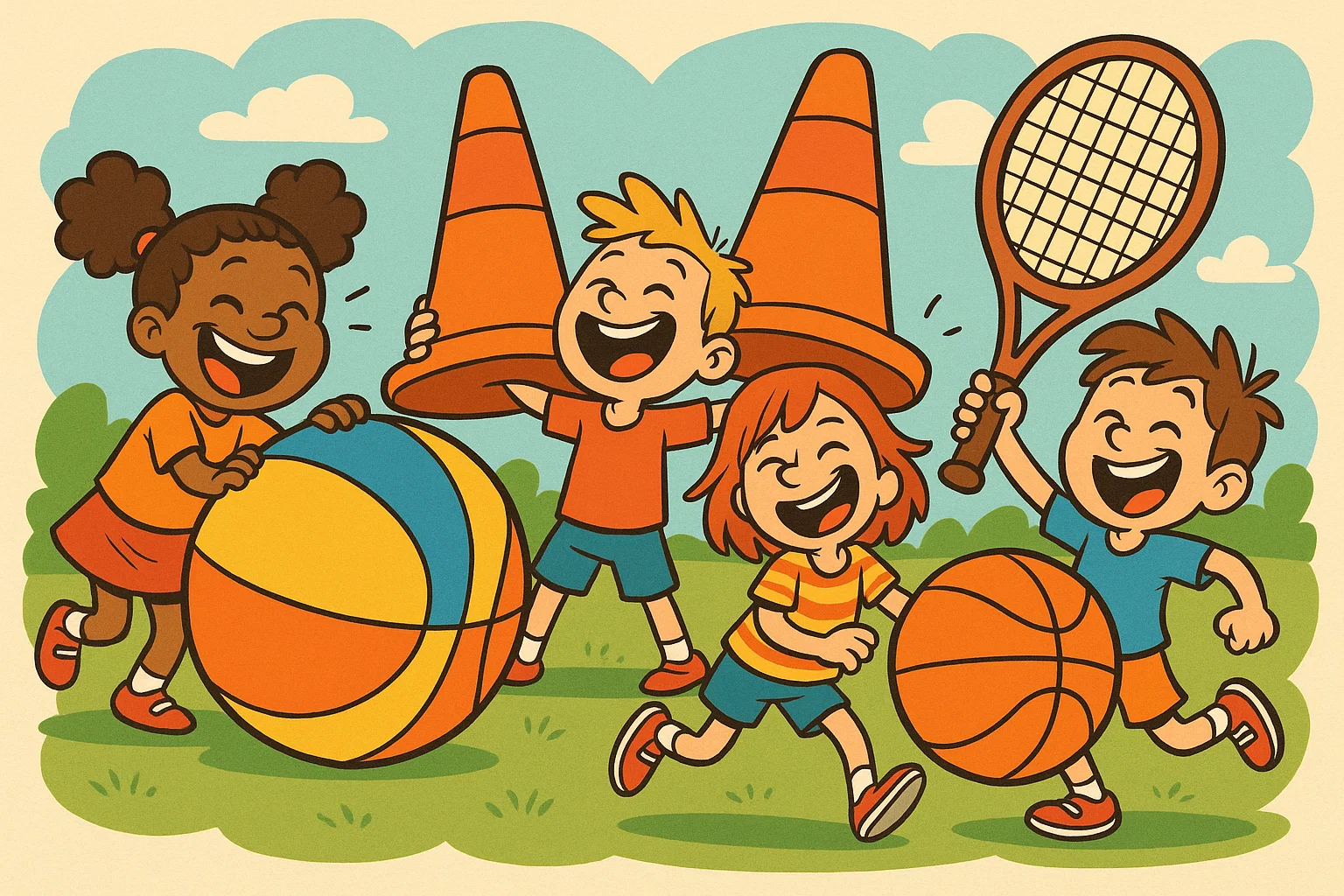
There is a fine line between parental support and pressure. To support your young athlete, be an “active observer” rather than a “sideline director.”
Watch Sessions with Calm Body Language
Your child’s eyes will often drift to the sidelines to check your reaction.
- Maintain a “poker face”: Avoid looking frustrated when they miss a goal.
- Smile and nod: Show that you are happy simply watching them play.
- Put the phone away: Your focused presence is one of the most powerful forms of support, and that support plays a critical role in helping your child feel valued.
Ask What Your Child Wants From You
Give your child some control by asking what kind of support they want from you. This helps avoid comments or reactions that make it seem that performance is the only thing you care about.
- “Would you like me to cheer loudly today, or would you prefer if I just watched quietly?”
- “Do you want me to come to every practice, or just the games?”
Celebrate Participation After Practice
After the session, the car ride home should be about refueling and relaxing.
- The “I Love Watching You Play” Rule: This simple sentence is often more powerful than any technical advice.
- Snack Time: Focus on a post-game snack or healthy meal to associate sports with positive routines.
Wear Two Hats Carefully: Parent and Coach
When a parent also serves as a coach, club volunteer, or administrator in a sports setting, the relationship can become strained. Children need their parents to be a secure base, not just another evaluator of their performance.
Keep the Parent Role Safe and Supportive
A young athlete’s emotional safety depends on knowing that their parents love them regardless of ability. If the “coach hat” stays on 24/7, kids may feel they can never escape performance pressure.
Leave Technical Correction to the Coach
Even if you have expert knowledge of a sport, try to support the official coach’s guidance. Providing conflicting instructions can confuse your child and undermine the coach’s authority. Social and character development improves when young athletes learn to listen to different mentors.
Set Boundaries When a Parent Coaches Their Child
If you coach your own child, use clear physical or verbal cues to separate the roles.
- At the Field: “I am Coach Smith.”
- In the Car: “I am Dad/Mom.”
- At Home: No “film study” or technical talk unless the child initiates it.
Feed Your Young Athlete for Energy and Mood
Sometimes what looks like a lack of motivation is actually physical exhaustion. Physical activity and athletic performance require proper fueling.
Give a Balanced Snack Before Activity
Young athletes need steady energy to stay active and enjoy practice.
- Carbohydrates: For quick energy, such as fruit or toast.
- Protein: For sustained effort, such as yogurt or nuts.
- Hydration: Encourage them to drink water throughout the day, not just at practice.
Support Recovery After Practice
Sleep and downtime are just as important as training itself. Make sure your child has enough time to finish homework and rest so that sports remain positive rather than becoming a source of stress. With the right schedule, sports can still be great even during busy school weeks.
Avoid Using Food as a Pressure Tool
Avoid using food or treats as a bribe for performance.
“If you score a goal, we’ll get ice cream” creates a transactional relationship with sports. Instead, “We are getting ice cream because we had a fun morning together” keeps the focus on the sports experience and family bond.
Handle Rejection, Teasing, and Setbacks
Resilience is not about never failing; it is about how a child handles disappointment, rejection, and setbacks. Parents play an important role in framing these moments as learning opportunities.
Explain What Happened Without Blame
If a young athlete is cut from a team, help them process the facts.
- Criteria: “The coach may have needed more defensive players this year.”
- Growth: “This shows us which skills we can focus on next.”
- Perspective: “One coach’s opinion doesn’t define your talent.”
Help Your Child Decide Whether to Try Again
Help your child reflect on whether the setback was a “stop sign” or a “detour.” If your child is still motivated, look for a lower-pressure league or a different sport where they can build confidence.
Deal with Teasing Quickly
Teasing can damage a child’s love of sports and their willingness to keep participating in sport. If you notice behavior that suggests your child is being targeted, contact the coach or program administrator immediately. A positive sport environment must be emotionally safe.
Work With the Coach as a Motivation Partner
A coach can be your greatest ally in keeping your child focused and happy. Here are five ways to work with your child’s coach effectively:
- Ask About Strengths: Always start by asking what your child is doing well.
- Share Concerns Privately: Never undermine a coach in front of the team.
- Align on Goals: Make sure your goals, such as fun and social connection, align with the coach’s goals around development and competition.
- Volunteer: Helping out shows your child that you value the sports experience.
- Focus on Life Skills: Ask how the sport is supporting good social and character development.
Know When to Pause or Reduce Sports
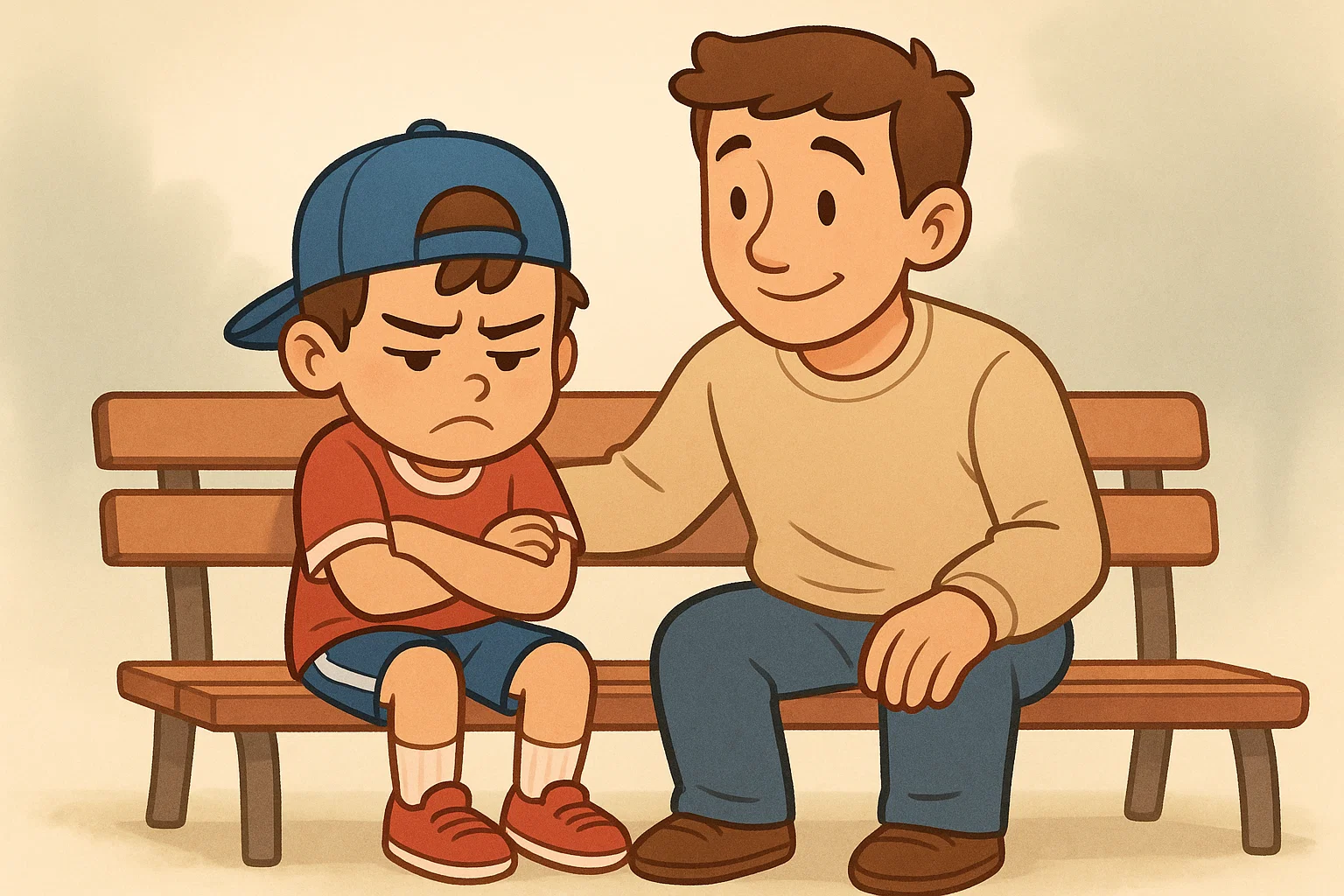
Burnout is a real risk in modern youth athletics. Signs of overload can sometimes look similar to symptoms of stress, anxiety, or low mood.
Watch for Overload Signs
| Physical Signs | Emotional Signs |
| Frequent headaches or stomach aches | Constant dread before practice |
| Chronic fatigue or sleep issues | Irritability or frequent tears |
| Lingering “minor” injuries | Loss of interest in other hobbies |
Reduce the Schedule Before Quitting Fully
Instead of a total exit, try to reduce the schedule. This might mean dropping from three practices to one, or taking an “off-season” to try new things like art or music. This may prevent a child from dropping out of an active lifestyle altogether.
Protect Long-Term Love for Movement
The ultimate goal is for your young athlete to stay active for the next 80 years, not just the next 8 weeks. A child’s psychological needs around movement should be supported in a way that feels sustainable. A healthy sports foundation is built on joy, not obligation.
FAQ About Motivating a Child to Play Sports
How do I motivate a child who hates sports?
Start by removing the word “sport” and focus on “play.” Some children may not even play organized sports but still enjoy active games, playgrounds, hiking, swimming, and backyard movement. These activities can build many of the same physical skills as formal leagues, but without the same pressure.
Should I force my child to play sports?
Forcing participation can lead to long-term resentment of exercise. Instead, suggest a “commitment contract”: your child agrees to finish the current season, understand the basic terms of the team sport commitment, and practice resilience along the way. After that, they can choose a different sport or activity.
What sport is best for a shy child?
Individual sports like martial arts, swimming, or golf are often excellent choices. These allow a shy young athlete to focus on their own progress while still being part of a positive sports environment with a supportive coach.
How can I motivate a child after losing?
Focus on effort, courage, learning, and fun. Ask, “What was your favorite play?” or “I was so proud of how you cheered for your teammates.” This keeps motivation high by helping kids focus on effort rather than the scoreboard.
How do I help a child who is less athletic than their siblings?
Avoid all direct comparisons. Find a sport or activity that feels like their own so they can build their own identity. Parental support should make it clear that, regardless of ability, their participation is valued because of the effort and character they show.

Take a short quiz to find out what your everyday choices say about your parenting style
When your child is curious about something new, what’s your instinct?
Take a short quiz to find out what your everyday choices say about your parenting style
“Can I download this app?” What happens next?
Take a short quiz to find out what your everyday choices say about your parenting style
When it comes to rules at home, which sounds most like you?
Take a short quiz to find out what your everyday choices say about your parenting style
If you could give your child one life skill today, what would you pick?
Take a short quiz to find out what your everyday choices say about your parenting style
Your child gets to choose what to watch. What would your ideal setup look like?
Take a short quiz to find out what your everyday choices say about your parenting style
Pick your parenting superpower ✨



