How to Create a Family Media Plan: Free Template Included

 Discover a Free Education Video App for Kids
Pastory uses AI to personalize educational video content based on your child’s interests and personality. Safe, engaging, and built for curious young minds. Sign up now to stay updated and enjoy early access with a free trial
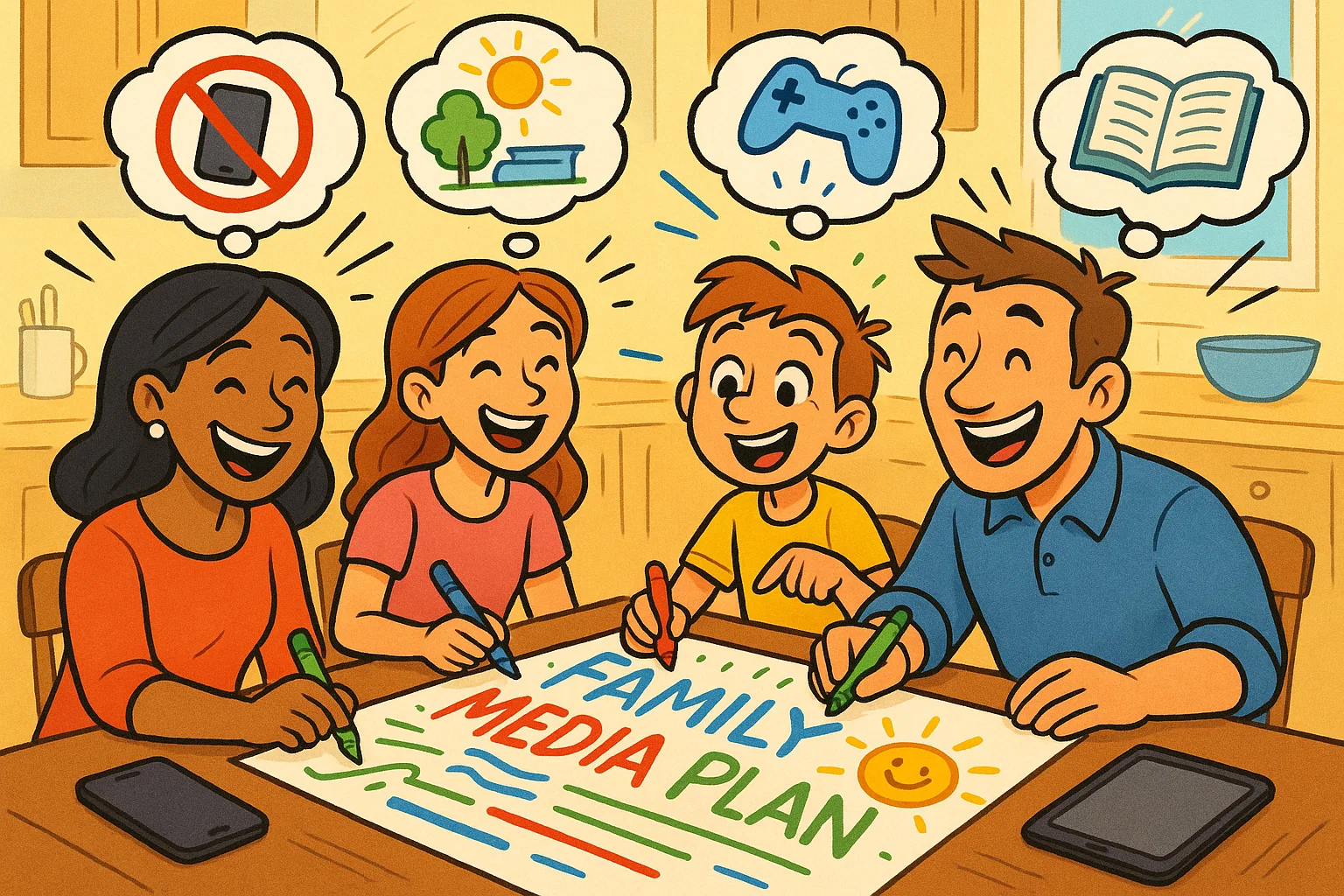
A family media plan serves as a practical household agreement that outlines how family members engage with screen time, devices, social media, and gaming. A well-structured plan addresses online safety, digital etiquette, and regular check-ins so technology supports family connection instead of getting in the way. By following this step-by-step guide and using the included template, your family can move from digital conflict to a healthier, more balanced relationship with technology.
Key Takeaways
- Clarity: A family media plan sets clear rules for media use before conflicts arise.
- Inclusion: Successful plans involve every family member, including parents, who model digital habits.
- Customization: Creating an effective family media plan requires adjusting rules based on each child’s age and maturity.
- Safety: Prioritizing privacy and mental health helps protect children from online risks and social media pressure.
- Consistency: Regular check-ins help the plan evolve alongside the family.
A Family Media Plan Sets Clear Rules
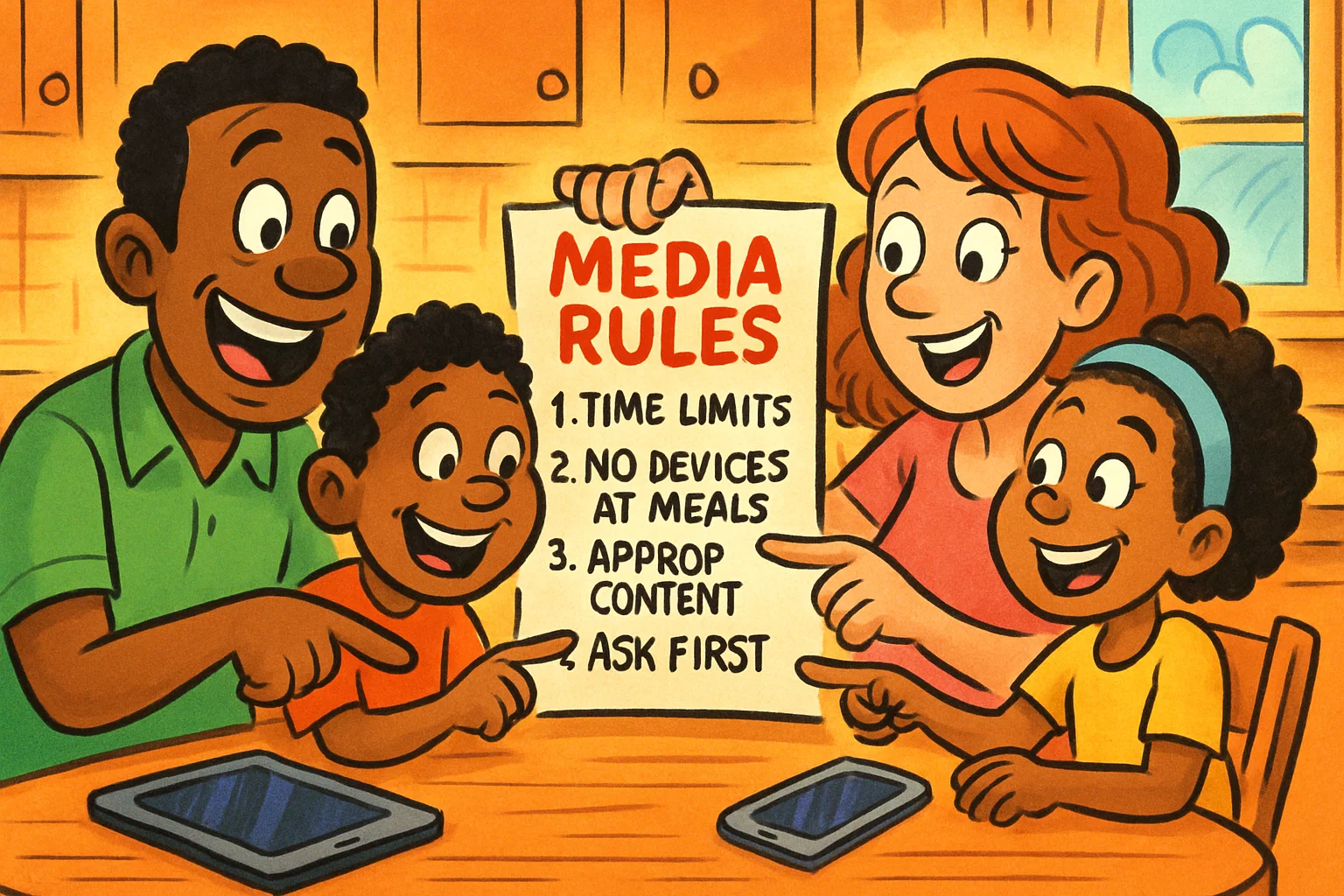
A family media plan acts as a practical household guide that helps families agree on device use, screen time, and online behavior. The American Academy of Pediatrics (AAP) recommends that families create media plans that reflect each child’s health, education, and entertainment needs, as well as the needs of the family as a whole. Setting these rules in advance can reduce daily arguments and help every parent and child understand expectations and consequences.
The Best Plans Include Every Family Member
A comprehensive media plan involves participation from children, tweens, teens, and parents alike. AAP guidance emphasizes that parents are role models for healthy digital habits, so adults should follow the same family values they expect children to respect. When parents follow the same values they ask their children to follow, the plan feels fairer and earns more trust.
A Template Makes Planning Easier
Using a printable or editable template turns abstract conversations into a clear written agreement. A structured template gives families a clear outline of routines, limits, and safety rules, making the plan easier to follow. By writing these choices down, families create a visible reference point they can keep at home.
Regular Check-Ins Keep the Plan Useful
Digital habits should change as children grow and gain new responsibilities, devices, and independence. Child development experts often recommend revisiting family rules every few months or during major transitions, such as the start of a new school year. These check-ins allow the family to discuss what is working, review new apps children want to use, and update rules for the child’s current stage of development.
What Is a Family Media Plan?
A family media plan is a written household guide that defines how a family uses technology. It can cover device use, screen time routines, online safety, social media behavior, gaming rules, and privacy settings. It serves as a roadmap for the household’s digital life and helps media use align with the family’s core values.
Family Media Plan vs. Family Media Agreement
A family media plan focuses on the broad routines and habits of the household, such as when and where screens are used. In contrast, a family media agreement is often a more formal contract focusing on specific rules, responsibilities, and consequences. Many families combine both approaches to create a practical roadmap for healthier technology use.
Why Families Need a Media Plan
Implementing a plan can support the household’s mental health, physical well-being, and daily routines. Research links high non-school screen time with poorer sleep, lower physical activity, and worse mental health outcomes among teens, so a media plan can help families protect time for sleep, movement, and offline routines. By setting expectations early, parents can support a healthier balance between digital engagement and essential offline activities.
Who Should Use a Family Media Plan?
A family media plan is a versatile tool suitable for families with toddlers, school-age children, tweens, and teens. Even families with very young children can benefit from building healthy habits early. Every family member who uses technology, whether it is a tablet app, a smartphone, or a gaming PC, should be included in the plan.
Include Everyone in Planning
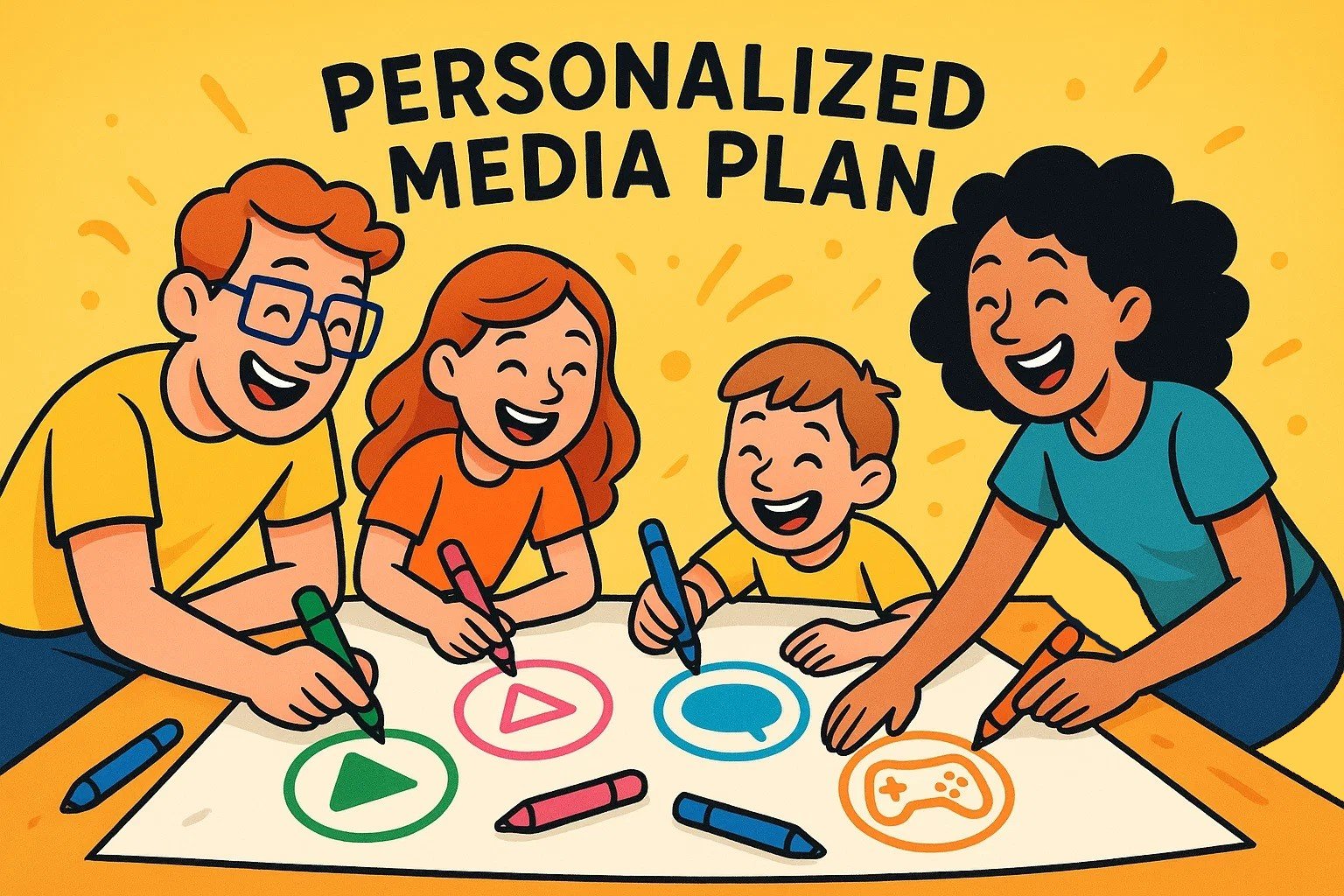
To create a plan that lasts, every family member must feel heard and involved in the process. When children are invited into the conversation, they are more likely to understand the rules and take them seriously. This collaborative approach helps the media plan feel like a shared family commitment rather than a set of imposed restrictions.
Invite Children Into the Conversation
Engaging a child in the discussion about technology helps them develop critical thinking skills. Parents should ask open-ended questions about their child’s favorite apps, gaming experiences, and any online concerns the child may have. These honest conversations build trust and help the plan address the real risks and interests the child faces.
Set Rules for Parents, Too
Adults must acknowledge their own relationship with technology by creating rules for their own device use. This includes limits on checking work messages during family time and avoiding scrolling at the dinner table. When parents model healthy breaks from technology, they give children a clear example of self-regulation.
Adjust the Plan by Age and Maturity
A family media plan should be flexible enough to reflect each child’s developmental stage, maturity, and level of responsibility.
| Age Group | Focus Area | Monitoring Level |
| Toddlers | Co-viewing and high-quality content | 100% supervised |
| School-age children | Balance with homework and outdoor activity | High supervision |
| Tweens | Social media readiness and privacy | Moderate supervision |
| Teens | Digital footprint and independence | Lower supervision / higher trust |
Include Childcare Programs and Caregivers
For the plan to be effective, it should extend to babysitters, grandparents, and childcare providers. Parents should share the family media plan with caregivers so children hear consistent expectations across different settings. Providing a copy of the plan to a childcare program or regular caregiver can help maintain consistent habits when the child is away from home.
Set Clear Rules for Media and Technology Use
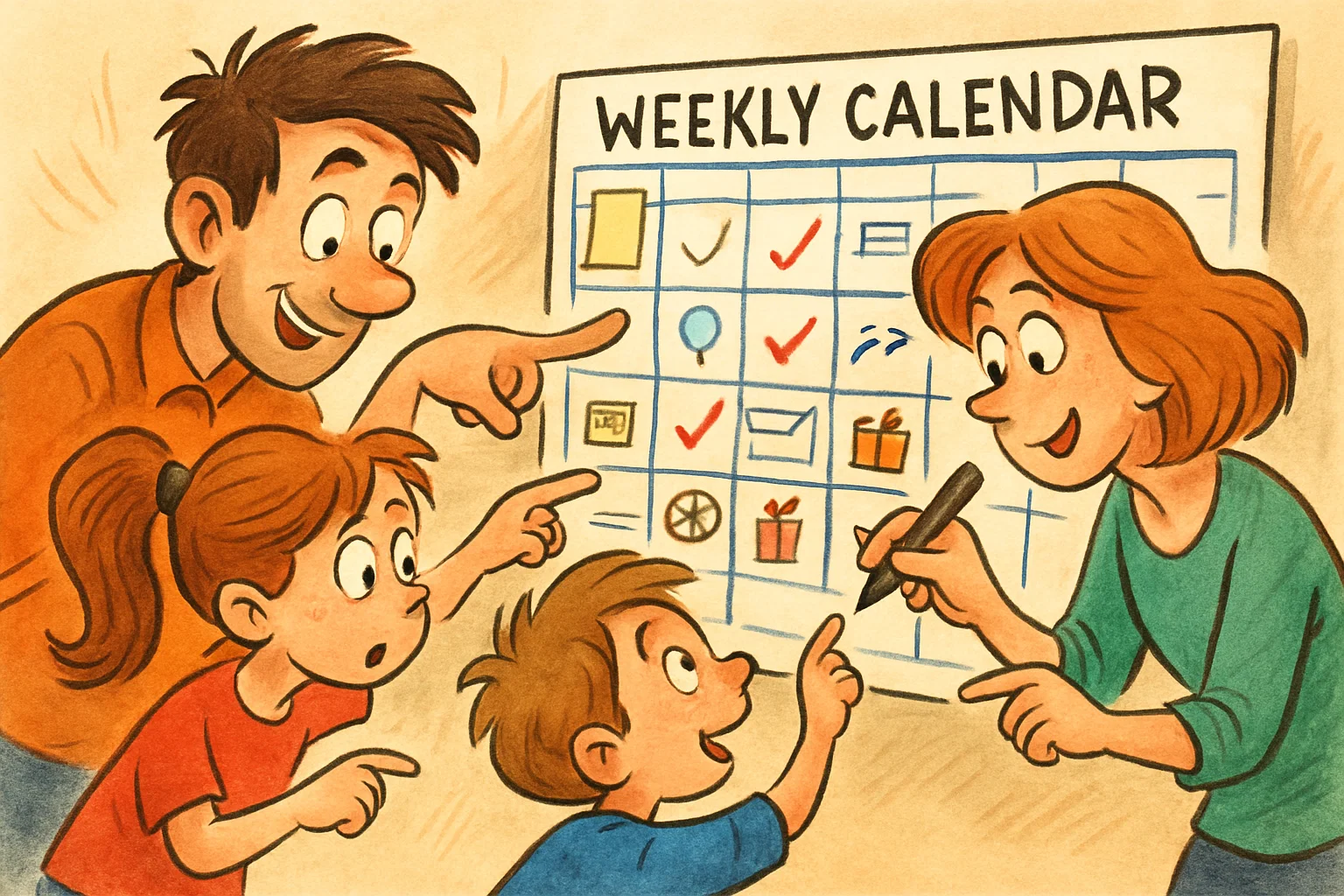
Specific rules reduce the ambiguity that often leads to power struggles between parents and children. A successful family media plan defines which devices are allowed, which apps are approved, and how technology may be used for school, entertainment, and communication.
Decide Which Devices the Plan Covers
The plan should list every device the child may use to prevent “screen hopping.”
- Personal devices: smartphones, tablets, and laptops
- Entertainment technology: smart TVs, gaming consoles, and VR headsets
- Wearables: smartwatches and fitness trackers
- Shared technology: family computers and smart home hubs
Define Approved Apps and Platforms
Parents should maintain a list of approved apps, streaming services, and social media platforms. Before a child downloads a new app, the family should review its privacy settings, age rating, content, and social features. This proactive check helps keep the digital environment safer and more age-appropriate.
Set Rules for Schoolwork and Entertainment
It is helpful to distinguish between school-related screen use, creative screen use, and passive entertainment. Homework-related tech use often requires different limits than gaming or video streaming. By defining these categories, parents can support learning and creativity while still setting limits around entertainment use.
Write Rules in Simple Language
Vague instructions such as “use your phone less” are rarely effective and often lead to confusion. Instead, the family should use clear, specific language such as “No devices after 8:00 PM” or “All gaming must be done in the living room.” Specific rules give children measurable expectations they can realistically meet.
Decide on Screen Time Limits
Setting screen time goals is not about banning technology; it is about finding a healthy balance. The AAP recommends looking beyond a single time limit and focusing on content quality, balance, co-use, communication, and what screen use may be crowding out, such as sleep or physical activity.
Set Daily or Weekly Screen Time Goals
Families should set realistic limits based on the child’s age, needs, and daily routine. For school-age children, many families set daily or weekly limits for recreational screen use, but the right amount should depend on the child’s age, needs, routines, and overall well-being. These goals should be written into the template so everyone understands the agreed limits.
Create Routines for Weekdays and Weekends
A healthy media plan recognizes that routines may differ on school nights, weekends, holidays, and travel days.
- Weekdays: Focus on homework, chores, and early sleep routines.
- Weekends: Allow extra gaming time or family movie nights when they fit the family routine.
- Holidays and travel: Build in temporary flexibility for long car rides, flights, or vacations.
Balance Screen Time With Offline Time
The primary goal of managing screen time is to protect time for sleep, physical activity, schoolwork, hobbies, and face-to-face relationships. Parents should encourage hobbies such as reading, sports, and in-person friendships. A balanced routine supports emotional and physical health by making sure technology does not crowd out other important parts of childhood.
Define Screen-Free Zones and Times
Setting clear screen-free places and times helps the family protect space for connection. These “tech-free” areas help keep technology from interrupting sleep, learning, privacy, and family bonding.
Choose Screen-Free Areas
Specific areas in the home should remain dedicated to offline interaction.
- Bedrooms: To protect sleep and privacy.
- Dining room: To promote conversation during family meals.
- Bathrooms: To protect privacy and avoid unhealthy device habits.
- Homework spaces: To minimize distractions, unless a device is needed for schoolwork.
Choose Screen-Free Times
Certain times of the day should be preserved for human-to-human connection. Parents and children can agree to put phones away during meals, morning routines, and family outings. These habits reinforce the value of being present with other people.
Create a Charging Station
A central charging station in a common area, such as the kitchen or living room, can be a useful part of a family media plan. Keeping devices there overnight can reduce late-night scrolling and help children get the sleep they need. This simple rule can reduce late-night device use and support healthier sleep habits.
Protect Sleep From Screens
Screen use before bed can make it harder for children and teens to wind down and fall asleep. Many experts recommend turning off devices at least 60 minutes before bedtime, but families can adjust the routine based on the child’s age and needs. A non-digital wind-down routine, such as reading a printed book, can help children transition to sleep.
Talk About Online Etiquette
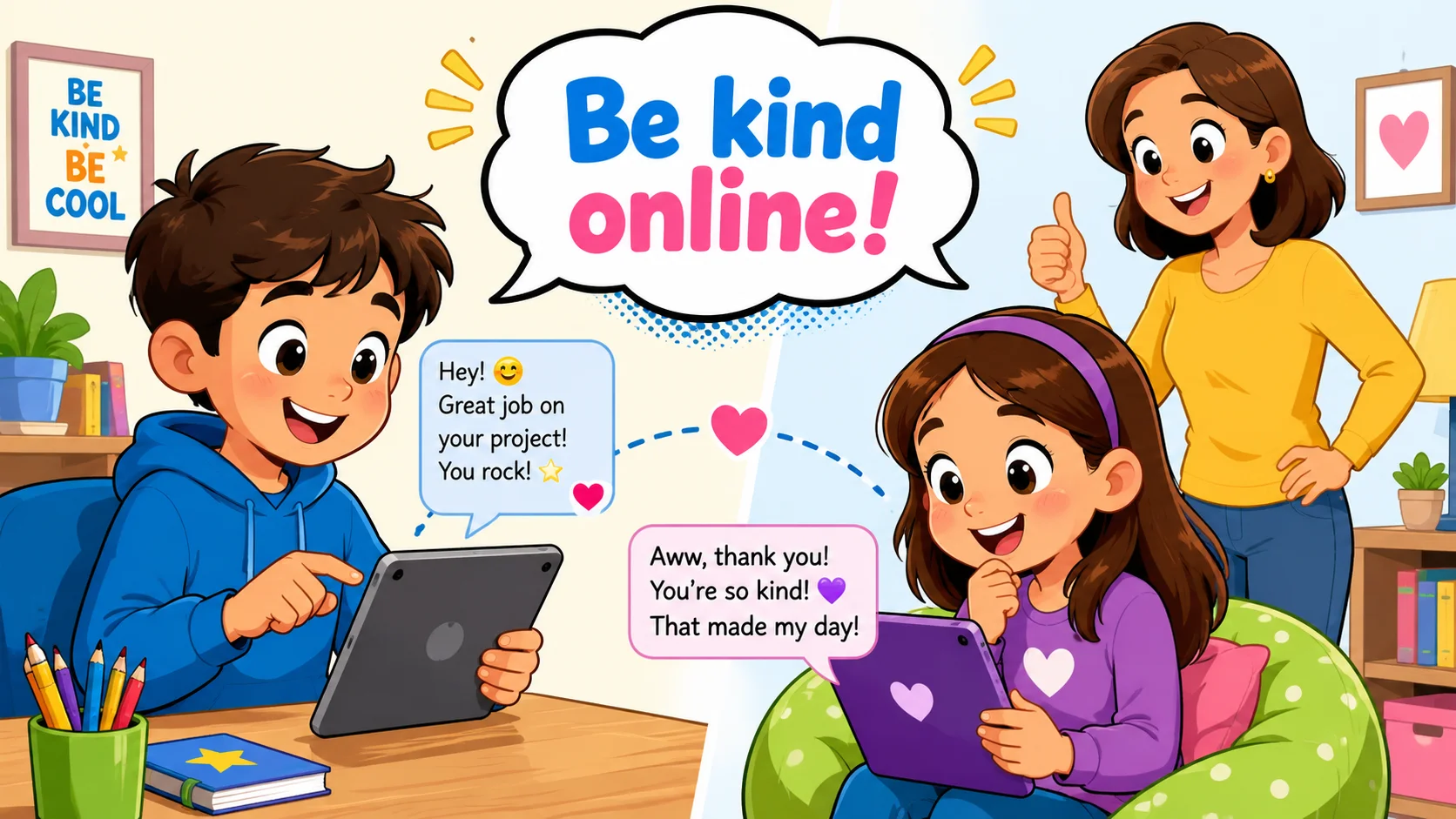
Digital citizenship is a critical skill for every child and teen who spends time online. A media plan should explain how family members are expected to treat others online with respect and empathy.
Teach Respectful Posting and Commenting
Children should learn that online comments can affect others just as much as words spoken face to face. The family should discuss the importance of kindness in group chats and the dangers of cyberbullying. Teaching children to “pause before they post” can help prevent embarrassment, conflict, and hurt feelings.
Discuss Photos, Tags, and Consent
Respecting the privacy of others is a key value in a digital society. Parents should teach children to ask permission before sharing someone’s photo or tagging them in a post. This teaches consent, respect, and privacy in everyday digital interactions.
Explain Digital Footprint
A digital footprint is the trail of information a person leaves through online activity. Parents should explain that posts, comments, and even “disappearing” video messages can be saved through screenshots. Understanding that online behavior can affect future school, college, or job opportunities encourages teens to post more thoughtfully.
Make Online Safety a Priority
Online safety is one of the most important components of any family media plan. Families should establish clear safety rules to protect personal data and teach children how to identify and report risks.
Protect Personal Information
Children need to understand what information is private.
- Identifying information: full name, home address, and school name
- Contact information: phone numbers and email addresses
- Security information: passwords, login codes, and current location
- Sensitive information: financial details and private family photos
Set Password, Privacy, and Account Rules
Every account a child uses should have privacy settings reviewed and set as restrictively as possible. Parents should use two-factor authentication where possible and teach children not to share passwords with friends. These safeguards add an important layer of protection against hacking, impersonation, and data theft.
Discuss Online Friends and Stranger Contact
The plan should explain the difference between a real-life friend, an online acquaintance, and a stranger. The plan should include rules for direct messages (DMs), friend requests from strangers, and interactions in gaming lobbies. Parents should make sure their child knows never to meet an online contact in person without a trusted adult’s involvement and approval.
Prepare Children for Unsafe or Upsetting Content
Despite the best parental controls, a child may eventually encounter unsafe or upsetting content. Parents should create a “no-shame” response plan so children feel safe telling a trusted adult if they see something scary, violent, sexual, or otherwise upsetting. This open conversation can be more effective than relying on software alone to help children stay safe.
Create a Social Media and Online Presence Agreement

Social media often requires emotional maturity, privacy awareness, and the ability to handle peer pressure. The family should create specific rules for social platforms when the child is old enough under the platform’s terms and mature enough to use them safely.
Decide When a Child Is Ready for Social Media
Age is not the only sign of readiness; maturity, emotional regulation, and judgment are just as important. Parents should assess whether their child can handle social pressure, understand privacy, and report bullying or unsafe behavior. If a child is struggling with mental health, self-esteem, or social pressure, delaying social media may be the healthier choice.
Agree on Parent Access and Monitoring
Monitoring should be framed as a safety check rather than “spying.” Families should agree on how parents will support safety, such as checking privacy settings, reviewing followers, or being connected with the child on the platform. As the child demonstrates responsibility, monitoring can gradually shift toward more privacy and independence.
Add a Video Game Agreement
Gaming is a major part of digital life for many children, but it often needs its own set of boundaries. A video game agreement can help gaming remain a fun activity rather than a source of conflict or unhealthy habits.
Set Rules for Multiplayer and Voice Chat
Online multiplayer games can expose children to bullying, inappropriate language, contact from strangers, and pressure to keep playing.
- Voice chat: Use it only with real-life friends or trusted people approved by a parent.
- Privacy: Do not share personal details in gaming chats.
- Behavior: Rage-quitting, insulting others, or harassing teammates is not allowed.
- Safety: The child must leave any chat where they feel uncomfortable.
Manage In-Game Purchases and Spending
Many modern games use loot boxes, skins, battle passes, or other digital items to encourage spending. The family should set a clear rule for in-game purchases, such as requiring parent approval for every transaction. This can prevent unexpected charges and help children understand the value of digital money.
Agree on Consequences and Rewards
For a media plan to be effective, there must be clear consequences for breaking the rules. Consequences should focus on learning and responsibility rather than shame or harsh punishment.
Match Consequences to the Rule
Logical consequences help children understand the reason behind a rule.
| Rule Broken | Consequence |
| Using a phone in the bedroom at night | The phone stays at the charging station for the next three nights. |
| Buying an app without permission | The child pays back the cost from their allowance and loses app store access for one week. |
Reward Responsible Media Use
Positive reinforcement is just as important as consequences. When a child consistently follows the plan, parents can offer praise or more independence, such as a later device curfew on weekends. This helps build a relationship based on trust and respect.
Free Family Media Plan Template
A written template helps turn family media rules into a clear agreement that every family member can understand. Use this free family media plan template to define screen time limits, device rules, online safety habits, and consequences in one simple place.
Family Information
This section helps personalize the plan for each household. Add the names of all family members who will follow the agreement.
- Family name: __________________________
- Date created: __________________________
- Review date: __________________________
- Family members included: __________________________
Our Family Media Goals
This part defines why the media plan exists. The goal should be positive, realistic, and easy for children to remember.
Our family wants to use technology in a way that supports:
- Learning and creativity
- Sleep and physical activity
- Family conversations
- Online safety
- Respectful communication
- Healthy social media habits
Our top three media goals are:
Screen Time Rules
Clear limits help reduce arguments about media use. These rules should reflect each child’s age, school schedule, and maturity level.
- Weekday recreational screen time: __________________________
- Weekend recreational screen time: __________________________
- Schoolwork screen time rules: __________________________
- Gaming time rules: __________________________
- Video streaming rules: __________________________
Devices must be turned off by: __________________________
Screen-Free Zones and Times
Screen-free spaces protect sleep, privacy, homework, and family connection. These rules should apply to children and adults whenever possible.
Our screen-free zones are:
- Bedrooms
- Dining table
- Bathrooms
- Homework areas
- Family outings
Our screen-free times are:
- During meals
- Before school
- One hour before bedtime
- During family conversations
- During homework, unless needed for school
Approved Devices, Apps, and Platforms
This section helps parents prevent unsafe or unsuitable media use. Add only the devices, apps, websites, games, and platforms that the family has reviewed.
Approved devices:
Approved apps and platforms:
Apps or platforms that need parent approval first:
Online Safety Rules
Online safety rules protect personal information, privacy, and emotional well-being. Children should know exactly what to do when something online feels unsafe or upsetting.
Our family agrees to:
- Keep passwords private.
- Never share home address, school name, phone number, or location.
- Ask permission before downloading new apps.
- Ask permission before posting photos of other people.
- Tell a trusted adult about scary, rude, sexual, violent, or confusing content.
- Never meet an online contact in person without parent approval.
- Use privacy settings on every account.
Trusted adults the child can talk to:
Social Media Rules
Social media requires maturity, privacy awareness, and emotional self-control. These rules should be reviewed before a child joins any new platform.
Our family agrees that social media use requires:
- Parent approval before creating an account.
- Private account settings where possible.
- No accepting friend requests from strangers.
- No posting personal information.
- No cyberbullying, rude comments, or harmful messages.
- A conversation with a parent if social media causes stress, pressure, or sadness.
Parent monitoring agreement:
- Parent access level: __________________________
- Review frequency: __________________________
- Accounts included: __________________________
Video Game Rules
Gaming can be fun, social, and creative when clear boundaries are in place. A separate gaming section helps prevent conflicts around multiplayer chat, spending, and stopping time.
Our gaming rules are:
- Gaming is allowed on: __________________________
- Gaming must stop by: __________________________
- Voice chat is allowed only with: __________________________
- In-game purchases require: __________________________
- Multiplayer games must be approved by: __________________________
Consequences and Rewards
Consequences should teach responsibility without shame. Rewards can support trust, independence, and consistent healthy choices.
If a rule is broken, the consequence will be:
- First time: ______________________________________
- Repeated issue: ______________________________________
- Serious safety issue: ______________________________________
Responsible media use may earn:
- Extra weekend screen time
- A family movie night
- More independence with devices
- A new approved app or game
- Positive recognition from parents
Family Agreement
A signature section makes the media plan feel official and shared. Every family member should understand the rules before signing.
By signing this plan, our family agrees to use technology in a safe, respectful, and balanced way. The plan can be updated as children grow, routines change, or new digital risks appear.
Parent or caregiver signature: __________________________
Child signature: __________________________
Child signature: __________________________
Date: __________________________
Final Thoughts
The most effective family media plan is one that is clear, realistic, and written down. By creating a plan together, you can move from being the “screen police” to becoming a mentor who helps your child navigate the digital world with confidence. Start small, revisit the rules often, and keep the conversation open. Use the template below to take the first step toward a healthier family relationship with technology.
FAQs
What Should a Family Media Plan Include?
A comprehensive plan should include screen time limits, device storage rules, a list of approved apps, online safety protocols, privacy settings, and agreed-upon consequences for rule violations.
How Often Should the Media Plan Be Updated?
Families should revisit the plan at least every six months. Major changes, such as a child getting their first phone, joining a new platform, or starting a new school year, should trigger a review and update of the plan.
Should Parents Monitor Their Child’s Social Media?
Yes, but the level of monitoring should match the child’s maturity. Parents should focus on safety checks and honest conversations rather than secret surveillance, gradually granting more privacy as the child shows they can stay safe and respect others.

Take a short quiz to find out what your everyday choices say about your parenting style
When your child is curious about something new, what’s your instinct?
Take a short quiz to find out what your everyday choices say about your parenting style
“Can I download this app?” What happens next?
Take a short quiz to find out what your everyday choices say about your parenting style
When it comes to rules at home, which sounds most like you?
Take a short quiz to find out what your everyday choices say about your parenting style
If you could give your child one life skill today, what would you pick?
Take a short quiz to find out what your everyday choices say about your parenting style
Your child gets to choose what to watch. What would your ideal setup look like?
Take a short quiz to find out what your everyday choices say about your parenting style
Pick your parenting superpower ✨