Fun Learning Activities for Children [7-Year-Olds]

 Discover a Free Education Video App for Kids
Pastory uses AI to personalize educational video content based on your child’s interests and personality. Safe, engaging, and built for curious young minds. Sign up now to stay updated and enjoy early access with a free trial
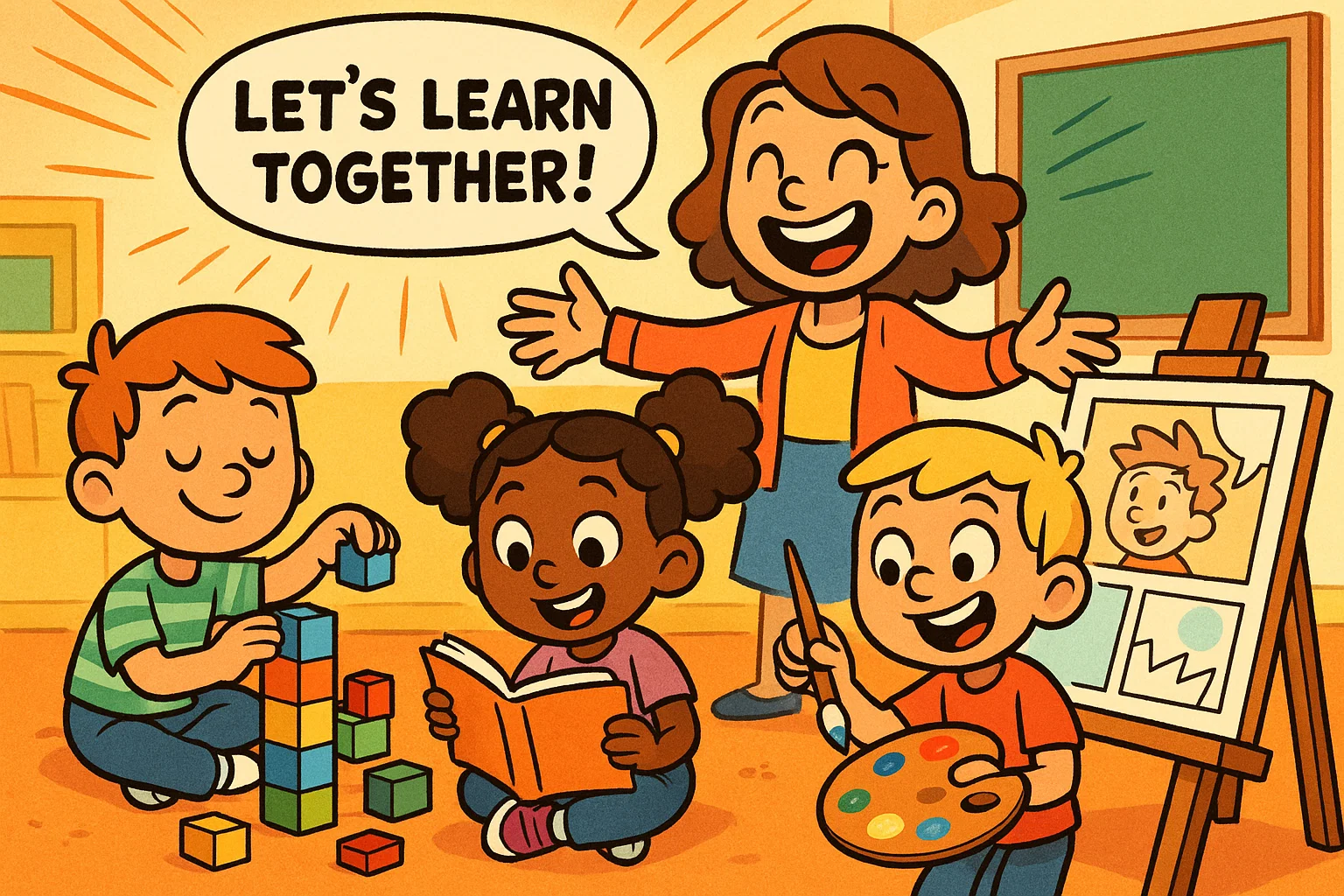
At age seven, children are in a rich developmental stage where their curiosity about the world is matched by growing physical and cognitive stamina. For parents searching for simple, fun, and age-appropriate activity ideas, the key is to blend education with play. Whether you want to support reading, math, or creativity, the most effective activities for children aged seven are those that feel like adventures rather than chores. By incorporating movement, sensory play, and opportunities for independence, you can turn everyday moments at home into playful at-home learning opportunities. These home-friendly learning activities for children help them learn new skills while building self-confidence.
Key Takeaways
- Play-Based Learning: Seven-year-olds often retain information better when concepts are introduced through learning games and hands-on practice.
- Variety Is Vital: A mix of sensory play, action games, and quiet project rotations helps prevent boredom and supports well-rounded development.
- Low-Prep Approach: Most activities for kids can be done with everyday items such as recyclable materials, dice, straws, and paper bags.
- Reading Confidence: Comics, riddles, and shared reading help children read more fluently and with less pressure.
- Life Skills: Activities such as cooking and counting coins build math skills while encouraging responsibility.
Best Activity Mix
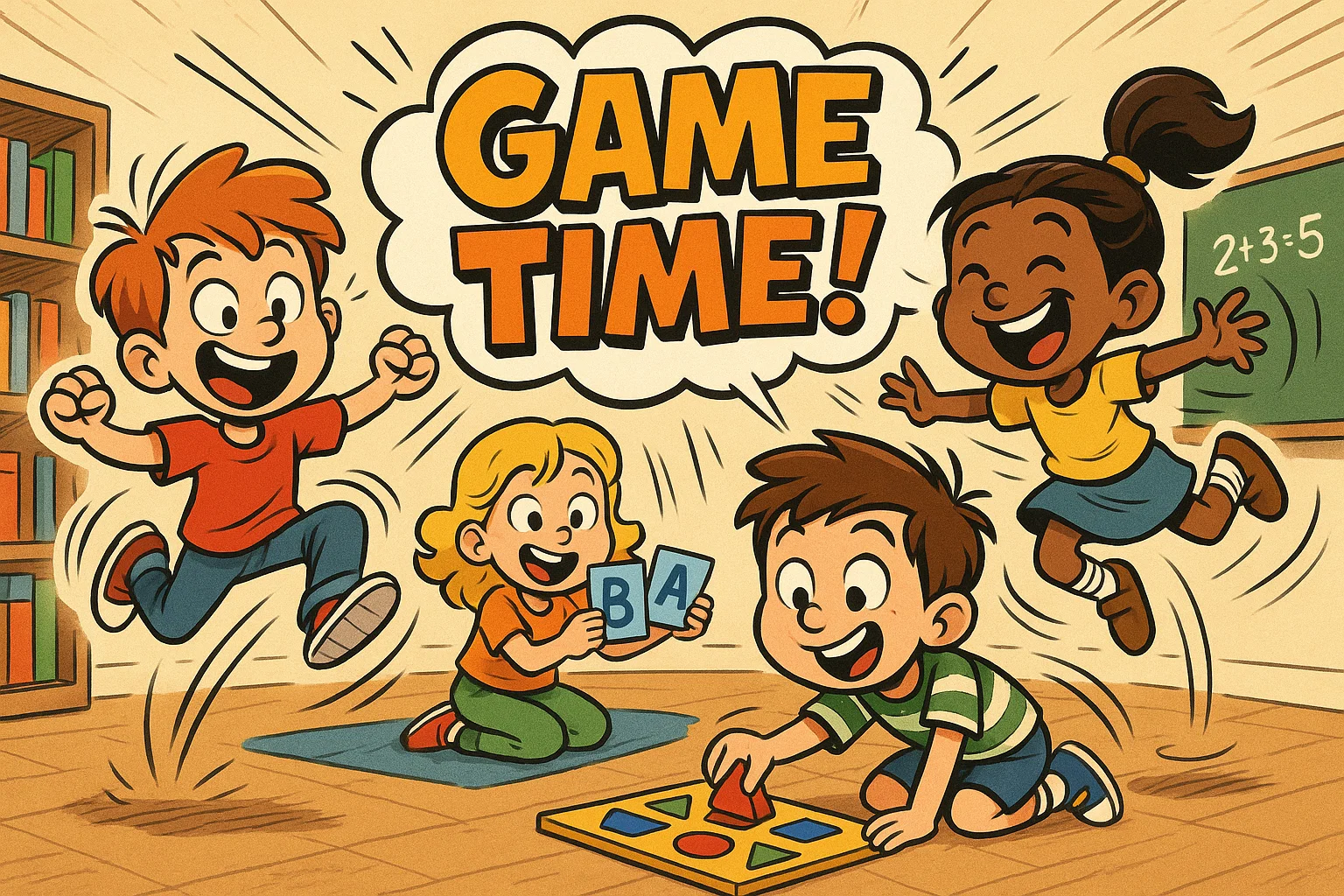
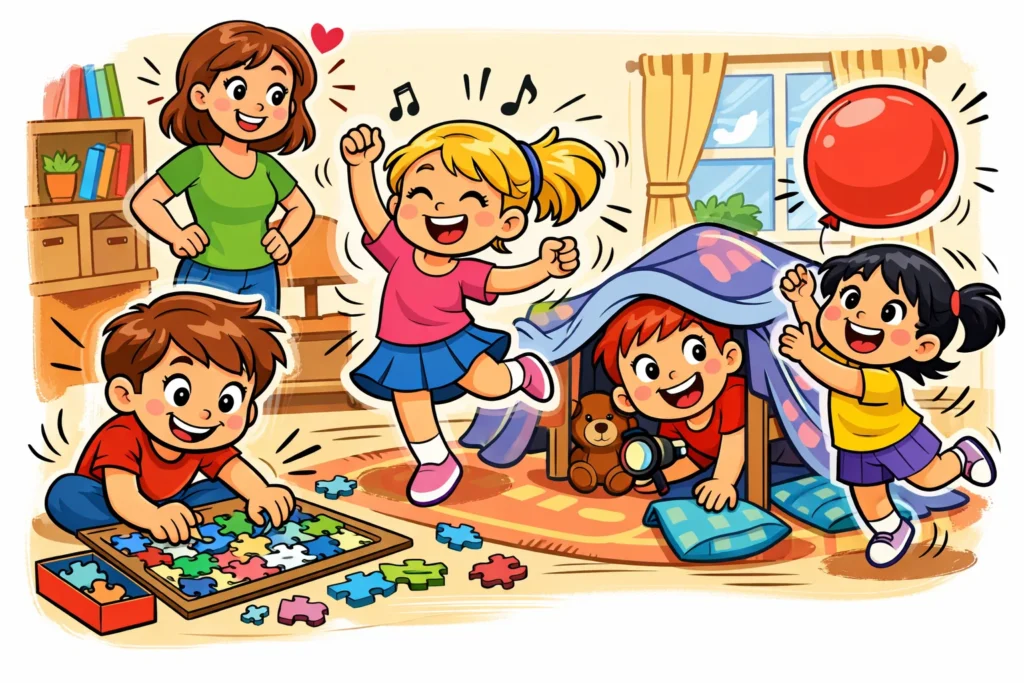
The most effective developmental plan for a seven-year-old includes different types of activities to keep the brain engaged. Developmental theories such as Piaget’s stages suggest that many seven-year-olds are entering the concrete operational stage, when hands-on exploration can support learning. As a result, the strongest home-learning plan combines reading and writing with hands-on play, movement, and creative projects. By rotating between a scavenger hunt and a jigsaw puzzle, you can keep your child engaged without overstimulation.
Low-Prep Parent Approach
Engaging learning activities do not require expensive kits or complex setups. Most activities that keep children entertained and learning rely on simple household items you likely already own.
- Paper and Pencils: Essential for spelling, drawing, and creating a lapbook.
- Kitchen Tools: Spoons and straws are perfect for sensory science experiments.
- Cardboard and Recyclables: Transform boxes into a puppet theater or a pretend post office.
- Common Toys: Use building blocks for multiplication and dice for rapid addition practice.
Age Seven Learning Goals
At this developmental stage, the focus often shifts from basic recognition to applying skills with growing confidence. In many Grade 2 and Year 3 curricula, children begin to strengthen vocabulary, problem-solving skills, and number fluency. Beyond academics, a primary goal is developing independent work habits. By providing age-appropriate challenges – such as a crossword or a riddle – you encourage your child to focus for short, manageable periods and see mistakes as part of the learning process.
1. Games and Activities for Seven-Year-Olds
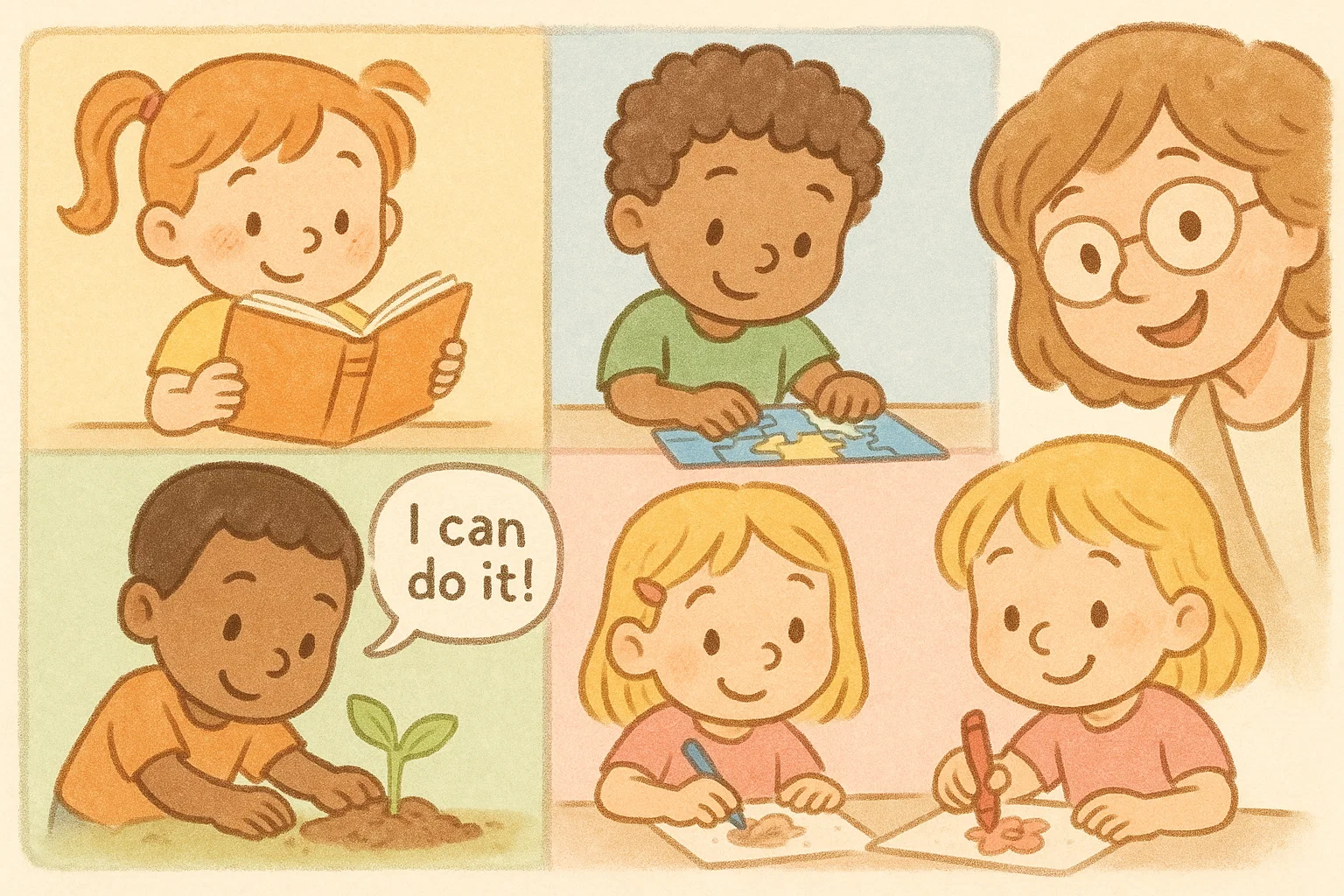
Learning through play is the cornerstone of successful home education for seven-year-olds. At this stage, seven-year-olds benefit from short, varied activities with clear, achievable goals. Because their attention spans are growing but still limited, framing a math or spelling task as a game reduces anxiety and increases engagement. Short bursts of interactive learning can help children build skills without the fatigue that often comes with repetitive worksheets.
Language Games
Word-based learning games help children expand their vocabulary and understand sentence structure. You can start a “word chain” in which each person says a word that begins with the last letter of the previous word, such as apple → elephant → tiger. For a more advanced challenge, try synonym games or silly sentence-building activities in which the goal is to use at least one adjective and one verb in every sentence. These activities turn spelling and grammar into a creative outlet.
Phonics Games
Phonics remains an important part of helping children read fluently. Phonics activities can include sound matching and word sorting to help children identify more complex phonemes. You can create a “tricky-word hunt” by hiding cards with common exception words around the room. The child must find the card and read the word aloud to “capture” it. This practice helps reinforce the connection between letter patterns and sounds in an active, low-pressure environment.
Phonics Guidance Activity
When guiding your child through phonics, keep the sessions playful and connected to real-world reading. Instead of isolated drills, find the sounds you are practicing within their favorite books. Use a pencil to circle specific sounds on a printable sheet, or use craft materials such as glitter to “write” the sounds. The American Academy of Pediatrics emphasizes interactive shared reading and the relationship-building benefits of reading aloud, so keep these sessions short, warm, and encouraging.
Memory Games
Memory-based learning activities are excellent for cognitive development. Traditional card matching or “What Changed?” games – where you place objects on a cushion, have the child look away, and remove one – build visual memory. For a mathematical twist, try number-memory challenges where you recite a sequence of three or four numbers and ask the child to repeat them backward. This supports working memory, which helps children follow multi-step instructions in school.
Listening Games
Developing listening skills supports academic success and social well-being. Games like “Simon Says” or “Red Light, Green Light” are classic activities for kids that require auditory processing. You can also try sound guessing: record common household noises, such as a kettle boiling or a door closing, and have your child identify them. Story retelling is another useful tool: after reading a short passage, ask your child to explain what happened in their own words.
Action Games
Movement-based learning activities are perfect for high-energy seven-year-olds. You can create “spelling jumps” where each letter of a word requires a hop, or “math hopscotch” where the child must jump to the answer of a subtraction problem. A scavenger hunt is a versatile tool; ask them to find “something that starts with B” or “something shaped like a cylinder.” These activities ensure that children learn while burning off physical energy.
Tactile Games
Hands-on sensory play helps solidify abstract concepts. Using clay, beads, or blocks to represent numbers makes math concepts more tangible. For literacy, you can use a sand tray or shaving cream for the child to trace alphabet letters with their finger. This play-based approach is particularly beneficial for kinesthetic learners who need to “feel” the information to process it effectively.
Screen Games
While digital play should be limited and intentional, high-quality educational videos and apps can be useful learning tools. Choose games that focus on specific learning goals, such as multiplication or spelling, and offer clear feedback or goals. The World Health Organization recommends limiting sedentary time, especially recreational screen time, for children and adolescents, so set a clear time limit and make sure the content is age-appropriate. Always review the app first to ensure it focuses on interactive learning rather than passive watching.
Car Journey Games
Travel time is a great opportunity for fun and free activities. You can engage in alphabet spotting, finding letters on road signs, or mental math challenges involving license plate numbers. Storytelling games, where each person adds one sentence to a growing tale, foster imagination and narrative flow. These activities help pass the time while keeping children’s minds active and focused on their surroundings.
2. Reading Activities and Books for Seven-Year-Olds
Around age seven, many children begin moving from “learning to read” toward “reading to learn.” This shift calls for confidence-building and a varied “reading diet.” By offering a mix of comics, early chapter books, and illustrated fiction, you can help children build a positive relationship with reading. Shared reading remains a powerful tool for well-being and bonding, giving children a safe way to tackle challenging words with a friend or family member.
Read Together
Even if your child is becoming an independent reader, reading together provides essential modeling. You can alternate pages – you read one, they read the next – to build listening skills and fluency. As you read, ask prediction and comprehension questions, such as “What do you think will happen next?” or “Why is the character feeling sad?” This helps children develop deep comprehension and imagination, turning a simple story into an interactive learning experience.
Books for Age Seven
Selecting the right books is key to preventing frustration. Look for:
- Early Chapter Books: Short chapters with occasional illustrations.
- Funny Stories: Humor is a strong hook for seven-year-olds.
- Animal Adventures: Choose high-interest topics that keep children turning pages.
- Poetry: Great for practicing rhythm and rhyme.
- Illustrated Fiction: Helps bridge the gap between picture books and text-heavy novels.
Warrior Monkeys and the Volcano Adventure
Books such as Warrior Monkeys and the Volcano Adventure can work well for seven-year-olds because they combine fast-paced action with accessible language. To make this an educational activity, you can have the child draw a map of the volcano or create a character profile for the hero. Predicting the villain’s next move helps the child develop logical reasoning and narrative tracking skills.
Comic Books: Looga and Barooga
Comic books are a fantastic resource for reluctant readers. Speech bubbles and visual sequencing help children follow a plot without feeling overwhelmed by blocks of text. The Looga and Barooga books provide humor and vibrant art that appeal to young readers, helping them build the habit of reading for pleasure. The visual cues in comics help kids understand tone and emotion, which are critical for social-emotional development.
Winnie and Wilbur: Go, Winnie, Go!
For children who still enjoy highly illustrated stories, the Winnie and Wilbur series offers playful plots and engaging visual details. While reading Go, Winnie, Go!, encourage your child to find “magic words” or hidden details in the artwork. This stimulates visual literacy and keeps the experience fun and free, proving that home learning does not always need a formal structure.
Summer Reading Challenges
To keep the momentum going during school breaks, create a bucket list of reading challenges. You can use a printable checklist with goals like:
- Read in a makeshift tent or cushion fort.
- Read a book to a friend or family member.
- Read a story about the solar system.
- Write a short review of your favorite book.
Completing a challenge reinforces a sense of achievement and helps keep reading consistent.
3. Writing and Storytelling Activities
Writing for a seven-year-old should be about expression and imagination as much as spelling. By focusing on creative projects such as comics and character profiles, you encourage your child to see themselves as an author. Using craft items such as paper bags and collage materials can make writing feel more like an art project, which helps children who may find traditional writing tasks daunting.
Make Your Own Comic
Creating a comic is an excellent way to practice sequencing and dialogue. Provide a template with empty panels and ask your child to design a hero and a problem for the hero to solve.
- Panels: Teach them that each box is a moment in time.
- Speech Bubbles: Help them practice concise dialogue, spelling, and punctuation.
- Color: Encourage them to use color to represent different moods, such as red for anger or blue for calm.
Write Your Own Tongue-Twisters
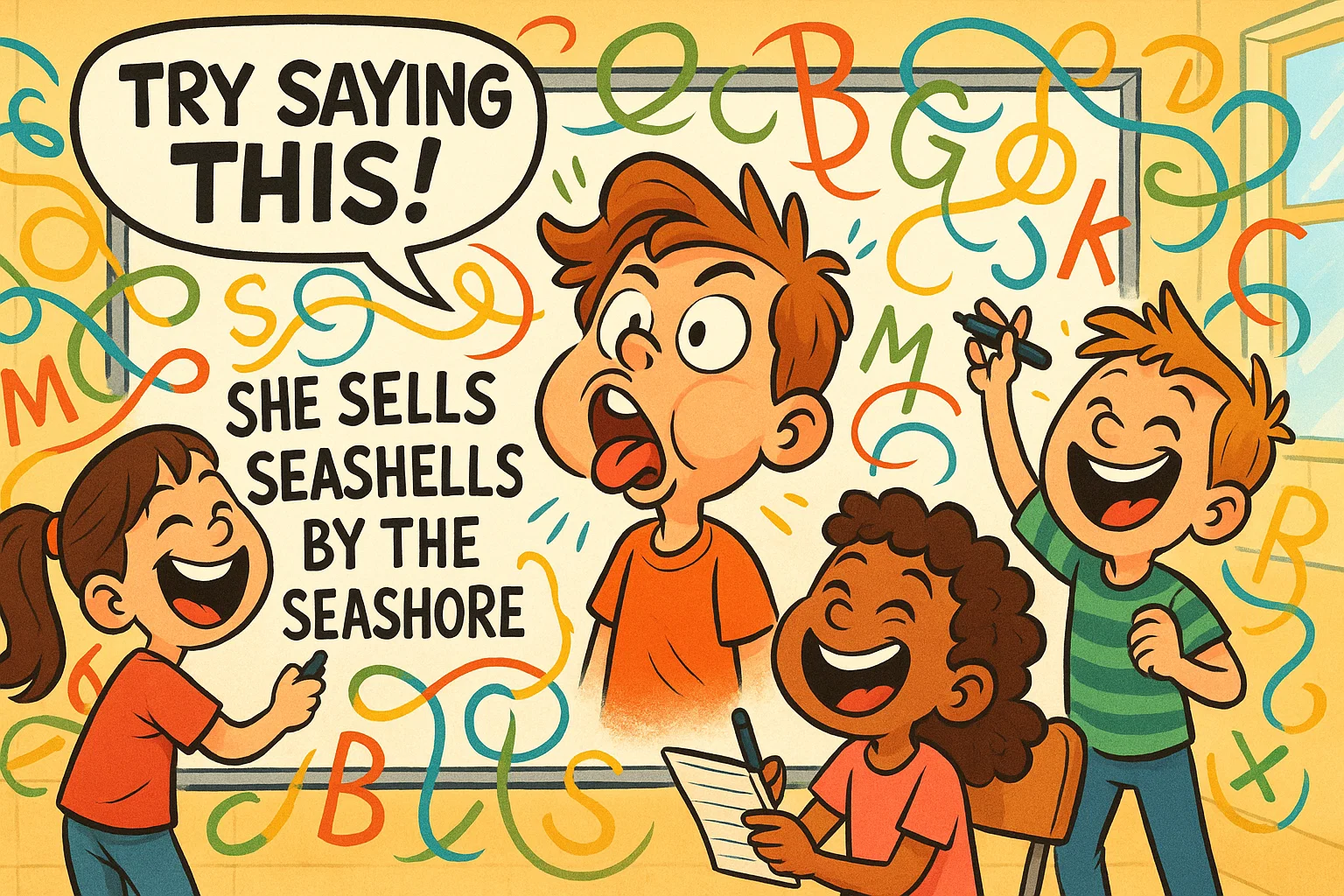
Tongue-twisters are a brilliant way to practice alliteration and phonemic awareness. Ask your child to pick a letter from the alphabet and think of as many words as possible starting with that sound, such as “Silly Sam slipped on salty soup.” Reading these aloud teaches children about the rhythm of language and provides a fun activity that the whole family can join.
Create Your Own Villain Character Profile
Every good story needs conflict or a challenge. Ask your child to create a “Villain Profile” using a pencil and paper. They should include:
- Name: Something scary or funny.
- Powers: What can they do? For example, turn things to ice.
- Weakness: What stops them? For example, the smell of cheese.
- Catchphrase: Something they say in every scene.
This activity helps the child understand character motivation and narrative structure.
Write an ABC Book
A personalized ABC book is a fantastic long-term project. Your child can choose a theme they love, such as animals, space, or sports. For each letter, they write a sentence and create an illustration or a collage. This reinforces their knowledge of the alphabet while allowing them to explore a topic they love.
Create a Paper-Bag Book Report
A paper-bag book report is a hands-on alternative to a standard essay. The child decorates the outside of the bag to look like the book cover. Inside, they place five objects that represent the story, such as a shell for a seaside story or a die for a game-themed book. Explaining why each object was chosen helps children practice oral summarizing and critical thinking.
Give a Mini-Presentation
Giving a mini-presentation builds self-confidence and public-speaking skills. Have your child choose a topic they are an expert in, such as their favorite building blocks or a recent field trip. They can prepare three clear talking points and use props to explain their ideas. This interactive learning task teaches children how to organize their thoughts and engage an audience.
4. Math Games and Money Activities
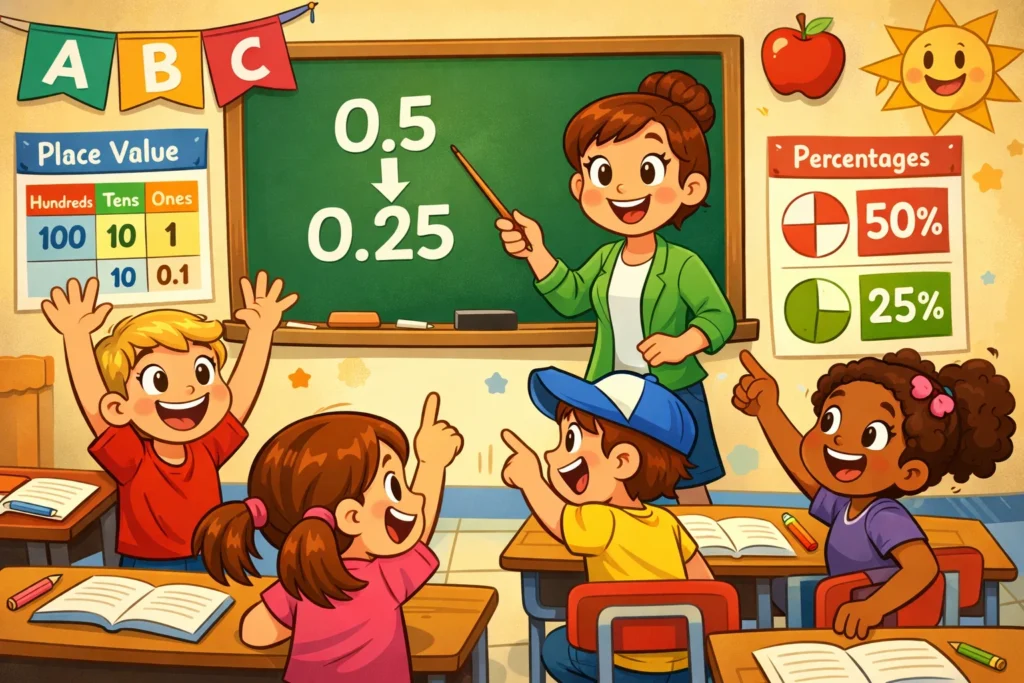
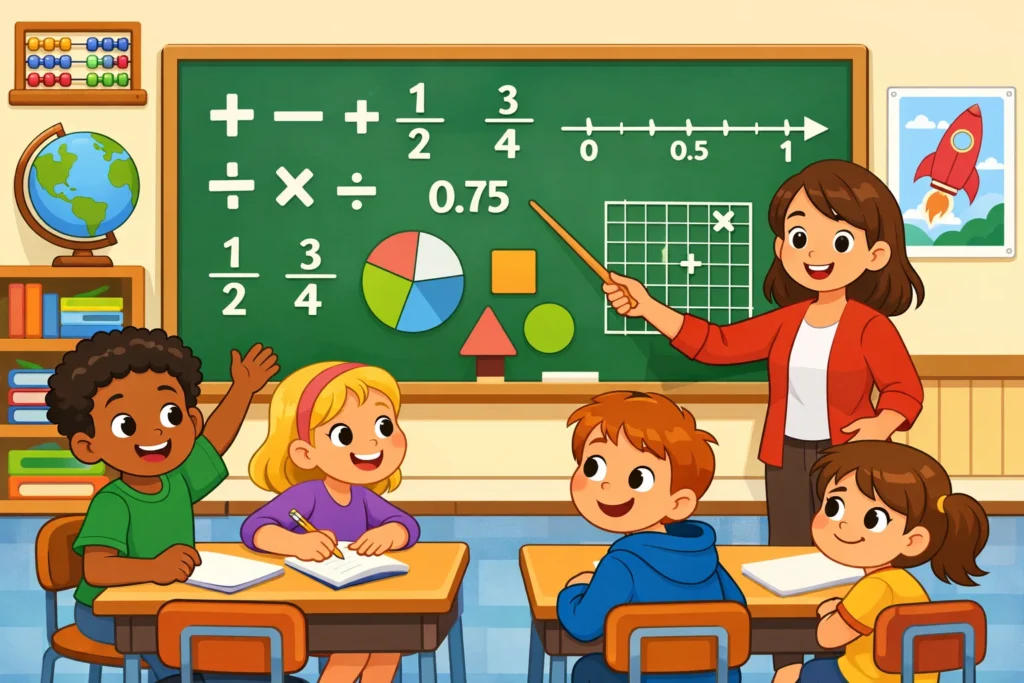
At age seven, math skills become increasingly practical. Children begin to handle money, tell time, and understand basic multiplication. By using real-life examples, such as counting coins during a shopping trip, you make math relevant and engaging. Board games and dice races are excellent for building number fluency without the pressure of a classroom setting.
Counting Coins
Using real money is the best way to teach value and subtraction. Set up a pretend shop with household items and price tags. Give your child a small tub of coins and ask them to “buy” items, calculating the total and the change needed. This activity helps children understand that math is useful in everyday life.
Addition and Subtraction for Ages 6–7
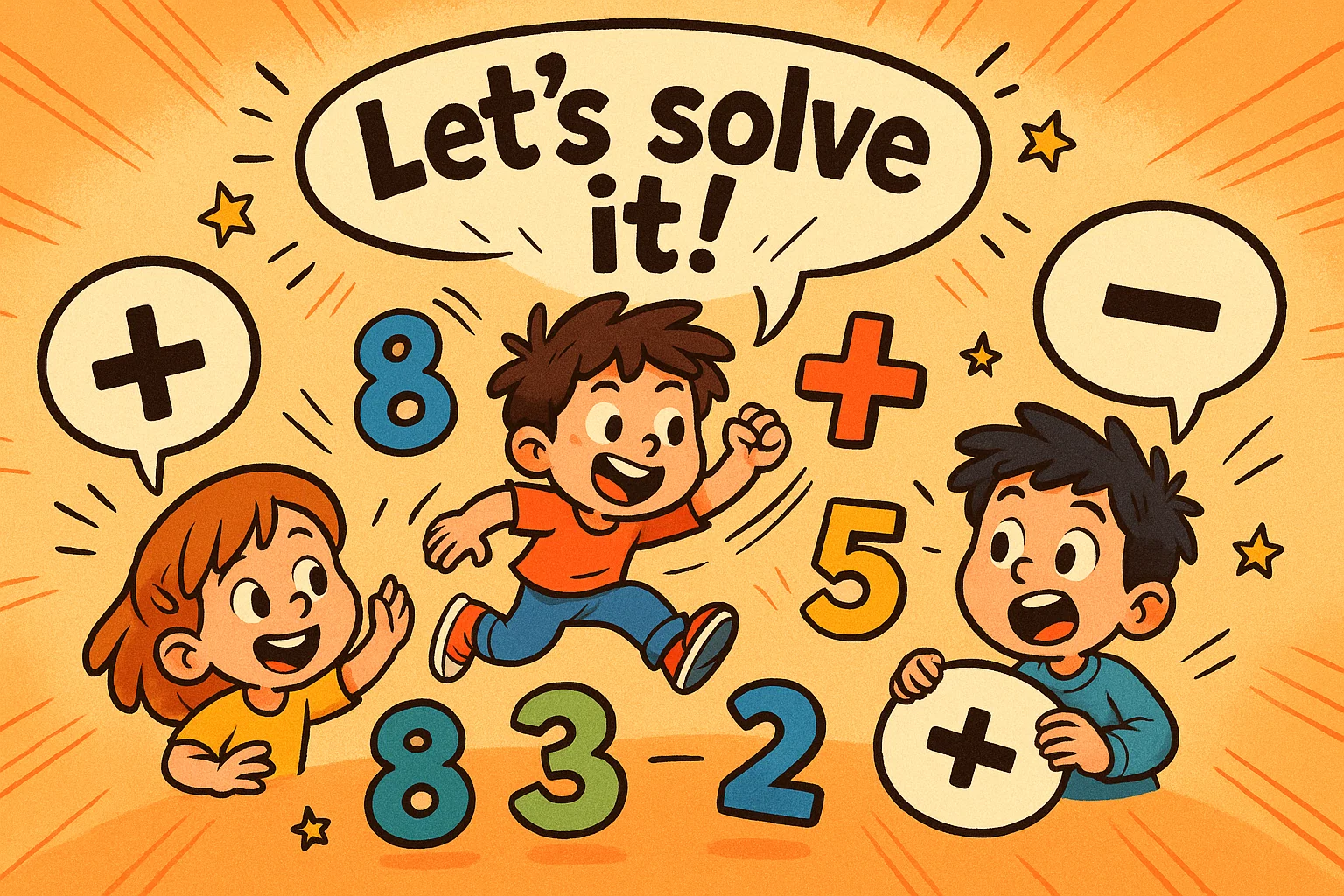
To build speed in addition and subtraction, use physical markers like dominoes or playing cards. You can play “War,” where two players flip a card, and the first to add or subtract the two numbers wins the round. Visual and tactile manipulatives can help children internalize number relationships more deeply than rote memorization alone.
Play Math Games
Board games such as Snakes and Ladders and modern learning games can support strategy and math fluency. You can also play “Dice Races”: give each player two dice, and the first player to reach a total of 100 by adding their rolls wins. These activities for kids turn a potentially dry subject into a high-energy competition.
Basic Board Games
Traditional board games offer more than math practice; they teach patience, turn-taking, and how to handle losing gracefully. Games that involve moving pieces along a path or managing resources support counting, addition, patience, and emotional regulation.
Blocks, Jigsaws, Shape Sorters
These classic toys are vital for spatial reasoning. A jigsaw puzzle encourages children to recognize patterns and shapes, while building blocks can be used to demonstrate fractions, such as “Show me half of these eight blocks.” Using geometry terms such as edges, vertices, and faces while building helps children prepare for more complex math later on.
5. Sensory Play and Science Activities
Sensory play is not just for toddlers; it can also help seven-year-olds explore scientific concepts. By exploring sand, water, and play dough, children can learn early physics and chemistry concepts through direct observation. These activities introduce the basic steps of scientific thinking: making a prediction, testing it, and observing the result.
Sand Play
Sand play is perfect for exploring volume and weight. Give your child different-sized containers and ask them to predict how many small cups it will take to fill a large bucket. They can also use the sand to create mini landscapes or practice spelling words by writing in the sand with a straw. This sensory experience is both calming and educational.
Water Play
Water play provides an excellent introduction to buoyancy. Fill a tub and gather various objects, such as a pencil, a shell, and a sponge. Ask the child to predict which will float and which will sink. You can also experiment with boat building using recyclable materials such as plastic bottles and straws to see which design carries the most cargo, such as pennies.
Play Dough
Play dough is a versatile tool for both art and math. Have your child form 3D shapes or use it to represent groups for multiplication, such as three balls of dough in four rows. It’s also great for fine motor development and helps build the hand strength needed for neat handwriting.
Sensory Play
Safe sensory bins can be created using dry pasta, rice, or beans. Add magnets, shells, or small building blocks for sorting tasks. You can ask your child to “find all the blue items” or “sort the items by texture.” This play-based activity helps children focus and gives them a soothing break from more structured learning.
Nature Play
The outdoors is the ultimate science lab. Nature play can include leaf rubbings, bug observation, or starting a weather journal. Have your child collect different types of rocks and sort them by hardness or color. These activities foster an appreciation for the environment and teach children the basics of biological classification.
6. Art, Design, and Hands-on Projects
Creative projects allow seven-year-olds to turn what they have learned into something they can see, touch, and share. Whether it is a papier-mâché volcano or a cardboard-box robot, these activities promote early engineering thinking and artistic expression. Using craft materials encourages children to plan and complete multi-step projects, boosting their self-confidence.
Drawing and Painting
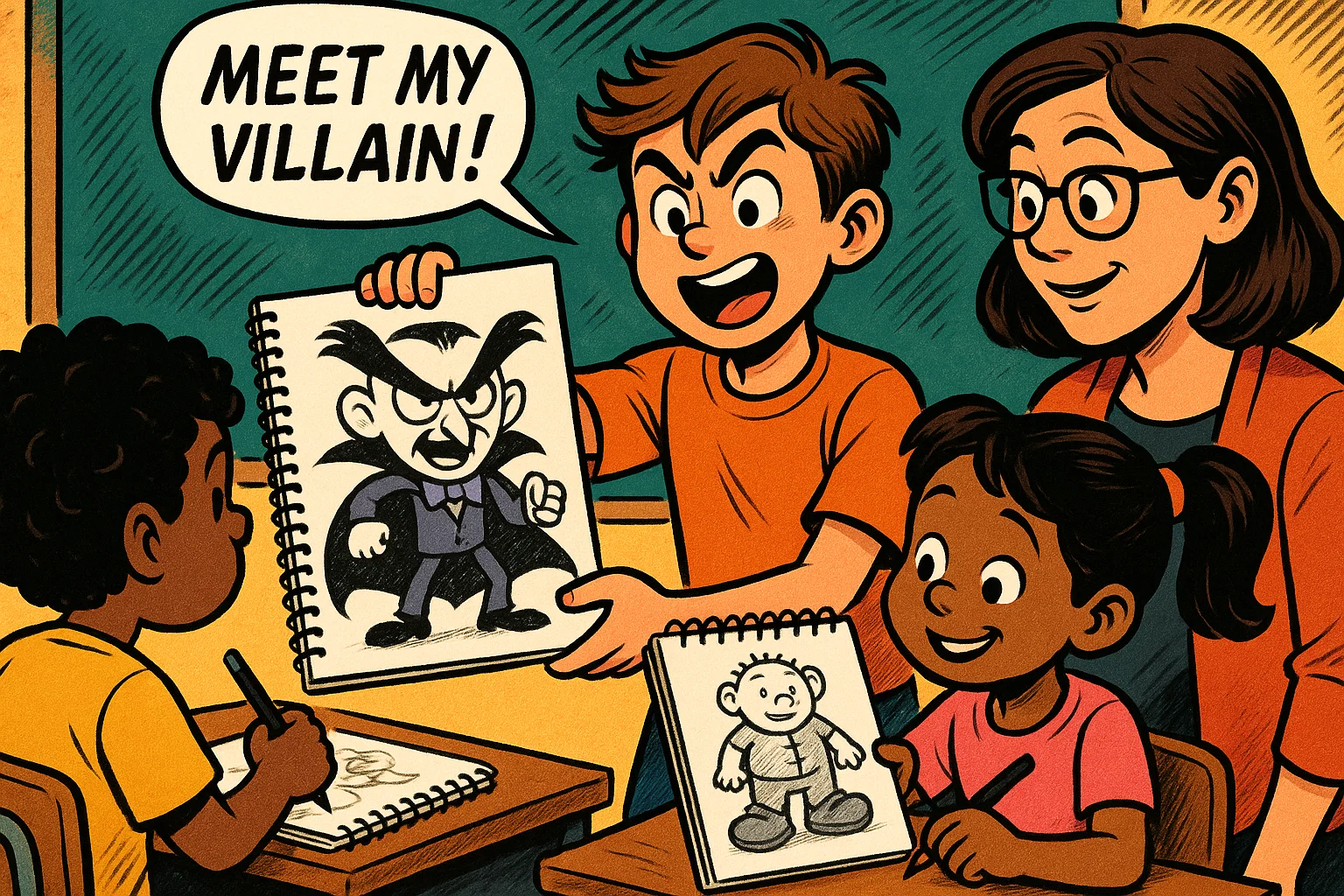
Instead of simply asking children to “draw a picture,” provide specific prompts. Ask them to draw a map of a fictional island, a diagram of the solar system, or a “feeling monster” to represent an emotion. This helps children use art as a communication tool and connects creativity with subjects such as geography and well-being.
Create Art
Encourage the use of recyclables for collage and sculpture. A piece of cardboard can become a canvas for a nature collage using leaves and twigs. Creating symmetry drawings, in which you draw half of an image and your child completes the other half, helps children understand balance and symmetry through art.
Make a Papier-Mâché Model
A papier-mâché project is a fantastic multi-day activity. Children can build a model of Earth, a mask of a character from their favorite books, or a classic volcano for a science experiment. This project involves mixing materials, layering, and painting, which teaches children patience and the value of long-term work.
Build a Diorama or Model
Use an old shoebox to create a diorama. This can represent a habitat, such as a rainforest, a scene from a book, or even a pretend room for dolls. This activity helps children think about three-dimensional space and detail, making it one of the most immersive learning activities for this age group.
Make a Lapbook or Notebook
A lapbook is a file folder filled with mini-books, diagrams, and pockets of information about a specific topic, such as dinosaurs or the solar system. It’s a great way to organize home learning. The child can add to it over several weeks, creating a tangible record of their hard work and vocabulary growth.
Cardboard Box Projects
Never throw away a large cardboard box. It can be transformed into a puppet theater, a reading den, or a math store. These activities for kids encourage large-scale imagination and engineering. Building a marble run from straws and boxes teaches children about gravity and momentum in a hands-on way.
7. Role Play, Drama, and Creative Performance
Role play can support emotional intelligence and social skills. By stepping into someone else’s shoes – as a doctor, teacher, or explorer – children build empathy and practice more complex language patterns. These activities are naturally interactive and often require nothing more than imagination.
Dress-Up and Role Play
A simple prop box with old hats, scarves, and paper-bag masks can spark hours of play. Encourage your child to act out scenarios like a restaurant, where they write a menu and calculate the bill, or a library, where they organize their books and issue library cards. This teaches children about social roles while building practical math skills.
Doll and Character Play
Using dolls or action figures to tell a story helps children practice dialogue and conflict resolution. You can prompt them by saying, “The two friends are having a disagreement about a toy – how can they solve it?” This type of play is vital for well-being and helps children process their own social experiences.
Make Costumes
Designing costumes from recyclable and craft materials is a project in itself. A cardboard box can become a robot chest plate, and a paper bag can become a crown. This creative process helps kids see the potential in everyday objects and builds their design skills.
Put On a Play or Puppet Show
Creating a theater out of a cushion fort or a cardboard box allows the child to perform. They can write a short script, make puppets from socks or sticks, and perform for a friend or family member. This activity builds self-confidence and oral communication skills.
Imaginative Play
Imaginative play often involves world-building. Your child might decide the living room floor is lava or that they are on a mission to Mars. Encourage your child by joining in as a co-pilot or fellow explorer. This type of flexible thinking supports higher-level problem-solving.
Music, Dancing, and Singing
Incorporate music into your home-learning routine. Use a playlist of upbeat songs for a dance break or use rhythmic clapping to practice spelling, with one clap per letter. Singing songs with rhyming lyrics helps reinforce phonological awareness and coordination.
8. Movement and Outdoor Learning
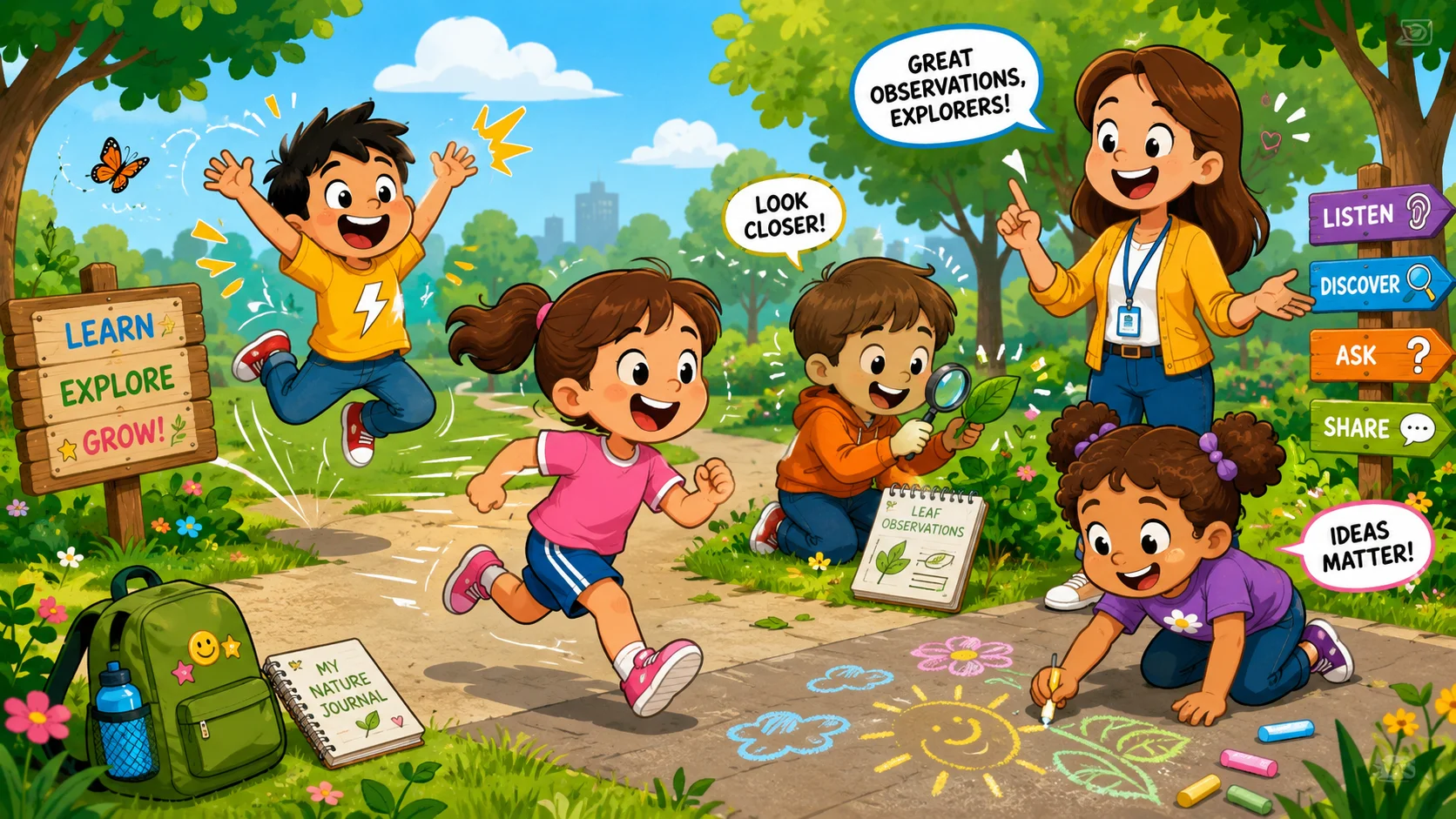
Physical activity is not just a break from learning; it can also be a way to learn. The Centers for Disease Control and Prevention links physical activity with a range of benefits for school-aged children, including stronger health and better academic outcomes. By taking learning outdoors, you provide a fresh environment that engages the senses and supports gross motor development.
Running, Jumping, Climbing, and Swinging
Turn physical activity into a learning game. Try “Jump the Answer”: write numbers on the pavement with chalk and have the child jump to the result of a math problem. Climbing and swinging build balance and self-confidence, both of which support a healthy, active childhood.
Build a Map
Drawing a map of the yard, garden, or local park helps children understand scale and perspective. Have them include a key with symbols for trees, benches, and paths. You can hide a treasure and mark it with an X, turning a simple walk into an outdoor scavenger hunt.
Take a Field Trip
A field trip does not have to be far from home. A trip to the local library, a farm, or even the market can be an educational experience. Before you go, give your child three things to look for or ask about. This helps children engage with their community and see that learning happens everywhere, not just at a desk.
Outdoor Scavenger Hunt
An outdoor scavenger hunt is one of the most versatile activities for kids.
- Alphabet Hunt: Find something for every letter of the alphabet in nature.
- Shape Hunt: Look for circles, squares, and triangles in the environment.
- Color Hunt: Find five different shades of green.
These activities keep children moving while sharpening their observation skills.
Practical Activities Outdoors
Use the outdoors for messy math. Measure the length of shadows at different times of day using a string or straw. Count the steps from the front door to the gate. These practical activities make math skills feel grounded in the real world.
9. Cooking and Family Learning Activities
The kitchen is a living laboratory where math, science, and reading come together. Cooking together teaches children about fractions, chemical changes, and the importance of following a sequence. These family learning activities also support well-being by providing a sense of contribution and accomplishment.
Cook Together
Let your child be the “Head Chef’s Assistant.”
- Reading Recipes: Helps children practice functional reading.
- Measuring Ingredients: Teaches weight, volume, and practical math skills.
- Timing: Use a kitchen timer to help them understand the passage of time.
- Safety: Teaches children about heat, sharp objects, and hygiene.
Cooking and Pretend Cooking
While real cooking is great for supervised tasks, a pretend kitchen allows for independent role play. Provide old food containers, a pencil, and some paper for your child to take orders and write bills. This fun activity bridges the gap between play and real-life responsibility.
Prepare a Themed Dinner
Make dinner an event. Choose a theme like “The Solar System” and serve “Moon Rocks” as meatballs and “Saturn Rings” as onion rings. Ask your child to research one fact about the theme to share during the meal. This turns family time into a source of curiosity and fun.
Practical Activities in the Kitchen
Practical activities such as sorting groceries into fridge and pantry items are great for classification. Ask your child to count the apples or compare the weights of two different boxes. These activities are free, fun, and easy to fit into a busy day.
10. Independent Activities Children Can Do at Home
Developing the ability to work independently is an important milestone for seven-year-olds. Providing safe solo tasks allows parents to focus on other responsibilities while children practice focus and executive-function skills. Creating a quiet project rotation helps ensure that your child always has a meaningful task available.
15-Minute Solo Tasks
Keep a list of quick independent activities your child can do without help:
- Complete a jigsaw puzzle.
- Listen to an audiobook in a reading nook.
- Draw a picture based on a specific prompt.
- Build a tower using only 20 building blocks.
- Find 10 specific words in a word search.
Quiet Project Rotation
Prepare activity baskets that you can rotate. One day might be an art basket with paper, glue, and collage materials, and the next might be a construction basket with blocks, straws, and tape. This helps children stay engaged because the materials feel new each time they appear.
Screen Games with Purpose
If your child is using a tablet, choose apps that have a clear educational goal. Look for programs that focus on spelling, multiplication, or basic coding. High-quality educational videos can also be used after a physical activity as part of a balanced routine.
Executive Function, Self-Awareness, and Social Skills
Independent play helps children develop executive function: the ability to plan, focus, and manage tasks. Encourage them to check their work or reflect on what they did by asking, “What was the hardest part of that puzzle?” This builds self-awareness and supports a growth mindset.
Home-Learning Routine
Balance is key to a successful home-learning routine.
| Energy Level | Activity Type | Example |
| High Energy | Action Games | Scavenger hunt, spelling jumps |
| Medium Energy | Creative Projects | Cardboard-box city, lapbook |
| Low Energy | Quiet Tasks | Reading, jigsaw puzzle, drawing |
11. Versatile Hands-on Activities for Kids
Some activities are flexible enough to be adapted to almost any subject. By mastering these template activities, you can quickly create a fun learning experience for your child, no matter what topic they are currently interested in.
Build a Map
Whether your child is learning about a book, a history topic, or the local neighborhood, building a map is always useful. It teaches orientation, symbols, and spatial relationships. You can even build a 3D map using building blocks and recyclables.
Give a Presentation
This format can work for almost any topic. If your child learns a new fact about the solar system, have them present it to a friend or family member. It reinforces the information and builds children’s confidence in sharing what they know.
Build a Diorama or Model
Models are the ultimate “show what you know” tool. A diorama can show the layers of Earth for science, a scene from a fairy tale for literacy, or a Viking village for history. It uses craft skills to demonstrate deeper understanding.
Play Games
Most classic games can be adapted for learning.
- Bingo: Use math answers or spelling words on the cards.
- Snap: Match a word to a picture.
- Dice: Use two dice for addition, or add a third die for a bigger challenge.
Create Art
Art can be a universal language. Use painting, collage, or drawing as a response to a story or a science lesson. For example, after learning about plants, have the child create a botanical illustration with labeled parts.
12. Activity Plan by Learning Goal
Choosing the right activity depends on the skill you want to support. This summary table helps parents choose activities that match their child’s current learning goal.
| Learning Goal | Recommended Activities |
| Reading Confidence | Shared reading, comics, phonics games, book reports |
| Math Fluency | Counting coins, dice races, board games, cooking |
| Creativity | Villain profiles, puppets, cardboard projects, painting |
| Independence | Quiet baskets, puzzles, solo writing, lapbooks |
| Movement | Action games, outdoor hunts, dancing, field trips |
FAQ
What learning activities are best for seven-year-olds?
Seven-year-olds often thrive on a mix of reading games, math games, and creative writing. Activities that involve hands-on exploration, like sensory play or science experiments with water and sand, are particularly effective. Board games and action games, such as a scavenger hunt, are also highly recommended to keep them engaged.
How long should a learning activity last for a seven-year-old?
Many seven-year-olds do best with short, focused activities rather than long sessions. It is often better to offer several short, varied activities than one long, sedentary session. If the child is particularly interested in a craft or building-block project, they may focus for much longer.
How can parents make learning fun at home?
The best way to make learning at home fun is to use games, provide choices, and incorporate movement. Use real-life tasks like cooking or counting coins to show the value of what they are learning. Adding humor or a riddle can also turn a lesson into a fun activity.
Which activities help reluctant readers?
For children who struggle with reading, try comics, audiobooks, and shared reading where you take turns. High-interest, funny books or stories with lots of illustrations help kids feel less overwhelmed. You can also turn reading into a game by using phonics hunts or bingo.
Which activities help with math practice?
Math skills are best practiced through play. Use dice, cards, and board games to build number fluency. Practical activities such as shopping with real money or measuring ingredients in the kitchen help reinforce mathematical concepts in a way that makes sense to a child.
Take a short quiz to find out what your everyday choices say about your parenting style
When your child is curious about something new, what’s your instinct?
Take a short quiz to find out what your everyday choices say about your parenting style
“Can I download this app?” What happens next?
Take a short quiz to find out what your everyday choices say about your parenting style
When it comes to rules at home, which sounds most like you?
Take a short quiz to find out what your everyday choices say about your parenting style
If you could give your child one life skill today, what would you pick?
Take a short quiz to find out what your everyday choices say about your parenting style
Your child gets to choose what to watch. What would your ideal setup look like?
Take a short quiz to find out what your everyday choices say about your parenting style
Pick your parenting superpower ✨