Building a Support Network: The Importance of Community for Working Parents

 Discover a Free Education Video App for Kids
Pastory uses AI to personalize educational video content based on your child’s interests and personality. Safe, engaging, and built for curious young minds. Sign up now to stay updated and enjoy early access with a free trial

Juggling career demands, childcare, household responsibilities, emotional strain, and social isolation is a major challenge for many working parents. Balancing professional deadlines with family responsibilities often leaves many people feeling depleted and disconnected.
A strong support network offers practical help and emotional reassurance. For many families, it is a foundation for stability rather than a social luxury. This guide outlines the benefits of family connection, explores different types of support, and provides practical strategies for building a support network at work, in local communities, and online. With consistent social support, caregivers may reduce burnout risk, protect their mental health, and create a more nurturing environment for their children.
Key Takeaways
- Loneliness Reduction: Building a strong support network can reduce the emotional toll and isolation many working parents experience.
- Diverse Support Options: A well-rounded support system balances informal peer support with formal community resources and professional guidance.
- Workplace Advocacy: Employee resource groups, flexible hours, and family-friendly policies can help improve retention and support parents’ mental health.
- Reciprocity and Boundaries: Maintaining a support network requires clear communication, healthy boundaries, and active giving and receiving support.
- Child Development Impact: Children benefit when adults have support that helps create calmer homes and safe, stable relationships.
- Strategic Expansion: A step-by-step plan can help families identify existing resources and address critical gaps in practical support.
Why Community Matters for Working Parents
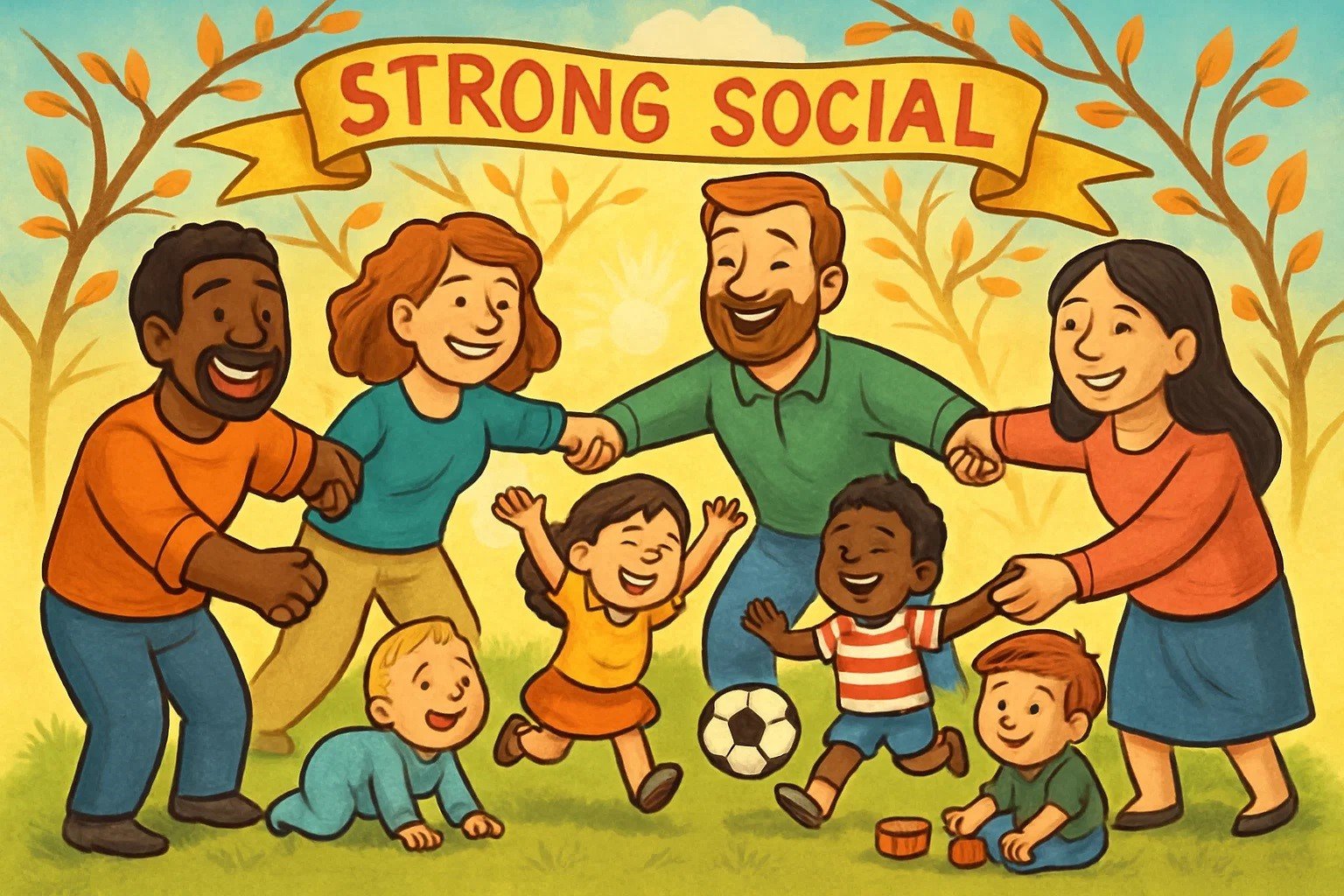
Why Support Networks Matter for Working Parents
A support network is a group of people, services, and community resources that help families manage emotional stress, daily logistics, emergency care, and important decisions.
Chronic stress can affect parents’ emotional regulation, decision-making, and overall well-being. Support can be formal, such as licensed childcare providers, family therapists, and employer-sponsored programs, or informal, such as local groups, neighbors, and extended family.
When working parents build a diverse support network, they gain more reliable access to emotional and practical help and feel less alone in managing family life.
Community Role in Work-Life Balance
A supportive community can make work-life balance more realistic by reducing some of the daily pressure on families. Local community groups often provide practical help, such as school pickup carpools, cooperative backup childcare arrangements, and shared meal preparation.
For example, a childcare cooperative that shares after-school transportation can reduce the number of weekly pickup trips and give families more time for work, rest, or daily routines.
Workplace peer support networks can also help parents navigate flexible schedules, manage workload expectations, and discuss parental leave or caregiving benefits within their organizations.
Social Support Benefits for Parents’ Well-Being
Strong social support is associated with lower stress and greater psychological resilience. Parents with stronger social support may be less vulnerable to severe burnout symptoms than parents who feel isolated.
Connecting with people who understand the pressures of balancing professional goals with toddler tantrums, school schedules, or adolescent milestones can provide meaningful emotional validation. This sense of community acts as a psychological buffer, helping caregivers process daily stressors before they escalate into chronic mental health issues.
How Parent Support Networks Help Children
When caregivers have reliable support, they may feel less overwhelmed, which can contribute to a calmer and more predictable home environment for children.
Safe, stable, nurturing relationships and social connectedness are important protective factors for children and families. A family’s support network can play an important role in creating that stability.
| Support Component | Direct Benefit to Caregiver | Potential Child Benefit |
| Cooperative Childcare | Reduces scheduling stress and financial strain | Encourages peer socialization and adaptability |
| Emotional Peer Support | Lowers parental anxiety and decision fatigue | Reduces exposure to parental irritability and supports emotional security |
| Community Events | Promotes adult interaction and reduces isolation | Fosters a sense of belonging and community identity |
Parent Loneliness, Confidence, and Mental Health
Loneliness Among Working Parents
Working parents often report feeling isolated, even while maintaining demanding professional roles and active family schedules. This paradox often stems from limited free time, conflicting work and school schedules, remote-work isolation, and geographic distance from extended family.
Many parents report feeling lonely, and working parents may feel this isolation more sharply because they are balancing work and home responsibilities. For working parents, this isolation may be intensified by pressure to manage both work and home responsibilities without help.
Without regular, low-pressure adult interaction, caregivers may feel increasingly disconnected, which can affect both life satisfaction and their experience at work.
Low Confidence Linked to Isolation
Extended periods of isolation can erode caregiving confidence, leading to chronic self-doubt about routine child-rearing and professional choices.
Without a peer group that offers realistic feedback and shared experiences, isolated caregivers can get caught in social media comparison. They may mistake curated, perfectionist online content for everyday reality, which can increase guilt and feelings of inadequacy.
This lack of validation can make it harder to recognize that daily emotional and logistical challenges are a normal part of raising children while maintaining a career.
Community Benefits for Mental Health
Active participation in a supportive community can help protect mental health. Regular peer interactions provide emotional validation and practical problem-solving opportunities, lowering the pressure to handle every financial, logistical, and developmental challenge alone.
Regular connection with a supportive community may help reduce feelings of stress, anxiety, and isolation.
Peer Support Groups for Parents and Families
Peer support groups offer a dedicated, safe space for families to connect with others facing similar challenges. These structured environments include new-parent groups at community centers, corporate working-parent groups, school-based parent-teacher associations, and specialized nonprofit family organizations.
By participating in these groups, members can discuss developmental milestones, behavior strategies, and workplace boundaries. This organized exchange of peer support can help families receive more relevant, nonjudgmental assistance that reflects their circumstances and values.
What a Support Network Means for Working Parents
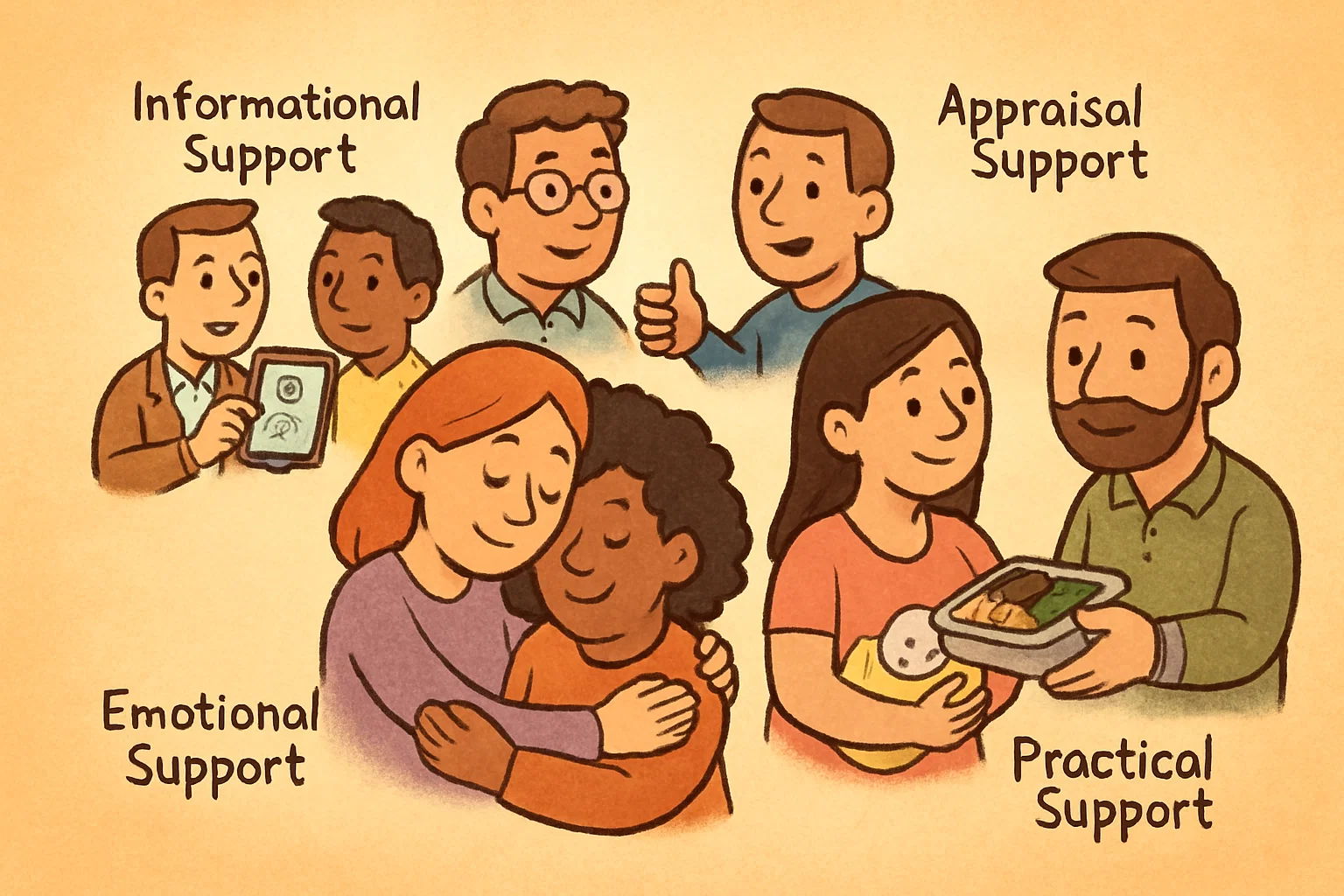
Support Network Definition
In modern family life, a support network is a mix of people, services, workplace benefits, and community resources that help parents stay emotionally well and manage daily responsibilities.
It should not depend on one person, such as a spouse or relative. Instead, it works best when support comes from several reliable sources. This creates a more flexible safety net that can respond to routine schedules and unexpected family challenges.
Different Types of Support Parents May Need
To build a strong support network, parents first need to understand the different kinds of support that help family life run more smoothly.
A well-rounded support system may include:
- Emotional Support: Active listening, validation, and empathy from friends, peer support groups, or mental health professionals.
- Practical Assistance: Hands-on help, including emergency childcare, carpooling, school pickups, household chore sharing, and meal delivery.
- Professional Guidance: Practical advice on child development from pediatricians, teachers, lactation consultants, and child behavior specialists.
- Workplace Support: Policies such as flexible hours, parental leave, caregiving benefits, and HR guidance.
Formal Support vs. Informal Support
Working parenthood often requires a balance of formal support options and informal social connections.
| Feature | Formal Support | Informal Support |
| Main Sources | Therapists, pediatricians, daycares, HR programs | Friends, neighbors, extended family, parent chats |
| Accessibility | Scheduled, fee-based, or contract-dependent | Spontaneous, relationship-based, often low-cost |
| Primary Function | Targeted clinical, legal, or structured logistical help | Ongoing emotional validation and flexible practical help |
| Reliability Structure | Regulated by contracts, policies, or operating hours | Built on reciprocity and mutual trust |
Signs You May Need a Stronger Support Network
Parents can watch for behavioral and emotional signs that they may need a stronger support network. Recognizing these signs early can help prevent burnout and reduce stress at home.
Common signs include:
- Chronic Physical Exhaustion: Waking up tired every day despite getting enough sleep.
- Absence of Backup Plans: Having no trusted contact who is authorized to pick up a child from school during a medical or work emergency.
- Persistent Emotional Irritability: Experiencing a reduced threshold for patience, resulting in frequent anger or tears over minor disruptions.
- Pervasive Resentment: Feeling resentment toward colleagues without caregiving responsibilities or toward a partner over the division of household chores.
- Work Performance Strain: Consistently missing project deadlines, arriving late to work, or struggling to focus because of unresolved childcare gaps.
Common Challenges That Working Parents Face
Time Pressure and Schedule Conflicts
The primary barrier to building a strong support network is often severe time pressure. Working parents often navigate tightly packed calendars filled with meetings, school schedules, long commutes, and household chores.
This continuous time scarcity leaves little room for spontaneous socializing or traditional community events. As a result, the parents who may need connection most are often unavailable when local parent groups and community centers are open.
Emotional Toll of Parenting and Work
The intersection of professional responsibilities and parental duties can create chronic guilt and decision fatigue.
Parents may feel torn between roles: underperforming at work when caring for a sick child, and not fully present as parents when prioritizing career demands. This tension can drain emotional energy, leaving little capacity to build connections or communicate needs clearly to friends and family.
Over time, emotional exhaustion can suppress the motivation needed to initiate and maintain supportive adult friendships.
Difficulty Making Friends as Adults
Establishing deep social connections during adulthood can be difficult, and parenting responsibilities can make it even more complicated.
Adult friendships require consistent time to move from small talk to genuine trust. Differences in parenting styles, work schedules, values, and fear of rejection can make people hesitate before reaching out.
Additionally, when free time does appear, many parents naturally prioritize physical rest over the emotional effort required to connect with other parents.
Burnout Risk Without Reliable Support
Going without reliable support for a long time can increase the risk of parental burnout. This condition can involve intense emotional exhaustion, emotional distancing from one’s children, and a profound sense of parental ineffectiveness.
Parental burnout can involve physical complaints, sleep problems, and emotional distancing from children. Without reliable practical support and emotional outlets, the daily stress of modern life can build until a minor logistical problem triggers a larger family, mental health, or work disruption.
How to Find Community as a Working Parent
Local Parenting Groups and Community Centers
Local community centers, public libraries, and neighborhood recreation centers can be excellent starting points for building an in-person community. These public institutions often host free or low-cost parent education workshops, children’s story hours, and family-focused weekend activities.
Attending these events allows working parents to meet others who live nearby and navigate the same school systems, childcare options, and neighborhood routines. Local connections can become especially valuable when families need spontaneous, practical support.
School, Childcare, and Activity-Based Connections
Educational and extracurricular environments provide built-in opportunities to connect with other parents who share similar daily routines.
Daycare pickup zones, preschool orientations, youth sports practices, and weekend music classes are useful touchpoints for organic interaction. Because the children are already involved in the same activity, parents have a natural starting point for conversations about school policies, local camps, or developmental milestones.
Regular casual conversations during these moments can help parents turn brief interactions into reliable, long-term sources of practical support.
Online Communities for Working Parents
When geographic proximity or rigid work schedules make in-person networking difficult, digital platforms offer accessible alternatives for connection.
| Online Channel | What It Can Provide |
| Social Media Groups | Local parent groups, neighborhood recommendations, and event updates |
| Workplace Slack or Teams Channels | Working-parent networks and advice on company policies |
| Specialized Forums | Identity-specific peer groups and targeted parenting advice |
| Parent Education Platforms | Webinars, expert discussions, and structured learning opportunities |
These online resources can help parents access peer support, share experiences, and get quick validation with fewer logistical barriers than in-person meetings.
Safe Ways to Navigate Online Communities
While digital platforms are convenient, parents should use online support spaces carefully to protect their mental health.
It is important to avoid toxic online spaces characterized by competitive parenting commentary, unverified medical advice, or constant negativity. Parents can set digital boundaries, such as limiting time in online forums, choosing groups with clear moderation guidelines, and prioritizing spaces that emphasize practical problem-solving.
Approaching online networks mindfully helps ensure these spaces remain a positive source of encouragement rather than an added source of comparison-driven stress.
Values-Based Groups and Shared Interests
Building deep, lasting connections often means looking beyond parenthood and connecting through shared values, hobbies, or career interests.
Working parents can look for community groups centered around volunteer opportunities, local fitness clubs, book discussions, cultural heritage organizations, or professional associations. Relationships formed in these spaces are often anchored by genuine mutual interests and shared values.
These values-aligned friendships can become part of a well-rounded support system that supports parents as whole people, not only as caregivers.
Workplace Support for Working Parents
Working Parent Employee Resource Groups
Employee Resource Groups (ERGs) for working parents can reduce isolation and help employees advocate for better workplace policies.
These groups connect working parents across departments, giving them a place to share resources, recommend childcare options, and discuss ways to manage career development alongside family life.
Beyond offering peer support, active ERGs can collect employee feedback and present practical recommendations to HR on parental benefits, lactation spaces, caregiving policies, and scheduling flexibility.
Starting an In-House Working Parent Network
If a company lacks an established parent network, employees can take structured steps to initiate an in-house working parent community:
- Assess Internal Demand: Conduct a brief anonymous survey to identify the challenges and scheduling needs of working parents across departments.
- Secure Executive Sponsorship: Identify a senior leader or executive, ideally someone with caregiving experience, who can serve as an official sponsor and advocate in leadership meetings.
- Define Clear Objectives: Outline a concise charter focused on measurable goals, such as hosting monthly lunchtime discussions, sharing trusted childcare resources, or advising HR on family-friendly benefits.
- Establish Accessible Formats: Choose flexible communication channels, such as a dedicated Slack channel or short virtual coffee breaks, to accommodate busy schedules.
- Draft Inclusive Guidelines: Ensure the network explicitly welcomes all family structures, including single parents, adoptive parents, foster parents, guardians, and caregivers of children with medical or developmental needs.
Employer Programs Supporting Parents
Many organizations now offer benefits designed to support the physical and mental health of working families.
These benefits may include paid parental leave, flexible core hours, hybrid work options, childcare subsidies, and emergency backup childcare. Some companies also provide mental health support through Employee Assistance Programs (EAPs), which may offer confidential access to therapists, child development consultants, or legal advisors.
Using these employer-sponsored programs can help working parents reduce out-of-pocket caregiving costs and create a more reliable foundation for family logistics.
Advocating for Better Support at Work
When requesting workplace accommodations or schedule flexibility, parents should approach the conversation with a clear, professional plan.
This may involve gathering industry benchmarks and showing how flexible hours or remote work can maintain productivity and support retention. Rather than presenting a vague request for help, employees should propose a detailed plan that outlines communication channels, core availability windows, and coverage solutions for team projects.
Framing the proposal around business outcomes helps parents request support while reinforcing their commitment to professional excellence.
Practical Ways to Build a Strong Support Network

Start With Existing Relationships
The most efficient strategy for building a supportive community is to identify and strengthen the relationships already present in your daily life.
Parents can review their current social circles, including long-term friends, extended relatives, immediate neighbors, past colleagues, and school contacts. Often, these existing connections may be willing to offer practical or emotional help but may not know what the family needs.
Reaching out to a nearby neighbor for a quick chat or proposing a casual weekend get-together with an old friend can transform a dormant relationship into an active source of mutual support.
Initiate Conversations With Other Parents
Moving from brief greetings to meaningful connections requires openness to small, casual interactions.
Parents can use low-pressure everyday moments, such as waiting at a school bus stop, sitting at a playground, or participating in a neighborhood online forum, to start natural conversations.
Useful conversation starters include:
- “Our kids seem to enjoy playing together. Have you found any local weekend activities or parks they really like?”
- “Balancing this school schedule with a full-time work calendar has been quite a puzzle lately. How does your family manage the afternoon transition?”
- “I’m trying to find a reliable emergency backup babysitter in this neighborhood. Are there any local childcare agencies or student co-ops you recommend?”
Create Recurring Connection Opportunities
Because busy schedules often make spontaneous plans difficult, predictable recurring meetups can help maintain long-term relationships.
Parents can organize simple recurring events, such as an every-other-week virtual coffee break, a monthly weekend playground meetup, or a Friday evening takeout rotation. Setting these events at fixed intervals reduces the effort of repeated scheduling and makes it easier for busy parents to show up consistently.
Over time, these regular interactions build familiarity and can turn casual acquaintances into reliable sources of support.
Share Help Before Asking for Help
Lasting support networks are often built on reciprocity, which can begin with small acts of kindness.
Parents can start this positive cycle by sharing useful local resources, texting a colleague returning from parental leave, or offering an extra seat in the car for a school activity carpool.
Providing small, low-pressure forms of practical help demonstrates reliability and goodwill. This approach builds mutual trust, making it more natural to exchange support when scheduling challenges or emergencies arise.
Build Backup Support Before Crisis
A common mistake is waiting until a crisis to create an emergency contact list. Working parents should establish a verified, multi-layered backup plan before sudden illnesses, extreme weather disruptions, or unexpected work demands occur.
This may include giving trusted neighbors or fellow school parents formal permission for emergency school pickups, setting up a shared family calendar, and keeping a document with emergency contacts and medical permissions.
| Backup Layer | Example | Purpose |
| Primary Childcare Plan | Daycare, school, nanny, or regular caregiver | Covers the standard daily routine |
| First Backup | Trusted neighbor, co-op parent, or nearby family member | Handles short-notice pickup or brief coverage |
| Second Backup | Vetted childcare service or extended family member | Provides longer coverage during multi-day disruptions |
| Emergency Information | Shared contact list, medical permissions, and pickup authorization | Helps trusted adults act quickly and safely |
Having a clear backup plan helps families respond to unexpected challenges more calmly and keep home and work life running more smoothly.
Communication Skills for Support Network Growth
How Parents Can Communicate Needs Clearly
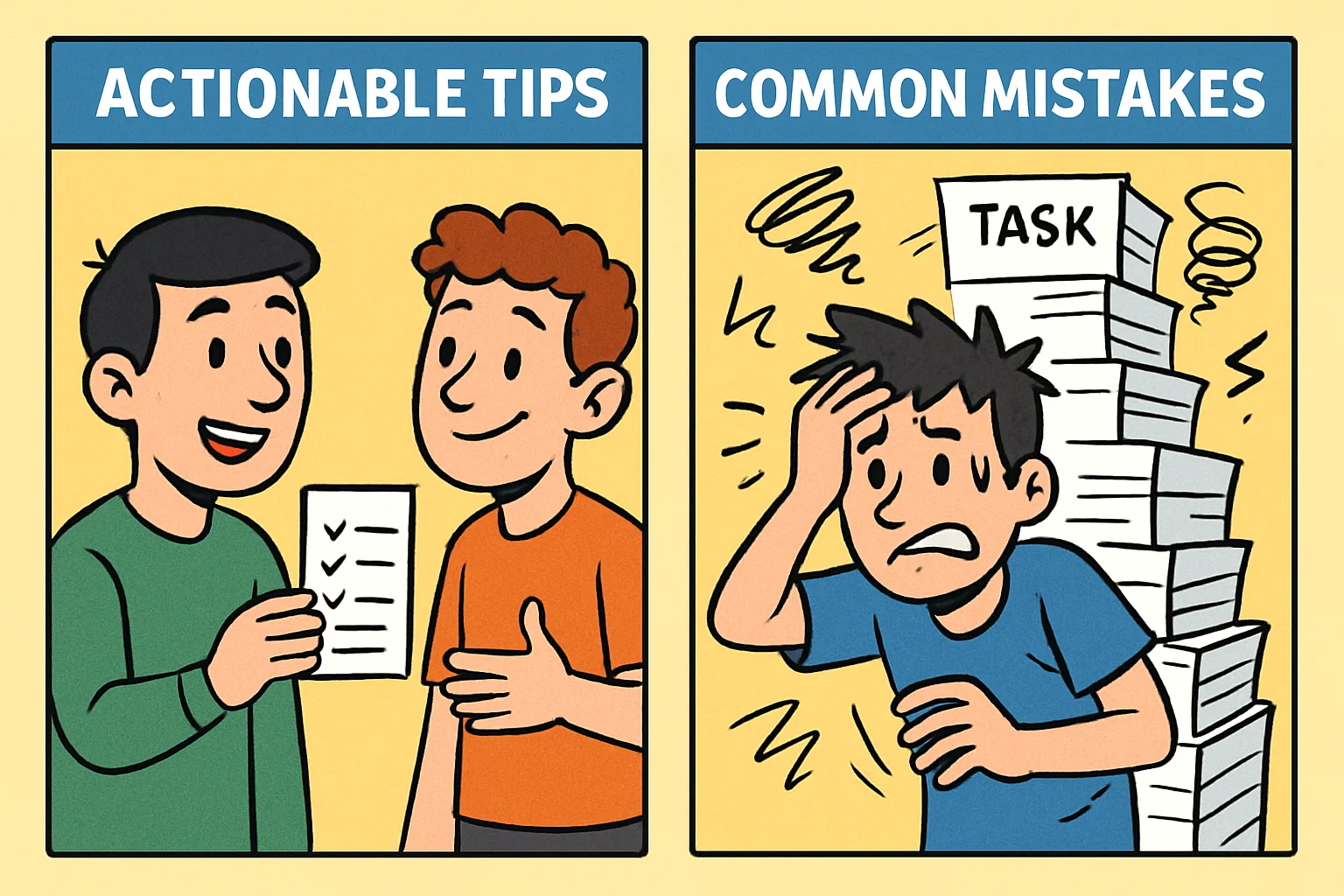
Building a strong support network often means replacing vague expressions of stress with clear, actionable requests for help.
Vague statements like “I’m completely overwhelmed this month” communicate emotional exhaustion but may leave friends and neighbors unsure how to help. Instead, parents can practice making specific, time-bound, polite requests that are easy to answer.
Vague Request:
“I really need some help with the kids this week if anyone is free.”
Clear Request:
“I have an important work presentation this Tuesday from 3:00 PM to 4:30 PM. Would you be able to pick up my daughter from school and watch her at your house until 5:00 PM? I’d be happy to return the favor next Thursday.”
Healthy Boundaries With Family, Friends, and Coworkers
Maintaining a supportive network over time requires clear, healthy boundaries.
Parents should clearly communicate their availability, communication preferences, parenting choices, and personal limits to relatives, friends, and colleagues. Setting these boundaries can prevent resentment when extended family members offer uninvited advice or when colleagues expect immediate responses to non-urgent emails late at night.
Firm, polite limits help ensure that a parent’s support network remains a source of relief rather than an added source of stress.
Vulnerability Without Oversharing
Building authentic trust within a peer support network requires a balance of vulnerability and healthy emotional boundaries.
Sharing genuine challenges, such as discussing a child’s behavioral difficulties or opening up about career stress, can invite others to share their own experiences and feel less alone. However, parents should avoid oversharing highly private family issues or venting continuously without seeking solutions during early interactions.
Sharing thoughtfully with supportive peers helps conversations remain constructive, respectful, and focused on mutual encouragement.
Conflict Management in Support Relationships
Any long-term support network will occasionally face misunderstandings, scheduling mistakes, or differences in parenting approaches.
When these situations arise, parents should address them promptly using constructive, solution-focused communication rather than pulling away from the relationship. Using “I” statements can help address the issue without placing blame.
For example:
“I felt anxious when pickup ran 20 minutes late. Could we double-check our calendar notifications next time?”
Handling minor conflicts with empathy and clarity can strengthen relationships and help the support network remain resilient as life changes.
Step-by-Step Plan for Building a Support Network

Step 1: Map Current Support
Begin by taking a clear look at the social connections and practical resources already available in your life.
Create a simple list or map that categorizes your current contacts into specific areas: emotional support, practical assistance, professional guidance, and workplace benefits. Include extended family members, nearby neighbors, current colleagues, school acquaintances, and any employer-sponsored programs you can access.
This simple mapping exercise helps you see the full scope of your existing safety net and identify relationships that can be strengthened over time.
Step 2: Identify Biggest Gaps
Next, review your current support map alongside your weekly schedule to identify the areas where you experience the most stress or vulnerability.
Look for specific pressure points, such as a lack of emergency backup childcare, no trusted peers to talk to, or limited workplace flexibility. Pinpointing these vulnerabilities helps you focus your energy on what you truly need instead of trying to build a generic social circle.
This targeted approach helps you look for community resources that can provide practical, meaningful relief for your household.
Step 3: Choose Two New Connection Channels
To avoid feeling overwhelmed, select two realistic, manageable ways to build new connections over the next month.
You might choose one local option, such as attending a weekly story hour at the library or joining a neighborhood park group, and combine it with one digital channel, such as participating in a corporate parent Slack group.
Focusing on two targeted spaces allows you to show up consistently, engage in meaningful conversations, and build familiarity without adding unnecessary pressure to your schedule.
Step 4: Make a Specific First Request
Once you have established initial rapport with a few potential support contacts, take a small step forward by making a low-pressure, specific request for connection or collaboration.
This could be as simple as inviting another parent for a quick coffee at the playground, proposing a shared school pickup trial run, or asking a colleague to recommend a trusted local childcare provider.
Keeping your initial requests clear and small makes it easier for others to say yes without feeling overwhelmed. This first exchange opens the door for natural reciprocity and deeper, long-term mutual support.
Step 5: Review Your Support Network Monthly
Set aside a few minutes at the end of each month to reflect on how helpful and balanced your support network feels.
Notice which connections are bringing practical relief and emotional encouragement, which areas still feel strained or lacking, and whether your relationships feel reciprocal. Monthly reviews allow you to adjust boundaries, step away from spaces that add unnecessary stress, and intentionally seek out new connections as your family’s schedule changes.
A proactive approach helps your community remain a reliable, sustainable source of support over time.
Final Thoughts on Community for Working Parents
A Strong Support Network as a Long-Term Investment
Building and maintaining a diverse support network requires time, patience, and honest communication, but the long-term benefits for families can be significant.
A reliable community can make the daily balancing act of working parenthood less isolating and more manageable. The emotional stability and practical help gained from these connections can support both your career and your family life.
Prioritizing these relationships can bring more structure, calm, and stability to family life.
Hope and Resilience for Working Parents
Families were never meant to navigate the complexities of career growth and child-rearing in complete isolation.
Embracing the idea that “it takes a village” can support parents’ mental health and make parenting feel less isolating. Even adding one reliable neighbor, supportive workplace peer, or encouraging local parent group can reduce daily stress and increase confidence.
Connecting with a supportive community can help parents build resilience and face modern challenges with more confidence.
Next Step for Readers
To put these strategies into action, take one simple, concrete step to strengthen your community circle this week:
- Reach Out: Send a brief text to a nearby neighbor or friend to schedule a casual weekend coffee chat or playground meetup.
- Join a Group: Sign up for a local parent education workshop at your community center or join an internal parent ERG channel at your workplace.
- Coordinate Help: Propose a simple carpool or school pickup swap with another parent to add an extra layer of practical support for the week ahead.

Take a short quiz to find out what your everyday choices say about your parenting style
When your child is curious about something new, what’s your instinct?
Take a short quiz to find out what your everyday choices say about your parenting style
“Can I download this app?” What happens next?
Take a short quiz to find out what your everyday choices say about your parenting style
When it comes to rules at home, which sounds most like you?
Take a short quiz to find out what your everyday choices say about your parenting style
If you could give your child one life skill today, what would you pick?
Take a short quiz to find out what your everyday choices say about your parenting style
Your child gets to choose what to watch. What would your ideal setup look like?
Take a short quiz to find out what your everyday choices say about your parenting style
Pick your parenting superpower ✨