25 Birthday Party Ideas for Toddlers at Home

 Discover a Free Education Video App for Kids
Pastory uses AI to personalize educational video content based on your child’s interests and personality. Safe, engaging, and built for curious young minds. Sign up now to stay updated and enjoy early access with a free trial
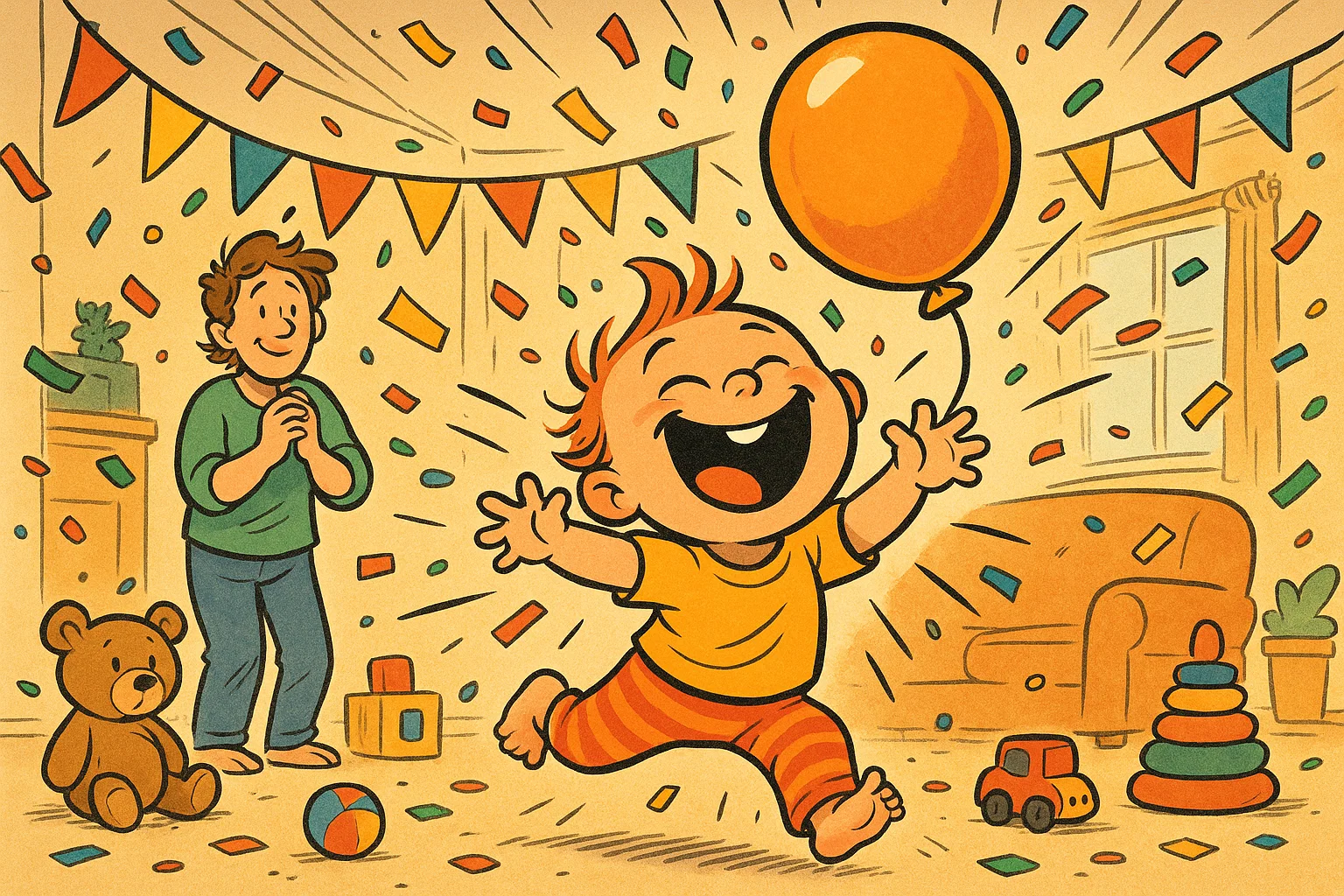
Planning a child’s birthday party can feel overwhelming, especially when you’re managing the unpredictable routines of little ones ages 1 to 4. Hosting a birthday party at home gives parents a calm, familiar environment where they can work around nap schedules, dietary needs, and safe play requirements. This comprehensive guide provides 25 actionable, budget-friendly, and engaging birthday party ideas designed specifically for toddlers. By focusing on simple decorations, easy-to-serve food, and low-stress planning, you can celebrate your child’s special day without the pressure of expensive venues or rigid timelines.
Key Takeaways
- Duration: Keep the event to 60–90 minutes to help prevent overstimulation and meltdowns.
- Guest List: Limit the number of child guests to your child’s age plus one, such as three guests for a second birthday.
- Activities: Set up two or three unstructured, sensory-friendly activity stations instead of rigid, competitive party games.
- Environment: Create one clearly defined, childproofed indoor party zone.
- Budget: Use DIY decorations, household toys, and homemade toddler-friendly snacks to save money.
Best Toddler Party Formula
Young children generally do best with regular, predictable, and consistent routines, so a toddler party should avoid packed schedules and complicated rules. The best formula for a successful toddler birthday celebration relies on brevity, simplicity, and sensory-friendly interaction.
Instead of hosting a long event, cap the party at 90 minutes and organize the space around two or three independent play stations, such as a coloring zone or a soft-block area. This approach lets the birthday child explore at their own pace, reducing stress for both kids and adults.
Top At-Home Party Wins
Hosting a kids’ birthday party at home can reduce logistics and costs compared with renting a commercial party space. Home parties eliminate venue rental fees, travel stress, and rigid time slots, giving parents much more control over the environment.
Toddlers often feel more confident and regulated in familiar surroundings where their favorite toys, routines, and quiet spaces are easy to access. Cleanup is also easier when cleaning supplies and trash bins are already close at hand.
Quick Planning Priorities
To keep the party low-stress, plan around six key priorities before sending invitations.
- Guest Count: Establish a strict limit on the number of toddler guests and accompanying parents.
- Safe Play Zone: Clear a spacious room of fragile items, sharp edges, and choking hazards.
- Toddler-Friendly Menu: Select soft finger foods, simple fruits, and low-sugar options.
- Simple Decorations: Choose high-impact, low-cost items like a colorful tablecloth and paper banners.
- Short Timeline: Plan a strict 90-minute flow from guest arrival to final departure.
- Adult Snacks: Provide coffee, tea, sparkling water, simple snacks, and comfortable seating for supervising caregivers.
Why Host a Toddler Birthday Party at Home?
Comfort and Convenience
A home environment gives young children a familiar, comfortable setting while they are still developing social skills and emotional regulation. When a toddler experiences sensory overload, parents can easily transition them to a familiar bedroom or a quiet space for a decompression break.
Easy access to changing supplies, wipes, extra clothes, and a familiar bathroom makes spills and potty-training needs easier to handle. Having these household essentials nearby helps prevent minor disruptions from cutting the celebration short.
Weather-Proof Indoor Option
Opting for an indoor party at home shields your planning process from unpredictable weather conditions like rain, extreme heat, or high winds. Outdoor options like local parks often require backup plans, whereas a living room provides a stable environment year-round.
An indoor celebration helps keep decorations intact, food protected, and the temperature comfortable for little ones. This predictability reduces the stress of last-minute venue changes and lets you focus on enjoying the celebration.
Lower Cost Compared with Venues
Commercial birthday party spaces, soft play centers, and children’s museums often charge high rental fees and may require catering packages. The following table shows rough cost differences between an at-home birthday party and a commercial venue.
| Expense Category | Commercial Venue Rental | At-Home Party Execution |
| Base Venue Fee | $300–$600, often with a strict 2-hour window | $0 venue fee, flexible timing |
| Catering & Food | $15–$25 per head, often with required vendors | $5–$10 per head with DIY preparation |
| Decorations | $50–$100, with possible restrictions | $20–$40, with DIY flexibility |
| Entertainment | $150–$300 for external providers | $0–$50 for parent-led activities, toys, and optional supplies |
Flexible Nap-Friendly Schedule
Commercial event spaces often operate on strict hourly slots that may not align with your child’s sleep routine. By hosting at home, you can plan the start time around your one-year-old’s or two-year-old’s morning or afternoon nap window.
Scheduling the celebration immediately after a nap helps the birthday child feel rested, alert, and emotionally prepared for social interaction. This flexibility minimizes the risk of overtiredness, creating a more pleasant experience for everyone involved.
How to Plan an Indoor Toddler Birthday Party
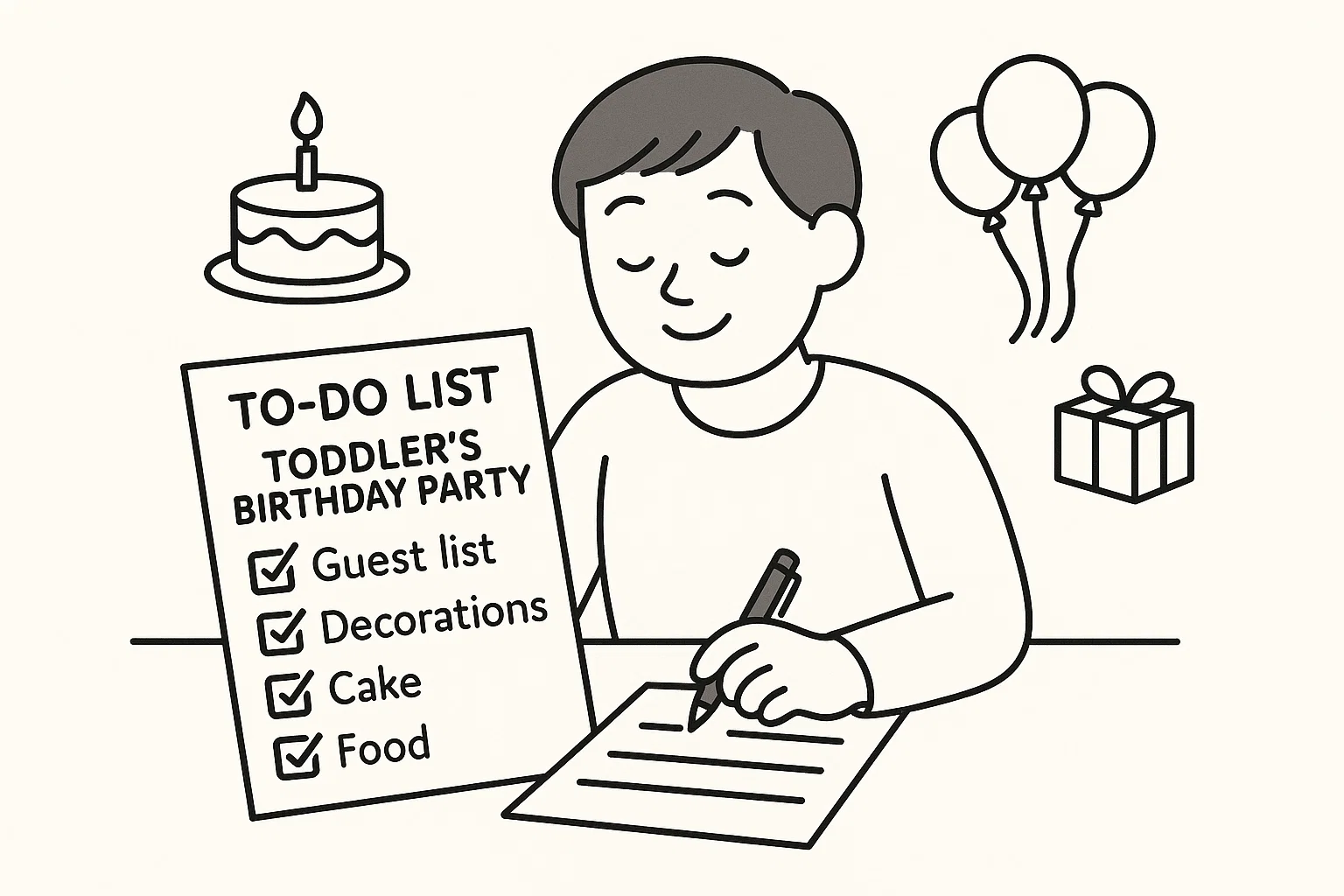
Pick a Short Party Window
Toddlers have limited attention spans and energy reserves, so a 60- to 90-minute party window usually works best. When organizing an indoor party, plan a concise schedule that keeps activities moving without rushing the children. A brief timeline helps guests leave on a positive note before exhaustion sets in.
- 0–15 Minutes: Guest arrival, coats and bags, and open free play with familiar toys.
- 15–45 Minutes: Simple sensory activity or themed play, such as bubbles or musical instruments.
- 45–75 Minutes: Birthday song, cake or cupcakes, and toddler-friendly snacks.
- 75–90 Minutes: Final free play, party favors, and guest departure.
Build a Small Guest List
A large, noisy crowd can quickly overwhelm a toddler and turn the celebration into a stressful experience. Keep the guest list small by inviting close family members, a few toddler friends from daycare, and their parents or caregivers.
Because children under 4 need direct supervision, assume that at least one adult will accompany each child on the guest list. Keeping the total number of children under six helps your indoor play space remain uncrowded, safe, and manageable.
Send Invitations Early
Send out your birthday party invitations three to four weeks before the event to give parents plenty of time to clear their schedules. Digital invitations are convenient and can include key details such as timing, parking instructions, and allergy notes.
Clearly state whether siblings are invited so you can manage space and food quantities accurately. Set a firm RSVP deadline one week before the party to finalize your grocery list and activity supplies.
Prep Most Tasks the Day Before
Minimize day-of stress by completing most setup tasks the evening before the party. Inflate any balloons that will be kept out of reach, hang paper banners, set up the photo corner, and arrange the main play stations ahead of time.
Prep the food by washing fruit, baking the cake or cupcakes, and organizing serving trays. Lay out your child’s clothes, pre-pack the goodie bags, and set up the adult drink station so that on party day you only need to assemble fresh food and welcome your guests.
Successful Toddler Birthday Party Tips
Invite Parents with Toddlers
For safety and supervision, always specify on the invitation that parents are expected to stay for the duration of the event. Toddlers often need help with handwashing, bathroom breaks, sharing, and calming down.
Having caregivers present ensures that every child receives individualized attention, allowing you to focus on managing the overall party flow. This shared supervision model keeps the environment safe and gives local parents a chance to connect and socialize.
Organize Space Before Guests Arrive
Turn your main living space into a kid-safe party zone by rearranging the furniture. Push large couches against the walls to open up floor space, and temporarily remove coffee tables with sharp corners.
Put away fragile décor, floor lamps, electrical cords, and any small toys that could pose a choking hazard to younger kids. Set up an easy-to-reach drop zone near the entrance for coats, diaper bags, and strollers so they do not block exits.
Set Boundaries for Rooms
Prevent party guests from wandering into private spaces by establishing clear physical and visual boundaries throughout your home. Use sturdy baby gates to block access to staircases, kitchens, and home offices, and keep bedroom doors firmly closed.
Put simple, colorful signs on doors to guide guests toward the party room and the main bathroom. Politely explain these boundaries to parents as they arrive so supervision stays focused in the childproofed areas.
Prepare Backup Activities
Toddlers move between activities rapidly and can lose interest in an organized game within a matter of minutes. To keep things running smoothly, prepare a hidden bin of low-stress backup activities you can bring out at a moment’s notice.
- Bubbles: A battery-operated bubble machine provides instant visual entertainment.
- Stickers & Paper: Large sheets of butcher paper taped to the floor pair well with jumbo stickers.
- Coloring Stations: Washable crayons and oversized coloring books keep the setup simple.
- Music Playlist: A short playlist of upbeat, toddler-friendly action songs can reset the mood.
- Sensory Blocks: A small basket of soft foam blocks or nesting cups works well for quiet play.
Take Care of Adults
A successful kids’ party also makes caregivers feel comfortable, welcome, and appreciated. Designate a seating area for adults adjacent to the main toddler play zone, allowing parents to supervise their children while socializing.
Provide a separate refreshment station with coffee, tea, sparkling water, and simple savory snacks for adults. Keep the adult refreshment area away from the toddler play zone, especially if warm drinks are being served.
25 Birthday Party Ideas for Toddlers at Home
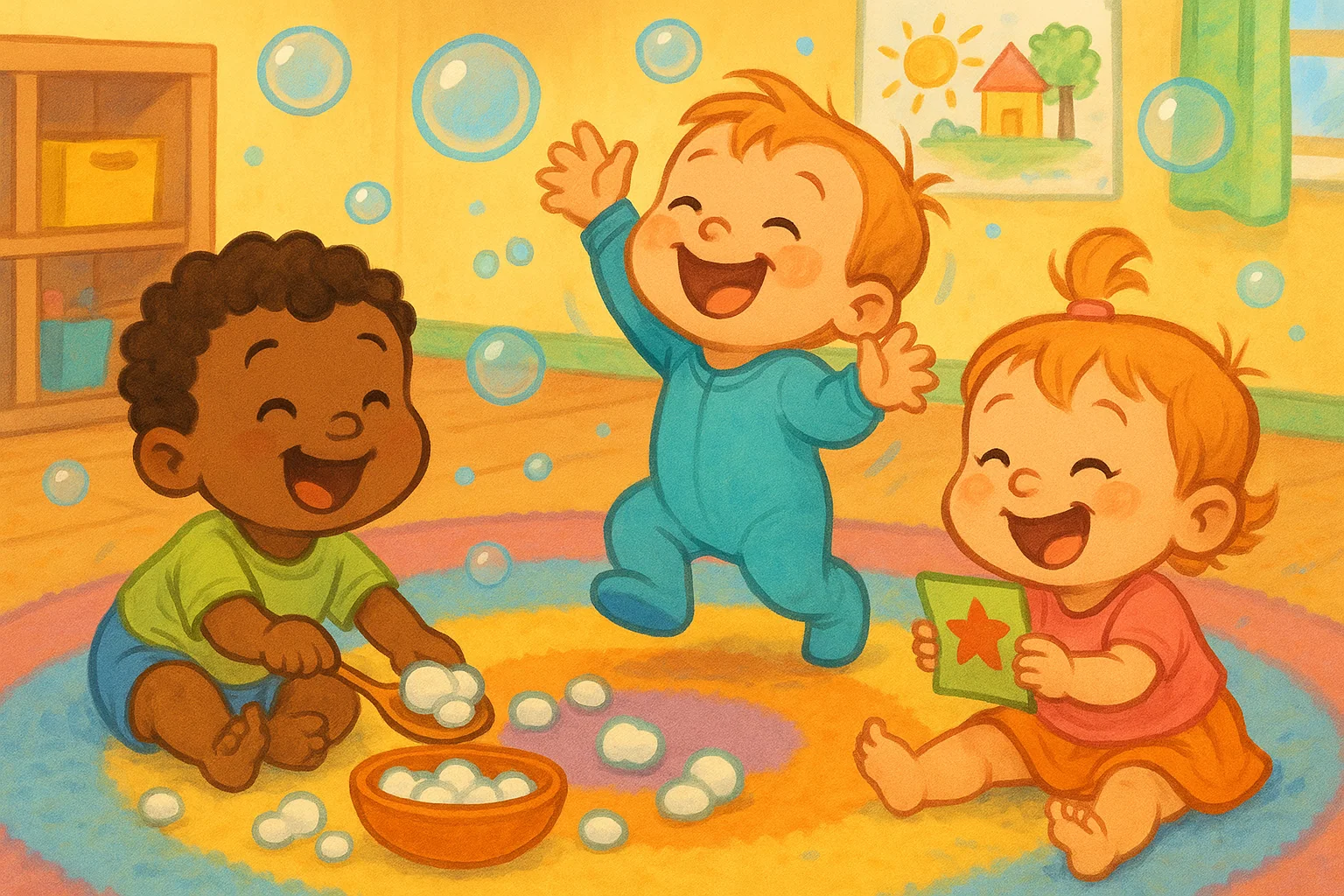
1. Bubble Party
Transform your indoor space or backyard into a sensory-friendly bubble zone with bubble toys and wands. Set a battery-powered bubble machine on a high shelf to fill the room safely, and hand out large, easy-grip bubble wands to accompanying adults. Tape a large sheet of bubble wrap securely to the floor for a supervised “bubble wrap stomp” activity that supports gross motor development.
- Supplies: Bubble machine, child-safe bubble solution, bubble wrap, painter’s tape.
- Best for Ages: 1–3.
- Safety Note: Wipe up spills on hard floors immediately to reduce slipping hazards.
2. Rainbow Party
Celebrate with a bright color-matching theme that helps toddlers notice and name colors. Decorate the main room with clusters of solid-colored balloons arranged in rainbow order. Serve colorful fruit plates with strawberries, orange slices, pineapple pieces, blueberries, and grapes cut safely for toddlers, plus rainbow cupcakes.
- Supplies: Multicolored balloons, rainbow tablecloth, sorted fruit plates.
- Best for Ages: 2–4.
- Safety Note: Cut grapes lengthwise into quarters to reduce choking risk for younger children.
3. Pizza Party Plus
Let toddlers assemble their own mini pizzas as a hands-on lunch activity. Give each child a prebaked mini pizza crust on a sturdy paper plate. Provide small bowls of toddler-safe ingredients, such as shredded mozzarella, mild tomato sauce, and finely diced cooked ham.
- Supplies: Mini pizza crusts, tomato sauce, shredded cheese, mild toppings, baking sheets.
- Best for Ages: 3–4.
- Safety Note: Check all food allergies beforehand, and let the pizzas cool completely before serving.
4. Pancake Party
Host a relaxed, cozy morning birthday party with a pajama-friendly breakfast theme. Prepare a batch of mini silver-dollar pancakes and arrange a family-friendly toppings bar on the kitchen counter. Include nutritious, soft options like vanilla yogurt, mashed berries, sliced bananas, and a light drizzle of pure maple syrup.
- Supplies: Pancake mix, electric griddle, serving bowls, fresh berries, pajamas.
- Best for Ages: 1–4.
- Safety Note: Keep children away from hot griddles, stoves, and warm syrup.
5. Milkshake Station
Set up a refreshing smoothie and yogurt-shake bar with spill-proof straw cups to minimize mess. Blend toddler-friendly bases with whole milk or dairy-free oat milk, plain Greek yogurt, and frozen strawberries. Let children choose one simple topping, such as graham cracker crumbs or a banana slice.
- Supplies: Blender, spill-proof cups, colorful straws, frozen fruit, yogurt, dairy-free alternatives.
- Best for Ages: 1–3.
- Safety Note: Always provide a clear dairy-free alternative to accommodate children with milk allergies or lactose intolerance.
6. Sweet Treat Factory
Set up a low-sugar decorating station where little ones can practice fine motor skills under adult supervision. Provide plain graham crackers or rice cakes with small bowls of cream cheese or low-sugar frosting. Give each child a small cup of soft toppings and sliced fruit pieces to press into their sweet creation.
- Supplies: Graham crackers, rice cakes, cream cheese, soft toppings, child-safe spreaders.
- Best for Ages: 2–4.
- Safety Note: Avoid hard, round candies or large sugar pearls, as they present serious choking hazards for young children.
7. Board Game Café
Create a calm play area with simple tabletop games adapted for toddlers. Set up a low, child-safe table with chunky wooden puzzles, large color-matching cards, and basic stacking games. This setup encourages parallel play and early turn-taking in a relaxed, low-pressure environment.
- Supplies: Chunky wooden puzzles, jumbo memory cards, stacking rings, low tables.
- Best for Ages: 2–4.
- Safety Note: Inspect all vintage or secondhand games to make sure no small, detachable parts are present.
8. Family Film Morning
Create a cozy mini-cinema experience designed for young kids’ short attention spans. Arrange a soft seating area with plush floor cushions, sleeping bags, and cozy blankets in a dimmed living room. Show a few short animated episodes or nature clips while serving age-appropriate snacks instead of popcorn.
- Supplies: Floor cushions, blankets, projector or television, age-appropriate snacks.
- Best for Ages: 3–4.
- Safety Note: Do not serve regular, whole-kernel popcorn to children under 4 due to aspiration risk.
9. Outdoor Scavenger Hunt
Organize a simple backyard exploration game with picture-based clues instead of written text. Give each child a picture checklist with common outdoor items, such as a green leaf, a large smooth stone, or a yellow flower. Children can explore the yard with their parents, point out the items, and collect only toddler-safe objects.
- Supplies: Picture checklists, toddler-safe backyard items, small non-food rewards.
- Best for Ages: 2–4.
- Safety Note: Check the entire yard beforehand to remove sharp tools, pet waste, poisonous plants, and small choking hazards.
10. Garden Camping
Bring the adventure of the great outdoors into the safety of your backyard or large living room with a cozy camping theme. Set up one or two pop-up tents with soft blankets, plush forest animals, and battery-operated string lights. Gather the toddlers for a cozy storytime session with a battery-operated lantern and simple picnic snacks.
- Supplies: Pop-up tents, sleeping bags, plush animals, battery lanterns, board books.
- Best for Ages: 2–4.
- Safety Note: Secure all cords and use only battery-operated lights inside children’s tents.
11. Sports Day
Support gross motor skills with an easy, non-competitive obstacle path across the lawn or a large rug. Include simple activities like crawling through a soft fabric tunnel, tossing beanbags into wide laundry baskets, and kicking a large foam ball. Keep the atmosphere light and celebratory, focusing on participation rather than winning or losing.
- Supplies: Fabric tunnel, soft foam balls, laundry baskets, colorful beanbags.
- Best for Ages: 2–4.
- Safety Note: Ensure all paths are clear of tripping hazards and place foam mats under any climbing elements.
12. Crazy Science
Introduce simple STEM play through safe, adult-led demonstrations with fun visual reactions. Create a baking soda and vinegar volcano inside a deep plastic bin, or set up a simple sink-or-float station with a shallow tub. Toddlers can watch colors mix and fizz from a safe, comfortable distance.
- Supplies: Baking soda, white vinegar, food coloring, plastic tubs, assorted household objects.
- Best for Ages: 3–4.
- Safety Note: Keep all materials out of reach when not in use, and make sure children do not taste or ingest any mixtures.
13. Unicorn Theme
Create a whimsical space with soft pastel decorations, paper stars, and gentle music. Give arriving guests soft felt unicorn headbands and set up a simple star-stamping craft table. Arrange a photo backdrop using a pastel fringed curtain to capture memorable snapshots of the children.
- Supplies: Pastel streamers, felt headbands, star stampers, washable ink, fringe curtain.
- Best for Ages: 2–4.
- Safety Note: Avoid using loose cosmetic glitter, which can easily cause eye irritation in young children.
14. Gingerbread City
This hands-on building activity works well for a winter or holiday-themed birthday celebration. Give parents and toddlers graham crackers, thick icing, and soft, age-appropriate toppings. Together, families can build and decorate small gingerbread-style houses on sturdy paper plates.
- Supplies: Graham crackers, icing tubes, soft toppings, paper plates.
- Best for Ages: 3–4.
- Safety Note: Supervise the handling of sticky icing closely and double-check ingredient labels for common allergens.
15. Spa Day
Turn a classic pampering theme into a gentle, sensory-friendly relaxation activity for little ones. Give each child a soft, child-size bathrobe to wear, and play calming acoustic music in the background. Parents can apply a dab of kid-safe lotion and place fun decorative nail stickers on their child’s nails.
- Supplies: Child-size bathrobes, fragrance-free lotion, decorative nail stickers, cucumber-infused water for adults.
- Best for Ages: 3–4.
- Safety Note: Avoid real nail polish, makeup, or strong chemical cosmetics to protect sensitive toddler skin.
16. Afternoon Tea
Host a charming pretend-play tea party around a low table with child-safe dishes. Serve mini crustless sandwiches with cream cheese or seed butter alongside fresh fruit slices. Pour small portions of lukewarm water, milk, or diluted apple juice into durable, shatterproof teacups.
- Supplies: Shatterproof teacups, low play table, mini sandwiches, tiered serving trays.
- Best for Ages: 2–4.
- Safety Note: Ensure any drink served is lukewarm to prevent accidental scalding injuries.
17. Teddy Bear Picnic
Invite guests to bring their favorite stuffed animal for a classic indoor blanket picnic. Spread a large gingham tablecloth over the living room rug and serve simple bear-shaped snacks, such as thin cheese cutouts. Read a favorite themed board book aloud and lead a simple, interactive sing-along session with the children.
- Supplies: Gingham picnic blanket, teddy bears, bear-shaped cookie cutters, children’s board books.
- Best for Ages: 1–3.
- Safety Note: Keep food on the blanket to reduce mess and avoid slippery crumbs or spills on nearby floors.
18. Dinosaur Dig
Tap into tactile exploration by setting up a prehistoric excavation site inside a deep under-bed storage box. Fill the plastic container with clean play sand or dry oats, and bury several large plastic dinosaur figurines inside. Hand out soft paintbrushes and plastic scoops so little paleontologists can uncover the hidden dinosaurs.
- Supplies: Deep plastic storage bin, clean play sand or dry oats, large plastic dinosaurs, paintbrushes.
- Best for Ages: 2–4.
- Safety Note: Supervise closely to make sure children do not put oats or play sand in their mouths.
19. Farm Animal Party
Bring the fun of the countryside home with an interactive farm-themed celebration. Set up a few farm-themed toy stations with barns, toy tractors, and large plastic animal figures. Cut out simple paper-plate animal masks and play a fun beanbag game where kids can “feed the hungry pig.”
- Supplies: Toy barns, large plastic animals, paper plates, washable markers, felt beanbags.
- Best for Ages: 1–3.
- Safety Note: Make sure all animal figurines are too large to fit fully inside a toddler’s mouth.
20. Soft Play at Home
Recreate a simple indoor playground with soft foam play equipment in your living room. Arrange interlocking foam mats, soft climbing blocks, pop-up fabric tunnels, and a small ball pit. This creates an active play space where energetic toddlers can move, climb, and play safely.
- Supplies: Foam mats, soft climbing blocks, fabric play tunnel, compact ball pit.
- Best for Ages: 1–3.
- Safety Note: Keep soft foam equipment away from hard walls, sharp furniture edges, and low windows.
21. Craft Party
Encourage artistic expression with a low-mess arts-and-crafts station. Cover a large table with butcher paper and provide jumbo foam stickers, washable stampers, and plain paper crowns. Toddlers can decorate their own birthday crowns to wear during the party.
- Supplies: Roll of butcher paper, paper crowns, foam stickers, non-toxic washable ink pads.
- Best for Ages: 2–4.
- Safety Note: Use only certified non-toxic art supplies and avoid small, loose items like sequins or beads.
22. Music and Dance Party
Channel toddler energy into a lively music-and-movement session with simple rhythm instruments. Hand out plastic maracas, soft shakers, and colorful dance scarves to each child. Play popular action songs and try a fun round of “freeze dance” to support coordination and listening skills.
- Supplies: Plastic maracas, soft rhythm instruments, lightweight dance scarves, Bluetooth speaker.
- Best for Ages: 1–4.
- Safety Note: Keep the volume low enough to protect sensitive toddler ears.
23. Construction Party
Create a pretend construction site with toy dump trucks, plastic hard hats, and large cardboard blocks. Secure yellow caution tape around the designated play area to define the theme visually. Toddlers can fill their truck beds with soft foam blocks and knock down tall towers together.
- Supplies: Toy construction trucks, plastic hard hats, cardboard bricks, yellow caution tape.
- Best for Ages: 2–4.
- Safety Note: Anchor heavy toy boxes or storage shelves to the wall before the party begins.
24. Water Play Party
This outdoor, warm-weather sensory activity is perfect for a sunny backyard celebration. Set up two low water tables filled with clear water, plastic cups, floating boats, and large kitchen sponges. Toddlers can scoop, pour, and splash while building fine motor skills.
- Supplies: Water tables or shallow plastic tubs, plastic cups, sponges, toy boats, towels.
- Best for Ages: 1–3.
- Safety Note: Maintain constant adult supervision at every water station, and keep dry towels close by.
25. Pajama Sleep-Under
Capture the fun of a sleepover in a safe, early-evening format. Invite guests to arrive in their pajamas around 5:00 PM for an evening of stories, plush toys, and a short animated video. This format delivers the excitement of a sleepover while letting guests head home before bedtime routines begin.
- Supplies: Pajamas, favorite blankets, bedtime board books, a short animated video, soft lighting.
- Best for Ages: 3–4.
- Safety Note: Keep the lighting bright enough to navigate safely and avoid tripping hazards in darker corners.
Decorations for a Toddler Party
Theme and Color Palette
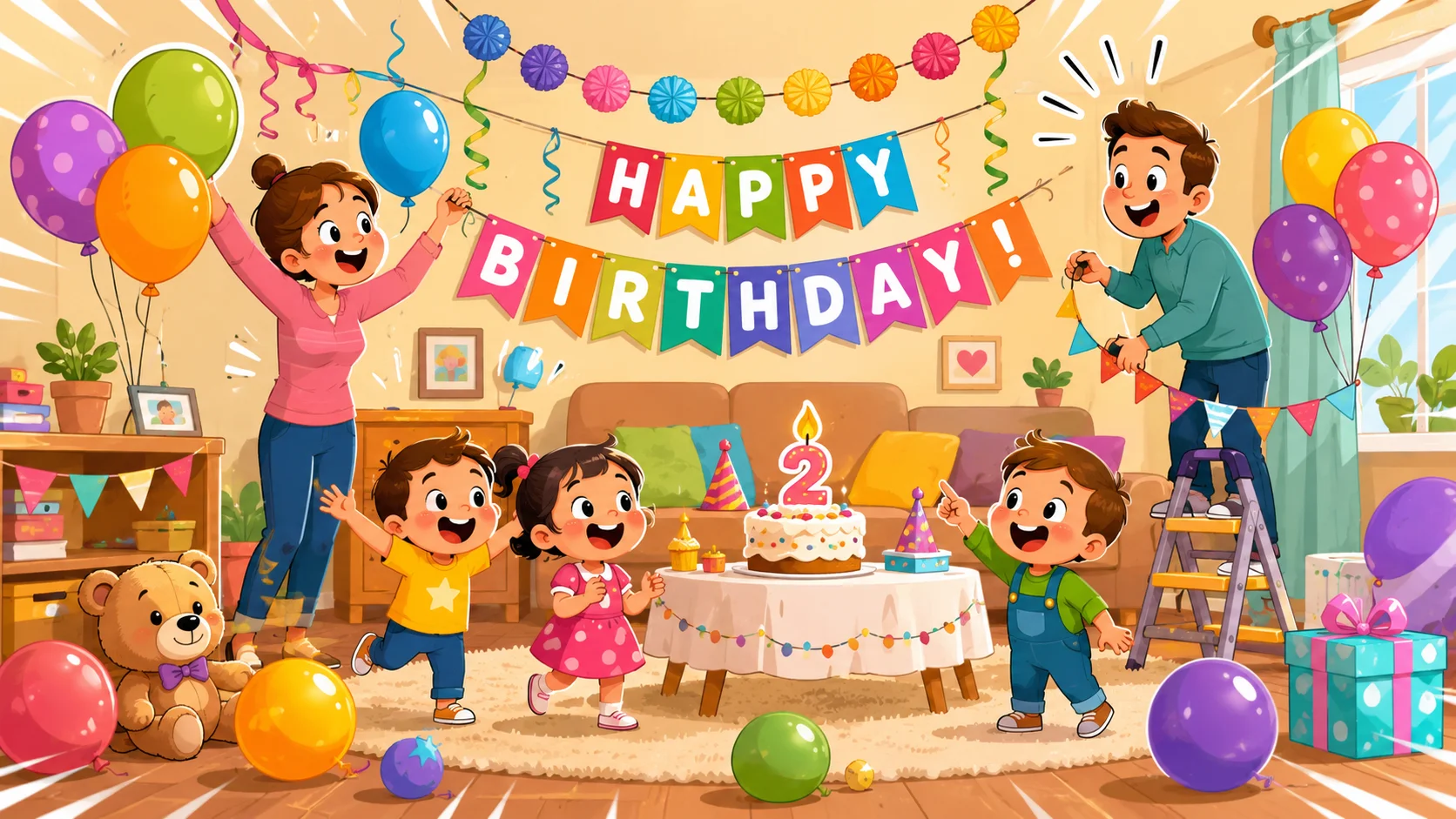
Streamline your planning and keep costs down by choosing a single, cohesive color palette or a simple theme rather than purchasing expensive licensed character sets. Selecting two or three main colors, such as mint green and soft yellow, allows you to buy budget-friendly solid-colored tablecloths, paper plates, and napkins.
This approach creates a clean, intentional look that feels festive without cluttering your home or overwhelming young children.
Balloon and Banner Setup
Balloons add instant festive flair to any room, but they must be placed mindfully to support toddler safety. Securely anchor large balloon garlands or numbered foil balloons high on the wall, well out of reach of curious little hands.
Avoid scattering loose, uninflated, or popped latex balloons on the floor, as they present a severe choking hazard if swallowed. Pair your elevated balloon display with a durable reusable fabric or paper banner hung securely near the main entrance.
Photo Corner
Designate a specific, well-lit corner of your living room to capture family photos without interrupting the party flow. You can set up a simple backdrop using a colorful bedsheet or a roll of butcher paper decorated with paper stars.
If your child is celebrating their first birthday, position a clean high chair in the center of this zone for the cake smash photo. A small milestone board with your child’s favorite things adds a lovely, personal touch to the photos.
DIY Decorations
Handmade decorations add a warm, personal feel to a celebration while keeping your party budget intact. Spend an evening crafting simple paper chains, printable welcome signs, and custom cardboard cutouts using recycled shipping boxes.
Involving older siblings in creating these decorations can transform preparation into a fun family project. These lightweight, paper-based decorations are easy to hang using standard painter’s tape, helping your walls stay damage-free.
Menu for Toddlers and Adults
Toddler-Friendly Snacks
When preparing food for toddlers, prioritize soft textures, mild flavors, and low-mess presentations. Arrange a variety of toddler-safe finger foods on sturdy platters that parents can help children access.
Good choices include soft fruit pieces cut safely for toddlers, mini whole-wheat muffins, thin cheese strips, yogurt pouches, and whole-grain crackers. Keeping these snacks simple helps little ones stay satisfied without ruining their appetite for the main meal.
Easy Main Food Ideas
For the main meal, choose simple crowd-pleasers that can be made in bulk or prepared ahead of time. The following menu options work well for both kids and adults.
- Mini Personal Pizzas: Prebaked crusts topped with mild tomato sauce and shredded mozzarella.
- Baked Chicken Nuggets: Tender, easy-to-chew chicken pieces served with mild dipping sauces.
- Warm Pasta Bar: Plain penne served with mild marinara sauce and olive oil on the side.
- Assorted Soft Wraps: Turkey and cheese or seed-butter and banana pinwheels cut into bite-sized rounds.
- Fresh Veggie Platters: Steamed broccoli florets, thin cucumber strips, and cherry tomatoes cut lengthwise into quarters.
Birthday Cake and Dessert Options
The birthday cake is often the visual centerpiece of the party, but it does not need to be complicated or full of sugar. Consider baking a small, low-sugar smash cake for a one-year-old while serving matching cupcakes to the rest of your guests.
Cupcakes are pre-portioned and easy to hand out, which reduces the need for cutting and serving during a busy party. Ask about allergies in advance and provide clearly labeled dessert options that match your guests’ needs.
Drinks for Kids and Parents
Reduce sticky spills by serving toddler drinks in labeled spill-proof cups. Offer simple choices like water, milk, or diluted fruit juice to keep kids hydrated.
For adults, set up a separate beverage station stocked with coffee, tea, sparkling water, and ice. Keep the adult drink station separate from the toddler area so parents can enjoy warm drinks more safely and comfortably.
Allergy and Choking Safety
Food safety should be a top priority when planning a menu for young children. Always ask parents about specific food allergies or dietary restrictions on your invitations, and keep allergen-containing foods clearly labeled and separate.
To reduce choking risks, modify round, hard, sticky, and chewy foods before serving them to toddlers.
| Food | Safer Preparation |
| Whole grapes | Cut lengthwise into four narrow quarters |
| Cherry tomatoes | Slice lengthwise into thin wedges or quarters |
| Hard raw vegetables | Steam until completely soft and easy to pierce |
| Sausages or hot dogs | Slice lengthwise into thin strips before dicing |
| Cheese | Serve as thin strips instead of firm cubes |
| Sticky or chewy sweets | Avoid hard candies, gum, large marshmallows, and large sugar pearls |
| Popcorn | Avoid serving to children under 4 |
FAQ
How Can I Make a Toddler Birthday Party Stress Free?
The easiest way to keep a toddler party stress free is to keep it simple from the beginning. Choose one main party activity, one simple food setup, and a 60–90 minutes party window. When planning a party for toddlers, avoid a packed schedule and leave room for free play, snack breaks, and quiet moments.
What Are Some Budget-Friendly Ideas for Kids Birthday Parties at Home?
Some of the best budget-friendly ideas for kids birthday parties use items you already have at home. Household toys, paper decorations, homemade cupcakes, bubble play, music, and a simple craft table can all help you create a great birthday party without needing to spend a fortune.
What Is a Good Party Activity for a First Birthday Party?
For a first birthday party, the best party activity is usually simple sensory play. A bubble machine, soft blocks, a teddy bear picnic, or a small music-and-movement corner works well for a one year old. At this age, the birthday boy or girl does not need complicated games; a calm, familiar environment is more important.
What Party Food Works Best for Toddlers and Adults?
The best party food for a toddler birthday is soft, easy to serve, and simple to eat. Mini muffins, safely cut fruit, thin cheese strips, plain pasta, mini pizzas, and cupcakes usually work well. For adults, add coffee, sparkling water, simple sandwiches, or a separate snack tray. Avoid open pick-and-mix candy tables for toddlers, since hard, sticky, or round sweets can be choking hazards.
Take a short quiz to find out what your everyday choices say about your parenting style
When your child is curious about something new, what’s your instinct?
Take a short quiz to find out what your everyday choices say about your parenting style
“Can I download this app?” What happens next?
Take a short quiz to find out what your everyday choices say about your parenting style
When it comes to rules at home, which sounds most like you?
Take a short quiz to find out what your everyday choices say about your parenting style
If you could give your child one life skill today, what would you pick?
Take a short quiz to find out what your everyday choices say about your parenting style
Your child gets to choose what to watch. What would your ideal setup look like?
Take a short quiz to find out what your everyday choices say about your parenting style
Pick your parenting superpower ✨