25 Best First Birthday Party Games for Babies, Toddlers, Kids & Parents

 Discover a Free Education Video App for Kids
Pastory uses AI to personalize educational video content based on your child’s interests and personality. Safe, engaging, and built for curious young minds. Sign up now to stay updated and enjoy early access with a free trial
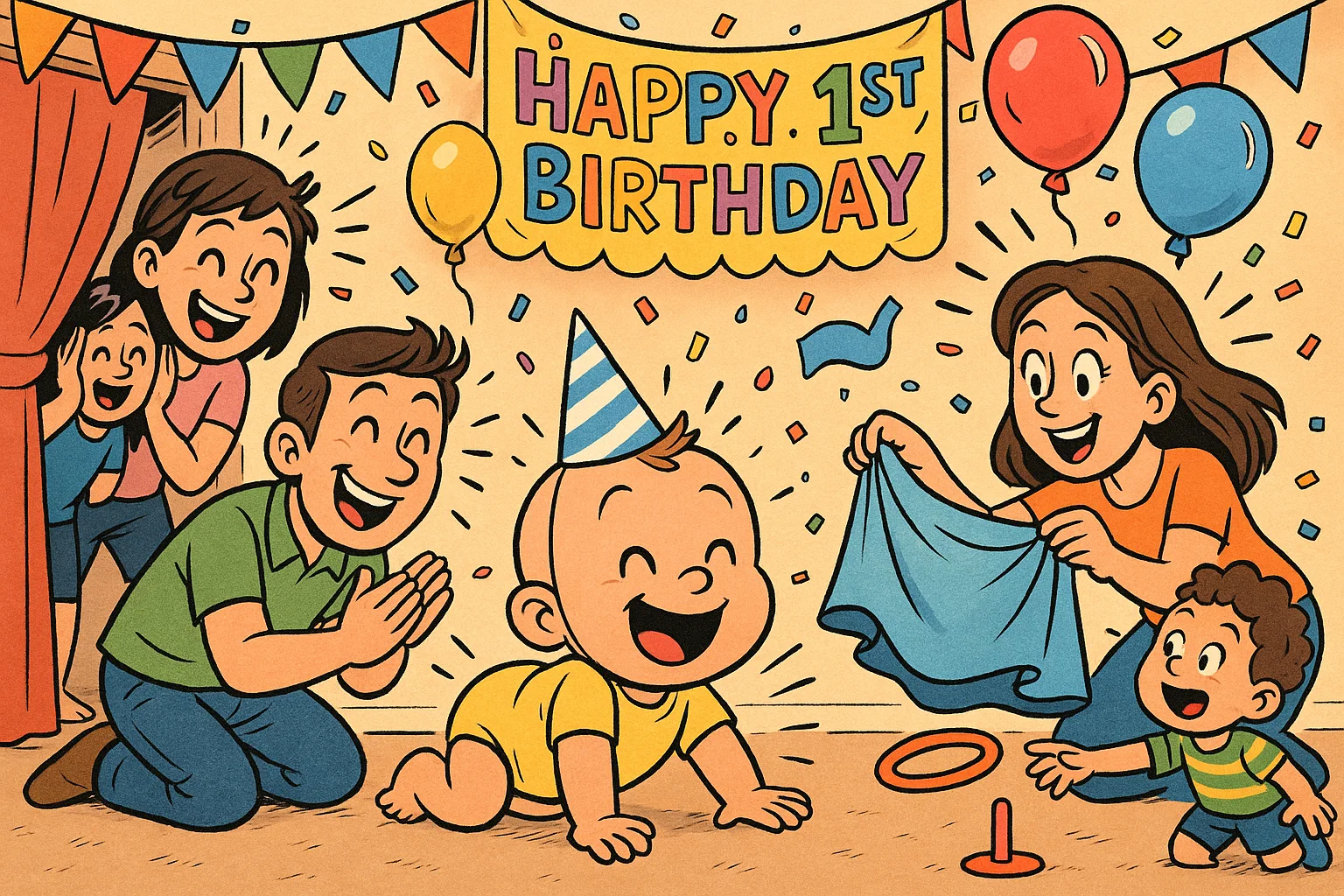
A baby’s first birthday is a major milestone, and planning the party is a meaningful way to celebrate the child’s first year of life. With thoughtful planning, a clear theme, and age-appropriate games, you can create a celebration that feels meaningful for your little one and enjoyable for every guest.
While a one-year-old may not fully understand what a birthday means, a well-planned celebration can bring the family together, create lasting memories, and make the day feel truly special. This guide offers a wide range of games, activities, and entertainment ideas to keep guests of all ages engaged, safe, and happy throughout the celebration.
Key Takeaways
- Age-Appropriate Play: Focus on sensory-based activities for the birthday baby, as these support cognitive and motor development without causing overstimulation.
- Optimal Duration: Keep the party length between 60 and 90 minutes whenever possible to align with nap schedules and prevent overtiredness.
- Mixed-Age Engagement: Include games that let older kids participate while ensuring the baby can safely join in or watch from a comfortable spot.
- Safety First: Set up a soft, contained play zone that is free of small objects that could pose choking hazards, as well as sharp furniture edges.
- Flexibility is Key: Maintain a relaxed atmosphere; if the birthday baby is tired or overwhelmed, transition immediately to quiet, low-pressure activities.
Best game mix by guest age
A successful 1st birthday party includes a blend of games and activities that cater to diverse developmental stages. For the 1-year-old, focus on sensory exploration; for toddlers, incorporate gentle movement games; and for adults and older kids, include interactive challenges like photo guessing games or trivia. This balance helps create a better experience for both the birthday baby and the other young guests.
Ideal party length
The ideal duration for a 1-year-old’s birthday party is 60–90 minutes. This timeframe helps prevent the baby from becoming overtired and gives guests time to talk and play without making the event feel too long.
Safety rules for babies, toddlers, big kids
Safety at a 1st birthday party requires close adult supervision at all times. Ensure all play areas are free of small objects that pose choking hazards, use soft mats for floor-based activities, and check that all surfaces are slip-resistant to protect babies who are crawling or walking, as well as energetic toddlers.
Best timing around naps and meals
The best timing for a 1st birthday celebration is immediately following a nap and a meal. A well-rested, fed baby is more likely to engage with party activities, whereas a hungry or sleepy child may become easily distressed.
Why 1st Birthday Party Games Matter
Games provide structure for a baby’s 1st birthday party, turning a simple gathering into an interactive experience. The right mix of games can turn a casual get-together into a fun, memorable celebration for the whole family.
Sensory growth
Sensory-based games promote neural development in infants by introducing varied textures, sounds, and visual stimuli. Activities involving bubbles, soft fabrics, or water tables provide safe, developmental input that aligns with the curiosity typical of a 1-year-old.
Movement and coordination
Simple movement games encourage physical milestones such as crawling, cruising, or walking with support. Activities that involve reaching for soft toys or moving through low obstacles strengthen gross motor skills and build confidence in the birthday boy or girl.
Family bonding and memory-making
Structured activities act as catalysts for family bonding, bringing together grandparents, parents, and siblings. These activities create shared moments, lead to meaningful photos, and make the celebration feel personal and memorable.
Low-pressure fun vs overstimulation
The primary goal of a 1st birthday party is comfort, not a high-energy event. Choosing low-pressure games ensures that the focus remains on the baby’s enjoyment, preventing the overstimulation that often accompanies long, loud, or overly complex party programs.
Tips for Hosting a 1st Birthday Party
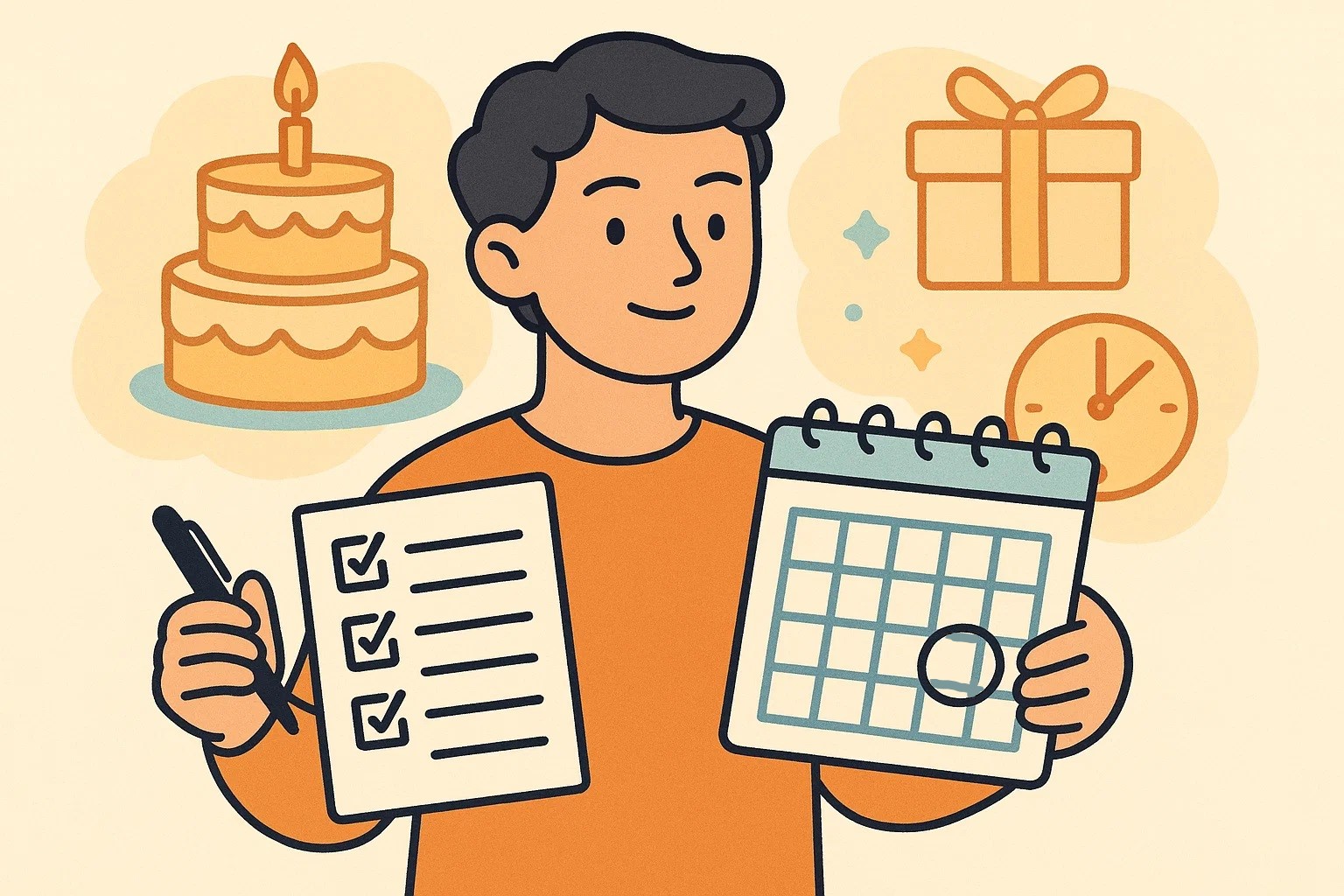
Hosting a successful child’s first birthday party requires careful preparation of both the physical environment and the guest experience. From choosing a theme to setting up safe activities, thoughtful planning helps create a special celebration for everyone involved.
Indoor vs outdoor setup
Indoor venues, such as a living room or rented playroom, offer climate control and fewer environmental hazards, making them ideal for winter or unpredictable weather. Backyard parties or parks allow for more movement but require additional planning for shade, ground cover, and childproofing.
Guest list and age mix
When the guest list includes a wide range of ages, adjust the game selection to avoid isolating the baby. Designate a “quiet zone” for the 1-year-old and a more active area for older siblings and cousins to ensure everyone finds age-appropriate entertainment. A mix of sensory stations, movement play, and simple traditional party games can help include all party guests without overwhelming the birthday child.
Toy, floor, furniture safety
Create a dedicated play area using soft interlocking mats, cushioned corner protectors, and clearly defined boundaries. Ensure all toys are age-appropriate, clean, and large enough not to pose a choking hazard for a 1-year-old.
Backup plan for shy or tired babies
Always keep a “backup box” of quiet, familiar comfort items, such as board books or a favorite plush toy. If the baby becomes overwhelmed, shifting from active games to a quiet cuddle session in a separate room can help preserve the positive tone of the celebration.
Sensory Wonders: Engaging Little Minds
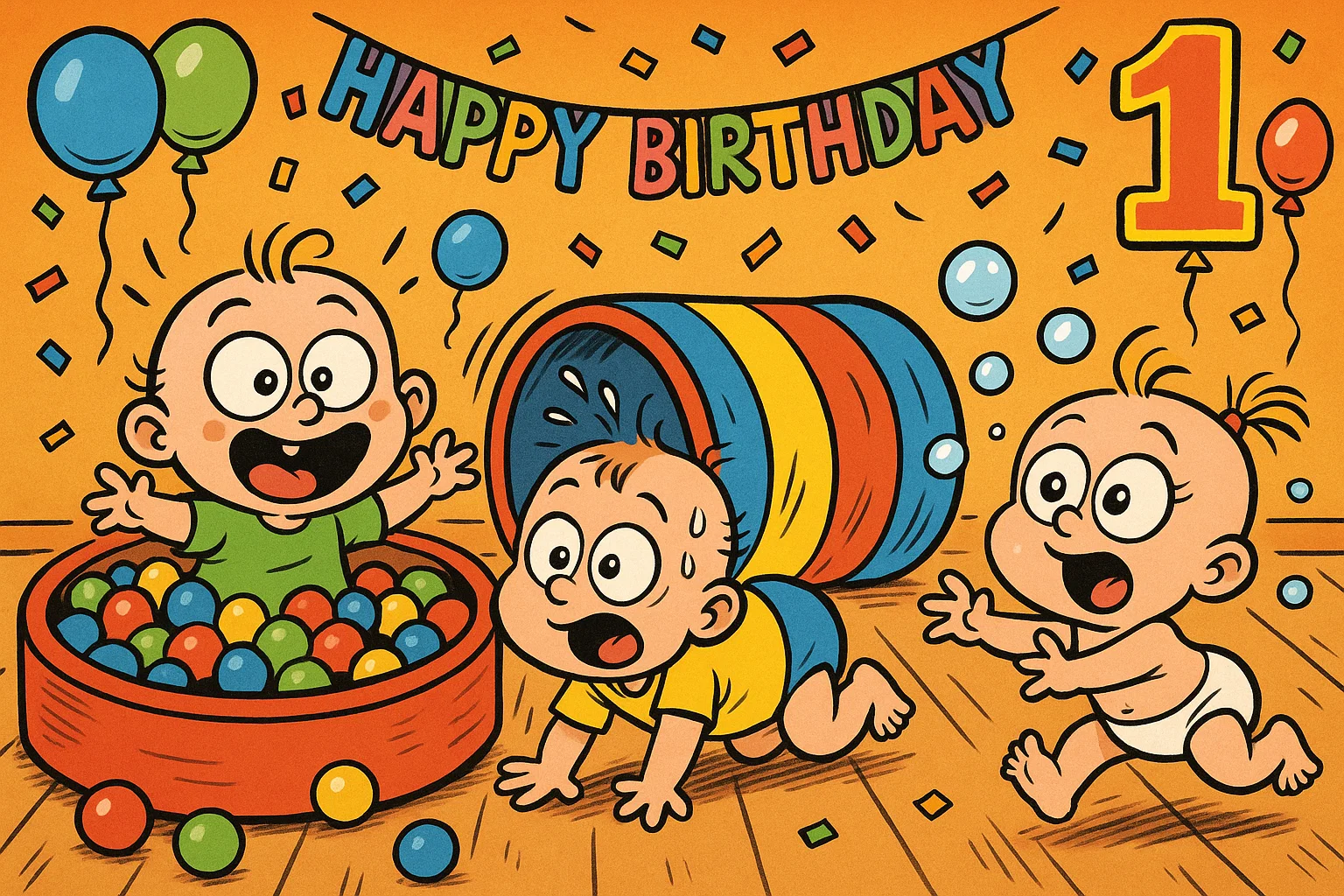
Sensory play is one of the most effective approaches for a one-year-old because it allows them to learn through touch and exploration. These games for a baby’s first birthday are safe, tactile, and simple, making them a natural fit for a little one’s celebration.
1. Ball Pit Bonanza
A mini-ball pit, constructed with a small pop-up tent or a soft-sided pool filled with 100+ BPA-free plastic balls, provides a contained sensory environment. Limit the space to one or two toddlers at a time to ensure safe play and maintain visibility for parents.
2. Bubble Bonanza
Bubbles are an engaging, low-cost activity that captures a baby’s visual attention and encourages reaching. Use a bubble machine to create a steady stream or have an adult blow bubbles, allowing the children to reach out and pop them safely in a supervised area.
3. Water Play Wonders
A shallow water table or plastic container filled with two inches of lukewarm water and floating, non-toxic toys serves as a calming sensory station. Place a waterproof mat underneath to manage splashes and ensure that an adult is always within arm’s reach of the child.
4. Sensory Station
Create a sensory station by placing different materials – such as crinkly fabrics, soft velvet, smooth wooden blocks, and silicone rings – on a low, stable table or floor area. This provides a tactile “exploration zone” where a one-year-old can safely investigate different textures.
On the Move: Active Play for Tiny Explorers
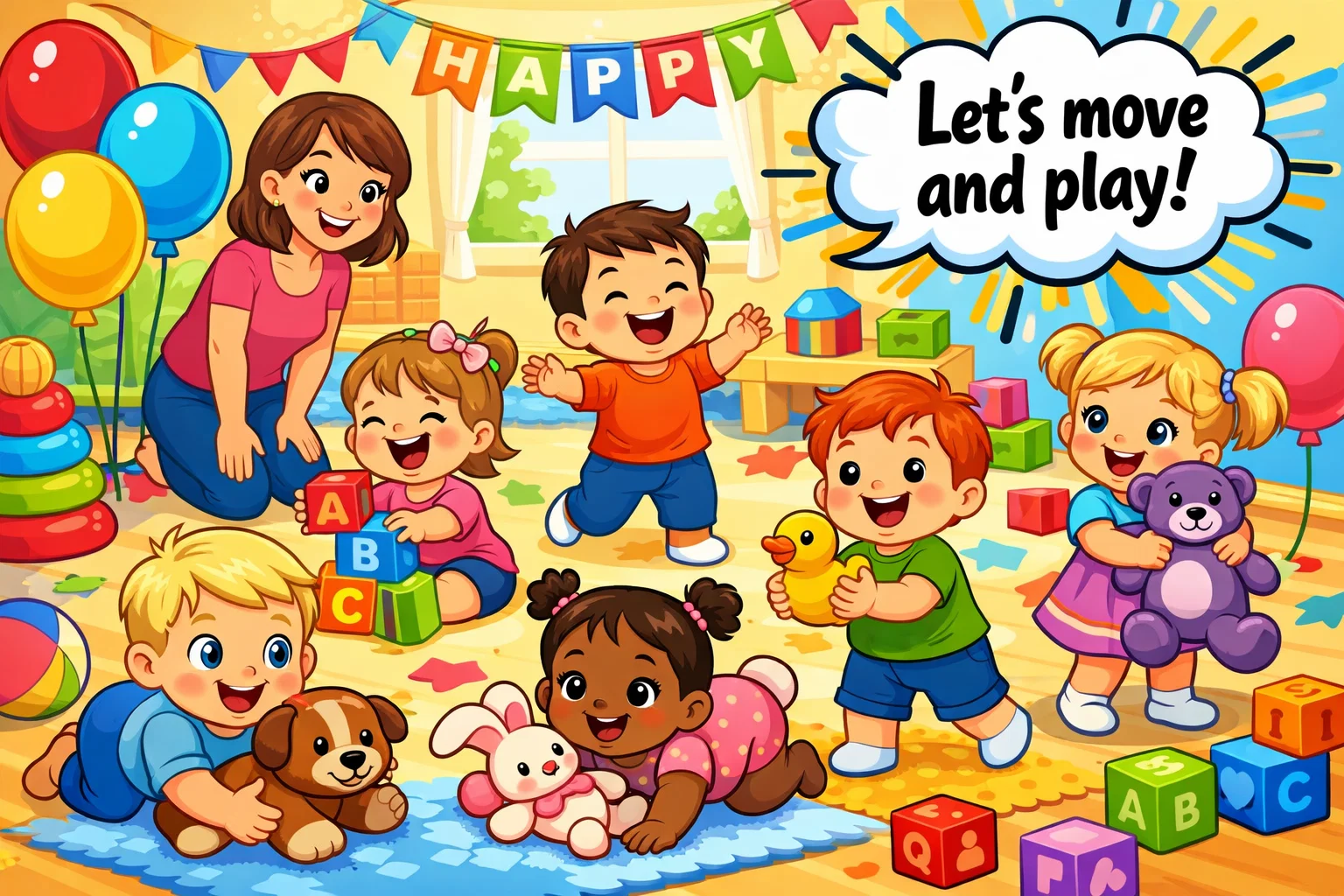
Encouraging movement is a core component of a 1st birthday party. These activities are designed to be gentle, structured, and focused on physical development.
5. Baby Obstacle Course
Assemble a short, manageable obstacle course using pillows, soft foam blocks, and a fabric play tunnel. This setup allows babies to crawl over or through objects, building coordination and spatial awareness in a protected environment.
6. Soft Play Zone
A dedicated soft play area featuring foam mats, wedges, and large soft shapes allows babies to practice climbing and standing. This zone provides a safe area where the baby can play independently while staying within their parents’ line of sight.
7. Dance Freeze for Tots
Modify the traditional freeze dance by using gentle, low-tempo music and focusing on free-form movement. When the music stops, encourage the children to “freeze” or simply sit down, emphasizing participation over strict rule adherence.
8. Parachute Play and Gentle Movement
Use a lightweight, colorful nylon parachute or a large bed sheet to create soft, undulating waves for the children to watch or touch. This activity encourages group interaction and creates a gentle visual experience that many infants find calming.
Interactive Fun: Games for Babies, Siblings, Parents
Including games that involve parents and older siblings ensures that the celebration feels inclusive. These are some of the best 1st birthday party entertainment ideas when you want baby-friendly play to sit naturally alongside activities for older family members.
9. Peek-a-Boo Parade
Transform the classic peek-a-boo into a group activity by using colorful scarves or blankets. Parents can hide and reappear, encouraging the babies to anticipate the action, which reinforces object permanence – a key cognitive milestone in the first year of life.
10. Story Time Circle
Set aside time for a story circle in which an adult reads aloud from a short, high-contrast board book. Keep the session brief – approximately five to ten minutes – to respect the attention span of the one-year-olds and toddlers in attendance. It is also one of the easiest activities to include when you want calm, low-pressure entertainment at a 1st birthday party.
11. Musical Fun for Little Ears
Provide an array of toddler-safe instruments such as maracas, tambourines, and egg shakers. Encourage the children to explore the sounds, focusing on simple rhythmic patterns rather than formal performance or complex musical skills.
12. Gentle Ring Toss
Adapt the traditional ring toss for babies by using large, soft plush rings and a cushioned base. The goal is not competition but rather the physical act of grasping and releasing, with parents assisting the babies in reaching the target. This is a simple party idea that works especially well indoors and can easily support a fun first birthday party in small spaces.
Creative Keepsakes: Memory-Making Activities
These activities provide both entertainment and lasting keepsakes, which makes them especially fitting for such a sentimental occasion. They are especially helpful when you want to make your baby’s first birthday feel personal, warm, and memorable.
13. Craft Corner Creations
Set up a station where parents can help their baby create a handprint or footprint art piece using non-toxic, washable paint. This activity produces a personalized keepsake for the parents while providing a tactile sensory experience for the baby.
14. DIY Photo Booth Fun
Design a simple, well-lit corner with a backdrop and age-appropriate props like oversized glasses, foam crowns, or stuffed animals. This station allows guests to take candid, memorable photos without the need for a professional photographer. It also pairs well with a baby photo guessing game, where guests try to identify family members from baby pictures.
15. Birthday Time Capsule
Invite guests to contribute to a time capsule by placing handwritten notes, small mementos, or photos into a decorative box. Seal the box to be opened at the child’s 18th birthday, preserving the sentiment of their first celebration.
16. Scrapbook Station
Provide a blank photo album, stickers, and markers on a designated table for guests to leave well-wishes or add photos. This creates an interactive space for guests to contribute to the family’s collection of memories.
Sweet and Silly: Food-Centric Fun
Food is a central element of any birthday celebration, and these games incorporate the menu into the entertainment. From a smash cake moment to DIY treats, these ideas help connect the menu to the overall party theme and make the birthday cake part of the fun.
17. Smash Cake Moment
A smash cake has become a traditional 1st birthday highlight and often serves as one of the main photo moments of the party. Place the smash cake on a washable mat and allow the baby to explore the texture and taste, making sure an adult is nearby for safety and photos.
18. Guess That Puree
Host a “Guess That Puree” challenge for older kids and adults, where they taste and identify different flavors of baby food. This lighthearted, humorous game bridges the gap between the baby’s diet and the guests’ entertainment.
19. Snack Sorting Race
For older children, set up a simple sorting activity using snacks like crackers or fruit, and have them group the items by color or shape. This is a quiet, low-pressure activity that keeps older children occupied while the baby is resting or eating.
20. Cupcake Decorating Station
Provide plain cupcakes and a variety of pre-filled icing bags or sprinkles for guests to decorate their own treats. This activity adds an interactive culinary element to the party that guests of all ages can enjoy. For older children and adults, it is one of the easiest food activities to set up.
Fun for All Ages: Older Kids, Adults, and Family Members
When planning for a mixed-age group, it is important to include games that engage everyone, not just the birthday child. A mix of baby-friendly play, traditional games, and light games for adults helps create a great party atmosphere and makes the day more inclusive.
21. Family Photo Scavenger Hunt
Create a list of family-related items or photos for guests to find within the party space. This low-key activity encourages interaction between family members and serves as a natural conversation starter.
22. Baby Quiz
Compile a short quiz about the birthday baby covering topics like their first word, favorite toy, or sleep habits. This activity allows guests to test their knowledge and often results in amusing, personalized anecdotes. You can also turn it into a baby photo guessing game to give guests another fun way to celebrate your little one’s big day.
23. Pass the Parcel
Adapt the “Pass the Parcel” game by using a soft, layered wrapping of blankets or fabric containing small, age-appropriate prizes. This keeps the game safe for younger children while maintaining the excitement for older guests.
24. Name That Tune
Play short snippets of nursery rhymes, lullabies, or classic children’s songs and have guests name the tune. This is a simple, effective way to engage guests during transition periods between other activities. This is one of those traditional party games that can easily be adapted for a mixed-age children’s birthday party.
25. Diaper Changing Challenge
For a fun, interactive game for parents and older siblings, use a doll and a real diaper to see who can “change” it the fastest. This lighthearted competition is usually a crowd-pleaser and fits the theme of the baby’s first year well.
Bonus Wind-Down Ideas for a Calm Finish
Ending the party on a calm note is important for the baby’s well-being and helps avoid the post-party crash that comes with overtired children.
Quiet Play Basket
Maintain a “Quiet Play Basket” filled with soft books, sensory balls, and large plush animals. Transitioning to these items 15 minutes before the party ends helps lower the energy levels of all children.
Gentle Goodbyes
Create a ritual for leaving, such as a short, quiet song or a final “thank you” wave. This signals that the event is over and helps children understand the transition from active play to departure.
Story and Cuddle Circle
A final story and cuddle circle provides a structured way to settle the baby before the guests leave. Dimming the lights and choosing a soft, repetitive story can help the child feel secure and calm.
Sticker Thank-You Station
Provide a station with stickers and simple cards where guests can write a quick note or grab a small party favor on their way out. This helps keep departures organized and gives older kids something calm to do as families get ready to leave.
Indoor Activities vs Outdoor Activities
Whether you celebrate indoors or outdoors will shape the kinds of games that work best.
| Activity Type | Best Indoor Games | Best Outdoor Games |
| Sensory | Sensory bins, fabric textures | Bubble stations, sandboxes |
| Movement | Tunnel crawls, soft climbing | Parachute play, rolling on soft grass |
| Interactive | Story circles, photo quizzes | Scavenger hunts, relay races |
Best indoor games for small spaces
In smaller living areas, focus on vertical-space-efficient activities like reading corners, sensory tactile boards, or small-scale building stations with soft blocks.
Best outdoor games for backyard parties
Outdoor settings allow for more active, larger-scale play. Options like a supervised, baby-safe obstacle course, bubble machines, or a designated parachute area work especially well in a backyard, garden, or park.
Rain plan swaps
Always maintain a backup plan: if you plan for an outdoor event, have a list of indoor alternatives ready. For example, swap a backyard scavenger hunt for an indoor photo-finding game to maintain continuity.
Heat, shade, weather prep
If outdoors, ensure the area is fully shaded with umbrellas or tents. Provide plenty of fresh water for all guests and ensure surfaces (like concrete) are covered to prevent burns or scrapes on the baby.
Sample 1st Birthday Party Schedule
Effective scheduling is the difference between a chaotic gathering and an enjoyable celebration. A good timeline helps the party run smoothly, keeps energy levels balanced, and creates a better experience for everyone.
60-minute schedule
- 0–15 min: Welcome and settle guests.
- 15–40 min: Two low-intensity games (e.g., Sensory Station, Bubble Play).
- 40–50 min: Cake/Snack time.
- 50–60 min: Photos and goodbyes.
90-minute schedule
- 0–20 min: Welcome and informal play.
- 20–50 min: Two active games (e.g., Obstacle Course, Parachute).
- 50–70 min: Food, cake, and quiet activity (e.g., Story Time).
- 70–90 min: Photos and parting gifts.
Optional 2-Hour Schedule for Flexible Babies or Open-House Parties
- 0–30 min: Welcome, soft music, and sensory play.
- 30–70 min: Organized games (e.g., Scavenger Hunt, Baby Quiz).
- 70–100 min: Food, cake, and relaxation.
- 100–120 min: Calm-down session and goodbyes.
Best order for active, messy, calm play
Start with sensory or active play when the baby has the most energy. Follow with food/cake, and conclude with calm activities to help children transition toward sleep or travel.
Food, Drinks, Cleanup Tips
Managing the logistical side of the party allows you to focus on the child. These tips and ideas can help keep the day practical, safe, and enjoyable for both the birthday child and the party guests.
Baby-safe snacks
Offer finger foods that are easy to grasp and dissolve, such as soft-cooked vegetable sticks, small pieces of banana, or baby-friendly crackers. Always avoid whole grapes, nuts, or hard candies that pose a choking risk.
Allergy-friendly options
Clearly label all food items and provide allergen-free alternatives. Check with parents in advance about any allergies among the children attending.
Mess-control setup
Use high-quality, washable rugs or drop cloths under eating and play areas. Keep a basket of baby wipes and a supply of extra outfits within easy reach of the main event space.
Easy parent-friendly serving ideas
For adult guests, provide grab-and-go platters that do not require utensils. This enables parents to eat while still supervising their children.
1st Birthday Party Checklist
Before party
- Finalize venue and backup location.
- Purchase age-appropriate toys and game supplies.
- Childproof the play space (remove hazards).
- Prepare the “quiet zone” and backup comfort items.
During party
- Monitor the baby’s fatigue level.
- Ensure game supplies are rotated and sanitized.
- Keep water and wipes readily available.
After party
- Organize and label all photos.
- Sort and store keepsakes (e.g., cards, time capsule).
- Send thank-you notes to guests.
Photo and Video Must-Capture List
- Welcome arrival setup.
- Candid, unposed play shots.
- Family portrait.
- The “smash cake” reaction.
- Close-up of decor and party favors.
FAQ
Do you play games at a 1st birthday party?
Yes, but they should be modified for the baby’s developmental stage. Keep them short, sensory-focused, and simple to ensure the baby remains comfortable and engaged rather than overwhelmed.
How long should a 1st birthday party last?
The ideal length is 60 to 90 minutes. This duration aligns with the natural nap cycles of a 1-year-old and helps maintain a positive, low-stress environment for both the child and guests.
How do you celebrate a 1-year-old’s birthday?
A successful celebration includes a manageable guest list, simple decor, age-appropriate snacks, and a few short, interactive games. Focus on creating a space that feels safe and familiar to the child, and choose birthday party activities that fit your party theme and your family’s style.
What food is good for a 1-year-old’s birthday party?
Offer simple, soft finger foods like steamed vegetables, small fruit pieces, and baby-safe crackers. Ensure any cake provided is manageable for the baby to handle and that there are allergen-aware options available.
What games work well for mixed-age groups?
Games like peek-a-boo, bubbles, or gentle parachute play work well for mixed ages because they allow for different levels of participation. Older children can engage actively, while the baby participates by observing or interacting at their own pace.
What games work indoors?
Indoor-friendly games include sensory boards, story circles, and soft-block buildings. These activities are designed to maximize engagement in smaller, enclosed spaces without requiring significant movement.
Are traditional party games suitable for a 1-year-old’s birthday?
Traditional party games can be adapted for a 1-year-old birthday by removing competitive elements and focusing on sensory fun. These simplified activities and games ensure that every little one stays happy and entertained during this unforgettable celebration.
What are some fun birthday party themes for a 1-year-old?
Consider simple, sensory-friendly birthday party themes like “Little Explorer,” “Soft Pastel Rainbow,” or “Garden Picnic.” These themes create a fun party atmosphere for little guests while remaining visually engaging for the birthday.
Take a short quiz to find out what your everyday choices say about your parenting style
When your child is curious about something new, what’s your instinct?
Take a short quiz to find out what your everyday choices say about your parenting style
“Can I download this app?” What happens next?
Take a short quiz to find out what your everyday choices say about your parenting style
When it comes to rules at home, which sounds most like you?
Take a short quiz to find out what your everyday choices say about your parenting style
If you could give your child one life skill today, what would you pick?
Take a short quiz to find out what your everyday choices say about your parenting style
Your child gets to choose what to watch. What would your ideal setup look like?
Take a short quiz to find out what your everyday choices say about your parenting style
Pick your parenting superpower ✨