
20 Best Birthday Party Ideas for 8- and 9-Year-Olds

 Discover a Free Education Video App for Kids
Pastory uses AI to personalize educational video content based on your child’s interests and personality. Safe, engaging, and built for curious young minds. Sign up now to stay updated and enjoy early access with a free trial
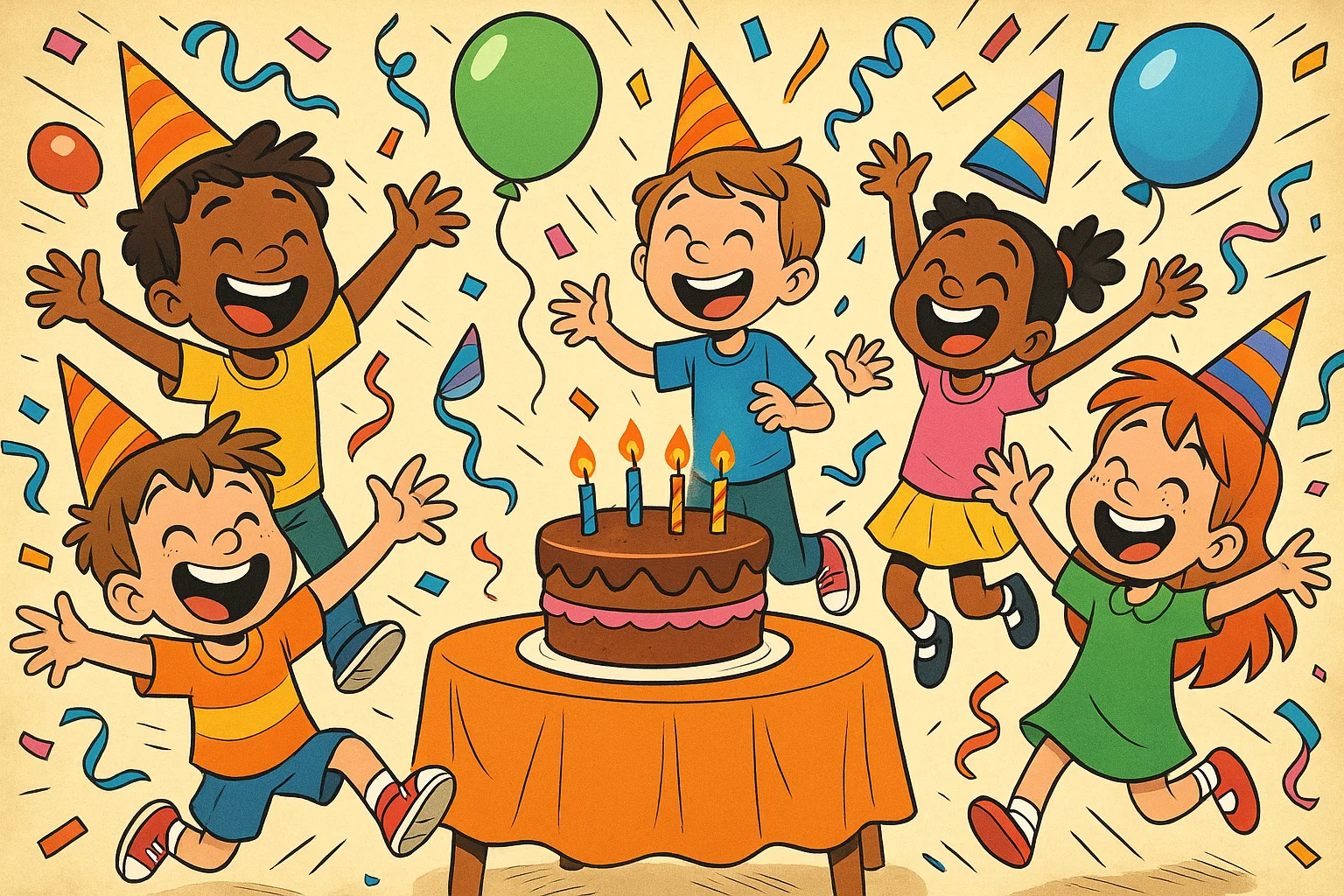
Planning a birthday party for children aged eight to nine means shifting from early-childhood entertainment to more structured, peer-focused activities. At this developmental stage, children are increasingly able to cooperate with peers, make simple independent choices, and care about feeling accepted by their friend group. To meet these evolving social needs, a successful party should balance structured, high-energy games with opportunities for children to make their own choices.
Choosing age-appropriate birthday party ideas helps the birthday child and guests stay engaged without becoming overstimulated. This guide covers 20 party ideas designed to fit the cognitive, social, and physical abilities of eight- and nine-year-olds.
Key Takeaways
Best Ideas Snapshot
The following options rank as the most reliable, engaging, and developmentally appropriate party concepts for this specific age bracket:
- Active and Movement-Focused: Trampoline Park Adventure, Sports Tournament Party, Roller Skating Party.
- Creative and Skill-Based: Pizza-Making Party, Creative Arts and Crafts Party, Baking Party, Pottery-Painting Session.
- Problem-Solving and Immersive: Escape-Room Challenge, Science Experiment Workshop, Scavenger Hunt Adventure.
- Entertainment and Social-Focused: Karaoke Dance Party, Outdoor Movie Night Under the Stars, Gaming Party.
Planning Snapshot
Children aged eight to nine do best with active, creative, and highly social party formats that combine clear boundaries with room for personal choice. In general, eight- and nine-year-olds benefit from activities that change pace every 20 to 30 minutes, especially during parties. A successful party depends on clear structure, simple rules, and enough freedom for guests to feel trusted and mature.
Budget Snapshot
You can plan a memorable birthday party at almost any budget, from low-cost celebrations at home to all-inclusive venue packages. Costs vary depending on venue fees, special entertainment, food, and party favors.
| Party Category | Primary Location | Estimated Cost Per Child | Parent Prep Effort |
| DIY Home Parties | Backyard / Living Room | $10–$15 | High: setup and hosting |
| Public Park Events | Public Parks and Green Spaces | $5–$10 | Medium: logistics and backup plans |
| Commercial Packages | Private Venues / Arcades | $25–$45 | Low: facility manages hosting and cleanup |
Why 8- and 9-Year-Olds Need Age-Appropriate Birthday Parties
Energy Level
Eight- and nine-year-olds need structured ways to burn off energy so the party does not become chaotic. Because kids this age have plenty of energy but still need chances to reset, it helps to schedule active games in 20- to 30-minute blocks with short breaks. Including high-energy activities, such as relay races or obstacle courses, helps keep kids entertained without exhausting them.
Independence Factor
Middle childhood is marked by a growing need for independence, belonging, and a clearer sense of identity. Children are usually more engaged when they can make small choices, such as choosing a team role, a topping, or a craft design. Adding friendly competition and teamwork lets older kids feel responsible without feeling micromanaged by adults.
Social Fit
Planning a party for this age group means thinking about different social circles, including classmates, teammates, and cousins. Because eight- and nine-year-olds are increasingly sensitive to social dynamics, choose a theme that works for different personalities, from quiet makers to outgoing performers. You can make the party feel more inclusive by splitting a large guest list into smaller groups of four to six children for certain activities.
How These Birthday Party Ideas Were Ranked
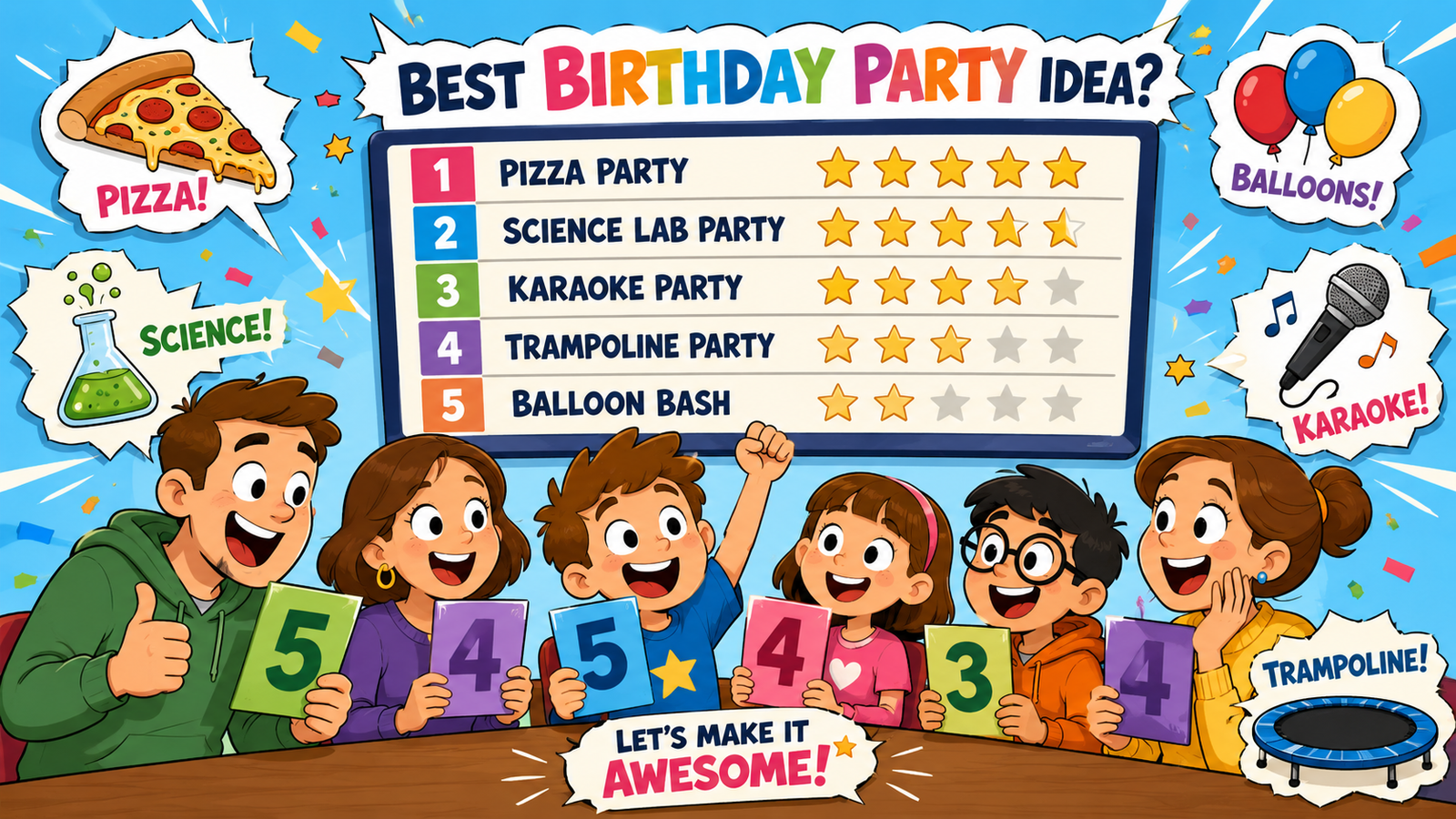
Fun Factor
The best sign of a strong party idea is whether it keeps children engaged for 60 to 90 minutes without long waits or boredom. Ideas that make children wait in long lines or follow overly complex instructions usually do not work well for this age group. The best ideas are hands-on and immersive, so every child can take part throughout the party.
Age Fit
The ideas on this list were selected for the motor skills, thinking skills, and emotional maturity of eight- and nine-year-olds. They avoid activities that feel too babyish while steering clear of themes better suited to older teens. Each party theme supports useful skills, such as fine motor control, logical reasoning, or structured teamwork.
Setup Effort
The amount of parent preparation—booking, decorations, setup, and cleanup—also matters. This guide compares easy venue-hosted options with more hands-on parties at home. The goal is to help parents choose an idea that fits their available time, space, and comfort level.
Budget Range
Financial accessibility is divided into practical tiers to fit different household budgets. Low-cost options make the most of household supplies and public spaces, while mid-range ideas may involve workshops or specialty materials. Premium options include all-inclusive venue packages with dedicated hosts, food service, and cleanup.
Top 20 Birthday Party Ideas for 8- and 9-Year-Olds
1. Pizza-Making Party
Best For
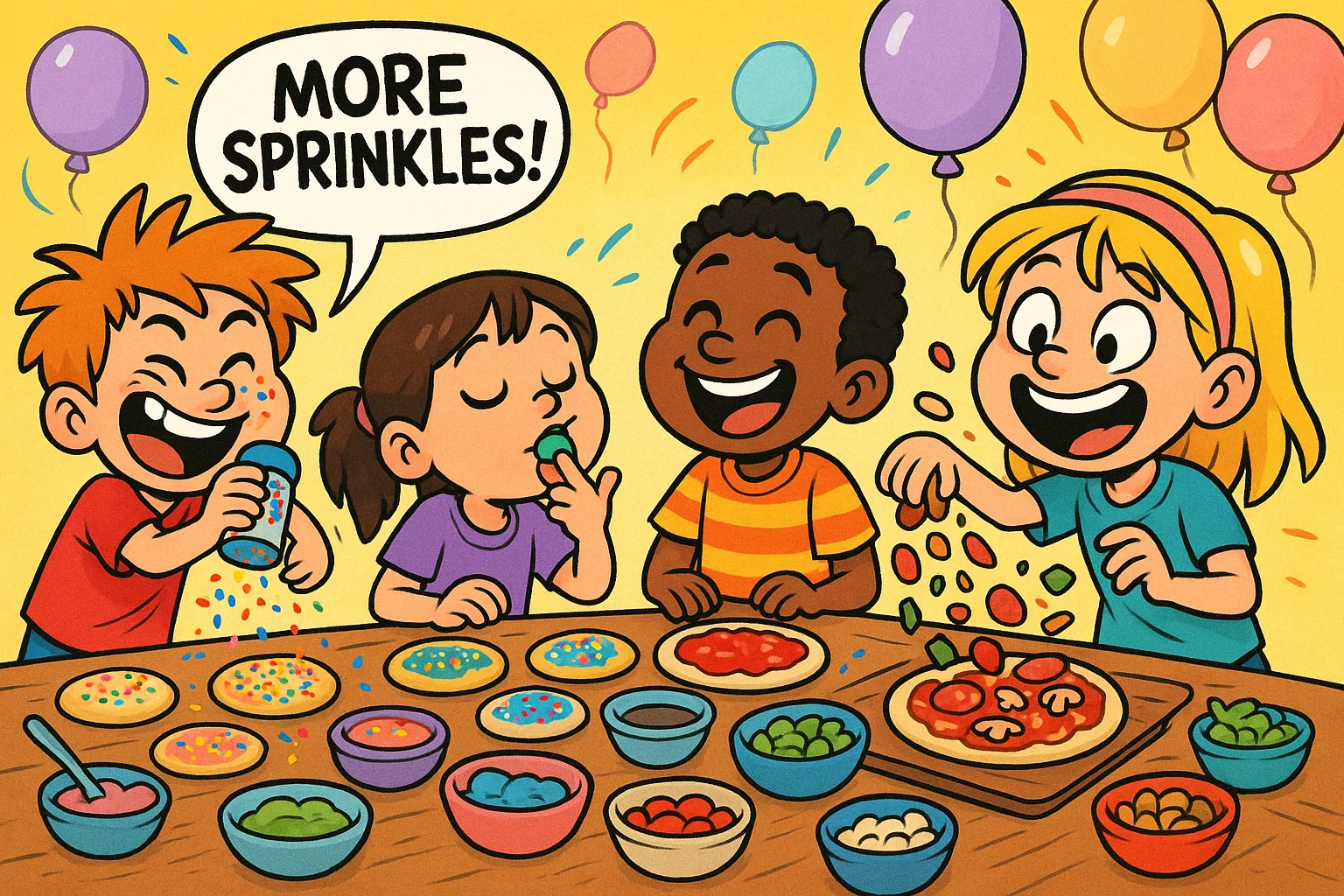
A pizza-making party gives kids a hands-on way to be creative with food and then enjoy a meal together.
Activity Flow
The party begins with guests decorating disposable chef hats and aprons with fabric markers. Next, children receive pre-portioned dough rounds to roll out before choosing toppings from an organized assembly station. While the pizzas bake under adult supervision, the group can play kitchen trivia and vote on the most creative pizza design.
Planning Tips
Prioritize safety by asking parents about allergies during the RSVP process. Use pre-cooked meats and pre-shredded cheeses in separate bowls to speed up assembly and keep the food-prep area clean and organized. Provide sturdy cardboard takeaway boxes with custom stickers so children can take home any leftovers safely.
2. Science Experiment Workshop
Best For
The Science Experiment Workshop is best for curious kids who enjoy hands-on discovery, safe chemical reactions, and interactive STEM challenges.
Activity Flow
The workshop includes three hands-on science stations that children visit in small groups. Children make slime in a slime lab, create non-toxic fizzy volcanoes, and launch balloon rockets along a string guide. The session ends with a host-led color-mixing demonstration that introduces the idea of liquid density.
Planning Tips
Give every child plastic safety goggles and a child-sized lab coat to create a fun scientist atmosphere and protect their clothing. Line all tables with heavy-duty plastic drop cloths to ensure fast cleanup of liquid spills and slime residue. Hand out customized “Junior Scientist” certificates and small containers of homemade slime as fun educational party favors.
3. Karaoke Dance Party
Best For
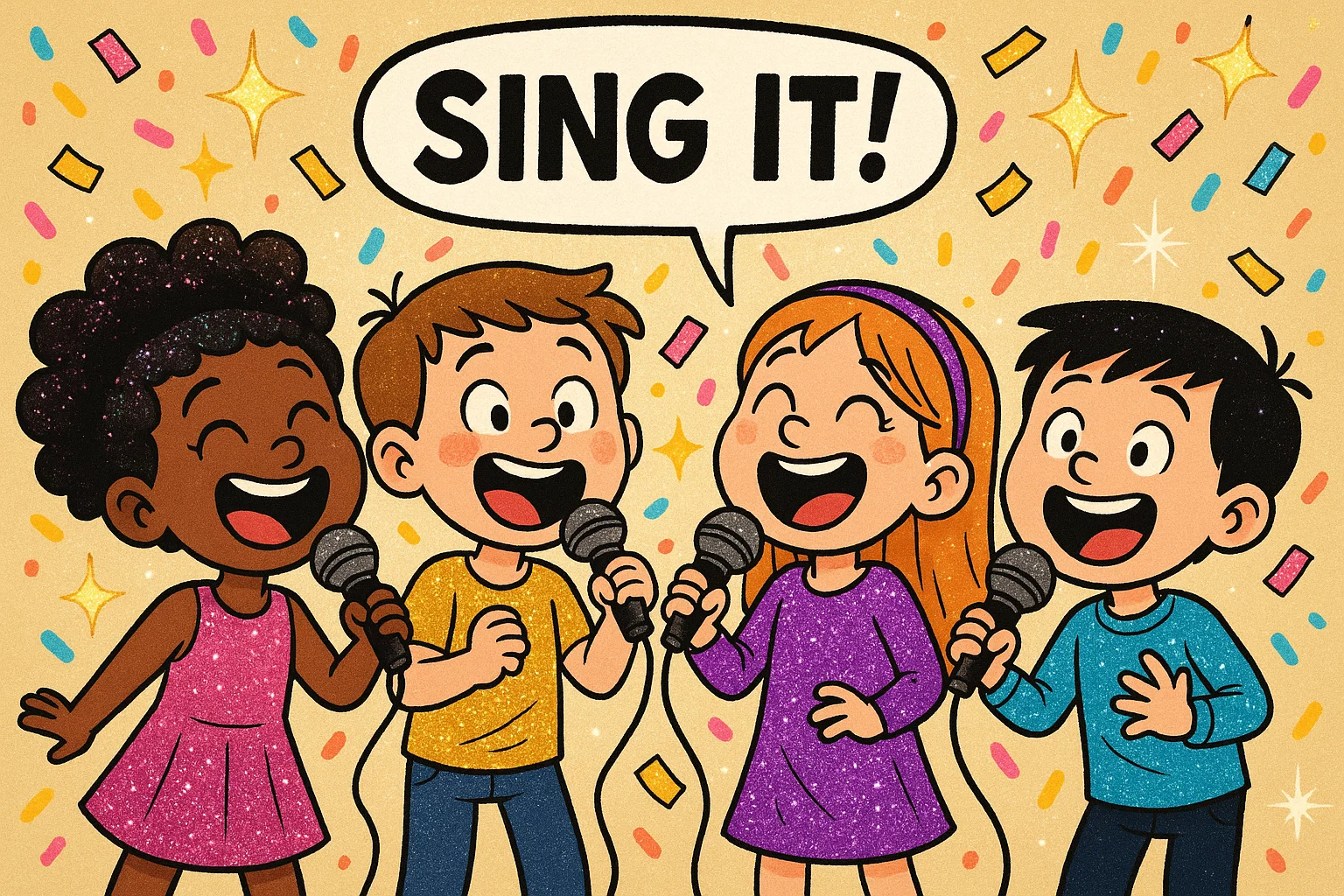
This party works well for expressive children, pop-music fans, and groups that enjoy dancing, performing, and singing together.
Activity Flow
The party begins with low-pressure group warm-ups, such as freeze dance, to help guests feel comfortable. Children then choose songs from a pre-screened list and perform solo, in pairs, or as a whole group using wireless microphones. The performances are broken up with friendly lip-sync battles and choreography challenges, ending with lighthearted awards for everyone.
Planning Tips
Create an age-appropriate playlist with clean versions of songs so the lyrics are suitable for school-aged children. Use two microphones so more reserved children can sing with a friend instead of performing alone. Mark the stage area with soft LED disco lights, and keep the volume at a safe level to protect children’s hearing.
4. Scavenger Hunt Adventure
Best For
A Scavenger Hunt Adventure is designed for active groups, problem solvers, and energetic children who thrive in outdoor environments like backyards, local parks, or spacious community centers.
Activity Flow
The adventure begins with the main group splitting into balanced teams, with each team receiving an initial cryptic clue card and a digital camera or smartphone for verification. Teams solve riddles, find hidden items, and complete group photo challenges across the designated play area. The hunt ends when teams solve the final clues and unlock a hidden treasure chest with take-home favors.
Planning Tips
Design the clue progression with clear safety boundaries marked by brightly colored cones or tape to prevent children from wandering off-site. Create clues that mix word puzzles, map reading, and physical challenges so children with different strengths can all contribute. Always prepare an indoor backup plan with hidden envelopes around the home in case of bad weather.
5. Bounce House and Soft Play Party
Best For
This active party format is best for high-energy kids who need plenty of time to move and play freely.
Activity Flow
Alternate open bouncing time with organized, timed challenges inside the inflatable structure. A designated adult can lead obstacle-course time trials, bouncing relay races, and soft foam-ball dodgeball games. The high-intensity segments should be separated by calm hydration and snack breaks to help children reset.
Planning Tips
Verify that the rental provider has valid liability insurance and follows the relevant safety standards for inflatable play equipment in your region. Set a clear “no shoes, socks only” rule to keep the inflatable clean and reduce the risk of injuries. Set a clear maximum number of children inside the castle based on the manufacturer’s guidelines, and separate children by size if needed to reduce collisions.
6. Creative Arts and Crafts Party
Best For
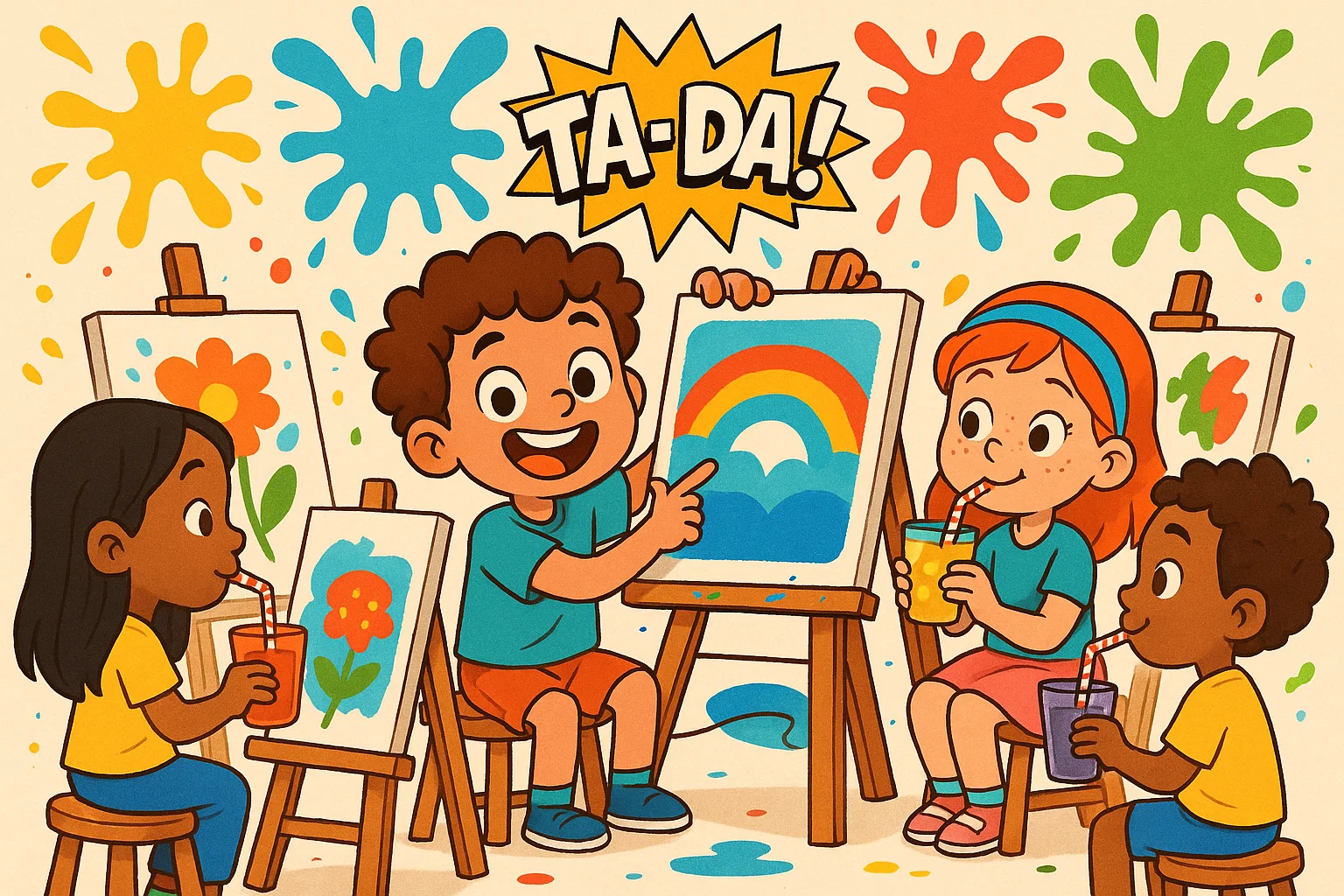
This session suits quieter children, artistic peer groups, and mixed-ability parties where calm, focused self-expression is preferred over high-intensity physical competition.
Activity Flow
Children choose from age-appropriate craft projects, such as painting canvas tote bags, modeling air-dry clay, or making beaded friendship bracelets. Instructors demonstrate basic techniques before allowing the children to work independently at their own pace. The workshop wraps up with a mini gallery walk where the children display their finished pieces to their peers.
Planning Tips
Use fast-drying acrylic paints or fabric markers so projects are dry enough to take home by the end of a two-hour party. Provide long craft aprons to protect guests’ clothing from permanent pigment stains. Supply clear, labeled cellophane bags with rigid cardboard backings so each child can safely carry their completed art home.
7. Outdoor Movie Night Under the Stars
Best For
An outdoor movie night is ideal for close-knit groups, older kids who enjoy an evening atmosphere, and families with a usable backyard or patio.
Activity Flow
Guests receive personalized ticket-style invitations to present at a concession station with popcorn, soft pretzels, and fun juice drinks. Before the main feature begins, children settle onto blankets or lounge chairs and play a short movie trivia game using glow sticks to show their answers. The selected film plays on a large projection screen, followed by a short dessert break before parent pickup.
Planning Tips
Do a full technical test 24 hours before the event to check projector brightness, audio clarity, and outdoor power strip safety. Schedule the party around local sunset time so the screen is visible from the first scene. Ask guests to bring sleeping bags or warm jackets, and set up an indoor living-room backup space in case the temperature drops.
8. Sports Tournament Party
Best For
This competitive format works well for athletic children who enjoy team sports such as soccer, basketball, dodgeball, or classic field-day games.
Activity Flow
The tournament begins with a structured athletic warm-up routine and a brief skill-building clinic led by an adult coach. Children are divided into balanced teams and play a series of short, high-energy round-robin matches with simple, fast-paced rules. The tournament ends with a final skills challenge and an inclusive medal ceremony that celebrates effort and sportsmanship.
Planning Tips
Build teams thoughtfully based on skill level to avoid one-sided games and keep morale high. Use soft, foam-core sports equipment to reduce the risk of impact injuries during fast-moving games. Set up a clearly marked hydration station with individual water bottles labeled with each guest’s name.
9. Gaming Party
Best For
A gaming party is best for children who enjoy cooperative video games, multiplayer console titles, and digital worlds such as Mario Kart, Minecraft, or Roblox.
Activity Flow
Set up several gaming stations with separate screens, consoles, and multiplayer options. Guests rotate through the stations in structured 20-minute shifts, taking part in time trials, team-building challenges, and short bracket-style tournaments. Build non-screen breaks into the schedule with video-game trivia and quick active snack breaks.
Planning Tips
Choose only age-appropriate games, such as titles rated “Everyone” or “Everyone 10+,” to make sure the content fits the group. Check that you have enough fully charged, sanitized controllers to avoid long waits. Set up a non-screen backup activity, such as a board game or outdoor lawn game, to help children transition away from screens if they seem overstimulated.
10. Escape-Room Challenge
Best For
The Escape-Room Challenge is designed for analytical thinkers, puzzle enthusiasts, and peer groups who enjoy collaborative deduction, mystery themes, and logical problem-solving.
Activity Flow
Turn a child-safe room into a themed escape-room setup and brief children on a mission with a 45-minute countdown. Teams cooperate to search the space for hidden lockboxes, decipher secret codes concealed in clue envelopes, and locate hidden keys. Solving the final puzzle opens the final box or reveals the exit code, followed by a celebratory team photo with themed props.
Planning Tips
Keep math and word puzzles around a third- to fourth-grade level so children can make steady progress without getting frustrated. Add an adult “hint system,” such as hints delivered by walkie-talkie, so you can gently guide the group if progress stalls for more than five minutes. Cap team sizes at six children per room to make sure every participant has physical access to the puzzles and clues.
11. Bowling Party
Best For
Bowling is a low-stress, venue-hosted solution for large, mixed-ability guest lists where parents want reliable indoor entertainment built into the facility.
Activity Flow
Upon arrival at the bowling alley, guests are grouped by lane, pick up their rental shoes, and enter their names into the electronic scoring system. The children bowl two full games, with occasional silly variations such as bowling backward or rolling the ball while seated. The event ends in a reserved party room or lane-side area for food, drinks, and birthday cake.
Planning Tips
Reserve lanes at least four weeks in advance, and request bumpers and lightweight six- to eight-pound balls for this age group. Collect guest shoe sizes through the RSVP process to speed up check-in. Confirm whether the venue package includes a dedicated party host to manage food distribution, leaving you free to supervise the children.
12. Baking Party
Best For
This baking workshop is ideal for detail-oriented children who enjoy decorating food, measuring ingredients, and doing hands-on kitchen activities.
Activity Flow
Each child gets a pre-baked cupcake, cookie, or pastry base at their own workstation. Participants use pastry bags to apply icing, use rolling pins for fondant accents, and select toppings from an organized sprinkle bar. The event wraps up with a lighthearted, non-competitive showcase where children present their decorated treats before packing them to take home.
Planning Tips
Manage allergen risks by keeping the kitchen nut-free and providing certified gluten-free or dairy-free bases if required by your guest list. Use pre-baked, cooled pastry bases to avoid the oven-baking stage and keep the children focused on safe decorating. Equip each station with damp microfiber cloths and individual aprons to manage sticky sugar spills quickly.
13. Camping Adventure
Best For
A camping adventure is a good fit for outdoor-loving kids and groups that are comfortable with backyard campouts or structured daytime survival games.
Activity Flow
The outdoor party begins with a hands-on activity where guests work together to pitch a dome tent using basic stakes and poles. Once camp is established, children participate in nature bingo, complete a flashlight navigation course, and gather around a controlled fire pit for camp snacks. The night ends with star-mapping activities and relaxed storytelling before children settle into sleeping bags or get picked up by parents.
Planning Tips
Get written parental consent for evening outdoor activities, noting any environmental allergies or insect-sting allergies. Maintain a strict 1:5 adult-to-child supervision ratio whenever using a controlled backyard fire pit or outdoor cooking equipment. Ensure unobstructed, well-lit access to indoor bathroom facilities throughout the night, and establish a firm quiet-hours policy starting at 10:00 PM.
14. Roller Skating Party
Best For
This active party format is ideal for energetic children who enjoy music, movement, and classic rink-based entertainment.
Activity Flow
The event starts with a mandatory safety briefing and a low-speed practice session in a beginner zone to help everyone find their balance. Guests then enter the main rink for open skating, with classic group games like limbo, reverse-skating laps, and a special birthday shoutout over the PA system. The high-energy skating block finishes with a planned transition to a private party room for pizza and cake.
Planning Tips
Ask all participants to wear protective helmets and wrist guards, regardless of their skating experience. Confirm that the venue provides skating aids, such as rolling support frames, for less experienced guests. Make sure there is a comfortable non-skating lounge area near the rink for children who need a break from skating.
15. Superhero Training Camp
Best For
This imaginative, movement-based theme is ideal for creative, active children who enjoy storytelling, obstacle courses, and cooperative role-play missions.
Activity Flow
The training sequence starts with children designing their own hero capes and choosing superhero aliases. Next, the newly formed team navigates an agility course built from foam mats, pretend laser grids made of yarn, and balance beams to build their “skills.” The event reaches its peak with a cooperative rescue mission where the kids work together to recover a stolen artifact from a designated adult playing a comical villain.
Planning Tips
Use lightweight, soft foam materials for all physical obstacles to reduce the risk of impact injuries during fast-moving play. Emphasize group success and teamwork throughout the story, avoiding single-winner formats that may alienate more reserved children. Give children personalized “Hero Graduation” certificates along with their custom capes as take-home rewards.
16. Theater Performance Party
Best For
A theater party is ideal for expressive children who enjoy costumes, public speaking, improv games, and collaborative storytelling.
Activity Flow
The party opens with vocal and movement warm-ups to help the group feel comfortable. Children choose items from a costume trunk, work together on a short three-page script, and assign low-pressure roles to each participant. After a brief technical rehearsal with simple sound effects, the group delivers a live five-minute showcase performance for arriving parents.
Planning Tips
Keep the script simple and flexible, using short scenes that allow children to ad-lib or read from cue cards if they experience stage fright. Provide behind-the-scenes options, such as operating music cues or managing props, for more introverted guests who prefer not to perform on stage. Get signed video recording permission from every parent during the RSVP process before filming any part of the performance.
17. Pottery-Painting Session
Best For
Pottery painting offers a calm, focused, and low-stimulus environment that is perfect for smaller groups, artistic children, and relaxed celebrations.
Activity Flow
At the art studio, each child chooses an unfinished ceramic piece, such as a plain mug, animal figurine, or small trinket dish. Instructors demonstrate how to apply glaze, care for brushes, and sketch designs with water-soluble pencils. The children then spend about 60 minutes painting their pieces and adding their names to the bottom before turning them in for kiln firing.
Planning Tips
Book with the studio at least six weeks in advance, and confirm the exact turnaround time for glazing and kiln firing. Tell parents clearly on the invitations that the finished ceramic pieces will be collected by the host and distributed one week after the party. Provide simple design examples at each table to help children who feel stuck before they begin painting.
18. Trampoline Park Adventure
Best For
This high-energy option is ideal for active kids and parents who want a fully managed party outside the home.
Activity Flow
The party begins with a staff-led safety briefing and a group warm-up on the main court. Guests then explore supervised zones, including open jump areas, trampoline dodgeball courts, foam pits, and integrated obstacle courses. After a 60- to 90-minute jump session, a staff announcement directs the group to a private party room for food, drinks, and cake.
Planning Tips
Send the venue’s digital liability waivers to all parents ahead of time, ensuring every guest has a signed form on file before arrival. Buy the required facility-approved grip socks in bulk to hand out during check-in. Watch for signs of fatigue and schedule water breaks every 20 minutes to reduce the risk of exhaustion-related injuries.
19. Spa Day at Home
Best For
A home spa party offers a relaxed, luxury-themed environment for close friends who enjoy pampering activities, beauty crafts, and comfortable group conversation.
Activity Flow
Guests change into matching plush robes and settle into individual stations with warm foot baths and kid-safe cucumber face masks. Small groups rotate through supervised stations for simple nail polish application, hair braiding, and beaded bracelet making. Complete the relaxed atmosphere with fun alcohol-free drinks served in fancy plastic cups alongside light finger foods.
Planning Tips
Use only hypoallergenic, scent-free, and water-based cosmetic products to reduce the risk of skin irritation or allergic reactions. Get parent permission for any skin products or hair accessories before the party. Balance the pampering sessions with a low-key craft station or movie screen to keep children engaged while they wait for their turn at the nail station.
20. Face Painter and Entertainer Party
Best For
This host-led party is ideal for parents who want a professional children’s entertainer, magician, or character actor to handle the entertainment on the day.
Activity Flow
The professional entertainer leads the schedule from the start, opening with high-energy icebreaker games and interactive comedy routines. While the entertainer does face painting and balloon modeling, the rest of the group can play organized music games or take part in simple magic activities. The performance ends with a short magic show or character finale where the birthday child acts as the special assistant.
Planning Tips
Verify that the entertainer has an up-to-date background check appropriate to your region and valid public liability insurance. Provide a clear, unobstructed performance space of at least 10 by 10 feet, and keep it free from tripping hazards and distracting background noise. Set up a simple backup activity, such as a coloring station or lawn games, to keep children entertained while they wait their turn in the face-painting chair.
Popular Party Themes for 8- and 9-Year-Olds
Choosing an engaging visual theme helps tie the entire event together, providing a clear framework for decorations, cake designs, and take-home party favors. At ages eight and nine, children often prefer themes that include popular culture, immersive storytelling, and creative world-building.
K-Pop Party
A K-pop theme can include synchronized dance routines, bright pop-inspired decorations, and group performances. Set up a dedicated photo backdrop with ring lights and metallic fringe curtains where guests can pose with microphone props. Send out sleek, VIP-pass-style invitations and host a mini talent showcase where teams perform short, learned dance steps to clean pop tracks.
Unicorn Party
To make a unicorn theme feel age-appropriate rather than toddler-like, use soft pastel colors, holographic details, and more advanced DIY glitter crafts. Guests can decorate pre-made unicorn headbands with silk flowers or mix custom batches of pastel slime with iridescent glitter. Organize a magical outdoor treasure hunt for hidden gems, and hand out high-quality party favors like unicorn-themed sketchbooks or watercolor sets.
Pirate Treasure Hunt
A pirate treasure hunt works well indoors or outdoors and can center on treasure maps, coded messages, and nautical team challenges. Children choose pirate names, put on felt eye patches, and work through a multi-stage map to find hidden key tokens. The final challenge requires teams to pool their keys to unlock a wooden treasure chest filled with chocolate gold coins and custom compasses.
Wizard Workshop
Perfect for fans of fantasy literature, the Wizard Workshop blends simple STEM chemistry with creative role-play elements. Upon arrival, children choose a custom wooden wand and a flowing fabric cloak to create a magical mood. A host guides the group through “potion-making” experiments using safe ingredients like baking soda, colored vinegar, and popping candy, then hands out printed wizard certificates at the end.
Jurassic Party
An adventure-focused Jurassic theme turns your party space into a prehistoric research station with faux foliage and realistic fossil replicas. Activities can include an outdoor fossil dig for hidden dinosaur teeth, a plaster fossil-casting workshop, and a high-energy “dino egg” relay race. Fuel the young explorers with themed snacks like “dinosaur claw” fruit skewers and custom volcanic cupcakes with popping-candy lava.
Spooky Monster Party
This theme delivers an exciting, age-appropriate thrill using neon glow decorations, mysterious soundscapes, and lighthearted monster-themed challenges. Transform a dim indoor room with black lights, glowing wall decals, and a fog machine for a fun, not-too-scary atmosphere. Guests can design monster masks with neon felt, take part in a glow-in-the-dark mummy-wrapping race, and listen to funny spooky stories around a battery-powered lantern.
High-Energy Birthday Party Games for 8- and 9-Year-Olds
Adding structured, high-energy games keeps the party moving smoothly, reduces behavior problems, and helps every child stay involved.
Party Flow: High-Energy Games → Calm Transitions → Food and Cake
Indoor Games
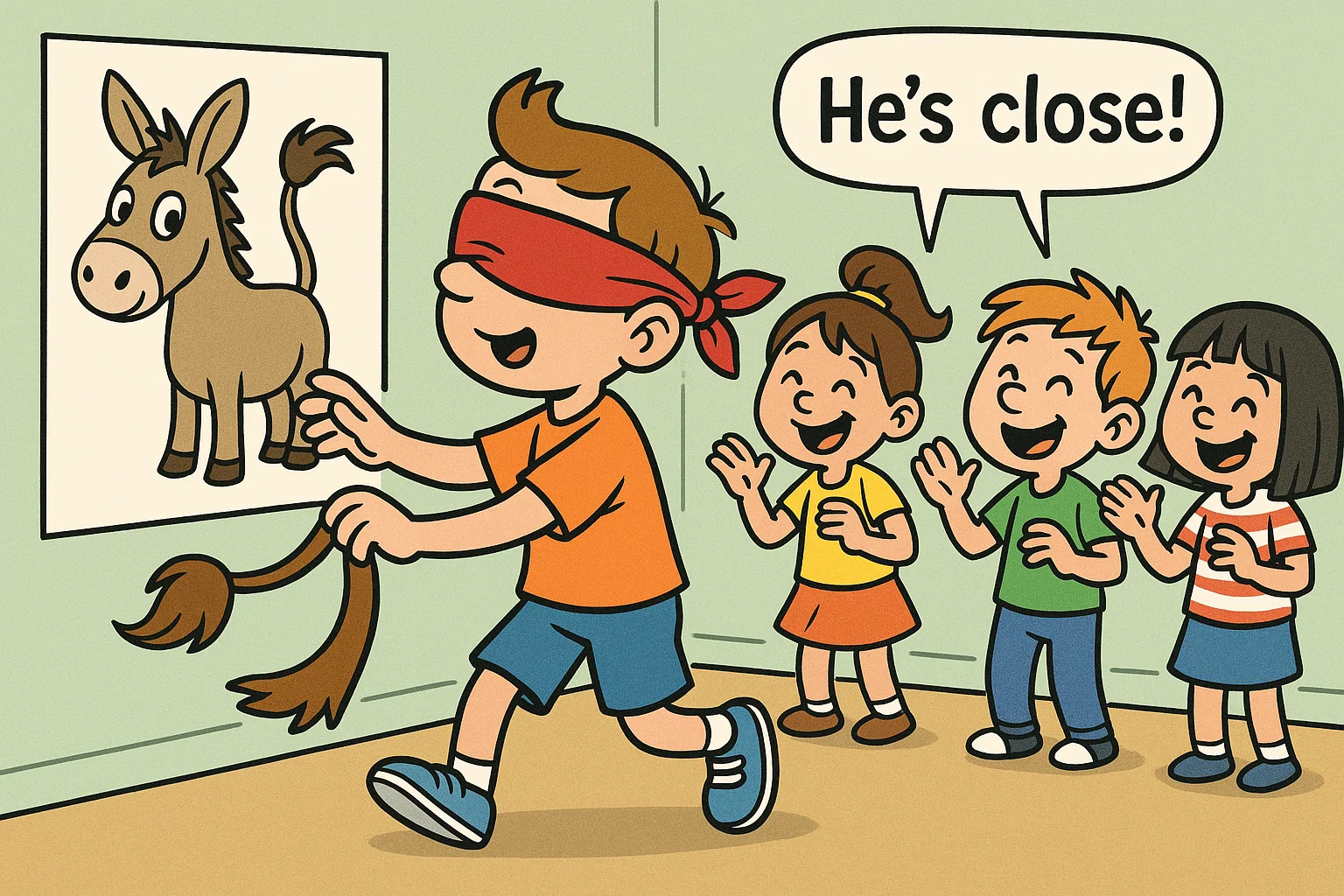
When the party is indoors or in a community center, choose games that channel energy into focused, controlled movement:
- Freeze Dance: Children dance while the music plays and freeze when it stops, building listening skills and self-control.
- Balloon Relay: Teams race across the room while balancing an inflated balloon between their knees, building coordination with little risk of damage.
- Minute-to-Win-It Challenges: Fast-paced 60-second tasks using household items, such as stacking cups or moving ping-pong balls with straws.
- Team Quizzes: Divide the group into teams to answer pop-culture or sports trivia, engaging their minds while giving their bodies a rest.
Outdoor Games
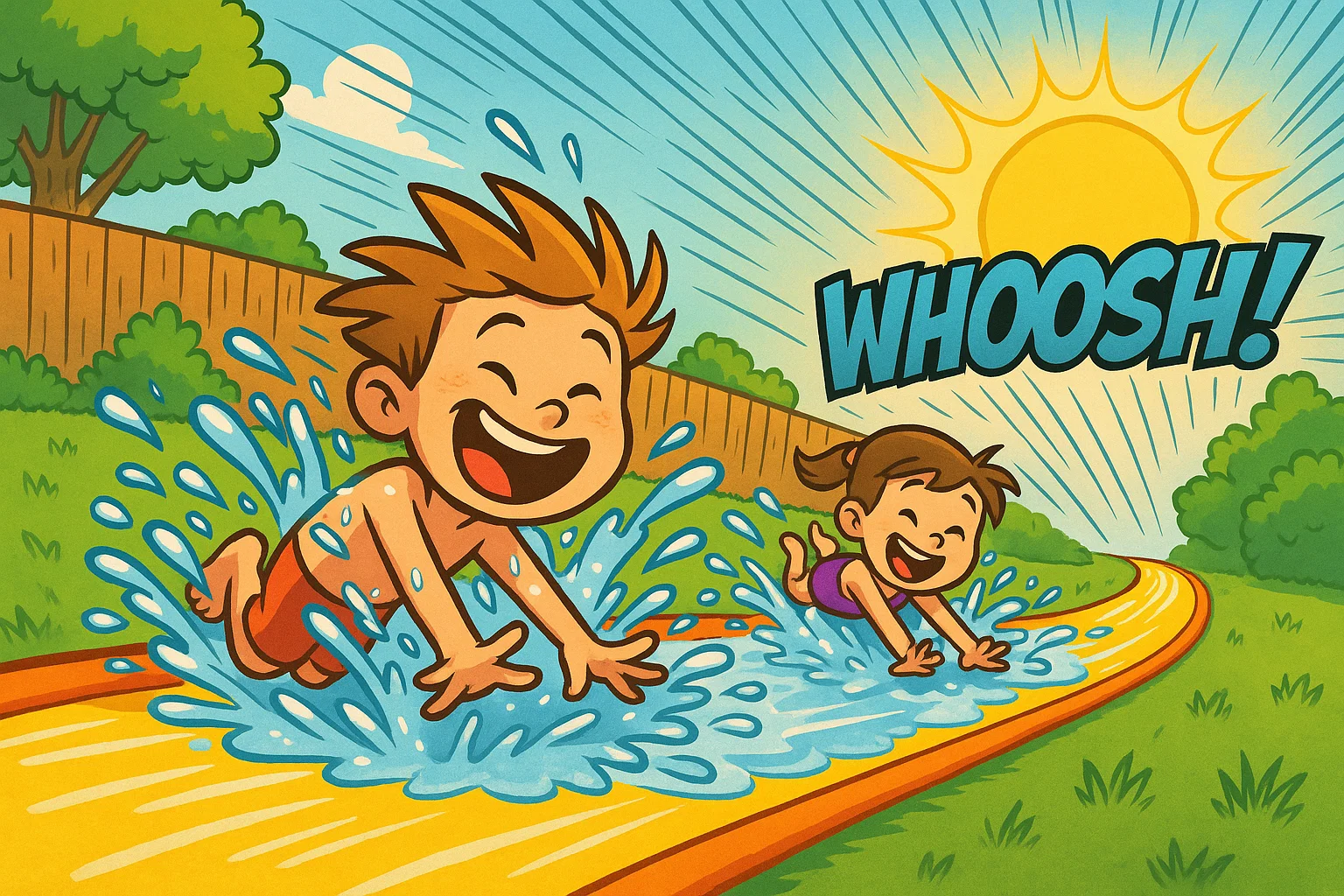
Outdoor spaces allow for bigger movements, faster games, and classic field-day-style competitions:
- Tug of War: Builds physical leverage skills and teaches the importance of collective team effort.
- Capture the Flag: A classic strategy game that builds spatial awareness, quick decision-making, and teamwork.
- Water Relay: Teams race to move water from a large bucket to a marked container using a sponge, making it perfect for summer birthdays.
- Obstacle Course: A custom path made with cones, hoops, and crawl tunnels that tests agility, balance, and speed.
Team Games
Organizing children into structured teams is an effective way to minimize chaos, build social bonds, and keep the energy positive. Well-structured team games can help reduce exclusion and keep group energy more positive during parties. Activities where kids collaborate on a shared goal—such as solving a riddle or completing a physical challenge—can help less assertive children feel included and supported.
Low-Prep Games
When time or resources are short, these reliable, low-prep games deliver high engagement with minimal setup or supplies:
- Wink Detective: A quiet deduction game where a designated detective tries to spot the hidden player who is winking at guests.
- Would-You-Rather Corners: Label room corners with choices and invite children to move to the side that matches their preference, sparking funny conversations.
- Freeze Dance: A simple, high-energy game that needs only a music player and a clear floor to burn off energy before serving food.
- Memory Tray: Guests study a tray filled with 15 small items for 30 seconds before it is covered, then try to list as many objects as they can remember.
Frequently Asked Questions
What are the best kids birthday party ideas for 8- and 9-year-olds?
The best kids birthday party ideas for this age group combine structure, movement, creativity, and social time. Strong options include pizza-making parties, science workshops, trampoline parks, escape-room challenges, and scavenger hunts. These party ideas for 8- and 9-year-olds give the birthday child and their friends enough freedom to feel grown-up while still keeping the day organized.
The best kids birthday party ideas for this age group combine structure, movement, creativity, and social time. Strong options include pizza-making parties, science workshops, trampoline parks, escape-room challenges, and scavenger hunts. These party ideas for 8- and 9-year-olds give the birthday child and their friends enough freedom to feel grown-up while still keeping the day organized.
For most 8-year-olds and 9-year-olds, a two-hour party is usually the perfect party length. This gives you enough time for games and activities, party food, cake, and pickup without letting the birthday bash drag on too long. If the party includes high-energy activities like skating, trampolines, or sports, short breaks for water and snacks are important.
How many guests should I invite to a year old birthday party?
For a home-based party, 8 to 12 guests is usually a manageable number. If you are using venue-hosted party packages, a larger group of 15 to 20 children can work well because the venue often helps with setup and cleanup. For younger big kids, smaller groups can make the children’s party feel calmer, more personal, and easier to supervise.
What are good indoor and outdoor party ideas for kids?
Good indoor and outdoor party ideas for kids include bowling, pottery painting, gaming parties, baking workshops, sports tournaments, scavenger hunts, and backyard camping. Indoor play works especially well in bad weather, while outdoor parties give children more space for kids to run, compete, and explore. A mix of indoor and outdoor options also helps with party planning if the weather changes.
What type of themed party is best for kids who love creative play?
A themed party is a great choice for children who love imagination, costumes, and hands-on activities. Wizard workshops, superhero training camps, pirate treasure hunts, unicorn craft parties, and Jurassic adventures all add an extra layer of excitement. These themes are perfect for kids who love storytelling, role-play, and creative games.

Take a short quiz to find out what your everyday choices say about your parenting style
When your child is curious about something new, what’s your instinct?
Take a short quiz to find out what your everyday choices say about your parenting style
“Can I download this app?” What happens next?
Take a short quiz to find out what your everyday choices say about your parenting style
When it comes to rules at home, which sounds most like you?
Take a short quiz to find out what your everyday choices say about your parenting style
If you could give your child one life skill today, what would you pick?
Take a short quiz to find out what your everyday choices say about your parenting style
Your child gets to choose what to watch. What would your ideal setup look like?
Take a short quiz to find out what your everyday choices say about your parenting style
Pick your parenting superpower ✨



