30 Birthday Party Ideas and Activities for 4 Year Olds

 Discover a Free Education Video App for Kids
Pastory uses AI to personalize educational video content based on your child’s interests and personality. Safe, engaging, and built for curious young minds. Sign up now to stay updated and enjoy early access with a free trial
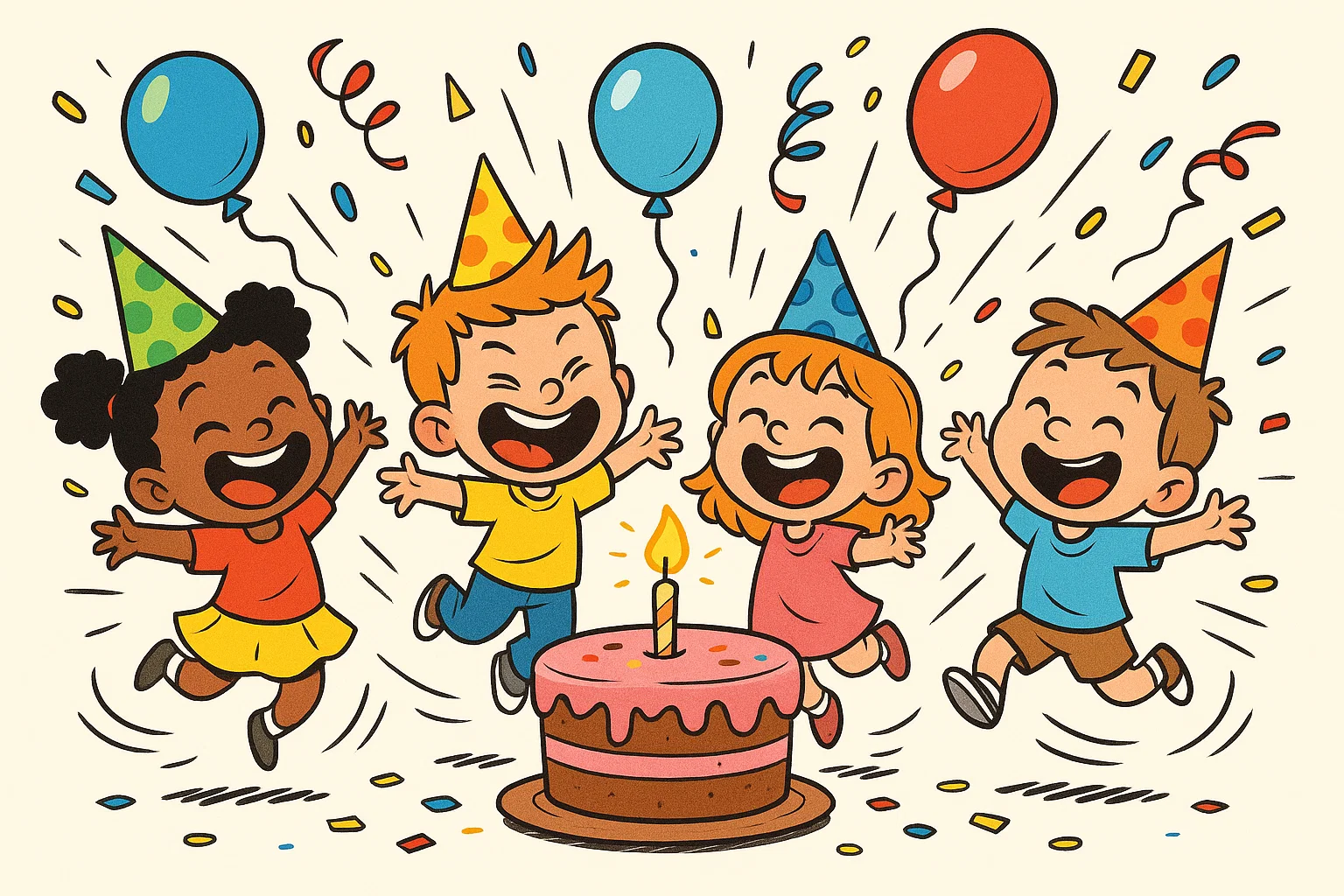
Planning a memorable celebration for preschoolers starts with understanding their developmental stage. Structured birthday party activities for 4-year-olds help channel preschoolers’ energy into safe, engaging, and age-appropriate experiences. Turning 4 is a milestone when children need active movement, simple game rules, frequent snack breaks, and a predictable timeline that helps prevent fatigue.
At this age, many children are building stronger gross motor skills while their emotional regulation is still developing, especially when they become tired or overstimulated. A successful fourth birthday party should balance high-energy games with calm transitions. By keeping the event predictable and age-appropriate, a 4-year-old birthday party becomes more enjoyable for both the birthday child and the adults hosting it.
Key Takeaways
- Ideal duration: Keep the celebration to 1.5 to 2 hours to reduce the risk of overtiredness and meltdowns.
- Activity design: Focus on non-elimination party activities so every child stays involved throughout the game.
- Streamlined themes: Choose a clear party theme, such as dinosaurs, unicorns, or princesses, to simplify decorations and party supplies.
- Food approach: Serve familiar finger foods with clear allergy labels, and keep portions small enough for little hands.
- Safety basics: Aim for at least one adult for every four children during active games and inflatable play sessions, and follow any venue-specific safety rules.
Best Birthday Party Activities for 4-Year-Olds
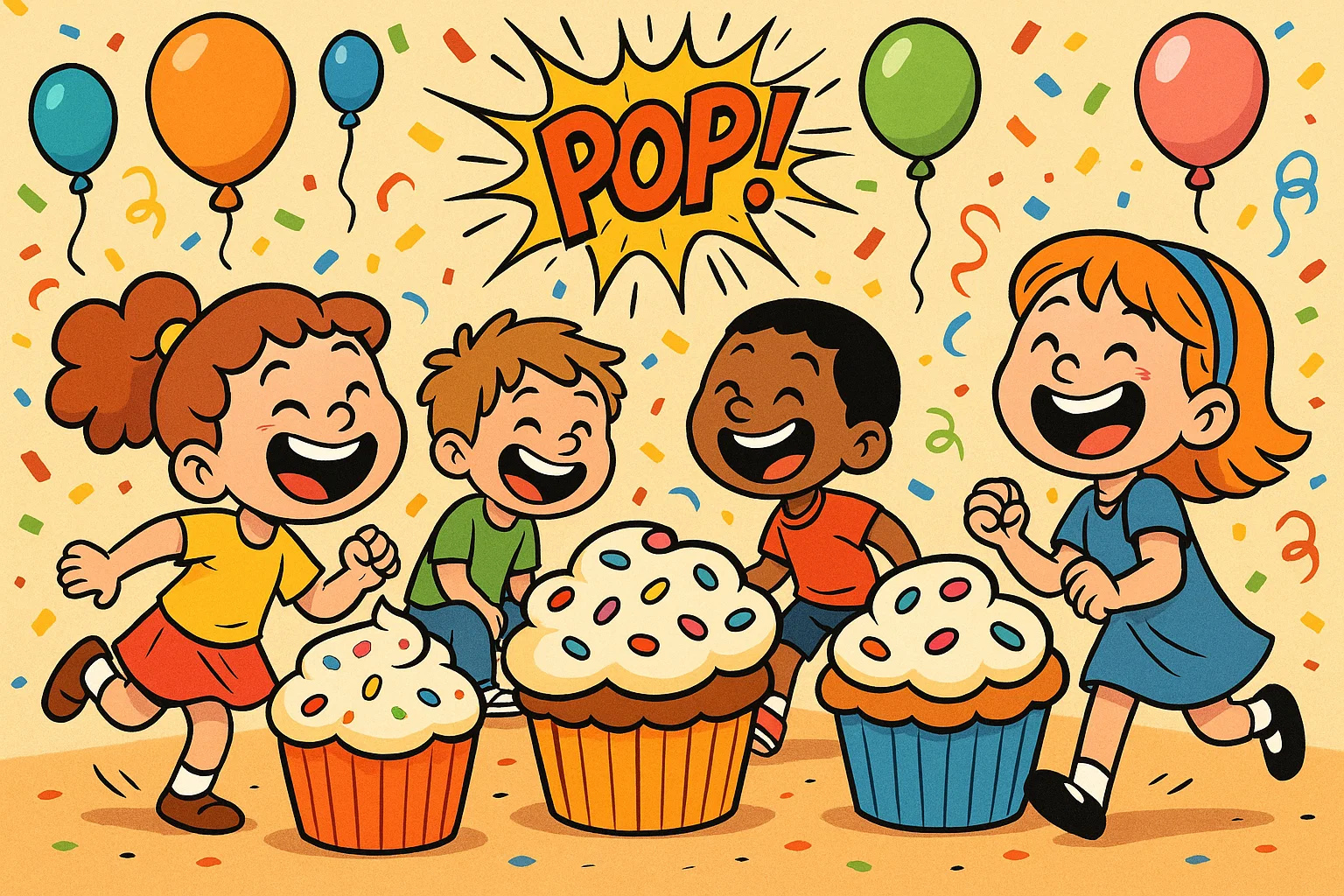
Movement games, pretend play, bubble machines, craft tables, soft play setups, musical games, and simple treasure hunts are among the best options for a fun 4-year-old birthday party. Four-year-olds are developing quickly, so themed party games with simple storytelling can keep them engaged. Interactive activities that involve movement can also help children use their energy in a positive way.
A simple structure helps prevent chaos by giving children clear goals, such as finding a hidden object or copying a dance move. Using a variety of hands-on activities also allows children with different personalities to participate comfortably. The table below shows how specific activity types align with common preschool developmental needs.
| Activity type | Primary developmental benefit | Ideal setting | Recommended duration |
| Movement games | Gross motor coordination and spatial awareness | Backyard, park, or spacious indoor hall | 5–10 minutes per round |
| Sensory and bubble play | Visual tracking and calming sensory input | Outdoor lawn or wipe-clean indoor floor | Continuous/free-play station |
| Craft tables | Fine motor skills and independent creativity | Indoor party space with tables | 15–20 minutes maximum |
| Treasure hunts | Problem-solving and cooperative group play | Clearly defined indoor or outdoor area | 10–15 minutes |
Ideal Party Length and Guest Count for a 4-Year-Old Birthday
A 1.5- to 2-hour party is usually the best length for a fun fourth birthday celebration. A 90- to 120-minute party usually allows enough time for welcome play, three or four short games, a food break, and cake. Extending the party beyond two hours can lead to overtiredness and emotional dysregulation among preschool guests.
Limiting the guest count helps create a calmer social environment for the 4-year-old birthday child. A simple rule of thumb is the child’s age plus one, which means about five guests for a fourth birthday party. If parents invite preschool classmates, keeping the total under 12 children can make supervision easier and help structured activities run smoothly.
Simple Planning Priorities for a 4-Year-Old Birthday Party
Creating a safe party space is the first step when planning 4-year-old birthday party ideas. Hosts should secure the party area, cover electrical outlets, and remove trip hazards. Having a backup activity, such as a bubble wand station or a simple dance game, helps parents switch quickly if a game loses the children’s interest.
Providing allergy-aware snacks helps reduce health risks and makes it easier for every child to feel included during the food break. Keeping game rounds under 10 minutes works well with a preschooler’s limited attention span. Finally, placing one calm activity, such as a story corner or puppet show, near the end helps create a smoother transition before party favors are handed out and guests leave.
4-Year-Old Birthday Party Ideas
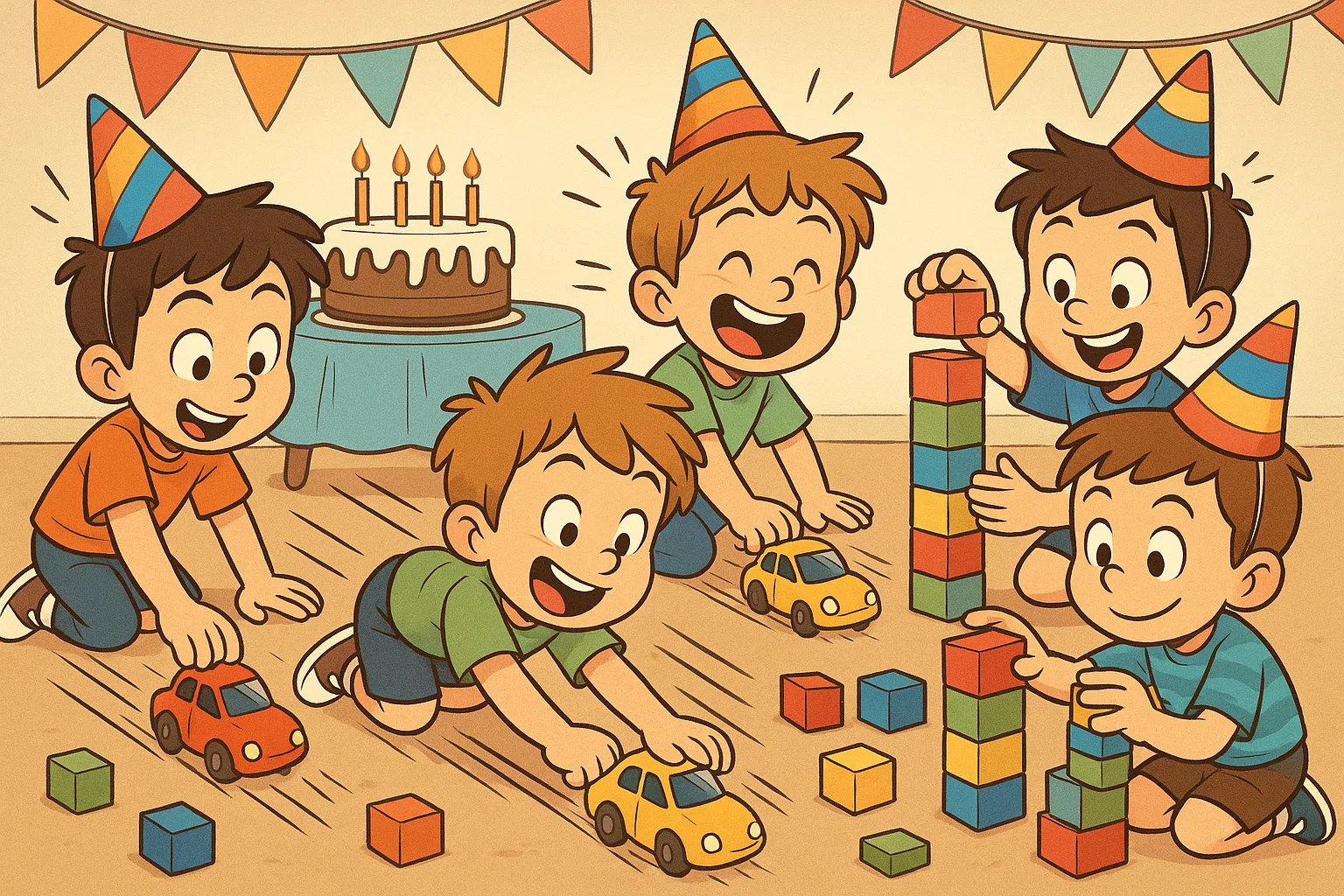
Parents can choose from several party formats depending on their budget, space, and available time. The choice between an indoor party, an outdoor backyard event, a DIY party at home, or a hosted venue will shape the flow of the day. Each setting has advantages that can be matched to the birthday child’s temperament.
Evaluating the physical limits of the party space helps determine which party ideas for 4-year-olds are realistic. A public park offers room for high-energy running games, while a rented local hall provides a more controlled environment protected from weather disruptions. Identifying these environmental factors early in the party planning phase helps decorations and activities align with the chosen location.
Indoor Birthday Party Ideas for 4-Year-Olds
An indoor party space provides a controlled climate that minimizes distractions and maximizes safety for preschool guests. Rented community halls, school gyms, or indoor play centers offer open floors that work well for musical games without weather interruptions. Parents can set up separate areas for active play, crafts, and snacks.
An indoor obstacle course made of foam mats, low benches, and pop-up tunnels keeps children moving in a predictable sequence. Balloon play can be a good indoor activity because balloons move slowly through the air, giving 4-year-olds time to track and catch them. A quiet story corner with large cushions gives overstimulated children a place to reset.
Outdoor Birthday Party Ideas for 4-Year-Olds
Outdoor environments naturally accommodate large gross motor movements, making a backyard or park ideal for high-energy games. Giant bubble machines, pavement chalk drawing zones, and mini sports day setups allow children to explore freely. Outdoor space can make party noise feel less intense, which may help children who are sensitive to loud sounds.
A simple outdoor scavenger hunt encourages children to search for natural elements like smooth stones, green leaves, or pinecones. Picnic blanket setups simplify food service and avoid indoor spills or carpet stains. When planning an outdoor 4-year-old birthday party, hosts should check for stinging insects, thorny plants, and open water hazards.
At-Home Birthday Party Ideas for 4-Year-Olds
Hosting a 4-year-old birthday party at home provides a familiar, comforting environment that reduces pressure for the birthday child. Parents can manage the space by setting up simple activity stations with low-cost supplies, such as play dough rollers or washable stamps. Rotating small groups between stations every 10 minutes helps keep the energy focused and prevents overcrowding in one room.
Asking two or three parent helpers to assist makes it easier to monitor activity stations while the hosts handle food prep. Keeping decorations in the main living area makes post-party cleanup much easier. Using household items, such as cardboard boxes for towers or couch cushions for a safe jumping zone, keeps children entertained without stretching the party budget.
Best Birthday Party Venues for 4-Year-Olds
Commercial birthday party venues, such as soft play centers, children’s gyms, petting farms, and age-appropriate trampoline parks with preschool sessions, offer built-in entertainment. These businesses often provide dedicated party rooms and trained staff who lead games, reducing the hosting burden on parents. Soft play centers feature padded climbing structures that can help children burn energy with a lower risk of hard falls.
Before booking a commercial party venue, parents should ask whether their group will have exclusive use of the space and confirm the venue’s safety policies. It is important to confirm whether the facility provides dedicated supervisors or whether the hosting parents remain responsible for supervising guests. Checking the venue’s policy on outside food and allergies helps ensure that the birthday cake and snacks meet guest health needs.
Why Age 4 Feels Different
Children turning 4 are developing in ways that set them apart from toddlers and older school-aged children. At age 4, preschoolers often want more independence, but they still need clear boundaries and reassurance from trusted adults. Many 4-year-olds can follow multi-step directions when the instructions are simple and given one step at a time.
Understanding these psychological and physical milestones prevents parents from planning activities that are either too childish or overly complex. Designing games for 4-year-old guests requires a balance between adult guidance and independent play. Understanding these milestones helps parents choose party games that match children’s physical abilities and emotional maturity.
Short Attention Spans at Age 4
As a practical planning estimate, many 4-year-olds stay engaged for about 8 to 12 minutes at a time, especially when an activity is simple and active. A structured game that lasts 20 or 30 minutes is likely to lose the group’s attention. Planning activities in tight 5- to 10-minute blocks keeps the momentum lively and holds the group’s interest.
Hosts should watch the children’s body language and be ready to switch activities before frustration builds. A transition signal, such as clapping a rhythm or dimming the lights, helps redirect children’s focus smoothly. Keeping a collection of quick backup games ensures that no awkward gaps emerge between scheduled activities.
High Energy Levels
Preschoolers have lots of physical energy and need regular movement breaks to stay calm and cooperative. Active games, dancing, soft play climbing, and obstacle courses allow children to use this energy productively. Long seated activities can make preschoolers restless and may lead to small conflicts over toys.
Movement challenges, such as pretending to fly like rockets or stomp like dinosaurs, tie active play into the party theme. Alternating a high-energy movement game with a stationary task creates a balanced physical rhythm throughout the event. This pacing helps children arrive at the snack break ready to eat without becoming overly tired.
Developing Social Skills
At age 4, many children are moving from parallel play toward more cooperative play, meaning they are learning to share, take turns, and interact more directly. However, their emotional regulation is still developing, so competitive loss or being eliminated from a game can be difficult to process. Non-elimination games, where every child wins a small token or stays in the game until the end, help prevent feelings of exclusion.
Focusing on collaborative goals, such as working together to keep a balloon in the air, supports children’s emerging social skills. Providing duplicate sets of popular toys or props at activity stations can help reduce sharing conflicts. Celebrating every child’s participation instead of naming a single winner creates a more supportive atmosphere for all guests.
Fun From the Moment the First Guest Arrives
The first 15 minutes of a birthday party can feel intimidating for early arrivals who are adjusting to a new environment or costume. Preparing low-stress arrival activities prevents awkward waiting times and gives children an immediate focal point as they enter the party space. This welcome sequence allows the birthday child to greet friends gradually instead of being overwhelmed by a sudden crowd.
Establishing an organized entry flow sets a calm, managed tone for the rest of the birthday party. It also allows parents who are dropping off their children to exchange contact information and confirm allergy details with the host. Providing a visible, structured activity immediately signals to child guests that they are entering a safe and fun environment.
Welcome Play Station
Setting up a welcome play station near the entrance gives arriving guests something simple to do right away. This table should be stocked with familiar items such as wooden building blocks, simple coloring sheets, large stickers, or non-toxic play dough. These open-ended materials require little explanation, so children can sit down and start playing without waiting for instructions.
The welcome play station should use washable materials to protect children’s party outfits from stains. Keeping this area available for the first 20 minutes helps late arrivals join the group smoothly. Once the main games begin, an adult helper can pack away these initial supplies to clear space for structured activities.
Name Sticker Table
A name sticker table helps young children and supervising adults learn names quickly. Bright, easy-to-read name tags help entertainers and parent helpers address each child by name, which improves communication. Children enjoy personalizing their own tags with small stickers or stamps, giving them a sense of agency.
Along with name tags, this table can distribute simple party hats, cardboard crowns, or small themed props like pirate eye patches. These items introduce the party theme and help children ease into the celebration. This station can also serve as a check-in point where parents can leave coats and shoes neatly organized.
Free Play Warm-Up
Allowing 10 to 15 minutes of free play lets children explore the party space at their own pace before structured games begin. This buffer accommodates different arrival times and reduces pressure on children who need a few minutes to warm up socially. It also prevents frustration caused by delayed timelines when waiting for the final guest to arrive.
During free play, keep background music at a moderate volume to avoid overwhelming children. Hosts should observe the children’s interactions to gauge the group’s energy level and adapt the upcoming games accordingly. When free play ends, a clear verbal cue can guide the children to the first organized game.
Top 30 Birthday Party Activities for 4-Year-Olds
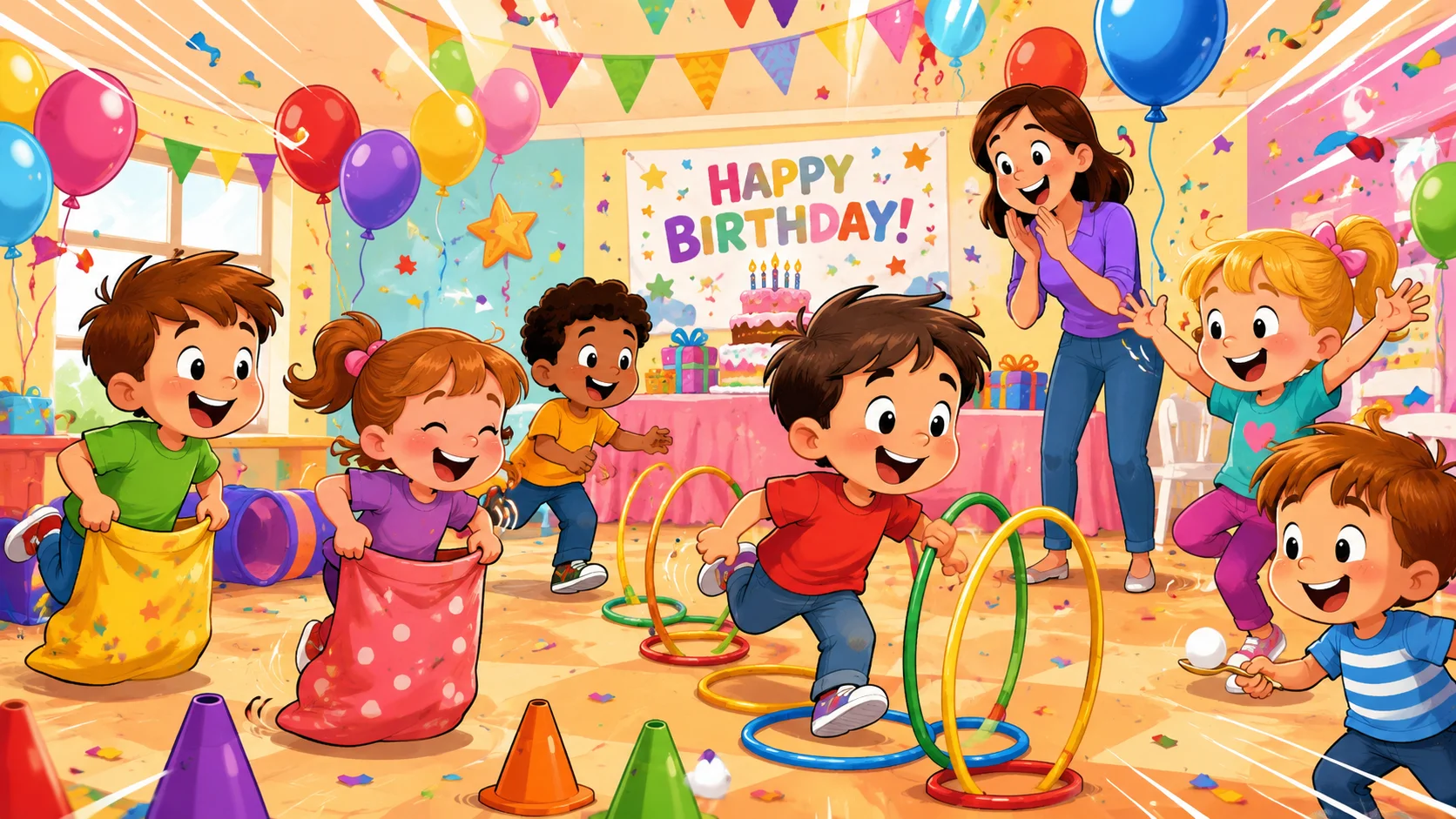
1. Bounce House Party
A small, age-appropriate bounce house gives active preschoolers a safe way to move. Set up the bounce house on a flat lawn or in a high-ceiling indoor space, with safety mats around the exit. Four-year-olds often enjoy the repetitive bouncing motion, which can support balance and coordination.
- Supplies: Bounce house, electric blower, extension cord, safety mats, and a shoe basket.
- Safety notes: Limit the bounce house to 3 to 4 children at a time, group children by size, and require shoes off and socks on to reduce slipping.
- Best venue type: Large backyard or rented community hall with enough ceiling height.
2. Dinosaur Discovery Party
A dinosaur party theme engages the preschool fascination with prehistoric creatures through an archaeological fossil dig. Hosts can create a digging zone where children use plastic trowels and brushes to uncover hidden toy dinosaurs and large smooth stones.
- Supplies: Shallow plastic trays, clean child-safe play sand, large plastic dinosaur toys, paintbrushes, and plastic magnifying glasses.
- Safety notes: Use low-dust play sand and remind children to keep the sand in the tray to avoid eye irritation.
- Best venue type: Backyard, patio, or indoor room with a large wipe-clean floor mat.
3. Superhero Training Academy
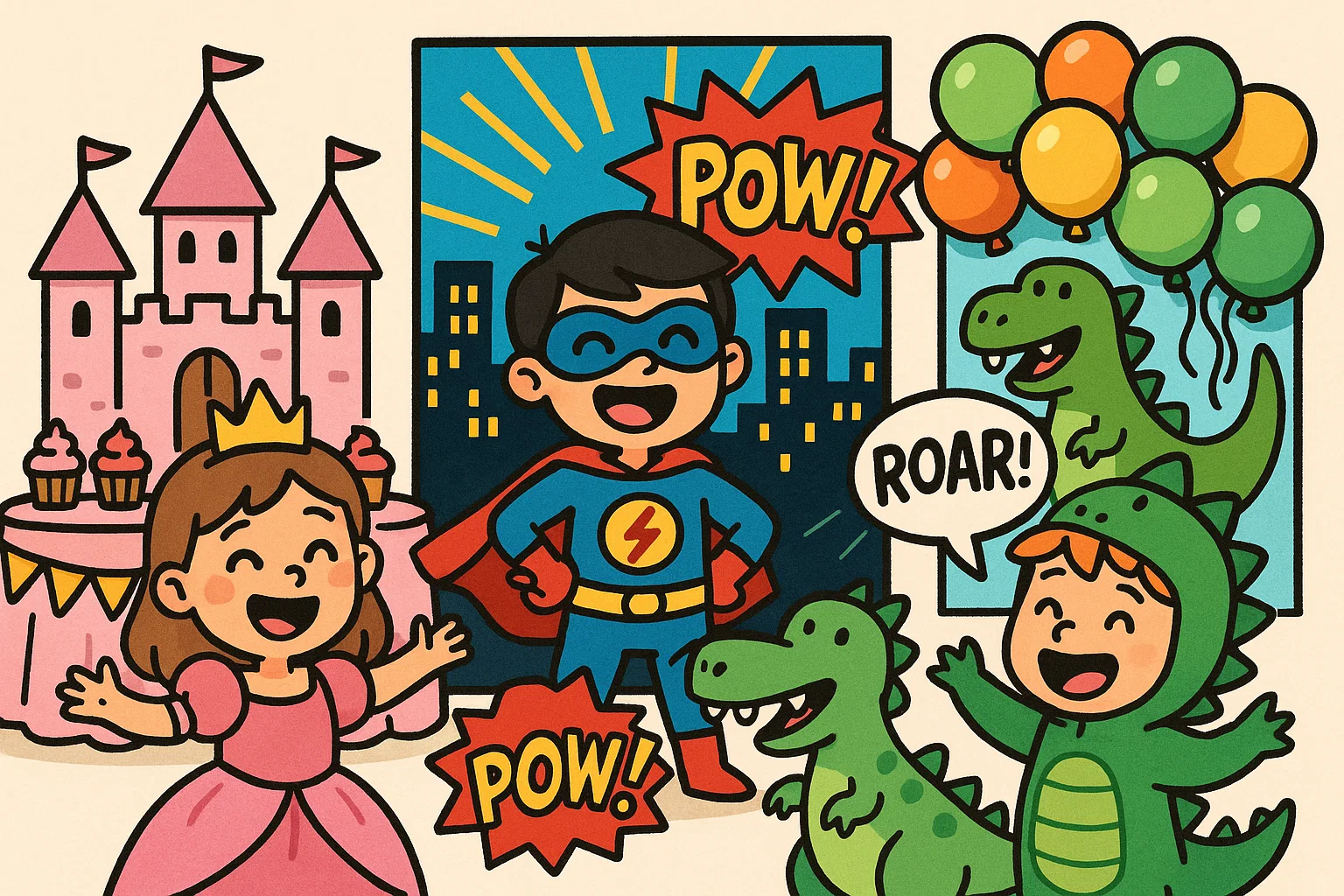
This themed party turns guests into heroes as they complete a non-competitive obstacle course. Children practice running, stepping over soft foam blocks, and crawling under breakaway “laser beam” yarn lines to complete their superhero training.
- Supplies: Foam blocks, pop-up fabric tunnels, colorful yarn, hula hoops, and pre-cut fabric capes.
- Safety notes: Keep all obstacles low to reduce fall risk, and make sure all yarn lines break away easily under pressure.
- Best venue type: Rented community gym, public park lawn, or spacious living room cleared of furniture.
4. Bluey Birthday Bash
Inspired by the popular children’s television show, this activity focuses on imaginative family role-play and simple games like “Keepy Uppy.” Children work together as a team to keep a red balloon from touching the floor using only their hands and heads.
- Supplies: High-quality balloons, latex-free balloons if needed, a balloon pump, soft floor cushions, and cheerful background music.
- Safety notes: Discard any popped balloon fragments immediately, as uninflated or broken balloons pose a serious choking risk to 4-year-old guests.
- Best venue type: Indoor living room, playroom, or sheltered outdoor patio.
5. Garden Tea Party
A garden tea party combines dress-up play with a simple sit-down picnic. Children sit on low blankets and use durable plastic tea sets to pour water or juice while enjoying small finger sandwiches.
- Supplies: Waterproof picnic blankets, child-sized plastic tea sets, chunky dress-up necklaces or fabric scarves, and mini cupcakes.
- Safety notes: Use shatterproof plastic or wood instead of real porcelain, and check all food ingredients for common allergens such as nuts, dairy, eggs, wheat, and soy.
- Best venue type: Shaded backyard lawn or sunlit indoor room.
6. Construction Zone Party
Perfect for children who love hands-on building, this station lets kids use large cardboard blocks and toy dump trucks. Children work together to build a tall tower before knocking it down in a clearly marked safe zone.
- Supplies: Toy hard hats, plastic construction cones, lightweight cardboard brick boxes, and toy dump trucks.
- Safety notes: Use only lightweight hollow blocks to avoid injury when structures are knocked down.
- Best venue type: Garage, large indoor playroom, or outdoor driveway cleared of vehicles.
7. Wild Animal Safari
This activity features a safari walk where children use cardboard binoculars to spot stuffed animals hidden around the party space. When an animal is found, the group makes that animal’s sound and copies its movement.
- Supplies: Clean cardboard tubes or paper towel roll binoculars, hidden plush wild animals, safari hats, and a checklist with animal pictures.
- Safety notes: Place hidden toys at eye level so children do not attempt to climb furniture or trees to reach them.
- Best venue type: Wooded backyard, local park, or multi-room indoor house setup.
8. Ice Cream Party
The focus of an ice cream party is an interactive snack station where children decorate their own dessert bowls. Preschoolers often love choosing their own toppings, which gives them a sense of independence.
- Supplies: Pre-scooped vanilla ice cream or allergy-safe fruit sorbet, small topping bowls, plastic spoons, sprinkles, and fruit slices.
- Safety notes: Use separate serving spoons for each topping, and avoid whole nuts, hard candies, and other choking hazards.
- Best venue type: Kitchen, indoor tiled dining area, or outdoor picnic bench setup.
9. Pirate Adventure
A pirate party theme sends guests on a treasure hunt guided by a simple picture map. Children follow a series of visual clues to cross a low balance “plank” and find a chest filled with plastic gold coins.
- Supplies: Age-appropriate picture treasure map, low wooden balance board, plastic gold coins, and decorated cardboard treasure chest.
- Safety notes: Place the balance plank directly on a soft lawn or padded rug to reduce the risk of injury.
- Best venue type: Backyard lawn, backyard area, or spacious local hall.
10. Arts and Crafts Party
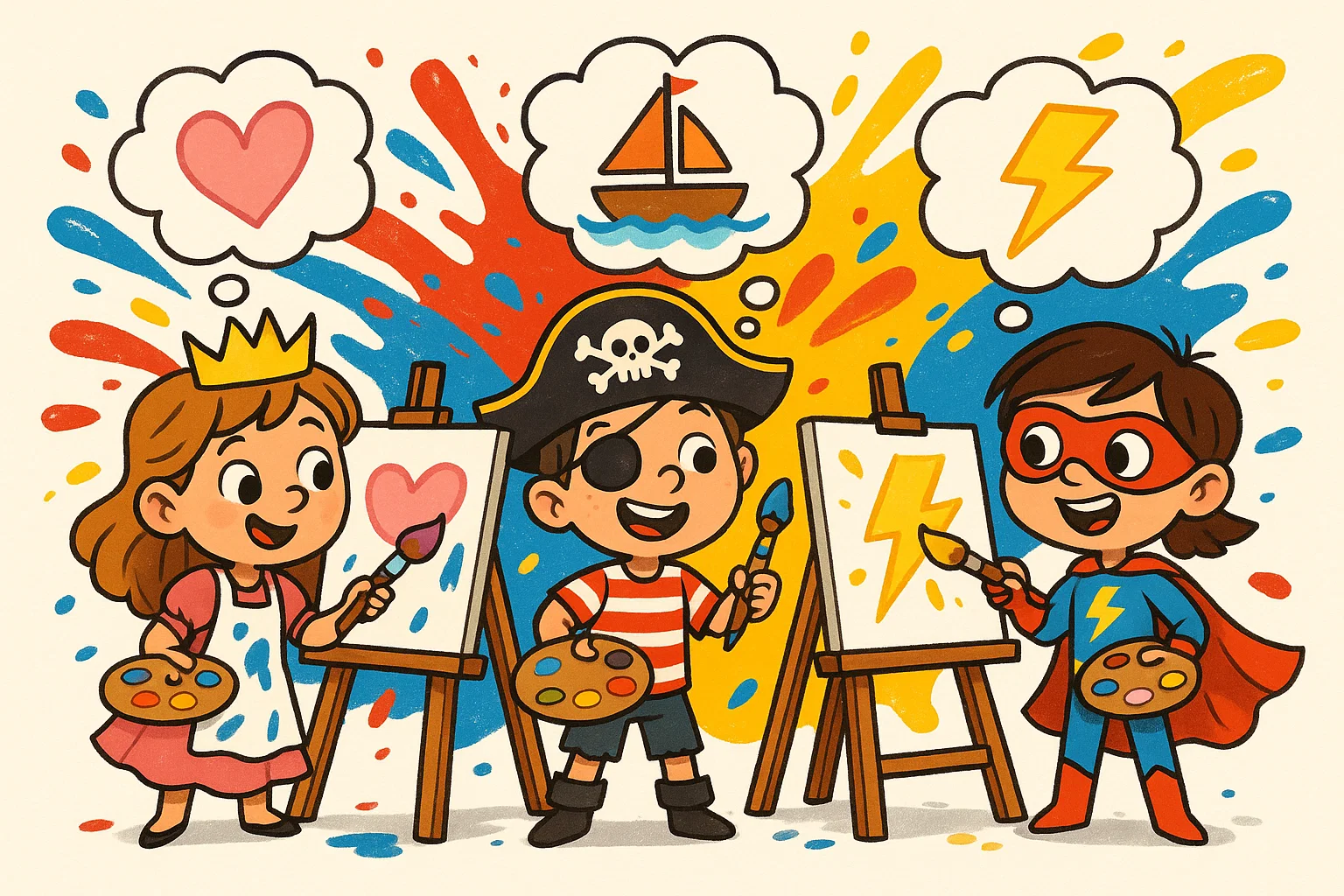
This station features open-ended, washable crafting tasks such as decorating paper crowns or applying large stickers to colorful cardstock. This setup gives children who prefer calmer activities a personalized keepsake to take home.
- Supplies: Pre-cut cardstock crowns, washable markers, large adhesive gems, non-toxic glue sticks, and children’s aprons.
- Safety notes: Avoid loose glitter, tiny sequins, or small beads, as these items create inhalation and choking risks for 4-year-old children.
- Best venue type: Indoor dining room with a protective table cover or shaded outdoor craft table.
11. Unicorn Magic Party
A unicorn theme brings a whimsical feel to the party with pastel activity stations and a unicorn ring toss game. Children try to toss soft plush rings onto a decorated unicorn horn secured to a wall or board.
- Supplies: Large unicorn poster with a sturdy 3D horn, plush or foam rings, pastel streamers, and soft magical music.
- Safety notes: Make sure the game board is anchored securely so it cannot tip over onto a child during play.
- Best venue type: Indoor playroom wall or sturdy backyard fence line.
12. Sports Day Party
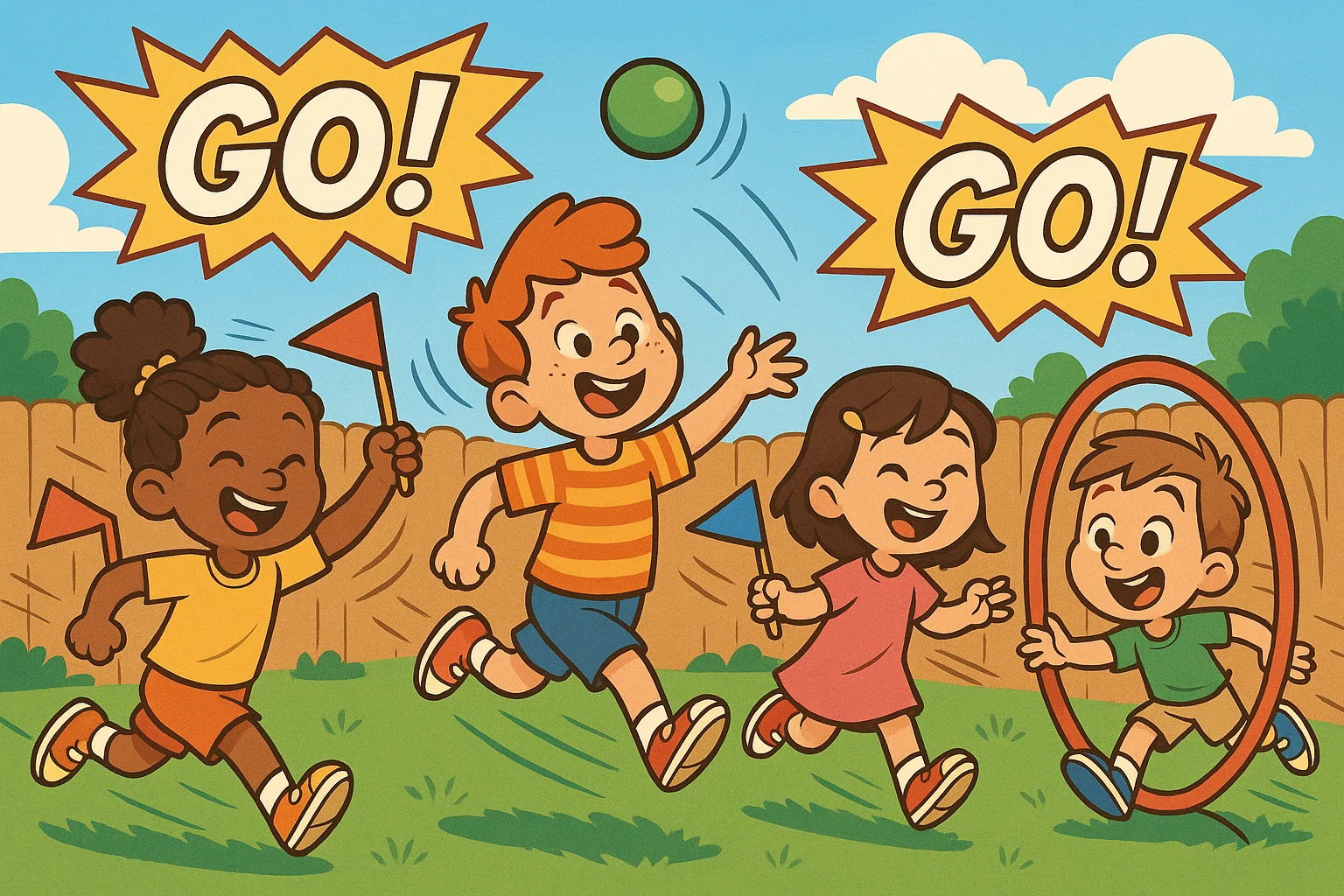
A modified mini sports day can include simple races and soft bean bag tosses that emphasize fun and movement over winning. Every participant receives a certificate or small medal at the finish line.
- Supplies: Colorful plastic bean bags, target hula hoops, soft starting line tape, and pre-printed participation certificates.
- Safety notes: Make sure the running track is flat, free of hidden holes in the grass, and located away from asphalt surfaces.
- Best venue type: Flat public park field or spacious school gym.
13. Farmyard Friends
This activity introduces basic animal matching games and farm-themed songs with simple hand gestures. Children match toy farm animals to their corresponding pictures on a display board while practicing animal sounds.
- Supplies: Large toy farm animal figurines, picture matching board, farm song audio tracks, and animal crackers for snacks.
- Safety notes: Choose large animal figurines that are too big to fit fully in a child’s mouth.
- Best venue type: Indoor living room rug or local farm park picnic shelter.
14. Camping Adventure
Children explore a living-room camping adventure with pop-up fabric tents and a pretend campfire made from tissue-paper logs. The activity includes a dim-light flashlight hunt for large plastic forest bugs hidden inside the tents.
- Supplies: Pop-up play tents, battery-operated LED tea lights, brown felt logs, and child-safe plastic flashlights.
- Safety notes: Never use real candles or matches, and make sure all flashlight battery compartments are screwed shut securely.
- Best venue type: Lightly dimmed living room, basement playroom, or shaded outdoor space.
15. Princess Palace Party
A princess party can include a royal freeze dance where children show their best dance moves until the music stops. It can end with a gentle, slow-paced palace parade around the room so children can show off their dress-up outfits.
- Supplies: Royal instrumental music, dress-up corner with silk capes and tiaras, and a decorative seating chair.
- Safety notes: Make sure dress-up dresses are short enough to prevent tripping during the freeze dance game.
- Best venue type: Carpeted indoor lounge, party room, or smooth outdoor deck.
16. Space Explorer Mission
This activity turns guests into astronauts searching for hidden “moon rocks,” such as large crumpled aluminum-foil balls, in a clearly marked area. The mission includes a planet toss game where kids throw soft foam balls through cardboard rocket cutouts.
- Supplies: Aluminum foil, cardboard rocket target box, soft foam balls, and large glowing star wall stickers.
- Safety notes: Instruct children not to throw foam balls directly at each other during the target toss game.
- Best venue type: Indoor basement with glow lighting or open outdoor backyard space.
17. Toy Story Party
Inspired by the classic animated movie, this theme includes a toy rescue game where children untangle their favorite toys from a yarn web. Guests can bring a favorite toy from home and join a cowboy dance circle.
- Supplies: Green painter’s tape, large laundry basket, short colored yarn lines, and energetic country-pop music.
- Safety notes: Keep yarn lengths short and fully supervised to prevent any tangling around children’s limbs.
- Best venue type: Indoor family playroom or fenced outdoor backyard.
18. Carnival Fun Fair
This multi-station setup features classic games such as a magnetic duck pond and a soft bean bag can-knockdown station. Children collect simple paper tickets at each station and trade them at a prize table for small party favors.
- Supplies: Plastic wading pool, magnetic toy ducks with fishing rods, foam-wrapped cans, and paper carnival tickets.
- Safety notes: Maintain constant adult monitoring around the duck pond water tray, and empty it immediately after use.
- Best venue type: Spacious outdoor lawn, driveway, or rented community hall floor.
19. Peppa Pig Party
Children jump on “muddy puddle” shapes cut from brown foam sheets and arranged across the floor. This activity combines jumping with music and captures the playful tone of the character.
- Supplies: Non-slip brown foam puddle cutouts, double-sided floor tape, Peppa Pig audio tracks, and bubble machine.
- Safety notes: Use non-slip tape on the underside of the foam shapes to prevent them from sliding out from under jumping feet.
- Best venue type: Indoor wooden floor, carpeted playroom, or outdoor patio area.
20. Colorful Rainbow Party
A rainbow party uses a large, multicolored play parachute for collaborative group games. Children work together to lift the parachute high into the air, creating a giant color dome that they can sit inside.
- Supplies: 3-meter nylon play parachute, lightweight colorful plastic pit balls, and upbeat children’s pop music.
- Safety notes: Have adults help hold and guide the parachute so children do not pull too hard or trip.
- Best venue type: Open public park lawn or high-ceiling community sports gym.
21. Teddy Bear Picnic
Guests bring a favorite stuffed animal from home for a backyard teddy bear hunt inspired by the classic storybook. The activity can include a “teddy doctor station” where kids use toy stethoscopes and bandages to care for their stuffed animals.
- Supplies: Plaid picnic blankets, toy medical kits, pre-cut gauze strips, and teddy bear storybooks.
- Safety notes: Make sure toy medical stethoscopes do not have long cords that could pose a wrapping hazard.
- Best venue type: Shaded backyard lawn, local park picnic area, or cozy living room rug.
22. Sensory Play Station
Designed for mixed-age groups, this stationary zone features safer sensory bins with chunky foam blocks, fabric scarves, oversized scoops, sealed discovery bottles, or water trays with large floating toys. This setup offers a soothing, low-demand alternative for children who become overstimulated by running games.
- Supplies: Large plastic storage tubs, chunky foam blocks, fabric scarves, oversized scoops, measuring cups, and wet wipes for cleanup.
- Safety notes: Use only large, non-ingestible materials, and keep an adult at the station at all times.
- Best venue type: Outdoor deck, tiled kitchen area, or dedicated messy-play room.
23. Soccer Party
A team-free soccer setup focuses on basic ball skills, such as kicking into an open net and dribbling between plastic cones. Focusing on personal effort and silly goal celebrations reduces the stress of competitive scoring.
- Supplies: Size 3 soft foam soccer balls, pop-up mini goals, bright orange training cones, and referee whistle for adult use only.
- Safety notes: Use soft foam balls rather than standard leather balls to reduce the risk of accidental facial injuries.
- Best venue type: Local park field, school playground, or expansive backyard lawn.
24. Jurassic Party
This dinosaur-themed activity features a simple volcano demonstration using baking soda and vinegar tinted red with food coloring. It can also include a silly dinosaur voice game where children copy different dinosaur sounds.
- Supplies: Plastic model volcano, baking soda, white vinegar, red food coloring, and dinosaur picture cards.
- Safety notes: Perform the chemical reaction at a safe distance from children’s faces and wash hands immediately after contact.
- Best venue type: Backyard table, concrete patio, or wipe-clean kitchen counter.
25. Magic Show Party
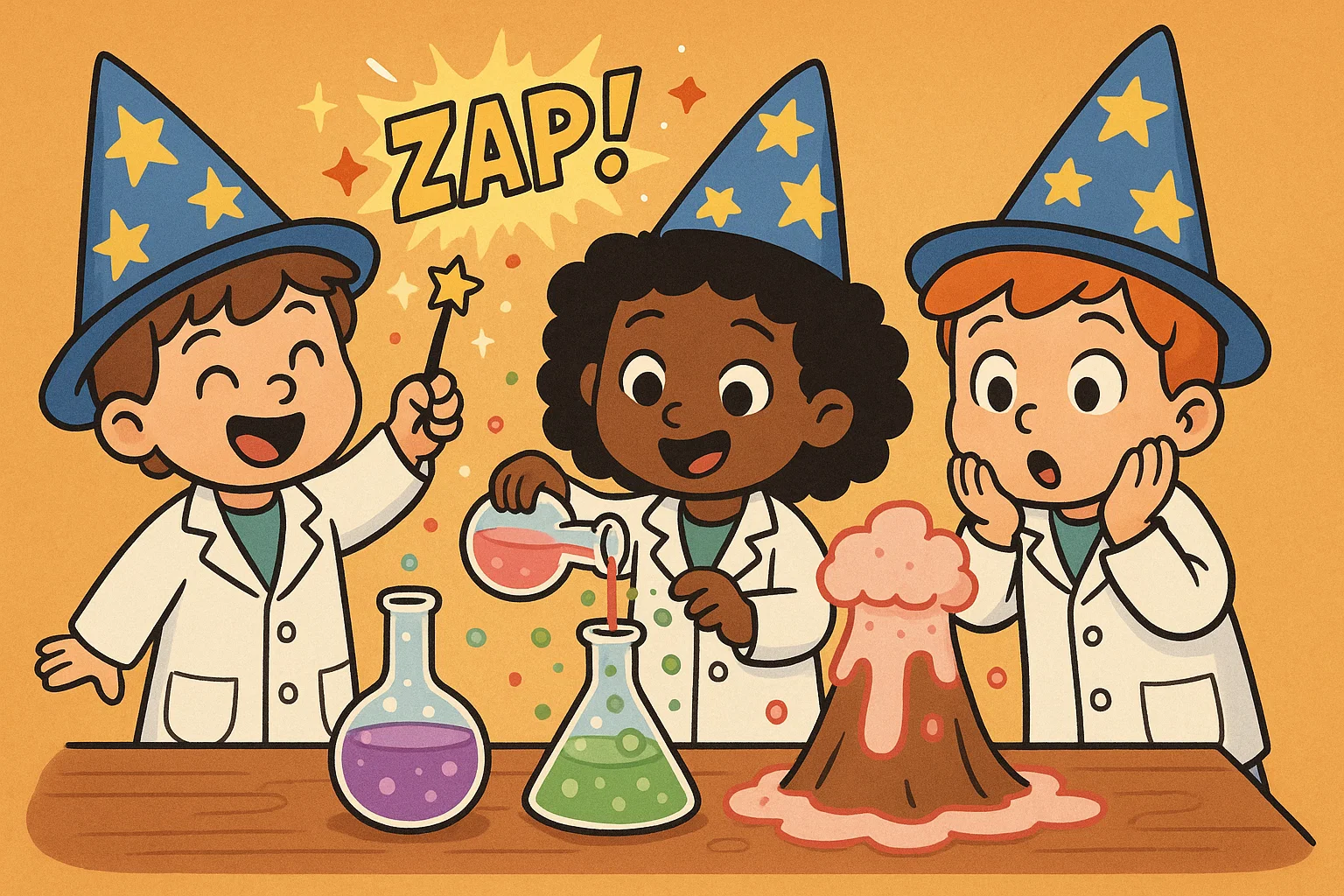
An interactive 15-minute mini magic show can use simple visual props, such as disappearing silks and trick coloring books. The performance should use silly humor, puppets, and audience participation to fit a preschooler’s attention span.
- Supplies: Children’s magic trick kit props, colorful tabletop stage facade, hand puppets, and funny sound effect buttons.
- Safety notes: Avoid small trick items like coins or tiny springs that could easily become a choking risk if handled by guests.
- Best venue type: Seated indoor living room setup or quiet corner of a rented community hall.
26. Spooky Monster Party
A friendly, non-scary monster party can feature a silly mask craft station with large paper plates and colorful yarn hair. The activity can include a monster freeze game where children make funny monster faces whenever the music pauses.
- Supplies: Heavy-duty paper plates, pre-cut mouth shapes, washable glue, bright yarn, and playful Halloween music tracks.
- Safety notes: Pre-cut all mask eye holes with adult scissors before the party so children do not handle sharp tools.
- Best venue type: Indoor dining space or sheltered backyard craft patio.
27. Bubble Party
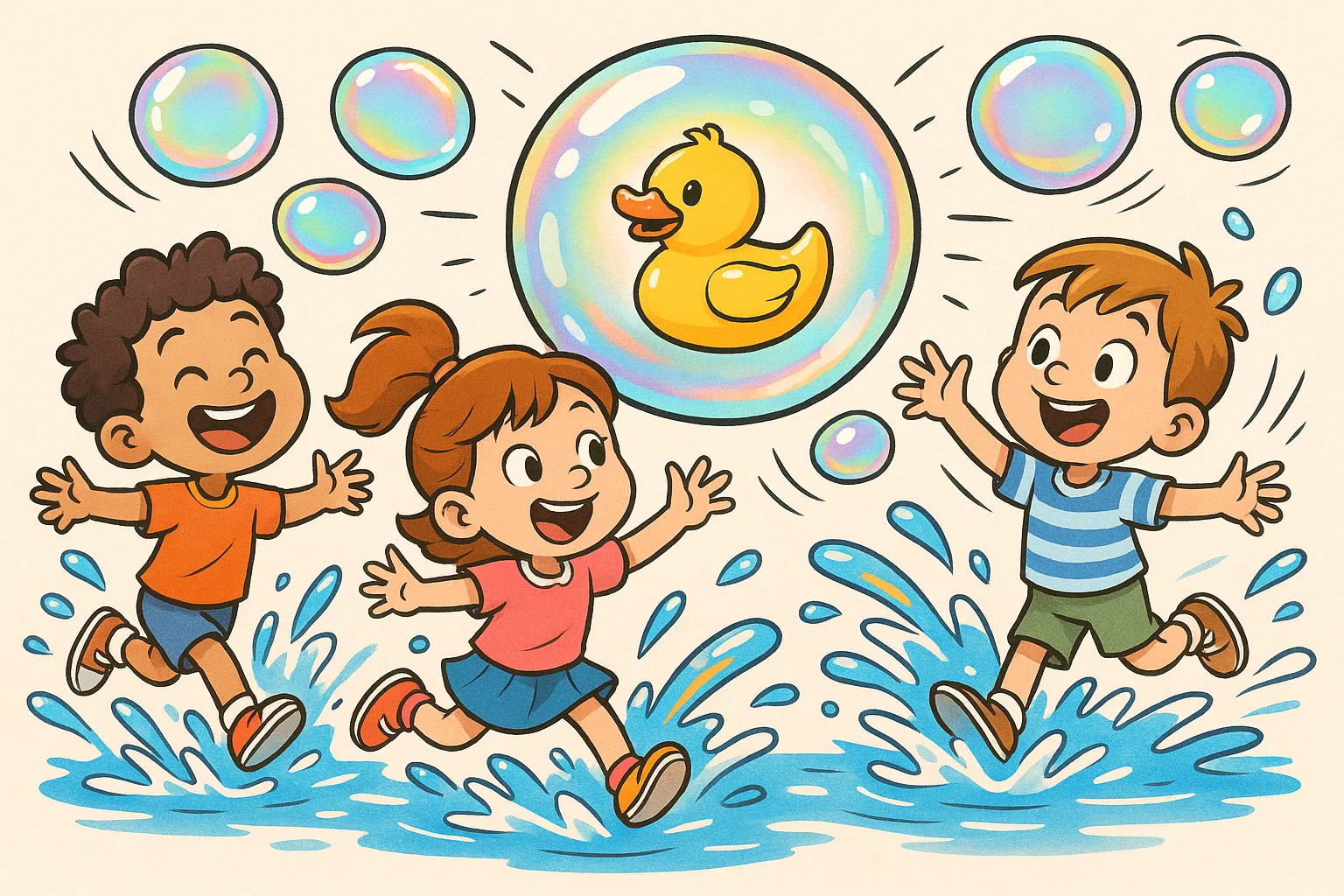
A bubble party uses automatic bubble machines and giant hand wands to fill the outdoor space with bubbles. Children can play non-competitive bubble-popping games, trying to pop bubbles before they touch the ground.
- Supplies: Two bubble machines, high-output bubble solution, giant loop wands, and shallow dipping trays.
- Safety notes: Bubble solution can make stone patios or wooden decks slick, so keep the main running zone on grass.
- Best venue type: Wide open grassy field, park, or expansive backyard lawn.
28. Mini Disco Party
This high-energy activity uses a lightly dimmed room, soft LED party lights, and classic preschool action songs. Children follow guided movements from songs like “The Hokey Pokey” while waving colorful glow bracelets.
- Supplies: Portable Bluetooth speaker, rotating LED disco bulb, action song playlist, and thick plastic glow bracelets.
- Safety notes: Make sure the room is not completely dark so children can see floor boundaries clearly, and use sealed glow bracelets and discard any cracked ones immediately.
- Best venue type: Rented community room with window blinds or cleared living room at home.
29. Treasure Hunt
Designed for pre-readers, this treasure hunt uses clear color clues or laminated photo cards to guide the group. Children move together from the sofa to the backyard swing, finding a small stamp or sticker at each visual checkpoint.
- Supplies: Laminated photo clue cards, colorful outdoor marking tape, and central reward basket filled with stickers.
- Safety notes: Double-check that the physical path between clues is free of steps, garden tools, or other trip hazards.
- Best venue type: Multi-room home interior or fully enclosed backyard space.
30. Obstacle Course
A soft-play obstacle course can be built from household items such as floor cushions, fabric tunnels, and tape lines. Children step from cushion “stone” to cushion “stone” to cross an imaginary river filled with friendly alligators.
- Supplies: Living room sofa cushions, child play tunnels, colorful masking tape, and plush toy obstacles.
- Safety notes: Secure the edges of all floor mats and cushions so they do not slide on hardwood floors.
- Best venue type: Carpeted indoor living room, playroom, or soft backyard lawn.
Essential Planning Tips for a 4-Year-Old Birthday Party
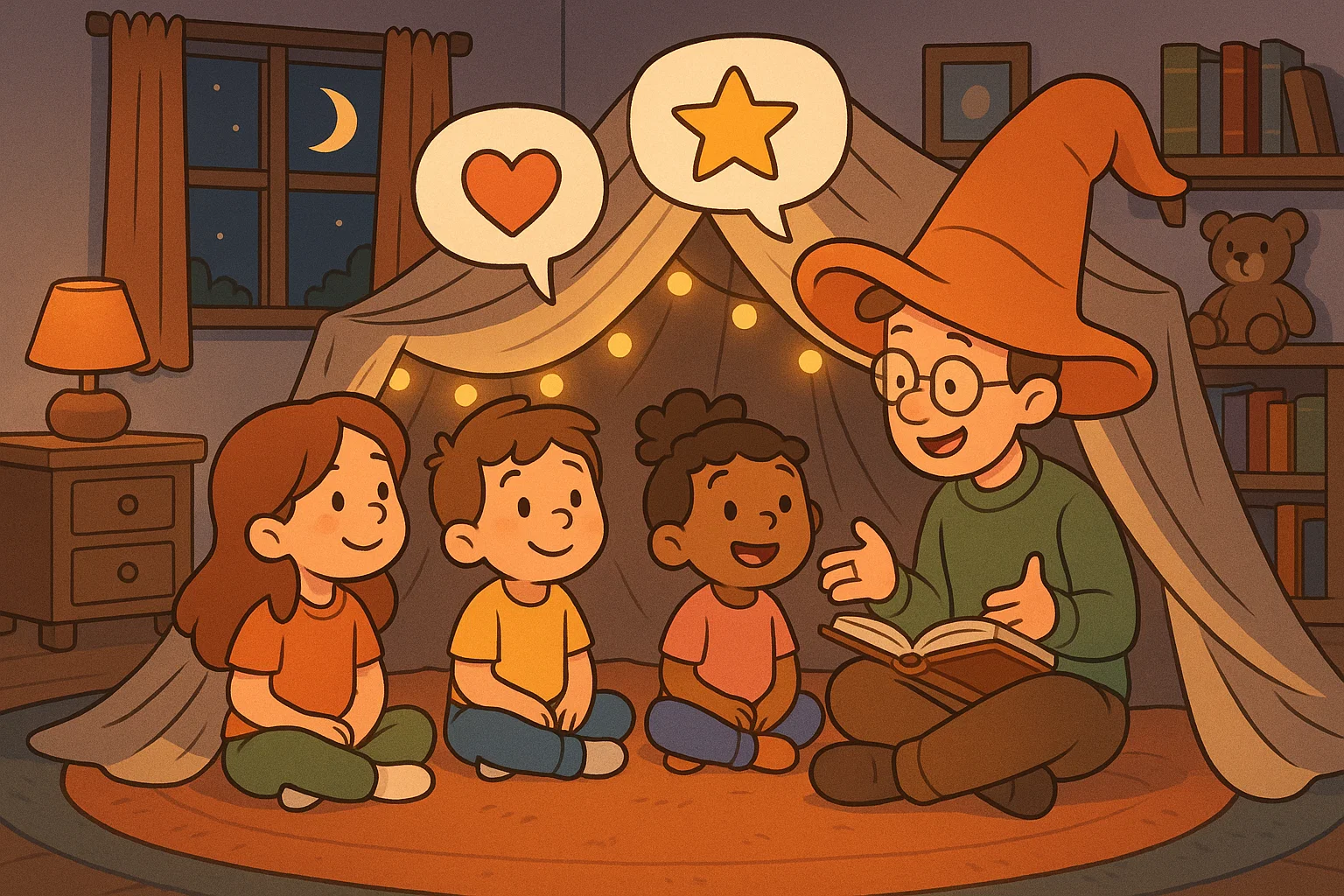
Guest List Management
Managing the guest list means balancing social preferences with the physical capacity of the party space. When inviting preschool classmates, parents should specify on the RSVP cards whether younger or older siblings are welcome to attend. Preschool-aged children often rely on parental support in unfamiliar settings, so hosts should expect some adults to stay throughout the event.
Making sure the venue can comfortably hold both children and accompanying adults helps prevent overcrowding and supports safety. A smaller, well-supervised group often creates a better party atmosphere than a large group that is difficult to manage.
Timing Matters
The timing of a preschool party can strongly affect how smoothly the event goes. Scheduling the party from 10:00 AM to 12:00 PM or 2:00 PM to 4:00 PM usually avoids common rest times for 4-year-olds. Serving filling finger foods midway through a two-hour party helps keep energy levels stable and reduces hunger-related irritability.
Keeping the entire event within a two-hour limit helps guests leave on a positive note before exhaustion sets in. A clear start and end time also makes planning easier for parents and caregivers.
Activities and Entertainment
When planning entertainment, four main activities plus two simple backup games provide a reliable framework. If parents decide to hire external entertainers, it is helpful to choose professionals who specialize in the preschool age group. Hosts should stay flexible and end a game early if the children’s interest starts to drift.
The main goal is to keep the atmosphere light and enjoyable rather than rigidly following a pre-planned schedule. Preschool parties work best when adults guide the flow while still allowing children enough freedom to play naturally.
Safety First
Clear safety rules are a top priority for any children’s party. All active play zones, especially those with inflatables or climbing structures, should be supervised by an adult at all times. Hosts should review food options for common allergens and keep small decorative items out of reach to reduce choking risks.
Clearly marking the boundaries of an outdoor party space helps keep children within a safe, visible area. If the party includes water play, inflatables, trampolines, or climbing equipment, adults should review the venue’s safety rules before the event begins.
Weather Backup Plan
An outdoor party should always have an indoor backup plan for sudden weather changes. Booking a local community hall provides a reliable rain alternative and helps games continue smoothly even if the weather changes. If the party is held at home, clearing a garage, basement, or large indoor room creates an instant backup play area.
Having backup indoor activities, such as a pop-up tent or simple movie setup, helps hosts move the party indoors with less stress. The best weather plan is one that can be activated quickly without changing the entire flow of the celebration.
Frequently Asked Questions
How Do I Choose the Best Birthday Party Theme for a 4th Birthday?
The best birthday party theme for a 4th birthday is simple, visual, and easy for children to understand. Dinosaurs, animals, rainbows, a unicorn party, a mermaid party, or a space party all work well because they can be turned into decorations, games and activities, snacks, and party favors. Choose a theme your little one already enjoys, rather than trying to create an overly elaborate party experience.
What Are Some Fun 4th Birthday Party Ideas for Indoor Spaces?
Good indoor 4th birthday party ideas include freeze dance, obstacle courses, craft tables, puppet shows, treasure hunts, and simple pretend-play stations. Indoor games should have clear rules, soft materials, and enough space for children to move safely. For a fun 4th birthday party, plan two or three active games and one calmer activity before cake.
What Activities Work Best for a Four-Year-Old Birthday Kid?
The best activities for a four-year-old birthday kid are short, hands-on, and easy to join at any time. Bubble play, sensory bins, sticker crafts, simple treasure hunts, and music games are all fun activities that fit this age group. Activities for a 4-year-old birthday should avoid complex rules, long waiting times, and games where children are eliminated early.
Take a short quiz to find out what your everyday choices say about your parenting style
When your child is curious about something new, what’s your instinct?
Take a short quiz to find out what your everyday choices say about your parenting style
“Can I download this app?” What happens next?
Take a short quiz to find out what your everyday choices say about your parenting style
When it comes to rules at home, which sounds most like you?
Take a short quiz to find out what your everyday choices say about your parenting style
If you could give your child one life skill today, what would you pick?
Take a short quiz to find out what your everyday choices say about your parenting style
Your child gets to choose what to watch. What would your ideal setup look like?
Take a short quiz to find out what your everyday choices say about your parenting style
Pick your parenting superpower ✨