Carnival Games for Kids: Backyard Party, And Easy DIY Carnival Ideas

 Discover a Free Education Video App for Kids
Pastory uses AI to personalize educational video content based on your child’s interests and personality. Safe, engaging, and built for curious young minds. Sign up now to stay updated and enjoy early access with a free trial
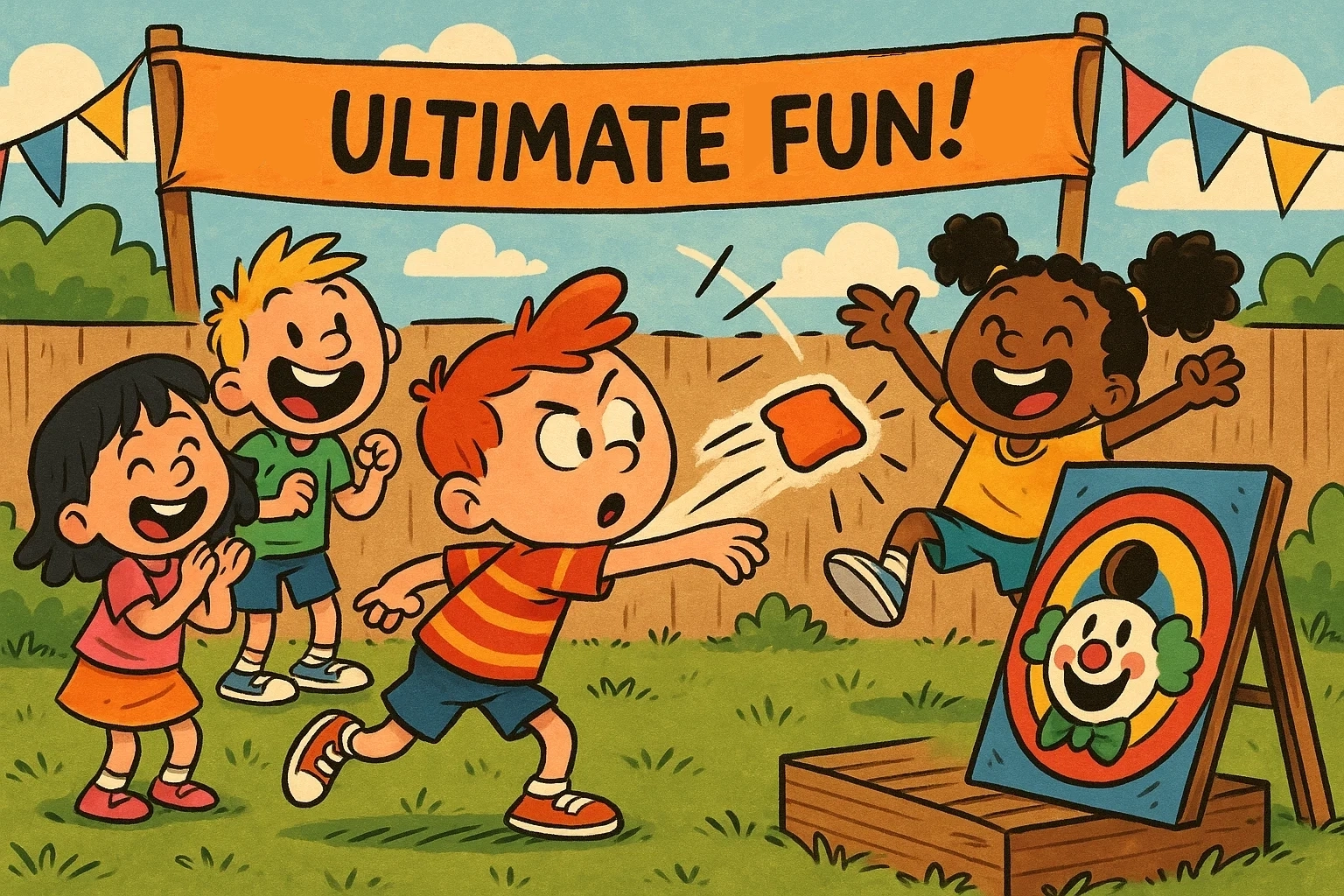
Parents, teachers, and PTA organizers often look for engaging, low-cost ways to entertain groups of children while building a sense of community. Whether you are planning a large school fundraiser or a small backyard birthday party, the right mix of carnival games can help the event run smoothly and keep children engaged.
This guide provides a practical list of DIY carnival ideas, ranging from classic booth setups like ring toss and bean bag challenges to creative craft stations, food booths, and non-game activities. You will find simple setup tips for wooden builds, cardboard hacks, and plastic bottle upcycling to make your event easy to run and fun for kids to play.
Key Takeaways
- Diverse Activity Mix: Combine skill-based challenges, such as ring toss, with games of chance, such as duck pond, to appeal to different ages, abilities, and confidence levels.
- DIY Efficiency: Use household items like plastic soda bottles, cardboard boxes, and plastic cups to keep costs low.
- Prize Strategy: Use a ticket system with tiered rewards to keep kids excited and encourage them to try more booths.
- Safety & Age-Appropriateness: Adjust distances and equipment weights based on participants’ ages to keep games safe and achievable.
Best Mix of Carnival Games for Kids
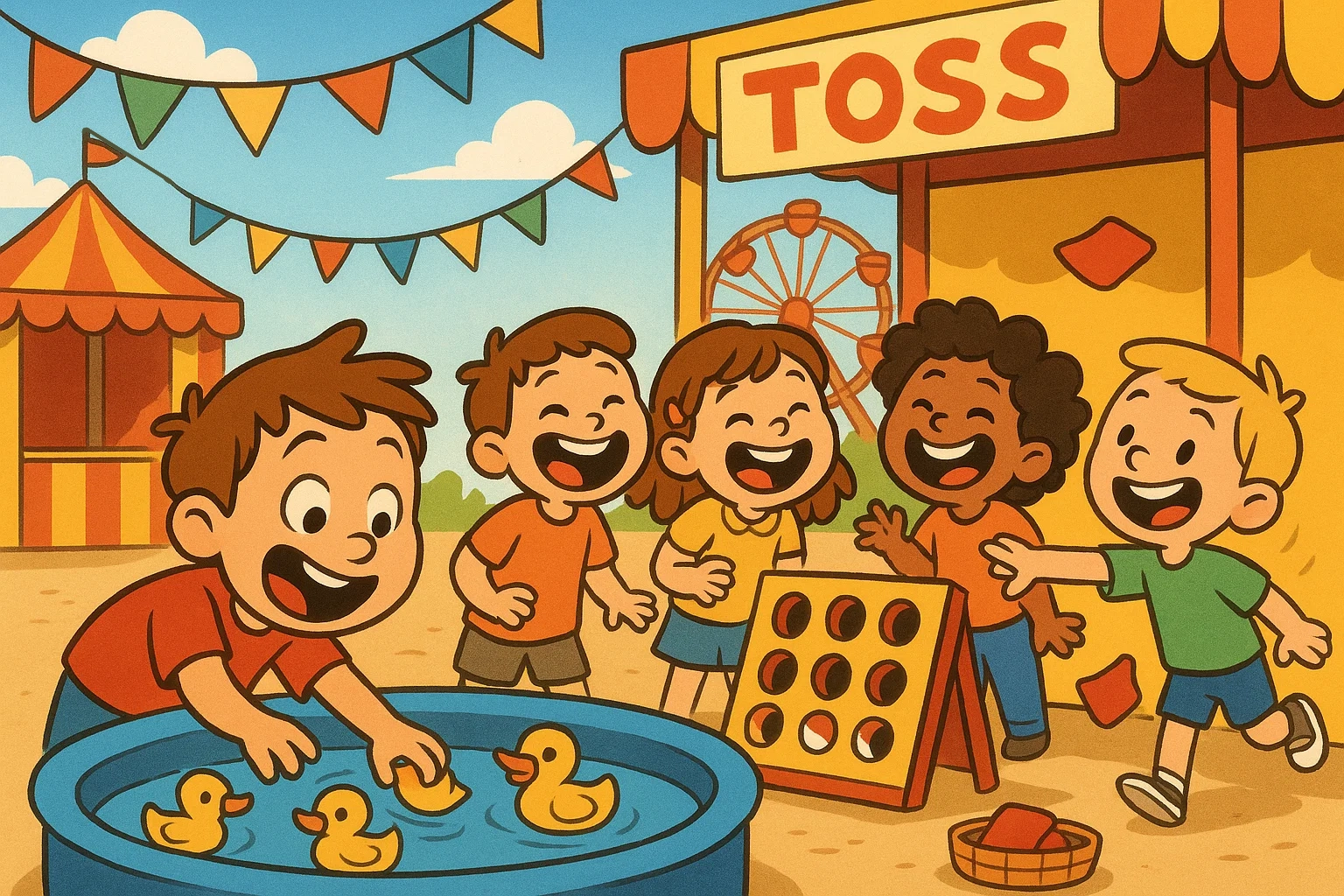
A successful carnival offers a balanced mix of activities for different ages and developmental stages. According to the National Association for the Education of Young Children (NAEYC), play supports children’s physical, cognitive, social, and emotional development. Your event should include active challenges, quiet creative stations, and luck-based games so every child, regardless of athletic ability, has a chance to succeed.
Easy Setup Saves Time
Streamlining your preparation involves sourcing versatile, multi-use supplies that can be adapted for multiple booths. Materials such as bean bags, plastic buckets, plastic soda bottles, and balloons can be reused across many different activities. Using one wooden board for multiple toss challenges or cardboard partitions for booths helps organizers create a polished setup with minimal storage needs.
Prizes Keep Kids Engaged
A simple ticket system can keep children engaged because it gives them visible progress toward a prize. Establish a clear prize hierarchy:
- Consolation Prizes: Stickers, temporary tattoos, or small pieces of candy for every participant.
- Medium Prizes: Small toys, bubbles, or mini activity kits for reaching a specific score.
- Grand Prizes: Larger plush toys or art kits for top scorers, raffle winners, or special lucky draws.
Age Fit Matters
Toddlers need “no-fail” games, such as a lucky duck pond, while older elementary students often enjoy the challenge of a milk bottle toss from a longer distance. Moving the throw line by 3–5 feet can significantly change the difficulty level, keeping the activity easy enough for younger children while still challenging for older kids.
Explore the Carnival Game Categories Below for Details and Prize Ideas
- DIY Carnival Games: Affordable homemade setups made with wood, cardboard, and everyday supplies.
- Classic Booth Games: Traditional favorites such as ring toss and can knockdown.
- Games of Chance: Quick luck-based games for younger children.
- Active and Outdoor Games: Physical challenges for playgrounds, gyms, and fields.
- Non-Game Carnival Booths: Creative stations such as face painting and sand art.
- School Carnival Food Booths: Popular snack stations and fundraising ideas.
A Few Things to Know Before Setup
Effective planning helps prevent bottlenecks that can frustrate young guests. Organizers should plan the layout to avoid dead ends, reduce crowding, and keep lines moving.
Carnival Game Supplies Checklist
- Infrastructure: Folding tables, tablecloths, booth dividers, and heavy-duty tape.
- Game Hardware: Bean bags, plastic rings, plastic soda bottles, and balloons.
- Operations: Tickets, volunteer aprons, markers, and scorecards.
- Sanitation: Place hand sanitizer at every food booth and trash bins near candy and snack stations.
Age Groups and Difficulty Levels
The American Academy of Pediatrics (AAP) notes that play helps children build fine and gross motor skills, so carnival games should be matched to each age group’s abilities. For young children ages 3–5, use larger targets and shorter distances. For older children ages 9–12, introduce smaller targets, moving parts, or timed challenges to keep the games engaging.
Safety Rules for Kids Carnival
Safety should be the top priority for every event organizer. Make sure all wooden surfaces are sanded to prevent splinters, and keep uninflated or broken balloons away from toddlers because they can be choking hazards. Tape down all electrical cords for coolers, popcorn machines, or other equipment with gaffer tape to prevent tripping in high-traffic areas.
Volunteer Roles and Booth Flow
Each booth typically needs two volunteers: one to run the game and one to collect tickets and distribute prizes. Rotating volunteers every two hours helps prevent fatigue and keeps the booths friendly and energetic.
Ticket System and Prize Table
A centralized prize station feels more organized than individual prize bins at each booth. Kids can collect tickets at each game and redeem them at a large, organized “General Store” table before they leave.
DIY Carnival Games
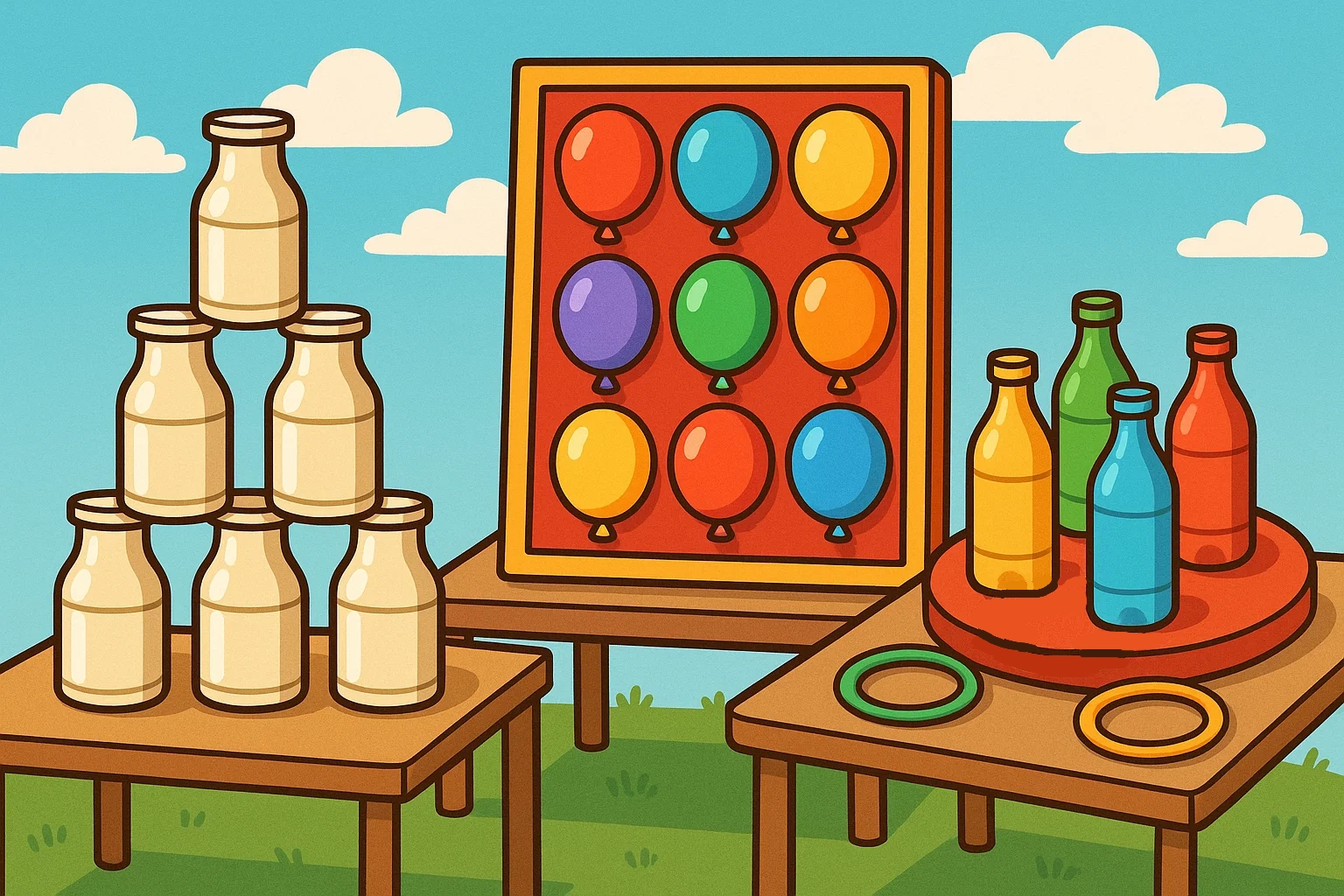
Building your own games is a cost-effective way to match your event theme. Cardboard and wood are the main materials for many of these homemade attractions.
Bean Bag Toss
Bean Bag Toss is a classic skill game where kids aim for holes cut into a wooden or cardboard board. Assign higher point values to smaller holes or holes placed higher on the board to reward precision. This game works for all ages because you can simply move the starting line.
Cornhole
Cornhole is a staple at backyard parties and school fairs. For a kid-friendly version, use lighter bean bags and place the boards about 10 feet apart instead of the standard 27 feet. This encourages success and builds confidence in young players.
Ring Toss Game
Ring Toss is a classic carnival activity. Use plastic rings and a variety of vertical targets to create different difficulty tiers. This setup works well on grass, pavement, or a tabletop.
Soda Bottle Ring Toss
Soda Bottle Ring Toss uses empty plastic soda bottles filled with water or sand for stability. Arrange 12–24 bottles in a tight square inside a shallow tray or crate. Kids win a prize if they land a ring over the neck of any bottle.
Lollipop Ring Toss
Lollipop Ring Toss offers a “win-every-time” experience for younger children. Stick lollipops into a foam base; if a child rings one, they keep the lollipop and may win a larger prize if the bottom of the stick has a special color.
Ping-Pong Toss
Ping-Pong Toss challenges players to bounce balls into small plastic cups partially filled with water. This game requires a gentle touch, making it a favorite for elementary-aged children who enjoy skill-based challenges.
Family-Friendly Cup Pong
Family-Friendly Cup Pong is a dry version of the classic cup-toss game. Arrange 15–20 colorful plastic cups on a table in a triangle formation. Mark the bottom of a few “lucky” cups with stars to indicate grand-prize wins.
Egg Carton Bean Toss
Egg Carton Bean Toss is an ultra-low-cost game where kids toss dried beans or large buttons into a painted egg carton. Each section of the carton is assigned a point value, helping children practice basic addition while they play.
Prize Punch Board
Prize Punch Board gives kids an instant surprise. Glue plastic cups to a piece of cardboard, place a small toy or wrapped piece of candy inside each cup, and cover each opening with tissue paper. Kids get to “punch” through the paper to claim their reward.
Plinko Board
A DIY Plinko board can be built with a wooden board and smooth pegs. Players drop a small disk or ball from the top, and it bounces randomly into slots at the bottom, each with a different ticket value.
Classic Booth Games
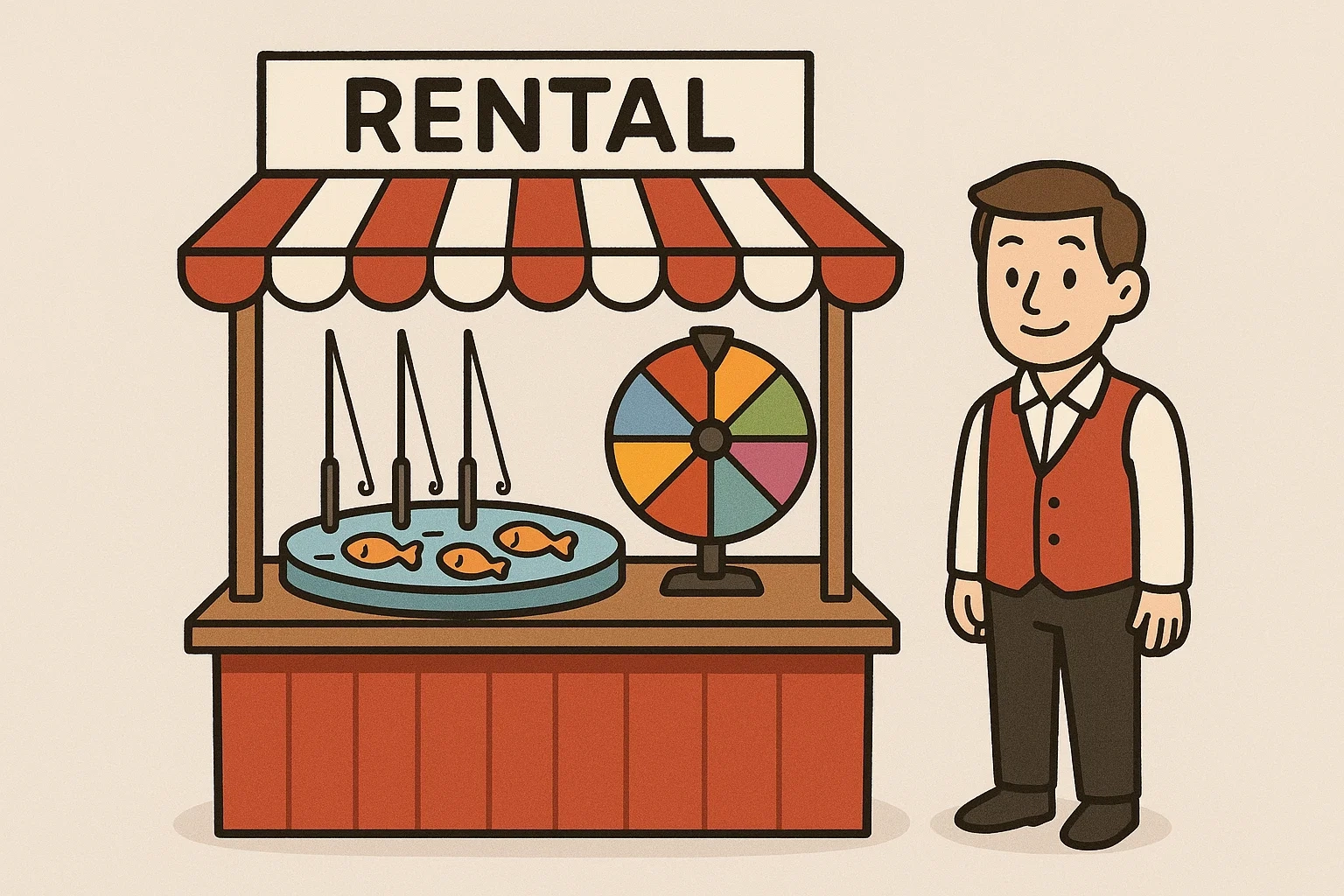
Water games are ideal for summer events because they help kids cool off and add a sensory element they love.
Squirt Gun Spray Away Game
Squirt Gun Spray Away uses small water blasters to knock plastic cups off a ledge. This game builds hand-eye coordination and is easy for volunteers to reset.
Duck Pond
Duck Pond is a staple for younger children. Floating rubber ducks have numbers or colors on the bottom. A child chooses a duck, and the hidden mark determines which prize they receive.
Games of Chance
Games of chance are helpful because they level the playing field, allowing children with less developed motor skills to win larger prizes.
Wheel of Prizes
A Wheel of Prizes is a high-energy booth where kids spin a large prize wheel. The spinning colors create suspense, making this one of the most popular attractions at many school fairs.
Treasure Dig
Treasure Dig involves hiding small plastic toys or “gold” coins in a large sensory bin filled with sand or rice. Kids get 30 seconds to dig for as many prizes as they can find, creating a fun sensory experience for preschoolers.
Active and Outdoor Games
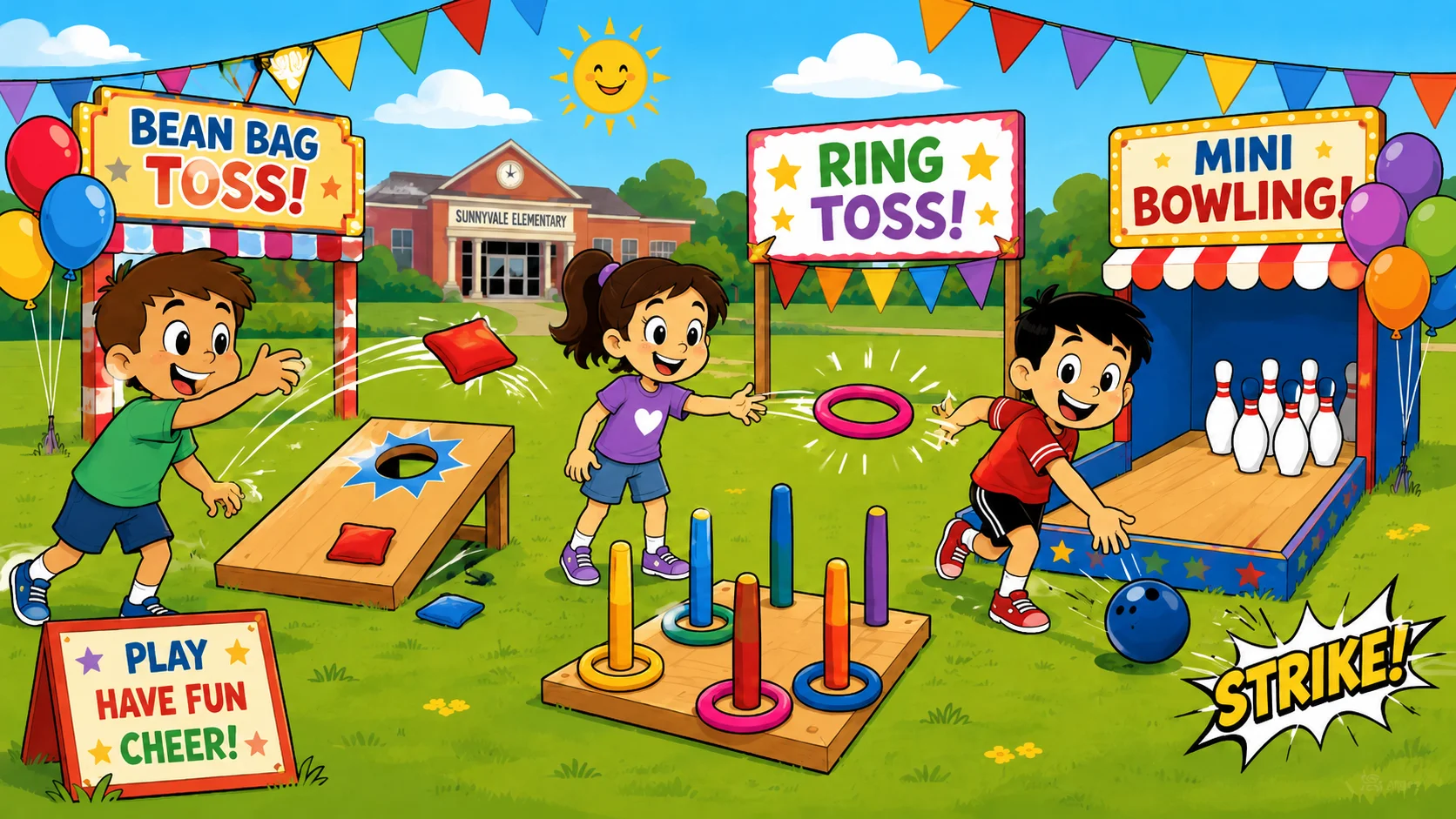
Physical activity is a core part of the carnival experience, giving children a chance to burn off energy between snack breaks.
Giant Bowling
Giant Bowling uses large inflatable pins or weighted plastic soda bottles. It is a great way to use large open spaces, such as a gym or field.
Toilet Paper Toss
Toilet Paper Toss is a silly game where kids try to throw rolls of toilet paper through a clean toilet-seat prop or into a decorated box. Its silly theme makes it a crowd favorite with elementary students.
Non-Game Carnival Booths and Activities
To prevent game fatigue, include stations that focus on creativity and relaxation.
Face Painting
Face Painting is a popular booth that requires skilled volunteers. Use only cosmetic-grade face paints, and consider hypoallergenic options for sensitive skin.
Sand Art
Sand Art gives kids a creative keepsake to take home. Provide different colors of sand, small plastic bottles, and funnels. This activity works as both a creative station and a personalized souvenir.
School Carnival Food Booths
Food can be a major revenue driver for fundraisers and a central part of the fair experience.
| Food Item | Equipment Needed | Prep Level | Fundraising Potential |
| Popcorn | Popper, bags | Low | High |
| Cotton Candy | Cotton candy machine, cones | High | High |
| Hot Dogs | Roller or grill, buns, condiments | Medium | Medium |
| Lemonade | Dispenser, cups, ice | Low | High |
Carnival Game Prizes
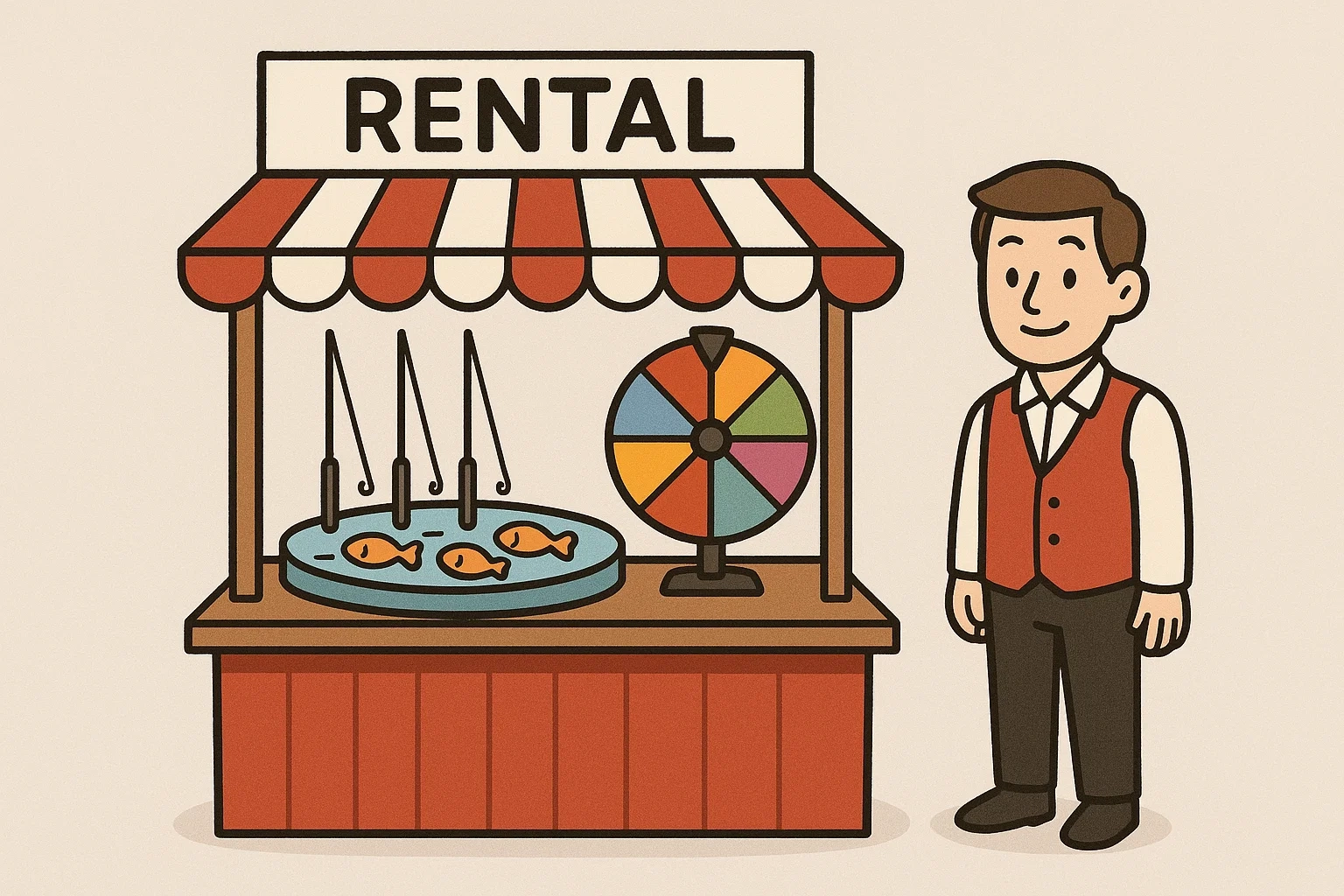
| Prize Category | Example Items | Best For |
| Small | Stickers, temporary tattoos, erasers | Every participant |
| Medium | Bubbles, slime, small toys | Winning a game |
| Big | Plush toys, board games, craft kits | Top scorers or raffle winners |
Allergy-Safe Prize Options
Always include non-food prizes such as glow sticks, stickers, small puzzles, or pencils. According to Food Allergy Research & Education (FARE), 1 in 13 children in the U.S. has a food allergy, so providing non-candy rewards helps every child participate safely.
Summary of Success
Planning a DIY carnival requires a focus on variety, safety, and engagement. By using affordable materials like cardboard and plastic and organizing games by age and difficulty, you can create a memorable event that supports children’s development through play. Keep the prizes varied and the rules easy to follow so every child leaves with a smile and a prize they can enjoy.
FAQ
What Are the Best Carnival Games for Kids?
The most successful games include ring toss, bean bag toss, duck pond, and can knockdown. These games are recognizable, easy to understand, fun to play, and simple to build.
How Many Carnival Games Should a Kids’ Party Have?
For a party with 10–15 kids, 5–6 games are usually enough. For a large school event, aim for 15–20 different booths to prevent long lines.
How Can a School Carnival Raise More Money?
Maximize revenue by selling ticket bundles at a discount, securing corporate sponsors for specific booths, and offering high-margin snacks like cotton candy and popcorn.
What Are Some Easy Carnival Games for Kids?
Some easy carnival games for kids include duck pond, bean bag toss, ring toss, cup pong, and prize punch board. These games are quick to set up, easy and fun to play, and simple for volunteers to reset between turns.
Can I Make Carnival Games with Soda Pop Bottles?
Yes, empty soda pop bottles work well for DIY carnival games like ring toss, giant bowling, and can knockdown. Fill the bottles with a little water or sand for stability, then let kids toss rings, roll balls, or try to hit the targets.
What Free Carnival Games Can I Set Up at Home or School?
You can create several free carnival games with items you already have, such as cardboard boxes, empty cans, plastic cups, paper plates, and soda pop bottles. Simple options like bean bag toss, cup knockdown, and treasure dig can be a big hit without adding extra costs.
Take a short quiz to find out what your everyday choices say about your parenting style
When your child is curious about something new, what’s your instinct?
Take a short quiz to find out what your everyday choices say about your parenting style
“Can I download this app?” What happens next?
Take a short quiz to find out what your everyday choices say about your parenting style
When it comes to rules at home, which sounds most like you?
Take a short quiz to find out what your everyday choices say about your parenting style
If you could give your child one life skill today, what would you pick?
Take a short quiz to find out what your everyday choices say about your parenting style
Your child gets to choose what to watch. What would your ideal setup look like?
Take a short quiz to find out what your everyday choices say about your parenting style
Pick your parenting superpower ✨