Back to school checklist for parents

 Discover a Free Education Video App for Kids
Pastory uses AI to personalize educational video content based on your child’s interests and personality. Safe, engaging, and built for curious young minds. Sign up now to stay updated and enjoy early access with a free trial
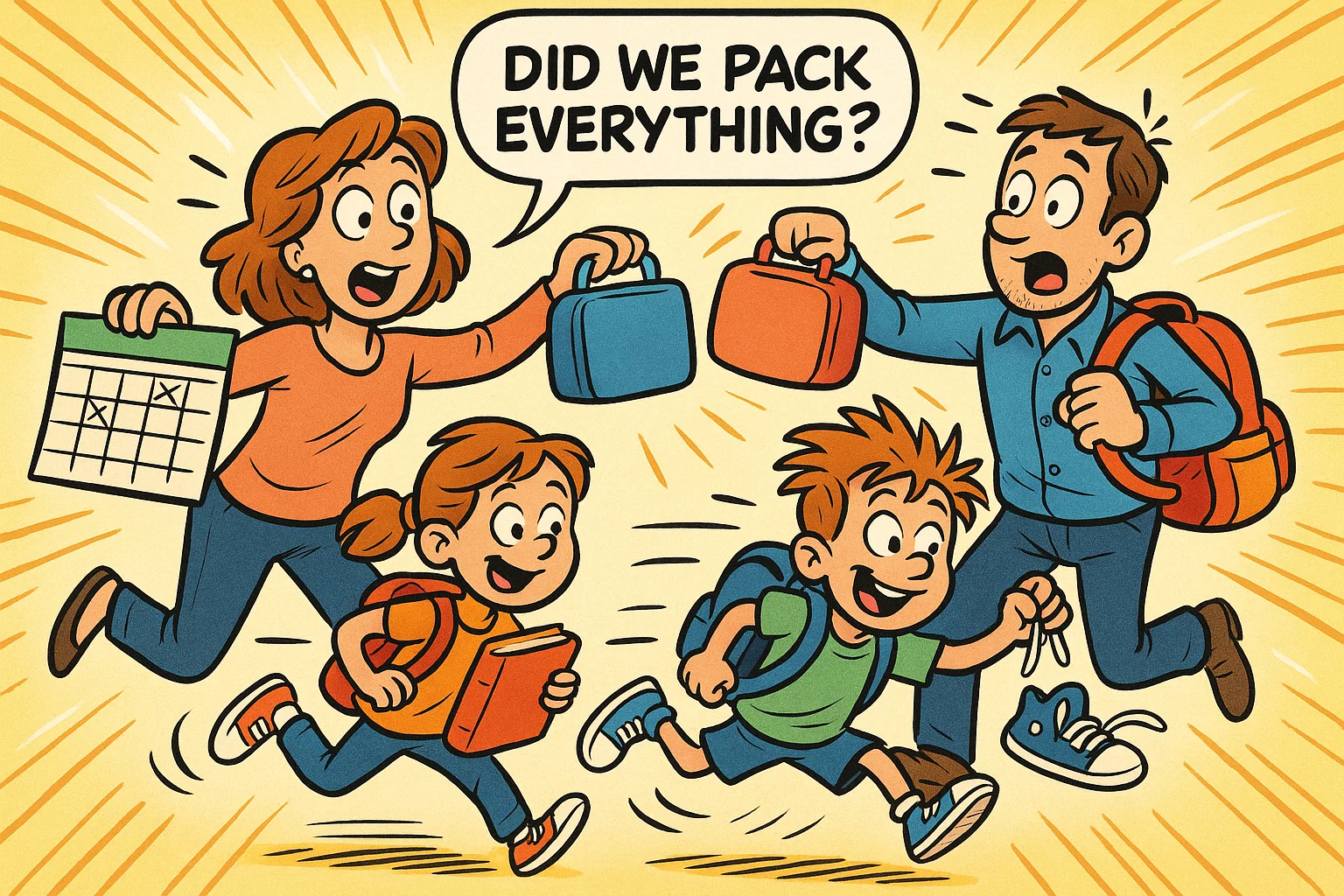
The start of a new school year brings a mix of excitement and organisational challenges for families. Preparing your child for school means balancing practical tasks, such as back to school shopping, with routine changes, such as resetting sleep schedules. Whether your child is starting school for the first time, returning to school after a long break, or moving into a new year group, having a clear framework helps reduce stress before the first day of school.
Think of this as an ultimate back to school checklist: a practical plan to help your child get ready for school and start the year with confidence. It covers everything from school uniform requirements and essential school supplies to paperwork, health checks, and daily school routines.
Key takeaways
- Start early: Begin back-to-school shopping and routine changes at least three weeks before school term starts to avoid last-minute stress and stock shortages.
- Verify policies: Review your child’s handbook for rules on school uniform, bag size, and permitted school stationery.
- Prioritise routines: Focus on emotional readiness and daily school routines, not just buying supplies.
- Label everything: Add durable name labels to belongings, especially PE kit and shirts, to minimise lost property.
Complete checklist scope
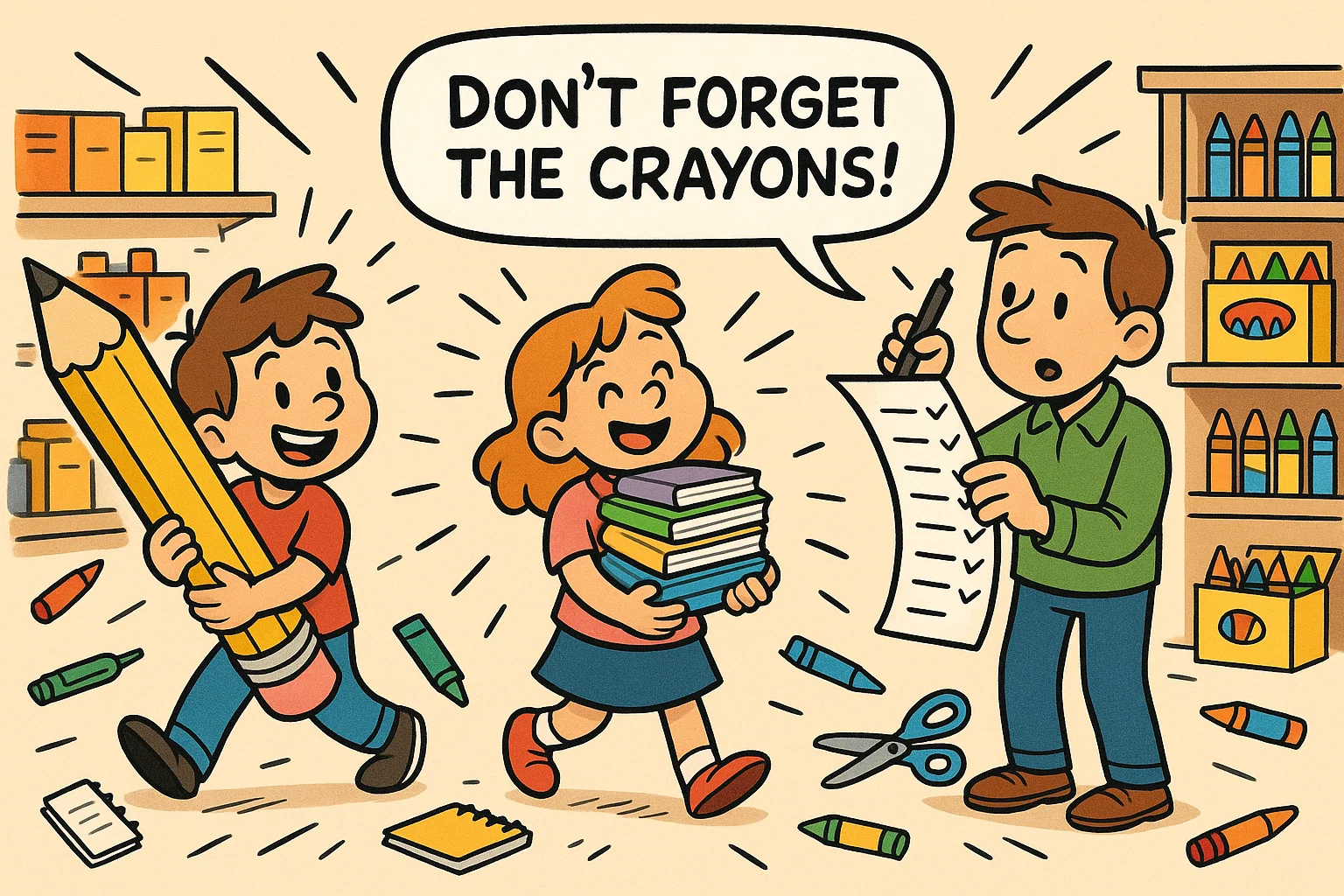
Preparing for a new academic year means covering supplies, practical planning, and emotional support. A useful school checklist for parents helps track key areas: school uniform, outerwear, forms, school health information, transport, lunches, home routines, and emotional readiness. By working through each area methodically, families can make sure their child has the school essentials they need for a confident start.
Parent priorities before September
The final weeks before school term starts are the best time to take practical steps towards a smooth first day. Early preparation can reduce stress for parents and help children feel more secure. Parents should prioritise practical tasks, starting with checking the school uniform list and ordering necessary school supplies before popular sizes sell out.
Key priorities include:
- Reviewing policies and school uniform requirements.
- Ordering school uniform, footwear, PE kit, and labels.
- Resetting sleep and morning routines before school term starts.
Smooth first week focus
A successful first few weeks of school depend more on predictable home routines than on expensive new products. Paediatric guidance commonly recommends consistent routines to help children feel safer and more prepared. Establishing a clear morning plan, organising the bag the night before, and practising the route can help your child start with confidence.
Things for back-to-school checklist
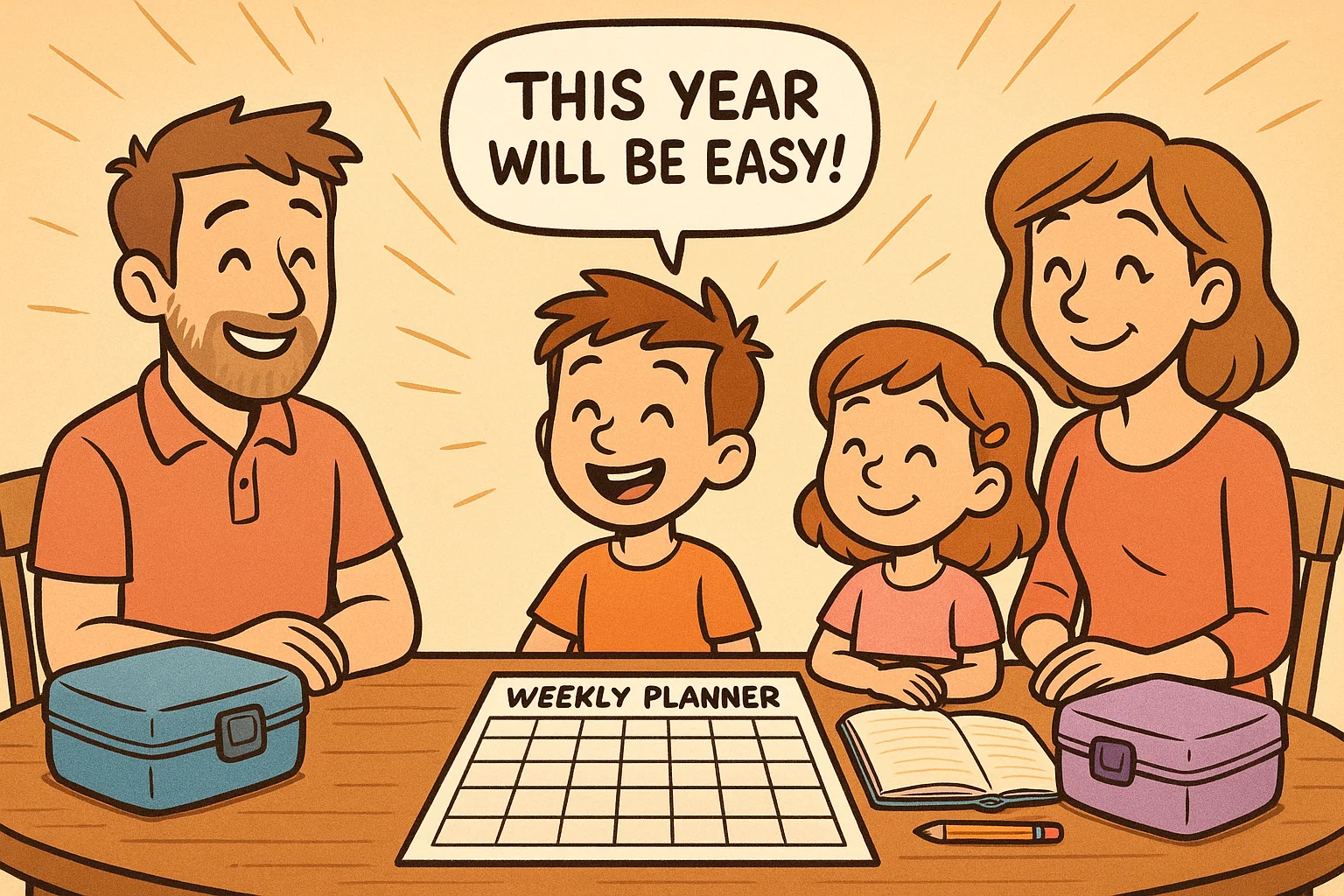
This clear back-to-school plan helps parents check the essentials before the new school term begins.
Make a back-to-school shopping list
A structured list prevents impulsive purchasing and keeps spending under control during the high-demand retail season. Parents should group their back-to-school shopping into key categories: school uniform, footwear, stationery, lunch supplies, PE kit, bag, labels, required technology, and personal care items. Grouping items this way helps families see what they already have and what they still need to buy.
Check school requirements
Every setting has its own rules for school uniform, equipment, and digital devices. Check the school website, email updates, and parent portal for rules on clothing styles, required school maths equipment, and mobile phone use. Checking these details four to six weeks before the new school year helps prevent costly buying mistakes.
Set a family calendar or planner
A central family calendar helps prevent scheduling conflicts throughout the school year ahead. Parents should map out key dates, including official school term dates, teacher training days, school clubs, scheduled trips, and parent-teacher meetings. Keeping a visible calendar helps children understand what is coming up and get used to the rhythm of term time.
Fill in essential paperwork and forms
Educational settings require complete documentation to support safety, legal compliance, and appropriate resource allocation. Parents should complete and submit digital or paper consent forms, emergency contact details, school meal registrations, and extracurricular club sign-ups. Completing these forms before school term starts helps make sure staff have the information they need from day one.
Update emergency contact details
Accurate contact details are vital for safety during medical or operational scenarios. Parents or guardians should provide up-to-date phone numbers, email addresses, collection permissions, and home address details. Staff need reliable contact details so they can reach a parent or guardian quickly in an emergency.
Review health and immunisation records
Physical well-being forms the foundation of classroom engagement and cognitive development. Parents should check that their child’s immunisation record is up to date and submit any asthma action plans or allergy documents required by the school setting. Submitting medical information early helps school staff record and store items such as inhalers or auto-injectors before school term starts.
Attend orientation and meet the teacher
Visiting the school building helps children become familiar with the environment and feel more comfortable before school term starts. Attending orientation sessions allows families to meet the classroom teacher, ask about drop-off rules, find the dining hall or canteen, and understand homework expectations. This proactive step helps children build a positive mental map of the learning space, reducing anticipatory anxiety.
Back-to-school shopping list for parents
This back-to-school shopping checklist covers the everyday items a student is likely to need.
| Category | Essential items | Target quantity |
| Core school uniform | Shirts, trousers or skirts, jumpers | 5 shirts, 3 bottoms, 2 jumpers |
| Footwear | Smart shoes, PE trainers | 1 pair of shoes, 1 pair of trainers |
| Stationery | Pencil case, HB pencils, black and blue pens, eraser | 1 complete set |
| Bags and dining | Padded bag, leakproof water bottle | 1 of each |
School uniform and clothing
A school uniform can simplify morning choices and help children feel part of the community. A practical set usually includes five breathable shirts or polo shirts, three pairs of trousers or skirts, and two jumpers or cardigans. Include clean underwear, durable socks, and weather-appropriate layers so your child stays comfortable throughout the school day.
Footwear and smart shoes
Well-fitting shoes can make a big difference to a child’s comfort during a busy school day. Parents should choose footwear that matches the policy, with secure fastenings such as Velcro, buckles, or laces, as well as suitable trainers for PE. Buying footwear three weeks before school term starts allows sufficient time for breaking in the shoes, which helps prevent blisters and foot fatigue during the first school week.
Outerwear and seasonal layers
Children need outerwear that works for changing weather throughout the school day. A practical seasonal wardrobe includes a lightweight waterproof jacket for autumn, plus a warm winter coat, gloves, and a fleece layer for colder weather. Selecting garments with high-visibility, reflective detailing enhances pedestrian safety during darker winter commutes.
PE kit and sportswear
PE lessons require comfortable clothing that allows a full range of movement and helps children stay comfortable during activity. A typical PE kit includes a breathable T-shirt, flexible shorts or leggings, a sweatshirt, and suitable indoor plimsolls or outdoor trainers. Keeping these items in a separate, breathable PE bag helps stop dirt and odours from spreading to books and stationery.
Bags and backpacks
Daily transport of books and equipment requires a comfortable, practical school bag. A good school bag distributes weight comfortably across the child’s back and shoulders. A school backpack or satchel should feature padded shoulder straps, a structured back panel, a water bottle holder, and several compartments to distribute weight evenly. Paediatric physiotherapists often recommend that a fully loaded school bag should not exceed 10% to 15% of the child’s total body weight.
Lunch boxes and water bottles
Lunch boxes and bottles should keep food fresh and prevent leaks throughout the school day. Useful lunch gear includes a leakproof water bottle and an insulated lunch box with safe ice packs if food needs to stay cool. Easy-open latches help younger children eat independently during short lunch breaks.
Accessories and name labels
Small extras can help children keep track of their belongings and stay organised. This category includes iron-on or stick-on name labels, sturdy key rings for bag identification, simple hair accessories, and protective cases for glasses or travel passes. Using clear visual markers helps children spot their belongings quickly in busy shared spaces.
Extras for personal needs
Providing discreet personal care supplies fosters autonomy and maintains physical comfort during the school day. A personal care pouch should contain pocket tissues, alcohol-free hand gel, a compact comb, and skin-protecting lip balm. For older students, adding appropriate period products and a gentle stick deodorant supports confident personal hygiene management.
School uniform checklist
Managing school uniform well means planning enough sets, labelling everything, and keeping up with basic repairs.
Key steps include:
- Inspecting current items.
- Checking the official school uniform policy.
- Labelling every item clearly.
- Setting up a simple weekly laundry routine.
Audit existing garments
Evaluate current clothing for physical damage, permanent staining, or sizing issues. Check whether trousers, skirts, shirts, jumpers, socks, coats, and PE kit still fit comfortably. This helps avoid buying duplicates of items your child can still use.
Cross-reference guidelines
Compare items against the official policy to ensure colours and logos match. Core school uniform items should match the published school guidelines. Checking colours, hemline rules, and logo requirements before buying helps avoid costly mistakes.
Affix permanent identification
Unlabelled clothing is a major source of avoidable financial loss for families. Parents can use textile stamps, iron-on labels, or permanent fabric markers to add the child’s name and class to each item. Label the items most likely to go missing, such as coat collars, shoe tongues, and water bottle bases, so lost property can be returned more easily.
Rotate sets
Operating a streamlined wardrobe rotation protects clothing fibres from premature wear and reduces mid-week laundry stress. A balanced setup includes five clean shirts, three interchangeable bottoms, and two regulation jumpers or cardigans. This distribution allows for a weekly washing routine without requiring daily laundering cycles.
Repair items
Proactive garment maintenance extends the functional lifespan of apparel and lowers overall clothing costs. Parents should inspect seams, re-secure loose buttons, reinforce frayed trouser hems, and lubricate sticky zips before the school term begins. Fixing small issues early stops minor tears from becoming bigger problems during active play.
PE kit checklist
Sporting activities require functional gear that complies with safety rules.
- Breathable top: A moisture-wicking polo shirt or T-shirt in the required colours.
- Athletic bottoms: Stretchable shorts, track trousers, or athletic leggings that allow a full range of movement.
- Layering sweatshirt: A warm, logo-compliant pullover for outdoor winter sessions.
- Sports footwear: Non-marking trainers that provide grip and reliable traction on polished gym floors.
- Waterproof wet bag: A waterproof drawstring bag for damp swimming gear or muddy boots.
PE clothing
PE clothing should withstand frequent washing and regular movement during sports activities. Parents can look for garments made with technical fibres such as polyester or elastane, which dry faster and hold their shape better than 100% cotton. Having two complete sets of shorts and T-shirts helps avoid last-minute problems when PE lessons fall on consecutive days.
Trainers and sports footwear
PE footwear should provide good grip, support, and shock absorption. Many settings require non-marking rubber soles to protect indoor gym floors, along with secure fastenings that support the foot during movement. For younger pupils who have not mastered shoe-tying, high-quality hook-and-loop straps keep footwear secure and reduce tripping hazards.
Swimming kit
Swimming lessons require a simple set of specialist kit. This kit includes a durable swimsuit or trunks, an absorbent microfibre towel, a silicone swim cap, anti-fog goggles, and a waterproof wet bag. A wide-toothed comb and gentle body wash can help children rinse off chlorine quickly during short changing times.
Weather-specific sportswear
Outdoor PE exposes students to varying seasonal conditions, which requires adaptable clothing strategies. During colder months, thermal base layers, wind-resistant track trousers, and running gloves help maintain a safe core body temperature. Summer sessions call for a lightweight sun hat and broad-spectrum SPF 50+ sunscreen to protect skin during extended outdoor activities.
Sports bag and hygiene items
Keeping sports gear organised requires a dedicated bag that is separate from core academic folders. A breathable mesh drawstring bag works well because it allows airflow, helping to prevent mould growth on damp fabrics. For older students, an alcohol-free roll-on deodorant, spare sports socks, and secure hair ties can help them freshen up after PE.
Label PE kit
PE kits are easy to mix up in changing rooms. Parents should label every single item, including individual shoes, socks, swim caps, and shin guards, using high-contrast waterproof labels. Clear name labels help teachers return misplaced items and keep sports gear out of the lost property bin.
School bag checklist
A well-organised school bag helps students manage their daily learning materials independently.
Backpack fit and compartments
A good school bag distributes weight safely across the child’s back and shoulders. Look for wide, padded shoulder straps and an adjustable chest strap to help distribute weight more evenly. Using several compartments helps keep heavier books close to the body and can reduce strain during the daily commute.
Daily essentials
Every day is easier when children have the basic items they need for learning and communication. A daily school bag check might include the student planner, a reading book, a homework folder, a filled water bottle, and any communication book. Checking these items each evening helps students build strong organisational habits and avoid missed homework.
Food and drink supplies
Proper nutrition keeps energy levels and focus steady throughout long classroom hours. A practical food setup includes an insulated lunch box, a snack pot, a clean water bottle, and any reusable cutlery your child needs. For older students, keeping their lunch account topped up helps avoid delays in the canteen queue.
Books and reading materials
Protecting paper learning materials from damage extends their usability and keeps student work organised. Younger pupils often benefit from a sturdy, waterproof book bag that protects books from spills and leaks. Older students can use colour-coded folders to separate loose worksheets by subject and keep homework easy to find.
Personal care items
A small pouch of personal care items gives students the tools to manage minor discomforts independently. This kit should include pocket tissues, a small bottle of hand sanitiser, lip balm, and spare hair ties. Arrangements for any prescription medication should follow the relevant policy, and medication is usually logged with the office rather than kept in a student’s bag.
Safety and tech items
Modern routines may require safety items and approved digital devices. Students may need a bus pass, a house key on a secure lanyard, an ID card, and a protective case for any approved digital device. Reviewing school technology rules helps children understand when devices can be used and where they should be stored.
Pencil case and stationery checklist
Having the right stationery tools ensures students can participate fully in written exercises and technical lessons.
Primary stationery
Primary classrooms focus on fine motor skills and early literacy, so children may need simple writing and craft supplies. A pencil case should contain thick triangular HB pencils to encourage a proper grip, a soft latex-free eraser, a covered pencil sharpener, a non-toxic glue stick, and a pair of blunt-tipped safety scissors. Providing a set of high-quality coloured pencils allows children to complete creative tasks without relying on shared classroom supplies.
Secondary stationery
Secondary students need more advanced tools for note-taking and technical drawing. They should carry black and blue ballpoint pens, mechanical pencils, coloured highlighters, a shatterproof 30 cm ruler, and sticky notes for revision. Keeping these items organised in a clear, zipped pencil case makes them easy to find and check.
Year 7 stationery list UK
The transition into secondary education introduces new subjects that may require specialist equipment. A typical Year 7 supply list includes an approved scientific calculator, a maths geometry set with a protractor and compass, subject dividers, and a student planner. Preparing these items early helps students adapt confidently to having different teachers and moving between multiple classrooms.
Maths and science tools
STEM subjects require precise calculation and drawing instruments to meet curriculum standards. Students may need a school-approved scientific calculator for algebra, geometry, and data work. A calculator, compass, and clear protractor help students complete geometry tasks and draw graphs accurately.
Backup stationery and refills
Running out of essential school supplies mid-school term can disrupt classroom focus and cause unnecessary stress. Parents can avoid last-minute trips to the shop by keeping spare pen refills, pencil leads, glue sticks, and notebooks at home. A monthly inventory check helps families restock the daily pencil case before supplies run completely empty.
Starting primary school checklist
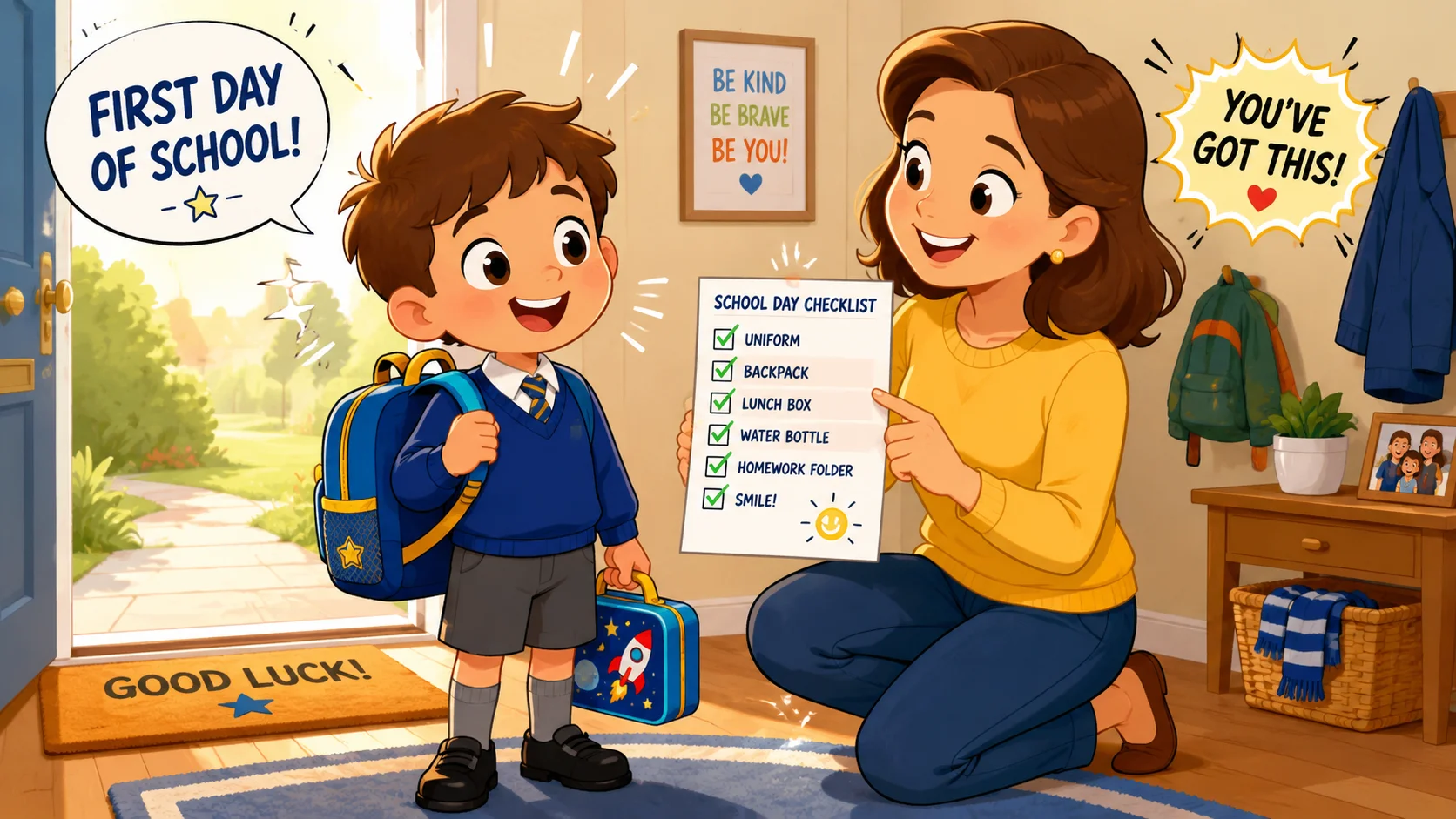
Helping a child transition into primary education requires a focus on building independence and establishing comfortable daily school routines.
Primary readiness items
Starting primary education is easier when children have a few simple, age-appropriate items. This collection includes a simplified school uniform, an easy-to-open book bag, a leakproof water bottle, a change of spare clothes, and a weather-resistant winter coat. Selecting items with simple fastenings helps young children manage their gear independently, boosting their self-confidence in the classroom.
Preparing for the first days
The transition into a new routine goes more smoothly when children know what to expect. Parents can ease the first day by practising drop-off at the gates, trying on the school uniform at home, and helping children practise opening lunch boxes independently. Using calm, reassuring language when saying goodbye helps reduce separation anxiety for both the parent and the child.
Healthy routine essentials
Solid physical routines give young children the energy and focus they need for a full day of structured learning. Establish an age-appropriate bedtime, alongside a nutritious breakfast and a predictable morning routine. Basic self-care skills, such as handwashing, independent toileting, and dressing, are important signs that a child is ready for school.
After-class and extracurricular plans
A full day demands significant mental and emotional energy from young children, often leading to afternoon fatigue. Parents should arrange clear collection plans, coordinate after-class childcare early, and plan for a nutritious post-class snack to stabilise blood sugar. Keeping after-class schedules light during the first few weeks allows children the downtime they need to process their new environment.
Route practice
Practising the daily journey can reduce morning stress and improve safety. Parents should walk or drive the exact route multiple times during the summer, pointing out safe crossing zones, checking local parking options, and locating bike storage facilities. This practice helps children feel more secure and understand the journey from home.
Anxiety support
Adjusting to an unfamiliar classroom can trigger natural feelings of anxiety or hesitation in young learners. Parents can support emotional health by discussing feelings openly, reading age-appropriate books about going to school, and framing the upcoming school year with positive, encouraging language. If a child shows signs of persistent distress, reaching out to the classroom teacher early allows for a collaborative support plan.
Early years readiness
Early years curricula prioritise social interaction, active listening, and early communication skills. Parents can foster these qualities at home by encouraging turn-taking during games, practising simple multi-step instructions, and supporting cooperative play with peers. Building these social skills helps children adapt comfortably to the structured expectations of a primary classroom.
Secondary checklist
Moving up to secondary education brings higher academic expectations and requires stronger personal organisation.
Secondary supplies
Older students study a wider range of subjects, so they need a broader set of specialist equipment. The required supplies may include ring binders, lined refill pads, a scientific calculator, a locker padlock, and a lunch payment card. Sorting these items early helps students focus on getting used to their new timetable.
Year 7 essentials
The transition from primary to secondary education requires a major step up in a student’s personal organisation and independence. Year 7 students must adapt to managing a larger bag, reading a complex multi-room timetable, and balancing homework deadlines from multiple teachers. Parents can support this growth by helping students establish a structured home study routine during the first few weeks.
Organisational tools
Managing a varied workload requires clear tracking tools to avoid missed homework and deadlines. Students can benefit from physical planners, colour-coded subject folders, and homework tracking apps. Setting up a matching storage system at home gives students a clear place to store completed work and file returned tests systematically.
Timetable and planner setup
Understanding the weekly timetable helps prevent forgotten books, PE kit, and homework. Parents can help their teenager create a large, colour-coded copy of their timetable to put on the fridge or above their desk. This visual guide makes it easy to see which days require a PE kit, specific textbooks, or completed homework assignments.
Travel independence
Travelling independently to lessons helps build responsibility and confidence. Parents should map out local bus routes or walking paths, verify travel passes, establish emergency check-in protocols, and practise the journey before the first day. Having a backup plan for bad weather or delays helps students handle travel problems calmly.
Personal needs for girls
Having the right personal supplies helps girls feel comfortable and prepared during the school day. A discreet personal hygiene pouch should contain appropriate period products, a spare pair of underwear, a small deodorant, and pocket tissues. Helping your daughter locate the pastoral support office ensures she knows where to find additional supplies or guidance if needed.
Digital devices and policies
Modern secondary curricula often use digital platforms for coursework, homework, and research. Parents should check any laptop requirements, set sensible home internet filters, charge devices overnight, and make sure students can log in to learning portals. Reviewing school smartphone restrictions helps prevent disciplinary issues and reduce digital distractions.
Routine and home preparation checklist
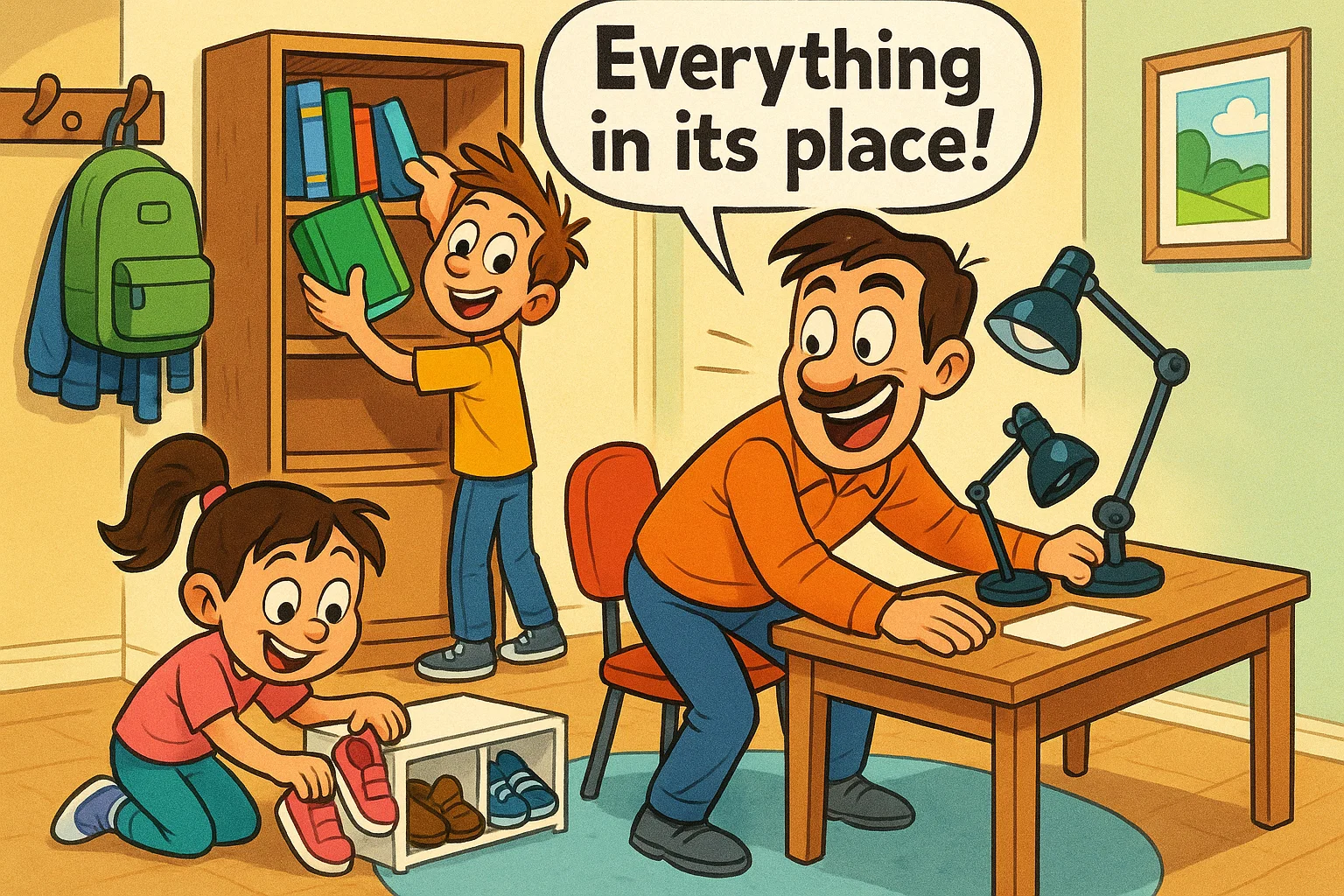
A well-structured home routine can reduce morning stress and support better learning habits.
Establish a bedtime routine
Returning to a school sleep schedule is easier with a gradual adjustment period. In the week or two before school term starts, move bedtimes and wake-up times 10 to 15 minutes earlier every few days until you reach the target weekday schedule. Sleep experts generally recommend keeping the period before bed calm and screen-free where possible, as evening screen use can make it harder for children to settle.
Set a school morning routine
A predictable morning routine reduces family stress and helps students arrive focused and ready to learn. A smooth routine leaves enough time for breakfast, getting dressed, brushing teeth, and a final bag check before leaving. Using visual checklist charts helps younger children stay on track independently without needing constant parental reminders.
Stock the fridge with lunches and snacks
Providing balanced, nutritious meals helps keep a child’s energy levels and concentration steady throughout the school day. Stock the kitchen with whole grains, lean proteins, fruit, and vegetables that fit your allergy policy. Preparing snacks and packing lunch boxes the evening before saves time on busy mornings.
Set a homework and study space
A dedicated, quiet study area helps students focus and builds strong, consistent homework habits. Choose a well-lit space away from high-traffic household distractions, and stock it with core stationery, charging ports for learning tech, and comfortable seating. Keeping this area organised helps children associate the space with homework and focus.
Prepare the night before
Taking care of basic preparation tasks the evening before helps prevent the morning rush and unexpected delays. Make it a habit to lay out the school uniform, pack the school bag with required books, assemble lunch boxes, fill water bottles, and check alarms before going to bed. This routine creates a calm evening rhythm and ensures a more relaxed start to the morning.
Keep learning going
Maintaining light academic engagement over the summer break helps prevent learning loss and keeps cognitive skills sharp. Encourage regular reading, simple maths games, and high-quality educational apps that build problem-solving skills. Keeping these activities low-pressure and engaging helps maintain a natural curiosity and love of learning.
Summer learning activities
Active, hands-on learning experiences over the summer build background knowledge that supports classroom success. Family trips to local museums, nature journalling, keeping a summer diary, and joining library reading challenges are excellent ways to learn outside the classroom. These shared activities build vocabulary, spark creative thinking, and strengthen emotional connections within the family.
Paperwork, health, and admin checklist
Completing required administration early ensures your child has full access to activities and support systems from day one.
- Permission slips: Submit signed forms for trips, medical treatment, digital platform access, and photo or media permissions.
- Admissions data: Complete or update emergency contact forms, address verification, and home language information.
- Dietary information: Record food allergies, register for school dinners, and set up online payment accounts.
- Medical care plans: Provide doctor’s instructions and storage information for any medication required during the school day.
Submit permission slips
Formal parental consent is usually required before students can take part in external activities or use certain digital platforms. Parents should promptly complete and return forms for local trips, sports events, media use, and digital learning tools. Submitting these forms early helps your child take part in class activities from the start of the school year.
Complete forms
Starting at a new setting usually involves submitting a standard set of information forms. These documents may include enrolment forms, address verification, emergency contact details, and technology use agreements. Completing these forms accurately ensures staff have up-to-date information for safety and administrative planning.
Check emergency contact information
Having reliable communication channels is essential for safety and peace of mind during the school day. Review and update your phone numbers, backup contacts, email addresses, and the names of adults authorised to collect your child. Keeping this information current ensures staff can reach a guardian quickly if an emergency arises.
Review medication and allergy plans
Managing student health needs requires clear communication and careful attention to medical policies. Parents should provide the nurse or office with in-date medication, clear dosage instructions from a doctor, and signed medical authorisation forms. Setting up a detailed care plan helps staff manage chronic conditions like asthma or severe allergies safely.
Review school term dates and calendar
Staying aligned with the official calendar helps families plan holidays and balance work schedules without disrupting learning. Note start dates, holiday breaks, teacher training days, exam periods, and scheduled parent-teacher meetings. Tracking these dates early helps prevent avoidable absences and keeps the family organised.
Sort transport and childcare
Reliable transport and safe after-class care are key parts of a stable, low-stress routine. Take time to confirm bus routes, organise lift-sharing or carpools, book after-class care, and practise travelling the route together. Having a clear backup plan for collection reduces after-class anxiety and keeps the daily routine running smoothly.
School uniform care tips for longer wear
Proper garment maintenance protects your financial investment and keeps clothes looking neat and professional throughout the school year.
Washing instructions
Following garment care labels helps prevent shrinkage and keeps colours bright. Always wash school uniform with similar colours, turn embroidered items inside out to protect the stitching, use mild detergents, and avoid high-temperature wash cycles. Treating small stains before washing keeps dirt from setting permanently into the fabric fibres.
Laundry supplies
Having the right laundry tools on hand makes it easier to keep school uniform looking clean and crisp. Keep a stock of oxygen-based stain removers, protective mesh laundry bags for delicate knits, fabric markers, shoe polish, and extra name labels. Using targeted stain treatments helps remove common stains such as grass, ink, and lunch spills without damaging the fabric.
Drying instructions
Air-drying school uniform helps preserve fabric elasticity and prevents shrinkage caused by high tumble-dryer heat. Hang shirts, trousers, and skirts directly onto hangers to dry naturally, which minimises deep wrinkles and saves time on ironing. If shoes get wet from a rainy commute, stuffing them with newspaper helps them dry safely without losing their shape.
Ironing
Ironing clothes properly keeps school uniform looking crisp and sharp for the classroom. Use the correct heat setting for the fabric blend, such as a cool setting for synthetics and a medium setting for cotton blends, and iron garments while they are slightly damp to smooth out wrinkles quickly. Preparing a week’s worth of outfits over the weekend helps streamline busy mornings.
Stain removal
Quickly treating common stains keeps school uniform looking fresh and extends its usable lifespan. Use targeted cleaning techniques: soak grass and mud stains in cold water before applying an enzyme cleaner, use rubbing alcohol for ballpoint pen marks, and apply washing-up liquid to lift oil-based food stains. Avoid using harsh chlorine bleach, which can weaken fabric fibres over time.
Shoe care
Regular shoe maintenance protects leather footwear from early wear and shields feet from wet weather. Apply a quality leather polish every week to prevent cracking, treat shoes with a waterproofing spray to deflect rain, and replace worn laces promptly. Checking shoe soles regularly for uneven wear helps you spot when it may be time to replace them.
Storage and rotation
Organising clothes systematically reduces morning searches for school uniform items and simplifies the weekly laundry routine. Dedicate a specific drawer or closet space solely for clean school uniform, keep labelled PE kits in their proper bags, and store out-of-season items neatly out of the way. This organised setup makes it easy to see what is clean and ready for the week ahead.
Smart back-to-school shopping tips
Practical shopping strategies help parents make the most of their budget while meeting requirements.
Planning ahead matters
Starting your shopping early gives you a better choice of sizes and helps avoid the stress of limited stock as the school year approaches. Buying supplies four to six weeks before term starts can help you find the right uniform sizes, preferred stationery items, and durable bags before the late-August rush. Early planning also leaves time to order specialist items online if they sell out locally.
Budget and price comparison
Managing back-to-school costs goes more smoothly when you compare prices across retailers and look for bundle deals. Check supermarket clothing ranges, specialist school uniform shops, local second-hand school uniform sales, and online stationery shops for the best value. Investing a little more in durable, high-use items like shoes and school bags often saves money in the long run by avoiding mid-year replacements.
Policy checks
Double-checking specific school guidelines before buying prevents costly mistakes and ensures compliance with dress codes. Review the handbook for exact rules on school uniform colours, required logos, acceptable shoe styles, permitted jewellery, and school bag dimensions. Matching your shopping list to these rules helps your child stay within guidelines from day one.
Size and fit checks
Selecting the right fit allows room for natural growth while helping your child move comfortably throughout the school day. Have children try on clothes and shoes at home, checking that they can run, sit, and bend easily without restriction. Buying garments with adjustable waistbands and allowing a small amount of growing room helps prevent clothes from becoming too tight mid-year.
Bulk-buy versus buy-later items
Smart purchasing splits your list into high-volume daily essentials and specialist items that can wait. Buy core items like pencils, pens, glue sticks, and daily shirts in bulk so you can keep a stock of supplies your child uses often. Wait to buy specialist art supplies or subject-specific secondary materials until teachers confirm the exact requirements during the first week of the school term.
Labelling and organisation
Labelling and organising supplies early helps stop new gear from getting lost during the busy first school weeks. Spend an afternoon attaching personalised name labels to clothing, footwear, lunch items, and stationery cases, then tick off your list as each category is done. Involving your child in this process helps them recognise their belongings and builds a sense of personal responsibility for their gear.
Sustainable and second-hand options
Choosing eco-friendly and pre-owned items reduces environmental impact and lowers overall costs. Explore organised school uniform exchanges, local online marketplaces, and second-hand shops for gently used blazers or textbooks. Repairing minor wear on existing gear and passing down durable outgrown clothes are great ways to practise sustainable living.
Frequently asked questions
What should be on a back-to-school checklist?
A back-to-school checklist should cover uniform, school shoes, PE kit, stationery, lunch supplies, paperwork, transport, and daily routines. It should also include health forms, emergency contacts, school calendar dates, and any necessary supplies requested by the school.
How can I help my child get ready for school?
You can help your child get ready for school by practising the morning routine, visiting the school route, setting a consistent bedtime, and talking calmly about what the first day will look like. If your child is starting school for the first time or returning to school after a long break, small practice steps can make the transition feel less overwhelming.
What should parents buy before the new school term starts?
Before the new school term starts, parents usually need to buy school uniform, school shoes, PE kit, a school backpack, stationery, lunch boxes, water bottles, and name labels. It is also worth checking whether your child needs items for school clubs, school dinners, or specific subjects before you complete your back-to-school shopping.
Is a back-to-school shopping checklist useful?
Yes. A back-to-school shopping checklist helps parents avoid duplicate purchases, stay within budget, and tick off your list of essentials before the school year approaches. It is especially useful if you have more than one child or need to compare school requirements across different year groups.

Take a short quiz to find out what your everyday choices say about your parenting style
When your child is curious about something new, what’s your instinct?
Take a short quiz to find out what your everyday choices say about your parenting style
“Can I download this app?” What happens next?
Take a short quiz to find out what your everyday choices say about your parenting style
When it comes to rules at home, which sounds most like you?
Take a short quiz to find out what your everyday choices say about your parenting style
If you could give your child one life skill today, what would you pick?
Take a short quiz to find out what your everyday choices say about your parenting style
Your child gets to choose what to watch. What would your ideal setup look like?
Take a short quiz to find out what your everyday choices say about your parenting style
Pick your parenting superpower ✨