Parenting Tips for Toddlers: 16 Positive Parenting Tips for Ages 1–3

 Discover a Free Education Video App for Kids
Pastory uses AI to personalize educational video content based on your child’s interests and personality. Safe, engaging, and built for curious young minds. Sign up now to stay updated and enjoy early access with a free trial
The toddler years can bring immense joy, along with plenty of daily challenges. As children grow from infancy into early childhood, parents need practical, parent-friendly advice to support healthy development during ages 1–3.
This guide covers key parts of daily toddler life, including behavior, tantrums, sleep, healthy meals, active play, and home safety. By using positive parenting strategies, caregivers can build predictable routines, encourage warm communication, guide toddlers with gentle discipline, and turn daily struggles into opportunities for connection.
Key Takeaways
- Toddlers need calm, consistent, predictable parenting: Steady responses help children feel safe and emotionally secure.
- Positive discipline works better than yelling or punishment: Guidance that focuses on teaching better choices helps toddlers learn kind, cooperative behavior.
- Routines support sleep, meals, behavior, and emotional security: Daily rhythms reduce anxiety by helping toddlers know what comes next.
- Tantrums are normal, but parents can respond with calm steps: Outbursts often reflect a toddler’s still-developing ability to manage intense feelings.
- Safety, healthy food, active play, and limited screen time matter every day: Physical well-being supports brain development, mood, and behavior.
- Encouragement, empathy, and clear communication support positive behavior: Naming and validating feelings can make cooperation easier and strengthen a child’s confidence.
Core Principles of Positive Toddler Parenting
Calm Parenting Reduces Power Struggles
Toddlers watch adults closely and often copy how they respond at home. When a parent stays calm and speaks softly during stressful moments, the toddler is more likely to feel safe and settle down.
Research on child stress and parent-child interaction suggests that calm, responsive parenting can help reduce stress and make power struggles easier to manage. This does not mean parents must be perfect. It means that steady, predictable responses give toddlers a model for how to handle frustration.
Routine Helps Toddlers Feel Secure
A consistent daily routine gives toddlers the predictability they need. When meals, naps, outdoor play, and bedtime happen at familiar times, toddlers know what to expect, which can make transitions easier.
Predictable routines help very young children understand what comes next. A simple daily rhythm can reduce resistance around common transitions, such as leaving the playground, getting into the bath, or preparing for bed.
Positive Discipline Teaches Better Choices
Positive discipline is a teaching approach, not a punishment-based approach, for children ages 1–3. Caregivers set firm boundaries with kindness, helping toddlers learn what to do instead of relying on fear, shame, or physical intimidation.
Toddlers are still developing impulse control. Clear, supportive limits help them practice self-control over time.
Safety, Sleep, Nutrition, and Play Matter Daily
Healthy toddler development depends on more than behavior management alone. Adequate sleep, childproof spaces, nutrient-dense meals, and daily active play all support a child’s mood, learning, and physical growth.
Health organizations emphasize that sleep, movement, and healthy routines support young children’s physical and cognitive development. An overtired, hungry, or under-stimulated toddler is more likely to struggle with cooperation and emotional regulation.
Child Development and Developmental Milestones
Language Milestones Ages 1–3
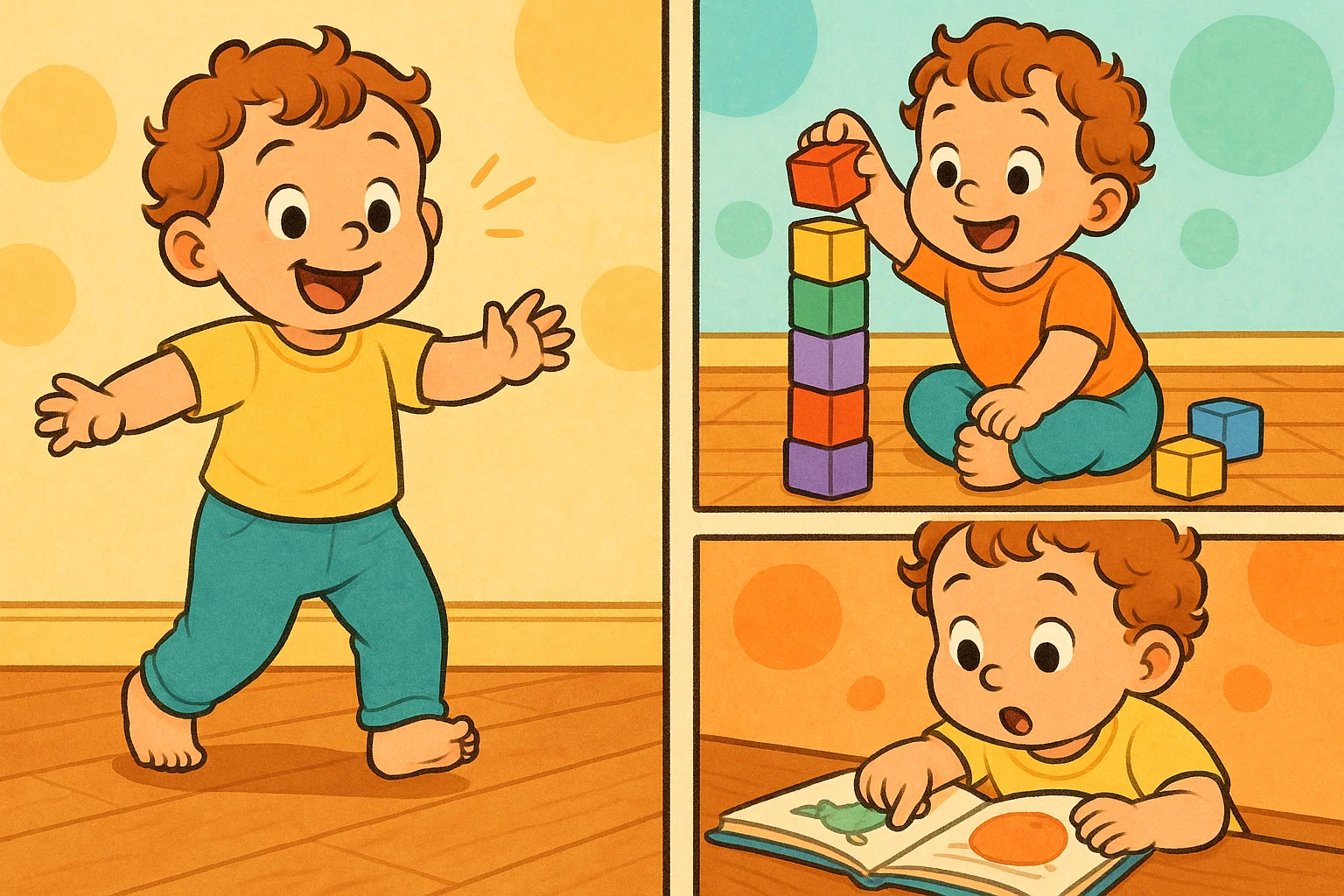
Language develops quickly between ages 1 and 3. Many 12-month-olds are beginning to use a few simple words, while many 3-year-olds can use short sentences and a rapidly growing vocabulary.
Parents can support language development by talking with toddlers and expanding on what they say during daily routines. For example, if a toddler says “truck,” the caregiver can expand it by saying, “Yes, that’s a big blue truck. It’s moving fast.”
| Age Range | Expressive Language | Receptive Language |
| 12–18 months | Uses sounds, gestures, and a few simple words; by around 18 months, many toddlers try to say several words besides “mama” or “dada” | Follows simple one-step directions, especially with gestures or familiar routines |
| 18–24 months | Uses more single words and may begin combining two words | Points to named objects and follows simple directions without gestures |
| 24–36 months | Uses short phrases and simple sentences; vocabulary grows quickly | Understands simple multi-step directions and basic spatial words, such as “in,” “on,” and “under” |
Social and Emotional Milestones
Social development during the toddler years involves moving from parallel play toward early cooperative interactions. Toddlers may show separation anxiety around 12 to 18 months, which is a normal attachment milestone.
As children approach age 3, they often imitate adults and peers and may begin to show early empathy, such as offering a blanket to a crying friend. Because toddlers are still learning emotional regulation, these kind actions may alternate with intense frustration when their wishes are blocked.
Movement and Play Milestones
Movement milestones help caregivers and pediatricians see how a child’s motor skills are developing. Gross motor skills often evolve from early walking around age 1 to more confident running, jumping, and stair climbing by age 3.
Fine motor progress may include stacking 4 to 6 blocks, making circular scribbles, and beginning to use utensils. Caregivers can support these milestones by providing safe spaces where toddlers can move, climb, explore, and test physical boundaries every day.
When to Ask a Pediatrician
Caregivers should monitor developmental milestones so they can ask for help early if concerns arise. The Centers for Disease Control and Prevention recommends talking with a pediatrician if an 18-month-old is not pointing out something interesting or is not trying to say at least three words besides “mama” or “dada.”
Parents should also seek professional guidance if a child loses previously acquired speech, social, or motor skills at any age. Early screening can help families access early intervention services and support a child’s development.
Establish an Emotional Connection With Your Toddler
Spend Focused One-on-One Time
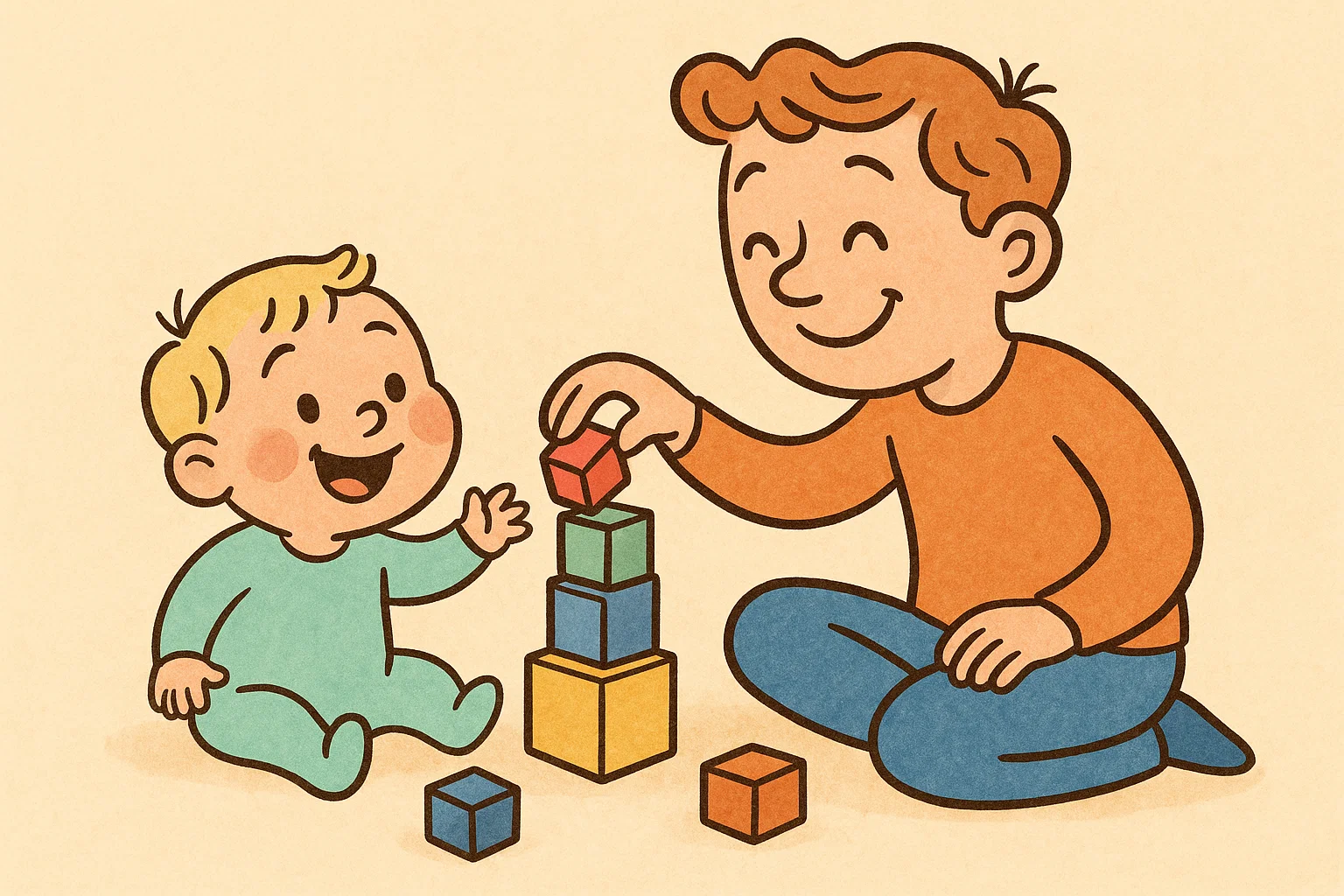
A strong emotional connection is the foundation for cooperation during the toddler years. Parents can aim for 10 to 15 minutes of uninterrupted one-on-one time each day, without phones or household tasks.
Child-led play, such as building with blocks, reading picture books, or exploring outside, helps toddlers feel connected and may reduce attention-seeking behavior over time. During this time, the parent follows the child’s lead rather than directing every step of the activity.
Name Feelings During Big Emotions
When toddlers have big emotions, they may not yet have the skills to calm themselves without help. Caregivers can support this process by naming feelings during emotional moments, using simple words such as angry, sad, scared, tired, or frustrated.
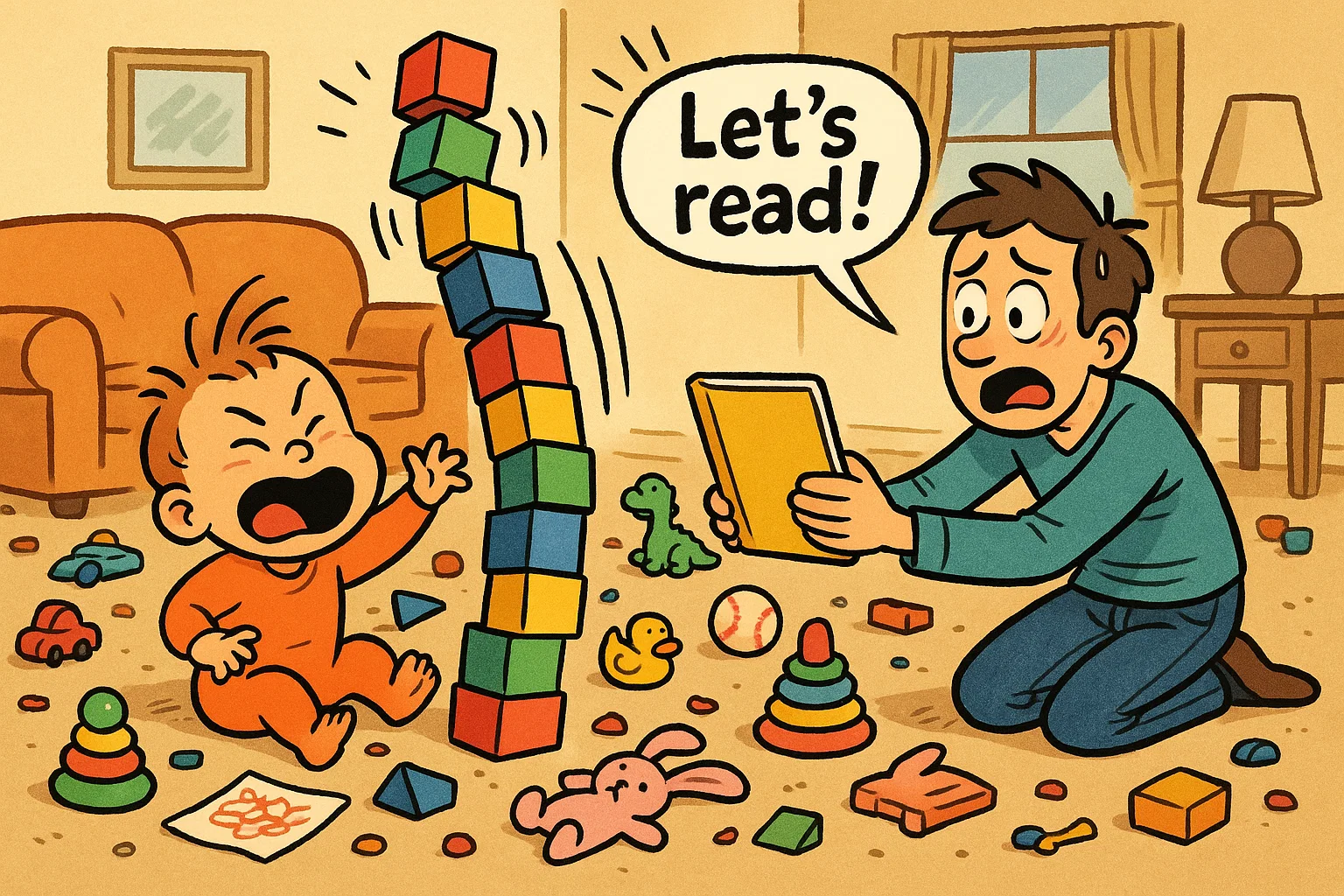
A parent can say, “You look mad because the block tower fell down.” This kind of labeling helps toddlers connect body feelings with words, which supports emotional development.
Offer Comfort Before Correction
A toddler is unlikely to learn a rule while they are overwhelmed. Caregivers should offer comfort before correction, helping the child feel safe and calm before explaining the boundary.
If a toddler throws a toy during a tantrum, the parent can first sit close, offer a calming breath, and say, “I see you are upset, and I am here.” Once the child is calmer, the parent can set the boundary: “Toys are for playing, not throwing. Let’s pick it up together.”
16 Positive Parenting Tips for Toddlers
1. Never Yell During Tough Moments
Yelling can trigger a toddler’s fight-or-flight response, making it harder for them to listen and learn. When a parent loses their cool and shouts, the toddler may feel afraid rather than understand the boundary being set.
Instead of raising their voice, caregivers can pause, get down to the child’s eye level, and use short, clear sentences to help the child settle.
2. Encourage Effort and Curiosity
Toddlers are naturally curious and learn by exploring the world around them. Parents can support this growth by praising the process of exploration rather than demanding perfect results.
For instance, when a child tries to stack cups, a supportive script is: “You are trying hard to balance those cups. Look how focused you are.”
3. Use Positive Discipline
Positive discipline emphasizes proactive teaching over reactive punishment. Parents can set up the environment to prevent problems and use calm, logical consequences when limits are crossed.
A common mistake is making vague threats. Instead, use clear words: “Crayons stay on the paper. If you draw on the table, I’ll put the crayons away for now.”
4. Respond to Tantrums With Calm Steps
When a toddler has a tantrum, it is often a sign of emotional overload, not deliberate misbehavior. Caregivers can manage these episodes by staying physically present, keeping the child safe, and avoiding long verbal arguments.
A helpful script for a public tantrum is: “We’re going to move to a quieter spot until your body feels calm and safe again.”
5. Create a Healthy Sleep Schedule
Proper rest is essential for emotional stability and behavior during early childhood. Toddlers ages 1 to 2 generally need 11 to 14 hours of total sleep in a 24-hour period, including naps. Children around age 3 usually need about 10 to 13 hours.
Caregivers can reduce overtired meltdowns by keeping regular wake-up and bedtime routines and turning off screens at least 60 minutes before bed.
6. Build Healthy Eating Habits
Nutrition can influence energy levels, mood, and daily cooperation. Parents can offer balanced meals with protein, whole grains, fruits, and vegetables while avoiding pressure, bribery, or battles at the table.
A helpful rule of thumb is that the parent decides what and when to offer, while the toddler decides how much to eat from what is served.
7. Encourage Independence
Supporting independence helps toddlers feel capable and can reduce daily power struggles. Caregivers can encourage independence by allowing the child to complete simple, age-appropriate tasks without unnecessary interference.
Good opportunities include letting the child choose between two shirts, help wash vegetables, or put their shoes in a basket by the door.
8. Avoid Phone Distractions During Key Moments
Parental digital distraction, sometimes called “technoference,” can interfere with connection, conversation, and language-rich interaction. When a parent checks a smartphone during meals, play, or bedtime, the toddler may receive fewer back-and-forth interactions.
Reducing phone use during caregiving routines gives parents more chances to talk, respond, and connect with their child.
9. Praise Effort, Not Just Results
Generic phrases like “good job” do not tell your child exactly what they did well. Caregivers should use descriptive praise that names the positive action they noticed.
For example, instead of generic praise, say: “You used gentle hands with the puppy. That helps the puppy feel safe.” This reinforces the specific behavior you want to see again.
10. Teach Empathy Through Daily Life
Empathy is a complex social skill that develops through adult modeling and gentle guidance. Parents can teach empathy by pointing out how actions affect other people, pets, and living things.
When a toddler shares a toy, the caregiver can say, “Look at your sister’s smiling face. Your kindness made her feel happy.”
11. Use Clear Communication
Toddlers may struggle to follow long, multi-step explanations during stressful moments. Parents can use clear communication: short sentences, warm eye contact, and positive wording that tells the child what to do.
For example, say, “Please use walking feet inside the house,” rather than shouting, “Don’t run!”
12. Model Good Behavior
Toddlers constantly observe and imitate the adults around them. A parent cannot expect a child to use a quiet voice if the adults in the home routinely yell across rooms.
Caregivers encourage positive behavior by modeling patience, tidiness, polite language, and healthy media habits themselves.
13. Create a Toddler-Friendly Environment
Set up the home to reduce conflict and make safe, independent exploration easier. By keeping fragile items out of reach and placing toys on low, accessible shelves, parents can reduce how often they need to say “no.”
This physical arrangement helps the child feel competent while preventing frustration-fueled outbursts.
14. Create a Predictable Routine
A daily schedule helps a child feel secure by removing some of the anxiety of the unknown. Caregivers can use simple visual charts for the morning routine, meals, nap time, and bedtime.
When a toddler knows that bath time is followed by a book and then sleep, bedtime often becomes easier.
15. Support Play-Based Learning
Play is one of the main ways young children build cognitive, spatial, and social skills. Parents can support play-based learning by providing open-ended materials such as wooden blocks, nesting cups, puzzles, and pretend-play items rather than relying mainly on electronic toys.
These simple tools encourage problem-solving as the child stacks, sorts, balances, and experiments.
16. Handle Setbacks With Patience
Child development is not always linear, and temporary setbacks in potty training or sleep can be normal. These setbacks can happen during growth spurts, big developmental changes, illness, travel, or family transitions like starting daycare.
Caregivers can navigate these phases by maintaining familiar routines and offering extra emotional reassurance without expressing frustration. However, a sudden loss of previously learned speech, social, or motor skills should always be discussed with a pediatrician.
Discipline Toddlers Gently
Set Limits Without Shame
Gentle discipline prioritizes firm boundaries without harming a toddler’s developing self-worth. When a child breaks a safety rule, the caregiver should step in right away and state the rule calmly and clearly.
This approach separates the child from the behavior, helping the toddler feel loved even while a limit is being set.
- Incorrect: “You are a bad boy for biting!”
- Correct: “I won’t let you bite. Biting hurts. You can say, ‘I’m mad.’”
Use Logical Consequences
Logical consequences help toddlers connect their choices with clear, safe outcomes. If a child keeps throwing a toy after being asked to stop, the parent can calmly put the toy away.
The caregiver can explain the consequence simply: “You threw the truck, so the truck is going away for now. You can try again later.”
Redirect Before Conflict Grows
Proactive parenting involves noticing a toddler’s early signs of fatigue, hunger, or frustration and stepping in before a complete meltdown occurs. If a child begins whining or throwing puzzle pieces, the caregiver can redirect the behavior by shifting focus to a new activity.
Offering a small snack, stepping outside for a short walk, or starting a sensory water play activity can help defuse escalating tension.
Encourage Good Behavior
Notice Positive Choices Immediately
The most effective way to handle negative behavior is to actively reinforce positive choices when they happen. When a toddler shares a toy, sits quietly during a meal, or follows simple instructions, caregivers should offer specific verbal recognition.
Consistently noticing these moments teaches the child that positive actions bring connection and encouragement.
Encourage Consistency Without Bribes
Caregivers should distinguish between encouraging consistent effort and offering bribes to stop a tantrum. Offering sweets to stop an outburst can unintentionally teach a child that tantrums lead to treats.
Instead, establish simple routines where cooperative habits, such as putting away toys, are followed by a shared family activity, a special story, or warm attention.
Turn Good Behavior Into a Family Habit
Positive behavior becomes easier when family expectations are built into everyday routines. Simple rules, such as using gentle hands, speaking with kind words, and participating in cleanup time, should apply consistently to all family members.
When these expectations are clear and practiced by everyone, they become familiar habits for the growing child.
Child Safety First
Prevent Drowning
Water is a serious safety risk for mobile toddlers because they are curious and quick. Caregivers must maintain constant, close supervision whenever a child is near a pool, bathtub, bucket, or any open water.
- Maintain “touch supervision,” staying within arm’s reach during bath time.
- Install four-sided isolation fencing with self-closing gates around residential pools.
- Empty cleaning buckets and sensory water tables immediately after use.
- Use childproof toilet locks if your child is curious about the bathroom or tends to play near toilets.
Babyproof the Home for a Climbing Toddler
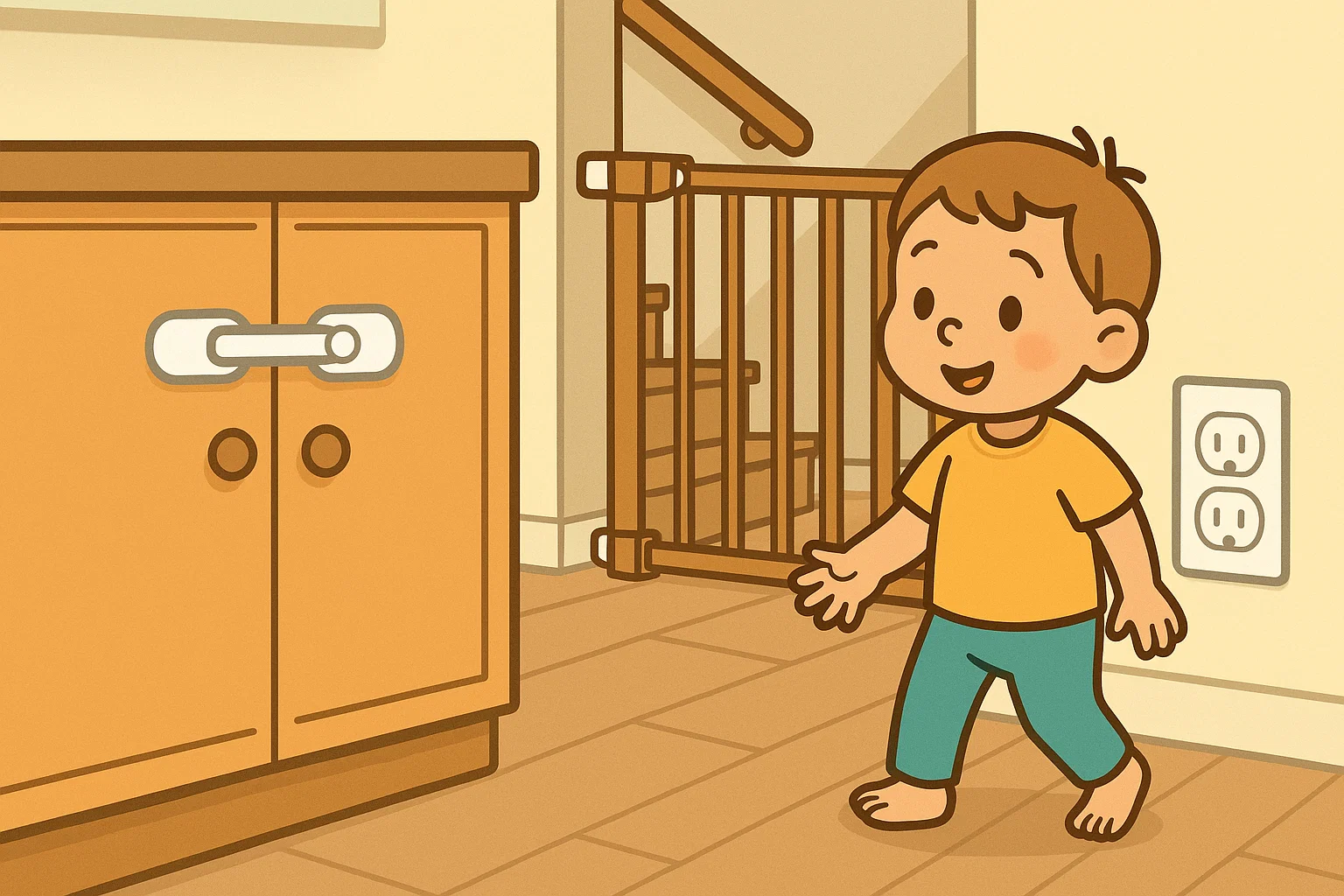
As gross motor skills improve, a toddler’s curiosity may drive them to climb furniture and explore hidden spaces. Caregivers should secure the home environment to prevent tipping accidents, falls, choking hazards, and poisoning risks.
- Anchor heavy furniture, televisions, and bookshelves securely to wall studs.
- Install safety gates at both the top and bottom of staircases.
- Place protective covers over unused electrical outlets.
- Store household cleaning products and medications in locked cabinets, ideally up high and out of reach.
- Keep small items that present a choking hazard entirely out of reach.
Use Car Seats Correctly
Proper car seat installation and use are essential for protecting your child in the car. The National Highway Traffic Safety Administration recommends keeping toddlers rear-facing as long as possible, until they reach the top height or weight limit allowed by the car seat manufacturer.
For rear-facing seats, caregivers should make sure the harness is snug and positioned at or below the child’s shoulders. They should also avoid bulky winter coats under the harness, because extra padding can prevent the straps from fitting properly.
Build Safe Outdoor Rules
Outdoor play provides valuable opportunities for physical activity, but it requires clear, consistent safety boundaries. Parents should teach toddlers to hold an adult’s hand when crossing streets, parking lots, or driveways.
Children should also wear properly fitted helmets when riding balance bikes and have sun protection for extended outdoor play.
Healthy Bodies
Plan Balanced Meals
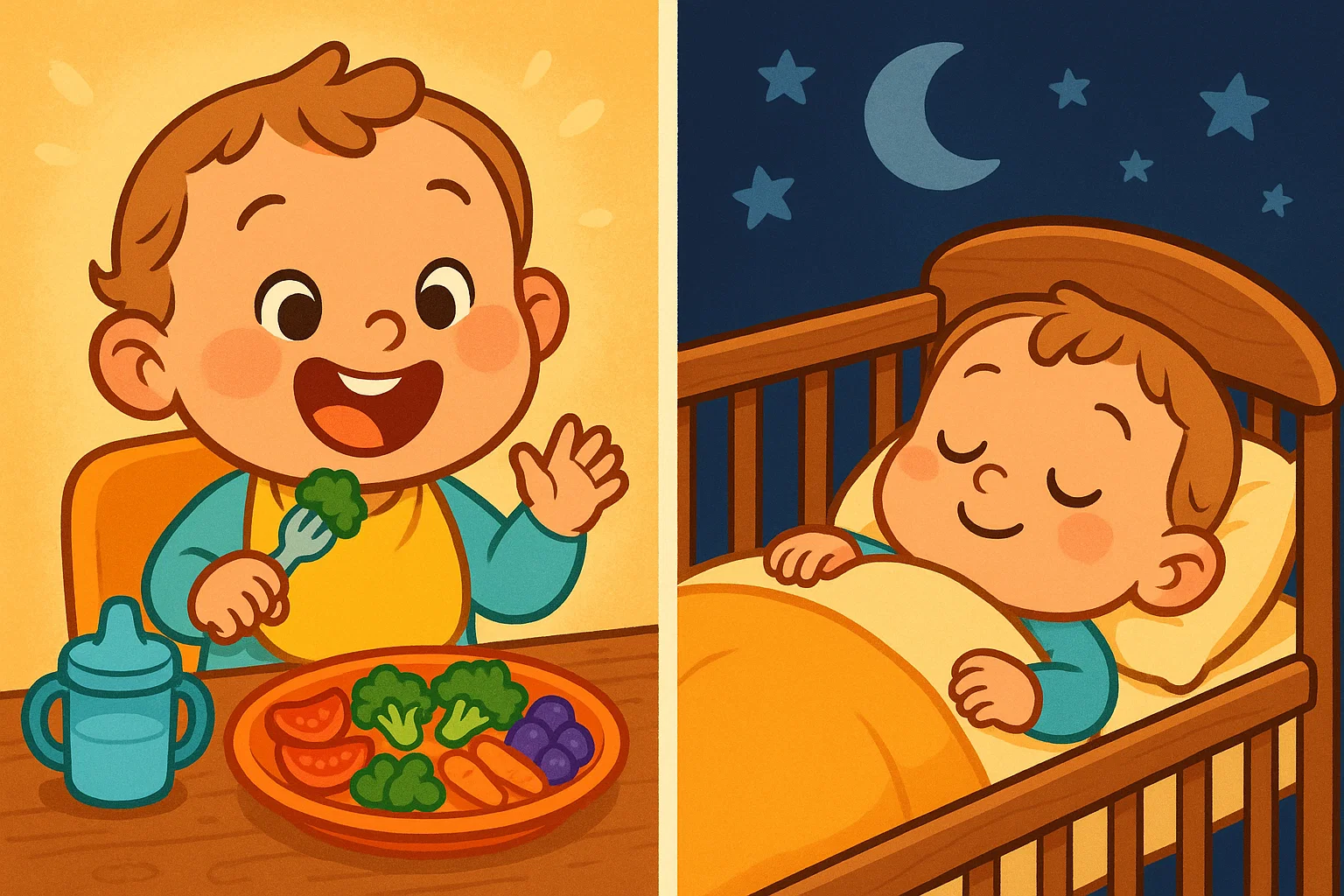
Balanced meals help toddlers get the nutrients they need for healthy growth and development. Caregivers can offer a colorful variety of whole foods across three meals and two to three planned snacks each day, depending on the child’s appetite and routine.
| Food Group | Approximate Daily Amount for Toddlers | Why It Matters |
| Vegetables | 1 to 1.5 cups | Provides vitamins, minerals, and fiber for gut health |
| Fruits | About 1 cup | Supplies antioxidants and supports immune system function |
| Whole grains | About 3 ounces | Delivers steady energy and supports metabolic health |
| Protein foods | About 2 ounces | Supports muscle growth and cellular repair |
| Dairy or alternatives | About 2 cups | Provides calcium and vitamin D to support healthy bones |
Protect Sleep and Nap Rhythm
Maintaining a consistent sleep and nap rhythm supports behavior, mood, and healthy physical growth. Caregivers can protect this schedule by watching for signs of overtiredness, such as eye rubbing, clumsiness, sudden hyperactivity, or frequent crying.
A quiet, screen-free bedtime routine can help the child wind down and sleep more peacefully.
Promote Active Play
Regular physical activity is vital for developing gross motor skills, managing energy levels, and supporting healthy sleep. Many guidelines recommend at least 180 minutes of physical activity for children ages 1–4, spread throughout the day, with more energetic play included as children grow.
Activities like running at the park, dancing to music, climbing safely, and playing with a ball help toddlers use their energy in healthy ways.
Limit Screen Time and Phones
For children 18–24 months, the American Academy of Pediatrics recommends choosing high-quality digital media only if parents want to introduce it and watching it together with the child. Solo screen use should be avoided in this age group whenever possible.
For children ages 2–3, keep screen time limited, high-quality, and co-viewed whenever possible. Many families use about one hour per day as a practical upper limit for entertainment media. Caregivers should create a family media plan that includes screen-free meals, playtime, and bedrooms.
Curated digital content plus co-viewing can support language learning and conversation. Unrestricted independent screen use can crowd out sleep, active play, and caregiver interaction.
Additional Tips for the Toddler Years
Stay Flexible During Growth Spurts
During rapid physical and cognitive growth, a toddler’s daily patterns may shift unexpectedly. Caregivers may notice temporary changes in appetite, disrupted sleep, or sudden clinginess.
Remaining flexible during these brief phases allows parents to offer extra comfort and security without turning normal developmental shifts into ongoing behavioral struggles.
Prepare for Transitions
Moving from a fun activity to a necessary routine, such as leaving the playground for lunch, can easily trigger a tantrum. Parents can ease these moments by giving advance notice and using clear visual or auditory cues.
A simple countdown timer, a cleanup song, or a playful choice like “Do you want to hop like a bunny or skip to the car?” can give the child a sense of control.
Support Sibling and Peer Interaction
Early social interactions offer opportunities to coach toddlers through skills like turn-taking and sharing. Because toddlers are still developing perspective-taking skills, parents should stay close and guide social exchanges patiently.
Avoid using negative labels like “selfish” or “naughty.” Instead, provide clear guidance: “It is Sarah’s turn with the doll now. Your turn comes next when the timer rings.”
Care for Parent Stress
Managing a toddler’s big emotions takes a lot of adult patience and emotional energy. Caregivers should prioritize their own well-being and stress management to avoid losing their cool during difficult parenting moments.
Taking a few deep breaths, asking for support, and keeping expectations realistic can help parents respond more calmly.
Final Thought
Main Message for Parents
Positive parenting during the toddler years is about progress, not perfection. Toddlers are complex, rapidly changing individuals who need repeated guidance, clear boundaries, and patient adults to navigate their expanding world safely.
Outbursts and setbacks are not signs of parental failure. They are common parts of early childhood development.
Encouraging Closing With Next Step
Instead of trying to overhaul your entire routine at once, focus on one or two small, steady improvements. Choose one or two positive parenting tips from this guide, such as introducing a regular bedtime routine or practicing descriptive praise, to focus on this week.
Small, consistent changes can help create a calmer home where both you and your toddler can thrive.
FAQ
What Are the Best Toddler Parenting Tips for Everyday Life?
The best toddler parenting tips are simple, consistent, and realistic. Parents of toddlers can start with predictable routines, calm communication, safe spaces, and daily one-on-one child time. These habits set the stage for cooperation because toddlers feel more secure when they know what comes next. One of the most helpful tips for parents is to notice positive behaviors more than punish mistakes. Praise effort, show your child what to do, and give your child clear choices when possible. Small steps can help your child learn cooperation without fear or shame.
How Can I Build a Stronger Relationship With My Child?
A strong relationship with your child grows through warmth, attention, and trust. Spend a few minutes each day playing, reading, or talking with them without distractions. This kind of focused child time helps your toddler feel seen and valued. Parenting a toddler is easier when the child feels connected before correction happens. When your child gets frustrated, try to stay close, name the feeling, and help them understand what is happening before setting a limit.
How Do I Discipline My Toddler Without Yelling?
To discipline your toddler without yelling, use short instructions, calm limits, and logical consequences. For example, instead of shouting, say, “Blocks are for building. If you throw them, I’ll put them away for now.” This helps your child learn the rule without feeling shamed. It’s normal to lose your cool sometimes, especially when a toddler is getting upset repeatedly. When that happens, repair the moment by calming yourself, reconnecting, and showing your child that mistakes can be fixed.
Should Parents Use Time Outs for Toddlers?
Time outs can be confusing for very young toddlers if they are used as punishment or isolation. Brief time outs may work better for older toddlers when they are calm, short, and used as a reset rather than a threat. For many children 0–3 years, a supported calm-down break with a parent nearby is more helpful. Instead of relying only on time outs, teach your child what to do next. Toddlers are still learning how to control their emotions, so they often need help calming their bodies before they can understand a rule.
What Should I Do When My Toddler Throws a Tantrum?
When a toddler starts to throw a tantrum, first make sure they are safe. Stay nearby, use a calm voice, and avoid long explanations during the peak of the outburst. A simple phrase such as “You’re upset. I’m here” can help them feel less overwhelmed. After the tantrum passes, help them understand what happened. You can say, “You were mad because we had to leave the park. Next time, we can take a deep breath and hold hands.” These tips to help toddlers calm down work best when parents repeat them consistently.

Take a short quiz to find out what your everyday choices say about your parenting style
When your child is curious about something new, what’s your instinct?
Take a short quiz to find out what your everyday choices say about your parenting style
“Can I download this app?” What happens next?
Take a short quiz to find out what your everyday choices say about your parenting style
When it comes to rules at home, which sounds most like you?
Take a short quiz to find out what your everyday choices say about your parenting style
If you could give your child one life skill today, what would you pick?
Take a short quiz to find out what your everyday choices say about your parenting style
Your child gets to choose what to watch. What would your ideal setup look like?
Take a short quiz to find out what your everyday choices say about your parenting style
Pick your parenting superpower ✨