
Home Safety Guide: Best Tips and Safety Checklists

 Discover a Free Education Video App for Kids
Pastory uses AI to personalize educational video content based on your child’s interests and personality. Safe, engaging, and built for curious young minds. Sign up now to stay updated and enjoy early access with a free trial
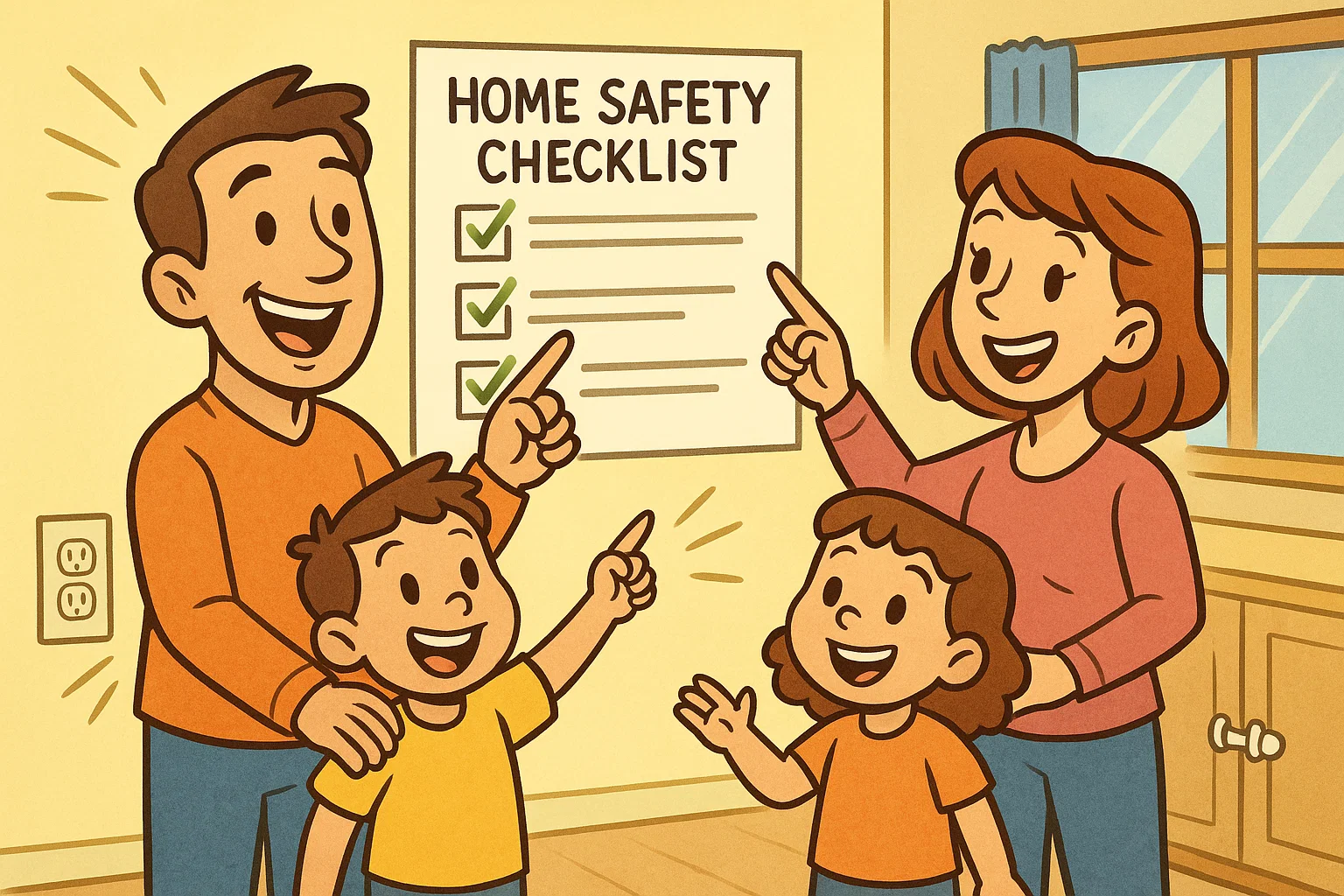
Identifying household risks, preventing common accidents, and preparing for emergencies are essential steps in creating a safer home. Every home contains hidden hazards, from unsecured furniture to outdated smoke alarms, that can lead to preventable injuries. This guide provides practical room-by-room home safety checklists and prevention tips to help you reduce hazards, protect your family, and create a reliable emergency plan.
Key Takeaways
- Implement Structured Safety Systems: Install interconnected smoke alarms, carbon monoxide alarms, and a reliable home security system to provide early warnings.
- Secure Hazardous Materials: Place cleaning products, laundry detergent, medications, and firearms in locked cabinets to prevent accidental poisoning and unauthorized access.
- Mitigate Fall Risks: Prevent falls by securing loose rugs with non-slip tape, improving poor lighting in stairways, and installing window guards on upper floors.
- Establish Clear Emergency Protocols: Develop a detailed emergency escape plan with two distinct exits per room and maintain a fully stocked first aid kit.
- Maintain a Regular Review Routine: Conduct monthly safety resets to test alarms, inspect electrical cords, and update emergency contact sheets.
Home Safety Starts With Understanding Risk Categories
A comprehensive home safety plan addresses different risk categories to reduce preventable injuries. Home injuries account for a significant number of emergency visits each year. These primary risk categories include fire hazards, electrical hazards, water and plumbing risks, security risks, falls, accidental poisoning, and age-specific hazards affecting toddlers and older adults. Managing these risks requires a strategic framework that evaluates every zone of the property.
Checklists Make Prevention Easier
Managing household hazards can feel overwhelming without a structured framework. Using a systematic home safety checklist helps homeowners and caregivers break safety improvements into manageable, scheduled tasks. Dividing tasks into daily, weekly, monthly, and seasonal routines helps ensure that key safety checks, such as testing alarms and inspecting detectors, are not overlooked. This ongoing maintenance approach turns a large home safety review into simple steps that fit naturally into regular household routines.
The Best Safety Plan Fits Household Needs
A home safety plan should be tailored to the people who live in the home, including their ages, mobility needs, and medical conditions. A home with a toddler needs strong childproofing and choking-risk prevention, while a home with an older adult may need mobility support and fall-prevention upgrades. Similarly, factors like regional climate risks, pet ownership, and the presence of legal firearms alter the necessary safety planning priorities. Customizing your security measures ensures that resources are focused on your household’s highest-risk areas.
Home Safety Defined and Categorized
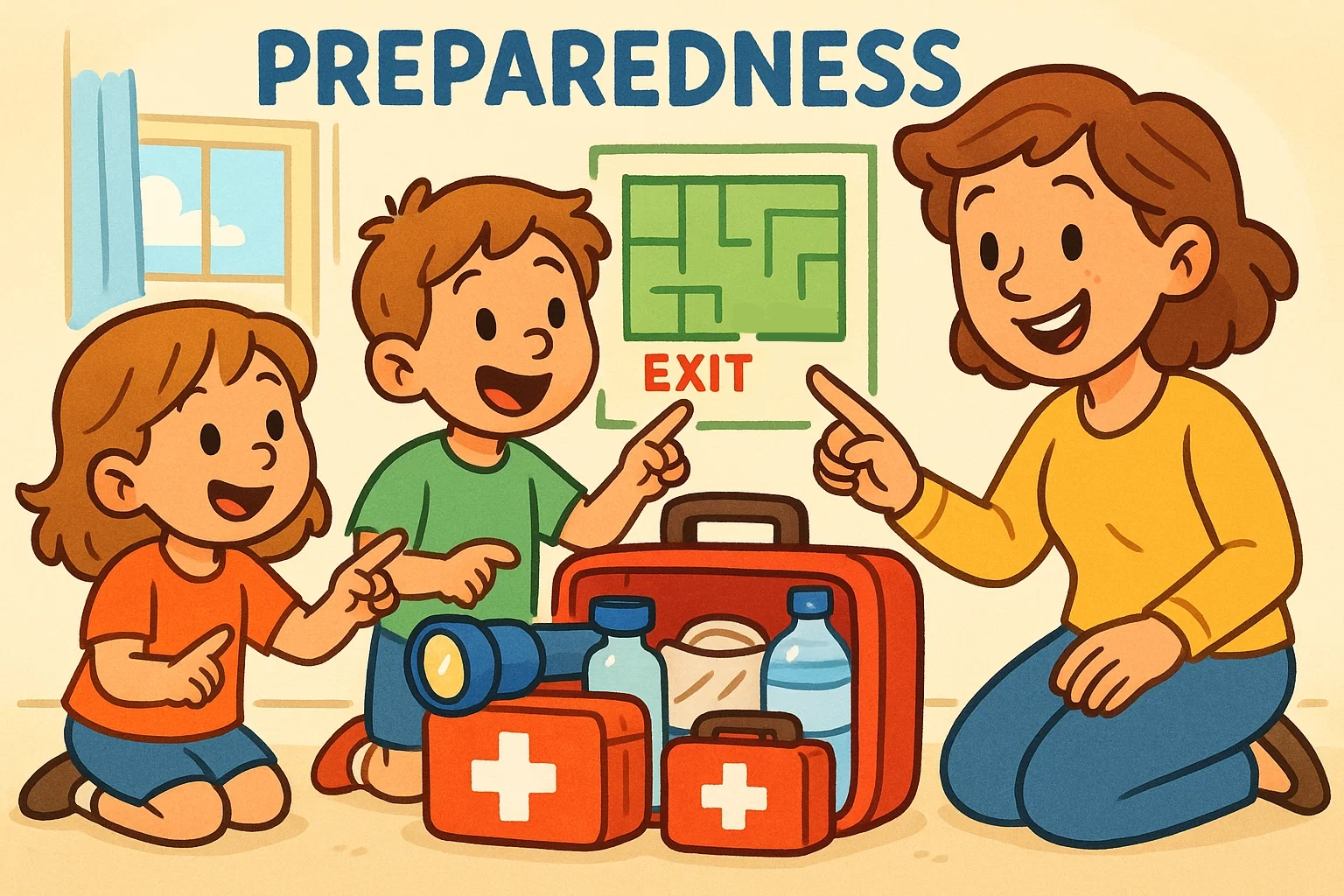
What Home Safety Means
Home safety means reducing the risk of accidents, environmental health hazards, and security problems through safer habits and practical safeguards. It helps households move from reacting to accidents after they happen to preventing them through safer routines and home improvements. Safety equipment such as smoke alarms, CO alarms, outlet covers, and child-resistant storage can help reduce common home risks. Ultimately, a safe home environment provides physical protection and peace of mind.
Core Idea: Reduce Access, Reduce Exposure, Reduce Confusion
The foundation of an effective home safety checklist relies on a three-tier operational framework:
- Reduce Access: Secure hazardous materials, sharp items, and dangerous equipment behind physical barriers.
- Reduce Exposure: Eliminate environmental risks, such as faulty wiring or slippery surfaces, before they cause harm.
- Reduce Confusion: Create explicit, practiced emergency plans so all residents understand precisely what to do when the unexpected happens.
| Strategy | Execution Method |
| 1. Reduce Access | Lock boxes, safety gates, latches |
| 2. Reduce Exposure | Cord covers, non-slip mats |
| 3. Reduce Confusion | Written escape plans, drills |
Main Home Safety Categories
To cover the whole home, divide safety planning into clear categories. These categories make it easier to check each part of the home without missing common hazards.
The essential home safety categories include:
- Fire Prevention and Suppression: Smoke alarms, extinguishers, and escape planning.
- Electrical Infrastructure Safety: Ground Fault Circuit Interrupters (GFCIs), cord management, and outlet protection.
- Toxin Control: Safe storage of cleaning products, laundry detergents, medications, and carbon monoxide prevention.
- Physical Security: Home security systems, reinforced entry doors, and perimeter motion lights.
- Structural and Fall Mitigation: Handrails, non-slip flooring, and structural anchors.
Risk Levels by Age, Room, and Routine
Home safety risks vary depending on who lives in the home, which room is being used, and what daily routines take place there. Children face different home-safety risks by age: infants are especially vulnerable to unsafe sleep environments, while drowning is a leading risk for children ages 1–4 around bathtubs, pools, and other water sources. Conversely, older adults face elevated risk levels on stairways and in poorly lit hallways due to balance and vision changes. Understanding these patterns helps caregivers focus safety improvements where they are needed most.
Common Home Safety Risks
Choking and Poison Risks
Accidental poisoning and choking are two of the most urgent safety risks in the home. The CPSC reports that toys with small parts, loose coins, and button batteries present a severe choking hazard for young children.
Many household chemical exposures happen when common products are stored within easy reach:
| Toxin Category | High-Risk Examples | Target Prevention Mechanism |
| Laundry Detergents | Liquid detergent pods | Store in a high, locked cabinet |
| Medications | Opioids, NSAIDs, vitamins | Dedicated lockbox |
| Automotive Fluids | Antifreeze, windshield wash | Original containers only |
Slip, Trip, and Fall Hazards
Falls are a major cause of nonfatal injuries and are especially dangerous for older adults, often leading to loss of mobility and independence. The National Institute on Aging (NIA) notes that the primary environmental contributors to falls include loose accent rugs, cluttered walkways, and poor lighting in transitional spaces. Electrical cords stretched across high-traffic areas create ongoing trip hazards. Additionally, stairs without stable handrails and uneven transitions between carpet and hardwood flooring increase the risk of a misstep.
Gas and Electrical Risks
Electrical malfunctions and gas leaks can quickly lead to serious property damage, injuries, or death. Overloaded extension cords and frayed appliance cables frequently generate electrical arcs, sparking nearby combustible materials. In kitchens, utility rooms, or garages, poorly maintained fuel-burning appliances can produce dangerous levels of carbon monoxide. Warning signs such as flickering lights, frequently tripped circuit breakers, a sulfur-like smell, or a burning odor may indicate electrical or gas safety risks that require immediate professional evaluation.
Fire and Burn Risks
Home fires can spread quickly, and residents may have as little as two minutes to escape after a fire starts. The National Fire Protection Association (NFPA) identifies unattended cooking equipment as the leading cause of home fires and civilian fire injuries. Other common ignition sources include space heaters placed too close to curtains, clothes dryers with lint buildup, and open candle flames. Burn risks also come from sources other than open flames, such as water heaters set too high, which can cause severe scalds in seconds.
Quick Checklist: Home Safety Essentials
Daily Safety Checks
A brief daily safety walkthrough helps maintain a basic level of home safety without taking much time. Focus on high-frequency variables that change throughout the day.
- Lock all exterior doors and windows before retiring for the night.
- Verify that the kitchen stove knobs, oven, and small appliances are turned off.
- Clear all primary walkways, hallways, and stairways of clutter or toys.
- Keep knives, other sharp utensils, and matches out of reach of young children.
- Ensure that bathroom floors are thoroughly wiped dry to prevent slipping.
Weekly Safety Checks
Weekly safety checks focus on small maintenance tasks that can prevent hazards from building up over time.
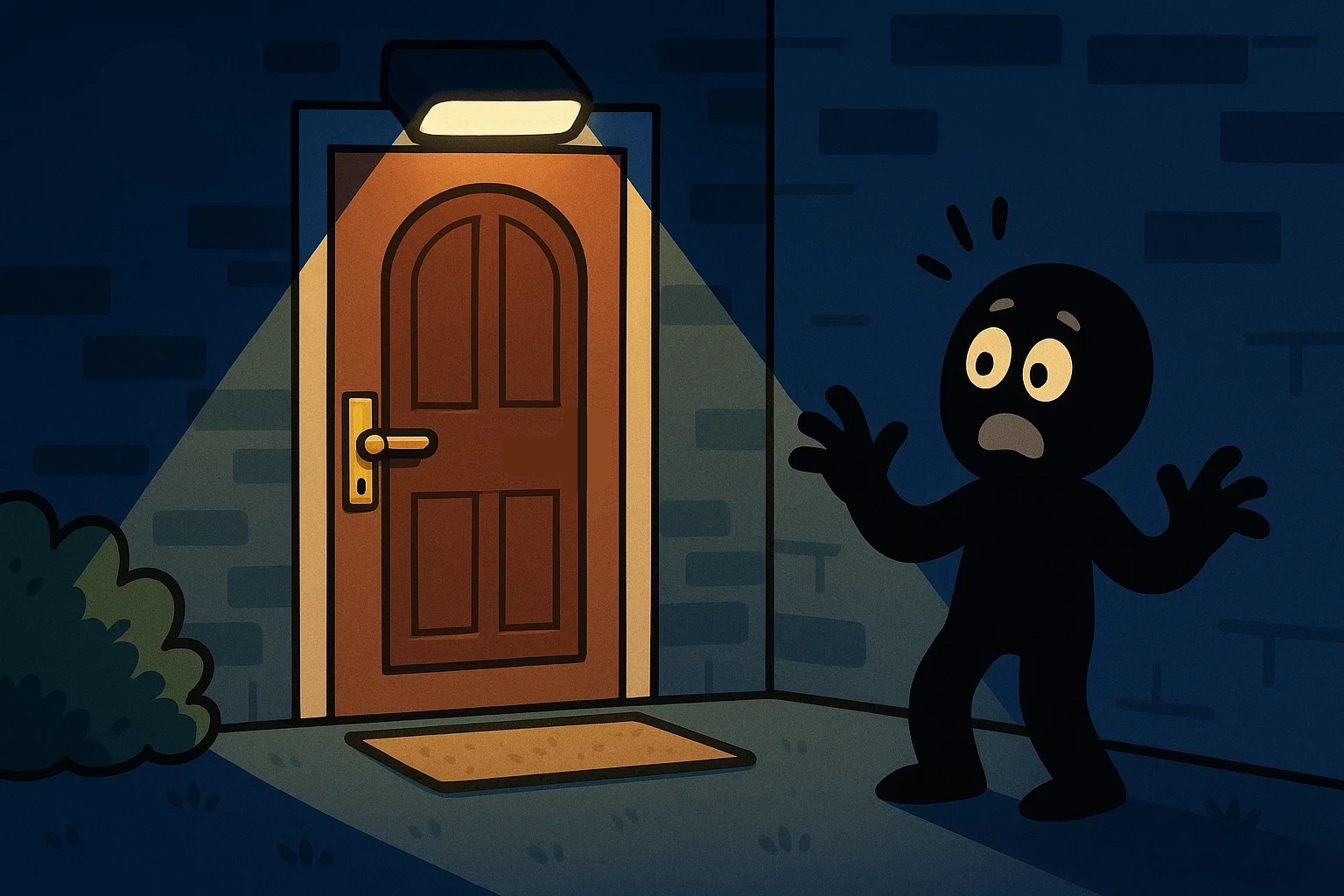
- Inspect exterior motion lights and replace any burned-out bulbs.
- Examine frequently used appliance cords for fraying or exposed copper wiring.
- Remove expired food from the refrigerator to reduce the risk of foodborne illness.
- Verify that the emergency kit flashlight batteries are functional.
- Clear lint screens in the clothes dryer to prevent heat-induced fire risks.
Monthly Safety Checks
A monthly safety reset helps keep alarms, emergency supplies, and basic safety equipment ready to use.
- Press the physical test button on all smoke alarms and carbon monoxide alarms.
- Inspect the first aid kit to replenish used bandages, ointments, or medications.
- Check the pressure gauge on all home fire extinguishers to ensure it rests in the green zone.
- Verify that entry doors open smoothly and deadbolts engage without sticking.
- Confirm that the primary household emergency contacts sheet is clearly visible on the refrigerator.
Seasonal Safety Checks
Seasonal checklists help you adjust your home safety plan for changing weather, climate risks, and holiday decorations.
| Season | Focus Area | Required Action |
| Spring | Storm Preparedness | Update emergency supply kits |
| Summer | Exterior & Pool Safety | Inspect gates and pool fences |
| Autumn | Heating Systems | Schedule professional furnace service |
| Winter | Freezing & Fire Mitigation | Check space heaters and pipes |
Room-by-Room Home Safety Checklist
Kitchen Safety
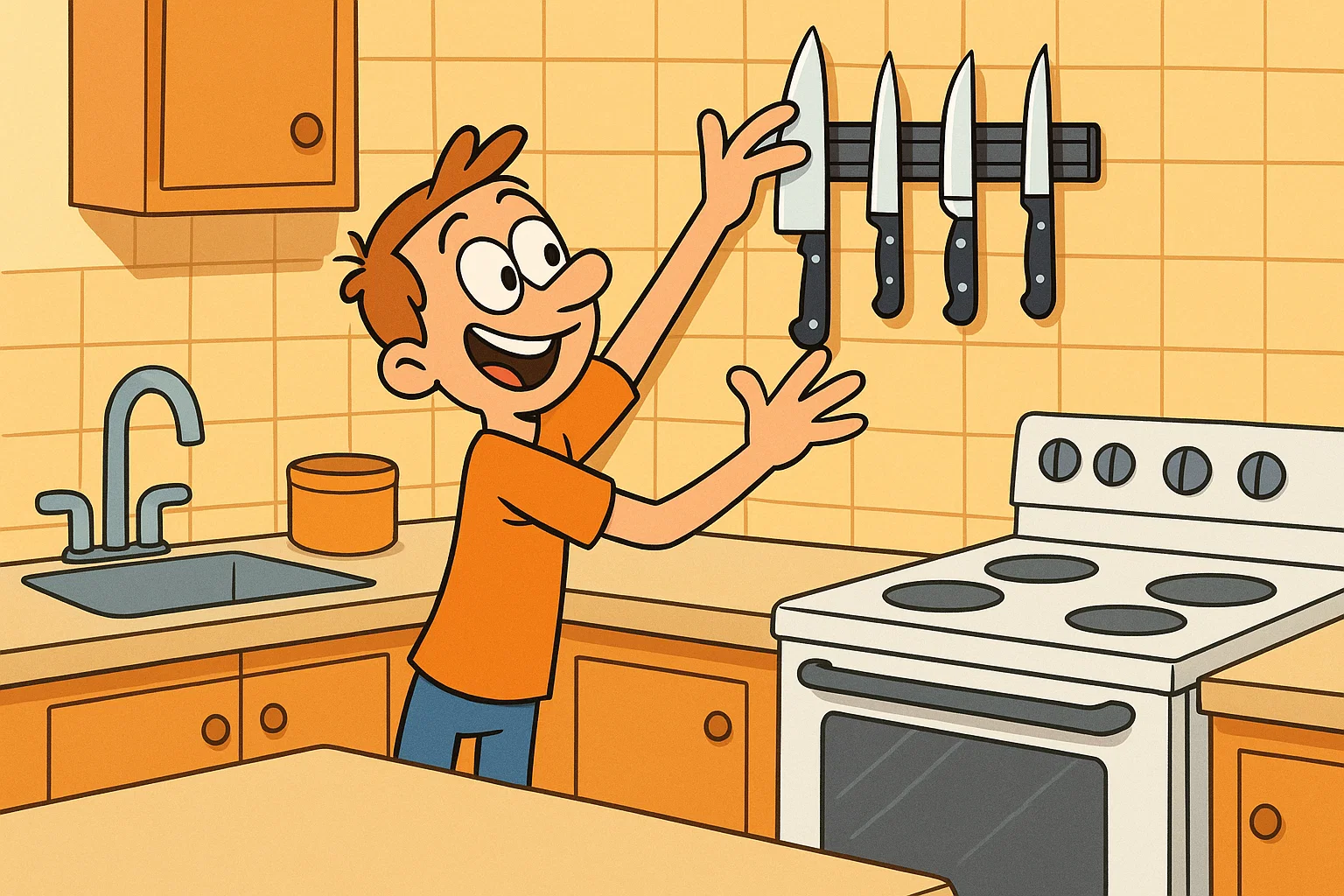
The kitchen contains many heat, sharp-object, and chemical hazards, so it requires consistent organization and careful routines.
- Install safety latches on all low cabinets containing cleaning products or dishwasher detergent.
- Keep a Class ABC fire extinguisher within easy reach of the kitchen, but not so close to the stove that you would have to pass through flames to reach it.
- Turn pot handles inward toward the rear of the stove during cooking routines to prevent accidental spills.
- Keep countertop appliance cords short and out of reach so toddlers cannot pull appliances down.
- Keep the range hood filter clean to reduce flammable grease buildup.
Bathroom, Water, and Bath Safety
Water on the floor and slippery bathroom surfaces make bathrooms high-risk areas for slips, falls, and accidental drowning.
- Use non-slip mats inside the bathtub and on the bathroom floor.
- Set the water heater to about 120°F (49°C), or use anti-scald devices where appropriate, to reduce the risk of scalding.
- Store all prescription medications, vitamins, and cosmetics in a high, locked cabinet rather than an accessible vanity.
- Unplug hair dryers, straighteners, and irons immediately after use, and keep them away from sinks and bathtubs.
- Never leave a child unattended in a bathtub or near any filled water container, even for a moment.
Bedroom and Living Room Safety
Living areas require careful attention to furniture stability and cord management so they remain safe for relaxing and playing.
- Anchor all heavy furniture pieces, including tall dressers, bookshelves, and televisions, directly into wall studs.
- Secure window blind cords with safety cleats, or choose cordless window coverings, to reduce strangulation risks for young children.
- Verify that a working smoke alarm is installed inside every bedroom and outside every sleeping area.
- Place babies to sleep strictly on their backs in a bare crib with a tight-fitting mattress to reduce suffocation risks.
- Set any space heaters at least three feet away from bedding, drapes, or upholstered chairs.
Garage, Basement, and Storage Safety
Garages, basements, and storage areas often contain chemical, mechanical, and fire hazards that should be kept away from daily living spaces.
- Store volatile chemicals, such as gasoline, pesticides, and pool chlorine, in their original containers inside a locked cabinet.
- Inspect extension ladders and step stools for structural cracks or loose hardware before climbing.
- Keep heavy storage bins stacked low on sturdy shelving units to prevent tipping incidents.
- Ensure proper ventilation in the garage when running fuel-burning lawn tools to prevent carbon monoxide buildup.
- Remove combustible materials, including oily rags and stacks of cardboard, to reduce fire risks.
Outdoor and Yard Safety
Exterior maintenance helps prevent injuries around the property before residents or visitors reach the front door.
- Install clear exterior lighting along walkways, entry stairs, and porch areas.
- Surround backyard swimming pools with a four-sided fence at least four feet tall and self-closing, self-latching gates.
- Store sharp garden tools, hedge trimmers, and lawn mowers securely inside a locked garden shed.
- Clear fallen branches, ice patches, and wet leaf accumulations from outdoor paths immediately.
- Regularly inspect decks, railings, and balcony enclosures for loose boards or structural wood rot.
Exterior Safety
Walkways, Stairs, and Lighting
Exterior walkways and stairs should provide clear, stable footing in all weather conditions. Installing high-output motion lights along walkways ensures that areas are well-lit whenever someone approaches. Handrails along exterior steps should be securely anchored so they can support an adult’s weight during a slip.
Homeowners must also evaluate pathways for uneven paving stones, exposed tree roots, and cracked concrete, fixing these issues promptly to remove dangerous trip hazards.
| Feature | Standard Attribute | Target Value |
| Walkway Lighting | Illumination Level | Bright enough to clearly see steps and path edges |
| Handrail Height | Vertical Distance | 34 to 38 inches |
| Pathway Surface | Trip Hazards | Repair uneven surfaces and follow local building codes |
Gates, Fences, and Entry Points
Perimeter barriers serve as critical boundary controls to prevent unauthorized entry and keep children and pets securely inside. Exterior side gates should have self-closing hinges and child-resistant latches positioned out of reach of toddlers. Fencing must be checked regularly for structural issues, such as loose slats or gaps near the ground where a pet could crawl under. Additionally, keeping hedges and landscaping trimmed short around entry doors prevents blind spots that intruders could use for concealment.
Drainage, Roof, and Weather Exposure
Neglecting exterior water management can damage your home’s structure and create immediate physical safety risks. Blocked gutters can overflow, allowing water to pool and freeze into dangerous ice patches on walkways below during winter. Leaks from loose roof tiles or cracked siding can damage ceilings and walls, creating structural and mold risks inside the home. Cleaning out gutters twice a year and repairing grading issues helps redirect water safely away from foundations, protecting both the structure and its walkways.
Outdoor Tools, Chemicals, and Fuel Storage
The improper management of outdoor equipment and maintenance supplies poses severe chemical and mechanical hazards. Power tools, chainsaws, and lawn care equipment should be cleaned, unplugged, and stored with their safety guards in place. Volatile fuels such as gasoline and propane should not be stored inside the home or basement; keep them in approved containers in a well-ventilated outdoor storage area.
| Material Class | Storage Medium | Control Mechanism |
| Gasoline / Propane | Approved container | Well-ventilated outdoor storage |
| Pesticides / Pool Chemicals | Locked cabinet | Keep in original containers |
Fire Safety, Burn Safety, and Smoke Alarms
Smoke Alarms and Fire Safety Items
The NFPA advises installing smoke alarms on every level of the home, inside each bedroom, outside each sleeping area, and on every level of the home. Interconnected smoke alarms offer the best protection because when one unit detects danger, every alarm sounds throughout the entire house.
| Device Type | Testing Cadence | Replacement Interval |
| Smoke Alarm | Monthly test | Replace every 10 years or according to the manufacturer’s instructions |
| Carbon Monoxide Alarm | Monthly test | Replace according to the manufacturer’s instructions |
For multi-story residences, keeping a folding emergency escape ladder inside upper-floor bedrooms gives occupants a safe way to exit if the main stairwell becomes blocked by smoke or flames.
Fire Prevention Tips
Fire prevention starts with careful use of heat-producing appliances and open flames. Never leave cooking unattended while frying, grilling, or boiling food; if you must leave the kitchen, turn off the burners. Keep space heaters plugged directly into wall outlets rather than extension cords, and position them at least three feet away from combustible materials like blankets or upholstery. Finally, clear out accumulated lint from your clothes dryer’s exhaust duct annually to remove a common source of heat-related fires.
Fire and Burn Safety
Preventing painful scalds and thermal burns requires setting strict limits on hot water systems and creating safe boundaries around cooking areas. Set your central water heater’s maximum temperature to about 120°F (49°C) to reduce the risk of severe scalds. In the kitchen, using stove guards and keeping pot handles turned toward the back of the range helps prevent children from accidentally pulling down boiling liquids.
| Water Temp (°F) | Time to 3rd Degree Burn | Target Safe Calibration |
| 150°F (65.5°C) | About 2 seconds | Unsafe maximum |
| 140°F (60.0°C) | About 5 seconds | Caution zone |
| 120°F (48.8°C) | About 5 minutes | Recommended safe level |
Emergency Escape Plans
A practiced emergency escape plan can reduce panic and confusion when an alarm sounds. Every room should have two clear ways out: usually the main door and an easily opened window. Families should choose a meeting spot a safe distance from the house, such as a specific tree or mailbox, where everyone can gather and be accounted for. Practice these fire drills twice a year, including nighttime simulations, to make sure everyone—especially children and older adults—knows how to exit quickly and safely.
Carbon Monoxide Alarms
Carbon monoxide (CO) is a colorless, odorless gas that can reach lethal concentrations without any warning signs. Install CO alarms on every level of the home and outside sleeping areas, following the manufacturer’s placement instructions and avoiding locations directly near vents, furniture, or draperies. These dangerous gas buildups are often caused by blocked furnace vents, cracked water heater heat exchangers, or running vehicles inside an attached garage. If a CO alarm sounds, immediately move everyone outdoors to fresh air and call emergency services.
Electrical Safety Measures
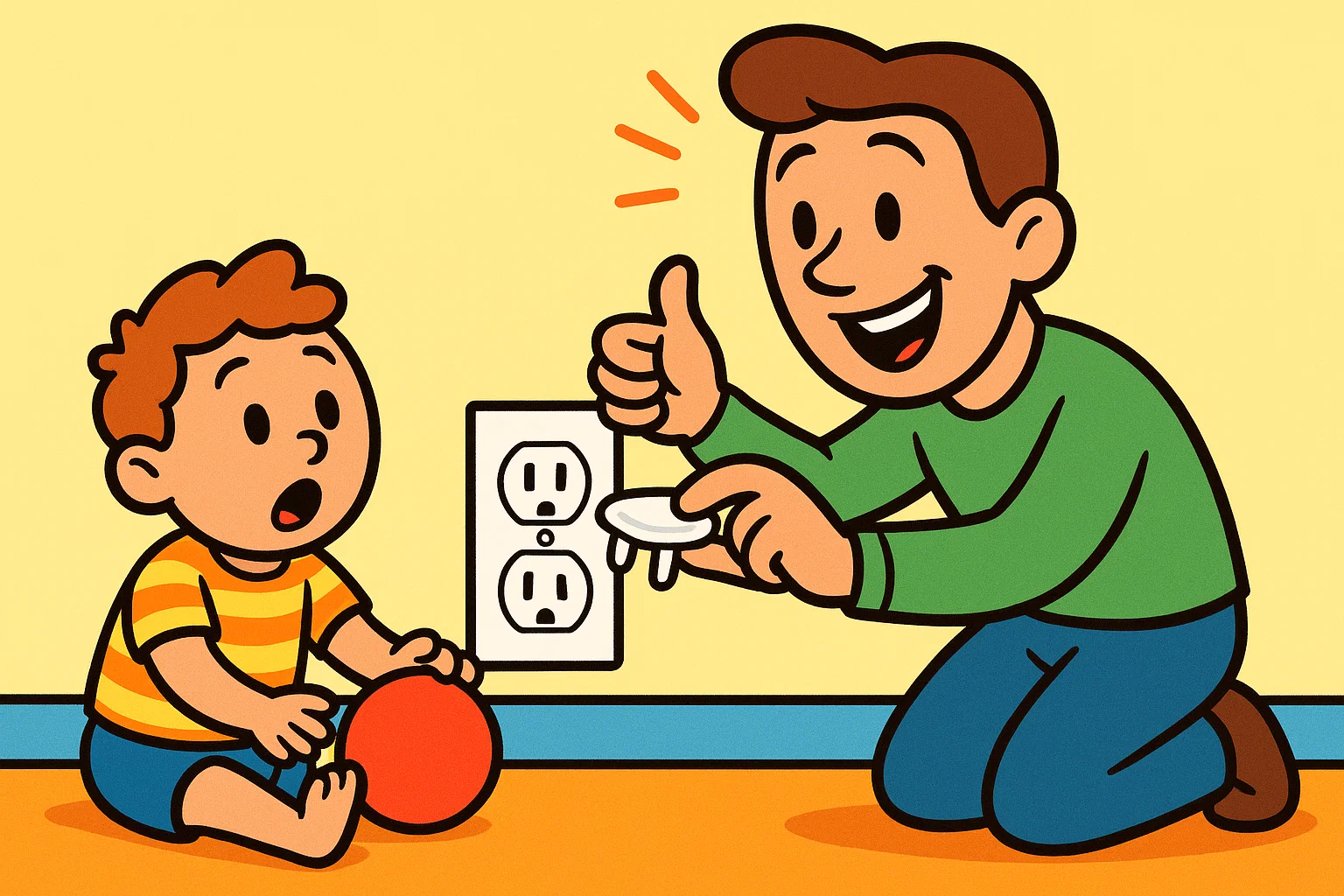
Electrical Cords and Outlets
Overloaded outlets and poorly managed electrical cords can damage electronics and create serious fire risks. Avoid running power cords under rugs or furniture, as pressure and heat can damage insulation and increase fire risk. Do not overload wall outlets with multiple adapters or high-wattage devices. For families with toddlers, installing sliding outlet covers prevents children from inserting metal objects into live electrical contacts.
| Component Type | Maximum Load | Safety Control |
| Duplex Wall Outlet | 15 amps / 1800 watts | Sliding safety cover |
| Heavy Power Strip | 15 amps / 1800 watts | Integrated breaker switch |
Appliance and Extension Cord Checks
Regularly inspecting household appliances helps prevent electrical shocks and equipment malfunctions. Check high-draw appliances like microwaves, space heaters, and electric kettles frequently to ensure their plugs are not discolored or getting hot during use. Extension cords are only meant for short-term convenience, not as permanent wiring solutions; if an appliance needs to be plugged in continuously, have a professional install a dedicated wall outlet.
Circuit Breakers, GFCI Outlets, and Overload Risks
Ground Fault Circuit Interrupters (GFCIs) are safety devices designed to quickly shut off power when they detect a ground fault or leakage current. In the U.S., current electrical codes generally require GFCI protection in moisture-prone areas such as kitchens, bathrooms, garages, and outdoor locations.
| Device Category | Protection Target | Trip Response Time |
| GFCI Wall Outlet | Shock / electrocution | 1/40th of a second |
| Standard Breaker | System overload | Seconds to minutes |
If a circuit breaker trips frequently or you hear a buzzing sound from your electrical panel, stop using those outlets immediately and call a licensed electrician.
Children, Pets, and Electrical Hazards
Young children and pets face electrical risks that require protective barriers around the home. Use heavy-duty plastic split-loom tubing to cover exposed entertainment center cables so pets cannot chew through live wires. Keep phone and tablet charging cables unplugged and stored away when not in use so children cannot put connector ends in their mouths. Finally, mount baby monitors and their power cords at least three feet away from the crib to reduce strangulation hazards.
Child Safety Tips
Choking Prevention
Young children explore their surroundings by putting things in their mouths, which makes small household items a continuous choking hazard. Use a standard small-parts tester to check toys; as a rough household screen, an empty toilet paper roll can help flag objects that may be too small for a child under three.
| Object Category | Maximum Diameter | Safety Verdict |
| Toy Component | Fits inside a small-parts tester | Choking hazard for children under 3 |
| Spherical Ball | Less than 1.75 inches | Reject for toddlers |
During meals, cut high-risk foods like hot dogs, whole grapes, and raw carrots into small, bite-sized pieces, and always supervise children while they eat.
Toys and Small Objects
Parents and caregivers should regularly inspect toy boxes for broken pieces, cracked plastic edges, or exposed sharp metal points. Toys intended for older children often have small parts, loose magnets, or button batteries; keep these stored in separate, locked bins away from toddlers.
| Target Object | Primary Risk | Storage Protocol |
| Button Batteries | Internal tissue burns | Locked container out of children’s reach |
| Rare-Earth Magnets | Bowel perforation | High upper closet shelf |
If a toy uses button batteries, check that the battery compartment is securely screwed shut so a child cannot open it.
Kitchen, Bath, and Bedroom Childproofing
Effective childproofing should change as a child becomes more mobile and curious. Install magnetic safety locks on all lower kitchen and bathroom cabinets to block access to dishwashing detergents, cosmetics, and cleaners. In the bedroom, clear the crib of all soft bumpers, heavy blankets, pillows, and stuffed animals to ensure a safe sleep environment.
Healthy Family Habits
Building everyday safety routines helps children develop safer habits and reduces the risk of accidents around the home. Teach your children from a young age how to dial 911, or your local emergency number, and make sure they memorize their full home address. Practice wiping up liquid spills on kitchen or bathroom floors immediately to prevent slips, and turn tidying up loose toys into a daily habit before bedtime.
Natural Disasters and Emergency Alternatives
Natural Disaster Precautions
Preparing your property for regional natural disasters helps safeguard both your family and your home’s structure during extreme weather. Homeowners in wildfire-prone regions should create a defensible space around the house by removing dead brush, dry leaves, and low tree branches. If you live in an earthquake-prone area, use appropriate brackets or straps to anchor your water heater and tall appliances to wall studs.
For properties in hurricane or flood zones, keeping custom-cut plywood window covers or flood barriers ready in a garage locker allows for quick setup when a storm approaches.
Emergency Alternatives for Power, Water, and Communication
When a severe storm cuts off utilities, backup power, clean water, and communication tools can help keep your household safe and connected. Keep a supply of high-output LED flashlights and portable USB power banks fully charged so you can run emergency lighting and phones during a blackout. Store at least one gallon of clean water per person per day, with a minimum three-day supply for drinking and sanitation.
| Resource Type | Per Person Ration | Minimum Stockpile Volume |
| Drinking Water | 1 gallon / day | 3-day supply minimum |
| Non-Perishable Food | 2,000 calories / day | 3-day supply minimum |
If you use a gas generator for backup power, always run it outdoors at least 20 feet away from windows, doors, and vents to prevent dangerous carbon monoxide buildup inside.
Grab-and-Go Document Set
An emergency grab-and-go binder keeps important legal and financial records organized so you can take them with you during an urgent evacuation. Use a waterproof zippered folder to store copies of birth certificates, passports, Social Security cards, and property insurance policies.
Add a printed sheet with emergency family phone numbers, insurance policy details, and your primary medical histories. It is also smart to keep an encrypted USB flash drive inside the binder with digital backups of irreplaceable family photos and financial records.
60-Minute Monthly Safety Reset
Setting aside just one hour each month for a safety routine ensures your emergency gear stays ready and working. Use this time to walk through the house and press the test buttons on all smoke and carbon monoxide alarms to confirm their alarms sound clearly. Check the expiration dates on emergency food and water supplies, and replace any items that are close to expiring.
Finish the reset by inspecting the pressure gauge on your fire extinguishers and double-checking that your home’s main first aid kit is fully stocked with fresh bandages and supplies.
Local Safety Planning by Region
An effective home safety checklist should be adapted to handle the specific weather, environment, and emergency resources of your geographic area. Homes in colder regions need to focus on winter safety, such as insulating water pipes and maintaining heating systems. Properties in urban areas may want to focus on security upgrades like heavy-duty door strikes and smart security cameras.
| Geographic Region | Primary Risk Focus | Critical Modification |
| Cold / Mountain Regions | Freezing temperatures and snowstorms | Pipe insulation and heating-system maintenance |
| Southern / Coastal Regions | Hurricane / flood risk | Impact window shutters |
| Western / Arid Regions | Wildfire risk | Defensible space around the home |
Adapting your safety plan to your local environment ensures your resources directly protect against your highest risks.
First Aid and Medical Emergency Preparedness
First Aid Kits
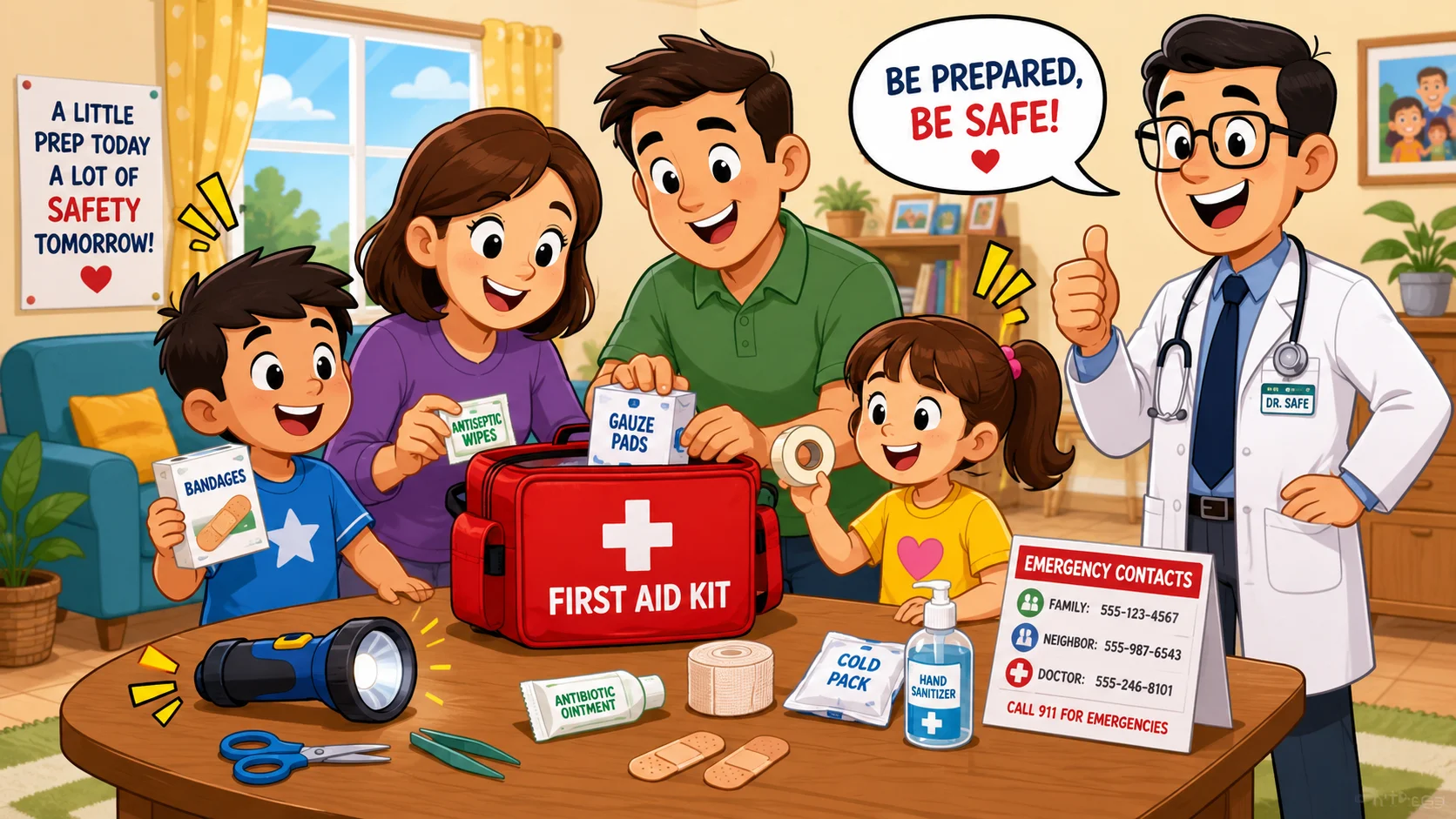
A comprehensive, easily accessible first aid kit allows you to treat minor injuries at home and manage more serious medical issues until professional help arrives. Store your first aid kit in a clearly marked, water-resistant case in a central location known to all family members.
Your home first aid kit should include these essential medical supplies:
- Assorted sterile adhesive bandages in various sizes and non-stick gauze pads.
- A roll of hypoallergenic medical tape and several conforming roller bandages.
- Antiseptic wound-cleansing wipes, triple-antibiotic ointment, and hydrocortisone cream.
- Instant cold packs to help reduce swelling from sprains or bumps.
- Sterile medical gloves, tweezers, and bandage scissors.
- An oral digital thermometer, a basic first aid instruction manual, and emergency space blankets.
AED Preparedness
For households with residents who have a history of heart conditions, keeping an Automated External Defibrillator (AED) at home offers a critical layer of life-saving protection. An AED is a portable medical device that checks for certain dangerous heart rhythms and can deliver a shock when appropriate during sudden cardiac arrest.
Mount your AED in a visible, temperature-controlled spot in a main hallway, and check the indicator light every month to ensure the battery is charged. Although AEDs provide clear voice prompts, taking a CPR and AED class can help family members respond more confidently during a medical emergency.
Choking Response Basics
Knowing how to respond to a choking emergency can save a life when an object blocks someone’s airway. If an adult or child over one year old cannot speak, cough, or breathe, apply abdominal thrusts, also known as the Heimlich maneuver, by wrapping your arms around their waist and delivering quick, inward-and-upward thrusts just above their navel.
For an infant under one year old, the response is different: hold the baby face-down along your forearm and deliver five firm back slaps between their shoulder blades, then turn them face-up and apply five quick chest thrusts.
| Victim Age Group | Primary Physical Action | Secondary Physical Action |
| Infant under 1 year | 5 firm back slaps | 5 sharp chest thrusts |
| Child / Adult | Abdominal thrusts | Repeat until the object clears or the person becomes unresponsive |
Never attempt a blind finger sweep inside anyone’s mouth, as this can accidentally push the object deeper into the airway.
Emergency Contacts and Medical Information
When a sudden medical crisis occurs, having clear, organized information ready helps family members and emergency responders act without delay. Create a master emergency contact sheet that lists the local emergency number, the nearest emergency department, Poison Control, and your family’s primary care doctors.
| Service Type | Telephone Access | Required Account Info |
| Civil Emergency | 911 or local emergency number | Insert home address |
| Poison Control | 1-800-222-1222 or local poison hotline | Substance ingested |
| Family Physician | Insert local number | Policy identification |
Keep this sheet on your refrigerator alongside a brief summary of each family member’s medical conditions, allergies, and current medications.
FAQ
How can I make my home safer?
To make your home safer, start with a room-by-room checklist that covers fire risks, electrical hazards, falls, poisoning, and emergency planning. Focus on the most important items first: working smoke detectors, carbon monoxide detectors, secure locks, clear walkways, and a basic first aid kit. Small home safety tips, such as anchoring furniture, securing rugs, and keeping cleaning products out of reach, can help create a safer environment for the whole household.
What are the most important home safety tips?
The most important home safety tips are to install and test smoke detectors, place carbon monoxide detectors near sleeping areas, keep exits clear, and store hazardous products in locked cabinets. It is also smart to check gas appliances regularly, inspect electrical cords, and keep emergency contacts easy to find. These simple home tips help families stay safe and respond faster when something goes wrong.
How do I keep my home safe for children and older adults?
To keep your home safe for little ones and senior family members, reduce access to hazards and make daily routines easier to navigate. Use window guards on upper floors, secure heavy furniture, add non-slip mats in bathrooms, improve lighting near stairs and landings, and remove loose rugs that could cause falls. These changes help ensure their safety and make the home a more comfortable safe space for everyone.

Take a short quiz to find out what your everyday choices say about your parenting style
When your child is curious about something new, what’s your instinct?
Take a short quiz to find out what your everyday choices say about your parenting style
“Can I download this app?” What happens next?
Take a short quiz to find out what your everyday choices say about your parenting style
When it comes to rules at home, which sounds most like you?
Take a short quiz to find out what your everyday choices say about your parenting style
If you could give your child one life skill today, what would you pick?
Take a short quiz to find out what your everyday choices say about your parenting style
Your child gets to choose what to watch. What would your ideal setup look like?
Take a short quiz to find out what your everyday choices say about your parenting style
Pick your parenting superpower ✨



