Best Short Stories with Moral Lessons for Readers of All Ages

 Discover a Free Education Video App for Kids
Pastory uses AI to personalize educational video content based on your child’s interests and personality. Safe, engaging, and built for curious young minds. Sign up now to stay updated and enjoy early access with a free trial
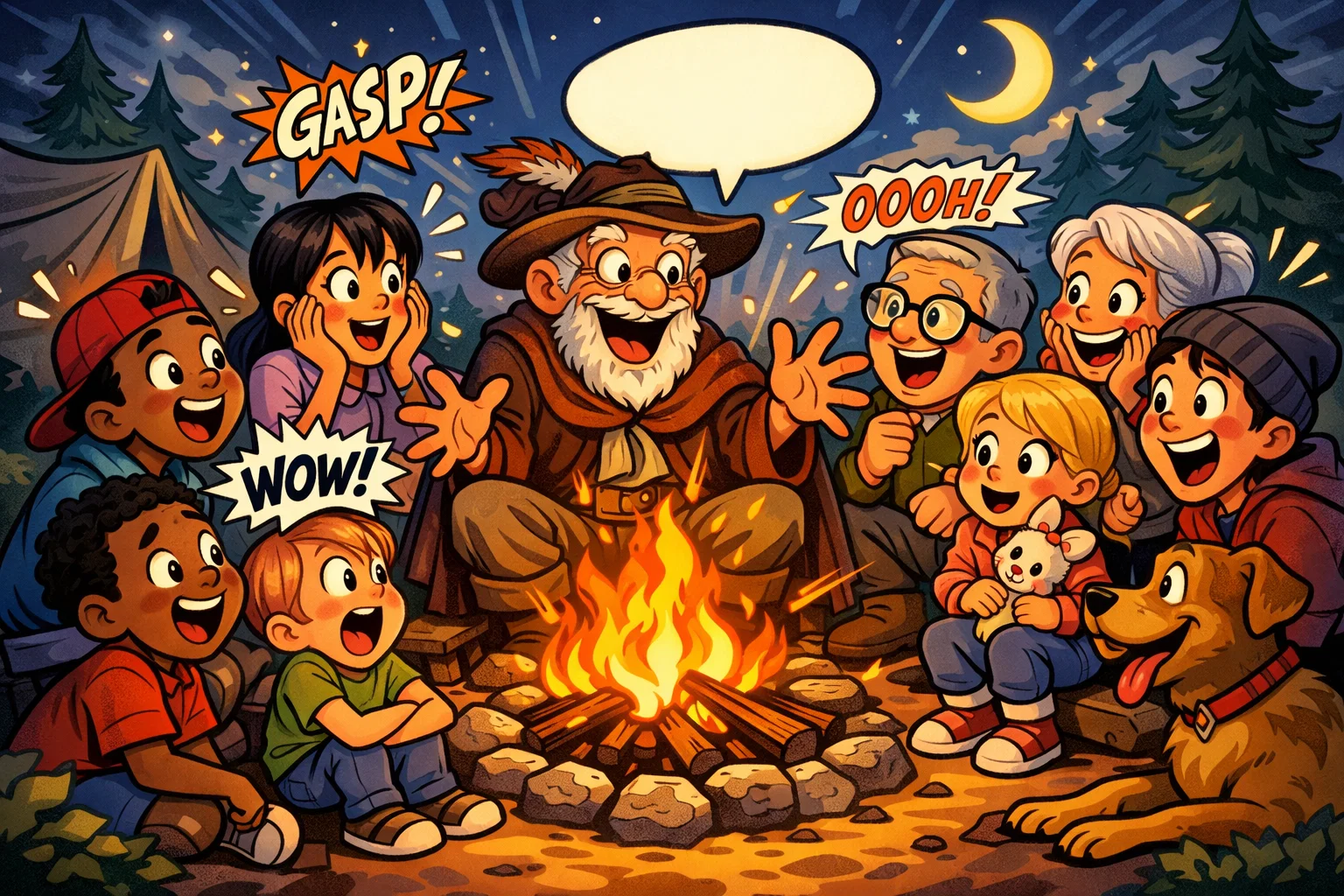
Stories have long helped teach children and guide adults through the complexities of life. Short stories do more than entertain; they help readers make sense of social situations, values, and consequences. The American Academy of Pediatrics notes that shared reading supports language, literacy, and social-emotional development in children. By using stories with clear moral lessons, parents and educators can connect abstract ideas of right and wrong to real-life situations.
Introduction: Importance of Moral Lessons in Short Stories
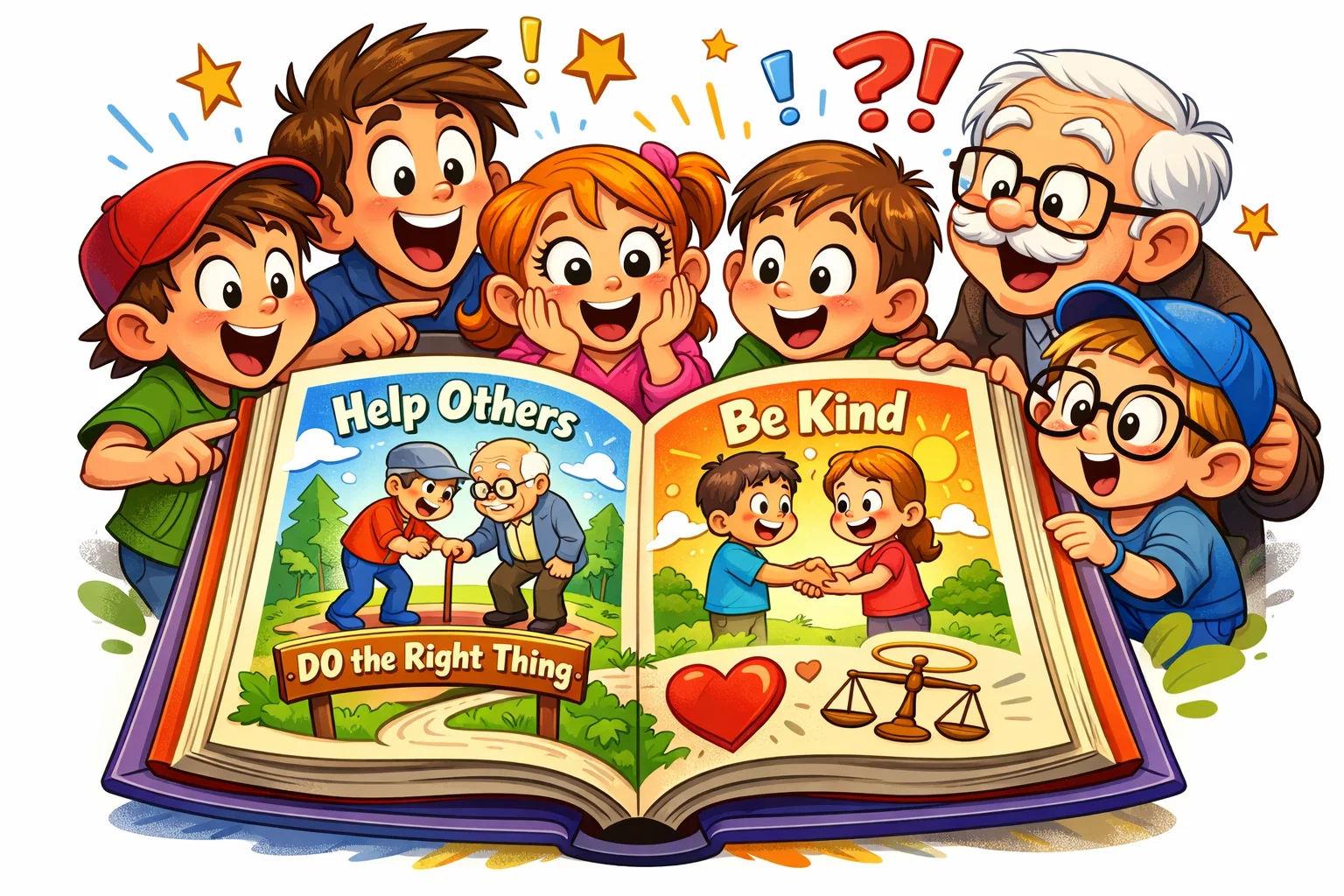
Using short narratives to shape character is a long-standing part of human culture. A well-crafted moral lesson can help readers navigate social relationships and questions of personal integrity. According to the American Academy of Pediatrics, shared reading does more than support literacy; it also contributes to social-emotional development and early relationships. By using stories with moral lessons, parents and educators can turn abstract ideas of right and wrong into relatable, real-world situations.
In the digital age, where educational content competes with endless online distractions, the role of a meaningful short story becomes even more important. Such stories give children a safe way to explore the consequences of actions without facing real-world risks. This kind of narrative immersion allows listeners to absorb life lessons through the experiences of characters such as a tortoise, a donkey, or an ant. When we read together, we are not just passing time; we are helping children build the emotional tools they need to process failure, success, and conflict.
These short moral stories can also function as a kind of universal language. Whether told in a classroom or at bedtime, a fable with a clear message can foster creative thinking and reflection. Instead of lecturing, stories offer a memorable and engaging way to explore ethics. This approach is consistent with Social and Emotional Learning (SEL) principles because stories help children reflect on emotions, choices, and relationships.
Top 10 Short Stories with a Moral Lesson
The following selection includes some of the most widely known moral stories, each offering a clear lesson for reflection and discussion. Each narrative provides a specific takeaway designed to foster ethical growth and critical reflection.
1. The Boy Who Cried Wolf
This classic fable is a foundational life lesson regarding the high cost of dishonesty. The plot follows a young shepherd who repeatedly deceives his village by shouting for help against a non-existent predator. When a real wolf finally emerges, the villagers, weary of his lies, ignore his desperate calls. This moral lesson emphasizes that “nobody believes a liar, even when they tell the truth.” In a developmental context, this account teaches children that trust is a fragile resource that, once broken, is incredibly difficult to rebuild.
2. The Fox and the Grapes
The Fox and the Grapes illustrates the psychological phenomenon known as cognitive dissonance. After failing to reach a high cluster of fruit, the fox dismisses them as “sour” to protect his pride. This fable highlights our tendency to dismiss what we cannot attain instead of admitting our limitations. It serves as a reminder to accept failure with grace instead of making excuses, which is a valuable life skill for maintaining mental health and realistic self-assessment.
3. The Golden Touch
The legend of King Midas, often titled The Golden Touch, explores the destructive nature of unchecked greed. When the king is granted the power to turn everything he touches into gold, he initially rejoices, only to find he can no longer eat, drink, or embrace his loved ones. This story highlights a powerful lesson: material wealth is a poor substitute for human connection. It encourages readers to appreciate what they already have before it is lost.
4. The Proud Rose
The Proud Rose focuses on the dangers of vanity and the importance of humility. In this fable, a beautiful flower mocks a nearby cactus for its rugged and plain appearance. However, during a severe drought, the rose wilts while the cactus provides life-saving water to thirsty birds. This moral lesson teaches that we should never judge others by their external form, as utility and kindness are far more important than superficial beauty.
5. The Ant and the Grasshopper
This fable highlights the importance of foresight and diligence. While the ant spends the summer collecting food, the grasshopper idles away the days singing. When winter arrives, the consequences of their respective choices become starkly clear. This moral of the story is a powerful way to teach children about the importance of planning and hard work. It reinforces the idea that present sacrifices often lead to future security.
6. The Milkmaid and Her Pail
This narrative warns against the perils of excessive daydreaming at the expense of current reality. As a milkmaid walks to the market, she imagines the wealth she will gain from her milk, eventually causing her to toss her head in excitement and spill the entire pail. The life lesson – “do not count your chickens before they hatch” – is a vital reminder to stay grounded and focus on the task at hand rather than getting lost in future fantasies.
7. The Tortoise and the Hare
Perhaps the most famous fable about persistence, this tale shows that “slow and steady wins the race.” Despite the hare’s natural speed, his arrogance leads him to take a nap, allowing the consistent tortoise to overtake him. Educators often use this story to show that talent means little without discipline. It can also encourage children who feel discouraged by peers who seem to learn more quickly.
8. The Miser and His Gold
The Miser and His Gold examines the futility of hoarding wealth without purpose. A man buries his gold and visits it daily, only to have it stolen. A neighbor points out that the gold was as useless as a stone while it was buried. This moral story teaches that the value of any resource lies in its use, not its possession. It encourages a spirit of generosity and practical application of one’s assets.
9. The Lion and the Mouse
This story teaches that even the smallest creatures can make a big impact. When a lion spares a mouse’s life, the mouse later returns the favor by freeing the lion from a hunter’s net. This fable teaches the value of kindness, no matter how small the action might seem, and reminds us that we all have something to contribute.
10. The Blind Men and the Elephant
This story offers a lesson in perspective and intellectual humility. Several men touch different parts of an elephant and argue over its nature – one thinks it is a rope, another a tree, another a fan. This inspiring short work teaches that our individual truths are often limited by our experiences. It encourages creative thinking skills and the willingness to listen to others to understand the “bigger picture.”
How Short Stories Teach Life Lessons for Kids
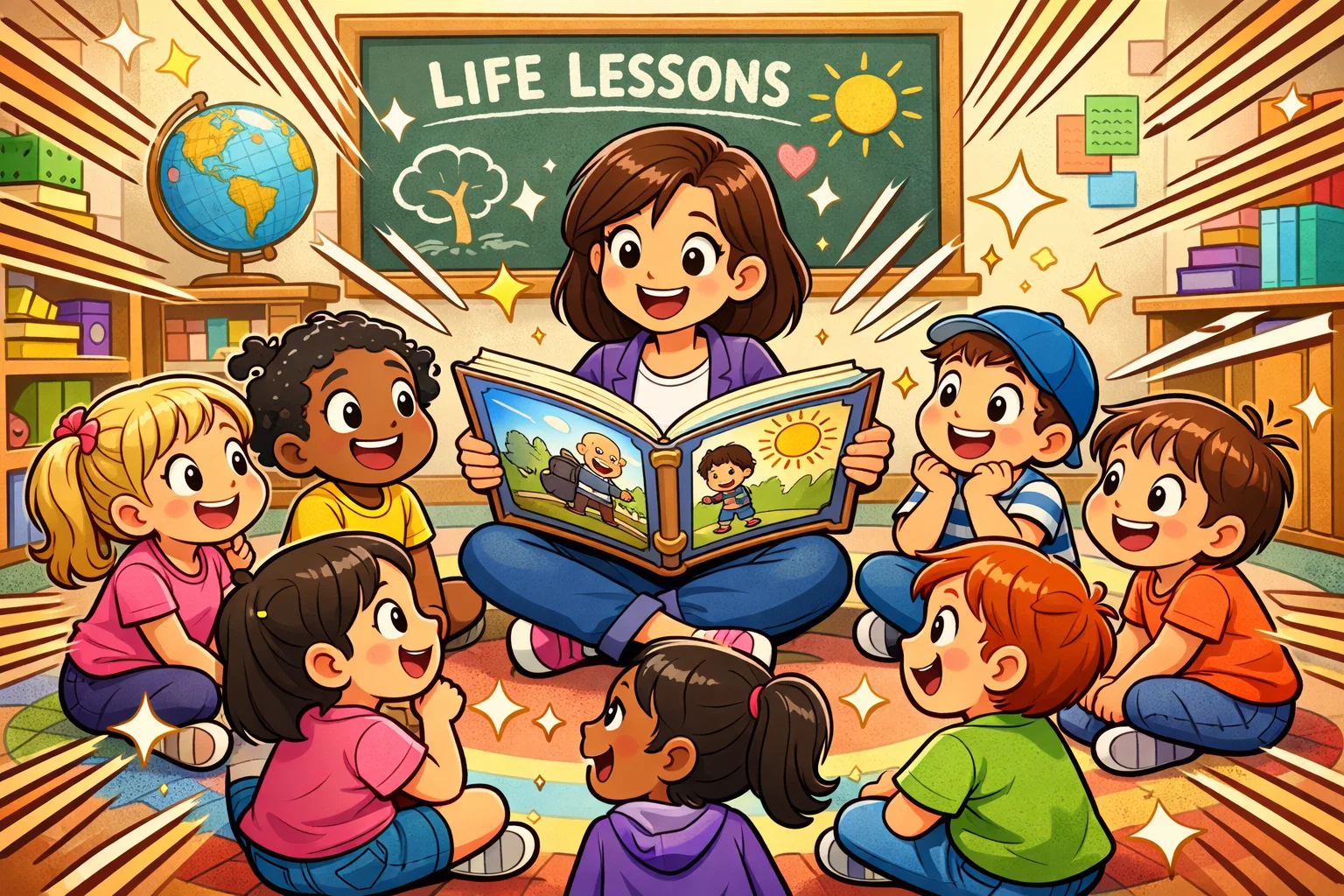
For young children, a fable or tale provides a clear framework for understanding cause and effect. The World Health Organization notes that the first years of life are among the most important for mental and physical development. Engaging with stories during this period can help build early foundations for empathy, language, and moral reasoning. By following a character’s journey, children can internalize complex social norms in an engaging and accessible way.
| Narrative Title | Developmental Skill | Core Life Lesson |
| The Boy Who Cried Wolf | Social Integrity | Honesty and Trustworthiness |
| The Fox and the Grapes | Emotional Regulation | Acceptance and Resilience |
| The Ant and the Grasshopper | Executive Function | Planning and Responsibility |
| The Ugly Duckling | Self-Esteem | Identity and Belonging |
1. The Boy Who Cried Wolf
Using this story is an effective way to talk with children about the weight of words. In a child’s world, a “small lie” can seem like a convenient tool. This fable provides a concrete, non-threatening example of how dishonesty erodes the community safety net. Parents can use this story to teach their children that honesty is not just a rule; it helps ensure that when they truly need help, others will listen and respond.
2. The Fox and the Grapes
This moral lesson helps children navigate the common behavioral pattern of “sour grapes,” where they belittle goals they fail to achieve. This tale encourages creative thinking skills by prompting kids to brainstorm how the fox could have solved his problem differently. It serves as a fun and memorable entry point into discussions about perseverance and the courage to admit when something is difficult.
3. The Ant and the Grasshopper
This fable is a classic way to introduce the concept of delayed gratification. Research on delayed gratification suggests that self-control matters, but the famous Marshmallow Test should not be presented as a simple or definitive predictor of future success. By comparing the hardworking ant to the carefree grasshopper, children learn that discipline today ensures comfort tomorrow. It makes the abstract concept of “work ethic” tangible and relatable.
4. The Ugly Duckling
The Ugly Duckling offers one of the most enduring lessons about self-worth and patience. This narrative follows a bird who is mocked for being different, only to realize he was a swan all along. It teaches children that being different is not a flaw and that their “true self” will eventually find a place to belong. This short moral work is essential for building confidence in children who may feel like outcasts in their early social circles.
Short Stories for Adults with Powerful Moral Lessons
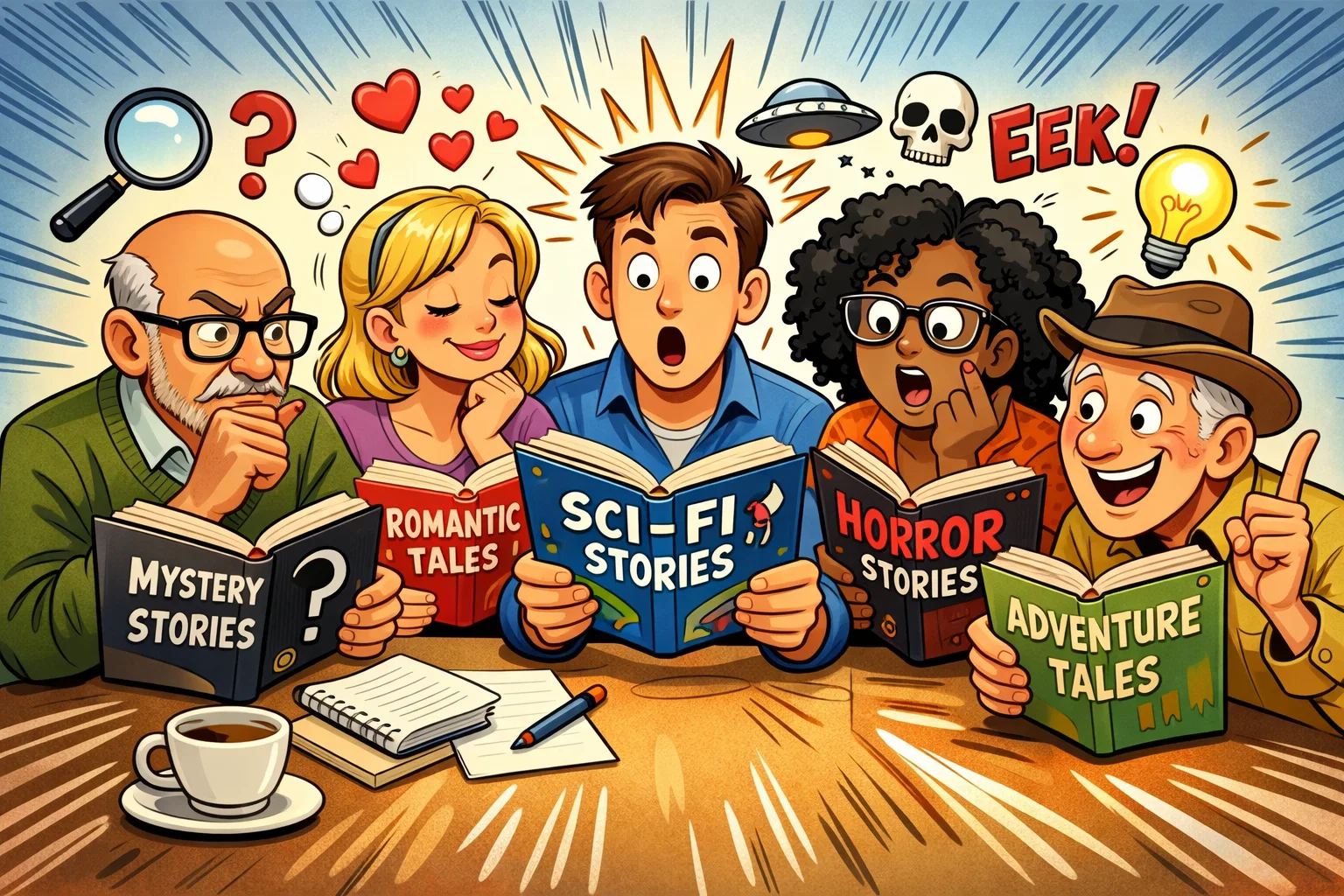
While stories for children are important, adults also benefit from short stories that explore the gray areas of maturity. Adult-oriented narratives often involve complex ethical dilemmas where there is no simple resolution, forcing the reader to engage in deep introspection regarding their own choices and character.
1. The Scorpion and the Frog
This tale explores the concept of inherent nature and the limits of change. A scorpion asks a frog to carry him across a river, promising not to sting. Midway, he stings the frog, drowning them both, because it is “just his nature.” For adults, this moral story is a warning to look at patterns of behavior rather than just words. It suggests that while people can change, we should still be realistic about the risks of trusting someone with a history of betrayal.
2. The Fox and the Crow
The story of The Fox and the Crow serves as a timeless warning against the dangers of vanity and flattery. In professional and personal life, adults often encounter “sycophants” who use praise for manipulation. This short moral work encourages self-awareness and skepticism. It reminds us that if someone is praising us excessively for something we haven’t earned, they may be looking for a way to make us “drop our cheese.”
3. The Drunkard
This motivational story (often found in various cultural iterations) focuses on the ripple effect of personal vice. It illustrates how one person’s choices regarding substance or neglect impact their entire family and community. The story serves as a sobering reminder that our actions rarely affect only ourselves. It encourages responsibility and may resonate with readers trying to break destructive cycles.
4. The Wise Man and the Complainer
A well-known anecdote tells of a wise man who repeated the same joke to a group of people. The first time they laughed; the second time they didn’t. He then noted that if they can’t laugh at the same joke twice, why do they cry over the same problem every day? This anecdote offers adults a useful lesson about the futility of rumination and the importance of moving forward.
Benefits of Reading Moral Stories
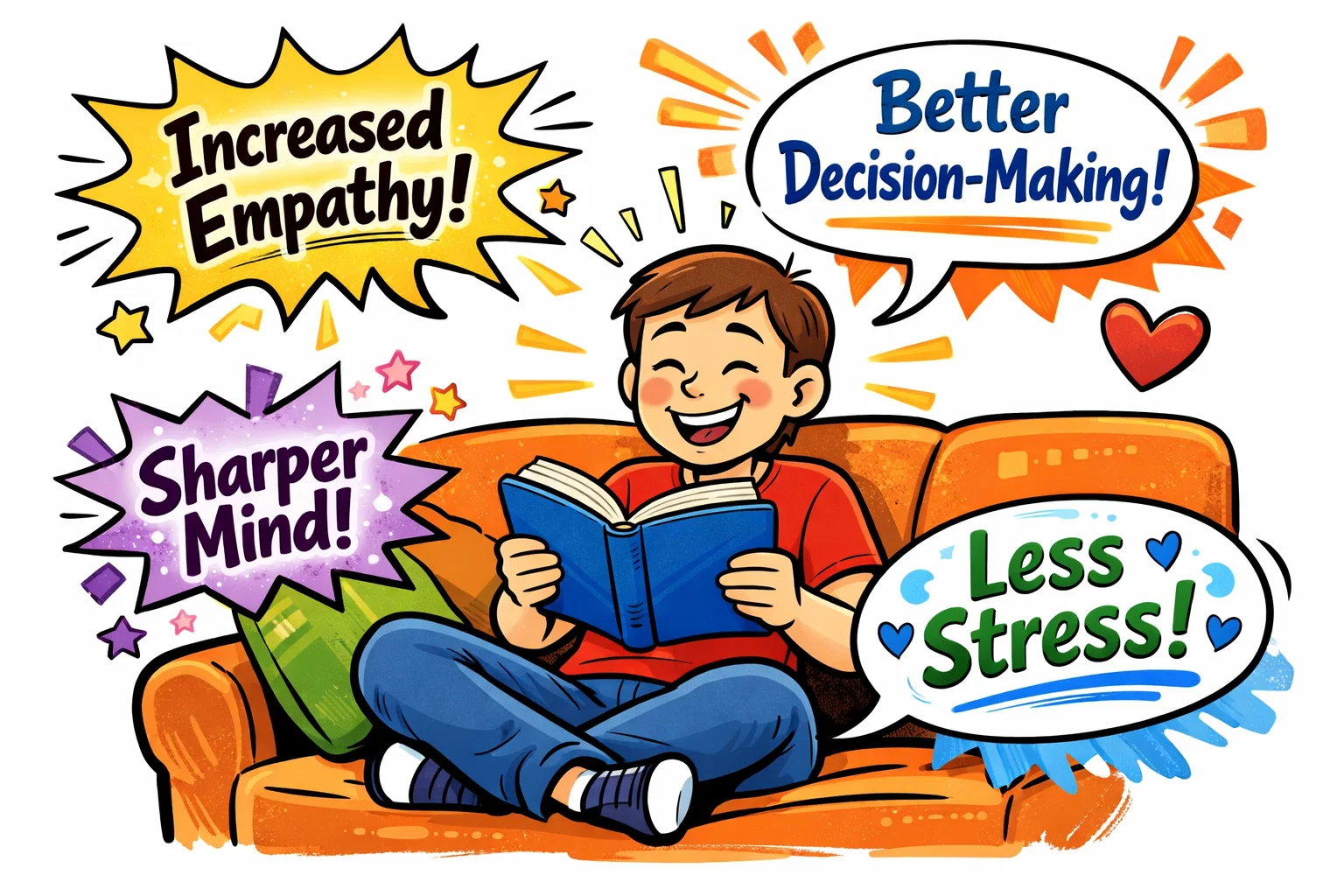
Reading stories with clear moral conflicts may support empathy, reflection, and language development. Frequent engagement with fiction may be linked to aspects of social cognition, such as Theory of Mind.This is the ability to understand that other people have beliefs and desires different from our own.
- Empathy Development: A fable involving the tortoise or the ant requires the reader to step into another’s perspective, fostering deep compassion.
- Critical Thinking: Analyzing a moral of the story helps readers identify logical fallacies and the long-term consequences of actions.
- Language Acquisition: Stories in English with clear themes help non-native speakers and children build vocabulary related to ethics and emotions.
- Stress Reduction: Stories can be calming and emotionally regulating, but claims about lowering cortisol should be made cautiously and only with appropriate sourcing.
- Cultural Connection: Many classic fables appear across cultures, helping bridge differences through shared themes and values.
Conclusion: Key Takeaways from Short Stories with Moral Lessons
The enduring power of a moral story lies in its ability to make complex human experiences easier to understand. Whether we are discussing the ant’s diligence or the fox’s excuses, these narratives provide us with a shared vocabulary for discussing character. Integrating meaningful short stories into daily life is an effective way to teach important values and help both children and adults face the world with greater integrity.
Summary of Core Takeaways:
- Integrity: Honesty is the foundation of all social trust (The Boy Who Cried Wolf).
- Persistence: Consistency is often more valuable than raw talent (The Tortoise and the Hare).
- Preparation: Future security depends on the work we do today (The Ant and the Grasshopper).
- Perspective: Our view of the world is limited; we must listen to others (The Blind Men and the Elephant).
- Humility: True value is often found beneath the surface (The Proud Rose).
FAQ: Common Questions about Short Stories with Moral Lessons
What is the importance of moral lessons in stories?
A moral lesson serves as a “moral compass” for the reader. It provides a structured framework for making decisions when faced with a choice between right and wrong. Stories with moral themes can help children reflect on behavior, consequences, and relationships, but this claim should not be overstated without a specific source.
Are moral stories suitable for all ages?
Absolutely. While stories for kids like The Tortoise and the Hare use animals to simplify themes, the underlying principles of persistence and ego remain relevant to adults in corporate and personal environments. Stories aimed at adults simply use more nuanced situations to explore similar themes.
Where can I find more short stories with a moral lesson?
You can find many strong collections of moral stories through several reputable channels:
- Project Gutenberg: Offers classic collections of Aesop’s Fables and Andersen’s tales.
- Public Libraries: Look for “Anthologies of World Folklore” to find culturally diverse moral stories.
- Educational Apps: Many platforms offer fun and interactive versions of stories in English for young learners.
- Literary Journals: Often publish modern inspirational short works that tackle contemporary ethical issues.
How do these narratives improve creative thinking skills?
When readers engage with a story that has a moral dimension, they naturally begin to anticipate the consequences of a character’s choices. This mental exercise improves creative thinking skills by requiring the brain to map out multiple “what-if” scenarios. It encourages individuals to look beyond immediate rewards and consider the long-term impact of their behavior.
Why is storytelling a better way to teach than lecturing?
Storytelling draws the learner in rather than simply delivering a rule from the outside. When listeners follow a character’s journey, they often arrive at the lesson on their own. That kind of self-discovery usually makes the lesson more memorable and easier to apply than a simple list of rules.

Take a short quiz to find out what your everyday choices say about your parenting style
When your child is curious about something new, what’s your instinct?
Take a short quiz to find out what your everyday choices say about your parenting style
“Can I download this app?” What happens next?
Take a short quiz to find out what your everyday choices say about your parenting style
When it comes to rules at home, which sounds most like you?
Take a short quiz to find out what your everyday choices say about your parenting style
If you could give your child one life skill today, what would you pick?
Take a short quiz to find out what your everyday choices say about your parenting style
Your child gets to choose what to watch. What would your ideal setup look like?
Take a short quiz to find out what your everyday choices say about your parenting style
Pick your parenting superpower ✨