150 Random Fun Facts for Middle Schoolers: Weird, Cool, and Random Facts Students Love

 Discover a Free Education Video App for Kids
Pastory uses AI to personalize educational video content based on your child’s interests and personality. Safe, engaging, and built for curious young minds. Sign up now to stay updated and enjoy early access with a free trial
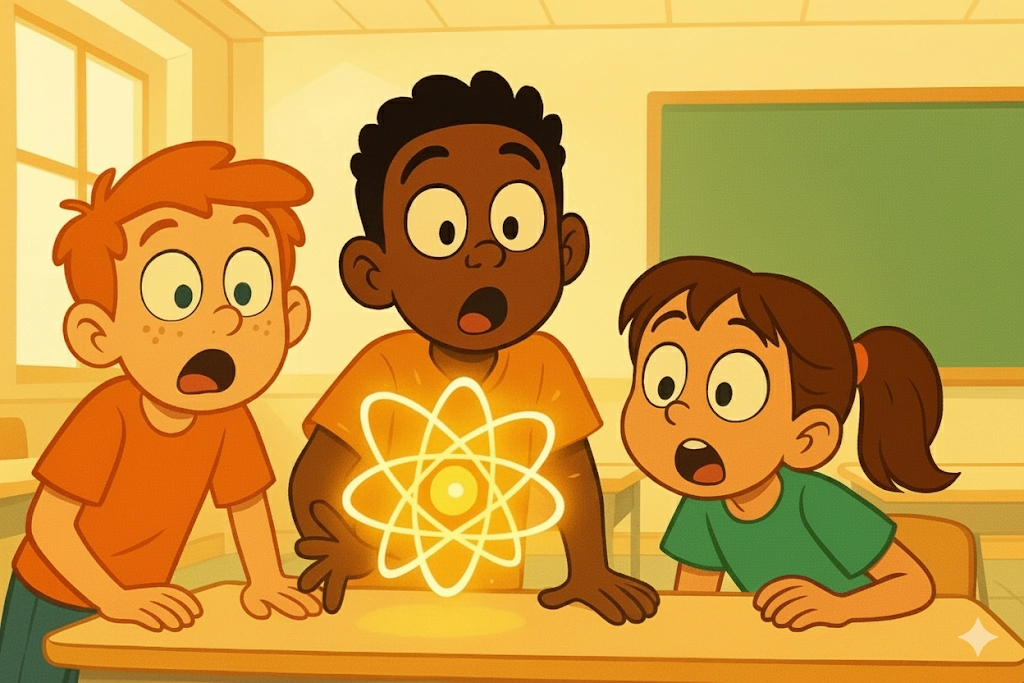
Middle school students, parents, and teachers can use this collection of surprising, funny, and educational facts for trivia games, classroom warm-ups, brain breaks, quizzes, and casual reading. Well-chosen facts can spark curiosity, encourage discussion, and help students connect school subjects to the real world.
Key Takeaways
- Boost Engagement: Random fun facts for kids can work as classroom icebreakers and morning-meeting discussion starters.
- Support Learning: Educational trivia can support curiosity, critical thinking, and classroom discussion in middle schoolers.
- Connect Subjects: Science facts, history facts, animal facts, geography facts, and math trivia help students see how classroom topics connect to everyday life.
Fast Article Snapshot
This resource brings together science, animal, space, food, geography, sports, history, human body, math, pop culture, and random facts in one organized list. Each entry is written as a stand-alone fact that students can read, discuss, or use in class.
Best Uses for Grades 6–8
Teachers and parents can use these interesting facts in many learning settings. The table below shows simple ways to use the facts with middle school students.
| Educational Setting | Implementation Strategy | Developmental Benefit |
| Classroom Warm-ups | Daily bell ringers featuring a piece of science or history trivia. | Activates focus and helps establish positive classroom routines. |
| Brain Breaks | Short trivia rounds between intensive academic lessons. | Relieves cognitive fatigue while keeping students engaged. |
| Writing Prompts | Open-ended journaling based on weird or surprising facts. | Encourages creative writing and critical analysis. |
| Homeschool Lessons | Curated topic clusters that match specific science, geography, or history units. | Provides customized lesson paths that support deeper understanding. |
Main Fact Categories
The trivia collection is organized into six main sections covering science, space, animals, food, the human body, geography, sports, history, math, pop culture, and random trivia.
150 Fun Facts For Kids List
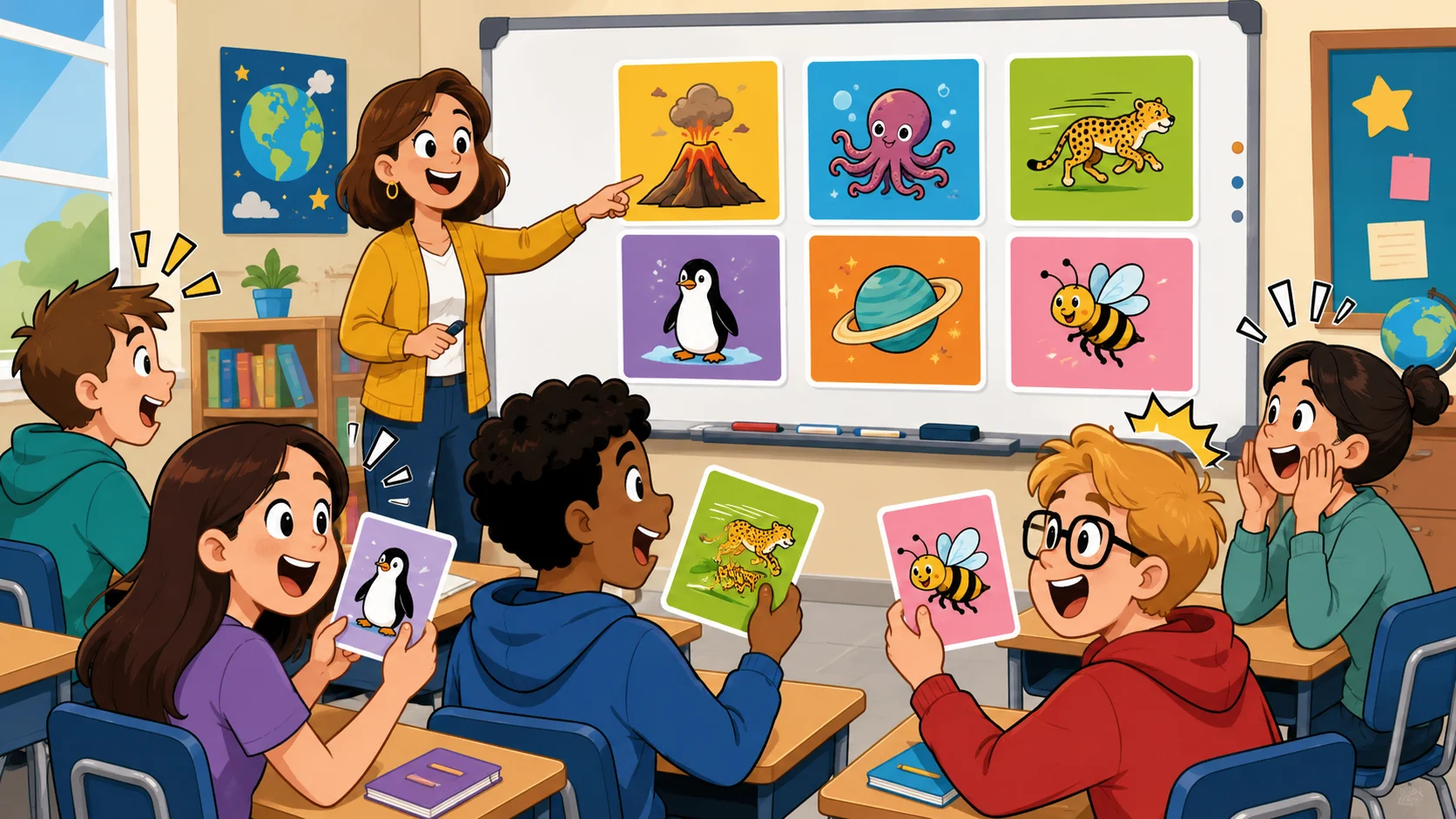
This master list gives students stand-alone facts that connect to many school subjects.
Random and Weird Facts
- Eiffel Tower Growth: The Eiffel Tower can grow up to 15 centimeters taller during hot summer weather because heat causes its iron framework to expand.
- Ice Pop Invention: An 11-year-old boy named Frank Epperson invented the ice pop in 1905 after accidentally leaving a mixture of soda powder and water outside overnight with a stirrer in it.
- Penny Composition: U.S. one-cent coins minted since 1983 are copper-plated zinc: 97.5% zinc and 2.5% copper.
- Trailer Origin: Movie trailers were originally shown after the feature film ended, which is why they became known as “trailers.”
- Humming Challenge: A person cannot easily hum while holding their nose completely closed because humming usually requires air to move through the nasal passage.
- State Name Alphabet: The letter “Q” is the only letter in the English alphabet that does not appear in any of the 50 official U.S. state names.
- Sloth Digestion: A three-toed sloth can take several weeks to digest a meal of leaves.
- Cloud Weight: A typical cumulus cloud may contain about 1.1 million pounds of water droplets, roughly the weight of 100 elephants.
- Fingernail-Speed Plates: Tectonic plates move across Earth’s surface at about the same speed as human fingernails grow.
- Empire State Lightning: The Empire State Building in New York City is struck by lightning dozens of times each year.
- Silent Wind: Wind itself is silent until it blows against an object such as a tree, building, or window.
- Venusian Heat: Venus has an average surface temperature of about 465°C, making it the hottest planet in the solar system.
- Mercury’s Long Day: One full day-night cycle on Mercury lasts about 176 Earth days, while one Mercury year lasts 88 Earth days.
- Lunar Weight Change: The Moon’s weaker gravity means a person would weigh about one-sixth as much there as on Earth.
- Moon Footprints: Footprints left by Apollo astronauts on the lunar surface may last for millions of years, although micrometeorites will slowly erode them.
- Milky Way Star Count: The Milky Way galaxy contains an estimated 100 billion to 400 billion stars.
- Ancient Light: When humans look at light from galaxies millions of light-years away, they are seeing how those stars and galaxies looked millions of years ago.
- Antarctic Desert: The interior of Antarctica receives less than 2 inches of precipitation annually, helping make Antarctica the largest desert on Earth.
- Sahara Dust Travel: Wind currents carry mineral dust from the Sahara Desert across the Atlantic Ocean, where it helps fertilize parts of the Amazon rainforest.
- Ocean Water Share: The oceans contain about 97% of Earth’s water.
- Phytoplankton Oxygen: Marine phytoplankton and other oceanic photosynthesizers produce roughly half of Earth’s oxygen.
- Challenger Deep: The Challenger Deep is about 10,935 meters deep, making it the deepest known point in the world’s oceans.
- Oldest Tree: A bristlecone pine tree in California has been verified by scientists to be over 4,800 years old.
- Blue Whale Heart: A mature blue whale has an enormous heart that can weigh hundreds of pounds.
- Hummingbird Flight: Hummingbirds are the only birds that can fly backward in sustained, controlled flight.
Science and Space Facts
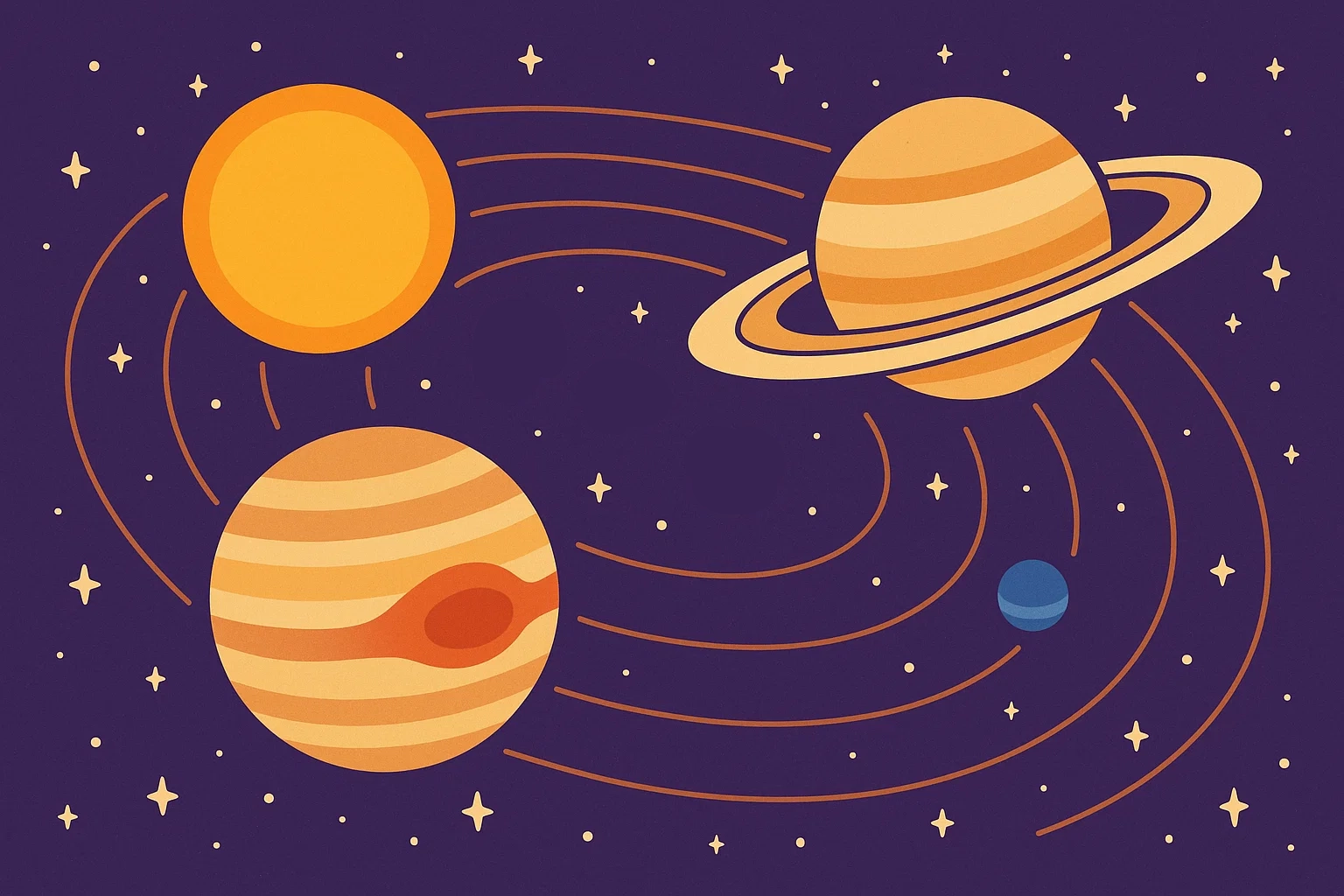
- Lightning Temperature: A single lightning bolt can reach about 30,000 Kelvin, which is several times hotter than the surface of the Sun.
- Space Vacuum Silence: Sound waves cannot travel through the vacuum of outer space because there are no air molecules to vibrate.
- Diamond Rain: Scientists think extreme pressure inside Uranus and Neptune could crush carbon into diamonds deep within these planets.
- Saturnian Buoyancy: Saturn is less dense than water, so it is often described as a planet that could float in a giant enough ocean — at least as a simplified comparison.
- Mars Mountain: Olympus Mons on Mars is a giant shield volcano that stands nearly three times taller than Mount Everest.
- Jupiter’s Storm: The Great Red Spot on Jupiter is a massive storm larger than Earth, although it has been shrinking over time.
- Neutron Star Density: A teaspoon of material from a neutron star would weigh billions of tons on Earth.
- Solar System Mass: The Sun contains about 99.8% of the total mass in our solar system.
- Earth’s Shape: Earth is not a perfect sphere; it is slightly flattened at the poles and wider around the equator because of its rotation.
- Exoplanet Diamonds: 55 Cancri e was once nicknamed a “diamond planet” because scientists proposed that it might have a carbon-rich interior, but its composition is still debated.
- Light Speed Distance: Light travels at about 186,282 miles per second, fast enough to circle Earth more than seven times in one second.
- Pluto’s Orbit: Dwarf planet Pluto takes 248 Earth years to complete one full orbit around the Sun.
- Rainbow Shape: A rainbow is actually a full circle, but people standing on the ground usually see only part of it.
- Volcanic Tunnels: Ancient volcanic eruptions on the Moon left behind underground lava tubes that could one day shelter astronauts.
- Tectonic Continental Drift: The tectonic plates beneath North America and Europe move apart by roughly an inch or two per year as the Atlantic seafloor spreads.
- Sound Speed in Water: Sound waves travel through water about four times faster than they travel through air.
- Glass Melting Point: Some lava flows can reach temperatures near 1,200°C, which is hot enough to soften or melt some types of glass.
- Freshwater Trapping: Glaciers and polar ice sheets hold most of Earth’s freshwater supply.
- Earth’s Core Temperature: Earth’s inner core may reach temperatures near 6,000°C, which is similar to the surface temperature of the Sun.
- Atmospheric Weight: At sea level, the atmosphere presses down on every square inch of a human body with a force of about 14.7 pounds.
- Magnetic Pole Flipping: Earth’s magnetic field has reversed many times in the past, but reversals are irregular and take hundreds to thousands of years.
- Water Expansion: Liquid water expands by about 9% when it freezes into solid ice, which helps ice float on liquid water.
- Helium Lift Force: A cubic foot of helium can lift roughly an ounce because helium is lighter than the surrounding air.
- Gold in Seawater: Seawater contains tiny traces of dissolved gold, but the concentration is far too low to make it practical to collect.
- Meteor Entry Count: NASA estimates that about 48.5 tons of meteoritic material falls toward Earth each day, with most of it burning up in the atmosphere.
Animal and Ocean Facts
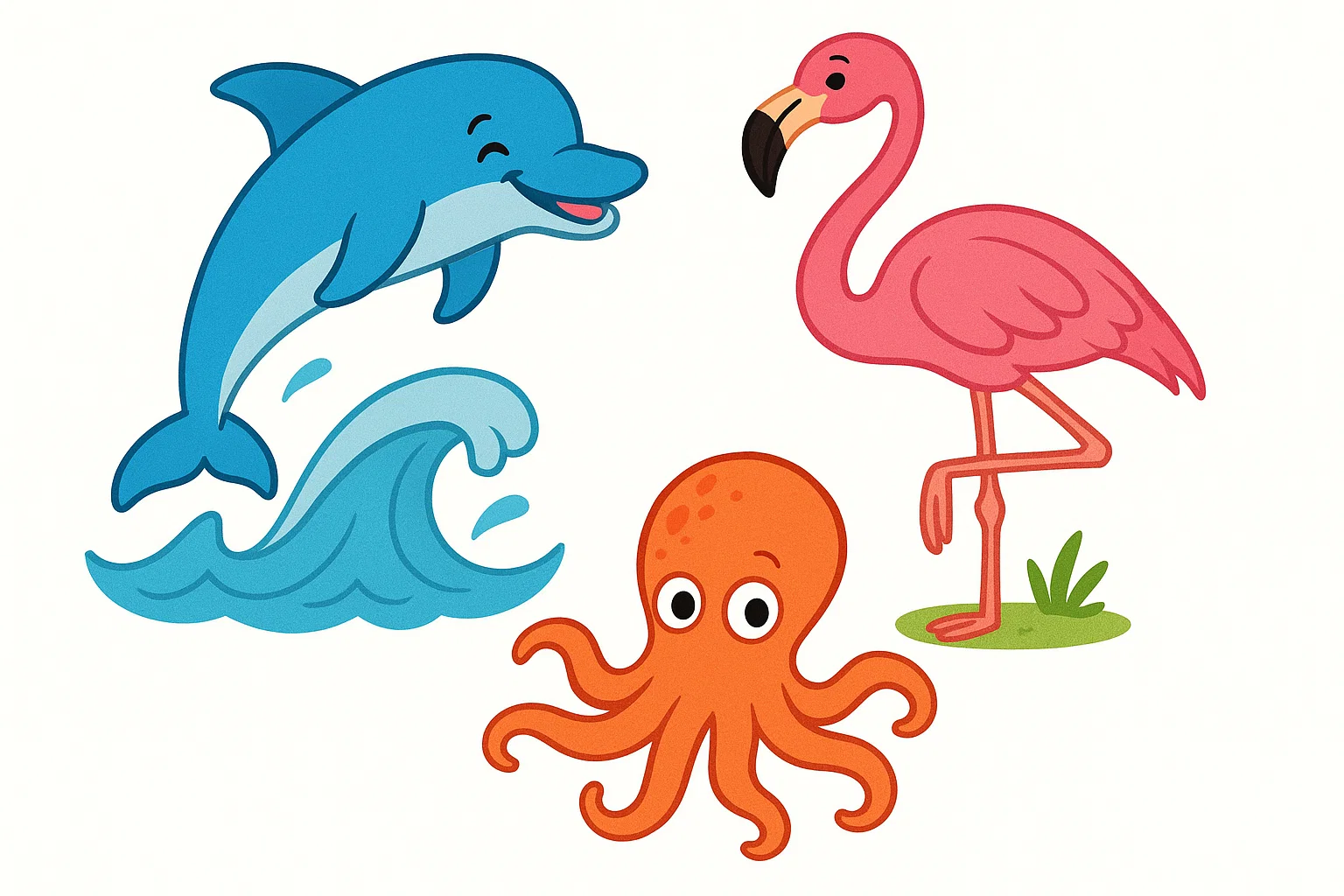
- Chameleon Skin Change: Chameleons change color by adjusting tiny crystal-like structures in their skin cells that reflect light differently.
- Octopus Hearts: An octopus has three hearts that help move blood through its body.
- Frozen Wood Frog: The Alaskan wood frog can survive winter by freezing a large part of its body and thawing again when temperatures rise.
- Shark Dental Cycles: Some sharks can lose and replace thousands of teeth over the course of their lives.
- Coral Reef Diversity: Coral reefs cover less than 1% of the ocean, but they provide habitat for at least 25% of marine life.
- Ant Carrying Capacity: A leafcutter ant can carry a leaf fragment that weighs up to 50 times as much as its own body.
- Dragonfly Vision Range: A dragonfly can have up to about 30,000 facets in its compound eyes, giving it nearly 360-degree vision.
- Honeybee Flight Math: Honey bees from a hive may visit about 2 million flowers to make one pound of honey.
- Monarch Navigation Route: Monarch butterflies use environmental cues, including a sun compass, to travel long distances during migration, with some flying as far as 3,000 miles.
- Water Boatman Buzz: The tiny water boatman can produce a sound reaching about 99.2 decibels, making it one of the loudest animals relative to body size.
- Cicada Sleep Duration: Periodical cicadas live underground as wingless nymphs for either 13 or 17 years before emerging as adults.
- Blue Whale Tongue: A mature blue whale can have a tongue that weighs as much as some elephants.
- Koala Fingerprints: Koalas have distinctive ridge patterns on their paws that look surprisingly similar to human fingerprints.
- Cow Social Bonds: Dairy cows can form close social bonds within their herds and may become stressed when separated from familiar companions.
- Bat Flight Mechanics: Bats are the only mammals capable of sustained flapping flight.
- Dolphin Sleep Pattern: A dolphin can sleep with one brain hemisphere at a time, keeping one eye open so it can stay alert and surface to breathe.
- Polar Bear Skin: A polar bear has black skin beneath its translucent, light-reflecting fur, which helps absorb heat from the Sun.
- Flamingo Diet Color: Flamingos are born with gray feathers and gradually turn pink because of pigments in the shrimp, algae, and other foods they eat.
- Penguin Knee Bones: Penguins do have knees, but their leg bones are hidden beneath feathers and body tissue.
- Snake Scent Collection: A snake uses its flicking, forked tongue to collect chemical particles from the air and transfer them to a scent organ in its mouth.
- Crocodile Tongue Fix: A crocodile cannot stick out its tongue because a membrane holds it in place on the bottom of the mouth.
- Butterfly Foot Taste: A butterfly has taste receptors on its feet, which help it identify suitable plants for laying eggs.
- Sea Cucumber Defense: Some sea cucumbers can expel sticky internal organs to confuse or deter predators.
- Archerfish Water Gun: The archerfish can spit a precise stream of water up to 5 feet into the air to knock insects down into the water.
- Jellyfish Composition: A jellyfish does not have a brain, heart, or bones, and its body is mostly water.
Human Body and Food Facts
- Brain Pain Receptors: The brain itself has no pain receptors, so it does not feel pain directly.
- Daily Heartbeats: A human heart beats about 100,000 times a day to move blood through the body.
- Skeletal Bone Reduction: A baby is born with about 300 bones, but many bones fuse during childhood, leaving adults with 206 bones.
- Skin Cell Shedding: The human body sheds tens of thousands of dead skin cells every minute.
- Stomach Acid Power: Human stomach acid has a pH of about 1 to 2 and can corrode some metals over time, but this should never be tested at home.
- Sneeze Speed: A sneeze can send droplets out of the respiratory tract at high speed, although exact speeds vary widely.
- True Berry Criteria: Bananas and watermelons qualify as botanical berries, while strawberries do not.
- Apple Air Pockets: Fresh apples float in water because air pockets make up about 25% of their volume.
- Banana Fluorescence: Ripe bananas can fluoresce blue under ultraviolet light because of compounds formed as the fruit ripens.
- Nasal Taste Block: Smell plays a major role in flavor, which is why food can taste bland when your nose is blocked.
- Tomato Medicine: In the 1830s, tomato-based medicines and “tomato pills” were marketed in the United States as remedies for digestive problems.
- Honey Microbe Resistance: Honey has low moisture and high acidity, which helps prevent bacterial growth and allows it to last for a very long time when stored properly.
- Tongue Print Pattern: Every human tongue has unique surface features, sometimes called a tongue print.
- Brain Energy Consumption: The human brain accounts for about 2% of body weight but uses about 20% of the body’s energy.
- Vascular Tube Length: If all the blood vessels in an adult body were laid end to end, they are often estimated to stretch about 60,000 miles.
- Eye Muscle Movement: The muscles that move the eyes may make more than 100,000 movements a day, making them among the body’s most active muscles.
- Saliva Fluid Volume: Adults produce about 0.5 to 1.5 liters of saliva per day, adding up to thousands of gallons over a lifetime.
- Bone Strength: Human bone is very strong for its weight and is often compared to concrete in strength.
- Liver Regrowth: The human liver can regrow much of its working tissue from as little as 25% of a healthy liver.
- Iron in the Body: An adult human body contains only a few grams of iron, much of it inside red blood cells.
- Cranberry Bounce Test: Fresh, ripe cranberries bounce when dropped on a hard surface because they contain internal air pockets.
- Grape Plasma: Under specific conditions, microwaved grapes can create tiny flashes of plasma, but this experiment should not be tried at home.
- Nutmeg Chemical Danger: Large doses of nutmeg can be poisonous and may cause dangerous symptoms because it contains myristicin.
- Blue Cheese Mold: The blue veins inside Roquefort cheese come from safe, edible colonies of the mold Penicillium roqueforti.
- Peanut Butter Fear: Arachibutyrophobia is the fear of peanut butter sticking to the roof of the mouth.
History, Geography, and Sports Facts
- Roman Slope Gradient: Many Roman aqueducts used carefully engineered gravity-fed slopes, sometimes dropping only inches per mile, to move water over long distances.
- Nude Olympic Roots: Many ancient Greek athletes competed nude during Olympic events, a practice connected to Greek ideas about the body and athletic excellence.
- Wallpaper Scraper Toy: Play-Doh began as a cleaning compound used to remove soot from wallpaper before it became a children’s toy.
- Graphite Lead Myth: Pencils do not contain toxic lead metal; the core is made from graphite mixed with clay.
- Posthumous Election Wins: In some U.S. elections, deceased candidates have remained on ballots and even won, creating a vacancy or requiring a replacement process.
- Marathon Distance: The modern marathon is 26.2 miles, a distance first used at the 1908 London Olympics and officially standardized in 1921.
- Vatican City Size: Vatican City is an independent state inside Rome and covers about 109 acres.
- Two-Continent City: Istanbul sits on both sides of the Bosporus Strait, placing the city in both Europe and Asia.
- Four Corners Junction: A person can stand at the Four Corners Monument, the point where Utah, Colorado, New Mexico, and Arizona meet.
- Fractional Time Zones: Some countries, including India and Nepal, use fractional time zones that differ from Coordinated Universal Time by 30 or 45 minutes.
- Two-Hemisphere State: Some of Alaska’s Aleutian Islands cross the 180th meridian, making Alaska both the westernmost and easternmost U.S. state by longitude.
- Maine Border Limit: Maine is the only U.S. state that shares a land border with just one other state.
- Fine Art Medals: The Olympic Games held official art competitions between 1912 and 1948, awarding medals in categories such as architecture, literature, music, painting, and sculpture.
- Olympic Rope Pull: Tug-of-war was an official Olympic event from 1900 through 1920.
- Peach Basket Hoops: Early basketball games used peach baskets as hoops, and players had to retrieve the ball after each score.
- Baseball Flight Time: A professional fastball traveling at 100 miles per hour takes less than half a second to reach home plate.
- Early Puck Stories: Some stories claim early hockey players used frozen animal dung before wooden and rubber pucks became common.
- Pool Floor Hockey: Underwater hockey is a sport in which teams wear snorkels and use short sticks to move a puck across the bottom of a pool.
- Toe Wrestling Match: Toe wrestling is a competitive sport from the United Kingdom in which opponents lock big toes and try to pin each other’s foot down.
- Robot Soccer League: RoboCup is an international robotics initiative and competition where autonomous robots compete in soccer and other challenges.
- Amazon River Bridge: No bridge crosses the main channel of the Amazon River; in much of the basin, ferries and rivers are more useful than roads.
- Lake Baikal Volume: Lake Baikal in Russia holds nearly 20% of the world’s unfrozen freshwater reserve, more than all the North American Great Lakes combined.
- Canada Island Count: Canada has tens of thousands of islands, including about 30,000 along the eastern side of Georgian Bay alone.
- Monaco Size: The European principality of Monaco covers less land area than Central Park in New York City.
- Sargasso Sea Boundary: The Sargasso Sea in the Atlantic Ocean is the only sea without a land boundary; it is defined by ocean currents.
Math, Pop Culture, and Bonus Trivia
- Mickey and Minnie Actors: Wayne Allwine, the voice actor for Mickey Mouse, was married to Russi Taylor, the voice actress for Minnie Mouse.
- Lego Tolerance Level: Lego bricks are manufactured with extremely tight tolerances, which helps them snap together securely.
- Chess Move Density: The Shannon number estimates that there are about 1012010^{120}10120 possible chess game variations, far more than the estimated number of atoms in the observable universe.
- Blue Saint Patrick: Blue was once associated with Saint Patrick and Irish symbolism before green became the color most strongly linked with the holiday.
- Leap Year Orbit: A leap year exists because Earth takes about 365.24 days to complete one orbit around the Sun.
- Dice Sum Odds: Rolling two standard six-sided dice produces a sum of 7 more often than any other total.
- Long Hundred: In some Germanic and Norse contexts, a “hundred” could refer to a long hundred of 120 rather than 100.
- Honeycomb Hexagons: Bees build honeycomb cells in hexagon shapes because the pattern uses space efficiently and requires less wax.
- Golden Ratio: The golden ratio is an irrational number, approximately 1.618, that is often associated with patterns in art, nature, and design.
- Fifty-Two Factorial: A shuffled deck of 52 cards can produce so many possible orders that your exact sequence has probably never existed before.
- Tic-Tac-Toe Matrix: A standard tic-tac-toe game has 255,168 possible game sequences if play stops when someone wins.
- Pac-Man Level Split: The original Pac-Man arcade game has a famous coding bug that corrupts the right half of the screen when a player reaches level 256.
- Apollo Computer Memory: The Apollo Guidance Computer helped astronauts reach the Moon with far less computing power than modern smartphones.
- First .com Domain Name: Symbolics.com was the first registered .com domain name, registered on March 15, 1985.
- QWERTY Layout: The origin of the QWERTY keyboard is debated, but one common explanation is that the layout helped reduce mechanical jams in early typewriters.
- Barcode Laser Read: A standard barcode scanner detects contrast between dark bars and light spaces.
- Cashew Shell Acid: Raw cashews grow inside an outer shell that contains irritating compounds, which is why store-bought cashews are processed before being sold.
- Pineapple Enzyme: Fresh pineapples contain bromelain, an enzyme that breaks down proteins and can cause a tingling feeling on the tongue.
- Carrot Color Shift: Cultivated carrots were once commonly purple or yellow before orange varieties became popular in Europe.
- Womb Position Studies: In some animal studies, an embryo’s position in the womb has been linked to differences in hormone exposure and later development.
- Sign Language Research: A chimpanzee named Washoe learned hundreds of signs adapted from American Sign Language, though researchers still debate how language-like her communication was.
- Sleep Sign Language: Researchers have reported rare cases of people using sign language during sleep, although there is limited scientific data on the topic.
- Rock Hyrax Relative: The rock hyrax is a small mammal that looks a bit like a rabbit but is more closely related to elephants than to rodents.
- Average Body Temperature: The average human body temperature is often closer to 36.6°C than the old 37°C standard, and some research suggests it has declined over time.
- Hot Growth Factor: Human fingernail growth can vary by age, health, and season, and some studies suggest nails may grow slightly faster in warmer months.
Fun Facts for Middle Schoolers FAQ
What makes a good fun fact for middle schoolers?
A good fun fact is short, surprising, safe, and easy to explain. The best facts spark their curiosity and encourage students to ask follow-up questions. Middle schoolers are more likely to remember amazing facts when they connect to topics they already study, such as science, history, animals, food, or the human body.
Are these facts useful for kids of all ages?
Yes, many of these facts can work for kids of all ages, but they are especially useful for grades 6–8. Younger students may enjoy the weird fun facts and animal fun facts, while older students can dive deeper into science fun facts, history fun facts for kids, and human body fun facts.
Which science fun facts are best for classroom discussion?
Science fun facts work best when they help students visualize big ideas. For example, facts about light coming from galaxies can introduce space, time, and distance, while facts about stars in our galaxy can lead to questions about the Milky Way. Students can also discuss how Earth has changed over time, including the idea that about 600 million years ago, a day lasted just 21 hours.
What are some good animal facts for kids?
Strong animal facts for kids usually combine surprise with a simple explanation. Students often enjoy learning that bats are the only mammals capable of sustained flight, penguins have knees hidden beneath feathers, and the rock hyrax looks more like a rabbit but is closely related to elephants. Another memorable example is that hippos can’t swim in the usual way; instead, they often move along the riverbed in shallow water.
What are good food fun facts for middle schoolers?
Food fun facts are great for quick classroom engagement because they connect science to everyday life. Students may enjoy learning that the ice pop was invented by accident when a boy left a drink mixture outside with a wooden stirrer, that ketchup-like tomato products were once sold as medicine, and that fresh apples float because the fruit contains air pockets.
Take a short quiz to find out what your everyday choices say about your parenting style
When your child is curious about something new, what’s your instinct?
Take a short quiz to find out what your everyday choices say about your parenting style
“Can I download this app?” What happens next?
Take a short quiz to find out what your everyday choices say about your parenting style
When it comes to rules at home, which sounds most like you?
Take a short quiz to find out what your everyday choices say about your parenting style
If you could give your child one life skill today, what would you pick?
Take a short quiz to find out what your everyday choices say about your parenting style
Your child gets to choose what to watch. What would your ideal setup look like?
Take a short quiz to find out what your everyday choices say about your parenting style
Pick your parenting superpower ✨