ADHD Activities for Kids: 40 Fun Ideas to Support Focus, Energy, Calm, and Connection

 Discover a Free Education Video App for Kids
Pastory uses AI to personalize educational video content based on your child’s interests and personality. Safe, engaging, and built for curious young minds. Sign up now to stay updated and enjoy early access with a free trial
Parents, caregivers, and educators often look for practical activities that can support children with ADHD at home, outdoors, and during everyday transitions. Children with attention-deficit/hyperactivity disorder (ADHD) may have differences in attention, impulse control, activity level, and emotional regulation, so they often benefit from flexible, age-appropriate, low-pressure activities.
Choosing the right activity depends on a child’s current energy level, sensory needs, and environment. The ideas below can help children practice self-regulation, support attention, and channel excess energy in a positive way, but they are not a substitute for professional medical advice, diagnosis, or treatment.
Key Takeaways
- Multimodal Engagement: Helpful activities for kids with ADHD often combine physical movement, sensory input, clear guidelines, and calming cool-down periods.
- Time-Blocked Structure: Short, predictable activity blocks, from 5 to 30 minutes, can reduce cognitive fatigue and make daily transitions smoother.
- Environmental Support: Outdoor environments can help reduce stress and support the movement and exploration that many children with ADHD seek.
- Proactive Regulation: Sensory play and heavy-work activities can help many children with ADHD settle before focus-heavy tasks.
Best Activity Types by Child’s Need
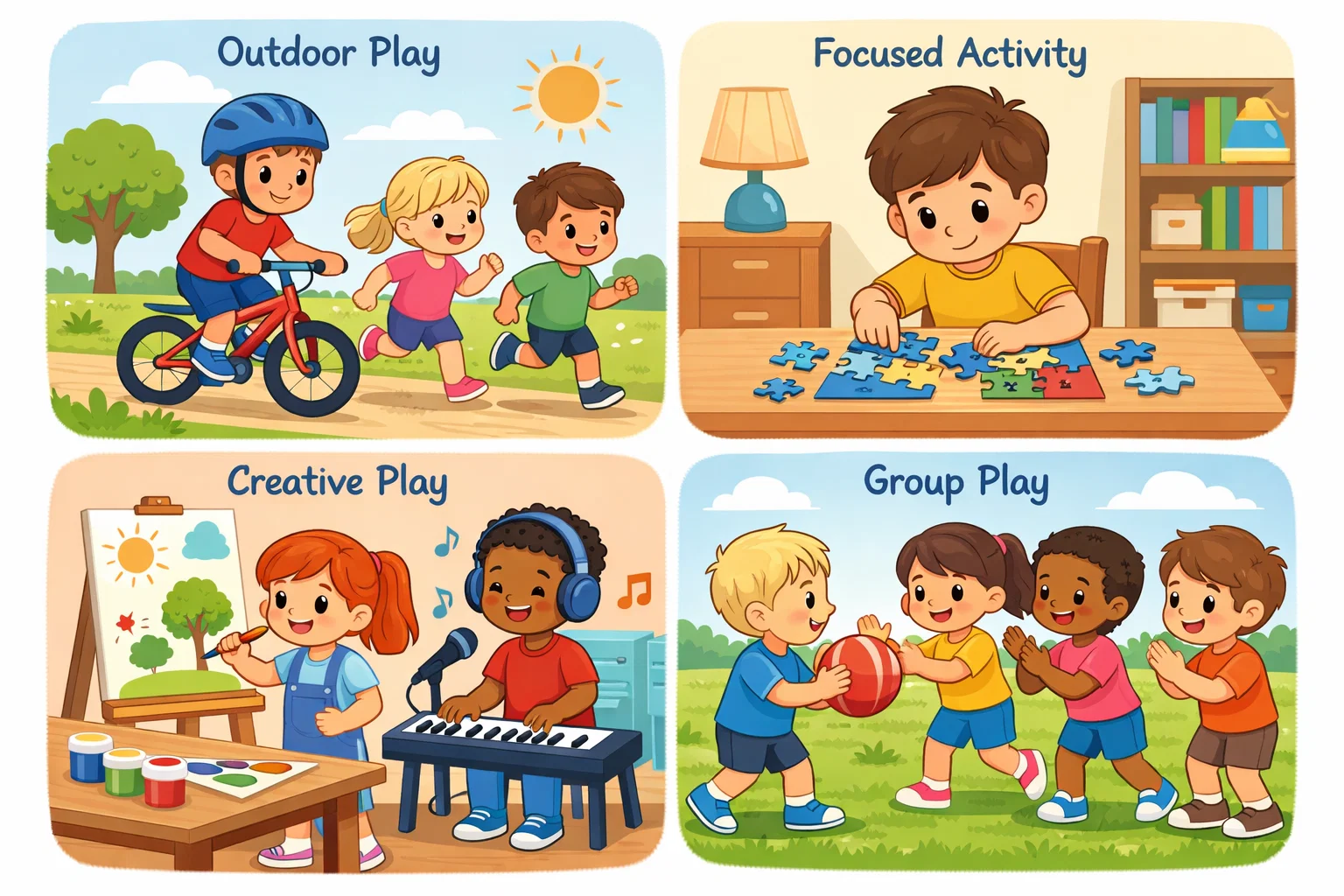
To simplify daily planning, activities are grouped by the main needs they support, such as movement, calming, focus, and social connection. High-energy gross motor tasks give children a safe outlet for movement when they feel very restless. Quiet sensory corners and rhythmic breathing games can provide calming input when a child feels overstimulated. Strategy board games and structured building challenges can help children practice focus and problem-solving. Cooperative projects and structured playdates can help children develop essential social skills.
ADHD Basics and Activity-Based Support
Activity-based support can be a helpful part of a broader ADHD support plan. Clinical guidance for ADHD typically emphasizes proper evaluation, evidence-based care, and individualized support. This article focuses on home activity ideas that can complement professional care.
Many school and home routines require children to sit still for long periods, which can be especially difficult for some children with ADHD. Activities that include movement, novelty, sensory input, and clear structure can make daily routines easier to manage.
Why Activities Help Kids with ADHD
Movement and novelty can increase engagement and may support the brain systems involved in attention and self-regulation. Engaging ADHD-friendly activities create high-interest, hands-on experiences with immediate feedback, which can help many children stay motivated and focused.
By embedding structured goals within physical activity or creative play, caregivers can productively channel ADHD-related restlessness rather than simply trying to suppress it.
Focus, Energy, and Emotional Regulation
Supporting a child with ADHD often means balancing three needs: focus, movement, and calming after overstimulation. When a child struggles to focus during academic tasks, structured mental breaks can reset their attention span. If a child seems full of excess energy, active movement can reduce restlessness and lower the chance of disruptive behavior. When sensory overload occurs, calming sensory activities may help the child settle and self-regulate.
Safety and Support Before Starting
Before introducing new activities, make the space safe and explain the rules clearly. Because impulsivity can be part of ADHD, fast-paced physical play may require closer supervision. Caregivers should ensure proper hydration, recognize individual sensory sensitivities, and choose activities that match the child’s age and abilities.
If symptoms consistently disrupt family life or school progress, parents should talk with a pediatrician, child psychologist, or another licensed professional about a comprehensive ADHD assessment or support plan.
Choosing Suitable Activities for Kids with ADHD
To choose an activity that will actually help, consider the child’s energy level, available time, and sensory environment.
| Variable | High-Energy / Restless State | Low-Energy / Overstimulated State |
| Primary Goal | Burn energy and meet movement needs | Achieve calm and improve attention |
| Activity Type | Gross motor play, outdoor obstacle course | Tactile sensory play, quiet sensory corners |
| Instruction Style | Short, single-step verbal cues | Visual schedules, self-directed exploration |
| Ideal Setting | Wide-open outdoor spaces or gyms | Low-stimulation indoor rooms |
Match Activity to Energy Level
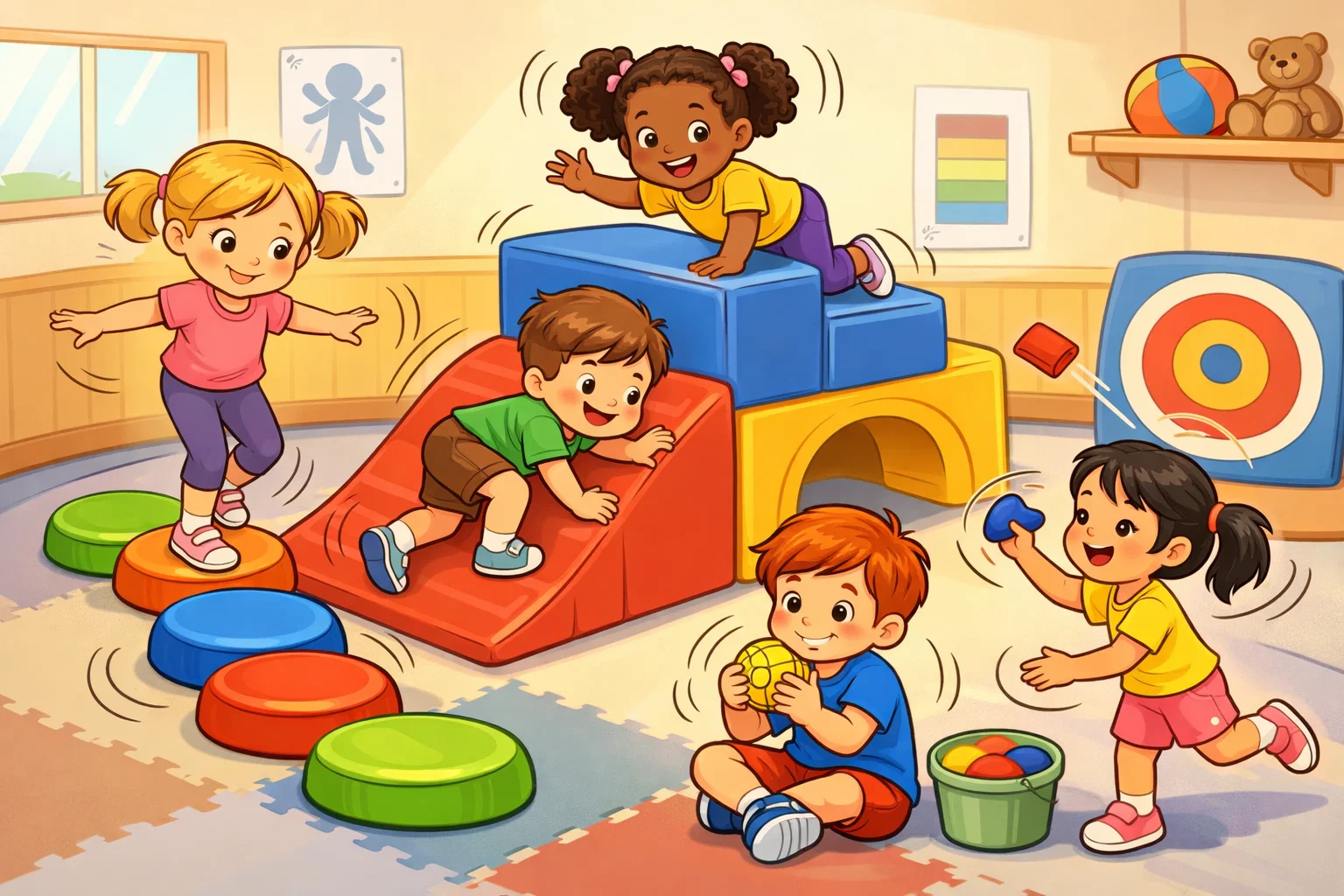
An effective behavioral strategy starts with matching the chosen task to the child’s current physical state. For example, a child with ADHD who is very restless may benefit from a gross motor activity, such as jumping on a trampoline or running through an outdoor course, to burn energy.
Asking a highly energized child to sit through a quiet task may increase frustration or restlessness. Conversely, a child showing signs of fatigue or sensory overload may need calming sensory play to help their nervous system settle.
Keep Instructions Short and Clear
Children with attention difficulties often struggle to retain lengthy, multi-step verbal commands because of working memory demands. Caregivers should deliver directions using simple steps, explicit vocabulary, and visual demonstrations whenever possible.
Physical countdown timers and written checklists can help kids track their progress independently. Breaking an extended task into single, sequential actions reduces cognitive fatigue and lowers frustration.
Use Choice Without Overwhelming Kids
Giving a child with ADHD a sense of autonomy can increase motivation and cooperation. However, offering too many open-ended choices can lead to decision fatigue and resistance.
Caregivers can use visual choice boards displaying only two to four pre-approved options. This structure gives the child a sense of control while keeping the choice simple and manageable.
When Kids with ADHD Feel Bored or Need to Burn Energy
Boredom can show up as restlessness or disruptive behavior in kids with ADHD because many children seek more stimulation or novelty. When a child cannot play outside, parents can use short, high-energy indoor movement games to meet that need.
Indoor Movement Games
Indoor spaces can be adapted for safe, high-energy gross motor activities.
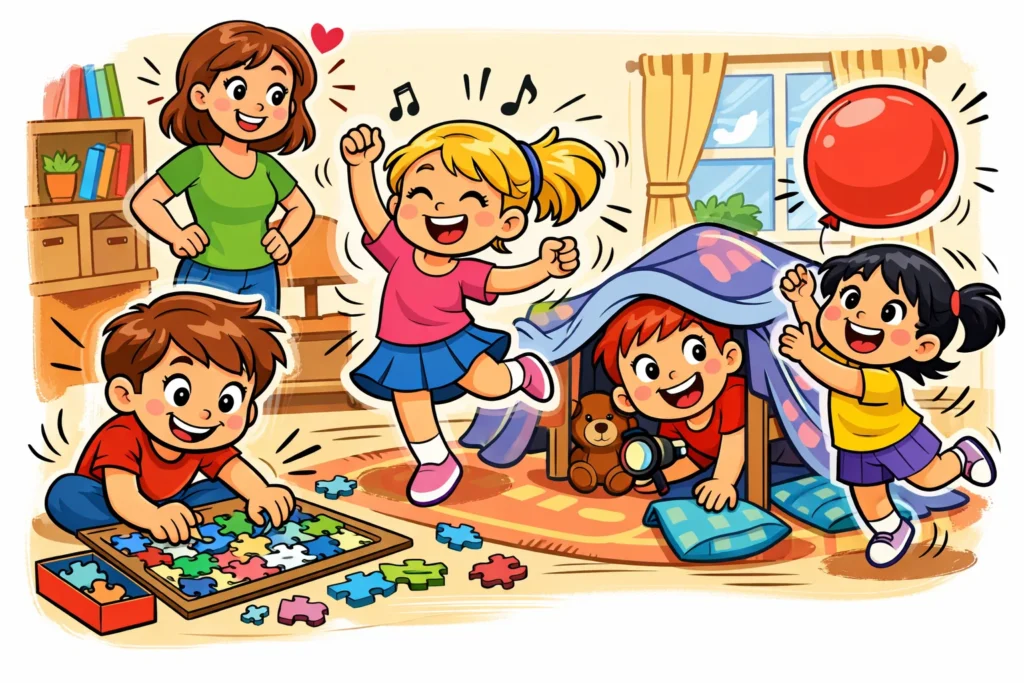
- Animal Walks: Children mimic the heavy, stomping movements of an elephant or the big jumps of a frog, which provides proprioceptive input, or sensory feedback from muscles and joints.
- Hallway Races: Caregivers set up timed crab-walk or bear-crawl races down a secure hallway to engage major muscle groups.
- Dance Freeze: Playing music and abruptly pausing it requires children to halt mid-motion, which helps them practice impulse control.
- Balloon Volleyball: A lightweight balloon encourages movement, tracking, and reaching without much risk of breaking things indoors.
- Pillow Obstacle Paths: Placing sofa cushions across the floor creates an unstable walking surface that demands balance and deep muscle engagement.
- Movement Dice: Rolling a foam die with specific actions, such as “jump ten times,” turns movement into a fun, unpredictable game.
Energy-Burning Chores
Turning everyday chores into active tasks lets kids help at home while burning excess energy. Heavy-work chores can provide helpful sensory input and may help a child feel calmer.
- Laundry Basket Carry: Moving a weighted laundry basket across a room or up the stairs engages core muscles.
- Speed Sweeping: Sweeping floors requires bilateral coordination and continuous movement.
- Watering Plants with a Watering Can: Carrying a filled watering can can support balance and motor planning.
- Toy Sorting Race: Racing to sort toys into bins against a timer adds a playful, high-energy element to cleaning.
- Unloading Safe Groceries: Carrying non-breakable items, like canned goods or juice bottles, provides a structured lifting activity.
Brain Breaks for Restless Moments
Brief 2- to 5-minute brain breaks between seated tasks can reduce restlessness and help children return to work with better focus. These micro-activities give children a quick reset before they return to schoolwork or structured routines.
The 3-Minute Reset: When a child begins fidgeting during homework, pause the task briefly. Ask them to complete 15 jumping jacks, 10 wall push-ups, and a 30-second full-body stretch. Then return to the academic task with a visual timer set for 15 minutes.
5-Minute Transition Smoothers
Moving from high-energy play to quiet, structured tasks can be difficult for many children with ADHD. Short transition activities can help children settle and prepare for the next part of the routine.
Wall Push-Ups and Chair Push-Ups
Proprioceptive resistance exercises offer an excellent way to ground a child before they sit down for homework, meals, or bedtime. Ask the child to place their palms flat against a wall and complete ten slow wall push-ups to engage major muscle groups and joints.
Alternatively, chair push-ups, where a child sits and lifts their body slightly off the seat using their arms, provide deep pressure input. This sensory input can act as a calming anchor and reduce restlessness without tiring the child out.
Timer Race Cleanup
Turning cleanup routines into a high-speed, timed challenge can spark a child’s natural drive for novelty and competition. Caregivers can set a visual countdown timer for exactly three or five minutes, assigning a specific target like “gather all red blocks.”
A clear start and stop point reduces the stress often associated with open-ended cleaning tasks. This format replaces repeated reminders with an external countdown, turning a potential power struggle into a game.
Breathing Games Before Next Task
Playful breathing exercises can help lower a child’s heart rate and transition them into a more focused, receptive state.
- Bubble Breathing: The child blows through a plastic wand with steady, controlled breaths to create large, stable bubbles without breaking them.
- Pretend Candle Blowing: Children extend five fingers as “candles,” lowering one finger at a time as they exhale deeply to “blow it out.”
- Smell the Flower, Blow the Pinwheel: This technique instructs the child to inhale deeply through their nose, as if smelling a flower, and exhale slowly through their mouth, as if spinning an imaginary pinwheel.
15-Minute Focus Sharpeners
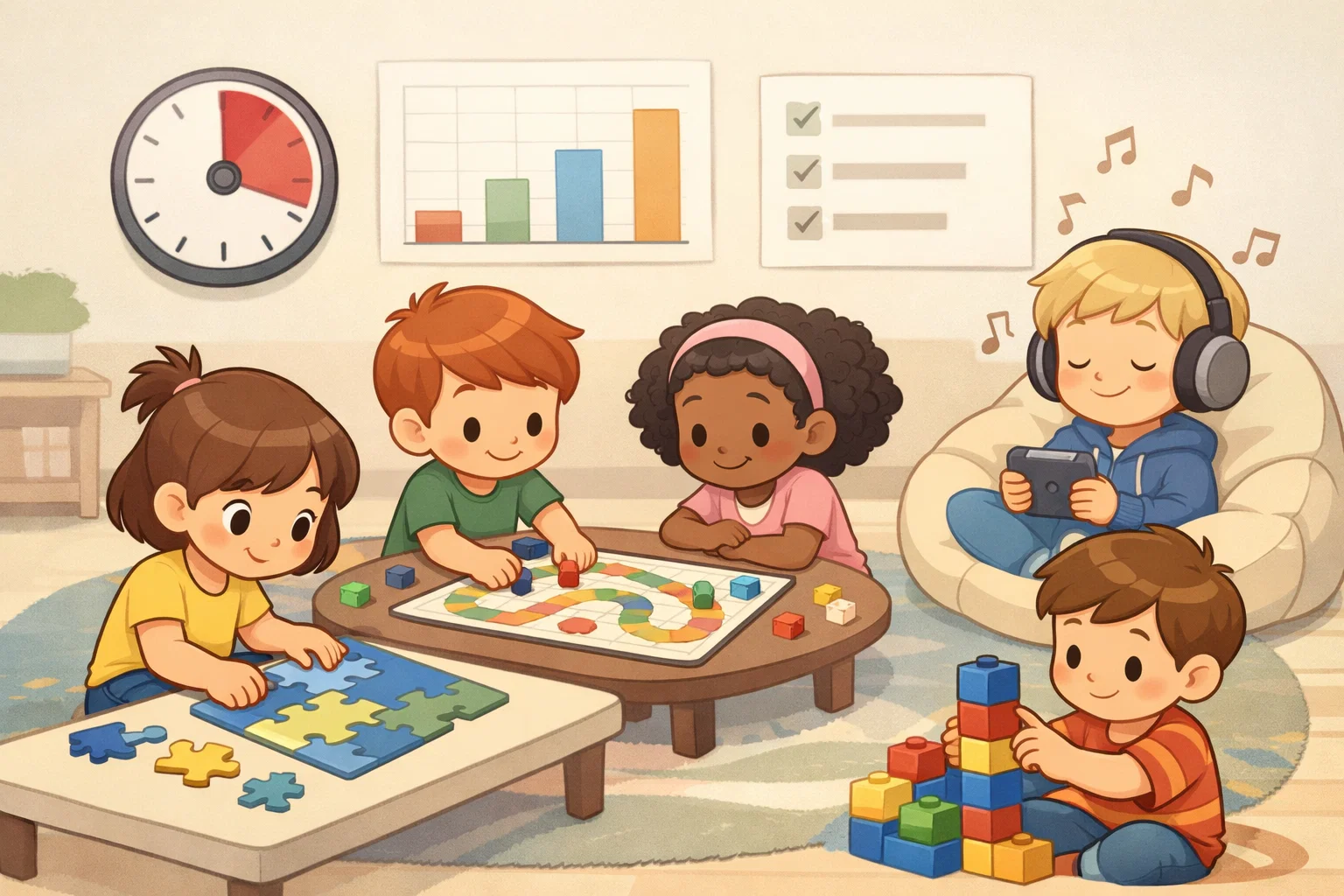
Medium-length activities that last around 15 minutes are ideal for after-school unwinding or structured weekend downtime. These tasks can support executive-function skills, including working memory, impulse control, and sustained attention.
Board Games
Short, turn-based board games offer a natural environment for practicing social skills, impulse control, and strategic planning. Caregivers should choose games with simple rules, minimal setup time, and quick rounds to prevent frustration.
Games like Connect 4, Guess Who?, or fast-paced card games require players to pay attention to their opponent’s moves. This regular cognitive engagement exercises working memory and rewards patient observation within a manageable timeframe.
Puzzles
Physical puzzles help children develop spatial reasoning, fine motor coordination, and task persistence.
- Jigsaw Puzzles: Matching interlocking pieces helps kids practice visual discrimination and sustained focus.
- Pattern Blocks / Tangrams: Replicating specific geometric designs builds spatial awareness and cognitive flexibility.
- Maze Books: Tracing complex visual pathways requires forward planning and fine motor precision.
- Visual Matching Games: Scanning grids of cards to spot identical pairs exercises short-term visual memory.
LEGO, STEM Kits, and Building Challenges
Three-dimensional building challenges provide a strong mix of creative expression and structured goal achievement. Giving specific building prompts, such as “build a bridge that can hold a toy car,” keeps tasks goal-oriented.
Caregivers can also use copy-the-model exercises, where the child attempts to replicate a small structure built by the parent. These hands-on activities encourage analytical thinking and keep kids engaged through immediate physical feedback.
30-Minute Resets
Longer 30-minute activity blocks can help reset a child’s mood, focus, or energy after school or during unstructured summer days. These extended activities combine physical movement with cognitive problem-solving.
Backyard Obstacle Course
Designing a custom obstacle course allows parents to combine various gross motor movements into a single, cohesive activity. Caregivers can use common household items like lawn chairs, cones, hula hoops, and sidewalk chalk to create a clear path.
To keep the activity safe and structured, use these simple guidelines:
- Clear Boundaries: Use distinct chalk markings or physical boundaries so the child knows exactly where to go next.
- Diverse Actions: Incorporate different movements like crawling under chairs, hopping through hoops, and balancing on single lines.
- Goal-Oriented Tracking: Use a stopwatch to record completion times, encouraging the child to beat their own personal best rather than competing against others.
Nature Walk or Sensory Scavenger Hunt
A sensory scavenger hunt transforms a simple neighborhood walk into an active, focus-building exploration. Caregivers can provide a clear list of target items for the child to find, helping them stay engaged and curious.
- Tactile Targets: Locating items that feel rough, smooth, dry, or velvety.
- Visual Targets: Finding objects with distinct colors, unique geometric shapes, or small patterns.
- Auditory Targets: Pausing to identify birds chirping, wind blowing through leaves, or distant traffic.
- Nature Targets: Observing local insects, different leaf shapes, or unique rock formations.
Cooking or Baking with Visual Steps
Kitchen activities offer a practical way to develop executive functions like sequencing, precise measurement, and time management. Caregivers can create visual recipe cards with clear pictures for each step, from measuring flour to mixing batter.
Assigning safe, active tasks like mashing bananas or kneading dough provides helpful sensory feedback. Finishing the activity with a structured cleanup routine teaches the child that organizing and cleaning are natural parts of a completed task.
Sensory Play Ideas to Stimulate Focus
Sensory activities offer tailored physical input that can either calm an overactive nervous system or stimulate an under-aroused one. Sensory integration researchers note that intentional sensory experiences may affect a child’s arousal, attention, and behavior, especially when activities are matched to the child’s needs.
Water Play and Bubble Art
Water-based play provides a soothing tactile experience that can help ease emotional tension. Setting up an indoor sink station or an outdoor water bin filled with pouring cups and sponges encourages focused, independent exploration.
Adding bubble art, where children blow into water mixed with dish soap and non-toxic paint through a straw, introduces a playful oral-motor component. This slow, deep breathing can help lower the child’s heart rate, though close supervision is necessary to make sure the child blows the solution outward rather than swallowing it.
Sensory Bins and Texture Sorting
Sensory bins filled with tactile materials offer a calming, focused activity that keeps a child’s hands engaged.
- Dry Rice or Pasta Bins: Hiding small plastic toys within a container of dry rice encourages careful exploration and fine-motor search.
- Kinetic Sand Sculpting: Squeezing and molding kinetic sand provides deep pressure feedback to the hands.
- Water Bead Sorting: For older children under close supervision, picking out specific colored water beads can support fine motor precision and color recognition.
- Texture Matching Panels: Sorting fabric swatches, such as burlap, silk, and fleece, keeps a child focused on subtle tactile differences.
Quiet Sensory Corners
A dedicated quiet sensory corner can give a child with ADHD a helpful retreat when they show signs of emotional overload or sensory fatigue. This area should be set up in a low-traffic zone away from bright overhead lighting and loud noises.
Equipping the space with soft beanbag chairs, plush pillows, noise-canceling headphones, and a basket of quiet fidget tools creates a comforting environment. A weighted lap pad may provide soothing deep pressure for some children, but it should be used safely and only when appropriate for the child.
ADHD-Friendly Games That Promote Concentration
Structured games with clear rules offer a fun way to practice self-regulation and impulse control. Helpful options feature immediate feedback and short rounds, which can keep kids motivated and reduce frustration.
Memory Games
Classic memory-based games are excellent for strengthening a child’s short-term visual and auditory retention. Playing traditional card-matching games requires sustained attention to remember where specific images are located.
Another fun variation is “What Changed?”, where a child studies a tray of household objects before closing their eyes while the parent removes one item. This playful challenge turns visual memory training into an engaging game, rewarding careful observation and attention to detail.
Stop-and-Go Games
Group games that require sudden stops can help children practice pausing before they move.
- Red Light, Green Light: Children must sprint on “green” and freeze instantly on “red,” practicing physical impulse control.
- Simon Says: Players must evaluate verbal commands before moving, which exercises auditory processing and delayed response.
- Freeze Dance: Dancing to music and freezing the moment it stops helps connect motor planning with auditory cues.
- Follow the Leader: Mimicking a leader’s movements requires careful observation and sustained motor attention.
Strategy Games with Short Rounds
Games like Checkers, Uno, or cooperative card games challenge children to look ahead and plan their next move without causing mental fatigue. The rapid pace of these games ensures that players stay actively involved without having to wait too long between turns.
Choosing cooperative games where players work together toward a shared goal can be especially helpful for minimizing competitive anxiety. This supportive structure shifts the focus from winning or losing to collective problem-solving and shared success.
Mindfulness Activities That Calm and Center
Mindfulness practices can help children notice their body signals, emotions, and energy level. Presenting these exercises through playful, concrete imagery makes them easier and more engaging for younger children.
Yoga and Animal Poses
Using child-friendly yoga poses turns physical stretching into an imaginative, focus-building activity. Introducing movements with playful names, like stretching high like a “star,” balancing steadily like a “tree,” or crouching low like a “frog,” makes the practice fun.
Caregivers should keep these sessions brief and focus on the feeling of balance rather than perfect form. This gentle movement encourages body awareness and helps release physical tension in a structured way.
Breathing Games
- Box Breathing: Older children can try a simple “4-4-4-4” rhythm: inhale for 4 seconds, hold for 4 seconds, exhale for 4 seconds, and hold for 4 seconds.
- Balloon Belly Breathing: The child places their hands on their stomach, imagining it inflating like a balloon during deep inhales and deflating during slow exhales.
- Pinwheel Control: The child practices blowing softly to keep a plastic pinwheel spinning at a slow, continuous pace.
Music, Drumming, and Audiobook Time
Rhythmic music and audiobooks can be helpful when silent sitting is hard, giving an active mind a gentle focal point. Structured drumming games, where a child listens to and replicates a rhythmic pattern played by a parent, can build auditory focus.
Listening to audiobooks while coloring or playing with clay can also be effective. This combination satisfies the child’s need for visual and tactile stimulation while keeping them engaged with an entertaining story.
Calming Strategies and Techniques to Ease ADHD Symptoms
A predictable routine and a few reliable calming strategies can reduce the chance of meltdowns or escalating behavior. A structured approach helps children know how to manage moments of sensory overload or high frustration.
Calm-Down Menu
A visual “Calm-Down Menu” displays a collection of pre-approved activities that a child can turn to when feeling overwhelmed. Clear drawings or photos can show options like deep breathing, drawing on paper, resting in a quiet corner, or using a sensory bin.
Having this tool easily accessible removes the need for complex decision-making during moments of high stress. It guides the child toward safe, healthy choices for self-regulation, building emotional independence over time.
Movement Breaks Before Quiet Time
Many children settle down more easily if they are allowed a quick burst of physical movement right before a quiet task. Activities like jumping jacks, wall push-ups, or carrying heavy items give the body the movement input it needs before trying to sit still.
This intentional movement helps satisfy underlying restlessness, making it much easier for the child’s nervous system to transition into a calm state.
Downtime After High-Stimulation Activities
Coming home from highly stimulating environments like birthday parties, busy playgrounds, or extended screen time requires a planned period of low-key downtime. Moving directly from high excitement to demanding tasks like homework or bedtime can make outbursts more likely.
Caregivers can ease this transition by scheduling 15 minutes of low-stimulation activities, such as listening to soft music or looking through books. This buffer period gives the child’s nervous system a chance to decompress, supporting a smoother transition to the next part of the day.
Outdoor Activities That Burn Energy and Build Focus
Outdoor spaces offer a helpful mix of sensory experiences and room to move, making them useful for physical development. Research suggests that outdoor play and nature-based activities may support stress reduction and attention in some children.
Cycling, Scootering, and Trampolining with Goals
While unstructured play has value, adding simple goals to outdoor activities can help children practice focus and coordination. Turning a bike or scooter ride into a fun challenge, like counting laps or following a specific chalk path, keeps the activity structured and engaging.
Similarly, trampolining can include fun prompts like alternating between high bounces and low hops. Adult supervision and age-appropriate safety rules are important, especially for children who are impulsive or still developing coordination.
Bug Hunts and Nature Journals
Combining physical movement with quiet observation helps channel a child’s natural curiosity into sustained focus. Equipped with a simple magnifying glass and an outdoor journal, children can search for local insects, unique leaves, or interesting rocks.
Encouraging them to sketch their findings or count the legs on a bug keeps them connected to the task. This active exploration sharpens visual attention and turns an outdoor walk into an engaging learning experience.
Sports Without Too Much Waiting
When choosing structured sports, activities that keep children moving are often a good fit for those with high energy levels.
- Swimming: Provides continuous, full-body physical exertion and soothing sensory input without much downtime.
- Martial Arts: Emphasizes structured movement, physical balance, and mental discipline within a predictable routine.
- Gymnastics: Offers rich proprioceptive input through tumbling, balancing, and core strengthening exercises.
- Soccer Drills: Keeps kids actively moving through continuous running, passing, and footwork practice.
Indoor Activities That Stimulate the Mind
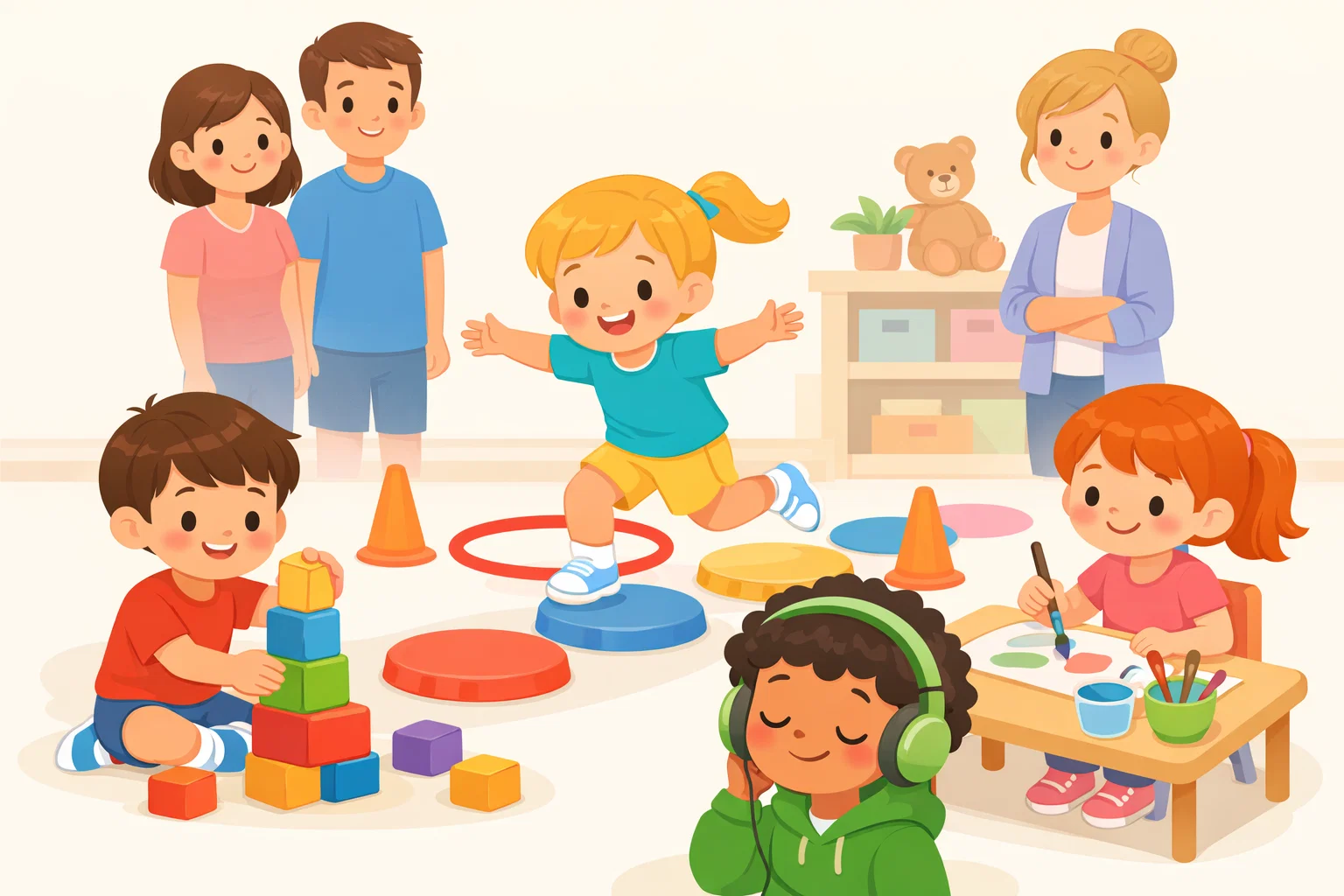
When bad weather or limited space keeps a child indoors, targeted, high-interest activities can keep their mind engaged and reduce restlessness.
Arts and Crafts with Open-Ended Creativity
Art projects that focus on the process of creating rather than a perfect final result allow children to explore without pressure. Working with tactile materials like modeling clay, papier-mâché, or finger paints provides rich sensory feedback.
Caregivers can keep these tasks manageable by offering open-ended prompts, such as “build a creature out of clay,” rather than complex, rigid steps. This approach encourages self-expression and keeps kids engaged without the fear of making mistakes.
STEM Challenges
Hands-on science, technology, engineering, and math (STEM) challenges offer an excellent way to build problem-solving skills and task persistence. Building a bridge out of drinking straws, designing a marble run, or assembling simple gear sets provides immediate visual feedback.
These activities naturally encourage children to test their ideas, learn from small failures, and adjust their designs. This trial-and-error process can build cognitive flexibility and keep children engaged.
Pretend Play with Simple Roles
Structured imaginative play helps children practice perspective-taking, language skills, and emotional regulation. Setting up simple, familiar scenarios like a grocery store, a restaurant, or a veterinary clinic gives the play a helpful framework.
Assigning clear roles, such as the cashier, the customer, or the doctor, provides a natural set of actions and boundaries. These simple guidelines keep the play focused and organized, reducing the chances of wandering off task or becoming frustrated.
Creative Activities to Improve Focus and Engagement
Creative activities can be highly motivating for children with ADHD, especially when they connect with the child’s personal interests. These tasks offer space for self-expression and focus-building.
Drawing Prompts and Comic Strips
Creating short comic strips allows children to break down stories or daily experiences into simple, visual sequences. Caregivers can offer fun, open-ended drawing prompts like “design a superhero based on your favorite animal” to get started.
This visual storytelling format helps kids practice organizing their thoughts and ordering events chronologically. It provides a highly engaging alternative to traditional writing exercises, keeping the process creative and low-pressure.
Storytelling Games
- Story Cubes: Rolling dice with pictures and weaving the images into a creative story.
- Three-Word Stories: Alternating turns with a parent to build a story, adding only three words at a time to practice listening and waiting.
- Puppet Shows: Using simple hand puppets to act out short, structured scenarios, which helps build social communication skills.
Music and Rhythm Challenges
Engaging with rhythm and musical patterns is a strong way to practice auditory tracking and motor planning. Simple games like clapping a brief pattern and asking the child to repeat it back exercise short-term auditory memory.
Children can also explore making rhythm instruments at home, like filling clean containers with dried beans to create shakers. Moving to the changing beat of a drum or a favorite song helps connect physical movement with auditory cues in a fun, active way.
Group and Social Activities for Connection
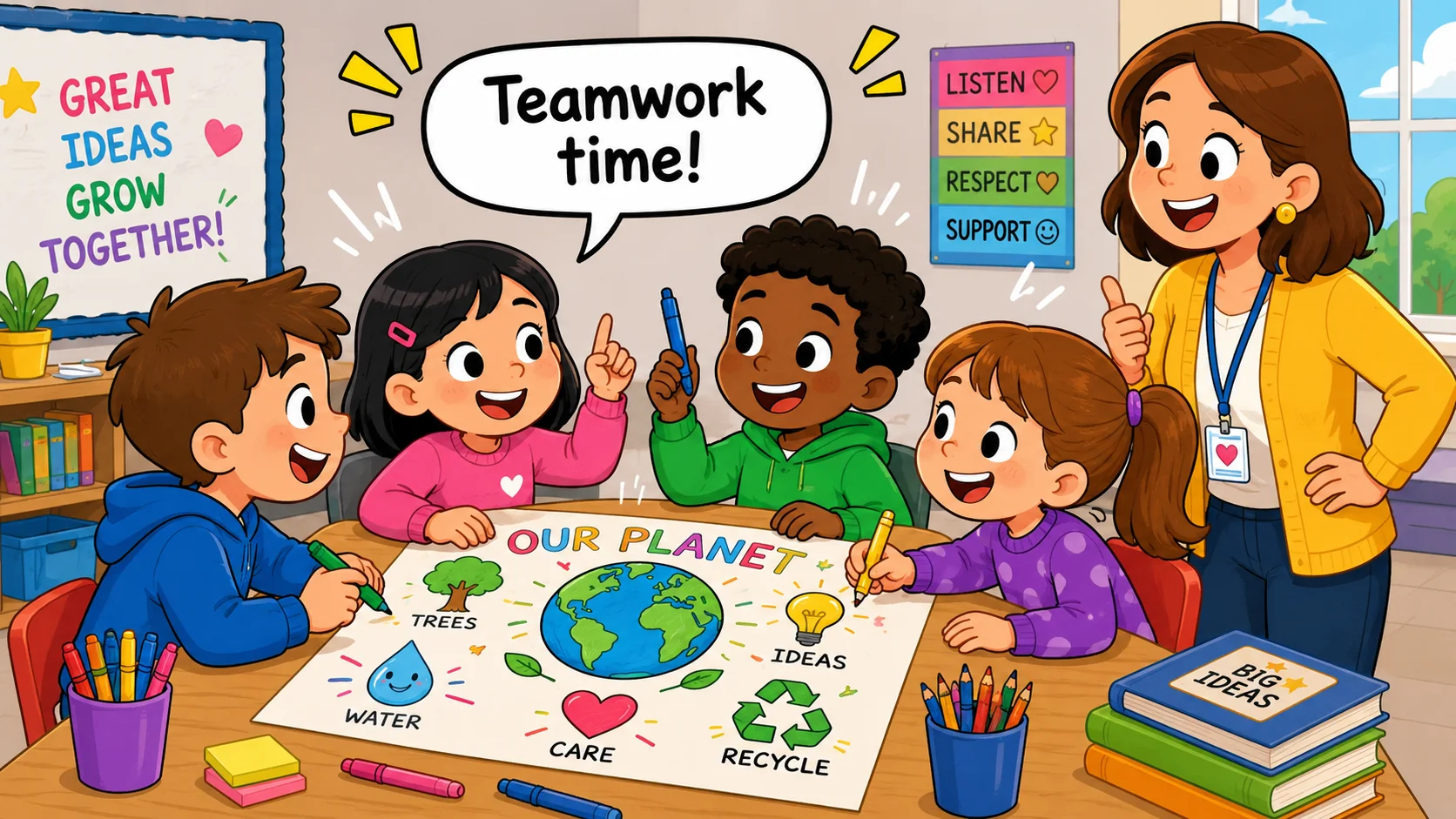
Building meaningful social connections is an important part of childhood development. Choosing structured group settings can help children practice peer communication and teamwork in a supportive way.
Small Playdates with Structured Games
Large, unstructured group gatherings can sometimes feel overwhelming for a child with attention or sensory sensitivities. Organizing smaller playdates with just one or two peers, paired with a few planned activities, creates a much more comfortable environment.
Setting up a specific craft project or a short cooperative board game provides a natural focus for interaction. This clear structure helps guide social behavior, minimizing conflicts and making the experience more enjoyable for everyone.
Local Clubs with ADHD-Aware Staff
Enrolling children in local clubs or classes led by supportive instructors can boost their confidence. Youth groups, martial arts schools, or scouting troops often use clear routines and positive reinforcement strategies.
It can be helpful to speak with instructors beforehand to ensure they use clear, step-by-step guidance and offer flexible breaks when needed. This proactive communication helps create a welcoming space where the child can thrive and build new skills.
Cooperative Challenges
Cooperative activities encourage children to work together toward a shared goal rather than competing against one another.
- Team Building Projects: Working together with a friend to build a large LEGO structure or cardboard fort.
- Partner Scavenger Hunts: Sharing a checklist with a peer to locate specific hidden objects together.
- Two-Person Relay Tasks: Completing simple physical challenges where each child’s turn supports their partner.
- Collaborative Art Canvases: Working together on a single, large piece of paper to paint a shared scene.
Activities for Younger Children
Preschool and early elementary-age children usually do best with simple, hands-on activities and very clear guidelines.
Simple Sensory Play
Younger children often learn best through direct, hands-on exploration of their surroundings. Offering simple tactile experiences, like play dough, colorful sorting cups, or soft building blocks, keeps their hands engaged.
Introducing gentle sorting activities, such as grouping large smooth stones by size under supervision, helps build early classification and fine motor skills. These calm, self-directed tasks provide a helpful way to satisfy curiosity while encouraging attention in an accessible way.
Movement Songs and Dance
Active songs that combine rhythm with specific physical movements are excellent for early motor development. Classic childhood favorites like “The Hokey Pokey” or “Head, Shoulders, Knees, and Toes” require children to coordinate their movements with verbal directions.
This playful practice exercises listening skills and body awareness. Adding short freeze-dance games to the routine keeps things exciting while gently practicing impulse control.
Short Turn-Taking Games
Simple, fast-paced games are perfect for helping young children practice the valuable social skill of waiting for their turn. Stacking games, where players take turns adding blocks to a growing tower, keep everyone focused on a shared, visual goal.
Using large color-coded dice or basic matching cards keeps the rules easy to understand and follow. The quick rounds provide frequent moments of success, keeping frustration low and engagement high.
Activities for Older Children
Tweens and teenagers with ADHD often thrive on project-based activities that offer a sense of personal challenge and match their growing independence.
Skill-Based Hobbies
Encouraging older children to explore specialized, skill-based hobbies can build confidence and long-term focus. Activities like digital photography, basic coding, beginner cooking, or model building offer clear paths for personal growth.
These hobbies allow older children and teenagers to set their own goals and enjoy the satisfaction of building a new skill at their own pace. The focused, hands-on nature of these tasks provides a healthy outlet for creative and analytical energy.
Fitness Challenges
- Step Trackers: Monitoring daily activity levels using a fitness watch to reach personal movement goals.
- Cycling Routes: Planning and mapping out safe neighborhood trails using digital maps.
- Beginner Home Workouts: Following structured, youth-friendly fitness or dance videos online.
- Martial Arts Practice: Working through specific movement sequences to prepare for upcoming belt goals.
Project-Based Activities
Engaging in multi-step, independent projects gives teenagers an opportunity to practice planning and organization. Tasks like designing a new bedroom layout, curating music playlists, or filming and editing short videos can be highly motivating.
Caregivers can support them by encouraging them to break the larger project down into smaller, daily steps. This independent approach builds problem-solving skills and gives older kids a true sense of ownership over their achievements.
Summer Activities for Kids with ADHD
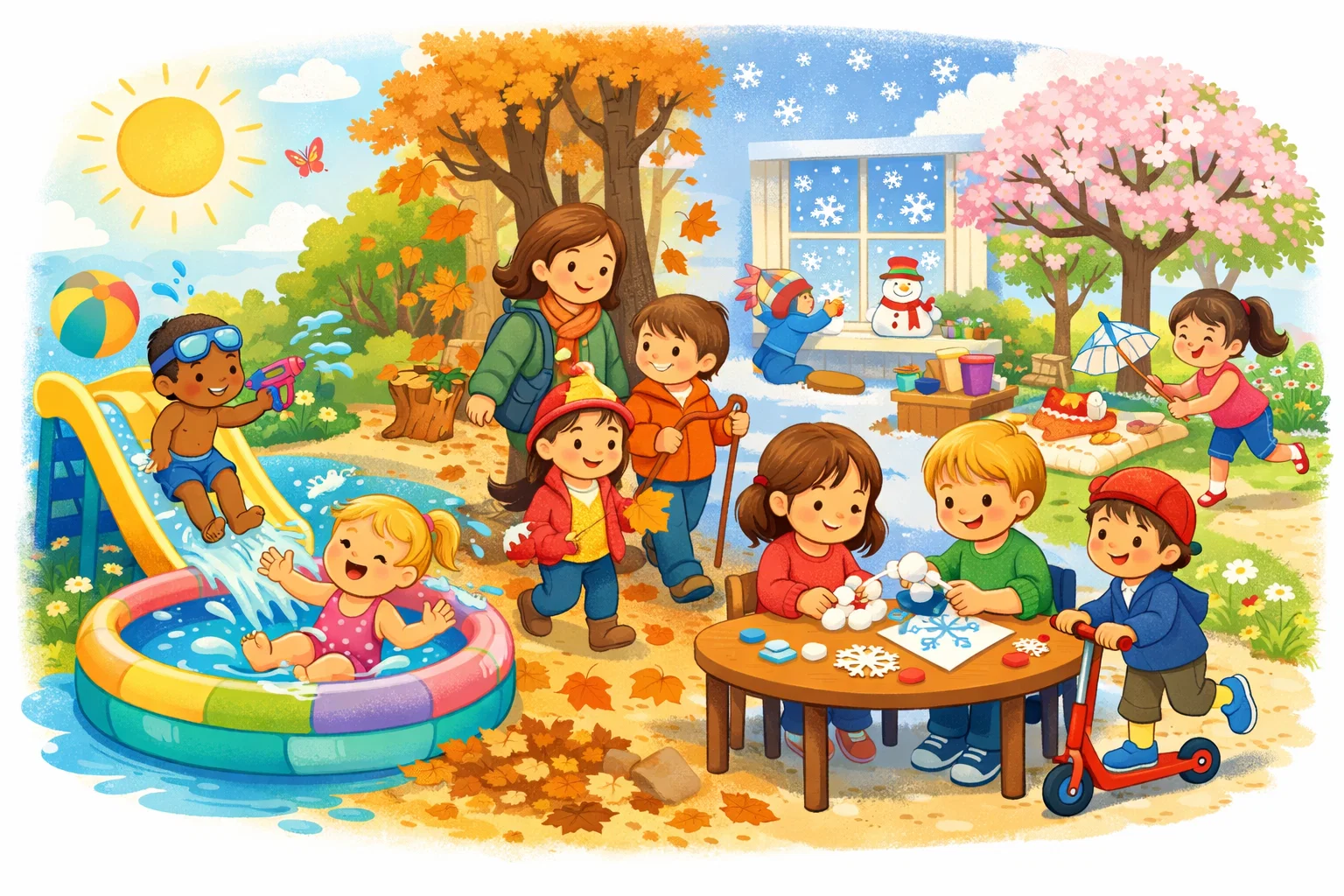
Summer can feel freeing, but the break from regular school routines can also lead to increased restlessness. Balancing unstructured downtime with a loose daily rhythm can help children feel more secure and keep routines steadier.
Why Summer Can Feel Hard and Rewarding
While summer vacation offers a welcome break from academic pressures, the lack of a predictable daily routine can occasionally feel unsettling for a child with ADHD. However, this open time also brings opportunities for extended outdoor play, creative exploration, and confidence-building.
By establishing a gentle, flexible rhythm for the day, caregivers can help children enjoy the best of summer while keeping behavioral challenges more manageable.
Visual Schedules and Timers for Summer Days
Creating a simple, visual outline for the day helps children know what to expect and smooths transitions between activities. A balanced summer rhythm might alternate between active outdoor play, quiet creative time, and relaxing downtime.
Using kitchen timers or visual countdowns for reading or screen time keeps expectations clear. This friendly framework helps prevent power struggles, making the day feel organized yet relaxed.
ADHD-Friendly Summer Camps
When exploring summer camp options, look for programs with low camper-to-counselor ratios and structured routines. Ideal settings often include clear visual schedules for the day and built-in sensory breaks between activities.
Choosing camps with staff trained in positive behavior support can create a welcoming, encouraging environment. Proactive communication about your child’s strengths and needs helps the camp team provide a successful and fun experience.
Activities to Do Together
Shared activities can strengthen parent-child connection and give adults a natural way to help children stay calm and engaged. Working side by side allows caregivers to model patience and problem-solving in real time.
Cooking Together
Sharing time in the kitchen is a strong way to bond while practicing focus and sequencing. Caregivers can give children safe, age-appropriate tasks like washing fresh produce, measuring dry ingredients, or spreading toppings.
Reading through the recipe steps together turns a daily chore into a collaborative team effort. This shared experience rewards careful attention with a delicious meal, giving the child a sense of accomplishment.
Family Board Game Time
- Cooperative Games: Choosing games where the whole family works as a team to solve a puzzle or beat a timer.
- Custom Rules: Modifying standard game rules to shorten rounds or simplify steps can reduce potential frustration.
- Card Games: Playing fast-paced card games that keep everyone actively engaged without long waiting times.
Shared Outdoor Adventures
Heading out for shared outdoor activities like family bike rides, nature walks, or neighborhood geocaching is a meaningful way to connect. Participating together in a backyard obstacle course or working on a small gardening project keeps everyone moving and engaged.
These shared adventures combine healthy physical exercise with conversation and discovery. They provide a relaxed, natural setting for building strong family connections and creating positive memories.
Tips for Parents to Make Activities Work
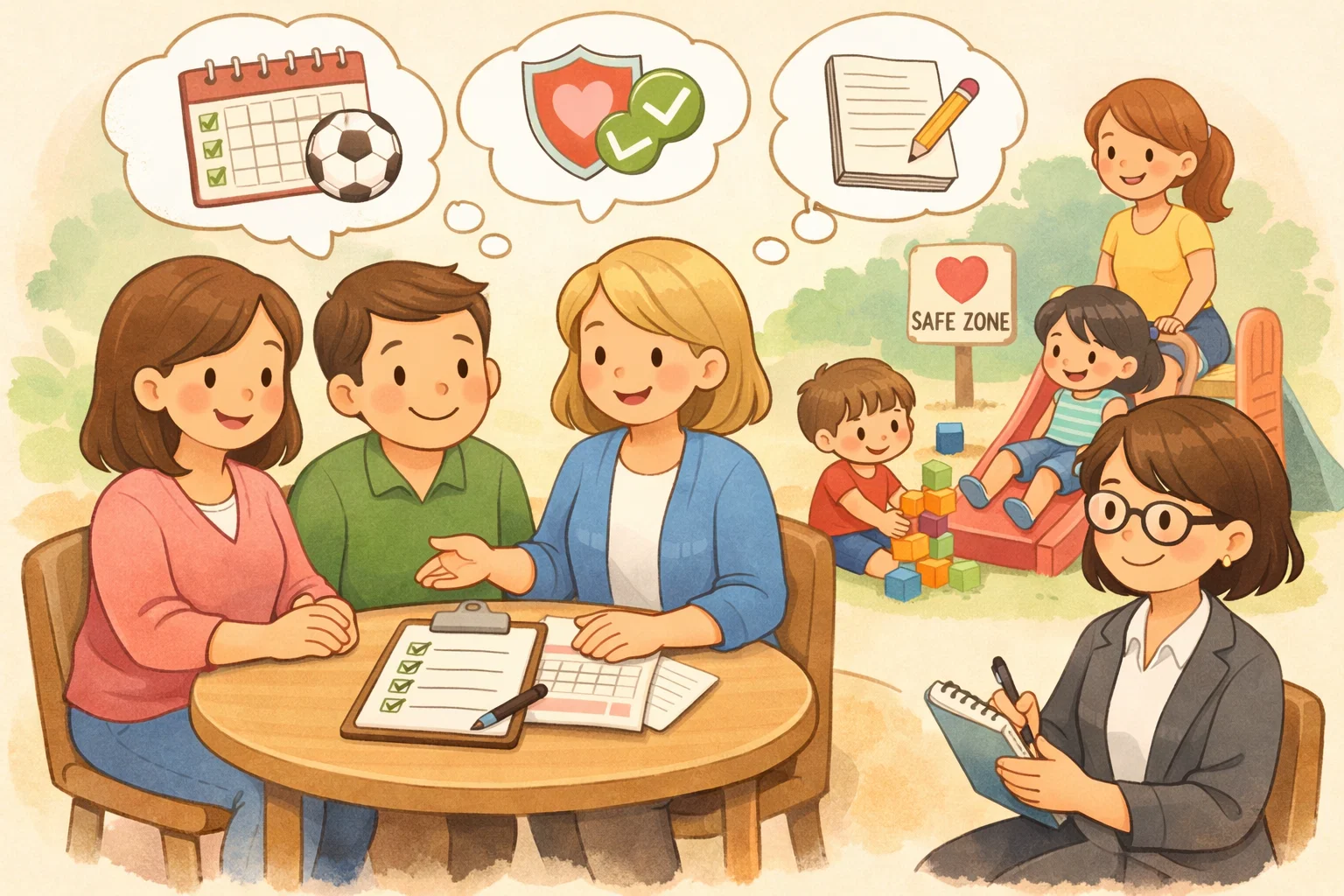
To help activities run smoothly and maximize their benefits, caregivers can use a few practical strategies focused on organization and environment.
Use Visual Schedules and Timers
Visual schedules and physical timers give children a clear picture of how an activity will progress, which naturally reduces transition stress. Seeing exactly what comes next helps them feel secure and mentally prepares them for the next task.
Sand timers or digital countdowns turn abstract time into something concrete and easy to understand. This simple clarity helps minimize anxiety and encourages smoother, more independent transitions between daily routines.
Balance Stimulation with Downtime
A successful daily routine relies on a thoughtful balance between high-energy play and quiet, relaxing downtime. Scheduling an intense physical activity right before an expected quiet time helps satisfy the body’s natural need for movement.
Following up a high-energy outdoor block with a calming sensory activity helps bring the nervous system back to a steadier state. This mindful pacing reduces overstimulation and supports emotional regulation throughout the day.
Encourage Autonomy with Choice Boards
Offering limited, pre-approved choices through a simple choice board empowers children and encourages them to participate willingly. Presenting just two or three options gives children a healthy sense of control over their day.
This structured freedom honors their independence while keeping options manageable, helping prevent decision fatigue or behavioral resistance.
Professional Support Options for Kids with ADHD
While structured daily activities are helpful tools, they work best when paired with a comprehensive approach to overall well-being.
When Activities May Not Be Enough
There are times when even the most thoughtful daily activities may not fully manage a child’s symptoms. If a child continues to face significant challenges with schoolwork, intense emotional outbursts, ongoing sleep difficulties, or navigating social relationships, it may be a sign that additional support would be helpful.
Recognizing these moments early allows families to seek guidance before daily routines become overly stressful.
Support from Pediatricians, Therapists, and Specialists
Consulting healthcare professionals, such as pediatricians, child psychologists, or occupational therapists, can give families practical guidance and clarity. These specialists can offer comprehensive assessments, tailored behavioral strategies, and recommendations for school accommodations.
Partnering with a professional can also give caregivers practical techniques for supporting their child at home.
How Activities Fit Broader ADHD Care
Daily activities can be a practical way to complement professional medical care, behavioral therapy, and school support plans. Creating a structured, supportive home environment full of creative outlets gives children a safe space to practice self-regulation every day.
Combining professional guidance with consistent, supportive home routines helps children build confidence, develop lasting strengths, and thrive across different areas of life.
FAQs
What are the best activities for children with ADHD at home?
The best activities for children with ADHD at home are usually short, clear, and hands-on. Indoor movement games, sensory bins, simple building challenges, drawing prompts, and short board games can help your child stay engaged without becoming overwhelmed. The right ADHD activities for kids depend on the child’s age, energy level, sensory needs, and ability to follow instructions that day.
What activities help an ADHD child improve their focus?
Activities that help an ADHD child improve their focus often include puzzles, matching games, LEGO-style building tasks, drawing prompts, memory games, and short strategy games. Children with ADHD benefit from activities that have clear goals, immediate feedback, and a predictable ending. Using a visual timer can also help your child stay with the task for a manageable amount of time.
How can engaging ADHD activities help with hyperactivity?
Engaging ADHD activities can give kids a safe way to channel energy instead of trying to suppress movement. For example, animal walks, wall push-ups, obstacle courses, dance games, and heavy-work chores can help regulate restlessness before homework, meals, or bedtime. These activities do not treat ADHD, but they can support daily routines and make hyperactivity easier to manage.
Can sensory stimulation help children with ADHD calm down?
Sensory stimulation can help some children with ADHD feel calmer and more organized, especially when it matches their needs. A stress ball, kinetic sand, water play, textured fabrics, or a quiet sensory corner can provide soothing input for an ADHD child’s body and attention system. Parents should watch how their child responds, because some sensory activities calm one child but overstimulate another.

Take a short quiz to find out what your everyday choices say about your parenting style
When your child is curious about something new, what’s your instinct?
Take a short quiz to find out what your everyday choices say about your parenting style
“Can I download this app?” What happens next?
Take a short quiz to find out what your everyday choices say about your parenting style
When it comes to rules at home, which sounds most like you?
Take a short quiz to find out what your everyday choices say about your parenting style
If you could give your child one life skill today, what would you pick?
Take a short quiz to find out what your everyday choices say about your parenting style
Your child gets to choose what to watch. What would your ideal setup look like?
Take a short quiz to find out what your everyday choices say about your parenting style
Pick your parenting superpower ✨