Activities for Toddlers and Preschoolers: 45 Quick, Easy Indoor and Outdoor Ideas

 Discover a Free Education Video App for Kids
Pastory uses AI to personalize educational video content based on your child’s interests and personality. Safe, engaging, and built for curious young minds. Sign up now to stay updated and enjoy early access with a free trial
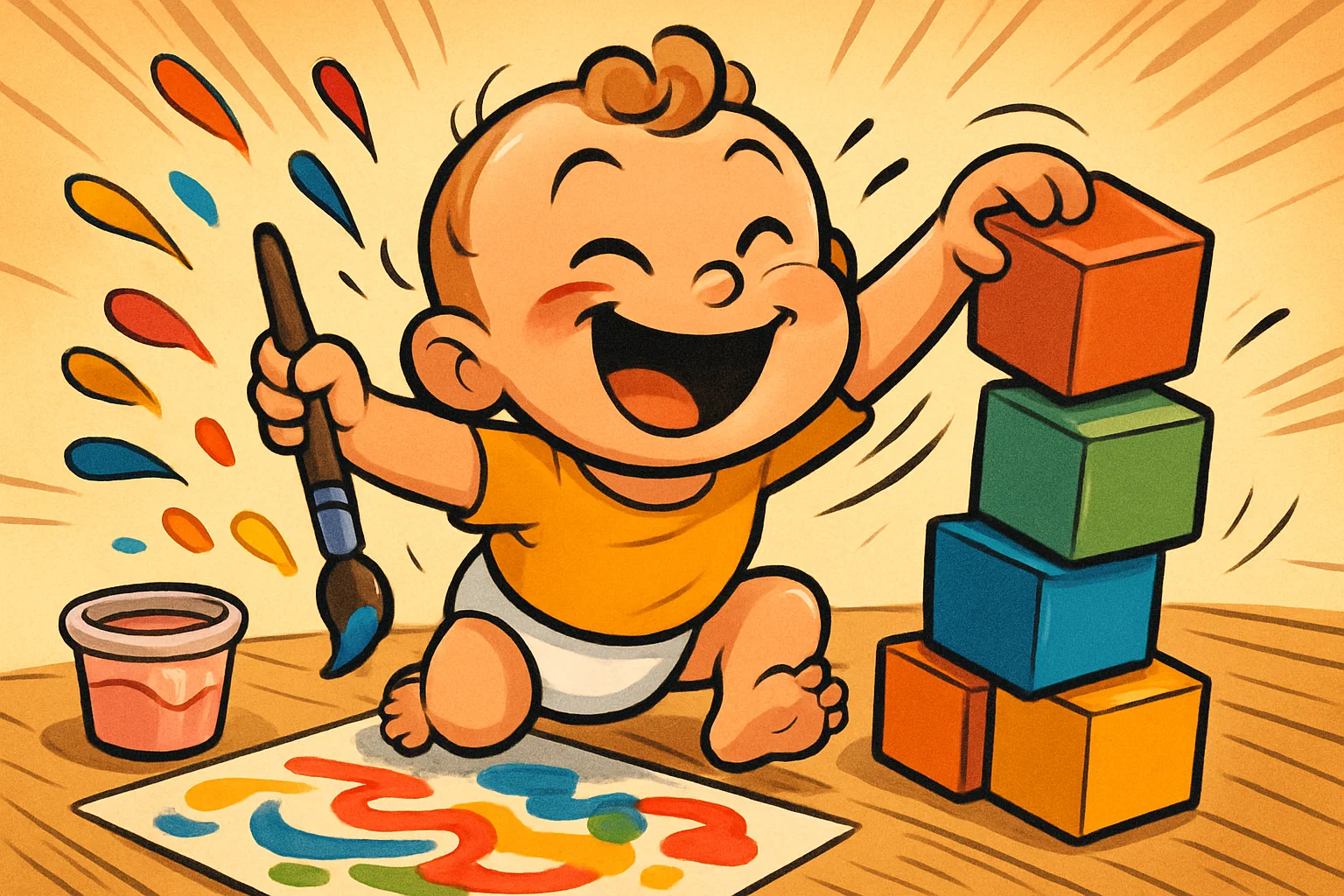
Caring for a toddler or preschooler is easier with a set of quick, low-prep activities that support development while keeping the day manageable. Between 18 months and 4 years old, children grow quickly in areas such as thinking skills, fine motor control, and social-emotional awareness. Because young children’s attention spans are short and vary by age, mood, and context, elaborate setups often are not worth the effort.
Engaging a busy child at home does not require expensive, specialized toys. Simple household items such as construction paper, cardboard tubes, large pom-poms, and food coloring can become learning activities that support hand-eye coordination and gross motor skills. By focusing on sensory play, water play, and process-oriented crafts, parents can offer enriching experiences that keep active toddlers and preschoolers engaged on rainy days or during busy daily routines.
Key Takeaways
- Fast setup: Toddler activities work best when they take under five minutes to prepare and use everyday household materials.
- Developmental variety: Rotating sensory play, fine motor activities, gross motor games, and pretend play helps maintain engagement.
- Age-appropriate challenge: Activities should progress from simple cause-and-effect tasks at 18 months to more structured, multi-step cooperative play by age 4.
- Safety first: Close supervision and careful material choices reduce choking risks and make messy, high-energy play easier to manage.
Fast Setup Beats Perfect Setup
The American Academy of Pediatrics (AAP) emphasizes that play supports healthy development, executive function, and parent-child relationships, so activities do not need to look perfect. When an activity takes 30 minutes to prepare, it can be frustrating if a child engages with it for only five minutes. Using simple activities with basic household supplies keeps setup under two minutes and lets the child start before losing interest.
Mix Sensory, Movement, Fine Motor, and Pretend Play
Alternating activity types can help prevent boredom, frustration, and overstimulation. Pairing sensory activities with high-energy gross motor play can help balance movement and calmer moments throughout the day. For example, following a dynamic indoor activity like an obstacle course with a calming sensory bin can help transition a child to a rest period.
Match the Activity to the Age and Supervision Level
An 18-month-old toddler often explores the world by mouthing, touching, and moving objects, so materials should be toddler-safe and used with direct supervision. In contrast, many 3- and 4-year-olds have stronger hand-eye coordination and can follow simple multi-step safety directions, though small items still require supervision. Adjusting the complexity of learning activities helps the task match the child’s developmental stage, preventing frustration in younger toddlers and boredom in older children.
Need Quick, Easy Activities for Toddlers?
Parents frequently encounter high-stress moments when an active toddler becomes bored, restless, or overstimulated. Keeping a go-to list of easy toddler activities can reduce reliance on screens during tricky transitions or unexpected delays.
When Toddlers Need a Fast Reset
Specific points in the daily routine, such as the pre-dinner hour or rainy mornings, often trigger behavioral challenges due to fatigue or restricted movement. Introducing a fresh activity during these moments can act as a quick reset, redirecting restless energy into purposeful play. These transitions are good moments to introduce go-to activities that require minimal instructions.
What Makes a Toddler Activity Simple
A truly simple activity uses fewer than three supplies, relies on non-toxic materials, and takes under two minutes to clean up. The goal of early childhood play is the process of interaction rather than a finalized product or aesthetic outcome. Flexible setups let toddlers manipulate objects independently, which can support self-regulation and problem-solving.
Supplies Worth Keeping Nearby
Keeping a dedicated box of versatile, low-cost supplies makes spontaneous games easier to set up. Having a few staples on hand helps parents set up dozens of activities without a trip to the store.
| Supply Category | Specific Household Items | Primary Developmental Benefit |
| Adhesives and Paper Supplies | Painter’s tape, construction paper, cardboard tubes, paper plates | Spatial awareness, structural design |
| Small Manipulatives | Jumbo craft sticks, large toy links, chunky blocks, pipe cleaners for supervised play | Fine motor skills, finger isolation |
| Kitchen Essentials | Muffin tins, ice cube trays, food coloring, plastic cups, whisks | Sorting, hand-eye coordination |
| Sensory Bases | Shredded paper, cotton balls for supervised play, dried rice or large pasta only for children who no longer mouth objects | Tactile processing, bilateral coordination |
Activity Safety and Setup Notes
Clear safety and setup boundaries create a more secure environment where toddlers can explore with the right level of adult supervision.
Choking Hazards and Small Parts
Choking hazards are a serious safety concern for infants and toddlers, and many common foods, toys, and household items should be avoided or modified for young children. Small items such as small buttons, unpopped corn kernels, and standard pom-poms should be excluded from play for any child who still mouths objects. Water beads should not be used for toddler play at all.
For toddlers under 3, avoid any item small enough to fit inside a toilet paper roll, and do not offer small parts for independent play. For older preschoolers, small manipulatives can be useful for fine motor practice, but they should still be used with close adult supervision.
Mess Control Tips
Managing the cleanup of sensory activities for toddlers begins with defining clear physical boundaries before play begins. Placing a large plastic tray, an old bedsheet, or a shallow plastic bin underneath the play area effectively contains loose materials like rice or shredded paper. Doing high-mess activities, such as water play or shaving cream exploration, in an empty bathtub can simplify cleanup to a quick rinse.
Supervision Tips by Play Type
The level of adult supervision depends on the materials and type of activity.
- Constant proximity, within arm’s reach: Essential for water play, activities involving food coloring, or tasks using small items such as pipe cleaners or straws.
- Intermittent supervision, with visual observation: Appropriate for gross motor activities like pillow paths or building with large cardboard blocks.
- Cooperative supervision, with active participation: Ideal for pretend play and learning games where taking turns supports social-emotional development.
Activities for 18- to 24-Month-Olds
Toddlers in the 18- to 24-month range develop through cause-and-effect tracking, container filling, and gross motor experimentation.
Activities for 18-Month-Olds
An 18-month-old toddler can benefit from posting games that build spatial awareness. Cutting a small slit into the lid of an empty plastic container allows the toddler to drop large plastic lids or chunky blocks inside under close supervision. Stacking lightweight plastic cups or creating soft obstacle courses from sofa cushions encourages physical stability and balance.
Activities for 19- to 20-Month-Olds
At this stage, toddlers often become more intentional with their hands, which makes matching, scooping, and transferring activities especially engaging. Placing plastic toy animals into a large bowl of water and providing a small kitchen scoop allows the toddler to practice bilateral coordination. Simple pretend play also emerges at this age, such as using an empty cup to “feed” a stuffed animal.
Activities for 21- to 23-Month-Olds
Toddlers nearing age 2 often begin to sort objects and imitate familiar household routines. A simple clean-up game, where the toddler helps place blocks into a specific basket, uses their growing interest in order and routines. Incorporating animal sounds into block play or counting steps aloud while walking upstairs reinforces early language and cognitive structures.
First Sensory Play Ideas
For early sensory activities, safety is especially important, making secure, mess-free containment a good option. A sensory bag made by filling a heavy-duty zip-top bag with clear hair gel and several large, toddler-safe items allows the toddler to push objects around without direct contact with the contents. Taping the edges of the bag securely to the floor or a highchair tray keeps it stable during play.
Activities for 2-Year-Olds
Two-year-olds often show a surge in independence, language development, and fine motor control.
Color Sorting Practice
Color sorting provides a foundational cognitive challenge that uses visual discrimination skills. Parents can place three different colored sheets of paper on the floor and encourage the toddler to sort their existing toys onto the matching sheet. Using a muffin tin where each cup is marked with a different color allows the toddler to drop matching toddler-safe items into the corresponding sections.
Simple Pretend Play
Pretend play at age 2 reflects real-world observations and helps develop emotional intelligence. Providing a small shopping basket or cardboard box lets the toddler collect household items and pretend to go grocery shopping. Giving the toddler an old unplugged phone, or a small cloth for wiping low plastic chairs, lets them copy everyday adult actions.
Early Counting Play
Early math learning can begin with one-to-one counting during everyday routines. Counting pieces of cereal during snack time or counting steps as the child climbs stairs introduces number sequences naturally.
Research note: The National Association for the Education of Young Children (NAEYC) notes that children often explore math through play and daily activities, including sorting, comparing quantities, and noticing shapes and patterns.
Big Movement Games
An active toddler needs outlets for physical energy that build core strength and spatial judgment. Taping straight lines of painter’s tape on the floor creates a pretend balance beam for the toddler to walk along. Tossing a lightweight scarf, soft beach ball, or large foam ball into the air and encouraging the toddler to tap it upward helps build upper-body coordination. Use balloons only under close adult supervision, and discard any broken balloon pieces immediately.
Activities for 3-Year-Olds
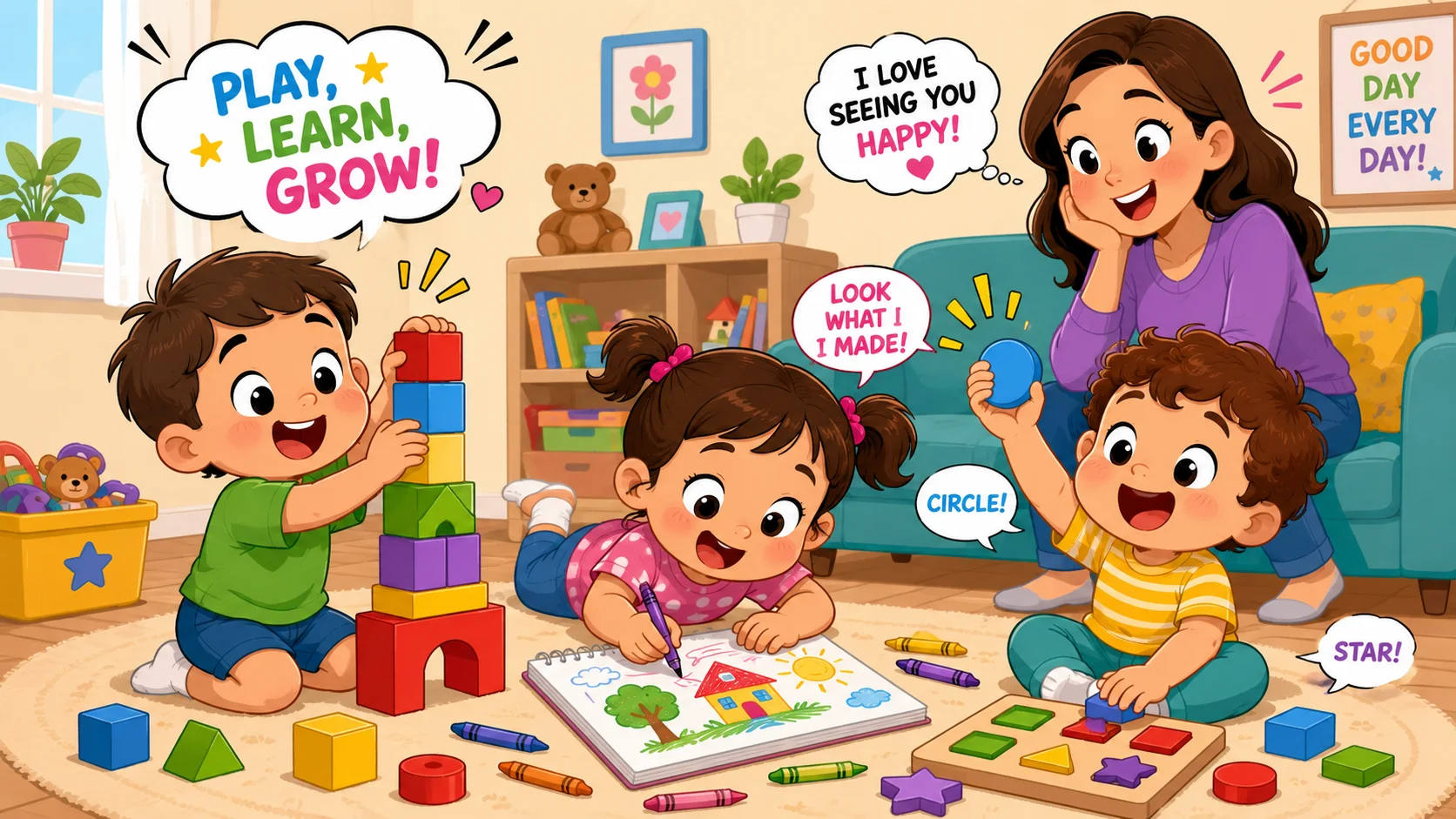
Three-year-olds typically have longer attention spans than younger toddlers and can begin following simple multi-step directions.
Storytelling Play
At age 3, language often becomes more complex as children begin using longer phrases and simple narratives. Using finger puppets or stuffed animals to act out a familiar story encourages the child to predict what happens next. Parents can use picture cards or family photos to prompt the child to create a simple narrative about their day.
Matching and Memory Games
Sorting can move beyond basic color grouping to features such as size, shape, pattern, and texture. Laying out five pairs of clean socks and asking the toddler to match the identical patterns builds visual memory. You can adapt this by drawing simple geometric shapes on paper and asking the child to match blocks to the outlines.
Beginner Craft Projects
Fine motor activities for 3-year-olds can introduce safe tools like washable glue sticks and blunt child-safety scissors. A torn paper collage, where the toddler rips pieces of colorful construction paper and presses them onto sticky contact paper, builds hand strength. Tearing construction paper can also help strengthen the pincer grasp and support later writing skills.
Clipping a cotton ball into a clothespin creates an easy-to-grip stamp for making washable paint patterns.
Simple Science Experiments
Early childhood science focuses on observation, comparison, and physical cause-and-effect relationships. A classic sink-or-float test involves filling a storage bin with water and testing household items like rocks, spoons, and sponges. Observing an ice cube melt in a warm room while using a plastic dropper to add warm water introduces simple ideas about temperature and physical changes.
Activities for 4-Year-Olds
Four-year-olds often show stronger fine motor control, early literacy readiness, and a growing ability to play cooperatively.
Letter and Name Games
Early literacy skills are strengthened when children interact physically with letters, especially those in their own name. Writing the child’s name in large letters on cardboard lets them trace the lines with stickers or large, toddler-safe manipulatives. Hiding magnetic alphabet letters around a room and doing a letter hunt turns letter recognition into an active game.
Pattern and Puzzle Challenges
Mathematical thinking expands to recognizing and replicating visual patterns. Parents can use colored building blocks to create a simple sequence, such as red, blue, red, blue, and challenge the child to continue it. Cutting an old cereal box cover into five irregular pieces creates a custom puzzle that exercises spatial reasoning skills.
Cooperative Play Ideas
Four-year-olds are developmentally ready to practice taking turns, sharing materials, and following group rules. Setting up a pretend restaurant where the child takes an adult’s order encourages perspective-taking and social dialogue. Turning clean-up into a race with a visual timer can make chores feel like a collaborative game.
Independent Activity Stations
To encourage self-directed play, parents can set up simple activity stations that require minimal adult help after setup, with supervision appropriate to the materials. A station can consist of a shallow tray with a single puzzle, a basket containing three curated books, or a clipboard with a sticker sheet. Rotating these stations daily keeps the options fresh and engaging for the child.
Quick, Low-Prep Activities for Toddlers
When time is limited, these five targeted activities use common household objects and take under two minutes to prepare.
Popsicle Stick Drop
Cut thin slots into the plastic lid of an empty oatmeal container. The toddler drops colored craft sticks through the slots, strengthening pincer grasp and hand-eye coordination.
Ball Drop With Paper Towel Rolls
Tape three empty cardboard tubes vertically to a wall or glass door using painter’s tape. The toddler drops large pom-poms or toddler-safe balls through the top and catches them at the bottom.
Colander Pipe Cleaner Play
Turn a standard metal or plastic kitchen colander upside down. Show the toddler how to thread pipe cleaners through the holes to build fine motor control.
Sticky Note Color Hunt
Place four different colored sticky notes on a wall at the toddler’s eye level. Hide matching colored sticky notes around the room for the toddler to locate and stack on top of the base notes.
Tape Line City
Lay down long strips of painter’s tape across the floor to create roads, intersections, and parking zones. The toddler uses toy cars to navigate the paths, keeping them engaged in independent pretend play.
Indoor Activities for Toddlers on Rainy Days
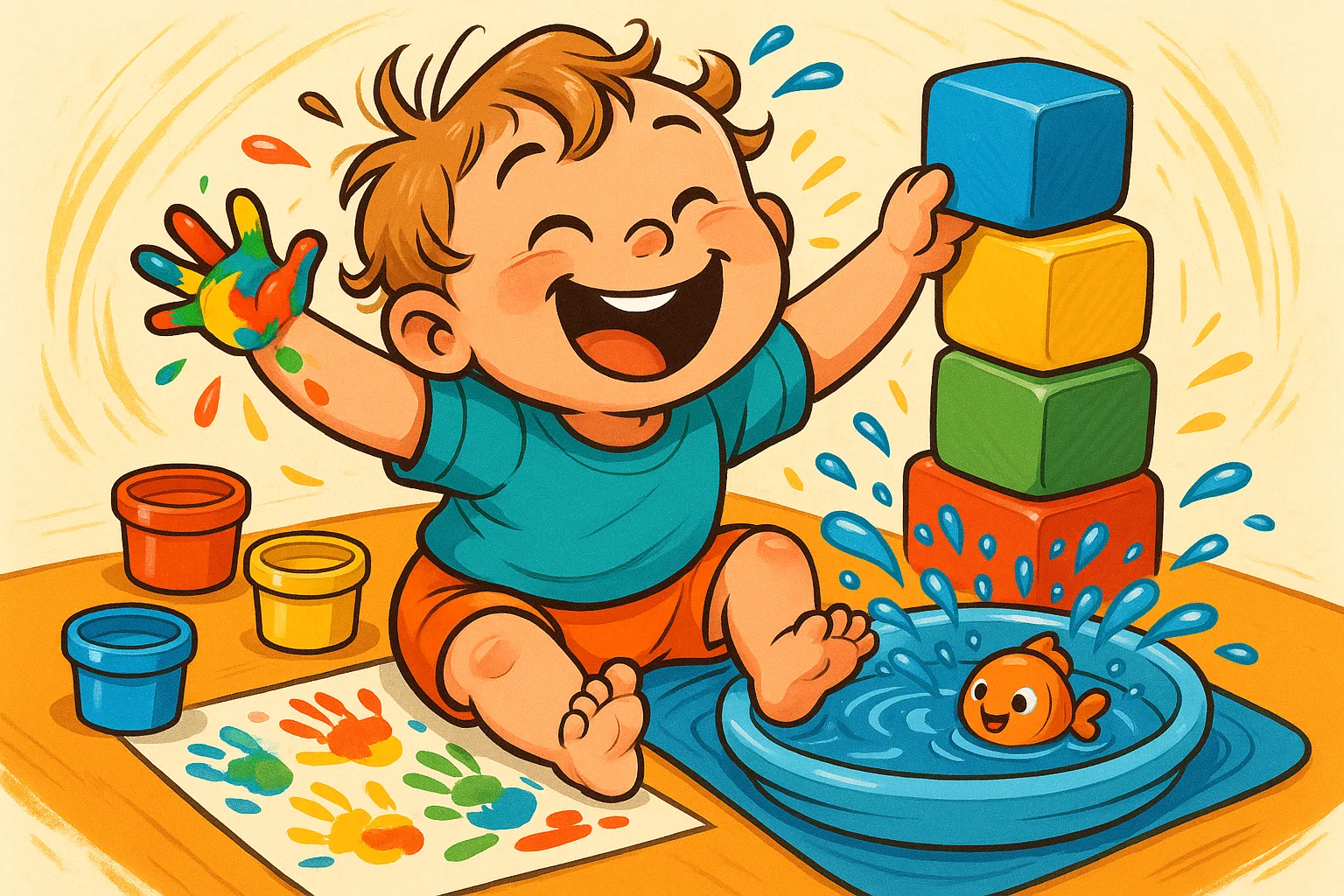
Long stretches indoors are easier when children have chances for both movement and quiet focus.
Reading Corner
Establishing a dedicated reading space using floor cushions, a soft blanket, and a low basket of books encourages quiet reflection. After reading aloud together for a few minutes, let the toddler flip through pages independently. This habit fosters early print awareness and provides a soothing sensory break.
Toddler Music Class at Home
Music activities encourage auditory discrimination and rhythmic physical movement. Parents can provide wooden spoons and plastic bowls as drums, or use sealed plastic eggs filled with dried rice as shakers. Play a song and try a freeze dance game, where everyone stops moving when the music pauses, to build listening and self-regulation skills.
Indoor Exercise Circuit
An indoor exercise circuit prevents restlessness by targeting different muscle groups across distinct stations.
- Station 1, Balance: Walk slowly along a taped line on the carpet.
- Station 2, Power: Do five frog jumps over a soft pillow.
- Station 3, Target Practice: Toss three rolled-up socks into an empty laundry basket from two feet away.
Pillow Path Obstacle Course
Arranging sofa cushions, bed pillows, and folded blankets in a continuous path across the floor creates a safe indoor agility course. Crawling or walking over uneven, soft surfaces encourages the toddler to activate core stabilizing muscles. This physical challenge provides proprioceptive input, which may help many children settle after active play.
Cleaning Helper Game
Toddlers naturally like to copy household tasks, which can make cleaning routines a playful learning opportunity. Giving a toddler a spray bottle filled with plain water and a small microfiber cloth allows them to wipe down lower baseboards or cabinet doors safely. Sorting laundry by matching pairs of socks or separating light and dark items provides cognitive categorization practice.
Sensory Activities for Toddlers
Sensory play can support development by giving children tactile, visual, and auditory experiences to explore.
Rice Scooping Sensory Bin
For toddlers who no longer mouth objects, fill a large, shallow storage tub with plain, dry white rice. Add measuring cups, spoons, an empty muffin tin, and a few toddler-safe toys. Scooping, pouring, and watching the rice move can help develop bilateral coordination and spatial awareness.
Ice Cube Melting Bin
Place ten standard ice cubes into a plastic bin and provide a small cup of warm water mixed with a drop of food coloring. Giving the toddler a plastic dropper lets them drip warm water onto the ice and watch it melt. This activity keeps the toddler engaged while demonstrating basic physical state changes.
Flour Sandcastles
Use commercially heat-treated flour, or heat-treat flour safely before use; do not use raw flour for toddler sensory play. Mix the treated flour with vegetable oil to create cloud dough. The texture holds its shape when squeezed, allowing the child to make simple structures with plastic cups. This tactile experience can help strengthen small hand muscles.
Sensory Bag
For a mess-free alternative, place clear hair gel inside a gallon-sized freezer bag, double-bag it, seal it securely, and inspect it for leaks before play. Add several large, non-choking items and a few drops of food coloring before closing the zipper completely. Use only under direct supervision. Taping the sealed bag securely to a flat table surface allows the toddler to push the items around using individual fingers.
Cover Animals in Snow
Fill a shallow tray with cotton balls or shredded paper to simulate winter snow, then bury several small plastic toy animals beneath the surface. Challenge the toddler to conduct a rescue mission by locating and extracting each animal using kitchen tongs. This game combines tactile exploration with fine motor precision.
Fine Motor Activities for Toddlers
Fine motor skills involve the coordination of small muscles in the fingers, hands, and wrists.
Pasta Threading
Provide a few long pipe cleaners or a length of thick yarn with a taped end to act as a simple needle. Have the child thread large, hollow pasta shapes, such as rigatoni or penne, onto the yarn to make a simple necklace. This task requires focused visual attention and bilateral hand integration.
Play-Doh Bead Stacks
Roll out several thick balls of modeling dough and insert a sturdy, blunt stick, such as a thick plastic straw, vertically into each base. Encourage the toddler to slide large plastic beads or hollow pasta down the straw to create stacks. The dough helps stabilize the base, which can reduce frustration during early attempts.
Stacking Cereal on Toddler-Safe Skewers
For older preschoolers with refined finger control, press a ball of modeling dough onto a table and insert a blunt craft stick or toddler-safe skewer vertically. Under close adult supervision, the child slides O-shaped toasted cereal rings onto the skewer until it is full. This high-precision task targets the specialized pincer grasp.
Busy Board
A homemade busy board can include securely attached household-style fixtures mounted on sanded plywood or heavy cardboard.
- Tactile Elements: Sections of hook-and-loop fabric, smooth plastic zippers, and textured sponges.
- Mechanical Elements: Large plastic cabinet latches, toy switches that are not connected to power, and sliding door bolts.
- Benefits: Supports independent problem-solving and finger isolation.
Hammer Tees
Push several plastic or wooden golf tees halfway into a thick foam block or a dense piece of corrugated cardboard. Provide the toddler with a toy plastic mallet or a lightweight wooden spoon to hammer the tees flush with the surface. This activity channels physical energy into hand-eye coordination practice.
Gross Motor Activities for Toddlers
Gross motor activities engage the large muscle groups of the body, which are important for walking, running, jumping, and spatial balance.
Tape Racetrack Crawl
Apply painter’s tape to the floor to form a large, winding track that loops through multiple rooms. Encourage the toddler to push a toy car along the track while crawling on hands and knees, or challenge them to hop along the line like a frog. This physical movement strengthens the shoulder girdle and core muscles.
Animal Walk Cards
Create a set of simple drawing cards that represent different animals, and have the toddler draw a card to determine their movement style.
- Bear Walk: Move forward on hands and feet with hips raised high in the air.
- Crab Walk: Sit on the floor, lift hips, and walk backward using hands and feet.
- Frog Jump: Squat low to the floor and leap forward dynamically.
Beach Ball Tap Game
Use only fully inflated balloons under close adult supervision, and discard any broken balloon pieces immediately. Challenge the toddler to keep the balloon from touching the floor using only their hands, head, or knees. This low-impact game supports spatial tracking, reaction time, and reaching coordination.
Laundry Basket Push
Fill a standard plastic laundry basket with several heavy books or stuffed animals to provide physical resistance. Have the toddler push the basket across a carpeted or smooth floor surface to build full-body functional strength. This type of heavy-work play can provide calming proprioceptive input through the joints and muscles.
Dance Freeze Game
Play an upbeat audio track and encourage the toddler to dance, jump, or run in place within a designated safe zone. Stop the music abruptly at random intervals, signaling the toddler to freeze instantly in their current physical position. This game supports executive function by helping children practice stopping, starting, and listening.
Craft Activities for Toddlers
Process art focuses on exploring materials rather than producing a perfect final product.
Squirt Painting
Place a large sheet of white construction paper inside a shallow cardboard box or a plastic tray to contain overspray. Provide the toddler with two small plastic squeeze bottles filled with washable paint that has been thinned slightly with water. Squeezing the bottles to squirt paint onto the paper builds hand strength and introduces color mixing.
Paint Splat Art
Squeeze three small drops of different colored washable paint onto one half of a thick sheet of paper. Fold the paper in half over the wet paint, and show the toddler how to press and smooth the paper flat with their hands. Unfolding the sheet reveals a symmetrical, abstract design that highlights cause-and-effect concepts.
Sticky Collage
Tape a square sheet of clear contact paper to a wall or window with the sticky side facing outward. Provide a small basket filled with lightweight items like tissue paper squares, yarn scraps, and flat pom-poms for children who no longer mouth objects. The child presses these items directly onto the sticky surface to create a collage without liquid glue.
Cotton Ball Painting
Clip a standard wooden clothespin around a large cotton ball to create an easy-to-grip paintbrush tool. Pour small puddles of washable paint onto a paper plate, and let the toddler dip and stamp the cotton ball onto paper. This adaptation provides a steady grip option for children still developing their pencil grasp.
Marbleized Paper
For older toddlers or preschoolers who no longer mouth materials, squirt a thin layer of plain white shaving cream onto a plastic tray, and drop four drops of liquid food coloring across the surface. Use a toothpick or craft stick to gently swirl the colors together, then press a sheet of cardstock flat onto the mixture. When you pull the paper away and scrape off the excess shaving cream, a colorful marble pattern remains.
Construction Paper Hat
Cut a thick, two-inch band of construction paper long enough to encircle the toddler’s head, and lay it flat on a table. Allow the child to decorate the flat band using stickers, crayons, and small paper shapes. Once the band is decorated, tape the ends together to make a custom hat.
Learning Activities for Toddlers
Early learning often works best when it is integrated into physical play, helping abstract concepts like numbers and letters feel more concrete.
Name Card Matching
Write each letter of the toddler’s name onto individual index cards, and create a second set on a single base sheet of paper. Have the child place each letter card over the matching letter on the base sheet. This matching task forms the basis for early word and letter shape recognition.
Alphabet Monster
Transform an empty tissue box into an “alphabet monster” by drawing eyes on it and using the opening as a mouth. Write individual alphabet letters on small pieces of cardboard or index cards. Ask the child to feed the monster specific letters based on their shape, name, or sound.
Alphabet Puzzles
A wooden letter puzzle with thick pieces lets children physically match uppercase and lowercase letters. Parents can also draw the outlines of magnetic plastic letters onto a sheet of paper using a black marker. The toddler then matches each plastic letter to its corresponding outline.
Counting Activity
Add counting to sorting games to reinforce numbers up to five. For example, the child can place one object into a bin at a time while the parent counts aloud: “One, two, three.”
Counting blocks while building a tower or counting scoops while filling a cup helps connect numbers to real objects.
Color Sorter
Provide a clean muffin tin along with an assortment of colored blocks, chunky counters, and plastic toy links. Place a small piece of colored paper at the bottom of each muffin cup to serve as a visual guide. The toddler then sorts the items into the corresponding cups, which sharpens visual discrimination and classification skills.
Outdoor Activities for Toddlers
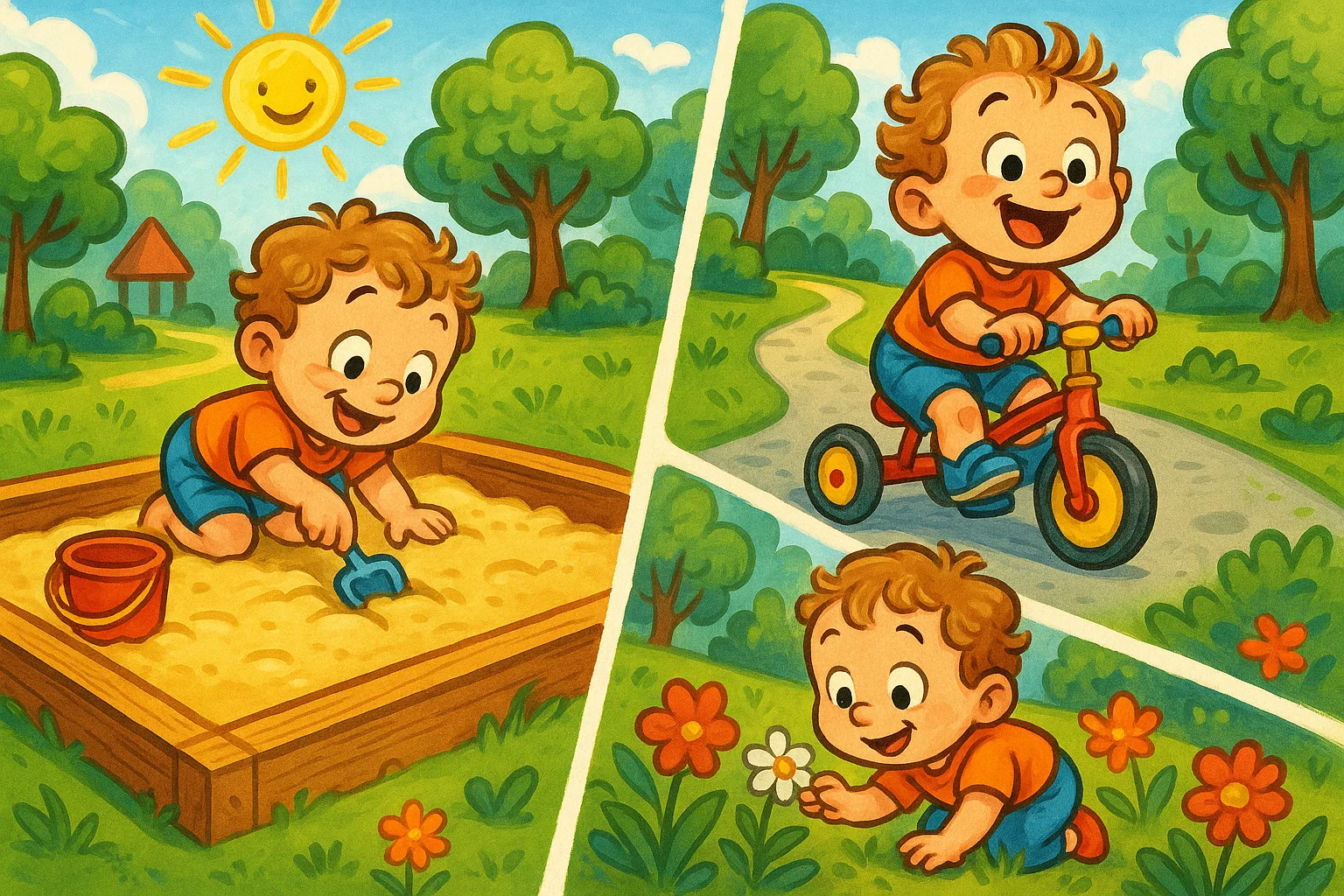
Outdoor play gives children access to natural textures and open spaces for high-energy gross motor movement.
Grow Plant Project
Provide the toddler with a small plastic pot, a handful of potting soil, and large, easy-to-handle seeds like beans or sunflowers. Show them how to dig a small hole, drop the seed inside, and add water using a small watering can. Checking the pot daily introduces simple plant life cycles and routines.
Sidewalk Chalk Path
Use colorful sidewalk chalk to draw a winding path, circles, and simple geometric shapes across a paved driveway or sidewalk. Instruct the toddler to follow the path by walking forward, hopping into the circles, or running to specific colors. This outdoor activity builds gross motor control and direction-following skills.
Nature Color Hunt
Take a walk through an outdoor yard or park holding a piece of cardboard fitted with strips of double-sided tape. Encourage the toddler to look for fallen items like green leaves, brown twigs, and gray stones to press onto the tape. This activity connects color sorting with hands-on nature exploration.
Bubble Chase
Blowing bubbles outdoors provides an excellent opportunity for physical tracking and coordinated movement. Encourage the toddler to run after, reach for, and pop bubbles using single fingers or by clapping their hands together. This activity builds visual tracking skills and encourages whole-body movement.
Mud Kitchen Play
Set up an outdoor play station using an old low table or a plastic storage bin filled with clean, chemical-free soil and water. Provide old kitchen tools like metal whisks, spoons, plastic bowls, and pie tins for mixing. The child creates “mud pies” using leaves and small sticks, combining unstructured pretend play with tactile sensory input.
FAQ About Activities for Toddlers
What Are the Best Activities for Toddlers at Home?
The best activities for toddlers at home are simple, safe, and easy to reset. A busy toddler often enjoys hands-on play more than complicated setups, so start with everyday materials such as cardboard tubes, painter’s tape, stacking cups, soft balls, or large blocks. Sensory bins, pretend play, sorting games, and movement-based challenges are all great ways to play while supporting early development.
How Can I Keep My Toddler Entertained Without Screens?
To keep your toddler entertained without screens, rotate between different activities throughout the day. Try a quiet reading corner, a simple sticker activity, a pretend grocery store, or a movement game for your toddler, such as a pillow path or freeze dance. New activities do not need to be elaborate; even a fresh activity idea, like sorting socks by color, can feel exciting to a little one.
What Are Some Fun Indoor Activities for Rainy Days?
Fun indoor activities for rainy days include tape roads for toy cars, cardboard-box drawing, cotton ball painting, scarf toss, and indoor obstacle courses. These fun activities give children a chance to move, create, and explore even when outdoor play is not possible. If your toddler loves music, a homemade music class with bowls, spoons, and shakers can become a favorite activity.
Which Educational Activities Help Toddlers Learn Through Play?
Educational activities for toddlers work best when learning is built into play. You can have your toddler match colors in a muffin tin, count blocks while building a tower, sort toy animals by size, or look for letters in their name. These ideas for toddlers help early math, language, and problem-solving skills feel concrete instead of abstract.
Take a short quiz to find out what your everyday choices say about your parenting style
When your child is curious about something new, what’s your instinct?
Take a short quiz to find out what your everyday choices say about your parenting style
“Can I download this app?” What happens next?
Take a short quiz to find out what your everyday choices say about your parenting style
When it comes to rules at home, which sounds most like you?
Take a short quiz to find out what your everyday choices say about your parenting style
If you could give your child one life skill today, what would you pick?
Take a short quiz to find out what your everyday choices say about your parenting style
Your child gets to choose what to watch. What would your ideal setup look like?
Take a short quiz to find out what your everyday choices say about your parenting style
Pick your parenting superpower ✨