50+ Fun Labor Day Activities For Kids: Fun Family Ideas For Every Age

 Discover a Free Education Video App for Kids
Pastory uses AI to personalize educational video content based on your child’s interests and personality. Safe, engaging, and built for curious young minds. Sign up now to stay updated and enjoy early access with a free trial

The long weekend in early September gives parents a perfect opportunity to balance end-of-summer relaxation with meaningful family bonding. For many families, Labor Day marks the unofficial end of summer and offers a natural opportunity to introduce children to gratitude for the people who keep their communities running.
Family activities during this time allow children to burn off energy outdoors, express creativity through patriotic crafts, and learn about the community helpers who keep society running safely and smoothly. Whether your family includes toddlers who learn best through sensory play, school-age kids ready for lawn games, or older kids interested in history, a little planning can make this federal holiday both educational and entertaining.
Key Takeaways
- Educational Value: Children learn the real meaning of Labor Day through community-helper role-play, age-appropriate history lessons, and simple service projects.
- Versatile Activities: Families can customize their long weekend using a balanced mix of low-cost backyard picnics, outdoor movie nights, patriotic crafts, and science experiments.
- Developmental Benefits: Simple holiday projects can support early childhood skills, including fine motor development, social-emotional learning, and basic math practice.
- Flexible Planning: Morning, afternoon, and rainy-day plans help parents reduce stress and choose activities based on the weather and their children’s energy levels.
Best Labor Day Activities For Families Mix Fun, Learning, And Family Time
The best activities for kids combine active play with age-appropriate learning. Child development experts often note that play supports children’s cognitive, physical, social, and emotional development and can strengthen parent-child bonds.
By planning fun Labor Day activities that blend simple lessons about workers with classic summer traditions, parents can create an environment where kids learn naturally. For example, a child participating in a family cooking project practices early math skills through measurement while also learning about the agricultural workers who produced the ingredients.
Outdoor Ideas Help Kids Burn Off Long-Weekend Energy
Spending time outdoors helps children release energy and ease back into school-year routines. Outdoor spaces like local parks, backyards, and community pools give families room for active games that work for mixed-age groups.
Simple activities like running through a backyard sprinkler, going on a bike ride, or hosting a neighborhood scavenger hunt cost little and offer plenty of physical benefits. Time outdoors can support children’s attention, mood, and emotional well-being, making outdoor recreation a helpful way to ease back-to-school tension.
Crafts, Cooking, And Thank-You Projects Add Meaning
Creative arts and culinary projects transform abstract concepts like the meaning of work into concrete, memorable experiences. Red, White, and Blue Crafts can help children connect the holiday with American traditions and appreciation for workers.
Cooking together also gives families a hands-on way to talk about the work that goes into daily routines. When children design thank-you cards or prepare treats for local service providers, they practice gratitude and learn to recognize the value of work in their community.
Simple At-Home Plans Can Feel Special
Meaningful holiday experiences do not require expensive travel, theme-park tickets, or elaborate planning. Turning everyday spaces at home into simple activity zones allows families to celebrate Labor Day weekend comfortably and affordably.
A backyard movie setup, a family karaoke night, or a homemade ice cream station can feel completely new to young children when planned with care. Focusing on shared experiences rather than expensive purchases helps build family memories children can carry with them long after the three-day weekend ends.
Labor Day Meaning Activities For Kids
What Is Labor Day For Kids?
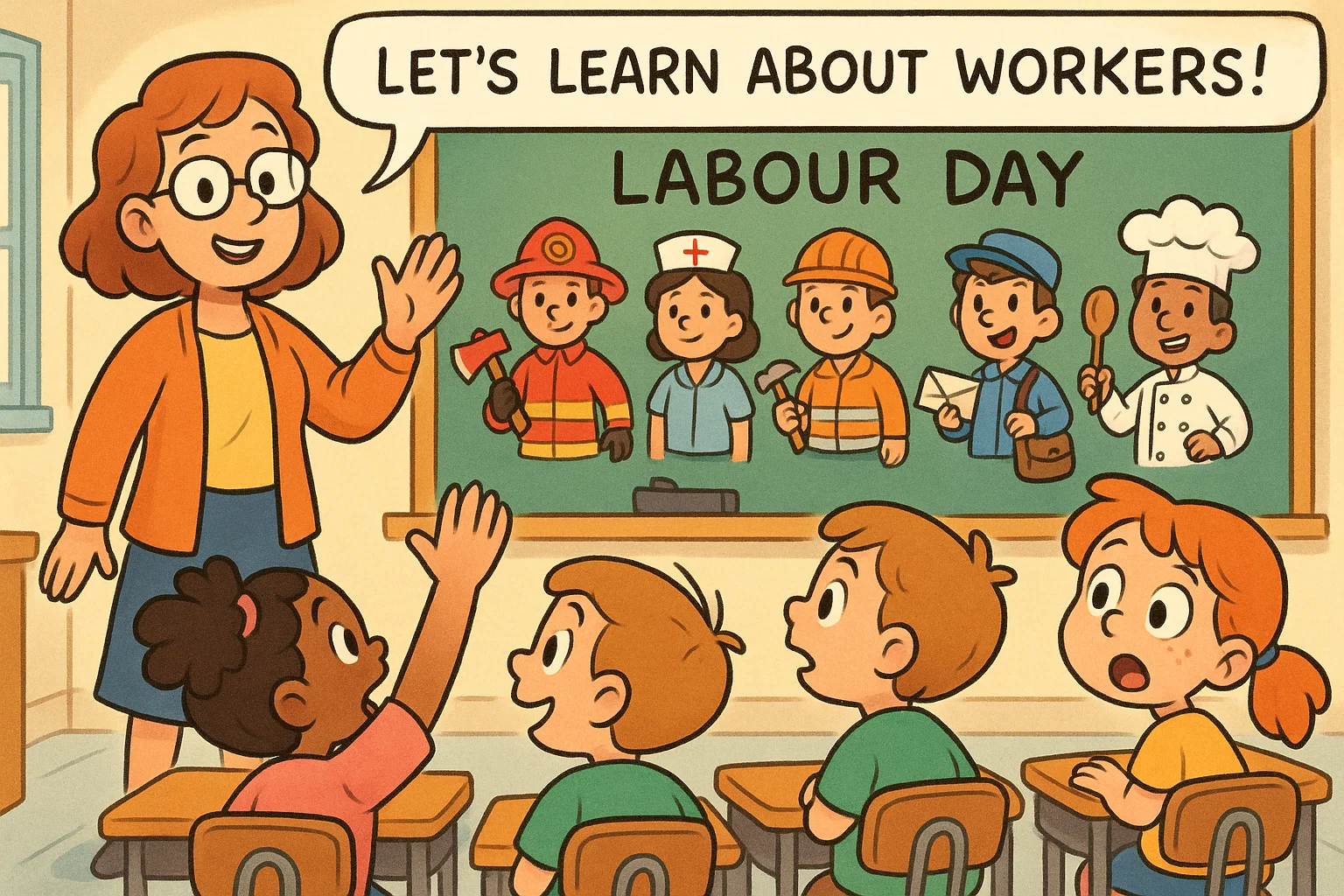
Labor Day is celebrated on the first Monday of September each year as a U.S. federal holiday honoring the contributions of workers. To explain this concept to young children, parents can describe the holiday as a collective “thank you” party for everyone who performs a job to help society function.
This includes familiar workers such as teachers, nurses, firefighters, farmers, mail carriers, delivery drivers, and construction workers. Emphasizing that every job requires specific skills and effort helps children understand that all work has dignity and value.
Labor Day History For Families
The historical roots of this federal holiday go back to the late 19th-century labor movement, when workers and unions pushed for fair treatment, safer workplaces, and reasonable hours. In 1894, President Grover Cleveland signed a law making Labor Day a national holiday to honor American workers.
Before these labor reforms, many people worked 12-hour days, seven days a week, often in hazardous conditions and with few protections for children. Explaining this transition to children highlights the importance of collaboration, historical progress, and fairness without overwhelming them with distressing details.
Real Meaning Of Labor Day Through Everyday Jobs
Children develop a deeper appreciation for Labor Day when parents connect the holiday to the visible work happening in their own community. During daily commutes or walks through the neighborhood, parents can prompt children to identify active workers and discuss how those individuals improve daily life.
Talking about how a sanitation worker keeps the neighborhood clean or how a grocery clerk helps organize food supplies grounds abstract ideas in real-world observations. This simple habit teaches children to notice the people whose work supports their daily lives.
How To Tell Children About Labor Day
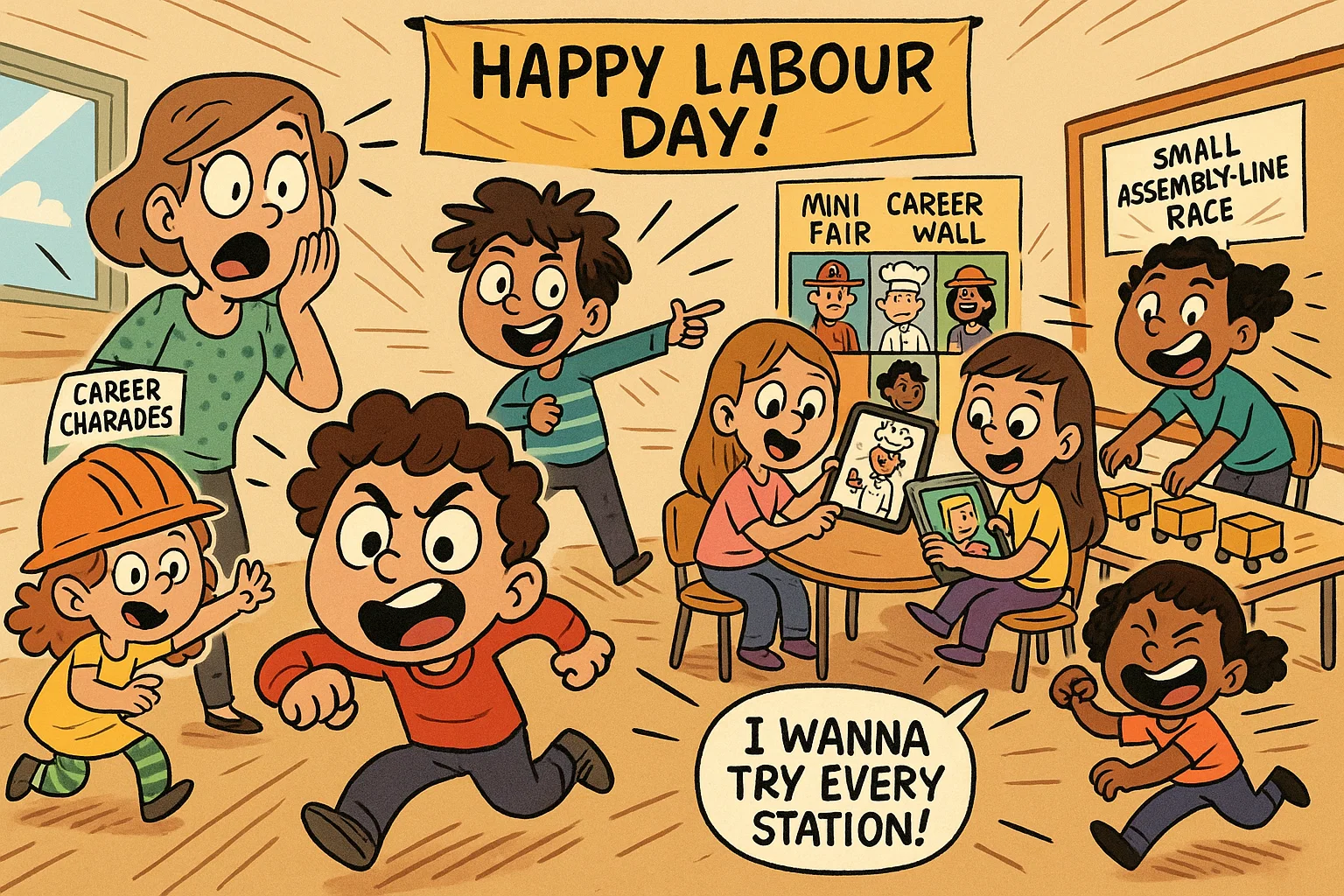
Parents can use age-based conversation starters to explain the holiday’s history and civic meaning clearly.
| Target Age Group | Recommended Explanation Script | Key Discussion Prompts |
| Preschool | “Labor Day is a special day to say thank you to all the people who do important jobs in our town, like firefighters, bakers, and mail carriers.” | “Who helps us stay healthy when we visit the doctor?” “What is your favorite job that you see people do?” |
| Elementary | “In 1894, President Grover Cleveland signed a law making Labor Day a national holiday to honor American workers. The holiday reminds us why safe workplaces and time to rest matter.” | “Why do you think it is important for workers to have safe rules and time to rest?” |
| Older Kids | “Labor Day honors the labor movement and labor unions that fought for the eight-hour workday, fair wages, and workplace safety standards we rely on today.” | “How do worker protections established in the past affect workplaces today?” |
Community Helper Activities
Thank-You Cards For Community Helpers
Designing handmade cards for community helpers gives children a hands-on way to practice gratitude and good citizenship. Children can create cards using construction paper, washable markers, and stamps, then distribute them to mail carriers, librarians, firefighters, or medical staff.
Parents can guide children to write specific messages such as, “Thank you for keeping our neighborhood safe,” or “Thank you for bringing books to our library.” This activity encourages kindness and helps children feel more connected to their community.
Helpers At Home Role Play
Dramatic play stations allow younger children to explore the responsibilities of different jobs through imaginative play. Parents can set up distinct zones in the home with simple props representing different career paths, such as a chef station with wooden spoons, a builder station with cardboard blocks, or a teacher station with a small whiteboard.
Because many children love pretending to be adults, this kind of structured play helps them process real-world observations and practice executive-function skills. Linking each role to real jobs helps children understand the value of both household work and paid work.
Give Back To Workers On Labor Day
Small acts of kindness for neighborhood service providers during the long weekend demonstrate community solidarity in a tangible way. Families can assemble small care packages with bottled water and packaged snacks for delivery drivers, sanitation workers, or other local service providers working during the holiday weekend.
Alternatively, children can help bake treats to drop off at a local fire station, library, or community center as a gesture of appreciation. These direct actions show children that holiday celebrations can extend beyond personal leisure to include community care.
Dream Job Research Project
Older children can channel their curiosity into a structured research project centered on a career field that matches their interests. Parents can encourage kids to choose an occupation, research its history, requirements, and social impact using library books or educational websites, and compile their findings.
Kids learn to gather information while discovering how specialized jobs—such as aerospace engineers, marine biologists, or civil rights attorneys—contribute to society. The project can culminate in a short presentation to the family during a holiday dinner, boosting public speaking skills and self-confidence.
Backyard Picnic And Cookout Ideas
Backyard Or Park Picnic Adventure
A classic outdoor picnic provides a relaxed, low-stress setting for family activities, with plenty of fresh air and less cleanup at home. Parents can arrange blankets on the lawn or at a local park and pack easy finger foods like cut grapes, cheese sticks, and sandwiches, along with bubbles and sidewalk chalk.
This setting encourages natural conversation and unstructured play, giving children a break from busy routines. Avoid digital distractions during the picnic so the time spent together functions as a true reset for both parents and children.
End-Of-Summer Cookout With Kids
Involving children in an end-of-summer cookout teaches practical life skills and builds confidence. Parents can assign age-appropriate cooking tasks, such as asking toddlers to wash produce, having elementary-aged kids mix lemonade, or letting older kids assemble vegetable skewers with supervision.
Learning to work safely in the kitchen or near an outdoor grill teaches children basic risk awareness, food hygiene, and teamwork. These shared tasks transform standard meal preparation into an engaging, multi-generational family project.
All-American Dishes to Make Together
Cooking a classic holiday meal gives families a delicious way to spend time together and celebrate familiar American traditions. Families can collaborate on making favorites like homemade burgers, grilled corn on the cob, fresh fruit salads, or custom ice cream sandwiches.
| Recipe Component | Child-Safe Task | Developmental Skill Focus |
| Fresh Lemonade | Squeezing lemons, measuring sugar | Fine motor strength, basic measurement concepts |
| Layered Fruit Salad | Slicing soft fruit with a plastic knife | Hand-eye coordination, bilateral coordination |
| Custom Burger Prep | Mixing ingredients, shaping patties | Tactile sensory play, motor planning |
Festive Centerpiece for the Family Table
Children can help create a festive cookout atmosphere by making a centerpiece for the outdoor table. Parents can provide mini American flags, mason jars, acrylic paint, and freshly picked backyard flowers for children to arrange creatively.
Children can also design personalized place cards for each family member, using red and blue crayons to draw festive border patterns. This artistic task gives children a special role in hosting and helps them feel included in the family celebration.
Red, White, And Blue Crafts
Red, White, And Blue Craft Station
Setting up a dedicated art station encourages children to explore shape, color, and texture through a patriotic theme. Parents can gather essential supplies like construction paper, star stickers, washable paint, crepe paper streamers, glue sticks, and pipe cleaners in an outdoor craft area.
Providing a mix of structured and open-ended materials lets children make creative choices and experiment freely. The resulting artwork can be displayed around the home as festive decor for the holiday weekend.
American Flag Craft For Kids
Making an American flag craft offers a hands-on way to discuss national symbols while practicing fine motor skills. Young children can glue painted red and white popsicle sticks together, attach a blue paper square to the corner, and add white star stickers to complete the project.
This Labor Day craft supports fine motor skills by encouraging careful hand movements, finger control, and spatial awareness. For older children, this project can expand to include a discussion about what the stars and stripes symbolize historically.
Paper Flower Bouquet Craft
Children can create a durable paper flower bouquet using red, white, and blue tissue paper, pipe cleaners, and green paper straws. By folding layers of tissue paper accordion-style, securing the center with a pipe cleaner, and gently pulling the layers apart, children form vibrant, blooming floral shapes.
This craft project can become a meaningful gift for a community helper, an older neighbor, or a grandparent on Labor Day. Teaching children to use their creative talents to brighten another person’s day reinforces emotional intelligence and community awareness.
DIY Apple Wreath for the Fall Transition
As early September marks the threshold between summer and autumn, constructing a decorative apple wreath bridges the two seasons beautifully. Children can cut out apple shapes from red and green construction paper, color them with crayons, and glue them around a circular cardboard base made from a recycled paper plate.
This porch decoration mirrors the late-summer harvest season and prepares the household visually for the upcoming school year. The collaborative process gives parents a natural opportunity to ask their child about the fall months ahead.
Mindfulness Thank-You Cards
Crafting can be adapted into a calming exercise by introducing elements of focus and emotional reflection. Parents can guide children through a mindfulness thank-you card session, encouraging them to color complex geometric patterns slowly while reflecting on people they appreciate.
Providing specific prompts, such as “Think about how a firefighter helps protect our town while you color this section blue,” helps children connect the activity with gratitude. This peaceful practice can support self-regulation and help children feel calmer before school restarts.
Outdoor Family Games
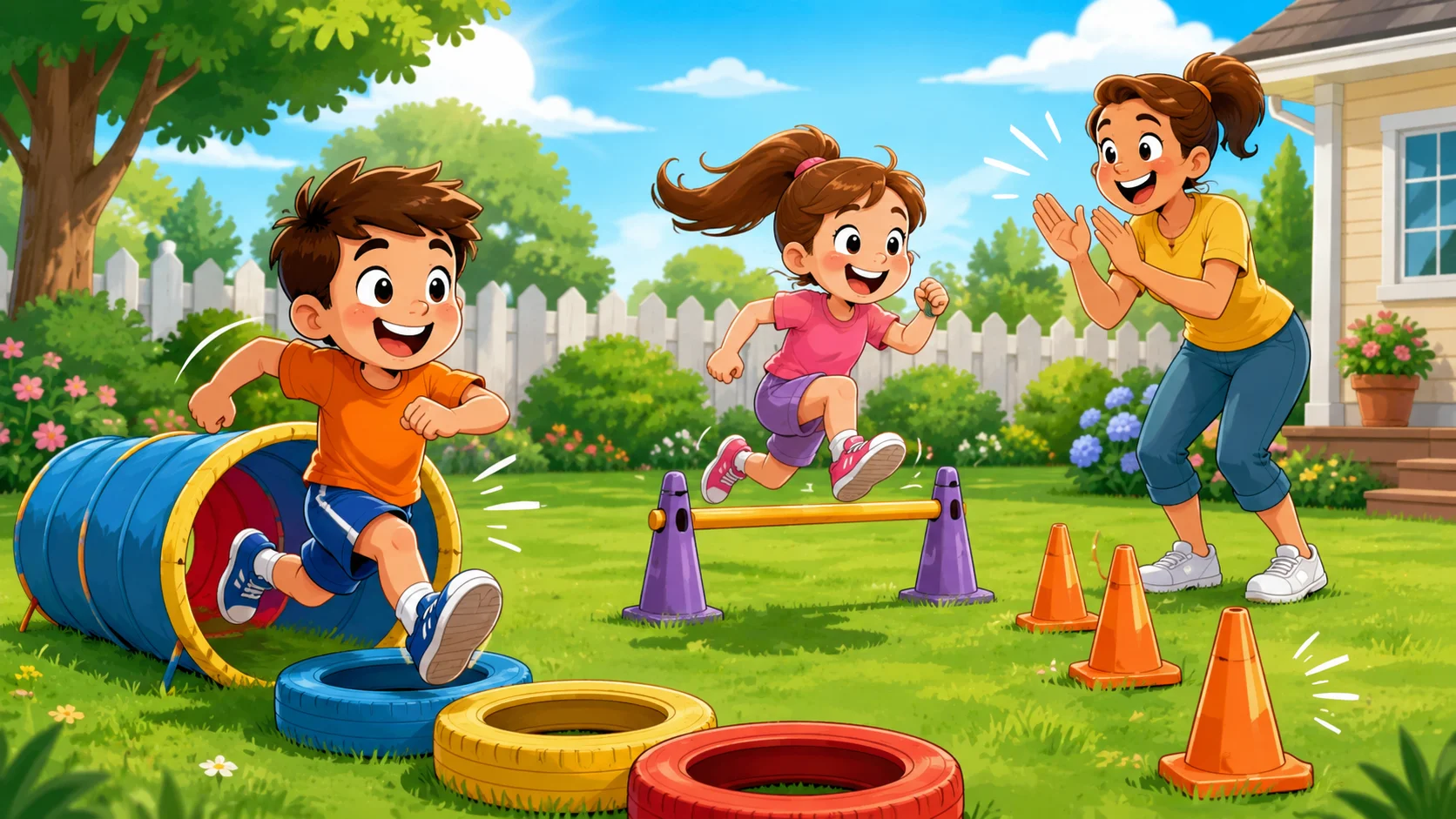
Backyard Olympics and Celebration
Hosting a “Backyard Olympics” gives the whole family a fun, active way to play together. Parents can design a multi-stage event with relay races, beanbag tosses, water-balloon tosses, and hula-hoop challenges.
To maintain an inclusive environment, younger children can be given modified starting positions or simplified tasks so every participant experiences success. Conclude the tournament with a festive after-party where all participants receive handmade medals crafted from cardboard, aluminum foil, and red ribbon.
Lawn Games For Mixed Ages
Classic lawn games are flexible enough for different ages and skill levels. Setting up activities like cornhole, ring toss, giant wooden stacking blocks, or backyard obstacle courses encourages multi-generational interaction and strategic thinking.
For toddlers who may struggle with complex rules, parents can introduce giant bubble wands, simple games of tag, or a musical freeze-dance session on the lawn. These shared games encourage sportsmanship, cooperation, and gross motor development in a supportive family setting.
Labor Day Pictionary
Adapting the classic drawing game of Pictionary to focus on community helpers and holiday themes creates an educational, laugh-filled evening activity. Parents can prepare a jar with drawing prompts such as firefighter, teacher, construction worker, farmer, chef, bus driver, American flag, or backyard picnic.
Players take turns drawing the prompt on a large easel or whiteboard while their teammates try to guess the correct word or phrase within a set time limit. This game strengthens nonverbal communication, visual thinking, and quick problem-solving in school-age children.
Family Karaoke Outside
Transforming the backyard into an open-air performance space with a portable karaoke microphone allows children to express themselves musically and build confidence. Parents can put together a family-friendly playlist with upbeat pop songs, classic rock favorites, and sing-along tracks everyone knows.
Children can perform solo routines, partner up for energetic duets, or join the entire family for a group finale under the evening sky. Awarding humorous, non-competitive prizes like “Most Energetic Dancer” or “Loudest High Note” ensures the focus remains on shared amusement and emotional connection.
Water And Summer Send-Off Activities
Sprinkler Games in the Backyard
Running through a backyard sprinkler is a classic, low-cost way to celebrate the final hot days of summer before autumn arrives. Parents can make this classic activity more fun by organizing water games like “freeze sprinkler,” where children freeze whenever the sprinkler is briefly turned off.
Other variations include sponge relay races—where kids transfer water from one bucket to another using only a large sponge—or a timed rainbow sprinkler run. These high-energy water activities provide sensory stimulation and full-body physical exertion that may help children sleep more soundly later that evening.
Visit a Pool or Local Splash Pad
For families without direct backyard water access, scheduling an outing to a municipal pool, community splash pad, or local water park provides an excellent alternative. Parents should pack a dedicated gear bag with sunscreen, sun hats, towels, U.S. Coast Guard-approved life jackets, and hydrating snacks.
Spending the afternoon in shallow wading pools or interactive water fountains can help toddlers build water confidence and become more comfortable around water. Always maintain active, uninterrupted supervision near any body of water to reduce the risk of accidents.
Beach or Local Swimming Hole Trip
A day trip to a coastal beach, regional lake, or local watering hole offers a scenic backdrop for a summer send-off celebration. Children can build sandcastles together, search for seashells along the shore, or splash safely in gentle lake waves.
These natural water settings offer rich sensory play opportunities that can stimulate a child’s imagination and spatial reasoning. Remember to reapply water-resistant sunscreen every two hours and monitor local weather conditions to maintain family comfort throughout the outdoor trip.
Celebrate Summer With A Final Outdoor Day
Framing Labor Day as an intentional farewell to summer can help children transition toward the routines of the school year. Families can dedicate the day to enjoying their favorite warm-weather treats, such as cold watermelon slices, lemonade, and popsicles on the back deck.
Taking family photos during golden hour gives everyone a keepsake from the end of summer. This deliberate seasonal marker helps children process change, easing the emotional shift from vacation freedom to classroom expectations.
Family Trips And Local Outings
Visit a National Park
An excursion to a nearby national park or state recreation area exposes children to expansive natural landscapes and conservation efforts. Many national parks offer Junior Ranger programs, where kids can complete an activity booklet, talk with a park ranger, and earn a badge.
Children can carry a nature journal to sketch local wildlife, track hiking distances on a trail map, and observe geologic formations firsthand. Checking operating hours, trail difficulty ratings, and any required reservations before departure helps create a smoother hiking experience for all ages.
Visit A Museum With Kids
Spending a portion of the long weekend exploring a regional children’s museum, interactive science center, or local history museum provides an enriching, climate-controlled learning experience. Some museums offer labor-history exhibits or community-helper displays designed to engage children during holiday weekends.
To keep children engaged, parents can turn the museum visit into a simple quest by asking them to find specific artifacts, inventions, or ideas in the exhibits. This kind of visit can build critical thinking and broaden a child’s understanding of history and culture.
Seek Out A Local Festival
Many municipalities host public parades, county fairs, open-air concerts, and craft markets over the three-day weekend to celebrate the local workforce. Taking your family to a community parade allows children to see marching bands, historical floats, and emergency response vehicles operating in a festive, unified environment.
Children can sample treats from local food trucks, join community art activities, and watch local artisans demonstrate traditional trade skills. Reviewing the event schedule and parking logistics ahead of time helps parents navigate crowds efficiently while keeping young children safe and comfortable.
Go On A Day Trip
A day trip to a nearby small town, working farm, regional zoo, or botanical garden offers a refreshing change of scenery without requiring an overnight stay. Visiting a working farm allows children to see modern agricultural work in action, showing how farmers grow food that eventually reaches grocery stores.
Exploring a botanical garden can teach children about plants and environmental care as they walk along the paths. These local travel experiences can broaden a child’s perspective and help them appreciate the unique places in their region.
Visit An Amusement Park
For adventurous families seeking high-energy thrills, spending a day at a regional amusement park or local theme park can create lasting memories. Parents can optimize the experience by researching ride height requirements, downloading the park’s digital map, and scheduling structured rest breaks to avoid afternoon exhaustion.
Allowing older kids to navigate the park map and select specific attractions helps them build spatial orientation and collaborative decision-making skills. Bringing along healthy snacks and insulated water bottles keeps everyone energized and hydrated while waiting in lines for popular rides.
Road Trip And Bike Ride Ideas
Take A Family Road Trip
A family road trip of under two hours can offer a good balance of adventure and manageability for young children. Parents can prepare personalized snack boxes for each child and put together an engaging travel playlist with audiobooks, educational podcasts, and classic family sing-alongs.
Playing car games like the “license plate game” or “I Spy” keeps children engaged and reduces screen time during the drive. Planning scenic rest stops along the route allows children to stretch their legs and explore new parks, helping everyone stay in a better mood.
Go On A Bike Ride
A family bike ride along local greenway trails or quiet neighborhood streets promotes physical activity and builds coordination. Before leaving, parents should check everyone’s equipment, making sure bike tires are inflated and helmets fit securely.
- Beginner Riders: Focus on flat, paved paths away from traffic to build confidence.
- Intermediate Riders: Introduce gentle rolling hills and basic hand-signaling techniques to navigate trails safely.
- Advanced Riders: Challenge older kids with longer routes that include scenic overlooks or historic landmarks.
Themed Bike Or Family Parade
Children can transform their standard bicycles, foot scooters, wagons, or strollers into festive parade vehicles using simple, colorful craft materials. Parents can provide red, white, and blue streamers, plastic flags, and custom paper signs to attach safely to handlebars.
Once the decorations are complete, the family can hold a mini parade down the driveway or along a safe neighborhood sidewalk. This playful activity blends art with movement and lets children proudly show off their decorations.
Glamping Trip With Kids
A “glamping” or glamorous camping experience combines the immersive beauty of the great outdoors with the comfortable amenities of modern living. Families can pitch a large tent in the backyard or rent a rustic cabin, outfitting the space with plush sleeping bags, battery-operated string lights, and cozy pillows.
Spend the evening roasting marshmallows for s’mores, telling stories around a campfire, and identifying constellations with a basic stargazing app. This accessible outdoor adventure can help children appreciate nature while still feeling comfortable overnight.
Backyard Camping And Movie Night
Backyard Camping Or Picnic
Setting up an overnight campsite in the backyard offers an excellent entry-level camping experience for hesitant toddlers or preschoolers. Parents can erect a standard pop-up tent, build an interior blanket fort, and supply flashlights for shadow-puppet games and late-night reading sessions.
This familiar setting lets families enjoy the novelty of sleeping under the stars while keeping easy access to indoor bathrooms and the kitchen. Backyard camping teaches basic outdoor preparation skills while reinforcing a cozy sense of home and family closeness.
Outdoor Movie Event
Transforming the backyard deck or lawn into an open-air cinema creates a special evening tradition that children can look forward to each year. Parents can set up a portable projector against a blank white wall or a securely hung bedsheet, arranging piles of outdoor cushions, lawn chairs, and warm blankets for seating.
Set up a custom “popcorn bar” with kid-friendly seasonings, dried fruit, and small treats that children can mix into their own snack bowls. Selecting a classic, family-friendly film focused on themes of teamwork or community cooperation can complement the spirit of the holiday weekend.
Storytelling Under the Stars
Gathering the family together after dark for a structured storytelling session beneath the night sky encourages imagination and language development. Parents can invite children to share their favorite memories from the past summer or talk about their goals for the upcoming school year.
Alternatively, parents can share inspiring stories about inventors, innovators, or everyday workers who helped build their communities. Using a flashlight to illuminate the storyteller’s face adds a playful, theatrical element that keeps young children engaged.
Educational American History Videos
An outdoor movie night or rainy-day afternoon can include a curated, age-appropriate educational video series centered on national history and citizenship. Watching age-appropriate animated history programs or short biographies can help children understand how work and communities have changed over time.
These media choices can be a better educational alternative to aimless scrolling or unrestricted video browsing. Discussing the content immediately afterward allows parents to check comprehension and reinforce family values around fairness, work, and community responsibility.
Creative DIY Projects
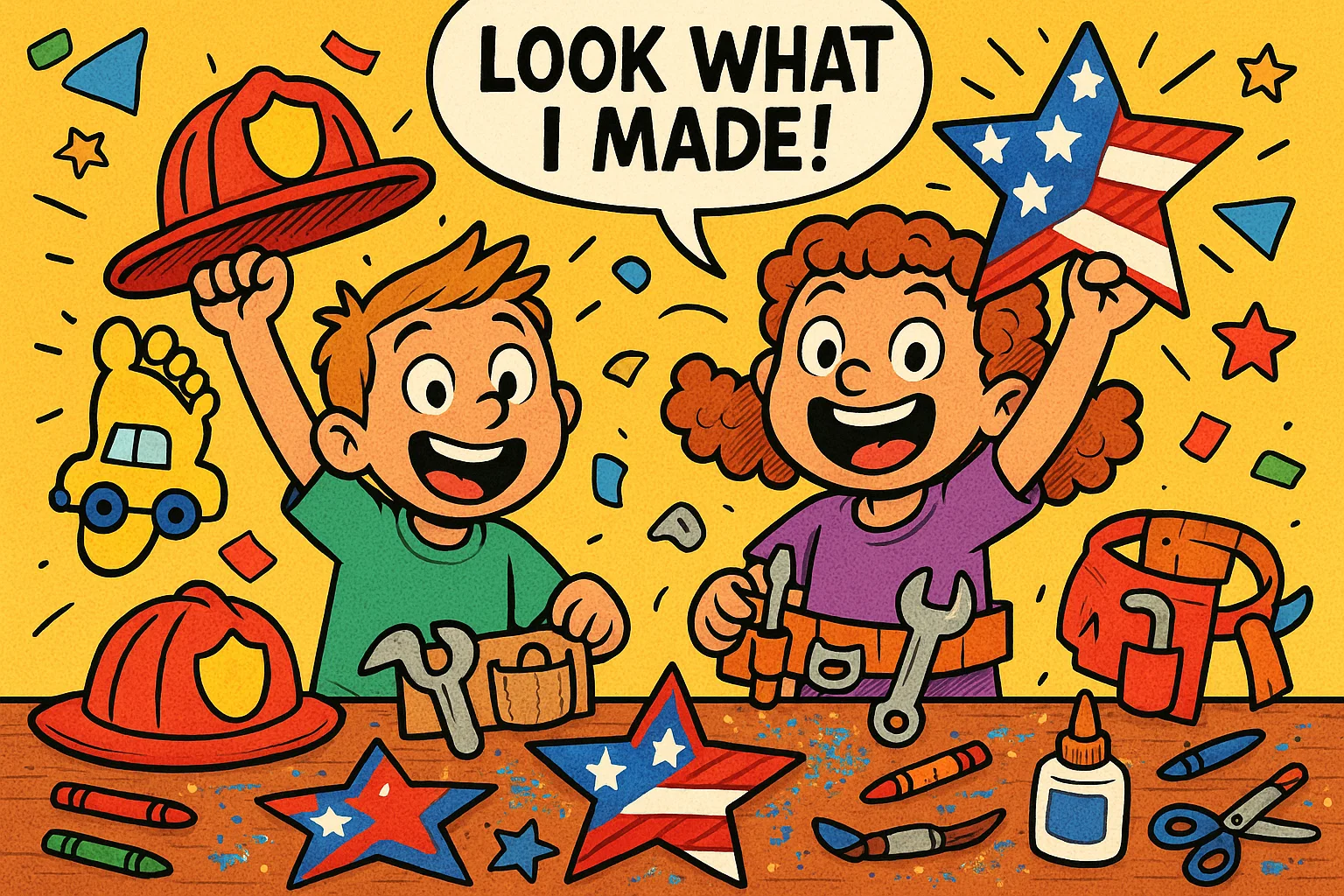
Try A Simple DIY Project
A practical DIY project can teach children real-world problem-solving skills and give them a genuine sense of accomplishment. Families can work together to construct a wooden birdhouse, paint terracotta flower pots for fall herbs, design custom wooden bookmarks, or reorganize a shared toy shelf.
Allowing children to use safe, age-appropriate tools such as a tape measure, level, or sandpaper helps make hands-on work feel more approachable. Experiencing the tangible results of their physical efforts helps children understand the focus and patience required in skilled trades.
Tie-Dye Activity For Kids
A classic tie-dye art project allows children to explore color saturation while creating custom, wearable holiday souvenirs. Parents can set up an outdoor workstation on a plastic tarp, providing plain white cotton T-shirts, canvas tote bags, or socks along with vibrant fabric dyes and strong rubber bands.
- Bind the Fabric: Twist and secure sections of the fabric tightly with rubber bands to create unique geometric patterns.
- Apply the Dye: Squeeze different dye colors onto the bound sections, making sure the color reaches the inner folds.
- Set and Rinse: Place the dyed items in sealed plastic bags for 24 hours before rinsing them thoroughly in cold water until the water runs clear.
Cross-Stitch Or Sewing Starter Project
Introducing older children to basic needlework, cross-stitch, or felt sewing projects refines fine motor coordination and builds patience. Parents can provide large-mesh plastic canvas, blunt plastic needles, colorful embroidery floss, and simple pre-stamped patterns representing stars, flags, or geometric shapes.
Learning to guide a needle through a simple pattern can improve visual-spatial skills, patience, and hand-eye coordination. This quiet craft can help energetic children slow down and focus during a busy long weekend.
Design Your Own Safety Mask Art Activity
Decorating fabric masks or paper costume templates allows children to talk about healthcare, safety, and community helpers in a creative way. Parents can provide plain cloth masks, stencils, fabric markers, and iron-on patches for children to customize with vibrant patterns or community-helper motifs.
This activity gives parents a natural opening to discuss the important work of medical professionals, researchers, and public safety workers. Framing personal safety gear as a tool of community care can reduce health-related anxieties and empower children with a sense of civic responsibility.
Vision Board For The New School Season
Because Labor Day weekend often marks the transition into autumn routines, designing a personal vision board can help children prepare for the school year. Children can cut out inspirational images and words from recycled magazines, pasting them onto a poster board alongside personal drawings and written milestones.
Guide children to sort their goals into sections such as school subjects, new hobbies to try, sports goals, books to read, and ways to help at home. Hanging the completed vision board in their bedroom provides a daily visual reminder of their potential and growth mindset.
STEM And Science Activities
Fireworks In A Jar Science Experiment
A safe, mess-free “fireworks in a jar” experiment introduces children to basic concepts such as liquid density and how oil and water interact. Parents can fill a large glass jar three-quarters full with warm water, then mix four tablespoons of cooking oil with several drops of different colors of food coloring in a separate bowl.
| Experiment Phase | Action Step | Scientific Phenomenon Observed |
| Mixing Phase | Stir food coloring into cooking oil in a small bowl. | Food coloring does not dissolve in oil because food coloring is water-based and oil is hydrophobic. |
| Combination Phase | Pour the oil mixture gently into the large jar of water. | Oil floats on top of water because it is less dense than water. |
| Reaction Phase | Watch color droplets sink from the oil layer into the water. | The color dissolves into the water, creating vibrant, downward-streaking “firework” patterns. |
Ice Cream Making Activity
Making homemade ice cream with the classic “bag method” combines a delicious holiday treat with a simple lesson in food science. Children can mix milk, sugar, and vanilla extract inside a small sealed plastic bag, which is then placed inside a larger bag packed with ice cubes and rock salt.
Shaking the bag for about 10 minutes helps the ice-and-salt mixture freeze the ingredients into creamy ice cream. The shaking gets children moving while showing how temperature changes can affect the state of matter.
Build A Simple Tool Station
Creating a safe, hands-on “tool station” allows younger children to explore basic building and measuring skills. Parents can provide safety goggles, measuring tapes, rulers, carpenter pencils, cardboard panels, plastic bolts, and interlocking wooden building blocks.
Children can practice measuring household objects, drawing simple blueprint sketches, and assembling sturdy tower formations. This tactile experimentation helps children connect physical work with mathematical reasoning while building respect for construction and trade professions.
Weather And Nature Journal
Encouraging children to maintain a temporary weather journal over the three-day weekend builds data-collection and observation skills. Children can measure and record simple weather details twice a day, including temperature, cloud types, wind direction, insect activity, and soil moisture.
Using simple tools like an outdoor thermometer or a homemade rain gauge adds measurement practice to their daily journal entries. This scientific tracking fosters environmental mindfulness and encourages children to notice the subtle seasonal shifts happening outdoors.
Volunteering And Giving Back
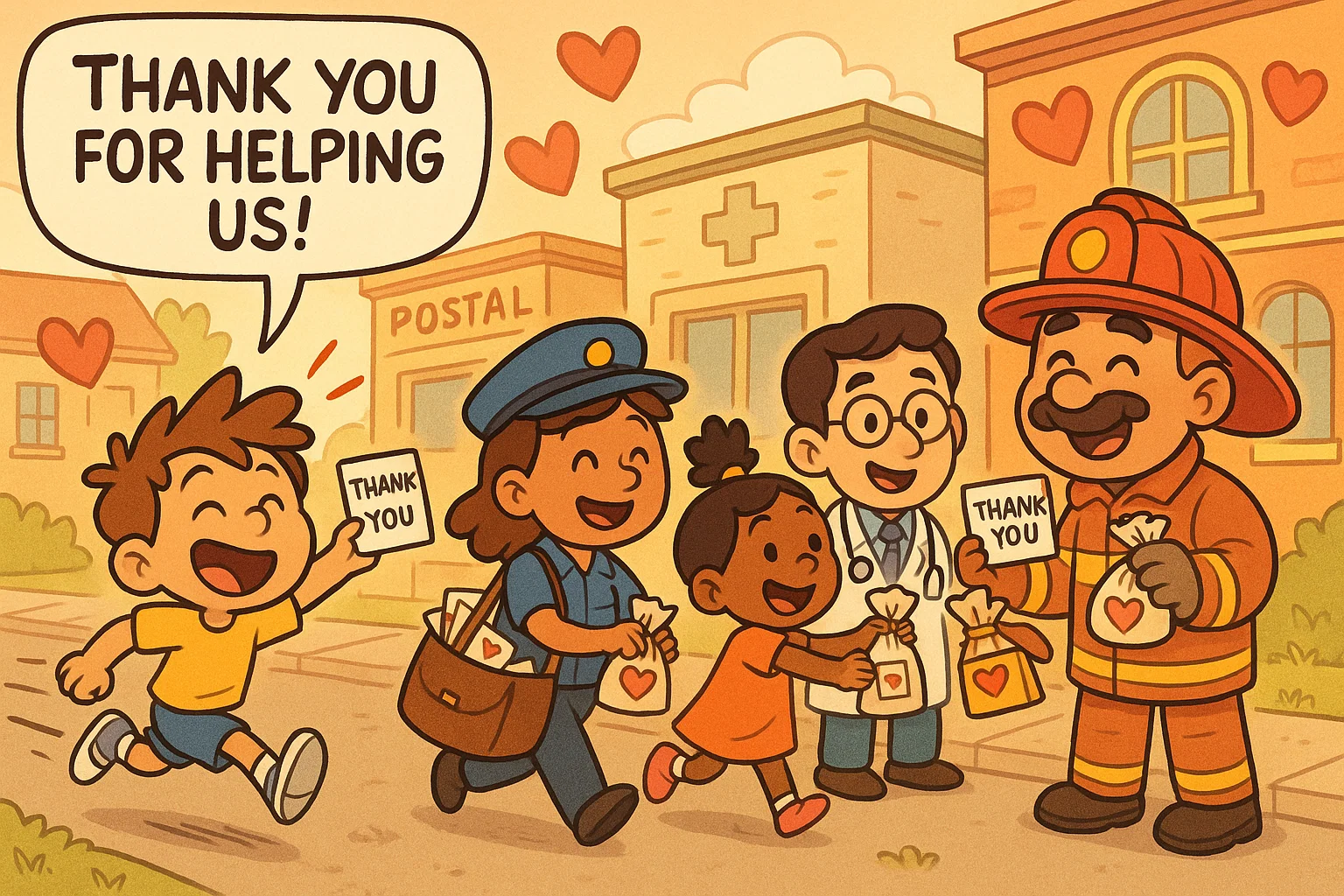
Volunteer In The Community
Participating in a local service project teaches children that communities depend on people helping one another. Families can dedicate a portion of their holiday weekend to cleaning up a local park trail, sorting inventory at a regional food pantry, or gathering school supplies for a local shelter drive.
Organized volunteering helps children practice empathy and recognize needs beyond their own family. These experiences show children that communities stay strong when people work together.
Family Donation Box
Setting up a temporary household donation box encourages children to practice conscious generosity by organizing their belongings thoughtfully. Parents can guide children to sort through their closets and playrooms to select gently used books, educational puzzles, seasonal clothing items, and extra school supplies that are in excellent condition.
This sorting process offers a natural opportunity to discuss sharing resources and supporting families who may be going through a difficult time. Delivering the packed donation box to a local charity provides a fulfilling conclusion to a purposeful family project.
Kindness Challenge For Labor Day
Creating a structured “Kindness Challenge” transforms small daily actions into an exciting game focused on positive social impact. Parents can create a simple challenge card with kind tasks for children to complete over the three-day weekend.
- Task 1: Verbally thank a local service worker or delivery driver for their effort.
- Task 2: Help a neighbor, with permission, by raking early fallen leaves or watering their garden.
- Task 3: Pick up litter along a favorite neighborhood walking path with gloves and adult supervision.
- Task 4: Prepare a cold beverage or healthy snack for a family member without being asked.
Military Member And Veteran Thank-You Notes
Writing messages of appreciation to service members and veterans can teach children about public service, though parents should explain that this is separate from the main meaning of Labor Day. Parents can explain that service members often work in challenging conditions to help protect national safety.
Children can construct custom cards using sturdy cardstock, drawing patriotic symbols and writing heartfelt messages such as, “Thank you for your service and bravery.” Mailing these cards through verified nonprofit organizations can reinforce civic awareness and appreciation for public service.
Quick Labor Day Plan Ideas
Morning Plan With Learning And Crafts
A simple morning plan can use children’s fresh energy for short learning moments and creative crafts.
- 8:00 AM – Healthy Family Breakfast: Enjoy a nutritious meal together while explaining the basic meaning of Labor Day in age-appropriate language.
- 9:00 AM – Thank-You Craft Session: Gather at the designated art station to make handmade greeting cards or patriotic crafts for local community helpers.
- 10:30 AM – Morning Walk & Delivery: Walk through the neighborhood to deliver completed cards to a local library, fire station, or mail carrier.
Afternoon Plan With Outdoor Fun
An afternoon plan can focus on active play, outdoor recreation, and water activities. Begin by packing a low-stress picnic lunch with fresh finger foods and enjoying the meal beneath a shady tree at a regional park.
Follow lunch with a structured neighborhood scavenger hunt or a series of inclusive lawn games like ring toss and cornhole. End the hot afternoon by running through a backyard sprinkler or visiting a community splash pad to cool off.
Evening Plan With Movie And Ice Cream
An evening plan can focus on winding down, enjoying sweet treats, and spending cozy time together as the three-day weekend draws to a close. Fire up the backyard grill for a classic cookout featuring kid-safe kitchen tasks like mixing fresh lemonade and assembling colorful fruit skewers.
As twilight arrives, move to the lawn and try the quick “bag method” for making homemade ice cream together. Enjoy the frozen treats during a backyard movie, then end the evening by writing seasonal memories for a family memory jar.
Rainy-Day Labor Day Plan
If rain cancels outdoor plans, families can easily switch to a fun indoor celebration. Transform the living room into a dramatic play area featuring community-helper stations, or organize an indoor Pictionary tournament centered on working professions.
Parents can host an energetic living-room karaoke session or clear a wide hallway to set up a safe, pillow-lined indoor obstacle course. Baking a favorite early-fall recipe together fills the home with comforting scents while giving children practice with measuring.
Final Thoughts
Keep Family And Fun At The Forefront
The success of a Labor Day celebration depends less on the itinerary and more on the time families spend connecting. Parents should resist the urge to over-schedule the three-day weekend and choose two or three meaningful activities that encourage real interaction.
Prioritizing low-stress shared experiences helps create a home environment where children feel secure, included, and valued. Simple moments, like sharing stories under the stars or laughing during a lawn game, often form the foundation of a child’s long-term holiday memories.
Choose Activities Based On Energy, Weather, And Age
Every family has different needs, schedules, weather conditions, and age ranges to consider. A holiday plan that works perfectly for an adventurous family with teenagers may require major adjustments for a household with multiple toddlers.
Parents should watch the weather and their children’s energy levels, switching to indoor activities or rest before everyone gets overtired. Customizing the activities in this guide helps every family member stay safe, comfortable, and positively engaged throughout the weekend.
Make Labor Day Memorable With Simple Traditions
Establishing an annual tradition gives children a comforting sense of predictability and family identity as summer turns to autumn. Whether your family writes thank-you notes to local firefighters, hosts a backyard movie night, or plans an annual scavenger hunt, consistency builds meaning over time.
These yearly traditions help children look back on past celebrations with fondness and look forward to future ones with excitement. By blending lighthearted summer recreation with intentional civic gratitude, you create an enduring legacy of family togetherness and community respect.

Take a short quiz to find out what your everyday choices say about your parenting style
When your child is curious about something new, what’s your instinct?
Take a short quiz to find out what your everyday choices say about your parenting style
“Can I download this app?” What happens next?
Take a short quiz to find out what your everyday choices say about your parenting style
When it comes to rules at home, which sounds most like you?
Take a short quiz to find out what your everyday choices say about your parenting style
If you could give your child one life skill today, what would you pick?
Take a short quiz to find out what your everyday choices say about your parenting style
Your child gets to choose what to watch. What would your ideal setup look like?
Take a short quiz to find out what your everyday choices say about your parenting style
Pick your parenting superpower ✨