Best Garden Activities for Kids

 Discover a Free Education Video App for Kids
Pastory uses AI to personalize educational video content based on your child’s interests and personality. Safe, engaging, and built for curious young minds. Sign up now to stay updated and enjoy early access with a free trial
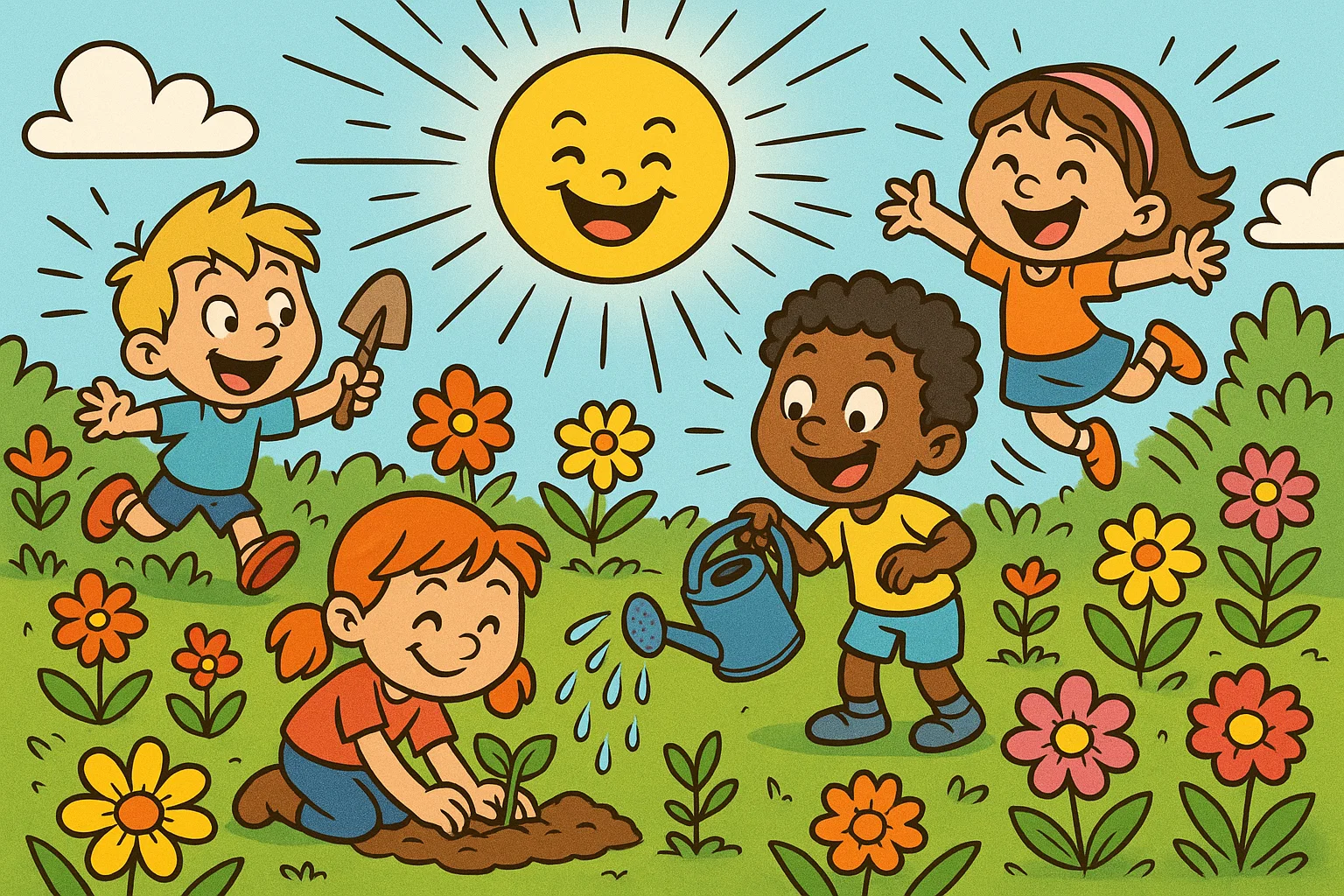
Introducing children to outdoor activities in the garden provides a practical, screen-free alternative to digital entertainment. Garden activities allow children to explore ecosystems, observe plant growth, and build healthy lifestyle habits. The American Academy of Pediatrics emphasizes that play supports healthy development, including executive function, social-emotional skills, and resilience, while outdoor, hands-on activities can give children a practical way to learn through movement and exploration.
This guide offers age-appropriate garden projects for kids, with a focus on learning, safety, and sensory play.
Key Takeaways
- Holistic Learning: Garden activities for children teach the basics of gardening, plant biology, food origins, and patience.
- Eco-Awareness: Creating a wildlife garden teaches children why pollinators such as bees and butterflies matter.
- Skill Development: Hands-on projects support fine motor skills, problem-solving, and confidence across different age groups.
- Screen-Free Focus: Outdoor exploration reduces sedentary behavior and builds healthy physical habits during school breaks.
Best Quick Picks by Age
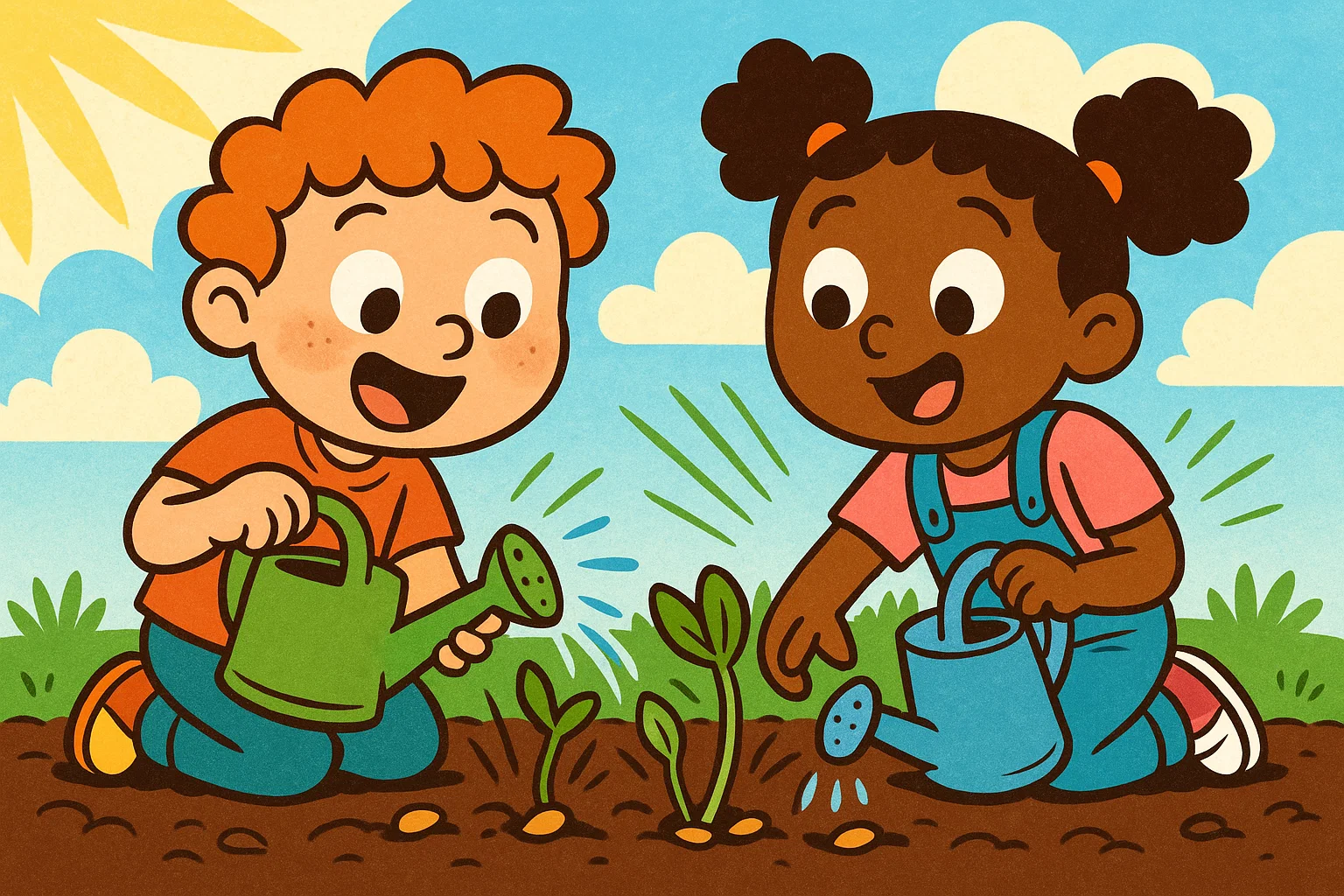
The table below matches garden activities with age, difficulty level, and key learning benefits.
| Target Age Group | Recommended Garden Activity | Primary Materials Required | Primary Developmental Benefit |
| Toddlers Ages 1–2 | Mud Kitchen Digging | Soil, water, old spoons, plastic bowls | Sensory exploration and fine motor control |
| Preschoolers Ages 3–4 | Eggshell Cress Gardens | Empty eggshells, cotton balls, cress seeds | Watching seeds germinate quickly |
| School-Age Kids Ages 5–10 | Pollinator-Friendly Patch | Terracotta pot, compost, sunflower seeds | Learning about insects, flowers, and pollinators |
| Older Kids Ages 11+ | Wicking Bed Construction | Recycled container, PVC pipe, soil | Practical application of physics and engineering |
Screen-Free Benefits
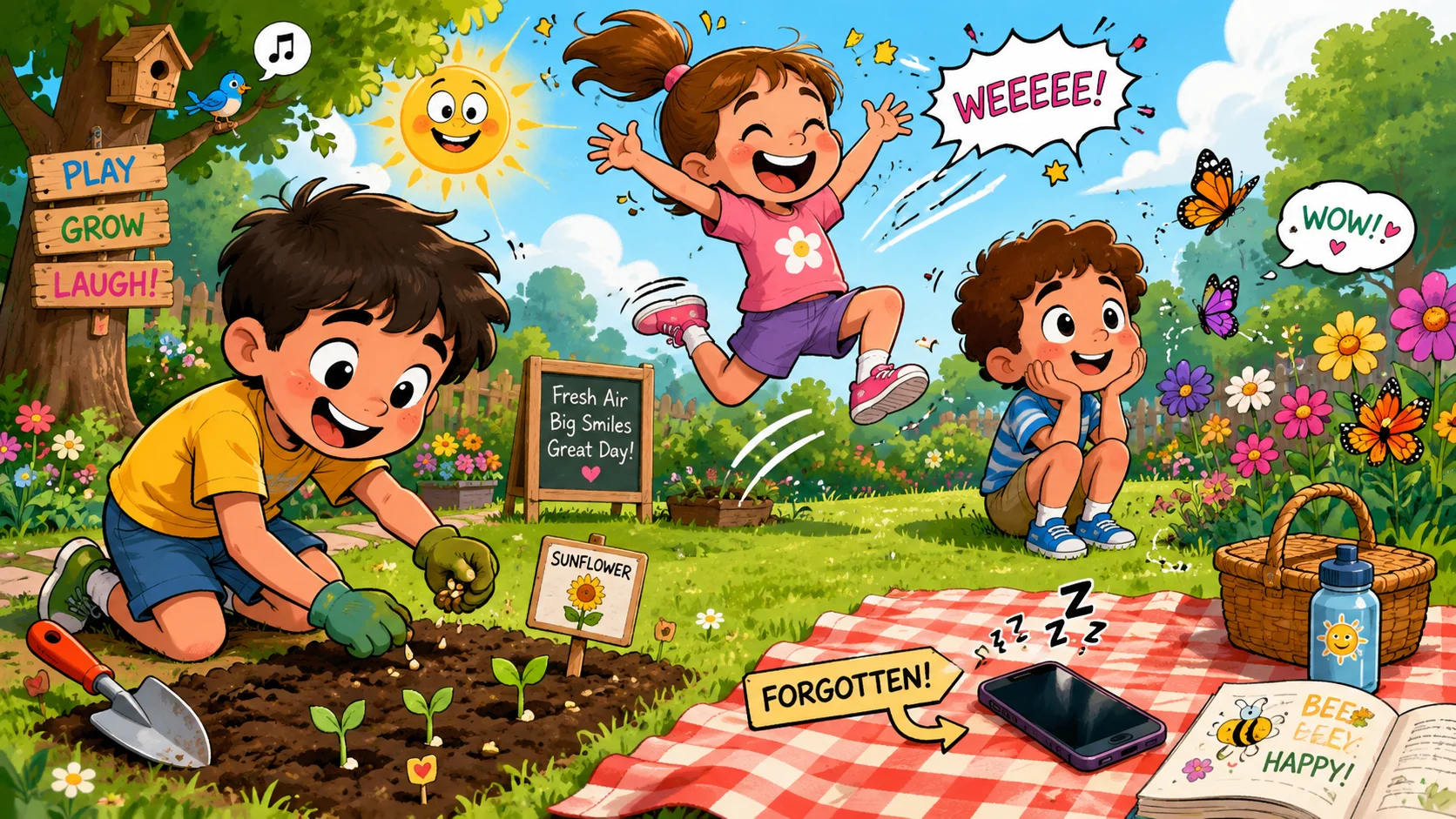
Outdoor activities provide a structured environment that can support cognitive, emotional, and behavioral development. Research suggests that natural settings and outdoor learning may support attention restoration and stress regulation in children, although the size of the effect varies by study and setting.
Digital entertainment can easily hold a child’s attention passively, while planting, watering, and caring for living things encourages slower, more focused engagement. By participating in garden activities for kids, family members can bond through shared tasks while children build personal responsibility through the ongoing care of living organisms.
Safety Basics
Clear safety rules help make these activities suitable for both young children and school-age kids. Parents should provide constant supervision, encourage the use of child-sized protective gloves, and supply ergonomic, blunt-tipped tools to reduce the risk of injury.
Identifying and removing toxic plants helps reduce the risk of accidental ingestion. Sun protection, regular hydration breaks, and consistent handwashing with fresh water and soap are essential parts of any safe outdoor activity.
1. Pick Seeds and Plant a First Garden
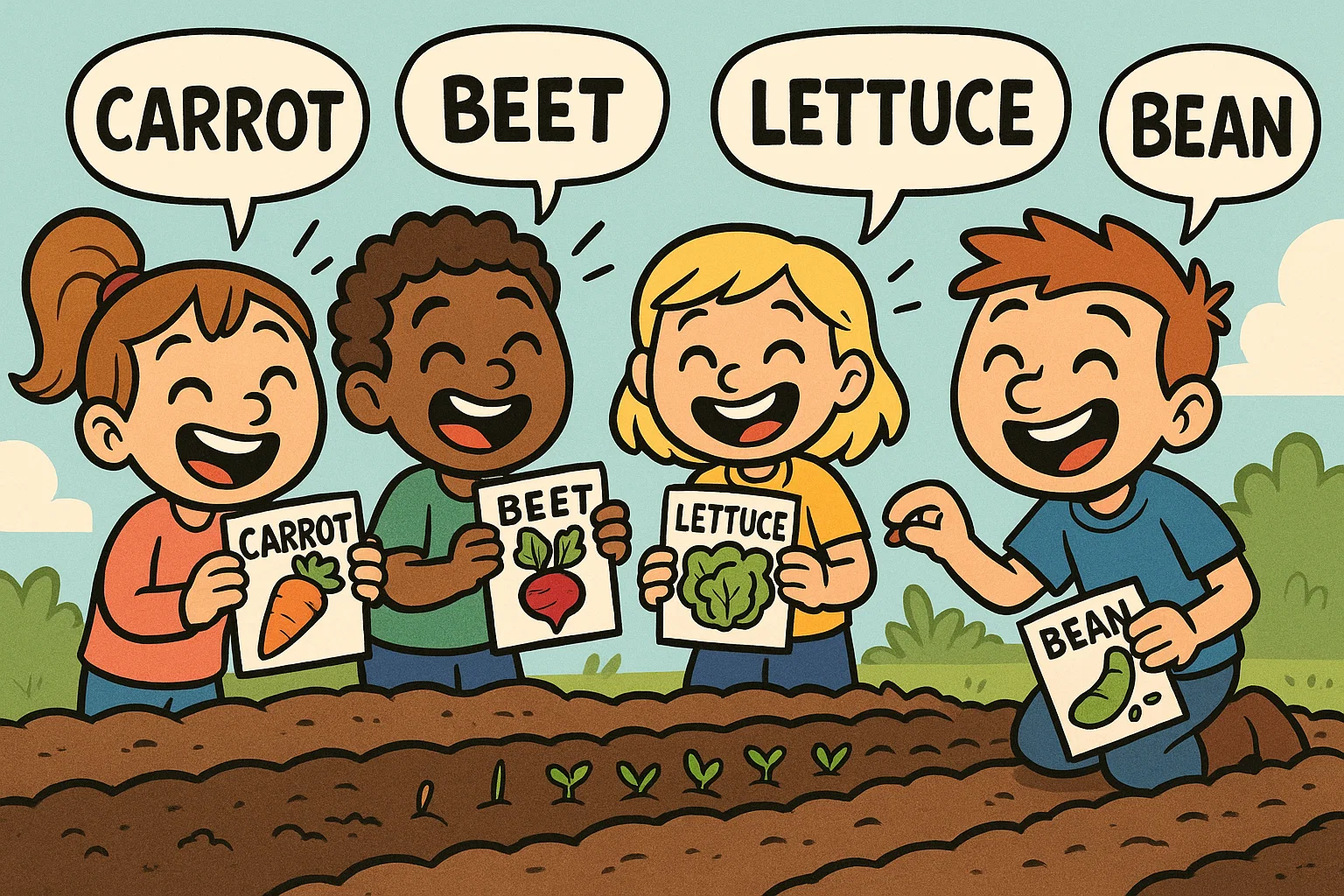
Planting seeds is an ideal first gardening activity because children can see clear, physical signs of progress. Using small tools and simple containers allows younger kids to practice precise hand-eye coordination. This simple project is a natural way to teach patience, as children need to water and care for the seeds before they see visible growth.
Easy Seeds for Kids
Certain plant varieties are ideal for early childhood gardening because they can germinate quickly. Radishes, sunflowers, beans, peas, lettuce, and cress can sprout within 3 to 10 days under the right conditions.
Selecting these fast-growing varieties keeps kids interested by providing regular visual progress. Planting a fast-sprouting radish seed or a robust sunflower seed helps children stay focused on their ongoing garden projects.
Eggshell Gardens and Egg Carton Greenhouses
Reusing everyday household items offers a budget-friendly way to create a mini greenhouse for the windowsill. Children can fill empty, rinsed eggshells or cardboard egg cartons with fine seed-starting compost to plant small seeds.
- Poke a small drainage hole in the bottom of each eggshell or carton cell.
- Fill each compartment with damp compost up to 5 millimeters below the rim.
- Let children sow two seeds in each cell and press them gently into the compost.
- Mist the soil surface daily with a spray bottle filled with clean water.
- Place the carton in a sunny spot and move the seedlings outdoors once their first true leaves appear.
Seed-Growing Jars
Seed-growing jars let children watch roots develop below the soil line. This simple science experiment uses a clear glass or plastic jar lined with damp paper towels.
Place large bean or pea seeds between the glass wall and the damp paper towel so children can clearly see the roots and shoots develop. Children can track how the root and shoot grow each day, using words like radicle and plumule if you want to add a science lesson.
This activity is a great way to keep kids engaged indoors during rainy weather while showing how plants absorb water.
Write a Name in Seeds
Creating a personalized seed layout combines literacy skills with physical gardening techniques. Children can use a shallow tray or a small patch of smooth compost to trace the letters of their name.
Placing quick-sprouting cress or chia seeds along the letter shapes creates a living green nameplate within days. This sensory exercise encourages children to take ownership of their designated planting area.
2. Grow Food Kids Can Eat
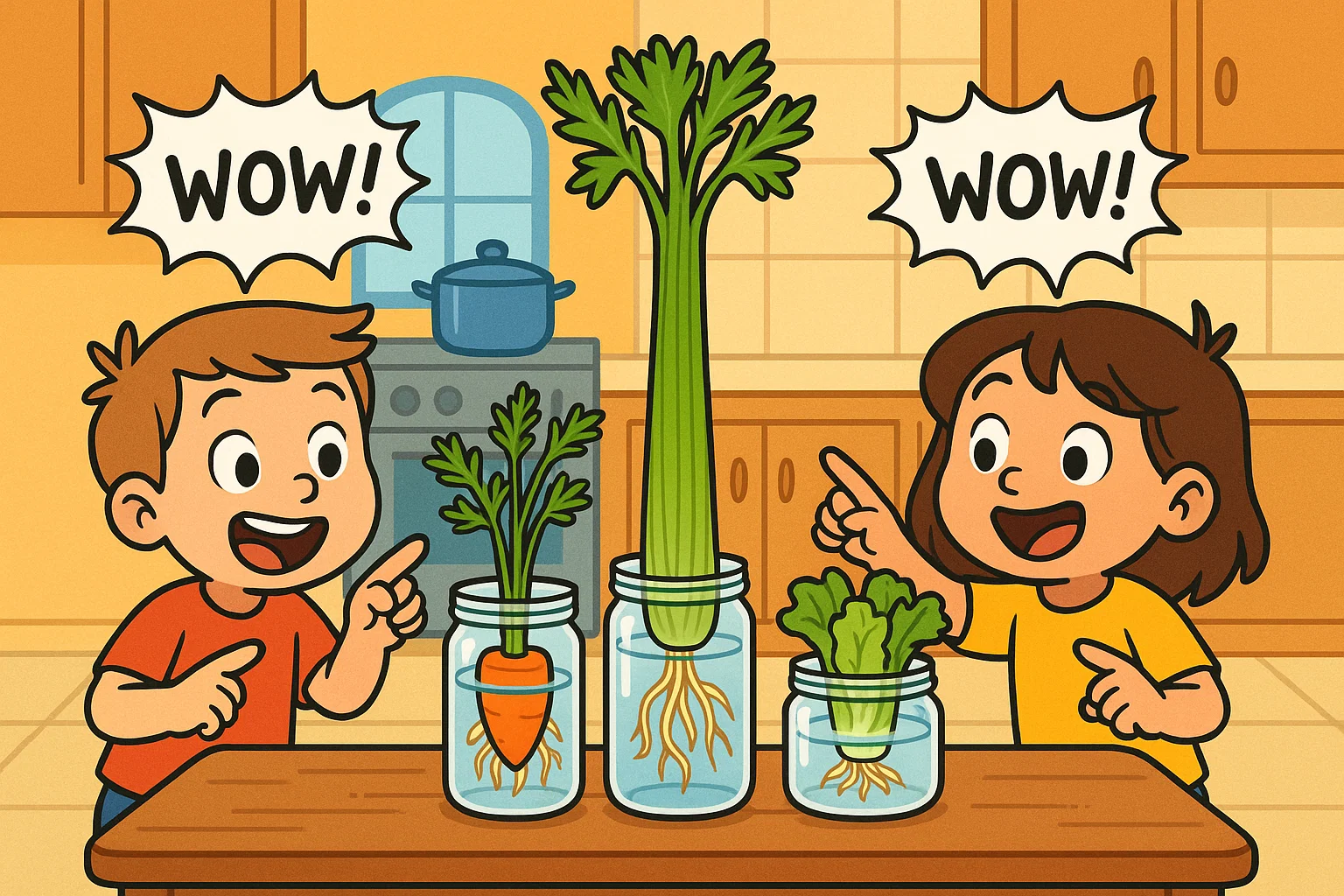
Growing edible plants helps children connect the food on their plate with where it comes from. Studies suggest that gardening and garden-based education can increase children’s interest in vegetables and may encourage them to eat more fresh produce.
Salad Garden
A dedicated salad garden can be grown easily in a shallow container or a small garden bed. Plant loose-leaf lettuce, cherry tomatoes, cucumbers, and radishes to give children a mix of colors, textures, and flavors.
Picky eaters are often more willing to taste fresh food when they have personally helped grow it from seed to harvest. This direct interaction can reduce hesitation around unfamiliar fruits and vegetables in younger kids.
Beans, Potatoes, Melons, and Pumpkins
Bigger crops can be exciting for children, but they need more space and a longer growing season.
- Bush Beans: Require minimal space, around 10-centimeter spacing, and can produce edible pods within about 50 days.
- Potatoes: Can be grown vertically in heavy-duty fabric bags, requiring minimal ground space and offering a “treasure hunt” harvest experience.
- Pumpkins and Melons: Require plenty of room — about 2 square meters per plant — and a 90- to 120-day growing season, making them better suited to older children.
Smoothie Garden
A smoothie garden focuses on high-yield, nutrient-dense ingredients that can be blended directly into healthy drinks. Planting strawberries, mint, spinach, kale, and blackberries provides a continuous harvest throughout the summer months.
Turning homegrown fruit, herbs, and greens into smoothies shows children a simple, practical benefit of growing their own food.
Weekly Garden Meal
Setting a weekly routine where kids harvest fresh ingredients helps them see the value of their work. Children can take responsibility for picking ripe herbs, washing dirt off root vegetables, and assisting parents with basic meal assembly.
This routine helps teach children about seasonal eating and self-sufficiency.
3. Plant Sunflowers and Colorful Flowers
Bright, colorful flowers are an easy way to show children how beautiful gardening can be. Colorful blooms are visually rewarding and can help keep children interested as the garden changes over time.
Sunflower Challenge
The classic sunflower challenge is an excellent educational gardening activity that combines physical activity with math concepts. Planting a single giant sunflower seed in a sunny spot provides an ongoing height-tracking project.
Children can measure the sunflower once a week and record the results in a simple growth chart. For example, they might note the plant’s height at Week 2, Week 4, Week 6, Week 8, and Week 10, then turn those measurements into a hand-drawn bar chart or line graph.
Flower-Picking Patch
Designating a small, specific patch for cut flowers gives children permission to harvest blooms without damaging the main garden layout. Safe, non-toxic flowers such as cosmos, zinnias, and snapdragons usually tolerate regular cutting well.
This specific zone teaches children how to prune plants correctly while allowing them to decorate indoor rooms with their own floral arrangements.
Pollinator-Friendly Blooms
Selecting specific plants can transform an ordinary outdoor space into an active wildlife garden. Planting nectar-rich flowers like marigolds, lavender, and purple coneflowers provides necessary nourishment for local insects.
This project introduces children to conservation by showing how even a small garden can support local bees, butterflies, and other pollinators.
4. Create a Secret Fairy or Miniature Garden
Miniature gardens bring imaginative play outdoors and give children a chance to build tiny worlds of their own. This creative activity encourages storytelling, planning, and spatial awareness.
Secret Garden Corner
Transforming an overgrown corner or a shaded alcove into a private play space provides children with a sense of autonomy. Parents can clear away sharp debris and create a safe, sheltered corner with tall grasses, sunflowers, or other child-safe plants nearby.
This secluded spot gives kids a peaceful space to read, observe nature, or engage in quiet independent play.
Fairy Garden Layout
Building a miniature fairy garden allows younger kids to work with intricate spatial arrangements. Children can map out tiny pathways using flat river pebbles, build small fences out of twigs, and place soft cushions of living moss as ground cover.
The following structural elements can be used to construct a durable miniature scene:
- Base: A wide, shallow terracotta pot or a smooth-edged recycled container filled with compost.
- Structure: Small pieces of bark can become rustic roofs, walls, or stepping stones.
- Flora: Slow-growing miniature plants such as baby’s tears, also known as Soleirolia soleirolii, or small succulents.
Miniature Garden Materials
Using low-cost, natural materials encourages children to search for unique shapes and textures across the garden. Found items such as seashells, smooth stones, pinecones, and seed pods can become tiny paths, ponds, hills, or garden decorations.
Integrating weather-resistant toy animals or small figurines allows children to create changing narratives within their miniature installations.
Rubber Boot Planters
Outgrown or leaking rain boots can be repurposed into colorful, quirky outdoor containers. An adult can make drainage holes in the soles, then children can fill the boots with compost and plant cascading flowers or hardy herbs.
These mobile planters can be hung along garden fences or placed on stairs to maximize small garden spaces.
5. Get Muddy with Sensory Garden Play
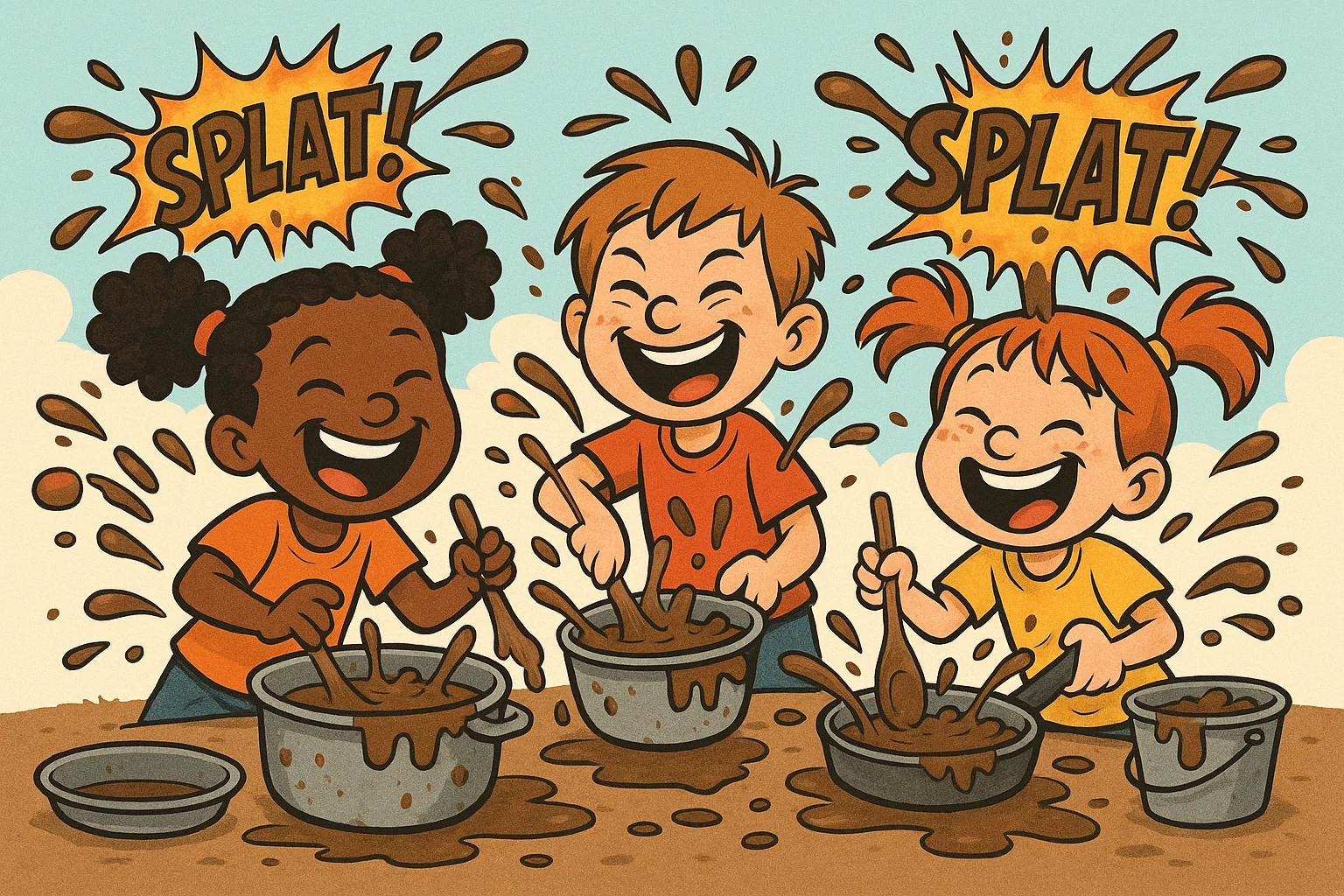
Sensory play with soil, water, leaves, and mud can support fine motor skills, body awareness, and sensory exploration. Engaging directly with soil and mud encourages tactile play and resilience.
Mud Play Space
A designated mud kitchen or digging corner provides a controlled environment where children are allowed to get messy. Equipping this area with discarded kitchen spoons, stainless steel bowls, and plastic measuring cups allows kids to mix soil and water freely.
This open-ended activity can keep kids busy while helping them explore pouring, mixing, measuring, and how soil and water change when combined.
All Senses Garden Exercise
A simple sensory garden activity can help an overstimulated child slow down and refocus. The following table provides examples of plants and materials that target specific senses safely.
| Sense Targeted | Specific Garden Element | Sensory Characteristic |
| Touch | Lamb’s Ear, Stachys byzantina | Exceptionally soft, velvet-textured foliage |
| Smell | Lemon Verbena or Mint | Strong citrus or herbal scent |
| Sight | Swiss Chard ‘Bright Lights’ | Vivid yellow, pink, and red edible stems |
| Hearing | Greater Quaking Grass, Briza media | Rustling, whispering sounds in a gentle wind |
| Taste | Alpine Strawberries | Sweet, intense flavor; safe to taste after washing |
Dirt Play Benefits
Research on biodiversity exposure and soil microbes suggests that contact with natural environments may play a role in immune regulation, but it is better not to claim that garden soil directly strengthens a child’s immune system or boosts serotonin.
Playing with safe, uncontaminated soil can build confidence and help children become more comfortable with natural textures. This unhurried exploration helps encourage children to build lasting comfort with the outdoor world.
Clean-Up Routine
An organized clean-up system minimizes household mess and establishes clear behavioral boundaries. Parents should establish a dedicated outdoor washing station equipped with a bucket of fresh water, a scrub brush, and a basket of clean towels.
Using designated garden-only shoes and durable play clothes helps keep messy sensory exploration stress-free for the whole family.
6. Search for Bugs and Backyard Wildlife
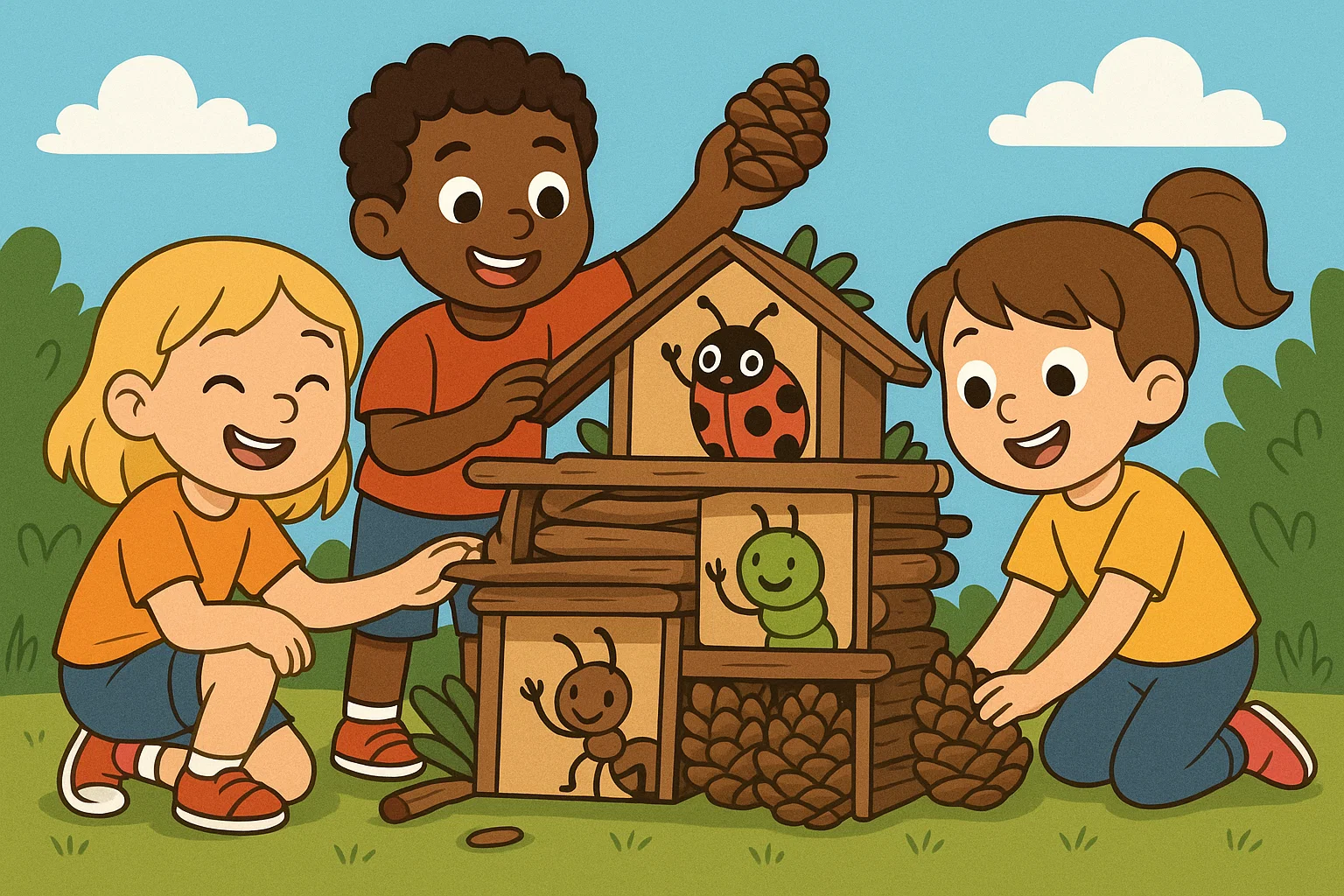
Looking for insects and other small creatures taps into a child’s natural curiosity about living things. Searching for small invertebrates gives children a simple introduction to food chains and the balance of a garden ecosystem.
Creepy-Crawly Hunt
A gentle search under damp logs, large stones, and leaf piles reveals a hidden ecosystem of decomposers. Children can carefully observe earthworms, woodlice, millipedes, and beetles in their native habitats.
This activity teaches children to approach small creatures with care, ensuring that delicate micro-habitats are left intact after observation.
Bug Catching Kit
Equipping children with a child-safe magnifying glass, a ventilated clear viewing container, and a soft paintbrush allows them to examine insects safely.
[Inspect Insect in Clear Viewer] —> [Record Observations in Notebook] —> [Gently Release to Same Spot]
Parents should make it clear that insects are only held briefly for observation and should always be returned gently to the place where they were found. Keeping a dedicated field notebook encourages children to sketch their findings and count legs, wings, and body sections.
Bug House or Insect Hotel
Building a functional insect hotel provides a safe nesting site for solitary bees, lacewings, and ladybugs. Children can gather natural materials like hollow bamboo canes, pinecones, dry leaves, and corrugated cardboard.
Packing these tightly into a small wooden box frame creates an intricate network of overwintering chambers that children can monitor throughout the seasons.
Garden I Spy
A structured game of “I Spy” tailored to natural elements improves visual tracking and vocabulary skills in younger kids. Parents can create a checklist based on specific attributes, such as “a glossy leaf,” “a flying pollinator,” or “a camouflaged insect.”
This simple observation game teaches children to pay close attention to small details within their outdoor space.
7. Build Pollinator, Bird, Toad, or Frog Habitats
Inviting diverse wildlife into a residential space expands a child’s understanding of environmental stewardship. Constructing functional shelters provides long-term opportunities for wildlife observation.
Pollinator Habitat
To support native bees and butterflies, families can dedicate a small corner of the garden to wild growth. Avoiding chemical pesticides helps protect pollinators, while leaving a small patch of bare ground can provide mason bees and other ground-nesting insects with useful nesting materials.
Adding a shallow water dish filled with marbles gives drinking bees a safe place to land without risking drowning, but the water should be refreshed regularly.
Bird Feeders and Bird Bath
Creating a DIY bird feeder out of a pinecone rolled in wild birdseed or an empty plastic bottle provides local birds with a reliable food source. Placing a shallow bird bath nearby gives local birds access to clean drinking and bathing water.
Maintaining a consistent cleaning routine prevents the spread of avian diseases and teaches children the importance of responsible wildlife care.
Toad Habitat and Frog Pond
A terracotta pot turned sideways and half-buried in a cool, shaded spot makes an ideal shelter for beneficial garden toads. If space permits, a small sunken plastic basin can serve as a simple frog pond, but children should always be supervised around water.
Surrounding the perimeter with large stones and native water plants provides cover for amphibians and creates an opportunity to teach children about life cycles and metamorphosis. Families should avoid moving wild frogs, toads, or spawn into the pond.
Native Bee B&B
To make a nesting block for solitary mason bees, an adult should drill holes ranging from 4 to 8 millimeters in diameter into a solid block of untreated hardwood. Mount the block securely on a sunny, south-facing wall at least one meter off the ground.
Children can watch from a safe distance as female mason bees seal the holes with mud to protect their developing larvae.
8. Make a Wormery, Compost, or Flower Bed
Learning about composting and soil health helps children understand how garden waste turns back into nutrients for plants. Participating in soil maintenance activities introduces children to practical earth sciences.
Wormery for Kids
A home wormery demonstrates how organic kitchen waste is recycled back into fertile soil nutrients. Children can layer damp shredded newspaper, coconut coir, or compost bedding inside a ventilated container, then add red wiggler composting worms, also known as Eisenia fetida.
- Acceptable Additions: Vegetable peelings, apple cores, crushed eggshells, and small amounts of used coffee grounds.
- Prohibited Items: Avoid citrus and onions because they can make a wormery too acidic, and avoid meat and dairy because they can attract pests and create hygiene problems.
Compost System
Managing a family compost pile teaches children the balance between nitrogen-rich greens, such as fresh lawn clippings and vegetable scraps, and carbon-rich browns, such as dry leaves and cardboard.
Children can help turn the pile using a lightweight garden fork to introduce oxygen, which accelerates decomposition. Watching kitchen scraps and garden waste turn into dark, earthy compost shows children how natural recycling works.
Flower Bed Project
Involving children in the preparation of a new flower bed builds physical stamina and collaborative skills. Kids can assist in clearing weeds, spreading finished compost or bagged soil improver, and leveling the soil surface with a rake.
Allowing children to select the layout of the young seedlings gives them a strong sense of personal pride in the finished display.
Little Garden Helper Jobs
Assigning regular, age-appropriate maintenance tasks builds a strong work ethic and personal accountability. These simple jobs help children stay involved in everyday garden care.
- Filling and carrying small, lightweight watering cans to hydrate young seedlings.
- Identifying and gently pulling up shallow-rooted weeds like chickweed under adult supervision.
- Gathering fallen autumn leaves using a child-sized plastic rake.
- Writing clear plant labels using waterproof markers on wooden craft sticks.
9. Try Garden Crafts and Nature Art

Blending artistic expression with natural materials encourages creative problem-solving and visual design skills. Nature-based crafts use simple, sustainable materials found around the home or garden.
Garden Stepping Stones
Creating custom concrete stepping stones allows children to leave a lasting, artistic mark on their outdoor paths. Adults can mix quick-setting concrete and pour it into shallow plastic molds or old pie tins while children help decorate the surface.
Before the mixture sets, children can press colorful pebbles, seashells, smooth glass beads, or their own handprints into the surface to create durable mosaic designs.
Shadow Watercolor Paintings
On a clear, sunny day, children can place leaves, ferns, or flower stems on heavy watercolor paper.
[Sunlight casts distinct leaf shadow] —> [Child traces outline on paper] —> [Fill with watercolor washes]
Sunlight will cast clear silhouettes that children can trace with a pencil before filling the shapes with watercolor paint. This project teaches children about light angles and geometric forms.
Nature Crafts and Leaf Art
Fallen leaves, flexible twigs, and pinecones make great materials for indoor nature crafts. Children can create classic leaf rubbings by placing a leaf vein-side up under a sheet of thin paper and rubbing firmly with a wax crayon.
Pressing non-toxic summer flowers between heavy books allows children to preserve delicate specimens for future greeting cards or handmade wooden picture frames.
Scarecrows and Grass Heads
Constructing playful garden figures combines basic engineering with rapid biological growth. Children can build a mini scarecrow using crossed sticks, old clothing scraps, and straw to protect ripening vegetables.
Alternatively, creating a classic grass head involves filling an old nylon stocking with grass seed and damp sawdust. When placed in a cup of water, it grows a thick head of green grass “hair” that children can trim with safety scissors.
10. Play Garden Games and Treasure Hunts

Integrating physical games into the garden space encourages movement, coordination, and spatial awareness. Structured outdoor play helps children build agility, coordination, and teamwork.
Garden Scavenger Hunt
A scavenger hunt can be customized to suit any child’s age, encouraging deeper exploration of the local environment.
- Toddler Criteria: Find something soft, something green, or something round.
- Preschooler Criteria: Find a feather, a smooth stone, a seed pod, or a piece of rough bark.
- School-Age Criteria: Find a worm or woodlouse, a long narrow leaf, or a rock with an interesting texture.
Classic Garden Games
Traditional outdoor games can be easily adapted to include functional gardening tasks. Organizing a watering-can relay race teaches balance and motor control as children transport water to thirsty plants without spilling.
Setting up a simple obstacle course using logs, stepping stones, and garden bamboo canes builds agility, while playing nature bingo sharpens observation skills.
Cloud Gazing and Tree Play
Balancing high-energy activities with calm, reflective moments is essential for emotional regulation. Lying down on a blanket to observe shifting cloud formations stimulates imagination and vocabulary as children describe what they see.
If a tree is safe for climbing, low sturdy branches can help children build strength, balance, and confidence under close adult supervision.
Mini Farmer’s Market or Flower Stand
Setting up a pretend backyard market stand allows children to practice basic math and social communication. Kids can gather surplus herbs, sorted pebbles, unique seed pods, or small cut flowers to display on a wooden bench.
Using simple play money or trade systems, children can sell these natural items to family members, building early economic awareness and communication skills.
11. Keep a Garden Journal and Science Notebook
Documenting changes over time through structured journaling builds analytical literacy and scientific thinking skills. This ongoing project helps children notice patterns and record observations over time.
Daily Plant Checks
Maintaining a daily plant journal transforms a casual hobby into an organized science activity. Children can create a simple logbook to record planting dates, the first day sprouts appear, watering amounts, and the appearance of flowers or fruit.
This practice reinforces cause and effect while improving written communication skills.
Weather and Growth Charts
Tracking weather helps children understand how rain, sunlight, and temperature affect plant growth.
| Date | Rainfall | Sunflower Height | Sun Conditions |
| May 10 | 5 mm | 45 cm | Partly Cloudy |
| May 17 | 0 mm | 62 cm | Clear / Sunny |
| May 24 | 12 mm | 85 cm | Overcast / Rain |
Children can use a basic outdoor rain gauge to measure weekly rainfall totals, comparing the data against the growth rate of their plants. Graphing these data points demonstrates the practical application of mathematics in real-world situations.
Flower Dissection
Dissecting a large, simple flower such as a tulip or hibiscus can provide a practical plant anatomy lesson. Under adult supervision, children can carefully separate the distinct biological components: the colorful petals, the pollen-coated anthers, the central pistil, and the supporting stem.
Pasting these parts onto a sheet of paper and labeling them using correct botanical terms provides an interactive science lesson.
Garden Photos and Drawings
Encouraging children to capture their surroundings through photography or pencil sketches deepens visual observation. Children can document a specific garden zone from the same angle once a month to create a visual timeline of seasonal changes.
This exercise blends art with observation and shows how a garden changes throughout the year.
12. Create Indoor Garden Projects for Rainy Days
Rainy weather does not have to interrupt a child’s interaction with nature. Indoor gardening projects use small spaces, windowsills, and household kitchen scraps to sustain engagement year-round.
Cress in Eggshells
Growing cress inside empty eggshells is a reliable indoor activity that provides near-instant results. Children can draw funny faces on the outer shells using felt-tip markers, pack the inside with damp cotton balls, and scatter cress seeds thickly over the top.
Placed on a sunny kitchen windowsill, the seeds sprout within 48 hours, creating edible green “hair” that can be harvested for snacks.
Carrot Tops and Bulb Jars
Regrowing kitchen scraps shows children that some plants can grow new shoots or roots from leftover pieces.
Place a 2-centimeter cut carrot top in a shallow dish with just enough water to cover the base. Within a few days, children can watch fresh green shoots grow from the center. Similarly, suspending an onion bulb over a clear jar of water with toothpicks allows children to observe white roots growing downward. Avoid ornamental bulbs unless an adult has verified that they are safe to handle.
Terrariums and Mini Gardens
Assembling a miniature terrarium inside a clean glass jar teaches children about the water cycle in a self-contained ecosystem. Children can layer small drainage pebbles, activated charcoal, and damp potting soil inside the jar before adding slow-growing mosses or small tropical plants.
Once sealed, a suitable terrarium can create its own microclimate, showing how water evaporates, condenses, and returns to the soil.
Mushroom Prints
Creating spore prints from mature, store-bought mushrooms provides an interesting look at fungal biology. Older children can gently remove the stem of a store-bought mushroom and place the cap gill-side down on a sheet of dark paper.
Covering the cap with a glass bowl overnight allows spores to drop onto the paper, leaving behind a delicate print. An adult can preserve it with clear fixative spray if needed.
13. Try Big-Kid Garden Building Projects
Older children and teenagers often stay more engaged when garden projects feel practical, challenging, and hands-on. These structural projects incorporate more advanced principles of carpentry, physics, and long-term planning.
Wicking Bed Project
Building a self-watering wicking bed introduces older kids to water conservation and hydraulic principles.
Using a large plastic tote or a raised wooden frame, older kids can install a perforated water reservoir pipe at the bottom, cover it with gravel, and overlay a water-permeable geotextile fabric before filling the rest with rich soil.
This design allows water to move upward toward plant roots through capillary action, which can reduce watering frequency and improve water-use efficiency compared with traditional surface watering.
Log Spiral or Garden Cubbies
Constructing large, structural play features requires physical coordination and teamwork. Older kids can salvage sturdy logs, fallen tree branches, and heavy stones to assemble a spiral herb garden or a living willow cubby house.
These projects add useful features to the garden while helping older kids practice planning, measuring, and basic engineering skills.
Garden Furniture or Garden Art
Repurposing wooden pallets or scrap lumber allows older children to practice basic carpentry and wood design. Teens can design and construct simple garden benches, paint decorative directional signs for plant beds, or build sturdy wooden trellises for climbing vines.
Personalizing these permanent features gives older youth a meaningful stake in the family’s outdoor living space.
Safety Rules for Older Kids
Working with structural projects requires strict adherence to workshop safety guidelines. Parents should enforce the wearing of heavy-duty safety gloves, protective eyewear, and sturdy footwear when children handle heavy materials.
Teaching proper lifting techniques — bending the knees and using the legs rather than the back — can help prevent muscle strain, while any use of power tools requires direct adult supervision and safety training.
Safety Tips for Garden Activities with Kids
Ensuring long-term safety requires clear behavioral boundaries and appropriate equipment. A safe garden space gives children room to explore while helping parents feel more confident about outdoor play.
Safe Plants and Edible Crops
Maintaining a safe environment means ensuring that children only consume plants that have been explicitly verified as safe by an adult. Parents should remove or fence off highly toxic garden species such as oleander, foxglove, and lily-of-the-valley.
Labeling edible crops clearly with bright stakes helps children distinguish between safe garden produce and ornamental plants.
Child-Sized Garden Tools
Providing children with specialized, child-sized tools reduces physical fatigue and minimizes the risk of accidental injury. Lightweight, wooden-handled trowels, small plastic rakes, and soft-grip watering cans are designed to fit smaller hands comfortably.
Standard adult tools are often too heavy and unwieldy, increasing the likelihood of blisters or dropped equipment.
Sun, Water, and Hygiene
Long sessions outdoors require careful management of sun exposure and hydration levels. Applying a broad-spectrum sunscreen with an SPF rating of 30 or higher and reapplying it every two hours, or after swimming or sweating, helps protect delicate skin from UV damage.
Keep compost, soil improvers, and fertilizers sealed and out of children’s reach, and have adults handle dusty or moldy materials.
Wildlife Respect
Teaching children to interact with outdoor wildlife respectfully protects both the child and the local ecosystem. Kids should be taught to observe nesting birds or fragile spiderwebs from a distance without touching them.
Emphasizing that small garden creatures should never be stepped on or squeezed builds empathy and safe behavioral habits around wildlife.
Best Garden Activities by Age
Selecting the right project based on a child’s age ensures that the tasks match their physical and cognitive development. Tailoring activities prevents frustration in younger kids and boredom in older children.
Toddlers
- Mud Kitchen Digging: Mixing soil and water in plastic bowls to build fine motor control.
- Sensory Leaf Walks: Touching distinct textures like fuzzy lamb’s ear or rough tree bark.
- Scent Identification: Crushing non-toxic herbs like mint or rosemary to stimulate the sense of smell.
- Watering Large Pots: Using lightweight bottles or small watering cans to water sturdy container plants.
Preschoolers
- Eggshell Cress Faces: Growing fast cress seeds in decorated shells on a sunny windowsill.
- Seed Germination Jars: Observing bean roots sprout through clear glass lined with paper towels.
- Fairy Garden Construction: Using pinecones, twigs, and moss to assemble miniature outdoor spaces.
- Bug Safaris: Searching under safe garden stones for earthworms and woodlice using a magnifying glass.
School-Age Kids
- Sunflower Height Challenges: Tracking, measuring, and graphing the weekly growth of giant sunflowers.
- Salad Container Gardening: Planting and maintaining loose-leaf lettuce, radishes, and cherry tomatoes.
- Scavenger Hunts: Completing age-appropriate lists based on leaf shapes, textures, colors, or simple plant traits.
- DIY Bird Feeders: Assembling pinecone bird feeders to study local bird populations.
Older Kids
- Wormery Management: Maintaining a balanced vermicomposting system using household kitchen scraps.
- Wicking Bed Construction: Building self-watering garden boxes to explore hydraulic engineering principles.
- Carpentry and Art: Building wood furniture or painted signs to customize the outdoor space.
- Garden-to-Table Cooking: Harvesting fresh produce to prepare weekly meals for the family.
Frequently Asked Questions
Which Garden Activities Suit Preschoolers?
Preschoolers do best with short-duration activities that yield rapid, visible results. Excellent options include planting fast-sprouting cress seeds, setting up clear seed germination jars, and participating in sensory mud play or structured bug safaris. These activities match a preschooler’s shorter attention span while providing valuable sensory feedback.
Which Garden Activities Need Little Space?
A lack of acreage does not limit gardening opportunities; many projects thrive on windowsills, balconies, or small patios. Repurposed rubber boot planters, eggshell mini-greenhouses, vertical herb towers, and small container salad gardens require minimal square footage. These compact options allow children to experience the entire plant growth cycle in limited spaces.
Which Garden Activities Work Without a Lawn?
Gardening can easily take place entirely on paved patios, decks, or indoors using structured containers. Raised beds, terracotta pots, clear glass terrariums, and hydroponic windowsill setups do not require open soil lawns. These setups give families practical urban gardening options, even without a traditional backyard.
Which Garden Activities Teach Science?
Nearly every element of gardening can be connected to core STEM concepts. Building an active backyard wormery teaches decomposition and soil chemistry, tracking plant growth against local rainfall measurements teaches meteorology, and performing a flower dissection provides a direct look at plant anatomy and reproduction.
How Can Kids Stay Safe in the Garden?
Child safety is maintained through continuous adult supervision, the use of child-sized safety gear, and the removal of toxic plants. Consistent handwashing routines, sun protection, and respectful wildlife rules help reduce the risk of injuries and illness. These protocols ensure that outdoor learning remains safe and positive for everyone.

Take a short quiz to find out what your everyday choices say about your parenting style
When your child is curious about something new, what’s your instinct?
Take a short quiz to find out what your everyday choices say about your parenting style
“Can I download this app?” What happens next?
Take a short quiz to find out what your everyday choices say about your parenting style
When it comes to rules at home, which sounds most like you?
Take a short quiz to find out what your everyday choices say about your parenting style
If you could give your child one life skill today, what would you pick?
Take a short quiz to find out what your everyday choices say about your parenting style
Your child gets to choose what to watch. What would your ideal setup look like?
Take a short quiz to find out what your everyday choices say about your parenting style
Pick your parenting superpower ✨