30 Indoor Kids’ Birthday Party Activities Guests Will Love

 Discover a Free Education Video App for Kids
Pastory uses AI to personalize educational video content based on your child’s interests and personality. Safe, engaging, and built for curious young minds. Sign up now to stay updated and enjoy early access with a free trial
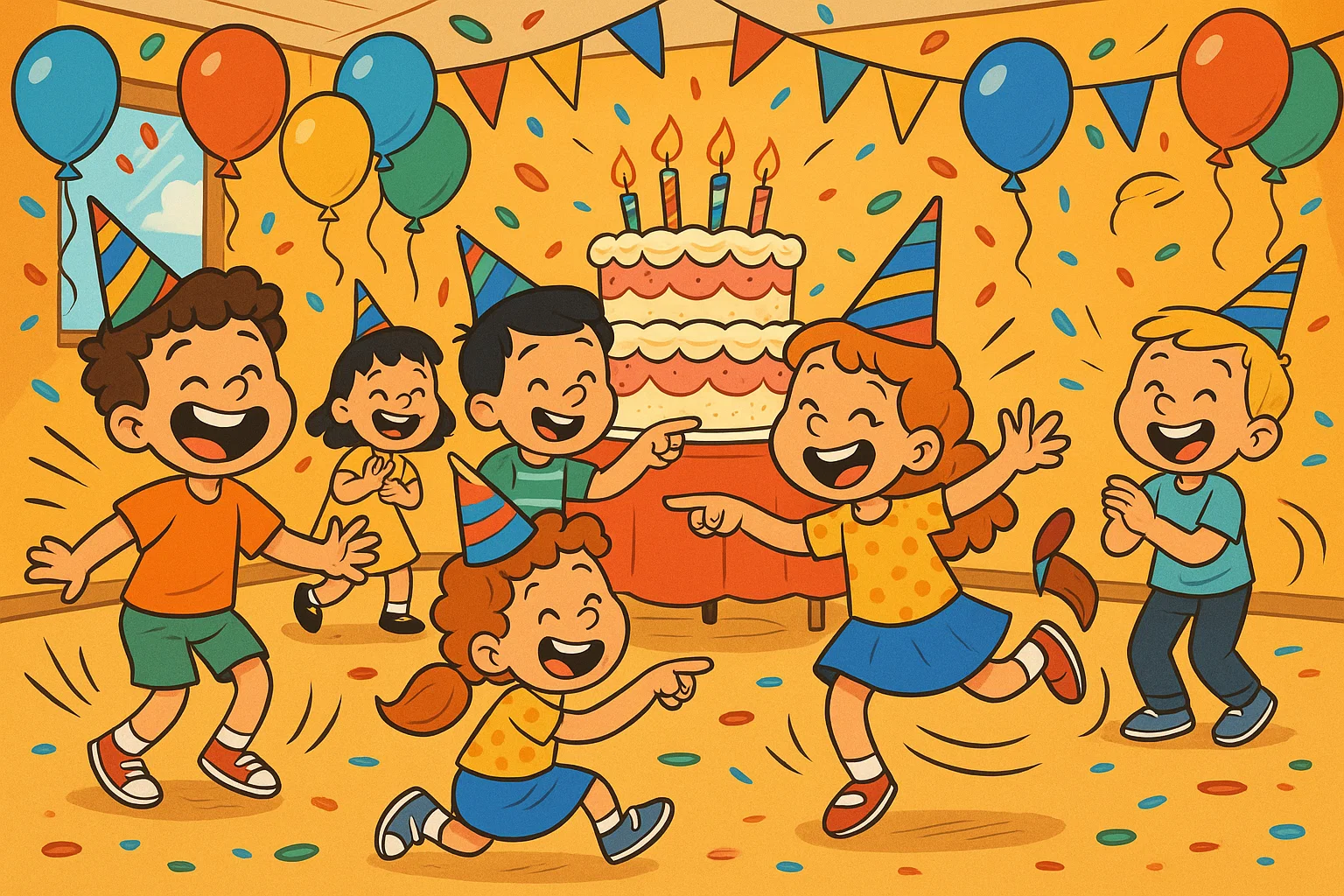
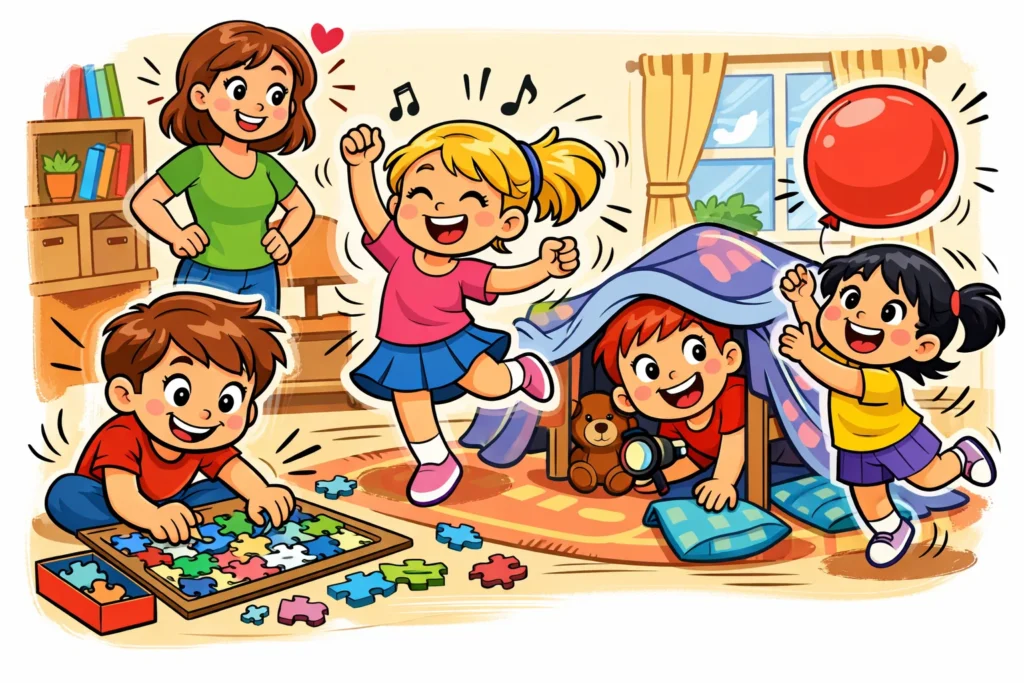
Planning a kids’ birthday party with rain in the forecast, a winter date, or limited apartment space can feel overwhelming. However, an indoor birthday party gives parents a more controlled setting, removes weather worries, and makes planning easier. With structured indoor activities, parents can keep guests entertained and engaged throughout the celebration. This guide includes easy games, creative ideas, food activities, calm options, and indoor venue inspiration to help make your child’s big day unforgettable.
Key Takeaways
- The best indoor kids’ birthday parties mix active games, creative stations, food activities, and calm breaks.
- Small spaces still work with low-mess games like Simon Says, Freeze Dance, photo booths, scavenger hunts, and board games.
- Age matters: preschoolers need simple movement games, while older kids enjoy escape-room-style puzzles, challenges, and team competitions.
- A rainy-day backup plan should include safe play zones, snack breaks, prizes, and one quiet corner.
- Parents should prepare supplies, music, timers, allergy notes, and a cleanup plan before guests arrive.
The Best Activity Mix
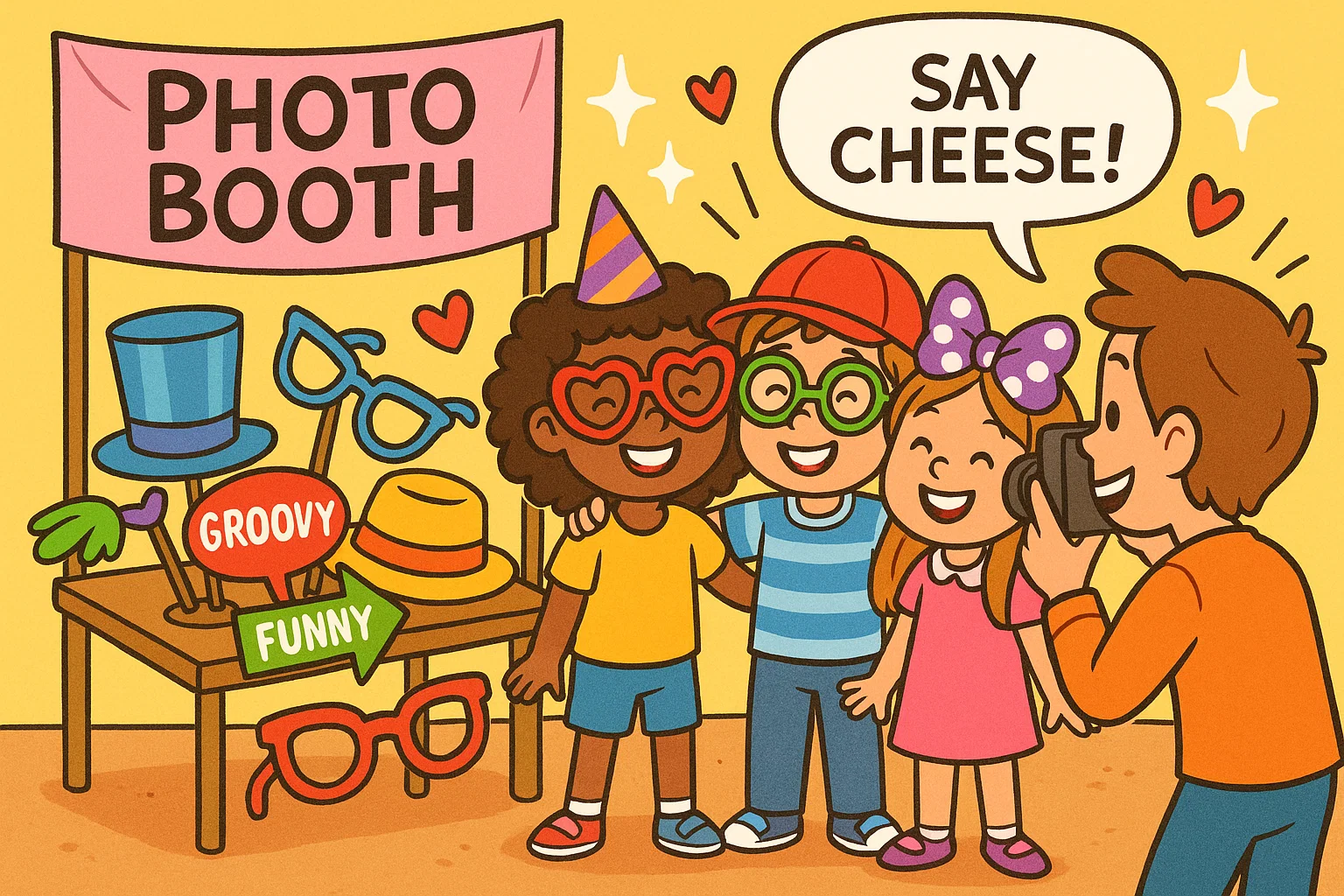
A successful indoor kids’ birthday party relies on a balanced schedule that alternates between high-energy games and low-key, quiet tasks. Many children can become overstimulated when a party includes nonstop movement without planned breaks. Adding a creative task or food station after a high-energy game helps bring the room back down.
Quick Room Setup
Proper room preparation minimizes behavioral issues and protects household items during an indoor party at home. Parents should push furniture to the perimeter of the party room, establish dedicated game zones with colored painter’s tape, and roll up delicate rugs. Store fragile items in a closed room, and use heavy-duty plastic sheets to protect floors from spills.
Rainy Day Backup
A sudden weather change calls for a quick indoor backup plan that keeps the party moving. When an outdoor birthday party is rained out, parents can map backyard relay paths directly onto a long hallway or living room floor using masking tape. Preparing an indoor backup kit with balloons, painter’s tape, and a saved music playlist helps prevent last-minute stress and keeps kids engaged.
How to Save a Rained-Out Kids’ Party Indoors
When unexpected weather disrupts outdoor birthday plans, a structured rainy-day plan can still make the party feel successful. Pivoting from a spacious yard to an indoor party requires quick, intentional adjustments to the physical environment.
Quick Weather Backup
A quick weather backup turns outdoor yard games into living-room games and hallway challenges. Parents can replace outdoor soccer drills with a balloon waddle race or set up a craft station at the dining table. Turning the living room into a cozy movie theater with blankets and dim lights is an easy low-energy alternative.
Indoor Safety Check
An indoor safety check manages group flow and minimizes the risk of accidental slips or collisions inside the home. Parents should secure all loose rugs with non-slip backing, cover sharp table corners with foam guards, and assign adults to specific rooms for supervision. A clear movement path also helps prevent kids from clustering near higher-risk areas like stairways.
Bad Indoor Ideas to Avoid
| Activity Type | Potential Risk | Safe Indoor Alternative |
| Unsupervised food fights | Big messes, sticky surfaces, and possible stains | Structured sweet treat decorating |
| Rough running games | Collisions and slips on hard flooring | Controlled movement games like Freeze Dance |
| Open liquid paints | Stained walls and carpets | Washable watercolor palettes or craft markers |
| Small loose beads | Choking hazard for younger kids | Oversized foam blocks or pre-cut felt crafts |
Proper Planning for an Indoor Birthday Party
Planning an indoor party means thinking through the space, the children’s ages, and the party schedule. Preparing before guests arrive helps prevent chaotic transitions and keeps age-appropriate games running smoothly.
Guest Count and Space Map
The guest count and space map should match the number of party guests to the rooms available. As a rough rule, active games need more open floor space, while seated craft activities can work in smaller rooms. If the guest count is too large for a standard living room, parents should prioritize seated, low-mess games.
Helpers and Time Buffers
Helpers and time buffers make it easier to manage music, timers, food, and transitions during the kids’ birthday party. Assign one adult to handle music and timers so the main host can focus on guiding the children. Adding five-minute time buffers between activities prevents the group from growing restless during transitions.
Snack Break Schedule
A structured snack break schedule provides a predictable rhythm that helps prevent overstimulation and hunger-related meltdowns. Serving food and drinks around the midpoint of a two-hour party gives children a natural chance to sit down and rest. This planned break helps the group settle down before the final block of games begins.
Retreat Corner
A dedicated retreat corner gives younger kids a sensory-friendly space if they feel overwhelmed by loud noises or large crowds. Place this area away from the main party room and stock it with soft cushions, picture books, and coloring sheets. A quiet zone gives overwhelmed children a place to calm down before rejoining the party.
Why Indoor Kids’ Birthday Games Matter

Indoor birthday party activities can offer benefits beyond simple entertainment. Structured indoor activities provide safety, encourage social bonding, and help children practice specific behavioral skills within a controlled setting.
Energy Burn Without Outdoor Space
Active games designed for indoors allow kids to expend physical energy safely without access to a large backyard. Movement games like Hot Lava Monster build gross motor skills while keeping children within clear, padded boundaries. Giving kids a safe way to move makes them less likely to jump on furniture or create their own risky games.
Social Play and Teamwork
Structured group activities teach children how to cooperate, negotiate rules, and navigate team dynamics under adult supervision. Cooperative challenges, such as a team tower-building challenge, encourage kids to communicate clearly and share materials. These interactions can support social-emotional development by helping younger children practice patience and empathy.
Calm Moments Between Activities
Adding low-key creative games helps keep the party balanced. Alternating a high-energy balloon game with a focused gallery walk helps children settle down between activities. This deliberate pacing keeps the atmosphere pleasant and prevents the party from becoming too loud or chaotic.
1. Kids’ Painting Party
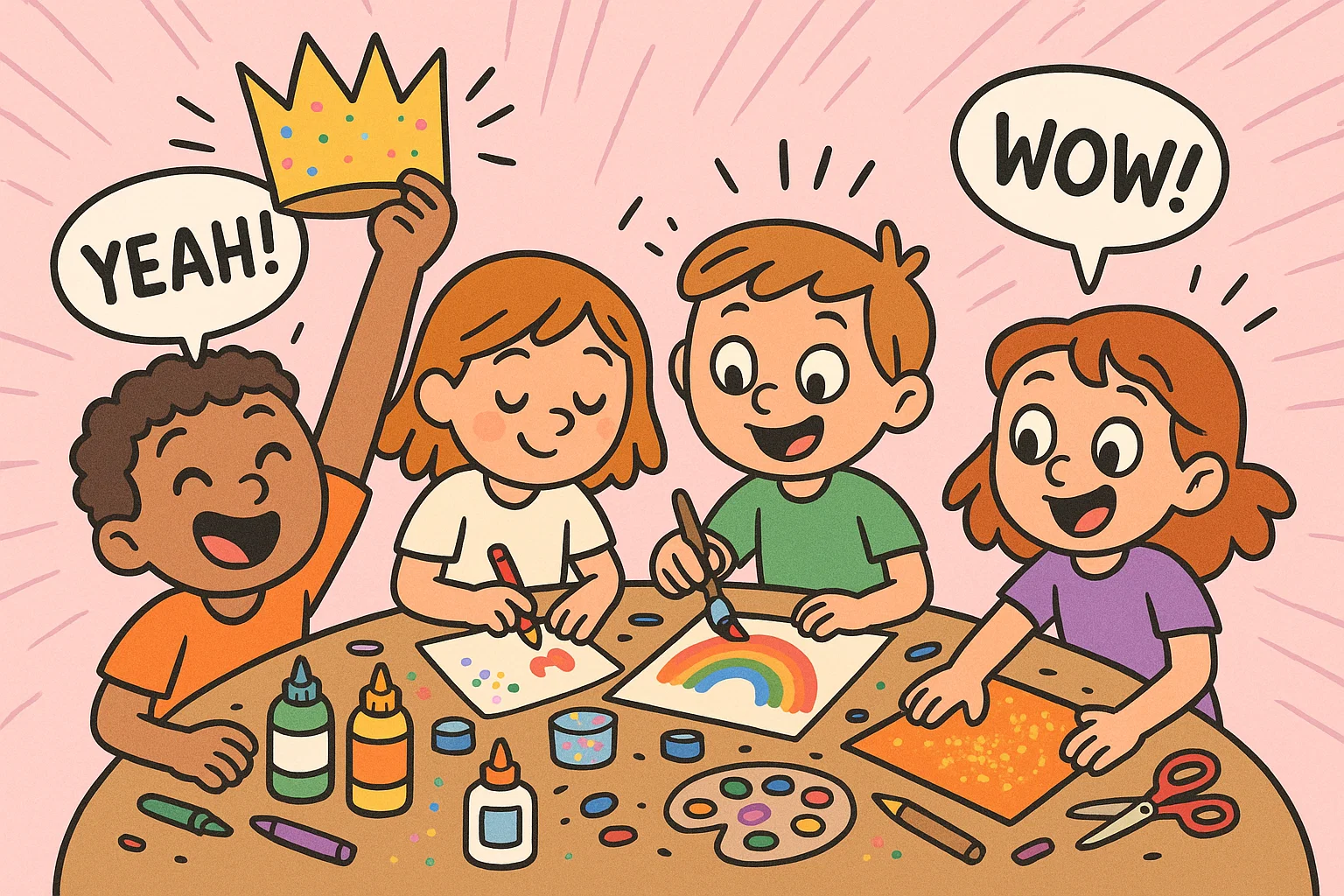
A kids’ painting party is a creative, low-pressure indoor activity that works for a wide range of ages. This structured art block allows kids to express themselves visually while remaining seated at a protected station.
Setup and Supplies
Set up the painting station on a stable dining table covered with heavy plastic or butcher paper. Provide washable tempera paints, thick cardstock or small canvases, brushes in different sizes, spill-proof water cups, and individual smocks. Arrange a designated drying area, such as a laundry rack or folding table, to prevent wet artwork from smudging nearby surfaces.
Painting Ideas by Age
| Age Group | Painting Ideas |
| Preschoolers, ages 3-5 | Finger painting and sponge stamping |
| Elementary-age kids, ages 6-8 | Guided canvas art with simple landscape outlines |
| Older kids, ages 9-12 | Themed painting challenges with timed prompts |
Take-Home Art Favor
The completed canvases serve as an excellent, personalized alternative to traditional plastic party favors. Parents can display the wet artwork along a hallway for a mid-party gallery walk before packing each piece into a clean bag. This take-home item gives guests a lasting memory of the party and reduces the need for plastic favors.
2. Craft Station
A craft station is a flexible indoor party activity that works well during guest arrivals or transitions. This station gives kids open-ended creative choices while supporting fine motor skills and problem-solving.
Recycled Box Craft Projects
Recycled box craft projects turn clean cardboard boxes into imaginative structures like castles, spaceships, or puppet theaters. Kids can work collaboratively or individually to decorate their cardboard structure using markers, stickers, and colored tape. This activity encourages spatial reasoning and early engineering thinking through collaborative play.
Birthday Theme Crafts
Theme-specific crafts let guests make accessories that match the party theme. Children can construct custom superhero cuffs from cardboard tubes, string friendship bracelets, or decorate royal crowns with faux jewels. These finished crafts can also become wearable props for later party games.
Mess Control Tips
- Use pre-cut felt and paper shapes to eliminate the need for sharp scissors.
- Provide washable glue sticks instead of runny liquid school glue bottles.
- Place individual plastic trays at each seat to catch glitter and paper scraps.
- Keep a package of heavy-duty wet wipes directly on the table for immediate hand cleaning.
3. Painting to Music
Painting to music blends auditory processing with visual expression, offering a highly engaging sensory experience for children’s parties. This activity encourages kids to respond to sounds and rhythms through color, lines, and shapes.
Music Prompt Rounds
In music prompt rounds, change the background music every three to five minutes to inspire different artistic styles. Parents can switch from a fast pop song to a slow classical piece or a silly cartoon sound effect. The changing rhythms encourage children to adjust their brushstrokes, colors, and designs.
Gallery Walk
A structured gallery walk allows kids to stand up, walk around the room, and observe the diverse artwork created by their peers. This exercise builds positive social-emotional skills as children share their favorite details and compliment each other’s work. Sharing artwork can help children feel proud of their work and connect with their peers.
Quiet Reset Value
This musical art activity works as a useful sensory reset after high-energy indoor party games like Musical Chairs. The focus required to listen and paint can help lower the room’s noise level and reduce restless movement. It helps children settle down before calmer parts of the party, such as snack time.
4. Build Tower Challenge
The Build Tower Challenge promotes teamwork, problem-solving, and simple engineering thinking in a playful competition. Kids must collaborate under time constraints to design a stable tower using basic building components.
Large Building Blocks
Oversized foam blocks, cardboard brick sets, or large plastic cups help keep the activity safe for younger kids. These lightweight materials minimize the risk of injury or loud noises when a tall tower inevitably collapses. For older children, transitioning to smaller LEGO-style pieces or wooden blocks increases the overall structural difficulty.
Team Building Rules
Divide the kids into small teams and give each team the same building rules. Each team receives an identical kit of building pieces and a strict ten-minute countdown timer to complete its structure. To win, a tower must remain standing independently for thirty seconds without any physical support from team members.
Photo Finish
Before dismantling the creations for cleanup, parents should gather the teams next to their structures for a commemorative photo. Taking photos of the final towers celebrates the kids’ teamwork, whether or not their tower wins. This structured conclusion provides a sense of closure before moving to the next indoor birthday party activity.
5. Musical Chairs
Musical Chairs is a classic because it challenges listening skills, spatial awareness, and quick reactions. When hosted indoors, specific adjustments ensure this high-energy game remains safe and inclusive for kids of all ages.
Safe Chair Layout
An indoor chair layout requires placing sturdy, non-slip chairs back-to-back in a central line with plenty of clearance from walls. Parents should remove any nearby objects with sharp edges and ensure the walking path is completely free of tripping hazards. For preschoolers, substituting hard chairs with soft floor cushions helps prevent accidental bumps or bruised knees during sudden stops.
No-Elimination Version
A non-elimination version keeps all guests involved instead of making children sit unhappily on the sidelines. Instead of removing a chair each round, parents can ask children to share a larger cushion, stand together on a marked spot, or complete a silly challenge to stay in the game. Alternatively, the child left without a seat can complete a quick, silly task, such as hopping like a frog, and then rejoin the game.
Playlist Ideas
Use an upbeat playlist with familiar children’s movie songs and fast-tempo pop tracks. Keeping the music rounds short, between 10 and 20 seconds, maintains suspense and keeps kids focused on the sound. Clean, sudden pauses help prevent arguments about whether the music stopped.
6. Freeze Dance
Freeze Dance is an adaptable movement game that requires no setup and works well in small indoor spaces. It is a great way for kids to burn off energy on a rainy day.
Music and Listening Rules
The basic rule is simple: kids dance while the music plays and freeze like statues when it stops. Parents control the master volume button, using unpredictable intervals to keep children’s attention sharp. The main rule is that anyone who wobbles after the music stops sits out for one quick round.
Funny Pose Challenge
The Funny Pose Challenge adds a creative layer by asking kids to freeze as specific characters announced right before the music stops. Parents can ask kids to freeze like a roaring dinosaur, a robot, a flying superhero, or a sleeping animal. This variation engages imaginative play and prevents older kids from growing bored with the basic rules.
Stop Dance Variation
The Stop Dance variation adds a thinking challenge by reversing the rules or adding extra movement commands. For instance, kids might jump on one foot when the music is loud, crawl when it is quiet, and freeze only when they hear a specific instrument. This variation helps elementary-age children practice listening, focus, and self-control.
7. Simon Says
Simon Says is a classic birthday game that reinforces listening skills, self-control, and body awareness. It requires minimal floor space, making it a great option for an indoor party at home or in a small apartment.
Command Ideas
- “Simon says touch your left elbow to your right knee.”
- “Simon says make the silliest face you can possibly make.”
- “Simon says spin around once on your tiptoes.”
- “Now, clap your hands three times!”
The last command is a trap command because it does not include the phrase “Simon says.”
Difficulty Levels
Parents should adjust the instructions to match the children’s ages and abilities. Preschoolers need slow, direct commands focusing on basic body parts, such as touching noses or patting tummies. Older children enjoy rapid-fire instructions, double negatives, and complex coordination movements that test their focus.
Warm-Up Role
Using Simon Says as an introductory warm-up game helps an adult coordinator gather a scattered group of kids before a main activity. The structure of the game naturally brings children’s attention back to the party leader. It helps the adult leader guide the group playfully, making later transitions smoother.
8. What’s the Time, Mr. Wolf?
What’s the Time, Mr. Wolf? is a traditional movement game that can be adapted for playrooms, hallways, or living rooms. It helps younger children practice counting skills while managing suspense and physical self-control.
Indoor Movement Rules
To make this high-energy game safe indoors, replace running with controlled walking styles. Kids can take specific types of steps, such as small baby steps, giant heel-to-toe steps, or slow sloth steps. These movement rules slow the game down and help prevent collisions with walls or furniture.
Space-Saving Version
A space-saving layout uses a long hallway or a clear start line on one side of a carpeted room. The designated “Wolf” stands at the opposite wall with their back to the approaching children. This straight-line setup keeps movement predictable and prevents kids from scattering across the room.
Age Fit
This game is ideal for kids ages 3 to 6 who are practicing counting and simple multi-step rules. Adult supervision is required to ensure the child acting as the Wolf does not become overly aggressive during the tag phase. Having an adult play the Wolf can keep the suspense fun, safe, and non-threatening.
9. Hot Lava Monster
Hot Lava Monster transforms ordinary household items into an imaginary volcanic landscape where the floor is forbidden territory. This classic game encourages problem-solving, balance, and cooperative movement.
Cushion Path Setup
Parents can construct a safe stepping path across the room using non-slip floor cushions, yoga mats, foam tiles, and low stools. Each element should be close enough for children to step across easily without dangerous jumping. Secure the base of each path piece so it does not slide under a child’s feet.
Monster Role Rotation
An adult or a designated older child can play the role of the Lava Monster, gently patrolling the open floor spaces between the islands. If a child accidentally touches the floor, they become a “helper monster” who watches for other players touching the lava. This cooperative rotation helps prevent early elimination and keeps every child involved in the game.
Safety Boundaries
Explain the safety rules clearly before the lava game begins. Jumping off elevated furniture like couches, dining tables, or armchairs must be explicitly forbidden to prevent serious falls. Keep the game on the floor using only low cushions, foam tiles, and mats.
10. Hula Hoop Competition
A Hula Hoop Competition provides a high-energy physical outlet suitable for larger indoor rooms, finished basements, or rented party venues. It challenges coordination, balance, and rhythm.
Solo Challenge
The Solo Challenge tests individual endurance by tracking which child can keep their hula hoop spinning around their waist the longest. Parents can introduce secondary challenges for older kids, such as spinning the hoop on one arm or attempting to walk backward while hooping. Use a countdown timer and track personal records to keep the game fun and engaging.
Team Relay
The Team Relay format requires lines of children to pass a single hula hoop down the entire line without breaking handholds. Kids must wiggle their bodies through the moving hoop and pass it to their neighbor using only physical coordination. This activity builds teamwork because children have to move together to reach a shared goal.
Small Room Version
When indoor floor space is limited, the hoops can be repurposed into a stationary target toss game. Parents can prop the hoops upright against walls or place them flat on the floor to act as targets for beanbags. Kids score points by tossing soft items into the hoops from a marked line.
11. Balloon Stomp
Balloon Stomp is a fast-paced birthday game that helps kids burn off energy during an indoor kids’ birthday party. It combines quick footwork with the excitement of popping balloons, making it a favorite for many older children.
Balloon Safety Notes
- Check the guest list beforehand for possible latex allergies, and use foil balloons or other non-latex alternatives if needed.
- Assign an adult to immediately collect and discard popped balloon fragments to eliminate choking hazards for little ones.
- Restrict this game to children ages 6 and older who are comfortable with sudden, loud popping noises.
- Make sure all children wear closed-toe shoes to protect their feet while stomping.
Team Color Rounds
Dividing the group into teams by balloon color adds strategic depth and structure to the chaos. For example, the Red Team tries to pop the Blue Team’s balloons while protecting the balloons tied to its own players’ ankles. This team format channels the energy into cooperation and helps prevent individual children from being targeted.
Prize Ideas
To maintain a friendly atmosphere, avoid high-stakes individual prizes that might cause arguments among competitive children. Reward the winning team with small tokens like sticker sheets, custom medals, or non-candy favors like bouncy balls. Giving every player a small participation prize at the end helps keep the mood positive.
12. Pass the Balloon
Pass the Balloon is a gentle, low-impact alternative to traditional elimination games, making it perfectly suited for younger kids or smaller rooms. It emphasizes rhythmic movement, gentle motor skills, and group cooperation.
Circle Game Rules
Guests sit cross-legged in a large circle and pass one inflated balloon around the group. The balloon must remain in constant motion, moving around the circle without skipping any children. The goal is to keep a smooth, steady rhythm without letting the balloon touch the floor.
Music Timer
An adult helper plays music and stops it at random intervals to trigger a special challenge. The child holding the balloon when the music stops performs a short, entertaining task for the group. These tasks might include telling a favorite joke, making an animal sound, or answering a simple birthday trivia question.
Gentle Play Version
To increase the motor skill difficulty for older children, parents can introduce rules about how the balloon is passed. For an extra challenge, ask kids to pass the balloon without using their hands, relying instead on elbows, knees, or large spoons. This modification slows down the game’s pace while encouraging focus and precise physical control.
13. Balloon Games
Grouping multiple balloon games into a continuous tournament format keeps kids engaged while using affordable, low-mess party supplies. Balloons work well indoors because they fall slowly and are less likely to damage furniture.
Balloon Waddle Race
The Balloon Waddle Race requires children to line up at a starting line and place a fully inflated balloon securely between their knees. On the start signal, players must waddle carefully toward a finish line without dropping or popping the balloon. If a balloon slips out, the player must return to the start line, reinforcing patience over speed.
Keep Balloon Up
Keep Balloon Up is a collaborative team challenge where the entire group works together to prevent multiple floating balloons from touching the floor. Parents can add another balloon every ten seconds to make the game harder. This game requires quick communication and collaborative tracking to ensure no balloon hits the carpet.
Balloon Pop Quiz
The Balloon Pop Quiz involves inserting small paper prompts or riddles inside a dozen colorful balloons before inflating them. During the party, kids take turns selecting a balloon, popping it safely, and answering the hidden question inside. The prompts can include funny dares, riddles, or lighthearted questions about the birthday child.
14. Indoor Obstacle Course
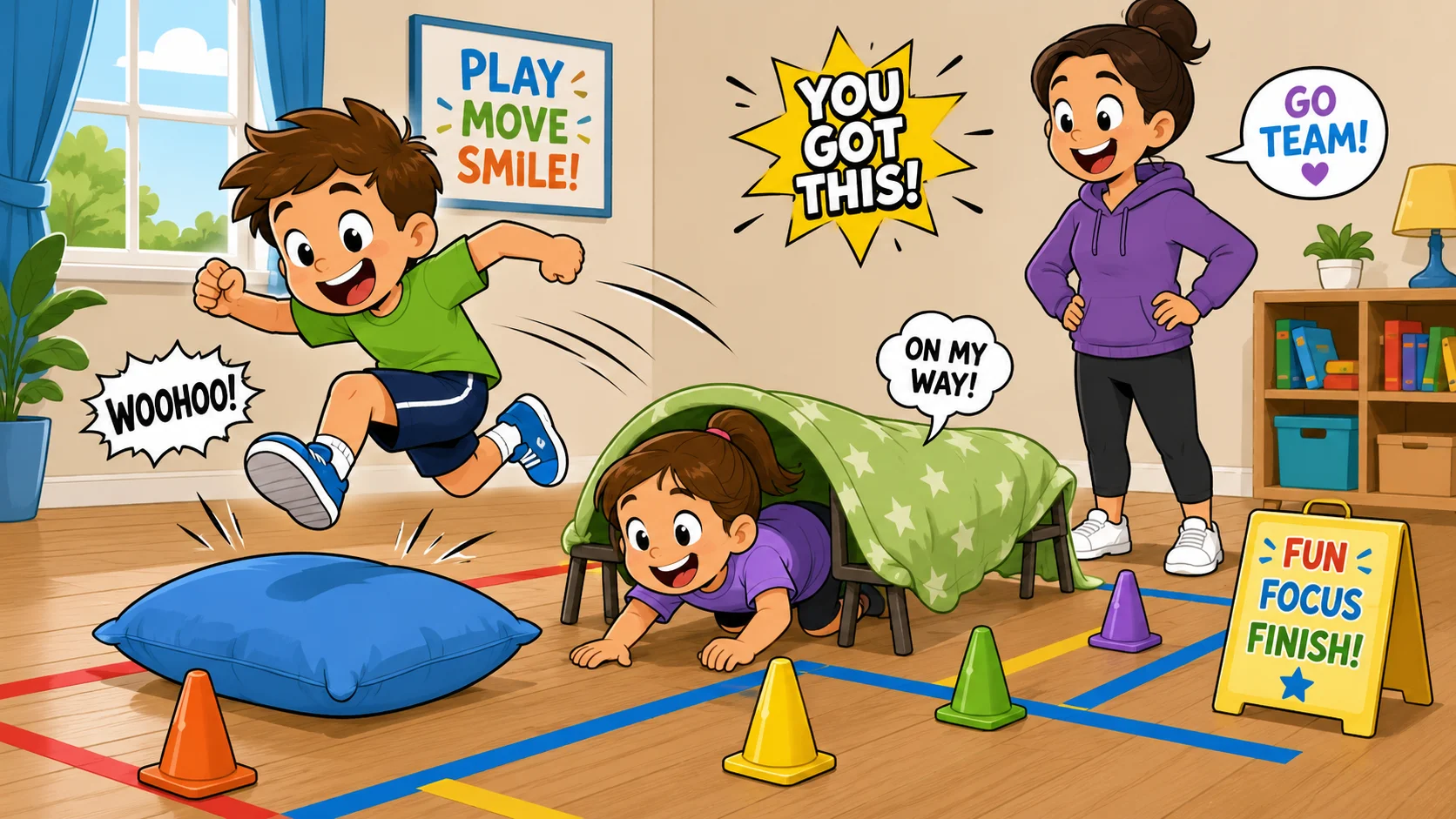
An indoor obstacle course is a customizable movement activity that turns a home into a structured physical challenge. It allows parents to guide physical energy into a safe, linear path.
Balancing Course
Start with a balance section that challenges spatial awareness and balance. Parents can stretch a colorful line of painter’s tape across the floor, requiring kids to walk heel-to-toe along the path. Adding flat yoga blocks or firm couch cushions creates low-elevation steps that require careful, deliberate movement.
Cushion Tunnel
The middle segment of the course uses furniture elements to create a low-profile crawling zone. Kids crawl under a row of dining chairs or through a temporary tunnel made from blankets draped over tables. This layout uses different movements and slows the kids down for safety.
Timer Challenge
Using a digital stopwatch to track individual times turns the obstacle course into a personal-best challenge rather than a direct peer competition.
A simple indoor course can include:
- Start line
- Balance line
- Cushion tunnel
- Cone slalom
- Finish line
Kids can run the course multiple times, focusing on improving their personal speed or working as a team to beat a collective target. This structure keeps the competitive drive healthy and self-contained.
15. Sack Race Indoors
A traditional outdoor sack race can work indoors if you adjust the equipment and scale. It gives kids a fun movement challenge while keeping them in a specific lane.
Soft Floor Setup
To ensure safety during indoor hopping, this activity should be conducted exclusively on thick carpets, large area rugs, or interlocking foam mats. Avoid hardwood or tiled floors because they can be slippery if a child loses their footing. A padded landing zone protects children’s joints as they jump toward the finish line.
Relay Format
Instead of hosting a crowded race across a wide room, arrange the children into a structured, low-occupancy relay format. Two lines of kids compete sequentially, with only one active hopper per team moving down a short, designated lane at a time. This format reduces collisions and lets other kids cheer safely from the sidelines.
Safer Alternatives
For spaces too small for full hopping movements, parents can substitute burlap sacks with smooth pillowcases for a controlled pillowcase shuffle. Another excellent low-impact option is the penguin walk, where kids place a soft beanbag on their feet and shuffle forward without dropping it. These adjustments preserve the competitive fun while matching the physical constraints of a smaller indoor room.
16. Candy Olympics
The Candy Olympics features a series of small-scale tabletop games that focus on fine motor skills, sorting ability, and dexterity. This activity shifts the party from whole-body movement to focused hand-eye coordination.
Candy Sorting Race
The Candy Sorting Race gives each child a bowl of colorful candies and several smaller empty cups for sorting. On the start signal, kids use plastic tweezers to sort the candies by color or shape. This task exercises fine motor skills and spatial categorization under a friendly two-minute time constraint.
Chopstick Challenge
The Chopstick Challenge increases the difficulty by asking older kids to transfer small candies between bowls with chopsticks or spoons. Players cannot use their free hand to steady the candy, demanding focus and steady physical control. For younger kids, substituting chopsticks with large kitchen tongs ensures the activity remains accessible and frustration-free.
Sugar Control Tips
- Use wrapped candies or small fruit pieces to ensure high hygiene standards during handling.
- Set a clear rule that no candy can be eaten until the competition is over.
- Label individual sorting bowls with names to keep candies separated for taking home.
- Provide non-candy prize alternatives, such as puzzles or stickers, to prevent a post-party sugar crash.
17. Sweet Treat Factory
Sweet Treat Factory turns a kitchen table into an interactive decorating station that blends food and fun. This activity allows guests to customize their own party treats while learning basic kitchen assembly.
Decorating Stations
Parents can set up individual stations with plain cupcakes, sugar cookies, or baked donut rings ready for toppings. Provide small, manageable bowls filled with colorful frostings, sprinkles, chocolate chips, and fresh fruit slices like strawberries or bananas. Give each child a small spatula so everyone can work at their own pace without fighting over shared tools.
Allergy-Friendly Options
To ensure the safety of all party guests, parents should review dietary restrictions and provide clear, allergy-friendly alternatives. Establish dedicated, separate zones for nut-free, dairy-free, or gluten-free ingredients to prevent cross-contamination. Use natural food coloring, fruit-based toppings, and lower-sugar frosting options when appropriate.
Take-Home Treat Boxes
Provide small, personalized cardboard bakery boxes with clear windows so kids can safely pack away their custom-decorated desserts. Decorating the outside of these treat boxes with markers and stickers works well as a warm-up craft earlier in the party. These custom sweets double as delicious party favors that kids can proudly show their parents.
18. Baking Party
A structured baking party is an excellent indoor birthday option for older children who enjoy hands-on food preparation and culinary experimentation. This activity teaches practical life skills, measurement accuracy, and kitchen safety.
Cupcake Decorating
For elementary-age kids, focus the kitchen activity on decorating pre-baked cupcakes. Avoid having young children handle raw eggs or hot ovens; instead, focus on frosting application and topping design. Providing pre-filled piping bags with various star tips allows kids to experiment with pastry techniques cleanly.
Cookie Assembly Line
An assembly line layout allows kids to participate sequentially in creating custom cookie shapes from pre-chilled sugar dough. Children roll out the dough on floured silicone mats, stamp out shapes using cookie cutters, and arrange them on baking sheets. This structured progression keeps the workspace clean and teaches kids the importance of kitchen organization.
Parent Prep Notes
- Pre-bake the cakes or cookies before guests arrive.
- Measure all dry ingredients into individual, labeled cups before the party starts.
- Set an explicit kitchen boundary line that no child may cross while the oven is on.
- Keep a step stool handy so shorter children can safely reach counter height without straining.
19. Pizza Party Plus
Pizza Party Plus combines an interactive cooking activity with the main lunch, saving time and keeping kids engaged. Personal pizzas work for many food preferences and can be adapted for picky eaters.
Mini Pizza Bar
The Mini Pizza Bar features individual, pre-baked personal pizza crusts or English muffins set out on parchment paper sheets. Kids can customize their pizzas by spooning on mild marinara sauce and adding shredded mozzarella from individual bowls. Offer a wide variety of toppings, including pepperoni slices, diced ham, pineapple chunks, sweet corn, and sliced black olives.
Blind Taste Vote
To add entertainment to the meal, parents can host a lighthearted, blindfolded taste test with a few voluntary participants. Blindfolded volunteers try small bites of pizza topping combinations and guess the ingredients by flavor and texture. This sensory game can encourage kids to try new flavors and adds a fun, game-show dynamic to lunch.
Snack Break Timing
Position the pizza-making block between the high-energy active games of the first hour and the calmer afternoon activities. This timing allows the pizzas to bake in the oven while the children sit down, wash their hands, and rest. Serving the hot pizzas immediately after baking provides a natural transition to a relaxed dining environment.
20. Milkshake Station
A custom milkshake station serves as a memorable dessert highlight that adds a classic parlor feel to an indoor birthday celebration. This beverage bar gives kids a fun, visual way to customize a dessert drink.
Flavor Mix Board
A clear chalkboard menu presents the available base ice cream options, such as classic vanilla, deep chocolate, or dairy-free oat milk variants. Kids choose a base flavor, and an adult helper adds it to an individual blender cup. Providing a variety of liquid bases like whole milk, oat milk, or soy milk allows for easy recipe customization.
Topping Control
To prevent messy overflows and excessive sugar consumption, use a structured topping control system with pre-portioned containers. Kids receive small, individual cups to collect fixed amounts of crushed cookies, sprinkles, or mini marshmallows from the buffet line. An adult should run the blender station to keep the activity safe and tidy.
Photo Moment
Designate a specific corner of the milkshake table as a photo zone, complete with a colorful tinsel backdrop and quirky photo props. Kids can top their completed shakes with striped paper straws, maraschino cherries, and colorful cocktail umbrellas before posing for pictures. With parent permission, these snapshots can become memorable digital keepsakes from the birthday celebration.
21. Pancake Party
A pancake party is a cozy indoor birthday theme perfectly suited for early morning celebrations, brunch timelines, or sleepover-style gatherings. It offers a relaxed, comforting atmosphere that appeals strongly to younger children.
Pancake Decorating
Provide guests with warm, golden silver-dollar pancakes that serve as a blank canvas for edible food art. Kids can use fresh blueberries, strawberry slices, whipped cream, and chocolate syrup to design funny faces or animal shapes on their plates. Introducing edible candy eyes and mini marshmallow teeth encourages imaginative food play before eating.
Breakfast Birthday Angle
A morning birthday party can work well because many children are well-rested earlier in the day. Guests can arrive in their favorite pajamas, creating a relaxed and comfortable party atmosphere. This cozy setting works especially well during chilly winter months or rainy weekend mornings.
Low-Mess Serving
To keep syrup spills to an absolute minimum, parents should serve syrups and sauces in small, squeeze-style condiment bottles. Platter arrangements should use deep-rimmed plastic trays instead of flat plates to contain stray berries and whipped cream drips. Pre-cooking the bulk pancake batches beforehand ensures the host spends their time hosting rather than standing over a hot stove.
22. Supervised Food Fight
A supervised food fight is an optional, high-novelty activity that needs clear rules, parent approval, and a contained cleanup area. It should only be attempted if all participating parents understand the plan and approve it beforehand.
Soft Food Safety
The activity should exclude heavy, hard, or staining foods entirely, relying instead on lightweight, water-soluble materials. Good options include aerosol whipped cream, large soft marshmallows, or damp, clean cosmetic foam sponges. These soft materials help reduce the risk of injury, but children should still be told not to aim at faces or eyes.
Cleanup Zone
The designated food fight zone must be restricted to a fully waterproof space, such as a plastic-lined garage or a tiled bathroom floor. Parents should cover all exposed surfaces with heavy-duty drop cloths and secure a clear perimeter away from household electronics. Keep fresh towels, warm washcloths, and changes of clothing immediately accessible outside the zone for quick cleanup.
Parent Consent
Important note: This high-energy activity requires clear approval from every guest’s parent or guardian before the party. The invitation should explain clothing requirements, cleanup procedures, and safety boundaries. A clear set of rules helps participating children stay safe and respectful throughout the brief game block.
23. Board Game Cafe at Home
Turning your living room into a cozy board game cafe is a fun, low-key alternative to a high-energy party. This structured setup encourages critical thinking, turn-taking, and cooperative problem-solving.
Game Rotation
Set up multiple small folding tables across the room, with each table featuring a different fast-paced, easy-to-learn board game. Good options include classic dexterity games, matching card challenges, or cooperative deduction puzzles that can be completed within fifteen minutes. A central timer helps manage the rotation schedule and tells groups when to switch tables.
Team Table Setup
To ensure inclusive play, pair younger children with older siblings, adult helpers, or experienced peers at each gaming station. These helpers explain basic rules clearly, manage turn orders, and assist with complex point calculations during gameplay. This intergenerational setup reduces frustration and ensures that all party guests can participate fully.
Scoreboard
Maintain a large, visual scoreboard on a whiteboard to track team participation and cooperative milestones rather than individual wins. Teams earn fun points for demonstrating exceptional sportsmanship, helping clean up pieces, or completing a game within the time limit. This collaborative tracking system keeps the competitive vibe friendly and prevents hurt feelings among participants.
24. Family Film Night
A Family Film Night theme turns a living room into a relaxed cinema-style space, making it a good way to end a sleepover or afternoon birthday party.
Movie Theater Setup
Create an authentic cinema atmosphere by laying out rows of sleeping bags, plush blankets, and oversized floor pillows facing the main screen. Dim the overhead lights completely and use low-profile LED fairy lights to mark a safe walking path to the restroom. Providing custom-printed admission tickets at the doorway enhances the immersive, theatrical experience for the kids.
Popcorn Bar
The popcorn bar can include a large bowl of freshly popped popcorn and labeled paper buckets for each guest. Kids can customize their snack mix using shaker bottles filled with white cheddar powder, cinnamon sugar, or mini chocolate chips. Pre-portioning toppings helps prevent spills and gives every child an equal share.
Intermission Game
Add a brief ten-minute intermission halfway through the movie so children can stretch, use the restroom, and move around. Parents can host a quick movie trivia challenge based on the first half of the film or lead a fast freeze-dance break. This structured pause breaks up long periods of screen time and keeps the party atmosphere interactive.
25. Movie Theater Party
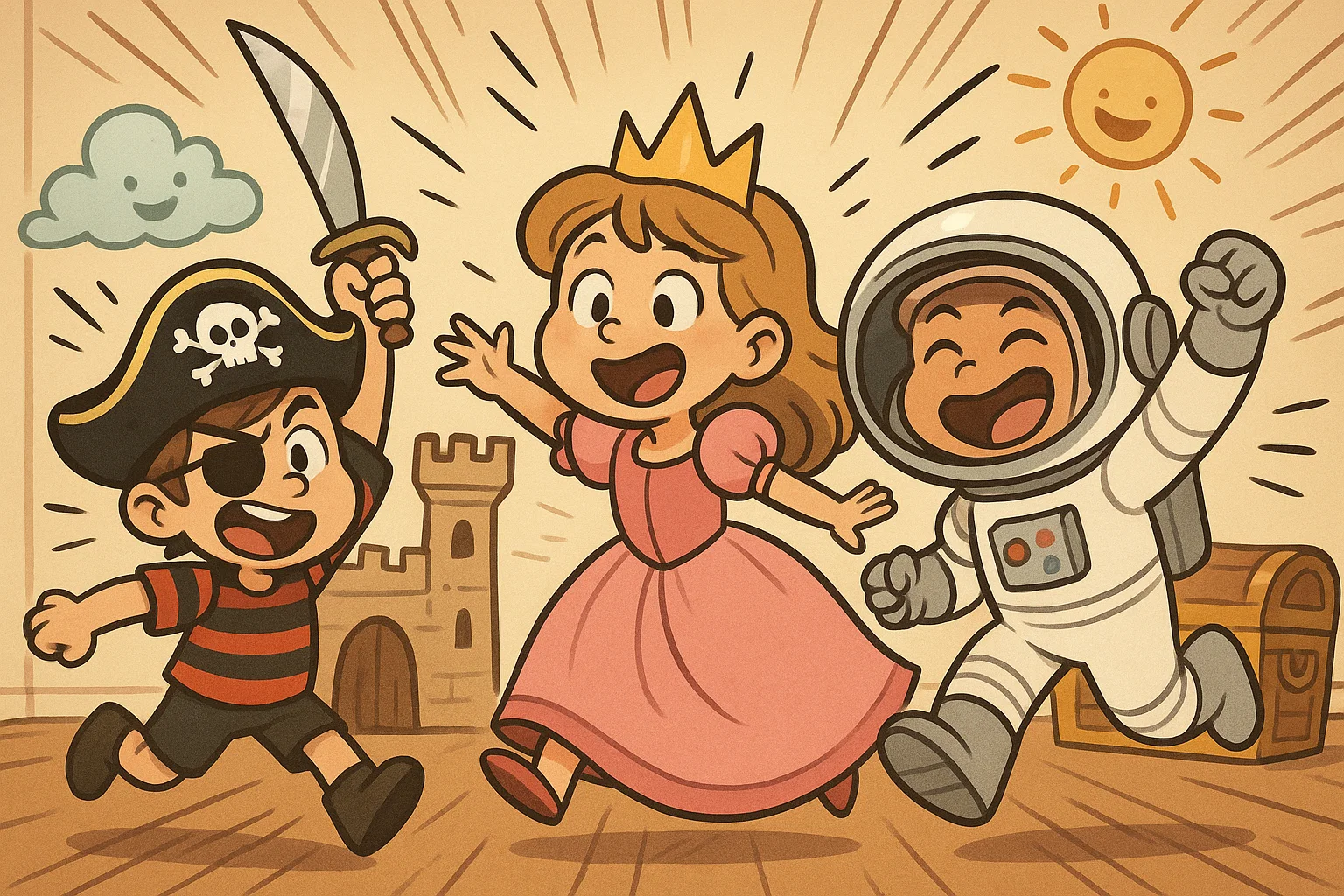
Renting a local movie theater or buying group tickets offers a low-maintenance birthday option with no home cleanup. It provides an impressive, large-scale cinematic experience that appeals strongly to older kids.
Private Screening Option
Many theaters offer private auditorium rentals, and some allow parents to choose the movie and schedule. A private room allows the party guests to chat quietly and celebrate without disturbing other patrons. This option provides a safe, contained environment where adult chaperones can easily supervise the entire group.
Snack Package
Commercial theater venues often provide structured birthday concession packages that bundle small popcorn boxes, fruit drinks, and fruit snacks together. Pre-ordering these individual snack packs eliminates long queues at the public concession counter and streamlines the arrival process. Parents may also be able to arrange with staff to serve a traditional birthday cake in a designated party room immediately after the credits.
Best Age Range
This venue option is best for children ages 7 to 12 who can sit comfortably through a full movie. Younger children may become restless or frightened by the loud surround-sound systems and dark environments typical of commercial theaters. For older groups, it can feel like a mature, exciting milestone celebration.
26. Spa Day
A Spa Day theme delivers a calm, luxurious indoor party experience centered around self-care, relaxation, and sensory comfort. It is highly effective for transitioning a high-energy group of children into a peaceful, mindful state.
Face Mask Station
The Face Mask Station uses gentle, parent-approved skincare products made for children or sensitive skin. Kids can apply cooling cucumber slices over their eyes while relaxing on reclined lounge chairs or yoga mats with plush towels. This sensory activity encourages children to practice stillness and mindfulness in a fun, shared social setting.
Nail Art Corner
Set up a brightly lit table staffed by adult helpers equipped with quick-drying, non-toxic, water-based nail polishes and fun nail stickers. Guests can select their favorite color combinations and simple geometric designs to express their individual styles. Water-based formulas make accidental spills on clothing or furniture easier to clean with plain water.
Calm Playlist
To create a calm atmosphere, play soft nature sounds, acoustic guitar, or gentle lo-fi music. Lower the lights and, only with parent approval, use a mild child-safe scent or skip fragrance altogether. This relaxing atmosphere can help reduce overstimulation and leave guests feeling calm at the end of the party.
27. Afternoon Tea
An Afternoon Tea party introduces imaginative roleplay, elegant dress-up, and playful etiquette lessons to an indoor birthday celebration. This theme encourages polite conversation, imaginative play, and fine motor practice.
Mini Sandwich Prep
Serve a selection of child-friendly, bite-sized finger sandwiches with popular fillings like cream cheese, sliced cucumbers, ham, or jam. Display the treats on tiered porcelain or durable plastic cake stands alongside miniature scones and frosted bite-sized cupcakes. Substitute traditional hot tea with warm chamomile, apple cider, or berry juice served in child-safe teacups.
Dress-Up Moment
Provide a rolling rack stocked with vintage dress-up accessories, including oversized sun hats, lace gloves, feather boas, faux pearl necklaces, and funny mustaches. Kids can put together their own dress-up outfits before sitting down at the tea table. This creative costuming stage sparks imaginative play and provides excellent opportunities for group photos.
Etiquette Game
Turn table manners into a playful game by introducing silly royal etiquette rules. For instance, kids must lift their pinky fingers whenever they sip their tea or address each other using formal titles like “Duke” or “Duchess.” Award silly points for the most dramatic polite gestures, keeping the social learning lighthearted and entertaining.
28. Indoor Photo Booth
An indoor photo booth serves as both a continuous entertainment hub and a way to create high-quality party memories. It gives kids a creative space to show off their personalities.
Prop Basket
Place a large wicker basket next to the photo station filled with oversized sunglasses, quirky hats, handheld signs, and colorful masks. Including thematic props like magic wands, pirate eyepatches, or inflatable guitars allows kids to customize their poses. Rotating the available props midway through the party renews interest and inspires fresh rounds of creative photography.
Birthday Backdrop
Create a photo backdrop against a clear wall using foil curtains, crepe paper streamers, or a DIY balloon arch. Make sure the background color scheme coordinates with the central theme of the kids’ birthday party. Good lighting, such as a simple ring light on a tripod, helps make photos clear and sharp.
Digital Favors
With parent permission, an adult helper can use a smartphone or camera to take individual portraits and group shots. Parents can share these digital images with guests’ families after getting photo-sharing permission, or print them with a portable photo printer as keepsakes. This modern favor reduces plastic waste while providing families with a lasting memento.
29. Indoor Scavenger Hunt
An indoor scavenger hunt turns a home into an interactive puzzle trail that encourages problem-solving and observation. It keeps kids organized and focused on a clear, shared objective.
Clue Trail
Design a sequential series of written riddles or rhyming clues that direct the party guests from one specific household location to the next. For example, a clue hidden inside the refrigerator might point toward the washing machine or a bookshelf. Make sure all hiding spots are safe, easy to access, and far away from private areas or delicate household items.
Picture Hunt
For younger children who are not reading yet, use clear picture cards instead of written clues. Kids receive a checklist containing images of common household items, such as a blue shoe, a green cushion, or a specific toy. Children move around the space to find each item and mark it off with a sticker.
Small Prize Finish
The final clue of the trail leads the group directly to a central treasure location containing a reward box. To prevent competitive conflict, make sure the final box contains an equal distribution of prizes for every participant. Suitable contents include custom stickers, mini coloring books, or bubble bottles that celebrate the collective success of the team.
30. Treasure Hunt
A treasure hunt builds on a scavenger hunt by adding a story-driven adventure. This themed activity builds narrative engagement, teamwork, and problem-solving skills.
Pirate Treasure Map
Introduce the activity by presenting a weathered, hand-drawn treasure map that shows the party venue reimagined as a fantasy island. For example, the living room couch becomes “Cushion Canyon,” and the long hallway transforms into “The Gator River.” This theme sparks imaginative play and makes the search feel more exciting.
Puzzle Clues
To advance along the mapped path, teams must collaborate to solve different cognitive puzzles, including simple secret codes, matching cards, and word scrambles. Adding a combination lock to a prop box creates an exciting discovery moment for older children. These intellectual challenges encourage division of labor, allowing analytical thinkers to shine alongside active movers.
Final Treasure Chest
The adventure concludes with the discovery of a decorated wooden treasure chest hidden securely at the final map coordinate. Inside, kids find chocolate coins, toy jewels, and personalized craft supplies packed into individual pouches. Finishing the quest together gives kids a shared sense of success and a memorable ending to the party.
Frequently Asked Questions
What are the best indoor kids’ birthday party ideas for small spaces?
The best indoor kids’ birthday party ideas for small spaces are activities that keep movement controlled while still feeling fun. Good options include Freeze Dance, Simon Says, seated craft stations, indoor scavenger hunts, balloon games, and a photo booth. These birthday party ideas work well because they do not require a large play area or complicated setup.
What is a good party idea for a mixed-age kids’ birthday party?
A good party idea for a mixed-age group is to combine simple movement games, creative stations, and one calm activity. Younger children can enjoy crafts, soft play, and picture-based scavenger hunts, while big kids can help lead teams, solve clues, or manage a simple escape room challenge. This keeps both kids and adults involved without making the party feel too difficult for younger guests.
What games for kids work best during an indoor birthday party?
The best games for kids indoors are easy to explain, safe to play in a limited space, and flexible for different ages. Freeze Dance, Musical Chairs, Pass the Balloon, Simon Says, indoor obstacle courses, and scavenger hunts are all strong options. These games for children help burn energy while still keeping the party organized.
Take a short quiz to find out what your everyday choices say about your parenting style
When your child is curious about something new, what’s your instinct?
Take a short quiz to find out what your everyday choices say about your parenting style
“Can I download this app?” What happens next?
Take a short quiz to find out what your everyday choices say about your parenting style
When it comes to rules at home, which sounds most like you?
Take a short quiz to find out what your everyday choices say about your parenting style
If you could give your child one life skill today, what would you pick?
Take a short quiz to find out what your everyday choices say about your parenting style
Your child gets to choose what to watch. What would your ideal setup look like?
Take a short quiz to find out what your everyday choices say about your parenting style
Pick your parenting superpower ✨