Preschool (3–5 Years)
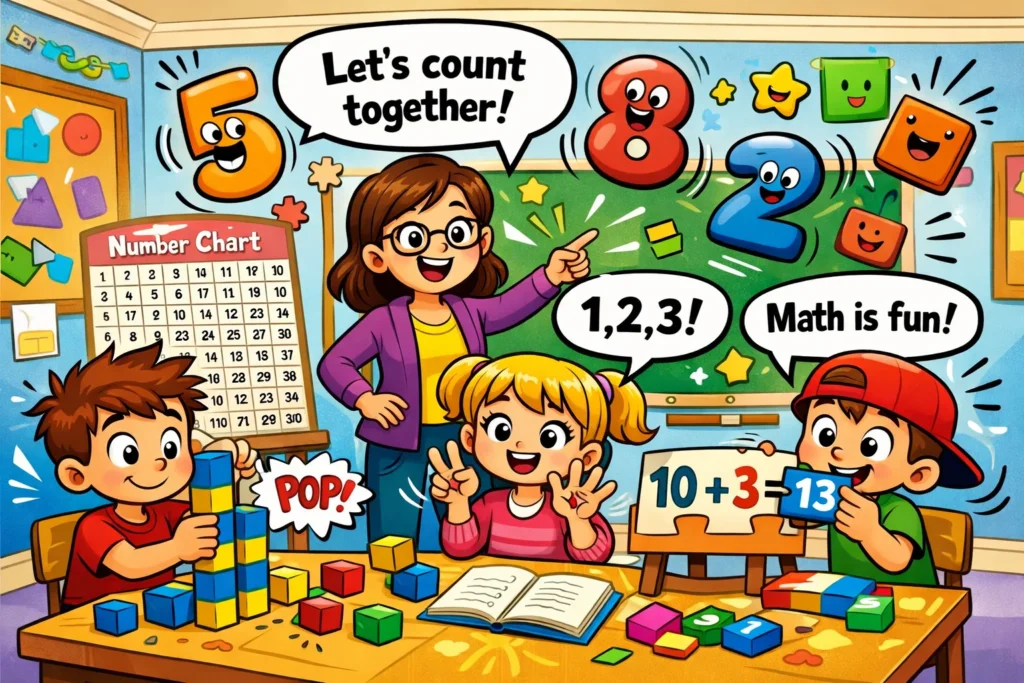
How to Teach Number Sense: Strategies, Activities, and Skills by Age
Number sense refers to a child's flexible, intuitive understanding of numbers — how they work, how they relate to each other, and how they can be used to solve problems.
This guide covers practical strategies, age-appropriate activities, and assessment methods for teaching numeracy at home and in the classroom, for children from preschool...
23.04.2026
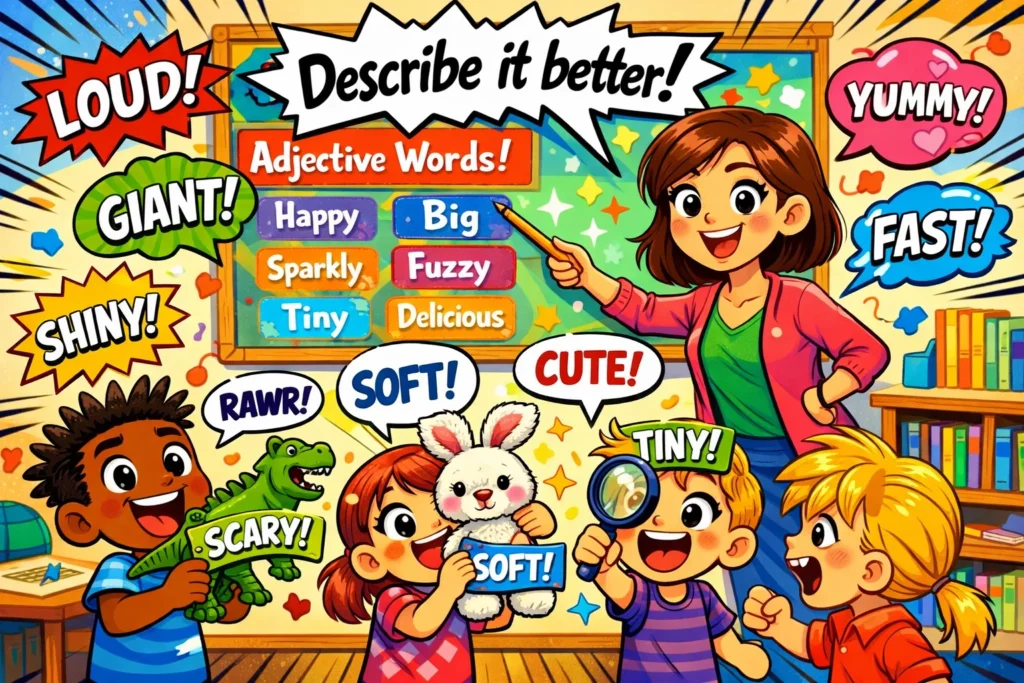
Adjectives for Kids: Types, Examples, Lists and Fun Activities
Learning about describing words opens up a whole new world of language for children. This guide covers everything parents and teachers need to know — from a simple definition and a list of adjectives for kids, to types, examples, age-based learning stages, and fun activities that make practice feel like play. Whether you're building early language...
22.04.2026
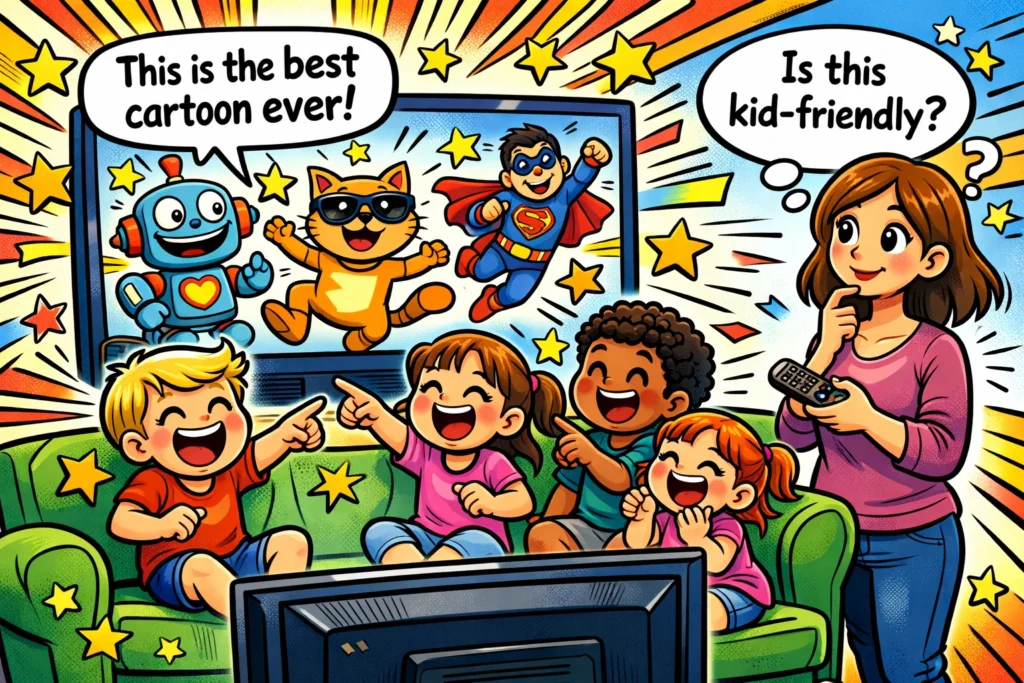
Best Cartoons for Kids: Ultimate Parents Guide
Finding the right cartoons for kids doesn't have to be overwhelming. This guide covers 15 of the best animated shows — from curriculum-backed educational series to timeless classics parents love to share — along with practical advice on screen time, age ratings, and balancing fun with real learning value.
22.04.2026

Preschool Graduation Decoration Ideas: Creative Themes & Easy Setup Tips
Preschool graduation is one of the most heartwarming milestones in a young child's life. After a full year of learning, growing, and exploring, little graduates deserve a celebration that feels truly special — for them and for their families.
22.04.2026
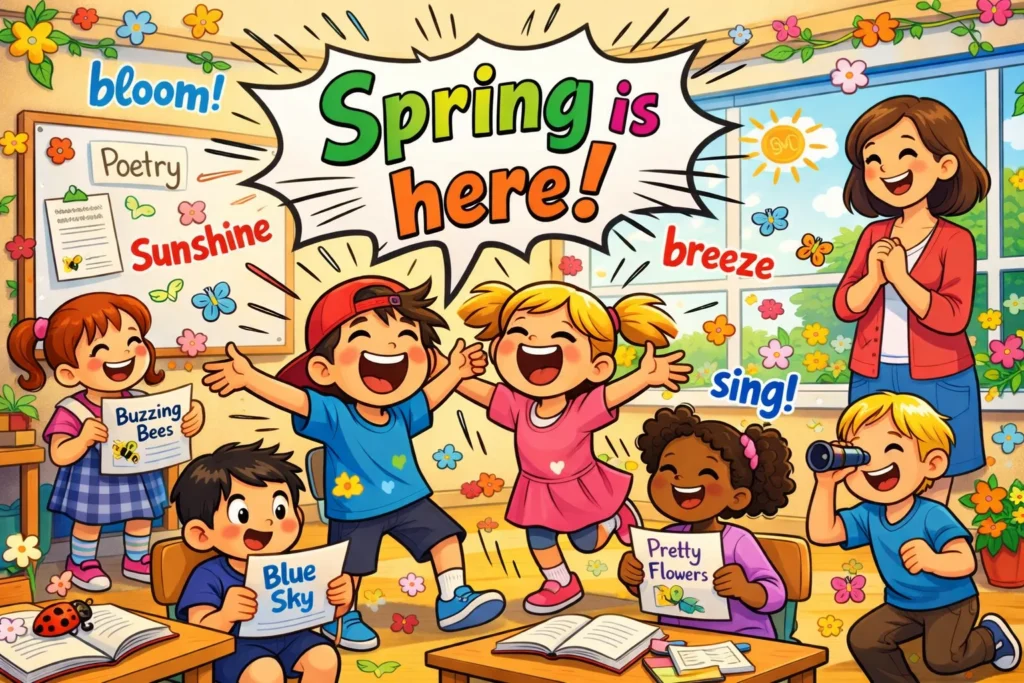
Poems About Spring for Kids – Short, Famous, and Fun to Read
Spring is one of the most joyful seasons to explore through poetry. A poem about spring for kids can capture the wonder of blooming flowers, buzzing bees, warm rain, and singing birds in ways that feel magical and alive. They range from silly and playful rhymes to thoughtful reflections on nature's beauty — and this collection brings together some...
22.04.2026
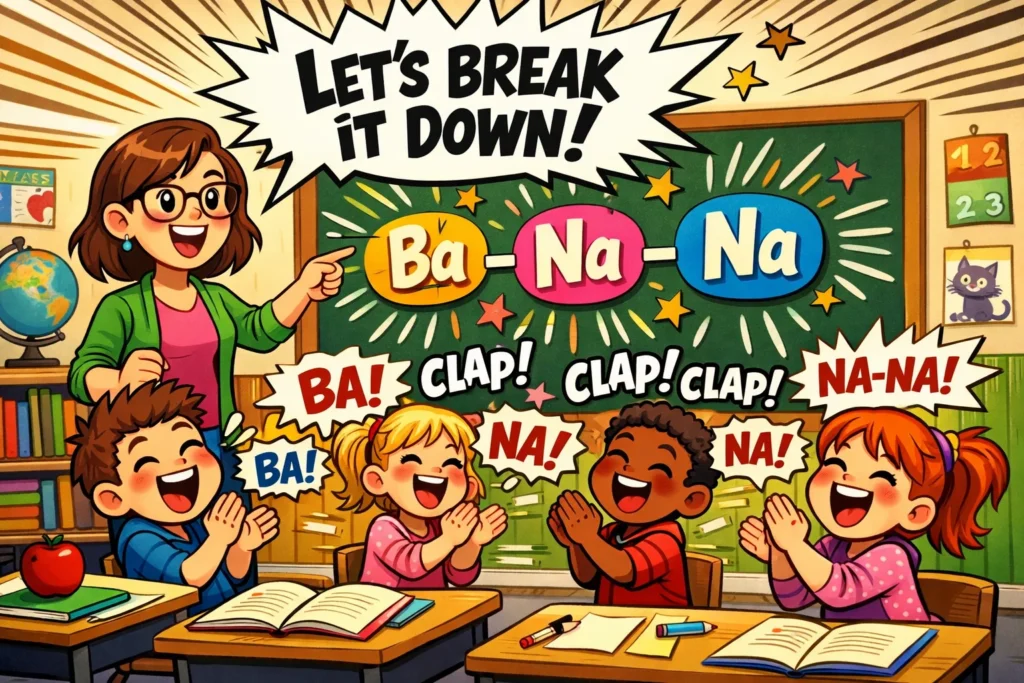
How to Teach Syllables Step by Step for Young Readers
Teaching syllables is one of the most practical skills you can give a young reader. When children learn to break words into their sound parts, they gain a reliable tool for decoding unfamiliar vocabulary, improving spelling, and reading with greater fluency.
22.04.2026