
Poems About Spring for Kids – Short, Famous, and Fun to Read

 Discover a Free Education Video App for Kids
Pastory uses AI to personalize educational video content based on your child’s interests and personality. Safe, engaging, and built for curious young minds. Sign up now to stay updated and enjoy early access with a free trial
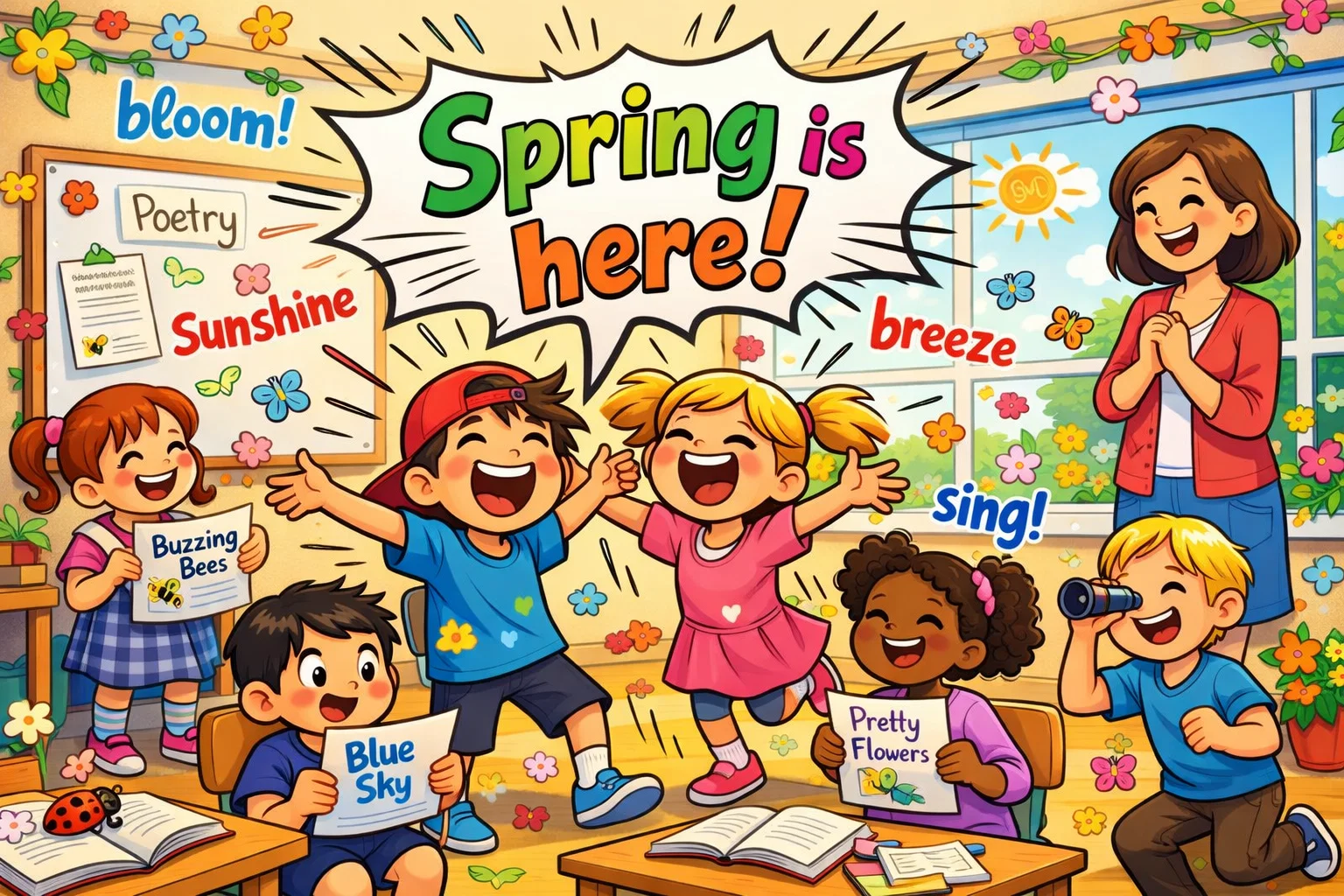
Spring is one of the most joyful seasons to explore through poetry. A poem about spring for kids can capture the wonder of blooming flowers, buzzing bees, warm rain, and singing birds in ways that feel magical and alive. They range from silly and playful rhymes to thoughtful reflections on nature’s beauty — and this collection brings together some of the best, organized by mood, style, and age.
Whether you’re a parent looking for a fun read-aloud, a teacher searching for classroom-ready poems about spring, or a child eager to discover poetry for the first time, this guide offers short, famous, and easy-to-read pieces for children of all ages.
Short and Fun Spring Poems for Kids
Short spring poems are ideal for young readers because they deliver vivid imagery and rhythm in just a few lines. Research in early literacy suggests that rhyme and repetition support phonological awareness — a key predictor of reading success. These poems introduce springtime themes through playful language that kids can enjoy and remember.
Silly and Playful Poems
Humorous, imaginative poems are among the most effective tools for sparking a child’s love of poetry. When kids laugh while reading, they engage more deeply with language and are more likely to revisit a verse independently.
“April Is a Dog’s Dream” by Marilyn Singer is a cheerful, lighthearted poem that captures spring from a dog’s perspective — muddy paws, open windows, and fresh smells. The playful language and relatable subject make it a favorite for preschoolers and early elementary learners. Singer’s conversational style encourages kids to see the season through a new set of eyes.
“Silly Tilly’s Garden” by Diana Murray uses rhyme and humor to explore the joy of spring planting. The poem celebrates the imagination and innocence of a child who approaches gardening with total creative freedom. Its lively rhythm makes it a great choice for read-aloud sessions or poetry clubs in the classroom.
Nature Poems About Flowers, Bees, and Rain
Nature-focused spring poems help children connect language to the world around them. Educators and child development specialists note that nature poetry encourages observational thinking — children begin to notice seasonal changes with greater curiosity and attention.
“That Bold Bee” by Lenore Hetrick celebrates the busy, determined energy of a bee in spring. The verse introduces young readers to the idea that even small creatures have important roles in the new season. Its simple vocabulary and strong imagery make it accessible to toddlers and early readers alike.
“Dandelions” by Frances Ellen Watkins Harper treats the humble dandelion as a symbol of renewal and resilience. The poem invites children to appreciate flowers that are often overlooked, building an appreciation for nature’s beauty in unexpected places. This piece pairs well with outdoor activities like nature walks or flower identification.
“April Rain Song” by Langston Hughes is one of the most beloved spring poems for children. Hughes personifies the rain as a gentle, welcoming presence, encouraging kids to celebrate rainy days rather than dread them. The piece’s soft rhythm and warm tone make it a soothing bedtime or storytime choice.
Famous Spring Poems for Kids
Classic spring poems have stood the test of time precisely because they speak to universal human experiences — growth, beauty, and the joy of a new season. Many of these are used in school curricula because they introduce children to high-quality language and expand their vocabulary naturally.
Poems About Beauty and Blooming
Verses that focus on blooming flowers and seasonal change help children understand transformation — a key theme in both nature and emotional development. According to child psychologists, metaphors of growth and renewal in poetry can support children’s emotional intelligence by giving them language for their own experiences of change.
“Spring” by William Blake, from his Songs of Innocence, is a classic poem that celebrates birdsong, lambs, and new life with simple, musical lines. Blake’s work is one of the earliest examples of poetry written with children in mind, and its imagery remains fresh and accessible centuries later. Its short stanzas make it easy to memorize and perform.
“The Metier of Blossoming” by Denise Levertov explores how flowers bloom as if fulfilling a natural purpose. While slightly more reflective in tone, the piece’s clear imagery and focus on springtime renewal make it suitable for older kids who are ready to explore poetry that encourages deeper thinking. Levertov’s precise, observational language models careful reading.
“The Violet” by Jane Taylor uses a small violet flower to teach lessons about modesty and quiet beauty. The poem gently introduces the idea that spring brings not just loud, showy blooms, but delicate, understated ones too. Its rhyming structure makes it easy for young readers to follow and enjoy.
“Daffodowndilly” by A. A. Milne — best known for creating Winnie-the-Pooh — brings his signature warmth and whimsy to a poem about a daffodil emerging from the earth. The piece personifies the daffodil as a cheerful character putting on her gown, which appeals strongly to young children’s imaginative thinking. It’s a delightful choice for preschoolers and kindergarteners.
Poems About Birds, Animals, and Nature
Animal-focused spring poems are especially engaging for children because they connect poetry to creatures kids already love. Studies in early childhood education suggest that animal-themed content holds children’s attention longer and encourages repeated readings.
“To the First Robin” by Louisa May Alcott greets the arrival of a robin as a herald of spring. The piece expresses the kind of joyful anticipation that children themselves feel when they notice the first signs of a new season. Alcott’s warm, direct address to the bird makes it feel personal and alive.
“Ducks’ Ditty” by Kenneth Grahame, from The Wind in the Willows, is a cheerful, rhyming celebration of ducks enjoying the spring river. Its bouncy rhythm and vivid imagery of water, reeds, and birdsong make it a perfect classroom verse — easy to read aloud with expression and movement.
Spring Poems About Feelings and Imagination
Spring poetry is not just about the natural world — it also explores how the season makes us feel. Poems that connect seasons to emotions and imagination support children’s emotional expression and creative thinking, both of which are central to healthy cognitive development.
Joyful and Reflective Spring Poems
“A Prayer in Spring” by Robert Frost asks readers to pause and celebrate the beauty of the present moment — flowers in bloom, bees at work, and the simple joy of being outside. Frost’s accessible, conversational style makes this piece approachable for older children, while its themes of gratitude and presence resonate across ages. It works well as a discussion starter in the classroom.
“Child’s Song in Spring” by Edith Nesbit captures the pure delight a child feels when the season arrives — the warmth, the green grass, and the freedom to run outdoors. Nesbit writes from a child’s perspective, which makes young readers feel seen and understood. The poem is a celebration of childhood itself as much as of the season.
“Spring (Again)” by Michael Ryan reflects on the recurring miracle of spring renewal with quiet wonder. The piece explores the idea that every season feels both familiar and brand new, which encourages children to think about cycles in nature and in their own lives. Its reflective tone suits slightly older readers who are ready to explore themes of transformation.
Imaginative and Thought-Provoking Poems
“In Just-“ by E. E. Cummings is one of the most distinctive and imaginative spring poems in the English language. Cummings plays with spacing, capitalization, and invented words to evoke the wild, jumbled joy of spring arriving. The poem is thought-provoking for older children and sparks conversations about how poets break rules to create effect — an excellent entry point for creative writing lessons.
“Who Has Seen the Wind?” by Christina Rossetti uses the wind as a metaphor for invisible, powerful forces that shape the world. The piece encourages curiosity about things that cannot be seen but can be felt — a concept that resonates with children who are naturally philosophical. Its gentle rhyme scheme makes it both accessible and memorable.
Longer Spring Poems for Older Kids
As children grow, they benefit from pieces that offer more complex imagery and emotional depth. Longer spring poems invite older kids to slow down, visualize, and reflect — skills that strengthen both reading comprehension and emotional intelligence.
Nature and Seasonal Change Poems
“I Wandered Lonely as a Cloud” by William Wordsworth is one of the most famous nature poems in the English language. The piece describes a field of golden daffodils and the lasting joy the memory of them brings. For children aged 8–10, this poem opens conversations about how nature can evoke emotional responses and why poets return to springtime imagery again and again.
“Dear March—Come In” by Emily Dickinson personifies March as a welcome guest arriving at the door of spring. Dickinson’s playful, conversational tone makes this poem surprisingly accessible despite her reputation for complexity. The piece celebrates the season’s arrival with warmth and humor, making it a rewarding read for confident young readers.
“Loveliest of Trees” by A. E. Housman uses the image of a cherry tree in bloom to reflect on the passing of time and the importance of appreciating beauty in the present. This poem is well suited to older children who are beginning to think more abstractly, and it pairs beautifully with springtime walks or journaling activities.
Poems About Childhood and Outdoor Fun
“The Swing” by Robert Louis Stevenson, from A Child’s Garden of Verses, captures the exhilarating feeling of swinging high enough to see the countryside laid out below. The poem connects spring’s energy and freedom with the physical joy of outdoor play. Its simple, bouncing rhythm makes it easy to read aloud with enthusiasm, and many children spontaneously memorize it after just a few readings.
Spring Poetry Books for Kids
Illustrated Spring Poetry Collections
Illustrated poetry collections make poetry more accessible and engaging, especially for younger readers who benefit from visual cues to support comprehension.
The Illustrated Emily Dickinson: 15 Spring Poems for Children pairs Dickinson’s carefully selected spring verses with vibrant illustrations designed to bring her imagery to life for young audiences. The book demonstrates that even complex poetic language becomes accessible when supported by strong visual storytelling — an approach backed by research in picture book literacy.
Laughing Tomatoes and Other Spring Poems by Francisco X. Alarcón is a bilingual English-Spanish collection that celebrates the season through playful, imaginative poems rooted in Mexican culture and the natural world. The collection is particularly valuable for building multicultural awareness alongside seasonal themes, and its lively language makes it a delightful classroom resource.
Conclusion
Spring poetry offers children far more than pretty words about flowers and rain — it builds vocabulary, sharpens imagination, and helps young readers connect language to the living world around them. By sharing poems at home and in the classroom — through read-alouds, memorization, and outdoor exploration — parents and educators give children a lasting gift: the understanding that poetry is not something distant or difficult, but something as natural, warm, and renewing as spring itself.
Frequently Asked Questions
What Is a Good Spring Poem for Kids?
Several spring poems stand out as ideal starting points. “April Rain Song” by Langston Hughes, “Ducks’ Ditty” by Kenneth Grahame, and “Daffodowndilly” by A. A. Milne are all excellent choices because they combine strong rhyme, vivid imagery, and age-appropriate themes. For younger children, shorter verses with clear seasonal imagery — flowers, birds, and rain — tend to be the most engaging and accessible.
What Makes a Poem Easy for Kids to Read?
A poem is considered easy for children to read when it uses simple vocabulary, short lines, consistent rhyme, and clear imagery. Rhyming spring poems are particularly effective because rhyme supports memory and makes reading feel like play. Strong visual details — a blooming tulip, a singing bird, a spring wind — help children form mental pictures that make the verse feel real and engaging.
Can Kids Memorize Spring Poems Easily?
Children can memorize poetry with surprising ease when the piece uses repetition, rhythm, and rhyme. According to research in educational psychology, rhythmic language activates memory systems in the brain more effectively than prose. Short springtime poems with a regular beat — such as “The Swing” by Stevenson or “Spring” by Blake — are especially well-suited to memorization and class recitation.
How to Teach Spring Poems to Children?
Teaching spring poems works best when the experience is multi-sensory and connected to the real world. Adding movement, such as acting out a bee buzzing or arms swaying like a swing, helps younger learners internalize the piece’s imagery. Connecting poems to outdoor observation — pointing out real dandelions, robins, or rain — reinforces both language learning and nature appreciation.

Take a short quiz to find out what your everyday choices say about your parenting style
When your child is curious about something new, what’s your instinct?
Take a short quiz to find out what your everyday choices say about your parenting style
“Can I download this app?” What happens next?
Take a short quiz to find out what your everyday choices say about your parenting style
When it comes to rules at home, which sounds most like you?
Take a short quiz to find out what your everyday choices say about your parenting style
If you could give your child one life skill today, what would you pick?
Take a short quiz to find out what your everyday choices say about your parenting style
Your child gets to choose what to watch. What would your ideal setup look like?
Take a short quiz to find out what your everyday choices say about your parenting style
Pick your parenting superpower ✨



