15 Time Management Tips for Busy Parents

 Discover a Free Education Video App for Kids
Pastory uses AI to personalize educational video content based on your child’s interests and personality. Safe, engaging, and built for curious young minds. Sign up now to stay updated and enjoy early access with a free trial

Managing time as a parent means balancing work, household responsibilities, and your children’s emotional and developmental needs. Modern family life can quickly become mentally exhausting because parents are constantly multitasking and making decisions. Using structured time-management strategies can help working parents build sustainable routines, reduce household stress, and make more room for meaningful family time.
Research on parental stress suggests that ongoing stress can affect parenting behavior and may be linked to children’s emotional and behavioral regulation. When parents manage time intentionally, they model planning, consistency, and problem-solving skills that can help children feel more secure. These 15 actionable tips can help busy parents stay organized, manage time more intentionally, and feel less overwhelmed.
Key Takeaways
- Prioritization Over Completion: Successful time management for busy parents means focusing on the most important tasks instead of trying to finish an endless to-do list.
- Routines Minimize Decision Fatigue: Predictable morning, evening, and bedtime routines help preserve parents’ mental energy and foster children’s independence.
- Centralized Coordination: A single shared family calendar helps reduce scheduling conflicts and keeps important details from slipping through the cracks.
- Strategic Delegation: Sharing household tasks and using a reliable support system can reduce burnout risk while teaching children important life skills.
Priorities Beat Busywork
Every busy parent faces an overwhelming number of daily demands, from work deadlines to household chores. Trying to do everything perfectly can contribute to parental burnout and chronic stress. Effective time management starts with distinguishing urgent responsibilities from low-impact busywork.
Focusing on your most important values and priorities can improve how your household functions and make family time feel more meaningful.
Routines Save Mental Energy
Predictable daily routines give both adults and children a sense of structure. When meals, homework, and bedtime routines happen at consistent times, the brain relies more on habit and less on constant decision-making.
Regular, predictable routines can help children feel secure and make daily transitions easier. Reducing daily decision-making also helps parents preserve mental energy and stay calmer during difficult moments.
Support Makes Schedules Sustainable
A balanced lifestyle cannot be maintained in isolation, especially when you are juggling work and family life. Using community support, digital tools, and shared responsibilities can turn time management from a solo struggle into a team effort.
Support networks such as carpools, grocery delivery, after-school programs, and neighborhood childcare swaps can help parents make time for rest, focused work, and family connection. This collaborative approach makes the family schedule more resilient when unexpected disruptions occur.
Set Daily Priorities
Identify Non-Negotiable Tasks
Each day, parents should identify three to five non-negotiable tasks that need to be completed within a specific time window. These tasks usually include fixed obligations such as work deadlines, medical appointments, school drop-offs, or preparing meals.
By naming these items on a daily to-do list, parents create a clear boundary for the day. This boundary keeps less important tasks from draining the energy needed for core responsibilities.
Rank Tasks by Impact
Once non-negotiable tasks are clear, parents can evaluate remaining responsibilities based on how much they reduce stress or protect family time. This means deciding which actions will make the biggest difference for the household.
For instance, organizing school clothes for the upcoming week may be more useful than vacuuming the living room because it prevents stressful morning delays. Ranking tasks by impact ensures that parental energy goes toward activities that support household stability.
Revisit Priorities Each Evening
The final step in daily priority management is a simple evening review of completed and unfinished tasks. During this time, parents can assess what was accomplished and move remaining items to future dates.
If a non-essential task stays unfinished for several days, it may be a sign that it needs to be rescheduled, delegated, simplified, or removed from the list. This nightly reflection helps parents clear mental clutter and plan the next day with more realistic expectations.
Use a Family Calendar
Add Every Family Commitment
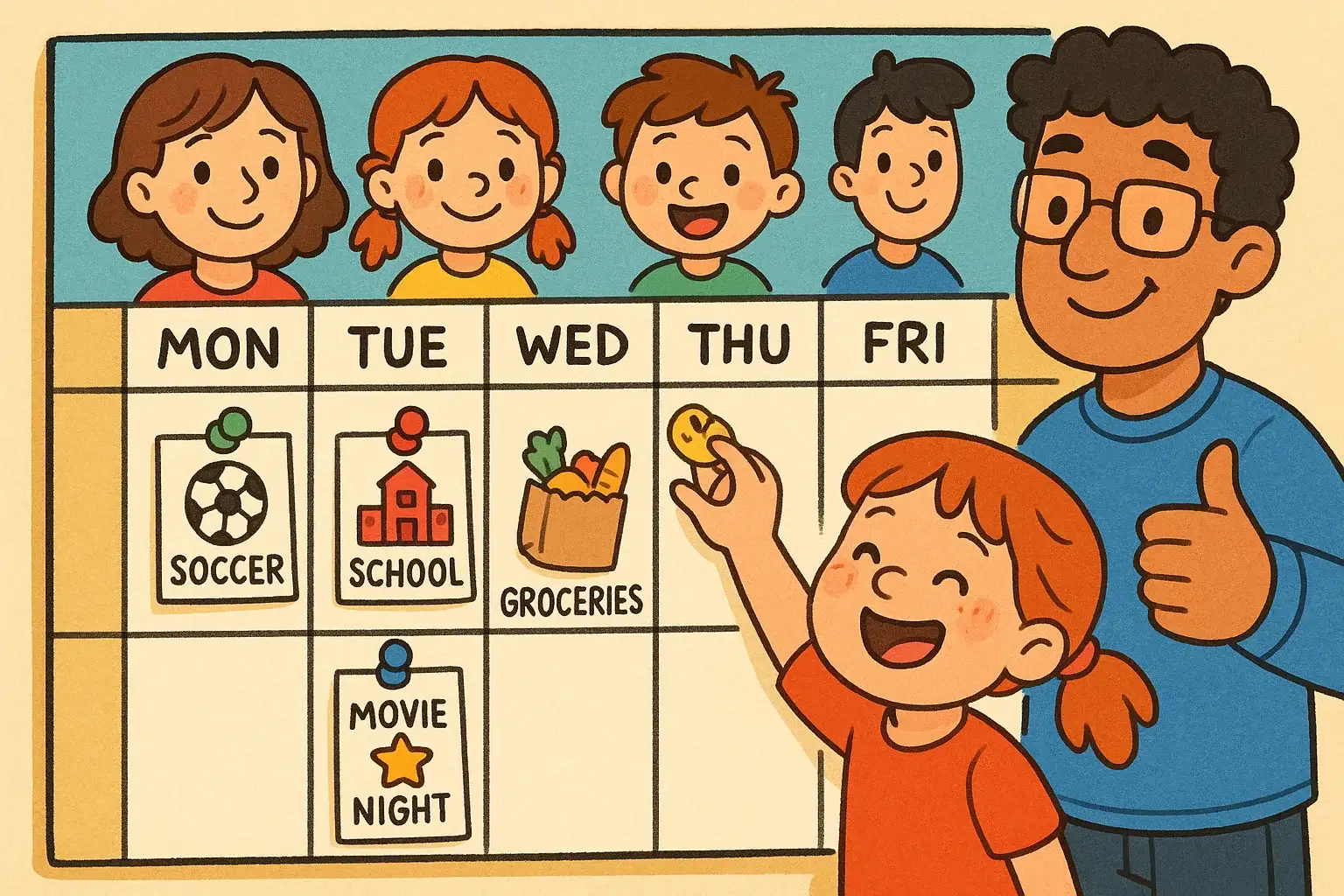
A shared digital or physical family calendar can serve as the central hub for all household scheduling. To keep the system reliable, parents should log every commitment, including school events, sports practices, doctor’s appointments, project deadlines, and social gatherings.
Adding these entries right away helps prevent communication gaps between partners and reduces double-booking.
| Commitment Type | Essential Data Fields | Tracking Frequency |
| Academic & School | Assignment deadlines, field trips, parent-teacher conferences | Weekly update |
| Extracurricular & Sports | Practice times, game locations, uniform requirements | Seasonal update |
| Medical & Health | Checkups, dental visits, therapy appointments | Monthly update |
| Professional Deadlines | Major work projects, travel days, late meetings | Daily sync |
Color-Code Family Members
To make the schedule easy to read at a glance, use a clear color-coding system for each family member. You can also assign colors to shared categories such as household tasks, meal preparation, or family time.
For example, blue items might represent one child’s activities, while green items represent shared family time. This visual system makes busy days easier to spot before they become overwhelming.
Set Smart Reminders
Digital calendars offer reminder tools that busy parents can use to avoid logistical oversights. Multiple alerts can be helpful for events that require preparation.
For example, a first reminder can be set 48 hours before an event to handle permission slips, uniforms, or supplies. A second reminder can trigger 30 minutes before departure to keep the family on schedule. These automated notifications act as backup reminders so fewer details slip through the cracks.
Create Reliable Routines

Build a Morning Routine
An effective morning routine can set a calmer, more organized tone for the day. This routine should follow a clear sequence: wake-up time, breakfast, getting dressed, and packing or grabbing backpacks.
To support children who move slowly in the morning, the routine should include realistic time blocks for transitions. Consistent morning routines can reduce stress, help children feel prepared, and support better focus at school.
Simplify the After-School Routine
The transition from school to home can trigger meltdowns because young children are often tired and overstimulated. A structured after-school routine helps by giving children a predictable sequence of decompression, food, and homework.
Parents can create a simple sequence: children put shoes and bags in designated spots, have a nutritious snack, complete homework, and then enjoy downtime. Keeping this pattern consistent can reduce daily arguments and make homework easier to manage.
Protect the Bedtime Routine
A consistent bedtime routine signals to a child’s body and mind that it is time to wind down for sleep. This routine should begin at a consistent time each evening and include calming activities such as bathing, reading, and a short parent-child check-in.
Turning off screens at least 60 minutes before bedtime is important because screen use can make it harder for children to wind down and sleep well. Protecting this evening routine helps both parents and children get the rest they need for the next day.
Plan Ahead Without Losing Flexibility
Review the Week Every Sunday
Setting aside dedicated time each weekend to plan the upcoming week creates more structure for the entire household. During this Sunday planning session, parents can review work calendars, school notices, meal plans, and transportation logistics.
This proactive review helps families spot potential conflicts, such as work deadlines that overlap with school drop-offs, before they happen. Anticipating these pressure points allows parents to coordinate solutions in advance.
Build Backup Plans
A rigid schedule is vulnerable to disruptions such as childhood illness, traffic delays, or work emergencies. Creating backup options keeps the household running when primary plans fall through.
Parents can keep a reliable list of emergency childcare contacts, stock the freezer with ready-made meals, and set clear work boundaries for emergencies. Having these backup plans in place helps parents handle unpredictable events more calmly.
Adjust Without Guilt
When unexpected disruptions force a schedule change, parents should recalibrate their expectations instead of treating the change as a failure. Modifying a plan because of illness, traffic, or a sudden work demand is adaptive problem-solving, not poor organization.
Accepting flexibility as part of effective time management protects a parent’s psychological health and well-being. By adjusting calmly, parents also model emotional resilience and practical problem-solving for their children.
Prepare the Night Before

Pack Bags the Night Before
Preparing the evening before removes a significant amount of morning stress and decision fatigue. Parents and children can work together to pack school backpacks, organize work bags, check permission slips, and gather sports gear before bedtime.
Placing these items in a designated “launchpad” near the front door creates an efficient departure routine. This simple habit saves precious morning minutes and reduces the chance that essential items will be left behind in a last-minute rush.
Choose Clothes in Advance
Morning arguments about clothing can quickly derail a family’s schedule, especially when young children are asserting their independence. To avoid this conflict, parents can help children choose complete outfits, including underwear, socks, and shoes, the night before.
Checking the weather forecast helps make sure the outfit is appropriate for the next day’s weather. Laying clothes out in a clear, visible place also makes the morning dressing routine smoother and encourages children’s self-management.
Prep Breakfast and Lunch
Preparing breakfast components and packing lunches in the evening can dramatically reduce morning kitchen chaos. Parents can prep ingredients, portion grab-and-go snacks, and set out non-perishable breakfast items before going to bed.
This preparation frees up time during the morning rush, allowing parents to focus on connection rather than preparing food.
| Evening Preparation Task | Suggested Time | Morning Benefit |
| Pack lunches and water bottles | 10 minutes | Less kitchen stress before school |
| Lay out outfits and backpacks | 5 minutes | Fewer last-minute searches |
| Set out breakfast items | 5 minutes | Faster, calmer breakfast routine |
| Place packed bags near the door | 2 minutes | Easier departure with fewer forgotten items |
Use Time Blocking or Time Boxing
Block Time for Work and Home Tasks
Time blocking means dividing the day into dedicated windows for specific types of tasks. Instead of working from a disorganized to-do list, a parent assigns clear intervals for work tasks, laundry, administrative duties, and family time.
For example, a working parent might create a work block from 9:00 a.m. to 11:30 a.m., followed by a 30-minute household task block. This approach reduces task switching and makes focused work easier.
Keep Blocks Realistic
A common time-management mistake is creating an idealized schedule that does not account for the unpredictable realities of parenting young children. Time blocks should include buffer time for transitions, diaper changes, emotional moments, or other interruptions.
If an administrative task usually takes 30 minutes, it may be wiser to schedule 45 minutes. Building in these buffers keeps the schedule from falling apart when minor delays happen.
Stop Tasks When Time Ends
Time boxing creates a clear boundary by having parents stop a task when its allotted time ends. If a 30-minute block for sorting household paperwork is over, the parent moves on to the next scheduled activity, such as spending quality time with the children.
This boundary helps protect against perfectionism, which can cause small household tasks to bleed into valuable family time. Accepting “good enough” protects the rest of the daily schedule.
Delegate Household Responsibilities

Assign Age-Appropriate Chores
Sharing household tasks prevents one parent from carrying an unsustainable logistical burden while teaching children practical life skills. Even toddlers can help with simple household tasks, such as putting toys in bins or sorting laundry by color.
As children grow, their responsibilities can expand to include setting the table, feeding pets, folding towels, or clearing dishes.
| Child Age Group | Developmentally Appropriate Tasks | Benefit to the Household |
| Toddlers, ages 2–3 | Put toys in bins, place dirty clothes in the hamper | Builds basic sorting habits and order |
| Preschoolers, ages 4–5 | Feed pets with supervision, clear plastic dishes, wipe tables | Builds responsibility and fine motor skills |
| Early elementary, ages 6–8 | Set the dinner table, fold towels, empty small bins | Builds sequencing skills and teamwork |
| Preteens, ages 9–12 | Load the dishwasher, vacuum rooms, prepare basic snacks | Builds independence and task ownership |
Share the Mental Load
Delegation should include more than physical chores. It should also include the planning, tracking, and coordinating that keep a household running.
If co-parenting, parents can divide administrative responsibilities, such as having one parent manage medical scheduling while the other handles school communication. This division helps prevent cognitive exhaustion and makes household logistics more balanced.
Let Kids Build Independence
When parents delegate responsibilities to children, they should resist the urge to step in and correct every imperfect result. If a child folds towels unevenly or sets the table imperfectly, stepping in too quickly can undermine the child’s confidence and autonomy.
Over time, allowing children to handle these tasks independently frees up parental time. More importantly, it teaches children that their contributions matter to the household.
Outsource When Possible
Use Online Shopping
Online shopping tools can help busy working parents save valuable time each week. Grocery delivery, automated household subscriptions, and curbside pickup options reduce the need for time-consuming store visits.
A parent can build a digital cart throughout the week, which may reduce impulse buys and make budgeting easier. Eliminating even a few physical shopping trips per month can free up several hours for family time, rest, or other priorities.
Simplify Meals
Complicated meals are often unrealistic on busy weekdays. Parents can streamline evenings by using practical meal-planning and preparation strategies.
Batch-cooking protein on the weekend, using slow cookers, and planning structured leftover nights can reduce daily kitchen time. A simple two-week meal rotation also removes the stress of deciding what to cook every night. This shift helps parents feed the family well without feeling overwhelmed by meal prep.
Pay for Help Strategically
When the household budget allows, hiring help can buy back time and protect parental well-being. Outsourcing deep cleaning once a month, hiring a local teenager for yard care, or using a laundry wash-and-fold service can reduce domestic pressure.
These expenses do not need to be viewed as luxuries. They can be intentional investments in stress management and family stability. Reclaiming this time allows parents to focus on work responsibilities and meaningful time with their children.
Batch Similar Tasks
Batch Errands by Location
Running errands in a scattered, ad hoc way wastes time and fuel. To improve efficiency, parents can group errands into one route based on location.
For example, picking up a prescription, returning a package, and collecting a grocery order can be combined into one trip after school drop-off. This location-based approach reduces travel time and prevents the disruption of running multiple disconnected errands throughout the week.
Batch Digital Tasks
Constantly responding to notifications creates mental fragmentation and lowers productivity. Parents can protect their focus by setting specific time windows for digital tasks.
Replying to teacher emails, paying household bills, scheduling appointments, and ordering school supplies can all happen in one focused block. Processing these tasks together prevents them from interrupting work responsibilities or disrupting quality time with children.
Batch Household Chores
Batching household chores can keep them from taking over the weekend. Instead of washing small loads of laundry every day, parents can designate one focused laundry day to wash, fold, and put away clothing.
Similarly, a 15-minute nightly family reset, where everyone clears counters and puts items back where they belong, can help keep the home organized. Batching these tasks keeps chores from spilling into every evening.
Automate Routine Tasks
Automate Bills and Subscriptions
Manually tracking recurring bills uses up mental energy that parents often do not have to spare. Automatic bill payments for utilities, mortgage or rent, insurance, and credit accounts can help prevent missed payments and late fees.
Recurring subscriptions for frequently used household items, such as diapers, wipes, pet food, and cleaning supplies, can also help prevent essentials from running out. Automating these recurring tasks removes friction from daily life.
Use Shared Apps
A busy household is easier to coordinate when everyone uses the same shared digital tools. Shared calendars, synchronized grocery lists, and digital chore trackers keep parents aligned without requiring constant verbal updates.
When one parent adds an item to a shared grocery list, the other can access it during a store stop. This shared access reduces the chance that tasks will slip through the cracks because of miscommunication.
Avoid Tech Overload
Technology is helpful only when it simplifies life. Too many apps can create digital clutter and extra administrative work.
Parents should choose two or three core digital tools that genuinely make life easier instead of juggling too many separate apps. A shared calendar and a simple list app are often enough to coordinate a family effectively.
Set Boundaries and Say No
Define Family Priorities
Protecting your family’s time requires clear boundaries rooted in your household values. Parents need to decide which outside commitments, such as competitive sports leagues, volunteer roles, or frequent social events, fit their current season of life.
If an invitation or opportunity would disrupt weekend rest or family dinners, it deserves careful consideration. Knowing what matters most to your household makes it easier to decline low-value obligations without guilt.
Say No Kindly
Many parents struggle to decline requests because they fear disappointing others. Learning how to say no politely and clearly is an essential time-management skill.
Parents can use direct, respectful language that declines the request without overexplaining. For example: “Thank you for thinking of us, but our family schedule is fully committed this season.” This response sets a firm boundary while maintaining a positive relationship.
Protect Work-Life Boundaries
The rise of remote work has blurred the line between professional responsibilities and home life, often causing work stress to spill into family time. Working parents need clear boundaries to maintain a healthier balance.
This can include setting a clear end time for the workday, silencing professional communication apps in the evening, and designating a specific workspace. Protecting these boundaries helps parents step away from work concerns and be more present during family time.
Limit Screen Time and Distractions

Track Time Wasters
Mindless digital media use is one reason many modern parents feel short on time. It is easy to lose track of time while scrolling social media, searching for misplaced items, or cleaning while distracted.
Parents can use their phones’ built-in screen-time tools to see where their free minutes are going. Identifying these hidden time leaks can help parents reclaim even 15 minutes a day for rest, connection, or personal well-being.
Create Screen-Free Zones
Screen-free zones and times can help protect family connections and support healthier routines. Keeping meals and bedrooms screen-free can support better sleep, calmer routines, and more face-to-face connection.
The table below shows how curated, age-appropriate content differs from unrestricted media use for young children.
| Content Type | Possible Impact | Relevant Area |
| Curated educational content | May support problem-solving, engagement, and learning when used intentionally | Learning and engagement |
| Unrestricted digital media | May increase distraction, overstimulation, and difficulty with self-regulation | Attention and self-regulation |
Reduce Notification Noise
Constant digital alerts can fragment parents’ focus and increase stress throughout the day. Parents can disable non-essential push notifications, leaving alerts active only for critical family and work communication.
Reducing digital noise helps parents stay organized and remain engaged in the task at hand. It also creates a calmer home environment and makes it easier to finish tasks efficiently.
Protect Sleep, Health, and Self-Care

Prioritize Sleep for Parents and Kids
Chronic sleep deprivation can impair executive functioning, emotional regulation, and productivity. When parents sacrifice sleep to catch up on chores, they may face slower mornings, irritability, and reduced focus the next day.
Making sure both parents and children get age-appropriate sleep is foundational for effective household management. Prioritizing rest helps parents maintain the patience and clarity needed to navigate a demanding schedule.
Schedule Self-Care Like an Appointment
Parental self-care is a practical necessity for sustainable household management, not a selfish luxury. Parents should treat self-care blocks, whether a 15-minute walk, a quiet coffee, or a fitness routine, with the same importance as a doctor’s appointment.
Carving out this time requires coordination and communication with a partner or support system. Regularly scheduling brief periods of personal time can restore parental energy and improve the emotional tone at home.
Notice Burnout Signals
Parents should watch for early warning signs that their current schedule is becoming unsustainable. Chronic exhaustion, persistent irritability, forgetfulness, and growing resentment are clear signs that the family routine may need adjustment.
Ignoring these signals can increase the risk of parental burnout, which may affect parents’ well-being and the emotional climate at home. Recognizing these symptoms early allows parents to step back, reevaluate commitments, and simplify daily expectations.
Slow Down During Transitions
Add Buffer Time
Rushing children through tight schedules is a common source of power struggles and emotional meltdowns. Children often process transitions more slowly than adults and need extra time to adjust between activities.
Parents can reduce this friction by adding a 10- to 15-minute buffer to every departure timeline. This cushion allows time for slow shoelace tying, sudden bathroom breaks, or unexpected emotional needs, helping the family stay calmer and on schedule.
Use Transitions for Connection
Rather than viewing travel time or school runs as simple logistics, parents can turn these moments into opportunities for connection. The time spent driving to school or walking to the park can become an opportunity for conversation and connection.
Simple goodbye rituals or singing songs together during a commute can help children feel connected and secure. Turning routine travel time into moments of genuine connection helps parents nurture their relationship with their children during a busy day.
Stay Calm Before Correcting
When a child resists a transition or moves slowly during a time crunch, a parent’s emotional response matters. Responding with anger or anxiety usually escalates the child’s resistance, worsening the delay and increasing household stress.
Parents can regulate their own emotions first by taking a deep breath and lowering their voice before addressing the child. Maintaining a calm, steady presence helps defuse power struggles and allows families to navigate tight schedules more respectfully.
Build a Support System
Create a Carpooling Network
Managing transportation for multiple school schedules and extracurricular activities can quickly overwhelm a working parent’s schedule. Building a reliable carpooling network with trusted neighbors or school families is one way to share this logistical load.
Alternating drop-off and pickup responsibilities with other parents can free up valuable time during the week. This cooperative approach simplifies transportation and gives parents more time to focus on work or household tasks.
Ask Family and Friends for Help
Many parents hesitate to ask for help because they fear burdening others or feel pressure to handle everything independently. However, a sustainable schedule often requires community support.
Asking a relative to help with an afternoon pickup or organizing a regular babysitting swap with a close friend can provide significant relief. Embracing community support reduces parental isolation and creates a more resilient care network for children.
Use Childcare Strategically
Professional after-school programs, community center activities, and trusted babysitters can all be part of a parent’s time-management toolkit. Scheduling childcare blocks gives parents uninterrupted time for focused work, household tasks, or personal well-being.
Using childcare strategically means parents can return to their families with more mental space, patience, and energy.
Creating a Personalized Time-Management System
Start With One Change
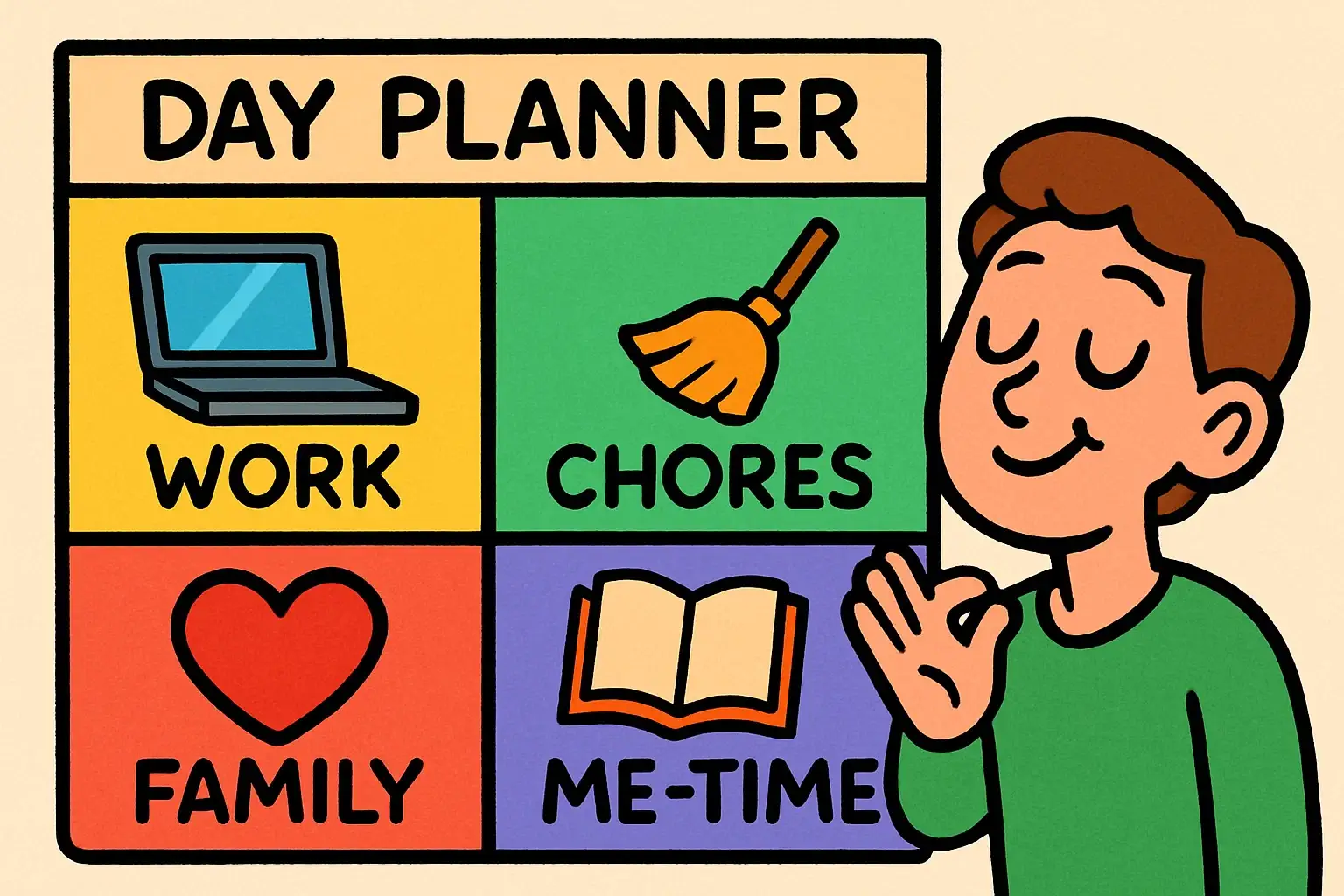
Trying to overhaul every part of your household organization at once can create unnecessary stress and frustration. Parents should begin with one specific strategy, such as setting up a shared family calendar or preparing the night before, and practice it consistently for two weeks.
Mastering one simple habit builds confidence and creates a stable foundation for future changes. Adding new routines gradually allows families to adapt without feeling overwhelmed.
Reflect and Adjust Weekly
A family’s time-management needs will naturally shift as children grow, school demands change, and work responsibilities evolve. Parents can dedicate 10 minutes at the end of each week to evaluate how their current routines are working.
Discussing what caused friction, what worked well, and where deadlines were missed allows for continuous, practical improvements. This regular reflection helps keep the family’s organization system practical, realistic, and responsive to real-world changes.
Celebrate Progress
Developing effective time-management habits as a parent is an ongoing process focused on progress, not perfection. There will always be days when routines fall apart, unexpected illnesses occur, or work demands disrupt the best-laid plans.
It is important to acknowledge and celebrate small organizational wins, such as a smooth morning departure or a consistently maintained bedtime routine. A growth-oriented mindset protects parental well-being and helps families build a supportive, organized, and loving home environment.
FAQs
What Is the Best Time-Management Tip for Busy Parents?
One of the most effective time-management strategies for busy parents is combining daily prioritization with a shared family calendar. Clearly identifying your top three non-negotiable tasks helps you avoid wasting energy on low-impact busywork. Keeping every commitment in one accessible calendar helps partners stay aligned and reduces scheduling conflicts.
How Can Parents Involve Kids in Time Management?
Parents can involve children by establishing clear visual schedules and assigning age-appropriate household tasks, such as sorting laundry or clearing dishes. Participating in predictable morning and bedtime routines helps children build independence and essential life skills. Encouraging kids to pack their backpacks and lay out their clothes the night before also builds self-management and lightens the daily parental load.
How Can Busy Parents Stop Feeling Overwhelmed?
To reduce daily overwhelm, parents can limit their daily focus to three to five high-impact tasks and intentionally build buffer time into their schedules. Outsourcing routine chores, using online grocery delivery, and planning meals strategically can significantly reduce weekday stress. Learning to set firm boundaries and politely decline low-priority invitations also protects time for rest, family connection, and recovery.
How Can Parents Say No Without Guilt?
Parents can decline invitations without guilt by remembering that protecting their family’s time and well-being is a valid responsibility. Clear, direct language can help set a respectful boundary. For example: “Thank you for the opportunity, but our family schedule is fully committed this season.” Saying no to extra commitments preserves the emotional energy needed to stay present for both work and family.
What Should Parents Do When Plans Fall Apart?
When a carefully planned schedule unravels because of illness, delays, or an emergency, parents should stay flexible and shift to a backup plan. Taking a moment to regulate your own emotions prevents added tension from spreading through the household. Reviewing these moments during a weekly check-in helps parents adjust their routines and build a more resilient system for the future.

Take a short quiz to find out what your everyday choices say about your parenting style
When your child is curious about something new, what’s your instinct?
Take a short quiz to find out what your everyday choices say about your parenting style
“Can I download this app?” What happens next?
Take a short quiz to find out what your everyday choices say about your parenting style
When it comes to rules at home, which sounds most like you?
Take a short quiz to find out what your everyday choices say about your parenting style
If you could give your child one life skill today, what would you pick?
Take a short quiz to find out what your everyday choices say about your parenting style
Your child gets to choose what to watch. What would your ideal setup look like?
Take a short quiz to find out what your everyday choices say about your parenting style
Pick your parenting superpower ✨