
102 Screen-Free Activities for Kids: The Ultimate List for Home, Outdoor Play, Travel, Chores, Homework, and Bedtime

 Discover a Free Education Video App for Kids
Pastory uses AI to personalize educational video content based on your child’s interests and personality. Safe, engaging, and built for curious young minds. Sign up now to stay updated and enjoy early access with a free trial
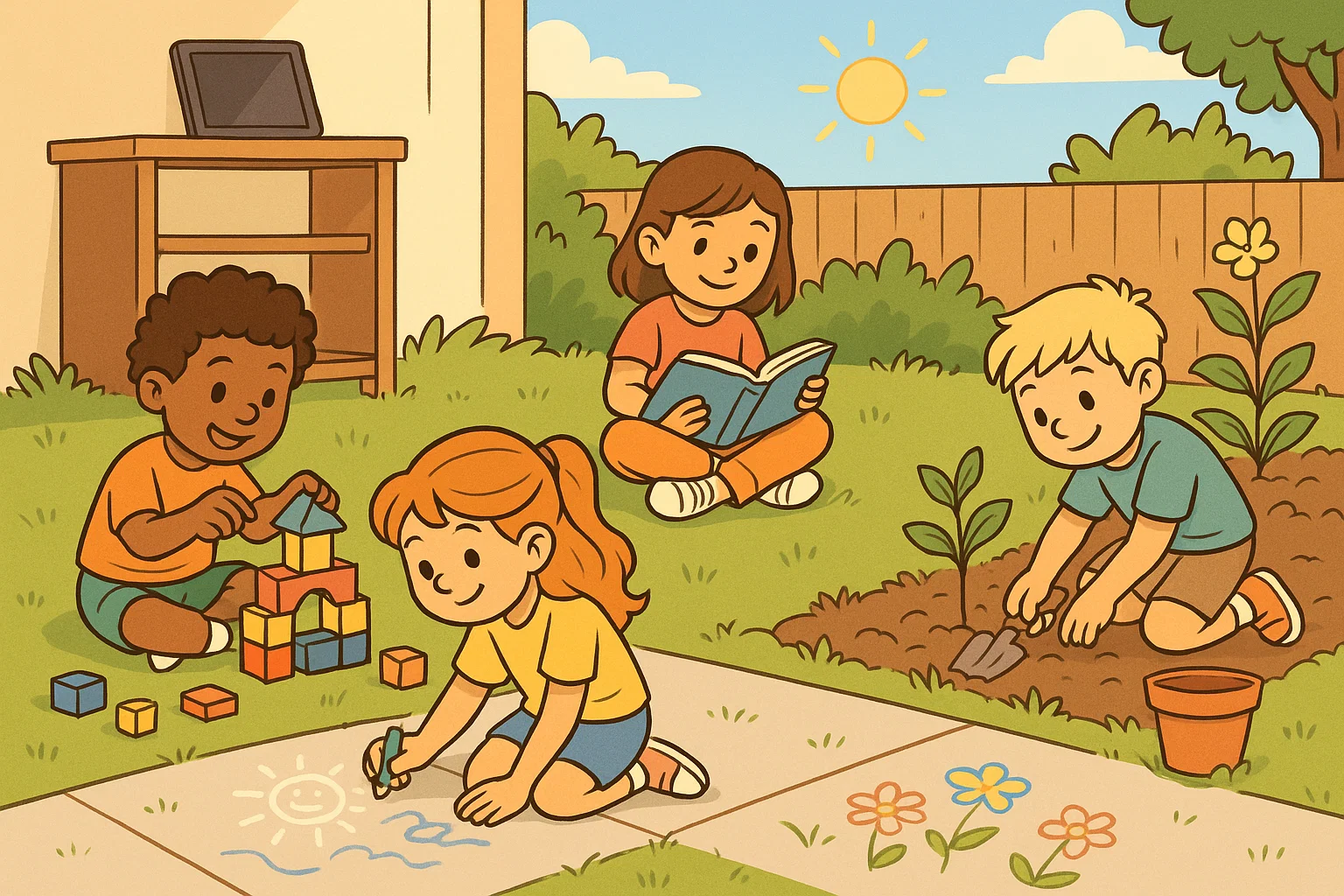
This comprehensive guide gives parents a practical, categorized list of screen-free activities for kids that can help replace screen time in everyday situations. These developmentally appropriate ideas work for different ages, moods, weather conditions, energy levels, and everyday family routines.
Families can use these simple strategies during hectic mornings, long road trips, restaurant outings, homework sessions, dinner prep, and bedtime routines.
Key Takeaways
- Screen-free activities work best when matched to a child’s energy level, location, and parent availability.
- Outdoor play, chores, creative projects, cooking, reading, and simple games can make it easier to replace screen time naturally.
- Screen swaps can help parents redirect kids with fewer arguments.
- Quick activities are useful before school, during travel, while cooking dinner, or when parents are busy with work.
- Bedtime and homework time call for calmer screen-free routines.
- Free and paid outings can help families plan screen-free weekends, school breaks, and summer days.
Quick Screen-Free Activities and Games for Kids
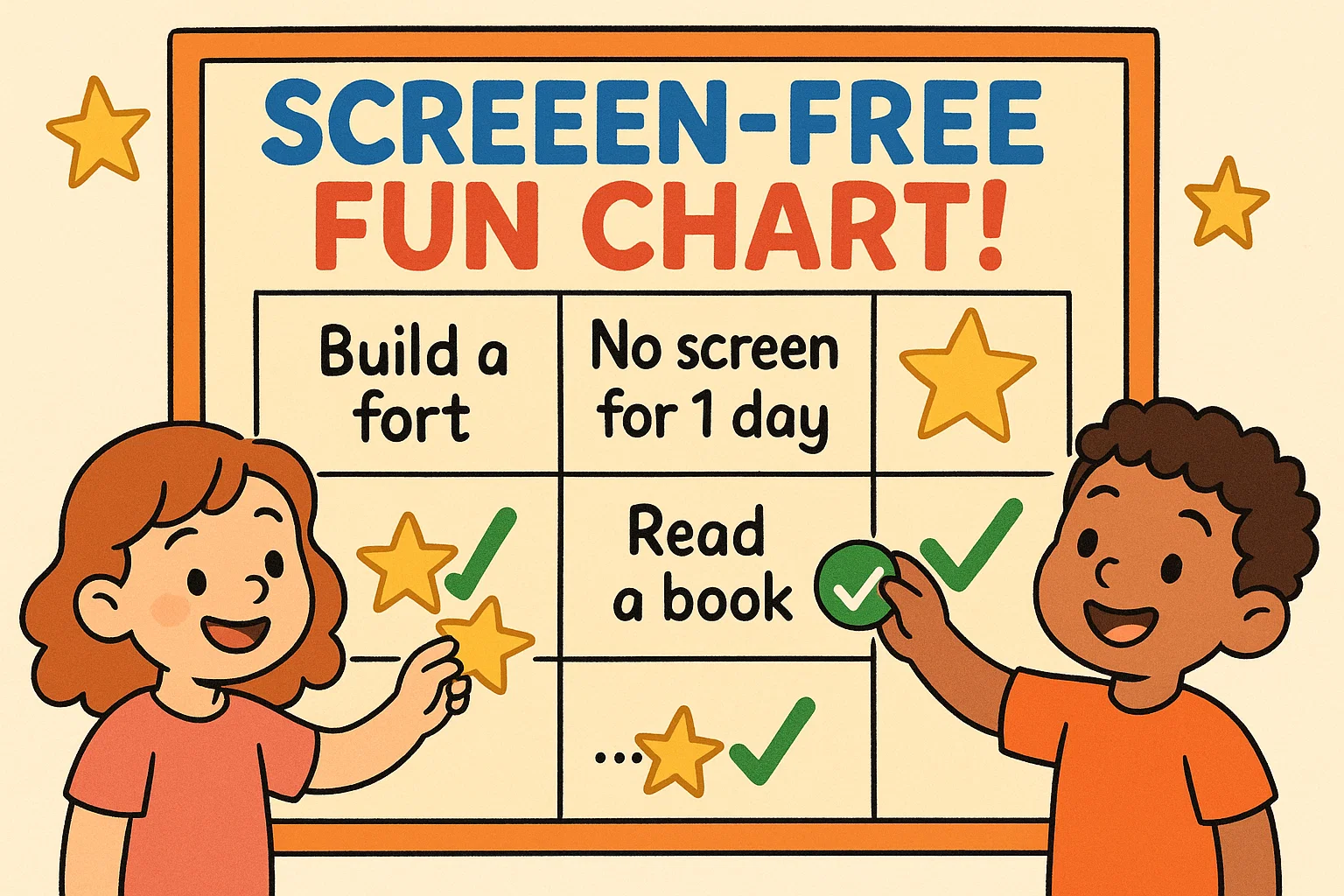
Fast, accessible screen-free activities give parents quick alternatives when kids need something to do during daily transitions. Low-prep options are especially helpful when parents need a simple way to redirect a child away from a screen.
5-Minute Screen Swaps
| Activity | Recommended Setting | Developmental Focus |
| Simon Says | Living room / classroom | Listening skills and self-regulation |
| I Spy | Cars / waiting rooms | Visual awareness and vocabulary |
| Mini Scavenger Hunt | Indoors / outdoors | Problem-solving and observation |
| Joke Contests | Dinner table / travel | Social communication and wordplay |
The 5-Minute Screen Swap strategy uses immediate, engaging physical or verbal tasks to redirect a child’s attention during transition windows. For example, a quick puzzle or a paper airplane distance challenge can help redirect attention during the after-school slump.
This approach gives children something engaging to do right away, which can make the transition away from a device easier.
No-Setup Activities
No-setup activities require no materials, making them ideal for moments when a child would usually ask for a device. Verbal challenges like “Would You Rather?” encourage critical thinking, while memory games build working memory.
Playing charades or doing an indoor walking challenge lets children release energy without creating extra cleanup for parents.
Low-Mess Activities
Low-mess activities provide independent engagement using self-contained materials. Reusable drawing boards, magnetic tiles, and sticker books offer structured fine motor practice without the cleanup required by traditional art supplies.
Pairing audiobooks with simple coloring sheets gives children a quiet activity while parents handle emails, chores, or paperwork.
Activity Picks by Age
| Age Group | Activity Ideas |
| Infants and toddlers | Sensory sorting, soft blocks, stacking toys, simple texture play |
| Preschoolers | Simple card games, magnetic tiles, pretend play, sticker books |
| Early school-age children | Scavenger hunts, craft sticks, drawing challenges, simple puzzles |
| Older kids | Strategy board games, podcasts, logic puzzles, building challenges |
Tailoring activities to specific age groups helps keep activities developmentally appropriate and reduces frustration. Younger kids benefit from sensory exploration, such as sorting large buttons, stacking blocks, or playing with a colorful hoop.
Older kids often need higher cognitive engagement, including strategy card games, logic-based board games, or narrative-driven podcasts.
How Much Screen Time Is Too Much?

Understanding when screen use starts to interfere with sleep, behavior, or family routines helps parents set healthier limits. The American Academy of Pediatrics encourages families to create age-aware media routines rather than relying on one universal screen-time rule for every child.
Signs Kids Need a Screen Break
Increased irritability, prolonged tantrums after a device is turned off, poor sleep, and difficulty calming down without technology may be signs that a child needs a screen break.
When children seem bored by screen-free play or struggle to follow family routines, it may be a sign that screens have become the default source of entertainment.
Screen Time Boundaries That Feel Realistic
Establishing firm, predictable boundaries can reduce household friction and limit constant negotiation over devices. Setting clear household rules — such as device-free family meals, screen-free bedrooms, and no screen time before school — creates more predictable family routines.
Using visual timers helps children track transitions and may reduce pushback when screen time ends.
Screen-Free Day Plan
A successful screen-free day feels like an inviting, structured family routine rather than a punishment. Parents can prepare a dedicated activity basket with simple materials that guide independent play throughout the morning.
Including outdoor time, shared family tasks, and quiet downtime helps keep the day balanced and engaging.
Quick Reminders Before Starting
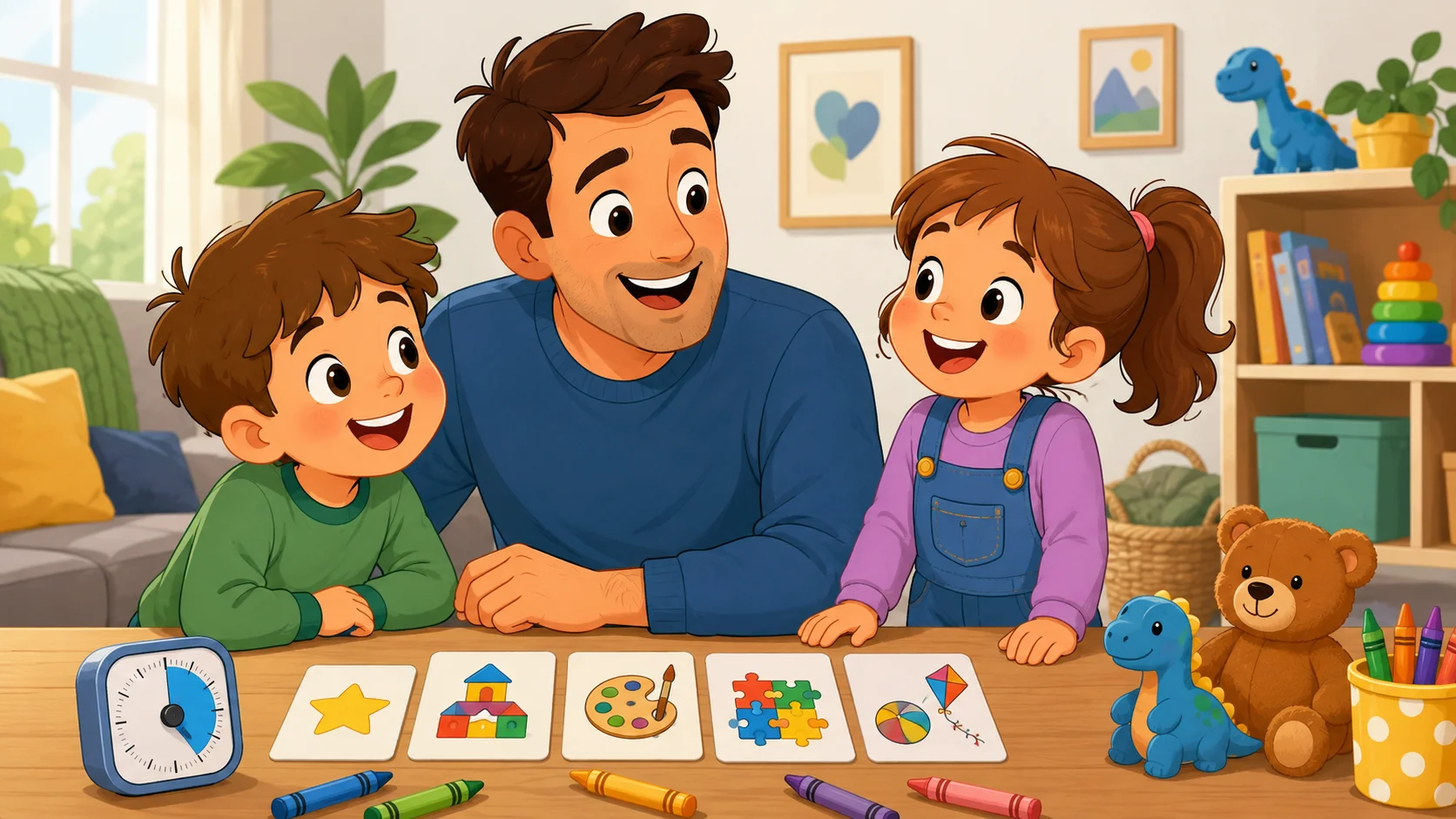
Transitioning to a lower-screen routine does not require a flawless, expensive regimen or constant parent-led entertainment. Setting realistic goals makes the routine easier to maintain and can lower parental stress.
Start Small
Starting with small, manageable 15- to 30-minute blocks helps avoid overwhelming both the parent and the child. Gradual changes give children time to adjust to less stimulation, which may reduce resistance.
Incremental success builds parental confidence and creates sustainable habits that can be expanded over time.
Match Activity to Mood
Evaluating a child’s current emotional and physical state is important when selecting an alternative activity. High-energy children may benefit from physical movement, such as a backyard obstacle course, before settling into a quieter activity.
A tired or overstimulated child may do better with quiet options, like looking through picture books or playing with a soft toy in a quiet corner.
Keep an Activity Basket Ready
Keeping an easy-to-reach activity basket makes alternatives available during stressful transition moments. Stocking this container with crayons, plain paper, playing cards, dice, puzzles, and colorful popsicle sticks removes prep barriers.
This preparation makes it easier to transition away from digital entertainment.
Use Screen Swaps Instead of Sudden Stops
Offering a clear, appealing replacement activity before turning off a device can reduce transition anxiety and outbursts. Saying, “We’re turning off the tablet so we can build a cardboard fort,” gives the child something specific to focus on.
This positive redirection helps the child focus on an appealing, active alternative instead of only on losing the screen.
Outdoor Activities
Outdoor activities offer important sensory experiences that support physical coordination and active play. Outdoor play can support physical activity, sensory exploration, stress relief, and better sleep routines.
Nature Walk
A simple neighborhood walk can become a fun observation game. Parents can ask children to find five different leaves, spot three kinds of birds, or listen for different sounds.
This simple focus builds observation skills and helps children notice their surroundings without relying on devices.
Scavenger Hunt
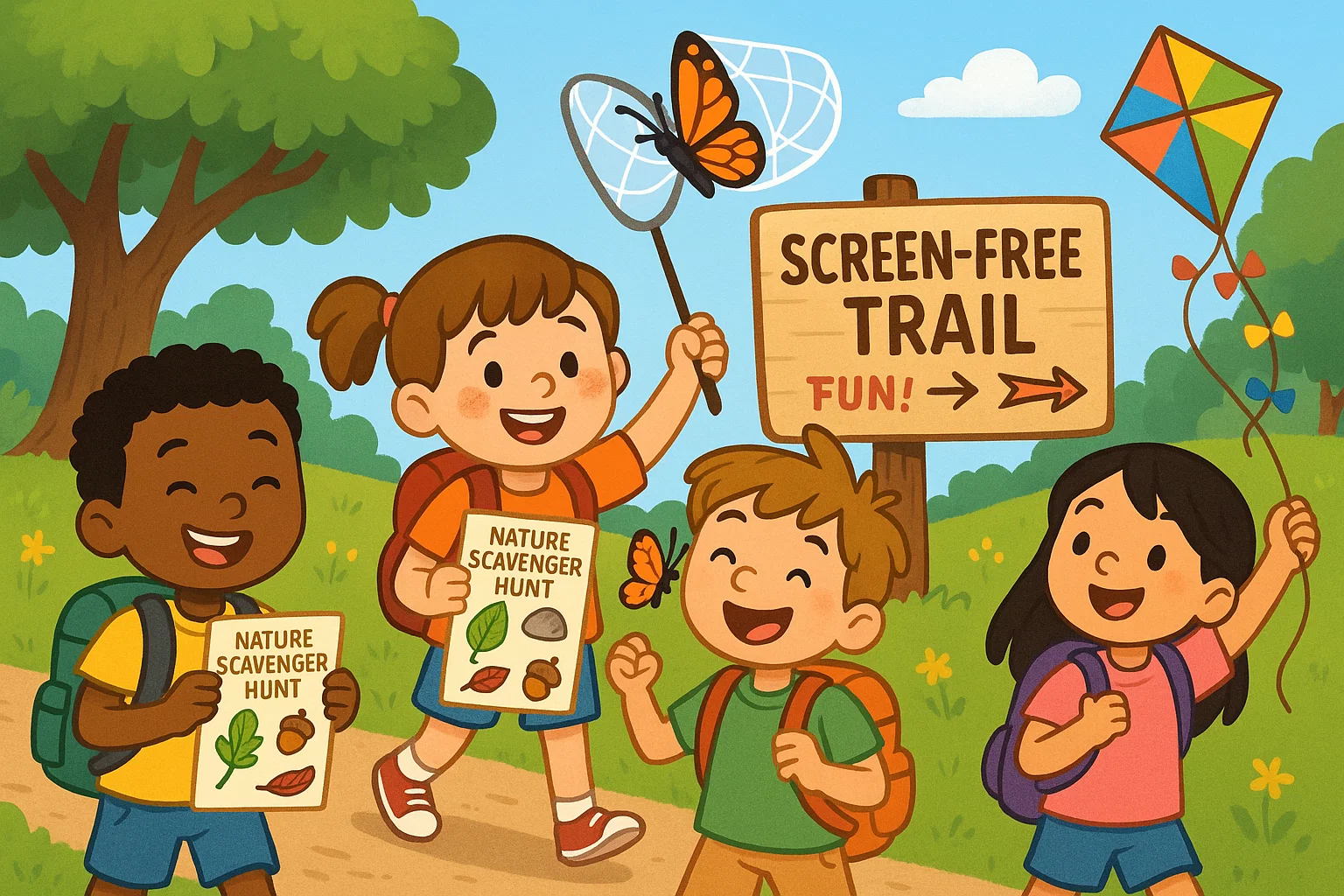
Outdoor scavenger hunts encourage problem-solving as children search a backyard or park for items that match specific clues.
| Prompt Type | Examples |
| Visual prompts | Find something green, round, shiny, or tiny |
| Sensory prompts | Find something soft, rough, noisy, or smooth |
| Spatial prompts | Find something hidden, high, low, or far away |
Giving children a list of items to find — something soft, green, noisy, or round — encourages creative thinking. This scalable activity keeps kids engaged for longer periods while supporting observation and spatial awareness.
Birdwatching
Birdwatching introduces children to local wildlife and helps them practice careful observation. Providing a simple notebook lets children count, sketch, and write down the birds they see nearby.
This quiet activity helps children practice patience, focus, and simple nature journaling.
Make a Bird Feeder
Building a simple bird feeder from pinecones, sunflower seeds, and a child-safe binding ingredient gives children a hands-on way to connect with local wildlife. This activity requires close parental supervision, especially if seeds, nut butters, or other possible allergens are used.
Hanging the finished project near a window provides ongoing, screen-free observation opportunities.
Team Games and Sports
Structured team games like soccer, tag, relay races, and balloon tennis help develop physical agility and cooperative social skills. Classic items like hula hoops or a simple jump rope challenge a child’s balance and coordination.
These active games allow children to burn off energy while learning how to navigate peer dynamics.
Outdoor Learning Experiences
The outdoors can work like a natural laboratory where children observe simple science in real life. Activities like measuring shadows, identifying local plants, and building mud kitchens introduce basic ideas from physics and biology.
These interactive experiences turn physical outdoor play into valuable hands-on learning.
Screen-Free Activities to Get Through Winter
Cold weather and dark afternoons often lead families to rely more heavily on screens. Planning simple indoor projects helps children stay active and engaged throughout the winter months.
Indoor Snow-Day Projects
| Activity Type | Ideas |
| Physical construction | Blanket forts, cardboard cities, cushion obstacle courses |
| Creative and artistic | Paper snowflakes, puppet shows, winter drawings |
| Active pretend play | Indoor bowling, cocoa café roleplay, stuffed-animal rescue missions |
When winter weather keeps families indoors, turning living spaces into creative zones can help prevent cabin fever. Children can build blanket forts or assemble miniature cardboard cities using discarded cardboard boxes and masking tape.
Parents can also set up an indoor bowling lane using plastic bottles or encourage a pretend-play cocoa café to foster cooperative roleplay.
Dark Evening Activities
Long winter evenings are a good time for low-light activities that make staying indoors feel more interesting. Flashlight reading, shadow puppet theater, and glow-stick hide-and-seek transform familiar rooms into playful spaces.
These calm but engaging activities help ease the transition toward bedtime without using screens.
Cold-Weather Outdoor Ideas
Short, structured bursts of outdoor play during cold weather can help children move their bodies and reset their mood. Bundling up for a quick winter scavenger hunt, a puddle-stomping walk, or a snow-painting activity allows children to experience seasonal shifts directly.
These short outdoor bursts give children a chance to get fresh air and physical exercise before returning inside to warm up.
Activities That Double as Chores
Integrating household responsibilities into a child’s play routine fosters independence, confidence, and a sense of family contribution. Reframing chores as playful challenges encourages active participation without electronic rewards.
Toy Story Cleanup Game
The Toy Story cleanup game turns tidying up into an imaginative race against time. Parents can set a physical kitchen timer and challenge children to help their toys “return home” safely before the buzzer sounds.
This structured approach replaces a potentially tedious task with a fast-paced, engaging game that keeps kids focused.
Tick-Tick Checklist
| Task Category | Specific Child Action | Visual Tracking Element |
| Bedroom tidying | Place books flat on the shelf | Checkbox on laminated chart |
| Organization | Sort plastic blocks into the blue bin | Star sticker applied to board |
| Wardrobe care | Drop dirty socks into the laundry basket | Velcro icon moved to “Done” |
A visual checklist gives children clear, separate tasks they can track on their own. Ticking off completed tasks — such as matching shoes or putting blocks in a box — provides a sense of accomplishment.
This approach supports planning and independence by breaking larger chores into manageable steps.
Personal Shopper
Transforming a trip to the grocery store into a “personal shopper” mission keeps children focused and cooperative while out and about. Children can manage a small checklist, check pantry items, cross-reference coupons, or locate specific items on lower shelves.
This active participation teaches categorization and basic home economics in a practical, real-world setting.
Mini Laundry Helper
Laundry routines offer practical opportunities for younger kids to develop fine motor skills and visual sorting abilities. Children can sort clothing by color, match pairs of socks, fold small hand towels, and carry light baskets to designated rooms.
These repetitive actions reinforce patterns, colors, and organizational skills.
Make Chores Playful
Adding rhythm to daily chores keeps the mood upbeat without turning on the television in the background. Families can use music-free clapping patterns, silly voices, or timed speed challenges to see who can clear the dinner table first.
This playful approach reduces resistance and builds a positive family culture around shared responsibilities.
At-Home Activities for Higher Energy
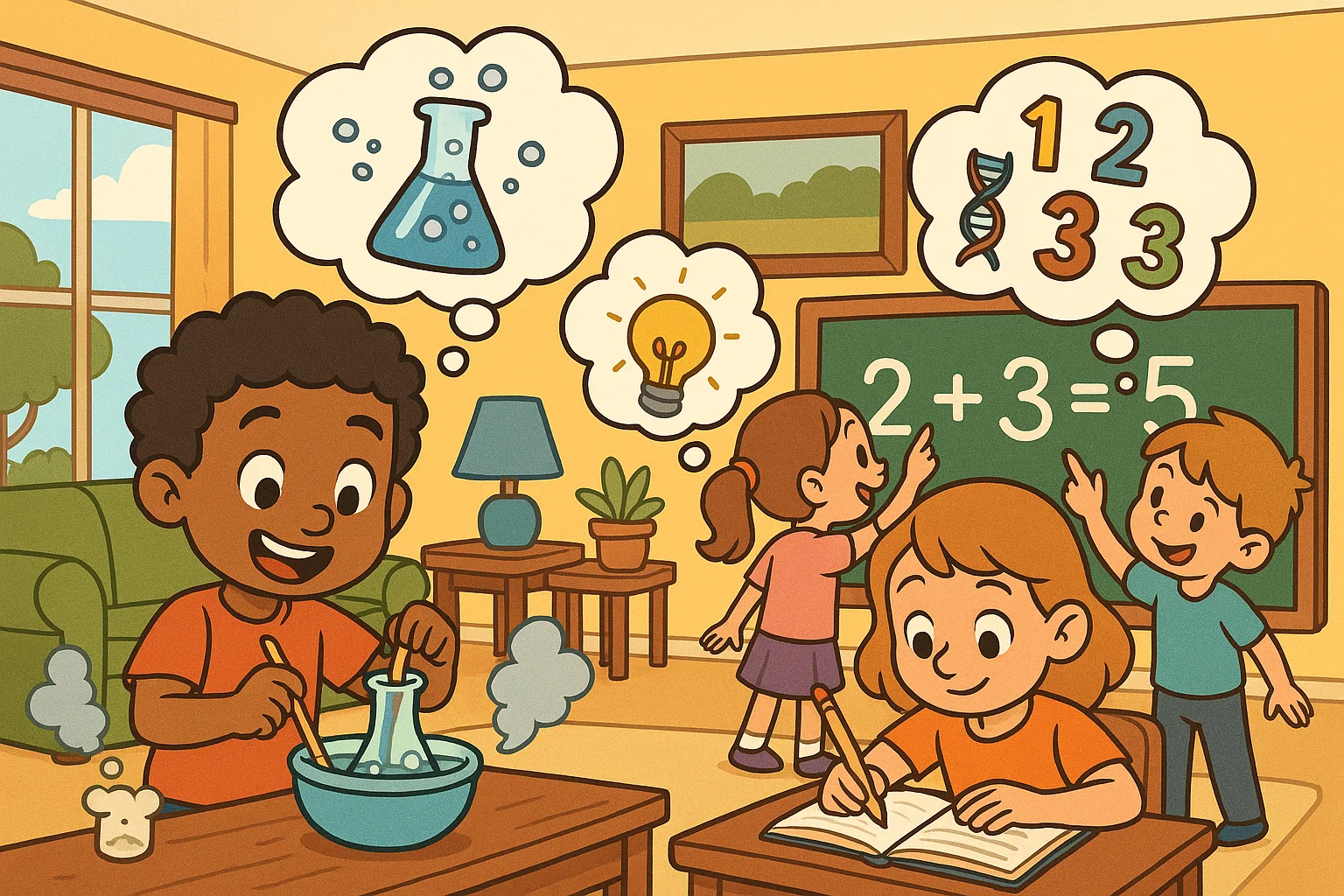
When children need to burn off excess energy indoors, structured movement games provide a safe, constructive outlet. These physical challenges keep kids active while reducing the risk of rowdy, unsafe indoor play.
Jump Around Challenge
The Jump Around Challenge uses movement prompts to help children burn energy safely indoors. Parents can guide children through animal walks, hallway footraces, pillow stepping stones, or a game of movement dice.
These movement prompts support balance, coordination, and gross motor skills in a defined indoor space.
Indoor Obstacle Course
Building an indoor obstacle course helps children develop spatial awareness and motor planning skills. Caregivers can use everyday household items like sofa cushions, kitchen chairs, painter’s tape lines, and play tunnels to design a safe, winding route.
This structured movement challenge turns physical energy into active, purposeful play.
World Records
Setting up lighthearted household “world records” encourages healthy self-competition and focus. Children can try to achieve their longest one-foot stand, fastest sock match, or tallest block tower.
Tracking these personal records in a notebook introduces simple data collection and encourages persistence through play.
Speed Racers
Speed Racer challenges turn simple toys into high-energy racing competitions across uncarpeted floors. Children can test how far toy cars roll, balance light items in spoon races, or launch paper airplanes to see which one goes farthest.
These activities introduce basic physics concepts like gravity, friction, and aerodynamics through active play.
Bull’s-Eye Toss
A bull’s-eye toss challenge gives children target practice and helps build hand-eye coordination and spatial awareness. Parents can use painter’s tape to mark target rings on the floor or set out open baskets at different distances.
Children can then toss soft items, like rolled-up socks or paper balls, to score points based on accuracy.
At-Home Activities for Lower Energy
Calm, low-energy activities are useful when children are tired, overstimulated, or transitioning between active play and rest. These quiet options help children self-regulate and lower stress.
Cozy Corner
A dedicated cozy corner gives children a peaceful, low-stimulation space where they can relax. Setting up an area with soft pillows, warm lighting, and a basket of favorite books creates an inviting environment for independent downtime.
This calm retreat encourages quiet, independent play and helps children settle down.
Story Time Swap
| Literacy Format | Material Requirements | Cognitive Benefit |
| Interactive read-aloud | Illustrated picture books | Vocabulary and bonding |
| Audiobooks | Audio playback device with no screen | Listening skills and focus |
| Child-led storytelling | Imagination or prompt cards | Narrative structure and sequencing |
Swapping screen time for a shared reading session supports early literacy and deepens family connection. Parents can read chapter books aloud or play audiobooks on a screen-free audio device to engage a child’s imagination through spoken word.
This quiet alternative builds listening comprehension and vocabulary without the visual stimulation of screens.
Drawing Challenge
Structured drawing prompts focus a child’s creative energy and keep them engaged during quiet periods. Asking a child to design a dream house, sketch a funny monster, or draw a family portrait encourages artistic expression and fine motor control.
These open-ended creative tasks keep children focused without requiring continuous parental direction.
Board Game Time
Playing age-appropriate board games, matching games, or dominoes gives families a structured way to connect during quiet times. Cooperative games encourage teamwork and collective problem-solving, which helps reduce competitive friction.
These activities naturally teach social skills like turn-taking, following rules, and managing disappointment.
Shoe Box Scene
Building a miniature world inside an empty shoebox lets children dive into detailed, imaginative play. Using fabric scraps, construction paper, small toys, and twigs collected from outdoors, children can design custom dioramas or play scenes.
This craft project encourages concentration and fine motor coordination.
Creative Arts, Crafts, and Building Projects
Engaging in open-ended creative projects supports fine motor development, spatial reasoning, and artistic expression. These activities give children a tangible sense of accomplishment as they bring their own ideas to life.
Get Creative with Arts and Crafts
Simple art projects encourage children to experiment with texture, shape, and form. Providing basic materials like non-toxic clay, paper plates for masks, or colorful string for friendship bracelets supports fine motor development.
These hands-on creative projects allow children to express themselves artistically while building manual dexterity.
Build and Create Together
| Project Type | Skill Focus |
| Cardboard forts or houses | Spatial reasoning and structural design |
| Interlocking building bricks | Fine motor control and pattern recognition |
| Marble runs or bridges | Gravity, balance, and mechanical thinking |
Collaborative building projects help children develop spatial reasoning and an early understanding of structure. Working together with classic wooden blocks, interlocking bricks, or large cardboard boxes teaches balance and stability.
These building challenges encourage focus, creative problem-solving, and teamwork.
Escape Room Challenge
Parents can create a simple puzzle escape room at home by setting up a series of hidden clues and mystery boxes. Designing basic word puzzles, hidden object tasks, or code challenges encourages children to use deductive reasoning to complete their mission.
This activity keeps kids engaged and encourages critical thinking.
Screen-Free Algorithms
Screen-free coding activities introduce computational thinking through physical games without using a computer. Parents can write out a clear sequence of steps for daily tasks, like brushing teeth or navigating an indoor maze.
This exercise introduces logic, sequencing, and basic programming concepts through physical play.
Cooking and Baking Activities
The kitchen can be a practical, hands-on place for children to use math, science, and fine motor skills in real life. Preparing food together also teaches healthy eating habits and essential life skills with proper supervision.
Mini Chef
Giving children age-appropriate kitchen tasks allows them to safely contribute to family meal preparation. Younger kids can wash fresh fruit, tear lettuce leaves, stir batter, or arrange toppings on a pizza crust.
These tasks build kitchen confidence and help children feel more comfortable trying a variety of foods.
Baking Project
| Baking Recipe Type | Mathematical Application | Scientific Concept |
| Whole wheat muffins | Fraction practice, such as 1/2 vs. 1/4 cup | Chemical leavening with baking powder |
| No-bake oat bites | Ratios and direct measurement | Binding ingredients together |
| Yeasted pizza dough | Time intervals and sequencing | Fermentation and rising dough |
Baking together offers a practical way to practice math concepts like fractions, volume, and weight measurements. Following a recipe for simple muffins or homemade bread introduces children to basic kitchen science, such as mixing, rising, and baking.
Measuring ingredients carefully reinforces mathematical accuracy while creating a delicious reward.
Cooking Challenge
A lighthearted cooking challenge allows children to express their creativity using safe, pre-cut ingredients. Kids can design custom sandwiches, arrange fruit slices into fun faces, or assemble snack platters for the family.
This freedom encourages independent decision-making and can make trying new foods more appealing.
Food Safety Rules
Teaching clear kitchen safety rules helps create a safe, positive environment for young helpers. Parents should establish consistent routines around handwashing, staying away from hot surfaces, and handling kitchen tools carefully.
Clear supervision helps keep cooking safe, educational, and fun for everyone.
Reading, Storytelling, and Nature Science
Combining literacy and scientific exploration nurtures curiosity, critical thinking, and a deeper understanding of the world. These activities turn everyday moments into simple learning opportunities.
Reading Fort
Building a dedicated reading fort with soft blankets, pillows, and flashlights makes independent reading feel like a special event. Parents can place a curated basket of age-appropriate books inside to encourage children to explore stories independently.
This inviting space helps build a love of reading in a calm, cozy environment.
Storytelling Game
Storytelling games develop verbal communication skills and narrative structure without relying on digital entertainment. Families can use sentence starters, roll story cubes, or choose three random household items to invent a collaborative tale.
This creative exercise encourages imagination and builds vocabulary through shared conversation.
Nature Science Experiments
| Experiment | What It Explores |
| Sink-or-float trials | Density, displacement, and buoyancy |
| Seed sprouting logs | Plant biology, germination, and growth |
| Leaf rubbing studies | Botanical structures and vein patterns |
Simple home science experiments introduce children to the scientific method using everyday items. Running sink-or-float trials, sprouting seeds in wet paper towels, or making leaf rubbings encourages observation and prediction.
These hands-on activities turn basic curiosity into structured scientific thinking.
Language Learning Games
Introducing language games expands a child’s vocabulary and communication skills in a playful, engaging way. Labeling common household objects in a second language or playing picture-card matching games introduces new words naturally.
These interactive verbal games can support flexible thinking and introduce children to other cultures.
When Parents Are Juggling a Million Things
Managing household tasks or remote work requires independent screen-free activities that keep children safely engaged. These low-supervision options encourage independent play while giving parents time to focus.
Independent Play Bag
An independent play bag is a pre-packed kit filled with quiet, interesting toys designed for self-directed play. Keeping these bags filled with sticker books, fine-motor puzzles, and sensory toys gives children something ready to use when parents need to focus.
Reserving these kits for specific times keeps the contents fresh and engaging.
Busy Box Rotation
A structured toy rotation system keeps a child’s playthings feeling fresh without requiring new purchases.
| Day | Busy Box Idea |
| Monday | Magnets |
| Tuesday | Clay |
| Wednesday | Toy tracks |
| Thursday | Puzzles |
| Friday | Building blocks |
Parents can group toys into themed storage bins and rotate them throughout the week. This simple system encourages deeper engagement and more focused independent play with the selected toys.
Personal Mission Cards
Personal mission cards give children clear, independent goals to accomplish on their own. Cards with prompts like “build a block tower as tall as your chair” or “find six blue items” guide self-directed play.
These specific challenges keep children focused and help build problem-solving skills independently.
Safe Nearby Play
Setting up a safe play area within the parent’s line of sight makes supervision easier during busy times. Caregivers can arrange a comfortable floor space next to their workspace or kitchen counter for low-mess crafts or puzzles.
This setup lets parents stay productive while remaining close enough to help when needed.
Morning Screen Swaps Before School
Replacing morning television with simple, active routines can reduce stress and help children start the school day more focused. These alternatives can create a calmer, more organized start to the morning.
Breakfast Table Games
| Game Title | Preparation Level | Cognitive Transition Benefit |
| Riddle Cards | Low, using pre-written index cards | Lateral thinking and verbal logic |
| What Changed? | No materials, just rearrange table objects | Visual memory and situational awareness |
| Number Guessing | No materials, using mental math | Mathematical estimation and logic |
Simple verbal games at the breakfast table engage a child’s mind without the extra stimulation of morning screens. Quick challenges like “I Spy,” simple riddles, or memory games keep children engaged and conversational.
This interactive morning habit can build focus and communication skills before the school day begins.
Getting Ready Race
Turning morning routines into a playful race helps motivate children to get ready independently and on time. Timing daily tasks like getting dressed, brushing teeth, and packing school bags turns chores into a fun personal challenge.
This playful approach can reduce morning power struggles and build time-management skills.
Morning Checklist
A visual morning checklist shows children exactly what tasks they need to complete before school, encouraging independence. Using a laminated chart with checkboxes for tasks like making the bed and putting on shoes keeps kids on track.
This clear routine helps reduce stress and reduces the need for constant parental reminders.
Calm Start Ideas
Gentle morning activities help children transition peacefully from sleep to the school day ahead. Starting the day with light stretching, soft background music, or sharing a picture book creates a relaxing morning environment.
These calming habits help children regulate their emotions and start the school day with a positive mindset.
Out-and-About Screen-Free Ideas
Managing long waits or public outings without screens is easier with simple, portable games that use the immediate surroundings. These activities keep children engaged and cooperative while out in public.
Number Hunters
Turning public signs and license plates into a number-hunting game keeps children focused and entertained during errands. Parents can ask kids to find specific numbers on store windows, receipts, or menus to practice math skills on the go.
This interactive challenge builds number recognition and keeps children aware of their environment.
Color Hunt
A color hunt turns ordinary waiting areas or stores into an engaging visual game. Children can look for specific colors in clothing, trees, or store displays while walking or waiting in line.
This simple, no-setup activity sharpens visual awareness and keeps children occupied without a screen.
I’m Thinking of a Number
“I’m Thinking of a Number” is a classic, portable guessing game that works beautifully in long lines or waiting rooms. Giving clues about a secret number helps children practice math concepts like “greater than” or “less than” in a fun way.
This quick mental game keeps kids entertained while building logical thinking skills.
Restaurant Activities
Keeping children happily occupied at restaurants is simple with low-mess, portable activities. Origami paper folding, simple card games, or drawing custom menus on paper placemats keep hands busy while waiting for food.
These options encourage pleasant table conversation and help children practice social skills without digital devices.
Travel Screen-Free Activities
Long journeys are a great opportunity to replace screen time with travel games and portable activities. Planning ahead with a few travel-friendly options can make a screen-free trip smoother for everyone.
Plane Travel Activities
| Travel Resource | Storage Method | Engagement Type |
| Magnetic board games | Compact zipper pouch | Spatial logic and fine motor control |
| Reusable sticker books | Seatback pocket | Creative storytelling and dexterity |
| Travel journal kit | Small zippered pencil case | Writing, drawing, and memory reflection |
Air travel with children is smoother when using compact, quiet activities that fit easily on a tray table. Reusable sticker books, travel journals, magnetic games, and small surprise activity bags provide hours of independent play.
This thoughtful preparation can help keep children engaged during long flights without screen time.
Road Trip Activities
Long car rides can feel shorter with classic road games that involve the whole family. Games like license plate bingo, family car karaoke, collaborative storytelling, and tracking the route on a physical map keep everyone connected.
These interactive travel games can turn a long drive into a shared family activity.
Waiting Room Activities
Compact, quiet toys are useful for keeping children calm and occupied in doctors’ offices or waiting rooms. Carrying a small notebook for tic-tac-toe, a few simple fidget toys, or a deck of cards provides instant entertainment.
These low-profile options help children practice patience in quiet, public spaces.
Travel Play Bag Packing List
- 2 reusable sticker books
- 1 pack of multi-colored crayons
- 1 set of magnetic building shapes
- 2 small picture books
- 1 compact deck of playing cards
Free Places to Go
Exploring free community spaces gives families budget-friendly options for outings and active learning. These accessible local destinations encourage children to discover new environments and connect with the world around them.
Library Visit
A trip to the local public library offers much more than a place to borrow books. Attending free community story times, participating in reading challenges, and exploring quiet play areas provides a rich literacy experience.
This environment can help children develop a love of reading.
Park Adventure
Local parks and playgrounds offer open spaces for free, active play and gross motor development. Organizing a family picnic, setting up a simple obstacle course, or playing a game of catch helps children build physical strength and coordination.
These open spaces give kids room to run, explore, and play freely in nature.
Community Events
| Event Type | Benefit |
| Local farmers markets | Seasonal produce and sensory discovery |
| Free museum days | Cultural history and interactive learning |
| Children’s workshops | Hands-on building and artistic expression |
Attending free neighborhood festivals, museum days, or outdoor concerts connects families to their local community. Many local parks and community centers host free hands-on art or building workshops for children.
These cultural activities can spark new interests and provide learning experiences at no cost.
Neighborhood Exploration
Turning a simple walk down a new street into a neighborhood exploration adventure sparks curiosity about local architecture and environments. Families can look for unique house features, spot colorful murals, or collect interesting fallen leaves along the way.
This mindful walking habit encourages children to notice and appreciate the details of their local community.
Paid Places to Go
Structured, paid outings provide hands-on experiences that encourage active exploration and learning. These field trips offer interactive alternatives to passive screen time.
Museum or Science Center
Interactive science centers and children’s museums invite kids to learn through hands-on discovery and play. Exploring exhibits dedicated to physics, history, and nature encourages children to ask questions and think critically.
These interactive learning experiences turn educational concepts into memorable adventures.
Swimming Pool or Sports Center
Visiting a local indoor pool, climbing wall, or gymnastics center offers a helpful workout for a child’s physical development. These active spaces help children build coordination, confidence, and physical strength through structured movement.
Regular active outings can support healthy habits and give children a way to burn off high energy.
Children’s Workshop
Enrolling children in focused workshops like pottery making, kids’ cooking classes, or musical theater sessions helps develop specific creative skills. Guided by experienced instructors, these classes encourage patience, focus, and artistic expression.
These structured group activities are helpful for building confidence and social skills.
Holiday Camp
Structured holiday camps offer a blend of outdoor play, team sports, creative crafts, and social connection during school breaks. Participating in these group programs helps children develop independence, teamwork, and resilience in a supportive environment.
These experiences can keep kids active and engaged during school breaks.
Homework Screen Swaps
Replacing digital entertainment with active learning games makes homework sessions more engaging and productive. These creative homework strategies can help maintain motivation without relying on screens for study breaks.
Disappearing Letters
The disappearing letters game turns spelling practice into a fun, interactive memory challenge. Parents can write a vocabulary word on a small whiteboard and erase one letter at a time, asking the child to fill in the blank from memory.
This playful method helps children learn word structures and improves spelling retention.
Spray-Bottle Words
Practicing spelling words outdoors with sidewalk chalk and a spray bottle filled with water turns learning into an active, sensory experience. Children can spray the correct letters to spell out words written on the driveway or sidewalk.
This high-energy outdoor study game is a fun way to practice language skills on warm days.
Movement Math
Incorporating physical movement into math practice helps children understand abstract numerical concepts more easily. Using hopscotch for addition facts, rolling dice for multiplication, or using snacks to show fractions makes math tangible and fun.
These active math games improve numerical understanding and memory through physical play.
Homework Reward Chart
A visual reward chart motivates children to complete their schoolwork by offering fun, screen-free privileges as incentives. Earning rewards like an extra bedtime story, choosing a favorite family dinner, or taking a special trip to the park encourages consistent study habits.
This positive reinforcement can encourage consistent effort without relying on digital rewards.
Dinner-Time Screen Swaps
Managing the busy dinner preparation window is much easier when replacing screens with helpful kitchen routines. These transition strategies keep children safely occupied and connected as the family gets ready to eat.
Dinner Helper Role
Giving children meaningful tasks to help prepare the dinner table fosters a sense of responsibility and family contribution. Kids can fold napkins, set out placemats, arrange silverware, or carry safe items to the table.
These purposeful chores keep children happily occupied and involved in the family dinner routine.
Menu Designer
Letting children design custom menus or place cards for dinner encourages writing, drawing, and creative expression. Kids can illustrate the evening’s dishes and write out names for family members at the table.
This fun activity channels creative energy into the dinner routine, making mealtime feel special.
Table Talk Cards
Using structured conversation cards at dinner sparks interesting family discussions and builds verbal communication skills. Asking fun questions, sharing gratitude prompts, or telling stories together keeps everyone engaged around the table.
This warm dinnertime habit can strengthen family bonds and reduce the distraction of background screens.
Countdown to Dinner
Using a clear, visual countdown can help children transition from playtime to dinner with less fuss. Giving regular verbal reminders at ten, five, and two minutes gives kids time to finish what they are doing and prepare for the meal.
This predictable routine helps prevent tantrums and makes transitioning to the table a more positive experience.
Bedtime Wind-Down Activities
Creating a calm, device-free bedtime routine can support healthier sleep habits and help children unwind. These relaxing evening activities prepare a child’s mind and body for sleep.
Wind Down with a Countdown
A predictable, screen-free bedtime routine helps signal to a child’s body that it is time to sleep. Following a regular sequence — a warm bath, pajamas, a story, and a quiet chat — can help children transition to sleep more easily.
This consistent rhythm can create a calmer, more predictable evening.
Funny Feet
The Funny Feet game turns getting ready for bed into a quiet, playful activity that helps children focus and wind down. Walking on tiptoes like a quiet animal or matching bedtime socks keeps kids moving calmly toward the bedroom.
This playful routine reduces bedtime resistance while keeping the mood relaxed.
Bedtime Story Swap
Replacing late-night screens with shared reading or child-led storytelling creates a peaceful atmosphere for sleep. Parents can read comforting chapter books aloud or listen to a screen-free audio story together in the dark.
This relaxing routine stimulates the imagination and avoids screen light that can interfere with bedtime.
Calm Sensory Routine
A gentle sensory routine before bed helps soothe a child’s nervous system and lower energy levels for sleep. Practicing simple bedtime stretches, deep breathing exercises, or playing quietly with soft toys in dim light encourages relaxation.
These calming habits can ease evening worries and help children prepare for sleep.
Summer Screen-Free Activities
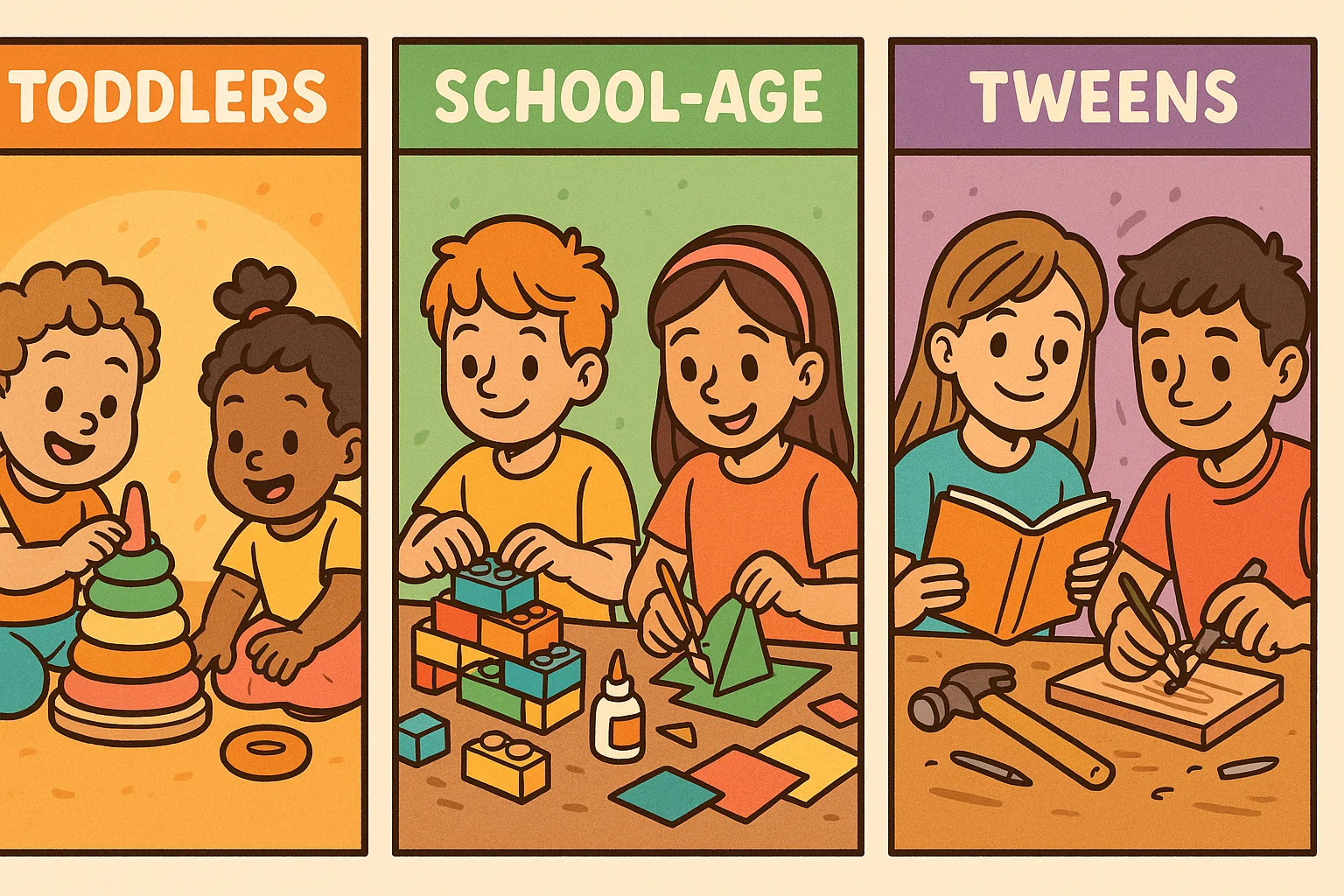
Long summer days offer a great opportunity to build lasting family memories through active outdoor exploration and creative projects. Planning a few simple summer activities can keep children engaged and learning throughout the season.
Backyard Water Play
| Activity Type | Ideas |
| Active play | Running through a sprinkler |
| Target practice | Outdoor sponge-toss game |
| Sensory play | Toy-washing station bin |
Backyard water activities provide sensory play and gross motor exercise during hot summer days. Setting up a sprinkler, a sponge-toss target game, or a toy-washing station keeps children active and cool.
Close parental supervision helps keep outdoor water play safe and fun.
Picnic Projects
Planning a backyard or park picnic turns lunchtime into an exciting, creative project for kids. Children can help pack the basket, draw a fun map of the picnic area, or play nature bingo while eating outdoors.
This simple change of scenery makes mealtime feel like a special summer adventure.
Garden Activities
Caring for a small garden patch or patio containers introduces children to botany and environmental responsibility in a hands-on way. Planting seeds, watering growing vegetables, and keeping a summer garden journal teaches patience and scientific observation.
These rewarding outdoor tasks help children connect with the natural world.
Summer Memory Jar
Creating a summer memory jar lets children celebrate their favorite seasonal moments through drawing and writing. Decorating a clear container and adding notes or sketches of fun days captures special family memories all summer long.
Looking through the jar at the end of the season gives children a fun way to remember their screen-free adventures.
Screen-Free School Break Activities
Managing long school breaks without screens is easier with a flexible daily rhythm and fun collaborative projects. These school break strategies keep children active, social, and creative throughout their time off.
School Break Routine
| Morning Block | Midday Block | Afternoon Block | Evening Block |
| Outdoor active play and neighborhood walks | Shared family chores and meal prep | Independent quiet crafts and reading | Collaborative board games and storytelling |
A flexible but structured daily schedule helps children know what to expect during long school breaks, reducing boredom. Balancing the day with outdoor play, creative craft time, shared family chores, and quiet reading keeps things running smoothly.
This balanced routine can help reduce long stretches of unstructured downtime, when screen requests often happen.
Group Games for Siblings
Collaborative group games encourage siblings to work together, communicate, and solve problems creatively. Setting up indoor treasure hunts, staging family puppet shows, or hosting a board game tournament keeps everyone involved.
These shared activities can help build stronger sibling relationships and teach cooperative play.
Camp-Style Activities at Home
Creating themed “camp days” at home brings the excitement of summer camp into the living room. Parents can dedicate days to specific themes like Nature Exploration, Creative Arts, Kitchen Science, or Olympics Day.
These structured, active themes spark curiosity and keep school break learning fun.
Social Play Ideas
Organizing active playdates and neighborhood games helps children build social skills and friendships over school breaks. Planning backyard sports matches, collaborative art projects, or neighborhood scavenger hunts encourages teamwork and cooperative play.
These shared social experiences can make school breaks feel lively and connected.
Indoor Activities with One Child
One-on-one time at home gives parents a chance to connect with their child through focused activities. These simple projects strengthen relationships and support learning that fits the child’s interests.
Parent-Child Craft
Working together on a shared craft project allows for meaningful conversation and creative bonding without a lengthy cleanup. Projects like modeling clay figures, painting keepsake pots, or weaving simple friendship bracelets are useful for one-on-one time.
This focused time together supports fine motor skills and creates space for connection.
Pretend Play Scenario
| Imaginative Setting | Assigned Roles | Developmental Benefit |
| Post office game | Clerk and customer | Writing practice and sorting skills |
| Veterinary clinic | Doctor and pet owner | Empathy building and problem-solving |
| Restaurant play | Server and guest | Social communication and manners |
Imaginative roleplay games let children explore real-world jobs and practice social communication in a fun, safe way. Setting up a pretend post office, veterinary clinic, or grocery store encourages creative expression and empathy.
This kind of play can support language development and problem-solving through storytelling.
Puzzle Time
Completing a challenging puzzle together encourages spatial reasoning, patience, and cooperative problem-solving. Parents can choose a detailed puzzle that fits their child’s age and turn it into a fun challenge by timing progress or inventing stories about the picture.
This focused task builds concentration and gives families a sense of shared accomplishment.
Conversation Game
Simple question-and-answer games are a helpful way to boost verbal skills and learn more about a child’s inner world. Using fun thought starters like “What animal would you like to talk to?” encourages creative thinking and language expression.
This warm, screen-free interaction helps children practice listening and expressing their thoughts.
Indoor Activities with Multiple Children
Managing multiple children indoors is smoother and more cooperative when using games that encourage teamwork rather than competition. These group challenges can keep siblings engaged and help them play together more peacefully.
Treasure Hunt
Designing a clue-based treasure hunt throughout the house encourages children of different ages to work together toward a shared goal. Younger children can spot visual picture clues, while older siblings read written riddles and direct the search.
This cooperative adventure keeps everyone involved and builds teamwork skills.
Super Family Challenge
| Team Goal | Skill Focus |
| Tallest block tower | Structural thinking and shared planning |
| Longest paper chain | Fine motor coordination and efficiency |
| Complex floor puzzle | Pattern matching and division of labor |
Super Family Challenges turn big building projects into fun, cooperative team goals for the whole household. Siblings can work together to build the tallest block tower, create a family flag, or complete a giant floor puzzle.
This focus on teamwork can reduce sibling arguments and teach the value of collaboration.
Puppet Show
Staging an indoor puppet show gives children a creative outlet to write, practice, and perform their own stories together. Using simple sock puppets, paper bag characters, or favorite toys, siblings can design a miniature theater behind the sofa.
This collaborative project encourages creative writing, speaking confidence, and artistic design.
Board Game Tournament
Organizing a family board game tournament with cooperative rules helps keep friendly competition fun and positive. Choosing games where players work together to beat the board prevents arguments and encourages shared strategy.
This structured game time helps children practice following rules, taking turns, and celebrating team success.
Little Moments Make Big Memories
Moving toward a screen-free lifestyle is most successful when focused on building meaningful family connections through everyday moments. Small, positive daily changes can create lasting habits and childhood memories.
Everyday Moments Count
Simple, everyday interactions often hold the most meaning for a child’s emotional growth and security. Shared moments like chatting while preparing dinner, laughing during morning routines, or stargazing in the backyard build family connection.
These small screen-free habits show that everyday life is full of opportunities for connection.
Family Ritual Ideas
| Frequency | Selected Ritual | Primary Value |
| Weekly | Friday night board games | Consistent connection and cooperative play |
| Weekly | Sunday morning nature walk | Environmental awareness and physical activity |
| Daily | Bedtime story box | Literacy development and calming routine |
| Monthly | Library choice day | Independent selection and community engagement |
Establishing consistent family rituals creates a comforting sense of predictability and belonging for children. Weekly board game nights, weekend nature walks, or choosing books together at the library become cherished childhood traditions.
These simple, screen-free routines give children meaningful family moments to look forward to.
Let Kids Choose
Giving children a say in choosing their screen-free activities increases their excitement and cooperation. Parents can offer limited options from the activity basket, such as asking, “Would you like to play a board game or build a blanket fort?”
This simple choice empowers children, builds decision-making skills, and creates an inviting environment for screen-free play.
FAQs
What Are the Best Screen-Free Activities for Kids?
Some of the most effective screen-free activities include active outdoor play, creative arts and crafts, household chores turned into games, hands-on cooking, reading, board games, and travel games. Matching these options to a child’s current energy level helps encourage deeper engagement and supports healthy routines.
How Can Parents Replace Screen Time Without Tantrums?
To reduce transition tantrums, parents can give clear time warnings, offer an appealing screen swap before the device is turned off, and set up a predictable daily routine. Giving children limited choices about what to do next also helps them feel more empowered and cooperative.
Should Kids Have a Screen-Free Day?
Yes, planning a screen-free day can be beneficial when it is organized around engaging outdoor activities, family tasks, and fun independent play. A thoughtful day away from digital devices gives children more space for creative, real-world activities.
What Screen-Free Activities Work During Travel?
Great travel options include compact sticker books, magnetic board games, drawing pads, travel journals, audiobooks, and classic car games like license plate bingo or collaborative storytelling. These low-mess, portable choices keep children occupied throughout long journeys.
What Screen-Free Activities Help Before Bed?
A relaxing bedtime routine can include shared reading, audio stories, simple stretches, and quiet drawing or puzzle time in soft light. These peaceful alternatives allow the body to wind down naturally and help avoid the disruption of late-night screen use.
What Screen-Free Activities Work for Busy Parents?
Busy caregivers can use pre-packed independent play bags, toy rotation boxes, targeted mission cards, and safe nearby play spaces. Turning daily household chores into playful speed challenges also keeps children safely engaged while parents focus on other responsibilities.

Take a short quiz to find out what your everyday choices say about your parenting style
When your child is curious about something new, what’s your instinct?
Take a short quiz to find out what your everyday choices say about your parenting style
“Can I download this app?” What happens next?
Take a short quiz to find out what your everyday choices say about your parenting style
When it comes to rules at home, which sounds most like you?
Take a short quiz to find out what your everyday choices say about your parenting style
If you could give your child one life skill today, what would you pick?
Take a short quiz to find out what your everyday choices say about your parenting style
Your child gets to choose what to watch. What would your ideal setup look like?
Take a short quiz to find out what your everyday choices say about your parenting style
Pick your parenting superpower ✨



