Best rainy day activities for kids: 32 indoor ideas the whole family will love

 Discover a Free Education Video App for Kids
Pastory uses AI to personalize educational video content based on your child’s interests and personality. Safe, engaging, and built for curious young minds. Sign up now to stay updated and enjoy early access with a free trial
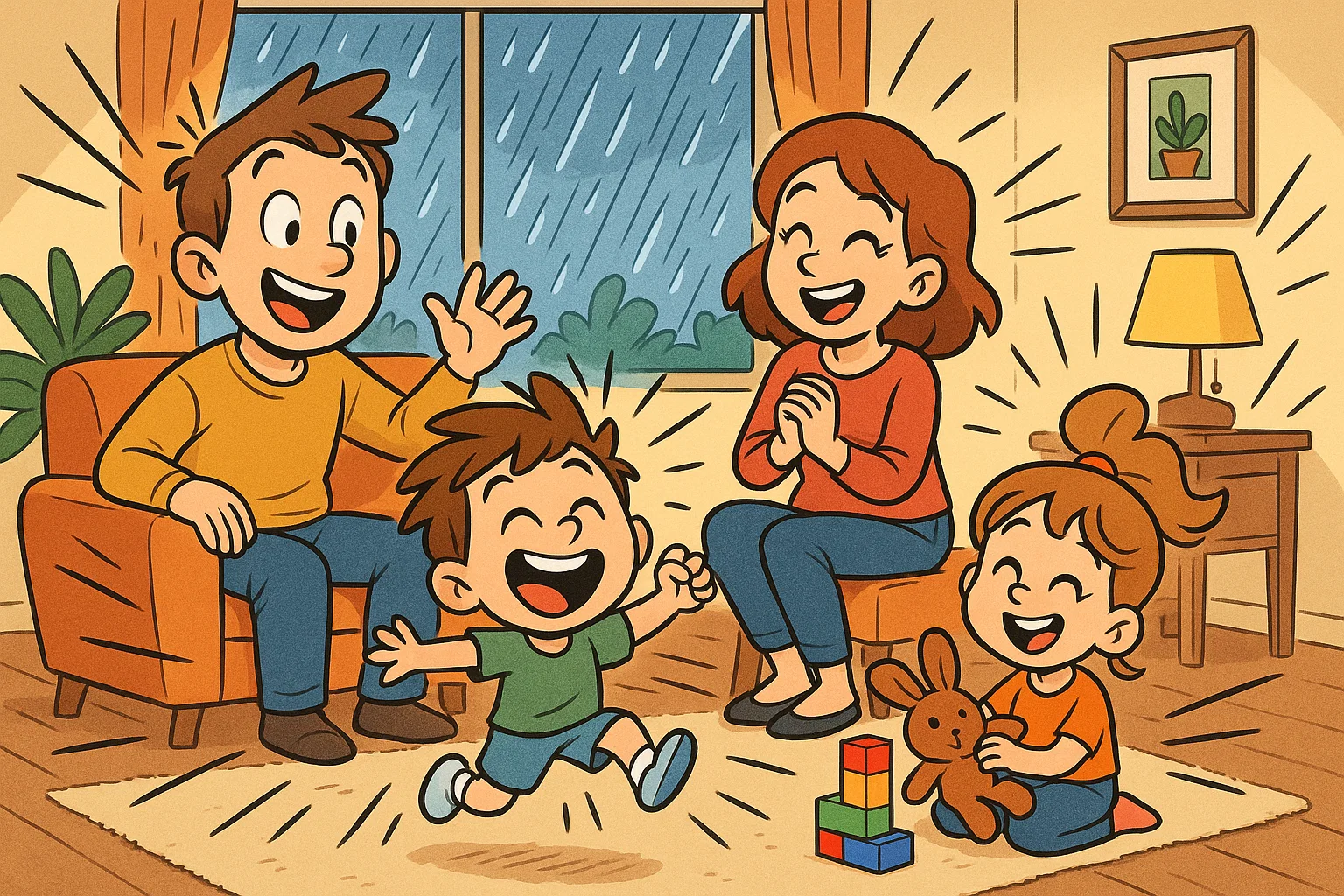
When the clouds roll in and outdoor plans are washed away, keeping the kids entertained indoors becomes a top priority for parents. Whether you’re dealing with a drizzly afternoon or persistent bad weather during the winter months, finding the right indoor venue is essential for preventing cabin fever. From high-energy trampolining and soft play to educational trips to an aquarium or a National Trust property, there is a wealth of indoor activities designed to keep little ones and older kids engaged.
This guide explores the best places to visit when it’s raining, covering everything from free museum days to adrenaline-pumping indoor adventure golf and Clip ’n Climb centres. Whether you’re planning a family day out at LEGOLAND Discovery Centre or looking for a budget-friendly indoor activity at home, these ideas will keep the fun going, even when the weather is bad.
Key takeaways
- Active Options: Soft play, trampoline parks, and swimming are perfect for rainy days and help kids burn off some energy.
- Educational Fun: Museums and aquariums provide indoor entertainment that supports cognitive development and curiosity.
- Budget Planning: Use free-entry days, libraries, and home cinema setups to keep costs low on a rainy day.
- Booking Essentials: Always check height limits, age suitability, especially if you have a 2-year-old, and pre-booking requirements to avoid disappointment.
Quick rainy day picks
When you need an immediate solution to bad weather, several classic indoor activities consistently deliver family fun. Soft play centres are a favourite among younger kids, while bowling and cinema trips appeal to adults and children alike. Active families can try leisure centres with splash zones or trampoline parks, which offer plenty of active play without anyone getting soaked. Indoor crazy golf and arcades also add a competitive edge to a fun indoor experience.
Best choices by age
Selecting the best family activity depends heavily on the developmental stage of the child. Toddlers and little ones thrive in sensory-rich environments like indoor play villages or sea life centres. Primary school kids typically enjoy the variety of science centres or adventure golf. Tweens and teens often prefer high-intensity options such as laser tag, climbing, or indoor karting, which give them the engagement they need to stay off screens.
Budget-friendly options
You don’t need a large budget to entertain the family when the weather is bad. Many national museums and art galleries offer free days or permanent free entry, making them some of the best things to do indoors. Your local library is a great place to visit for story sessions, while a home movie day with popcorn provides plenty of fun at minimal cost. Additionally, many leisure centres offer off-peak swimming or badminton prices.
Planning tips for wet weather
Success on a rainy day requires a bit of foresight. Whether you’re heading to a stately home or an inflatable park, checking public opening hours and booking online can often help you secure a discount. Always pack spare clothes and socks, especially for soft play visits, and check the parking situation so you can get indoors quickly when you arrive. Having a backup plan is vital in case your first choice is fully booked.
Rainy day decision shortcut
When plans change quickly, choose an activity by mood rather than venue type. High-energy children usually need movement first: swimming, skating, climbing, trampolines, or a short indoor obstacle session. Tired children often cope better with quieter choices such as a library visit, pottery painting, a museum trail, or a cosy café stop.
Mixed-age families should prioritise venues with two zones under one roof. A leisure centre, shopping centre, discovery museum, or larger play attraction usually gives toddlers a safe area and older siblings something more challenging. This keeps the day flexible and reduces the chance of leaving early.
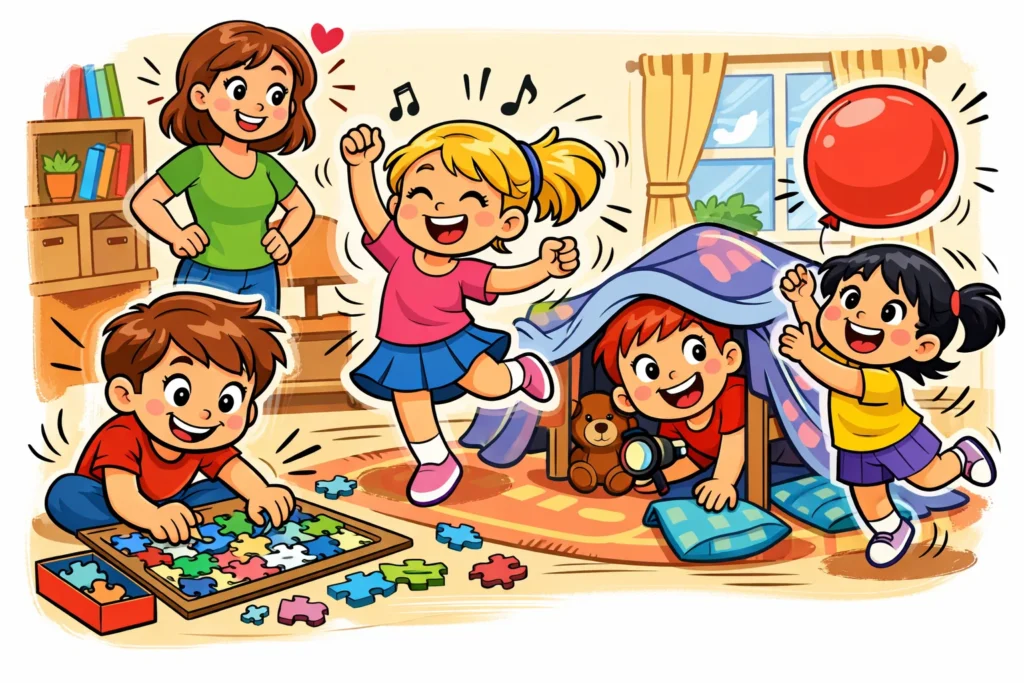
It also helps to have one low-cost idea ready at home. A blanket den, simple scavenger hunt, baking session, or living-room cinema can rescue the afternoon when tickets sell out, traffic is heavy, or everyone is too tired to travel.
Keep a small rainy-day bag near the door with socks, wipes, snacks, a water bottle, and spare clothes. Then short-notice trips become less stressful, especially during school holidays when popular venues book up early. Check travel time as well as ticket price; a free museum across town can feel less appealing than a nearby paid activity when traffic is slow and children are already restless.
1. Visit museums and art galleries

Museums are an excellent indoor destination, offering a blend of education and entertainment. These institutions provide shelter from the rain while fostering critical thinking and cultural awareness. Many museums, such as the Manchester Museum, offer child-friendly galleries that encourage hands-on interaction rather than passive observation.
Kid-friendly museum types
- Science Centres: Feature interactive experiments and live demonstrations.
- Natural History: Focus on dinosaurs, wildlife, and the natural world.
- Transport Museums: Display vintage trains, buses, and planes.
- Toy Museums: Showcase the history of play across generations.
How to make museum visits fun
To keep kids entertained, turn the visit into a game by creating a scavenger hunt based on the exhibits. Provide older kids with a sketchbook to draw their favourite artefacts, and keep the visit manageable, typically 90 to 120 minutes, to prevent “museum fatigue.” Café breaks are essential for refuelling and discussing what they have learnt.
Money-saving tips
Many top cultural venues are free, especially national institutions. Check if your local art gallery offers family workshops during the winter months. Some venues also offer “pay what you can” days or discounts for local residents.
2. Go trampolining
Trampoline parks are among the best things to do when kids need to burn off some energy but must stay indoors. These venues feature wall-to-wall trampolines, foam pits, and dodgeball courts, providing a high-intensity workout disguised as family fun.
Best trampoline park ages
Trampoline parks provide tailored sessions by age group to ensure safety. Toddler sessions let little ones play without the risk of being bumped by older kids. Standard “open jump” sessions usually work well for children aged five and up, while teens often enjoy “after dark” sessions with music and disco lights.
Safety and booking notes
| Feature | Requirement |
| Footwear | Specific grip socks are usually mandatory. |
| Documentation | A safety waiver must be signed by a parent/guardian. |
| Supervision | Under-5s typically require an adult on the trampolines with them. |
Extra activities to mention
Many modern parks offer more than just trampolines; they often include ninja zones, climbing walls, and inflatable obstacle courses. Some centres also house a soft play area, making them a great rainy day destination with kids of multiple ages.
3. Try roller skating or roller disco
Roller skating offers a nostalgic yet active indoor experience that is perfect for rainy days. Many rinks host roller discos where music and lights create a party atmosphere, helping to entertain kids while they develop balance and coordination.
Beginner-friendly skating tips
When little ones try skating for the first time, look for “learn to skate” sessions. Using protective gear, including knee pads and helmets, is essential. Starting during quieter, off-peak times allows beginners to find their “skate legs” without the pressure of a crowded rink.
Why kids enjoy roller discos
The combination of upbeat music and vibrant lighting makes roller discos a social highlight. It gives older kids a sense of independence and offers a fun indoor activity that feels more like a “night out” than a standard exercise session.
What parents should check
Before you set off, check whether the venue offers skate hire and whether it has skate sizes suitable for a 2-year-old or young toddler. Confirm if there is a spectator area or café where you can watch if you aren’t planning to skate yourself.
4. Play indoor adventure golf
Indoor crazy golf has seen a massive surge in popularity as a rainy day staple. Themes ranging from pirate golf to glow-in-the-dark jungles make these venues highly immersive and great fun for the whole family.
Family-friendly themes
- Jungle/Safari: Features animatronic animals and tropical sounds.
- Glow-in-the-Dark: Uses UV lights to create a surreal, neon experience.
- Pirate/Seaside: Incorporates water features and ship-themed obstacles.
- Dinosaur: Includes large-scale prehistoric models.
Tips with younger children
Adventure golf can be challenging with little ones. To keep it fun indoors, skip strict scoring and let them have “mulligans” — extra turns. Look for courses that offer shorter 9-hole options to suit the shorter attention spans of younger kids.
Add-on ideas nearby
Many adventure golf venues are located within larger leisure complexes. You can easily pair a round of golf with a trip to the cinema, a bowling match, or a visit to the arcade, creating a full family day out without leaving the building.
5. Book laser tag
For families with slightly older kids, laser tag can be a thrilling rainy-day option. These high-tech games of hide-and-seek take place in multi-level, themed arenas with fog effects and futuristic music.
Best laser tag ages
While some venues have “junior” gear, laser tag usually suits older kids (aged 6+) and tweens. The equipment can be too heavy for a 2-year-old, and the dark, loud environment may be overwhelming for very young children.
What to check before booking
- Session Length: Most games last 15–20 minutes; booking a “double play” is often better value.
- Group Size: Check if you will be playing only with your family or mixed with other groups.
- Height Requirements: Some arenas have specific height limits as a safety rule.
How to make it family-friendly
To maximize the family fun, try playing as a team against other groups. If the environment feels too intense, choose venues with “low-smoke” or “quiet” morning sessions.
6. Visit a swimming pool or leisure centre
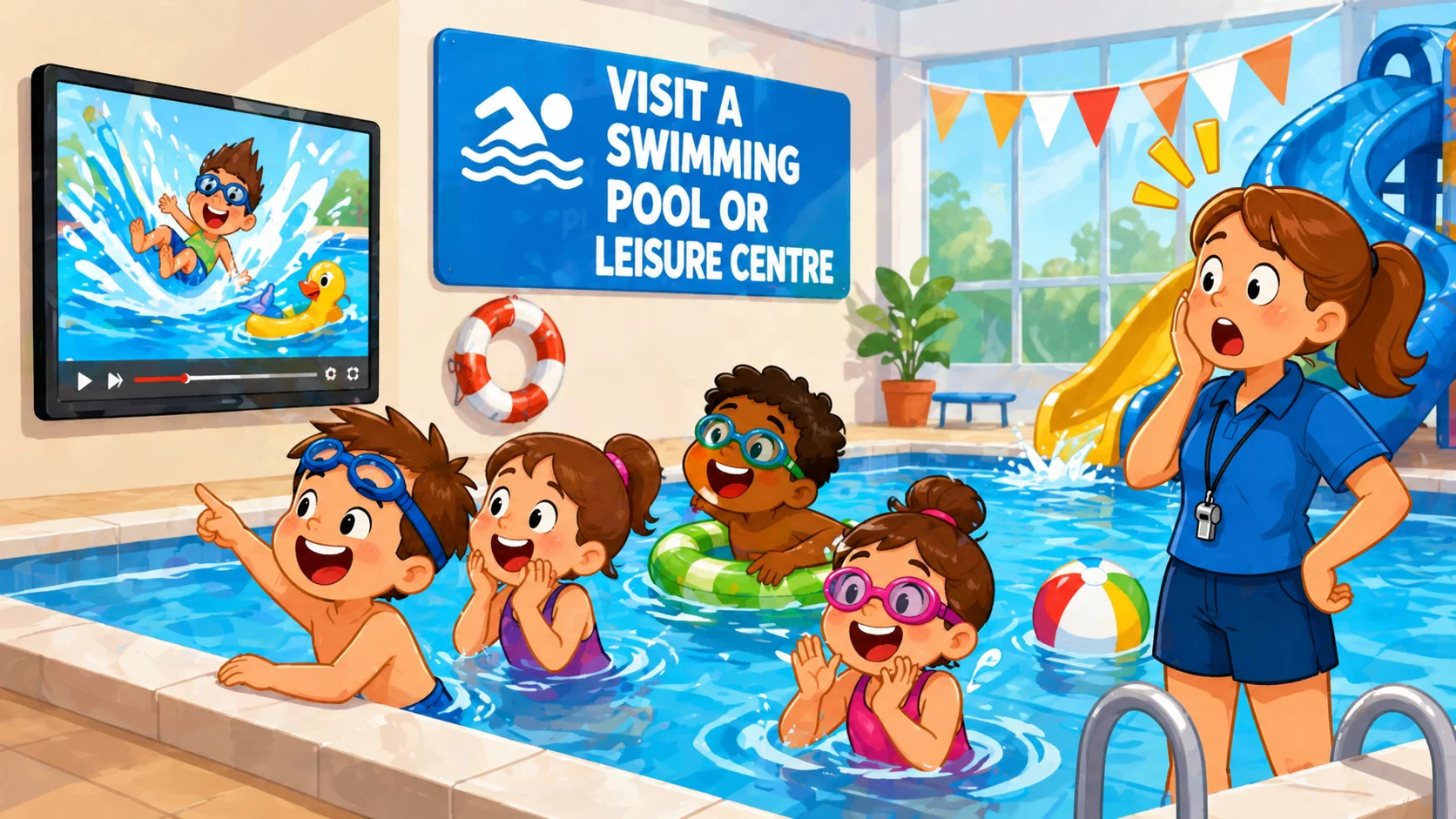
A visit to a leisure centre is a classic way to burn off some energy when it’s raining. Many pools now offer much more than just lanes, featuring splash zones and inflatable sessions.
Pool features kids love
- Wave Pools: Mimic the ocean with artificial waves at set intervals.
- Lazy Rivers: Gentle currents that carry swimmers around a circuit.
- Splash Pads: Shallow areas with fountains and tipping buckets suited to little ones.
- Flumes/Slides: High-speed tubes that older kids and adventurous adults enjoy.
What to pack
Beyond the standard swimwear, remember to bring toddler swim nappies, goggles, and towels. Most centres require a coin or token to use the locker, and packing a wet bag to hold soggy gear will make the trip home much easier.
Booking and safety tips
Whether you’re a strong swimmer or not, check the supervision ratios before you go. Most leisure centres require one adult per two children under eight. Booking family swim slots in advance is strongly recommended during school holidays.
7. Burn energy at soft play
Soft play centres are the undisputed kings of rainy day activities with toddlers and younger kids. These indoor play areas allow children to climb, slide, and jump in a safe, cushioned environment.
Best soft play features
A large indoor soft play centre will usually have a separate baby area to protect the smallest visitors from more energetic older kids. Look for venues with Astra slides, ball pits, and sensory spaces that cater to different developmental needs.
Tips on busy rainy days
When the weather is bad, soft play venues fill up fast. One useful tip is to arrive during the very first session of the day. This ensures the equipment is at its cleanest and the noise levels are at their lowest.
Parent-friendly details
The best part of soft play, from a parent’s point of view, is often the café. High-quality venues provide comfortable seating, Wi-Fi, and allergy-friendly food. Make sure the layout offers good visibility so you can supervise your child while enjoying a coffee.
8. Go bowling
Bowling is one of the few indoor activities that truly spans all generations. With bumpers, ramps, and lighter balls, even a 2-year-old can try their hand at getting a strike.
Why bowling works across mixed ages
The turn-based nature of bowling allows social interaction between adults and kids. It’s a low-impact activity that encourages friendly competition and provides a sense of achievement when the pins fall.
Booking tips
Look for family bundles that include food and drinks, as these often provide better value than booking games individually. During the winter months, bowling alleys are high-demand rainy day attractions, so online booking is essential.
Extra entertainment options
Modern bowling alleys are often home to arcade games, pool tables, and sometimes even karaoke rooms. This variety makes them a perfect place to visit if you have a group with varying interests.
9. Try a Ninja Warrior-style course or indoor obstacle park
Inspired by the hit TV show, Ninja Warrior-style courses and indoor obstacle parks are fantastic when older kids want a physical challenge. These venues focus on strength, balance, and agility.
Best kids for obstacle parks
These parks are perfect for rainy days when kids have “too much energy.” They suit children who enjoy climbing and are not afraid of taking a few tumbles. Many parks have a “warped wall” which is a huge hit with teens.
Safety notes
Grip socks are usually required, and a brief safety briefing is standard. Staff supervision is generally good, but parents should remain in the viewing area to encourage their “little ninjas.”
How to compare venues
| Metric | Premium Park | Standard Park |
| Obstacle Variety | 15+ (incl. warped wall) | 5-10 basic obstacles |
| Toddler Area | Dedicated mini-course | Shared small area |
| Session Length | 60 – 90 minutes | 60 minutes |
10. Catch a family film at the cinema
The cinema remains a favourite escape from the rain. It provides a shared family experience that is both relaxing and engaging.
Best cinema deals
Many major chains run “Kids’ Clubs” on weekend mornings or during school holidays, where tickets are significantly cheaper. Check for family passes that bundle tickets, popcorn, and drinks at a lower price.
Cinema tips with younger kids
If it’s your little ones’ first trip, look at “sensory-friendly” or “toddler” screenings where the lights are dimmed rather than turned off and the volume is lower. Choose an aisle seat near an exit for quick toilet breaks.
Make cinema trip special
To make the indoor activity feel more special, encourage the kids to dress up as a character from the movie. After the film, head to a café and ask the kids to write a short review or draw their favourite scene.
11. Make movie magic at home
If you’d rather stay indoors and avoid the crowds, a home cinema day is one of the best rainy day budget activities. It allows complete flexibility and comfort.
Home cinema setup
Transform your living room by closing the curtains and using blankets and cushions to create a “den.” Let the kids make paper tickets to “sell” to family members before the film starts.
Movie-themed activities
- Make Posters: Use craft supplies to design an advertisement promoting the film.
- Act Scenes: Encourage kids to perform a “pre-show” play.
- Concession Stand: Set up a tray with popcorn and healthy snacks.
Budget benefits
A home movie day is virtually free if you use a streaming service you already have. It’s also much easier for families with babies who might need to nap or feed during the movie.
12. Visit an aquarium or sea life centre
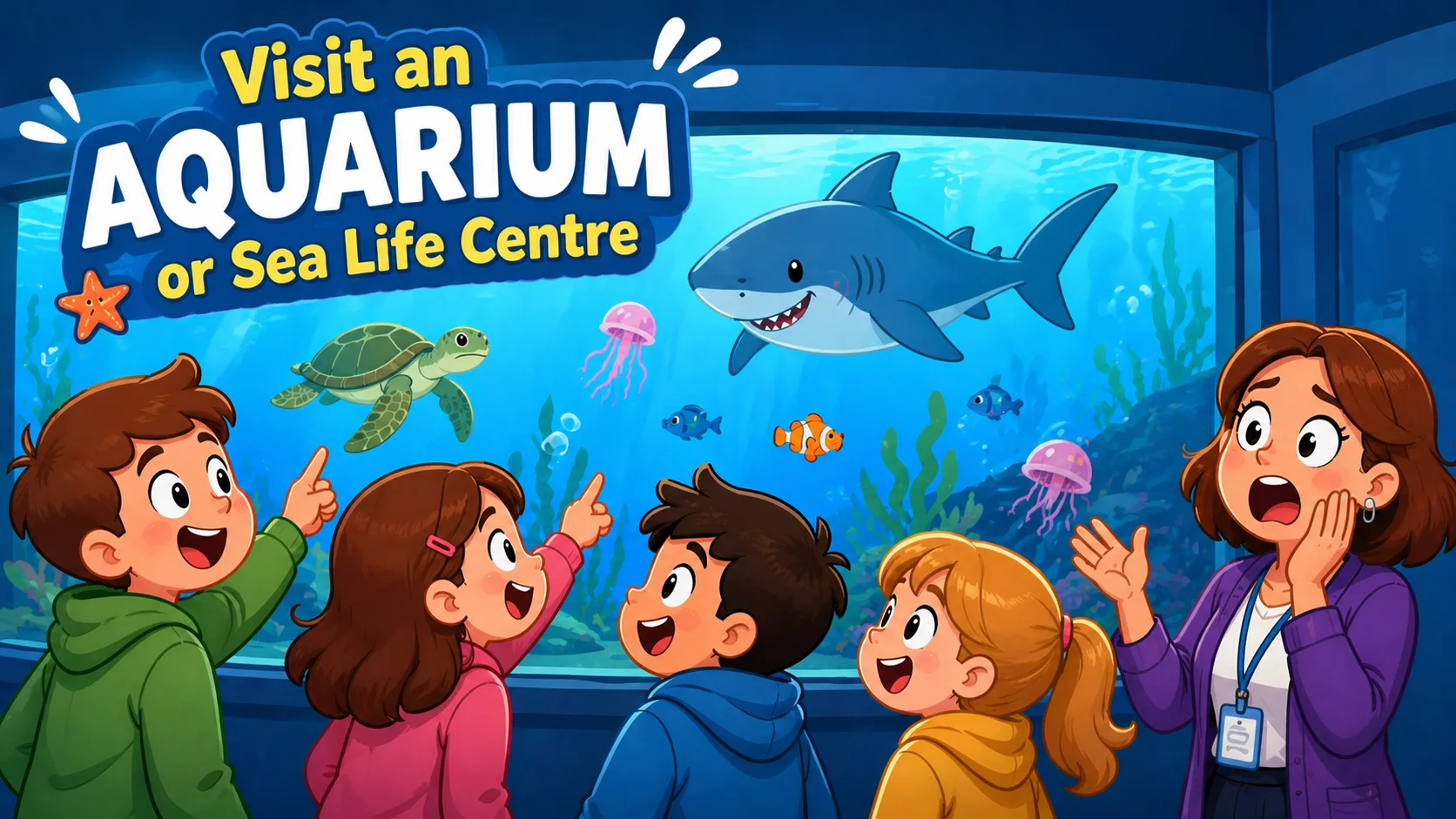
An aquarium or sea life centre is a perfect rainy-day destination because the entire experience is typically under one roof. It offers a window into the underwater world that fascinates all ages.
Best aquarium highlights
Children are often captivated by underwater tunnels where sharks and rays swim overhead. Touch pools allow a hands-on experience with starfish and crabs, while penguin enclosures provide endless entertainment.
Educational angles
Most sea life centres offer feeding talks that explain ocean conservation and the biology of different marine species. This turns a rainy afternoon into a valuable learning opportunity about marine ecosystems.
Planning tips
Find the best deals by booking online in advance. Check the feeding schedule as soon as you arrive so you don’t miss the most active parts of the day.
13. Try indoor climbing or bouldering
Indoor climbing and Clip ’n Climb centres provide a vertical challenge that builds confidence and coordination. It is a fantastic way for kids to get active while staying dry.
Best climbing formats
Clip n climb is particularly suitable for younger children because it uses an auto-belay system, meaning they can climb independently and be lowered safely. Bouldering, which involves climbing without ropes at lower heights, is great for older kids who want to focus on technique.
Safety and equipment
The centre will provide all necessary harnesses and shoes. A safety briefing is mandatory, and instructors are always on hand to ensure everyone is using the equipment correctly.
Why climbing helps kids
Climbing is essentially “vertical problem solving.” It requires kids to think about their next move, helping to develop persistence and mental focus alongside physical strength.
14. Go ice skating
Ice skating is a fantastic indoor activity that feels special, regardless of the season. Most permanent rinks offer a safe, controlled environment where families can try gliding on the ice.
Beginner skating tips
Use penguin aids or “bobbies” (plastic seals) to help little ones stay upright. Encourage kids to wear gloves, not just because of the cold, but to protect their hands if they fall on the ice.
Best ages for ice skating
While children as young as three can start with aids, the activity is usually most enjoyed by primary school kids and teens. Toddlers may find the cold and slippery surface a bit daunting during longer sessions.
What to check before visiting
Always check the public session times, as rinks are often booked with hockey or figure skating practice. Ensure you arrive early to get the right skate hire sizes and secure a locker.
15. Play arcade games or interactive challenges
Modern arcades have evolved into high-end indoor entertainment hubs. They offer everything from retro classics like PAC-MAN to cutting-edge VR games.
Family-friendly games
- Air Hockey: A classic competitive game that two to four players can enjoy together.
- Skee-ball: Great when kids want to practice their aim and win tickets.
- Racing Simulators: Allow older kids to “drive” famous tracks.
- Dance Games: High-energy fun that tests rhythm.
Budget control tips
Arcades can become expensive quickly. Set a spending limit with a prepaid card, and encourage kids to play “shared” games or those that offer longer playing time per credit.
Best venues to pair with games
Many arcades are located inside shopping centres or near bowling alleys. Pairing these activities means that if the kids get bored with one, another indoor option is just steps away.
16. Try indoor karting or digital racing
On a high-octane rainy day, indoor karting or digital racing simulators provide the ultimate thrill. These venues offer a safe environment where kids can experience the thrill of the track.
Best ages for racing activities
Due to height limits, “cadet” karting usually starts around age 8. Younger kids can try venues that offer electric go-karts or digital racing simulators, where they can steer without driving a full-powered kart.
What makes racing exciting
The competitive element of leaderboards and lap times keeps older kids engaged. Many centres now offer “glow-karting” with neon lights and music, adding to the atmosphere.
Booking details
Check if the venue requires a specific arrival time before the safety briefing. Most centres also require participants to wear closed shoes, with no sandals or flip-flops, for safety reasons.
17. Visit a historic house, castle, or cathedral
Don’t overlook National Trust properties or other heritage sites when it’s raining. Many stately homes and castles have extensive indoor areas filled with history and mystery.
Heritage features kids love
- Armoury: Kids love seeing real swords and shields.
- Secret Passageways: Many old houses have “hidden” doors.
- Kitchens: Historic kitchens often have interactive displays about old-fashioned cooking.
- Discovery Trails: Many sites provide activity sheets to guide kids through the rooms.
Rainy day route planning
Focus your visit on the indoor rooms and covered exhibitions. Use the café as your base, and if there is a break in the clouds, take a quick woodland walk or explore the ramparts.
How to keep kids engaged
Give each child a “mission,” such as finding a specific painting or counting all the fireplaces. Asking volunteer guides questions can also uncover “spooky” or funny stories that are not included on the official signs.
18. Explore caves, mines, or underground attractions

When the weather is bad on the surface, go underground! Show caves and mining museums are naturally weatherproof and provide an adventurous family day.
Why underground attractions suit rain
Caves like those at the Heights of Abraham maintain a constant temperature year-round and are entirely sheltered from the rain. They offer a sense of adventure that is hard to match above ground.
Safety and comfort notes
The ground can be damp, so sturdy shoes are a must. It’s also often cooler underground, so bring warm layers. Some mines may have height limits or involve steep steps, so check their suitability for little ones beforehand.
Learning points with kids
These visits are great for teaching kids about geology, fossils, and the history of how people worked in difficult conditions. It’s a “living” history lesson that feels like an exploration.
19. Ride a heritage railway, tramway, or miniature train
A heritage railway is a wonderful rainy day activity because much of the time is spent inside a cosy, vintage carriage watching the rain wash over the scenery.
Best railway experiences
Steam trains are a massive hit with younger kids, while tramways allow you to hop on and off at different indoor stations. Many lines also have museums at the main station where you can see old signal boxes and engines.
Rainy day comfort tips
Check if the carriages are heated — most steam trains are quite toasty in the winter months. Bring a small pack of snacks for the journey, and look for “Santa Specials” or themed events during the holidays.
Why families love it
Families often want something more memorable than a standard commuter train. Heritage lines offer a slow-paced, atmospheric way to spend a rainy afternoon.
20. Visit a science centre or discovery centre
A science centre may be the perfect rainy-day venue for curious minds. These centres are designed specifically around “hands-on” exploration.
Best interactive exhibits
- Water Play: Engineering dams and flows (bring a spare shirt!).
- Space Zones: Simulators and planetariums.
- Sound Labs: Creating music and exploring vibrations.
- Building Challenges: Using giant blocks or gears to create structures.
Why science centres work well
Unlike traditional museums, science centres encourage kids to touch everything. This active engagement is excellent for developing critical thinking and keeps kids entertained throughout the afternoon as they move from one experiment to the next.
Visit planning tips
Check live science show times or planetarium screenings as soon as you arrive. These often require a separate (sometimes free) ticket and fill up quickly on rainy days.
21. Paint pottery or try a ceramic studio
When you need a calmer indoor experience, a pottery painting café is a fantastic creative activity. It allows children to slow down and focus on a single task while making a lasting keepsake.
Pottery projects kids love
- Animal Figures: Dragons, unicorns, and dinosaurs are perennial favourites.
- Personalised Mugs: Great as gifts for grandparents.
- Handprints: A lovely way to record how small your toddler was.
- Money Boxes: Encourages saving once the piece is fired and returned.
Tips with younger children
Choose a piece with a large, flat surface to make painting easier with little ones. Don’t worry about “perfect” designs — the charm of these pieces is the child’s own creativity. Most studios use washable paints that won’t stain.
Why parents like it
It’s a quiet, indoor environment where you can usually enjoy a decent cup of coffee while the kids are focused. It provides a “reset” from the high energy of soft play or trampolining.
22. Get crafty at home
Sometimes the best rainy day is spent at the kitchen table. Creative activities at home are cost-effective and leave plenty of room for imagination.
Easy craft ideas
- Cardboard Castles: Use delivery boxes to build a fortress.
- Paper Plate Animals: Turn simple plates into lions or birds.
- Nature Collage: Use bits found in the garden (between showers) to make art.
- Friendship Bracelets: Great for older kids and useful for developing fine motor skills.
Low-mess craft options
If you want to avoid a huge cleanup, use stickers, stamps, and origami paper. Activity books and “water-reveal” pads are ideal for toddlers who are still learning to control their movements.
How to extend activity time
Set an afternoon theme, such as “under the sea” or “space,” and have the kids create a whole world based on it. Display their finished work on a “gallery wall” to give them a sense of pride.
23. Watch a theatre show, pantomime, or circus performance
Live performance is a magical way to entertain kids and escape the bad weather. Whether it’s a touring musical or a local puppet show, a theatre trip can feel like a true indoor adventure.
Best shows for children
Pantomimes are a staple of the winter months, offering loud, interactive fun. For younger kids, look for shorter 50-minute shows based on popular picture books. Circus performances (in permanent buildings or heated tents) offer breathtaking thrills.
Booking tips with families
Look at “family tickets” which usually offer a discount on a group of four. Aisle seats are a good choice if you have a 2 year old who might need a quick exit. Relaxed performances are also available for children who prefer a less intense environment.
Make trip educational
Discuss the story on the way home. Ask which character was their favourite and why. This helps develop emotional intelligence and memory skills as they recount the plot.
24. Try an escape room or puzzle challenge
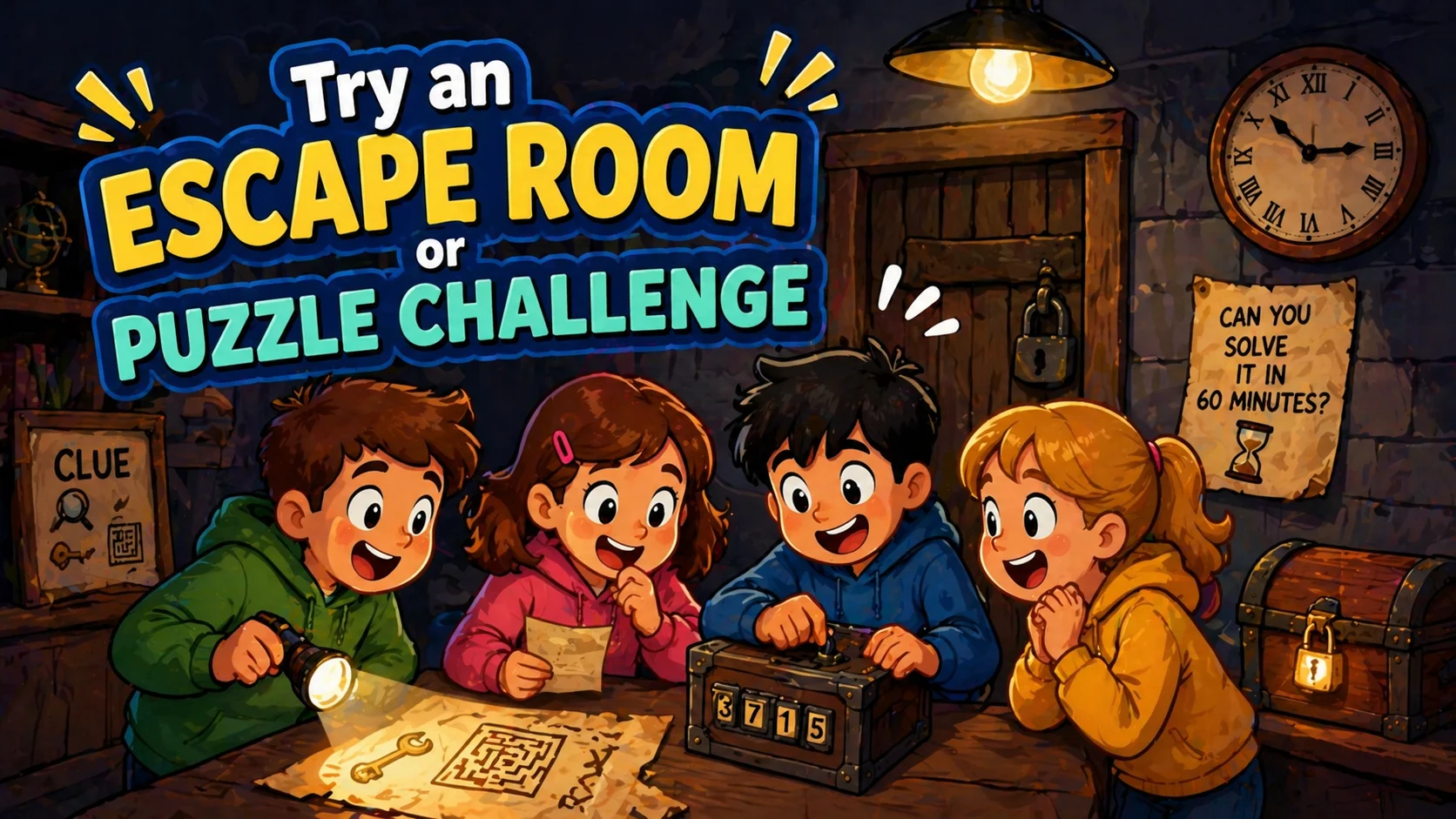
Escape rooms have become a hit with families with slightly older kids. These immersive puzzles require teamwork and logic to “break out” of a themed room within a set time.
Best escape room themes
Many venues now offer family-friendly themes like “Wizarding School,” “Pirate Ship,” or “Space Station.” These avoid the “scary” elements of traditional escape rooms and focus on fun, tactile puzzles.
Age and difficulty notes
Most escape rooms are best with kids aged 10+, though some have “junior” versions starting around age 7. Check the difficulty rating, as you want a challenge that is satisfying, not frustrating.
Skills kids use
- Communication: Sharing clues with the team.
- Logic: Connecting different pieces of information.
- Observation: Finding hidden keys or patterns.
- Persistence: Not giving up when a puzzle is tough.
25. Visit an indoor play village or role-play centre
An indoor role-play centre is a miniature town where kids can pretend to be adults. It’s a specialised form of indoor play that is highly beneficial for development.
Best role-play zones
These centres usually feature a supermarket, a vet’s surgery, a construction site, and a fire station. Some even have a theatre where kids can put on costumes and perform.
Why toddlers love role play
Toddlers learn by imitating. Having a space where they are in charge, whether they are “scanning” groceries or “fixing” a car, builds independence and language skills.
Parent planning tips
These sessions are usually timed (e.g., 90 minutes). Booking is nearly always required as they limit numbers to ensure the play area doesn’t get too crowded. Most have a small café where parents can watch from the sidelines.
26. Visit a shopping centre with family attractions
Large shopping centres have become indoor hubs for a family day out. They offer multiple rainy day attractions in one climate-controlled location.
Best shopping centre activities
Beyond the shops, many centres now house attractions such as LEGOLAND Discovery Centre, a SEA LIFE centre, or a cinema. Arcades and indoor crazy golf are also common features, alongside a huge variety of food in the food court.
Rainy day convenience
The biggest advantage is the shelter from the rain and the ease of parking. Everything you need, including toilets, baby-changing facilities, and food, is in one place, which is perfect for rainy days with multiple children.
Budget warning
It’s easy to overspend in a shopping centre. Set a budget before you go, and consider visiting the bookstore or toy shop just to browse or attend a free in-store event to keep costs down.
27. Spend time in a library or bookstore café
On a slow, rainy afternoon, a library or bookstore with a café can feel like a sanctuary. It’s a peaceful way to foster a love of reading.
Best library activities
Many libraries host free story time or “Rhyme Time” with little ones. During the winter months, they often have craft sessions or LEGO clubs. It’s a completely free way to keep children entertained.
Bookstore café ideas
Choose a few books together and head to the café to enjoy a hot chocolate. Many bookstores have a dedicated children’s section with puzzles and small play areas, making it a very welcoming place to visit.
Why this works with tired kids
If you’ve had a busy morning at a trampoline park, a library visit provides some much-needed downtime. It’s a quiet, warm environment that encourages a slower pace of play.
28. Enjoy hot chocolate, a café stop, or a family pub lunch
Sometimes the best indoor activity is simply enjoying some good food in a cosy setting. A family pub lunch or a visit to a board-game café can be the highlight of a rainy day.
Best family-friendly features
Look for pubs that have an indoor play area or at least provide colouring sheets and board games. A dedicated kids’ menu with healthy options is always a plus.
Rainy day food ideas
Nothing beats a hot chocolate with marshmallows when it’s pouring outside. Pancakes, toasties, and warm soups are also great comfort foods that make a bad weather day feel a bit brighter.
How to combine with activities
Use a café stop as a “reward” after a trip to a museum or a rainy walk. It gives the family a chance to sit down, dry off, and plan the next part of their family day.
29. Visit an indoor farm play area or covered animal attraction
You don’t have to wait until sunny days to see animals. Many farms have invested in large indoor play barns and covered animal sheds.
Best covered farm features
- Petting Barns: Interact with rabbits and guinea pigs under cover.
- Lambing Sheds: See new arrivals during the spring.
- Tractor Sheds: Explore vintage and modern farm machinery.
- Indoor Soft Play: Often farm-themed with “grain” pits or slides.
What to wear
Even if the main activities are indoors, the paths between barns can be muddy. Wellies and waterproofs are still recommended. Bring spare socks in case the kids find irresistible puddles to jump in.
Seasonal angles
Farms are great rainy day spots during seasonal events. Whether it’s Halloween pumpkin picking with indoor carving or a Christmas grotto, farms offer a rustic family experience.
30. Try a snow centre, sledging slope, or winter sports venue
If you want to lean into the cold, a snow centre offers indoor skiing, snowboarding, and sledging all year round.
Best snow activities for kids
Sledging and “snow play” sessions are the most accessible activities with younger kids. Older kids may enjoy a beginner ski lesson as an exciting way to learn a new skill while staying out of the rain.
What families need
Most centres provide helmets and equipment, such as skis or sledges, but you will need to bring or hire waterproof trousers, gloves, and warm layers. Thick socks are essential when using rental boots.
Who will enjoy it most
This is a great choice for active families looking to try something “different.” It’s particularly popular during the winter months when everyone is already in a “snowy” mindset.
31. Get outside anyway with a rainy walk or park visit
If the rain isn’t too heavy, sometimes the best thing is to embrace it. A puddle-jumping walk in woodland or a National Trust garden can be great fun.
Best rainy outdoor ideas
Look for sheltered paths under tree canopies. Visiting a waterfall can be even better in the rain, as the flow is more impressive. Keep the route short and make sure there is a café at the end.
What to pack
A full set of waterproofs and wellies is non-negotiable. Keep a towel and a full change of dry clothes in the car so the kids can get warm and dry as soon as the walk is over.
Safety and comfort tips
Avoid woodland walks during high winds due to the risk of falling branches. Check any flood warnings if your route is near a river. A flask of hot chocolate can be a lifesaver mid-walk.
32. Plan a DIY transport adventure
With a 2-year-old or a train-obsessed toddler, the journey is the destination. Riding a train, tram, or bus is an indoor activity in itself.
Best transport adventure ideas
- Ride the Loop: Take a circular train or bus route and watch the world go by.
- Spotting Stations: Have a list of things to see out the window.
- New Stop Exploration: Ride to a stop you’ve never visited and find a nearby café.
- Ticket Helpers: Let the kids help with tapping a contactless card or holding the paper tickets.
Why kids enjoy transport trips
The novelty of the movement, the view from the windows, and the “grown-up” feeling of having a ticket make this a favourite low-cost activity. It’s a great way to see a city without getting wet.
Budget and safety notes
Use off-peak fares to save money, and check whether family travelcards are available. Keep a close eye on kids at busy stations, and plan your return journey to avoid the “rush hour” squeeze.
How to choose the best rainy-day activity for kids
When deciding what to do, whatever the weather brings, consider these three factors:
- Energy Level: Do they need to burn off some energy (trampolining) or do they need some quiet time (library)?
- Budget: Is this a free day at a museum or a “big ticket” visit like Legoland?
- Age Gap: If you have a 2-year-old and a teenager, a venue like a shopping centre or leisure centre with multiple options is your best bet.
Best activities for toddlers
Soft play, aquariums, role-play centres, and library story times are the most suitable options for younger children. These environments are generally safer and more sensory-focused.
Best activities for older kids
Laser tag, escape rooms, climbing, and indoor karting provide the “cool factor” and physical challenge that older kids and tweens often crave.
Best low-cost rainy day ideas
A home cinema, crafts, free museums, and puddle walks are the best things to do when you want to save money but still create lasting family memories.
How to save money on rainy day attractions
- Use family passes and memberships: If you visit National Trust sites, aquariums, or sea life centres more than twice a year, an annual pass usually pays for itself.
- Book off-peak or online: Prices are often lower on weekdays or when tickets are booked at least 24 hours in advance.
- Pack snacks and plan parking: Avoid the “gift shop trap” and expensive café food by bringing your own water and snacks. Check nearby free parking to avoid high city-centre rates.
FAQ about rainy day activities for kids
What are the best rainy-day activities for kids?
The top options include soft play, museums, cinema, bowling, swimming, crafts, trampoline parks, aquariums, and indoor golf.
What can kids do indoors on a rainy day?
At home, you can host a movie day, do crafts, try baking, or build blanket forts. Out of the house, visit leisure centres, shopping centres, or historic houses.
How can I entertain kids on a rainy day for free?
Visit free museums, your local library, or go on a puddle walk. At home, try recycled crafts or an indoor scavenger hunt.
What are the best rainy-day activities for toddlers?
Soft play, sensory centres, aquariums, role-play villages, and toddler swimming sessions are ideal for under-5s.
What are the best rainy-day activities for tweens?
Tweens usually enjoy climbing, escape rooms, laser tag, ice skating, arcades, and science discovery centres.

Take a short quiz to find out what your everyday choices say about your parenting style
When your child is curious about something new, what’s your instinct?
Take a short quiz to find out what your everyday choices say about your parenting style
“Can I download this app?” What happens next?
Take a short quiz to find out what your everyday choices say about your parenting style
When it comes to rules at home, which sounds most like you?
Take a short quiz to find out what your everyday choices say about your parenting style
If you could give your child one life skill today, what would you pick?
Take a short quiz to find out what your everyday choices say about your parenting style
Your child gets to choose what to watch. What would your ideal setup look like?
Take a short quiz to find out what your everyday choices say about your parenting style
Pick your parenting superpower ✨