Preschool School Supply List: A Complete Checklist for Families and Classrooms

 Discover a Free Education Video App for Kids
Pastory uses AI to personalize educational video content based on your child’s interests and personality. Safe, engaging, and built for curious young minds. Sign up now to stay updated and enjoy early access with a free trial
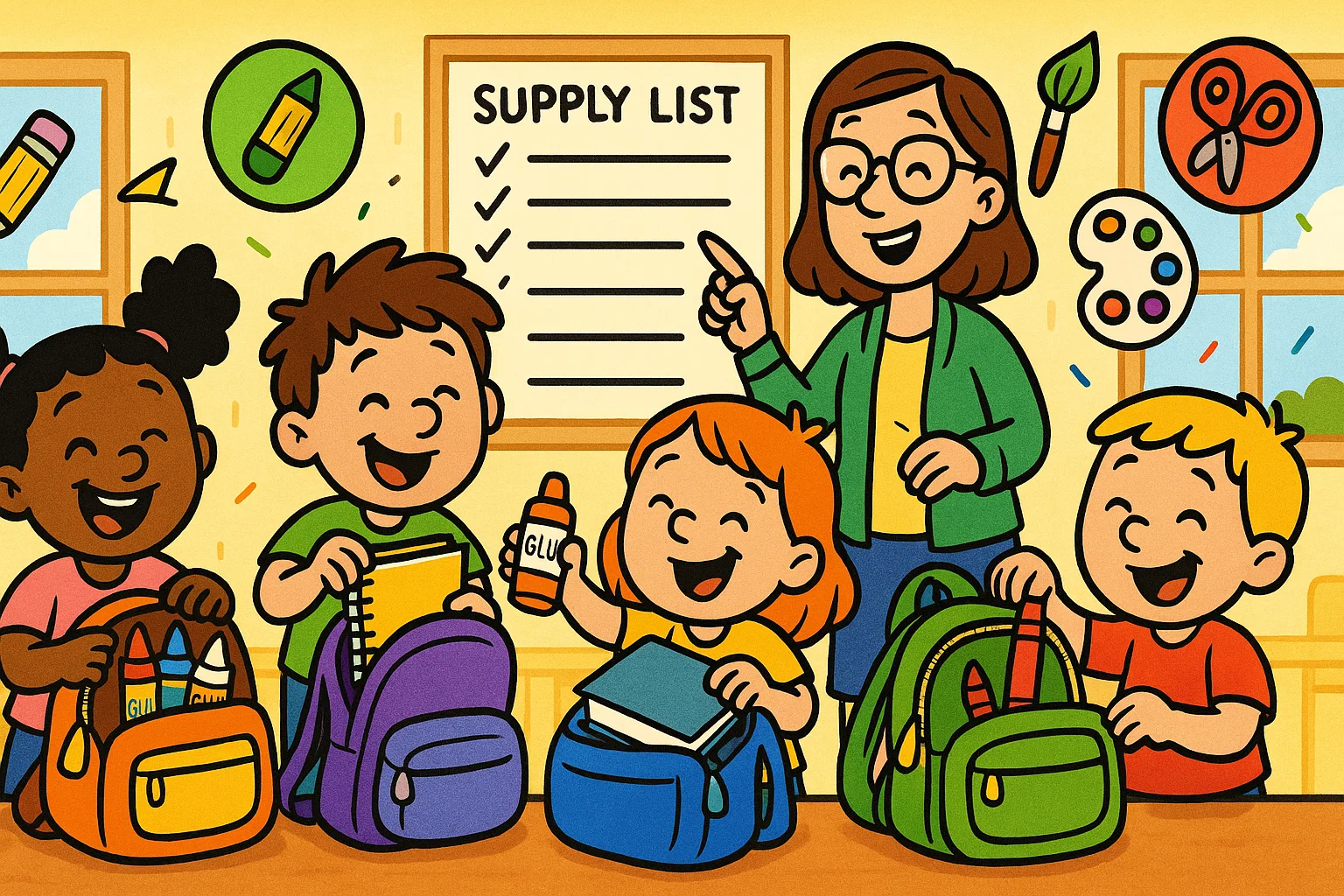
Preparing for the upcoming school year involves gathering the right supplies to create a safe, organized, and supportive learning environment for young children. This preschool supply list outlines essential classroom supplies, family-provided items, and organization tools for a smoother start to the school year. Readers will find practical budgeting tips, safety guidelines, storage ideas, and a printable checklist designed to make back-to-school preparation easier for both parents and teachers.
Key Takeaways
- Essential Organization: Using a structured back-to-school checklist helps families and educators buy the right supplies for daily routines without over-purchasing.
- Safety First: Prioritizing non-toxic, child-sized supplies and hygiene items supports a safer learning environment and helps reduce the spread of germs.
- Resource Distribution: Separating personal items from shared classroom supplies helps families budget more effectively and keeps the classroom better organized.
Preschool Supply Categories at a Glance
The essential preschool supply list typically covers eight core categories that support learning, daily routines, and basic physical care:
- Learning Materials: Tools that support early learning, sensory exploration, and fine motor development.
- Art Supplies: Creative materials such as crayons, washable paint, and heavy-duty construction paper for hands-on sensory exploration.
- Cleaning Items: Disinfecting supplies, hand sanitizer, and absorbent paper goods that help maintain classroom hygiene.
- Storage: Reusable containers, clear bins, and labeled cubbies that help keep classroom supplies organized.
- Clothing: Weather-appropriate layers, spare underwear, and durable shoes for spills, accidents, and outdoor play.
- Comfort Items: Soft nap mats, light blankets, and approved comfort objects that help children during transitions.
- Lunch Items: Spill-proof water bottles, insulated lunch boxes, and child-sized utensils.
- Classroom Extras: Teaching aids, thematic books, and sensory bin materials that enrich the curriculum.
Family and Classroom Supply Needs
In most preschool programs, separating personal items from shared classroom supplies helps keep the classroom organized and fair for all children. Parents usually provide personal items assigned to one child, such as a properly sized backpack, a lunch box, and extra clothes for accidents or spills.
Teachers manage shared classroom supplies, such as glue sticks, tissues, and craft materials, that are pooled so every child has access during group activities. This shared system can reduce confusion, prevent unnecessary duplicates, and help classrooms stay stocked throughout the school year.
Budget, Safety, and Shopping Priorities
A successful back-to-school shopping list balances durability, budget, and age-appropriate safety considerations. When choosing supplies for preschoolers, families should follow age labels and avoid items with sharp edges, toxic materials, or small parts that could create choking hazards.
Families should choose durable materials, label personal items clearly, look for verified non-toxic labels, and use a simple budget to avoid impulse purchases. This approach keeps shopping practical, safe, and aligned with the needs of the classroom.
Preschool Supply List Basics
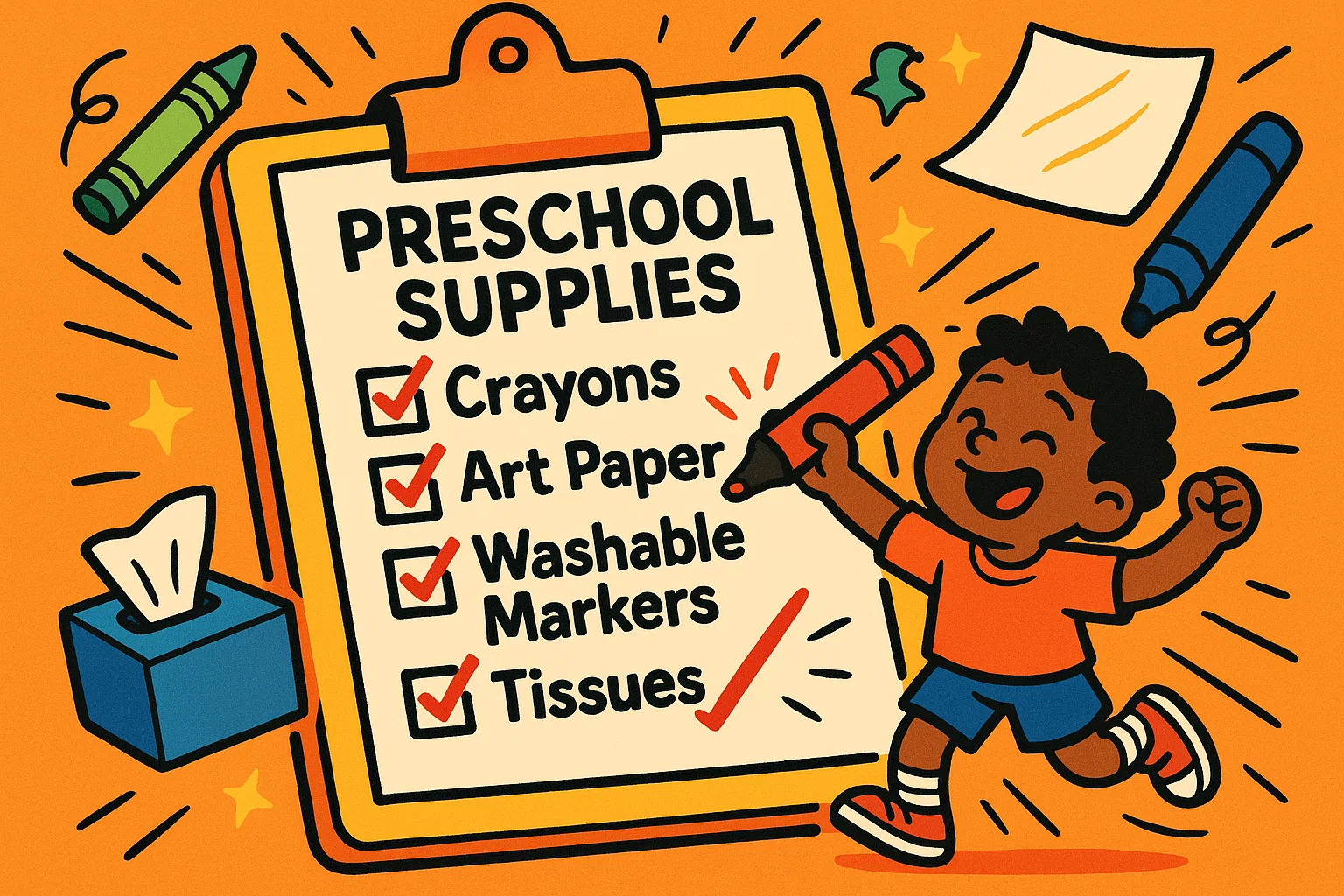
Understanding the practical needs of an early childhood classroom helps parents and educators work together effectively. A targeted list helps match supplies with children’s daily routines and developmental needs.
Preschool Supply List Meaning
A comprehensive preschool supply list is a structured inventory of materials required to support a child’s developmental milestones, physical health, and educational engagement throughout the school year. This checklist extends beyond basic school supplies to include hygiene items, rest-time equipment, and tactile learning materials tailored for children aged three to five.
By compiling these specific requirements, preschools establish a clear baseline of supplies that support the daily curriculum and physical care routines.
Preschool Supply List Importance
A detailed school supply list reduces confusion and helps teachers use the first weeks of school more effectively. Predictable routines, organized spaces, and prepared materials can help children adjust to classroom expectations and daily transitions.
When families bring the requested items on time, teachers can focus on helping children settle in, learn routines, and build classroom relationships instead of managing missing materials.
Preschool Supply List Updates
School supply requirements naturally change across the year because of seasonal weather transitions and the depletion of consumable items. While the start of the school year usually requires the biggest shopping effort, secondary reviews are often needed during winter transitions to replace worn outdoor play clothes and restock high-use hygiene items such as wipes and tissues.
Teachers often send mid-year requests to replenish art supplies, craft materials, and learning materials such as play dough.
Printable Preschool Back-to-School Supply Checklist
The following section provides an easy-to-scan checklist that families can save, screenshot, or print before shopping.
Quick Printable Checklist Preview
| Category | Must-Have Supply Item | Quantity |
| Personal Gear | Small Backpack Without Wheels | 1 per child |
| Personal Gear | Insulated Leak-Proof Lunch Box | 1 per child |
| Personal Gear | Spill-Proof Water Bottle | 1 per child |
| Clothing | Complete Change of Clothes, Labeled | 2 full sets per child |
| Comfort | Compact Rest Mat or Small Blanket | 1 per child |
| Art and Writing Supplies | Washable Large Crayons, 8-Pack | 2 packs per child or as requested by the teacher |
| Art and Writing Supplies | Non-Toxic Purple Glue Sticks | 4 per child or as requested by the teacher |
| Hygiene | Hypoallergenic Unscented Wipes | 2 large packs per class |
| Hygiene | Soft Facial Tissues | 3 boxes per class |
| Organization | Clear Plastic Two-Pocket Folder | 2 per child |
Pre-K Checklist by Age
The physical and cognitive needs of children change by age, so each back-to-school supply list should be adjusted to support growing independence.
Younger Preschoolers, Age 3: This group usually needs a strong focus on personal care items, including spill-proof training cups, training pants or pull-ups if required, easy-access clothing with elastic waistbands, and approved comfort items to ease separation anxiety.
Older Preschoolers and Pre-K, Age 4: Children in this stage may use more fine motor tools, including blunt-tip safety scissors, wide-barrel triangular pencils to encourage proper grip, and standard two-pocket communication folders for take-home activities.
Kindergarten Readiness, Age 5: Children preparing for kindergarten may use more advanced learning materials, including wide-ruled primary notebooks, standard-sized colored pencils, personal headphones for digital learning stations, and more complex puzzles.
Parent Copy and Teacher Copy
Maintaining a dual-copy verification system streamlines communication between home and the preschool classroom. Parents should keep a digital or printed copy of the supply checklist at home to track personal inventory, confirm labeling requirements, and schedule mid-year clothing updates.
Educators can use a master teacher copy in the classroom to monitor shared supply inventory, note which families have fulfilled seasonal donation requests, and manage optional teacher wish list items without confusion.
Back-to-School Supplies List for Pre-K
This targeted list focuses on the supplies typically needed in a Pre-K classroom.
Must-Have Supplies for a Preschool Classroom
An effective Pre-K classroom relies on a core set of durable tools that can withstand frequent daily use by young children.
- Washable Broad-Line Markers: Washable markers provide bright color and are usually easy to clean from skin and clothing with water.
- Blunt-Tip Safety Scissors: Child-sized safety scissors are designed to cut paper efficiently while helping protect small fingers from accidental cuts.
- Heavyweight Construction Paper: Multi-colored 9-by-12-inch sheets provide the structure needed for cutting, gluing, and craft projects.
- Solid Plastic Storage Bins: Clear plastic bins provide visible, durable storage that allows preschoolers to identify and access learning materials more independently.
Parent-Provided Supplies
Families are usually responsible for providing personal items that need to fit the child, meet dietary needs, or be clearly labeled.
- Sized Backpack: A standard 12-to-15-inch backpack provides enough space to hold folders and lunch items without overwhelming a young child’s frame.
- Insulated Water Bottle: A 12-ounce stainless steel water bottle can help keep drinks cold and reduce spills when it has a secure lid or straw mechanism.
- Dedicated Nap Assembly: A 45-by-21-inch folding rest mat with a washable cotton sheet gives children a clean, comfortable place to rest each day.
Community Supplies
Shared classroom supplies are pooled so the whole group has steady access to basic hygiene and craft materials throughout the school year.
- Disinfecting Surface Wipes: Disinfecting wipes can be used on approved high-touch surfaces when applied according to the product label.
- Alcohol-Based Hand Sanitizer: Pump bottles with at least 60% alcohol can support hand hygiene when soap and water are unavailable.
- Absorbent Paper Towels: Multi-ply paper rolls help manage accidental spills during snack time and support cleanup after messy art projects.
Teacher Wish List
A teacher wish list may include specialty items that enhance the core curriculum through sensory exploration and classroom organization.
- Self-Contained Sensory Materials: Kinetic sand and colored play dough provide hands-on fine motor activities that help build hand strength.
- Thermal Laminating Pouches: 3-mil plastic sleeves preserve custom visual schedules, student name tags, and daily communication charts.
- Assorted Motivational Stickers: Sticker packs provide simple positive reinforcement for behavioral milestones and social successes.
Complete Childcare and Preschool Supply Checklist
This long-form checklist covers a wide range of supplies that can help maintain a safe, organized early childhood classroom.
Learning Materials
High-quality learning materials encourage cognitive development, spatial reasoning, and early language skills. Hands-on materials are most effective when paired with responsive adult interaction.
- Wooden Alphabet and Number Puzzles: Wooden puzzles with raised pieces help teach letter recognition and improve spatial awareness.
- Geometric Shape Sorters: Multi-tier sorting blocks teach basic sorting, size differentiation, and problem-solving skills.
- Large Counting Manipulatives: Large counting bears or math links help children learn one-to-one correspondence and early pattern matching.
Activity and Craft Supplies
Creative craft supplies encourage fine motor dexterity, bilateral coordination, and visual-spatial planning.
- Non-Toxic Purple Glue Sticks: Disappearing purple glue applies smoothly and helps children see where they have placed adhesive before it dries clear.
- Washable Finger Paints: Thick, vibrant liquid paints give children a rich sensory experience while remaining easy to wash out of clothing.
- Pliable Modeling Clay: Non-drying clay formulas give children continuous opportunities to squeeze, roll, and sculpt, which helps strengthen hand muscles for future writing practice.
Art Supplies
Art-specific tools encourage creative expression, emotional processing, and fine motor control.
- Waterproof Long-Sleeved Smocks: Lightweight nylon aprons with full sleeve coverage protect clothing from paint stains and water damage.
- Chubby Natural-Bristle Paintbrushes: Oversized wooden handles fit easily into a young child’s palm, giving them better control during easel painting.
- Heavy-Duty Watercolor Sets: Standard 8-color oval pans with integrated mixing lids teach color blending and brush control.
General School Supplies
General classroom supplies help children practice early writing and build consistent home-school communication habits.
- Thick Triangular Pencils: Wide-barrel triangular pencils naturally guide small hands toward a proper tripod grip.
- Clear Polypropylene Folders: Heavy-duty plastic folders keep daily announcements, artwork, and forms safe from water damage in backpacks.
- Soft Rubber Erasers: Latex-free erasers remove pencil marks cleanly without tearing lightweight drawing paper.
Organizational Supplies
Good organization keeps the classroom tidy and helps young children learn independent cleanup routines.
- Adhesive Vinyl Cubby Labels: Color-coded name labels help children identify their personal storage spaces independently.
- Heavy-Duty Backpack Hooks: Mounted metal double hooks keep backpacks and winter coats off the floor to reduce tripping hazards.
- Zippered Mesh Pouches: Transparent, flexible pencil cases keep individual sets of crayons, scissors, and markers organized on tabletops.
Storage Items
Durable storage containers help keep learning spaces organized, clean, and easy to use.
| Storage Unit Type | Material and Dimensions | Best Classroom Use |
| Clear Tote Bins | Plastic, 6-quart capacity | Individual student supplies |
| 3-Tier Rolling Carts | Powder-coated steel | Mobile art and craft supplies |
| Divided Table Caddies | Copolymer, 4 compartments | Shared tabletop supplies |
| Stackable Paper Trays | Wire mesh or plastic | Construction paper sorting |
Cleaning Supplies
Consistent cleaning routines can help reduce the spread of germs and support a healthier learning environment.
- Hypoallergenic Unscented Wipes: Gentle wet wipes quickly clean messy faces and sticky hands without irritating sensitive skin.
- EPA-Registered Sanitizing Spray: Use an EPA-registered sanitizer labeled for food-contact surfaces on snack tables, high chairs, and other surfaces children may touch or put in their mouths.
- Powder-Free Nitrile Gloves: Durable protective gloves help keep teachers’ hands clean during diaper changes, cleaning tasks, and basic first-aid care.
Classroom Essentials
Foundational classroom items help create a welcoming, organized, and functional learning environment.
- Large Visual Schedule Chart: Clear pockets displaying daily routine cards help children feel secure by letting them see what activity comes next.
- Large Circle-Time Rug: A 9-by-12-foot classroom rug with distinct seating spots helps children learn spatial boundaries during group stories.
- Soft Foam Corner Chairs: Cozy, low-profile seats provide a quiet, comfortable space for children to regulate their emotions when overwhelmed.
Preschool Furniture
Ergonomically designed preschool furniture keeps young children comfortable and supports good posture during group activities.
- Adjustable Activity Tables: Heavy-duty laminate tables can be adjusted from 15 to 24 inches high to fit growing children comfortably.
- Contoured Plastic Chairs: Solid 11-inch polypropylene chairs support proper posture and stack neatly to save floor space.
- Low-Profile Book Displays: Forward-facing wooden bookshelves display book covers clearly, encouraging children to choose and read books independently.
Toys and Games
Educational toys encourage cooperative play, problem-solving skills, and fine motor coordination.
- Solid Maple Unit Blocks: Standardized wooden blocks support early math concepts such as size, balance, comparison, and spatial reasoning.
- Dramatic Play Dress-Up Clothes: Simple costumes with large, easy-to-use fasteners help children practice self-dressing and build social empathy through role play.
- Thick Cardboard Floor Puzzles: Large, durable puzzle pieces help children practice teamwork and visual-spatial reasoning.
Preschool Technology Supplies
When used thoughtfully, basic technology tools can support early auditory development and modern classroom management.
- Over-Ear Kids’ Headphones: Comfortable headphones with built-in 85 dB volume limits help protect young ears during listening center activities.
- Bluetooth Classroom Speaker: A rugged portable speaker streams clear audio for daily movement games, dance breaks, and soft transition music.
- Heavy-Duty Charging Station: A multi-port charging station helps keep educational tablets charged and stored in one place overnight.
Teacher Supplies for Preschool Classrooms
Professional management tools help educators organize daily lesson plans, track developmental milestones, and communicate with families.
- Weekly Lesson Planner: A structured planning binder keeps daily activities, learning goals, and supply needs organized by subject.
- Handheld Label Maker: A thermal label printer creates crisp, long-lasting name labels for folders, bins, and custom learning materials.
- Heavy-Duty Desktop Laminator: A reliable laminating machine seals high-use flashcards, matching games, and posters to prevent wear and tear.
Outdoor Games and Activities
Outdoor play equipment supports gross motor development, balance, and cooperative play.
- Textured Rubber Playground Balls: Durable 7-inch kickballs give children a reliable grip for throwing, catching, and cooperative kicking games.
- Washable Jumbo Sidewalk Chalk: Oversized chalk sticks encourage large-scale art, outdoor drawing, and gross motor pre-writing practice on paved surfaces.
- Heavy-Duty Traffic Cones: Bright 9-inch safety cones clearly mark outdoor boundaries and help create fun agility obstacle courses.
Extra Supplies
A well-stocked backup inventory keeps classrooms running smoothly during unexpected clothing accidents or weather changes.
- Spare Cotton Underwear: Keeping multiple sizes of basic underwear on hand helps manage bathroom accidents quickly and discreetly.
- Clear Slider Storage Bags: One-gallon locking plastic bags securely seal soiled or wet clothing to send home cleanly.
- Emergency Contact Binder: A sturdy, portable three-ring binder stores up-to-date medical cards and parent contact forms for quick access during safety drills.
Preschool Supply List for Families
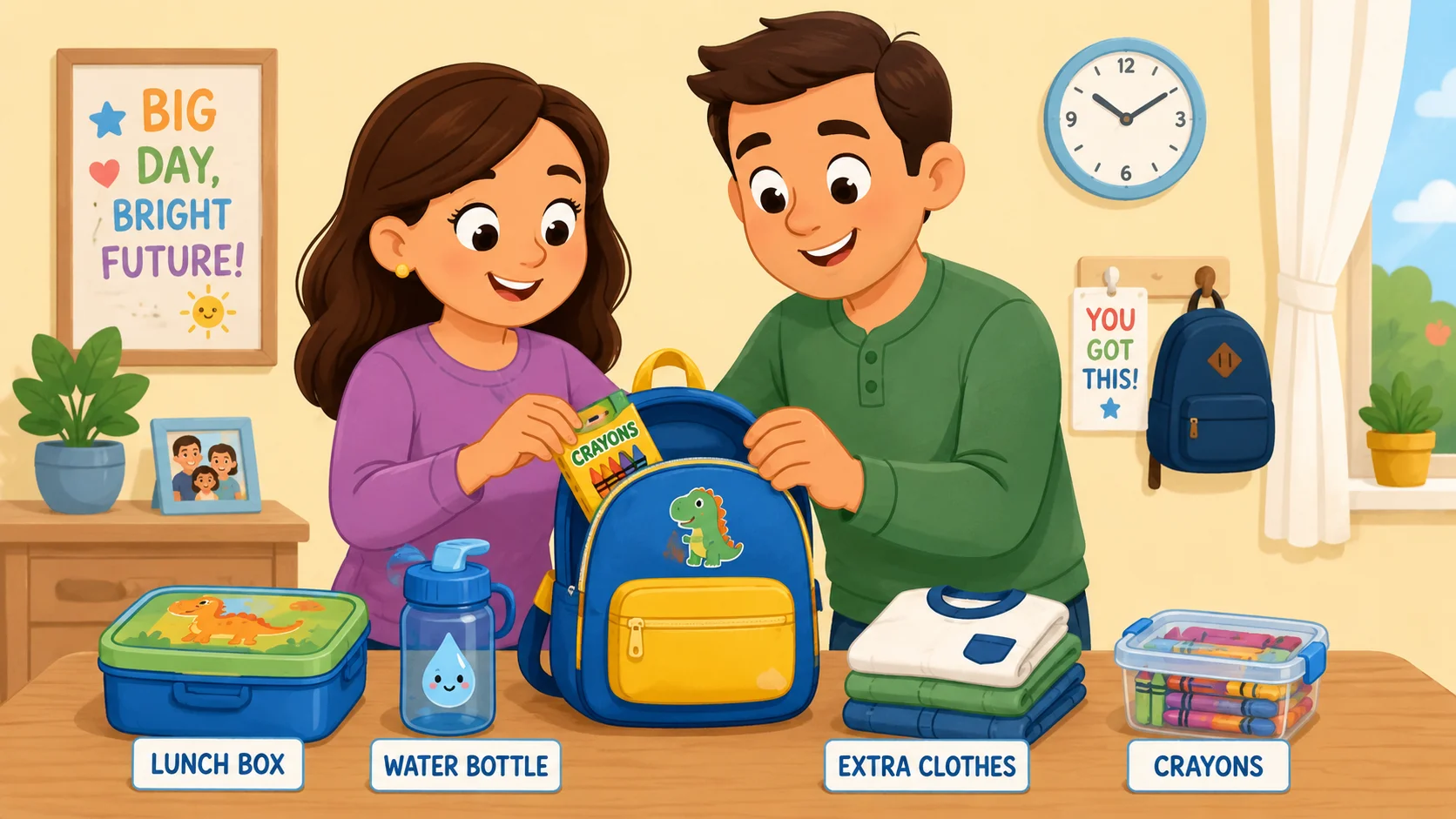
Preparing personal items at home ensures your child stays comfortable and confident while helping them grow more independent each day at school.
Essential Items from Home
Families usually provide a core set of daily personal items that remain dedicated to their child’s health, nutrition, and comfort throughout the day.
- Compact Backpack: Choose a simple zippered backpack without wheels that your child can open, close, and carry comfortably on their own.
- Insulated Leak-Proof Lunch Box: A sturdy, easy-to-clean lunch box keeps healthy snacks fresh and food containers neatly organized.
- Fitted Travel Nap Mat: A matching all-in-one padded mat, sheet, and blanket system makes naptime setup simple and familiar.
Optional Supplies
These optional items can add comfort, help with changing weather, and give families extra peace of mind.
- Pre-Labeled Travel Sunscreen: A mineral-based SPF 30+ lotion can support afternoon outdoor play if the school permits sunscreen application and parent authorization is on file.
- Compact Roll-Up Rain Poncho: A lightweight, waterproof poncho helps keep children dry during unexpected rainy drop-offs or pick-ups.
- Small Family Photo: A laminated 4-by-6 family photo tucked inside a backpack can offer emotional comfort during the first few weeks of school.
Clothing, Rest Time, and Comfort Items
Familiar items from home, such as a small blanket, plush toy, or family photo, may help some children feel more secure during school transitions if the preschool allows them. To make rest time feel safe and cozy, parents should provide a small, familiar blanket or a favorite plush toy if permitted.
Additionally, packing two full sets of clothes, including shirts, elastic-waist pants, socks, and underwear, ensures your child can be changed quickly and comfortably after a messy art project or bathroom accident.
Labels, Names, and Daily Bags
To prevent lost items and mix-ups in busy shared classrooms, it is important to label all personal belongings clearly. Use permanent waterproof labels or fabric stamps to mark everything your child brings to school, including water bottles, lunch boxes, jackets, and shoes.
Check your child’s backpack every evening to remove muddy clothes, replace wet items, and review any notes or folders from the teacher.
Preschool Supply Lists by Age Group
As children grow throughout early childhood, their supply needs change to match their developing physical abilities and learning goals.
Younger Preschoolers
| Essential Physical Care Items | Developmental Activity Tools |
| Training Pants and Thick Wipes | Multi-Texture Sensory Balls |
| Spill-Proof Silicone Sippy Cups | Oversized Wooden Knob Puzzles |
| Change of Clothes with Snap Tops | Non-Toxic Unscented Play Dough |
Older Preschoolers
At four years old, children are ready for more independent activities and advanced fine motor challenges. Their supply list may include child-sized safety scissors, disappearing purple glue sticks, and wide-barrel crayons that help them practice a proper grip.
They may also use clear two-pocket communication folders to learn how to pack and manage their own daily drawings and take-home activities.
Pre-K and Kindergarten Readiness
Five-year-old children preparing for the transition to kindergarten may use materials that mirror more advanced elementary classroom routines. This readiness checklist can include primary notebooks for writing practice, colored pencils for detailed drawings, and comfortable over-ear headphones for independent digital learning games.
These tools help build the focus and fine motor stamina needed for the upcoming school year.
Budgeting for Preschool Supplies
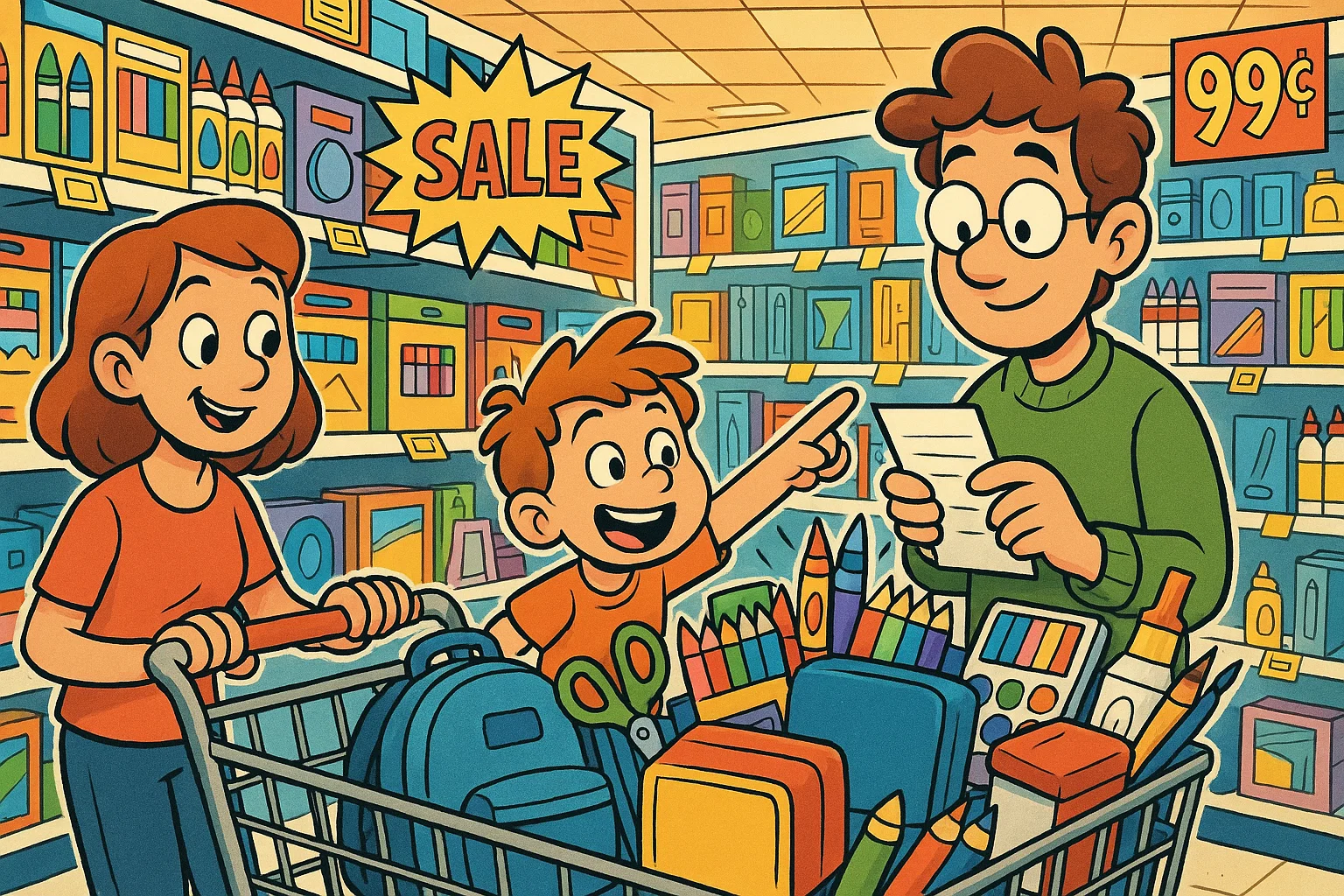
Thoughtful shopping strategies can help families buy durable school supplies without overspending.
Budget Planning Before Shopping
Before heading to the store, print your school’s official list and sort the items into three clear categories: absolute must-haves, nice-to-have extras, and optional classroom donations. Check your home closets and drawers first to reuse leftover supplies such as backpacks, plastic folders, or art boxes from previous years.
Setting a firm spending cap before you shop helps keep your back-to-school spending on track.
Shared Supplies and Donation Options
Participating in a shared classroom supply pool can lower costs and help ensure that children have access to basic classroom materials. Many schools encourage families to buy basic items such as tissues, paper towels, and wipes in bulk, which are then shared across the classroom.
This teamwork system reduces financial pressure on individual families while helping the classroom stay stocked with cleaning and craft supplies throughout the school year.
Low-Cost Alternatives
- Buy Consumables in Bulk: Purchasing items such as glue sticks and wipes in large multipacks can reduce the cost per unit.
- Choose High-Quality Store Brands: Selecting reliable store-brand basics can offer similar performance to name brands at a lower cost.
- Shop During Tax-Free Holidays: In states that offer tax-free weekends, timing your shopping trips around these dates may save money on clothing, footwear, and core school supplies.
How to Source Supplies for a Preschool Program
School directors and teachers need reliable systems for buying and managing supplies for entire classrooms.
Bulk Supply Planning
To plan your school inventory accurately, calculate your supply needs using this simple formula:
Total Items Required = Number of Students × Item Allocation Rate + Classroom Buffer Stock
For example, a classroom of 20 children using 4 glue sticks each per year needs 80 glue sticks, plus a practical buffer. Adding a buffer of 10 brings the total to 90 glue sticks, which helps the classroom stay stocked through June.
Using this calculation prevents shortages and helps avoid cluttering storage spaces with too much extra inventory.
Vendor and Brand Selection
When purchasing supplies for an entire school, prioritize wholesale vendors that offer certified non-toxic, durable, and washable products. Look for the AP (Approved Product) seal from the Art and Creative Materials Institute (ACMI) on paints, crayons, and markers; it indicates that the product has been evaluated for toxicological safety.
Choosing reliable commercial brands helps ensure that furniture and learning materials can withstand heavy daily use and regular cleaning.
Restock Schedule
Establishing a regular, proactive inspection schedule keeps your preschool running smoothly all year long.
- First Week of the Month: Inventory and restock everyday cleaning items such as tissues, paper towels, and hand soap.
- End of Each Academic Quarter: Check and replenish high-use art supplies such as construction paper, paint, and glue sticks.
- Mid-Year Break, January: Replace worn classroom items, update visual schedules, and restock emergency backup clothing bins.
Where to Buy Preschool Supplies
Finding the right mix of local shops and online retailers can make it easier to buy the items on your list affordably.
Local Stores
- Big-Box Stores: Target and Walmart offer convenient one-stop shopping for basic school supplies, backpacks, and kid-friendly clothing.
- Dollar Stores: These stores can be useful for inexpensive organization basics such as plastic bins, baskets, and simple storage caddies.
- Wholesale Warehouse Clubs: Buying paper towels, disinfecting wipes, and snacks in bulk at stores such as Costco can help lower overall seasonal expenses.
Online Retailers
Shopping online at major retailers such as Amazon provides convenience, customer reviews, and doorstep delivery. Many online platforms offer subscription services that automatically restock cleaning and art supplies at a discount.
Online shopping also makes it easy to compare prices on larger purchases such as nap mats or kids’ headphones.
Specialty Stores
Specialty educational suppliers, such as Lakeshore Learning or Kaplan Early Learning, provide professional-grade furniture and learning materials designed specifically for preschool classrooms. These specialty products often feature heavy-duty designs, rounded safety corners, and developmental features that standard retail stores may not carry.
While these items often have a higher initial price tag, their durability can make them a practical investment for schools.
School Supply Drives and Bulk Buying
Community-wide supply drives and PTA programs can help families cut costs while supporting local classrooms. Many parent-teacher associations organize bulk-buying programs, purchasing complete supply kits directly from wholesalers to pass savings on to school families.
Additionally, local nonprofit organizations often host back-to-school supply drives to help children access backpacks, basic school supplies, and the tools they need from day one.
Supply Storage Tips
Good organization keeps home spaces and preschool classrooms tidy, safe, and easy to manage.
Storage Supplies
Keeping a variety of storage containers on hand helps organize classroom materials and personal gear efficiently.
- Clear Plastic Shoe Boxes: These boxes work well for sorting small art supplies such as stamps, pom-poms, and pipe cleaners neatly on shelves.
- Color-Coded Desktop Caddies: Portable organizers make it easy to carry shared crayons, markers, and glue sticks to work tables.
- Heavy-Duty Wall Hooks: Sturdy hooks keep heavy backpacks and bulky winter coats safely out of walkways.
Classroom Organization Systems
An organized early childhood classroom uses visual storage systems that help young children learn to clean up independently. Arrange your room into distinct, labeled learning zones, such as dedicated areas for arts and crafts, reading, and hygiene, using low, child-accessible shelves.
Label storage bins with both clear text and simple pictures so children can find and put away toys and supplies on their own.
| Classroom Zone | Storage Unit Used | Visual Label Style |
| Art Center | 3-Tier Rolling Cart | Paintbrush Icon |
| Reading Corner | Forward-Facing Shelf | Color-Coded Genre Dots |
| Rest Stations | Stackable Mat Rack | Individual Name and Photo |
Home Backup Storage
Setting up a dedicated school prep spot at home helps families stay organized and reduces morning stress. Choose a specific closet or cabinet shelf to store extra label stickers, spare school clothes, and backup hygiene supplies such as wipes and tissues.
Keeping these items organized in one accessible location makes it easy to pack daily bags quickly and swap out seasonal clothes when needed.
Safety Requirements for Preschool Supplies
Keeping children safe is the top priority when choosing materials for any early childhood environment.
Non-Toxic Materials
Whenever possible, choose art materials, paints, and writing tools with certified non-toxic labels. Look for the ACMI AP seal on product packaging to confirm that the materials have been evaluated by a board-certified toxicologist and contain no materials in sufficient quantities to be toxic or injurious.
Additionally, store all adult cleaning sprays and sanitizers on high shelves completely out of reach of children to maintain a safe learning space.
Choking Hazard Checks
Early childhood educators should inspect classroom toys and learning materials for small parts that could present a choking hazard to young children. Avoid toys, manipulatives, and puzzle pieces that could fit entirely inside a small-parts test cylinder, especially for children under three or mixed-age classrooms.
Regularly check toys for loose plastic caps, cracked edges, or broken pieces, and discard damaged items immediately to help prevent accidents.
Allergy and Hygiene Safety
- Choose Scent-Free Cleaning Products: Using unscented soaps, wipes, and sanitizers helps protect children with sensitive skin or respiratory sensitivities.
- Select Latex-Free Supplies: Providing latex-free erasers and gloves helps reduce the risk of allergic reactions in the classroom.
- Set Up Clear Allergen Alerts: Post easy-to-read allergy charts near snack areas to help keep children safe during meals and snack time.
Back-to-School Shopping Preparation for Preschoolers
Getting your child involved in back-to-school preparation can help ease transition anxiety and build excitement for the first day of school.
Shopping Timeline
Begin school shopping about four to six weeks before the school year starts to get better selection and avoid the last-minute rush. Buy core personal basics, such as a sturdy backpack, insulated water bottle, and extra clothes, early in the summer.
Wait until you receive your teacher’s specific classroom list before purchasing specialty art supplies or optional donation items so you buy exactly what the classroom needs.
Supply List Review with Child
Reviewing the school supply list together is a helpful way to help your child feel confident and excited about starting school. Let your child make simple choices, such as picking a backpack color or a fun design for a water bottle.
Parents should still handle the important decisions around safety, quality, and price, but giving your child a small say in their gear can build pride and ownership.
Labeling and Packing Routine
- Clean All Surfaces: Wipe down new water bottles, lunch boxes, and plastic folders with a clean cloth before labeling.
- Apply Waterproof Labels: Place durable name labels clearly on all personal items and use fabric labels or stamps on clothing tags.
- Sort by Classroom Category: Separate personal daily items from shared classroom supplies that go directly to the teacher.
- Pack the Backpack Together: Let your child help place folders and extra clothes into their bag so they know where everything belongs.
Why a Comprehensive Supply List Matters
A clear supply list helps students, parents, and teachers start the school year with fewer surprises and better organization.
Smoother First Week
Having the right supplies ready on day one can help young children settle into new school routines more calmly. When a child has a labeled cubby, a cozy nap mat, and a familiar water bottle ready to go, the classroom can feel more predictable and welcoming.
This preparation can reduce first-week stress and make drop-offs feel more manageable for children and families.
Classroom Readiness
When a classroom is stocked with key learning materials from day one, teachers can begin routines and activities with fewer delays. Instructors can focus their energy on building relationships, teaching classroom routines, and guiding early social skills rather than managing missing tools.
This strong start helps establish a calm, organized rhythm for the first weeks of school.
Family Communication
Clear, detailed school supply lists support trust and communication between families and schools from the start. When schools share exact guidelines on which items are required, optional, or shared, parents can plan their budgets accurately and shop with confidence.
This teamwork helps families and teachers stay aligned as they build a supportive classroom community for children.
Optional Product and Furniture Recommendations
High-quality school furniture and specialized learning tools play an important role in creating an organized, functional preschool space.
Explore Our Full Product Range
Our comprehensive early childhood catalog offers everything needed to set up an effective learning space, including child-sized activity tables, ergonomic chairs, low wooden bookshelves, and heavy-duty storage bins.
We also provide a wide selection of premium, non-toxic art supplies and durable outdoor play equipment built specifically for busy childcare centers. Our products are selected for durability, child-friendly design, and suitability for busy preschool classrooms.
Custom Furniture Solutions for Classrooms
Every preschool classroom has unique space and storage challenges that standard furniture cannot always solve. Our custom furniture solutions include tailored wooden cubbies, interlocking storage bins, and modular activity tables designed to maximize floor space and keep supplies organized.
Investing in custom-fit classroom furniture helps teachers manage inventory more easily while giving children a comfortable, independent space to learn and grow.
Request a Preschool Catalog
Are you ready to upgrade your school or childcare center with durable, high-quality furniture and learning materials? Contact our support team to request our latest product catalog, bulk pricing, and custom shipping options.
Our educational consultants can help you choose tools and storage solutions that fit your school’s space, budget, and classroom goals.
More Back-to-School Teaching Tips
Explore our library of expert-guided articles to find more practical tips and strategies for a successful school year.
Preschool Classroom Setup Tips
Creating an inviting, organized classroom layout is key to managing a successful early childhood program. Read our comprehensive guide on setting up learning centers, arranging low-profile furniture, and organizing supply caddies to create a calm, functional learning space.
Back-to-School Routine Tips
Establishing smooth, predictable daily routines helps young children feel secure and learn positive classroom behaviors. Discover practical tips for managing morning drop-offs, setting up calm nap times, organizing bathroom breaks, and building strong daily communication habits with parents.
Related Articles for Families
- Overcoming Separation Anxiety: Practical strategies to help you and your child navigate first-day drop-offs with confidence.
- Healthy Preschool Lunch Ideas: Quick, nutritious, and kid-approved snack and meal ideas that pack well into insulated lunch boxes.
- Is My Child Ready for Pre-K? A helpful developmental guide covering the core social, emotional, and physical milestones for school readiness.
Final Thoughts
Preparing for the preschool year is easier when parents and teachers work together as a team. Using a clear, structured supply checklist helps ensure that your child has the tools they need for a safe, comfortable start to the school year.
Checklist Recap
A complete back-to-school inventory covers key areas such as personal gear, shared classroom supplies, non-toxic art supplies, cleaning items, storage, comfort items, lunch supplies, and backup clothing.
Double-checking each of these categories before school starts helps ensure your child is prepared for daily routines and classroom activities.
Next Step for Parents
Your next step is to confirm your school’s specific supply rules, buy your core personal items, and label everything clearly with waterproof name labels.
Pack a small backup kit with extra clothes and a family photo to tuck safely into your child’s bag, helping them feel confident and ready for their first day.
Next Step for Teachers
For educators, print and share your finalized supply list with families early, grouping items clearly into required, optional, and shared donation categories.
Set up classroom storage bins and visual labels ahead of time so you can organize incoming community supplies quickly and focus on welcoming your new students.
FAQ About Back to School Supply List
What supplies do you need for preschool at the start of the year?
The supplies you need at the start of the year usually include a small backpack, lunch box, water bottle, extra clothes, rest-time items, basic art materials, hygiene supplies, and any classroom items requested by the teacher. Your school’s back-to-school checklist is the best place to start because each preschool or daycare program may have slightly different requirements.
What should be included in a back-to-school supplies list for preschool?
A preschool back-to-school supplies list should include personal gear, comfort items, cleaning supplies, art materials, and simple organization tools. The most essential supplies are the right items your child will use every day, such as a labeled water bottle, a change of clothes, child-safe crayons, glue sticks, folders, and lunchboxes.
Is stationery necessary for preschoolers?
Preschoolers usually need only basic stationery and writing supplies, such as crayons, washable markers, thick pencils, and paper. A pen is usually not absolutely necessary for preschool because young children are still developing early grip strength and fine motor control. If your child is left-handed, look for easy-grip pencils, left-handed scissors, and tools that allow easy access without forcing an uncomfortable hand position.
How can parents make back-to-school shopping easier?
Parents can make back-to-school shopping easier by using a clear back-to-school shopping list and grouping items by category before going to the store. Buying a small supply bundle can be convenient, but it is still important to compare the bundle with your school’s official list so you do not buy unnecessary items.
Take a short quiz to find out what your everyday choices say about your parenting style
When your child is curious about something new, what’s your instinct?
Take a short quiz to find out what your everyday choices say about your parenting style
“Can I download this app?” What happens next?
Take a short quiz to find out what your everyday choices say about your parenting style
When it comes to rules at home, which sounds most like you?
Take a short quiz to find out what your everyday choices say about your parenting style
If you could give your child one life skill today, what would you pick?
Take a short quiz to find out what your everyday choices say about your parenting style
Your child gets to choose what to watch. What would your ideal setup look like?
Take a short quiz to find out what your everyday choices say about your parenting style
Pick your parenting superpower ✨