
Positive Discipline for Children: Gentle Strategies, Boundaries, and Connection

 Discover a Free Education Video App for Kids
Pastory uses AI to personalize educational video content based on your child’s interests and personality. Safe, engaging, and built for curious young minds. Sign up now to stay updated and enjoy early access with a free trial
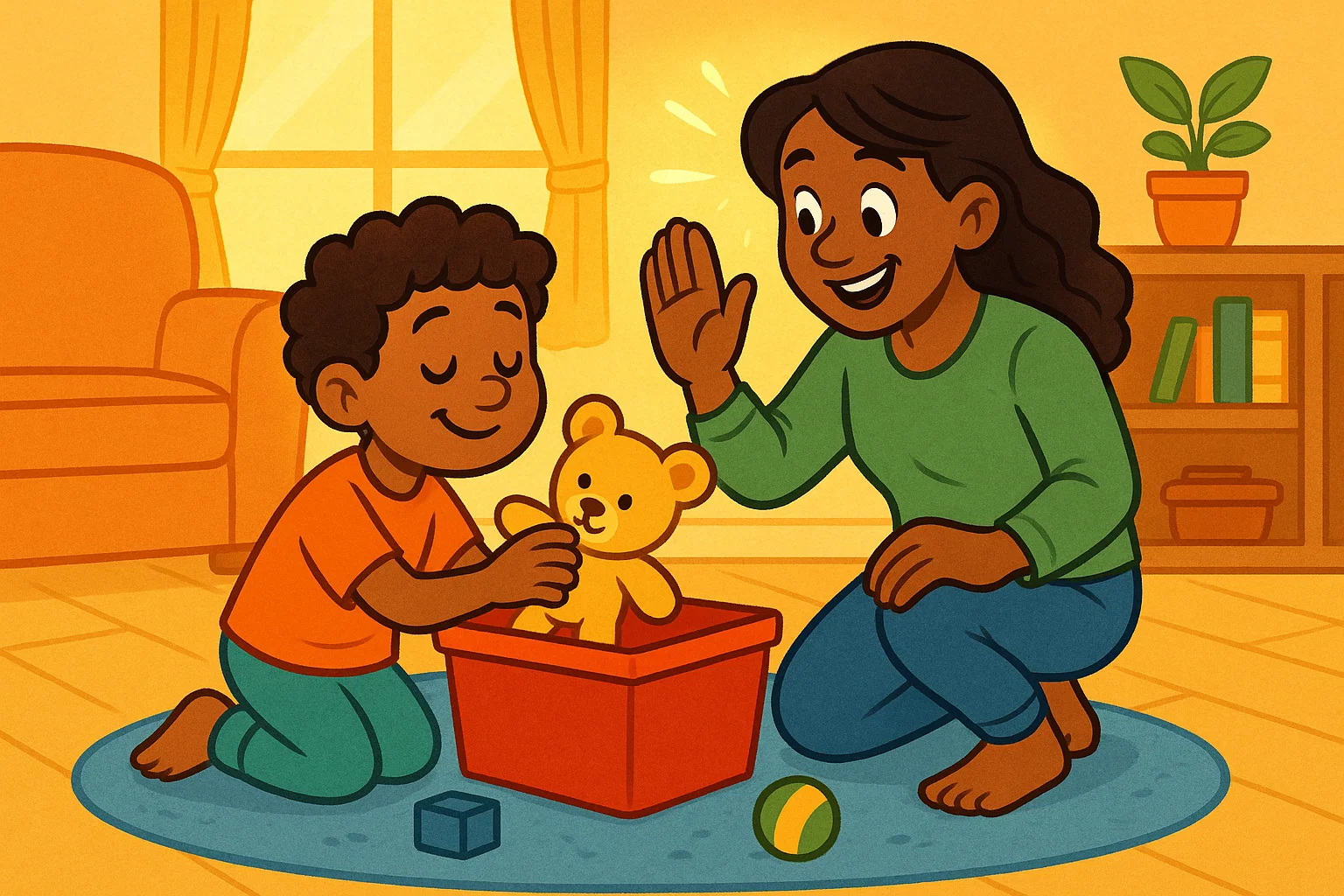
Positive discipline is an evidence-informed parenting and teaching approach that prioritizes long-term guidance over short-term punishment. For parents, caregivers, and educators, this comprehensive guide provides a roadmap for helping young people become self-disciplined, responsible, and emotionally resilient.
By combining clear boundaries with emotional connection, positive discipline focuses on teaching children how to navigate the world rather than forcing compliance through fear. This approach offers practical tools – including emotion coaching, consistent routines, and collaborative problem-solving – that help children stay on track while strengthening mutual respect.
Key Takeaways
- Positive discipline aims to build internal self-control rather than relying on external rewards, threats, or physical punishment.
- Connection before correction helps children feel safe and seen, which can make them more receptive to guidance.
- Logical consequences provide a meaningful link between actions and outcomes, fostering responsibility and better decision-making.
- Consistency and follow-through are essential; families thrive when rules are predictable and enforced with calm authority.
- Emotion coaching helps children learn to manage “big feelings,” which may reduce the frequency and intensity of tantrums and defiance over time.
Positive Discipline Builds Skills, Not Fear
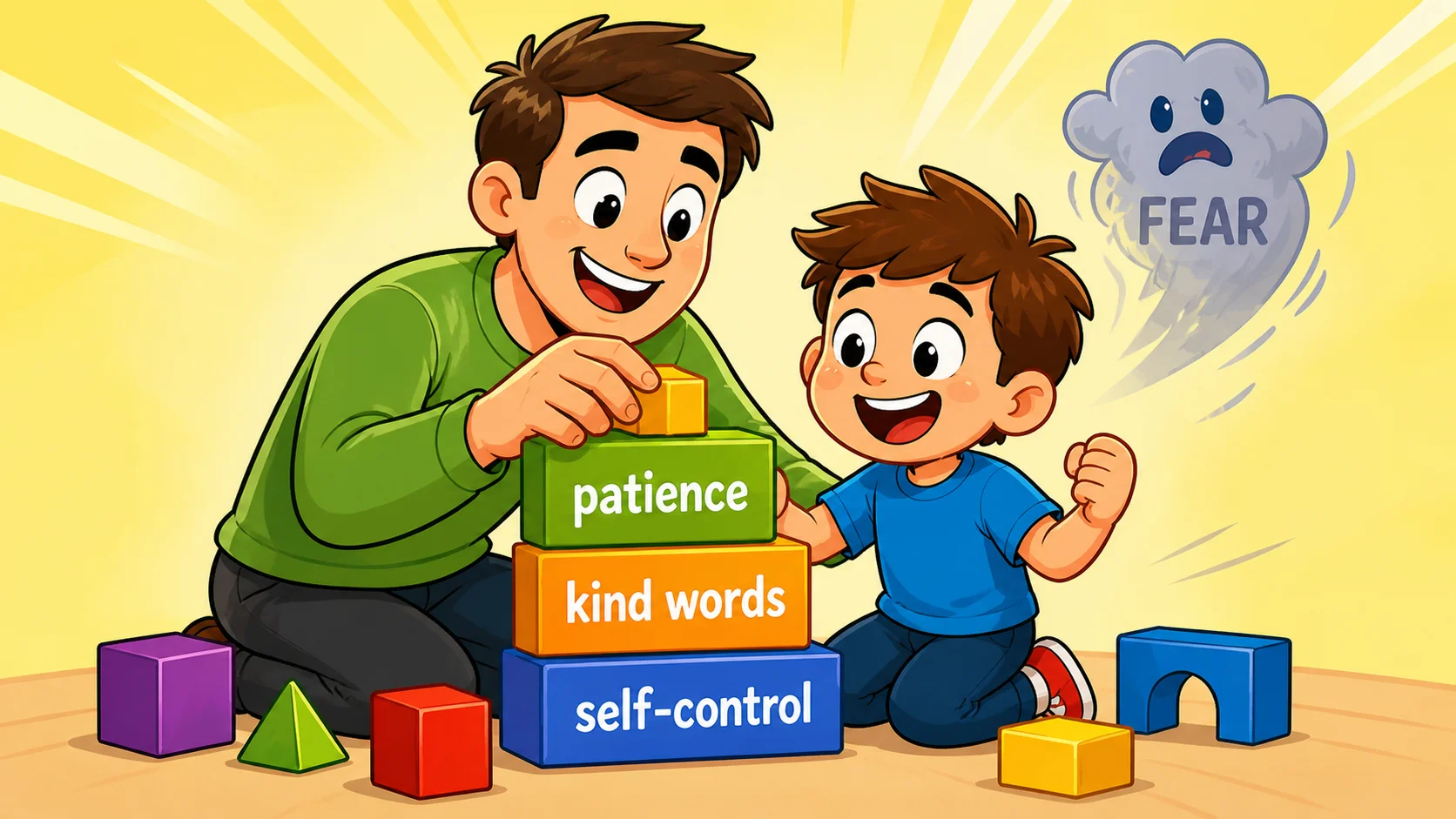
The power of positive discipline lies in its ability to foster internal growth and character development. Unlike punitive discipline, which may stop a behavior temporarily through fear, this method focuses on teaching essential life skills such as empathy, cooperation, emotional regulation, and problem-solving.
The American Academy of Pediatrics recommends positive reinforcement, clear limits, and nonviolent discipline strategies that support healthy development and avoid the harms associated with physical punishment, humiliation, and verbal abuse.
When shame and fear are reduced, young people are more likely to stay calm enough to process guidance, reflect on mistakes, and learn from them.
Connection Comes Before Correction
Effective discipline begins with secure attachment and a foundation of trust. When challenging behavior appears, they may be overwhelmed, stressed, or dysregulated. By offering connection first – such as a hug, a kind word, or getting down to eye level – adults can help lower the stress response.
This sense of safety makes it easier for your little one to listen, cooperate, and make better choices. Connection bridges the gap between frustration and understanding.
Boundaries Work Best With Calm Follow-Through
Establishing rules and consequences is not an act of unkindness; it is a vital way to keep children safe and secure. A parenting style that combines warmth with firm limits helps young people experience their environment as predictable and safe.
When a parent needs to enforce a limit, doing so with a calm, neutral voice prevents the situation from escalating into a power struggle. The consistency of the boundary – not the intensity of the adult’s reaction – is what teaches the lesson.
Parents Need Practical Tools for Big Feelings
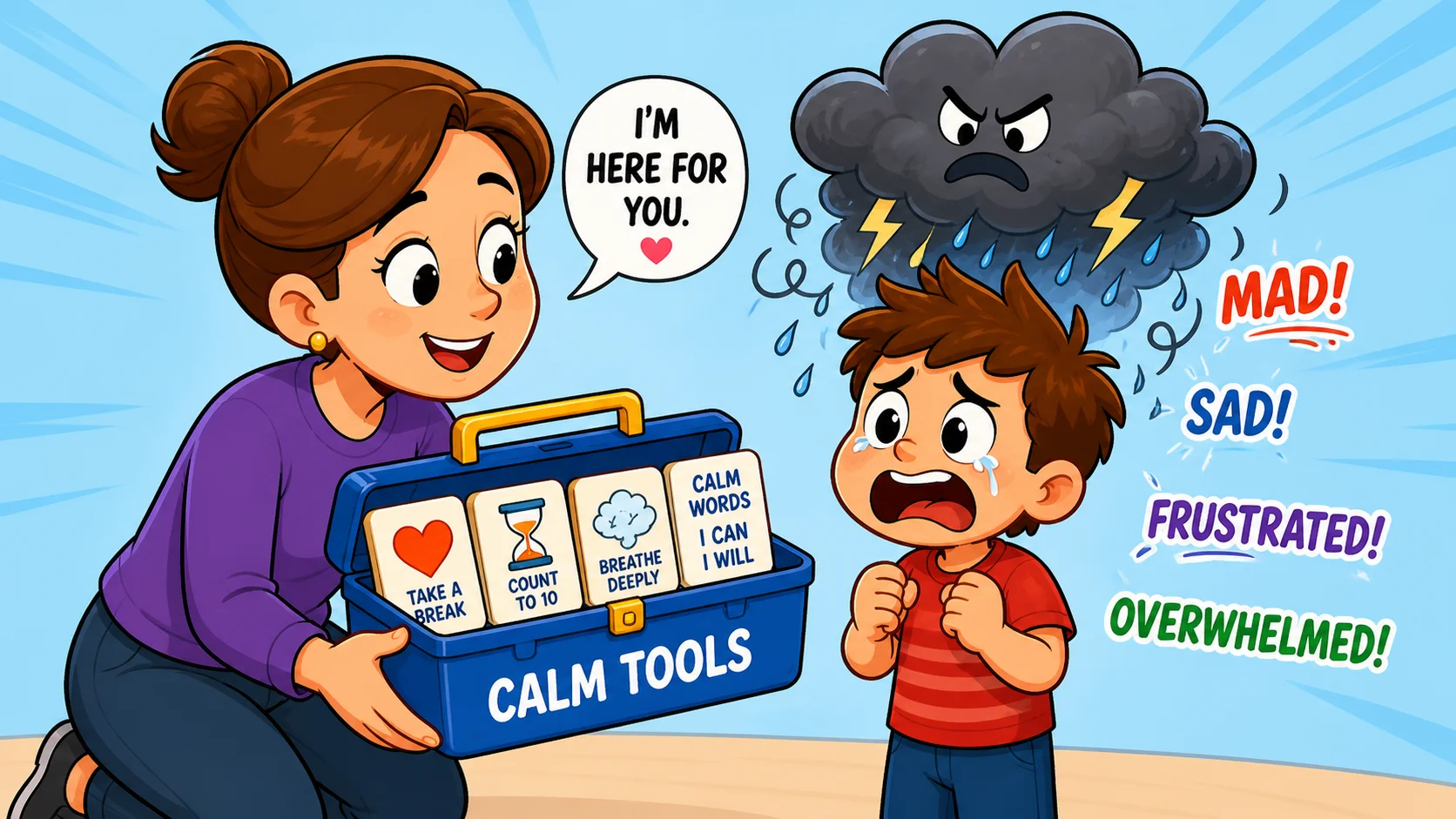
Managing a toddler who refuses to wear a coat or a teen in the midst of a meltdown requires more than patience; it requires a practical toolkit. Positive discipline techniques – such as offering limited choices, using “when/then” phrasing, and practicing deep breathing – help caregivers encourage cooperation and respond to defiance constructively.
These strategies help protect the positive relationships that support a healthy family dynamic, reducing the chance that conflict turns into disconnection.
What Is Positive Discipline?
Positive discipline is a holistic approach that treats children with dignity while maintaining clear expectations for behavior. It is rooted in the belief that kids generally want to do well but may lack the skills, maturity, or emotional regulation to meet expectations at certain developmental stages.
This method focuses on teaching the “why” behind rules so they can understand how their actions affect themselves and others.
Positive Discipline Meaning for Children
For a child, discipline should feel like guidance from a trusted adult who cares about their feelings and their future. Positive discipline shifts the focus from “doing something to” a child to “working with” the child.
It is an educational process in which a child’s needs are acknowledged and they are given age-appropriate autonomy to make positive choices within a safe, structured framework. It moves away from the “because I said so” model toward a model of mutual understanding, guidance, and respect.
Positive Discipline Goals
The primary goal of positive discipline is to raise children who grow into capable, caring, and self-reliant adults. By guiding children through daily challenges, parents and caregivers help them build a foundation of self-esteem, self-control, and social responsibility.
The World Health Organization emphasizes nonviolent parenting approaches and notes that corporal punishment is associated with harm to children’s physical and mental health, increased behavioral problems, and no proven positive outcomes.
The focus is on long-range results: helping young people develop a moral compass that functions even when no authority figure is present.
Positive Discipline Versus Permissive Parenting
It is a common misconception that positive discipline means being “soft” or having no rules. Unlike permissive parenting, which lacks structure and can leave a child feeling untethered, positive discipline requires clear expectations and accountability.
While a permissive parent might ignore a broken rule to avoid conflict, a positive-discipline approach sets clear limits and uses logical consequences to help the child learn from the experience. It is the balance of being kind and firm at the same time.
Positive Discipline Versus Punishment
Understanding the difference between guidance and punishment is crucial for raising children effectively. Punishment is often reactive, retributive, and intended to cause discomfort or shame. In contrast, effective discipline is proactive and intended to teach.
While punishment may lead to immediate compliance, it can damage the family bond and contribute to resentment or rebellion over time.
| Feature | Punishment | Positive Discipline |
| Primary goal | Compliance through fear | Learning through guidance |
| Internal effect | Focuses on “getting caught” | Focuses on self-reflection |
| Relationship impact | Creates distance or resentment | Builds trust and respect |
| Duration | Short-term behavioral stop | Long-term skill acquisition |
| Message | “You are bad for doing this.” | “This action wasn’t okay; let’s fix it.” |
How Punishment Works in Parenting
Historically, disciplinary methods such as yelling, shaming, or punitive isolation have been used to force compliance. However, these forms of discipline often trigger a stress response in children.
When a child is in this state, it becomes harder for them to access reasoning, problem-solving, and learning. Punishment may teach children to hide behavior rather than helping them understand how to change it.
Why Punishment Often Misses the Root Cause
It can help parents remember that “misbehavior” is often a sign of an underlying issue, an unmet need, or a missing skill. A toddler might act out because they are overstimulated, hungry, tired, or not yet able to express frustration in words.
Punitive discipline addresses the outward symptom while ignoring their inner state. This can lead to a cycle of repeated challenging behavior because the original trigger was never resolved. Punishment may stop the action, but it does not always address the child’s struggle.
Why Positive Discipline Creates Better Long-Term Results
By practicing positive discipline, caregivers address the root of the behavior while teaching children the skills they lack, such as emotional regulation, communication, or social problem-solving.
This approach allows children to internalize values like honesty, cooperation, and respect. Over time, children learn to make better choices not because they are afraid of being caught, but because they value positive relationships and understand the reasons behind the rules.
Parenting Big Feelings Without Losing Connection

The journey of parenting often brings up “big feelings” for everyone involved. Positive discipline works best when adults can stay calm even when children cannot.
Managing these emotional peaks is a core part of effective caregiving and can prevent household tension from escalating.
Big Feelings in Children
Developing brains are easily overwhelmed by frustration, disappointment, or sensory overload. A child who refuses to wear shoes or screams during a transition is not necessarily being “bad”; they may be overwhelmed by emotions they cannot yet manage.
Recognizing these moments as teaching moments rather than battlegrounds is a hallmark of positive parenting. When a child is flooded with emotion, they need a calm adult to help them regulate – not a critic.
Big Feelings in Parents
It is natural for adults to feel anger, guilt, or exhaustion when disciplining children. However, disciplining children while we are dysregulated can lead to harsh responses we later regret.
Caregivers who practice self-care and mindfulness are often better equipped to guide children through conflict without resorting to yelling or threats. Recognizing your own triggers is the first step toward maintaining a calmer home.
Pause Before Responding
One of the most effective ways to handle a crisis is to take a brief parental pause. Before you tell your child what they did wrong, take three deep breaths or count to ten.
This brief pause allows your logical brain to take back control from your emotional centers, making your response more age-appropriate and constructive. Choosing a thoughtful response instead of an impulsive reaction is a hallmark of calm, effective caregiving.
Connect, Then Redirect
The “connect and redirect” strategy is a cornerstone of positive discipline. This two-step process helps children feel understood and safe before they are asked to change their behavior.
Connection Before Correction
Before you guide your child toward a better choice, you must establish connection. This might involve getting down on the floor, offering a gentle touch, or saying, “I see you’re having a hard time.”
When a child feels that their parent or caregiver is on their side, they are more likely to cooperate with the next instruction. Connection makes guidance easier to hear; correction without it is more likely to be ignored or resisted.
Redirection That Teaches
Once the child is calm, use positive instructions to guide them toward positive behavior. Instead of saying “Don’t hit,” try “Use gentle hands.”
This style of parenting provides a clear roadmap for what to do next rather than simply listing what is forbidden. Redirection focuses on the “yes” within the “no,” showing children where their energy can go safely.
Examples for Different Developmental Stages
- Toddlers: If a child throws a toy, say, “Balls are for throwing, blocks are for building,” and redirect them to a safe activity.
- Preschoolers: If a child interrupts, teach a nonverbal signal, such as placing a hand on your arm, to help them wait until you can listen.
- School-age children: If a child refuses to do homework, sit down together and ask, “What’s the hardest part of this assignment? Let’s figure out a plan together.”
- Teens: If a teenager misses curfew, wait until everyone is calm, then discuss the impact on family trust and agree on a plan to repair it.
Age-Appropriate Expectations
Effective discipline involves understanding what children are developmentally capable of at each age. Expecting a two-year-old to sit still for an hour or a four-year-old to share every toy perfectly is unrealistic.
Positive discipline focuses on teaching children in ways that match their developmental stage.
Positive Discipline for Toddlers
At this stage, discipline focuses on teaching through redirection, repetition, and environment management. Use short, simple instructions and give your child two acceptable choices, such as, “Do you want the blue cup or the green cup?”
This satisfies their growing need for autonomy without compromising the outcome. Toddlers learn through movement, repetition, and modeling – not long lectures.
Positive Discipline for Preschoolers
Preschoolers are beginning to understand cause and effect. Positive discipline strategies for this age include using visual schedules and social stories to teach children about routines and transitions.
This is also a key time to teach children how to name emotions, which can reduce physical outbursts over time. Helping them label feelings like “mad,” “sad,” or “frustrated” gives them a tool other than hitting, screaming, or throwing.
Positive Discipline for School-Age Children
As children develop more complex logic, adults can move toward collaborative discipline. This means involving the child in problem-solving around household chores, homework, or screen-time limits.
At this age, parents begin to shift from managers to consultants, helping children make more independent and responsible decisions. This is the stage where the “why” becomes as important as the “what.”
Identify the Root Cause Behind Behavior
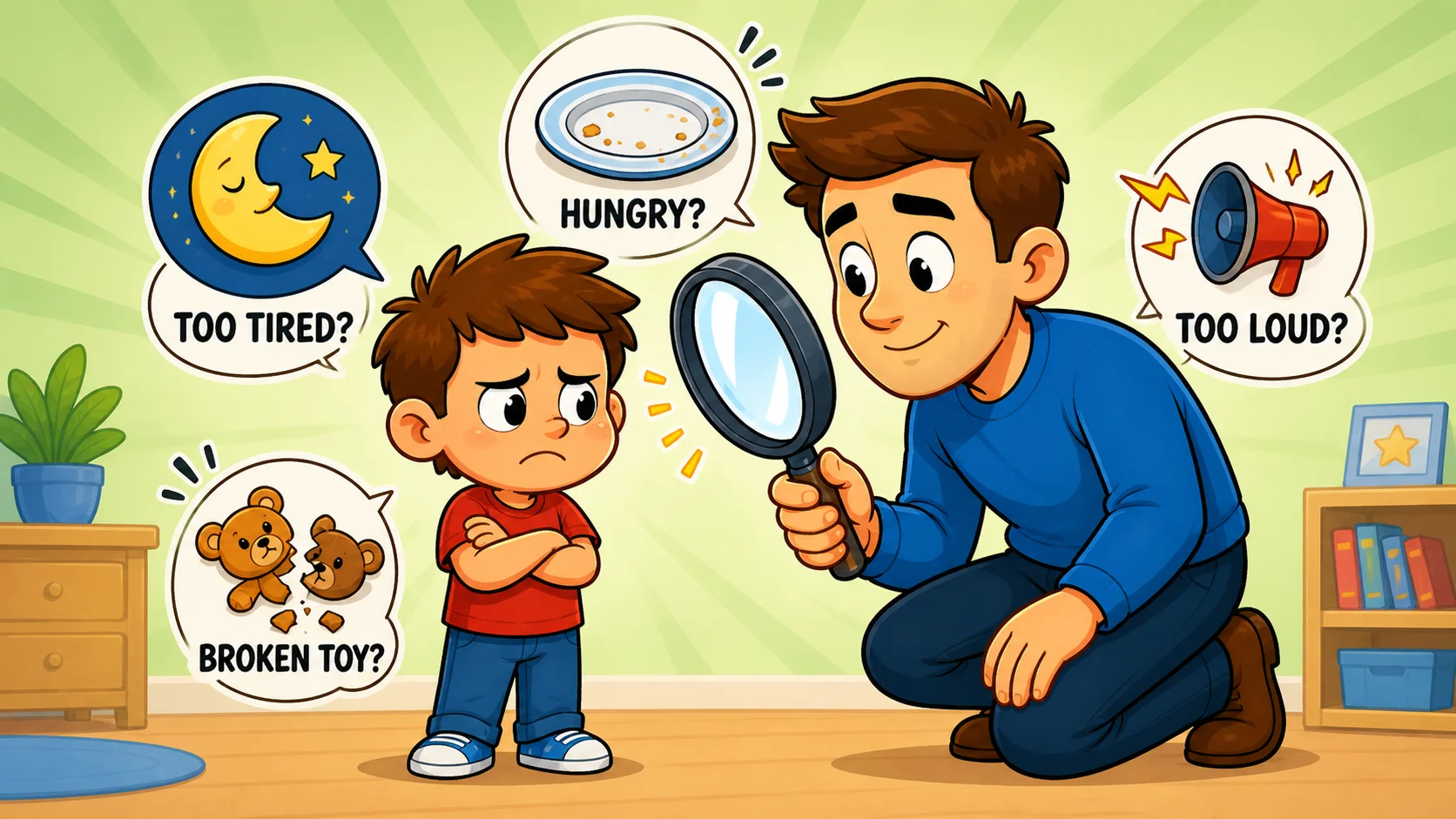
To move beyond frustration with “misbehavior,” parents can learn to view behavior as communication. When we use positive discipline, we look beneath the surface of the action to find the unmet need, missing skill, or emotional trigger.
Common Reasons for Challenging Behavior
- Physical needs: Hunger, fatigue, illness, or discomfort.
- Sensory overload: Loud noises, bright lights, crowded spaces, or too many choices.
- Need for connection: Seeking attention, even negative attention, when the child feels invisible or disconnected.
- Lack of skills: Not knowing how to share, wait, negotiate, or express frustration verbally.
- Developmental gaps: Trying to meet an expectation their brain is not ready to handle yet.
Questions Parents Can Ask
When a child is behaving poorly, ask yourself:
- “What is my child trying to tell me right now?”
- “Is this behavior age-appropriate or a sign of extreme stress?”
- “Does my child have the skills they need to follow this rule successfully?”
- “Am I reacting to the behavior or responding to the child?”
Behavior Patterns Worth Tracking
Identifying triggers helps parents discipline proactively. If a child consistently has meltdowns before dinner, the root cause may be hunger, low energy, or exhaustion from the school day.
Addressing the trigger – perhaps with an earlier snack or quiet downtime – can reinforce positive behavior before conflict even starts. Keeping a simple log for a week can reveal patterns that are hard to notice in the heat of the moment.
Problem-Solve Together
One of the most effective ways to handle recurring issues is to involve your child in finding a solution. This builds decision-making skills and helps children feel invested in the outcome rather than simply ordered to comply.
Collaborative Discipline Conversations
Wait until the emotional storm has passed before starting a conversation. Sit down and say, “I’ve noticed we’ve been having a hard time with the morning routine. I want to hear your ideas about how we can make this go more smoothly.”
This allows children to feel like valued members of the family team. Collaborative conversations turn “me versus you” into “us versus the problem.”
Step-by-Step Problem-Solving Process
| Step | Action | Example |
| 1. Define | State the issue neutrally. | “We aren’t getting to school on time.” |
| 2. Listen | Hear the child’s perspective. | “It’s hard to stop playing with my LEGO bricks.” |
| 3. Brainstorm | List possible ideas. | “Set a timer,” “pick clothes the night before,” or “pack the backpack after dinner.” |
| 4. Choose | Select one solution to try. | “Let’s try the timer for three days.” |
| 5. Review | See how it worked. | “The timer helped. We were five minutes early today.” |
Repair After Conflict
Positive discipline aims to create a path back to connection after a mistake has been made. If a child breaks something in anger, the focus should not be on shame, but on restitution.
Help them figure out how to fix the item, replace it, or make amends to the person they hurt. This also helps your child learn that mistakes happen, but we are responsible for repairing the harm we cause. Repairing a relationship is a vital life skill.
Use Encouragement More Than Praise
Positive reinforcement is valuable, but there is an important difference between praise and encouragement. Positive discipline favors encouragement because it builds an internal sense of accomplishment rather than dependence on external approval.
Encouragement That Builds Confidence
Encouragement focuses on the process, the effort, and the specific choices made. Phrases like “I saw how hard you worked on that math problem” or “Thank you for helping your sister; that was very kind” reinforce positive traits without making children dependent on a parent’s approval.
Encouragement invites self-evaluation: “I worked hard, and I feel good about it.”
Praise That Can Backfire
Generic praise like “Good job!” or “You’re so smart!” can unintentionally make children dependent on external approval. If children behave only to earn praise, they may be less likely to repeat the behavior when no one is watching.
Effective discipline aims for children to feel good about their choices, effort, and growth – not just their performance. Frequent, empty praise may undermine resilience by making children more afraid of failure or of losing their “smart” label.
Phrases Parents Can Use
- “You should be proud of how you handled that difficult situation.”
- “I noticed you kept trying even when the puzzle got frustrating.”
- “Your help made the kitchen cleanup go so much faster today.”
- “I see you’re using your words to tell me how you feel instead of hitting.”
- “That took a lot of courage to tell the truth.”
Consistency in Positive Discipline
People of all ages tend to do better when their world feels predictable. Consistency is the glue that holds positive discipline strategies together.
Without it, kids may feel anxious or continue testing limits to find out where the real boundary lies.
Consistent Rules
Keep house rules simple, clear, and few. When rules and consequences are understood, children do not have to guess what is expected of them.
Set clear expectations such as “We use kind words” or “We ask before taking,” and repeat them often. Visual reminders, like a poster on the fridge, can help everyone stay on the same page.
Consistent Routines
Routines act as a hidden form of discipline. A solid bedtime or morning routine reduces the need for constant nagging.
When the routine is the “boss,” there is less friction between parent and child. It reduces the sense of a personal power struggle – it becomes simply “what we do next.” Routines provide structure while still allowing room for freedom and creativity within the day.
Consistent Parent Responses
If a behavior is allowed one day but met with a consequence the next simply because the adult is tired, the kid may feel confused and insecure.
Positive discipline requires caregivers to respond to a broken rule with the same calm, firm boundary as consistently as possible. This reliability helps kids feel safe. Consistency says, “I love you enough to keep the rules the same, even when I’m tired.”
Follow-Through Without Harshness
Follow-through is the difference between making an empty threat and setting a real boundary. Positive discipline focuses on teaching children that their choices have real-world outcomes through natural and logical consequences.
Natural Consequences
A natural consequence is something that happens without adult intervention. If a kid refuses to wear a coat, they may feel cold.
As long as the situation is safe, letting children learn from the environment can be one of the most effective ways to teach responsibility. It removes the adult from the role of “villain” and lets reality do the teaching.
Logical Consequences
When a natural consequence is not safe or available, use a logical consequence. A logical consequence should be related, respectful, and reasonable.
For example, if a child draws on the wall, the logical consequence is that they help clean the wall. It is directly related to the action. If they misuse a toy, the toy can “take a break” for a short period. This maintains the child’s respect for the rules without using shame.
Follow-Through Scripts
Keep instructions short and neutral to avoid a power struggle:
- “I see you’re having a hard time using the markers safely. We will try again tomorrow.”
- “The rule is shoes on before we go to the park. We can leave as soon as your shoes are on.”
- “Since the toys weren’t picked up, we don’t have time for a second book tonight. We can try for two tomorrow.”
- “I’m having trouble understanding you when your voice sounds like that. I’ll listen as soon as you use a calm, clear voice.”
Emotion Coaching for Children
Emotion coaching is a powerful tool within positive discipline. It helps children develop self-control, emotional awareness, and emotional intelligence.
Name Feelings
Helping kids learn the vocabulary of emotions is the first step toward self-regulation. By saying, “It looks like you’re feeling frustrated because that tower fell,” you help them connect their physical sensations to a word.
This can help the emotion feel more manageable by engaging the child’s thinking brain. The more words children have for their inner state, the less they need to use their bodies to express it.
Validate Feelings Without Accepting Harmful Behavior
A core principle of positive parenting is this: “All feelings are okay, but not all behaviors are okay.”
You can validate a child’s anger by saying, “I see you’re really mad at your brother,” while still holding the boundary: “But I cannot let you hit him.”
Validation does not mean agreement. It means acknowledging the child’s emotional reality. This can prevent the shame spiral that often leads to more defiance.
Teach Calming Skills
Help your little one build a toolbox for moments when they feel overwhelmed. This might include deep breathing, pretending to blow out birthday candles, taking a peaceful break in a cozy chair, or drawing a picture of their angry feelings.
These are skills that can serve children well into adulthood. Learning to cool down before acting is one of the most important lessons in self-discipline.
Five Emotion Coaching Steps
To make positive discipline more effective, use these five steps to guide children and teens through emotional moments. This process can turn a crisis into an opportunity for connection and learning.
Step 1: Notice Emotion Early
Pay attention to the subtle signs of escalation – a clenched jaw, a change in tone, a furrowed brow, or restless movement.
Intervening early, perhaps with a snack or a quiet moment, makes guiding children much easier than waiting for a full-blown meltdown. Catch the spark before it becomes a forest fire.
Step 2: Connect Calmly
Approach the child with empathy. Your goal is to be their calm center during an emotional storm.
If you join them in their anger, the situation will likely escalate. Your calm presence can act as an anchor while they regain control. Avoid asking “Why?” at this stage; they may not yet know why.
Step 3: Name the Feeling
Provide a label for the emotion. For example: “You look disappointed that we have to leave.”
This simple act of labeling can help children move from emotional reactivity toward reflection and problem-solving. It makes the emotion feel more manageable rather than overwhelming.
Step 4: Set the Boundary
If the emotion led to an unacceptable action, state the limit clearly: “It’s okay to be mad, but it’s not okay to throw your shoes.”
This reinforces family values, rules, and limits without attacking the child’s character.
Step 5: Guide a Better Choice
Help your child find a replacement behavior. Ask, “What can you do next time you feel this mad? Would you like to stomp your feet, squeeze a pillow, or come find me for a hug?”
Offering a “next time” plan gives the kid hope and a sense of mastery over their own behavior.
Gentle Discipline Strategies for Setting Boundaries
These positive discipline techniques are practical, everyday tools that help parents maintain order without resorting to punitive discipline or yelling.
Offer Limited Choices
Power struggles often occur because children want a sense of control over their lives. Give your child two options you can genuinely accept: “Would you like to brush your teeth before or after you put on pajamas?”
This empowers the child while ensuring the task is completed. It creates a win-win situation for both the adult and the child.
Use Positive Instructions
In high-stress moments, children often respond better to clear instructions about what to do rather than what not to do.
Instead of “Don’t run,” try “Use walking feet,” which gives the child a clear action to follow. Tell children what to do rather than only telling them what to stop doing. This is often more effective for guiding children toward success.
Create Visual Routines
For young children, a picture chart showing the steps of the morning or bedtime routine can reduce resistance.
It allows the child to take charge of their own progress and reduces the need for the parent to act as a drill sergeant. Children can look at the chart and see what comes next, which fosters independence.
Practice Desired Behavior
Do not wait for a crisis to teach your little one how to act. Use role-play during a calm moment to practice asking for a turn, greeting a guest, or handling disappointment.
Children thrive when they have had a chance to rehearse success in a low-pressure environment. Practice builds confidence and creates a kind of muscle memory for positive behavior.
Foster Emotional Intelligence With Positive Discipline
Positive discipline aims to build emotional intelligence. Emotional intelligence is associated with important outcomes such as relationships, self-management, academic performance, and workplace effectiveness.
Build Emotional Vocabulary
Incorporate feeling words into daily life. Talk about how characters in books might feel or narrate your own emotions: “I’m feeling a little overwhelmed by the noise right now, so I’m going to take a minute to breathe.”
This shows children that emotions are a normal part of life and can be managed with self-control.
Teach Empathy After Conflict
Once a conflict is resolved, help children reflect on the experience from another person’s perspective. Ask, “How do you think your friend felt when the toy was taken?”
This helps children consider others’ needs when making decisions in the future. Empathy is a skill that must be practiced, like a muscle.
Model Emotional Regulation
Parents are powerful models for emotional regulation. If we want children to stay calm, we must show them how we handle our own anger, stress, and frustration.
Apologizing when we lose our temper is a powerful way to model responsibility and repair. It shows that no one is perfect, but everyone can make things right.
Holistic Approaches to Positive Discipline
Behavior does not happen in a vacuum. A holistic approach considers the physiological and environmental factors that influence a child’s ability to cooperate, regulate emotions, and follow rules.
Sleep and Behavior
Sleep deprivation can contribute to impulsivity, emotional reactivity, and difficulty with self-regulation. Ensuring that a child gets enough sleep for their stage of development is a foundational step in encouraging positive behavior.
Tired children are often more reactive and less able to manage frustration.
Screen Time and Regulation
Heavy screen use, especially before bed, can interfere with a child’s ability to self-regulate. Help children transition away from devices by using timers and offering a buffer activity such as drawing, reading, stretching, or building with LEGO bricks.
Highly stimulating screen time can make transitions back to offline activities harder, especially for children who already struggle with regulation.
Environment That Supports Cooperation
A cluttered or chaotic environment can make it harder for children to stay calm and organized.
Organize toys so they are easy to put away and create a calm-down corner where children can go when they feel overwhelmed. Having a predictable, organized space helps children feel more in control and less stressed.
The Parent’s Role in Positive Discipline
In this approach, the adult is neither a dictator nor a doormat; they are a calm leader, mentor, and coach.
Parent as Coach
Like a sports coach, you provide the tools, practice, and encouragement. You do not play the game for children, but you guide them toward success.
This approach focuses on teaching children internal motivation and the skills they need to succeed independently.
Parent as Boundary Keeper
Your job is to hold the household’s guardrails. This means saying “no” when necessary and following through on logical consequences with kindness.
A firm boundary, held with love, provides the security that allows children to explore their world with confidence.
Parent as Model
Children notice far more than adults often realize. They are more likely to do what you do than what you say.
By managing your own stress and speaking respectfully, you model the most powerful lesson of all. Your behavior is the most powerful textbook in the house.
Stages of Positive Discipline
Discipline is a multi-stage process that happens before, during, and after a behavioral challenge.
- Stage 1: Prevent — Set the stage for success with routines, clear expectations, and attention to physical needs.
- Stage 2: Respond — During the behavior, stay calm, ensure safety, and offer connection.
- Stage 3: Teach — After the kid is calm, discuss what happened and what could be done differently next time.
- Stage 4: Repair — Focus on fixing any damage to objects or relationships and move forward together.
Positive Discipline Techniques by Situation
| Situation | Strategy | Key Action |
| Tantrums | Safe presence | Stay close, say very little, and wait for the emotional storm to pass. |
| Hitting or biting | Firm limit | “I won’t let you hit. Hitting hurts.” Move the kid to a safe spot if needed. |
| Defiance | Collaborative choice | “I see you don’t want to leave. Do you want to hop to the car or skip?” |
| Sibling conflict | Narrate and guide | “I see two children and one truck. How can we solve this together?” |
| Bedtime battles | Routine and connection | Add 5–10 minutes of special time to the end of the bedtime routine. |
When Parents Have Concerns
While positive discipline focuses on teaching, some behaviors may require extra support from professionals.
Behavior That May Need Support
If a child’s behavior is consistently aggressive, involves self-harm, or causes extreme disruption to daily family life, it may be more than a simple discipline issue.
Regressions, such as sudden wetting, sleep disruption, or intense separation anxiety, can also be signs of underlying stress, trauma, or developmental concerns that need to be addressed.
When to Speak With a Pediatrician or Child Specialist
Speak with your child’s pediatrician or a qualified child specialist if you feel stuck or overwhelmed.
A pediatrician, child psychologist, therapist, or developmental specialist can help determine whether developmental delays, sensory processing differences, anxiety, trauma, or other factors may require additional support. Early intervention can make a meaningful difference in long-term outcomes.
Positive Discipline Tips for Daily Life
- Keep rules simple: Use short, clear rules that are easy to remember.
- Focus on teaching: Ask yourself, “What skill am I teaching in this moment?”
- Stay kind and firm: You can be empathetic to a child’s feelings while still saying “no” to an unacceptable action.
- Repair after hard moments: It is okay to apologize to your child. It models responsibility, humility, and integrity.
Conclusion: Positive Discipline for Children in Everyday Parenting
Positive discipline for children is a journey of mutual growth and respect. It is an investment in the future, prioritizing long-term character over short-term compliance.
By combining positive reinforcement, logical consequences, and emotion coaching, you create a safer, more supportive environment for children to grow and thrive. Remember, the goal is not to “win” the argument, but to maintain connection while helping your child build the skills they need.
Main Message for Parents
Discipline is not something you do to a child; it is guidance you offer for their growth, safety, and self-control.
First Step to Try Today
The next time you encounter difficult behavior, pause, take a breath, and connect with your child before you correct the behavior.
Long-Term Parenting Goal
By using positive discipline, you help raise a child who can grow into an adult who makes good choices not out of fear, but from integrity, self-discipline, and respect for others.
Positive Discipline FAQ
Is Positive Discipline the Same as Gentle Parenting?
They are very similar and often overlap. Both emphasize empathy, respect, and connection.
However, positive discipline often places a slightly stronger emphasis on the structured use of logical consequences and specific skill-building techniques to foster independence.
Does Positive Discipline Work for Strong-Willed Children?
Yes, it can be especially helpful. Strong-willed children often react poorly to power-based punishment.
They often respond well to positive discipline because it offers choices, respects autonomy, and provides the consistent boundaries they need.
Can Positive Discipline Include Consequences?
Yes. However, these should be logical consequences, not arbitrary punishments.
Logical consequences should be related to the behavior and aimed at teaching a lesson rather than causing physical or emotional pain.
What Age Should Positive Discipline Start?
You can begin using the principles of connection, safety, and gentle redirection as soon as a baby becomes mobile.
How Does Positive Discipline Support a Child’s Needs?
The positive discipline approach starts with the idea that children want to behave well, but they may need support, skills, structure, or connection to do so. Instead of seeing challenging behavior as defiance alone, this approach to discipline looks at what the kid needs in that moment.

Take a short quiz to find out what your everyday choices say about your parenting style
When your child is curious about something new, what’s your instinct?
Take a short quiz to find out what your everyday choices say about your parenting style
“Can I download this app?” What happens next?
Take a short quiz to find out what your everyday choices say about your parenting style
When it comes to rules at home, which sounds most like you?
Take a short quiz to find out what your everyday choices say about your parenting style
If you could give your child one life skill today, what would you pick?
Take a short quiz to find out what your everyday choices say about your parenting style
Your child gets to choose what to watch. What would your ideal setup look like?
Take a short quiz to find out what your everyday choices say about your parenting style
Pick your parenting superpower ✨



