Parenting Tips for Tweens: 15 Practical Ways to Guide Preteens Without Power Struggles

 Discover a Free Education Video App for Kids
Pastory uses AI to personalize educational video content based on your child’s interests and personality. Safe, engaging, and built for curious young minds. Sign up now to stay updated and enjoy early access with a free trial
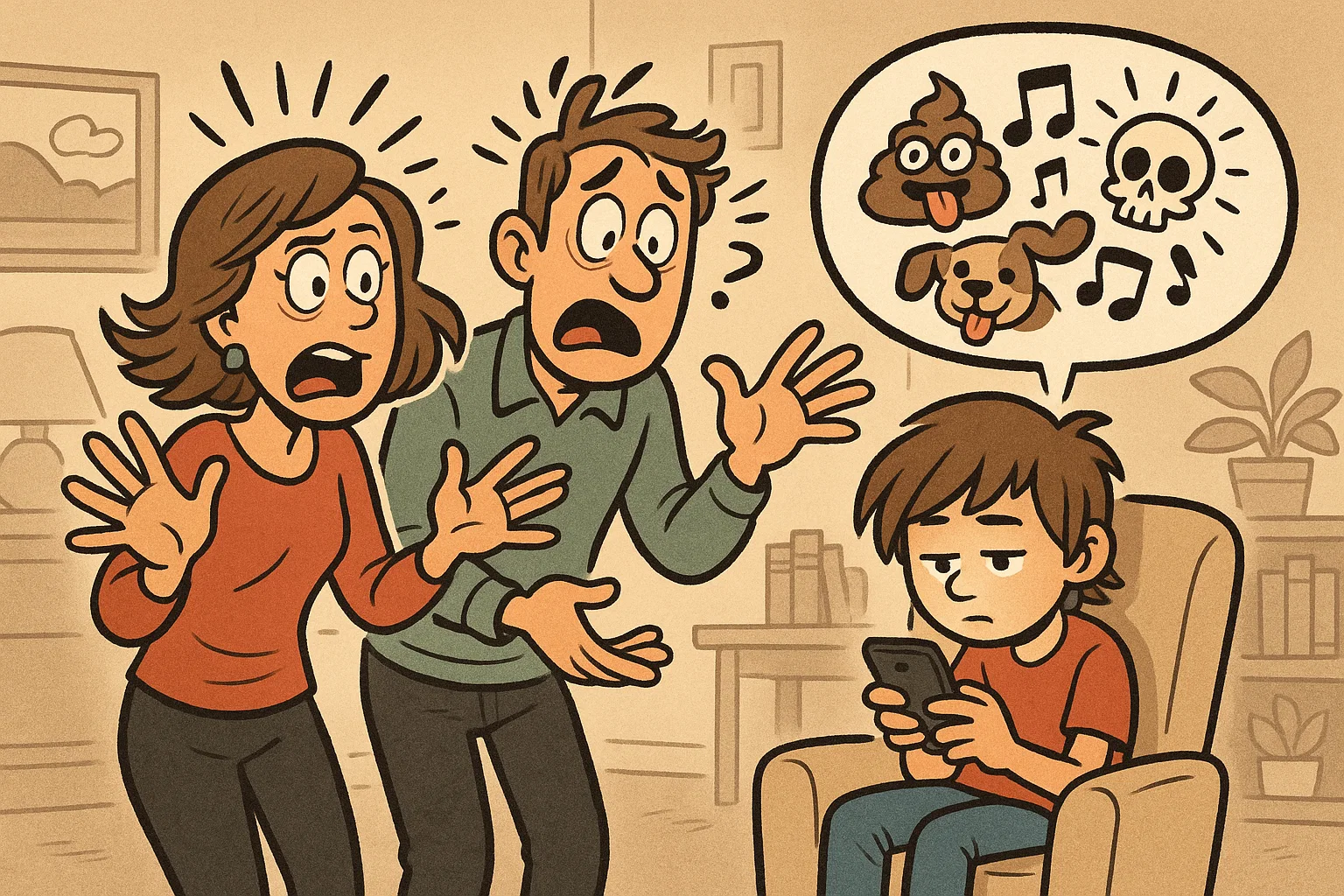
The transition from early childhood into the preteen years brings noticeable behavioral changes in children ages 9 to 12. During this stage, parents often navigate sudden mood swings, a growing desire for independence, peer pressure, middle school stress, and increasingly complex digital habits. These physical and emotional changes can make old discipline strategies less effective and create power struggles between parents and preteens.
Pediatric guidance consistently emphasizes that children benefit from clear parental guidance paired with emotional support. This guide offers practical, realistic strategies to help parents navigate the tween years while protecting a healthy parent-child relationship.
Key Takeaways
- Connection and Structure: Successful parenting during the tween years means balancing warmth with clear household rules and predictable follow-through.
- Active Listening: Prioritizing empathetic communication over long lectures can reduce defensiveness in preteens.
- Holistic Influences: Common behavior problems often stem from everyday triggers, including lack of sleep, screen habits, peer conflict, and academic stress.
- Teaching-Focused Discipline: Consequences work best when they focus on learning, responsibility, and repair rather than shame.
- Parental Well-Being: Parenting a tween who pushes back often requires self-regulation, outside support, and realistic expectations.
Parenting Tweens Requires Calm and Structure

During early adolescence, the parent-child relationship benefits from both emotional warmth and clear boundaries. Child-development experts often emphasize consistent rules, predictable consequences, and parental self-control as key tools for helping preteens manage behavior. A steady home environment can keep small behavior problems from turning into recurring family conflicts.
Communication Works Better Than Long Lectures
Active listening and low-pressure conversations are often more effective than lectures for reducing defensiveness at this age. Long lectures can make preteens feel overwhelmed or defensive, which makes it harder for them to absorb guidance. Empathy and brief, targeted check-ins keep communication open and allow the preteen to process parental guidance without building resentment.
Sleep, Technology, Friends, and School Shape Behavior
Everyday factors such as sleep, technology, friends, and school stress strongly shape tween behavior. Chronic tiredness, late-night or unsupervised smartphone use, peer group dynamics, and middle school pressure can show up as irritability or defiance. Identifying the trigger behind difficult behavior helps parents address the root cause instead of only reacting to the behavior itself.
Discipline Should Teach, Not Shame
Effective discipline during the tween years should focus on teaching skills rather than making a child feel ashamed. The American Academy of Pediatrics recommends positive discipline strategies that teach behavior, set clear limits, and avoid shame-based responses. Respectful, logical consequences that relate to the behavior help tweens learn accountability while preserving their dignity.
Parents Need Support, Too
Parenting a preteen can be emotionally draining and may contribute to caregiver burnout. Family therapists often emphasize that isolation can increase stress and make calm parenting harder. Community support, self-care, and professional guidance when needed are important parts of a healthy family system.
Stay Calm During Power Struggles
Emotional regulation is one of the most important skills parents can use during conflict. When parents stay outwardly calm during an argument, they create a safer emotional environment and make problem-solving more likely.
Don’t Take Mood Swings Personally
Puberty can bring hormonal and neurological changes that affect mood, impulse control, and emotional reactions. Sarcasm, eye rolls, and brief emotional outbursts often reflect immaturity, stress, or a need for independence rather than a lack of love for parents. Recognizing these behaviors as part of development can help parents avoid taking every reaction personally.
Pause Before Responding
Taking a deliberate pause before responding helps prevent impulsive, emotionally driven reactions. Parents can use simple scripts to set boundaries while buying time to de-escalate.
Effective phrases include:
- “I am going to take a minute to think before I answer that.”
- “We’ll talk about this when we’re both calmer.”
Model Calm Behavior
Preteens learn healthy conflict resolution by watching the adults around them. Using a steady tone, relaxed body language, and respectful repair after conflict teaches children how to manage intense emotions. If a parent loses their temper, a brief, sincere apology models the accountability they want to see from their tween.
Focus on Positive Behavior
Acknowledging effort, honesty, cooperation, and small signs of growth is usually more helpful than focusing only on mistakes.
Praise Effort More Than Results
Shifting praise from final outcomes to specific effort helps children become more resilient learners. Parents can use targeted statements such as: “I noticed how you kept trying to solve those math problems even when the homework became frustrating.”
Catch Good Choices Early
Identifying positive choices before behavior problems arise reinforces a child’s internal motivation to cooperate. Parents can look for small daily wins, such as a child starting homework independently, using a respectful tone during a disagreement, or helping a sibling. Acknowledging these choices early reduces the chance that preteens will use challenging behavior to get attention.
Build a Daily Positivity Practice
Creating a simple daily positive routine helps balance the criticism and conflict that can build up during early adolescence. Families can add a predictable check-in at dinner or bedtime by sharing one thing they appreciated or the best moment of the day. This practice keeps positive attention part of the daily parent-child relationship.
Set Expectations and House Rules
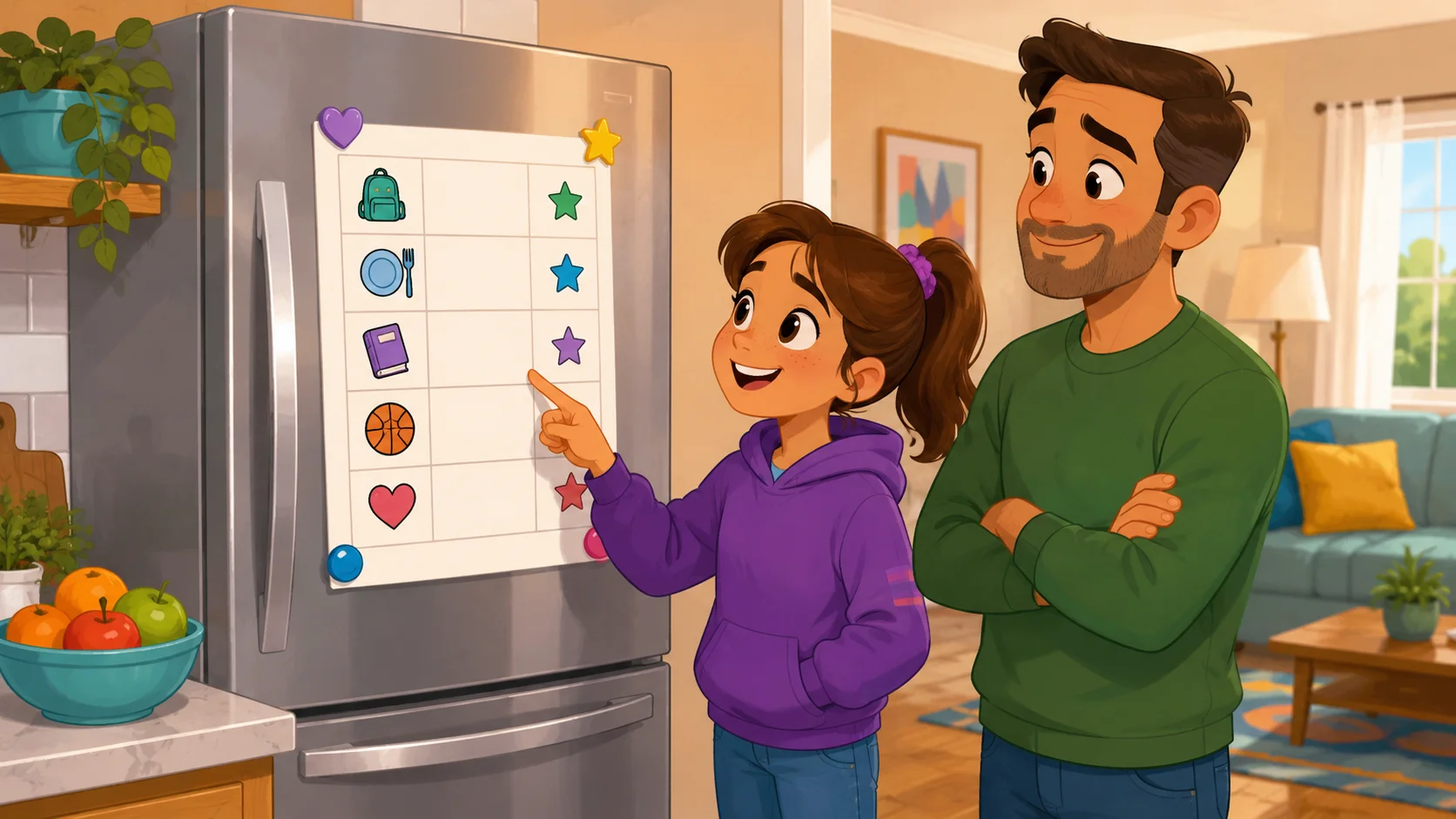
Clear expectations around screen time, sleep, chores, schoolwork, and privacy can reduce daily conflict at home.
| Rule Category | Specific Expectation | Clear Boundary |
| Digital Media | Device charging location | Central charging station outside bedrooms by 8:30 PM |
| Academic | Homework routine | Dedicated study block from 4:00 PM to 5:30 PM |
| Household | Shared chore contribution | Trash removal and dishwasher emptying completed daily before dinner |
| Social | Weekend curfew limits | Return home or check in by 9:00 PM on Fridays and Saturdays |
Define Family Values
Household expectations work best when they connect to broader family values such as respect, physical health, honesty, and kindness. When a preteen understands the reason behind a rule, they are more likely to see it as fair and follow it. For example, screen limits can be framed around the value of physical health and the need for restorative sleep.
Make Rules Clear Before Problems
Vague boundaries often generate unnecessary arguments between parents and preteens. Setting clear rules before problems happen removes guesswork and reduces arguments later. Clearly outlining expectations around bedtime, digital privacy, and social activities helps the child understand their boundaries.
Use Age-Appropriate Consequences
Consequences during the preteen years should be related to the behavior, delivered respectfully, and kept predictable and brief. Short, related consequences help the child connect the behavior with the outcome, make amends, and try again. Long-term punishments or groundings can feel discouraging and often do less to teach better choices.
Keep Communication Open
Staying emotionally connected takes intention, especially as preteens begin looking more to peers for approval.
Use Low-Pressure Conversation Moments
Direct, face-to-face questioning can make some tweens withdraw or become defensive. Using low-pressure moments – such as car rides, dog walks, cooking together, or watching a show – can make conversations feel more natural and safe. These casual settings lower the child’s defenses and make them more willing to discuss their thoughts and feelings.
Ask Better Questions
Generic questions like “How was school?” often lead to one-word answers. Replacing broad questions with more specific ones encourages better responses.
Parents can try questions such as:
- “What was the funniest thing that happened during lunch today?”
- “What felt the most challenging or frustrating about your day?”
Keep Talking After Conflict
Reconnecting after a major argument helps preserve a strong parent-child relationship. Once emotions have cooled, parents can check in without lecturing, blaming, or rehashing every detail. Focusing on repair and next steps can prevent emotional distance from building up.
Listen With Empathy
Listening with empathy before offering advice helps preteens feel understood and can make them more willing to cooperate.
Acknowledge Feelings and Wants
Validating a child’s feelings does not mean accepting hurtful or inappropriate behavior. When a preteen has a setback, parents can reflect the child’s feelings before restating the boundary.
Useful scripts include:
- “I can see that you really wanted to spend more time online with your friends tonight.”
- “It sounds like that situation in middle school felt incredibly embarrassing for you.”
Reflect Back Before Advice
Reflecting a tween’s main point before offering advice can make guidance feel more respectful and easier to accept. Repeating the main point of what the child said shows that their perspective matters. This kind of validation respects their growing need for independence and may make them more open to guidance.
Know When Silence Helps
Some preteens need time and space to process intense experiences before they can talk about them. Pushing for an immediate conversation when a child is visibly overwhelmed can escalate the situation. Calmly letting the child know you are available and returning to the topic later helps them feel less cornered.
Manage Tween Discipline Without Shame

Constructive discipline should teach better behavior while preserving firm boundaries and respect.
Discipline Tips for the Tween Years
- Maintain a neutral tone: Give corrective feedback in a steady, calm, matter-of-fact voice.
- State the broken rule clearly: Name the specific rule that was broken without using labels like “irresponsible.”
- Keep explanations brief: Limit corrective feedback to two or three direct sentences to support comprehension.
- Apply the agreed-upon consequence: Follow through calmly and consistently.
- Provide an opportunity to repair: Give the preteen a clear task to repair the mistake or rebuild trust.
Avoid Lectures During Big Emotions
Trying to lecture when a tween is highly emotional is usually ineffective. During intense anger or anxiety, it is harder for many children to think clearly and problem-solve. Parents should save teaching and problem-solving for calmer moments after the incident.
Repair After Conflict
If a parent yells, uses harsh language, or reacts unfairly, a timely repair is important. Parents can apologize for losing control while still maintaining the original rule. This pattern shows children that relationships can include conflict and still recover through respect.
Handle Groups of Children Fairly
Handling conflict during playdates, sibling interactions, or team activities requires a calm, structured approach. Parents should intervene promptly to stop unwanted behavior, separate children calmly if safety is a concern, and address the visible facts without choosing sides. Setting the same expectations for everyone helps prevent children from feeling singled out or shamed.
Handle Common Preteen Behavior Problems
Preteens often test boundaries as they develop a more independent identity, which can create predictable friction at home.
Backtalk and Rudeness
Backtalk often reflects a preteen’s desire for control, stress, or limited skill in expressing frustration. When addressing backtalk, parents should calmly name the boundary without getting pulled into an extended argument.
An effective response is: “I understand you’re frustrated, but I’ll respond when you use a respectful tone.”
Whining and Complaining
Preteens may whine when they hope persistence will change a parent’s answer. Parents can avoid rewarding the whining tone while still listening to the underlying request. Teaching the child a polite way to ask again encourages more mature communication.
Lying, Sneaking, and Rule Breaking
Lying or sneaking devices may point to fear of punishment, a desire for privacy, or peer pressure. When dishonesty is discovered, focusing on rebuilding trust is usually more effective than relying on severe punishment. Parents should create a clear path for the child to earn back privileges through honest, consistent behavior.
Home-Only Meltdowns
Some preteens hold it together at school and then melt down when they get home. This pattern may suggest that the child sees home as a safe place to decompress after a stressful day. Creating a quiet, low-pressure routine after school can help reduce late-afternoon outbursts.
Support Sleep, Routine, and Health
Adequate sleep is a foundation for emotional regulation, focus, and positive peer interactions during adolescence. Children ages 6 to 12 generally need 9 to 12 hours of sleep per 24 hours, while teens ages 13 to 18 need 8 to 10 hours.
Set an Electronic Curfew
Evening screen use can interfere with sleep by delaying bedtime, increasing stimulation, and exposing children to light. A clear rule that devices charge outside bedrooms at night can make healthy sleep habits easier to maintain. This boundary reduces the temptation to check group chats or scroll through social media late at night.
Create a Bedtime Routine
A predictable evening routine signals that it is time to wind down. An effective routine might include a light evening snack, a warm shower, offline reading time, and dimmed lights. Parents should avoid heavy conversations or discipline debates during this wind-down period.
Keep Weekend Wake Times Reasonable
Allowing preteens to sleep in excessively on weekends can disrupt their natural sleep rhythm and make Sunday nights harder. While minor adjustments are fine, keeping weekend wake times close to the weekday schedule can reduce “social jet lag.” This consistency supports steadier energy levels throughout the school week.
Keep Bedrooms Cool and Dark
A restful sleep environment can support better sleep quality. Keep the preteen’s bedroom cool and dark, use blackout curtains if needed, and turn off audible digital notifications. A quiet, dark environment supports more restful sleep.
Guide Phones, Social Media, and Technology

Digital life is one of the biggest challenges for today’s parents of tweens, and it requires active guidance and clear boundaries.
| Digital Challenge | Potential Risk for Tweens | Parent Strategy |
| Group Chats | Bullying, exclusion, or pressure to respond constantly | Occasional, transparent check-ins about messages |
| Short-Video Feeds | Overstimulation and reduced attention span | Set app limits based on the child’s age, maturity, sleep, schoolwork, and family routines |
| Social Apps | Anxiety from social comparison and disappearing content | Delay access until at least the platform’s minimum age, and use strong privacy settings |
| Online Gaming | Exposure to toxic language or unsafe interactions | Limit voice chat to real-life friends only |
Know What Tweens See on Phones
Preteens are often exposed to unfiltered messages, short-form videos, and peer comparison through their screens. Constant exposure can affect a child’s developing sense of identity and self-worth. Understanding the platforms your child uses helps you have proactive conversations about media literacy and online safety.
Create a Healthy Tech Diet for Your Child
A healthy approach to technology treats digital media as a balanced diet rather than an all-or-nothing restriction. Parents can encourage an intentional mix of educational research, creative digital projects, and light entertainment, balanced with offline activities. Protecting specific times – such as family meals and outdoor play – helps keep screens from replacing face-to-face interaction.
Talk About Likes and Approval
Chasing validation through likes, views, and comments can negatively affect a preteen’s body image and self-esteem. Parents can talk openly about how social media platforms are designed to hold attention and encourage comparison. Reinforcing a child’s intrinsic value outside their online presence builds long-term resilience.
Set Screen Boundaries Without Constant Fighting
A written family tech agreement can reduce daily arguments by making screen rules clear and predictable. This agreement should outline screen-time expectations, approved apps, screen-free zones, and consequences for breaking the rules. Using parental controls to support these limits can reduce friction between parent and child.
Navigate Peer Group Influence
As children move into early adolescence, friends become more central to their identity, making supportive parental guidance important.
Why Friends Matter More Now
During the tween years, the need for belonging grows, and many children become more sensitive to social exclusion. This shift is a normal part of building an identity separate from their parents. Recognizing this dynamic helps parents avoid criticizing their child’s focus on friendships and instead support healthy social choices.
Coach Peer Conflict
Preteens often face complicated social dynamics, including shifting friend groups, gossip, teasing, and painful friendship breakups. Instead of stepping in to solve every problem directly, parents can use role-play exercises to coach their children through difficult social moments. This practice helps tweens express boundaries and handle peer conflict more independently.
Help Tweens Resist Pressure
Helping a preteen resist negative peer pressure requires practical, face-saving exit strategies. Parents can create a simple code word or text that lets the child ask for help when they feel uncomfortable in a social situation. The parent can then call with a reason to pick the child up, allowing the tween to leave without losing face.
Build Confidence and Mental Toughness
Helping preteens build resilience prepares them to handle academic challenges, social setbacks, and personal mistakes with more confidence.
Build Self-Esteem Beyond Achievement
Tying a child’s worth only to grades, awards, sports performance, or appearance can increase perfectionism and performance anxiety. Parents should also praise character strengths, such as honesty, kindness, effort, problem-solving, and courage. This approach helps the preteen develop a more stable sense of self-worth that is not defined by temporary setbacks.
Stop Using “Should” as a Parenting Tool
Frequent “you should” statements can sound like criticism and lead some tweens to shut down. Replacing commands with curious, collaborative questions encourages critical thinking and self-reflection.
Parents can transform directive phrases into open, supportive dialogues:
- Instead of: “You should know how to organize your school binder by now.”
- Try: “What kind of system could we create together to help keep your assignments organized this term?”
Support Highly Sensitive Tweens
Highly sensitive, emotionally intense, or naturally shy tweens may need parenting strategies that honor their temperament. Parents should avoid labeling intense reactions as “dramatic” or “weak” and instead offer a steady, nonjudgmental presence. Validating their feelings while gently encouraging small steps outside their comfort zone can help them build confidence.
Teach Resilience After Mistakes
When a preteen experiences a setback, such as failing a quiz or missing a goal in a game, parents can frame it as a normal part of learning. Normalizing mistakes, avoiding overreactions, and guiding the child through an objective review of what to try next builds resilience. This teaches tweens that mistakes are learning opportunities, not final judgments about their ability.
Stay Present Without Helicopter Parenting
Balancing support with age-appropriate independence helps preteens build real-world competence.
Be Available Without Taking Over
Staying present during the tween years often means shifting from hands-on manager to supportive coach. Parents can stay available for guidance and support while letting the child make decisions and solve problems when it is safe and practical. This balance provides a secure safety net while allowing the preteen to practice navigating their own life.
Let Tweens Practice Responsibility
Developing independence requires hands-on practice with daily life skills, household contributions, and personal care. Parents can set clear expectations for regular, age-appropriate responsibilities:
- Managing personal hygiene routines, including regular showering and skincare.
- Organizing school assignments and keeping track of daily deadlines.
- Contributing to the household through basic chores, laundry, and simple meal preparation.
- Learning basic money management through a structured allowance or personal budgeting.
Step Back Safely
Stepping back sometimes means allowing safe natural consequences, such as a lower grade after a child forgets to study. Experiencing the direct results of their actions teaches preteens accountability more effectively than constant nagging. Adult intervention should be reserved for safety risks, ongoing bullying, or serious health concerns.
Watch Mental Health and Anxiety
It is important to distinguish typical preteen mood shifts from possible signs of anxiety or depression.
Do Regular Mental Health Check-Ins
Routine, low-pressure mental health check-ins can help parents notice emotional struggles before they escalate. Parents can weave simple, non-invasive questions about mood, sleep, friendships, and school worries into casual daily conversations. These consistent touchpoints show the preteen that their emotional well-being is a family priority.
Notice Signs of Stress, Depression, and Anxiety
Parents should watch for persistent changes in behavior that may point to deeper emotional distress. Warning signs include prolonged social withdrawal, major changes in sleep or appetite, school refusal, and frequent unexplained physical complaints such as headaches or stomachaches. Noticing these changes early helps families provide support sooner.
Address School Absenteeism Early
Ongoing school avoidance can signal underlying struggles, such as anxiety, learning challenges, or bullying. Parents should address school avoidance promptly by partnering with teachers, school counselors, and administrators to understand the root cause. Working together helps create a supportive plan before academic gaps widen.
Seek Professional Support When Needed
Reaching out to a pediatrician, licensed therapist, or school counselor can be a proactive step rather than a last resort. Professional support can help preteens learn evidence-based coping strategies for managing anxiety, processing difficult emotions, and navigating social transitions. Early support helps protect a child’s long-term mental health throughout adolescence.
Get Parenting Support and Practice Self-Care
Caring for a developing preteen requires parents to protect their own emotional reserves and seek support when needed.
Parenting Tweens Can Feel Lonely
Many parents feel isolated or unsure of themselves as their child becomes more focused on peers. Missing the simpler, more affectionate early childhood years can make this transition feel personal. Recognizing that this shift is a normal milestone helps parents navigate the emotional changes with patience.
Build a Support Network
Building a trusted network of other parents, relatives, school staff, and community mentors can provide perspective and practical advice. Sharing experiences with others who are navigating similar challenges helps normalize the ups and downs of raising a preteen. This support can reduce stress and offer practical ideas for handling difficult moments at home.
Use Breathing, Breaks, and Boundaries
When a household argument begins to escalate, parents need quick self-regulation tools to keep the peace. Taking a few slow breaths, pausing the conversation, or stepping away briefly can help prevent reactive yelling. These simple practices help parents stay grounded during intense emotional moments.
Protect Parent Well-Being
Prioritizing basic personal well-being – such as getting consistent sleep, exercising regularly, maintaining adult friendships, and taking breaks from family conflict – directly improves parenting choices. A rested, emotionally supported caregiver is better equipped to respond to a tween’s mood swings with patience. Taking care of yourself is an essential foundation for effective parenting.
Use Books and Resources Wisely
Well-researched, reputable resources can help parents tailor strategies to their child’s developmental needs.
Books About Parenting Tweens and Teens
- Puberty and Biology: Look for titles focused on physical development to help normalize changing bodies and hormonal shifts for your child.
- Discipline and Boundaries: Choose books centered on positive parenting frameworks to learn how to set firm limits without relying on yelling or punitive punishments.
- Digital Media and Tech Safety: Select up-to-date guides on social media and internet safety to build realistic family technology agreements.
- Anxiety and Emotional Health: Use evidence-based books on adolescent mental health to learn practical strategies for supporting a sensitive or anxious preteen.
Resources About Brains, Temperament, and Development
Different resources can help parents understand brain development, temperament, neurodiversity, and emotional expression. Reading reputable resources on the preteen brain, temperament, neurodiversity, and emotional expression can provide helpful context for your child’s behavior. This knowledge helps parents match their guidance to their child’s developmental pace.
Resources About Technology, Anxiety, and Middle School
Choosing books and resources that directly address your current family challenges keeps your parenting approach practical and effective. Whether you are navigating middle school social dynamics or managing screen-time arguments, targeted resources can offer practical strategies. Relying on trusted organizations, such as the Child Mind Institute, can help you choose advice grounded in current research and clinical expertise.
Choose Advice That Fits Your Family
Expert advice provides a useful foundation, but parents should feel confident adapting strategies to fit their family culture, values, and child’s temperament. No single parenting approach works perfectly for every household. Choosing and adjusting techniques to match your family’s reality helps your boundaries stay realistic, sustainable, and effective.
Conclusion: Parenting Tweens With Calm, Connection, and Boundaries
Parenting tweens works best when parents combine warmth, clear boundaries, active listening, and predictable follow-through. This balanced approach helps families navigate the natural transitions of early adolescence while protecting the parent-child relationship.
Main Takeaway for Parents
Preteens need a balance of growing independence and steady parental guidance. As they begin to build an independent identity, your role shifts from hands-on manager to steady, supportive coach.
Next Step for Your Family
Rather than trying to change every household routine at once, choose one or two strategies from this guide to try this week. Small, consistent adjustments in communication and structure can benefit the whole family over time.
Encouragement for Hard Days
Difficult behavior, arguments, or emotional distance do not mean you are failing as a parent or that your child is “bad.” Early adolescence is a period of major growth and change, and staying calm, steady, and connected can help guide your child through it.
Frequently Asked Questions About Parenting Tips for Tweens
What Changes Most During the Tween and Teen Years?
The tween and teen years bring a mix of physical changes, emotional growth, and social pressure. During this stage, the tween brain is still developing skills such as impulse control, planning, and emotional regulation. This is why preteens and tweens may seem mature one moment and overwhelmed the next. Parents can help by staying calm, setting clear limits, and remembering that kids this age are still learning how to manage big feelings.
Why Do Preteens Start Turning Away From Their Parents?
Many preteens start turning away from their parents because they are developing autonomy and a stronger sense of identity. This does not mean they no longer need family connection. It means parents need to respect your child’s need for independence while still staying emotionally available. A pre-teen may want more privacy, more say in daily choices, and more time with friends, but steady parental support still matters.
What Are the Best Tips for Parenting Tweens Through Stress and Anxiety?
The best tips for parenting tweens through stress and anxiety are simple but consistent: keep communication open, protect sleep, reduce unnecessary pressure, and watch for changes in mood or behavior. This guide for parents emphasizes calm routines and low-pressure conversations because they help your child feel safer and more understood. If stress begins to affect school, friendships, sleep, or daily life, extra support may be needed.

Take a short quiz to find out what your everyday choices say about your parenting style
When your child is curious about something new, what’s your instinct?
Take a short quiz to find out what your everyday choices say about your parenting style
“Can I download this app?” What happens next?
Take a short quiz to find out what your everyday choices say about your parenting style
When it comes to rules at home, which sounds most like you?
Take a short quiz to find out what your everyday choices say about your parenting style
If you could give your child one life skill today, what would you pick?
Take a short quiz to find out what your everyday choices say about your parenting style
Your child gets to choose what to watch. What would your ideal setup look like?
Take a short quiz to find out what your everyday choices say about your parenting style
Pick your parenting superpower ✨