Toddler Discipline: 15 Positive Strategies That Work

 Discover a Free Education Video App for Kids
Pastory uses AI to personalize educational video content based on your child’s interests and personality. Safe, engaging, and built for curious young minds. Sign up now to stay updated and enjoy early access with a free trial
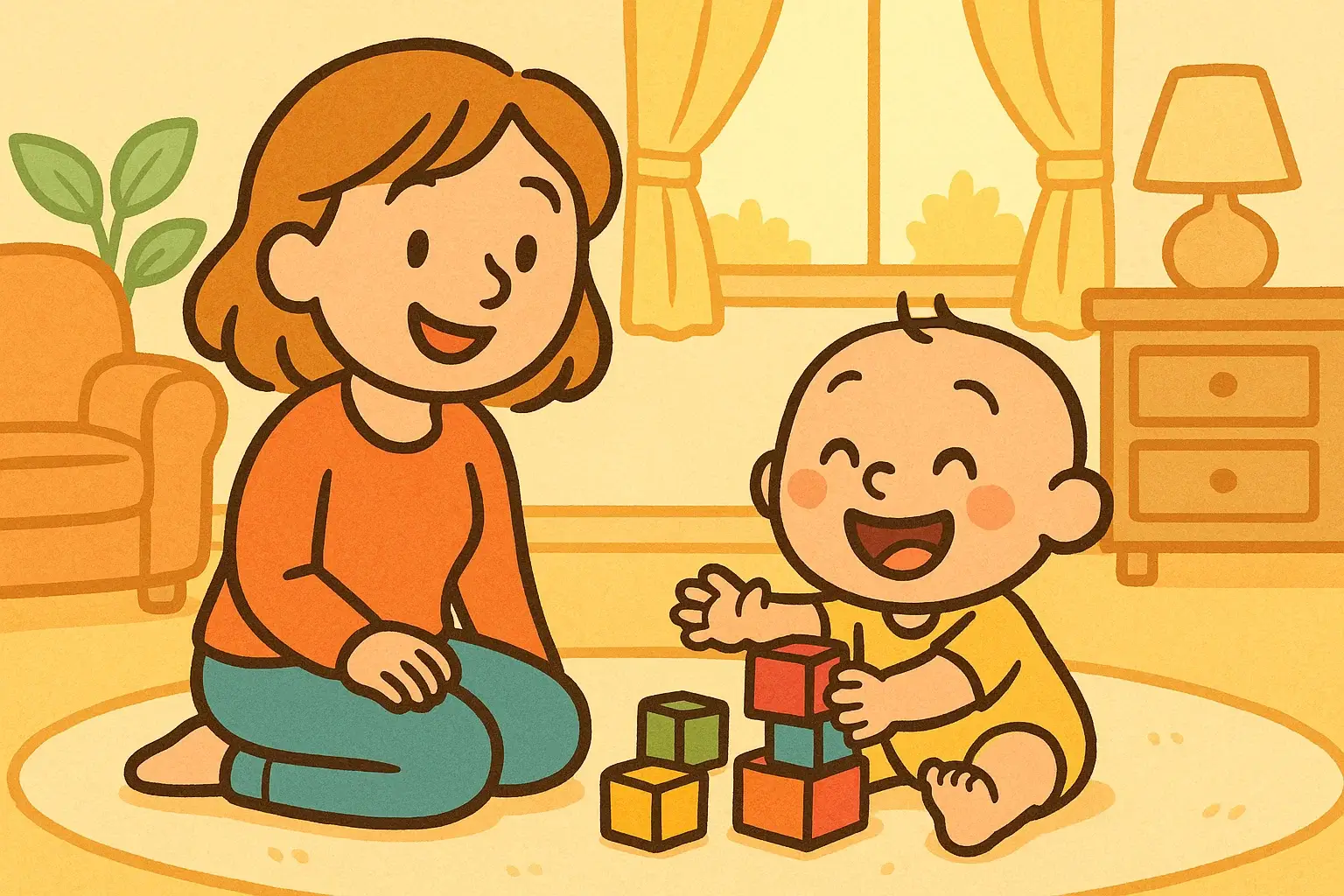
Toddlerhood brings plenty of joy, along with new behavioral challenges. During this stage, parents often face tantrums, hitting, biting, not following instructions, boundary testing, and public meltdowns. Effective toddler discipline shifts the caregiver’s role from punishing unwanted behavior to teaching essential life skills. According to the American Academy of Pediatrics (AAP), positive discipline strategies support healthy emotional development while reducing unwanted behaviors. Rather than taking misbehavior personally, caregivers can view it as part of a toddler’s effort to understand limits, emotions, and the world around them.
Key Takeaways
- Skill Building: Toddler discipline teaches emotional regulation, cooperation, and safe behavior rather than relying on punishment.
- Proactive Limits: Clear limits, short instructions, and predictable routines can reduce conflict and make transitions easier.
- Calm Follow-Through: Caregivers are more likely to gain cooperation when they respond calmly and promptly instead of using long lectures or physical punishment.
- Emotional Safety: Maintaining a warm relationship while enforcing boundaries supports the gradual development of self-regulation.
Discipline Teaches Skills
Effective toddler discipline teaches skills such as emotional regulation, cooperation, safe behavior, and respect for boundaries. When a child refuses to cooperate, the caregiver’s response models how to handle frustration and anger. Positive discipline can help toddlers learn safer ways to express their needs and emotions. In this sense, discipline is a form of teaching rather than punishment after the fact.
Calm Limits Support Better Choices
Setting calm, consistent limits helps a child understand what is expected. Short, direct instructions paired with prompt, gentle follow-through can reduce power struggles. Long lectures and delayed consequences are less effective because toddlers have difficulty connecting a past action with a consequence that comes much later. When parents respond in the moment with a few clear words, the toddler is more likely to understand the boundary.
Connection and Consistency Matter
Predictable rules and regular positive attention lay the groundwork for cooperation. When caregivers apply boundaries consistently, a toddler is more likely to feel secure and less likely to seek attention through disruptive behavior. Keeping the relationship warm and loving helps boundaries feel caring rather than frightening. Using similar core rules across settings helps toddlers learn which behaviors are expected.
Repair Matters
Successful discipline does not require perfect parental reactions in every stressful moment. When caregivers react harshly, pausing, apologizing, and reconnecting can teach toddlers how relationships are repaired after conflict. Showing a child how to pause, breathe, and try again models recovery after losing control. This practice shows that conflict does not have to end connection and that relationships can be repaired.
Toddler Behavior: Development and Common Triggers
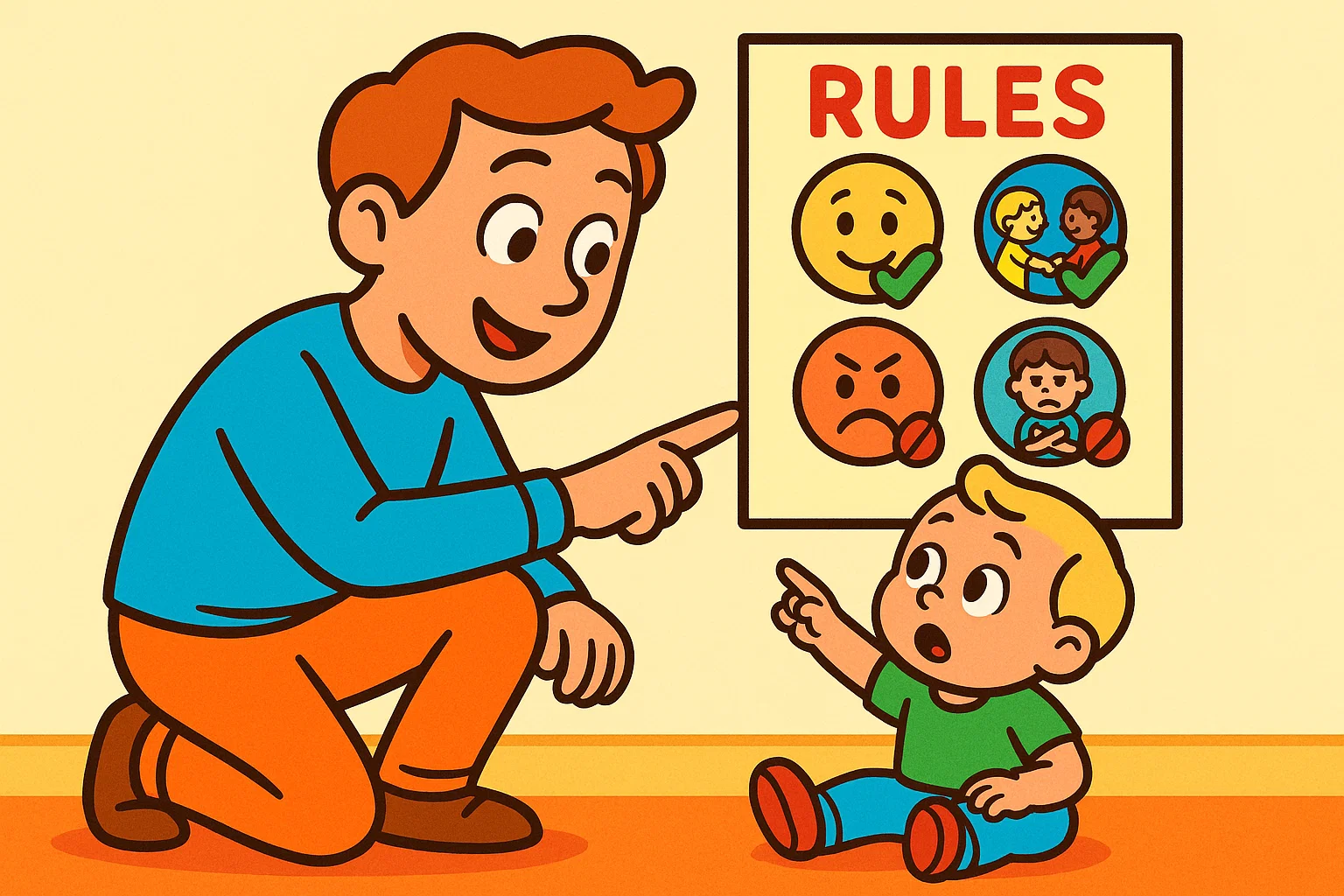
Understanding the developmental and physical factors that affect behavior helps parents keep their expectations realistic.
Impulse Control and Big Feelings
Brain systems involved in impulse control and emotional regulation, including the prefrontal cortex, are still developing rapidly between ages 1 and 3. A toddler may know a household rule and still struggle to stop an impulse in the moment. Strong feelings such as frustration can temporarily make it much harder for a toddler to think, listen, or control physical reactions. Expecting consistent self-control at this stage overlooks normal developmental limits.
Independence and Boundary Testing
Between 12 and 36 months, toddlers become increasingly independent, so they often test limits and say “no.” This resistance is often a normal part of growing independence rather than deliberate defiance. When toddlers try to gain control over daily choices, they are exploring autonomy within the family. Testing boundaries gives toddlers the repetition and feedback they need to learn social rules and safety limits.
Communication Limits and Frustration
Toddlers often understand more language than they can express. When a child cannot express complex needs in words, they may show frustration by screaming, grabbing, biting, hitting, or throwing food.
| Communication Challenge | Possible Behavior | Helpful Response |
| Limited expressive vocabulary | Screaming, yelling, whining | Teach simple replacement words |
| Inability to negotiate | Grabbing, biting, hitting | Model functional signs and gestures |
| Overwhelming emotions | Throwing food, stomping | Validate the feeling, then correct the behavior |
Hunger, Fatigue, and Overstimulation
Hunger, fatigue, illness, and overstimulation can make self-control harder for a toddler. Common triggers include missed naps, long gaps between meals or snacks, loud environments, rushed schedules, and transitions away from screens. Toddlers are more likely to melt down when they are tired, hungry, restless, or stressed. Identifying and addressing these triggers can prevent some outbursts before they escalate.
Reasons Discipline Approaches May Fail
Discipline approaches often fail when they do not match a toddler’s developmental abilities.
- Vague Instructions: Phrases like “be good” lack concrete behavioral meaning for a young child.
- Unrealistic Expectations: Expecting a two-year-old to sit quietly for a long period sets the child up to struggle.
- Delayed Consequences: Postponing a response—for example, saying “Wait until we get home”—makes it harder for a toddler to connect the consequence with the behavior.
- Excessive Talking: Giving a distressed toddler a long verbal explanation can be overwhelming.
The Role of Positive Discipline in Toddler Development
Positive parenting strategies support social-emotional learning by treating correction as an opportunity to teach.
Teaching Versus Punishment
Positive discipline guides a child toward safer, more prosocial behavior, whereas punishment focuses on imposing a penalty for unwanted behavior. Harsh physical and verbal punishment may stop behavior briefly, but it does not teach a replacement skill and is associated with negative outcomes. Teaching replacement behaviors helps a toddler learn what to do instead of hearing only what is forbidden.
Emotional Safety & Trust
Calm, predictable boundaries reduce reliance on shame, fear, and rejection. When a caregiver corrects behavior without withdrawing affection, the child is less likely to feel rejected or threatened. This sense of safety makes it easier for the toddler to hear the limit and learn from the situation. Trust helps the child continue to view the caregiver as a source of safety during emotional distress.
Self-Regulation and Responsibility
Repeatedly navigating limits, age-appropriate choices, and logical consequences builds long-term self-regulation. When a toddler experiences a clear, related outcome, they begin to understand cause and effect and what is expected. Over time, this supportive approach can help the child rely less on constant adult reminders.
Realistic Results and Repetition
A single conversation or consequence will rarely alter toddler behavior permanently. New habits usually require many repetitions before they become consistent. Caregivers must view behavioral corrections as an ongoing educational process requiring steady, day-to-day reinforcement. Expecting an immediate, permanent change does not reflect the gradual pace of early childhood development.
15 Positive Discipline Tips for Toddlers
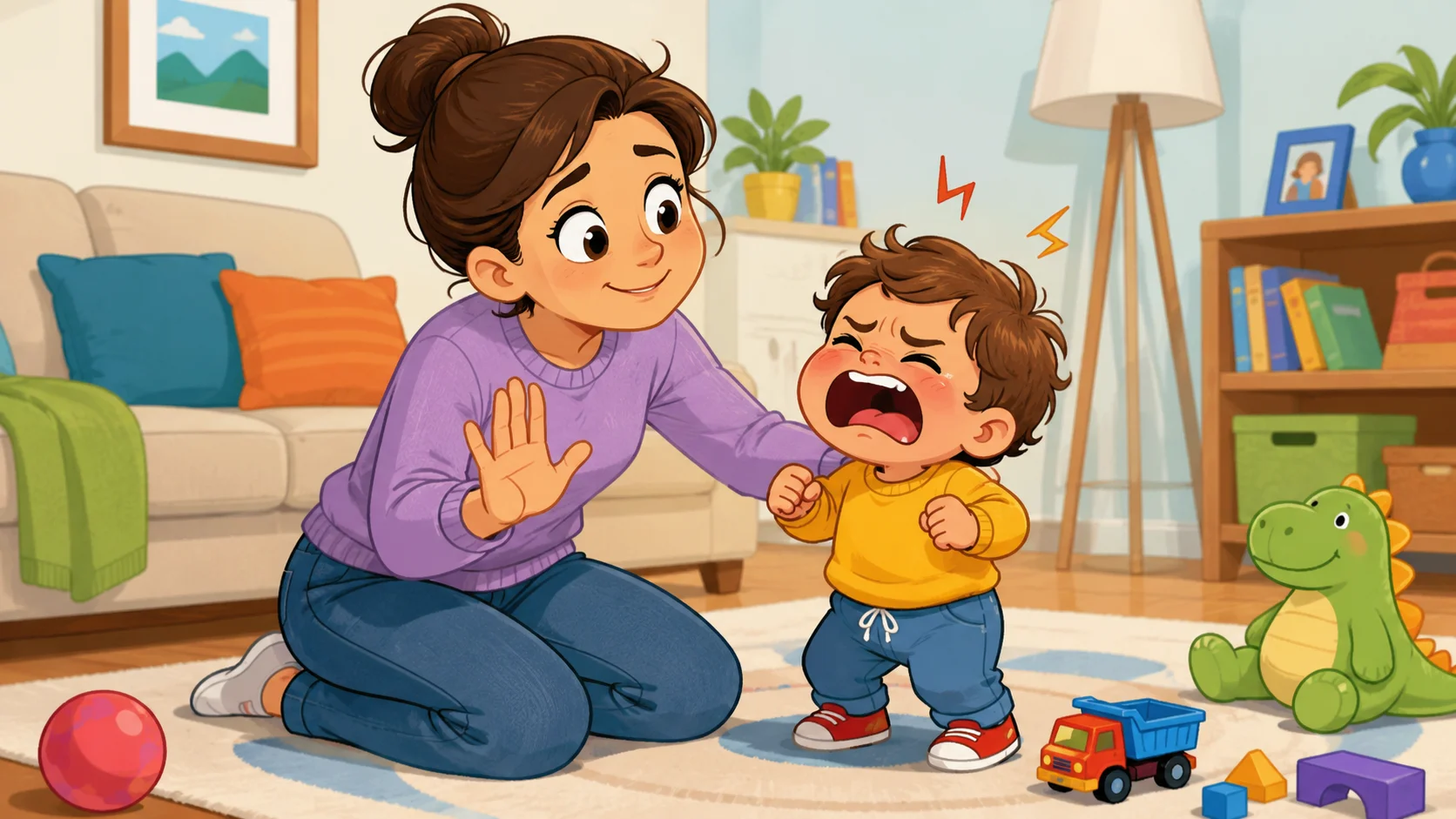
The following 15 practical strategies can help caregivers manage common toddler behaviors.
1. Build Predictable Routines
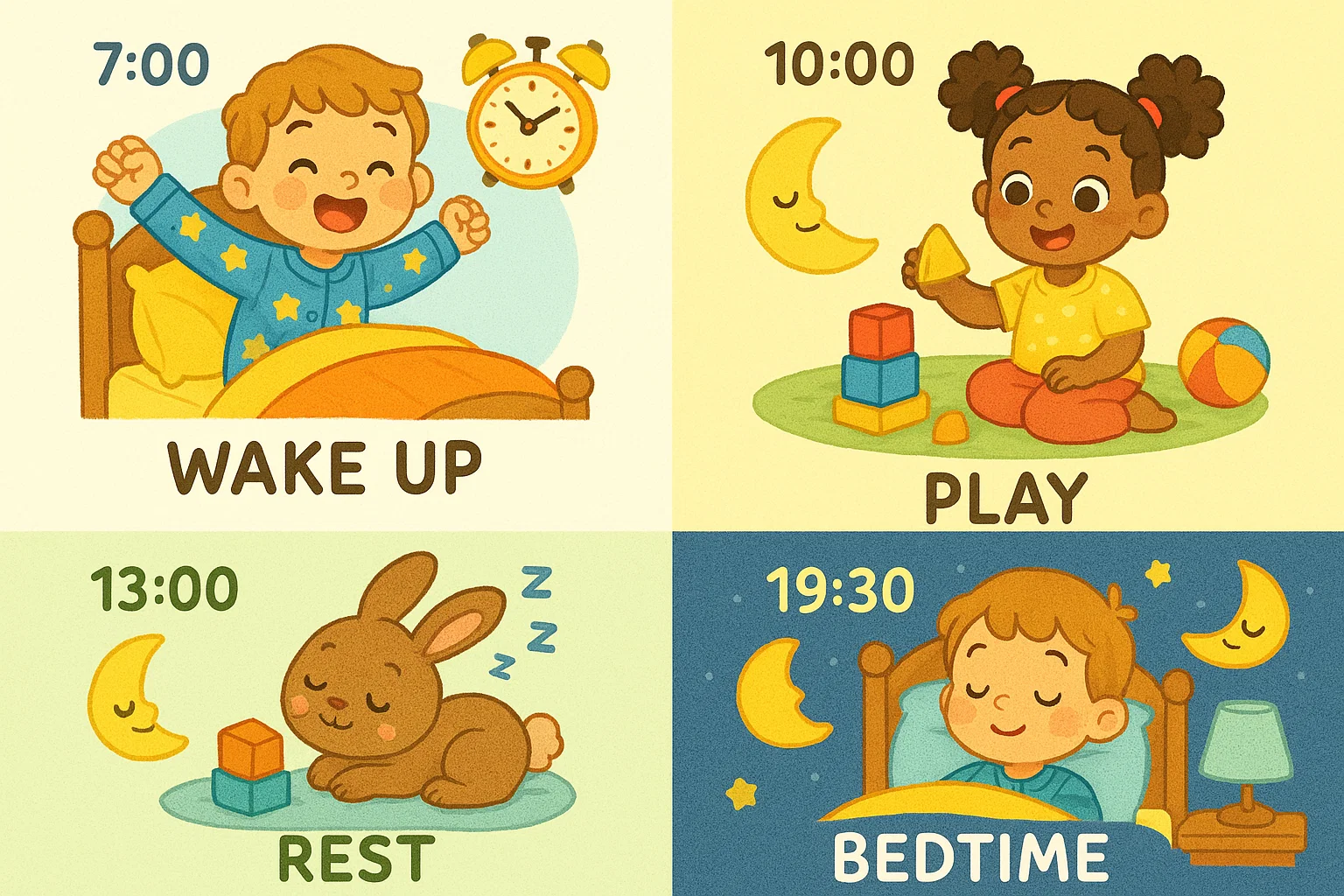
Predictable routines for meals, play, naps, and bedtime reduce uncertainty and can make the day feel more manageable. When a toddler knows what to expect next, transitions often become easier.
- Example: Use the same basic bedtime sequence each night: bath, book, then bed.
- What to say: “The timer went off. It’s bath time, then story time.”
2. Set Realistic Expectations
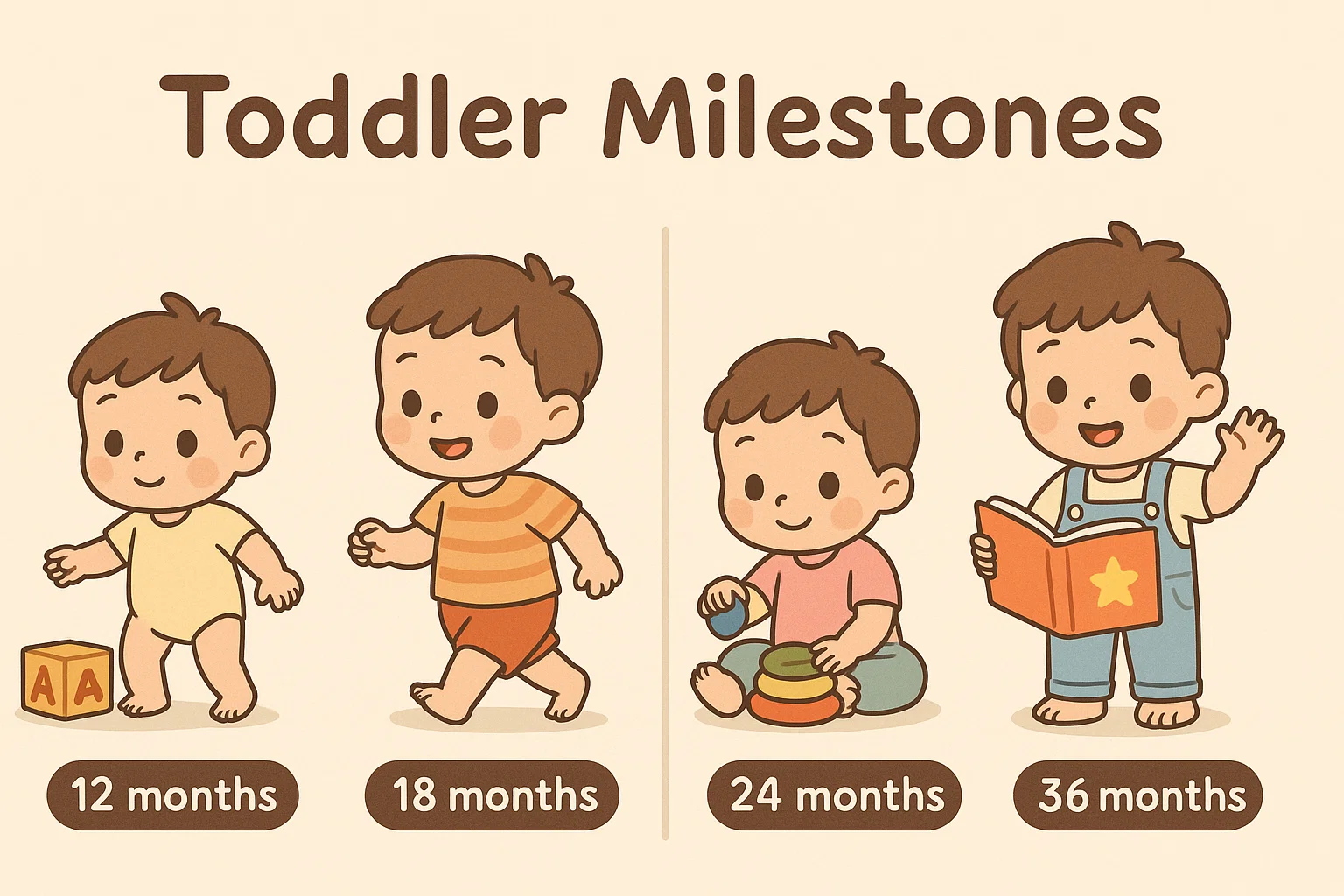
Matching expectations to a child’s developmental abilities reduces unnecessary frustration. Toddlers cannot consistently share, sit still for long periods, or suppress intense emotions on command.
- Example: Expecting a 15-month-old to sit quietly throughout a formal dinner is developmentally unrealistic.
- What to say: “I see you need to move your body. Let’s go outside to run.”
3. Plan One-on-One Time
Set aside a few minutes each day for child-led play with as few distractions as possible. This focused attention can strengthen connection and reduce some attention-seeking behavior.
- Example: Sit on the floor and follow the child’s lead while building with blocks.
- What to say: “For the next few minutes, you choose what we play.”
4. Show and Tell Desired Behavior
Toddlers often learn through imitation, so caregivers should model the behavior they want to see. Demonstrating quiet voices, gentle touch, and careful handling provides a clear template for behavior.
- Example: Demonstrate how to pet the family dog gently.
- What to say: “Look at my hand. This is how we use gentle hands with the puppy.”
5. Set Clear Limits
Keep household rules few, simple, and focused on safety, health, and respect. State limits in concrete, age-appropriate language so the child can understand what is allowed.
- Example: Establish a firm rule regarding street safety.
- What to say: “When we cross the street, you must hold my hand every single time.”
6. Give Simple Positive Instructions
Tell the toddler exactly what to do rather than only what to stop doing. Positive directions are often easier for a young child to understand and follow.
Before: “Stop running right now!”
After: “Use your walking feet inside.”
Before: “Don’t throw that cup!”
After: “Put your cup on the table.”
7. Respond Immediately and Calmly
Respond as soon as reasonably possible so the connection between the behavior and the response is clear. Use a calm, even tone and move close to the child instead of calling out across the room.
- Example: Walk over and gently block the toddler’s leg when they try to kick a wall.
- What to say: “I won’t let you kick the wall. Kicking can hurt your foot or damage the wall.”
8. Speak Directly in First Person
Use clear first-person limits to show that the adult is responsible for safety. Direct language reduces ambiguity and makes a safety boundary clear.
- Example: Prevent a toddler from bolting into a busy store parking lot.
- What to say: “I won’t let you run into the parking lot. You can hold my hand or ride in the stroller.”
9. Praise Positive Behavior Specifically
Describe the exact prosocial behavior you observe so the child knows what to repeat. Descriptive praise highlights the specific value of the effort rather than relying on generic, uninformative phrases like “good job.”
- Example: Acknowledge a child who puts their shoes away upon request.
- What to say: “You put your shoes directly in the basket. That helps our family clean up.”
10. Redirect and Distract Creatively
Intervene before the behavior escalates by guiding the child toward a safe alternative. Because toddlers shift attention quickly, redirection can prevent some power struggles.
- Example: Swap an inappropriate household object for an appealing, safe toy.
- What to say: “The fork stays on the table. You can use this scoop in the sensory bin.”
11. Offer Limited Choices
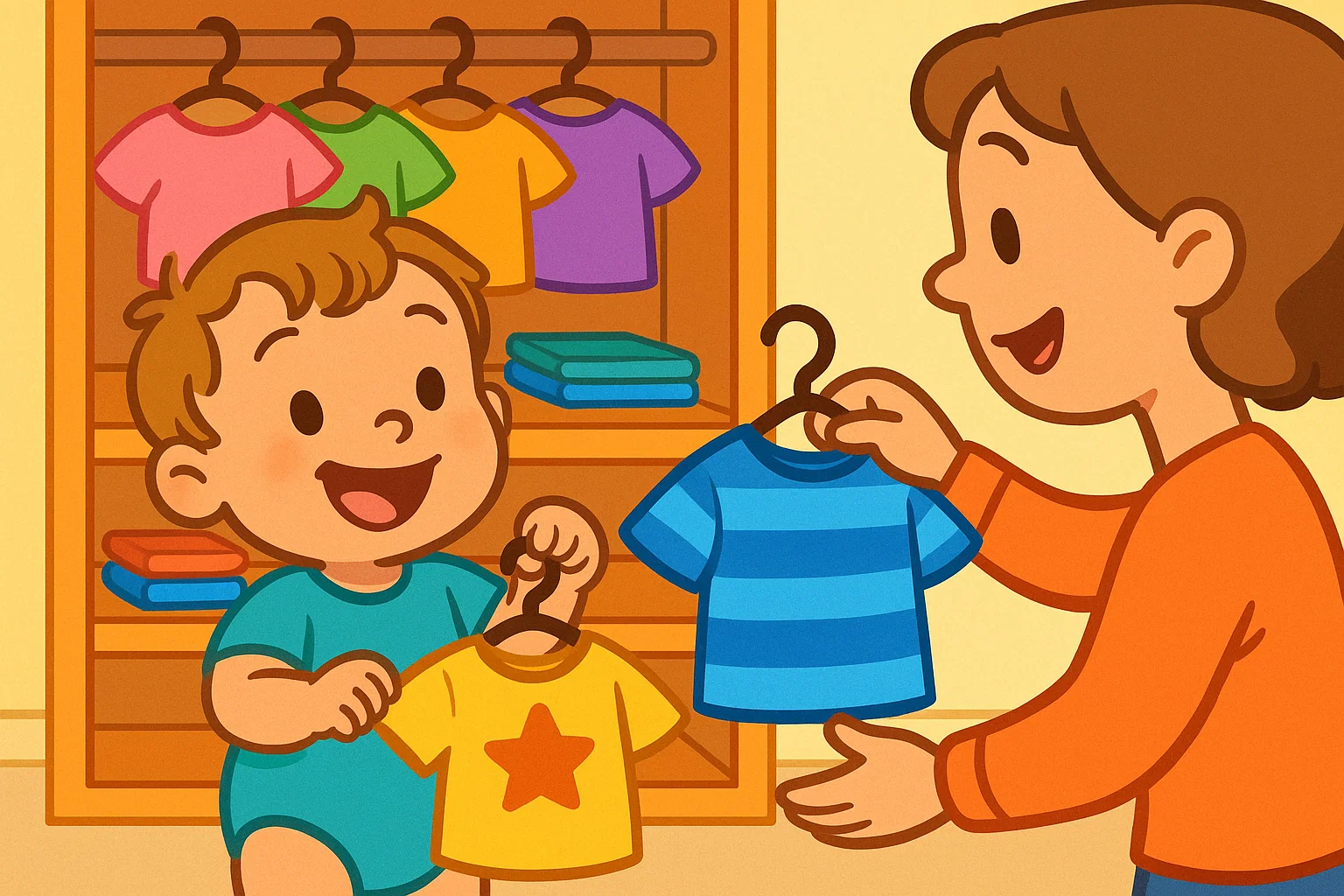
Offer two acceptable options so the child can exercise autonomy while the adult maintains safety and the schedule. Ensure both options are entirely acceptable to you before presenting them.
- Example: Manage a battle over getting dressed in the morning.
- What to say: “It is time to get dressed. Do you want to wear the blue shirt or the red shirt?”
12. Use Related Consequences
Use a prompt outcome that is directly related to the behavior. This helps the toddler understand cause and effect and makes the limit feel less arbitrary.
- Example: Remove a toy truck after the child repeatedly throws it across the hardwood floor.
- What to say: “You threw the truck again, so I’m putting it on the shelf for now.”
13. Ignore Minor Attention-Seeking Behavior Selectively
Use planned ignoring only for harmless attention-seeking behavior, such as brief whining or minor protests. Stay nearby and monitor safety, but briefly withhold attention until the behavior stops.
- Example: Stay nearby without debating while a toddler whines about the available snack.
- What to say: After the whining stops, say, “Tell me again in your regular voice. I’m listening.”
14. Prepare for Difficult Situations
Tell your toddler what to expect just before entering places such as grocery stores, clinics, or restaurants. Briefly explain what will happen and what the child can do.
- Example: Talk to the child while parked outside a grocery store.
- What to say: “We are going inside. You will sit in the cart and help me hold the grocery list.”
15. Model Repair and Self-Control
If you lose your patience or raise your voice, demonstrate how to repair the interaction. This models accountability and shows the child how relationships can be repaired after an outburst.
- Example: Apologize after reacting harshly to a spilled drink.
- What to say: “I yelled. That was not okay. I was frustrated, and I’m sorry. I’m taking a breath and trying again.”
Related Consequences for Unwanted Behavior
Logically connected outcomes help toddlers understand cause and effect without using shame or fear.
Related Consequences vs. Unrelated Punishments
Related consequences have a clear connection to the behavior, which helps the child understand what happened. Unrelated punishments impose a penalty that does not teach the child what to do differently.
Example: If a child draws on the wall, a related consequence is to put the crayons away and help clean the wall. Taking away the bedtime story is unrelated and does not teach how to use crayons safely.
Immediate, Proportionate, and Safe Consequences
For a consequence to be useful, it should be prompt, proportionate, brief, and respectful of the child’s basic needs. Depriving a child of food, water, rest, or reassurance is unacceptable. The goal is to teach cause and effect through a clear connection between the action and the outcome.
Throwing, Hitting, Running, and Drawing Examples
The table below pairs common behaviors with related consequences and simple language caregivers can use.
| Toddler Misbehavior | Immediate Related Consequence | What to Say |
| Throwing food onto the kitchen floor | If throwing continues after a brief reminder, the plate is removed; food is offered again at the next planned meal or snack. | “Food is for eating. It looks like you’re done, so I’m putting the plate away. We’ll eat again at the next meal or snack.” |
| Hitting a peer on the playground | Immediate removal from the play area to sit nearby. | “Hitting hurts. We are taking a break over here to keep everyone safe.” |
| Running away in a busy parking lot | The caregiver immediately carries the child or secures them in the stroller. | “You ran away. I must carry you to keep your body safe.” |
| Drawing with markers on the wall | Markers are stored away; child assists with cleaning. | “Markers are for paper. We will clean this together, then put them away.” |
Calm Follow-Through Without Shaming
Follow through in a calm, neutral voice without anger or shaming language. Calling a toddler “bad,” “naughty,” or “mean” can cause shame and shift attention away from the behavior that needs to change. State the boundary as an objective reality, implement the outcome, and guide the child toward a fresh start.
Consequence Troubleshooting
When a toddler laughs, protests, or immediately tries to repeat the forbidden behavior, maintain the boundary firmly. A laugh does not necessarily mean the child finds the situation funny; it may reflect discomfort or continued boundary testing. Repeat the limit calmly, avoid adding new punishments, and help the child follow the boundary.
Handling Tantrums Without Giving In
Managing emotional outbursts requires supporting your child’s emotional regulation while holding firm, reasonable boundaries.
Regulate Parent Response First
A caregiver should calm themselves before trying to help an upset toddler calm down. During a full meltdown, first ensure safety, slow your breathing, and speak more quietly.
Validate Feelings While Holding Limits
Acknowledge the child’s anger or disappointment while keeping the boundary in place. Separating the validity of the emotion from the acceptability of the behavior helps children feel heard without learning that tantrums get them what they want.
Script: “You’re very angry that we have to leave the park. I know. It is still time to go home.”
Redirect Before Emotional Peak
If you notice early signs of escalation—such as whining, facial tension, or heavy breathing—intervene before the tantrum peaks. You may be able to prevent escalation by meeting a basic need, moving to a quieter place, or offering a simple calming activity. This early support may help the child regain control before the outburst intensifies.
Create a Safe Space During Emotional Outbursts
During a major tantrum, move dangerous objects, calmly block aggression, stay nearby, and let the child cry safely. Avoid arguing, lecturing, or punishing while the child is too overwhelmed to process much language. Your calm, supportive presence can help the child feel safe until the intense emotion passes.
Reconnect After Calm
Once the toddler has calmed, offer comfort and reconnection; a hug can help if the child wants one. Review what happened using simple terms, practice the desired replacement behavior together, and transition smoothly into the next routine activity. This step reinforces that the boundary remains firm while the caregiver’s love and support remain available.
Time-Outs, Time-Ins, Spanking, and Harsh Words
Comparing common discipline methods with current pediatric guidance helps identify safer, more effective approaches.
Time-Out Guidance and Age Considerations
The AAP describes time-out as one possible discipline tool, and the CDC provides structured time-out guidance for children ages 2 to 4. When time-out is used, it should be brief, predictable, and delivered without anger. A common guideline is one minute for each year of age. The goal is to create a clear consequence, not to frighten or shame the child.
Time-In and Calm-Down Alternatives
A “time-in” is an informal approach in which the caregiver stays close and helps the child regulate. This approach keeps communication open without turning the boundary into an ongoing negotiation. Some caregivers use it when a child is overwhelmed, anxious, or overstimulated.
Spanking and Physical Punishment Risks
Research consistently links spanking and other physical punishment with negative developmental and behavioral outcomes. Physical punishment is associated with more aggression and other negative outcomes, and the AAP advises parents not to use it. Physical punishment also fails to teach a safer replacement behavior.
Yelling, Shaming, and Threatening
Yelling, shaming, and empty threats may stop behavior briefly, but they do not teach a replacement skill. Repeated yelling may cause children to tune out and can increase stress. Shaming can harm a child’s self-esteem and the caregiver-child relationship.
Safer Responses for Dangerous Behavior
When a toddler acts unsafely—such as running toward a hot stove or biting another child—the caregiver must step in immediately. Block the movement, pick up the child if necessary, and move them away from the danger. Use a firm, calm voice to state the safety rule clearly as you move them to a secure area.
Common Toddler Discipline Mistakes
Recognizing unintentional parenting patterns helps caregivers maintain clear boundaries and reduce daily friction.
Taking Challenging Behavior Personally
Remind yourself that boundary testing and emotional outbursts are common features of toddler development, not signs of personal rejection. When parents view behavior through a personal lens, they often respond with emotional reactivity rather than calm guidance. Remembering that your child is having a hard time, rather than intentionally giving you a hard time, helps preserve your composure.
Delayed or Unrelated Consequences
Because toddlers have limited ability to connect delayed consequences with earlier behavior, long delays reduce the teaching value. A toddler is unlikely to connect a revoked evening privilege with behavior that occurred hours earlier. Keep your responses immediate and directly relevant to the current situation to ensure real behavioral learning.
Empty Threats and Inconsistent Follow-Through
Making threats you cannot or do not intend to carry out—for example, “You’ll never get a toy again”—weakens your credibility. Toddlers quickly learn to recognize empty words, which often leads to increased boundary testing. Only state boundaries and consequences you are fully prepared to enforce right then and there.
Long Lectures and Vague Instructions
Long, complex explanations can overwhelm a toddler during stressful moments. Replace lengthy lectures with short, actionable phrases focused on exactly what the child needs to do next. Simple language makes the message easier to understand and follow.
Punishing Crying or Withdrawing Affection
It is crucial to distinguish between a child’s right to express their feelings and their need for safety boundaries. Validating expressions of sadness or anger while holding your behavioral limits preserves emotional safety. Repeatedly withdrawing affection or using the silent treatment can undermine a child’s sense of security and connection.
Caregiver Disagreement
When parents, grandparents, or childcare providers enforce conflicting rules, toddlers may become confused and test boundaries more often. Agreeing on core family rules and using similar language creates more consistent guidance across settings.
Expecting Instant Change
Behavioral development progresses gradually and requires many patient repetitions. Measure your parenting success by long-term shifts, such as shorter tantrums, less frequent meltdowns, or quicker emotional recovery. Celebrating these small steps helps sustain your patience through the natural ups and downs of early childhood.
Toddler Discipline by Age and Stage
Adjusting discipline strategies as the child develops makes the approach more age-appropriate and effective.
Discipline Tips for 12–18 Months
At this stage, focus on childproofing the environment so fewer unsafe temptations lead to conflict. Use proactive redirection, simple one-step directions, and gentle physical guidance to keep the child safe. The main goals are safety and predictable daily routines.
Discipline Tips for 18–24 Months
As your toddler begins expressing independence, introduce limited choices and clear transition warnings before moving between activities. Use basic words to name their big feelings, and establish simple, consistent boundaries around safety and respect. This stage centers on connecting emotional words with their internal experiences.
Discipline Tips for 2-Year-Olds
Two-year-olds frequently use refusal and tantrums as they navigate intense emotions and explore their autonomy. Use clear first-person boundaries, simple positive instructions, and logical consequences to manage hitting or running. Consistently praise the specific prosocial behaviors you want to see repeated throughout the day.
Discipline Tips for 3-Year-Olds
Three-year-olds have growing language skills that allow for simple problem-solving, shared routines, and pretend play. You can introduce short, clear explanations of rules and offer opportunities for age-appropriate household responsibilities. This stage bridges the gap between simple parental redirection and early self-regulation.
Developmental Differences and Extra Support
Every child’s development is shaped by temperament, language skills, sensory needs, and neurodevelopmental differences. A strategy that works for one child may need adjustment for a highly sensitive, energetic, or neurodivergent toddler. Recognizing and adapting to these individual variations allows you to support your child’s growth without causing unnecessary stress.
Consistent Guidance, Trust, and Future Behavior
A predictable environment provides the secure foundation toddlers need to develop lifelong social and emotional skills.
Predictable Environment and Daily Routines
Organizing the home with accessible storage, clear routines, and advance transition warnings can reduce daily power struggles. When the environment feels orderly and predictable, a child may feel calmer and more secure. A sense of security can make it easier for the child to practice self-control and cooperation.
Shared Rules Across Caregivers
When primary caregivers use the same core rules and similar language, the toddler receives a clearer, more predictable message. Create a simple written list of your family’s main boundaries and agreed-upon consequences for everyone to share. This alignment prevents the confusion that naturally occurs when rules switch from person to person.
Similar Limits Across Settings
Maintaining your core expectations for safety and respect at home, the park, or a restaurant helps your child generalize good behavior. While specific environments require different levels of flexibility, your foundational boundaries should remain reassuringly constant. This consistency shows the toddler that social rules remain reliable no matter where they go.
Structure with Flexibility
True consistency means staying committed to your parenting principles while adapting your immediate responses to the current situation. For instance, a fatigued, teething toddler needs extra comfort and emotional support rather than a rigid enforcement of non-essential rules. Adjusting your approach based on your child’s immediate physical needs preserves trust while maintaining safety.
Long-Term Skills from Early Guidance
The patient, positive guidance you provide during toddlerhood lays the groundwork for essential life skills, including empathy, responsibility, and emotional regulation. Consistent, loving boundaries can support the development of cooperation, resilience, and respect for limits. Early guidance can contribute to healthy behavioral patterns over time.
Montessori Discipline and Independence
Montessori-inspired principles can support independence and cooperation within a thoughtfully structured environment.
Prepared Environment
Designing the home with toddler-accessible storage, child-sized tools, and carefully selected toys can reduce behavioral friction. When a child can navigate the space safely, caregivers may need to say “no” less often. A prepared environment can prevent some conflicts and support independent success.
Natural Consequences
When it is safe, allow the child to experience simple natural or related outcomes. For example, if a child spills water while practicing pouring, help them wipe it up before continuing. Always step in when a situation poses a risk to health, safety, or another person’s well-being.
Choices Within Boundaries
Offer meaningful choices within a safe framework set by the adult. The caregiver remains responsible for health, safety, and schedules, while the child chooses how to explore within those limits. This balance satisfies their need for independence while keeping them safe.
Hands-On Practice and Self-Correction
Provide ample opportunities for real-world tasks, such as clearing a table, pouring water, dressing independently, and helping clean up spills. These practical activities allow toddlers to learn through hands-on practice and simple self-correction. Participating in meaningful tasks can build coordination, confidence, and independence.
Respectful Adult Modeling
Model the behavior you want to see by moving calmly, handling household items carefully, and using polite language. Toddlers constantly observe and mimic the actions of the adults around them. Consistent self-control and respectful communication give the child a clear example to follow.
Parent Stress, Mistakes, and Recovery
Caring for a toddler can feel deeply overwhelming, making self-compassion and emotional recovery vital components of parenting.
Pause Before Responding
When you feel your frustration rising, intentionally pause for a moment before reacting to your child’s behavior. Take a slow breath and speak more quietly before responding. This brief pause shifts your response from an impulsive reaction to a deliberate, constructive choice.
Step Back Safely
If you feel yourself losing control, place the toddler in a safe space and step away briefly while continuing to supervise as needed. Stepping away briefly, while ensuring the child remains safe, can help the caregiver regain composure. Returning with a calm mind allows you to handle the situation effectively.
Apologize and Repair
When you cross your own boundaries by yelling or reacting harshly, offer your child a simple, age-appropriate apology. Repairing the connection shows that relationships can recover after conflict. It also teaches them how to take responsibility for their own mistakes.
Script: “I felt overwhelmed and I shouted. That may have felt scary, and I’m sorry. Would you like a hug, or should we sit together?”
Learn from Behavior Patterns
Keep a simple, informal track of when your child’s behavioral challenges occur most frequently throughout the week. You may notice patterns linking outbursts to specific times, hunger, missed naps, or rushed transitions. Identifying these triggers allows you to adjust routines and reduce future conflicts.
Seek Adult Support and Practice Self-Compassion
Remind yourself that managing toddler behavior is a demanding journey, and no caregiver handles every single moment perfectly. Reach out to your partner, family members, pediatricians, or parenting professionals when you need guidance or a listening ear. Prioritizing your own well-being ensures you have the emotional energy needed to support your growing child.
When Toddler Behavior Needs Professional Support
Recognizing when behavior falls outside the expected range can help families seek support promptly.
Persistent Aggression or Safety Risks
If your child shows frequent biting, severe hitting, self-injurious behavior, or repeatedly runs into danger, seek professional guidance. Some toddler aggression decreases as language and self-regulation skills develop. Persistent safety risks may indicate an underlying need for targeted behavioral intervention.
Developmental or Communication Concerns
Reach out to professionals if your child experiences significant speech delays, struggles with basic social interactions, or shows intense sensory sensitivities. Major difficulties navigating simple routine changes or signs of behavioral regression are also worth discussing. Early identification allows for tailored support that can improve outcomes.
Family Stress and Caregiver Burnout
If managing your child’s behavior leaves you feeling constantly exhausted, deeply depressed, or worried you might lose control, prioritize getting help. Persistent family conflict or severe caregiver burnout can affect the well-being of the entire household. Accessing support provides you with the tools and relief needed to restore balance.
Pediatrician, Therapist, and Early Intervention Support
Schedule a visit with your pediatrician to discuss your concerns and explore available developmental resources. Prepare for the appointment by writing down specific behaviors, how often they occur, and what seems to trigger them. Your pediatrician can connect you with therapists or early intervention programs tailored to your child’s and family’s needs.
Toddler Discipline FAQs
Is “Bad Behavior” Always a Sign That a Toddler Is Choosing to Misbehave?
What adults describe as bad behavior is often a toddler’s way of communicating an unmet need or an overwhelming emotion. A child may hit, cry, or throw a tantrum because they are tired, hungry, overstimulated, or unable to express feelings like frustration. Caregivers should still stop unsafe actions, but they can respond without labeling the child as “bad.” This approach helps the toddler learn about the world, understand emotions, and practice safer ways to communicate.
How Can Parents Set Limits Without Saying ‘No’ All Day?
To set limits effectively, keep the most important rules clear and consistent, then tell the child what they can do. Instead of repeating ‘no,’ use a specific direction such as, “Keep your feet on the floor,” or, “The crayons stay on the paper.” This approach to discipline combines firm boundaries with positive ways to guide behavior. Predictable instructions can help your toddler understand expectations and feel more secure.
Do Toddler Tantrums Mean Children Are Trying to Get What They Want?
Some toddlers may repeat behaviors that have helped them get what they want in the past, but many toddler tantrums reflect a genuine loss of emotional control. Acknowledge the child’s feelings while maintaining the limit: “You are upset that you cannot have another cookie. The answer is still no.” Avoid changing a reasonable boundary simply to stop the crying. Over time, this teaches the child that emotions are acceptable, even when the answer does not change.

Take a short quiz to find out what your everyday choices say about your parenting style
When your child is curious about something new, what’s your instinct?
Take a short quiz to find out what your everyday choices say about your parenting style
“Can I download this app?” What happens next?
Take a short quiz to find out what your everyday choices say about your parenting style
When it comes to rules at home, which sounds most like you?
Take a short quiz to find out what your everyday choices say about your parenting style
If you could give your child one life skill today, what would you pick?
Take a short quiz to find out what your everyday choices say about your parenting style
Your child gets to choose what to watch. What would your ideal setup look like?
Take a short quiz to find out what your everyday choices say about your parenting style
Pick your parenting superpower ✨